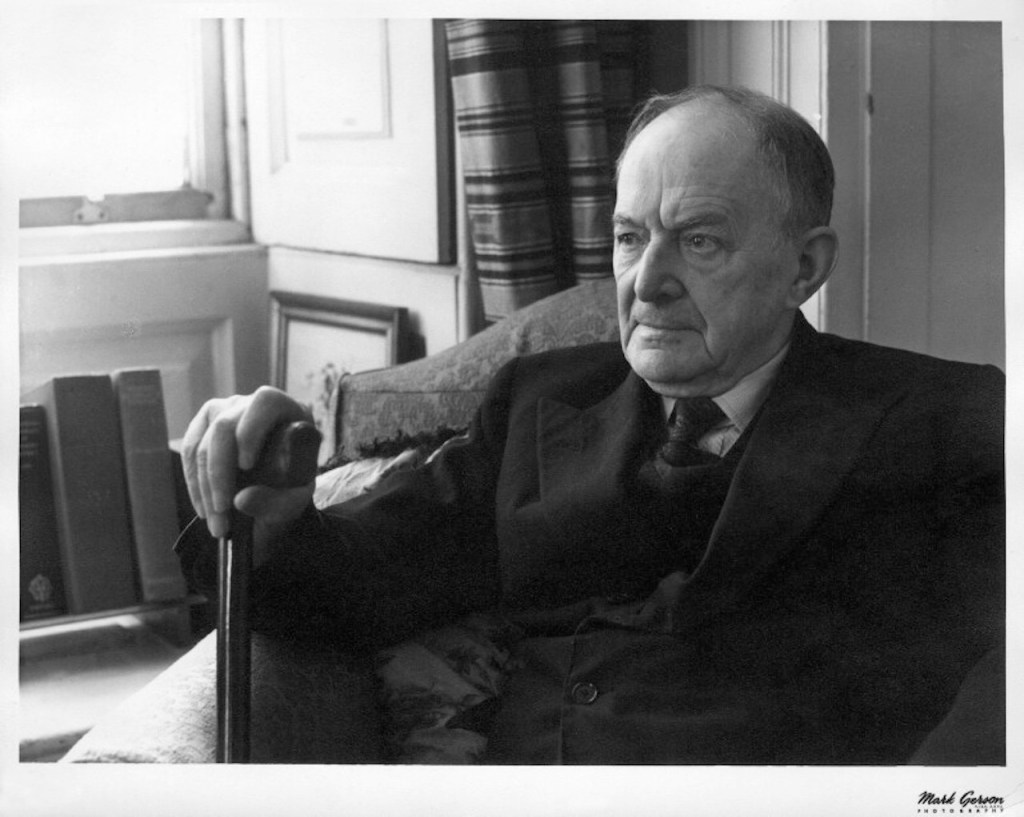
Image: Walter de la Mare
Walter de la Mare’s “Silver”
The speaker in Walter de la Mare’s “Silver” personifies the moon as a lady out walking at night in silver slippers, showering the landscape and everything in it with the color of silver. The silvering of the night moon reveals a special style of beauty; while sunlight is gold, moonlight is silver.
Introduction and Text of “Silver”
Walter de la Mare’s classic poem, “Silver,” plays out in the form of an innovative sonnet [my coined term American-Innovative Sonnet], composed of seven riming couplets, in which the moon is personified as a lady out walking in silver slippers that shine upon the landscape causing everything visible to don a silver glow.
The speaker is taking a walk at nighttime, and the moon shines gloriously upon the landscape. The speaker is emotionally enthralled by the transition from daylight appearance to nightlight appearance.
The sun manifests for humanity one style of scenario, while the moon reveals quite another. The sense of sight is predominant during this rendering; one barely hears anything save perhaps the “scampering” of a “harvest mouse.” The quiet beauty seems to swell the heart of the observer with tranquil appreciation.
Silver
Slowly, silently, now the moon
Walks the night in her silver shoon;
This way, and that, she peers, and sees
Silver fruit upon silver trees;
One by one the casements catch
Her beams beneath the silvery thatch;
Couched in his kennel, like a log,
With paws of silver sleeps the dog;
From their shadowy cote the white breasts peep
Of doves in a silver-feathered sleep;
A harvest mouse goes scampering by,
With silver claws, and silver eye;
And moveless fish in the water gleam,
By silver reeds in a silver stream.
Reading of Walter de la Mare’s “Silver”
Commentary on “Silver”
During daylight hours, sunlight reveals the creatures and things of the earth in its golden light, displaying many varied colors, while during the nighttime hours, moonlight offers a very different experience of seeing everything through the lens of silver.
First Couplet: The Moon Informs the Night
Slowly, silently, now the moon
Walks the night in her silver shoon;
The speaker begins by setting the scene of the moon slowly moving in silence upon the landscape. That moon is transforming the land in ways that one might not expect.
In sunlight, the creatures of earth have come to expect the ability to see all things in a certain way, but in moonlight all is changed——all is so very delightfully different. Instead of merely revealing the consciousness of daylight experience of earthly creatures, the moon reveals a whole different scenario.
The speaker portrays that difference by alerting the poem’s audience that the moon is “walk[ing] the night,” wearing “silver shoon.” The British dialect that uses “shoon” for “shoes” effects a useful rime with “moon.”
Personified as a lady, the silver slippered moon is walking the landscape “slowly” but also “silently.” Nighttime is a time for reflection, contemplation, and meditation.
And those who have observed the stillness of nighttime with the moon shining searchingly will attest to the serenity garnered from that quiet time of day: a time for still reflection and musing on all that is beautiful, yet mysterious.
Second Couplet: The Moon Walking and Observing
This way, and that, she peers, and sees
Silver fruit upon silver trees;
The moonlight permeates the landscape during her walk. This metaphoric moon lady “peers and sees.” Anyone walking the silver-sprayed landscape at night might encounter certain objects being bathed and transformed by moonlight.
This moon sees trees with fruit. The metaphor of the moon as a person walking the landscape enlarges the vision for the reader/listener who, no doubt, has encountered such an experience.
Who has not walked at night and observed the beauty of the transformed landscape from sunlight to moonlight? Colors are gone, fine definitions are gone, but what is left is a new experience of beauty that entices the observer with new, fascinating perceptions.
By personifying the moon as one who walks the landscape at night, the speaker/poet has given humanity back its experience of having seen that landscape and enjoyed it——perhaps without even realizing it, but still capturing it for future perusal in memory.
Because the poet has seen fit to capture that experience, his fellow earth inhabitants are now capable of experiencing it also. In the speaker’s crystalline snapshot of his night walk in the silvery moonlight, he is creating a scene of beauty and stillness that complements the sun’s golden featuring of day.
Third Couplet: All Bathed in Silver
One by one the casements catch
Her beams beneath the silvery thatch;
The speaker then observes that the whole vantage point of his capability is bathed in silver. The windows of every cottage he has the privilege to view are also bathed in that marvelous silver. The thatched roofs are flowing with silver. Everything is swimming in this mercurial silver.
But far from poisoning anything as the actual metal will do, this silver enlivens and enhances the beauty of the nighttime landscape. It merely proclaims that everything God has created is beautiful, if one can only open one’s eyes to see that beauty.
Most human eyes have become habituated to the fact that sunlight on a flower creates a wondrous spectacle of beauty. Quite likely, far fewer have realized that the moonlight turning that same flower into a spectacle in silver could also offer an example of beauty. This speaker’s unveiling his experience allows readers to engage their own hidden memories.
Fourth Couplet: Happy, Silvered Dogs
Couched in his kennel, like a log,
With paws of silver sleeps the dog;
Human beings love their dogs——man’s best friend! So much so that most Americans will not likely identify with “couched in a kennel,” because it is more likely that their dogs will be couched in their indoor beds not far from the beds of their human companions.
Yet, earlier history had people keeping their dogs outside in the dog houses or “kennels.” Therefore, the speaker has observed that in their doghouses, these dogs are all silvered as they sleep “like a log.” Happy silvered dogs, sleep peacefully outside in full view of any observer who might be taking a walk in the moonlight.
Fifth Couplet: Silvery Sleep
From their shadowy cote the white breasts peep
Of doves in a silver-feathered sleep;
Nature offers many scenes for observation. The speaker then notes that even the doves can be seen in the silver of the moonlight. The breasts of the doves are peeping out from their shadowy cote. And like all the creatures of nature heretofore portrayed, the doves send forth the majestic beauty of the moon’s silver.
Sixth Couplet: Equal Opportunity in Silver
A harvest mouse goes scampering by,
With silver claws, and silver eye;
The speaker does not fail to note that even rodents are captured by the silvering of the moon. The speaker then describes a harvest mouse. The mouse goes “scampering by.” And of course, this harvest mouse, this rodent, possesses “silver claws, and silver eye.”
The silvering of the moon offers equal opportunity: no one is left out, no one escapes it. Silver becomes the only descriptor of things as they parade through the moonlight.
Thus, rinsed by silver moonlight, even the tiny harvest mouse becomes an important player in the scenario of the silver moonlight play. Those silver “shoon” splash far and wide.
Seventh Couplet: The Silvering of Fish in a Silver Stream
And moveless fish in the water gleam,
By silver reeds in a silver stream.
Having lived with fish in bodies of water in rivers, creeks, and lakes, I can attest to the silvering of fish in streams in moonlight. They do, in fact, “gleam” with the silver of the moonlight.
Those fish do, in fact, take their existence among the “reeds,” as they swish through the waters, with the goal of continued existence, their way of glorifying their Creator in any way they can, at their evolutionary stage of existence.
This speaker has marvelously captured the wonderful silvering of things as they appear in the nighttime blessed with moonlight upon them.
As the moon has walked the night, she has invited those who have also observed such a scene to remember not the absence of golden light, but the intense presence of silver. Night with a big moon paints beauty as it silvers each object and enhances its stillness in loveliness.
Acknowledgment: Hooked on Poetry
Walter de la Mare’s “Silver” is the poem that is responsible for getting me hooked on poetry in high school in the early 1960s. It was in Mrs. Edna Pickett’s sophomore English class that we read and studied this poem.
Mrs. Pickett was a devout Shakespeare scholar, and she had a soft spot in her heart for all poetry. As she explained the nature of poetry, she defined that form as a “crystallization” of thought. The devotion that she felt for that form was clear and moving.
From that point on, I have felt that I too possessed a motivating kinship with the form, and that relationship has grown deeper and broader over the years, since 1961, when I first studied literature in Mrs. Pickett’s class.
🕉
You are welcome to join me on the following social media:
TruthSocial, Locals, Gettr, X, Bluesky, Facebook, Pinterest
🕉
Share
 Linda's Literary Home