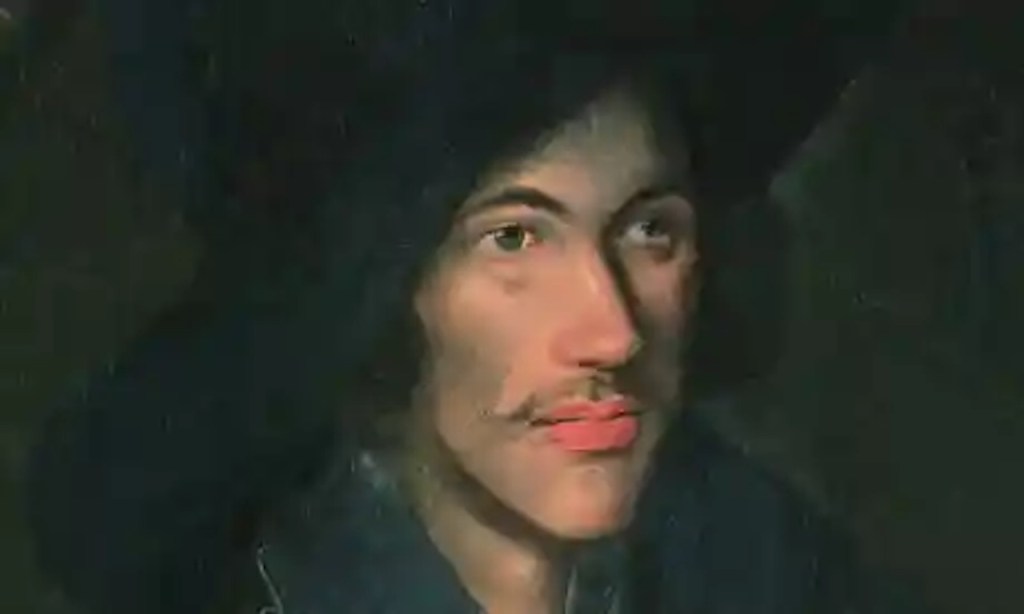
Image: John Donne
John Donne’s Holy Sonnet III: “O! might those sighs and tears return again”
The speaker continues to lament his lot—that he now must suffer the pain of having transgressed against his higher nature earlier in his lifetime.
Introduction and Text of Holy Sonnet III
John Donne’s speaker in Holy Sonnet III finds himself lamenting through many episodes of tears and the agony of sighing that have left him in a deep state of melancholic grief.
He avers that those who have committed ordinary sins against society such as thieves and the overweening proud, at least, have past joys to think on. He cannot look back at his own transgressions with but a jaundiced eye.
He committed his sins in suffering, and now he must face continued punishment as he experiences great sorrow for his earlier transgressions.
Holy Sonnet III
O! might those sighs and tears return again
Into my breast and eyes, which I have spent,
That I might in this holy discontent
Mourn with some fruit, as I have mourn’d in vain.
In mine idolatry what showers of rain
Mine eyes did waste? what griefs my heart did rent?
That sufferance was my sin, I now repent;
‘Cause I did suffer, I must suffer pain.
Th’ hydroptic drunkard, and night-scouting thief,
The itchy lecher, and self-tickling proud
Have the remembrance of past joys, for relief
Of coming ills. To poor me is allow’d
No ease ; for long, yet vehement grief hath been
Th’ effect and cause, the punishment and sin.
Reading of Holy Sonnet III interspersed with scenes from “Breaking Bad”:
Commentary on Holy Sonnet III
The speaker is continuing to lament that his life has become filled with the suffering from the pain of having transgressed against his higher nature earlier in his lifetime.
First Quatrain: A Request for Deliverance
O! might those sighs and tears return again
Into my breast and eyes, which I have spent,
That I might in this holy discontent
Mourn with some fruit, as I have mourn’d in vain.
The speaker begins his lament by requesting that all the sorrow that has caused him to shed tears and engage in sighing come again to him so that he can ultimately find some results from his suffering. Thus far, he has cried and sighed and mourned without consequence.
His vain lament seems to have gone unnoticed by his Divine Belovèd, and he has determined to continue in his heretofore vain efforts until he has touched the heart of God and has proof of his connection with the Divine.
Second Quatrain: Wasted Tears
In mine idolatry what showers of rain
Mine eyes did waste? what griefs my heart did rent?
That sufferance was my sin, I now repent;
‘Cause I did suffer, I must suffer pain.
The speaker now castigates himself for his “idolatry” and how that sin has caused him to weep tears in abundance. He exaggerates his crying spells calling them colorfully “showers of rain.”
And he also asserts that his eyes have wasted that water on his grief. But the speaker frames his mention of vast tears and griefs as questions, in order to usher in his conclusions regarding their origin.
The speaker then lays the blame for his tears and grief at the door of his “sin.” He remarks that he is suffering because of his earlier sin. But now he comes before his Lord Creator to “repent.”
He reports that because of the sin that he has committed, he now must suffer “pain.” He demonstrates his awareness of the concept of sowing and reaping, although he may have come to understand that concept a little too late for his liking.
Third Quatrain: Memory of Earlier Happiness
Th’ hydroptic drunkard, and night-scouting thief,
The itchy lecher, and self-tickling proud
Have the remembrance of past joys, for relief
Of coming ills. To poor me is allow’d
The speaker now catalogues a list of other types of sinners, including the “drunkard,” the “thief,” the “lecher,” and the “proud.” He assumes that all of these sinners who have sown evil in their wake at least possess a memory of “past joys.”
And he surmises that those joys may somehow mitigate the “coming ills” that are sure to follow their transgressions. The speaker is now setting up a contrast between himself and his commission of sin and that of what one might think of as ordinary sins against society. This speaker has not named his own sin.
And thus his audience must assume that his sin is a private matter, a transgression that only a union between himself and Maker can mitigate, which would render that transgression of even mightier import and seriousness.
The Couplet: Harsh Self-Judgment
No ease; for long, yet vehement grief hath been
Th’ effect and cause, the punishment and sin.
Beginning in the fourth quatrain and completing itself in the couplet, the evaluation of the speaker’s lot determines that this speaker thinks of himself as “poor me,” and to this “poor me” no comfort is forthcoming, thus far.
The speaker believes this state of his condition to be what it is because for a long time his deep pain remained the effect of his transgression, while the cause of his pain is the “punishment” that he now must accept for the sin he has committed.
🕉
You are welcome to join me on the following social media:
TruthSocial, Locals, Gettr, X, Bluesky, Facebook, Pinterest
🕉
Share
 Linda's Literary Home