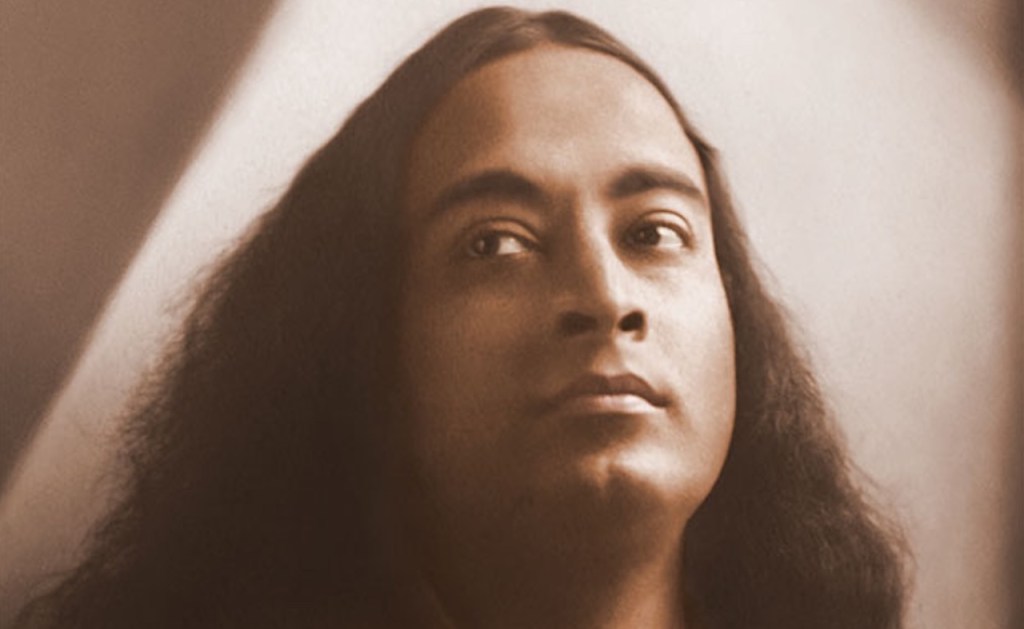
Image a: Book Cover Songs of the Soul
Life Sketch of Paramahansa Yogananda: Father of Yoga in the West
Paramahansa Yogananda is the monastic name of Mukunda Lal Ghosh. The sources for this brief life sketch of Paramahansa Yogananda are his Autobiography of a Yogi and the official Self-Realization Fellowship website.
“Father of Yoga in the West”
On January 5, 1893, in Gorakhpur, India, Mukunda Lal Ghosh was born to Bhagabati Charan Ghosh and Gurru Ghosh (Gyana Prabha Ghosh), who were very spiritually minded individuals, and their influence on the young Mukunda served as a guiding light as the future yogi grew to manhood.
Paramahansa Yogananda became known as the “Father of Yoga in the West,” where he retains a vital influence on the growth of yoga and spirituality. His influence as a practicing yogi and teacher of yogic techniques reveals him as an avatar, who brought the ancient wisdom of India to a Western audience. His teachings on Kriya Yoga and the path to God-union (self-realization) have enriched the lives of succeeding generations of people around the world as well as in the United States of America.
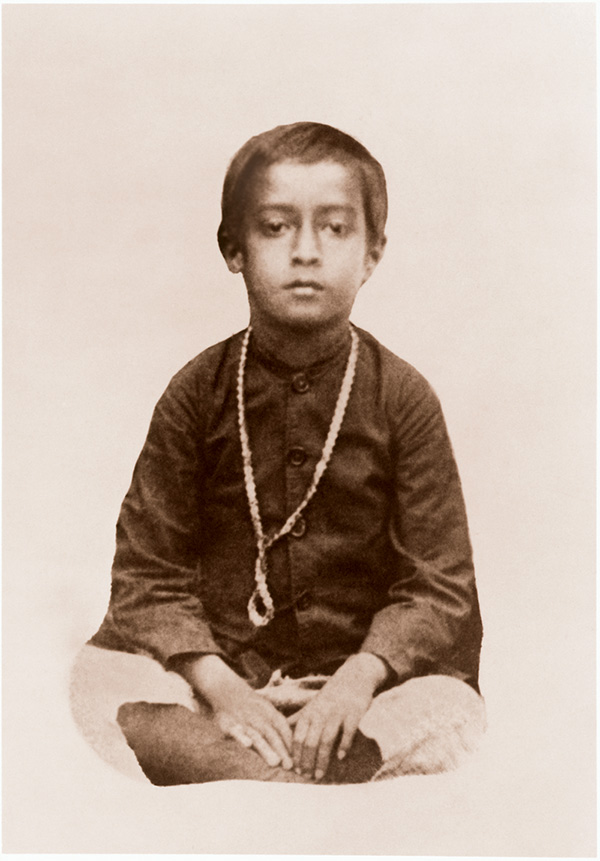
Image b: Paramahansa Yogananda at Age Six SRF
Loss of a Beloved Mother
Paramahansa Yogananda’s Autobiography of a Yogi is now recognized as a spiritual classic, attracting spiritual enthusiasts and seekers of the Divine. The book presents philosophical profundities coupled with accounts of miracles, as it remains a deeply personal account. The great guru’s life offers a testimony, revealing the necessity of spiritual striving, the efficacy of devotion, and the power of yoga to transform lives.
From a very early age, the boy Mukunda possessed a deep spiritual longing. He was sensitive to the haphazard nature of life and thus was promoted to search for a contentment that could become permanent. In his Autobiography, he explains:”The desire for God-realization was powerfully present in me from my earliest childhood.”
Mukunda loved his mother as his closest friend and ally, and after she died when he was only eleven years old, he suffered greatly, and his intense desire for “Divine Mother” grew exponentially. About his mother has has remarked, “I loved Mother as my dearest friend on earth. Her solacing black eyes had been my refuge in the trifling tragedies of childhood.”
The loss of his mother further deepened his desire to find the True Source of all life and love. This spiritual longing motivated him to search for a true guru, a spiritual guide who could set him on the path to God-union.
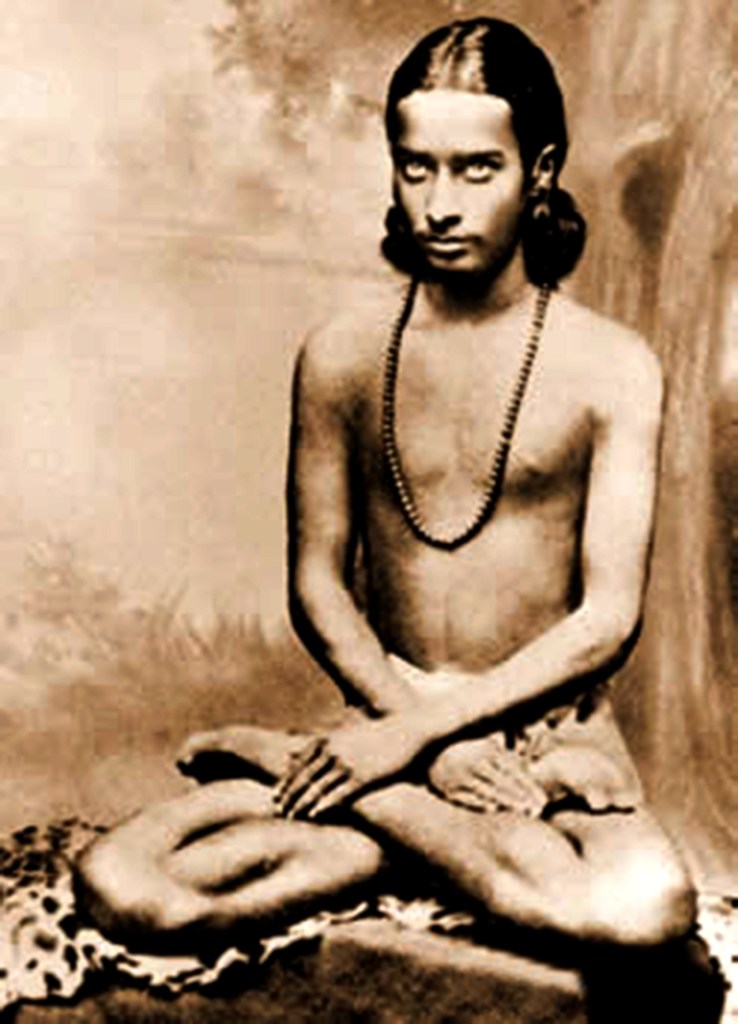
Image c: Yogananda at age 16 Paramahansa Yogananda: Royal Path of Self-Realization
Meeting His Guru
In 1910, Mukunda met his guru Swami Sri Yukteswar Giri, who was a highly respected yogi and scholar. This momentous encounter set Mukunda’s life on the path to becoming a Kriya Yoga master.
Interestingly, Swami Sri Yukteswar was a chela (disciple) of Lahiri Mahasaya, who was also the guru of Mukunda’s parents. Mukunda was well acquainted with Lahiri Mahasaya. During a severe bout of illness, Mukunda was healed by viewing and praying to the picture of Lahiri Mahasaya.
Under the tutelage of Swami Sri Yukteswar, Mukunda studied the science and practiced the techniques of Kriya Yoga, a method of pranayama (breath control) that leads to spiritual awareness.
Yogananda has explained that as “master of his body and Mind, the Kriya Yogi ultimately achieves victory over the ‘last enemy’ Death.” The great guru emphasized that the practice of Kriya Yoga has the power to still the mind and awaken the dormant spiritual centers within the spine.
Swami Sri Yukteswar’s rigorous and loving guidance led Mukunda to dedicate himself to the yogic practice, from which he developed a thorough understanding of the yogic scriptures and experienced deep spiritual realizations.
For ten years, Mukunda underwent training with Swami Sri Yukteswar, becoming proficient in the technique of Kriya Yoga; furthermore, he also learned the importance of character development, discipline, and complete devotion to God.
The Swami’s influence on Yogananda was profound and lasting, and it shaped the chela’s spiritual view, readying him for his future mission in disseminating the teachings and techniques of Kriya Yoga in the West.
Mukunda Becomes Yogananda
In 1915, Mukunda took the monastic vows of the Swami order, receiving the monastic name Yogananda, which means “bliss through yoga.” About his name, the great guru has explained:
My name was changed to Yogananda in 1915 when I entered the ancient monastic Swami Order. In 1935 my guru bestowed on me the further religious title of Paramahansa.
Swami Yogananda founded a school in Ranchi, India, which became a thriving center for spiritual training. At this point in his life, Yogananda began to develop his unique teaching style, drawing from the ancient wisdom of the East along with a modern, accessible approach that would make his teaching compatible with and accessible to Western audiences.
The great guru emphasized the universality of spiritual principles, drawing parallels between the teachings of the Bhagavad Gita and the Holy Bible, to demonstrate the underlying unity and purpose of all religions.
Travel to America
Yogananda traveled to the United States in 1920. This relocation from India to the USA brought about a new stage in Yogananda’s life and became a important stage for the history of yoga in the West.
Yogananda came to America to serve as a delegate from India at the International Congress of Religious Liberals in Boston, sponsored by the American Unitarian Association.
However, his mission became far more momentous than this initial event. His message was so well received that he was encouraged to embark on a journey across the country, giving lectures and conducting classes.
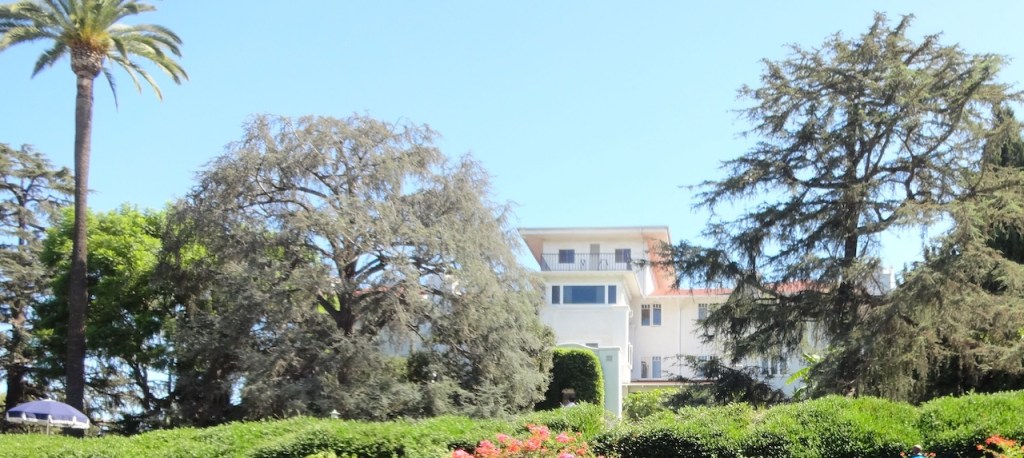
Image d: SRF Mother Center – Photo by Ron Grimes
Founding Self-Realization Fellowship
In 1925, the great guru founded Self-Realization Fellowship (SRF), the organization dedicated to disseminating the teachings of Kriya Yoga and promoting spiritual understanding among the world’s religions.
His powerful speaking skills, his deep spiritual insights, and genuine compassion attracted and captivated audiences. He taught about not only of physical and mental well-being but also of the deeper purpose of life, which he insisted was to realize or unite with the soul, which is the inherent divinity within each individual. Furthermore, he taught about the reality of achieving God-union (self-realization) through dedication to practice of yoga techniques.
Yogananda’s message has continued to resonate with a growing number of Americans and spiritual seekers around the world, who are searching for meaning and purpose beyond the material level of being.
He and his teachings have introduced his audiences all over the world to the profound benefits of yoga, not just as a physical discipline, but as a spiritual path to soul awakening.
Not only has he taught about the philosophy of seeking God, but he has also taught the techniques of Kriya Yoga, meditation, and other spiritual practices, which empower individuals to take control of their own spiritual development.
The great avatar has always emphasized the vital necessity of direct experience, motivating his students (chelas or devotees) to go beyond intellectual understanding and to develop and nurture a personal relationship with the Divine Reality.
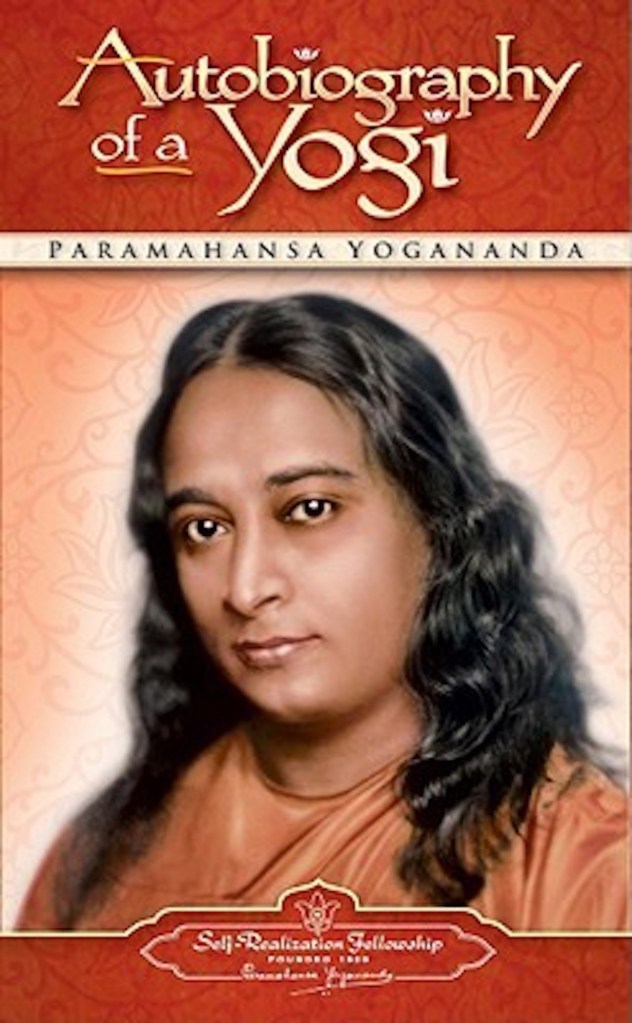
Image e: Autobiography of a Yogi SRF
A Spiritual Classic
Paramahansa Yogananda’s Autobiography of a Yogi, published in 1946, became an spiritual classic and has remained in print ever since. It is assigned to classes at colleges and universities all over the USA.
The Autobiography is an in-depth account of the guru’s life, complete with stories of his encounters with saints, mystics, and other spiritual masters. The book provides a clear and accessible explanation of Kriya Yoga, the philosophy of Self-Realization, and the universal principles underlying all spiritual paths. Yogananda’s spiritual classic remains a testimony to the power of faith, devotion, and the transformative power of yoga. As he explains,
Saints of all religions have attained God-realization through the simple concept of the Cosmic Beloved. Because the Absolute is nirguna, “without qualities,” and acintya, “inconceivable,” human thought and yearning have ever personalized It as the Universal Mother.
Yogananda’s teachings have extended far beyond the practice of yoga and meditation. He placed heavy emphasis on the importance of balanced living, integrating physical, mental, and spiritual well-being. He encouraged his devotees to nurture positive qualities such as love, compassion, forgiveness, and humility.
He stressed the necessity of ethical conduct and selfless service, recognizing that true spiritual growth is inseparable from a life of integrity and compassion. Throughout his life, Yogananda met many challenges, including misunderstandings, negative criticism, and the inexorable difficulties of establishing a spiritual movement with a different culture from that of the founder.
However, he maintained a steadfast determination and desire for the success of his mission, and he never wavered in his commitment to sharing the teachings of Kriya Yoga and promoting spiritual understanding.
To that spiritual end, he continued to establish further SRF centers and ashrams across the United States and in India, providing places for students to gather, practice, and deepen their spiritual routines.
Influence on the West
Paramahansa Yogananda’s influence on the West has become strong and enduring. He is widely considered “The Father of Yoga in the West,” for he has introduced millions to the ancient science of yoga and the path of Self-Realization.
The great guru’s teachings continue to spread far and wide, inspiring and transforming lives, as they guide seekers on their spiritual paths and help them to discover the Divine Reality within themselves.
His legacy continues to be maintained and promoted through Self-Realization Fellowship (SRF), the organization he founded to disseminate his teachings and provide spiritual guidance to students around the world. His wealth of wisdom is contained in his writings, lectures, and recorded talks, which offer guidance on a wide range of spiritual topics, curated and disseminated by SRF.
The Power of a Life Well Lived
Paramahansa Yogananda’s life remains a shining example of the power of the spiritual search, unflagging devotion, and the transformative power of yoga. The great guru is an avatar, a true pioneer with a vision, as well as a spiritual master who brought the ancient wisdom of India to the West, placing an impressive landmark on the spiritual landscape. His teachings continue to resonate with seekers around the world because they offer a direct path to God-realization, inner peace, and lasting happiness.
The great guru has demonstrated through his own life the possibility of achieving spiritual enlightenment and living a life of purpose, filled with joy and divine love. His legacy remains spiritually inspirational and continues to uplift new students, who flock to receive his teachings and blessings.
The great guru Paramahansa Yogananda continues to remind all spiritual seekers that the soul of each individual is inherently divine. and each individual possesses the limitless ability to grow spiritually.
Sources
- Paramahansa Yogananda. Autobiography of a Yogi. Self-Realization Fellowship. Print. Original date: 1946. Copyright Renewed 1974, 1981, 1998, 2007. Thirteenth printing 1998.
- Self-Realization Fellowship Official Website.
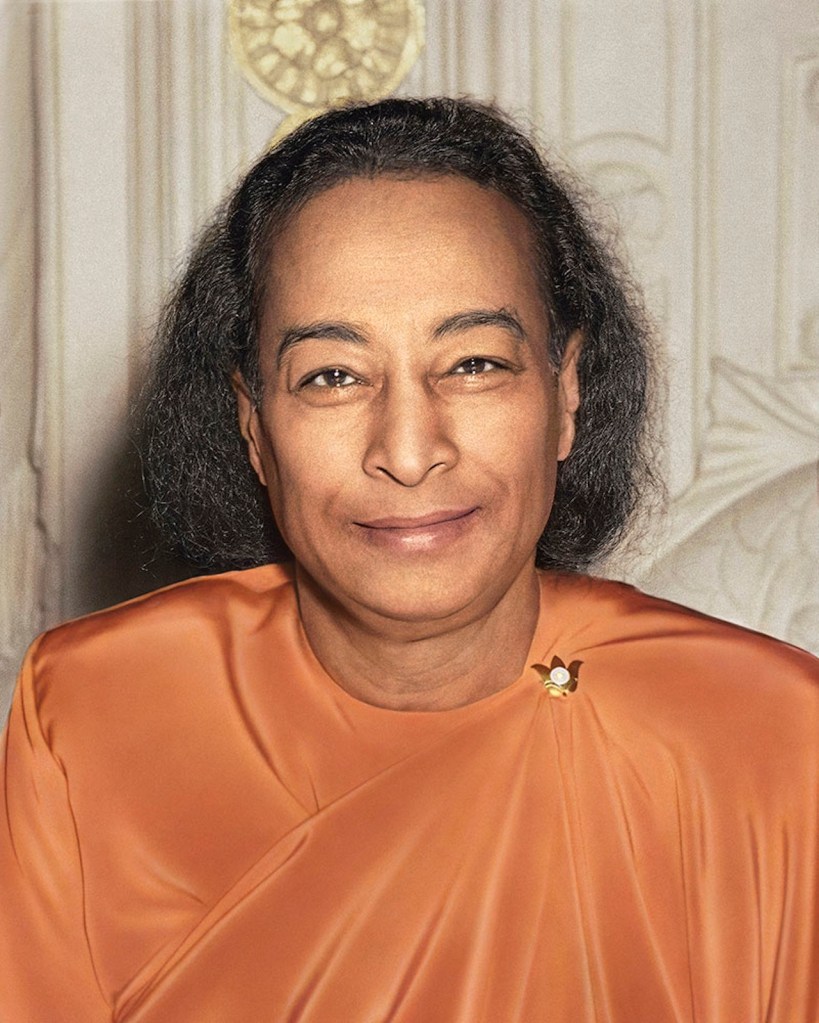
Image f: Paramahansa Yogananda “The Last Smile“
The voice of Paramahansa Yogananda
🕉
You are welcome to join me on the following social media:
TruthSocial, Locals, Gettr, X, Bluesky, Facebook, Pinterest
🕉
Share
 Linda's Literary Home