Linda's Literary Home

Tag: American Classics

  • Edgar Lee Masters’ “Benjamin Fraser”

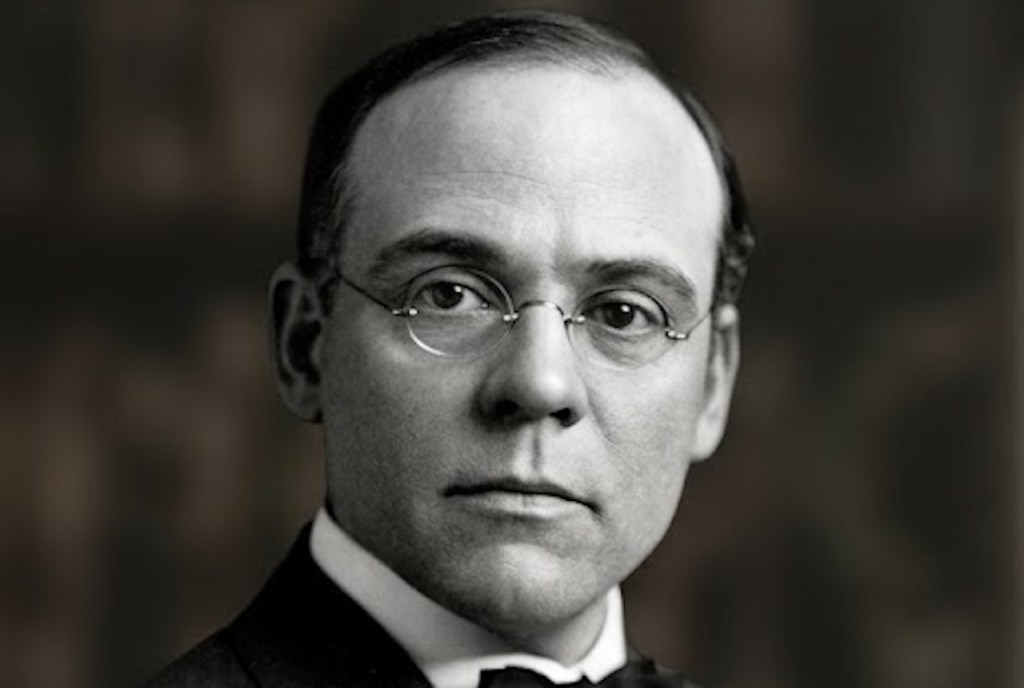
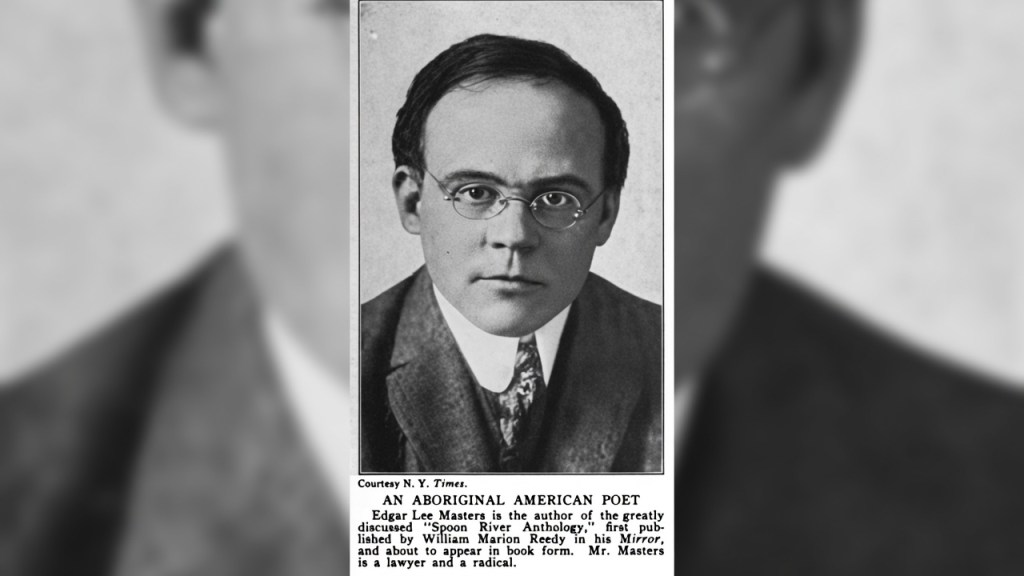
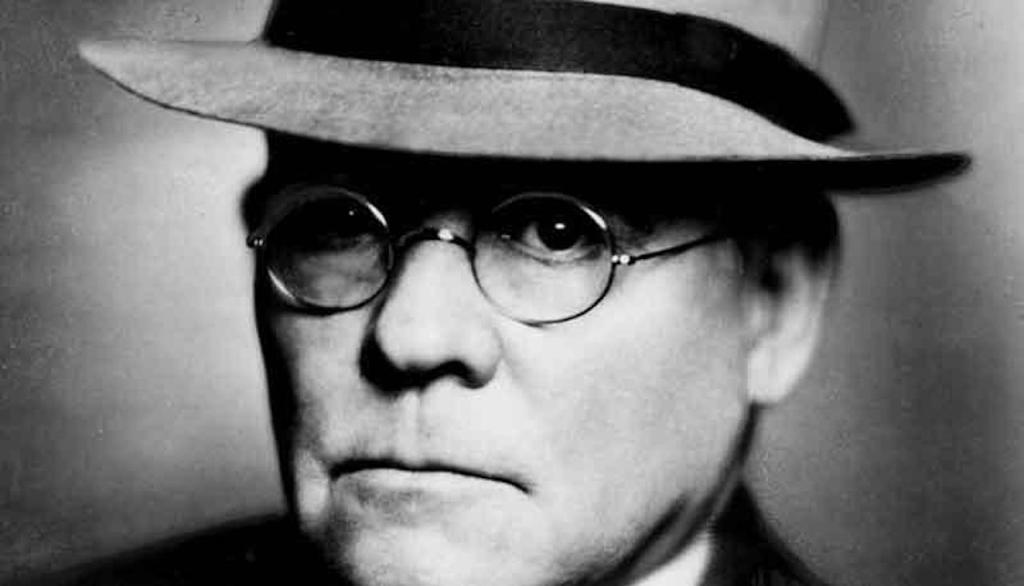
    Image: Edgar Lee Masters, Esq. https://librarycollections.law.umn.edu/darrow/trials_details.php?id=4 Clarence Darrow Law Library
    Image: Edgar Lee Masters, Esq. Clarence Darrow Law Library

    Edgar Lee Masters’ “Benjamin Fraser”

    In the epitaph titled “Benjamin Fraser” from Edgar Lee Masters’ Spoon River Anthology, the serial rapist/murderer is dramatizing his unsavory character.

    Introduction and Text of “Benjamin Fraser”

    Edgar Lee Masters has explained that “The Spooniad” is a mock heroic after Alexander Pope’s “The Dunciad.”  The Spooniad offers commentary on each of the Spoon River speakers who hold forth in Spoon River Anthology.

    From “The Spooniad” the reader learns that “Benjamin Fraser” was the “son of Benjamin Pantier / By Daisy Fraser,” which resulted in a lethal combination: the Pantiers’ dysfunctional relationship motivated Benjamin Pantier’s bedding the prostitute, Daisy Fraser, who gave birth to the criminally insane Benjamin Fraser.  (See the Pantier sequence beginning with Benjamin Pantier” and “Mrs. Benjamin Pantier.)

    Benjamin Fraser

    Their spirits beat upon mine
     Like the wings of a thousand butterflies.
    I closed my eyes and felt their spirits vibrating.
    I closed my eyes, yet I knew when their lashes 
    Fringed their cheeks from downcast eyes,
    And when they turned their heads;
    And when their garments clung to them, 
    Or fell from them, in exquisite draperies. 
    Their spirits watched my ecstasy 
    With wide looks at starry unconcern.
    Their spirits looked upon my torture; 
    They drank it as it were the water of life; 
    With reddened cheeks, brightened eyes 
    The rising flame of my soul made their spirits gilt, 
    Like the wings of a butterfly drifting suddenly into sunlight.
    And they cried to me for life, life, life. 
    But in taking life for myself, 
    In seizing and crushing their souls, 
    As a child crushes grapes and drinks 
    From its palms the purple juice,
    I came to this wingless void,
    Where neither red, nor gold, nor wine, 
    Nor the rhythm of life is known.

    Interpretive Reading of Benjamin Fraser

    Commentary on “Benjamin Fraser”

    The epitaph“Benjamin Fraser” from Masters’ Spoon River Anthology allows the serial rapist/murderer to dramatize his unsavory character.

    First Movement:   Twisted Imagination

    Their spirits beat upon mine
     Like the wings of a thousand butterflies.
    I closed my eyes and felt their spirits vibrating.
    I closed my eyes, yet I knew when their lashes 
    Fringed their cheeks from downcast eyes,
    And when they turned their heads;
    And when their garments clung to them, 
    Or fell from them, in exquisite draperies. 

    Benjamin Fraser reports that as he murdered and raped his victims their spirits were like butterflies.  Fraser enjoyed the acts of rape and murder intensely and considered the struggle for life of the victims as a play of souls. 

    Fraser’s victims’ souls leaving their bodies made the insane criminal think of them as the “wings of a thousand butterflies.”  He reports that he “closed his eyes and felt their spirits vibrating.”  

    And even with closed eyes, he knew they were frantically flailing about as “their lashes / Fringed their cheeks from downcast eyes.”  As their heads thrashed from side to side, he could sense that their clothes sometimes “clung to them” and at other times “fell from them, in exquisite draperies.”   In Fraser’s twisted imagination, his act becomes decorated in finery, instead of human despair and blood.

    Second Movement:   Appalling Acts

    Their spirits looked upon my torture; 
    They drank it as it were the water of life; 
    With reddened cheeks, brightened eyes 
    The rising flame of my soul made their spirits gilt, 
    Like the wings of a butterfly drifting suddenly into sunlight.
    And they cried to me for life, life, life. 

    The souls of these women “watched my ecstasy”; he imagines that his victims can discern the joy this perverted individual is experiencing as he rapes and kills them.  He lessens their agony in his own mind by calling their looks “starry unconcern.”  As he admits to torturing them, he converts their response to drinking “the water of life.”

    Fraser describes the face of his victim as he squeezes the life out of her: she has “reddened cheeks, brightened eyes”—those eyes would be filled with terror, but he perceives a different image; he visualizes, “The rising flame of my soul made their spirits gilt.”  His appalling act causes their souls to look all golden and again reminds him of butterflies “drifting suddenly into the sunlight.”  All the while, they are pleading “to me for life, life, life.”

    Third Movement:   A Loathsome Criminal

    But in taking life for myself, 
    In seizing and crushing their souls, 
    As a child crushes grapes and drinks 
    From its palms the purple juice,
    I came to this wingless void,
    Where neither red, nor gold, nor wine, 
    Nor the rhythm of life is known.

    Fraser becomes very vivid as he describes his act of strangulation; he asserts that he crushes their souls—he seizes and crushes them, likening his despicable act to a child smashing grapes to drink the fruit juice from the palm of his hand.

    The rapist/murderer cannot bring himself to confess that he is, in fact, squeezing the life out a human being’s physical body.  He does not accept his victim as a human being with personhood. To him they are just disembodied “spirits” that are ripe for his taking, seizing, and crushing.

    Benjamin Fraser’s final admission that through taking these lives, he has arrived at his present destination that he describes as a “wingless void,” a place where “neither red, nor gold, nor wine, / Nor the rhythm of life is known,” and he remains as detached as his conscience remained as he committed his loathsome crimes.

  • Edgar Lee Masters’  “Trainor, the Druggist”

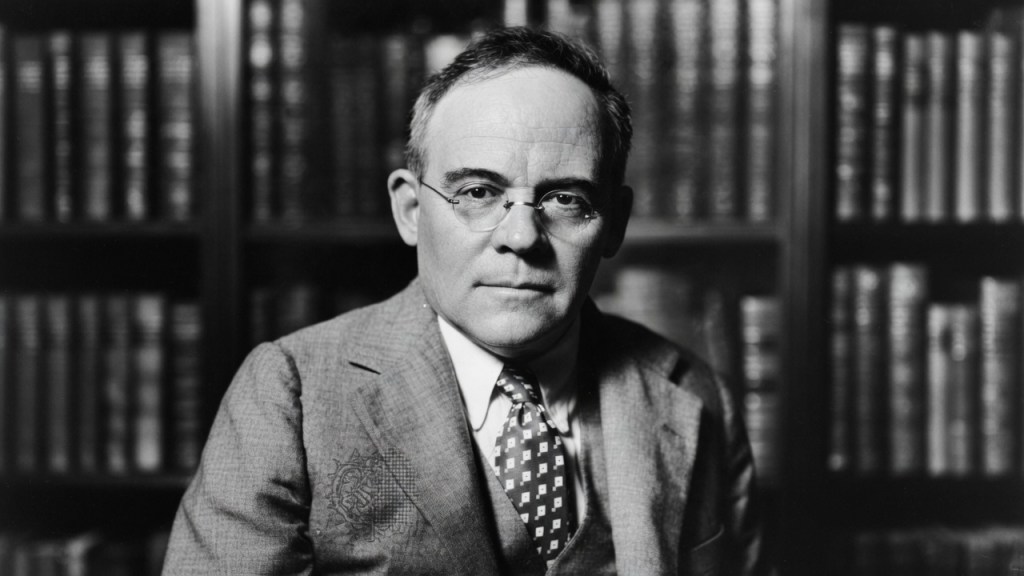
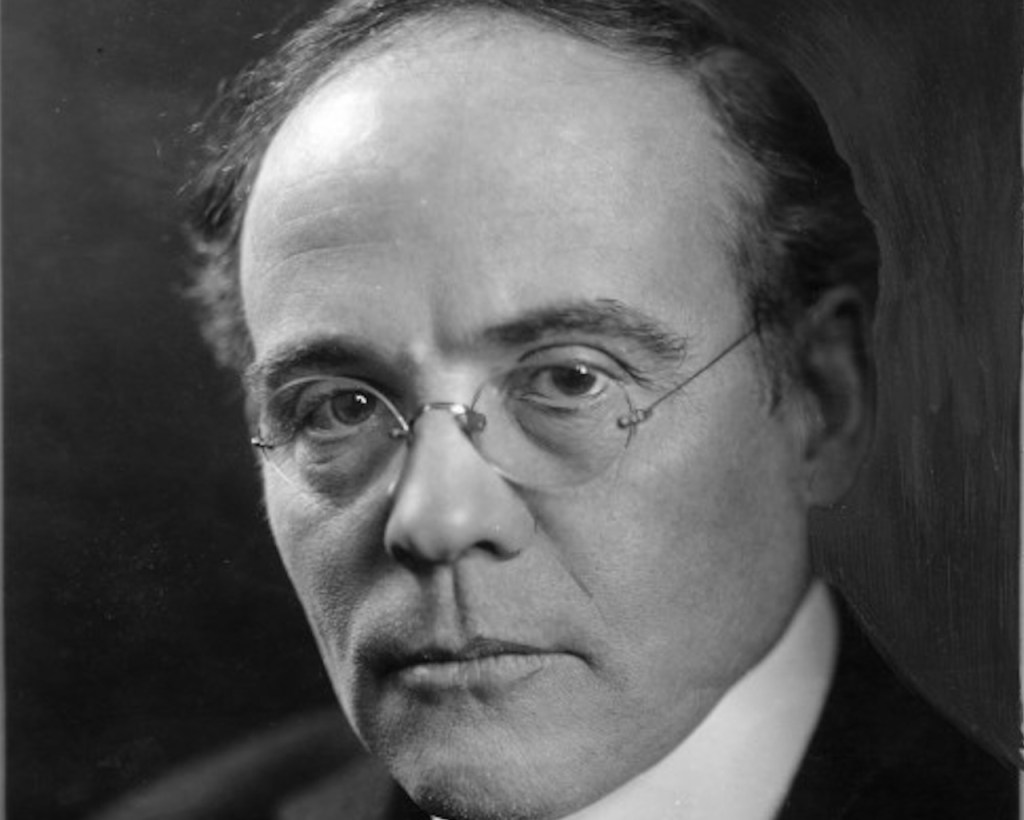
    Image:  Edgar Lee Masters -  Alchetron https://alchetron.com/Edgar-Lee-Masters
    Image:  Edgar Lee Masters –  Alchetron

    Edgar Lee Master’  “Trainor, the Druggist”

    Trainor, the Druggist, offers an additional perspective on the Pantier marriage.

    Introduction and Text of “Trainor, the Druggist”

    Edgar Lee Masters’ “Trainor, the Druggist” from Spoon River Anthology offers a final installment covering the pitiful story of the Pantiers:  Mr. and Mrs. Benjamin Pantier and their son, Reuben. 

    Trainor, the chemist/druggist, dramatizes his take on the Pantiers’ marriage as he philosophizes about how chemicals and personalities may combine to produce results unlike either of the components.

    Trainor, the Druggist

    Only the chemist can tell, and not always the chemist,
    What will result from compounding
    Fluids or solids.
    And who can tell
    How men and women will interact
    On each other, or what children will result?
    There were Benjamin Pantier and his wife,
    Good in themselves, but evil toward each other:
    He oxygen, she hydrogen,
    Their son, a devastating fire.
    I Trainor, the druggist, a mixer of chemicals,
    Killed while making an experiment,
    Lived unwedded.

    Interpretive Reading of “Trainor the Druggist” 

    Commentary on “Trainor, the Druggist”

    Edgar Lee Masters just could not let go of the Pantiers; in “Trainor, the Druggist,” yet another and final installment focusing on the couple is offered.

    First Movement:  Begins by Contradicting Himself

    Only the chemist can tell, and not always the chemist,
    What will result from compounding
    Fluids or solids.

    Trainor begins by remarking and somewhat contradicting himself about what a chemist can know.  He first states that “only” a chemist can know the results of combining certain substances, but he quickly adds that not even a chemist can “always” know the result of “compounding / Fluids and solids.”

    By using the substances “fluids and solids,” Trainor avoids sounding overly esoteric and confusing in his statement, although later he settles on the use of “oxygen” and “hydrogen” to express the natures of the Pantiers.

    Second Movement:  Who?  Indeed!

    And who can tell
    How men and women will interact
    On each other, or what children will result?

    Trainor then asks a rhetorical question, wondering who can ever predict how a certain man and a certain woman might react to their relationship.  He also wonders, “what children will result?”

    Of course, no one can know how any given couple will eventually grow in a relationship, and the possibilities are endless, as are the possibilities of the kinds of children that might spring from any given relationship.  The chemist can know how certain chemicals will react with each, but even the chemist will have to admit that many combinations have yet to be tried.

    Third Movement:  The Pantiers

    There were Benjamin Pantier and his wife,
    Good in themselves, but evil toward each other:
    He oxygen, she hydrogen,
    Their son, a devastating fire.

    In the third movement, Trainor focuses on the Pantiers, concluding that each was “good in themselves.”  But when they were bound in a relationship, they were “evil toward each other.”

    Trainor then likens Benjamin to “oxygen,” while Mrs. Benjamin was like “hydrogen.”  But the combination was, unfortunately, not in a useful proportion that would result, for example, in water; it was some combination that produces “fire.”  Trainor says, “Their son, a devastating fire.”

    Fourth Movement:  Trainor, Somewhat Ditzy

    I Trainor, the druggist, a mixer of chemicals,
    Killed while making an experiment,
    Lived unwedded.

    In the final movement, the reader learns that Trainor was killed while “making an experiment.”  As a “mixer of chemicals,” Trainor turns out to be incompetent, but he reports that he “lived unwedded,” which, to Trainor’s way of thinking, gives him at least a measure of pride of achievement.

    Of course, the reader will remember that Reuben Pantier turned his life around and was able to extinguish the “devastating fire” in himself—an eventuality that also underscores the incompetence of the druggist.

    The Pantier Sequence

    The five epigraphs that comprise the “Pantier Sequence”: 

    1.  Benjamin Pantier  A husband who appears to be weakling allowing himself to be cowed by his wife, an arrogant bully.
    2. Mrs. Benjamin Pantier  Unbridled arrogance, overweening vanity along with cowardly weakness have combined to bring about the destruction of the marriage of Mr. and Mrs. Benjamin Pantier.
    3. Reuben Pantier  Reuben Pantier’s colorful character helps dramatize the power of spiritual love for healing the mind, heart, and soul, even through the distance of miles and decades.  Reuben is the son of the dysfunctional couple Mr. and Mrs. Benjamin Pantier.
    4. Emily Sparks  The epitaph is the fourth entry in the sequence of five epitaphs featuring a dysfunctional couple, their son, and the latter’s influential mentor.
    5.  Trainor, the Druggist  This epitaph offers a final installment covering the pitiful story of the Pantiers:  Mr. and Mrs. Benjamin Pantier and their son Reuben.