Linda's Literary Home

Tag: consciousness

  • The Reality of Human Differences

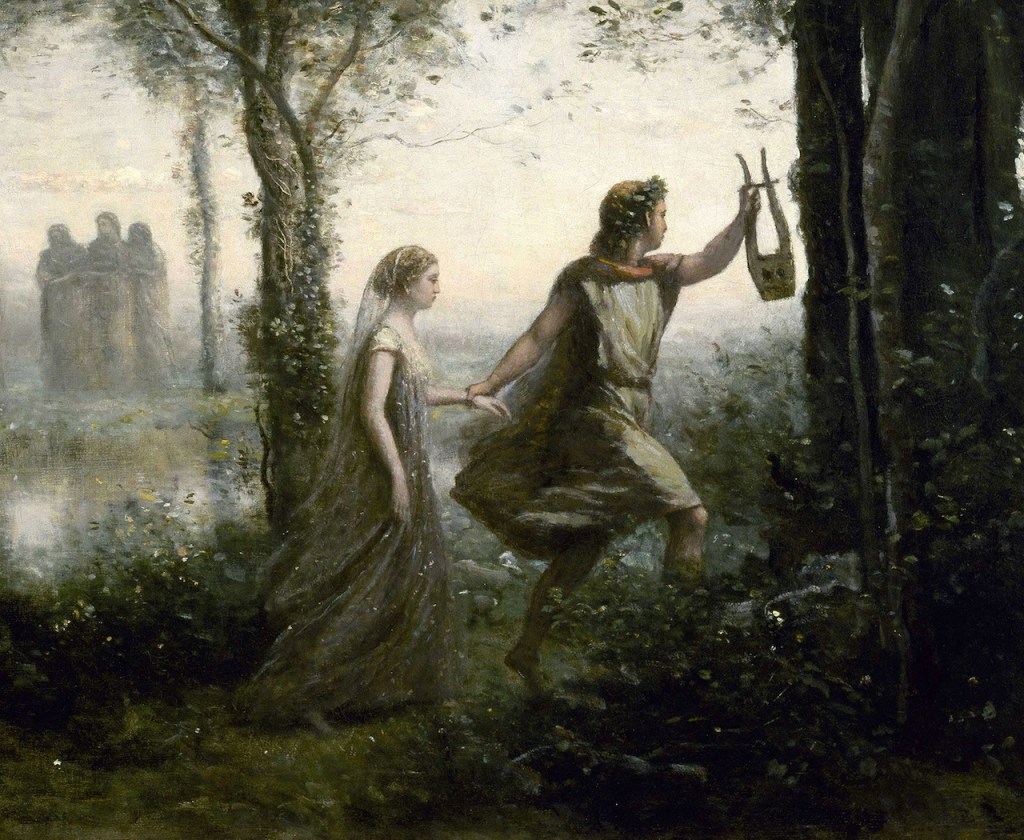
    Image created by ChatGPT/Grok inspired by the poem
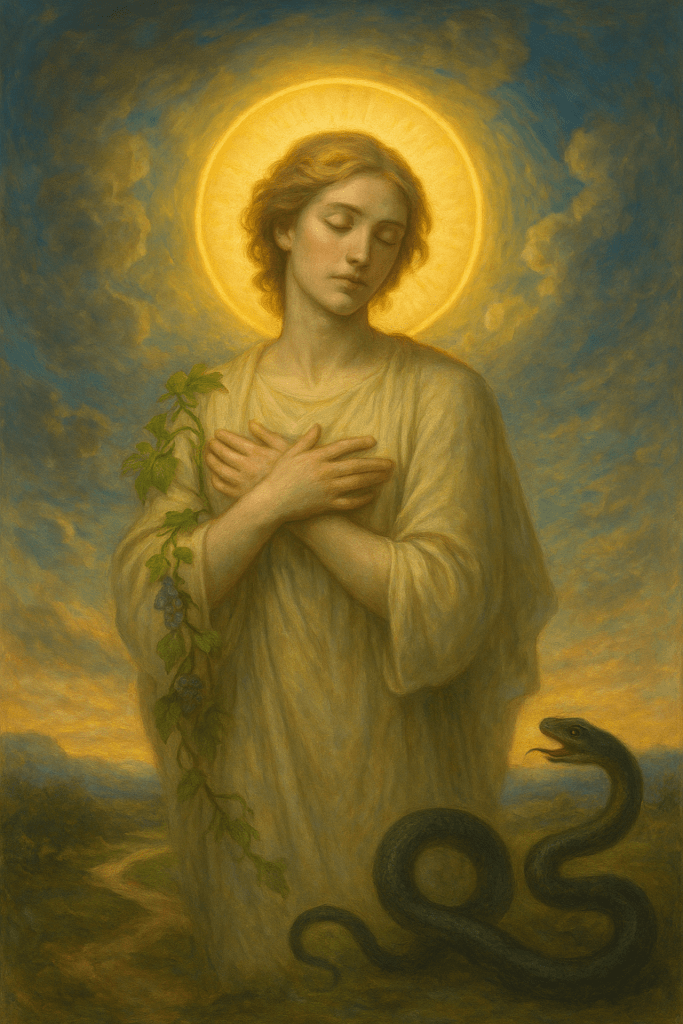
    Image created by ChatGPT/Grok inspired by the poem

    The Reality of Human Differences

    We live in a world where no two people are exactly alike. Human beings possess differing interests, ideas, and intentions, a fact that makes relationships inherently difficult. When you look at how distinct we all are on the inside, it is no wonder that it is so rare for any one human being to develop a peaceful and purposeful relationship with another.

    The Root of the Difficulty

    This struggle for human beings to get along is built right into the fabric of creation. As the unmanifested Spirit, God is pure Bliss, but to create the world, He utilized a cosmic deception called maya—the grand magical measurer [1]. Paramahansa Yogananda explains this cosmic setup [2]:

    Spirit overspread and permeated Its creative desire with cosmic delusion, a grand magical measurer described in Hindu scriptures as maya (from the Sanskrit root ma, “to measure”). Delusion divides, measures out, the Undefined Infinite into finite forms and forces.

    Delusion divides the Undefined Infinite into finite forms. Because of this division, we all navigate existence with avidya, or individual illusion, which makes us feel completely separate from everyone else. Trapped in individual egos, our human condition unfolds through a multiplicity of perspectives.

    Most of our trouble comes from the fact that we look at life through our five senses and limited human minds, yet the senses are unreliable, catching only what happens on the changing, physical level. 

    When the Infinite is chopped up into billions of separate human beings—each shaped by unique experiences, temperaments, and aspirations—individual persons develop their own unique set of desires and motives. With so many different minds running around, it is a mathematical certainty that our intentions will eventually clash.

    The Myth of Effortless Harmony

    These divergences extend beyond mere preferences into our core intentions—the silent drivers of daily choices and long-term paths. Relationships, by their nature, require constant negotiation between these distinct inner worlds.

    The family unit, often idealized as a sanctuary of unconditional unity, frequently illustrates this 

    challenge most acutely. Siblings raised in the same household may develop opposing worldviews, while parents and children encounter generational shifts in values that widen the gap between expectation and reality. 

    Similarly, the marital bond confronts the daily reality of two separate consciousnesses attempting to merge trajectories, and friendships dissolve when evolving intentions pull individuals in irreconcilable directions.

    Because we are wrapped up in personal illusions, finding true harmony with another person is incredibly rare. To achieve a peaceful and purposeful relationship, two people must quiet their egos enough to see past their own selfishness. 

    The inner world of another person—their hurts, thoughts, and true intentions—is entirely ineffable. It resembles the experience of tasting an orange: on the material plane, you can try to describe the taste to someone, but they will never truly know it until they taste it themselves. We can never perfectly climb inside someone else’s mind.

    Dr. David Frawley notes that to find true harmony, we must look deeper [3]:

    We can discover that Divine face and presence of consciousness everywhere, but for this to occur, we must first discover it within our own hearts and in the hearts of all beings.  Most people have not found that presence within themselves yet, so they remain stuck in the outer shell of the ego. And where there is ego, there is friction.

    Redefining Relationship Fractures

    With human nature structured this way, we should not be shocked when things fall apart. Fractured family relationships, broken marriages, and ended friendships are natural phenomena in a dualistic universe. 

    In a material world defined by constant change and division, things come together and things fall apart. Just as creation itself goes through cycles of manifestation and dissolution [4], human relationships go through cycles too. When the underlying reasons that brought two people together expire, the relationship naturally dissolves.

    Society loves to play the blame game, immediately searching for a villain when a relationship fails. Much suffering arises from the imposition of these unrealistic ideals—the belief that true love conquers all differences effortlessly, or that familial duty demands perpetual agreement. When reality falls short, individuals internalize failure or assign fault.

    Assigning bitter blame is usually a mistake. It assumes that everyday human beings have the spiritual power to override the laws of maya at will. Until a person learns to completely quiet the body and the mind so the soul can take over, they will be pushed and pulled by their changing ideas and desires. 

    Broken marriages often reflect the honest recognition that continued union would stifle the authentic development of one or both partners; ended friendships signify the natural completion of a shared chapter rather than betrayal.

    Removing Blame and Accepting Reality

    If we want to have peace of mind, we must accept reality without holding onto resentment. I am Linda Sue Grimes, and as I have mentioned before, I have many aspects and nicknames—Sissy to my sister, Grammy to my grandkids, and Nubbies to my husband. Those roles are a part of my life, but they are not the eternal soul. Human relationships are temporary arrangements on the physical plane.

    By recognizing relationships as dynamic interactions between distinct souls rather than proofs of personal merit, we cultivate compassion and remove blame. When a relationship ends, it is not always because someone is an evil person, but simply because the temporary alignment of their interests has come to a natural end. Accepting this truth softens the blow for postmodern minds constantly hurt by broken hearts.

    When two people do manage to bridge that massive gap and create a beautiful bond, it stands as a genuine, transcendent blessing.  Such connections require conscious cultivation: patience to listen beyond surface disagreement, humility to release the need for complete agreement, and wisdom to honor the other’s path even when it diverges. 

    This understanding aligns with broader spiritual insight. The difficulties of human connection invite the development of virtues—forgiveness, adaptability, and non-attachment—that facilitate progress on the spiritual path.

    Ultimately, the human journey involves balancing the longing for connection with the reality of separateness. When intentions can harmonize sufficiently to allow mutual flourishing, something sacred occurs. When they cannot, releasing the bond with understanding preserves dignity and opens space for new possibilities.

    An Important Caveat

    However, a crucial distinction must be made: relinquishing blame and judgment of others does not mean we suffer fools and criminals. It must be acknowledged that evil does exist in this world of maya delusion, and evil individuals do try to victimize the innocent. 

    The understanding that human intentions diverge because of individual illusion is a philosophical tool for personal peace, not an excuse for passivity or a license for others to do harm.

    Criminals must still be prosecuted to the full extent of the law. Society requires structure and protection from those whose delusions manifest as destructive violence or fraud. Furthermore, evil acts that may not be punishable by civil law still require banishment from one’s life. 

    Boundaries are essential; recognizing that an individual is acting out of ignorance or avidya does not mean you must allow them to remain a toxic presence in your domestic or social circle.

    It is simply that crimes against us can be forgiven by us even if they are not forgiven by the legal system. The legal system must punish the act to preserve order on the material plane, but the individual victim can choose to release the burning resentment within their own heart. 

    Forgiveness is a spiritual function of the soul that frees the victim from the karmic tie of hatred, allowing them to move forward in quietude, even as the law takes its necessary course.

    Sources

    [1] Paramahansa Yogananda.  “Maya.”  Self-Realization Fellowship.  Accessed June 22, 2026.
    [2] Editors. “Law of Maya.” Paramahansa Yogananda: The Royal Path of Yoga. Accessed June 22, 2026.
    [3] David Frawley. “Is Hinduism a Monotheistic Religion?American Institute of Vedic Studies. August 27, 2014.
    [4] Swami Sri Yukteswar. The Holy Science. Internet Archive.  Originally published by Self-Realization Fellowship.
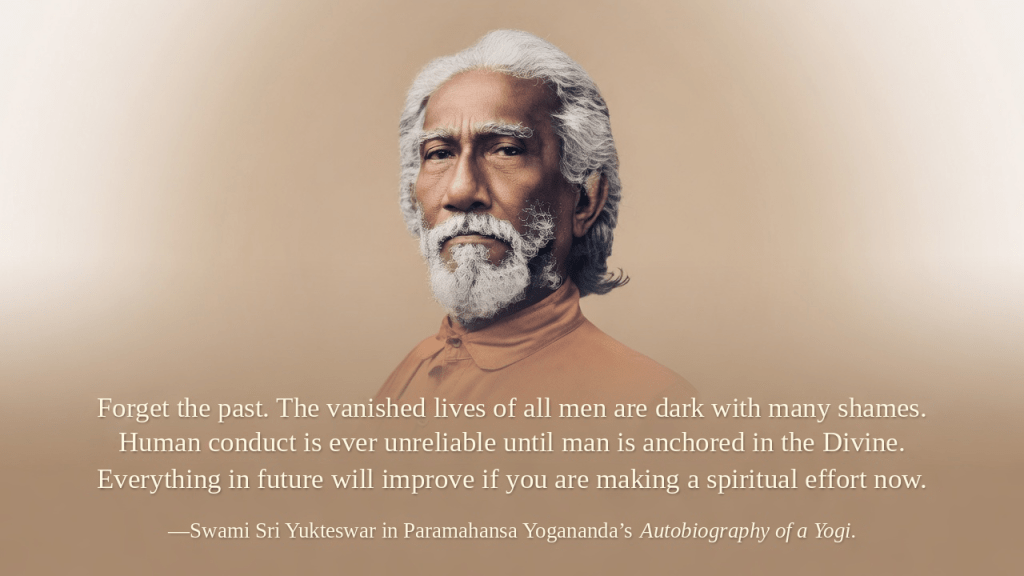
    Sri Yukteswar and “Forget the Past” quotation
  • Paramahansa Yogananda’s “My Krishna Is Blue”

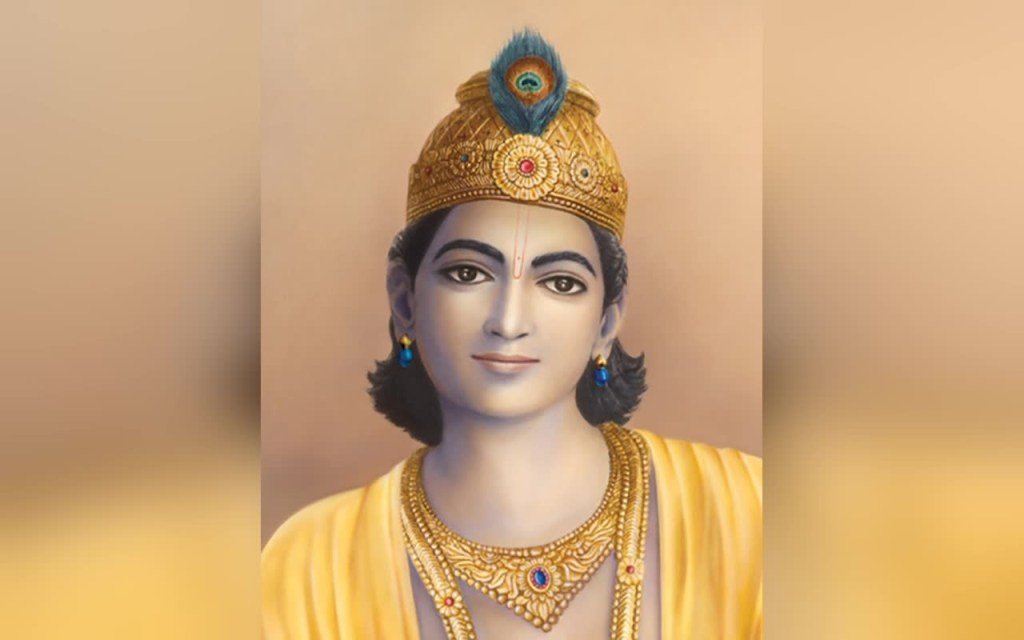
    Image:  Bhagavan Krishna Self-Realization Fellowship https://bookstore.yogananda-srf.org/product/bhagavan-krishna-altar-photo-color/
    Image: Bhagavan Krishna – Self-Realization Fellowship

    Paramahansa Yogananda’s “My Krishna Is Blue”

    Paramahansa Yogananda’s “My Krishna Is Blue” reveals the chanter’s yearning for union with Krishna consciousness. He is envisioning a state beyond ordinary awareness, where the soul rises to the highest level of divine realization—self-realization.

    Introduction and Text of “My Krishna Is Blue”

    Paramahansa Yogananda’s “My Krishna Is Blue” is a devotional chant consisting of three movements. Through chant repetition and simplicity, the chanter dramatizes his profound love for Krishna and his longing to dwell perpetually in the Divine Presence.

    The chant progresses from recognition to aspiration and finally to spiritual identification. The chanter first notices a correspondence between Krishna and the blue tamal tree, then expresses a desire to ascend to its highest branch, and finally longs to die where Krishna sat.

    On the literal level, the chanter appears to be praising a tree associated with Krishna. On the mystical level, however, the imagery points beyond physical nature toward the soul’s desire to attain the exalted consciousness embodied by Krishna.

    My Krishna Is Blue

    My Krishna is blue;
    the tamal tree is blue.
    My Krishna is blue;
    The tamal tree is blue.
    So I do love thee, tamal tree!
    So I do love thee, my tamal tree!

    And when I die, O Mother!
    Do put me high
    On a branch of the tamal tree,
    On a branch of the tamal tree.

    Where Krishna sat, there I would die,
    Where Krishna sat, there I would die,
    On a branch of the tamal tree,
    On a branch of the tamal tree.

    Commentary on “My Krishna Is Blue”

    Paramahansa Yogananda’s “My Krishna Is Blue” reveals the soul’s devotion to the Divine Beloved. The chanter’s simple chant also expresses a profound spiritual aspiration toward God-union.

    First Movement:  “My Krishna is blue”

    My Krishna is blue;
    the tamal tree is blue.
    My Krishna is blue;
    The tamal tree is blue.
    So I do love thee, tamal tree!
    So I do love thee, my tamal tree!

    The chanter begins by establishing an identity between Krishna and the tamal tree. Both are described as blue, and that shared quality causes the chanter to regard the tree with affection and reverence.

    The repetition carries the force of devotional musing rather than ordinary description. The chanter seems to be dwelling lovingly upon a spiritual correspondence that links the visible object with the Divine Reality symbolized by Krishna.

    Because Krishna and the tamal tree share the same color, the tree becomes more than a botanical object. It functions as an emblem of Krishna consciousness and therefore deserves the chanter’s devotion.

    The declaration—“So I do love thee, tamal tree!”—reveals that the chanter’s love for the tree derives from its association with Krishna. The affection is not directed toward matter but toward the divine presence reflected through matter.

    The repeated address, “my tamal tree,” adds intimacy to the relationship. The chanter regards the tree as a sacred possession because it serves as a reminder of the beloved Lord.

    Paramahansa Yogananda frequently emphasizes perceiving God’s presence throughout creation. Paramahansa Yogananda explains that divine consciousness may be perceived behind all forms, and the chanter’s vision reflects that spiritual perception.

    On my literary website Linda’s Literary Home, I have discussed how poets often employ physical imagery to suggest metaphysical realities. The chanter similarly employs the visible tamal tree as a symbol pointing toward an invisible spiritual state.

    The stanza therefore moves beyond literal description. Through the repeated equation of Krishna and the blue tamal tree, the chanter transforms a natural image into a symbol of divine consciousness.

    Second Movement: “And when I die, O Mother!”

    And when I die, O Mother!
    Do put me high
    On a branch of the tamal tree,
    On a branch of the tamal tree.

    The second stanza shifts from recognition to aspiration. Having established the sacred significance of the tamal tree, the chanter now expresses a fervent desire regarding his own destiny.

    The address to “Mother” adds emotional intensity, referring to the Divine Mother. The invocation conveys humility and dependence before a higher power. At first glance, the request appears unusual. The chanter asks to be placed “high” upon a branch of the tamal tree rather than buried or laid to rest in some conventional manner.

    The word “high” becomes the stanza’s crucial term. The chanter does not merely seek proximity to the tree; he desires elevation within it.  Such elevation suggests ascent rather than location.  The imagery points toward a higher level of consciousness rather than a merely physical position.

    The branch functions as a metaphorical rather than literal destination.  To imagine a devotee sincerely wishing to have his body suspended in a tree would diminish the spiritual seriousness of the chant. Instead, the high branch symbolizes the summit of awareness. The chanter longs to rise to the highest attainable state of realization.

    Paramahansa Yogananda repeatedly teaches that human consciousness may ascend from body-awareness to soul-awareness through spiritual discipline. The chanter’s longing for the highest branch harmonizes with that teaching of spiritual ascent.

    On my literary website Linda’s Literary Home, I have often observed that poetry rarely states its deepest meanings directly.  Through symbol and suggestion, poets allow intuition to perceive realities that ordinary language cannot adequately express.  Thus the high branch becomes an image of supreme spiritual attainment.  The chanter prays not for physical elevation but for the soul’s ascent into divine consciousness.

    Third Movement: “Where Krishna sat, there I would die”

    Where Krishna sat, there I would die,
    Where Krishna sat, there I would die,
    On a branch of the tamal tree,
    On a branch of the tamal tree.

    The final stanza reveals the chanter’s ultimate desire. He wishes to die precisely where Krishna sat.  The statement deepens the symbolic significance of the branch. It is not merely high; it is the place occupied by Krishna.  If Krishna represents perfected divine consciousness, then the branch symbolizes the level of realization attained by that consciousness. The chanter longs to occupy the same spiritual station.

    The repeated line intensifies the devotional yearning. The chanter does not seek worldly rewards, intellectual accomplishment, or heavenly pleasures.  Instead, he desires complete identification with Krishna. The aspiration is one of union rather than admiration from a distance.

    The word “die” also carries spiritual significance. Mystical literature frequently employs death as a symbol for the dissolution of ego-consciousness.The chanter therefore longs for the extinction of the limited self in the very state inhabited by Krishna. Such a death would not signify annihilation but fulfillment.

    Paramahansa Yogananda teaches that the soul’s highest goal is realization of its unity with Spirit. The chanter’s desire to die where Krishna sat reflects precisely such a yearning for God-union.  The repeated return to the tamal tree completes the chant’s symbolic design. What began as a blue tree associated with Krishna culminates as a metaphor for the highest spiritual center.

    The chant’s simplicity is permeated with remarkable depth. Through the image of a blue tamal tree and its highest branch, the chanter dramatizes the soul’s longing to rise into Krishna consciousness and experience the liberating realization of divine union.

  • Emily Dickinson’s “The Soul’s distinct connection”

    Image: Emily Dickinson - Amherst College - Daguerrotype of the poet at age 17, circa 1847 - likely the only authentic, extant likeness of the poet
    Image: Emily Dickinson – Amherst College – Daguerrotype of the poet at age 17, circa 1847 – likely the only authentic, extant likeness of the poet

    Emily Dickinson’s “The Soul’s distinct connection”

    The speaker in Emily Dickinson’s “The Soul’s distinct connection” reveals that immortality is suddenly disclosed through shock and danger experiences.

    Introduction and Text of “The Soul’s distinct connection”

    The speaker presents “The Soul’s distinct connection” as a compressed American-Innovative lyric exploring spiritual perception. Its short lines and slant rimes create a sudden movement from idea to visionary image. The speaker suggests immortality is not gradual knowledge but a flash of direct awareness.

    The speaker frames immortality as something revealed through sudden crisis rather than gradual understanding. The structure anticipates a metaphysical shock that disrupts ordinary perception.

    The Soul’s distinct connection”

    The Soul’s distinct connection
    With immortality
    Is best disclosed by Danger
    Or quick Calamity –

    As Lightning on a Landscape
    Exhibits Sheets of Place –
    Not yet suspected – but for Flash –
    And Click – and Suddenness.

    Commentary on “The Soul’s distinct connection”

    The speaker frames immortality as something revealed through sudden crisis rather than gradual understanding. The structure anticipates a metaphysical shock that disrupts ordinary perception.  Her vision aligns with Paramahansa Yogananda’s teaching that immortality is perceived through sudden inner awakening beyond ordinary awareness.

    First Stanza: The Soul and Immortality

    The Soul’s distinct connection
    With immortality
    Is best disclosed by Danger
    Or quick Calamity –

    In the first stanza, the speaker defines a direct relationship between the soul and immortality, presenting the connection as inherent rather than acquired, embedded within the very structure of consciousness itself. This connection is not continuously visible in ordinary perception, but it becomes evident when danger or sudden calamity interrupts the expected flow of life and thought. 

    Paramahansa Yogananda explains that the soul perceives immortality most clearly when the mind is startled into higher awareness beyond sensory routine, allowing intuitive consciousness to rise above temporal limitation enabling perception of immortality as immediate experience rather than abstract belief grounded in time-bound reasoning.

    In the phrase “Danger / Or quick Calamity,” the speaker emphasizes the disruptive force required to awaken spiritual perception, suggesting that only extreme interruption can break habitual mental patterns. 

    On my literary website Linda’s Literary Home, I have discussed the fact that Dickinson often uses shock imagery to reveal hidden spiritual states, where disruption becomes a gateway to deeper awareness of the soul. 

    Here the speaker suggests that spiritual awareness emerges when normal continuity is broken, forcing consciousness into a heightened state of perception that resembles awakening from illusion aligning consciousness with a sudden intuitive shift beyond habitual cognition.

    Second Stanza: Soul Suddenness

    As Lightning on a Landscape
    Exhibits Sheets of Place –
    Not yet suspected – but for Flash –
    And Click – and Suddenness.

    In the second stanza, the speaker uses lightning as the central image to describe how spiritual perception suddenly reveals the hidden structure of reality, revealing perception as a sudden cognitive rupture rather than a gradual interpretive process unfolding in time. 

    This revelation is not gradual but instantaneous, exposing “Sheets of Place” across the landscape of experience implying hidden dimensionality within ordinary perception itself. 

    Paramahansa Yogananda explains that divine insight often arrives like a flash of lightning, dissolving mental obscurity and awakening superconscious awareness where consciousness transcends linear reasoning and enters intuitive cognition.

    The speaker suggests that reality is composed of layers that are normally invisible, only becoming apparent when perception is abruptly illuminated suggesting that ordinary awareness conceals deeper structures until disrupted by sudden insight. 

    On my literary website Linda’s Literary Home, I have noted that Dickinson compresses vast metaphysical ideas into brief, electric imagery that mimics sudden spiritual awakening where brevity intensifies metaphysical meaning through concentrated symbolic expression that emphasizes non-linear cognition characteristic of mystical experience. 

    This structure mirrors mystical experience, where understanding arrives all at once rather than through linear reasoning reinforcing the immediacy of perception as a sudden cognitive awakening beyond temporal sequence, dissolving fragmentation into unified awareness that transcends sensory division aligning sensory faculties into a single integrated perception of truth.

    The imagery of flash and click emphasizes immediacy, suggesting a sudden recognition of truth that cannot be delayed or extended over time emphasizing that spiritual understanding arrives as a decisive moment rather than gradual accumulation. 

    Paramahansa Yogananda explains that when consciousness rises above sensory limitation, truth is perceived as a single unified moment of clarity marking transformation from illusion to awakened recognition within consciousness. 

    The speaker frames this experience as both visual and auditory, merging perception into one unified spiritual event where poetic compression mirrors expanded metaphysical insight through condensed language.

  • Emily Dickinson’s “The Soul’s Superior instants” 

    Image: Emily Dickinson - Amherst College - Daguerrotype of the poet at age 17, circa 1847 - likely the only authentic, extant likeness of the poet
    Image: Emily Dickinson – Amherst College – Daguerrotype of the poet at age 17, circa 1847 – likely the only authentic, extant likeness of the poet

    Emily Dickinson’s “The Soul’s Superior instants” 

    Emily Dickinson’s “The Soul’s Superior instants” dramatizes the soul’s ascent beyond worldly consciousness into the sublime perception of immortality.

    Introduction and Text of “The Soul’s Superior instants”

    Emily Dickinson’s “The Soul’s Superior instants” offers one of the speaker’s most concentrated musings on the nature of mystical awareness. The little drama portrays those elevated moments when the soul withdraws from earthly distraction and experiences its eternal connection to God, its Maker.

    The poem plays out in four quatrains, each deepening the speaker’s movement away from mortal limitation and toward spiritual omnipotence—a progression often encountered in Dickinsonian poetry. 

    As in many Dickinson poems, the speaker presents the soul as a being capable of transcending ordinary consciousness and entering a realm where immortality becomes not merely a theological notion but an intuitive certainty. 

    The great spiritual leader known as “the Father of Yoga in the West”Paramahansa Yogananda taught that “the soul is the true and immortal nature of man,” a realization perceived only with direct interior awareness. 

    The Soul’s Superior instants

    The Soul’s Superior instants
    Occur to Her – alone –
    When friend – and Earth’s occasion
    Have infinite withdrawn –

    Or She – Herself – ascended
    To too remote a Height
    For lower Recognition
    Than Her Omnipotent –

    This Mortal Abolition
    Is seldom – but as fair
    As Apparition – subject
    To Autocratic Air –

    Eternity’s disclosure
    To favorites – a few –
    Of the Colossal substance
    Of Immortality

    Commentary on “The Soul’s Superior instants”

    Emily Dickinson’s speaker depicts the soul’s temporary liberation from earthly consciousness into direct communion with Eternal Reality.

    First Stanza: The Ascendant Soul

    The Soul’s Superior instants
    Occur to Her – alone –
    When friend – and Earth’s occasion
    Have infinite withdrawn –

    The speaker opens by asserting that the soul’s “Superior instants” occur in solitude, after “friend” and “Earth’s occasion” have withdrawn into infinity. Earthly duties, social obligations, and even cherished companionship must recede before the soul can recognize its own higher reality. The speaker implies that spiritual revelation demands a stillness unavailable amid worldly distraction.

    The phrase “Earth’s occasion” suggests the temporary and often noisy events associated with physical existence. Dickinson’s speaker frequently distinguishes between the fleeting nature of earthly concerns and the permanence of spiritual truth, and here she dramatizes that distinction with unusual compression. The withdrawal of earthly circumstance does not signal loneliness but liberation into a deeper awareness.

    Paramahansa Yogananda repeatedly emphasized that the soul realizes its divine identity only after consciousness turns inward through meditation and silence. He explained that “when you close your eyes in meditation, you see the vastness of your consciousness—you see that you are in the center of eternity.” 

    The speaker’s solitude resembles that inward withdrawal in which the soul ceases identifying with outward activity and begins perceiving its immortal nature. It can do this only after transcending earthly noise and activity.

    The speaker’s insistence on aloneness also recalls the mystical isolation often dramatized throughout Dickinson’s poetry. Her speakers frequently inhabit a realm inaccessible to ordinary social understanding because spiritual intuition exceeds common perception. 

    As  I have elucidated in a number of commentaries on  Dickinson poems at Linda’s House of Letters, Dickinson often observes and professes mystical tendencies as the poet’s speakers often privilege inward revelation above public validation.

    Second Stanza: The Aboveness

    Or She – Herself – ascended
    To too remote a Height
    For lower Recognition
    Than Her Omnipotent –

    The second stanza shifts from withdrawal to ascension, as the speaker describes the soul rising to “too remote a Height” for ordinary recognition. The soul’s elevation places it beyond the comprehension of lower consciousness, and thus only the “Omnipotent” can fully recognize it. The movement dramatizes an ascent from finite awareness into divine perception.

    The phrase “too remote a Height” conveys not distance in a physical sense but transcendence beyond material categories. Dickinson’s speaker repeatedly portrays spiritual experience as inaccessible to those confined solely to sensory knowledge. The soul, once elevated, exists in a realm where earthly standards lose authority.

    The speaker’s use of “Omnipotent” implies direct relation between the soul and divine consciousness. Paramahansa Yogananda taught that the soul originates in Spirit and must eventually “climb back up the ladder of consciousness to Spirit.” The stanza enacts precisely such a climb, depicting the soul’s temporary escape from mortal identity into its higher inheritance.

    Dickinson’s mystical imagination frequently renders heaven not as a distant locality but as an altered state of perception. The soul’s ascension therefore becomes an inward enlargement of consciousness rather than a physical departure from the world. Paramahansa Yogananda similarly affirmed that “the highest wisdom is Self-realization—knowing the Self, the soul, as eternally inseparable from God.” 

    The speaker’s elevated soul can no longer accept “lower Recognition,” because ordinary human judgment cannot evaluate transcendent awareness. The soul’s superior instant grants knowledge that exceeds intellectual explanation. Such moments remain rare for the unself-realized because they require the temporary suspension of mortal consciousness itself.

    Third Stanza: Death’s Removal

    This Mortal Abolition
    Is seldom – but as fair
    As Apparition – subject
    To Autocratic Air –

    The speaker now characterizes the soul’s elevation as “This Mortal Abolition,” suggesting a temporary removal of mortal limitation. The word “Abolition” indicates not physical death but the suspension of ordinary worldly consciousness. Such experiences occur “seldom,” yet they possess extraordinary beauty and authority.

    The comparison to “Apparition” lends the experience an ethereal and supernatural quality. The soul’s superior instant appears almost ghostlike because it transcends material certainty and sensory verification. Dickinson’s speaker often portrays spiritual realities as elusive presences glimpsed briefly through intuition.

    The “Autocratic Air” suggests sovereign spiritual authority. During these superior instants, the soul recognizes a reality beyond earthly systems and conventions. The elevated consciousness assumes command over fear, limitation, and mortal uncertainty.

    Paramahansa Yogananda frequently taught that human beings mistakenly identify themselves with temporary bodily existence rather than immortal soul-consciousness. He declared, “You are immortal; your trials are mortal.” Dickinson’s speaker dramatizes precisely such a release from mortal confinement, presenting the soul’s revelation as both rare and magnificent.

    The stanza’s imagery also evokes the delicate boundary between life and death that Dickinson explored throughout her poetry. Yet the speaker does not fear this “Mortal Abolition”; instead, she portrays it as beautiful and liberating. The experience resembles a mystical foretaste of immortality rather than annihilation.

    Fourth Stanza: The Vastness of Immortality

    Eternity’s disclosure
    To favorites – a few –
    Of the Colossal substance
    Of Immortality

    The final stanza reveals the culmination of the soul’s superior instant: “Eternity’s disclosure.” The speaker suggests that only “favorites – a few” receive such revelation, emphasizing the rarity of profound mystical experience to humanity in general. The disclosure grants direct intuition of immortality’s “Colossal substance.”

    The phrase “Colossal substance” conveys overwhelming spiritual magnitude. Immortality is not presented as abstraction or doctrine but as a living reality, immense beyond comprehension. Dickinson’s speaker attempts to compress infinity itself into poetic language.

    Paramahansa Yogananda taught that beneath human limitation exists an eternal identity untouched by death or suffering. He affirmed, “The ocean of Spirit has become the little bubble of my soul,” while insisting that the soul remains inseparable from divine consciousness. Dickinson’s speaker arrives at a similar realization through intuitive vision.

    The poem closes without returning fully to earthly awareness, allowing the final word, “Immortality,” to resonate with solemn grandeur. The speaker leaves readers suspended before the vastness of eternal existence itself. Dickinson’s speaker thus transforms a brief mystical instant into a revelation of the soul’s infinite destiny.

  • Original Song:  “Astral Mother” with Prose Commentary

    Image: Mommy and MePhoto by Ron W. G.

    Original Song:  “Astral Mother” with Prose Commentary

    This song is dedicated to my beautiful mother, Helen Richardson, whose soul left the physical planet Earth at the age of 58 and now resides in the astral world.  By faith and deep love, I visit her there from time to time.

    Introduction with Text of “Astral Mother”

    My original song, “Astral Mother,” plays out in three verse-movements and two chorus-movements.  A traditional verse is a unified set of lines—often four but through innovation the number is not consistent.

    Thus, a verse-movement may be any number of lines or stanzas because the emphasis in on the theme of the movement.  A movement depends upon theme rather than number of lines or stanzas.

    On the astral plane, souls have shed their bodies of chemicals and dust and reside in bodies of light.  Although the physical body is also made fundamentally of light, the astral body is perceived as light more easily than the “mud” covering the soul on the earthly plane.

    After visiting my mother on the astral plane, I bring back images, ideas, and thoughts that I dedicate to her in poems and songs.  The text of the song follows, and you are welcome to listen to the song on SoundCloud.

    Astral Mother

    In memoriam: Helen Richardson
    June 27, 1923 — September 5, 1981

    for your beautiful soul

    You are waiting now . . .
    A bright star light
    In the astral world

    You have shed the mud
    That covers the soul
    On the earthly plane . . . —

    Where you were my mother, and I was your child
    You were my mother, and I was your child . . . 

    You are watching for me . . .
    To catch my beam
    In the astral world

    We will live again
    The love we lived
    On the earthly plane . . . —

    Where you were my mother, and I was your child
    You were my mother, and I was your child . . .

    We will understand the Spirit-made plan . . .
    That kept us a while . . .
    In this earthly world . . . —

    Where you were my mother, and I was your child
    You were my mother, and I was your child . . .

    O, my Divine Mother, make me Thy Divine Child!
    O, my Divine Mother, make me Thy Divine Child!

    Commentary on “Astral Mother”

    A daughter addresses her mother who has departed the earth and now resides in the astral world.  Through faith and divine guidance, the daughter visits the mother and creates a tribute to her mother’s beautiful soul of light

    First Verse-Movement:  Living as Light in the Astral World

    You are waiting now . . .
    A bright star light
    In the astral world

    You have shed the mud
    That covers the soul
    On the earthly plane . . . —

    From the earthly plane of existence, the singer/narrator is addressing a loved one who is residing on the astral plane of existence.  

    The soul of the departed loved one is now existing in her astral/causal bodies—where the soul continues without its physical encasement.  Paramahansa Yogananda explains this phenomenon:

    astral body. Man’s subtle body of light, prana or lifetrons; the second of three sheaths that successively encase the soul: the causal body (q.v.), the astral body, and the physical body. The powers of the astral body enliven the physical body, much as electricity illumines a bulb. 

    The astral body has nineteen elements: intelligence, ego, feeling, mind (sense consciousness); five instruments of knowledge (the sensory powers within the physical organs of sight, hearing, smell, taste, and touch); five instruments of action (the executive powers in the physical instruments of procreation, excretion, speech, locomotion, and the exercise of manual skill); and five instruments of life force that perform the functions of circulation, metabolization, assimilation, crystallization, and elimination.

    The singer/narrator affirms that her loved one—her belovèd mother—is now “waiting” in her body of light as it exists on the astral plane. The singer/narrator in the second part of the movement refers to the physical body as “mud” which the astral mother has now “shed.”  The physical body encases the soul on the earthly plane of existence.

    The physical body may be metaphorically referred to as “mud” after the Biblical description of the human body:

    In the sweat of thy face shalt thou eat bread, till thou return unto the ground; for out of it wast thou taken: for dust thou art, and unto dust shalt thou return. (KJV Genesis 3:19)

    But after the soul leaves that physical encasement, it continues its existence in the two other bodies—astral and causal—on the astral plane where it is perceived only as light. Thus, the daughter/speaker has perceived her mother as a body of light, which she designates metaphorically as “a bright star light.”

    Second Verse-Movement:  Waiting to Spot a Familiar Dot of Light

    You are watching for me . . .
    To catch my beam
    In the astral world

    We will live again
    The love we lived
    On the earthly plane . . . —

    The singer/narrator then affirms that the astral mother is waiting for her daughter to join her on the astral plane.  The daughter will become a “beam” of light after she leaves her own physical encasement, entering the “astral world.”

    The singer/narrator then affirms that the mother and daughter will experience that same love that they shared when they were both on the earth together.   The “lived” love and they continue to live that love, but after they both are in the same level of existence, they are likely to recognize and have a deeper level of awareness of that love.

    Third Verse-Movement:  Understanding and Appreciating Love and Light

    We will understand the Spirit-made plan . . .
    That kept us a while . . .
    In this earthly world . . . —

    The singer/narrator finally affirms that after the mother and daughter are reunited, for however briefly that reunion might exist, they will understand more about the divine plan that God has for them.

    They were both maintained on the earth planet for while; they no doubt had questions about the meaning of life and all of its vicissitudes.  The singer/narrator predicts that after entering the astral plane, both she and her mother will understand more about meaning and purpose then they had before.

    Experience is great teacher; and God puts His children in positions from which they may learn what they need in order to meet their karmic demands. The singer/narrator holds great faith that she and her mother on the path that leads to the ultimate enlightenment of union with the Divine.

    Chorus-Movement 1:  A Simple Statement of Fact

    Where you were my mother, and I was your child
    You were my mother, and I was your child . . .

    In the first chorus, the singer/narrator simply states the fact that the addressee in the song was the singer’s mother, and the singer was the child of the mother.   On the earth plane, they were mother and daughter.

    The simplicity of the statement may be misleading.  This simple fact is, however, very important.  On the earth plane, they were mother and daughter, but on the astral plane they are only two individual souls that are children of the One Father-Mother-God.

    The mother/daughter relationship on earth is likely quite a different one from that relationship as two individual souls on the astral plane.  Despite that obvious fact, the important fact to remember is that love exists between the two; it existed on earth and it will exist in the astral world.

    Chorus-Movement 2:  A Prayer-Chant to the Divine Mother

    O, my Divine Mother, make me Thy Divine Child!
    O, my Divine Mother, make me Thy Divine Child!

    The momentousness of the shift from the earth relationship of mother/daughter to Divine Mother/Divine Child cannot be overstated.  

    By ending with a chant-like prayer, the singer/narrator affirms that through the love relationship between earth mother and daughter, she has come to understand that both mother and daughter are children of the Divine Reality (Heavenly Father or Divine Mother) or God.

    And the singer/narrator then supplicates to God as Divine Mother to help her realize her soul as that “Divine Child” that she is.  The same supplication is offered on behalf of the astral mother, whom the singer/narrator has been addressing.

    Both former earth mother and earth daughter are children of the Divine, and they both must one day come to realize that relationship to the Divine—and the singer/narrator prays for that to happen.

  • A Suite of “Samadhi” Villanelles

    Image:  Created by ChatGPT

    A Suite of “Samadhi” Villanelles

    The following six villanelles are inspired by the poem “Samadhi” by Paramahansa Yogananda.

    1 The veil of Maya’s mortal confusion is now shed

    The veil of Maya’s mortal confusion is now shed—
    The storm of delusion hushed, that once was mine.
    My soul has awakened from all suffering and dread.

    Bewitching flesh temptation has now fled—
    Lust and longing, even death whither beneath the Vine.
    The veil of Maya’s mortal confusion is now shed.

    The spool of the worldliness has lost its thread—
    Love becomes real and deep in Truth’s sacred shrine.
    My soul has awakened from all suffering and dread.

    The road to hell before had often led
    To misery and blight before the Word did shine.
    The veil of Maya’s mortal confusion is now shed.

    My soul now goes where the snake cannot lift his head
    Where light and faith rise together in Love Divine.
    My soul has awakened from all suffering and dread.

    O Thou, Who art That!  May Thy will be spread!
    I live in Thee, and now for nothing else I pine.
    The veil of Maya’s mortal confusion is now shed.
    My soul has awakened from all suffering and dread.

    2 Without the Waves

    “Be still, and know that I am God.” — Psalm 46:10

    In Memoriam:  Bill CraigAugust 8, 1954 — February 6, 2025

    Without the waves—I exist only as boundless sea.
    God’s boundless love has stemmed the tide.
    God’s bliss is mine—deep, wide, eternally free.

    No more hemmed round in time, space, and memory,
    My soul will now and always in sacred Light abide.
    Without the waves—I exist only as boundless sea.

    Satan’s veil is shed—my soul’s eye now can see
    Only holy Light no shadow can ever hide.
    God’s bliss is mine—deep, wide, eternally free.

    My soul unborn of flesh, not changed through history—
    Like Christ I stand up to the trial that would divide.
    Without the waves—I exist only as boundless sea.

    I listen only to angelic voices singing to me.
    Lesser music has vanished—noise has died.
    God’s bliss is mine—deep, wide, eternally free.

    I take no thought for I live in celestial unity—
    From former failures no need to hide.
    Without the waves—I exist only as boundless sea.
    God’s bliss is mine—deep, wide, eternally free.

    3 Myself and All

    I consumed the stars and swallowed their flame—
    All planets bending to my will and trust,
    The cosmos flooding into my soul, my name.

    Bursting violent wails of destruction came,
    Then glacial silence reigned in a silver swept gust—
    I consumed the stars and swallowed their flame.

    Past and future pairs of opposites rose to claim
    Seeds of good and evil, life and death, love and lust—
    The cosmos flooding into my soul, my name.

    Creation’s clay testified to every primitive shame;
    The heart of humanity beat fast, became robust.
    I consumed the stars and swallowed their flame.

    No particle, no whispered essence could disclaim
    My soul transformed the storm by my spirit’s thrust—
    The cosmos flooding into my soul, my name.

    Now all is one—no other voice to blame—
    My ego fire consumed, for burning be I must:
    I consumed the stars and swallowed their flame—
    The cosmos flooding into my soul, my name.

    4 Wild, Burning Joy in Cerebration’s Glow

    Wild, burning joy in cerebration’s glow
    Brims tearing eyes with Holy Light and never dies
    Swallows up my pain, my name, my all: I know.  

    Thou art I, Thou I am—blessèd unity on us bestow
    The blaze of bliss: Knower, Knowing, Known arise—
    Wild, burning joy in cerebration’s glow.  

    An infinite river of eternal bliss ever to flow,
    Fusing my peace with truth that never lies,
    Swallows up my pain, my name, my all: I know.  

    One blissful, peaceful joy, where living waters go
    No ego remains, no limiting, sorrowful cries—
    Wild, burning joy in cerebration’s glow.  

    Blissful soul the heart its oneness does show,
    One soothing flame soaring beyond the skies—
    Swallows up my pain, my name, my all: I know.  

    In sun-filled stillness, the heavenly bud can blow,
    Where all-pervading, ever-living peace can never die—
    Wild, burning joy in cerebration’s glow
    Swallows up my pain, my name, my all: I know.

    5 No Lack of Consciousness but Wildly Aware

    No lack of consciousness but wildly aware,
    Shed the mental boundaries of my physical frame,
    Where I, on the Cosmic Sea of stillness, dare.

    The soul without ego drifts with no care,
    My design no longer hide-bound to a name—
    No lack of consciousness but wildly aware.

    Space moves as an iceberg drifting there,
    Throughout my infinite, omniscient mind-flame,
    Where I, on the Cosmic Sea of stillness, dare.

    A falling sparrow cannot flee my loving care;
    All worlds appearing and disappearing are the same—
    No lack of consciousness but wildly aware.

    Through heartfelt prayer in meditation rare,
    By Guruji’s grace, my inner silence came—
    Where I, on the Cosmic Sea of stillness, dare.

    Reality abides eternally inside His heavenly lair;
    I am now united with the Source which is my aim—
    No lack of consciousness but wildly aware,
    Where I, on the Cosmic Sea of stillness, dare.

    6 Sea of Mirth

    We come from Joy, and to Joy we must return.
    Four veils we shall lift:  solid, liquid, air, and light.
    In divine Joy, all mortal boundaries burn.

    The atoms’ secrets we shall try to learn,
    Earth, seas, and stars all wane into cosmic night.
    We come from Joy, and to Joy we must return.

    In vaporous veils where nebulae do churn,
    Electrons, protons whirl in all-pervading might.
    In divine Joy, all mortal boundaries burn.

    The cosmic drum strikes rhythms that concern,
    As massive forms abscond into telling fright—
    We come from Joy, and to Joy we must return.

    I am but God’s little wave, and yet I begging yearn
    To possess an ocean-mind absorbing wrong and right.
    In divine Joy, all mortal boundaries burn.

    Bubbling laughter, all boundaries I shall spurn
    As I meld with Sea of Mirth’s brilliant blaze of white.
    We come from Joy, and to Joy we again return.
    In divine Joy, all mortal boundaries burn.

    🕉

    You are welcome to join me on the following social media:
    TruthSocial, Locals, Gettr, X, Bluesky, Facebook, Pinterest 

    🕉

    Share