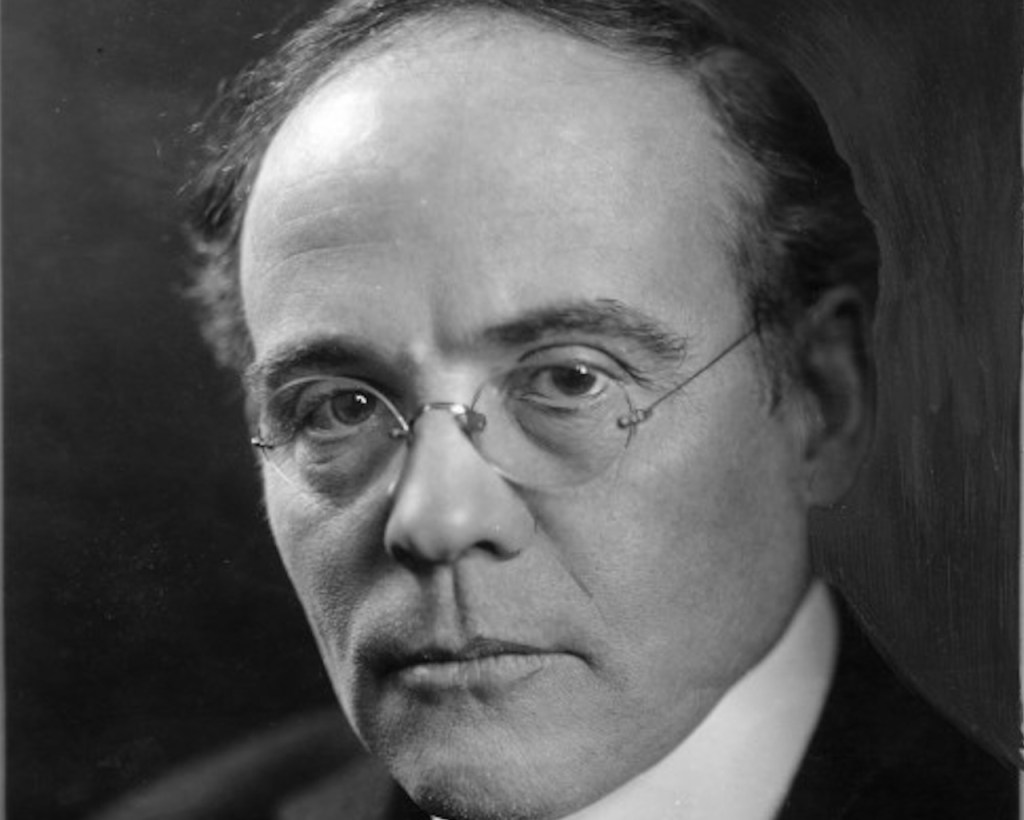
Edgar Lee Masters’ “Reuben Pantier” and “Emily Sparks”
Reuben Pantier’s colorful character helps dramatize the power of spiritual love for healing the mind, heart, and soul, even through the distance of miles and decades. Emily Sparks reports that one young student—Reuben Pantier—who suffered a dysfunctional home-life needed her prayers and care even more than many of the others.
Introduction and Text of “Reuben Pantier”
In Edgar Lee Masters’ American classic Spoon River Anthology the epitaph of “Reuben Pantier,” son of Mr. and Mrs. Benjamin Pantier, tells Reuben’s story as he addresses his high school teacher, Miss Emily Sparks. (Emily’s story follows.)
Reuben Pantier
Well, Emily Sparks, your prayers were not wasted,
Your love was not all in vain.
I owe whatever I was in life
To your hope that would not give me up,
To your love that saw me still as good.
Dear Emily Sparks, let me tell you the story.
I pass the effect of my father and mother;
The milliner’s daughter made me trouble
And out I went in the world,
Where I passed through every peril known
Of wine and women and joy of life.
One night, in a room in the Rue de Rivoli,
I was drinking wine with a black-eyed cocotte,
And the tears swam into my eyes.
She thought they were amorous tears and smiled
For thought of her conquest over me.
But my soul was three thousand miles away,
In the days when you taught me in Spoon River.
And just because you no more could love me,
Nor pray for me, nor write me letters,
The eternal silence of you spoke instead.
And the black-eyed cocotte took the tears for hers,
As well as the deceiving kisses I gave her.
Somehow, from that hour, I had a new vision—
Dear Emily Sparks!
Interpretive Reading of “Reuben Pantier” and “Emily Sparks”
Commentary on “Reuben Pantier”
Reuben Pantier’s colorful character helps dramatize the power of spiritual love for healing the mind, heart, and soul, even through the distance of miles and decades.
First Movement: Remembering Her Prayer
Well, Emily Sparks, your prayers were not wasted,
Your love was not all in vain.
I owe whatever I was in life
To your hope that would not give me up,
To your love that saw me still as good.
Reuben Pantier, addressing his former teacher, Emily Sparks, reveals that the teacher had prayed for her student and always believed in his good nature. His opening remark hints that he did not move through this life as untroubled as he might have liked, but that with the good will of his former teacher, he has been able to salvage some self esteem.
Thus, Reuben tells Miss Sparks that she had not prayed for him in vain and that her care for him had not been a waste of her time and effort. He further asserts that he remains indebted to her for offering sheltering love and hope. He thanks her for seeing the good in him, even though he might not have thought himself good at the time.
Second Movement: A Sad Childhood
Dear Emily Sparks, let me tell you the story.
I pass the effect of my father and mother;
The milliner’s daughter made me trouble
And out I went in the world,
Where I passed through every peril known
Of wine and women and joy of life.
In the second movement, Reuben tells his “story” to Miss Sparks. He managed to survive the withering childhood that might have blighted the life of one less strong willed. As readers have experienced in his parents epitaphs, his childhood must have been blighted by their selfish behavior, especially his mother.
But his parents formed a dysfunctional couple whose example would have proved negative for children. Nevertheless, Reuben claims that he survived this negative environment.
After “pass[ing] the effect of [his] father and mother,” however, he was caused great difficulty in a relationship with “the milliner’s daughter.” Leaving Spoon River and going out into the world, he met with all sorts of evil and was ensnared in a dangerous lifestyle. He became a womanizer and one given to debauchery.
Third Movement: Mistaken Tears
One night, in a room in the Rue de Rivoli,
I was drinking wine with a black-eyed cocotte,
And the tears swam into my eyes.
She thought they were amorous tears and smiled
For thought of her conquest over me.
Finally, Reuben gets to the heart of his “story”: one night he finds himself in a Paris hotel room with a “dark-eyed cocotte.” The prostitute sees that Reuben’s eyes have become brimmed with tears, and she thinks he is crying “amorous tears” for her. He reports that she thought his tears showed her power over him, or as he puts it, “for thought of her conquest over me.”
Fourth Movement: Spiritual Love Washes through Him
But my soul was three thousand miles away,
In the days when you taught me in Spoon River.
And just because you no more could love me,
Nor pray for me, nor write me letters,
The eternal silence of you spoke instead.
Reuben then declaims that his not with the prostitute but many mile away and many years back to the time when he was a student of Miss Emily’s. Thus his heart and mind were not with the prostitute in France but back with his former teacher in his old home town of Spoon River.
Reuben then declares that even though he was no longer in the physical presence of the one person who showed him care and attention, his soul became aware of the love she had shown him, and “the eternal silence of you spoke instead.”
Fifth Movement: A Change of Vision and Heart
And the black-eyed cocotte took the tears for hers,
As well as the deceiving kisses I gave her.
Somehow, from that hour, I had a new vision—
Dear Emily Sparks!
The prostitute’s mistaken belief that Reuben cared for her motivated him to understand that the reality of spiritual love is stronger and more satisfying than the false affection of a physical relationship.
Thus from that time forward, his life had changed for the better. He saw the world in a different light—a spiritual light. And he realized that it was the prayers and love he had been afforded by “Dear Emily Sparks” that sparked his new understanding.
Edgar Lee Masters’ “Emily Sparks”
The poem,”Emily Sparks,” in Edgar Lee Masters’ Spoon River Anthology is the fourth entry the sequence of five epitaphs featuring a dysfunctional couple, their son, and the latter’s influential mentor. The sequence concludes with a report from “Trainor the Druggist.”
Introduction and Text of “Emily Sparks”
Edgar Lee Masters’ epigraph titled “Emily Sparks” from Spoon River Anthology portrays a very devout teacher, who behaved very motherly toward her students. She thought of them all as her own children.
Emily Sparks reports that one young student—Reuben Pantier—who suffered a dysfunctional home-life needed her prayers and care even more than many of the others.
Emily Sparks
Where is my boy, my boy—
In what far part of the world?
The boy I loved best of all in the school?—
I, the teacher, the old maid, the virgin heart,
Who made them all my children.
Did I know my boy aright,
Thinking of him as spirit aflame,
Active, ever aspiring?
Oh, boy, boy, for whom I prayed and prayed
In many a watchful hour at night,
Do you remember the letter I wrote you
Of the beautiful love of Christ?
And whether you ever took it or not,
My boy, wherever you are,
Work for your soul’s sake,
That all the clay of you, all of the dross of you,
May yield to the fire of you,
Till the fire is nothing but light!…
Nothing but light!
Commentary on “Emily Sparks”
The fourth epitaph from the Pantier Sequence features Reuben’s very spiritual teacher, whose prayers and guidance ultimately affected the boy’s life.
First Movement: The Strength of Spiritual Ties
Where is my boy, my boy—
In what far part of the world?
The boy I loved best of all in the school?—
Miss Emily speaks in a pleading tone, asking “Where is by boy, my boy—.” She wonders, “in what part of the world” this sad child might be living. Her concern for him is strong because he was “the boy I loved best of all in the school.”
Although many years have passed and, of course, both individuals are dead and speaking from their graves, the strength of spiritual ties lends credence to the drama being played out in this Spoon River scenario.
Second Movement: Marian Love for All Children
I, the teacher, the old maid, the virgin heart,
Who made them all my children.
Miss Emily then succinctly describes herself in the second movement which is an unrimed couplet: “I, the teacher, the old maid, the virgin heart, / Who made them all my children.”
The teacher’s virginal quality provides a gentle parallel to Marian love for all children, especially the lowly birthed and less fortunate. She becomes a symbol for Christian love.
Third Movement: Faith in Christ’s Healing Love
Did I know my boy aright,
Thinking of him as spirit aflame,
Active, ever aspiring?
Emily then contemplates and questions her understanding of the young Reuben Pantier, for she chose to see in him one who aspired to “spirit aflame.” She knows that she might have read more into his character, sensing him to be more spiritually advanced than he was, but she continued in her faith that Christ would touch his soul and lift him from the travails to which mortals are susceptible.
Fourth Movement: Spiritual Love in a Letter
Oh, boy, boy, for whom I prayed and prayed
In many a watchful hour at night,
Do you remember the letter I wrote you
Of the beautiful love of Christ?
Exclaiming again, “Oh, boy, boy,” she queries him about a letter she wrote to him. She reports having “prayed and prayed / In many a watchful hour at night.” Then asks if he remembers the letter she wrote him, “Of the beautiful love of Christ.”
Of course, she will not be able to receive a concrete response and has no way of knowing what, if any, effect she might have had on this young boy’s later life.
Fifth Movement: Spiritual Advice
And whether you ever took it or not,
My boy, wherever you are,
Work for your soul’s sake,
That all the clay of you, all of the dross of you,
May yield to the fire of you,
Till the fire is nothing but light!…
Nothing but light!
The speaker’s uncertainty is confirmed again as she remarks, “And whether you ever took it or not.” She has never been able to know what her influence has been over the young Reuben.
Miss Emily reports what the reader will understand to be the advice she had given him: “Work for your soul’s sake, / That all the clay of you, all of the dross of you, / May yield to the fire of you.”
Emily knows that if the boy follows her spiritual admonition, his earthly “fire” or human passions will transform and transcend into the light of spirit, and his human frailties will become “nothing but light!… / Nothing but light!”
A Cheerful Note
For the reader, the sad note, on the one hand, is that Miss Emily might never know that her advice was taken to heart by her former student, but on the other hand, a cheerful note that the student did eventually become the spiritual aspirant for which the virgin-hearted teacher had “prayed and prayed.”
Emily Sparks remains on of the more uplifting epitaphs from the entire sequence because it features a truly magnanimous character who cared about others instead of making excuses for a misbegotten path. Miss Emily remained true to herself and continues to send her spiritual strength to others through her prayers.
The Pantier Sequence
The five epigraphs that comprise the “Pantier Sequence”:
- Benjamin Pantier A husband who appears to be weakling allowing himself to be cowed by his wife, an arrogant bully.
- Mrs. Benjamin Pantier Unbridled arrogance, overweening vanity along with cowardly weakness have combined to bring about the destruction of the marriage of Mr. and Mrs. Benjamin Pantier.
- Reuben Pantier Reuben Pantier’s colorful character helps dramatize the power of spiritual love for healing the mind, heart, and soul, even through the distance of miles and decades. Reuben is the son of the dysfunctional couple Mr. and Mrs. Benjamin Pantier.
- Emily Sparks The epitaph is the fourth entry in the sequence of five epitaphs featuring a dysfunctional couple, their son, and the latter’s influential mentor.
- Trainor, the Druggist This epitaph offers a final installment covering the pitiful story of the Pantiers: Mr. and Mrs. Benjamin Pantier and their son Reuben.

