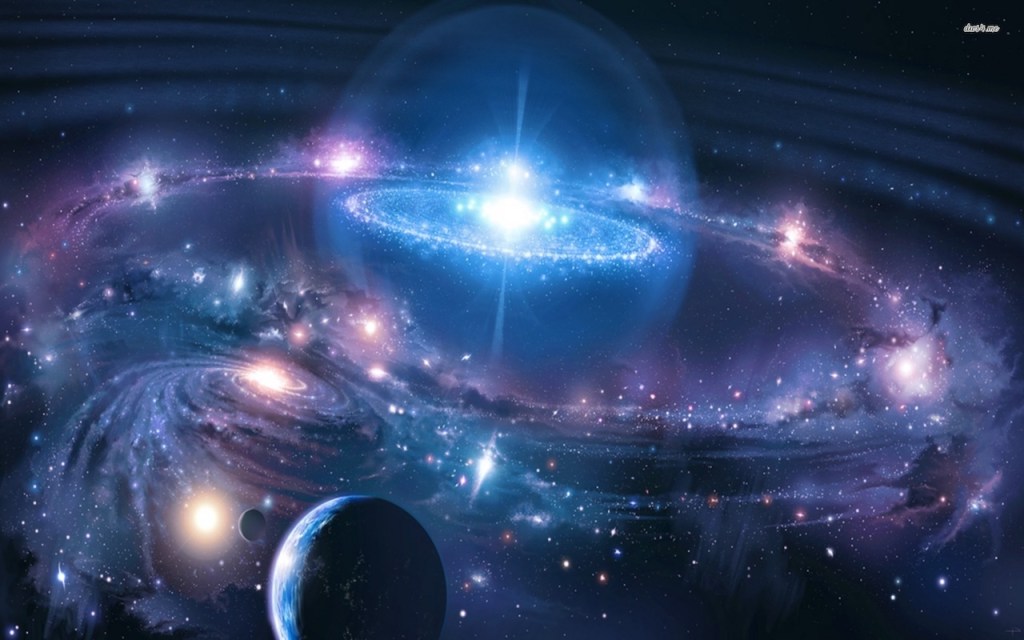
image: “The Blue Cosmos“
Names for the Ineffable God
God is one Being, but God has many aspects; thus God has many names. All religious scriptures point to God as the only Creator. As the ineffable Spirit, God remains only the essence of Bliss, but as Creation, He is able to function through various bodies and powers for differing motives.
The Many Names of God, the Ineffable
The term “ineffable” applies to anything that is indescribable, something that is so beyond human concepts that there are actually no words that can do it justice. The term God is such a concept. If humankind wanted to proscribe all terms hitherto naming God, it would do well to employ only the term the “Ineffable.”
Despite the fact that there are things, beings, even events that humanity finds ineffable, the confluence of the human mind and heart seeks to name and describe those entities anyway. But the naming and describing must always come with the caveat that anything said naming and describing are mere approximations.
For example, on the purely material, physical plane, the taste of an orange remains ineffable. One may say the orange tastes sweet, but so do apples, cookies, and ethylene glycol—none of which tastes like an orange. The only way to know the taste of an orange is to taste it—no description will ever reveal that actual taste.
The same situation exists facing the issue of knowing who or what God is. Humanity from time immemorial has described God, given God names and descriptions, but to know God is like to know the taste of an orange—it has to be experienced for oneself.
That is where the practice of religion enters: the purpose of religion is to assist the individual in discovering the method for knowing God. Because most human knowledge is acquired through the five senses, one would think that knowing God would also be acquired the same way.
But that does not work, because the senses can detect only phenomena on the physical, material level of being. The five senses cannot detect noumena which exists on a different plane of existence.
As the Absolute Spirit, God is an ineffable concept because the term God includes everything in creation and also everything that exists outside of creation. God is both creation and the originator of creation. This fact means that there is no way to understand such a being with the limited human mind.
Thus, the concept of God has come to be thought of in many manifestations or aspects, such as God as Father, God as Son, as God as Holy Spirit, which will be immediately recognized as the Trinity of Christianity, the religion of the West. And the “Holy Spirit” aspect is the only aspect of God within creation. Paramahansa Yogananda explains the nature of the trinity [1]:
When Spirit manifests creation, It becomes the Trinity: Father, Son, Holy Ghost, or Sat, Tat, Aum. The Father (Sat) is God as the Creator existing beyond creation (Cosmic Consciousness).
The Son (Tat) is God’s omnipresent intelligence existing in creation (Christ Consciousness or KutasthaChaitanya). The Holy Ghost (Aum) is the vibratory power of God that objectifies and becomes creation.
Many cycles of cosmic creation and dissolution have come and gone in Eternity. At the time of cosmic dissolution, the Trinity and all other relativities of creation resolve into the Absolute Spirit.
The principal religion of the East is Hinduism, which is often mistakenly thought to be a polytheistic religion. The term “polytheism” signifies a misleading concept. There could never be two or more ultimate creators [2]:
Spirit, being the only existing Substance, had naught but Itself with which to create.
Spirit and Its universal creation could not be essentially different, for two ever-existing Infinite Forces would consequently each be absolute, which is by definition an impossibility. An orderly creation requires the duality of Creator and created.
That mistake of assuming Hinduism to be polytheistic arises because in Hinduism, especially as interpreted through yogic philosophy, God is expressed through many aspects.
Some of those aspects include such terms as Father, Mother, Friend, Love, Light, Brahma, Vishnu, Shiva, Sat-Chit-Ananda, Kali, Prakriti, Sat-Tat-Aum, and many others. Dr. David Frawley’s explanation [3] includes the lowercase use of the term “god” which actually refers only to an aspect of the Supreme God, as the context will reveal:
Spirit, being the only existing Substance, had naught but Itself with which to create.
Spirit and Its universal creation could not be essentially different, for two ever-existing Infinite Forces would consequently each be absolute, which is by definition an impossibility. An orderly creation requires the duality of Creator and created.
If Hinduism is deemed a polytheistic religion because of the many names for aspects of the one God, then Christianity could also be considered a polytheistic religion because it also possesses a trinity. In addition to the trinity, the Judeo-Christian Bible also puts on display many other names for God such as Jehovah, Yahweh, Lawgiver, Creator, Judge, and Providence—all obvious aspects of the One Supreme Absolute or God.
The fact remains that both Hinduism and Christianity, along with Judaism and Islam, are monotheistic religions. The Christian Trinity portrays the three functions of God, and Hinduism offers the same functional trinity in Sat-Tat-Aum. Hinduism also includes other manifestations or aspects of God such as Krishna [4], who in many ways parallels Jesus the Christ and Kali [5], who parallels the Virgin Mary.
Scientific religionists and dedicated spiritual seekers have determined that there is only one God—and all religions profess this fact—but there are many aspects of that one God. And those aspects have been given specific labels for the purpose of discussion. One cannot discuss everything at once; thus, to aid in that the ability to discuss spirituality and religion, various aspects of the one God have been isolated and specified with different names.
Aspect Names Similar to Nicknames
A human being may have several nicknames. I am Linda Sue Grimes, born Linda Sue Richardson, but I am also Sissy, Grammy, Nubbies—those are three of my nicknames: I am Sissy to my sister; Grammy to my grandchildren; Nubbies to the husband.
There are not five of me just because I have five names. There is one of me, but I have various aspects to different people; thus, each of them thinks of me in terms of a specific aspect to which they have each given a specific name. It is a similar situation for naming God through His many aspects.
However, even more pressing because in theory, one could discuss the person “Linda Sue Grimes” without breaking the concept of her into various aspects because Linda Sue Grimes as a human being is not ineffable. A discussion of the ineffable God remains impossible without those names of aspects.
God Remains Ineffable
Still, God remains ineffable despite the various aspects assigned to the concept. The spiritually striving devotee on the path to God unity is not attempting to merely understand God, which would be a mental function.
The spiritual aspirant is working to unite with God, more specifically to contact his own soul which is the spark or expression of God. Contacting the soul means quieting both the physical body and the mind in order for the soul become ascendant in one’s consciousness.
Avatars such a Paramahansa Yogananda instruct devotees that they are not the body, not the mind, but the soul. In fact, the human being is a soul that possesses and body and mind, not the other way around. The soul has become a blurred concept as it is replaced with the ego, which strongly identifies with physical body and the mind.
It is only through the soul that the human being can contact God. The body cannot contact God because it is just bunch of chemicals; the mind cannot contact God because it gets its information through the unreliable senses.
The senses are in contact with the ever-changing maya delusion of the created cosmos. Thus, only the soul as a spark of God can contact God. The only way the soul can contact God is to quiet the body and mind. After the body and mind become quieted and capable of remaining perfectly still, the soul can manifest to the consciousness of the individual human being.
Why Did God Create the Cosmic Delusion?
Paramahansa Yogananda explains:
In order to give individuality and independence to Its thought images, Spirit had to employ a cosmic deception, a universal mental magic.
Spirit overspread and permeated Its creative desire with cosmic delusion, a grand magical measurer described in Hindu scriptures as maya (from the Sanskrit root ma, “to measure”).
Delusion divides, measures out, the Undefined Infinite into finite forms and forces. The working of cosmic delusion on these individualizations is called avidya, individual illusion or ignorance, which imparts a specious reality to their existence as separate from Spirit.
. . .
This Unmanifested Absolute cannot be described except that It was the Knower, the Knowing, and the Known existing as One.
In It the being, Its cosmic consciousness, and Its omnipotence, all were without differentiation: ever-existing, ever-conscious, ever newly joyous Spirit.
In this Ever-New Bliss, there was no space or time, no dual conception or law of relativity; everything that was, is, or is to be existed as One Undifferentiated Spirit. [6]
The question arises, however: why did God decide to manifest into various forms, if as one ineffable Spirit He is nothing but Bliss? The best answer to that question is what gurus (spiritual leaders) tell their chelas (spiritual aspirants): leave some questions to Eternity, meaning after you reach your goal of unity with God, all questions will be answered.
However, Paramahansa Yogananda has also answered that question by explaining that God created his lila or divine play simply in order to enjoy it. As unmanifested Spirit, God exists as bliss, but even though He is present in his Creation and likely enjoying it, He is also suffering it; thus arise various paths that lead god back to God, or the soul back to the Over-Soul.
Because that answer likely still heralds another “why?” One must return to the notion of leaving some answers to Eternity. One must take baby steps on the journey back to uniting with unmanifested Spirit. Just fitting the physical and mental bodies by yogic practice for the ability to accomplish that unity gives the devotee enough to think about and do.
Other Concepts and Labels for God
As names for God vary, so do personal concepts. For example, Jesus the Christ liked to think of God as the Father [7]; thus, many Western prayers begin with “Heavenly Father.”
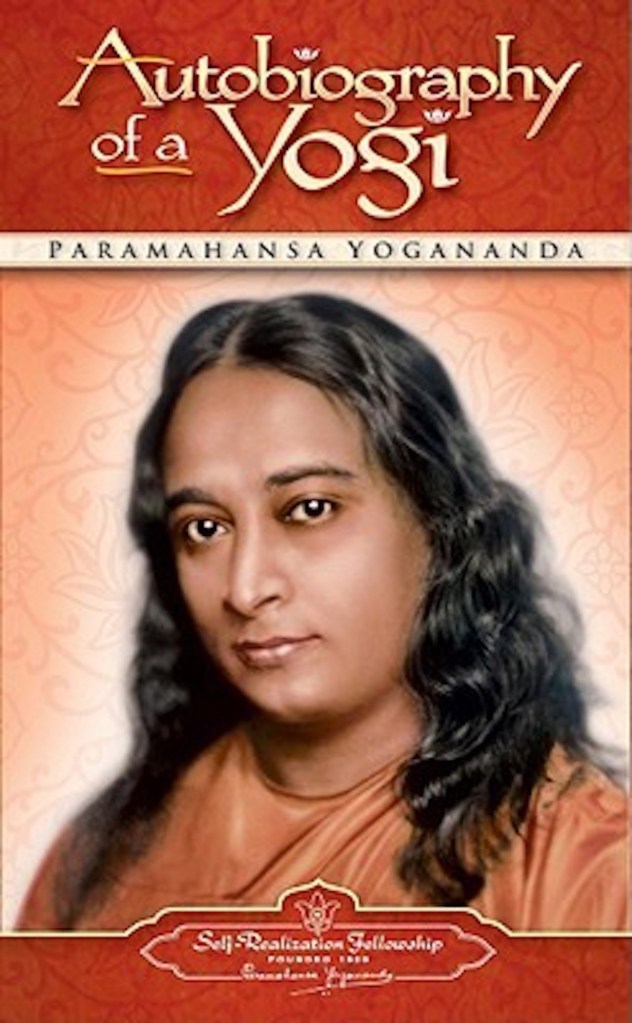
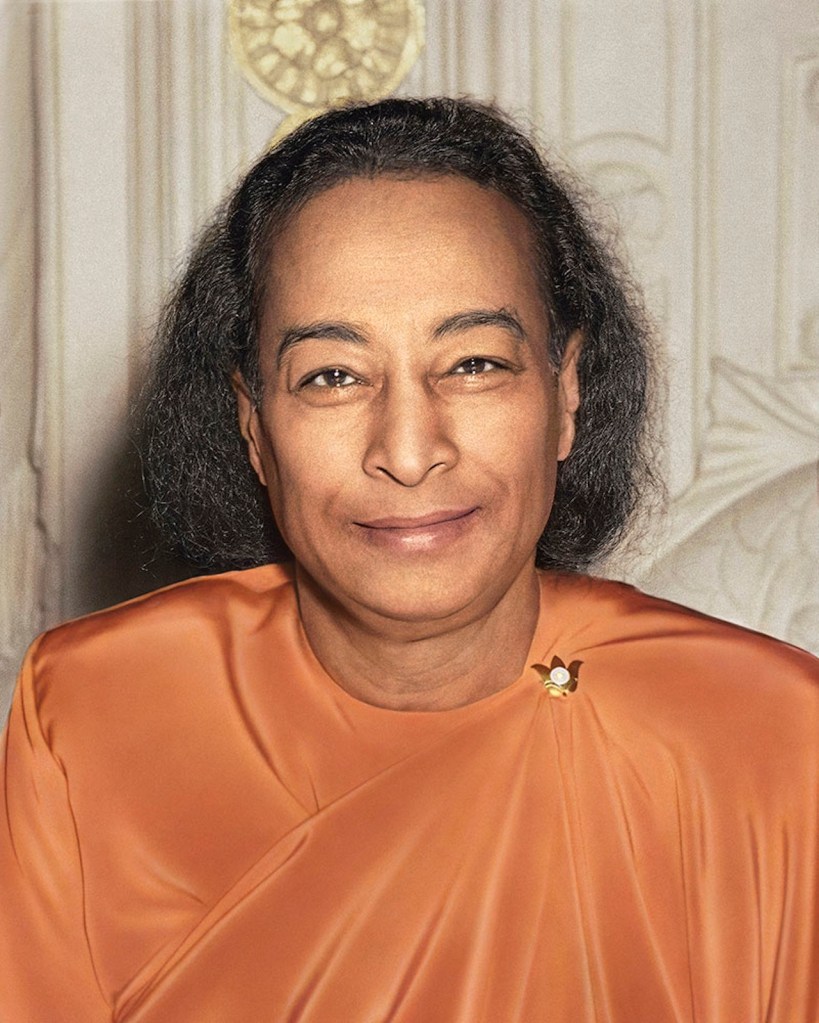
The founder Self-Realization Fellowship (SRF), Paramahansa Yogananda—”The Father of Yoga in the West”—was fond of assigning the mother-aspect to God and referring to God as Divine Mother. Thus, the opening of each SRF gathering begins with the following invocation:
Heavenly Father, Mother, (often lengthened to “Divine Mother”), Friend, Belovèd God, followed by the names of each guru associated with Self-Realization Fellowship.
All of these named references designate aspects of the same Entity—the Absolute Spirit or God.
My Use of the Term “God”
Because the term God can be alienating, especially triggering atheists and agnostics, I often refer to God in my commentaries by one of His possibly less disagreeable aspects. Therefore, I employ such terms as Ultimate Reality, Originator, Creator, Divine Reality, Divine Belovèd, Blessèd Creator, or simply just the Divine.
Likely, even the term Divine can be too mystically oriented for some postmodern, belligerent anti-spiritual, anti-religionists. Nevertheless, I do not completely eschew using the label God, despite negative reactions to and ignorance about the term, because the term does remain accurate and perfectly descriptive.
I do, however, continue to strive to render the context in which I use the term God as accurate and understandable as possible so that it may soften the blow for postmodern minds, being accosted by that term.
Sources
[1] Editors. Glossary: Trinity. Self-Realization Fellowship Official Web Site. Accessed March 5, 2023.
[2] Editors. “Law of Maya.” Paramahansa Yogananda: The Royal Path of Yoga. Accessed March 5, 2023.
[3] David Frawley. “Is Hinduism a Monotheistic Religion?” American Institute of Vedic Studies. August 27, 2014.
[4] Editors. “About Krishna.” krishna.com. Accessed January 14, 2021.
[5] Subhamoy Das. “Kali: The Dark Mother Goddess in Hinduism.” Learn Religions. Updated January 17, 2019.
[6] Editors. “Paramahansa Yogananda: The Father of Yoga in the West.” Self-Realization Fellowship Official Web Site. Accessed January 14, 2021.
[7] Stephen Smith. Editor. “How Many Times Does Jesus Call God Father?” OpenBible.info. January 10, 2021.

 Linda's Literary Home
