Linda's Literary Home

Tag: folklore

  • Stephen Vincent Benét’s “The Ballad of William Sycamore”

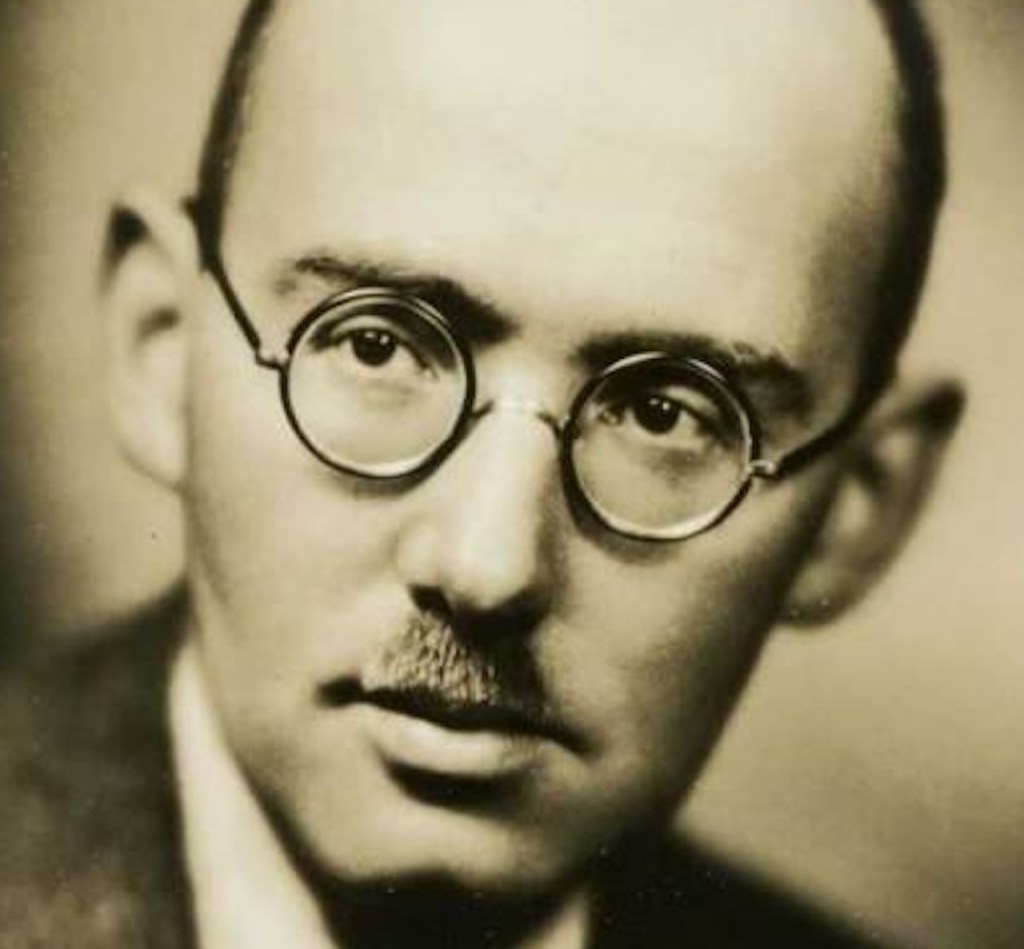
    Image:  Stephen Vincent Benét

    Stephen Vincent Benét’s “The Ballad of William Sycamore”

    Not strictly a cowboy poem, Benét’s ballad, however, offers the mind-set of an individual close to the land, preferring the rural life to the urban.

    Introduction and Text of “The Ballad of William Sycamore”

    Stephen Vincent Benét’s “The Ballad of William Sycamore” features 19 rimed, stanzas of traditional ballad form. The subject is the rustic life of William Sycamore, narrated by Sycamore himself from just before his birth to after his death.

    The Ballad of William Sycamore

    My father, he was a mountaineer,
    His fist was a knotty hammer;
    He was quick on his feet as a running deer,
    And he spoke with a Yankee stammer.

    My mother, she was merry and brave,
    And so she came to her labor,
    With a tall green fir for her doctor grave
    And a stream for her comforting neighbor.

    And some are wrapped in the linen fine,
    And some like a godling’s scion;
    But I was cradled on twigs of pine
    In the skin of a mountain lion.

    And some remember a white, starched lap
    And a ewer with silver handles;
    But I remember a coonskin cap
    And the smell of bayberry candles.

    The cabin logs, with the bark still rough,
    And my mother who laughed at trifles,
    And the tall, lank visitors, brown as snuff,
    With their long, straight squirrel-rifles.

    I can hear them dance, like a foggy song,
    Through the deepest one of my slumbers,
    The fiddle squeaking the boots along
    And my father calling the numbers.

    The quick feet shaking the puncheon-floor,
    And the fiddle squealing and squealing,
    Till the dried herbs rattled above the door
    And the dust went up to the ceiling.

    There are children lucky from dawn till dusk,
    But never a child so lucky!
    For I cut my teeth on “Money Musk”
    In the Bloody Ground of Kentucky!

    When I grew as tall as the Indian corn,
    My father had little to lend me,
    But he gave me his great, old powder-horn
    And his woodsman’s skill to befriend me.

    With a leather shirt to cover my back,
    And a redskin nose to unravel
    Each forest sign, I carried my pack
    As far as a scout could travel.

    Till I lost my boyhood and found my wife,
    A girl like a Salem clipper!
    A woman straight as a hunting-knife
    With eyes as bright as the Dipper!

    We cleared our camp where the buffalo feed,
    Unheard-of streams were our flagons;
    And I sowed my sons like the apple-seed
    On the trail of the Western wagons.

    They were right, tight boys, never sulky or slow,
    A fruitful, a goodly muster.
    The eldest died at the Alamo.
    The youngest fell with Custer.

    The letter that told it burned my hand.
    Yet we smiled and said, “So be it!”
    But I could not live when they fenced the land,
    For it broke my heart to see it.

    I saddled a red, unbroken colt
    And rode him into the day there;
    And he threw me down like a thunderbolt
    And rolled on me as I lay there.

    The hunter’s whistle hummed in my ear
    As the city-men tried to move me,
    And I died in my boots like a pioneer
    With the whole wide sky above me.

    Now I lie in the heart of the fat, black soil,
    Like the seed of the prairie-thistle;
    It has washed my bones with honey and oil
    And picked them clean as a whistle.

    And my youth returns, like the rains of Spring,
    And my sons, like the wild-geese flying;
    And I lie and hear the meadow-lark sing
    And have much content in my dying.

    Go play with the towns you have built of blocks,
    The towns where you would have bound me!
    I sleep in my earth like a tired fox,
    And my buffalo have found me.

    Reading: 

    Commentary on “The Ballad of William Sycamore”

    Speaking from two unlikely locales, William Sycamore narrates a fascinating tale of a fanciful life.

    First Movement: Rough and Tumble Parents

    The speaker describes his parents as scrappy, rough survivors. His mountaineer father had fists that resembled hammers; he ran as fast as a deer, and had a Yankee accent.  His mother was merry and brave and also quite a tough woman, giving birth to the narrator under a tall green fir with no one to help her but “a stream for her comforting neighbor.”

    While some folks can boast of clean linen fine to swaddle them, Sycamores cradle was a pile of pine twigs and he was wrapped in the skin of a mountain lion. Instead of “a starched lap / And a ewer with silver handles,” he recalls “a coonskin cap / And the smell of bayberry candles.”

    Thus, Sycamore has set the scene of his nativity as rustic and rural, no modern conveniences to spoil him. He idealizes those attributes as he sees them making him strong and capable of surviving in a dangerous world.

    Second Movement: Fun in the Cabin

    Sycamore describes the cabin in which he grew up by focusing on the fun he saw the adults have when they played music and danced. Their visitors were tall, lank, “brown as snuff,” and they brought their long, straight squirrel rifles with them.

    He focuses on the fiddle squealing and the dancing to a foggy song. The raucous partying was so intense that it rattled the herbs hanging over the door and caused a great cloud of dust to rise to the ceiling. He considers himself a lucky child to have experienced such, as well as being able to “cut [his] teeth on ‘Money Musk’ / In the Bloody Ground of Kentucky!”

    Third Movement:  Tall as Indian Corn

    The speaker reports that he grew as tall as the Indian corn, and while his father had little to offer him in things, his father did give him a woodsman skill, which he found helpful. With his homespun gear, a leather shirt on his back, he was able to navigate the woodlands like a profession scout.

    Fourth Movement: A Sturdy Wife

    Reaching adulthood, Sycamore married a sturdy woman, whom he describes as “straight as a hunting-knife / With eyes as bright as the Dipper!” The couple built their home where the buffalo feed, where the streams had no names. They raised sons who were “right, tight boys, never sulky or slow.” 

    The oldest son died at the Alamo, and the youngest died with Custer. While the letters delivering the news of their fallen sons “burned [his] hand,” the grieving parents stoically said, “so be it!” and push ahead with their lives.  What finally broke the speaker’s heart, however, was the fencing of his land, referring the government parceling land to individual owners.

    Fifth Movement:  Gutsy, Self-Reliance

    The speaker still shows his gutsy, self-reliance in his breaking of a colt that bucked him off and rolled over him.  After he recovered, however, he continues to hunt, and while the “city-men tried to move [him],” he refused to be influenced by any city ways. He died “in [his] boots like a pioneer /  With the whole wide sky above [him].”

    Sixth Movement:  Speaking from Beyond

    Speaking from beyond the grave somewhat like a Spoon River resident, only with more verve and no regret, William Sycamore describes his astral environment as a fairly heavenly place.

    He is young again, reminding him of spring rain that returns every year, and his sons are free souls reminding him of wild geese in flight.  He hears the meadow-lark, and he avers that he is very contented in his after-life state.

    Sycamore disdained the city, as most rustics do, so he uses his final stanza to get in one last dig: “Go play with the town you have built of blocks.” He then insists that he would never be bound by a town, but instead he sleeps “in my earth like a tired fox, / And my buffalo have found me.”  In his peaceful, afterlife existence, William Sycamore differs greatly from the typical Spoon River reporter.
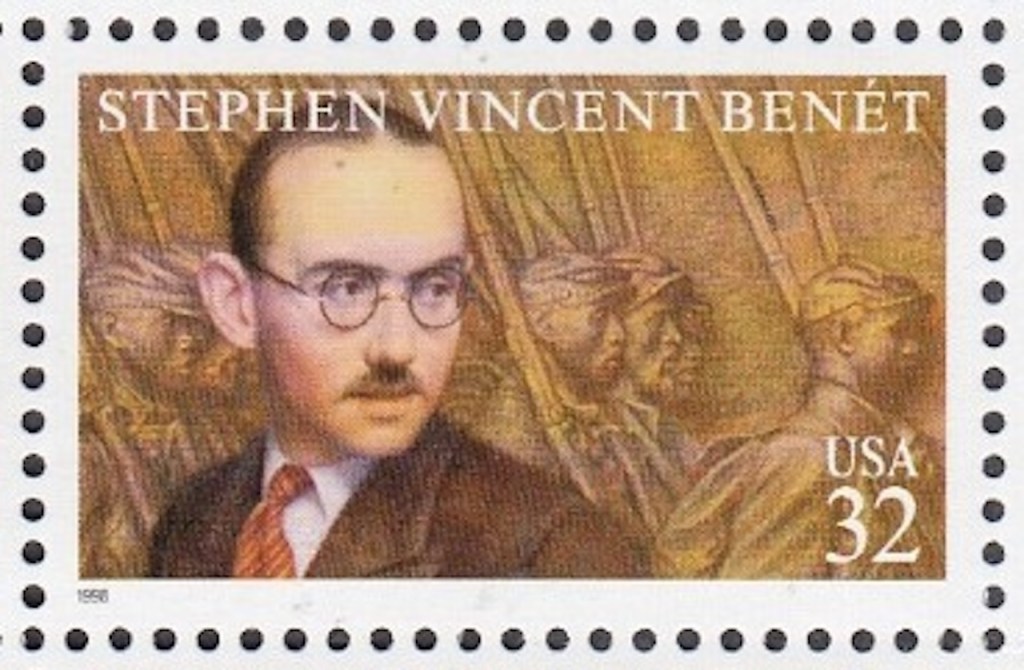
    image: Stephen Vincent Benét – Commemorative Stamp 

    Brief Life Sketch of Stephen Vincent Benét

    The works of Stephen Vincent Benét (1898–1943) [1] have influenced many other writers.  Cowboy poet Joel Nelson claims that “The Ballad of William Sycamore” made him fall in love with poetry.  Dee Brown’s title Bury my Heart at Wounded Knee comes directly from the final line of Benét’s poem titled “American Names” [2].

    The book-length poem, John Brown’s Body, won him his first Pulitzer Prize in 1929 and remains the poet’s most famous work. Benét first published “The Ballad of William Sycamore” in the New Republic in 1922.    Benét’s literary talent extended to other forms, including short fiction and novels.  He also excelled in writing screenplays, librettos, an even radio broadcasts.

    Born July 22, 1898, in Bethlehem, Pennsylvania [3] Benét graduated from Yale University in 1919 where instead of a typical thesis, he substituted his third collection of poems.  His father was a military man who appreciated literary studies.  His brother William and his sister Laura both became writers as well.

    Benét’s first novel The Beginning of Wisdom was published in 1921, after which he relocated to France to study at the Sorbonne.  He married the writer Rosemary Carr, and they returned to the USA in 1923, where his writing career blossomed.

    The writer won the O. Henry Story Prize and a Roosevelt Medal, in addition to a second Pulitzer Prize, which was awarded posthumously in 1944 for Western Star.  Just a week before spring of 1943, Benét succumbed to a heart attack in New York City; he was four month shy of his 45th birthday.

    Sources

    [1]  Editors.  “Stephen Vincent Benét.”  Academy of American Poets. Accessed January 13, 2026.

    [2] Darla Sue Dollman.  “Buy My Heart at Wounded Knee and Stephen Vincent Benét.” Wild West History.  October 4, 2013.

    [3] Editors.  “Stephen Vincent Benét.”  Poetry Foundation.  Accessed January 13, 2026.
  • David Althouse’s “How Pecos Bill Saved Christmas”

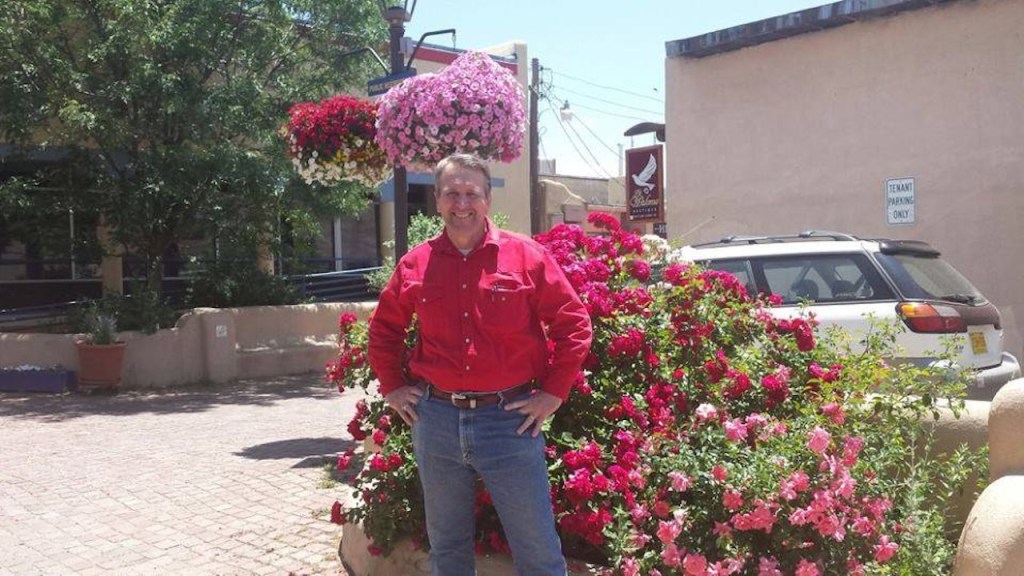
    Image:  David Althouse

    David Althouse’s “How Pecos Bill Saved Christmas”

    The legendary hero, Pecos Bill, gargling with nitroglycerin and chewing on habanero peppers, saved Christmas one year.  Accompanied by his horse, Widow Maker, Pecos Bill performs his extreme acts throughout cowboy folklore.

    Introduction with Text of “How Pecos Bill Saved Christmas”

    The legend of Pecos Bill first appeared in 1917 [1] when Edward O’Reilly published a collection of the tales about Bill in The Century Magazine.  In 1923, the stories were reprinted in a book titled The Saga of Pecos Bill

    Like other characters from the folklore genre such as Paul Bunyan [2], Pecos Bill remains a figure of controversy.  According to F. E. Abernethy, “Pecos Bill seems to have been more the product of journalism than folklore” [3].

    Journalist Edward O’Reilly had claimed that the stories of Pecos Bill were told by cowboys who handed them down in the oral tradition as they expanded westward settling Texas, New Mexico, and Arizona.  But then O’Reilly filed a lawsuit against a plagiarizer of one of his articles featuring Pecos Bill.  

    O’Reilly then admitted that he had invented Pecos Bill.  J. Frank Dobie of the Texas Folklore Society has affirmed that Pecos Bill had not been heard of until O’Reilly’s stories began appearing in 1917.

    Whether Pecos Bill is genuine “folklore” or “fakelore” [4], his character has stolen the hearts of readers since he first appeared.  A widely known version of the Pecos Bill legend is James Cloyd Bowman’s  Pecos Bill: The Greatest Cowboy of All Time, first published in 1937, winning the Newbery Honor in 1938.  

    After remaining out of print since 1970, the book was republished in 2007 with added illustrations by Laura Bannon.

    Pecos Bill and Christmas

    Cowboy poet David Althouse, in his hilarious drama titled “How Pecos Bill Saved Christmas,” features this controversial but still fascinating character from cowboy lore, who performs extraordinary acts and boasts a bizarre history.  

    For example, Pecos Bill was supposedly bounced off a wagon heading west as a newborn infant, was left behind by his unwitting parents, and then raised by coyotes.  That auspicious (or perhaps inauspicious) beginning sets the stage for the many fantastic events in the adventures of Pecos Bill.

    Narrated in 16 riming couplets, Althouse’s “How Pecos Bill Saved Christmas” represents one of those bizarre, outrageous events that readers have come to expect from this unlikely hero.

    How Pecos Bill Saved Christmas

    You’ve heard the tales of Pecos Bill, a western hero bold and true—
    Like his paintin’ deserts, ridin’ twisters, and marryin’ up with Slue-Foot Sue.

    Atop Widow Maker, his cantankerous steed, live rattlesnake whip in tow,
    Pecos swung a mighty wide loop, ‘twas a one-man Wild West show.

    So it would’ve come to no surprise to those who knew him best,
    Pecos once saved Christmas when it was almost cancelled way out west.

    Pecos was winterin’ in Colorado at his cabin two miles high,
    When he stood up to look southwesterly to the Arizona sky.

    His eagle eyes could take in country most normal eyes couldn’t see,
    And he spotted somethin’ white where the Grand Canyon was supposed to be.

    The worst winter storm in history had filled the great chasm up with snow,
    And soon he spotted reindeer antlers stickin’ up from down below.

    Well, Pecos knew no such reindeer lived out in Arizona land,
    So he knew St. Nick was trapped with his sleigh and reindeer band.

    Great times call for great men, and such was true upon this night;
    Christmas hung in the balance, and Pecos aimed to set it right.

    Pecos whistled for Widow Maker, and the ornery hoss was there post haste,
    And they took off like a lightening bolt with little time to waste.

    In just a couple of minutes they were at the canyon rim;
    Pecos looks at Widow Maker and then he says to him,

    “I’m gonna gargle some nitroglycerin mixed with habaneros don’t you know,
    And I’m gonna blow it through the canyon and melt down all that snow!”

    Now, Pecos was a known spitter, and could prove it with his deeds,
    Having practiced with tobacco juice and watermelon seeds.

    He chews on the habaneros and swishes the nitroglycerin all around,
    Plants his feet, pulls in some air, and then—he unwound!

    This fireball of a concoction blast through the canyon—end-to-end—
    Allowin’ the Christmas sleigh to elevate and fly off in the wind.

    Now if you doubt this story, and think it doesn’t make much sense,
    Next time you’re at the canyon just look at the evidence. 

    Great fire-burnt canyon rocks were left behind from Bill’s fiery spray,
    Which is why they’re reddish orange even to this day.

    © 2009 David Althouse
    “How Pecos Bill Saved Christmas” is reprinted here with kind permission from cowboy poet/novelist, David Althouse.

    Image:  David Althouse

    Commentary on “How Pecos Bill Saved Christmas”

    Why are the rocks in the Grand Canyon a burnt-orange color?  Find out what saving Christmas has to to with the color of canyon rocks.

    First Movement:  Following Tradition

    You’ve heard the tales of Pecos Bill, a western hero bold and true—
    Like his paintin’ deserts, ridin’ twisters, and marryin’ up with Slue-Foot Sue.

    Atop Widow Maker, his cantankerous steed, live rattlesnake whip in tow,
    Pecos swung a mighty wide loop, ‘twas a one-man Wild West show.

    So it would’ve come to no surprise to those who knew him best,
    Pecos once saved Christmas when it was almost cancelled way out west.

    Pecos was winterin’ in Colorado at his cabin two miles high,
    When he stood up to look southwesterly to the Arizona sky.

    The first movement treats readers to some of the traditional accoutrements of Pecos Bill:  he painted desserts, rode tornadoes (was said to have lassoed one), rode a horse named Widow Maker, used a live rattlesnake as whip, and married an equally outlandish character named “Slue-Foot Sue.”

    This movement also introduces the first element that will result in Pecos Bill’s saving Christmas.  He was spending his winter in Colorado in his “two mile high” cabin, and he happened to look toward the southwest observing the “Arizona sky.”

    Second Movement:   Farsighted

    His eagle eyes could take in country most normal eyes couldn’t see,
    And he spotted somethin’ white where the Grand Canyon was supposed to be.

    The worst winter storm in history had filled the great chasm up with snow,
    And soon he spotted reindeer antlers stickin’ up from down below.

    Well, Pecos knew no such reindeer lived out in Arizona land,
    So he knew St. Nick was trapped with his sleigh and reindeer band.

    Great times call for great men, and such was true upon this night;
    Christmas hung in the balance, and Pecos aimed to set it right.

    Pecos Bill was able to see Arizona from Colorado because of his “eagle eyes,” and he saw that the Grand Canyon was filled with snow from “the worst winter storm in history.”  But he also saw “antlers stickin’ up” through that snow, and he knew there were no deer like that in Arizona.  He figured immediately that Santa Claus had gotten trapped during that worst blizzard in history.

    Third Movement:   Spewing Nitro 

    Pecos whistled for Widow Maker, and the ornery hoss was there post haste,
    And they took off like a lightening bolt with little time to waste.

    In just a couple of minutes they were at the canyon rim;
    Pecos looks at Widow Maker and then he says to him,

    “I’m gonna gargle some nitroglycerin mixed with habaneros don’t you know,
    And I’m gonna blow it through the canyon and melt down all that snow!”

    Now, Pecos was a known spitter, and could prove it with his deeds,
    Having practiced with tobacco juice and watermelon seeds.

    So Bill whistles for Widow Maker, and they are off “like a lightning bolt.”  In only two minutes, they arrive on the rim of the Grand Canyon.  Bill announces to Widow Maker that he is going to mix up a batch of nitroglycerin and habanero peppers in his throat and them spew that mixture through the canyon to melt the snow.

    Pecos Bill had practiced spitting using “tobacco juice and watermelon seeds,” and he had become quite expert in that practice.  Thus, he could spew the nitro and habanero juice through the canyon to melt the snow to release Santa Claus and his hapless reindeer.

    Fourth Movement:   Evidence That It Happened

    He chews on the habaneros and swishes the nitroglycerin all around,
    Plants his feet, pulls in some air, and then—he unwound!

    This fireball of a concoction blast through the canyon—end-to-end—
    Allowin’ the Christmas sleigh to elevate and fly off in the wind.

    Now if you doubt this story, and think it doesn’t make much sense,
    Next time you’re at the canyon just look at the evidence. 

    Great fire-burnt canyon rocks were left behind from Bill’s fiery spray,
    Which is why they’re reddish orange even to this day.

    So Bill does as he said he would.  He chews up some habanero peppers, the hottest of the peppers, along with some nitroglycerin. He then stands and spits it through the canyon.  

    The combination of nitro and hot peppers raises a “fireball of a concoction” which flashes through the canyon melting the snow and then Santa and his sleigh pulled by the reindeer could rise out of the canyon, catch the wind, and fly off to complete their task of delivering gifts to the world’s children.

    The narrator then remarks that even though his readers/listeners might think the story sounds too fantastic to be true, he points out the the evidence of its veracity is the color of the canyon rocks which have remained even to the present day a color he calls “great fire-burnt” or “reddish orange.”   

    Most important of all, however, is that Pecos Bill saved Christmas that year, and everyone can be grateful for that.

    Sources

    [1]  Kathy Weiser.  Pecos Bill – A Legend of Frontier SpiritLegends of America.  Updated May 2017.

    [2] Editors. Paul Bunyan.” Britannica. Accessed December 7, 2025.

    [3]  F. E. Abernethy.  “Pecos Bill.” Encyclopedia of he Great Plains. 2011.

    [4] Marshall W. Fishwick. “Sons of Paul: Folklore or Fakelore?”  Western Folklore.  Vol. 18, No. 4. October 1959.  Via JSTOR.

    “The Ballad of Pecos Bill”  Roy Rogers  

    The Legend of Pecos Bill