Linda's Literary Home

Tag: Harlem

  • Langston Hughes’ “Night Funeral in Harlem”

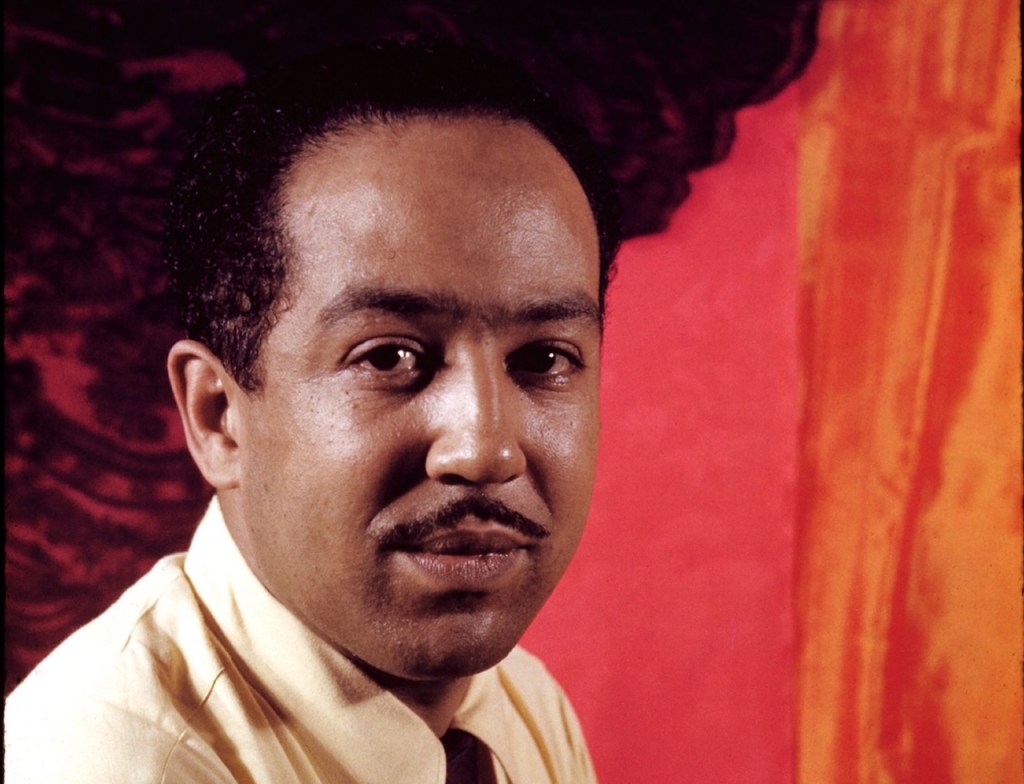
    Langston Hughes - https://www.newyorker.com/magazine/2015/02/23/sojourner - Photograph by Carl Van Vechten / Carl Van Vechten Trust / Beinecke Library, Yale - 1280
    Image: Langston Hughes – Photograph by Carl Van Vechten / Carl Van Vechten Trust / Beinecke Library, Yale – 1280

    Langston Hughes’ “Night Funeral in Harlem”

    The speaker in Langston Hughes’ “Night Funeral in Harlem” wonders how this poor dead boy’s friends and relatives are able to afford such a lavish funeral.

    Introduction and Text of “Night Funeral in Harlem”

    Langston Hughes’ “Night Funeral in Harlem” is an example of the poet’s affinity for the blues. He employs a form that includes the blues flavor, allowing the reader to hear a mournful voice that implies issues that he never actually discusses.

    The speaker’s questions are more than mere decoration, and their implications attempt to make a political and sociological, as well as religious, evaluation. The poem’s form features an inconsistent conglomeration of rimed stanzas, with varied refrains.

    Night Funeral in Harlem

         Night funeral
         In Harlem:

         Where did they get
         Them two fine cars?

    Insurance man, he did not pay—
    His insurance lapsed the other day—
    Yet they got a satin box
    for his head to lay.

         Night funeral
         In Harlem:

         Who was it sent
         That wreath of flowers?

    Them flowers came
    from that poor boy’s friends—
    They’ll want flowers, too,
    When they meet their ends.

         Night funeral
         in Harlem:

         Who preached that
         Black boy to his grave?

    Old preacher man
    Preached that boy away—
    Charged Five Dollars
    His girl friend had to pay.

         Night funeral
         In Harlem:

    When it was all over
    And the lid shut on his head
    and the organ had done played
    and the last prayers been said
    and six pallbearers
    Carried him out for dead
    And off down Lenox Avenue
    That long black hearse done sped,
         The street light
         At his corner
         Shined just like a tear—
    That boy that they was mournin’
    Was so dear, so dear
    To them folks that brought the flowers,
    To that girl who paid the preacher man—
    It was all their tears that made
         That poor boy’s
         Funeral grand.

         Night funeral
         In Harlem.

    Reading:  

    Commentary on “Night Funeral in Harlem”

    The speaker in Langston Hughes’ “Night Funeral in Harlem” jabs insults at these mourners as he wonders how this poor dead boy’s friends and relatives are able to afford such a lavish funeral.

    First Movement:  An Critical Observer

         Night funeral
         In Harlem:

         Where did they get
         Them two fine cars?

    Insurance man, he did not pay—
    His insurance lapsed the other day—
    Yet they got a satin box
    for his head to lay.

         Night funeral
         In Harlem:

         Who was it sent
         That wreath of flowers?

    The speaker begins with his refrain that features his subject, “Night funeral / In Harlem.” He then shoots in his first question that is ultimately insulting to the mourners. The speaker wonders, “Where did they get / Them two fine cars?” 

    The speaker’s dialect is intended to reveal him as an intimate with the mourners, yet his questions actually separate him from them. If he is one of them, why does he have to ask where the cars come from? His concern, therefore, comes across as disingenuous.

    The speaker then introduces the “insurance man,” who might be the reason for the “fine cars,” but no, the poor boy’s “insurance lapsed the other day.” Again, the speaker’s knowledge of the particulars of the situation clash; he knows the people well enough to know that their insurance lapsed, but yet not well enough to know who, in fact, is paying for the lavish funeral. 

    And then the speaker offers a further bit of incongruity that these poor folks have managed to supply a “satin box / for [the deceased’s] head to lay.” The speaker offers these incongruities but never manages to make clear his purpose.

    Second Movement:  A Question of Integrity

    Them flowers came
    from that poor boy’s friends—
    They’ll want flowers, too,
    When they meet their ends.

         Night funeral
         in Harlem:

         Who preached that
         Black boy to his grave?

    The speaker again introduces his next stanza with a variation on the opening refrain: “Night funeral / In Harlem: / / Who was it sent / That wreath of flowers?” Again, the speaker reveals that his distance from the mourners is so great that he has to ask about the flowers. But then he admits that he does actually know that the flowers came from “that poor boy’s friends.”

    But the speaker then insults those friends by accusing them of sending them only because “They’ll want flowers, too, / When they meet their ends,” and also implying that he wonders how those friends paid for the flowers.

    Third Movement:  Is Race Really the Issue?

    Night funeral
      Night funeral
         in Harlem:

         Who preached that
         Black boy to his grave?

    Old preacher man
    Preached that boy away—
    Charged Five Dollars
    His girl friend had to pay.

    The third stanza’s opening varied refrain asks, “Who preached that / Black boy to his grave?” He reveals for the first time that the deceased is black but does not clarify why he should offer the race of the dead at this point.  

    The had been implying that the deceased was black all along by using stereotypical Black English and placing the funeral in Harlem, which was heavily populated by African Americans at the time that the poet was writing.

    The preacher is portrayed then as a money-grubber, charging five dollars to “preach[ ] that boy away,” and the poor boy’s girlfriend had to pay the preacher the five dollar charge.  Again, how it is that the speaker knows the girlfriend paid the preacher, but that he does not know who paid for two limousines, casket, flowers?

    Fourth Movement:   Despite the Insults

        Night funeral
         In Harlem:

    When it was all over
    And the lid shut on his head
    and the organ had done played
    and the last prayers been said
    and six pallbearers
    Carried him out for dead
    And off down Lenox Avenue
    That long black hearse done sped,
         The street light
         At his corner
         Shined just like a tear—
    That boy that they was mournin’
    Was so dear, so dear
    To them folks that brought the flowers,
    To that girl who paid the preacher man—
    It was all their tears that made
         That poor boy’s
         Funeral grand.

         Night funeral
         In Harlem.

    The final stanza is a rather flabby summation of what has happened during this Harlem funeral at night. The opening refrain merely reiterates the subject, “Night funeral / In Harlem.”

    Gone is the additional commentary as appeared in the three opening refrains, but the speaker does leave the affair on a compassionate note; at least he can admit, “It was all their tears that made / That poor boy’s / Funeral grand.”  

    Despite his probing, insulting questions, he finally admits that the importance of the event is that it shows the love the mourners had for their dearly departed.
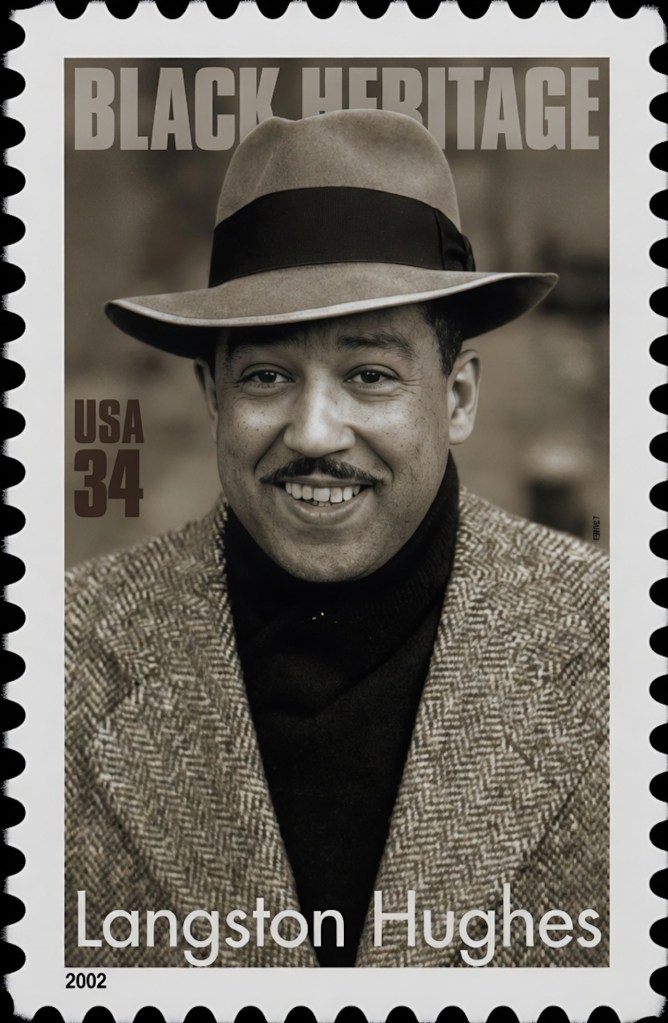
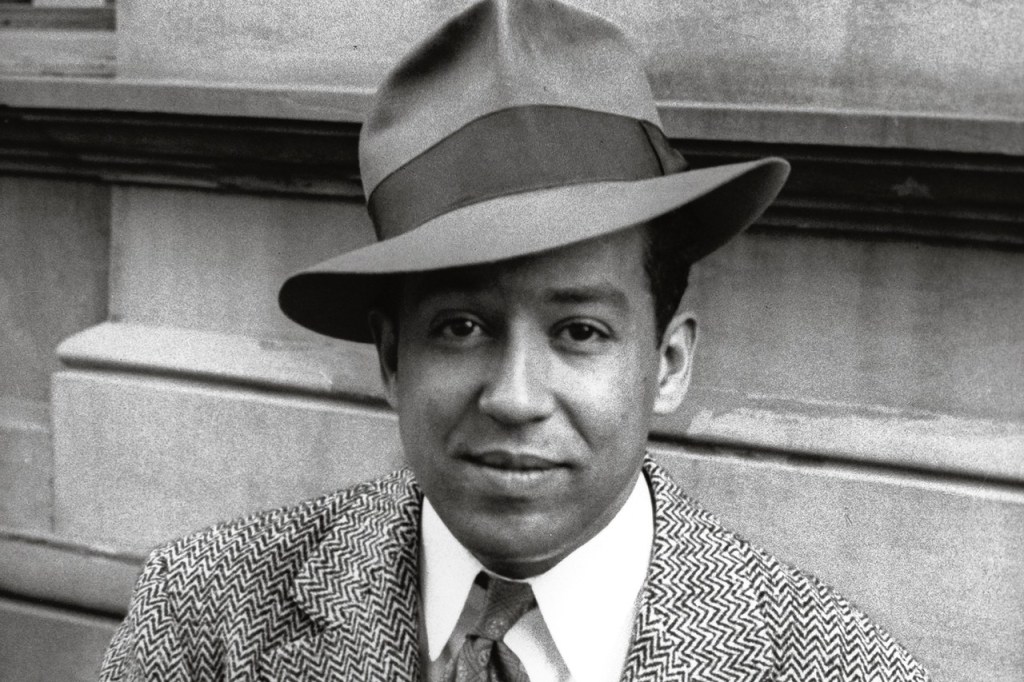
    Image:  Langston Hughes - Commemorative Stamp  http://usstampgallery.com/view.php?id=0787693b268f0944d0264088b300c02721d73814&Langston_Hughes&st=Langston%20Hughes&ss=&t=&s=8&syear=&eyear=  US Stamp Gallery
    Image: Langston Hughes – Commemorative Stamp  – US Stamp Gallery
  • Langston Hughes’ “Harlem”

    Image: Langston Hughes - Carl Van Vechten Eakins Press Foundation photo by Carl Van Vechten (1880-1964) https://www.sfgate.com/entertainment/article/Inspired-by-poet-Hughes-Influential-writer-was-2875941.php
    Image: Langston Hughes – Eakins Press Foundation – photo by Carl Van Vechten (1880-1964)

    Langston Hughes’ “Harlem”

    Langston Hughes’ “Harlem” examines the potential effects of having to postpone dreams or goals.  The result of such delay may present itself in numerous ways, and the speaker explores them in this poem through colorful imagery in five dramatic similes and one explosive metaphor.

    Introduction with Text of “Harlem”

    The title of Langston Hughes’ “Harlem” may be considered somewhat ironic.  The Harlem Renaissance became a colorful, vibrant period of flourishing in literary, musical, visual, and other forms of art.    Several civil rights activists, including the excellent poet/activist James Weldon Johnson, were active contributors to this flourishing movement.

    The irony, however, rests in that fact that many dreams, especially of black American artists, were being realized as never before, yet, the poem engages in speculation about the events that may transpire if dreams are postponed, remaining unrealized.

    Still, on the other hand, systemic racism in America was not eliminated until enactment of the Civil Right Act of 1964.  Thus Hughes’ speaker was quite timely in speculation that much of the black population was still being subjected to unfavorable conditions, including having to postpone certain dreams of equality of opportunity.

    Because this poem’s speaker makes no mention of anything referring to race or ethnicity, the poem’s “dream” could be any desired goal held by any member of any race or ethnic group. 

    The message of this poem can be applied to any “dream” or “goal” that would have to be postponed, especially if postponed by coercion or unfair competition. The poem’s universal message is what makes it a great poem.

    This poem appears in Langston Hughes’ 1951 collection, Montage of a Dream Deferred.  The theme of the poem explores the mental and emotional states that the human mind might undergo if forced to postpose or abandon one’s heartfelt dreams and life goals.   The poem primarily employs similes but concludes with one explosive metaphor to convey its impact.

    The speaker opens the poem questioning what happens when a dream has to be postponed.  He moves on to make four further inquiries; he then provides a suggestion and finally concludes with a shocking, explosive question.   The inquiries that employ the use of similes turn out to be rhetorical questions; answers to these questions are actually featured within the questions themselves.  

    This strategy leaves no doubt about the answers to those questions.  They are yes/no questions, and the obvious answer is yes in all cases.  As “yes or no” questions, they require no further elaboration.  The speaker’s point of view on the issue is quite clear:  he holds the notion that a dream postponed indefinitely can result in all sorts of damage, including death. 

    The similes— “like a raisin in the sun,” “like a sore,” “like rotten meat,” “like a syrupy sweet,” “like a heavy load”—form the questioning pattern, with the final simile, however,  expressed as a suggestion.  Then the metaphor in the conclusion bursts forth with, “or does it explode?“—the most volatile question of all—therefore it receives added italic emphasis.

    No one wants to postpone a dream, that is, a goal, regardless of whether it is to buy a new phone or start that new career.  But what happens to that dream if it does have to be put off for any reason?  Maybe it just languishes in the back of the mind or maybe it causes the individual to behave in a destructive manner. 

    In roughly 50 words, the speaker has explored a human phenomenon that most, if not all human beings, have experienced in their time on earth.  The degree of intensity to which each dream deferred has been subjected is the main theme of the poem.  With colorful imagery presented through rhetorical questions, the speaker has created a memorable drama, focusing on a universal human condition.

    Harlem

    What happens to a dream deferred?

    Does it dry up
    like a raisin in the sun?
    Or fester like a sore—
    And then run?
    Does it stink like rotten meat?
    Or crust and sugar over—
    like a syrupy sweet?

    Maybe it just sags
    like a heavy load.

    Or does it explode?

    Commentary on “Harlem”

    Langston Hughes’ poem features several perfect rimes in “sun-run,” “meat-sweet,” “load-explode.” The poem employs images: “raisin in the sun,” “fester like a sore,” “stink like rotten meat.”   Even the metaphor that contains no noun suggests the subliminal vision of an exploding bomb which includes all the five senses for which the imagery is employed.

    First Movement:  The Delaying

    What happens to a dream deferred?

    Most mature, well-adjusted, thinking human beings entertain dreams and goals that they strive to achieve. This poem full of questions begins with a question seeking to know what events might occur after a dream has been postponed: what might such a delay cause the dreamer to do?

    Although it surely must be assumed that the “dream” referred to in this poem is one vital to human nature and dignity, such as the desire for individual freedom, personal security, and individual achievement, in reality, it does not matter what the dream is, because each person reacts differently to different circumstances.

    Some human minds and hearts are more patient than others. What may set off a volatile reaction from one person may be well tolerated by another.  Still, dreams and goals are so important to the life of the dreamer that they occupy the dreamer’s attention in the consciousness much of the time during the day and possibly even in sleep.

    It is, therefore, little wonder that if the dreamer hits a roadblock that stalls his/her continuing on the path to fulfillment of a goal, s/he may become disturbed.  The speaker in the poem is exploring a range of possible outcomes that may be experienced by differing personalities.

    Second Movement: The Drying Up

    Does it dry up
    like a raisin in the sun?

    After a dream or goal is allowed to “dry up like a raisin in the sun,” that dream or goal will lose its value. A raisin is a sweet, nutritious food but left out in the sun, it will harden and lose its flavor as well as its nutritional value.  The life’s goal of a human being performs a vital role in making that person a successful, contributing member to the culture and society of the human race.

    However, if an individual is put off over and over again, admonished that s/he simply has to wait for society’s laws and attitudes to change before s/he can start a business, or become a doctor, lawyer, teacher, or artist, that individual is likely to wither away or “dry up,” particularly emotionally and mentally.

    The speaker wishes to place into the consciousness of society that the notion of delaying the dreams of individuals will become an impediment to progress. Talent and ingenuity require nurturing. not being postponed.

    Desire to flourish must be encouraged, not kept in the dark of indifference. The drying up of human talent and energy is a waste of human capital; thus the slogan “a mind is a terrible thing to waste” offers a useful claim as well as a clever advertisement for colleges.

    The waste of that mind not only affects the individual, but it also affects the entire community and eventually the whole of society.  If a country continues to denigrate its native talent, that country is bound to fail.

    Third Movement:  The Festering

    Or fester like a sore—
    And then run?

    The speaker then considers another issue that might arise from a delayed dream; instead of drying up, maybe it will run like a sore that has festered and become all pus infused. We all want our sores to dry up; we do not want them to fester and continue to run.

    Restless dissatisfaction might occur if a dream festers and runs. The innocent dreamer might transform into a criminal, perpetrating criminal offenses against whom or what s/he believes to be standing in the way of his/her dreams.  Again, the whole of society is lessened by such behavior.

    Fourth Movement:  The Stinking

    Does it stink like rotten meat?

    Rotten meat gives off a definite, unpleasant odor. A dream allowed to lie untended in the mind might decay and give off the stench of unfulfilled desires. The unpleasant odor comes from the dead dream, just as the stink spreads from rotten animal flesh.

    The “rotten meat” simile is particularly powerful. The stench of decayed flesh remains nearly unbearable to the human nostrils. The speaker has grown particularly suspicious that deferred dreams can ever produce anything resembling a pleasant outcome.

    Fifth Movement:  The Crusting Over

    Or crust and sugar over—
    like a syrupy sweet?

    The dried accumulation that forms on syrup or honey bottles left unused for quite some time presents as an unpleasant crust. It is the lack of use has caused that unpleasant accumulation.

    The contents of the bottle will become unusable if left long enough, and so it becomes with dreams. Elderly folks often complain that they failed to pursue certain dreams when they were young, and now those dreams have become a bitter memory, a crusty accumulation at the top their bottle of life.  The crusted over dreams may present themselves as emotions of hatred, doubt, anger, and despair.

    Sixth Movement:  The Sagging

    Maybe it just sags
    like a heavy load.

    This stanza does not pose a question; it offers a suggestion that perhaps the postponed dream just bends because of the “heavy load” of deferral. The dreamer has become lazy and lethargic, even clumsy, as s/he trudges along under the heavy load that has become a mighty burden.

    The dream continues to weigh heavily on the mind of the dreamer who keeps on wondering what s/he might have accomplished, if given the opportunity. Thus from carrying the burden of doubt, the dreamer may become depressed even lacking the ability to be at all productive.

    Seventh Movement: The Exploding

    Or does it explode?

    All of the possibilities heretofore mentioned in the similes and in the sagging heavy load suggestion of suffering a dream deferred are deficient, shoddy, even possibly life-threatening. While negative in their description, all of the earlier questions imply a certain level of tolerance.

    The deferral of those dreams referred to in the similes have affected mostly the dreamer. But the question metaphorically expressed in the final line becomes literally and definitely explosively life-threatening, not only to the dreamer but to his/her surroundings.

    The speaker asks, “does it explode?” Bombs explode—as well as anything in a container in which pressure has built up to the point that the container is no longer capable of expanding to accommodate that pressure.  If the dreamers no longer harbor a shred of hope for their dreams, they may become such a container under pressure.  They may figuratively become a human bomb by employing a destructive device that can maim and kill others in the person’s vicinity.

    Miserable dreamers full of despair, grief, and hopelessness may engage in any number of dangerous, life-threatening acts, as they try to hold responsible those they consider to blame for their inability to realize their dreams and life goals.

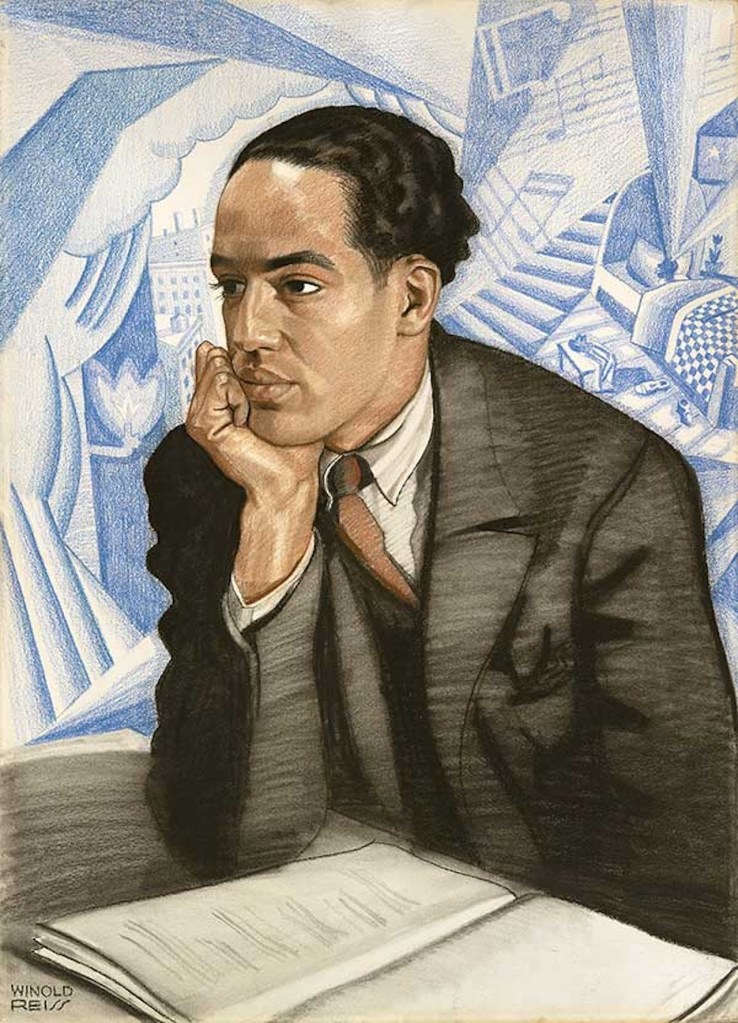
    Image:  Portrait of  Langston Hughes – Winold Reiss – National Portrait Gallery


    Video: Langston Hughes: Leading Voice of the Harlem Renaissance | Biography

    🕉

    You are welcome to join me on the following social media:
    TruthSocial, Locals, Gettr, X, Bluesky, Facebook, Pinterest 

    🕉

    Share