One wonders whom the next elected Criminal for these troubled times Will the feckless public, suspect, Lever in the long direction (Between the last war and the next) We take in our quotidian crimes; How long our matrons skirt the leering Lawless on main ways to market; How long our aged folk in fear Imprisoned at their portals peering On them convicted in their derring And that with such cocksureness wear The scutum of their darknesses, Petronius? (I pray you, burn these letters.)
Agrippina
After the last trick had been turned in the game, The bumpers drunk, the galley fallen apart; The lying maid having drunk to a different name A cup for the journey, so to speak, at the start; One wonders whether that harried dame ever thought In terms of that fat man she and she father had wrought. Surely in knowing she would have aborted that plan Before it came forth in this world and assumed the shape of a man, Perhaps. Nine gods were enough of a problem; she laid it on fate; She even exclaimed on how simple it was and absurd (She was dead for some time before they came to kill her, too late) To have birthed and been part of the proof and power of Hate. The guise it assumed and its manner have also endured: Took its place in the capitol, developed a merchant for fire, Was witty and sullen, hired artists to teach it the lyre, Gave games for the people, and like an innocent bird.
Homage to Catullus
1
SWEET Lesbia,would you know the half of all my pleasure when your husband laughs delighted at your flyting and the flashing spite that lights your countenance when we two fight? watch out, my girl, your fat fool’s treasure, I may absent myself and rob the only pleasure he takes in both of us. O, what frustration should I reave your table of my conversation— no, no, do not start up so hastily to weep; this is a lover’s promise not to keep. but still . . . his pleasure when your latest insult flies against me, and the room lights from your brilliant eyes as when I goad you fast between your thighs.
2
OCTAVIA, you bitch, when you deride me in the taverns, it is time you knew you build the envious world you hide in, and every drunkard there suspects the true. why is it now, fat forty, you should blame my cold pursuits at something you’d not give me years ago, now when you wear my best friends’s name? sweet Mercury, the weird world we live in! how you condemn me, now I am a poet who never knew you slim, nor know you fat, so stop pretending, dear, your friends all know it, even they know that.
3
FLAVIVS, do you know rising in the Forum, lisping your meums, tuums, how your colleagues snicker to one another common knowledge about your extra-curricular quorums? could you believe the pupils would not talk you in their graffiti in the public stalls? why have you let the praetors and plebeians mock your courses you offer on the taverns walls? O tempora, mores! we all know you, dear, each several senator and charioteer.
to be continued, check back for updates
Publication Status of Ancient Letters
Amazon currently features one copy available at $7.00. This copy does not feature the original book cover. An additional option is offered by another seller, priced at $85.00 plus shipping.
This is my experience of a recurring nightmare that came true.
In 1970 I was 16 years old. We lived in a small town in Southeastern Indiana, in a little neighborhood just across the river from town. Our house was on the main road, and we had horses in a barn and pen area on the other side of the neighborhood. To get to the barn, we walked along a path that led past our grandparents’ house. The path led from our driveway, all the way across the neighborhood to the back road.
On the way to the barn, our grandparents’ house was to the right, up a small hill past a yard with lots of trees and beautiful landscaping with flowers and shrubs.
Grandpa Plowing the Garden
On the left side of the path was a huge flower garden with a grape arbor and many shrubs, small trees, and hundreds of flowers that bloomed in spring and summer.
Our Grandparents Loved Animals
When we were very little, our grandparents always had ponies and horses, and many other pets and animals. Grandpa used to take us for pony cart rides.
Picture of grandpa and us on a pony cart ride
Our grandparents had passed away years ago. From them, we inherited our love for animals. We usually had a couple of ponies and horses, as well as several dogs. I loved horses and everything about them, so one of my chores was to feed the horses every morning before school. In the winter, that meant that I had to walk along the path across the neighborhood to the barn in the dark. That didn’t bother me at all. I carried a flashlight so I could see, but I wasn’t afraid of the dark. We knew everyone in the neighborhood, and I always felt completely safe there.
The Nightmare
One night I dreamed that when I went to the barn to feed the horses, there was a man in the barn. In the dream, as I was giving the horses hay, a man came up behind me. It scared me, and I usually woke up right away. I didn’t think too much about it at the time, but then I started having that dream every night. It started to scare me a lot, so I told my mom about the dreams. I told her that I was afraid to go over to the barn.
We had three German Shepherd dogs at the time, and Mom said, “Well, take the dogs with you.” So I started taking the dogs with me every morning. The dogs loved the early morning trek to the barn, and they were always eager to join me. Once I started taking the dogs with me, the dream stopped.
A few weeks later, I started having the dream again. In one of the dreams, when the man in the barn came at me, I grabbed a pitchfork and stabbed him. That only happened in one of the dreams. In all the other dreams, I just saw a man in the barn, it scared me, and I woke up right away.
After a few more nights of these dreams, I told mom that I was having that dream again and that I was afraid to go to the barn even though the dogs were with me. Mom said, “Take Randy with you.” Randy, my younger brother, was 14 years old at the time. He wasn’t obsessed with horses like I was, and he wasn’t exactly thrilled that he had to go out in the dark early morning cold, but he went along anyway. He loved the dogs, and he enjoyed seeing how excited they were to go on our morning excursions.
The Dream Stops for Awhile
After I started taking the dogs, and my brother with me to feed the horses, the dreams stopped, and all was good for a while.
Then one night I had the dream again. I didn’t tell Mom or Randy that I had had the dream again. I didn’t know what else could be done, and since I had been having the dream on and off for several weeks and nothing bad had happened, I wasn’t too worried about it.
That morning as we reached the barn, we noticed that the dogs were excitedly sniffing at the barn doors and running back and forth in front of the doors. I thought that they had probably just caught the scent of an animal, maybe a rabbit or something. I slid open the huge double barn doors, and the dogs immediately ran inside barking and growling. Inside the barn toward the back was the haystack.
A man jumped up out of the hay and yelled as the dogs were at his feet. I couldn’t tell if the dogs bit him, but they were loudly barking and growling. Randy and I screamed and ran as fast as we could back to our house. The back door of our house faced the south side of the neighborhood and it was closest to the barn. The back door opened directly into the kitchen.
My horse in back of the barn
Randy and I ran in through the back door, and we both screamed, at the same time, “There’s a man in the barn!” In the kitchen were our Mom, our older brother Chuck, and our little sister Faye. At this point, I didn’t know if the dogs were still over at the barn, or if they had followed us back home. Our older brother, Chuck, grabbed a baseball bat and said, “Let’s go.” I remember being very impressed that Chuck was so brave.
The dogs had come home, and they joined us as we returned to the barn. When we got to the barn, the man was gone. We could see where he had been sleeping in the hay, and where he had taken a leak on the floor. I fed the horses and we returned home. Mom said that she had called the sheriff, and he said that it was probably a bum just getting out of the cold. Then I felt sorry for the man. It must have been horrible to wake up with dogs attacking you.
I Had Told My Family and Girlfriend About the Dreams
I had told only my family and my girlfriend about those recurring dreams. My girlfriend lived just two houses down the road from our barn, and she loved horses as much as I did.
After school that day, I was walking over to the barn as my girlfriend was walking up the road. When she got to the little hill which was on the back road just in front of the barn, I said, “There was a man in the barn this morning.” She said, “I just pinched myself to make sure I wasn’t dreaming.”
The Dream Stops for Good
I never had that dream again, and after a while, I no longer had to make Randy go with me to feed the horses. I did keep taking the dogs though since they loved going with me, and I enjoyed their company.
I will admit that even though I wasn’t afraid anymore, I think that I was more alert as to my surroundings after that. I often wonder what might have happened if I had not had those dreams and if I had not told my mom about them.
Literary letters have always been a marvelous find in literature. Graveyard Whistler found this series of letters and although they do not address his main interest in irony, they do offer an interesting take on some of life’s most intriguing conflicts.
Fiction Alert! This story is fiction. It does not depict any real person or actual event.
Graveyard Whistler’s Introduction to “The Lucy Light Letters”
As my faithful readers know by now, I am pursuing a PhD in literary history with a concentration on “irony.” The thing is I am finding such marvelous gems that do not actually address the issue of irony but which are just so fascinating I can’t let them drop without exposing their emotional plights to light.
This series of letters offers a delightful exchange between a professor and former student. They are obviously very much in love but have much baggage that prevents their ability to requite that love, that is, until certain unpleasant facts of life are overcome.
I apologize ahead of time for not being able to offer a completely satisfying ending to this story. I know my readers will be left with questions: did LJ succeed in persuading JL to relocate to SoCal.? does their love ever become physical? do they resume writing that corroborative collection that seems to have started this whole thing? and simply, do they live happily ever after?
I know I would like answers to those questions, and I will certainly keep looking for them. But for now, please enjoy the exchange. Their writing includes some clever and quirky turns of phrase. They both were definitely lovers of literary language, and they definitely loved each other with a rare love and affection that many of us only dream about finding on this fuzzy-mudded planet.
Letter #1
April 19, 19— Encinitas CA
Dear Jefferton,
It’s still difficult to call you that, even though I know it would be ridiculous to call you Professor Lawrence, considering our past relationship. I know you must be surprised getting a letter from me now; maybe you are shocked or annoyed, and are not even bothering to read this, so maybe I am writing in vain, but I will continue in the faith that you do still have at least a spark of interest in me and my life.
I owe you a huge apology for just vanishing the way I did, without one word of explanation or even good-bye. I hope you will accept it and know that I am truly sorry. I don’t really understand myself that well even now, but at the time of our relationship, I was thoroughly confused. That confusion—or my desire to try to work it out—is part of the reason I am writing you now. But there are other parts. I hope I will be clear; I’m not even sure I can be.
Before I get into that, I wanted to tell you that when I saw your book on our library’s new arrival shelf, I was tempted to check it out, but then I rushed over to the bookstore and ordered my own copy. You can be sure I will read it carefully and cover to cover as soon as it arrives.
Well, there are some things I have to say, and I might as well jump right into them. At the time we were working on that collection of poems, I was in a constant state of turmoil. I had written what I considered some of my best poems for the collection, but I feared they were too revealing, I mean, I feared they showed too clearly how I felt about you, and our growing closeness. I feared that if anyone we knew (your wife for example, and my parents and brothers) saw those poems, and saw that we, a professor and student, had authored them, they would make assumptions about the nature of our relationship. I could not face that. And I did not have the courage to tell you about my fears. You had such confidence in me, and you thought I was so bright and sophisticated for a twenty-year-old, but I didn’t feel that way, and it scared me and upset me to have you find out. I just couldn’t let you know how weak and insecure I felt, so I transferred to Miami to finish my BA in English.
Living at home was hell, but I’ll tell you about that later, if you are still speaking to me or listening and you still care.
I had thought I’d tell you everything I had been doing and thinking lately in this one letter, but I see that it is getting too long. And I really should not be so presumptuous as to assume you are still interested. Instead, I will just come right out and ask you: Are you still interested in hearing from me? Do you think we can be friends? I have never forgotten you for a minute. I really do love you, and I have missed our talks.
You were always so insightful; I look back now, and realize that I surely could have trusted you with my insecurities back then, but I just didn’t know it then. I am learning, but I am still full of confusion.
I hope you will let me know if it’s all right to write you more. Please let me know soon.
Your “Lucy Light” (I hope still) Lucinda Janson
Letter #2
21 May 19— Muncie, Indiana
My Dear Lucy Light,
I was delighted to get your letter. I have wondered about how you are doing and where you are. I have wondered if I had been the cause of your sudden disappearance and from your letter I gather I must bear some guilt in that regard. I should have realized that you were too young and inexperienced to become equal partners in that endeavor of authorship. But I will never take back what I said about your intelligence; you are still the brightest and most perceptive student ever to sit for my class in Mod Brit Poetry. You are also one of the most creative. I had occasion to teach a creative writing section last fall; as you know, I hated every minute of it, but at least now I know why I hate it so much. Because I totally agree with Auden that artists who take academic positions should do academic work. If I had my way, all creative writing courses would summarily be banished from the university. I have gotten upon my soapbox, and now I shall descend again to finish my lecturing to you alone.
Dear, dear girl—as you have apologized to me, let me say that if you truly think you owe one, then I accept it. But let me apologize to you in return. I am so sorry for what you have been through. I am more than willing to do anything that you feel will help you; I am more than willing to accept you back into my friendship, and may I say this, without pressure, if you feel you would like to resume collaboration on that collection, I would be happy to do it. I put the project away and have not had the heart to pick it up again, since my Lucy Light was extinguished.
I am so glad you are going to read my book; it’s just one of those critical pieces that takes up much more time to write than it is worth. But it did me favors when it came time to apply for promotion, which I did and won full professorship; now I have occupied the Glossmere Distinguished Chair in Rhetoric and Writing for the past five years. Unfortunately, my share of committee work has not lightened, but I do intend to take steps to reduce all outside distractions, so I can concentrate on my own poetry. I have published maybe five poems in the past two years, and I feel that is a disgrace, but as I said, I do plan to remedy that.
So Lucy, as you may have gathered thus far, I will be watching my mailbox with a greedy eye for your letter. Your place in my mind and heart has not been filled by another nor erased by time. Come back into my life, and let’s make life brighter and fuller for both of us.
I too have much news for you, but I wait for yours first. I wait and watch.
Yours for the works, JL
Letter #3
May 30, 19— Encinitas CA
Oh my dear Distinguished Professor,
You have made me so happy for accepting my foolishness and forgiving it. Now I feel relieved and confident that I can tell you my reasons for contacting you.
Do you remember Nathan Glass? He was a student in the Mod Brit Poetry the same semester I was. And maybe you remember that he and I were dating off and on, while you and I were working on that collection. Just before I transferred to Miami, Nathan asked me to marry him. I told him I couldn’t marry him because I was in love with someone else. And he pressured me to tell him who it was, but I never did tell him.
Without my knowing it, he was watching me; he contacted me at Miami, and insisted I see him, and when I did, he told me he knew that you and I were having an affair. I denied it, of course, but he said he had pictures of us. Well, I laughed in his face because I knew that was impossible, but he showed me pictures that looked exactly like us entering the Bevon Motel. He said it didn’t matter if they were real, because they looked so real, real enough to get you fired and divorced. Anyway, he insisted I marry him or he would show those pictures to your wife and department head. So that’s what I did, I married him. I hated him; I feel so guilty now, but I hated every minute of being married to him. Every time he touched me, I wished he were dead. He raped me; he never ever made love to me; he raped me, and he’d call me whore, slut, bitch, in love with that prig of professor, here bitch take this. That’s what he’d say. He would never leave bruises on me, and he bragged that I would never have any proof that he continued to rape me and curse me.
That went on for three years. I was working on my masters at the University of San Diego, and he was an assistant professor in history. At the beginning of last year, his department head gave a party for the new members of the department. It was some kind of record; they hired something like five new members, and they had many more new TAs than usual, so they wanted to celebrate. The department head held the party on his boat, and everyone got real boozed up. Nathan usually never drank, except for beer, and he had told me he was allergic to vodka; this is why I feel so guilty. The bartender set out on a tray three glasses of drinks, two had gin in them, and one had vodka; I picked up the one with vodka and took it to Nathan, and I said, “Here’s your gin.” He was talking to one of his colleagues and didn’t pay any attention and just drank it. About a half hour later, there was a big commotion and people looking over the side of the boat. And a couple of TAs jumped in. I rushed over to see what it was, and it was Nathan in the water. A female TA said he tried to unhook her bra, and she slapped his face, then he told her to watch, he could walk along the edge of the boat like a tight rope, but he couldn’t, and he fell in. They pulled him out, and he was dead.
Oh, Jefferton, I hate myself for these next words, but I can’t help them: I was so relieved, so happy. I cried and cried for days; of course, everyone thought I was crying in mourning for my dead husband, but I was crying in relief for myself.
Of course, I don’t miss him and I’m still glad he’s out of my life, but I also know that I never wished he was dead. I just wished he were a decent human being. But the guilt is eating me up. Jefferton, help me, if you can. I have no friends here yet. I am teaching two classes of composition at MiraCosta College in Oceanside, and I also work as a waitress in a natural foods restaurant. They think I will eventually get hired full time in both jobs. But for now, all I have is two jobs, and I need a friend with some advice.
LJ
Letter #4
1 September 19— Indianapolis IN
Dear Lucy,
I must apologize for not answering your last letter sooner. After I recovered somewhat from the shock of your plight, I discovered that Marie has been having an affair with—well, never mind with whom—but the horrific scene that played itself out at our home on the third of July this year has left me a shambles. I don’t want to go into the details of that yet though, because I know I must attend to your request. Let me just add that Marie and I have finally decided to end our thirty year marriage; you must have noticed my address change. I can no longer live in the town where I was born, the town where I fell in love, the town where I grew to manhood—leaving only to pursue my graduate degrees, and then returning to the town I had taken to my heart for what I thought was a lifetime. No, the very trees here mock me that my Marie would deceive me so, and so I have moved to Indianapolis and become a commuter to my beloved Ball State to finish out my days as Professor of Rhetoric and Writing. I cannot leave my undergraduate alma mater, the university that took me to its bosom to allow me to blossom in my career as professor of English and now Distinguished Professor of Rhetoric and Writing. No, I shall live those fifty miles away and drive to my university every day, and leave as soon as my teaching and other duties are over.
One other thing—Martha-Marie Vandover Lawrence will never teach at this university again. Over and over I thank my God in Heaven that we bore no offspring to suffer this slice of hell on earth.
I just re-read this opening paragraph, and I am tempted to delete it, but no, I want you to know my state of mind, so that you may better judge any “advice” I give you.
First, you are not guilty of anything. That lout simply got what he deserved and in that, you are getting what you deserve: to be rid of him. Yes, I remember that knot-head. His putrid essays left a stench on my fingers; I hated having to mark them, and how I would have reviled having to discuss further with him any point I might have marked, and if I had marked any of his inanities, he would have engaged me after class to elucidate further stupidities. So I always marked him A and let it fall at that, no comment, nothing to invite his further attention.
How I would give anything had you told me that that bastard was blackmailing you. Oh so many years between that blackguard’s deeds and now—but I would not have allowed him to get away with it. Still, nothing we can do to remedy that, except that I convince you that you have no reason for guilt, and you must know that—I insist. Of course, you did not wish him dead, and you did not kill him. His own perversion killed him; his overweening pride, his misogyny, his blatant disregard of decency and humanity.
Lucy, if you could come here I would so cherish a visit from you. I have my own confusions. All the years of my marriage I was never unfaithful to Marie, though I have found out that she was unfaithful many times. But she claims my infidelity was mental and emotional, and she found your letters, and uses them as evidence I was just as guilty of infidelity as she. Maybe I am just old and out of touch, but I do not see it that way. To me there must be a physical consummation to constitute marital infidelity, and you know that we never so much as held hands.
Dear Lucy, if there is anyway you could travel back to Indiana, I would cherish a visit from you. I feel that we both need a balm that we cannot hope to receive from anyone other than each other. I simply must convince you that you must leave any guilt for that villain’s death to the wolves. You deserve to make your life a haven of peace.
I will be waiting for your response with prayer that we may meet soon, resume a blessed friendship, and find the strength to live out the rest of our lives in harmony with each other and the world.
In love and friendship, JL
Letter #5
September 5, 19— Encinitas CA
Dear Jeff,
How to express the relief I feel from your kind words! No, I cannot. I am overwhelmed by the invitation to return to Hoosierland. You can be sure that I will begin immediately making preparations for that return.
It’s all so breathtaking—it makes me dizzy. My work here is not without its perks, and I do love the climate. A thought, maybe a crazy thought!, just popped into my head: how might I persuade you to relocate to southern Cali? No, we can jump off that bridge if and when we come to it. But just maybe your love for your school and native state has run its course?
Now, I am off to make a flight reservation. Before I go further than that, I feel we need to reconnect in person to discuss all the details of my relocation. Please know how grateful I am to you, and that I so look forward to seeing you, listening to your sage advice, and just generally unburdening myself of cares and issues that I know you have the wisdom to address.
I will let you know my flight information as soon as it is confirmed!
Thank you again, dear Professor!
With love and gratitude, LJ
PS/ Just in case, here is my phone number (760) 701-4619.
Letter #6
Post Card 15 Sept 19— Indianapolis IN
Lucy—
Our talk left me stunned and so grateful for our re-connection. Oct 7 cannot come soon enough. See you at the airport!
Always, JL
Final Word from the Graveyard Whistler
This couple remains a mystery. I wonder if they really re-connect and what re-connecting really means to them. Will they remain professor and student? Will they write and publish works together? Will they begin a steamy affair? Will they marry?
That’s the intriguing feature of this sequence: that it heralds more questions than answers. I guess the true value of studying this sequence of letters rests in analyzing the styles of each writer. The professor, for sure, has a unique voice, and the student, his “Lucy Light,” brings off some unique features of her own.
Interestingly, I did not revise a single word in this sequence of letters. Except for blocking out the date, I have left everything exactly the way I found it. I have been asked where I found these letters, but revealing that location would prove problematic for I don’t know if these people are alive or dead.
By the dates, they could very well still be living, and they would be quite old now, and if they happened to learn that their letters were now being spread all over the Internet, they might not approve, and they might even be hurt. So I simply must refuse to divulge the exact source for these letters.
Again, my purpose in publishing these letters is simply to reveal what I think is an interesting, unique professor-student relationship that is conveyed in unique literary language. Who they are is not important for the purpose. If I ever hear from anyone who knows who these people are, I will divulge whatever that individual will allow about the issue.
From that great treasure trove of the former Web site called “Stone Gulch Literary Arts,” the feature offered here is a one act play.
Fiction Alert! Belmonte Segwic, aka Graveyard Whistler, is a fictional character, created to explore the world of literary studies. Thus Graveyard Whistler is free to invent characters, events, and places—all fictional. Any resemblance to real people, living or deceased, to actual events, or to real geographic locations is unintentional.
Introductory Word from Graveyard Whistler
The late owner, Stoney, of the literary site was quite a prolific writer in many different genres. He has a grand total of ten one act plays. I don’t know if I’ll feature all of them here, but I just might.
Just to refresh memories: “Stoney,”—my nickname for him because he requested anonymity—the owner of the Stone Gulch lit site, gave me permission to use any of his essays and original fiction and poetry anyway I choose.
So as I base the pieces on the selections I make, I tinker a bit with them, for example, I always change names. I have no idea if Stoney used names of real people or not, but for my purposes, I intend to keep these entries pure fiction, so my tinkering is geared to mask as much as possible any telling details that someone who knew Stoney might recognize.
The last thing I need is someone from Stoney’s circle of folks to suspect he sees himself and feel he’s being targeted.
The following play features two characters who are engaging in a conversation through letters. It is sparse, but it tells a story about two very different characters revealing their various qualities, strengths, and weakness. It’s funny in some ways but mostly pathetic as it pulls the veil off of a decaying, dying, and possibly dead relationship between the two characters involved.
Its original title was “Two Pathetic Women.” I changed it, alluding to Bob Dylan’s song, “Don’t Think Twice, It’s All Right” because I felt that allusion summed up the tenor of the letters the two women have offered.
Enjoy!
I’ll Just Say, “Fare Thee Well”
A one act play by Stoney
The stage setting features two writing desks, a woman at each with pen and paper. The curtain opens as one is writing, speaking as she writes. The curtain closes then opens as the other woman, writes speaking as she writes. This toggling continues until the final curtain closes.
Two pathetic women are exchanging correspondences.
Pathetic Woman 1: It occurred to me that we could easily lose each other. And if that is what you want, I am willing to accept it and respect it and will not bother you again. But I suspect that deep down you do not want that and deep down I do not want that either. We have a lovely and deeply inspirational childhood that we shared, and that we both cherish. I know that it has seemed to me that when we reminisce about our common past we are most in sync. If any of this rings true with you, please let me know because I have an idea that may keep us in a relationship that we can both accept. If not, just ignore and continue on, I won’t bother you again, and blessings to you.
Pathetic Woman 2: You think you are such a smartass intellectual with you fancy-ass ways of trying to look down on me. I get it. This just another way of saying I am at fault for our lousy relationship. You are the one who left home and left me to take care of our family while they got old and died off. Where were you when meemaw was dying, when peepaw was dying, and all the others I had take care of all by my lonesume. You are a selfish fuckhead. You never come to visit even when you are in town. You never call me. Most people who love each at least stay in touch. As far as I am concerned you can take a flying leap and kiss my ass.
Pathetic Woman 1: I think I understand. As I said, I won’t bother you again. And blessings to you.
Pathetic Woman 2: You think your such a fucking saint with all your “blessing this” and “blessing that.” Your just a hypocrit and fraude and you think of no one but your own godam self. You always try to make me look like I’m wrong when you know down deep I the one who has the common sense—peepaw even said that. He said you had the book learning but I had the real smarts. That what alway pisses you off. You know I right about politiks and shit like that. But just because you have choosen the wrong side you think you can bully me and make me think you are the smart and right one. You don’t know shit. As far as I’m concerned to can rot in hell with all the other crapheads.
Pathetic Woman 1: OK. You’ve convinced me. I’m not worth having relationship with. I annoy you, and I promise from now on I will simply leave you alone. At the risk of flaunting sainthood, I’ll again wish you many blessings and a joyous life. But before I go, one last thing: because you did not yet ask about the idea I had for keeping in touch, I’ll just mention it now. Every week or so we could offer a “blast from the past.” Here is my first one: I was playing my guitar this morning and realized that I have this particular brand of guitar because of Uncle Jedediah.
I asked him on one occasion what the best brand of guitar was, and he said, “Martin.” So that’s the brand of guitar I have.” I thought it would be interesting and helpful for us if we could share such info from time to time, since we both think lovingly upon our past and our family.
However, I can see now that that thought was silly. You would be much better off not keeping up a relationship with someone who is so repugnant to you. So, as Bob Dylan once quipped, “I’ll just say fare thee well.”
Pathetic Woman 2: You know I love you more than anything, but I just wish you were different. I wish you understood how unsafe and stupid I feel every time I have to read what you write. I used to like to read you stories and shit, but now all I see is stupid shit that makes me feel like a looser. I AM NOT A LOOSER – NO MATTER HOW MUCH YOU TRY TO MAKE ME OUT ONE.
Pathetic Woman 1: All right then. I think I’ve got your answer. Won’t bother you again: “I’ll just say fare thee well.”
Pathetic Woman 2: No response.
The curtain closes. One woman lets out a blood curdling scream: the audience is left to wonder who screamed.
Finis
Afterword from Graveyard Whistler
Just a quick note to thank my readers, especially those who offer useful suggestions. I could do without the insults, smears, and ghastly stupidity that gets slung my way, but what the hey!, that’s to be expected by anyone who goes public in anyway. And I do treasure the kind words and helpful comments. Keep them coming, please!
Back to the drawing board, as the old saw goes . . .
Belmonte Segwic, aka Graveyard Whistler, is a persona that I created to tell a story about a unique individual’s interaction with the study of the literary arts.
Fiction Alert!
Belmonte Segwic, aka Graveyard Whistler, is a fictional character, created to explore the world of literary studies. Thus Graveyard Whistler is free to invent characters, events, and places—all fictional. Any resemblance to real people, living or deceased, to actual events or to real geographic locations is unintentional.
Introduction by Graveyard Whistler
“We cannot choose what we are free to love.” —W. H. Auden, “Canzone”
Greetings! My name is Belmonte Segwic, aka “Graveyard Whistler,” a handle I used in my many Internet writings and communications in grad school. I fairly recently completed a master of arts degree in creative writing at the Iowa Writers’ Workshop at the University of Iowa.
After achieving that step in my education, I have been batting around the idea of pursuing a PhD in the history of letters.
Thus, I have transferred to a large university in the eastern United States that will remain nameless. My advisor advised me to keep it nameless because of my intentions to engage heavily on the Internet.
I guess she felt that my style might cramp that of this “prestigious” institution of higher learning.
Being the opinionated fool that I am, I would love nothing better than to engage in poking holes in the inflated balloon of reputation that these Ivy League monstrosities like to float over the heads of their inferiors.
But I will have to save that for another day because now I intend to seek, read, and research, looking backward into the history of literature.
I am particularly drawn to irony as a literary device, and likely I will offer lots of stuff pertaining to that device.
But I’m also easily swayed by intriguing narratives of all sorts, from flash fiction to gigantic tomes that seem never ending.
For my writing purposes though, I will likely stick to mid-sized works that can be handled in 1000 to 4000 words for the Internet, where attention spans diminish daily.
So those honorable mentions represent a brief overview of my literary intentions at the present time, and of course, I reserve the right change directions as speedily as I can close one text and open another.
My apparent lack of direction is somewhat upsetting to my advisor, but I have assured her that I will have a dandy dissertation all tied up in bows by end of the three-year limitation that has been imposed upon me.
A Little Bit about My Background
I was born on an undisclosed day in an undisclosed small hamlet in eastern Kentucky. I’d like nothing more than to disclose those bits of bio, but my parents are important people in Kentucky politics.
And I refuse commit any act that would limit where I will go in my Internet scribblings, which I would most definitely be called upon to do if it got out who my important parents are. No! Forget about it! It ain’t Mitch McConnell or the Pauls.)
Just let me say that they are decent, hard-working folks, highly educated, and even to my own politics-blighted view, important to the societal, cultural, as well as political fabric of Kentucky and the mid-South in general.
I am an only child and feel that I have not missed out on anything important by not having siblings. I did grow up with about a dozen cousins who seemed like siblings, some staying with us for extended visits.
It seems that there were always a cousin or two filling up our extra bedrooms, keeping our refrigerator perpetually empty but offering the best company a young tyke could ask for.
I always enjoyed having those cousins visit, learned a great deal from the older ones and was constantly entertained by the younger ones.
What I remember most is writing and putting on plays. All of cousins loved movies, theater, and books about imaginary characters.
From my age of six to seventeen we must have written and performed a couple hundred plays, all influenced by something some cousin had read and loved.
I hated acting but was always recruited to be one of the main characters. I loved doing the art for the backgrounds and working props like swords, capes, pistols, wands, fairy dust, make-up and other costumes—whatever we needed to make the play more colorful and life-like.
My Favorite Play
The summer after high school graduation when I seventeen, four of my cousins (all of us getting ready for college in the fall) came to stay for the entire summer.
The first few days we just goofed off—swimming, throwing baseballs around, riding bikes, watching TV, and cooking large meals every night.
Then about two weeks into the visit, the oldest cousin blurted out while we were sitting around trying to decide what to do that day, “Let’s do a play!” Everyone shouted in unison, “Of course, a play!”
The next question was—what will it be about? And after batting around ideas for about an hour, we decided it would be a play based on a Shakespeare play.
One girl-cousin then insisted it be based on The Tragedy of Romeo and Juliet, but then the other girl-cousin objected saying that one always made her “cryyy.”
But then a boy-cousin piped up, saying, no, let’s make it a comedy. It doesn’t have to be exactly like the Shakespeare, let’s turn it into a comedy. That will be a barrel of fun to turn a tragedy into a comedy.
To make a really, really long story much shorter than the original, we began right away to write our version of the Shakespeare tragedy into a comedy. We titled it “Raymond and Julie: A Funny Tale with a Happy Ending.”
We worked and worked. I painted sets, helped make costumes, and we then asked the principal of our high school to let us use the auditorium to put on the play. Then we got the brilliant idea of selling tickets.
I typed up a ticket, took it to Kinko’s and ran off a thousand copies. And we sold every one of them!
The auditorium only held 850 people. So on performance night, roughly 200 people had to stand around to watch this amateur group of ragamuffins scuffling across a stage performing their original version of one the great bard’s masterpieces.
Luckily, the play went off without a hitch, the audience loved it, some even asked if we would do it again!
Then all hell broke loose! The county clerk’s office contacted the principal of the high school and asked if a certain unapproved event had taken place at the high school.
The clerk asked for details such as tickets sold, capacity of the room, and what permits the administrators of the event had applied for and obtained.
Well, we had not applied for and obtained any permits, and when the clerk had gathered all that information, he sent the sheriff to our house for a little sit-down with our parents.
The sheriff found that we were in violation of a number of county and city ordinances, and the fines for those violations amounted to $15,000!
We had sold tickets for 50 cents each. We sold a 1000, so that means we took in $500 for the sale of the tickets. My parents were stupefied about all those ordinances and that’s how they got into politics.
They first ran for council positions to try to eliminate the coercive nature of government into the lives of young people who were actually doing good creative work.
But for the time being, before they could actually do anything politically, my parents owed $15,000 in fines for allowing us to perform a play for the community.
Luckily, they were friends with a neighbor who was a tax attorney. He also knew quite a lot about the ordinances that we had violated. He came over to our house one evening to explain what he had found out about satisfying that ridiculous fine.
He told us that we could retro-actively apply for a permit for the play, but that we would have to perform the play again after we received it—that is—if we received it.
He then said that if we apply and receive the permit and re-perform the play, we must turn over the proceeds to a county or city charity. We didn’t have to sell tickets again, we could just turn over the money we had collected from the first performance.
So here is how it went down: we had paid $50 to get the tickets copied. We took in $500 for the first performance of the play, which had left us with $450.
After the lawyer-friend told us about getting the permit, we shelled out $100 for the permit.
It didn’t cost us anything to re-perform the play, and actually we loved getting to do it again, and our audience loved it so much that they donated money because we had not charged them for the second performance.
And they donated big time: the 1000 people who attended, donated roughly $60 each.
That meant after we gave the original $500 to the charity (our three sets of parents made up the $150 missing from the original intake of $500 that paid for the tickets and application for the permit)—we chose to give to the “Little Brothers and Sisters of Saint Francis”—we ended up with roughly $55,000!
We did not have to pay the fines because we donated our $500 to the “Saint Francis” charity, so all that money was ours. So we gave $5000 more to “Saint Francis” and split up the rest of it among ourselves.
We each got $10,000, and we all were entering college in the fall.
When we get together now, we all wonder how we would have managed to enter college that fall without that windfall.
Sometimes we get silly and say things like, we should do that again, I got car payments that could use it, or who knew we could sell our skills so cheap and then reap a big payout like that?
It all seems surreal now, but the play, “Raymond and Julie: A Funny Tale with a Happy Ending,” will always be my favorite. I have a worn-out copy that I take out from time to time when I need a smile or two.
I thus have no doubt about what sealed my interest in the literary arts. Our play had included rich dialog, poems, songs, jokes, biography, and even a play within a play.
Thank you to those who have stayed with me to this point. I will now go off to play in the world of literary arts, and wherever you go off to, I wish you as much fun as I will have in mine.
“I loathed my mother with a furious passion for her incessant buzzing over the trivial details of a stupid, little dance. I despised the dress of putrid pink, and the asinine dance steps that made no sense, and I could never remember them.“
Fiction Alert! This story is fiction. It does not depict any real persons or actual events.
The Prom of Absolute Perfection
Rob Morris had annoyed me by asking me to the senior prom. He was always acting out as the class clown. But he was still very popular; he was liked by not only the “in-crowd” but was well tolerated by the “jocks,” and he seemed to have the admiration of almost everyone else. I despised him, but since no one else had asked me to the stupid dance, I gave it some thought.
It was like on the first day of spring that my mother, Merrywether—yes, that’s my full name too—started needling me, asking me if any young man had asked me to the prom yet. She literally kept buzzing with ideas for the perfect dress, the perfect hair-do, the perfect make-up, the perfect blah, blah, blah.
It made me wanna puke every time she had some perfect piece of crap to talk about. Every day before school and after school, she would bust into my room and offer me perfect prom advice. She never failed to mention that her senior prom had been the high point of her entire life; she simply cherished and adored every moment of it.
My perfect mother had attended her perfect senior year high school prom with the perfect man she would marry, my father—Garland Whitfield, III. My father did not remember anything about that perfect prom except that it provided the occasion for his first kiss with the perfect girl of his dreams.
After being raised by Garland and Merrywether Whitfield, the perfect couple, as their yearbook had labeled them, I was not the perfect daughter. I was morose, melancholy, moody for most of what I can remember of my childhood.
I’m sure I caused my happy, perfect parents untold agony, except for the fact that they were incapable of recognizing agony. I had two brothers and three sisters. All I can remember about them is that they were all perfect.
Every transgression of mine—from skipping school to cussing out teachers to shoplifting—received that same hopeful prediction that that I would grow out of my misbehavior after I met a fine, young man to settle down with, and then start giving them those perfect, beautiful grandchildren.
So, my parents were perfect; did I mention that? I was not. But I am telling this story primarily about the prom because it happened. The prom is the reason I am here today—serving life in prison without the possibility of parole.
Well, of course, that is not exactly true. It’s what I did at the prom that stuffed me into this fine institution. But I have begun to digress, I guess. Or jump too far ahead of this tale.
That Special Kiss
Okay. Now, readers, you must be bummed! No doubt you were waiting for me to report how wonderfully romantic the prom was, how gracious and manly that certain prom date was, and how I fell head over heals in love with that Rob and am now living the good life, after that special kiss that convinced me life was for marrying that special guy and giving your perfect parents perfect, beautiful grandchildren.
No, sorry! That’s not what happened. This is:
After much stewing over it, I decided I would go to the prom with that Rob. My mother had made sure I had the perfect dress and that I knew how to dance all the right dances. Day by day, I grew more and more angry.
I loathed everything I was doing. The dress made me cringe. The dancing made me want to puke my guts out. All the blathering bilge about female duty, female honor, female position in the community had dumped me into a deep rotting stupor of blind and utter hatred.
I loathed my mother with a furious passion for her incessant buzzing over the trivial details of a stupid, little dance. I despised the dress of putrid pink, and the asinine dance steps that made no sense, and I could never remember them.
Every night I had vivid nightmares about marrying that Rob Morris, spawning off a dozen little snot-nosed bratty monsters scampering around the house, all the while my perfect parents gushing and cooing in happiness over all the things that were making me wish I were dead.
That dreaded day finally arrived, and by God, I was ready for it. But not in the way my perfect parents, my perfect prom date, my perfect school had thought. My hatred had exploded in my head so many times I had no idea what I was doing, thinking, or going to do—well, no, not exactly!
Control Nuts!
Before I lay it out for you exactly what I did, I have to say this! All you gun control nuts can go straight to hell! I did what I did because of who I was/am, not because I could get my hands on a gun and do it or because my friend’s parents owned a gun to protect their family.
If I had not been able to get a hold of a gun, I would have probably driven my car into the prom dance hall and probably have done more damage than I did. So, go fuck off! for blaming the goddam gun! blame me! the one who committed the goddam crime!
Sorry for the spoiler, but here’s what I did: I stole the revolver from the desk of my friend’s father. I had often studied with her, and I knew her father kept a gun in his desk drawer. I guess she just enjoyed knowing that she was sharing a secret with me. I had no idea I would consider such a theft at the time she showed me the gun.
Unbeknownst to me at the time, the image of that weapon lying there in the drawer deeply engraved itself in my mind’s eye, and four years later, I spirited that gun away after my friend and I had studied for our senior year finals.
My mother had assembled the perfect evening bag, filled with everything the perfect female prom date would need, including my wallet with a few bucks and my identification, perfume, lipstick, compact, and comb.
She instructed me that at least twice I should excuse myself to the ladies room and freshen up with those make-up items: she’d always add, “be sure to comb your hair real nice after a few dances.”
I emptied out all that crap and I tucked the gun away in that evening bag. Back then they did not check bags when people went into buildings.
Popping Off at the Perfect Prom
“So, Merry, you look great tonight, could you go for a glass of punch?” my prom date Rob Morris put this inane question to me.
“Hell, no!” I snapped, pulled out the gun, and popped him in the head. He fell. I stepped over him and moved on to the punch table and popped everyone around it. People started scurrying for cover.
There was much screaming, everyone was screaming—but the music kept blaring, and a couple was still dancing cheek to cheek until I popped them.
I stopped, reloaded, and then I started popping anyone in sight. I felt so calm. I was starting to feel even calmer. But the screaming grew louder, the dancers kept on scattering out. I kept on popping people—here, there, everywhere—until finally I began to hear the sound of sirens.
Like kernels of corn staring to pop, cops popped through the door, into the hall, and I popped a couple cops before one cop popped me. I guess I fell . . . but I don’t remember anything after that, until I woke up in the hospital, shackled to the bed, restraints on my hands and feet.
I had killed a total of 81 people: 74 students, 5 teachers, and 2 cops. I did remember popping people with the gun, but at the time I did not recognize who any of them were. Only later, however, I found out that I did know them all, except for the cops.
My perfect parents got me the best public defender they could find, or so I have heard. And then they vanished from my life—which was certainly okay by me. I never really knew them, never had any idea what made them tick, and I never had any desire or reason to find out.
I avoided the death penalty just in time by a last minute confession. I had begged that stupid ass lawyer all along to let me confess, but the idiot wanted to claim something was wrong with me: “diminished capacity,” “mental illness causing inability to be responsible,” or some crap to that effect.
She just wanted to make a name for herself with a big fancy trial. All I wanted was what was coming to me.
Here I Sit, Paying
Hells bells, I knew I was the only one responsible. I couldn’t blame it on anyone or anything, because I was the one who committed the goddam crime. I knew exactly what I had done, and I thought I knew exactly why.
However, that “why” has become more screwed up confused in my mind as time moves along. I have been here in federal prison for twelve years. As I said earlier, I will be here until I die; I have no possibility of parole, unless, of course, some goody-two-shoes shit- for-brains politician smelling a passel of votes takes up the cause of people like me.
I have and will continue to have a big bunch of time to think, to ponder, to consider, to wonder, and to try to connect the many unconnected dots in my mind, and just generally to wallow in sorrow. I do spend a lot time reading. The prison library has become my best friend.
I hate what I did. I hate, loathe, and despise myself for killing all those innocent people. And for what did I do it? Because I chafed at trying to live up to the standards of perfect parents? That’s bullshit! Hell! Garland and Merrywether were not perfect. I now give them kudos because they never ever claimed to be perfect.
I now know that I just imagined that they thought they were perfect. Maybe it was because of my own personal failures that I imagined other people thought they were perfect, and that they thought I was just a screw-up. I can see now that it’s likely that only I thought I was a screw-up.
I still don’t know why I committed that crime. But I do regret what I did—deeply regret it! And most of the time, I keep thinking that is the one and only thing I have learned in this life: that I did a bad wrong and I now deeply regret it. I don’t even know what I might be thinking next.
I guess it just depends on what I can learn about how to live. And this might sound odd, even unbelievable, but I really do take some comfort just knowing that I am paying for my god-awful crime spree . . . but then I’ll turn gloomy again, when I realize that my “paying” will never bring back those poor souls that I with so much malice popped at the prom that awful night, that awful prom night.
This story narrates the strange events that occurred during the summer session of my final year of college. I was left with two emotional reactions that caused me to be stunned and confused. Even today years later, I remain amazed that I managed to graduate and continue living a fairly normal life.
Fiction Alert! This story is fiction. It does not depict any real person or actual event.
Laid Back Summer Sessions
During my senior year of college, I enrolled in a course in linguistics, “The Structure of American English.” It was summer session. I loved summer sessions; they were much more laid back than the academic year, and the big pay off was that I would graduate a whole year earlier by attending summer sessions. For some reason, I’ve always liked getting things done early.
The prof was a doofus but that wasn’t going to stop me from getting my three credits for the course. The class was really quite fun, and I learned a lot. Especially from one of the students. Her name was Rosaleigh Tompkins.
Rosaleigh was almost 6 feet tall and a little chunky, but she was brown-skinned beautiful. The prof was always referencing “Black English” and then asking Rosaleigh if she would substantiate his whitey take on that area of language.
One day just out of the blue, I decide to ask Rosaleigh what she thought when the doofus prof kept picking her out for Black English support. I must say here that such cheek was way out of character for me, but I was just so curious. I mean this jerk had no idea if Rosaleigh was an expert in Black English. He had no idea where she grew up, with whom she associated, or if she even spoke that nebulous language.
“Excuse me, Miss Tompkins, but could I ask you perhaps an impertinent question?”
“Wow, that sounds ominous, Miss Grace!” said Rosaleigh. Then she quickly added, “Dat be da right name, huh?”
I laughed so hard, and then Rosaleigh began to laugh. And I said, “Somehow I feel like you know what I’m going to ask you? I’ll bet others have asked the same thing.”
“No, but there is something in your face that tells me you might know something these others fools don’t,” she replied.
“Well, barring sounding redundant, let me just ask, here goes, how do you feel about being constantly asked about Black English by the prof?” I said.
“Do you have a couple of hours? I’d love the chance to unload about that. Seriously, my apartment is about four blocks from here. I make a mean cup of java. Would you care to join me?” she said.
We walked the four blocks to her apartment which was over the bookstore on High Street in the little town of Oxford, Ohio, home of our Miami University. I found out how she felt about the Black English thing, but because of what happened next during the visit to her apartment, the information fades into the background . . .
We talked for several hours sitting on her sofa. She plied me with wonderful snacks, her mean java, and several glasses of tasty wine. I never felt so comfortable, so warm, so involved as I did that day.
During one of our many effusive spells of laughter, we began to kiss deeply with such passion. We spontaneously stripped off our clothes; Rosaleigh led me to her shower where we lathered each other’s body, washed each other’s hair, then stood laughing like loons under cold water as it stripped off all the soap suds.
We dried off quickly with gigantic bath towels that were soft and comforting. She led me to her bed, and we spent what seemed like an eternity of pleasure exploring each other’s bodies. She did things with her vagina that I had no idea could be done.
I was not a virgin at this point in my life. I had experienced loss of that status with a man, a professor who was married and had no intention of changing his marital status. I was devastated when that affair ended and never considered falling in love again, especially with a woman.
But that one afternoon with Rosaleigh spoiled me for relationships with men. Or at least that’s what I felt until I had left Rosaleigh’s apartment, drove back home to my small town in Indiana, and my family.
Driving home, my mind seemed to break into two pieces. There is no way my father, mother, and younger sister would ever understand what I had just experienced. I had just made passionate love with a black lesbian. The race issue alone was enough that I could not possibly invite Rosaleigh to my parents’ home.
My family would never accept my just being friends with a black girl. And that she and I were lovers would not be possible for them to comprehend.
I kept envisioning my father and my sister pelting me with accusatory questions: my father says, what in the hell is the matter with you, Guilda? how could you do such a thing? how will you ever get a job as a teacher if you go around with those people? my sister sniffles and wants to know, how could you do this to Mommy and Daddy? how will I have any friends left if this gets out? All the while my mother is sitting off in a corner weeping her eyes out.
Almost home, I think I have returned to some kind of normalcy. Mommy wants to know why I am so late; that’s easy, I had to go to the library and look up some stuff for class. No problem.
Meldings: Minds and Bodies
Rosaleigh and I melded mind and body for two hours almost every day before our first class. Our love-making was the high point of my life the first four weeks of that fateful summer session. Then things started going a little haywire when Rosaleigh expressed to me that we would become a couple, get married, and live happily ever after.
“What do you mean, when we go back to Saint Louis?” I asked her about a week before the summer session’s end.
“After we graduate, we will go to Saint Louis, where I’m from. There’s an underground queer community there. I’m an activist for getting queers their rights,” she said.
We had been so busy with the pleasure of love-making and wild, general philosophical tenants that we had never talked about the real world. Now Rosaleigh was filling me in on what she had been concocting in her mind.
“I don’t think I can go to Saint Louis,” I said.
“Of course, you can, you can’t stay here, in this environment, nobody understands our way of life here. Eventually, we’ll have to go San Francisco. But first, I’ve got to do what I can to help out our people in Saint Louis.”
Lovers Yet Strangers
Rosaleigh seemed like a complete stranger to me at this point. I had no idea she was making such plans. My plans were pretty flabby, but I knew I could not do what she was planning. I could not leave my family this way. They would never understand, and they would never get over it. I could only imagine the pain and anguish they would experience.
At this point, I realized something important about my family: even though they were provincial bigots, they had feelings, and I could not be the culprit that would so deeply hurt and destroy these people I loved, who loved me, who raised me, cared for me, and made my very life possible.
In addition to my dad, mom, and sister, I had uncles, aunts, and cousins. Plus the many friends of the family who had shared in the glories of my many academic achievements. I couldn’t let all those people down.
At one point I considered telling them about my lovely black lesbian. But I just couldn’t imagine that they could wrap their minds around the situation. So I decided that I’d look for an occasion to make a joke that involved my situation and see what their reaction would be.
One night we were all gathered around the TV watching a comedy routine. Daddy loved comedy, Mommy tolerated it, and Pepper loved anything Daddy liked. The routine began with the words, “Two queer negroes walk into a wedding chapel in Las Vegas.”
I immediately piped up: “Hey, Pepper, would you attend my wedding if I was getting married to a big black dyke?”
“Eeww . . .” Pepper whined. “Daddy, what’s a dyke?” Pepper was only sixteen at the time. We can forgive her for not being acquainted with the term, “dyke”; after all “big black” were enough to turn her stomach.
“Pepper Jane, you’re better off not knowing that kind of shit!” my dad gruffly responded.
“Guilda Elane Grace, what the hell is the matter with you?” Daddy spit out the question he had so often addressed to me over the years.
“I was just joking. It’s a comedy routine, for Christ’s sake,” I tried to defend myself. “Can’t I offer my own take on a little joke?”
No Joke, It Would Kill Me Dead
“Guilda Elane, you shouldn’t joke about such things. It would kill me dead if you ever did such a thing,” Mommy added with her usual maudlin take on matters.
“Guilda, you’d better change your ways or you’ll never get a job as a teacher. You may be getting a college education, but you could take a lesson from your sister. She’s got more common sense in the tip of her little finger than you have in your whole body. You’d better do some changing in your head, young lady. I’d hate to think that all this money I’m spending to get you an education is going to waste. But goddamit, it looks like it is,” he shouted, his face turning red as he stormed out to seek his consolation somewhere I was not.
So, guess I had my answer. Rosaleigh and the queer life had to go . . . but how? Try as I might to convey these facts to Rosaleigh, I could not. She was adamant that we would be together always, and she based her belief on the fantastic love-making and incredible conversations we always experienced with each other.
Every time I left her apartment, she would say the same thing, “One day, my little Guilda, we will not have to part like this,” and she would give me kiss that made me almost believe her.
Still, I had never considered myself a lesbian. I knew that I still wanted to marry a man someday. Rosaleigh would always poo poo such an idea, and I would tell her over and over that I knew that was true. I would tell her how special she was and that I would never forget her, but I knew that someday I would want a man, a penis, a real marriage, and a traditional life.
I stewed and worried and thought and rethought how I could break off my affair with Rosaleigh. I had no idea how to do it. Partly, because I didn’t want to do it. My vagina was in love with her with all its heart, even while my brain said, you can’t keep doing this.
Which Hand?
I was not a praying person at the time, but my pleas to some invisible Being seemed real and continuous: I begged to be let loose from this conundrum. But over and over my mind keep saying, you just don’t have a clue what do you, do you?
But it turned out that I didn’t have to do anything.
The weekend before the last full week of classes, Rosaleigh flew back home to Saint Louis to attend one of her queer meetings. But then on Monday, Rosaleigh was not in class. We sat there waiting for class to begin. The prof was now late as well. The students began to fidget, and grumble, and some were preparing to leave, when in he ambles.
The prof looked quite serious as he announced, “I’m so sorry to have to announce this, but one of our class members was killed over the weekend. Miss Rosaleigh Sasha Thompkins— you might remember her, she was our expert in Black English—was killed in a riot on Saturday in Saint Louis. Sorry I don’t have more information about that. She offered such an important contribution to this class. And I’m so sorry to announce this. So let’s have a moment of silence in respect and memory of this student.”
I was stunned! I sat there during the moment of silence and wondered, “What the hell is this?”
On the one hand, I was devastated; I had thought I would have at least until the end of senior year to figure this out, while enjoying my love affair with Rosaleigh; now she was gone. What would I do? On the other hand, I was relieved that I did not have to face the eventual break up.
Fiction Alert This story is fiction. It does not depict any real person or actual event.
Krystal’s Dark Nights
The nightmares had started attacking Krystal Dickson again, robbing her of sleep, rendering her so listless, so confused that she had mislaid the files for the divorce proceedings of an important client.
My short story, “Krystal’s Dark Nights,” is based loosely on my original poem, “A Terrible Fish.”
A Terrible Fish
“In me she has drowned a young girl, and in me an old woman Rises toward her day after day, like a terrible fish.” —Sylvia Plath’s “Mirror“
The nightmare repeats itself: A daughter clamped tight to each foot Pulling her down under The brute waters of the dark, deep lake — She gasps — imagines she’s drowning While her husband watching on the levy Wrings his hands, faints in the heavy fog. A terrible fish looms under her nose; She smells blood dripping From a dozen hooks dangling From his mouth. His eyeballs slide out easy As the drawer of a cash register. Each eye-socket a window To her own soul — $ bills With little jackpots on them Jump up and dance like clowns Poking out their tongues, Flapping campaign signs With hammers, sickles, swastikas — She believes – ¡Sí se puede! Morning shivers her awake again, Stumbling to the bathroom Where the mirror flashes In her face that same terrible fish That has been catching her dreams And throwing them back As she chases each $, Never quite able to grasp enough.
The nightmares had started attacking Krystal Dickson again, robbing her of sleep, rendering her so listless, so scatter-brained that she had mislaid the files for the divorce proceedings of an important client. Now she had to call that client and ask her to reschedule an appointment to recapture the information. Her associates in the firm of Stegall, Porter, Marsch, Rictoff, and Davis, the most prominent law firm in Richmond, Indiana, were like family to Krystal so they once again cut the blundering legal eagle some slack, as she so often seemed distracted.
Everyone surmised that Krystal was out her element as a lawyer, but they felt sorry for her, and once in a blue moon Krystal actually pulled her weight for a few months, and more importantly Krystal provided the face of diversity. Krystal couldn’t count the times she feared she would lose her job, yet every pay check seemed to evaporate before she could register that she actually was paid.
Krystal’s husband, Dr. Jamal Kreedmont, had nightmares of his own. His own heart was failing, but he somehow managed to keep his practice a float. Kreedmont had given up on his family business, The Wilderness Trail Campground, just south of town in favor of doctoring; although he still lived on the land in the sprawling old ranch-style house he grew up in, kept his five ponds well manicured and stocked with fish, his loss of income from the campground caused Krystal to fret over losing those dollars. And Krystal made sure Jamal knew how she felt about losing dollars.
Many times Krystal and her sister Bethany would gang up on the good doctor, castigating him for not making the most of his property. But Jamal would remind Bethany that perhaps if she had stayed in Indiana instead of traipsing off to Florida with Jamal’s brother Florence, they could have kept the business running. Jamal would trust only family to run his business, and since both of his brothers and three sisters had left the state, he closed it instead of trying to manage employees.
Jamal never worried about money; Krystal was the center of his life, and it did pang him that she was so insecure about their financial situation. He promised her repeatedly that he would always take care of her, and she would never have to suffer.
Shasta and Keishlan, the couple’s two daughters, dropped out of high school to pursue a career in early retirement, fleshed out with adventures in crime. Despite their job hopping, the girls were perennially broke and ended up living in a make-shift, loft apartment above the barn, a cornfield away from their parents’ house. They were bleeding the parents dry in daily hundred $ increments. Jamal and Krystal had enjoyed stellar reputations in town until Shasta and Keishlan started their reign of terror: shop-lifting, brawling in restaurants, bullying fire fighters, wrecking a car they had stolen for a joy ride and then assaulting the police officers who rescued them from the burning vehicle; then one night they were caught sexually gratifying each other in a restroom in Glen Miller Park. At ages 28 and 30, the Dickson girls—they both were assigned their mother’s last name—had trashed their own reputations and nearly ruined that of their parents.
Lucky for the lawyer and doctor, most people were aware that sometimes kids just don’t reflect the values of their parents and would sympathize when someone would say to Krystal, “I overheard your daughters the other day, trying to open a saving account at the Second National Bank; they said they were from Canada and apparently had some Canadian IDs.” To which Krystal would apologize profusely, explain a bit about her plight, thus gaining the empathy and sympathy of another Richmondite. Continually, the behavior of those girls caused a lot of grief for Krystal and Jamal.
Krystal experienced nightmares, and Jamal developed a heart condition. But things hummed along for a few years, and then Shasta and Keishlan started hatching a plan: they reasoned that if they could get that 350 acres of land on which the former Wilderness Trail Campground once flourished, they could sell it and live big time. They knew that the property would go to their mom if their dad died first. They also knew that it was likely he would die first, being twenty years older and suffering a heart condition. They also knew that they could manipulate Krystal and ultimately get anything they wanted from her. So the first part of the plan: Dad has to go.
The Dickson girls knew that their dad was crazy about their mom, so they reasoned the best way to kill off Dad is to stick it to Mom somehow. They put their heads together and came up with love letters written to Mom from one of her associates at the law firm. They told Dad that they had something to talk to him about, and they showed him the letters. He read them and knew immediately that the girls had written them. He said to them, “You two must be the sickest, dumbest creatures to ever live,” then turned and walked away. “Goddam him!” they screeched and proceeded to plan B.
They would hire Ziggy, a druggy friend who would do anything for a brick or two of crack, to break into the house, hold Mom at gunpoint and then pistol whip Dad. Dad’s bum ticker would do the rest. So the plan went down, but Pop didn’t. Krystal and Jamal huddled closer than ever, started revealing old secrets to each other in order to cleanse their souls, so they could fuse even closer. They realized while staring down the barrel of Ziggy’s gun and his crack-crazed buddy Toody, that life is precarious, better cling to the good and true while you can.
Then Krystal admitted that she had been “seeing” Mel Frenchman, a lawyer who practiced in Washington, D. C. She would “see” him only two or three times a year when she had a conference in the capital to learn about all the new regulations affecting law firms. Jamal stood opened mouthed for a long moment; his blood began to boil, he remembered the “love letters” he accused his daughters of writing—no, he still knew they had written them; they weren’t intelligent enough to have suspected Krystal’s real “affair.” In an instant, all the closeness, all the love Jamal had nourished in his heart for Krystal turned to a bitter bile of hatred. He grabbed his 15 pound bowling trophy, raised it high and came down hard on Krystal’s head; she fell dead—her back had been turned to Jamal; thus she did not know what hit her.
Stuttering, jabbering, wildly flinging his arms about, Jamal finally calmed enough to ask himself, what do I do now? Well, the only thing possible: bury the body. He dragged the corpse out beyond his vegetable garden into the middle of his big cornfield, retrieved a shovel from the shed and dug as deep as he could.
After shoving Krystal’s lifeless form into the hole, he began to refill it. Now all is good, he kept thinking: yes, he had fixed it. He would simply tell whoever might ask that Krystal had run away. Sure, she couldn’t take living with those two black holes of daughters, so she just ran away. But on his way back to the shed carrying the shovel, Jamal keeled over and died.
Now lest gentle reader think those black holes had finally triumphed, not so fast. When Dr. Kreedmont didn’t show up for work, his office assistant sent the authorities out to his estate. Of course, they figured out in record time what had gone down. And after proper funerals, the Dickson girls seemed to be in the catbird seat, until the wills were read. With Krystal preceding him in death, Jamal’s property went to a large recreational corporation that promptly evicted the Dickson girls.
After several failed attempts to sue, they gave up. Last anyone around Richmond ever saw of them, they were hitchhiking to San Francisco. But a newspaper report in Wyoming might have offered the last bit of information on the whereabouts of the girls: the headline read, “Two Nude Female Bodies Found Near Jackson Hole.” The report read in part: “Gunshot wounds to the back of each head seem to suggest an execution style killing. Thus far the bodies remain unidentified.” Maybe it was Shasta and Keishlan, or maybe not. As some wise philosopher has said, karma is a bitch. So whatever they deserve . . . .
The speaker in “Two Tramps in Mud Time” dramatizes his encounter with two unemployed lumberjacks who covet the speaker’s wood-splitting task. He also features a philosophical take on the situation that leads him to continue chopping, instead of handing the job off to the two tramps.
Introduction and Text of “Two Tramps in Mud Time”
The speaker in Robert Frost’s “Two Tramps in Mud Time” fashions his dramatic performance, focusing on his brief meeting with two unemployed lumberjacks who seek to take over the speaker’s wood-splitting task. Calling them “tramps,” the speaker then provides a fascinating philosophical discussion about his reason for electing to keep on performing his chore, instead of letting these two needy individuals finish it for him.
It is likely that at times true altruism might come into play as a part of spiritual progress. And it also likely that the speaker would condescend to this idea. But the speaker may also have been annoyed that his “aim” at the wood was interrupted by the snide remark voiced by one of the mud tramps.
Two Tramps In Mud Time
Out of the mud two strangers came And caught me splitting wood in the yard, And one of them put me off my aim By hailing cheerily “Hit them hard!” I knew pretty well why he had dropped behind And let the other go on a way. I knew pretty well what he had in mind: He wanted to take my job for pay.
Good blocks of oak it was I split, As large around as the chopping block; And every piece I squarely hit Fell splinterless as a cloven rock. The blows that a life of self-control Spares to strike for the common good, That day, giving a loose my soul, I spent on the unimportant wood.v
The sun was warm but the wind was chill. You know how it is with an April day When the sun is out and the wind is still, You’re one month on in the middle of May. But if you so much as dare to speak, A cloud comes over the sunlit arch, A wind comes off a frozen peak, And you’re two months back in the middle of March.
A bluebird comes tenderly up to alight And turns to the wind to unruffle a plume, His song so pitched as not to excite A single flower as yet to bloom. It is snowing a flake; and he half knew Winter was only playing possum. Except in color he isn’t blue, But he wouldn’t advise a thing to blossom.
The water for which we may have to look In summertime with a witching wand, In every wheelrut’s now a brook, In every print of a hoof a pond. Be glad of water, but don’t forget The lurking frost in the earth beneath That will steal forth after the sun is set And show on the water its crystal teeth.
The time when most I loved my task The two must make me love it more By coming with what they came to ask. You’d think I never had felt before The weight of an ax-head poised aloft, The grip of earth on outspread feet, The life of muscles rocking soft And smooth and moist in vernal heat.
Out of the wood two hulking tramps (From sleeping God knows where last night, But not long since in the lumber camps). They thought all chopping was theirs of right. Men of the woods and lumberjacks, They judged me by their appropriate tool. Except as a fellow handled an ax They had no way of knowing a fool.
Nothing on either side was said. They knew they had but to stay their stay And all their logic would fill my head: As that I had no right to play With what was another man’s work for gain. My right might be love but theirs was need. And where the two exist in twain Theirs was the better right–agreed.
But yield who will to their separation, My object in living is to unite My avocation and my vocation As my two eyes make one in sight. Only where love and need are one, And the work is play for mortal stakes, Is the deed ever really done For Heaven and the future’s sakes.
Robert Frost Reading “Two Tramps in Mud Time”
Commentary on “Two Tramps in Mud Time”
The speaker in “Two Tramps in Mud Time” is dramatizing his encounter with two unemployed lumberjacks who would like to relieve the speaker of his wood-splitting task. He offers an interesting take on why he chooses to continue his chore, instead of turning it over to these two needy individuals.
First Stanza: Accosted by Two Strangers
Out of the mud two strangers came And caught me splitting wood in the yard, And one of them put me off my aim By hailing cheerily “Hit them hard!” I knew pretty well why he had dropped behind And let the other go on a way. I knew pretty well what he had in mind: He wanted to take my job for pay.
The speaker in “Two Tramps in Mud Time” is busy cutting logs of oak; he is suddenly accosted by a couple of strangers who seem to appear out from the muddy ground. One of the strangers calls out to the speaker telling him to hit the oak logs hard.
The man who called out had lagged behind his companion, and the speaker of the poem believes he does so in order to attempt to take the speaker’s work. Paying jobs are lacking in this period of American history, and men had to do all they could to get a day’s wage.
The speaker complains that the sudden call out from the tramp has disturbed his “aim” likely making him miss the split he had planned to make of the log. The speaker is not happy about the intrusion into his private activity.
Second Stanza: The Ability to Split Wood
Good blocks of oak it was I split, As large around as the chopping block; And every piece I squarely hit Fell splinterless as a cloven rock. The blows that a life of self-control Spares to strike for the common good, That day, giving a loose my soul, I spent on the unimportant wood.
The speaker counters the criticism of the tramp by detailing his own proven ability to split wood. He describes every piece he cut as “splinter less as a cloven rock.” The speaker then begins to muse in a philosophical manner.
Although a well-disciplined individual might think that philanthropy is always in order, today this speaker decides to continue cutting his own wood, despite the fact that the tramp/strangers desperately need cash and could well use what they would earn by cutting the wood.
The speaker, who normally might be amenable to allowing the two unemployed men to take on the wood-splitting for some pay, is now put off by the remark and continues to concoct reasons for continuing the work himself.
Third Stanza: Musing on the Weather
The sun was warm but the wind was chill. You know how it is with an April day When the sun is out and the wind is still, You’re one month on in the middle of May. But if you so much as dare to speak, A cloud comes over the sunlit arch, A wind comes off a frozen peak, And you’re two months back in the middle of March.v
In the third stanza, the speaker muses over the weather. It is a nice warm day even though there is a chilly wind. It’s that Eliotic “cruelest month” of April, when sometimes the weather may seem like the middle of May and then suddenly it’s like the middle of March again.
The speaker seems to reason that he had no time to turn over the job because by the time he explained what he wanted done and how much he was willing to pay them, the weather might take a turn for the worse and then the job would have to be abandoned.
Fourth Stanza: Weather Still On Edge
A bluebird comes tenderly up to alight And turns to the wind to unruffle a plume, His song so pitched as not to excite A single flower as yet to bloom. It is snowing a flake; and he half knew Winter was only playing possum. Except in color he isn’t blue, But he wouldn’t advise a thing to blossom.
Then the speaker dramatizes the actions and the possible thoughts of a bluebird who ” . . . comes tenderly up to alight / And turns to the wind to unruffle a plume.” The bird sings his song but is not enthusiastic yet, because there are still no flowers blooming.
A snowflake appears, and the speaker and the bird realize that, “[w]inter was only playing possum.” The bird is happy enough, but he would not encourage the flowers to bloom yet, because he knows there is still a good chance of frost. Beauties of nature are always contrasted with ugliness, warm with cold, light with dark, soft with sharp.
Fifth Stanza: The Philosophy of Weather and The Pairs of Opposites
The water for which we may have to look In summertime with a witching wand, In every wheelrut’s now a brook, In every print of a hoof a pond. Be glad of water, but don’t forget The lurking frost in the earth beneath That will steal forth after the sun is set And show on the water its crystal teeth.
Water is plentiful in mid-spring, whereas in summer they have to look for it “with a witching wand.” But now it makes a “brook” of “every wheelrut[ ],” and “every print of a hoof” is “a pond.”
The speaker offers the advice to be appreciative of the water but admonishes his listeners not to dismiss the notion that frost could still be just beneath the surface and could in a trice spill forth showing “its crystal teeth.”
The speaker seems to be in a Zen-mood, demonstrating the pairs of opposites that continue to saddle humankind with every possible dilemma. His philosophical musing has turned up the perennial truth that every good thing has its opposite on this earth.
Sixth Stanza: Back to the Tramps
The time when most I loved my task The two must make me love it more By coming with what they came to ask. You’d think I never had felt before The weight of an ax-head poised aloft, The grip of earth on outspread feet, The life of muscles rocking soft And smooth and moist in vernal heat.
In the sixth stanza, the speaker returns to the issue of the tramps. The speaker loves splitting the oak logs, but when the two tramps come along covertly trying to usurp his beloved task, that “make[s him] love it more.” It makes the speaker feel that he had never done this work before, he is so loathe to give it up.
Likely, the speaker resents deeply that these two would be so brazen as to try to interrupt his work, much less try to usurp it. The speaker is doing this work not only because he will need to wood to heat his house but also because he enjoys it. That anyone would consider relieving him of performing a task he loves makes him realize more intensely that he does, in fact, love the chore.
Seventh Stanza: Likely Lazy Bums
Out of the wood two hulking tramps (From sleeping God knows where last night, But not long since in the lumber camps). They thought all chopping was theirs of right. Men of the woods and lumberjacks, They judged me by their appropriate tool. Except as a fellow handled an ax They had no way of knowing a fool.
The speaker knows that these two tramps are likely just lazy bums, even though they had earlier been lumberjacks working at the lumber camps nearby. He knows that they have sized him up and decided they deserved to be performing his beloved task.
That the speaker refers to these men as “tramps” shows that he has little, if any, respect for them. The fact that they might have been lumberjacks does not give them the right to judge the speaker and his ability to split wood.
That they thought chopping wood was only their purview further infuriates the speaker. He suspects they think he is just some fool noodling around with tools only they could wield properly.
Eighth Stanza: Who Really Has the Better Claim?
Nothing on either side was said. They knew they had but to stay their stay And all their logic would fill my head: As that I had no right to play With what was another man’s work for gain. My right might be love but theirs was need. And where the two exist in twain Theirs was the better right—agreed.
The speaker and the tramps did not converse. The speaker claims that the tramps knew they did not have to say anything. They assumed it would be obvious to the speaker they deserved to be splitting the wood.
They would split wood because they needed the money, but the speaker is splitting the wood for the love of it. It did not matter that the tramps had “agreed” that they had a better claim.
The speaker suggests that even if they had the better claim on the job, he could think his way out of this conundrum in order to continue working his wood himself. He did not owe them anything, despite their superior notions about themselves, their ability, and their present needs.
Ninth Stanza: Uniting Love and Need
But yield who will to their separation, My object in living is to unite My avocation and my vocation As my two eyes make one in sight. Only where love and need are one, And the work is play for mortal stakes, Is the deed ever really done For Heaven and the future’s sakes.
The speaker philosophically reasons that he has the better claim to his wood-splitting and is, in fact, more deserving of his labor then the mud tramps. His task is more than just wood-splitting. He is striving in his life to unite the two aspects of human existence: the physical and spiritual. He has determined to bring together his “avocation” and his “vocation.”
The speaker is convinced that only when a human can unite into a spiritual whole his need with his love can the job truly be said to have been accomplished. The two tramps do not understand this philosophical concept; they want only money.
The speaker is actively striving to unite his love and his need together into that significant, spiritual whole. Maybe sometime in future the two mud tramps too will learn this valuable lesson of conjoining love and need. But for now they just need to scoot along and leave the speaker to his chores.
This love song “Dreaming of You Again” features an individual who is musing on his continued feelings for and thoughts about a loved one from whom he has had to separate.
Introduction with Lyric “Dreaming of You Again”
The chorus of “Dreaming of You Again” features a sequence of statements regarding the visions that appear to the individual in his dreams about his beloved: first, he envisions “what could have been”; next, he sees “what would have been,” and finally he insists that he envisions “what should have been.”
Clearly, the individual’s feelings remains so strong that he feels that the two former partners do belong together, although they likely never will again unite. Still, he has his dreams.
Dreaming of You Again
Written by Ron Grimes and Linda Sue Grimes. Performed by Linda Sue Grimes.
Introductory Note by Ron Grimes: This is a song I wrote in 2003. Linda put the song to music. This video was created on January 1st 2023. The scene of us walking along the river was captured January 1st 2023 at Henry Horton State Park in Tennessee. We walked along the Duck River.
Chorus
Dreaming of you again, making up what’s true again Seeing now what we saw then Visions of what could have been—Dreaming of you again
First Verse
Growing quite accustomed to these crazy little dreams of you Just a way to pass the time These crazy little dreams of mine—Dreaming of you again Your face lights up my darkest night, stay with me, hold me tight Show me now what we knew then Help me find that joy again—Dreaming of you again
Chorus
Dreaming of you again making up what’s true again Seeing now what we saw then Visions of what would have been—Dreaming of you again
Second Verse
We both knew you had to leave, you had to grow, you had to breathe It hurt me so to see you cry The night you said your last good-bye—Dreaming of you again Wish you peace and happiness, hope you’ll always have the best And me I’ll have these dream of you Dreams I’ll always hold on to—Dreaming of you again
Chorus
Dreaming of you again, making up what’s true again Seeing now what we saw then Visions of what should have been—Dreaming of you again
Commentary on “Dreaming of You Again”
Dreams figure widely and often in love songs. One of the most popular love songs of the early Rock and Roll movement of the late 1950s and early 1960s was the Everly Brothers’ “All I Have to Do Is Dream.” This song “Dreaming of You Again” offers a unique twist on the dreaming function, as it makes an affirmative claim held by the composer of the lyric.
Chorus: What Could Have Been
Dreaming of you again, making up what’s true again Seeing now what we saw then Visions of what could have been—Dreaming of you again
The singer begins by offering a chorus that sets the stage for the rest of the piece. He has been dreaming about the individual he is addressing, creating mental pictures about what the couple felt and did with some speculation about what could have become for them in future.
First Verse: Crazy Dreams Repeating Themselves
Growing quite accustomed to these crazy little dreams of you Just a way to pass the time These crazy little dreams of mine—Dreaming of you again Your face lights up my darkest night, stay with me, hold me tight Show me now what we knew then Help me find that joy again—Dreaming of you again
The composer begins by offering a chorus that sets the stage for the rest of the piece.He has been dreaming about the individual he is addressing, creating mental pictures about what the couple felt and did with some speculation about what could have become for them in future.
Chorus: What Would Have Been
Dreaming of you again making up what’s true again Seeing now what we saw then Visions of what would have been—Dreaming of you again
Again, the composer repeats the refrain, chant-like, revealing again his visions as well as that they also belonged to his belovèd. This time he claim that those visions would have been reality, if they had remained together to build a life together.
Second Verse: Had to Leave to Breathe
We both knew you had to leave, you had to grow, you had to breathe It hurt me so to see you cry The night you said your last good-bye—Dreaming of you again Wish you peace and happiness, hope you’ll always have the best And me I’ll have these dream of you Dreams I’ll always hold on to—Dreaming of you again
The composer then offers a glimpse into the reason for this couple’s split: the one had to leave to grow and breathe. The lack of specificity allows the listener to fill in the blanks. But such a situation is not unheard of.
Sometimes opportunities do not exist for both partners in one location; thus, they have to separate to reach their goals. It does seem that both partners are sad about the situation.
Nevertheless, the composer has accepted the departure and now hopes that his partner finds the fulfilled life for which the individual had to leave. He wishes his belovèd peace, happiness, and all the best in life. Finally, he asserts that he will continue to engage in the dreams that bring his beloved back to him. He makes peace with the simple enjoyment of dreams instead of reality.
Chorus: What Should Have Been
Dreaming of you again, making up what’s true again Seeing now what we saw then Visions of what should have been—Dreaming of you again
Lest the composer demonstrate too easily the giving in to the way things are, he states that now his dreams are envisioning how things should have been—not merely that they “could” or “would.”
His affirming that they “should have been” is likely offered to rouse new thoughts in the distant former belovèd. If the departed individual is made aware that the composer still thinks they should have remained together, what kind of fire might that thought kindle in the mind of the addressee? Of course, the composer does not address that issue, so the listener can only speculate.
Other Videos by Ron Grimes
Ron in Tennessee – YouTube I am grateful to God for the beauty and gifts of nature, and for all of His blessings.


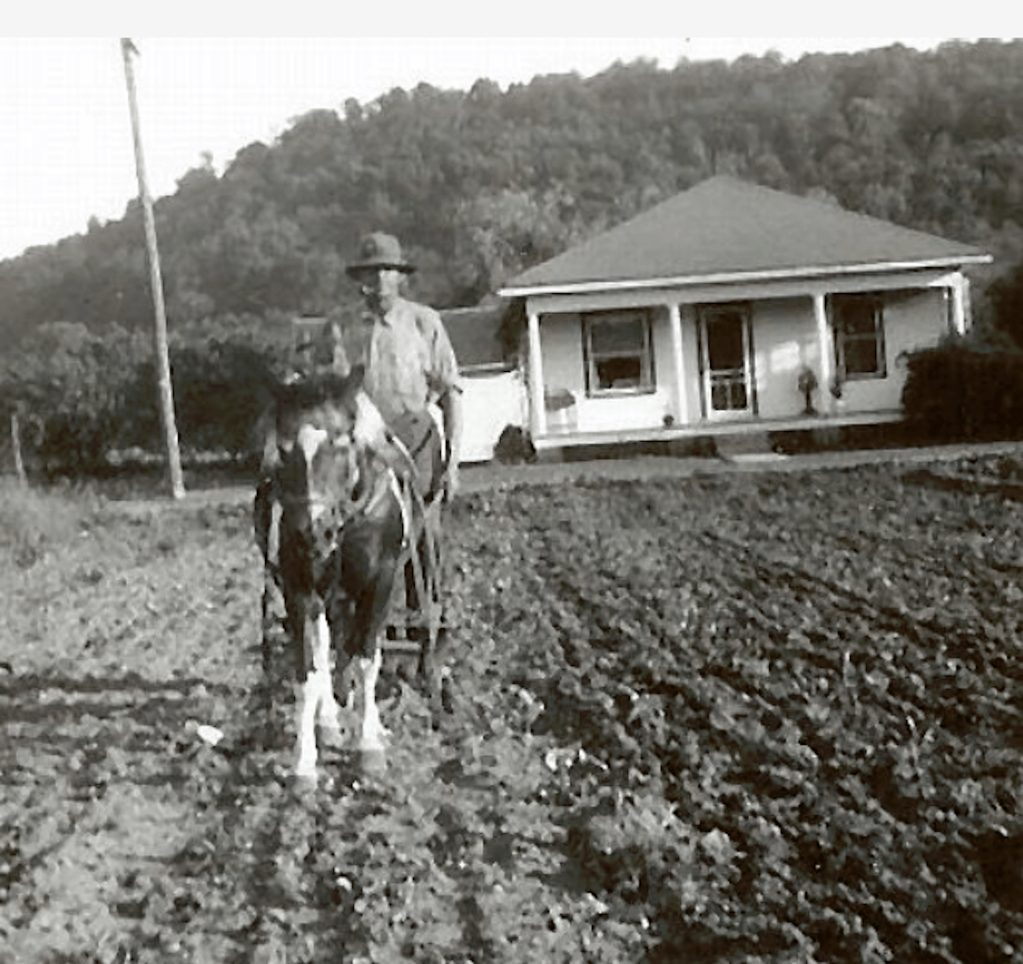

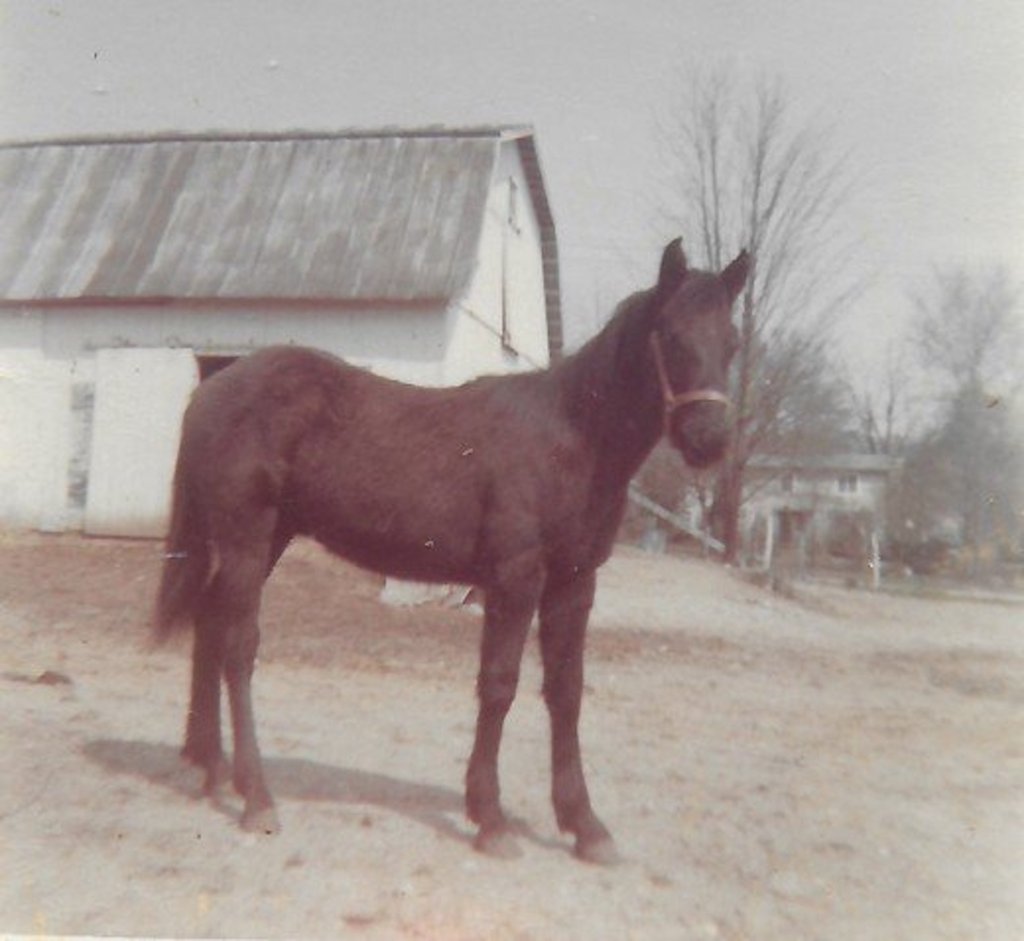
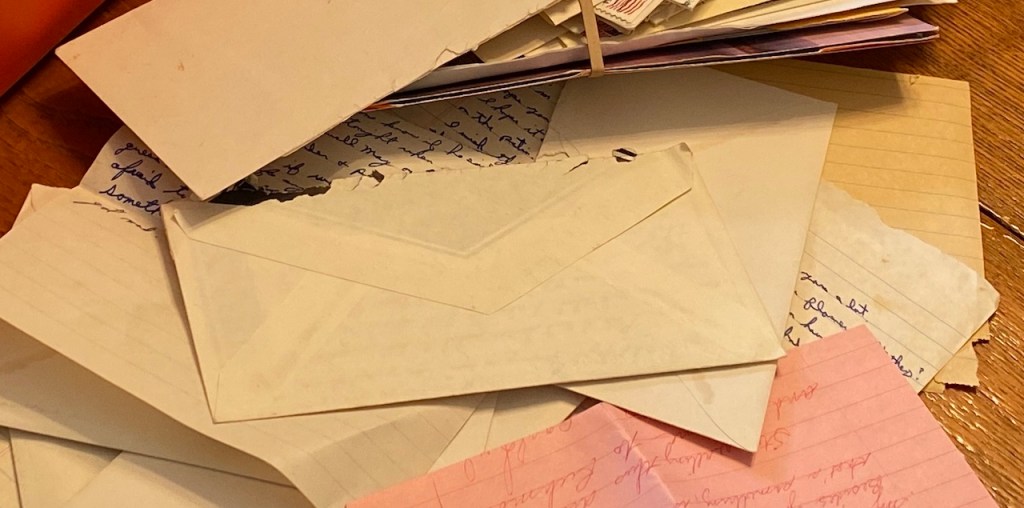






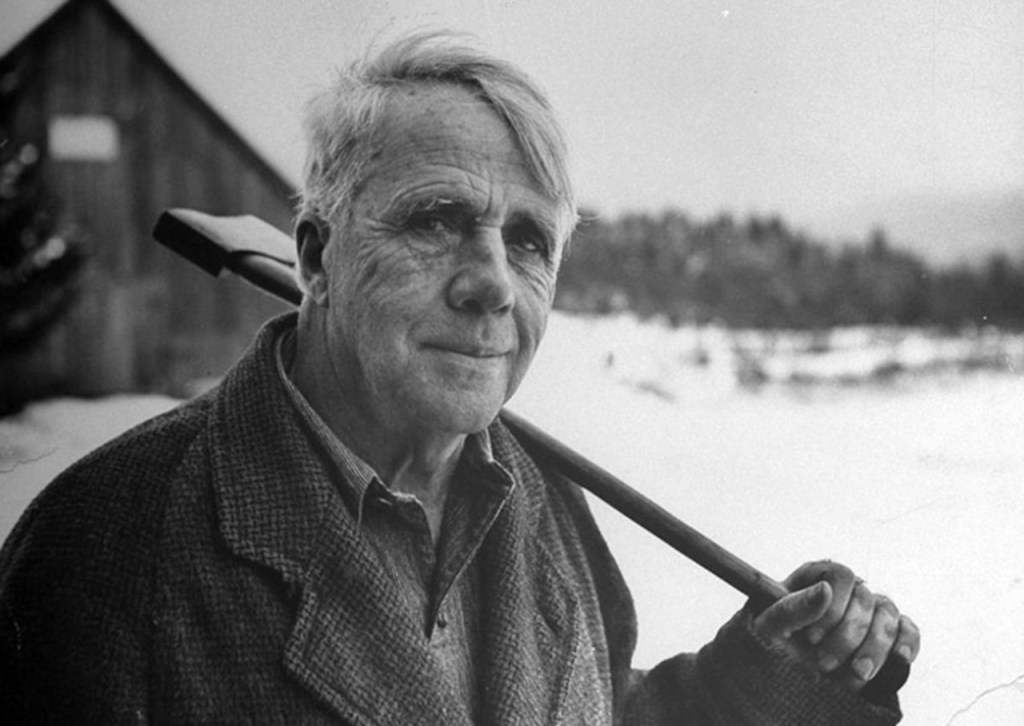

 Linda's Literary Home