
The Ern Malley Poetry Hoax
The Ern Malley poetry hoax was perpetrated by two poets who disdained the avant-garde style of modernism. They planned to debunk what they considered was fraudulent and demeaning to the art.
A Brief Overview of the Hoax
The Ern Malley affair is one the most interesting literary hoaxes of the 20th century. It grew out of a hatred of and the desire to debunk the avant-garde style of modernism.
In October 1943 on a Saturday, two traditional poets, Lieutenant James McAuley and Corporal Harold Stewart, in their offices at the Victoria Barracks of the Australian Army in Melbourne, Australia, hatched their plan.
They concocted a plan to expose the bankruptcy of the modernist avant-garde trend of literature in British, Australian, and world poetry. They chose the publication titled Angry Penguins and one of the editors Max Harris as their targets.
As the legend recounts it, within a few hours on that ordinary Saturday, the two young army men had slapped together sixteen poems by collecting strings of words from the books and magazines that lay on their desks [1]. The following example begins with the first three lines lifted verbatim from a US Army report on mosquito control:
Culture as Exhibit
“Swamps, marshes, borrow-pits and other
Areas of stagnant water serve
As breeding-grounds …” Now
Have I found you, my Anopheles!
(There is a meaning for the circumspect)
Come, we will dance sedate quadrilles,
A pallid polka or a yelping shimmy
Over these sunken sodden breeding-grounds!
We will be wraiths and wreaths of tissue-paper
To clog the Town Council in their plans.
Culture forsooth! Albert, get my gun.
After completing their first sixteen fake pieces, McAuley and Stewart then delivered a fictitious poet from the womb of mischief and named him “Ern Malley,” a take-off on the French word “mal” meaning bad.
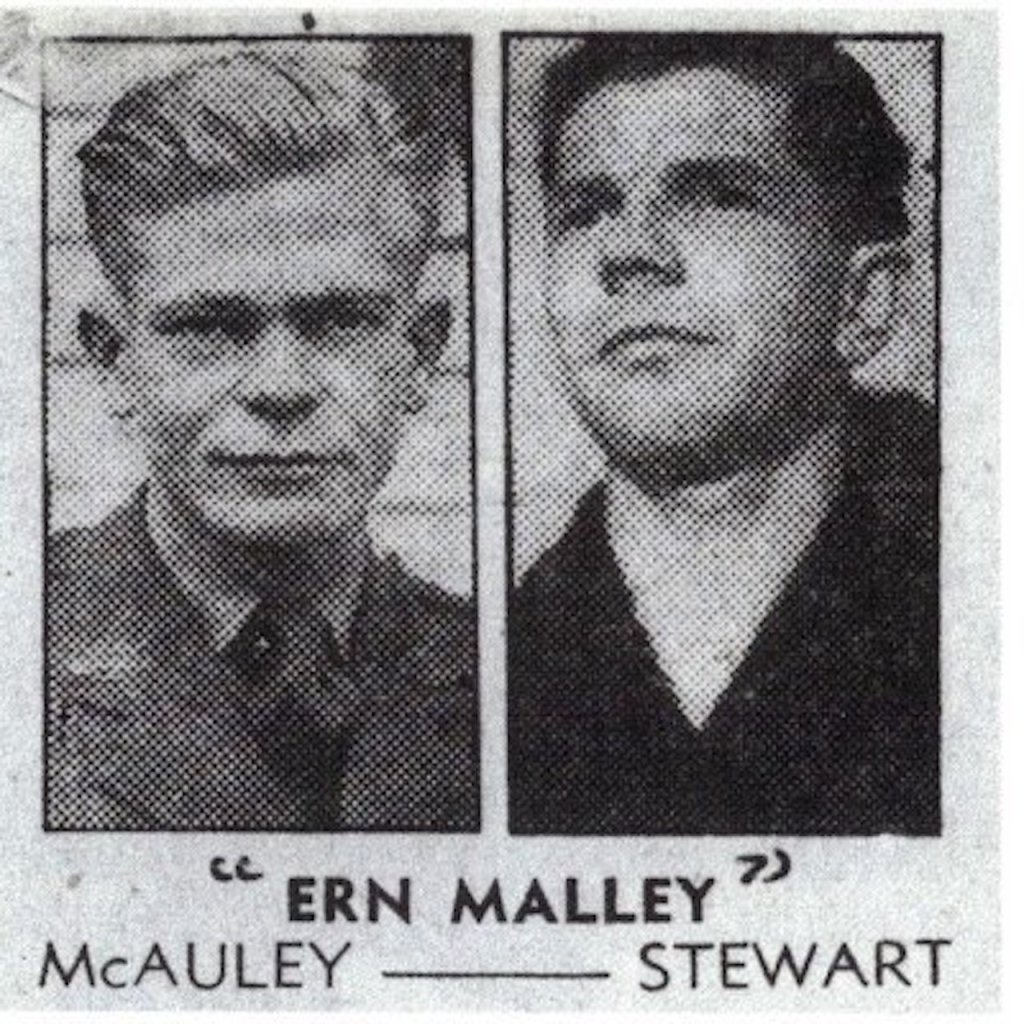
Sister Ethel Submits Ern’s Poems to Angry Penguins
Next, McAuley and Stewart invented a sister and called her Ethel, dreamed up a melancholy biography for the deceased auto mechanic turned insurance salesman poet, which Ethel would narrate, and they were all set. From the hands of Ethel, McAuley and Stewart posted ole Ern’s poems and biography to the magazine Angry Penguins.
Max Harris [2] flipped over the poems, as did the other editors, and a special edition of Angry Penguins carried the fake poems and the fake biography of the fake poet. The two disgruntled poets, Lieutenant James McAuley and Corporal Harold Stewart, had accomplished their mission.
They had demonstrated for the world that those editors, critics, and readers who are taken in by the avant-garde, surrealistic drivel flowing from the pens of literary poetasters under the guise of modernism could be easily exposed by a real fake.
The Nonsense of Modernist Poetry
As poets, Lieutenant James McAuley and Corporal Harold Stewart had come to despise the poetry of Dylan Thomas, Henry Treece, and other modernist poets. McAuley and Stewart, therefore, deemed the entire modernist movement “pretentious nonsense.”
Thus the pair then hatched their plan to expose the nonsense. They believed they could fool editors into publishing anything that smacked of the same “nonsense” they had been observing in literary mags. So, they would write fake poems and submit them. They concocted three rules that they would follow as they composed their deliberately fake works:
- There must be no coherent theme, at most, only confused and inconsistent hints at a meaning held out as a bait to the reader.
- No care was taken with verse technique, except occasionally to accentuate its general sloppiness by deliberate crudities.
- In style, the poems were to imitate, not Mr. Harris in particular, but the whole literary fashion as we knew it from the works of Dylan Thomas, Henry Treece and others.
Based on these rules, the poems of Ern Malley were born.
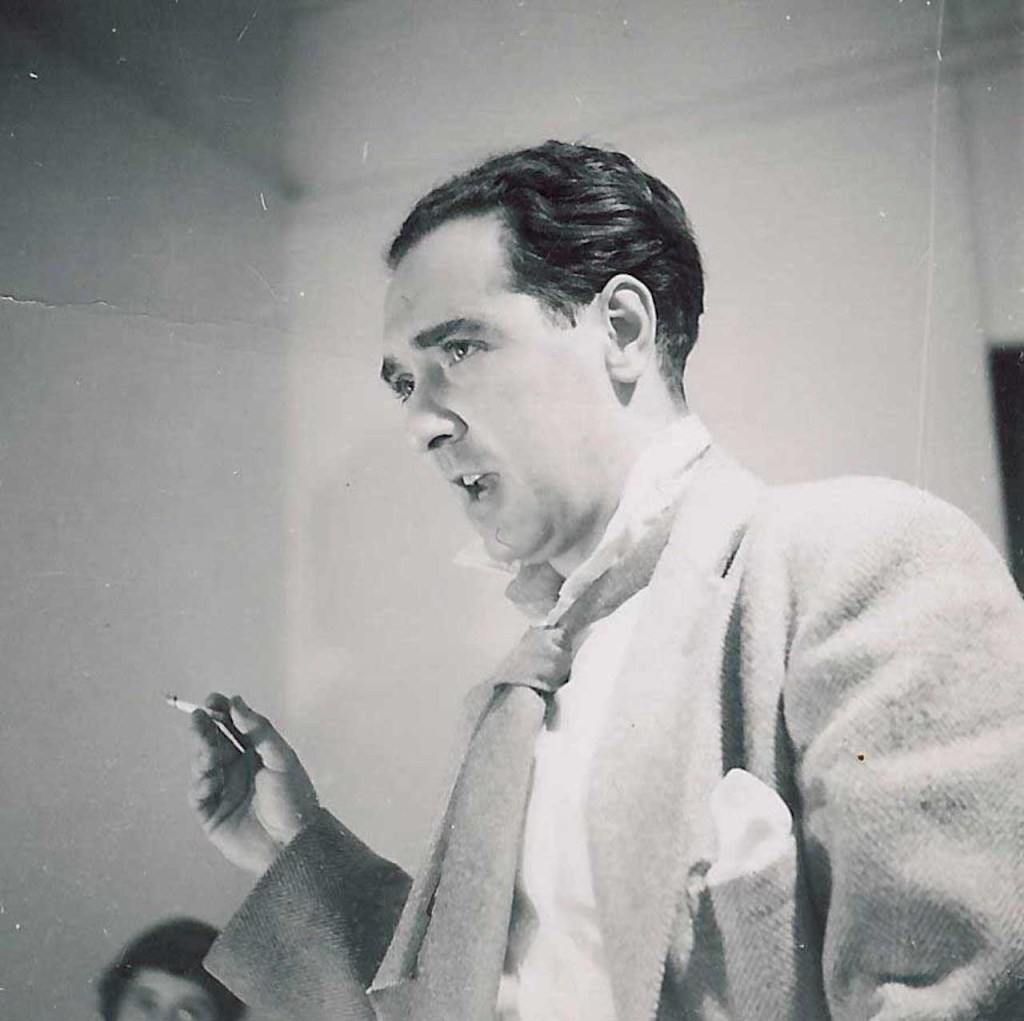
Max Harris
Poor Max Harris, who was not a bad poet, and whose early poems were, in fact, quite traditional in form, faced a court trial for publishing the Ern Malley poems, which were considered obscene. Harris paid a fine, and his jail time was suspended.
Still Harris’ reputation was less sullied than that of the Malley creators. Actually, McAuley and Stewart simply suffered from anonymity, with their only claim to fame being the Ern Malley hoax.
Sample Pieces from the Collection
A fascinating and useful study might result from elucidating how each piece in the hoax collection demonstrates the three “rules” that the poets were constrained to follow in composing the fake works. The following “sonnets” offer a glimpse at the style and subject that the Ern Malley collection of hoax poems perpetrated upon the literary world:
Sonnets for the Novachord
(i.)
Rise from the wrist, o kestrel
Mind, to a clear expanse.
Perform your high dance
On the clouds of ancestral
Duty. Hawk at the wraith
Of remembered emotions.
Vindicate our high notions
Of a new and pitiless faith.
It is not without risk!
In a lofty attempt
The fool makes a brisk
Tumble. Rightly contempt
Rewards the cloud-foot unwary
Who falls to the prairie.
(ii.)
Poetry: the loaves and fishes,
Or no less miracle;
For in this deft pentacle
We imprison our wishes.
Though stilled to alabaster
This Ichthys shall swim
From the mind’s disaster
On the volatile hymn.
If this be the norm
Of our serious frolic
There’s no remorse:
Our magical force
Cleaves the ignorant storm
On the hyperbolic.
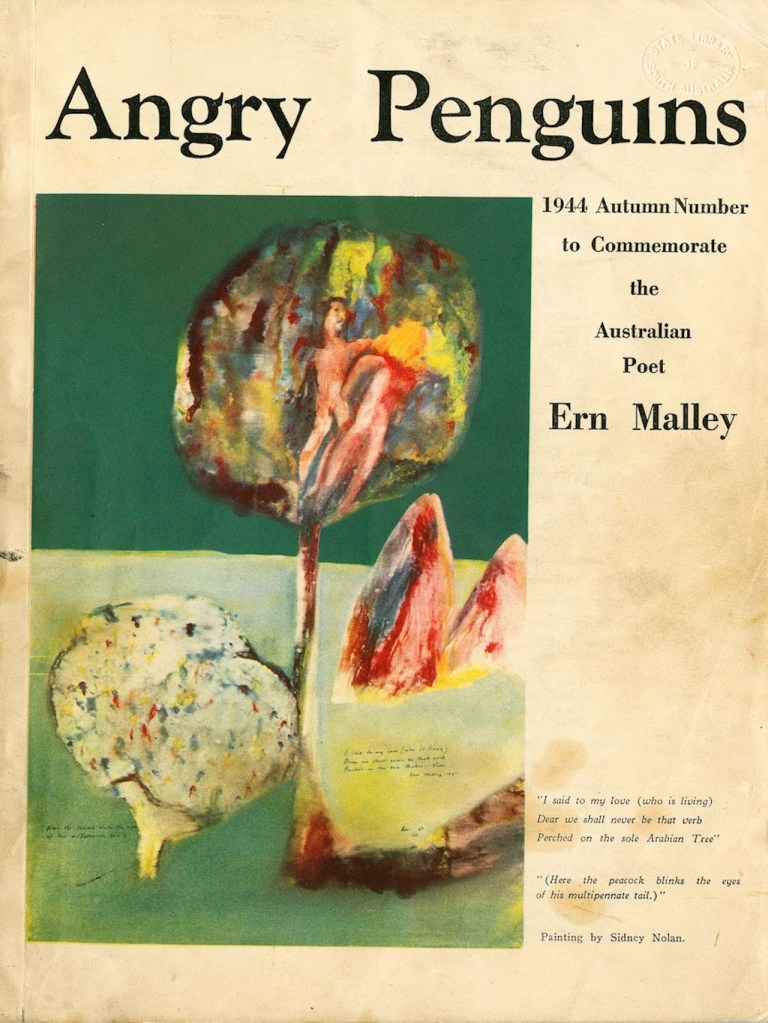
Complicated but Fascinating Tale
There is much more to this convoluted caper, including intriguing biographical information about all the parties involved—especially McAuley, Steward, and Harris. The following is a list of titles contained in the Ern Malley poems, composed by McAuley and Stewart and sent to Angry Penguins:
- Dürer: Innsbruck, 1495
- Sonnets for the Novachord
- Sweet William
- Boult to Marina
- Sybilline
- Night Piece
- Documentary Film
- Palinode
- Night-piece (Alternate Version)
- Baroque Exterior
- Perspective Lovesong
- Culture as Exhibit
- Egyptian Register
- Young Prince of Tyre
- Colloquy with John Keats (and Coda)
- Petit Testament
An additional publication is Michael Heyward’s The Ern Malley Affair, which sheds light on the entire caper [4].
Sources
[1] David Lehman. “The Ern Malley Poetry Hoax.” Jacket 17. June 2002.
[2] Culture Editor. “The Poet Who Never Was.” The Irish Times. September 3, 2003.
[3] Ern Malley. “Sonnets from the Novachord.” AllPoetry. Accessed April 8, 2023.
[4] Michael Heyward. “Ern Malley: The Complete Poems.” Jacket 17. June 2002.
Professor David Brooks – The Ern Malley Hoax

