Linda's Literary Home

Tag: poems

  • Rabindranath Tagore’s Gitanjali #48: “The morning sea of silence… “

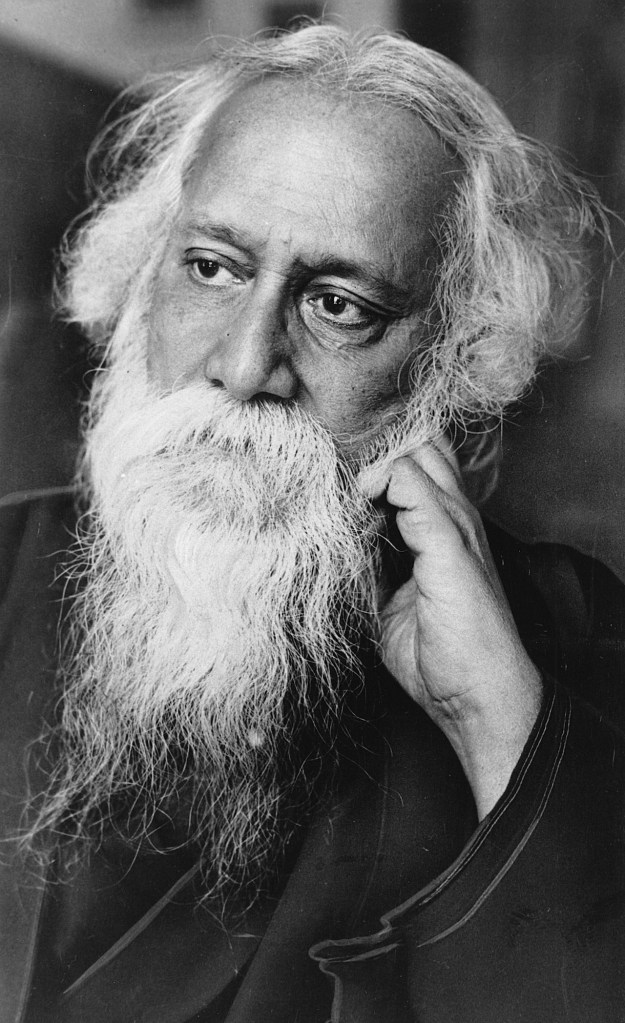
    Image:  Rabindranath Tagore Wallpapers 

    Rabindranath Tagore’s Gitanjali #48: “The morning sea of silence… “

    Rabindranath Tagore’s poem elucidating a metaphorical and metaphysical journey is number 48 in his most noted collection titled Gitanjali. The poet received the Nobel Prize for Literature in 1913, specifically for that collection.

    Introduction with Text from Gitanjali #48: “The Morning Sea of Silence”

    Rabindranath Tagore, Nobel Laureate for Literature in 1013, translated his collection of poems, Gitanjali, from his original Bengali into English.  He numbered each poem and rendered them as prose-poems, and they remain poetry of the highest order.

    Readers may encounter Gitanjali #48 wide-spread across the internet titled “The Journey” playing out in eight traditional poetry stanzas.  Tagore’s #48 displays in only six verse paragraphs (versagraphs), but those who converted the piece have separated the fourth versagraph into three separate units.

    Tagore’s Gitanjali #48 metaphorically elucidates the spiritual journey of the speaker, even as at the outset, he and his fellow trekkers seem to be setting out on an ordinary hike through the landscape of beauty with flowers and birdsong.  What happens to the speaker becomes truly astounding and inspiring, as he comes to understand the true nature of the idea of a spiritual journey.

    In this poem, the term journey serves as an extended metaphor for meditation. The speaker takes his meditation seat and begins his practice in order to experience union with the Divine Belovèd (God).  The speaker employs use of the extended metaphor to reveal dramatically his series of emotions as he continues his metaphorical journey.

    Even though the source for the drama could credibly have remained a literal hike through the countryside on the lovely morning, the speaker of the poem remains focused on his inner spiritual journey to unite his soul with his Creator.

    Gitanjali #48: “The Morning Sea of Silence”

    The morning sea of silence broke into ripples of bird songs; and the flowers were all merry by the roadside; and the wealth of gold was scattered through the rift of the clouds while we busily went on our way and paid no heed.

    We sang no glad songs nor played; we went not to the village for barter; we spoke not a word nor smiled; we lingered not on the way. We quickened our pace more and more as the time sped by.

    The sun rose to the mid sky and doves cooed in the shade. Withered leaves danced and whirled in the hot air of noon. The shepherd boy drowsed and dreamed in the shadow of the banyan tree, and I laid myself down by the water and stretched my tired limbs on the grass.

    My companions laughed at me in scorn; they held their heads high and hurried on; they never looked back nor rested; they vanished in the distant blue haze. They crossed many meadows and hills, and passed through strange, far-away countries. All honour to you, heroic host of the interminable path! Mockery and reproach pricked me to rise, but found no response in me. I gave myself up for lost in the depth of a glad humiliation in the shadow of a dim delight.

    The repose of the sun-embroidered green gloom slowly spread over my heart. I forgot for what I had travelled, and I surrendered my mind without struggle to the maze of shadows and songs.

    At last, when I woke from my slumber and opened my eyes, I saw thee standing by me, flooding my sleep with thy smile. How I had feared that the path was long and wearisome, and the struggle to reach thee was hard!

    Reading of Gitanjali #48: “The Morning Sea of Silence”  

    Commentary on Gitanjali #48: “The Morning Sea of Silence”

    The speaker engages a truly astounding spiritual event, placing his experience in a metaphysical setting, and metaphorically elucidating that experience as a simple hike across the landscape.

    First Versagraph:  The Welcoming Morning Landscape

    The morning sea of silence broke into ripples of bird songs; and the flowers were all merry by the roadside; and the wealth of gold was scattered through the rift of the clouds while we busily went on our way and paid no heed.

    In the first versagraph, the speaker begins by describing the beauty of the morning landscape that surrounds him and his fellow hikers as they set out on their walking excursion. 

    The first line offers an masterfully crafted metaphor: the early morning “silence” is likened to the waves of an ocean that break into “ripples of bird songs.”  While the birds are singing, the flowers by the wayside appear to be “all merry.” The sky is spread out into a golden glow which is “scattered through the rift of the clouds.”   

    The speaker then states that he and his hiking buddies are in a hurry to get on with their trek, and they therefore take no notice of, and therefore do not cherish, the beauty that has already been bestowed upon them.

    Second Versagraph::  Deadly Solemnity

    We sang no glad songs nor played; we went not to the village for barter; we spoke not a word nor smiled; we lingered not on the way. We quickened our pace more and more as the time sped by.

    The speaker then asserts that he and his fellow trekkers remain quite serious in their coming travel extravaganza; thus, they do not stop to play or sing happy songs.  They did not even engage in cheerful banter with one another, nor do they stop in the village to make any purchases.

    They remain so deadly solemn that not only do they not even bother to speak, but they also do not deign to smile.  They refuse to linger anywhere. They remain in such a great hurry that they continue to speed by faster and faster as time wore on.

    Third Versagraph:  Taking Needed Rest

    The sun rose to the mid sky and doves cooed in the shade. Withered leaves danced and whirled in the hot air of noon. The shepherd boy drowsed and dreamed in the shadow of the banyan tree, and I laid myself down by the water and stretched my tired limbs on the grass.

    By noon, the speaker has become distracted by the position of the sun, noting that doves are making their cooing sounds in the shade of the trees.  He then takes notice that a shepherd boy is resting in the shade under a tree.  

    While the sun is so hot and with the doves and shepherd boy enjoying a relief from action, the speaker decides to stop his own active walk.  Thus, he lies down upon the grass by the water and stretches out his tired body to enjoy a respite from the strenuous task of hiking.

    Fourth Versagraph:   Ridicule for Taking a Rest

    My companions laughed at me in scorn; they held their heads high and hurried on; they never looked back nor rested; they vanished in the distant blue haze. They crossed many meadows and hills, and passed through strange, far-away countries. All honour to you, heroic host of the interminable path! Mockery and reproach pricked me to rise, but found no response in me. I gave myself up for lost in the depth of a glad humiliation in the shadow of a dim delight.

    The speaker’s walking buddies, however, chide him for wishing to take a break and rest. So, they continue on with their walk.  As they continue, they strike supercilious poses with their heads in the air.  They take no second notice of the speaker, as they disappear into “distant blue haze.”

    Nevertheless, the speaker remains in his resting position with the determination to enjoy his leisurely rest, even as the others rapidly continue on with their swift strides.  The speaker reports that his fellow hikers are pressing on as they continue to trek through the “meadows and hills.”  They show that they are not as lazy as he is.  The speaker’s fellows are continuing to push “through strange, far-away countries.” 

    He gives them credit for their adventuresome nature, and he confesses that he has experienced some guilt for remaining in leisure and not accompanying them, but he just could not urge himself on to continue this particular walking excursion. 

    The speaker also confesses that he has ambiguous feelings: on the one hand, he feels “lost” not remaining with the others, but on the other hand, he experiences a “glad humiliation,” feeling that he must be reclining “in the shadow of a dim delight.” 

    Fifth Versagraph:   Rethinking the Reason for the Hike

    The repose of the sun-embroidered green gloom slowly spread over my heart. I forgot for what I had travelled, and I surrendered my mind without struggle to the maze of shadows and songs.

    As the speaker goes on lounging about, he takes notice that the sunset is “spread[ing] over his heart”—an act that unveils for a second time his emotions fraught with ambiguity. Such gloom is “sun-embroidered,” reminiscent of the old saw, “every cloud has a silver lining.” 

    The dawdling speaker then admits that he can no longer remember why he originally decided to set out on this hike.  Thus, he just lets his mental body go, no longer struggling with his true urgings any more. He allows his heart and mind to continue musing through “the maze of shadows and songs.” 

    Sixth Versagraph:   Nearing the Door-Heart of the Divine Creator

    At last, when I woke from my slumber and opened my eyes, I saw thee standing by me, flooding my sleep with thy smile. How I had feared that the path was long and wearisome, and the struggle to reach thee was hard!

    Finally, the speaker wakes up from his ambiguous torpor; he then realizes that he has discovered what he was searching for. He had surmised that walking such a spiritual path was out of his reach, as it was considered to be such an arduous task.

    But after his discovery, he is able to realize that all he had to do was permit his inner self to be guided to the door-heart of the Divine Belovèd.  All lesser journeys, including those on the physical plane, become irrelevant as one becomes ensconced in that sacred environment, near the door of the DivineCreator-Father. 

    Video of Rabindranath Tagore 

  • Gerard Manley Hopkins

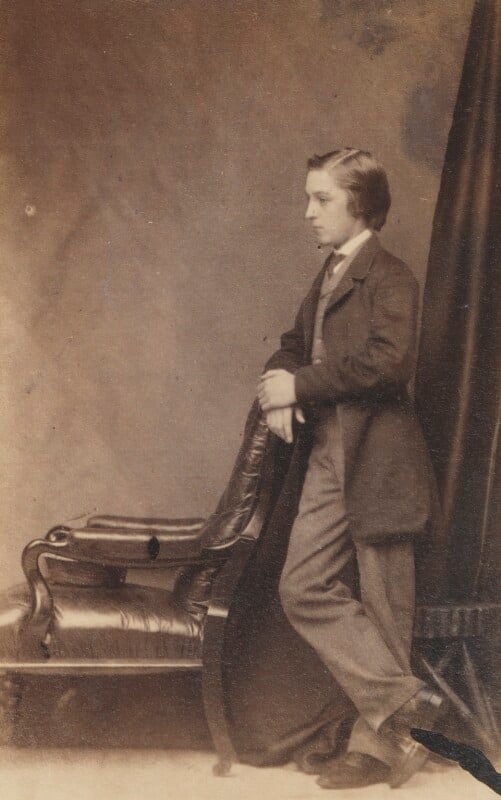
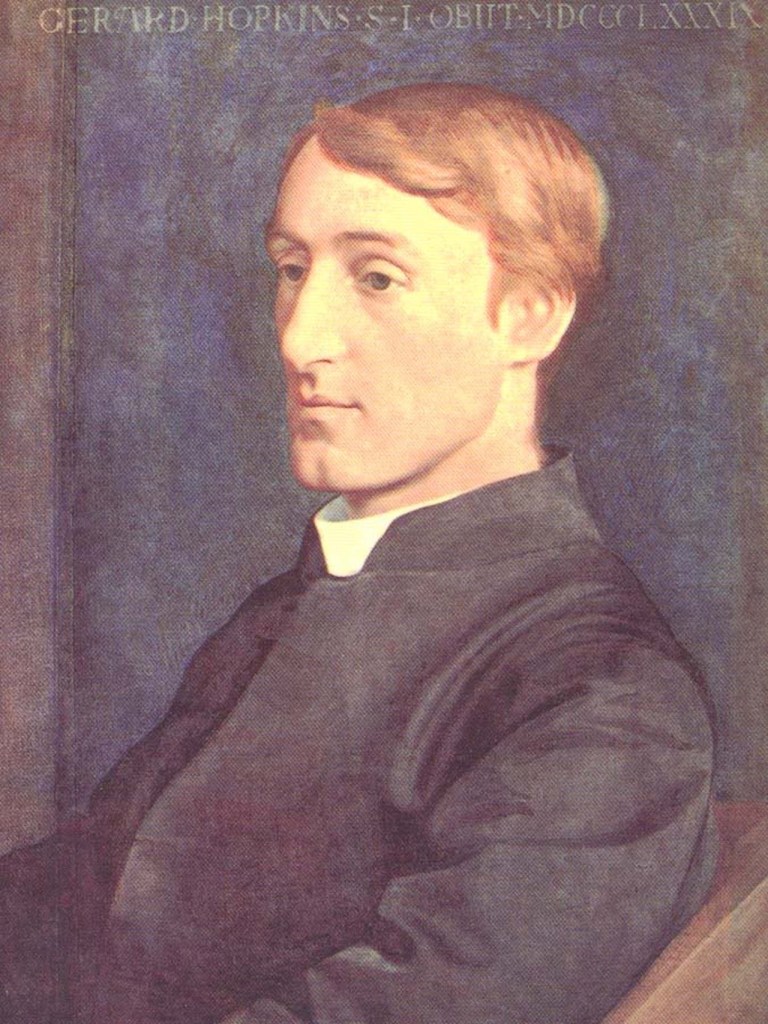
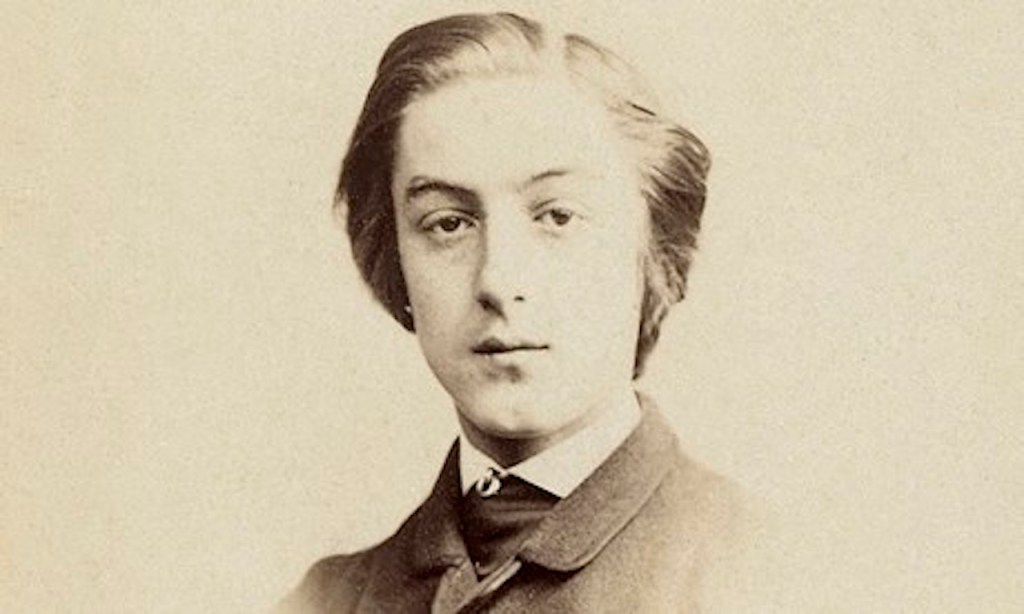
    Gerard Manley Hopkins – National Portrait Gallery, London

    Life Sketch of Gerard Manley Hopkins

    Gerard Manley Hopkins (1844–1889) was a poet of exceptional originality, with an innovative approach to language.  He remains one of English literature’s most enigmatic figures—a poet-priest whose work combines Victorian sensibilities with modernist experimentation.

    Introduction: Early Life and Family Background

    Though Gerard Manley Hopkins work was largely unpublished during his lifetime, the poet is now celebrated as one of the most significant poets of the Victorian era and a precursor to modernist poetry. 

    His life was marked by a profound tension between his religious vocation as a Jesuit priest and his artistic calling as a poet, a tension that shaped both his personal struggles and his creative achievements.

    Gerard Manley Hopkins was born on July 28, 1844, in Stratford, Essex (now part of Greater London), into a middle-class family with strong artistic and religious inclinations. He was the oldest of nine children born to Manley Hopkins and Catherine Smith Hopkins. 

    His father was a successful marine insurance adjuster, who also wrote poetry and published works such as A Philosopher’s Stone and Other Poems (1843) [1]. His mother Catherine was deeply religious and musically gifted, fostering an environment where intellectual and artistic pursuits were encouraged [2].

    The Hopkins household emphasized education and creativity. Gerard’s siblings also displayed artistic talents: his brother Arthur became an illustrator for Punch magazine, while another brother Everard pursued his calling to architecture [3]. The family’s Anglican faith played a central role in their lives; Gerard’s early exposure to religious devotion would later profoundly influence his poetry.

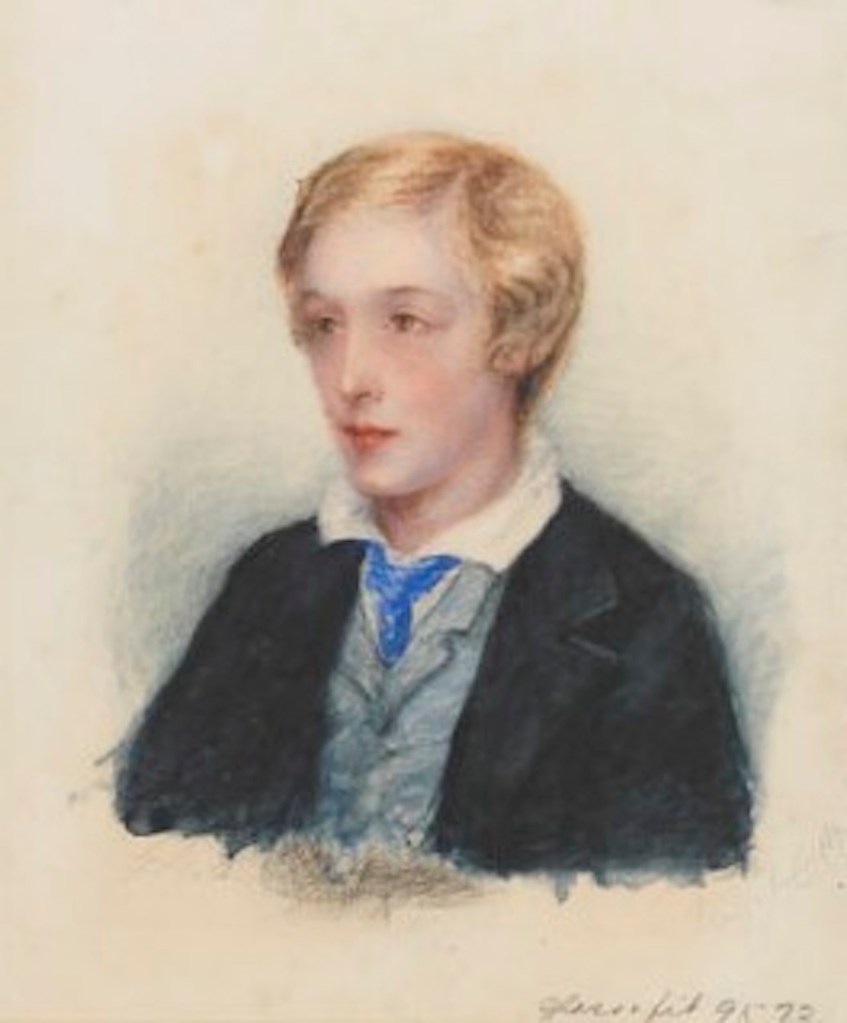
    Gerard Manley Hopkins – National Portrait Gallery, London

    Education at Highgate School

    In 1854, at the age of ten, Hopkins began attending Highgate School in London, where he excelled academically and demonstrated his early poetic talent. His school years were marked by a deep engagement with Romantic poetry, particularly the works of John Keats and Percy Bysshe Shelley. Keats’s lush imagery and musicality left a lasting impression on the young poet, as can be seem in some of his earliest compositions.

    While at Highgate, Hopkins also developed an interest in drawing and painting. He considered pursuing art as a career before ultimately deciding to focus on literature. While his early poems from this period reflect the Romantic tradition, they also hint at the originality that would later define his mature work [4].

    The Oxford Years: Intellectual Growth and Conversion

    In 1863, Hopkins entered Balliol College, Oxford, where he studied the Classics. Oxford in the mid-19th century was a hub of intellectual ferment, particularly regarding questions of faith and theology. 

    The Oxford Movement, led by figures such as John Henry Newman, sought to revive Catholic elements within Anglicanism [5]. This movement profoundly influenced Hopkins during his time at the university.

    At Balliol, Hopkins excelled academically and formed lasting friendships with notable contemporaries such as Robert Bridges (later Poet Laureate of England). Bridges would play a crucial role in preserving and publishing Hopkins’s poetry after his death. During this period, Hopkins continued writing poetry but also began engaging with questions of faith that would lead to a dramatic transformation of his life

    In 1866, under the influence of Newman’s writings and teachings, Hopkins converted to Roman Catholicism. This decision caused significant tension in his family, all of whom were devout Anglicans. However, for Hopkins, the conversion represented a profound spiritual awakening that would shape both his personal life and his artistic vision.

    Gerard Manley Hopkins – National Portrait Gallery, London

    Religious Vocation: Joining the Jesuit Order

    After graduating from Oxford with first-class honors in the Classics in 1867, Hopkins decided to pursue a religious vocation In 1868, he joined the Society of Jesus (the Jesuits), beginning his novitiate at Manresa House in Roehampton. As part of his training, he took vows of poverty, chastity, and obedience.

    Hopkins believed that his religious commitment required him to renounce personal ambition, including his aspirations as a poet. In an act of self-denial characteristic of his Jesuit discipline [3], he burned many of his early poems upon entering the order. For several years, he refrained from writing any poetry at all.

    During this pause from creative writing, Hopkins’s religious studies deepened his understanding of theology and philosophy. He studied at Stonyhurst College in Lancashire before moving to St. Beuno’s College in North Wales to study theology [6]. It was during this period that he began to reconcile his poetic gift with his spiritual calling.

    The Wreck of the Deutschland: A Return to Poetry

    In 1875, an event occurred that reignited Hopkins’ poetic creativity: the wreck of the German ship Deutschland off the coast of England. Among those who perished were five Franciscan nuns fleeing anti-Catholic persecution in Germany [1]. Deeply moved by their sacrifice and martyrdom, Hopkins composed The Wreck of the Deutschland, a long narrative poem that marked his return to writing.

    The poem is notable for its novel experimentation with language and form. It introduced what Hopkins called “sprung rhythm,” a metrical system based on stressed syllables rather than traditional foot-based metrics. Sprung rhythm allowed him greater flexibility in capturing natural speech patterns while maintaining musicality.

    Although The Wreck of the Deutschland was not published during Hopkins’s lifetime (it was deemed too unconventional), it signaled the beginning of his mature poetic phase. Over the next decade, he would compose some of his most celebrated and later anthologized works.

    Major Themes and Innovations

    Hopkins’s poetry is characterized by its vivid imagery, innovative use of language, and deep spiritual resonance. Central themes include the following:

    Nature

    Hopkins viewed nature as a manifestation of God’s glory—a concept he expressed through what he called “inscape,” or the unique essence of each created thing. Poems like “Pied Beauty” celebrate the variety and intricacy of nature:

    “Glory be to God for dappled things—
    For skies of couple-colour as a brinded cow;”

    Religion

    As a devout Jesuit priest, Hopkins often explored themes of faith, grace, and divine presence.  In “God’s Grandeur,” he reflects on humanity’s relationship with the Divine Reality (God):  “The world is charged with the grandeur of God.” 

    Human Struggle

    Hopkins did not shy away from depicting despair and inner turmoil. His so-called “terrible sonnets,” written during periods of depression in Dublin later in life (“No Worst There Is None” and “I Wake And Feel The Fell Of Dark”), are raw expressions of spiritual desolation.

    Language

    Hopkins’s creative inventiveness set him apart from other Victorian poets. He employed compound words (“dapple-dawn-drawn”), alliteration (“kingdom of daylight’s dauphin”), and unconventional syntax to create striking effects.  It might be noted that E. E. Cummings’ innovation remains a 20th century parallel to that of Father Hopkins 19th century foray into stylizing novelty.

    Academic Career in Dublin

    In 1884, after years serving as a parish priest in England and Scotland (often under challenging conditions), Hopkins was appointed Professor of Greek Literature at University College Dublin. 

    While teaching brought him some satisfaction intellectually, he still continued to struggled with feelings of isolation as an Englishman residing and working in Ireland during a time of political upheaval.

    Gerard Manley Hopkins – National Portrait Gallery, London

    Death and Legacy

    Father Hopkins’ final years were marked by declining health and bouts of depression—what he referred to as “the long dark night.” Despite these challenges, he continued writing poetry until shortly before his death.

    Father Hopkins died on June 8, 1889, at the age of 44 from typhoid fever in Dublin. At the time of his death, none of his major poems had been published; they existed only in manuscript form.

    It was not until 1918—nearly three decades after his death—that Robert Bridges edited and published  the collection simply titled Poems, bringing Hopkins’ work to public attention for the first time. The collection received mixed reviews initially but gained increasing recognition over time.

    By the mid-20th century, critics such as F.R. Leavis had established Hopkins as one of the most original voices in English poetry. His innovative techniques anticipated modernist trends seen later in poets like T.S. Eliot, Dylan Thomas, and E. E. Cummings.

    Father Gerard Manley Hopkins remains one of English literature’s most enigmatic figures—a poet-priest whose work brought together certain Victorian sensibilities with modernist experimentation. His legacy rests not only in his technical innovations but also in his ability to convey profound spiritual truths through language that continues to resonate with readers today.

    Sources

    [1]  Gerard Manley Hopkins. Poems. Edited by Robert Bridges. Oxford University Press. 1918.

    [2]  Gerard Manley Hopkins. Poems and Prose. Edited by W. H. Gardner. Penguin Classics. 1953.

    [3]  Eleanor Ruggles. Gerard Manley Hopkins: A Life. New York: W.W. Norton & Co. 1944.

    [4]  Norman H. Mackenzie. A Reader’s Guide to Gerard Manley Hopkins. Cornell U P. 1981.

    [5] John Cowie Reid.  “Gerard Manley Hopkins.” Encyclopaedia Britannica. Accessed January 1, 2026.

    [6] Curators. “Gerard Manley Hopkins.” Poetry Foundation.  Accessed January 1, 2026.

    🕉

    Poem Commentaries

    • God’s Grandeur” Father Gerard Manley Hopkins’ motivation to imitate Spirit (God) prompts him to craft his poems in forms, as Spirit creates entities in forms—from rocks to animals to plants to the human body.
    • Pied Beauty” Gerard Manley Hopkins’ “Pied Beauty” is an eleven-line curtal sonnet dedicated to honoring and praising God for the special beauty of His creation.  Father Hopkins coined the term “curtal” to label his eleven-line sonnets.
    • The Habit of Perfection”  The title “The Habit of Perfection” of Gerard Manley Hopkins’ poem features a pun on the term “habit.” As a monk, the poet had accepted the garb of the monastic, sometimes called a habit

    The Terrible Sonnets

    •  “To seem the stranger lies my lot, my life” Written with the same intensity that characterizes Hopkins’ work, the poem dramatizes exile as both an external condition and an inward trial.
    • I wake and feel the fell of dark, not day” The speaker Gerard Manley Hopkins’ “I wake and feel the fell of dark, not day” is confronting spiritual desolation, interior darkness, and the sense of abandonment by God. 
    • No worst, there is none.  Pitched past pitch of grief” The third in the group of sonnets widely known as “the terrible sonnets, this one,“No worst, there is none. Pitched past pitch of grief,” presents a speaker experiencing grief so intense that it feels beyond limit or measure.
    • Not, I’ll not, carrion comfort, Despair, not feast on thee” Father Hopkins’ “Not, I’ll not, carrion comfort, Despair, not feast on thee” dramatizes an intense spiritual struggle in which the speaker resists despair while enduring profound inner torment. 
    • Patience, hard thing! the hard thing but to pray” This terrible sonnet explores searchingly the nature of  spiritual endurance. The speaker is focusing on patience not as a soft virtue but as a challenging and difficult discipline, which oftentimes scars the pride, while exhausting the will. 
    • My own heart let me more have pity on; let” The speaker in this sonnet examines his inward struggle, through which he has learned mercy toward the self (soul) while undergoing heavy, sustained spiritual pressure.  My personal issue with this pressure assures me that Father Hopkins well understood its vicissitudes as well as its rewards.

  • John Donne

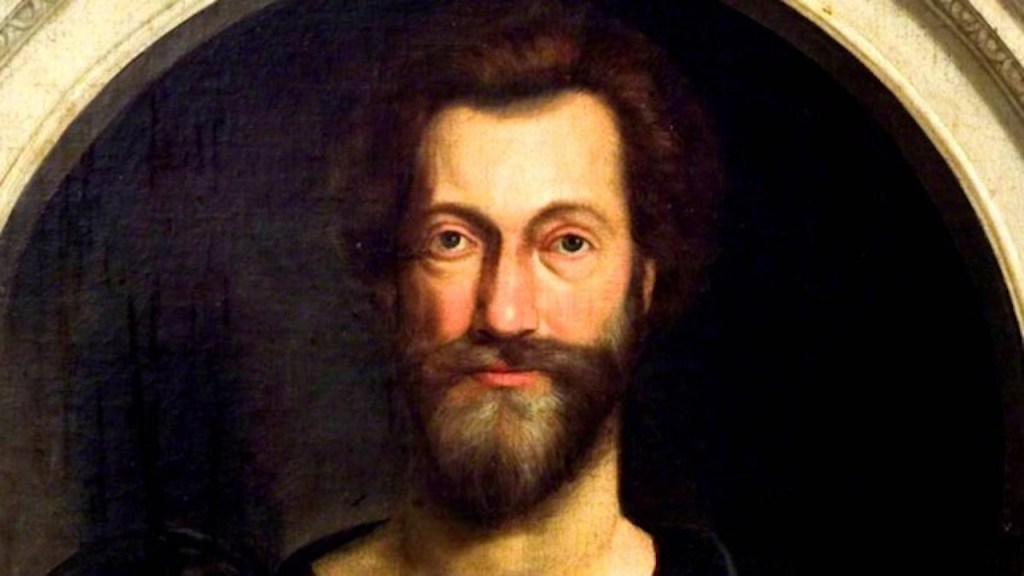
    Image 1:  John Donne Portrait – Unknown Artist – National Portrait Gallery, London

    John Donne’s canon features two vastly different themes.  One might argue that they are diametrically opposed; his earlier works focus on sensual debauchery.  His later works take the theme of spirituality.

    Early Life and Education

    John Donne was born on June 19, 1572, into a wealthy Catholic family during the period of English history that saw the rise of anti-Catholicism.  His father, John Donne, Sr., was a successful, prosperous iron worker.  Donne’s mother was related to Sir Thomas More; her father was the noted playwright John Heywood.  Donne’s father died in 1576, while the future poet was only four years of age. His mother struggled to raise John, Jr. and his two siblings.

    When Donne was 11 years old, he and his younger brother Henry  entered school at Hart Hall at Oxford University.  John continued his studies at Hart Hall for three years, and then he enrolled in Cambridge University.  

    Donne rejected taking the mandatory supremacy oath that declared King Henry VIII the head of the church; this declaration remained an abomination in the eyes of truly devout Catholics.  And because of this refusal to take that mandated oath, Donne was not permitted to graduate.   Donne then studied law as a member of Thavies Inn and Lincoln’s Inn.  The influence of the Jesuits remained with Donne throughout his student years [1].

    Marriage to Anne More

    In 1601, Donne secretly married Anne More, who was only 17 years old at the time.  This marriage put an end to Donne’s career in government positions.    Anne’s father arranged to have Donne arrested and imprisoned [2] along with Donne’s fellow compatriots who assisted Donne in keeping secret his courtship with Anne.  

    After losing his government position, Donne remained without gainful employment for nearly a decade.  His growing family, including twelve children, struggled with poverty during this period. 

    Donne quipped about those lean years, “John Donne, Anne Donne, Undone.”  The family depended greatly on family and friends for their sustenance.  A cousin of Anne’s supplied them with a residence at Pyrford in Surrey.  Friends, including Lady Magdalen Herbert, mother of George Herbert, and the Countess of Bedford assisted the family.  Those individuals had also assisted Donne in his literary career.

    Despite the largess of family and friends, the family struggled bitterly during those years.  Donne’s pride was bruised; he was well aware that his intellectual capacity far exceeded those responsible for his poverty.  In 1609, Donne’s father-in-law, Sir George More, finally relented and consented to a reconciliation with his son-in-law and his family, whereupon Sir More paid his daughter’s dowry.

    Questioning Catholicism

    John Donne began to question his Catholic faith after his brother Henry died in prison.  The brother had been arrested and sentenced to prison for assisting a Catholic priest [3].  Donne’s first collection of poems titled Satires addresses the issue of the efficacy of faith.  

    At age forty, Donne composed and published two treatises that denounced the Catholic Church.  These publications served as the final statement regarding of his severance from his earlier faith.  His polemic titled Pseudo-Martyr asserted that Catholics in England should be permitted to pledge allegiance to the king, James I, without being accused of disavowing their loyalty to the Pope.  This publication won Donne favor with King James.

    During these same years, Donne was composing his love/lust poems, Songs and Sonnets, from which many of his most widely anthologized poems are taken; three example poems are “The Apparition,” “The Flea,” and “The Indifferent.”  John Donne, going by the informal moniker of “Jack,” spent a significant portion of his youth and a sizable amount of an inherited fortune on travel and womanizing.  He traveled with Robert Devereux, 2nd Earl of Essex on a naval expedition to Cádiz, Spain.  

    Donne later journeyed with another expedition to the Azores; from that trip, he was  inspired to compose his piece, “The Calm.”  After his return to England, he accepted a position as a private secretary to Thomas Egerton, whose status was Lord Keeper of the Great Seal.

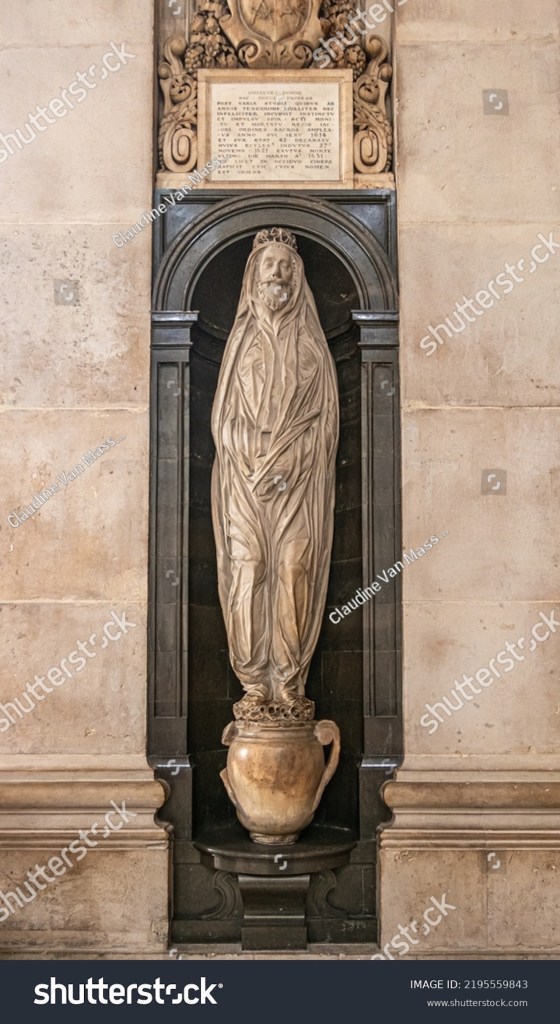
    Image 2:  John Donne Monument Effigy   Wenceslaus Hollar – National Portrait Gallery, London


    Renunciation of Catholics

    Although Donne had renounced Catholicism, King James insisted that Donne could receive no government employment unless it was church related.  Donne had continued to refuse to take Anglican orders.   However, in 1615, Donne finally entered the ministry and accepted the post of Royal Chaplain.

    After completing the doctorate in divinity, he was appointed to the post of Reader in Divinity at Lincoln’s Inn.   Donne’s elaborate style of oratory filled with spiritual metaphors and other religious symbols earned for him the reputation as one of the greatest ministers of that period.

    Although Donne had also practiced law for several years, his family had remained living at the substance level.  Then after he accepted the position of Royal Chaplain, life for the Donnes seemed to be improving [4].

    Anne’s Death

    However, tragedy struck the family when Anne at age 33 died on August 15, 1617, after giving birth to their twelfth child, who was stillborn.  Only seven of the couple’s children survived. The poet mourned his wife’s death in Holy Sonnet XVII: “Since she whom I lov’d hath paid her last debt.”

    According to Donne’s most important biographer and friend Izaak Walton [5], after Anne’s death Donne became “crucified to the world.”  Although Donne continued to compose his poems, he focused entirely upon the theme of spirituality and the search for meaning.

    Poems and Faith

    John Donne is often grouped with the Metaphysical poets.  However, according to T. S. Eliot, Donne’s poems along with other Metaphysicals such as Henry Vaughan, George Herbert,  and Andrew  Marvell do not, in fact, possess the attributes of the metaphysical label any “more than other serious poets” [6].

    The death of John Donn’e wife Anne exerted a strong influence on his poetic achievement.    He started composing his poems of faith, collected in The Holy Sonnets, including Hymn to God the Father,” “Batter my heart, three-person’d God,” and “Death, be not proud, though some have called thee”—three of the most widely anthologized holy sonnets.

    Donne also composed a collection of private meditations, published in 1624 as Devotions upon Emergent Occasions.   His collection of private meditations, a classic spiritual work, features “Meditation 17,” from which two of his most famous quotations have been taken:  “No man is an island” and “Therefore, send not to know  / For whom the bell tolls, / It tolls for thee.”

    In 1621, Donne was appointed Dean of St. Paul’s, and in 1624, he took up the position as vicar of St Dunstan’s-in-the-West [7],where he continued to serve as a minister until his death on March 31, 1631.   Interestingly, a mythology has grown up around the claim that he preached his own funeral sermon “Death’s Duel” only a few weeks before his death.

    Sources

    [1]  Anniina Jokinen.  “The Life of John Donne.”  Luminarium.  Accessed February 18, 2023.

    [2]  Editors.  “John Donne.”  Academy of American Poets.  Accessed February 18, 2023.

    [3]  Editors.  “Who Was John Donne?”  Biography.  Last Updated: November 12, 2021.

    [4]  Editors.  “John Donne – Biography.”  HumanitiesWeb.org.  Updated:  October 28, 2012.

    [5]  Izaak Walton.  The Life of Dr. John Donne.” Anglican History:  Project Canterbury.  Accessed February 18, 2023.

    [6] T. S. Eliot.  “Review of Metaphysical Lyrics and Poems of the Seventeenth Century: Donne to Butler.”  University of Wyoming.  Accessed February 23, 2023.

    [7] Editors.  “John Donne in the Archives.” City of London.  Date updated: May 15, 2022.

    Commentaries on Poems by John Donne

    1. Holy Sonnets 1—19
    2. The Apparition
    3. The Flea

    Reading of “Death’s Duel” 

    Image 3:  John Donne Luminarium