Image: Emily Dickinson – Amherst College – Daguerrotype of the poet at age 17, circa 1847 – likely the only authentic, extant likeness of the poet
Emily Dickinson’s “A sepal, petal, and a thorn”
Emily Dickinson’s short poem, “A sepal, petal, and a thorn,” consists of only one cinquain, but its five lines pack a prayerful punch into its deceptive shortness.
Introduction and Text of “A sepal, petal, and a thorn”
Emily Dickinson’s short poem “A sepal, petal, and a thorn” begins as a riddle but concludes by identifying the speaker and subject of her narrative. The speaker of this cinquain offers a brief description of a special environment observed by a seemingly outside observer. However, the observer becomes clear when she is named and identified in the final surprising line.
A sepal, petal, and a thorn
A sepal, petal, and a thorn Upon a common summer’s morn – A flask of Dew – A Bee or two – A Breeze – a caper in the trees – And I’m a Rose!
Commentary on “A sepal, petal, and a thorn”
This awe-inspiring little drama demonstrates the poet’s amazing ability to observe fine details and then create finely crafted poems.
First Movement: The Crowds of Summer
A sepal, petal, and a thorn Upon a common summer’s morn –
The speaker begins her announcement by focusing on key elements in a special environment which include the parts of a flowering plant. Most, if not all flowers, possess a physical part called a “sepal” or the green supporting element that holds the bloom and protects it as it keeps the flower of the plant intact.
The speaker then adds the important part of the flower called the “petal.” The petals conjoined make up the distinct flower itself. It provides the particular shape and coloring that each flower affords to offer its beauty to the human eye.
The speaker then offers what at first seems to be an odd member of this group, when she adds “thorn.” Not many flowers possess thorns, but the mind of the audience is not permitted to dwell upon this odd addition, for the speaker adds the marvelous and pleasurable descriptor involving the time element for her announcement: it is summer and the speaker frames the time as containing all that has been described, and then she places them together, “[u]pon a common summer’s morn.”
Thus far, the speaker has offered only two parts of a flowering plant with the addition of the strange and dangerous sounding element, the thorn. But she has mitigated her simple list by placing those flowering parts at the wonderful time of year known a summer, and further beautified the environment by making it during the early part of the day or “morn[ing].”
Second Movement: Unity in Rime
A flask of Dew – A Bee or two – A Breeze – a caper in the trees –
The second movement of this marvelously simple, yet complicated, narration continues the catalogue-like listing of natural elements: dew, bee, breeze, trees. But to her drama she has added a fantastically adept rime-scheme that holds the element fast together in an almost divine unity.
The “dew” is held in a “flask”; thus she pronounces her creation, “[a] flask of Dew.” A flask is a simple bottle-like container, usually associated with alcoholic beverages. The speaker’s employment of such a container instead of “glass” or “cup” quite deliberately contributes to the intoxication of the beauty and unity of such a summer morning, which has motivated the speaker to enumerate the fine details upon which she is concentrating.
The second half of this line, “A Bee or two” completes the rime unification that sparks her observation, which yields the intoxication caused by the beauty of the natural elements; therefore, arises, “A flask of Dew – A Bee or two –,” whose pleasurable rime rings in the mind as it presents the image of a couple of bees hovering over a beautiful flowering plant early in the day.
The second line of the movement presents an almost uncanny repetition of force through its image and rime as the first line: again, the speaker has created a pleasurable rime that unifies the elements with the sparks of divine unity, “A Breeze – a caper in the trees.” As “Dew” and “two” offered a perfect riming set, so do “Breeze” and “trees.”
The second movement then creates a little drama that could almost stand alone because it has offered an image that implies a flower, calling it a “flash of Dew” over which hover a pair of bees, set in an area where a breeze is blowing and whipping up a “caper” in the surrounding trees. The employment of the term “caper” offers a magically wonderful element of mischief that the speaker infuses into her drama of a simple flower.
Third Movement: Rose Reporting
And I’m a Rose!
In the final movement, the speaker announces her identity. She is a “Rose.” Little wonder that the accuracy and fidelity to detail have been so brilliantly portrayed; it has been the flower herself who is reporting. Unlike so many of Dickinson’s riddle poems in which she never condescends to name the subject of the riddle, this one proudly announces who the speaker is in direct terms.
After describing her environment of finely crafted elements–sepal, petal, morn, dew, bees, breeze, trees–the speaker then affords her audience the ultimate unity by stating directly and unequivocally who she is. With this revelation, the mystery of the “thorn” in the first line is solved.
This masterfully crafted little drama offers the Dickinson canon one of its main features that demonstrate the ability of the poet to observe and create little masterful dramas out of her observations. Her ability to make words dance as well as fill out images remains a staple in the Dickinson tool-kit of poetic expression.
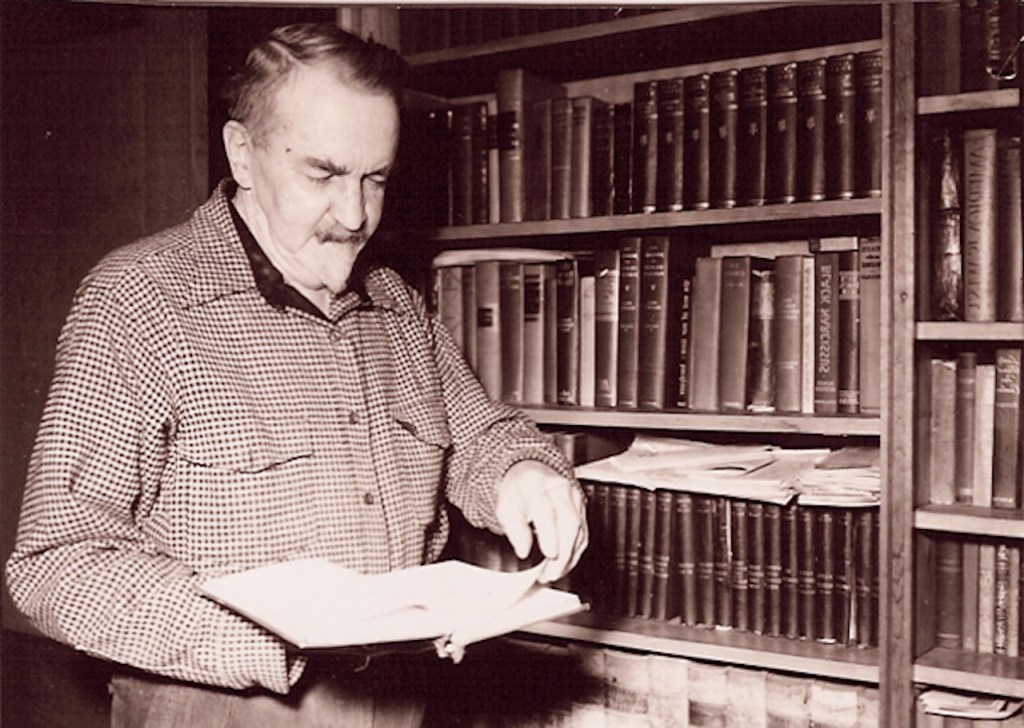
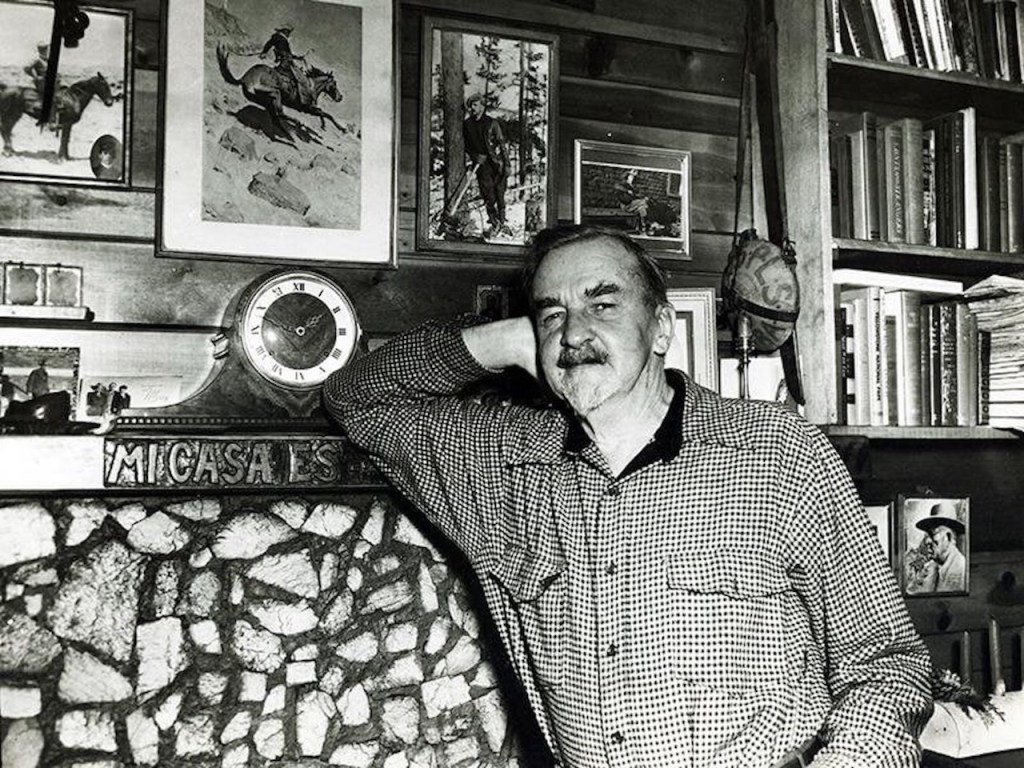
S. Omar Barker’s Christmas poem “A Cowboy’s Christmas Prayer” features a humble cowpoke, who is not accustomed to praying but is offering his heart-felt supplication at Christmas time. As he prays, he reveals the qualities and issues of his life that are most important to him.
Introduction with Text of “A Cowboy’s Christmas Prayer”
This Christmas prayer/poem composed by cowboy poet, S. Omar Barker, allows a humble rider-of-the-range to express his deeply held wishes as he offers a supplication to the Lord for the good of all mankind. The cowboy prayer is framed as a ballad-style narration emphasizing the simple, humble nature of the cowpoke.
The ballad-influenced piece plays out in cowboy dialect and in riming couplets. Its stanza breaks are uneven with two single-line bridges that dissect the drama at important points to emphasize the shift in theme and tone.
A Cowboy’s Christmas Prayer
I ain’t much good at prayin’, and You may not know me, Lord — For I ain’t much seen in churches, where they preach Thy Holy Word. But you may have observed me out here on the lonely plains, A-lookin’ after cattle, feelin’ thankful when it rains.
Admirin’ Thy great handiwork.
The miracle of the grass, Aware of Thy kind Spirit, in the way it comes to pass That hired men on horseback and the livestock that we tend Can look up at the stars at night, and know we’ve got a Friend.
So here’s ol’ Christmas comin’ on, remindin’ us again Of Him whose coming brought good will into the hearts of men. A cowboy ain’t a preacher, Lord, but if You’ll hear my prayer, I’ll ask as good as we have got for all men everywhere
Don’t let no hearts be bitter, Lord. Don’t let no child be cold. Make easy the beds for them that’s sick and them that’s weak and old. Let kindness bless the trail we ride, no matter what we’re after, And sorter keep us on Your side, in tears as well as laughter.
I’ve seen ol’ cows a-starvin’ — and it ain’t no happy sight; Please don’t leave no one hungry, Lord, on Thy Good Christmas Night — No man, no child, no woman, and no critter on four feet I’ll do my doggone best to help you find ’em chuck to eat.
I’m just a sinful cowpoke, Lord — ain’t got no business prayin’ But still I hope you’ll ketch a word or two, of what I’m sayin’: We speak of Merry Christmas, Lord—
I reckon You’ll agree —
There ain’t no Merry Christmas for nobody that ain’t free! So one thing more I ask You, Lord: just help us what You can To save some seeds of freedom for the future Sons of Man!
Reading
Commentary on “A Cowboy’s Christmas Prayer”
S. Omar Barker’s “A Cowboy’s Christmas Prayer” dramatizes the prayer offered by a humble cowboy who is unaccustomed to praying and unacquainted with church services but who holds the blessings from the Creator very dear to his heart. He expresses his gratitude for the simple life he lives and asks his Creator to bless others with kindness and prosperity.
First Movement: A Humble Prayer
I ain’t much good at prayin’, and You may not know me, Lord — For I ain’t much seen in churches, where they preach Thy Holy Word. But you may have observed me out here on the lonely plains, A-lookin’ after cattle, feelin’ thankful when it rains.
In the first quatrain, the supplicating cowboy begins by addressing the Lord, suggesting that the Lord may not even be acquainted with the cowboy; he then gives the reasons that he feels the Lord may not know him. He has not attended church very often, and he knows that’s where they preach His “Holy Word.”
However, the cowboy then suggests that perhaps the Creator has seen him out on the plains doing his work of watching “after cattle.” The cowboy adds what he likely feels may be a useful introduction to the Lord Creator: he has felt thankful for the rain that keeps life supported.
Second Movement: A Single-Line Bridge
Admirin’ Thy great handiwork.
The cowboy adds another positive feature in his heretofore somewhat tentative relationship with the Almighty: he has always admired the “great handiwork” that he often observes as he rides the range in the great outdoors.
This line appears alone and emphasizes the important idea that the cowboy has always kept the Creator near to his heart by feeling enthralled by all of what He has created. The cowboy is likely remembering the wide-open plains, the mountains, the trees, vegetation of the prairie, the night sky full of stars, and the cattle that he himself drives and protects.
This single line offers a useful bridge between the moments of prayer that supplicates, as it brings the Divine back into the cowboy’s consciousness.
Third Movement: Miracles in Creation
The miracle of the grass, Aware of Thy kind Spirit, in the way it comes to pass That hired men on horseback and the livestock that we tend Can look up at the stars at night, and know we’ve got a Friend.
The next quatrain offers a few specific examples of the great Lord’s “handiwork.” The cowboy first mentions the grass, which he describes as a “miracle.” He then avers that even as a simply cowpoke he feels the nature of the Lord is kindness.
And through that “kind Spirit,” he reports that somehow the graceful occasion exists that those hired hands who work riding horseback and tending livestock are able to observe the sky full of “stars at night.”
The cowboy makes it clear that such a sight fills his heart with gratitude that he and his fellow workers “got a Friend.” His relationship with the Lord has blossomed even as he admits his tentative relationship with church and prayer.
Fourth Movement: Good Will
So here’s ol’ Christmas comin’ on, remindin’ us again Of Him whose coming brought good will into the hearts of men. A cowboy ain’t a preacher, Lord, but if You’ll hear my prayer, I’ll ask as good as we have got for all men everywhere.
Likely the coming of the season of Christmas has been the impetus for the cowboy to be offering this halting prayer. So he now tells the Lord that the coming of Christmas has reminded him of Jesus the Christ, Who “brought good will” into men’s hearts.
Even though he “ain’t a preacher,” the cowboy expresses the hope that the Lord will still hear his prayer. He promises to supplicate for the “good” of everyone everywhere. He wishes that all men may be as blessed as he his. His gratitude keeps his own heart open to the Lord’s grace.
Fifth Movement: Prayer of a Simple Soul
Don’t let no hearts be bitter, Lord. Don’t let no child be cold. Make easy the beds for them that’s sick and them that’s weak and old. Let kindness bless the trail we ride, no matter what we’re after, And sorter keep us on Your side, in tears as well as laughter.
In the next cinquain, the speaker offers a catalogue of blessings that he wishes to ask of the Lord. He asks that no bitterness reside in the hearts of men, as he asks that “no child be cold.”
He asks the Lord comfort those who are ill and make their convalescence go smoothly. He also wish ease and comfort for those who are old and weak. He asks kind-heartedness remain a feature of the “trail we ride.” He then asks the Creator to keep humanity on His side throughout good times as well as bad times.
Sixth Movement: Praying for Others’ Welfare
I’ve seen ol’ cows a-starvin’ — and it ain’t no happy sight; Please don’t leave no one hungry, Lord, on Thy Good Christmas Night — No man, no child, no woman, and no critter on four feet I’ll do my doggone best to help you find ’em chuck to eat.
Returning to the quatrain-form for the sixth movement, the speaker focuses on hunger; he has observed cows that are starving to death, and that sight weighs heavily on his heart and mind; thus, he begs the Lord to “leave no one hungry.”
This deprivation is so important to him that he asks that “no man, no child, no woman” be allowed to go hungry. But he also wants the Lord to protect all animals from the fate of hunger. He then promises to help the Lord in finding food for all who are hungry.
Seventh Movement: Self-Deprecation
I’m just a sinful cowpoke, Lord — ain’t got no business prayin’ But still I hope you’ll ketch a word or two, of what I’m sayin’: We speak of Merry Christmas, Lord—
In the next tercet, the cowboy again engages in self-deprecation, saying he is “just a sinful cowpoke” and he does not deserve to be “prayin’.” Still, he expresses the hope that the Creator will hear at least “a word or two” of his prayer.
The cowboy/speaker then begins a thought which is so important that he offers merely the opening of it, allowing its conclusion to spread over another bridge and into the final tercet. He begins by reporting that “[w]e speak of Merry Christmas, Lord—.”
Eighth Movement: Agreement with His Lord
I reckon You’ll agree —
The speaker then creates a second bridge between thoughts. This time he inserts the important notion he thinks the Lord will agree with what he is about to propose. By beginning the thought in the conclusion of the seventh movement, allowing it to marinate through the eighth bridge movement, he has created a small mystery that emphasizes the utterly vital importance of his final thought.
Ninth Movement: Freedom Is Vital
There ain’t no Merry Christmas for nobody that ain’t free! So one thing more I ask You, Lord: just help us what You can To save some seeds of freedom for the future Sons of Man!
Finally, the cowboy issues his important claim before God and world that the most important possession that mankind must retain is “freedom.” There can be no “Merry Christmas” unless humanity is free to enjoy it; no happiness can exists for any individual “that ain’t free!”
Thus, the cowboy’s final supplication is that the Lord “save some seeds of freedom for the future Sons of Man!” He asks his Creator to allow the love and hope of freedom to grow with mankind in all lands for all time.
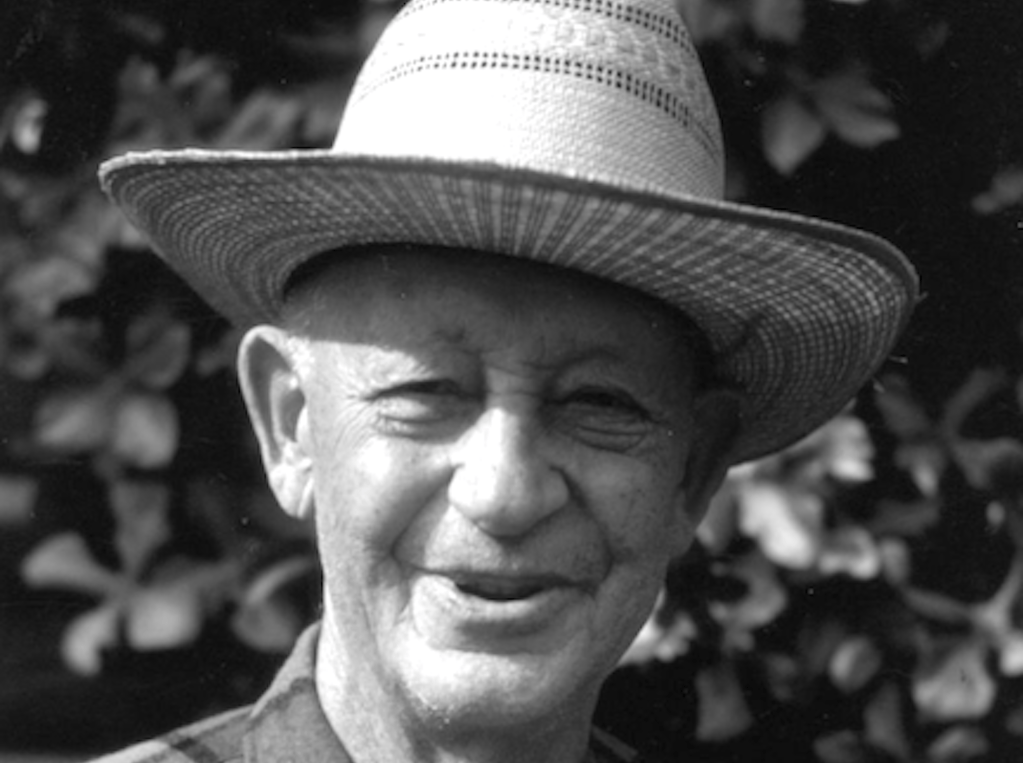
Badger Clark’s ballad consists of four riming octets, nostalgically dramatizing a celebration of his gratitude to God for his way of life.
Introduction and Text of “A Cowboy’s Prayer”
Badger Clark’s “A Cowboy’s Prayer” with the subtitle “Written for Mother”offers a prayer that would make any mother proud, as he celebrates his free lifestyle of living on the open range. Each octet stanza features the rime scheme ABABCDCD. This Badger classic was first published in The Pacific Monthly, in December of 1906.
About this poem/prayer, Katie Lee writes in her classic history of cowboy songs and poems starkly titled Ten Thousand Goddam Cattle, A History of the American Cowboy in Song, Story, and Verse, “The language is true to his free-roving spirit and gives insight to the code he lived by the things he expected of himself.”
A Cowboy’s Prayer
(Written for Mother)
Oh Lord, I’ve never lived where churches grow. I love creation better as it stood That day You finished it so long ago And looked upon Your work and called it good. I know that others find You in the light That’s sifted down through tinted window panes, And yet I seem to feel You near tonight In this dim, quiet starlight on the plains.
I thank You, Lord, that I am placed so well, That You have made my freedom so complete; That I’m no slave of whistle, clock or bell, Nor weak-eyed prisoner of wall and street. Just let me live my life as I’ve begun And give me work that’s open to the sky; Make me a pardner of the wind and sun, And I won’t ask a life that’s soft or high.
Let me be easy on the man that’s down; Let me be square and generous with all. I’m careless sometimes, Lord, when I’m in town, But never let ’em say I’m mean or small! Make me as big and open as the plains, As honest as the hawse between my knees, Clean as the wind that blows behind the rains, Free as the hawk that circles down the breeze!
Forgive me, Lord, if sometimes I forget. You know about the reasons that are hid. You understand the things that gall and fret; You know me better than my mother did. Just keep an eye on all that’s done and said And right me, sometimes, when I turn aside, And guide me on the long, dim, trail ahead That stretches upward toward the Great Divide.
Clark’s “A Cowboy’s Prayer”
Commentary on “A Cowboy’s Prayer”
This poem, written in the traditional ballad form, reveals a grateful cowboy, who loves his rustic way of life and gives thanks for God for it.
First Stanza: Addressing the Lord
Oh Lord, I’ve never lived where churches grow. I love creation better as it stood That day You finished it so long ago And looked upon Your work and called it good. I know that others find You in the light That’s sifted down through tinted window panes, And yet I seem to feel You near tonight In this dim, quiet starlight on the plains.
The speaker begins his payer by addressing the Lord, telling Him that he has never been one to attend church, because “[he’s] never lived where churches grow.” But he admits that he loves creation just as the Lord finished it before mankind began to build things.
The speaker then confides that while others may find the Lord “in the light that is sifted down through tinted window panes,” he feels Him near, “In this dim, quiet starlight on the plains.” The speaker wants to assure the Divine that despite his absence from houses of worship, he worships without a house while simply stationed out on the open plains created by the Great Creator.
Second Stanza: Thanking the Lord
I thank You, Lord, that I am placed so well, That You have made my freedom so complete; That I’m no slave of whistle, clock or bell, Nor weak-eyed prisoner of wall and street. Just let me live my life as I’ve begun And give me work that’s open to the sky; Make me a pardner of the wind and sun, And I won’t ask a life that’s soft or high.
The speaker offers his heartfelt gratitude to the Lord for his blessings. He is especially grateful that the Lord has made “[his] freedom so complete.” He then catalogues the places where he would not feel so free, places where he would have to heed the call “of whistle, clock or bell.”
He asks the Lord to continue blessing him this way: “Just let me live my life as I’ve begun / And give me work that’s open to the sky.” He avers that he will not ever be asking “for a life that’s soft or high.”
Third Stanza: Praying for Wisdom
Let me be easy on the man that’s down; Let me be square and generous with all. I’m careless sometimes, Lord, when I’m in town, But never let ’em say I’m mean or small! Make me as big and open as the plains, As honest as the hawse between my knees, Clean as the wind that blows behind the rains, Free as the hawk that circles down the breeze!
The speaker then asks for the guidance and wisdom to treat other people with respect and honor. He admits that sometimes he is careless, especially when he is in town. But he asks that he never be mean or small. He wants others to think well of him because he behaves properly.
The speaker asks for three things, honesty, cleanliness, and freedom. Thus, he asks the Lord to make him, “As honest as the hawse between my knees, / Clean as the wind that blows behind the rains, / Free as the hawk that circles down the breeze!”
Fourth Stanza: Praying for Guidance
Forgive me, Lord, if sometimes I forget. You know about the reasons that are hid. You understand the things that gall and fret; You know me better than my mother did. Just keep an eye on all that’s done and said And right me, sometimes, when I turn aside, And guide me on the long, dim, trail ahead That stretches upward toward the Great Divide.
Again, the speaker acknowledges that he is not perfect, that at times he forgets proper behavior. He admits that he does not know all that God knows: “You know about the reasons that are hid.” And he declares that the Lord knows him “better than my mother did.”
So the speaker asks God to guard and guide him by watching over him, and when he misbehaves, he begs the Lord to “right me, sometimes, when I turn aside.” He asks God to be with him as he moves “on the long, dim, trail ahead / That stretches up toward the Great Divide”. He masterly employs the metaphoric Great Divide to signal the afterworld as well as a great Western geological phenomenon.
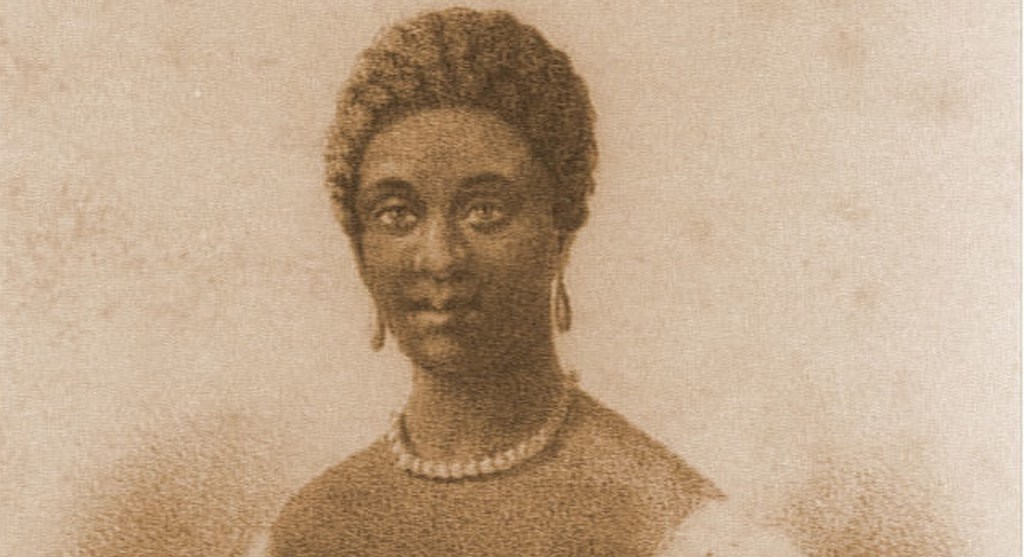
The speaker in Phillis Wheatley’s “On Virtue” is describing the characteristics of that quality, as she supplicates to the heavenly realms to enrich and enliven her creative ability to produce useful, genuine, and delightful poems.
Introduction and Text of “On Virtue”
Phillis Wheatley’s “On Virtue” creates a speaker who is paying tribute to the coveted life goal of virtue or the characteristic that results from righteousness, integrity, and dedication to the truth. Virtue takes its substance from behavior, that is, right behavior.
The virtuous are those who conduct their life in ways that contribute to freedom, prosperity, peace, and calmness of community. Without a plurality of virtuous folks, a community breaks down, becomes unlivable, causing the virtuous to flee.
The speaker is personifying the quality of virtue, invoking its essential quality to lend its powers to her, and especially to her ability to create her art: she wishes to create “a nobler lay.” Thus, after offering a colorful description of the behavior of “virtue,” the speaker offers a supplication, almost a prayer, that virtue visit her and direct her abilities.
On Virtue
O Thou bright jewel in my aim I strive To comprehend thee. Thine own words declare Wisdom is higher than a fool can reach. I cease to wonder, and no more attempt Thine height t’explore, or fathom thy profound. But, O my soul, sink not into despair, Virtue is near thee, and with gentle hand Would now embrace thee, hovers o’er thine head. Fain would the heav’n-born soul with her converse, Then seek, then court her for her promis’d bliss.
Auspicious queen, thine heav’nly pinions spread, And lead celestial Chastity along; Lo! now her sacred retinue descends, Array’d in glory from the orbs above. Attend me, Virtue, thro’ my youthful years! O leave me not to the false joys of time! But guide my steps to endless life and bliss. Greatness, or Goodness, say what I shall call thee, To give an higher appellation still, Teach me a better strain, a nobler lay, O thou, enthron’d with Cherubs in the realms of day!
Commentary on “On Virtue”
The speaker is Phillis Wheatley’s “On Virtue” is describing the qualities of virtue. As she muses upon the nature of that outstanding quality, she hopes not only to understand it better but also that it will assist her in creating her poems and songs.
First Stanza: A Valued Quality
O Thou bright jewel in my aim I strive To comprehend thee. Thine own words declare Wisdom is higher than a fool can reach. I cease to wonder, and no more attempt Thine height t’explore, or fathom thy profound. But, O my soul, sink not into despair, Virtue is near thee, and with gentle hand Would now embrace thee, hovers o’er thine head. Fain would the heav’n-born soul with her converse, Then seek, then court her for her promis’d bliss
The speaker begins by addressing her subject as “bright jewel.” This appellation demonstrates the value that the speaker is placing on her subject, virtue. To her, virtue is like a precious stone that is bright, thus, cheerful. She expresses the wish to understand exactly what “virtue” is. Virtue’s own synonyms demonstrate that the status of “wisdom” remains out of reach for the “fool.”
The speaker then confesses that she will stop musing and trying to examine a quality that remains at such a height and depth that it seems impossible for her to attain. Then the prospect that her soul might sink into despair at abandoning that quality gives rise to her command to her soul not to “sink . . . into despair.”
While she may not become one with virtue, that quality remains “near” her. Also, the “gentle hand” of that quality will continue to “embrace” the speaker. And it will continue to protect her as it “hovers o’er thine head.”
The soul gladly seeks to attain virtue, for that force is “heav’n-born.” The soul wishes to hold court with virtue, and it will seek to do so. And the soul will continue to pursue that quality in order to reach its goal of “bliss”—promised by all great spiritual leaders and avatars.
Second Stanza: A Supplication for Guidance
Auspicious queen, thine heav’nly pinions spread, And lead celestial Chastity along; Lo! now her sacred retinue descends, Array’’d in glory from the orbs above. Attend me, Virtue, thro’ my youthful years! O leave me not to the false joys of time! But guide my steps to endless life and bliss. Greatness, or Goodness, say what I shall call thee, To give an higher appellation still, Teach me a better strain, a nobler lay, O thou, enthron’d with Cherubs in the realms of day!
The speaker then addresses the quality of virtue as “[a]uspicious queen,” again sending the status of that quality into the higher realms, such as royalty. But this special queen possesses wings like an angel, and those wings not only fan out but also motivate the quality of “Chastity,” the state of purity that those seeking virtue gladly embrace.
The speaker begins describing the movement of that “auspicious queen,” as her “retinue” moves downward dressed in “glory” that belongs to the heavenly realm above it. She then commands “Virtue” to listen to her cries for guidance for her young soul during her maturing years.
She then requests that virtue not allow her to remain in the “false joys of time”—a supplication reminiscent of “lead us not into temptation but deliver us from evil” (Matthew 6:5-15 KJV). She is seeking the genuine that she knows her soul requires and craves.
She asks to be guided to a life of eternal bliss—the very desire that yoga avatars, such as Paramahansa Yogananda, insist remains inherent in every human soul that incarnates upon Mother Earth. The speaker then describes the quality of virtue as containing greatness and goodness, as she seeks an even “an high appellation” for the name of the quality.
Finally, the speaker supplicates for this blessed, high-moral quality to instruct her so that she may create “a nobler lay.” She reminds that quality—as a way of reminding herself—that virtue retains a celestial, mystic power because it is encircled by “Cherubs” even as the daylight hours grace the atmosphere.