Linda's Literary Home

Tag: Swami Sri Yukteswar

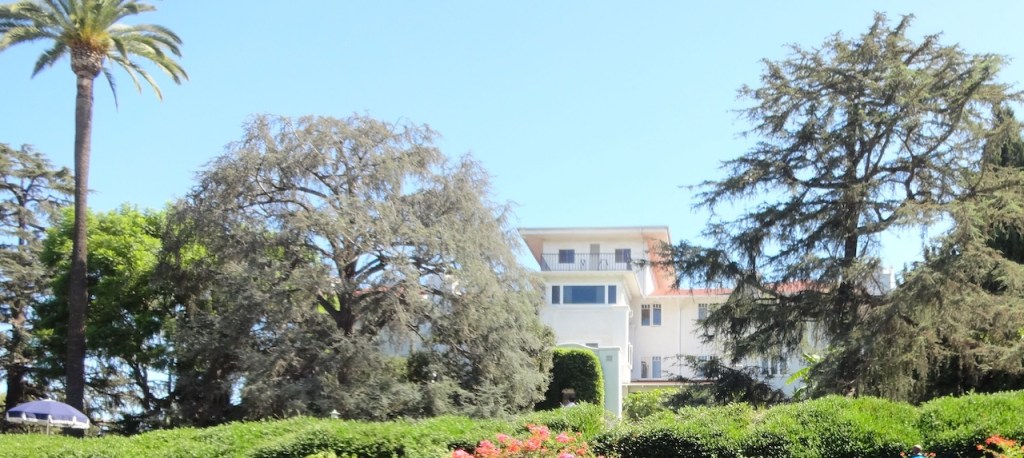
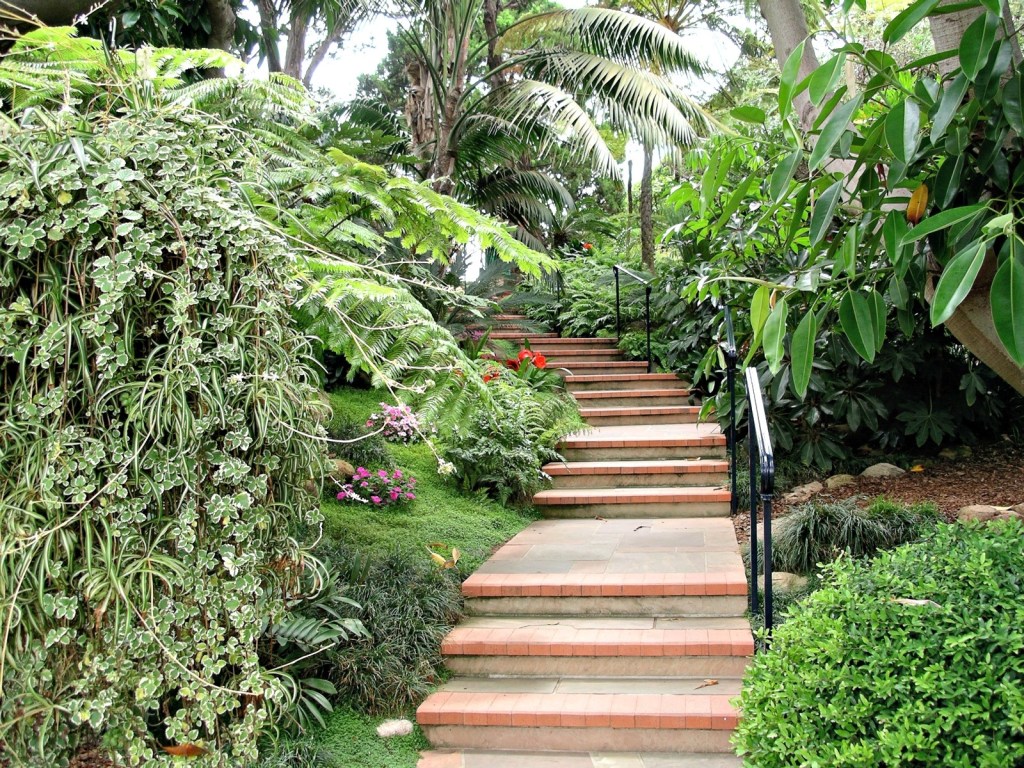
  • Image: SRF Meditation Gardens in Encinitas CA – Photo by Ron W. G.

    “Forget the Past”: A 10-Sonnet Sequence

    Forget the past. The vanished lives of all men are dark with many shames.  Human conduct is ever unreliable until man is anchored in the Divine.  Everything in future will improve if you are making a spiritual effort now.
    Swami Sri Yukteswar in Paramahansa Yogananda’s  Autobiography of a Yogi

    When one finds oneself harboring deep regrets for past behavior, thus stewing a pot of hot sorrow, regret, and remorse, Swami Sri Yukteswar’s words of truth about the human condition work like a soothing balm to calm to mind and cool the nerves.

    1  Forget the past—its darkness rattled in shame

    Forget the past—its darkness rattled in shame,
    Where myriad men have wavered, losing their way.
    The moves of minds, like cattle, are prone to stray,
    Not anchored to Truth, they lose their rightful name.
    In darkness through tales of time, no one can claim
    A clear path as night turns into day.
    But then the heart can choose a better way—
    Seeing Light, no daftness dare to cause blame.
    O venture forth! For present time is holy and clear,
    A door through which the saner world may rise.
    Each step with faith lightens the heft of fear,
    And heralds the soul to ever-brightening skies.
    Future bliss commences in present grace,
    As humankind with God all erring ways replace.

    2  Forget the past, where shadows veil the soul

    Forget the past, where shadows veil the soul,
    Where faded lives in shame and darkness dwell.
    Wavering human hearts are apt to fall,
    Drifting aimless till Divine Reality swells.
    The pressure of old flaws must not control,
    Grace redeems though mortal steps rebel.
    Future light is waiting, where hopes unroll,
    As each soul rises for in heaven to dwell.
    Now is the task: to pursue the holy flame,
    To labor with faith, to trust the Unseen Guide.
    Each striving creates a path to higher aim,
    Where peace, truth, and love in sacred light abide.
    So forsake all the ghosts of past blame,
    Allow your soul with the Father’s own will to reside.

    3  Forget the past: the shadowy, departed days

    Forget the past: the shadowy, departed days,
    Where legion lives hide obscured in silent shame.
    The efforts of humankind, unsettled as a flame
    That flickers, wavering inside a slate-gray haze.
    Hearts, untethered, waft on and on in unsure ways.
    Each life like a compass spinning, never fixed the same.
    Hope yet remains, calls hearts and minds to reclaim
    A stead-fast course, where loftier purpose stays.
    Only when the soul is fixed deep
    Within the sacred, ever-living Light
    Can human conduct rise above the changing sand.
    The future’s promise remains bright to keep,
    Born of striving made in spirit’s sight—
    A fresh beginning will allow the soul expand.

    4  Forget the past: Leave all that lies behind

    Forget the past: Leave all that lies behind,
    Shadows that cling, darkness understood,
    Vanished lives, a sad humankind—
    All lie veiled in ignominy, a dense brotherhood.
    Human steps on shifting sands take flight,
    And self-trust remains fragile, apt to fall,
    Until the soul rises to purer light,
    And harbors firm where grace embraces all.
    All all memory to remain and  be,
    To remember from past somber wisdom lend,
    A clear reminder of our vanity,
    And that upward striving brings our blissful end.
    Then the future will create a brighter scene,
    If the heart and mind on spiritual effort lean.

    5 Forget the past: disavow the shadows of  yesteryears

    Forget the past: disavow the shadows of  yesteryears,
    Where shame infuses the deeds of mortal men,
    Gain for the soul that searches, with bitter tears,
    The road to grace where light will shine again.
    Unsure is the heart, a wavering reed,
    Until bound fast to heaven’s endless love;
    Yet hope does bloom where faith’s true seed
    Is sown with care, blessed by the stars above.
    The future’s promise arrives for those who strive,
    With soul toiling to mend what once was torn;
    Each step toward God renders fleeting joys revive,
    And colors the dawn where new dreams are born.
    So fling aside the dark, enfold the fight,
    For in seeking God, all wrongs turn right.

    6 Forget the Past:  let not ghosts of dusk to remain

    Forget the Past:  let not ghosts of dusk to remain,
    Do not let regret douse the morning flame;
    The storms of time have hollowed out joy and pain,
    Yet the soul still exists beyond all name.
    The past is only a dream and stars forget,
    Like a cloud liquefying in dawn’s tranquil breath;
    What holds us now are ropes of karma yet—
    But even such bindings unravel before death.
    Unmoored, we become tossed in shifting tides,
    But one strong cord connects to what is true;
    In stillness where the cosmic whisper hides
    The soul will rise in light when we break through.
    Hie inward now—the veil of maya becomes thin:
    The truth we seek always waits within.

    7  Forget the past, steeped in shadowy shame

    Forget the past, steeped in shadowy shame,
    Where vanished lives dark with error dwell.
    The vagabond human heart, untethered, apt to fail,
    Unsure, unguided as the winds that shift and swell.
    Yet in Divine Reality, an anchor steadies the soul,
    A steady guide through tempests of the will.
    No act of humankind endures, no human skill,
    Unless by grace its source divine truth fulfill.
    Peer ahead now—allow spirit’s zeal to ignite,
    For every seed of effort sown in faith shall bloom.
    The future’s hope, secured from earlier gloom,
    Will surely rise as love and righteousness unite.
    So travel on, O soul, the path to seek the eternal flame,
    And secure in the Heavenly Father the will to overcome.

    8 Forget the past, where shadows veil the mind

    Forget the past, where shadows veil the mind,
    Where faded lives and shames still haunt the soul.
    Let the chains of memory be completely left behind.
    Only in present time exists the goal.
    The heart adrift is half-hearted, not whole.
    Human deeds waver and are swept by tide.
    Only in Divine Reality does one know control—
    A reliable harbor where our hopes reside.
    If now, with genuine spirit, we confide
    In heavenly aims and search for the inward light,
    The future’s path will remain open, clear and wide,
    And every day grow brighter than the stars of night.
    So move forward, allowing the soul’s true course be steered:
    In today’s effort, all strife and darkness are cleared.

    9 Forget the past: sadness and errors live there

    Forget the past: sadness and errors live there
    Where folks too often amble blindly.
    Do not allow regret to dominate your thinking—
    Concentrate instead on the eternal Light of Truth.
    Human behavior, without God’s guidance,
    Is as unstable as a tumbleweed blown by the wind.
    Without the Divine Reality, we forget our way,
    Each decision pulls us further into confusion.
    But the eternal Now remains the  moment to grow:
    Walk with purpose along the path to Blessèd Spirit.
    This very moment holds the seed of joy,
    If you choose to walk with Divine Mother now.
    Through the Grand Reality, your past becomes clear—
    And your future turns bright and filled with hope.

    10  Forget the past: filled with shadows, shames, and scars

    Forget the past: filled with shadows, shames, and scars
    It remains heavy, dark, dampening our lives.
    Unmoored hearts shift about aimless, lost in storms,
    Our conduct noise-tossed like the restless wind.
    The spent lives remind us that we fall,
    How fragile seems the thread that clasps us tight.
    But also, this moment keeps a different weight—
    A chance to enter ourselves into something vast.
    Let go of the burden of all reckless ways,
    And turn toward the One Who steadies and sustains.
    The future bends beneath a stalwart hand,
    As effort moves us to spirit deep within.
    Each breath leads the mind and heart toward light and hope,
    To a life reborn and anchored in the Divine Reality.
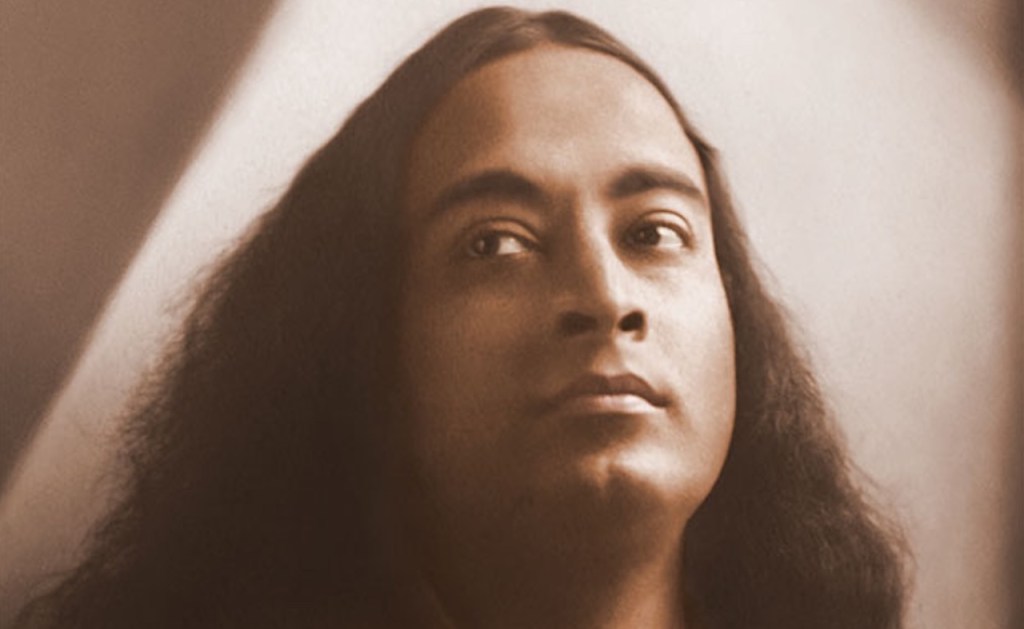
  • Life Sketch of Paramahansa Yogananda:  Father of Yoga in the West

    Image a: Book Cover Songs of the Soul

    Life Sketch of Paramahansa Yogananda:  Father of Yoga in the West

    Paramahansa Yogananda is the monastic name of Mukunda Lal Ghosh.  The sources for this brief life sketch of Paramahansa Yogananda are his Autobiography of a Yogi and the official Self-Realization Fellowship website.

    “Father of Yoga in the West”

    On January 5, 1893, in Gorakhpur, India, Mukunda Lal Ghosh was born to Bhagabati Charan Ghosh and Gurru Ghosh (Gyana Prabha Ghosh), who were very spiritually minded individuals, and their influence on the young Mukunda served as a guiding light as the future yogi grew to manhood.

    Paramahansa Yogananda became known as the “Father of Yoga in the West,” where he retains a vital influence on the growth of yoga and spirituality. His influence as a practicing yogi and teacher of yogic techniques reveals him as an avatar, who brought the ancient wisdom of India to a Western audience.  His teachings on Kriya Yoga and the path to God-union (self-realization) have enriched the lives of succeeding generations of people around the world as well as in the United States of America. 

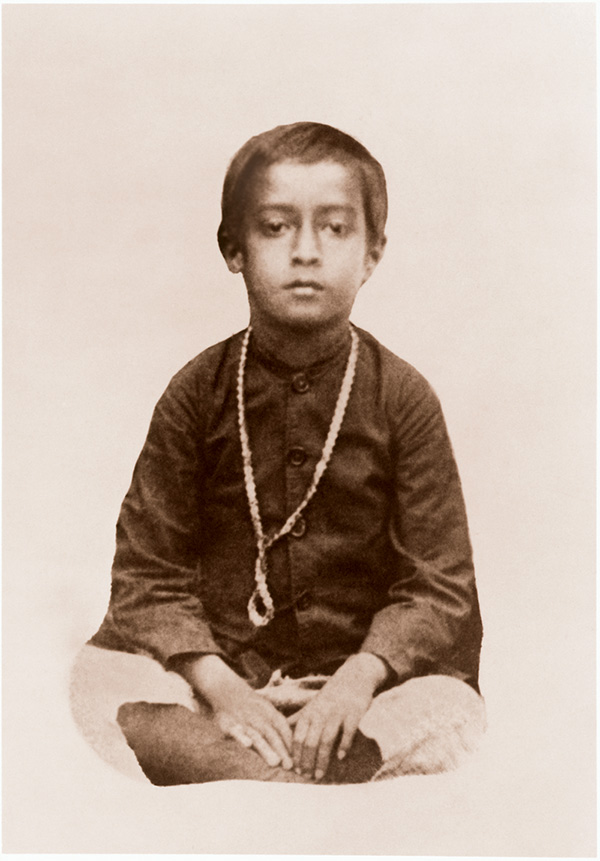
    Image b:  Paramahansa Yogananda at Age Six  SRF

    Loss of a Beloved Mother

    Paramahansa Yogananda’s Autobiography of a Yogi is now recognized as a spiritual classic, attracting spiritual enthusiasts and seekers of the Divine.  The book presents philosophical profundities coupled with  accounts of miracles, as it remains a deeply personal account. The great guru’s life offers a testimony, revealing the necessity of spiritual striving, the efficacy of devotion, and the power of yoga to transform lives.

    From a very early age, the boy Mukunda possessed a deep spiritual longing. He was sensitive to the haphazard nature of life and thus was promoted to search for a contentment that could become permanent. In his Autobiography, he explains:”The desire for God-realization was powerfully present in me from my earliest childhood.”

    Mukunda loved his mother as his closest friend and ally, and after she died when he was only eleven years old, he suffered greatly, and his intense desire for “Divine Mother” grew exponentially.  About his mother has has remarked,  “I loved Mother as my dearest friend on earth. Her solacing black eyes had been my refuge in the trifling tragedies of childhood.”

    The loss of his mother further deepened his desire to find the True Source of all life and love.  This spiritual longing motivated him to search for a true guru, a spiritual guide who could set him on the path to God-union. 

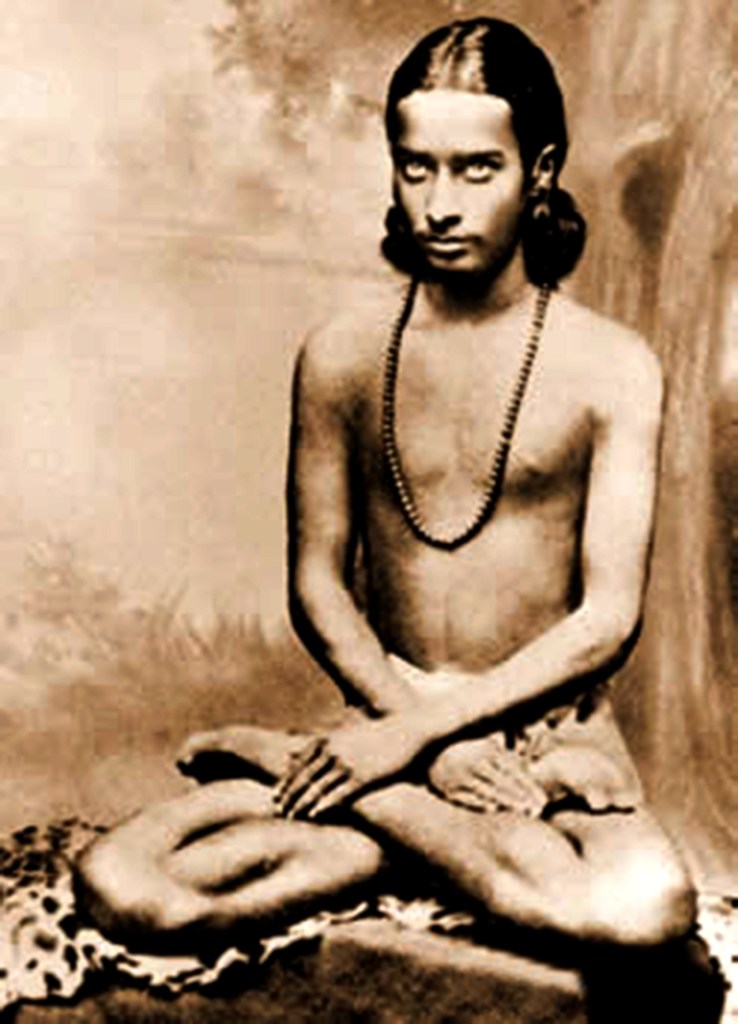
    Image c:  Yogananda at age 16  Paramahansa Yogananda: Royal Path of Self-Realization 

    Meeting His Guru

    In 1910, Mukunda met his guru Swami Sri Yukteswar Giri, who was a highly respected yogi and scholar. This momentous encounter set Mukunda’s life on the path to becoming a Kriya Yoga master.

    Interestingly, Swami Sri Yukteswar was a chela (disciple) of Lahiri Mahasaya, who was also the guru of Mukunda’s parents.  Mukunda was well acquainted with Lahiri Mahasaya.  During a severe bout of illness, Mukunda was healed by viewing and praying to the picture of Lahiri Mahasaya.

    Under the tutelage of Swami Sri Yukteswar, Mukunda studied the science and practiced the techniques of Kriya Yoga, a method of pranayama (breath control) that leads to  spiritual awareness. 

    Yogananda has explained that as “master of his body and Mind, the Kriya Yogi  ultimately achieves victory over the ‘last enemy’  Death.”  The great guru emphasized that the practice of Kriya Yoga has the power to still the mind and awaken the dormant spiritual centers within the spine. 

    Swami Sri Yukteswar’s rigorous and loving guidance led Mukunda to dedicate himself to the yogic practice, from which he  developed a thorough understanding of the yogic scriptures and experienced deep spiritual realizations. 

    For ten years, Mukunda underwent training with Swami Sri Yukteswar, becoming proficient in the technique of Kriya Yoga; furthermore, he also learned the importance of character development, discipline, and complete devotion to God. 

    The Swami’s influence on Yogananda was profound and lasting, and it shaped the chela’s spiritual view, readying him for his future mission in disseminating the teachings  and techniques of Kriya Yoga in the West.

    Mukunda Becomes Yogananda

    In 1915, Mukunda took the monastic vows of the Swami order, receiving the monastic name Yogananda, which means “bliss through yoga.” About his name, the great guru has explained:

    My name was changed to Yogananda in 1915 when I entered the ancient monastic Swami Order.  In 1935 my guru bestowed on me the further religious title of Paramahansa.

    Swami Yogananda founded a school in Ranchi, India, which became a thriving center for spiritual training.  At this point in his life, Yogananda began to develop his unique teaching style, drawing from the ancient wisdom of the East along with a modern, accessible approach that would make his teaching compatible with and accessible to Western audiences. 

    The great guru emphasized the universality of spiritual principles, drawing parallels between the teachings of the Bhagavad Gita and the Holy Bible, to demonstrate the underlying unity and purpose of all religions.

    Travel to America

    Yogananda traveled to the United States in 1920. This relocation from India to the USA brought about a new stage in Yogananda’s life and became a important stage for the history of yoga in the West. 

    Yogananda came to America to serve as a delegate from India at the International Congress of Religious Liberals in Boston, sponsored by the American Unitarian Association.

    However, his mission became far more momentous than this initial event.   His message was so well received that he was encouraged to embark on a journey across the country, giving lectures and conducting classes.  

    Image d:  SRF Mother Center – Photo by Ron Grimes 

    Founding Self-Realization Fellowship

    In 1925, the great guru founded  Self-Realization Fellowship (SRF), the organization dedicated to disseminating the teachings of Kriya Yoga and promoting spiritual understanding among the world’s religions. 

    His powerful speaking skills, his deep spiritual insights, and genuine compassion attracted and captivated audiences. He taught about not only of physical and mental well-being but also of the deeper purpose of life, which he insisted was to realize or unite with the soul, which is the inherent divinity within each individual.  Furthermore, he taught about the reality of achieving God-union (self-realization) through dedication to practice of yoga techniques.

    Yogananda’s message has continued to resonate with a growing number of Americans and spiritual seekers around the world, who are searching for meaning and purpose beyond the material level of being. 

    He and his teachings have introduced his audiences all over the world to the profound benefits of yoga, not just as a physical discipline, but as a spiritual path to soul awakening. 

    Not only has he taught about the philosophy of seeking God, but he has also taught the techniques of Kriya Yoga, meditation, and other spiritual practices, which empower individuals to take control of their own spiritual development. 

    The great avatar has always emphasized the vital necessity of direct experience, motivating his students (chelas or devotees) to go beyond intellectual understanding and to develop and nurture a personal relationship with the Divine Reality.

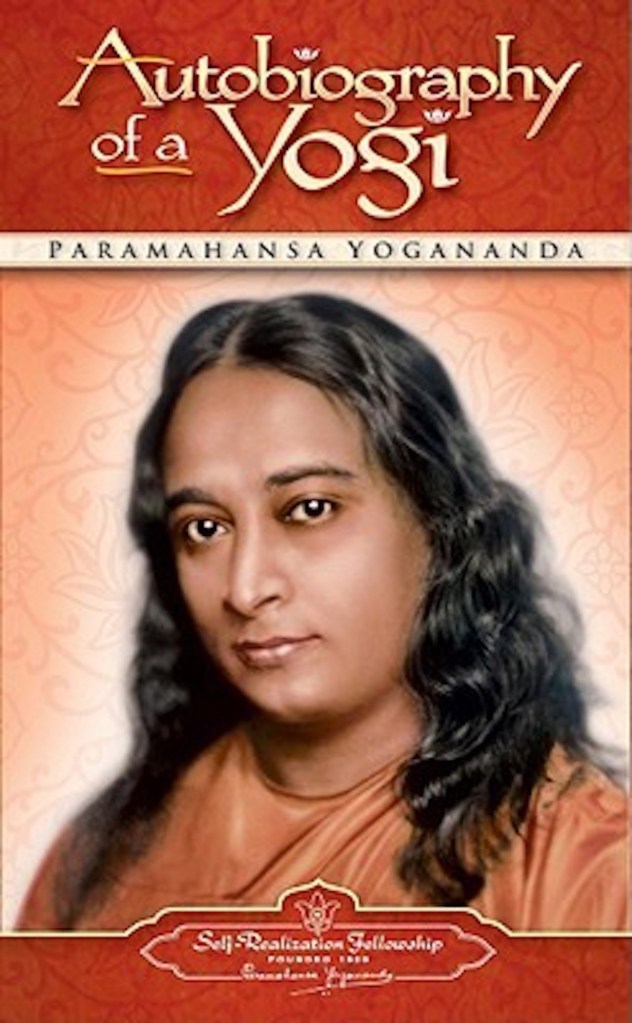
    Image e:  Autobiography of a Yogi SRF 

    A Spiritual Classic

    Paramahansa Yogananda’s Autobiography of a Yogi, published in 1946, became an spiritual classic and has remained in print ever since. It is assigned to classes at colleges and universities all over the USA.  

    The Autobiography is an in-depth account of the guru’s life, complete with stories of his encounters with saints, mystics, and other spiritual masters. The book provides a clear and accessible explanation of Kriya Yoga, the philosophy of Self-Realization, and the universal principles underlying all spiritual paths.   Yogananda’s spiritual classic remains a testimony to the power of faith, devotion, and the transformative power of yoga.  As he explains, 

    Saints of all religions have attained God-realization through the simple concept of the Cosmic Beloved. Because the Absolute is nirguna, “without qualities,” and acintya, “inconceivable,” human thought and yearning have ever personalized It as the Universal Mother.

    Yogananda’s teachings have extended far beyond the practice of yoga and meditation. He placed heavy emphasis on the importance of balanced living, integrating physical, mental, and spiritual well-being. He encouraged his devotees to nurture positive qualities such as love, compassion, forgiveness, and humility. 

    He stressed the necessity of ethical conduct and selfless service, recognizing that true spiritual growth is inseparable from a life of integrity and compassion.  Throughout his life, Yogananda met many challenges, including misunderstandings, negative criticism, and the inexorable difficulties of establishing a spiritual movement with a different culture from that of the founder. 

    However, he maintained a steadfast determination and desire for the success of his mission, and he never wavered in his commitment to sharing the teachings of Kriya Yoga and promoting spiritual understanding. 

    To that spiritual end, he continued to establish further SRF centers and ashrams across the United States and in India, providing places for students to gather, practice, and deepen their spiritual routines.

    Influence on the West

    Paramahansa Yogananda’s influence on the West has become strong and enduring. He is widely considered “The Father of Yoga in the West,” for he has introduced millions to the ancient science of yoga and the path of Self-Realization. 

    The great guru’s teachings continue to spread far and wide, inspiring and transforming lives, as they guide seekers on their spiritual paths and help them to discover the Divine Reality within themselves. 

    His legacy continues to be maintained and promoted through Self-Realization Fellowship (SRF), the organization he founded to disseminate his teachings and provide spiritual guidance to students around the world.  His wealth of wisdom is contained in his writings, lectures, and recorded talks, which offer guidance on a wide range of spiritual topics, curated and disseminated by SRF.

    The Power of a Life Well Lived

    Paramahansa Yogananda’s life remains a shining example of the power of the spiritual search, unflagging devotion, and the transformative power of yoga.   The great guru is an avatar, a true pioneer with a vision, as well as a spiritual master who brought the ancient wisdom of India to the West, placing an impressive landmark on the spiritual landscape. His teachings continue to resonate with seekers around the world because they offer a direct path to God-realization, inner peace, and lasting happiness. 

    The great guru has demonstrated through his own life the possibility of achieving spiritual enlightenment and living a life of purpose, filled with joy and divine love. His legacy remains spiritually inspirational and continues to uplift new students, who flock to receive his teachings and blessings.

    The great guru Paramahansa Yogananda continues to remind all spiritual seekers that the soul of each individual is inherently divine. and each individual  possesses the limitless ability to grow spiritually.

    Sources

    • Paramahansa Yogananda. Autobiography of a Yogi. Self-Realization Fellowship. Print. Original date: 1946. Copyright Renewed 1974, 1981, 1998, 2007. Thirteenth printing 1998. 
    • Self-Realization Fellowship Official Website.

    Image f: Paramahansa Yogananda “The Last Smile

    The voice of Paramahansa Yogananda