Linda's Literary Home

Tag: writing

  • Malcolm M. Sedam’s Poem “The Hill Maiden”

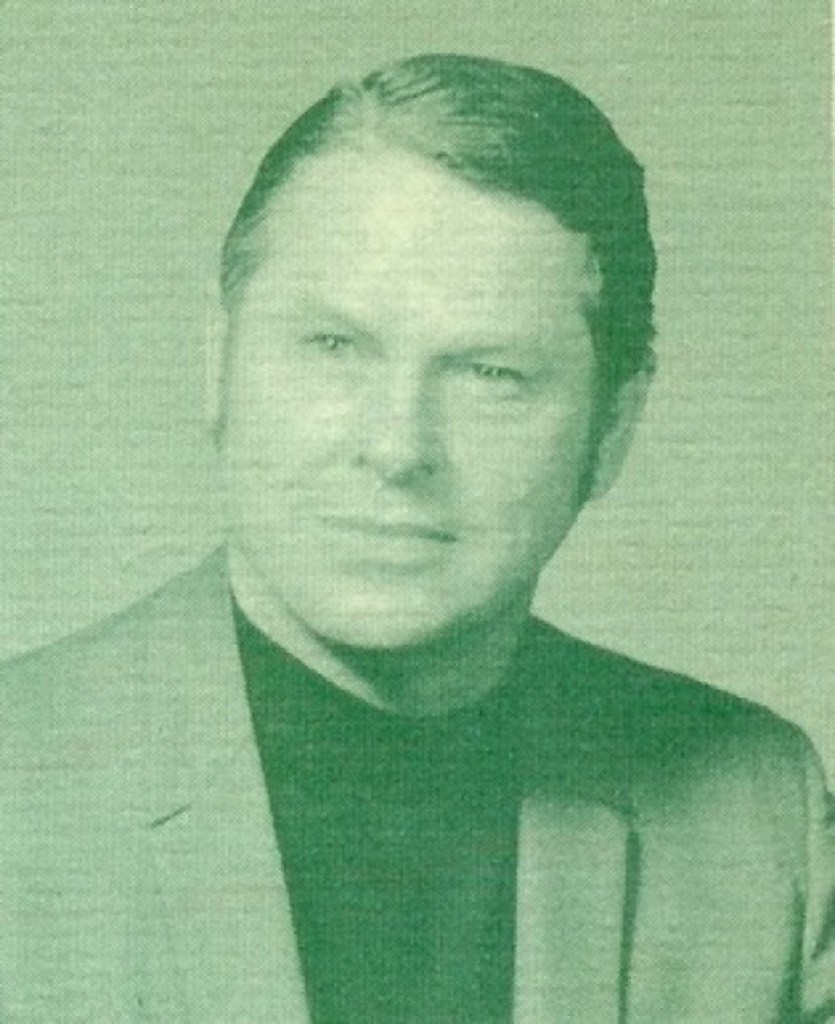
    Image: Malcolm M. Sedam

    Malcolm M. Sedam’s “The Hill Maiden”

    In his poem, “The Hill Maiden,” Malcolm M. Sedam has created a speaker voicing cheerful vaticination that his teenage angst-ridden protégé will one day shed her nihilism and burst into life affirming joy.  The best teachers are those who can inspire as well as instruct their students.  This poem represents a stellar example of that kind of inspirational educator.

    Introduction and Text of “The Hill Maiden”

    Malcolm M. Sedam‘s “The Hill Maiden” features a teacher dramatizing his observations about a particularly inquisitive but melancholy student.  His ultimate purpose is to instill in the student the notion that she will ultimately be able to appreciate the life that she seems to disdain.

    The poem plays out in three movements of unrimed stanzas.  This organization allows the speaker to touch lightly on the physical reality of the subject but then move more intensely to the mental and finally the spiritual possibility of the subject’s inclinations. 

    Because the speaker can only infer certain facts about his student, the poem remains metaphorically and imagistically implicative  instead of unequivocally literal.  For example, the teacher has no exact idea what the student does at her home; thus he places her in an image of “moving among the phantom rocks of reverie.”  

    The teacher/speaker knows from the negativity the student has been expressing to him that she mentally resides among hardness that causes her to imagine that things are worse than they are.

    Mentally she travels like a rocket through her ghostly musings until night fall when she sleeps but likely gets little rest, accounting for the nervous, brittle energy the educator perceives in his young scholar.

    Likely the adolescent girl is simply suffering the turbulence of teenage angst through which most individuals of that age group must travel.  But the best, most effective teachers are those who can inspire as well as instruct their students.  This poem represents a stellar example of that kind of inspirational educator.

    As an educator, Mr. Malcolm M. Sedam wrote poems to many of his students, always with the goal of inspiring them to high thinking and plain living.  Mr. Sedam once said he felt that his function as an educator was “to kick the dirt off of his students.”  By that he meant to help them see life more clearly without the fog of stereotypes, prejudice, and provincialism.  

    The Hill Maiden

    (for Linda, over in the valley)

    She is moving among the phantom
    Rocks of reverie hurtling through
    By mind bringing days into darkness
    Where the pull of growth rings
    The heart and spurs the soul

    Where her wish strings questions
    In the mysterious night of snow
    Bringing a promise that only the hills can sing.
    Her smile waits behind a frown of swords
    That rend her days

    In the melancholy of the deep valley
    Of dreams where she lives among flowers
    Gathering her moods that may bring peace
    Once the sorrow of lonely distance
    Has closed on hands—

    The same hands that Zen-like reach
    To answer each knock at the door of her heart
    Broken to be mended by tender time.
    Her mind is speeding through a galaxy
    Of intensity where the blood rose

    Will speak to her frozen will
    All forgiven by decree in warring winds—
    The nature of her plight?
    Without wings
    She will still spring into flight.

    Commentary on “The Hill Maiden”

    Malcolm M. Sedam’s “The Hill Maiden” features a teacher, who is also a practicing poet, dramatizing his observance of an inquisitively intelligent but extremely melancholy student.  

    His only purpose is to instill in the student the notion that she will ultimately be able to appreciate the life that she seems now to disdain.

    First Movement:  Dreaming amongst the Hills

    She is moving among the phantom
    Rocks of reverie hurtling through
    By mind bringing days into darkness
    Where the pull of growth rings
    The heart and spurs the soul

    Where her wish strings questions
    In the mysterious night of snow
    Bringing a promise that only the hills can sing.

    The speaker begins by placing the object of his speculative musing in an image that implies sharp but dream-like rigidity.  Rocks appear ghost-like through a dream-scape as they bewilder the mental musings of the young girl with whom the mature educator is engaging both as a poetry mentor as well as a teacher.

    Teachers often counsel their students who seek out their advice and direction even in issues outside of the academic sphere as well as within the educational arena.  Those teachers who must essentially become counselors will either direct the students to other professionals, or they will attempt to offer their own gleanings from their life experience.

    The teacher in this poem demonstrates that he is the latter kind of teacher, and he has given the mind of the young student some serious analysis.  Thus he not only describes her environment, but he also speculates and then foreshadows what is likely to befall the girl once she is able to erase her current adolescent fog.

    Until that glowing day arrives, however, the speaker sees that the girl’s maturing process weighs heavily on her heart and soul.  She is full of questions brought on by the mystery of life.  

    The “snow” that brings beauty as it covers the hills also brings bitter cold and slippery conditions the cause the girl to miss the music that her hill-valley home affords her.

    By pointing out these images of beauty and placing them a context of mystery and difficulty, the speaker hopes to allow his charge to contemplate the possibility that life is real and offers hope to those who search its reaches with an open mind and cheerful heart.

    Second Movement:  Frowning Swords

    Her smile waits behind a frown of swords
    That rend her days

    In the melancholy of the deep valley
    Of dreams where she lives among flowers
    Gathering her moods that may bring peace
    Once the sorrow of lonely distance
    Has closed on hands—

    The same hands that Zen-like reach
    To answer each knock at the door of her heart
    Broken to be mended by tender time.

    The speaker has observed the teen’s unwillingness to show a cheerful countenance.   Her bitterness “behind a frown of swords” likely often gives the mentor a shudder at the likelihood that the girl is suffering intensely.

    No doubt, he believes that at this point in her life, she should be dancing merrily among “flowers” and allowing her sorrowful moods to dissolve in the “deep valley of dreams.”

    But again, he returns to prognostication that once she has learned to fold her hands in wonder and listen to the love that knocks at the “door of her heart,” her melancholy will be rendered null and void as “tender time” moves her through the rough spots of her anguish.

    Again, the speaker chooses beauty—”flowers gathering”—to balance the “frown.”  He offers the image of the heart’s door to harmonize with the environment that will reach her with the “Zen-like” hands of mystery and the ultimate gain-of-wisdom.  

    Like a Zen koan, the riddle of life will remain before her as she continues to search for answers to her perplexing questions.  

    Third Movement:  Springing into Flight

    Her mind is speeding through a galaxy
    Of intensity where the blood rose

    Will speak to her frozen will
    All forgiven by decree in warring winds—
    The nature of her plight?
    Without wings
    She will still spring into flight.

    Finally, the speaker makes his most striking vaticination after asserting that his young charge has a strong mind but also a tender heart that is quick to show intense emotion.  

    That the “blood rose” will speak itself undeniably to the girl’s will portends that all of her negativity and nihilism will be “forgiven” as she continues to navigate through the conflicts that life bestows on all searching souls.

    Then the speaker offers the question that he is likely very content to answer.  The frustrating situation that befuddles the young scholar’s mind and heart has been implied by all the imagery that went before, but then what will eventually be the path chosen by and/or for the student?   

    She will be able to navigate through all the trials and tribulations as a bird that so easily lifts it wings to the wind and takes to the air through the abundant space of sky.

    The speaker is not so naïve as to insist that such navigation will come easily, but he does remain assured that the path will open to the girl, and she will become willing to follow it. Thus the speaker can conclude affirmatively that “Without wings, she will still spring into flight.”

    Offered by a beloved and well-respected mentor, such faith in a young scholar’s ability to navigate life is bound to redound in blessings, despite the pitfalls and rough spots that her life, no doubt, will place sphinx-life before her mind and heart.

  • Malcolm M. Sedam Poetry Memorial

    Image: Malcolm M. Sedam

    ~Dedicated to the memory and poetry of Malcolm M. Sedam~

    Features

    Life Sketch of Malcolm M. Sedam
    Tribute to Mr. Malcolm M. Sedam
    Miami Memorial Tribute to Malcolm Marcene Sedam
    Mr. Sedam’s Poem to a Girl He Called “The Hill Maiden”
    Poetry Collections:Between Wars, The Man in Motion, The Eye of the Beholder

    Life Sketch of Malcolm M.  Sedam

    The late poet, Malcolm M. Sedam, exemplifies the Socratic command implied in the oft-quoted, “The unexamined life is not worth living.”

    Fighter Pilot

    Malcolm M. Sedam served in World War II as a fighter pilot, flying bombing missions in the Pacific theatre. Then he settled down to a life in business and started a family. His war experience served to enervate him, and he began to question the efficacy of devoting his life solely to making money.

    Businessman

    Mr. Sedam asked himself, “How many suits can a man wear in one day?” So he decided he had to make his life about more than business and money. He returned to school, and, as William Stafford would say, he revised his life.

    Teacher

    Mr. Sedam traded in his life as a successful businessman to become a teacher to make his life more meaningful. He taught American history, English, and creative writing at Centerville Senior High School in Centerville, Indiana, from 1962-1964.

    After receiving his M. A. degree from Ball State University, he taught at an extension of Miami University at Middletown, Ohio, until his death in 1976. Miami-Middletown offers a Malcolm M. Sedam English scholarship and awards in creative writing named for the beloved professor, the Malcolm M. Sedam Awards.

    Poet

    But Malcolm Sedam, called Mac by his friends, did not only serve as a teacher; he also wrote poetry and plays. He published three collections of poems: Between Wars, The Man in Motion, and The Eye of the Beholder. His play The Twentieth Mission has been performed at Playhouse in the Park, in Cincinnati, Ohio, and on many college campuses.

    “It happened to me”

    Mr. Sedam’s second collection of poems, The Man in Motion, brings together an eclectic assemblage from the personal “Nostalgia” to the political “For Reasons Unknown.”  The book was published in 1971 by a small now-defunct Chronicle Press in Franklin, Ohio, but it is a smart, handsome publication, and the poems offer a delightful journey into the life of the man who flew fighter planes in World War II and then later became a teacher and poet.

    In the preface, Mr. Sedam claims his poetic experience by stating, “Let me speak for my own poetry that it happened to me that I lived, enjoyed or suffered every scene and that these poems are the essence of these experiences.” He was a passionate man, who demanded from himself that he live every moment to the height of its possibility.

    Continuing his introduction, Mr. Sedam declares, “Hopefully, for art’s sake, the poems will give pleasure and satisfaction both to the critic and the average reader, but in a test of belief, I seek that man, any man (critic or average reader) who values flesh and blood feelings above clever word manipulation.” He strove always for the authentic, the genuine, to the best of his ability.

    Tribute to Mr. Malcolm M.  Sedam

    Entering my junior year at Centerville Senior High School in the fall of 1962, I was privileged to study with a teacher, Mr. Malcolm M. Sedam, who employed collegiate pedagogical methods.  His teaching style fostered critical thinking in addition to learning the facts about the subject. 

    The subject was American history.  Mr. Sedam had served as a fighter pilot in the Pacific theater in World War II.  He attributed his worldview that urged him live each moment to the fullest to his war experience; he wanted to pass that urgency on to students.  Thus, he felt that critical thinking was the most important practice that high school students needed.

    Conducting the required junior year course in American history as a college course, Mr. Sedam discussed each issue in detail with background information, including additional facts not dealt with in the textbook.  He connected the dots, so to speak, and encouraged us to ask questions.  He also allowed us to respond and make connections during class discussion.  He required outside reading as well, with oral and written reports.

    Testing consisted of two parts: short identification of five to seven terms and three essay topics; we were required to write on two of the three.  This method required us to organize material and make connections to demonstrate that we understood what happened, how, and why—not merely when. 

    This method also forced us write complete sentences, instead of just selecting answers from a multiple-choice test or merely fill in blanks, as most high school tests were fashioned.  This methodology gave us practice in expository writing that usually had to wait until college.

    During that same school year, Mr. Sedam often ended a class session by reading his poetry to our class, and a number of students expressed interest in a creative writing class.  Mr. Sedam was able to offer that creative writing class the next year, so as a senior, I again sat for a class with Mr. Sedam.

    My specialty was poetry; I had dabbled in poetry writing since my grade-school days at Abington Township Elementary School.  I had not really thought of what I wrote as poetry, but having a rôle model in Mr. Sedam awakened in me the aspiration to write real poetry.  Mr. Sedam encouraged us to write in the genre that most interested; thus, I began my study of poetry, and I have continued studying it, writing it, and writing about it ever since those high school days.

    I had the privilege of studying with Mr. Sedam for only two years in high school from 1962-1964.  Mr. Sedam later became professor of English at Miami University at Middletown, OH.  The following is a tribute to Professor Sedam from one of his Miami students; it appears on the Miami page titled 10 Reasons We Love Miami:

    Professor Malcolm Sedam was an English professor at Miami Middletown. He taught the art of writing from the viewpoint of a life fully lived, and believed true written communication came from the soul rather than from the end of a pen. Whether he was at the head of the classroom or sharing a table in the student break area, Professor Sedam entertained us with his stories of flying P-51 Mustangs in the Pacific during World War II, his childhood experiences growing up in Indiana, and other adventures. My two years in his classroom became a place to express passionate perspectives – a skill that carried me through college, career, and life. – John Atkins ’79, Stafford, Va.

    It is with great appreciation for Mr. Sedam’s example and encouragement of my writing that I offer this memorial to my former American history and creative writing teacher.

  • An Orphic Oath: To Enshrine a Standard of Excellence for Poets

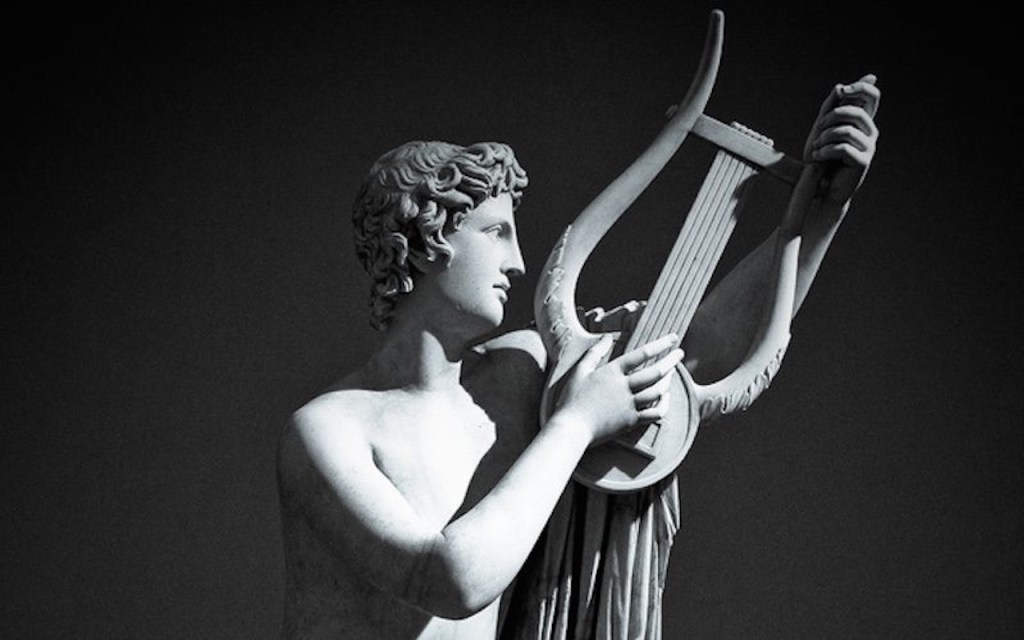
    Image 1:  Orpheus Playing Lyre 

    An Orphic Oath: To Enshrine a Standard of Excellence for Poets

    Beginning poets should be required to take a vow equivalent of the medical “Hippocratic Oath.”  If poets could be held to a standard of excellence, less doggerel would plague the literary world.

    A Hippocratic-Style Oath for Poets

    The Hippocratic Oath [1] is a covenant between the beginning physician and his profession regarding his conduct with patients. Perhaps such an oath for poets could be called an “Orphic Oath,” after Orpheus [2], the mythical father of music and poetry, who descended into Hades and then returned to Earth.

    If beginning poets were required to take a vow equivalent of the medical “Hippocratic Oath” and, therefore, could be held to a standard of excellence, less doggerel would plague the literary world.

    While all poets, established or aspiring, could benefit by adhering to a standard of excellence, it is the beginning poet who could most benefit from taking an artistic equivalent to the physicians’ famed “Hippocratic Oath.”

    Does Poetry Make Sense?

    Poets require standards. Many novice poets believe that anything that occurs to them to spew across the page in lines shorter than prose should be regarded as poetry. And many novices are convinced that poetry does not make sense and should not.  

    They think that words in poems always have altered meanings:  light never means light, dark never means dark, smile never means smile—but must be interpreted or translated into some meaning that never approaches the literal meaning of the word.

    For far too many beginning wordsmiths, words in poems take on a magic spell that renders them so other worldly that only the expert poetry reader or teacher can ever really understand them.  

    During my stint at Ball State University as an assistant professor teaching English composition, I discovered that some students thought of poetry as a discourse that could mean anything they wanted it to mean. And others believed that only the teacher could tell them what it meant; most students believed that as students could never figure it out for themselves.

    As I was walking across the Ball State University campus, outside Bracken library, I heard a young woman remark about her composition professor, “She says my writing doesn’t make sense. But I write poetry and it’s not supposed to make sense.”  

    That remark told me a lot about many students’ attitude toward poetry.  Many students begin with notion that poetry is “not supposed to make sense,” while others believe that somehow it might make sense to a teacher.

    Aspiring Poets Need to Know Better

    It is understandable for general studies students to begin with inaccurate beliefs about poetry, but by the time a young person has decided to write poetry, it seems that that aspiring poet would know better.  

    One wonders which poets such future poets admire. But the sad fact is that many would-be poets likely do not admire any poets, because they have never actually read and studied any poets or poems.

    Another immature yet wide-spread belief about poetry usually held by those who have moved to a mid-level stage but who have not yet learned enough to remain humble is that to explicate, analyze, or otherwise comment upon a poem is to diminish its value as a poem.  

    That mistaken idea also stems from the notion that words in a poem always mean other than their literal meaning.  These mid-level beginners hold that critical commentary on a poem turns out the light that mystically shines from the poem left unscrutinized.

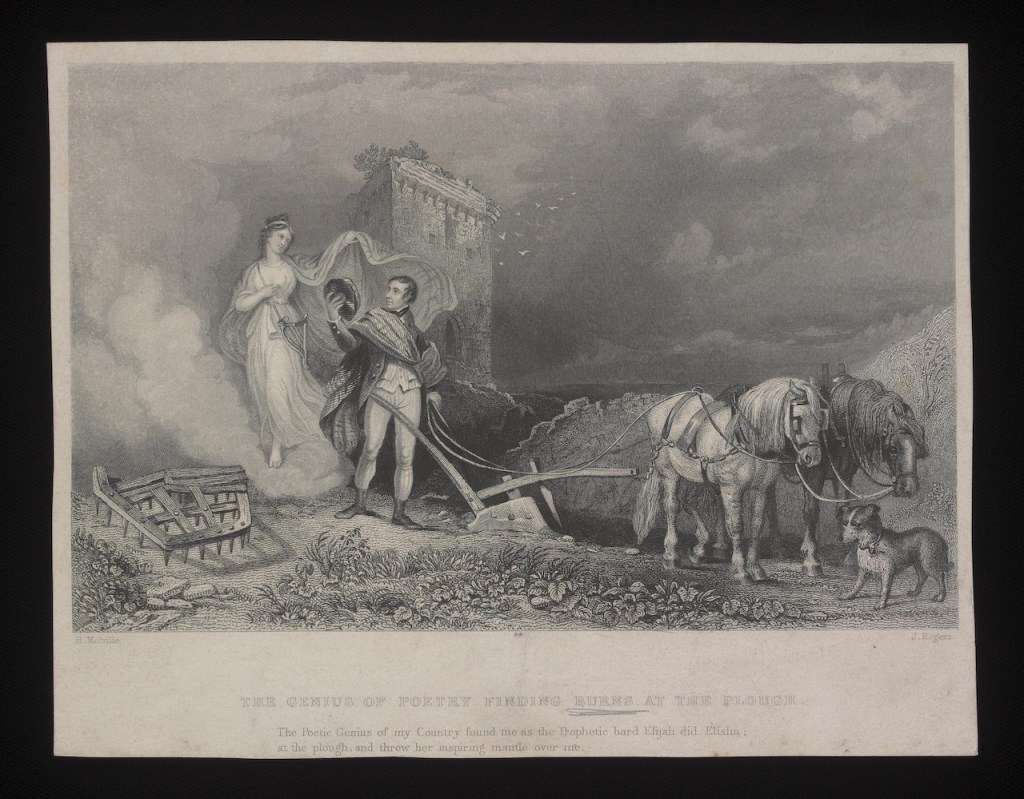
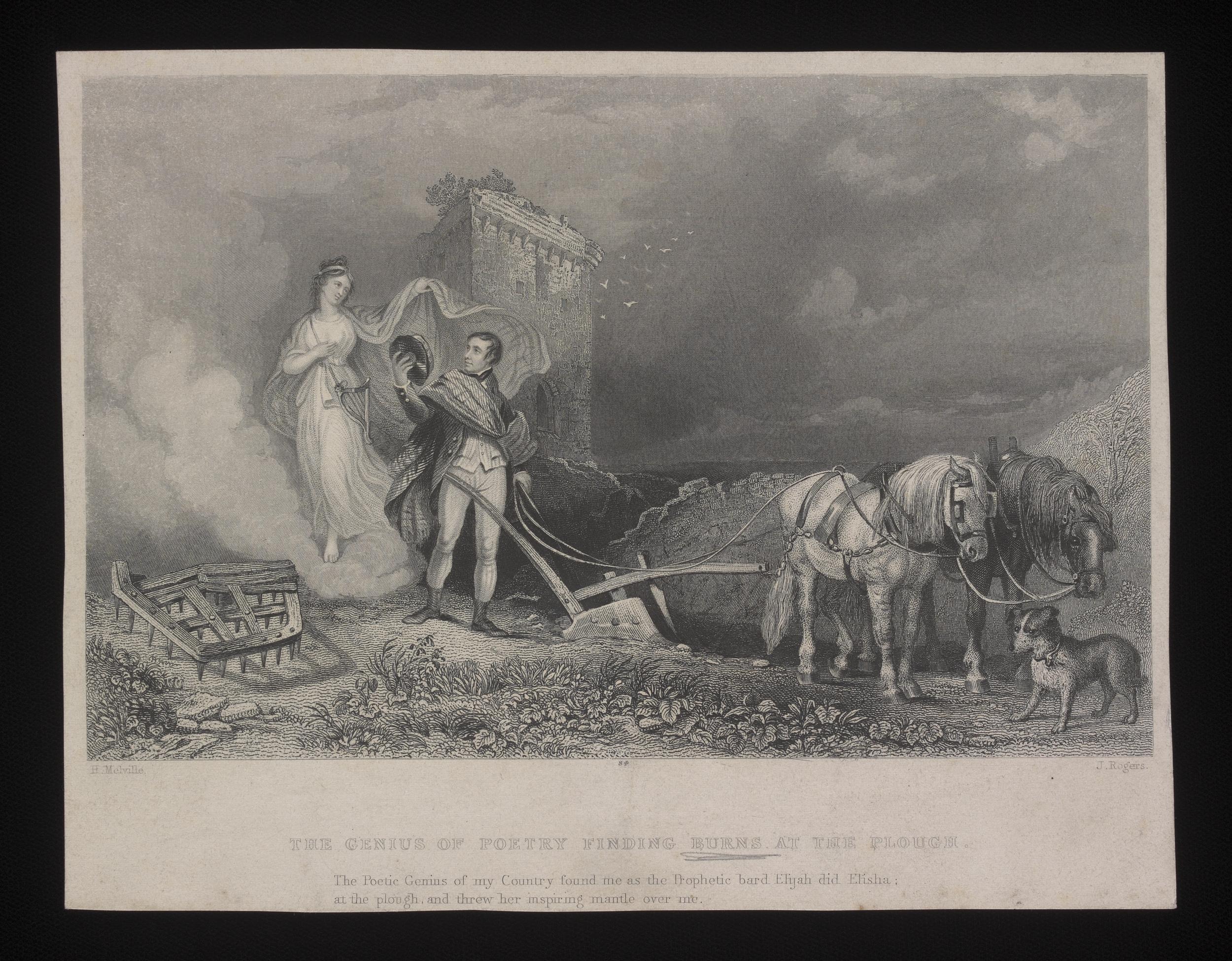
    Image 2:  The Genius of Poetry Finding Burns at the Plough 

    The Oath

    If you are a beginning poet, or a mid-level beginner—even seasoned, published poets could benefit from this oath—you might do well to consider the following oath, which I have refashioned, based on the Hippocratic Oath to which physicians swear at the beginning of their careers:

    As I [state your name] engage in my career as a poet, I solemnly swear to remain faithful to the tenets of the following covenant to the best of my ability:

    1. I will respect and study the significant artistic achievements of those poets who precede me, and I will humbly share my knowledge with those who seek my advice. I will dedicate myself to my craft using all my talent while avoiding those two evils of (1) effusiveness of self-indulgence and (2) pontification on degradation and nihilism.
    2. I will remember that there is a science to poetry as well as an art, and that spirituality, peace, and love always eclipse metaphors and similes. I will not bring shame to my art by pretending to knowledge I do not have, and I will not cut off the legs of colleagues that I may appear taller. 
    3. I will respect readers and ever be aware that not all readers are as well-versed in literary matters as I am. I will not take advantage of their ignorance by writing nonsense and then pretending it is the reader’s fault for not understanding my disingenuity. Regardless of the level of fame and fortune I reach, I will remain humble and grateful, not arrogant nor condescending.
    4. I will remember that poetry requires revision and close attention; it does not just pour out of me onto the page, as if opening a vein and letting it drip. Writing poetry requires thinking as well as feeling.
    5. I will continue to educate myself in areas other than poetry so that I may know a fair amount about history, geography, science, math, philosophy, foreign language, religion, economics, sociology, politics, and other fields of endeavor that result in bodies of knowledge.
    6. I will remember that I am no better than prose writers, songwriters, musicians, or politicians; all human beings deserve respect as well as scrutiny as they perform their unique duties, whether artist or artisan.
    7. I will not rewrite English translations of those who have already successfully translated and pretend that I too am a translator. I will not translate any poem that I cannot read and comprehend in the original.

    If young poets treat their art as a trust between themselves and all they hold sacred, they will gladly follow this covenant and represent their chosen art gracefully and successfully.

    Supporting Yourself by Writing Poetry

    Aspiring poets needs to be aware that making a living solely by writing poetry is unlikely. They will, therefore, need to support themselves by other means, at least until they can ultimately parlay their literary reputations into full-time writing. An example of a contemporary poet who was able to parlay that reputation is Dana Gioia [3].

    Sources

    [1]  Editors. “The Hippocratic Oath.”  Greek Medicine. National Library of Medicine.  First published: September 16, 2002.  Last updated:  February 7, 2012.

    [2]  Editors.  “Orpheus.”  GreekMythology.com. Accessed September 29, 2023.

    [3]  Dana Gioia.  Official Web Site. Accessed September 29, 2023.

  • Audre Lorde’s “Father Son and Holy Ghost”

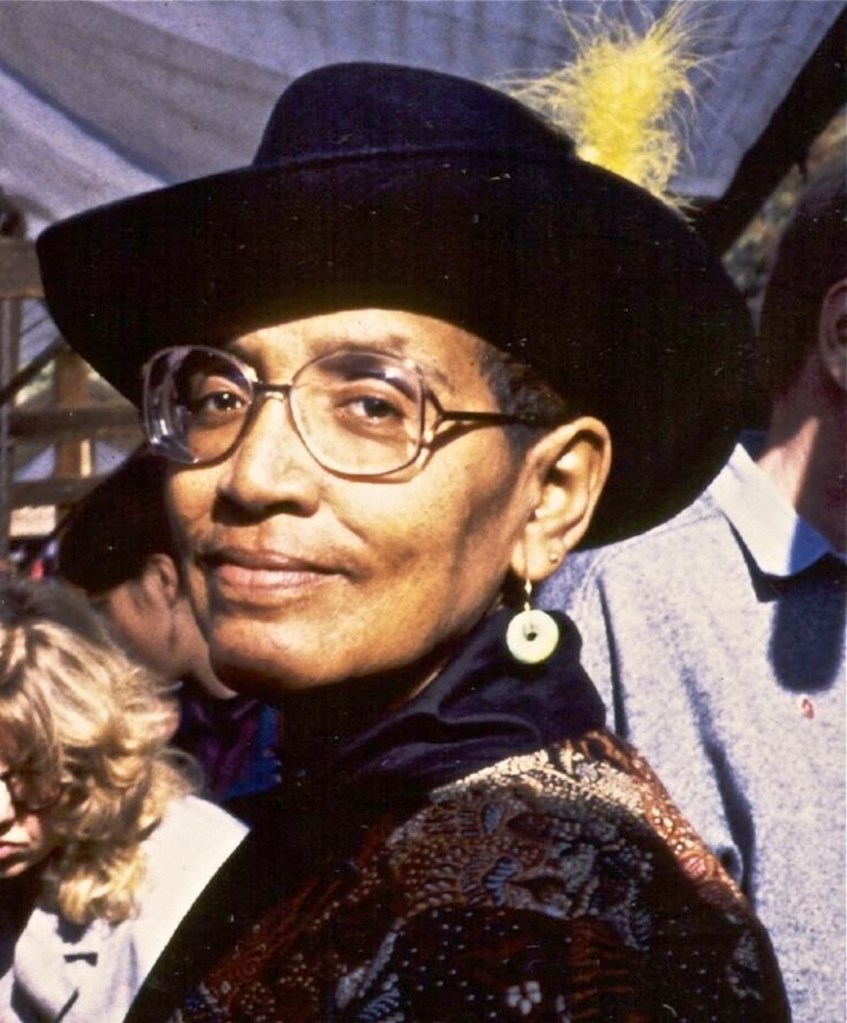
    Image:  Audre Lorde 

    Audre Lorde’s “Father Son and Holy Ghost”

    In Audre Lorde’s “Father Son and Holy Ghost,” the speaker revisits memories of a beloved father, who has died and who served as a rôle model for moral and ethical behavior.  The speaker reveals her deep affection for her late father as she relives special features of her father’s behavior and her reaction to them. 

    Introduction with Text of “Father Son and Holy Ghost”

    Although Audre Lorde is well known as a black lesbian poet, who wrote on issues of identity, she also wrote more personal pieces that address themes common to all of humanity.  The death of a father is one such theme.

    In her elegy “Father Son and Holy Ghost,” Lorde creates a speaker, who is remembering various aspects of her father’s behavior while he was alive.  But she begins by strangely emphasizing that she has not as yet visited her father’s grave. 

    That admission alerts the reader that the poem is focusing on earlier memories.  While that first impression prompts questions in the reader’s mind, answers begin to form in the second movement.  Another question might be begged regarding the title and what it implies. 

    By invoking the Christian Holy Trinity, the speaker is implying that the spiritual nature of her memory will include three levels of understanding of the father:  he was the progenitor of the speaker (Father), he lived a life of consistent, respectable, and moral behavior (Son), and he revered his wife, the mother of his children (Holy Ghost). 

    Her admiration for her father is displayed in a Dickinsonian, elliptical style; the poet has not added any unnecessary word to her drama.

    For example, instead of merely stating that her father arrived home in the evening, grasped the doorknob, and entered the home, she shrinks all of that information in “our evening doorknobs.”  

    Because doorknobs remain the same whether it be morning, noon, evening, or night, the speaker metaphorically places the time of her father’s arrival by describing the doorknob by the time of day of his arrival.

    Father Son and Holy Ghost

    I have not ever seen my father’s grave.

    Not that his judgment eyes
    have been forgotten
    nor his great hands’ print
    on our evening doorknobs
                one half turn each night
                and he would come
                drabbled with the world’s business   
                massive and silent
                as the whole day’s wish  
                ready to redefine
                each of our shapes
    but now the evening doorknobs  
    wait    and do not recognize us  
    as we pass.

    Each week a different woman   
    regular as his one quick glass
    each evening
    pulls up the grass his stillness grows  
    calling it weed.
    Each week    a different woman  
    has my mother’s face
    and he
    who time has    changeless
    must be amazed
    who knew and loved
    but one.

    My father died in silence   
    loving creation
    and well-defined response   
    he lived    still judgments  
    on familiar things
    and died    knowing
    a January 15th that year me.

    Lest I go into dust
    I have not ever seen my father’s grave. 

    Commentary on “Father Son and Holy Ghost”

    In her elegy to her father’s memory, the speaker is offering a tribute the demonstrates a special love and affection, along with her deep admiration for his fine qualities.

    First Movement: An Unusual Admission

    The speaker begins by reporting that she has never visited her father’s grave.  This startling suggestion has to wait for explanation, but the possibilities for the speaker’s reasons assert themselves for the reader immediately.  

    Because seeing the grave of a deceased loved one is customarily part of the funeral experience, it seems anomalous that the speaker would have skipped that part of the ceremony. 

    On the other hand, because she does not tell the reader otherwise, she might have skipped the funeral entirely.  But whether the failure to visit the grave is associated with a close or distant relationship with the father remains to be experienced.  

    And oddly, either situation could be prompting that failure to visit the grave or attend the funeral:  if there is resentment at the parent, one might fail to visit in order to avoid those feelings.

    Or if there is deep pain because of a close, loving relationship with the parent, then seeing the grave would remind the bereft that that relationship has been severed.

    By choosing not to explain or even assert certain facts, the speaker points only to the facts and events that are important for her purpose.  And her purpose, as the title alerts, will be to associate her father’s death with profundity and devotion stemming from his deep religious dedication.

    Second Movement:  Not Forgotten 

    The speaker now asserts that just because she had not visited his grave does not mean that she has forgotten her father’s characteristics; she still remembers his “judgment eyes.”  

    Her father demonstrated the ability to guide and guard his family through his ability to see the outcome of certain situations, likely retaining the ability to encourage positive results. He was able to steers his children in the right direction.

    She also remembers his arriving home from work in the evenings, turning the doorknobs just a “half turn.”  It was likely it was the sound of that doorknob that alerted the speaker that her father was home.

    The father’s work has left him “drabbled,” but he was a large man and remained “silent,” indicating that he was a thoughtful man, who likely entertained a “whole day’s wish” to return home to his family.  

    He apparently paid attention to his children, likely instructing them to “shape” up, assisting them in becoming the respectable people he knew they could be.

    Now, those same “evening doorknobs” that sounded out under the grasp of her father’s large hand simply “wait,” for he will no longer be grasping them and entering his home every evening. 

    Oddly, those doorknobs can no longer sense the household members as they pass them.  This personification of “doorknobs” indicates that the speaker is asserting that anyone seeing those family members would see a changed lot of people—changed because of the absence of a father.

    Third Movement: Consistency of Behavior

    The speaker then reports that her father brought home a “different woman” every week, and his act of bringing home that different woman was always the same. He also remained consistent in taking only one glass of liquor and a small amount of marijuana.

    That the father grew in “stillness” suggests that he took the alcohol and weed simply to calm his nerves from the day’s work, not to simply get high.

    The speaker seems to be suggesting that those women supplied the “weed,” pulling a bag of the herbage up out of their bags.  (The terms “grass” and “weed” are slang labels for marijuana, along with “pot” and “Mary Jane,” and many others.) That the women suppled the weed is in perfect alignment with the father’s character: he likely kept legal alcohol in his home but not illegal products like “weed.” 

    That the father took only one drink and a limited amount of “grass” or “weed” becomes a characteristic to be understood and admired, even emulated.  His consistency has made a positive impression upon the speaker, and she remains content in observing with respect his even-tempered behavior.

    Repeating the claim of a “different woman” every week, the speaker remarks that each woman had her “mother’s face.”  She then asserts the reason for the women with her mother’s face is that her father “knew and loved / but one.” 

    She is likely employing the term “knew” in the biblical sense; thus she may be implying that her father’s relationship with those women remained platonic.  The speaker remains cognizant of the father’s consistent personality and behavior.  

    While it may be expected that a man would engage with other women after his wife’s death, that he remained attached to his wife’s visage and engaged sexually only with his wife because he loved only her remains unusual and makes its mark on the speaker’s memory. Her father’s respectability and morality have caught the speaker’s attention and those qualities remain in her memory of his behavior.

    Fourth Movement: A Well-Lived Life

    The speaker says that her father “died in silence.”  She asserts that he loved “creation,” and he lived in a way that appropriately corresponded with that love. 

    Because of the positive, admirable aspects of her father’s personality and behavior, she understands the appropriateness of his “judgments” especially “on familiar things.”  As he judged his family, he was able to guide them in appropriate and uplifting ways.

    That he died on “January 15th” signals that everything he knew about his daughter stopped on that date, and the speaker/daughter knows that anything she accomplishes after that date will remain unknown to her father.  Likely, she is saddened, knowing this limit will remain, and she has no way of controlling that situation.

    Fifth Movement: Life’s Fulfillment

    The speaker then asserts again that she has never visited her father’s grave, but in concluding, she claims that she had never done so because it might make her “go into dust.”  The biblical passage in Genesis 3:19 asserts, 

    In the sweat of thy face shalt thou eat bread, till thou return unto the ground; for out of it wast thou taken: for dust thou art, and unto dust shalt thou return.

    The speaker seems to imply that she fears her strong reaction to visiting her father’s grave might result in her own death. And while she may also be remembering the Longfellow quatrain from “A Psalm of Life,” featuring the assertion, “‘Dust thou art, to dust returnest’, / Was not spoken of the soul,” she is not ready to leave her physical encasement just yet.

    The ultimate atmosphere of the poem “Father Son and Holy Ghost” suggests a certain understated fulfillment in the father’s life:  he strived to live a moral, well-balanced, consistent life, which the speaker can contemplate in loving memory, even if she may not be able to celebrate openly by visiting his grave.  

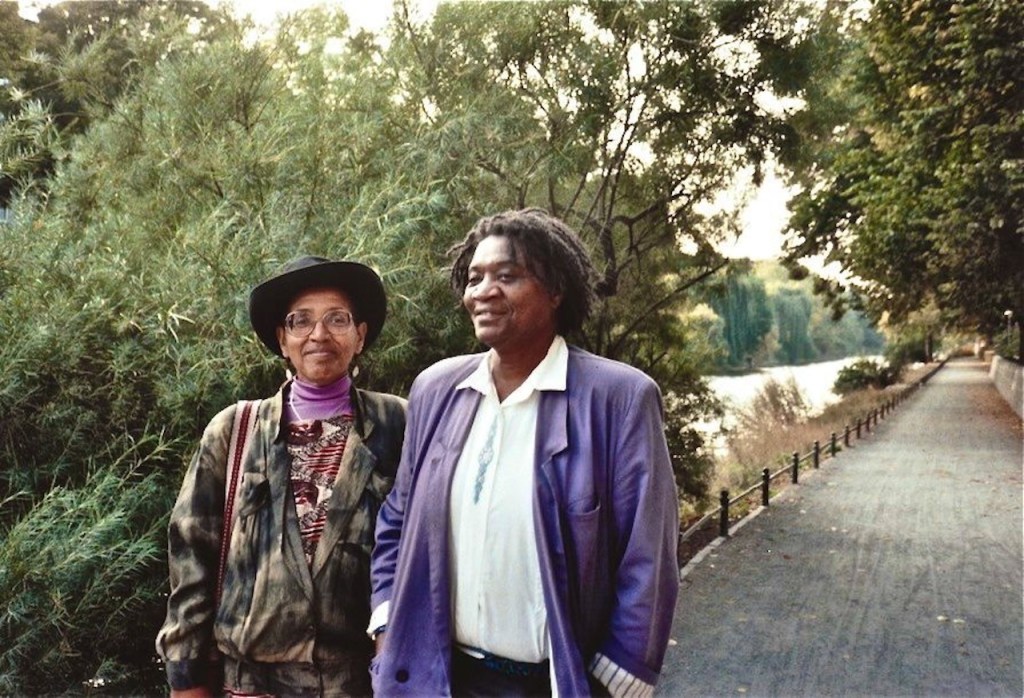
    Image:  Audre Lorde and Gloria Joseph 

    Brief Life Sketch of Audre Lorde

    Audre Lorde was born on February 18, 1934, in New York City to Frederic and Linda Lorde, who came to the USA from Grenada.  Her father was a carpenter and real estate agent, and her mother had been a teacher in Grenada.  Frederic Lorde was known for his nature as a well-disciplined man of great ambition.

    Their daughter Audre became a prominent American poet.  Her works are filled with passion, making her lyrical verses a riot of emotion.  But she also took an interest in social issues, seeking justice for the marginalized members of society.

    Lorde began writing poems as a high school student; she published her first poem  [1] while still in school.  After high school, she attended Hunter College, earning a B.A. degree in 1959.  She then went on to study at Columbia University and completed an MLS degree in 1961.

    Publication

    Audre Lorde’s first collection of poems, The First Cities, was published in 1968 [2].   Critics have described her voice as one that has developed though profound introspection, as she examines themes focusing on identity, the nature of memory, and how all things are affected by mortality.

    She followed up The First Cities in 1970 with Cables to Rage.  Three years later she published From a Land Where Other People Live. Then in 1974, she brought out the cleverly titled New York Head Shop and Museum.

    Lorde continued to focus on personal musings as she broadened her scope with criticism of cultural injustice.  She often created speakers who run up against unfair modes of behavior.  She also touches on issues that reveal the nature of individual sensuality and the power of inner fortitude in struggles with life’s trials and tribulations.

    In her first mainstream published collection titled Coal, which she brought out in 1976, she experimented with formal expressions.  In 1978, her collection, The Black Unicorn, earned for the poet her greatest recognition as critics and scholars labeled the work a masterpiece in poetry.

    In her masterpiece, Lorde employed African myths [3], coupled with tenets from feminism’s most widely acclaimed accomplishments.  She also gave a nod to spirituality as she seemed to strive for a more universal flavor in her works.

    Legacy and Death

    Audre Lorde’s work has received many prestigious awards, including the Walt Whitman Citation of Merit.  She also earned a fellowship from the National Endowment for the Arts.  She served as poet laureate of New York from 1919 until her death.

    Lorde died of breast cancer on November 17, 1992, in St. Croix, Virgin Islands, where she and her partner Gloria Joseph had been residing since 1986.  Lorde’s physical enactment was cremated, and her ashes were scattered over the ocean [4] around St. Croix.

    Sources for Life Sketch

    [1] Editors.  “Audre Lorde.”  Poetry Foundation.  Accessed June 29, 2025

    [2] Curators.  “Audre Lorde Collection: 1950-2002.”  Spelman College Archives. Accessed June 29, 2025.

    [3] Njeng Eric Sipyinyu. “Audre Lorde: Myth Harbinger of the Back to Africa Movement.” Journal of Emerging Technologies and Innovative Research. May 2024.

    [4] Curators.  “Audre Lorde.”  Find a Grave.  Accessed June 29, 2025.

    Tricky Lines

    As Robert Frost admitted that his poem “The Road Not Taken” was very tricky and admonished readers “to be careful with that one,” the following lines of the third movement from Audre Lorde’s poem “Father Son and Holy Ghost” have proved tricky:

    Each week a different woman   
    regular as his one quick glass
    each evening
    pulls up the grass his stillness grows  
    calling it weed.
    Each week    a different woman  
    has my mother’s face
    and he
    who time has    changeless
    must be amazed
    who knew and loved
    but one.

    Scouring the Internet for analyses of Lorde’s poem, one finds a particularly absurd interpretation of those lines has taken hold.  That misreading states that every week a different woman comes to the father’s grave to pull up weeds, thereby keeping the gravesite neat, and each woman’s face reminds the speaker of her mother.

    However, that reading misses the mark for several reasons:

    1. Misreading of the Terms “Grass” and “Weed”

    It is quite obvious that the terms “grass” and “weed” are not literally referring to the botanical herbage, growing in abundance on the soil virtually everywhere, but are slang terms for marijuana.  

    Notice that the terms are used in juxtaposition to the father’s having “one quick glass,” an obvious reference to an alcoholic beverage.  Also note that the speaker uses the term “weed” not “weeds” which would be the plants excised to keep a gravesite neat.

    2. Misreading the Time-Frame  

    The speaker is looking back to when the father was alive and how he behaved.  The different women pulling weeds (“weed”) at a grave jumps forward to the father being dead and in his grave.  

    But the speaker is reporting that the father brought home a different woman each week, have one small drink, and engage a small amount of marijuana—all while he was alive.

    3. Forgetting the Speaker’s First Claim

    The speaker begins by stating that she has never seen her father’s grave.  There is no way she could have seen these different women pulling up weeds (“weed”) at his grave if she has never been there.

    4. Misreading or Forgetting the Setting

    All of the images in the poem point to the speaker’s setting the poem in the home, not at his gravesite. For example, “evening doorknobs,” “one quick glass each evening,” and “his stillness grows” all place the father in the home, not in a cemetery. 

    Stillness in this sense after death is an absolute, not a situation in which stillness can grow. If anything the decaying body might be thought of as the opposite of stillness with the activity of bacterial organisms ravaging the flesh.  

    It bears repeating because it must be remembered that the speaker has claimed she has never seen her father’s grave; so reporting on any activity at a his gravesite is impossible.

    5. Father-Daughter Relationship

    According to Jerome Brooks, Frederick Lorde, Audre’s father, was, in fact, “a vital presence in her life.”  Her father provided “the solid ‘intellectual and moral’ vision that centered her sense of the world.”

    Unfortunately, feminist critics have so overemphasized Audre Lorde’s identity as a “black lesbian” that they can assume only a railing against the patriarchy for the poet.  Her true personal feelings for the first man in her life must blocked in order to hoist the poet onto the anti-patriarchal standard.

    But as Brooks has contended, 

    In Zami, Lorde implies that her father, who shared his decisionmaking power with his wife when tradition dictated it was his alone, was profoundly moral. She also felt most identified with and supported by him as she writes in Inheritance—His: “I owe you my Dahomian jaw/ the free high school for gifted girls/ no one else thought I should attend/ and the darkness we share.”

    Reading vs Appreciating a Poem

    Reading and appreciating a poem are two distinctive activities. While it may be unfair to claim absolute correctness in any interpretation, still some readings can clearly be flawed because poems can remain Frostian “tricky.”  It would seem that it is difficult if not impossible to appreciate a poem if one accepts a clearly inaccurate reading of the poem.

    Still, it is up to each reader to determine which interpretation he will accept. And the acceptance will most likely be based on experience both in life and in literary study. 

  • Original Songs

    Image: Linda Sue Grimes – Selfie

    Welcome to My Original Songs

    As a life-long creative writer, I have dabbled in many forms: poems, songs, short stories, flash fiction, memoir, and essays that focus on a variety of topics including history and politics, and philosophical issues.  I also create vegetarian/vegan recipes.

    This page is dedicated to providing links to a sampling of my songs; to sample some of my poems, please visit my “Original Poems.”   Other works are forthcoming.

    Thank you for visiting my literary home!  

    Questions, comments, and suggestions offered in good faith are always welcome.

    Original Songs on SoundCloud

    All written and performed by Linda Sue Grimes

    1. Twixt Good and Evil
    2. When Morning Looms
    3. Blue Haired Girl
    4. Sing through Me as I Worship at Thy Sea
    5. Where You Are
    6. Lyn’s Song
    7. River of Time – w/The Yamaha Band
    8. Ron’s Song
    9. Astral Mother
    10. Where You Are Dear – Keyboard
    11. Where You Are Dear – Guitar
    12. Pretty Little Woman
    13. Without the Waves
    14. River Spirit

    Original Songs  

    Videos on YouTube created by Ron Grimes

    1. Paper Mill Bridge Song
    2. Where You Are
    3. Lyn’s Song
    4. Haunted House
    5. Old Forgotten Love
    6. Slipped Away
    7. Down the Road
    8. I Know how the Lord Feels about Me
    9. When Tears Always Flow
    10. I Walk with You
    11. Songs That You Sing
    12. Dreaming of You Again – lyric by Ron Grimes & Linda Sue Grimes

    Videos on YouTube created by Carlene Craig

    1. River of Time – w/guitar
    2. My Girl Darian – written by Carlene Craig, set to music & performed by Linda Sue Grimes

    Original Song with Commentaries

    1. “Dreaming of You Again” with Prose Commentary
    2. “Against” with Prose Commentary
    3. The Paper Mill Bridge Song” and Prose Commentary
    4. “Where You Are” with Prose Commentary
    5. “River of Time” with Prose Commentary
    6. “When Morning Looms” with Prose Commentary
    7. “These Letters” with Prose Commentary
    8. “Astral Mother” and Prose Commentary
    9. “I Wonder if You Ever Think of Me” and Prose Commentary
    10. “River Spirit” and Prose Commentary
    11. “Twixt Good and Evil” and Prose Commentary

  • Between Us Is a Whirlwind

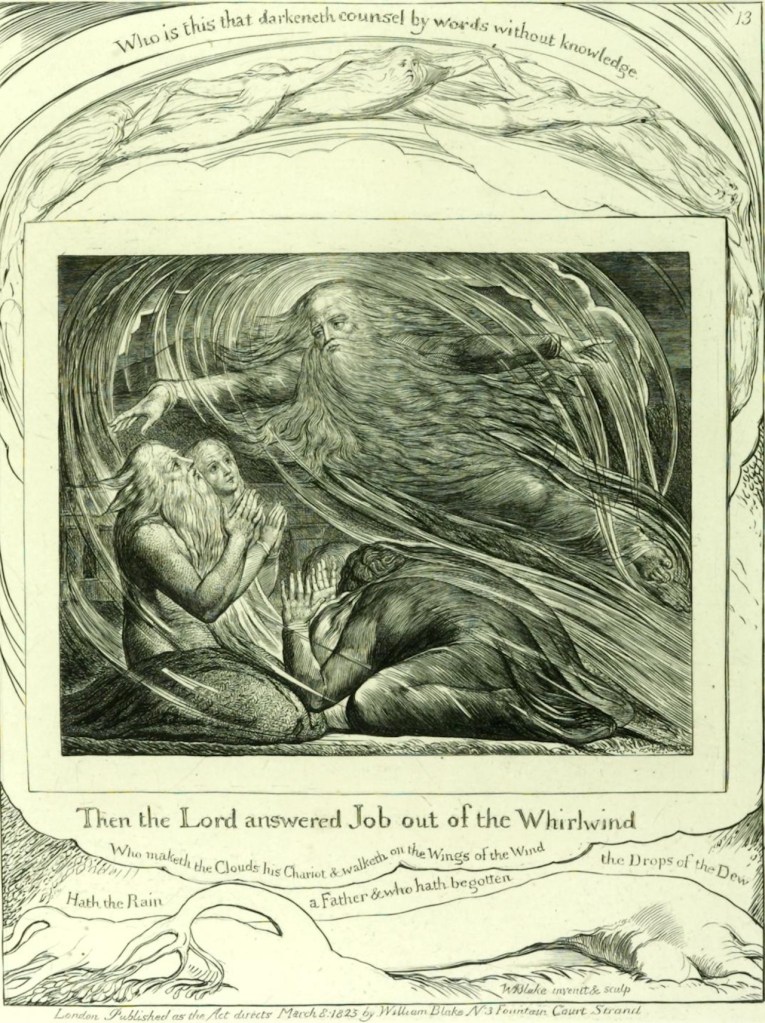
    Image: William Blake’s  The Lord Answering Job out of the Whirlwind  

    Between Us Is a Whirlwind

    What I owe you I must pay.
    The love that tried its young shoots
    Between our concrete hearts
    Will try again in a distant life
    Far from the rough clods we used to be.

    Between us is a whirlwind —
    We have no fairies to blame.
    We feed our fires with our own fantasies.
    I have seen the lighted match in your eyes.

    You have seen my hand tremble on the doorknob.
    We have spoken of the storm that topples empires.
    Nobody claims losses such as ours
    As we walk away from the heart of our heat.

    Between us is a whirlwind —
    The gyres are wont to play love our graves.

  • Love: Two Views

    Image:  Vincent van Gogh’s The Prayer before the Meal

    Love: Two Views

    I.

    Love dropped me naked in the middle of this riddle
    And when like a fat tick, I fell from the hound of life,
    My bloodless mother and soulless father
    Became statues in the hall of questions.

    Love dropped me naked in the heat of possession
    And when like a ripe melon I grew a belly
           and rounded the cape of womanhood,
    My gutless husband became a mindless boil
    On the ass of marriage.

    Love dropped me naked in a wax of indifference
    And when like a sculptor I shaped my opinion,
    Rage convinced my heart
    To feed upon itself in a birdless cage.

    II.

    Love leads my hand through pages of lore
    Where ageless wisdom plants seeds of knowledge.
    I pluck weeds of doubt by the light of Thy smile:
    I water tender shoots of Truth with the rain of Thy care.

    Love tilts my head to look to the stars
    Where eternity plays its game of light and dark.
    I feed on echoes
    That remind me that I am a soul—timeless, deathless.

    Love tempts my heart with the passion of passions
    Where blood is quickened by divine ardor.
    I sing only to glorify Thine image
    To magnify Thine image Thou hast fashioned in me.


  • The Gift

    Daddy on Fish Box
    Image:  “Daddy on the Fish Box” – Bert Richardson, circa 1960, Elkorn Lakes

    The Gift

    after the gift of our friendship
    when I am alone to see myself for what I am,
    how slow was my awakening
      –Malcolm M. Sedam, “Poem to My Father

    So I finally came to know that failing to be grateful for the gift our fathers give us, we fail to live.

    In Memoriam:  Bert Richardson
    January 12, 1913 – August 5, 2000

    Each human heart beats for love
    In the ever-new-time-place of Now—
    My father gave his heart’s love
    And I began to search God’s gifts
    For I was slow to awaken to giving.

    Passing this world off to offspring
    Takes a fearless, mature being.
    Pain endures in sorrow’s valley
    Where age eludes wisdom
    Where each brush with pride

    Engraves a puffed up chest.
    Waiting to hear the footsteps
    He followed to the river of doubt
    To the sea that forced its silence
    On the day that bore me,

    I had only tears to purify my past—
    God bestows the gift on beings
    Who erect monuments to love’s legacy
    To keep the child’s growth fixed
    For eternity and focused on nobility.

  • Original Poems

    Image: The Old Homestead by Ron W. G.
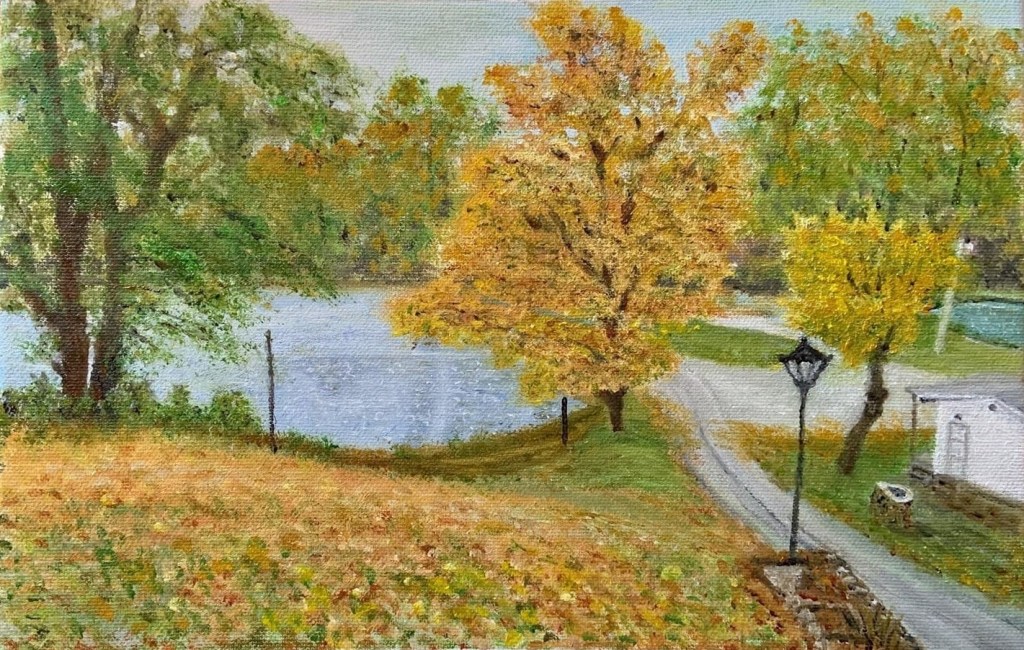
    The image is a painting by my sweet husband, Ron, who relied on a photo taken by my sister, Carlene Craig, who still lives there.  The old homestead is the place where I grew up—a place of beauty that holds many memories of a young girl growing up in the turbulent times of the 50s and 60s.

    Welcome to My Original Poems

    My literary focus remains primarily on poetry and songwriting, but as a life-long creative writer, I have also dabbled in many other forms: short stories, flash fiction, memoir.

    I also compose literary and expository essays, focusing on a variety of topics including history and politics—even some science/medical issues, especially those that remain controversial.    

    To sample some of my songs, please visit my “Original Songs.”  I also create vegetarian/vegan recipes.

    This room in my literary home provides links to my original poems. 

    Literary art—somewhat like science—is never truly settled or complete; thus I will be continuing to add—and even to revise— material from time to time.  

    Questions, comments, and suggestions offered in good faith are always welcome.

    Swearing to the Orphic Oath

    As a poet, I take the art of poetry very seriously and thus I swear to the following oath:

    As I, Linda Sue Grimes, engage in my career as a poet, I solemnly swear to remain faithful to the tenets of the following covenant to the best of my ability:

    1. I will respect and study the significant artistic achievements of those poets who precede me, and I will humbly share my knowledge with those who seek my advice. I will dedicate myself to my craft using all my talent while avoiding those two evils of (1) effusiveness of self-indulgence and (2) pontification on degradation and nihilism.
    2. I will remember that there is a science to poetry as well as an art, and that spirituality, peace, and love always eclipse metaphors and similes. I will not bring shame to my art by pretending to knowledge I do not have, and I will not cut off the legs of colleagues that I may appear taller.
    3. I will respect readers and ever be aware that not all readers are as well-versed in literary matters as I am. I will not take advantage of their ignorance by writing nonsense and then pretending it is the reader’s fault for not understanding my disingenuity. Regardless of the level of fame and fortune I reach, I will remain humble and grateful, not arrogant nor condescending.
    4. I will remember that poetry requires revision and close attention; it does not just pour out of me onto the page, as if opening a vein and letting it drip. Writing poetry requires thinking as well as feeling.
    5. I will continue to educate myself in areas other than poetry so that I may know a fair amount about history, geography, science, math, philosophy, foreign language, religion, economics, sociology, politics, and other fields of endeavor that result in bodies of knowledge.
    6. I will remember that I am no better than prose writers, songwriters, musicians, or politicians; all human beings deserve respect as well as scrutiny as they perform their unique duties, whether artist or artisan.
    7. I will not rewrite English translations of those who have already successfully translated and pretend that I too am a translator. I will not translate any poem that I cannot read and comprehend in the original.

    Original Poems

    1. To Profess Her a Fool
    2. Numbing Quiet
    3. Mushroom Heart
    4. Wolf
    5. Parting: Two Views
    6. Where Love Waits Restless
    7. Lamentation of the Muse for Everyman
    8. The Worm
    9. Dark Brain
    10. The Man in the Poem:  A Suite of 19 Poems
    11. Blue Haired Girl
    12. These Fish
    13. O Joy Is Mine
    14. Book of Frost
    15. Bird
    16. Fog on the Pond
    17. River God
    18. Starvers
    19. Once She’s Lost It
    20. Landscape & Me with Spot
    21. Love Among the Relics: A Suite in 8 Movements
    22. A Terrible Fish
    23. A Bitter Noise
    24. Iron Robert
    25. Alex as Artist
    26. Piercing the Veil
    27. Southern Woman
    28. In the Fog of Memory
    29. Prayer Sonnet for a Belovèd Father
    30. At the End of the Road
    31. Another Terrible Fish
    32. Singing like an Angel
    33. a salt sea
    34. Hagiography of Old Men
    35. Never Poke a Rough Beast from the Past
    36. The Everything-I-Say-Is-Wrong Blues Sonnet
    37. Greeting the Divine Reality as Bliss
    38. A Prayer for the Way
    39. Lift Thou This Veil of Blindness
    40. Do Not Ruffle What Hellish Beasts Conceal
    41. God Save Us from Our Protectors
    42. A Suite of Poems in Five Movements
    43. Two Sonnets in Praise of Stillness
    44. Corridors of the Mind
    45. Regret’s Return
    46. “Forget the Past”: 10-Sonnet Sequence
    47. Tangled Shadows
    48. Save the Earth from Our Protectors
    49. the captive
    50. Wanderers’ Psalm
    51. Whispers of Starlight
    52. Yesterday’s Turnip
    53. A Sonnet of Raw Couplets
    54. Instead
    55. Vowing to Ghosts
    56. Booking the Song
    57. Woven on a Veil of Love
    58. Colorado Singing to the Divine
    59. The Windows of Your Soul
    60. A Children’s Chorus
    61. Prayer for a Gentle Voice
    62. Without the Waves
    63. The Whitewater River Rolls On
    64. My Heart’s Deep Cry
    65. As God so Loved
    66. Divine Mother’s Gentle Dove
    67. In Time, O Belovèd
    68. What If, Only for Thee
    69. Ancient Tunes Belong to All
    70. A Sacred Act
    71. My Soul Chooses
    72. Crystal Bright
    73. My Love’s Most Quiet Wish
    74. Ode to the Paper Mill Bridge
    75. Low Key
    76. Whispers Rising
    77. The Stain of Mortal Doubt
    78. Cosmic Creators
    79. Joy Approaches Quiet or Grand
    80. The Rise of Blissful Silence
    81. Love’s Gratitude
    82. My Soul, My Heart, My Reason
    83. Storm for a Lost Soul
    84. Mockingbird in the Weeds
    85. My Kentucky Mother
    86. Without Wings My Sacred Soul Will Soar
    87. May I Become a Fountain of Song
    88. Little Songs from My Soul
    89. One Sunday
    90. Symbols
    91. Ready for Morning
    92. My Fleeting Dreams
    93. A Quiet Security
    94. A Raindrop in the Palm
    95. River of Soul Love
    96. This Salt Sea
    97. Seized by the Moment
    98. On the Brim of the Day
    99. Song of Silence
    100. My Soul in Search of Divine Romance
    101. Summer God
    102. Survivor
    103. Wailing
    104. Waiting in Shadows
    105. Great Wall of Silence
    106. Will & Testament
    107. Withered Soul
    108. Yea, though I Walk
    109. What Is It?
    110. You Escape Me
    111. Thy Tiny Bee
    112. “Dust of a Baptist” and “Southern Woman”: A Tribute to My Mother
    113. Abandoned Garden
    114. O Belovèd, My Divine Belovèd
    115. Love Thoughts Are Green Things
    116. Would that my sonnet shine
    117. Thou Hast a Sonnet’s Full Throat
    118. Lonely Offices
    119. Serendipity on a Gentle Breeze
    120. At Thy Sea
    121. A Soul Escaping the Soil
    122. Crickets in the Morning
    123. In Our Own Paradise
    124. The Open Window
    125. In the Shelter of Thy Glory
    126. Time—Being Precious
    127. Summer Arrives
    128. After the Affection of a Late Autumn
    129. Funky Notions
    130. A Love That Grows Far beneath the Skin
    131. Red Holiday
    132. As Tulips Dance & Sway
    133. Sacred Vision
    134. The Only Changeless
    135. A Rugged Vision She Loved, Loved
    136. The Exorcism
    137. The Beautiful Mother
    138. Gay Birds Dancing
    139. Clinging to Darkness
    140. In the Belly of Hell
    141. Breathless, Dreamless Bliss
    142. Faded Stones – with prose commentary
    143. In the Fog of Memory
    144. Downstream
    145. A Memory of a Mind
    146. Some Bones
    147. Buzzed – with prose commentary
    148. The Poetaster
    149. My Summer Mind
    150. Flood Plain
    151. Who Says, She Is Dark?
    152. Joy! Joy! Joy!
    153. Thou Art That
    154. Immersed in Glory
    155. My Altar of Bliss
    156. Only the Soul Am I
    157. Just a Visitor
    158. Thou Hast Opened My Blind Eyes
    159. My Secret Soul
    160. Divine Mother’s Tiny Bee
    161. O Great Christ
    162. Will I Pine Away without Thee?
    163. Aum! Aum! Aum!
    164. The Image of Brahma
    165. From Dream to Dream
    166. Sipping Dew-Drops of Celestial Wine
    167. The Naughty Child
    168. In This Dream of Dreams
    169. All Tinsel and Tinker
    170. Thy Divine Effulgence
    171. Little Tippler
    172. They Have Caught a Syllable
    173. Where Dreams Are no More
    174. With Thy Song in My Soul
    175. From the Deepest Well of My Soul
    176. Sri Ram Prasad Has Testified
    177. In the Palm of Thy Hand
    178. Where Soldiers of the Soul Come to Pray
    179. O! My Belovèd Is Everywhere
    180. The True Love of My Life
    181. Waltzing on the Rim of Eternity
    182. O Guruji, I Will Follow Thee
    183. Awaken In Me Divine Joy 
    184. Wake Me, O Beloved Guruji
    185. Gypsy Soul
    186. If My Words Could Rise
    187. In the Tops of the Trees
    188. Dreams and Days
    189. Flesh and Desire
    190. Honeybees and Birds
    191. Among Broken Poems
    192. The Everything-I-Say-Is-Wrong Blues
    193. God Was the Idol
    194. Questions in Rimed Couplets
    195. Where Gravity Holds No Sway
    196. However
    197. Spring in a Small Indiana Town
    198. Sundry Commands
    199. Like a Shadow
    200. Bridge of Eternity
    201. Leaving off the Past Again and Again
    202. Haunting the Trees
    203. The Flowers Are Bright Today
    204. As I Sit Along, Musing
    205. Frosty Fantasy – with prose commentary
    206. The Blank Page of Posterity
    207. Killing the Messenger
    208. The Clown
    209. Options
    210. A Sense of Sorrow
    211. Louder than the Moon
    212. Loose Musing on the Eve
    213. Crying the Silver Rain
    214. His Tongue’s Dulcet Tones
    215. Melancholy
    216. Whispers of the Hollow Chorus
    217. Time’s Hands
    218. Waltzing with Shadows
    219. Song of a Father’s Legacy
    220. My Time I Must Keep
    221. Glimmer through the Dusk
    222. Mother of Grace
    223. Pluck It Out
    224. Divine Goal
    225. In Midnight’s Gloom
    226. Crossing the Field
    227. Crown of Spirit
    228. Pilgrimage with My Lord
    229. Maya Shedd’s Song of the Rockies
    230. Proof That He Loves
    231. Wanderers’ Psalm
    232. Black Sonnet
    233. The Sacred Heart of Mother Divine
    234. A Threadbare Dress
    235. So Many Bubbles Drift
    236. When Lilacs First Open Up in Spring
    237. Wherever I roam, it is there Thou dost abide
    238. Girl of the Hills
    239. Original Villanelle:  “Pretty Little Woman”
    240. Turtle Woman
    241. Not Like This Heart
    242. After the Spring Thaw – with prose commentary
    243. Rivers
    244. Metaphysical Reminders
    245. Primal Mud
    246. City Boy
    247. The Eternal Now
    248. Driving
    249. Chief Muncie
    250. Pollen
    251. Every Time the Words Don’t Speak
    252. Indulgence’s Reward
    253. Twentieth Anniversary
    254. Fiftieth Anniversary
    255. The Truth of the Bones
    256. Funereal
    257. Blood Fire
    258. Twenty-Eight Lines on the Moon
    259. Glass Hammers
    260. The Pause
    261. River Music
    262. Greek Skin
    263. The Eyes of the Pumpkin
    264. A Bright Charm
    265. August
    266. My Onions, My Opinions
    267. Water
    268. No Sharks
    269. Listening to the Oldies Station on a Saturday Afternoon
    270. I Envy
    271. The Beauty of the Bones
    272. Good Poetry/Bad Poetry
    273. My Son, Dissident Disaffected
    274. Mushroom Offensive
    275. Let Shadows Depart
    276. A Bitch of Karma
    277. Ghastly Dream Ghosts
    278. Man of Steel
    279. Rust Belt Robot
    280. ilk & counting
    281. ilk & painting
    282. a leaf falls, a symbol of
    283. California
    284. Easy Liar
    285. Passion upon the Page
    286. Questions of Closure
    287. Brain Surfing
    288. Between Broken Poems
    289. Los Angeles in 2026 (A Night Mare Untamed)
    290. Dr. Frankenstink Crafts His Whimsy
    291. County Fair
    292. Thugs
    293. Idiots Finis
    294. Apple of My Eye
    295. If the Moon Became a Coin
    296. Power in the Garden
    297. After Sorrow Has Settled
    298. Seven Acts of Love
    299. Poems
    300. Two November Poems
    301. Interview with the Mirror
    302. Letters from Down Under
    303. Skins of Apples
    304. Renegade
    305. White Crowing
    306. Will’s Mistress
    307. The Apartment
    308. Emily’s Moth-Breath
    309. The Letting Go
    310. Wednesday’s Irrational God