Image: Emily Dickinson – Amherst College – This daguerrotype of the poet at age 17 is likely the only extant authentic image of Emily Dickinson.
Two Winter Poems: Emily Dickinson’s “Winter is good – his Hoar Delights” and “Like Brooms of Steel”
For Emily Dickinson, the seasons offered ample opportunities for verse creation, and her love for all of the seasons is quite evident in her poems. However, her poetic dramas become especially deep and profound in her winter poems.
First Winter Poem: “Winter is good – his Hoar Delights”
Emily Dickinson creates speakers who are every bit as a tricky as Robert Frost’s tricky speakers. Her two-stanza, eight-line lyric announcing, “Winter is good” attests to the poet’s skill of seemingly praising while showing disdain in the same breath.
The rime scheme of “Winter is good – his Hoar Delights” enforces the slant rime predilection with the ABAB approximation in each stanza. All of the rimes are near or slant in the first stanza, while the second boasts a perfect rime in Rose/goes.
Winter is good – his Hoar Delights
Winter is good – his Hoar Delights Italic flavor yield – To Intellects inebriate With Summer, or the World –
Generic as a Quarry And hearty – as a Rose – Invited with Asperity But welcome when he goes.
Commentary on “Winter is good – his Hoar Delights”
Emily Dickinson loved all of the seasons, and she found them inspiringly colorful in their many differing attributes. These seasonal characteristics gave this observant poet much material for her creative little dramas.
First Stanza: Winter’s Buried Charms
Winter is good – his Hoar Delights Italic flavor yield – To Intellects inebriate With Summer, or the World –
The speaker claims rather blandly that “Winter is good” but quickly adds not so plainly that his frost is delightful. That winter’s frost would delight one, however, depends on the individual’s ability to achieve a level of drunkenness with “Summer” or “the World.”
For those who fancy summer and become “inebriat[ed]” with the warm season’s charms, winter takes some digging to unearth its buried charm. And the speaker knows that most folks will never bother to attempt to find anything charming about the season they least favor.
But those frozen frosts will “yield” their “Italic flavor” to those who are perceptive and desirous enough to pursue any “Delights” that may be held there. The warmth of the Italian climate renders the summer flavors a madness held in check by an other-worldliness provided by the northern climes.
The speaker’s knowledge of the climate of Italy need be only superficial to assist in making the implications this speaker makes. Becoming drunk with winter, therefore, is a very different sport from finding oneself inebriated with summer, which can be, especially with Dickinson, akin to spiritual intoxication.
Second Stanza: Repository of Fine Qualities
Generic as a Quarry And hearty – as a Rose – Invited with Asperity But welcome when he goes.
Nevertheless, the speaker, before her hard-hitting yet softly-applied critique, makes it clear that winter holds much to be honored; after all, the season is “Generic as a Quarry / And hearty – as a Rose.” It generates enough genuine qualities to be considered a repository like a stone quarry that can be mined for all types of valuable rocks, gems, and granite.
The season is “hearty” in the same manner that a lovely flower is “hearty.” The rose, although it can be a fickle and finicky plant to cultivate, provides a strength of beauty that rivals other blossoms. That the freezing season is replete with beauty and its motivating natural elements render it a fertile time for the fertile mind of the poet.
But despite the useful and luxuriant possibilities of winter, even the mind that is perceptive enough to appreciate its magnanimity has to be relieved when that frozen season leaves the premises or as the speaker so refreshingly puts it, he is “welcome when he goes.” The paradox of being “welcome” when “he goes” offers an apt conclusion to this tongue-in-cheek, left-handed praise of the coldest season.
The speaker leaves the reader assured that although she recognizes and even loves winter, she can well do without his more stark realities as she welcomes spring and welcomes saying good-bye to the winter months.
Second Winter Poem: “Like Brooms of Steel”
Emily Dickinson’s “Like Brooms of Steel” features the riddle-like metaphoric usage that the poet so often employs. She playfully turns the natural elements of snow and wind into brooms made of steel and allows them to sweep the streets, while the coldness draws stillness through the landscape.
Like Brooms of Steel
Like Brooms of Steel The Snow and Wind Had swept the Winter Street – The House was hooked The Sun sent out Faint Deputies of Heat — Where rode the Bird The Silence tied His ample — plodding Steed The Apple in the Cellar snug Was all the one that played.
Commentary on “Like Brooms of Steel”
For Emily Dickinson the seasons offered ample opportunities for verse creation, and her love for all of the seasons is quite evident in her poems. However, her poetic dramas become especially deep and profound in her winter poems.
First Movement: The Nature of Things in Winter
Like Brooms of Steel The Snow and Wind Had swept the Winter Street —
The speaker has been observing and musing on the nature of things in winter. She finally speaks and makes the remarkable claim that the “Winter Street” looks as if it has been swept by “Brooms of Steel.” The “Snow and Wind” are the agencies that have behaved like those hard, industrial brooms. In Dickinson’s time were decidedly absent those big plows we have today that come rumbling down the streets, county roads, and interstates.
But those simple natural elements of snow and wind have moved the snow down the street in such a way that it looks as if it has been swept with a broom. And not just a straw broom would do, but it had to be a steel broom, an anomaly even in Dickinson’s century.
Second Movement: House as Big Warm Rug
The House was hooked The Sun sent out Faint Deputies of Heat –
The speaker then remarks about “the House,” which looked as if it had been, “hooked.” She is referring to the process of creating a rug with a loom that employs a hook. The house is like a big warm rug as “The Sun sent out / Faint Deputies of Heat.” Of course, the sun will always be sending out heat, but this speaker looks upon those dribbles of warmth as mere “Deputies.” They are sent in place of the sheriff, who will not appear until summer, or late spring at the most.
Third Movement: A Tree Steed
Where rode the Bird The Silence tied His ample – plodding Steed
The speaker then spies a bird, who seems to have ridden in on a “plodding Steed.” But the steed has been stilled by “silence”—denoting that the steed was indeed a tall tree. The tree is silenced by fall having blown away all of his leaves. He no longer rustles in the wind, but he does serve as a useful vehicle for both bird and poet.
Fourth Movement: Silent, Frozen
The Apple in the Cellar snug Was all the one that played.
The winter scene is filled with things that are still, silent, frozen in place by those agents of cold. The still bird sits in the still tree, silent, waiting in the frozen atmosphere. The musing speaker detects both silence and stillness and makes them vibrant with an inner, spiritual movement.
Yet, the speaker has to confess that the only real movement, things that might be said to have “played” that cold day, belongs to the “Apple in the Cellar.” The apple is “snug,” wrapped in tissue paper, preserved for the long winter months.
Or perhaps even some apple wine is “snug” in its bottle, and might even be a better candidate for playing. But they differ greatly from those outdoor creatures; those apples possess a level of warmth that allows them to play, although the irony of such playing might intrigue and tickle the fancy of the musing mind that deigns to contemplate the icy bitterness of winter.
Misplaced Line Alters Meaning
A number of sites that offer this poem—for example, bartleby.com—misplace the line, “The Apple in the Cellar snug,” relocating it after “Faint Deputies of Heat.”
This alteration changes the meaning of the poem: Dickinson’s poem makes it clear that it is the “apple” that is the only one who played. While it might seem more sensible to say a horse played instead of an apple, that is not what the original poem states. And, in actuality, the apple does, in fact, do some moving as it will begin to decay even though it is securely wrapped for winter and stored in the cellar.
The problem is, however, that the speaker has said that silence has “tied” or stilled the steed; he is not moving, which means that the bird is not moving. So to claim that the steed is playing gives motion to the bird, which the speaker claims is still.
The only thing that makes sense is that the speaker is exaggerating the stillness by saying that the snug apple is playing. The irony of a playing apple does not contradict the stillness that the speaker is painting, while the playing steed would violate and confuse that meaning.
Image: Emily Dickinson – Amherst College – Daguerrotype of the poet at age 17, circa 1847 – likely the only authentic, extant likeness of the poet
Emily Dickinson’s “Nature – the Gentlest Mother is”
In a unique mystical voice, Emily Dickinson’s speaker is dramatizing a number of the many ways in which Mother Nature takes care of her children. Dickinson’s keep observation and knowledge of science allowed her the ability to skillfully create her little dramas about her surroundings.
Introduction with Text of “Nature – the Gentlest Mother is”
Emily Dickinson’s love of nature was deep and abiding. Along with her intense study of and research in the sciences, she observed her surroundings keenly and those activities bestowed on her the ability to render into art her amazingly beautiful and accurate statements regarding how nature functions.
Dickinson discovered the careful nurturing as well as the softly discipling forces of nature, and she observed those qualities in both the animal and plant kingdoms. Those natural qualities motivated a deep affection for the workings of all of God’s creation.
This poem contrasts greatly with her riddle-poems, for it states explicitly the target of her observation—nature. After he clear statement of focus, she demonstrates how keen were her powers of observation and then how skillful she was in transforming those observations into art.
Nature – the Gentlest Mother is
Nature – the Gentlest Mother is, Impatient of no Child – The feeblest – or the waywardest – Her Admonition mild –
In Forest – and the Hill – By Traveller – be heard – Restraining Rampant Squirrel – Or too impetuous Bird –
How fair Her Conversation – A Summer Afternoon – Her Household – Her Assembly – And when the Sun go down –
Her Voice among the Aisles Incite the timid prayer Of the minutest Cricket – The most unworthy Flower –
When all the Children sleep – She turns as long away As will suffice to light Her lamps – Then bending from the Sky –
With infinite Affection – And infiniter Care – Her Golden finger on Her lip – Wills Silence – Everywhere –
Commentary on “Nature – the Gentlest Mother is”
Emily Dickinson’s speaker is employing her unique mystical voice as she dramatizes a catalogue of the myriad ways in which Mother Nature nurtures the beings under her care. She has determined that the Mother that mothers nature uses the softest touch, thus earning the title of “Gentlest Mother.”
First Stanza: The Mothering from Mother Nature
Nature – the Gentlest Mother is, Impatient of no Child – The feeblest – or the waywardest – Her Admonition mild –
The speaker in Emily Dickinson’s “Nature – the Gentlest Mother is“ assigns to Mother Nature the superb quality of “Gentlest Mother.”
The speaker is also reporting to her audience that this gentlest of mothers has abundant patience in dealing with her charges.
Mother Nature, this gentlest mother, guides in an even tempered way those who are the weakest. And she addresses and corrects in a “mild” manner those who are the most recalcitrant.
Second Stanza: Disciplining Methods
In Forest – and the Hill – By Traveller – be heard – Restraining Rampant Squirrel – Or too impetuous Bird
As Mother Nature’s human progeny moves over the hills and go riding through the woodlands, they are apt to hear that Gentlest Mother as she restrains an excited “Squirrel,” or as she tones down a very tempestuous bird.
The speaker expresses the natural behavior of animals in terms of the disciplining methods used by the “Gentlest Mother.”
Animal behavior quite often requires that a higher force guide them in their impetuousness. And thus the gentlest mother deals with them as they require. In her tenderness, they are permitted to flourish and to grow. In their life span, they remain in the embrace of the mother’s caring, tender arms.
Third Stanza: Measured Ways
How fair Her Conversation – A Summer Afternoon – Her Household – Her Assembly – And when the Sun go down –
The speaker observes that this gentlest mother’s discussions with her charges always remains completely balanced.
The speaker relates how on a beautifully peaceful summer afternoon this perfect mother maintained her “Household,” while gathering together all the fine qualities of her very being, and those of her little family.
The speaker then commences her next idea in this stanza but leaves it conclusion in the fourth stanza. The skillful placement of this statement permits the action taken in “And when the Sun do down” to become finalized; then, she moves on the remainder of the thought.
Fourth Stanza: Bringing Forth Prayer
Her Voice among the Aisles Incite the timid prayer Of the minutest Cricket – The most unworthy Flower –
The speaker places this gentlest Mother “among the Aisles” from where she can bring forth from the attendees their “timid prayer.”
In an earlier poem, the poet has reported that her “church” remains where the creatures of nature abide; they luckily appear nearby her home which serves her as her cloister:
Some keep the Sabbath going to Church – I keep it, staying at Home – With a Bobolink for a Chorister – And an Orchard, for a Dome
Therefore, in this fourth stanza of “Nature – the Gentlest Mother is,” her speaker can assert that this gentlest Mother may be found bringing forth a prayer from the smallest “Cricket” and “The most unworthy Flower.”
Naturally, the human notion of “unworthy” cannot be not applied to the evaluation by this gentlest mother, because she accepts all prayers equally. She applies the same level of justice to all of her children.
Fifth Stanza: Dousing the Lights for Sleep
When all the Children sleep – She turns as long away As will suffice to light Her lamps – Then bending from the Sky –
As the day progresses to its end—”when all the Children sleep”—this gentlest mother quietly moves to put one her lamps. And of course those lamps are the moon and stars.
Here again in this stanza, the speaker begins an idea, but then again puts off its conclusion to the next stanza.
The speaker has begun the thought of the mother “bending” from her perch in the heavens. She thus travels very far to light her lamps, and then she must return to her children.
Sixth Stanza: Hushing for Slumber
With infinite Affection – And infiniter Care – Her Golden finger on Her lip – Wills Silence – Everywhere –
It is with great affection and tender care that this gentlest mother moves her “Golden finger” to her lips, signaling for “silence.” Night is now embracing her children who are spread far and wide.
The mother now calls for silence so that her charges may peacefully slumber. The mother bestows on them a great stillness that is night time, so that they may rest from the day’s activities. And so that they they recharge for the coming events of the coming day.
Image: Emily Dickinson – Amherst College – Daguerrotype of the poet at age 17, circa 1847 – likely the only authentic, extant image of the poet
Emily Dickinson’s “Publication – is the Auction”
Emily Dickinson’s “Publication – is the Auction” remains one of the poet’s starkest statements on the value of authenticity in creative effort—in her case the writing of poetry.
Introduction and Text of Emily Dickinson’s “Publication – is the Auction”
In her poem “Publication – is the Auction,” Emily Dickinson has created a speaker who is musing on the issue of allowing one’s inner thoughts to be made public through publication in media, including newspapers, magazines, or books.
Ultimately, she is saying that remaining true to one’s values and beliefs is more important than writing to sell to a wide audience. Dickinson’s spirituality, contingent upon mysticism, gave her the strong will to continue exploring the world for truth and then telling it without reservation.
Her speaker avers that publication of literary works can even become a threat to one’s inner life, as achievement is so often shunted aside solely for the purpose of increasing sales. Her speaker engages metaphors and images in areas of commerce and religion in order to approach a notion of purity.
Her speaker feels that reverence for one’s mental faculties will naturally garner restraint that will ethically prevent rash decisions to expose one’s inner talent to a world interested primarily in financial achievement over literary accomplishments.
Publication – is the Auction
Publication – is the Auction Of the Mind of Man – Poverty – be justifying For so foul a thing
Possibly – but We – would rather From Our Garret go White – unto the White Creator – Than invest – Our Snow –
Thought belong to Him who gave it – Then – to Him Who bear Its Corporeal illustration – Sell The Royal Air –
In the Parcel – Be the Merchant Of the Heavenly Grace – But reduce no Human Spirit To Disgrace of Price –
Commentary on “Publication – is the Auction”
Emily Dickinson published very few poems during her lifetime. Although she seemed to seek publication as she first conversed with Thomas Wentworth Higginson, her ultimate goal was to produce a body of work the meant something for her soul. She seemed to learn very quickly and early that publication had its pitfalls, and it seems that she struggled to avoid them.
Stanza 1: “Publication – is the Auction”
Publication – is the Auction Of the Mind of Man – Poverty – be justifying For so foul a thing
The speaker opens with a candid statement that publishing is tantamount to selling one’s soul. Although she buffers the claim by inserting “Mind” instead of soul, the ultimate meaning of inner awareness becomes more comparable to soul-awareness than mere mental capacity and observance.
The speaker avers that selling one’s words is equal to selling one’s own consciousness, not merely the paper, ink, and stream of words across a page. Such an insistence makes it abundantly clear that such a sale cannot be justified. In fact, remaining in “Poverty” is better than engaging in “so foul a thing” as selling one’s inner being.
The speaker then is implying that the creative writer’s mind becomes a mere object that is diminished by such a sordid undertaking. The economy with which the speaker has presented such a sapient idea demonstrates the strength her metaphor is exerting.
One can imagine an auctioneer rattling off numbers above the head of man, who is selling his head’s contents to the highest bidder. Such a scenario mocks the very notion of trying to sell one’s wares that have come into being through deep thought about spiritually vital things.
One might question such a strong stance against publication for money, but it is important to keep in mind that the speaker is no doubt referring to the creation and sale of poetry. The genesis of poetry remains a very different one from writing expository and informative essays and/or news articles.
Even the writing of fiction such as plays, short stories, or novels carries a different moral impact. If the speaker were focusing on those genres, the poem would have undoubtedly taken a very different approach.
Stanza 2: “Possibly – but We – would rather”
Possibly – but We – would rather From Our Garret go White – unto the White Creator – Than invest – Our Snow –
In the second stanza, the speaker switches from the general to the personal. Employing the editorial “We,” she asserts that despite the possibly of living in poverty, first principles and ethics remain inviolable.
Thus, if the poet must leave her “Garret”—symbol for poverty—she need not go rushing toward the marketplace. Instead, she can and must associate herself with purity: she employs “White” as a symbol of that purity. Thus, rather than “invest” her “Snow”—another symbol of purity as well as a metaphor for her creative writing pieces—she will go toward the “White Creator”—the Ultimate symbol of purity.
Investing one’s “Snow” signals turning one’s purity (works of art) into money, and such an exchange would cause those works and the mind that created them to become contaminated. Imagine handling a ball of snow—it does not remain snow but instead it melts into a pool of water.
Although water is a useful commodity, after melting from snow the original element has lost its original defining qualities. A work of art/poem may become further damaged even by the process of being readied for publication: how often have we heard writers lament that their original words were changed by an editor?
The speaker then is asserting that she prefers total obscurity to the compromise demanded by attempts at publication. And she is not asserting this stance out fear but instead out of fidelity to her ethical position regarding her sacred principles and values.
She is implying rather strongly that remaining in poverty is the better way to preserve her inner dedication to truth; that way she need never make excuses for losing spiritual purity.
Stanza 3: “Thought belong to Him who gave it”
Thought belong to Him who gave it – Then – to Him Who bear Its Corporeal illustration – Sell The Royal Air –
The speaker now offers her most profound reason for eschewing publication: because all thought belongs to the Ultimate Reality or God. God owns all thought just as He owns all of the air we breathe. Selling thought then becomes tantamount to selling air—a truly absurd notion, easily assimilated and understood.
The writer/artist becomes an instrument of the Divine, a steward not a proprietor. Ownership is not conferred by merely having taken a thought and shaped it into a poem; the Divine Poet, who awarded the poem to the poet, still owns the work.
Stanza 4: “In the Parcel – Be the Merchant”
In the Parcel – Be the Merchant Of the Heavenly Grace – But reduce no Human Spirit To Disgrace of Price –
In the final stanza, the speaker commands her audience of artists—and likely most important herself as a poet—to accept the package (the art work/poem but think of it as coming from its Divine Source. By thinking thusly, the poet/artist can happily continue to create—as the Great Creator does—but without the stain conferred by the fickle marketplace.
The artist must remain true to her own inner values, and the most natural and divine way to do that is to realize their Source—create for the original Creator alone; the art that is thus produced will reflect only love, beauty, and truth. These qualities are the only ones with which the true artist can contend, for they remain free from taint, stain, and corruption that surge by trying to please multifaceted humankind.
Taking his place among luminaries such as Dickinson and Whitman, Frost has remained one of the most widely anthologized American poets of all time. His poems are more complex than simple nature pieces; many are “tricky—very tricky,” as he once quipped about “The Road Not Taken.”
Robert Frost has earned his reputation as one of America’s most beloved poets. The poet holds the honor of being the first American poet to deliver his poems to the assembled celebrants at the 1961 inauguration of the 35th president of the United States of America, John F. Kennedy.
Early Life
Robert Frost’s father, William Prescott Frost, Jr., was a journalist, residing in San Fransisco, California, when Robert Lee Frost was born on March 26, 1874. Robert’s mother, Isabelle, was an immigrant from Scotland.
The young Frost spent the first eleven years of his childhood in San Fransisco. After his father died of tuberculosis, Robert’s mother relocated the family, including his sister, Jeanie, to Lawrence, Massachusetts, where they lived with Robert’s paternal grandparents.
In 1892, Robert graduated from Lawrence High School, where he and Elinor White, his future wife, served as co-valedictorians.
Robert then made his first attempt to attend college at Dartmouth College, but after only a few months, he left school and returned to Lawrence, where he began working a series of part-time jobs [1].
Marriage and Children
Elinor White, who had been Robert’s high school sweetheart, was attending St. Lawrence University when Robert proposed to her. She turned him down because she wanted to complete her college education before she married.
Robert then moved to Virginia, and then after he returned to Lawrence, again he proposed to Elinor, who had now completed her college education. The couple married on December 19, 1895. They produced six children.
Their son, Eliot, was born in 1896 but died in 1900 of cholera; their daughter, Lesley, lived from 1899 to 1983. Their son, Carol, born in in 1902 but committed suicide in 1940.
Their daughter, Irma, 1903 to 1967, battled schizophrenia for which she was confined in a mental hospital. Daughter, Marjorie, born 1905 died of puerperal fever after giving birth. Their sixth child, Elinor Bettina, who was born in 1907, died one day after her birth.
Only Lesley and Irma survived their father. Mrs. Frost suffered heart issues for most of her life. She was diagnosed with breast cancer in 1937 but the following year died of heart failure [2].
Farming and Writing
Robert then again attempted to attend college. In 1897, he enrolled in Harvard University, but because of health problems, he was forced to leave school again. He rejoined his wife in Lawrence. Their second child Lesley was born in 1899.
The family then relocated to a New Hampshire farm that Robert’s grandparents had procured for him. Robert’s farming phase thus began as he strove to farm the land while continuing his writing. The Frost’s farming endeavors continued to result in unsuccessful fits and starts. Frost became well adjusted to rustic life, despite his lack of success as a farmer.
On November 8, 1894, in The Independent, a New York newspaper, Frost’s first poem “My Butterfly” appeared in print. The next dozen years proved to be a difficult period in the poet’s personal life yet a fertile one for his writing. The poet’s writing life was launched in a impressive fashion, and the rural, rustic influence on his poems would set a tone and style for all of his works.
Nevertheless, despite the popularity of his individually published poems, such “The Tuft of Flowers” and “The Trial by Existence,” he could not secure a publisher for his collections of works [3].
Moving to England
In 1912, Frost sold the New Hampshire farm and relocated his family to England. Because of his failure to find a publisher in the US for his collections of poems, he decided to try his luck across the pond.
That moved turned out to be life-line for the young poet and his career. At age 38 in England, Frost found a publisher for his collection A Boy’s Will and soon after for his collection North of Boston.
In addition to securing publishers for his two books, the American poet became acquainted with Ezra Pound and Edward Thomas, two important contemporary poets. Pound and Thomas reviewed favorably Frost’s two book, and thus Frost’s career as a poet was launched.
Frost’s friendship with Edward Thomas became especially important, and Frost has revealed that the long walks taken by the two poet/friends had influenced his writing in a wonderfully constructive manner.
Frost has given credit to Thomas for one of his most famous poems, “The Road Not Taken,” which was influenced by Thomas’ attitude toward the fact of not being able to take two different paths on their long walks.
Returning to America
After World War 1 began in Europe, the Frosts moved back to the United States. Their brief stay in England had sparked useful results for the poet’s reputation, for even in his native country, he was becoming well known and loved.
American Publisher Henry Holt republished Frost’s earlier collections, and then published the poet’s third collection, Mountain Interval, which had been written while Frost was still living in England.
Frost began to experience the pleasing situation of having the same journals, such as The Atlantic, solicit his work, even though they had rejected those same works only a few years earlier.
In 1915, the Frosts purchased a farm, located in Franconia, New Hampshire. Their traveling days had come to and end, and Frost continued his writing career. Frost also taught intermittently at a number of colleges, including Dartmouth, University of Michigan, and especially Amherst College, where he served regularly from 1916 until 1938.
Amherst’s primary library is now the Robert Frost Library, in honor of the long-time educator and poet. Frost also spent most of his summers teaching English at Middlebury College in Vermont.
Frost never completed a university degree, but over his lifetime, he accumulated more than forty honorary degrees. Frost won the Pulitzer Prize four times for his books, New Hampshire, Collected Poems, A Further Range, and A Witness Tree.
Frost labeled himself a “lone wolf” in the world of poetry because he did not follow any current literary movements. His only motivation was to express the human condition in a world of duality.
Frost did not pretend to explain that condition; he sought solely to create his little dramas to reveal the nature of the emotional life in the mind and heart of a human being [4].
First American Inaugural Poet
Robert Frost had intended to star his occasional piece “Dedication” as a preface to the poem that the President-Elect John F. Kennedy had requested for his 1961 inauguration.
But the sun rendered Frost’s reading impossible, so he dropped “Dedication” but continued on to recite “The Gift Outright” from memory.
Introduction with Text of “Dedication”
On January 20, 1961, Robert Frost became the first American poet to deliver a poem at a presidential inauguration. He recited his poem “The Gift Outright” at the swearing in of John F. Kennedy as the 35th president of the United States of America. Frost had also written a new poem to preface his recitation of “The Gift Outright,” but he did not have time to commit his new piece to memory.
At the inauguration, Frost began to read the new piece, but he was unable to see clearly his copy of the poem because of the bright sunlight bouncing off the snow; he managed to stumble through the first 23 lines of the new poem [5]. But then he switched to reciting “The Gift Outright,” which he had by memory.
While Frost’s “Dedication” offers some useful and important historical features, it does reveal some of the fawning exaggeration that occasional poems [6] are often wont to suffer.
Dedication
Summoning artists to participate In the august occasions of the state Seems something artists ought to celebrate. Today is for my cause a day of days. And his be poetry’s old-fashioned praise Who was the first to think of such a thing. This verse that in acknowledgement I bring Goes back to the beginning of the end Of what had been for centuries the trend; A turning point in modern history. Colonial had been the thing to be As long as the great issue was to see What country’d be the one to dominate By character, by tongue, by native trait, The new world Christopher Columbus found. The French, the Spanish, and the Dutch were downed And counted out. Heroic deeds were done. Elizabeth the First and England won. Now came on a new order of the ages That in the Latin of our founding sages (Is it not written on the dollar bill We carry in our purse and pocket still?) God nodded his approval of as good So much those heroes knew and understood, I mean the great four, Washington, John Adams, Jefferson, and Madison So much they saw as consecrated seers They must have seen ahead what not appears, They would bring empires down about our ears And by the example of our Declaration Make everybody want to be a nation. And this is no aristocratic joke At the expense of negligible folk. We see how seriously the races swarm In their attempts at sovereignty and form. They are our wards we think to some extent For the time being and with their consent, To teach them how Democracy is meant. “New order of the ages” did they say? If it looks none too orderly today, ‘Tis a confusion it was ours to start So in it have to take courageous part. No one of honest feeling would approve A ruler who pretended not to love A turbulence he had the better of. Everyone knows the glory of the twain Who gave America the aeroplane To ride the whirlwind and the hurricane. Some poor fool has been saying in his heart Glory is out of date in life and art. Our venture in revolution and outlawry Has justified itself in freedom’s story Right down to now in glory upon glory. Come fresh from an election like the last, The greatest vote a people ever cast, So close yet sure to be abided by, It is no miracle our mood is high. Courage is in the air in bracing whiffs Better than all the stalemate an’s and ifs. There was the book of profile tales declaring For the emboldened politicians daring To break with followers when in the wrong, A healthy independence of the throng, A democratic form of right divine To rule first answerable to high design. There is a call to life a little sterner, And braver for the earner, learner, yearner. Less criticism of the field and court And more preoccupation with the sport. It makes the prophet in us all presage The glory of a next Augustan age Of a power leading from its strength and pride, Of young ambition eager to be tried, Firm in our free beliefs without dismay, In any game the nations want to play. A golden age of poetry and power Of which this noonday’s the beginning hour.
Commentary on “Dedication”
Robert Frost’s poem “The Gift Outright” remains the poem remembered for the inauguration of John F. Kennedy, and it also happens to be a much stronger poem than “Dedication.”
Frost once remarked [7] about his poem “The Gift Outright” that is was “a history of the United States in a dozen lines of blank verse.”
First Movement: Invocation to Artists
Summoning artists to participate In the august occasions of the state Seems something artists ought to celebrate. Today is for my cause a day of days. And his be poetry’s old-fashioned praise Who was the first to think of such a thing. This verse that in acknowledgement I bring Goes back to the beginning of the end Of what had been for centuries the trend; A turning point in modern history.
The speaker seems to be postponing his task of making this inauguration a grand and glorious event by remarking the efficacy and appropriateness of artists contributing to such an occasion. He likens his current effort to past glories of “poetry’s old-fashioned praise” of remarking that certain occasions are bound to point to historical trends.
The speaker’s claims remain rather vague and noncommittal but still leave open the possibility that things will become clearer and more specific as he continues to offer his gems of wisdom.
He claims that what he is doing, bringing verse to event, is as old as the beginning. But that beginning is then sparked by the “beginning of the end”; thus, the speaker is covering himself in case he may be proven wrong.
Second Movement: The Forming of a Nation
Colonial had been the thing to be As long as the great issue was to see What country’d be the one to dominate By character, by tongue, by native trait, The new world Christopher Columbus found. The French, the Spanish, and the Dutch were downed And counted out. Heroic deeds were done. Elizabeth the First and England won.
The speaker then draws an interesting picture of “colonial” America. He contends that the many nations that have found their progeny on the new shores were battling for dominance, putting forth the question: would France, Spain, or Holland take the lead in heading the American nation?
But then he answers the question by declaring England the winner, as “Elizabeth the First and England won.” Thus, the speaker provides answers to this question of whose characteristics, language, and traits would prevail: America would not adopt French or Spanish or Dutch as its native language; it would be English whose tongue the New World would speak.
Also, one can imagine the “native traits” including English style clothing, manners, and food. The other nations, while welcome, would take their place as an accompanying position.
Third Movement: Tribute to the Founding
Now came on a new order of the ages That in the Latin of our founding sages (Is it not written on the dollar bill We carry in our purse and pocket still?) God nodded his approval of as good So much those heroes knew and understood, I mean the great four, Washington, John Adams, Jefferson, and Madison So much they saw as consecrated seers They must have seen ahead what not appears, They would bring empires down about our ears And by the example of our Declaration Make everybody want to be a nation.
While this movement contains a number of historically accurate statements, it remains rather awkward in its structural execution. The parenthetical—”(Is it not written on the dollar bill / We carry in our purse and pocket still?)”— followed by the line,”God nodded his approval of as good” render their substance less impactful.
That “Latin of our founding sages” refers to “E Pluribus Unum,” (Out of the many, One) and loses it heft when placed as a parenthetical. Robert Frost was a somewhat religious agnostic. That he would claim that God was nodding approval of anything seems a bit out of character sparking a question of sincerity.
Because of Frost’s wholly secular take on the historical founding of a nation— despite the fact that one of the founding principles for founding this nation was religious—the questionable sincerity issue continues to present itself.
This issue is especially evident since the poem is an occasional poems specifically written to celebrate a politician in his ascendency to political office. The tribute to “Washington, / John Adams, Jefferson, and Madison,” whom the speaker designates “as consecrated seers” remains a wholly accurate statement.
And the final two lines appropriately celebrate the document the “Declaration of Independence” which along with the U. S. Constitution remain two of the most important texts ever to exist. The existence of those documents remains important both to the American nation and the world, making “everybody want to be a nation.”
Fourth Movement: Pursuing Life, Liberty, and Happiness
And this is no aristocratic joke At the expense of negligible folk. We see how seriously the races swarm In their attempts at sovereignty and form. They are our wards we think to some extent For the time being and with their consent, To teach them how Democracy is meant. “New order of the ages” did they say? If it looks none too orderly today, ‘Tis a confusion it was ours to start So in it have to take courageous part. No one of honest feeling would approve A ruler who pretended not to love A turbulence he had the better of.
The speaker then engages the issue of immigration to this newly formed nation. It makes perfect sense that folks from all over the world would desire to emigrate from totalitarian, freedom-squelching dictators in their own nations. And it remains quite sensible that they would want to relocate to this new land.
This new land from the beginning embraces freedom and individual responsibility while promising such in those documents delineating the basic human rights of “life, liberty, and the pursuit of happiness.”
The speaker denigrates the notion that only the aristocrats were appreciated and allowed to flourish in this new land. New immigrants may become our “ward,” but that status is only temporary and “with their consent.” In other words, new immigrants can become citizens of our new land of freedom because that new land represents the “[n]ew order of the ages.”
Fifth Movement: A Courageous Nation
Everyone knows the glory of the twain Who gave America the aeroplane To ride the whirlwind and the hurricane. Some poor fool has been saying in his heart Glory is out of date in life and art. Our venture in revolution and outlawry Has justified itself in freedom’s story Right down to now in glory upon glory. Come fresh from an election like the last, The greatest vote a people ever cast, So close yet sure to be abided by, It is no miracle our mood is high. Courage is in the air in bracing whiffs Better than all the stalemate an’s and ifs.
The speaker then focuses on the very specific event of the Wright Brothers (“the twain”) and their new invention “the aeroplane.” He then asserts that such feats have put the lie to the “poor fool” who thinks that there is no longer any “glory” in “life and art.” He insists that the American adventure story in “revolution and outlawry” has been gloriously vindicated and “justified [ ] in freedom’s story.”
The speaker then offers his take of how this recent election, whose result he is now celebrating, played out. He deems it the “greatest vote a people ever cast”—an obvious exaggeration. Yet, while the election was “close,” it will be “abided by.” The citizenry’s mood is “high,” and that fact is “no miracle.” He then asserts that such a situation arises out of the courage of the nation.
Sixth Movement: The Curse of the Inaugural Poem
There was the book of profile tales declaring For the emboldened politicians daring To break with followers when in the wrong, A healthy independence of the throng, A democratic form of right divine To rule first answerable to high design. There is a call to life a little sterner, And braver for the earner, learner, yearner. Less criticism of the field and court And more preoccupation with the sport. It makes the prophet in us all presage The glory of a next Augustan age Of a power leading from its strength and pride, Of young ambition eager to be tried, Firm in our free beliefs without dismay, In any game the nations want to play. A golden age of poetry and power Of which this noonday’s the beginning hour.
In the opening line of this final movement, the speaker alludes to John F. Kennedy’s book, Profiles in Courage—”book of profile tales.” Of course, the inaugural poet in his inaugural poem had to focus on the subject of this occasion, the new president of the United States, whom he is celebrating with his poem.
But then he becomes overly solicitous in his following remarks claiming that this president was a politician who can “break with followers when in the wrong.” The speaker furthers his fawning remarks by suggesting that this administration would be a “democratic form of right divine / To rule first answerable to high design.” This statement boarders on toadying flattery.
Then the puffery in the movement continues with the prediction of a “next Augustan age,” until the final unfortunate lines, “A golden age of poetry and power / Of which this noonday’s the beginning hour.”
Of course, hindsight now confirms that no “golden age” ever resulted for politics or poetry. And this president was assassinated before the completion of his first term in office.
While Frost’s “Dedication” offers some useful commentary, it still fails as a genuine poem. Even as an occasional poem in it final movement, it engages overzealously in exaggerated flattery.
One is reminded that fortunately, this piece did not see the light of day, as Frost was unable to read it as he intended. The poet was spared the drubbing he no doubt would have received had the sunlight not conspired to keep that piece in the dark.
Robert Frost’s “The Gift Outright”
Robert Frost’s “The Gift Outright” became the first inaugural poem, after President-Elect John F. Kennedy asked the famous poet to read at his swearing in ceremony—the first time a poet had read a poem at a presidential inauguration.
Introduction with Text of “The Gift Outright”
On January 20, 1961, John F. Kennedy was inaugurated the 35th president of the United States of America. For the inauguration ceremony, Kennedy had invited America’s most famous poet, Robert Frost, to write and read a poem. Frost rejected the notion of writing an occasional poem, and so Kennedy asked him to read “The Gift Outright.” Frost then agreed.
Kennedy then had one more favor to ask of the aging poet. He asked Frost the change the final line of the poem from “Such as she was, such as she would become” to “Such as she was, such as she will become.”
Kennedy felt that the revision reflected more optimism than Frost’s original. Frost did not like the idea, but he relented for the young president’s sake. Frost did, nevertheless, write a poem especially for the occasion titled “Dedication,” which he intended to read as a preface to “The Gift Outright.”
At the inauguration, Frost attempted to read his occasional poem, but because of the bright sunlight bouncing off the snow, his aging eyes could not see the poem well enough to read it. He then continued to recite “The Gift Outright.”
Regarding the changing of the final line: instead of merely reading the line with the revision Kennedy had requested, Frost stated,
Such as she was, such as she would become, has become, and I – and for this occasion let me change that to –what she will become. (my emphasis added)
Thus, the poet remained faithful to his own vision, while satisfying the presidential request. Robert Frost’s poem, “The Gift Outright,” offers a brief history of the USA, which has just elected and was in the process of inaugurating its 35th president.
The speaker of Frost’s poem, without becoming chauvinistically patriotic, manages to offer a positive view of the country’s struggle for existence, a struggle that can be deemed a gift that the Founding Fathers gave to themselves and the world.
To the question—“Well, Doctor, what have we got—a Republic or a Monarchy?”—regarding the product created by the Constitutional conveners during their meetings from May 25 to September 17, 1787, in Philadelphia, Founder Benjamin Franklin responded, “A Republic, if you can keep it” [8].
The US Constitution became a gift that has kept on giving in the best possible way. It replaced the old, weak Articles of Confederation and kept the nation in tact even during a bloody Civil War, nearly a century later.
The speaker in Frost’s poem offers a brief overview of the American struggle for existence, and he describes that struggle resulting in a Constitution as a gift the Founders gave themselves and to all the generations to follow.
The Gift Outright
The land was ours before we were the land’s. She was our land more than a hundred years Before we were her people. She was ours In Massachusetts, in Virginia, But we were England’s, still colonials, Possessing what we still were unpossessed by, Possessed by what we now no more possessed. Something we were withholding made us weak Until we found out that it was ourselves We were withholding from our land of living, And forthwith found salvation in surrender. Such as we were we gave ourselves outright (The deed of gift was many deeds of war) To the land vaguely realizing westward, But still unstoried, artless, unenhanced, Such as she was, such as she would become.
Robert Frost Reading “The Gift Outright”
At Inauguration
Commentary on “The Gift Outright”
Robert Frost’s inaugural poem offers a glimpse into the history of the country that has just elected its 35th president.
First Movement: The Nature of Possession
The land was ours before we were the land’s. She was our land more than a hundred years Before we were her people. She was ours In Massachusetts, in Virginia, But we were England’s, still colonials, Possessing what we still were unpossessed by, Possessed by what we now no more possessed.
The first movement begins by offering a brief reference to the history of the country over which the new government official would now preside. The speaker asserts that the men and women who had settled on the land, which they later called the United States of America, had begun their experiment in freedom living on the land which would later become their nation, and they would then become its citizens.
Instead of merely residing as a loosely held-together band of individuals, they would become a united citizenry with a name and government shared in common. The official birthdate of the United States of America is July 4, 1776; with the Declaration of Independence, the new country took its place among the nations of the world.
And the speaker correctly states that the land belonged to the people “more than a hundred years” before Americans became citizens of the country. He then mentions two important early colonies, Massachusetts and Virginia, which would become states (commonwealths) after the new land was no longer a possession of England.
Second Movement: The Gift of Law and Order
Something we were withholding made us weak Until we found out that it was ourselves We were withholding from our land of living, And forthwith found salvation in surrender.
During the period from 1776 to 1887, the country struggled to found a government that would work to protect individual freedom and at the same time provide a legal order that would make living in a free land possible. An important first step was the Articles of Confederation and Perpetual Union [9], the first constitution written in 1777, which was not ratified until 1781.
The Articles failed to provide enough structure for the growing nation, and by 1787, it was deemed that a new, stronger document was needed to keep the country functioning and united. Thus, the Constitutional Convention of 1787 [10] was convened to rewrite the Articles.
Instead of merely writing them, however, the Founding Fathers scrapped the old document and composed a new U.S. Constitution, which has remained the founding set of laws guiding America since it was finally ratified June 21, 1788 [11].
The speaker describes America’s early struggle for self governance as “something we were withholding,” and that struggle “made us weak.” But finally, we found “salvation in surrender,” that is, the Founding Fathers surrendered to a document that provided legitimate order but at the same time offered the greatest possible scope for individual freedom.
Third Movement: The Gift of Freedom
Such as we were we gave ourselves outright (The deed of gift was many deeds of war) To the land vaguely realizing westward, But still unstoried, artless, unenhanced, Such as she was, such as she would become.
The speaker describes the early turbulent history of his country as a time of “many deeds of war,” which would include the war [12] the early Americans had to fight against England—its mother country—to secure the independence that it had declared and demanded.
But the young nation wholeheartedly gave itself that “gift” of existence and freedom by continuing its struggle and continuing to grow by expanding “westward.” The people of this nation struggled on through many hardships “unstoried, artless, unenhanced” to become the great nation that now—at the time of the poet’s recitation—has elected its 35th president.
Sources
[1] Editors. “Robert Frost.” Poetry Foundation. Accessed March 26, 2023.
William Butler Yeats’ “The Second Coming” remains one of the most widely misunderstood poems of the 20th century. Many scholars and critics have failed to criticize the exaggeration in the first stanza and the absurd metaphor in the second stanza, which render a potentially fine poem a critical failure.
Introduction with Text of “The Second Coming”
Poems, in order to communicate, must be as logical as the purpose and content require. For example, if the poet wishes to comment on or criticize an issue, he must adhere to physical facts in his poetic drama. If the poet wishes to emote, equivocate, or demonstrate the chaotic nature of his cosmic thinking, he may legitimately do so without much seeming sense.
For example, Robert Bly’s lines—”Sometimes a man walks by a pond, and a hand / Reaches out and pulls him in” / / “The pond was lonely, or needed / Calcium, bones would do,”—are ludicrous [1] on every level. Even if one explicates the speaker’s personifying the pond, the lines remain absurd, at least in part because if a person needs calcium, grabbing the bones of another human being will not take care of that deficiency.
The absurdity of a lake needing “calcium” should be abundantly clear on its face. Nevertheless, the image of the lake grabbing a man may ultimately be accepted as the funny nonsense that it is. William Butler Yeats’ “The Second Coming” cannot be dismissed so easily; while the Yeats poem does not depict the universe as totally chaotic, it does bemoan that fact that events seem to be leading society to armageddon.
The absurdity surrounding the metaphor of the “rough beast” in the Yeats poem renders the musing on world events without practical substance.
The Second Coming
Turning and turning in the widening gyre The falcon cannot hear the falconer; Things fall apart; the centre cannot hold; Mere anarchy is loosed upon the world, The blood-dimmed tide is loosed, and everywhere The ceremony of innocence is drowned; The best lack all conviction, while the worst Are full of passionate intensity.
Surely some revelation is at hand; Surely the Second Coming is at hand. The Second Coming! Hardly are those words out When a vast image out of Spiritus Mundi Troubles my sight: somewhere in sands of the desert A shape with lion body and the head of a man, A gaze blank and pitiless as the sun, Is moving its slow thighs, while all about it Reel shadows of the indignant desert birds. The darkness drops again; but now I know That twenty centuries of stony sleep Were vexed to nightmare by a rocking cradle, And what rough beast, its hour come round at last, Slouches towards Bethlehem to be born?
Commentary on “The Second Coming”
William Butler Yeats’ “The Second Coming” remains one of the most widely anthologized poems in world literature. Yet its hyperbole in the first stanza and ludicrous “rough beast” metaphor in the second stanza result in a blur of unworkable speculation.
First Stanza: Sorrowful over Chaos
Turning and turning in the widening gyre The falcon cannot hear the falconer; Things fall apart; the centre cannot hold; Mere anarchy is loosed upon the world, The blood-dimmed tide is loosed, and everywhere The ceremony of innocence is drowned; The best lack all conviction, while the worst Are full of passionate intensity.
The speaker is sorrowing over the chaos of world events that have left in their wake many dead people. Clashes of groups of ideologues have wreaked havoc, and much blood shed has smeared the tranquil lives of innocent people who wish to live quiet, productive lives.
The speaker likens the seemingly out of control situation of society to a falconer losing control of the falcon as he attempts to tame it. Everyday life has become chaotic as corrupt governments have spurred revolutions. Lack of respect for leadership has left a vacuum which is filled with force and violence.
The overstated claim that “The best lack all conviction, while the worst / Are full of passionate intensity” should have alerted the poet that he needed to rinse out the generic hyperbole in favor of more accuracy on the world stage.
Such a blanket, unqualified statement, especially in a poem, lacks the ring of truth: it simply cannot be true that the “best lack all conviction.” Surely, some the best still retain some level of conviction, or else improvement could never be expected.
It also cannot be true that all the worst are passionate; some of the worst are likely not passionate at all but remain sycophantic, indifferent followers. Any reader should be wary of such all-inclusive, absolutist statements in both prose and poetry.
Anytime a writer subsumes an entirety with the terms “all,” “none,” “everything,” “everyone,” “always,” or “never,” the reader should question the statement for its accuracy. All too often such terms are signals for stereotypes, which produce the same inaccuracy as groupthink.
Second Stanza: What Revelation?
Surely some revelation is at hand; Surely the Second Coming is at hand. The Second Coming! Hardly are those words out When a vast image out of Spiritus Mundi Troubles my sight: somewhere in sands of the desert A shape with lion body and the head of a man, A gaze blank and pitiless as the sun, Is moving its slow thighs, while all about it Reel shadows of the indignant desert birds. The darkness drops again; but now I know That twenty centuries of stony sleep Were vexed to nightmare by a rocking cradle, And what rough beast, its hour come round at last, Slouches towards Bethlehem to be born?
The idea of “some revelation” leads the speaker to the mythological second coming of Christ. So he speculates on what a second coming might entail. However, instead of “Christ,” the speaker conjures the notion that an Egyptian-Sphinx-like character with ill-intent might arrive instead.
Therefore, in place of a second coming of godliness and virtue, as is the purpose of the original second coming, the speaker wonders: what if the actual second coming will be more like an Anti-Christ? What if all this chaos of bloodshed and disarray has been brought on by the opposite of Christian virtue?
Postmodern Absurdity and the “Rough Beast”
The “rough beast” in Yeats’ “The Second Coming” is an aberration of imagination, not a viable symbol for what Yeats’ speaker thought he was achieving in his critique of culture. If, as the postmodernists contend, there is no order [2] in the universe and nothing really makes any sense anyway, then it becomes perfectly fine to write nonsense.
Because this poet is a contemporary of modernism but not postmodernism [3], William Butler Yeats’ poetry and poetics do not quite devolve to the level of postmodern angst that blankets everything with the nonsensical. Yet, his manifesto titled A Vision is, undoubtedly, one of the contributing factors to that line of meretricious ideology.
Hazarding a Guess Can Be Hazardous
The first stanza of Yeats’ “The Second Coming” begins by metaphorically comparing a falconer losing control of the falcon to nations and governments losing control because of the current world disorder, in which “[t]hings fall apart; the centre cannot hold.”
Political factions employ these lines against their opposition during the time in which their opposition is in power, as they spew forth praise for their own order that somehow magically appears with their taking the seat of power.
The poem has been co-opted by the political class so often that Dorian Lynskey, overviewing the poem in his essay, “‘Things fall apart’: the Apocalyptic Appeal of WB Yeats’s The Second Coming,” writes, “There was apparently no geopolitical drama to which it could not be applied” [4].
The second stanza dramatizes the speaker’s musing about a revelation that has popped into his head, and he likens that revelation to the second coming of Christ; however, this time the coming, he speculates, may be something much different.
The speaker does not know what the second coming will herald, but he does not mind hazarding a dramatic guess about the possibility. Thus, he guesses that the entity of a new “second coming” would likely be something that resembles the Egyptian sphinx; it would not be the return of the Christ with the return of virtue but perhaps its opposite—vice.
The speaker concludes his guess with an allusion to the birth of such an entity as he likens the Blessed Virgin Mother to the “rough beast.” The Blessèd Virgin Mother, as a newfangled, postmodern creature, will be “slouching toward Bethlehem” because that is the location to which the first coming came.
The allusion to “Bethlehem” functions solely as a vague juxtaposition to the phrase “second coming” in hopes that the reader will make the connection that the first coming and the second coming may have something in common. The speaker speculates that at this very moment wherein the speaker is doing his speculation some “rough beast” might be pregnant with the creature of the “second coming.”
And as the time arrives for the creature to be born, the rough beast will go “slouching” towards its lair to give birth to this “second coming” creature: “its hour come round at last” refers to the rough beast being in labor.
The Flaw of Yeats’ “The Second Coming”
The speaker then poses the nonsensical question: “And what rough beast, its hour come round at last, / Slouches towards Bethlehem to be born?” In order to make the case that the speaker wishes to make, these last two lines should be restructured in one of two ways:
And what rough beast, its hour come round at last, Slouches towards Bethlehem to give birth?
or
And what rough beast’s babe, its time come at last, Is in transport to Bethlehem to be born?
An unborn being cannot “slouch” toward a destination. The pregnant mother of the unborn being can “slouch” toward a destination. But the speaker is not contemplating the nature of the rough beast’s mother; he is contemplating the nature of the rough beast itself.
The speaker does not suggest that the literal Sphinx will travel to Bethlehem. He is merely implying that a Sphinx-like creature might resemble the creature of the second coming. Once an individual has discounted the return of Jesus the Christ as a literal or even spiritual fact, one might offer personal speculation about just what a second coming would look like.
It is doubtful that anyone would argue that the poem is dramatizing a literal birth, rather than a spiritual or metaphorical one. It is also unreasonable to argue that the speaker of this poem—or Yeats for that matter—thought that the second coming actually referred to the Sphinx. A ridiculous image develops from the fabrication of the Sphinx moving toward Bethlehem. Yeats was more prudent than that.
Exaggerated Importance of Poem
William Butler Yeats composed a manifesto to display his worldview and poetics titled A Vision, in which he set down certain tenets of his thoughts on poetry, creativity, and world history. Although seemingly taken quite seriously by some Yeatsian scholars, A Vision is of little value in understanding either meaning in poetry or the meaning of the world, particularly in terms of historical events.
An important example of Yeats’ misunderstanding of world cycles is his explanation of the cyclical nature of history, exemplified with what he called “gyres” (pronounced with a hard “g.”) Two particular points in the Yeatsian explanation demonstrate the fallacy of his thinking:
In his diagram, Yeats set the position of the gyres inaccurately; they should not be intersecting but instead one should rest one on top of the other: cycles shrink and enlarge in scope; they do not overlap, as they would have to do if the Yeatsian model were accurate.
Image : Gyres – Inaccurate Configuration from A Vision
Image: Gyres – Accurate Configuration
2. In the traditional Second Coming, Christ is figured to come again but as an adult, not as in infant as is implied in Yeats’ poem “The Second Coming.”
Of great significance in Yeats’ poem is the “rough beast,” apparently the Anti-Christ, who has not been born yet. And most problematic is that the rough beast is “slouch[ing] towards Bethlehem to be born.” The question is, how can such a creature be slouching if it has not yet been born? There is no indication the speaker wishes to attribute this second coming fiasco to the mother of the rough beast.
This illogical event is never mentioned by critics who seem to accept the slouching as a possible occurrence. On this score, it seems critics and scholars have lent the poem an unusually wide and encompassing poetic license.
The Accurate Meaning of the Second Coming
Paramahansa Yogananda has explained in depth the original, spiritual meaning of the phrase “the second coming”[5] which does not signify the literal coming again of Jesus the Christ, but the spiritual awakening of each individual soul to its Divine Nature through the Christ Consciousness.
Paramahansa Yogananda summarizes his two volume work The Second Coming of Christ: The Resurrection of the Christ Within You:
In titling this work The Second Coming of Christ, I am not referring to a literal return of Jesus to earth . . .
A thousand Christs sent to earth would not redeem its people unless they themselves become Christlike by purifying and expanding their individual consciousness to receive therein the second coming of the Christ Consciousness, as was manifested in Jesus . . .
Contact with this Consciousness, experienced in the ever new joy of meditation, will be the real second coming of Christ—and it will take place right in the devotee’s own consciousness. (my emphasis added)
Interestingly, knowledge of the meaning of that phrase “the second coming” as explained by Paramahansa Yogananda renders unnecessary the musings of Yeats’ poem “The Second Coming”and most other speculation about the subject. Still, the poem as an artifact of 20th century thinking remains an important object for study.
The speaker in William Butler Yeats’ “The Fisherman” is dramatically promoting a style of poetry that will become and remain meaningful to and beloved by the common folk.
Introduction with Text of “The Fisherman”
William Butler Yeats’ poem “The Fisherman” appears in the poet’s The Wild Swans at Coole, which was brought out in 1919. The poet’s collection features many of his most widely anthologized poems.
In “The Fisherman,” Yeats has created a speaker who is voicing a call for a genuine school of art for the common folk, an art that dramatizes the beauty and truth inherent in all great art.
The speaker is also decrying the cultural suicide being perpetrated by charlatans in art as well as their cohorts who are power-hungry politicians. He thus reveals contempt for fakes and frauds, while promoting an ideal that he strongly believes should be steering art and the cultural life of the nation.
Every nation throughout history has suffered from these same issues, as toppling governments and bloody wars testify. The poets have often spoken up, calling out names and insisting on reforms.
Despite the fact that poetry’s first function arises from personal experience, political controversy often intrudes into the realm of the personal and that is when poets are compelled to use their platform for activism.
Care must be taken, however, that the poet not become a brazen tool for propaganda. As an accomplished world poet and former Irish senator [1], Yeats possessed the acumen to broach issues of art, poetry, culture, and politics.
The former politician and literary Nobel Laureate [2] boasts numerous works that address culture and politics: “The Fisherman” remains one of the most colorful and culturally significant poems of the era.
The Fisherman
Although I can see him still, The freckled man who goes To a grey place on a hill In grey Connemara clothes At dawn to cast his flies, It’s long since I began To call up to the eyes This wise and simple man. All day I’d looked in the face What I had hoped ’twould be To write for my own race And the reality; The living men that I hate, The dead man that I loved, The craven man in his seat, The insolent unreproved, And no knave brought to book Who has won a drunken cheer, The witty man and his joke Aimed at the commonest ear, The clever man who cries The catch-cries of the clown, The beating down of the wise And great Art beaten down.
Maybe a twelvemonth since Suddenly I began, In scorn of this audience, Imagining a man And his sun-freckled face, And grey Connemara cloth, Climbing up to a place Where stone is dark under froth, And the down turn of his wrist When the flies drop in the stream: A man who does not exist, A man who is but a dream; And cried, “Before I am old I shall have written him one Poem maybe as cold And passionate as the dawn.”
Reading of “The Fisherman”
Commentary on “The Fisherman”
The speaker in William Butler Yeats’ poem is heralding a style of poetry that will be beloved by the common folk. He makes his contempt for charlatans known. He encourages the ideals that he believes must guide culture and art. Yeats was a promoter of the style of art that he thought was closest to the hearts and minds of the Irish.
First Movement: Recalling an Admired Man
Although I can see him still, The freckled man who goes To a grey place on a hill In grey Connemara clothes At dawn to cast his flies, It’s long since I began To call up to the eyes This wise and simple man.
The speaker appears to be remembering a special man whom he has respected: “[t]he freckled man” wearing “Connemara clothes.” This man has been in the habit of fishing at a “gray place on a hill.”
The speaker implies that in his mind’s eye, he can still perceive the man. And it may also be that the speaker literally meets the man occasionally in the village. However, the speaker has not as of late mused upon the man.
The speaker admires the man’s simple ways. He assumes that the man is “wise and simple.” The speaker then continues to cogitate upon those very same qualities as he continues his message.
The speaker entertains a deep desire to praise the virtues of simplicity and wisdom. He has observed those qualities in the folks who are doing ordinary, simple everyday tasks.
Second Movement: Researching History
All day I’d looked in the face What I had hoped ’twould be To write for my own race And the reality; The living men that I hate, The dead man that I loved, The craven man in his seat, The insolent unreproved,
The speaker has determined that he will make a plan to write for his own people, including the real experiences they all undergo. With the plan in mind, he has begun to research the history of his nation and its people. The speaker asserts that he hopes to reveal the reality of the lived experience of his fellow citizens.
Such a reality should well acquit itself and at the same time demonstrate and dramatize the exact truths that future generations will be likely to undergo.The speaker offers a catalogue of qualities that the men who make up the current political landscape have put on display.
Some of those men will be the recipients of his ire. He brazenly states that there are living men whom he hates. He then contrasts that negative emotion with its opposite by emphasizing that there is as well the “dead man that [he] loved.”
The speaker continues in his enflamed hatred by asserting that the “craven” exist while the “insolent” remain unrestricted in their perfidy. The speaker believes that by contrasting good and evil, he can demonstrate the efficacy of the arrival of a steady virtue upon which to build a better art and poetry that can represent Irish culture more faithfully and honestly.
Third Movement: The Guilty Avoiding Justice
And no knave brought to book Who has won a drunken cheer, The witty man and his joke Aimed at the commonest ear, The clever man who cries The catch-cries of the clown, The beating down of the wise And great Art beaten down.
The speaker continues referring to the rogues and knaves, who have thus far evaded justice though guilty. The speaker loathes those frauds who have “won a drunken cheer,” even as they have remained undeserving of celebrity and honor.
The speaker makes it clear that there is a sector of despicable characters who damage, cheapen, and pile shame on the culture. The speaker accuses such unscrupulous scoundrels of attempting to destroy the art of the nation.
They, in effect, denigrate “the wise” as they dismantle the “great Art” that they have inherited. The speaker grieves that these killers of culture have succeeded in their perfidy. Thus, he is calling attention to their misdeeds. He is proposing a change in focus in order to improve values. He is not suggesting censorship of the charlatans.
Fourth Movement: Cultural Assassins
Maybe a twelvemonth since Suddenly I began, In scorn of this audience, Imagining a man And his sun-freckled face, And grey Connemara cloth, Climbing up to a place Where stone is dark under froth,
The speaker then reports that for a while he has been incubating the idea of creating an uncomplicated, “sun-freckled face”—the man in “Connemara cloth.” For his effort, he has thus far received only “scorn” from the ilk of those culture killers and unscrupulous reprobates.
Nevertheless, the speaker has been pressing on, striving to envision a simple fisherman, who “climb[s] up to a place / Where stone is dark with froth,” a natural place that continues to be pristine and still remains alluring.
The speaker is crafting a symbolic being whom he can describe and on whom he can bestow the qualities that he deems must become and remain an important part of the natural art, belonging to the people of his environs.
Fifth Movement: The Importance of Simplicity
And the down turn of his wrist When the flies drop in the stream: A man who does not exist, A man who is but a dream; And cried, “Before I am old I shall have written him one Poem maybe as cold And passionate as the dawn.”
The speaker visualizes the fisherman’s wrist movement as the man casts his line into the water. He admits that this man does not yet exist, because he is still “but a dream.” The speaker’s keen sensibility is strong enough to bring to life such a simple, rustic character. He is urged then to take all pains to bring such a character to life.
Thus, while the poet is still young enough to use his God-given imagination, he vows to take on the task of writing this fisherman into existence and to compose for the man a poem “as cold / And passionate as the dawn.” The speaker continues to muse on simplicity. He passionately desires to create a new ideal that will produce meaningful, original, dramatic poetry.
He insists that that new poetry must be able to speak with genuine originality and that it thus should become a harbinger of the beginning of a new era in art of poetry. The speaker hopes to accomplish all of this despite the wrong-headedness and power-grabbing of too many of the political phonies—and despite the fraudulent deceivers whose selfishness is spreading the destruction of their own culture.
Image: Gerard Manley Hopkins – National Portrait Gallery, London
Gerard Manley Hopkins’ “I wake and feel the fell of dark, not day”
The speaker Gerard Manley Hopkins’ “I wake and feel the fell of dark, not day” is confronting spiritual desolation, interior darkness, and the sense of abandonment by God.
Awakening into psychological night, the speaker measures time not in hours but in years of suffering. His cries feel unheard, like letters sent to one who lives far away. In the sestet, suffering turns inward as his soul becomes both the source and the punishment of torment.
Introduction and Text of “I wake and feel the fell of dark, not day”
This sonnet is the second installment belonging to the group of six poems often called the “terrible sonnets.” They focus on intense inward struggle in highly compressed language, and they reveal a profound sense of spiritual trial. The speaker is describing an internal condition of darkness that persists even after waking.
The poem follows the traditional Petrarchan structure, but the poet displayed the poem on the page separating the octave into two quatrains and the sestet into two tercets. The octave presents the condition of suffering, followed by the sestet which deepens and internalizes that suffering. The language remains quite visceral, yet sacramental and judicial, suggesting punishment and endurance.
I wake and feel the fell of dark, not day
I wake and feel the fell of dark, not day. What hours, O what black hours we have spent This night! what sights you, heart, saw; ways you went! And more must, in yet longer light’s delay.
With witness I speak this. But where I say Hours I mean years, mean life. And my lament Is cries countless, cries like dead letters sent To dearest him that lives alas! away.
I am gall, I am heartburn. God’s most deep decree Bitter would have me taste: my taste was me; Bones built in me, flesh filled, blood brimmed the curse.
Selfyeast of spirit a dull dough sours. I see The lost are like this, and their scourge to be As I am mine, their sweating selves, but worse.
Reading
Commentary on “I wake and feel the fell of dark, not day”
In the octave, the speaker presents spiritual suffering as prolonged night and unanswered prayer, while the sestet reveals suffering as internalized judgment.
Octave: “I wake and feel the fell of dark, not day.”
I wake and feel the fell of dark, not day. What hours, O what black hours we have spent This night! what sights you, heart, saw; ways you went! And more must, in yet longer light’s delay.
With witness I speak this. But where I say Hours I mean years, mean life. And my lament Is cries countless, cries like dead letters sent To dearest him that lives alas! away.
The octave opens abruptly: “I wake and feel the fell of dark, not day.” The speaker awakens, yet awakening does not bring light. The word fell suggests something savage, cruel, or deadly, as though darkness itself were an attacking force.
Day has failed to arrive, not externally but internally. The speaker’s consciousness remains trapped in night. This darkness is not merely the absence of light but a palpable weight that can be felt.
The second line intensifies this experience. The repetition emphasizes exhaustion. These hours are not ordinary; they are “black hours,” heavy with dread. The speaker addresses his own heart directly, asking it to remember what it has seen and where it has wandered, suggesting a night filled with disturbing thoughts, memories, or spiritual visions that cannot be escaped even in sleep.
The line “And more must, in yet longer light’s delay” extends the suffering into the future. Relief is postponed; light is delayed. The speaker anticipates further endurance without comfort. The octave has thus established a defining theme: suffering continues; the speaker is conscious of the fact that it is also unavoidable.
In the second quatrain, the speaker asserts his testimony. He is not exaggerating or indulging emotion; instead, he is claiming authority as one who has endured. Yet immediately, time expands. When he says “hours,” he means “years,” and beyond that, “life.” What began as a single night becomes a metaphor for an entire existence marked by anguish. The darkness is not episodic but continually defining.
The lament itself takes the form of “cries countless.” These cries are compared to missives sent to a loved one far away. The metaphor is striking. The speaker believes his cries are addressed to God, “dearest him,” yet they receive no reply. Like letters that never reach their destination, these prayers feel wasted, unheard, and perhaps unopened. God is known to be living, yet distant.
The emotional force of the octave lies in this tension: the speaker continues to cry out, continues to bear witness, even while believing those cries go unanswered. The speaker is not revealing disbelief but instead he is demonstrating faith that yet suffers.
The speaker holds no compunction to deny God’s existence, a suffering humanity often is wont to do; instead, he suffers under God’s silence. The speaker therefore is expressing despair not as rebellion but as endurance under abandonment. The night continues, the cries continue, and the speaker remains awake within it.
Sestet: “I am gall, I am heartburn. God’s most deep decree”
I am gall, I am heartburn. God’s most deep decree Bitter would have me taste: my taste was me; Bones built in me, flesh filled, blood brimmed the curse.
Selfyeast of spirit a dull dough sours. I see The lost are like this, and their scourge to be As I am mine, their sweating selves, but worse.
The sestet takes a decisive inward turn. Where the octave emphasized time and unanswered cries, the sestet focuses on the body and self as the site of punishment. The speaker does not merely feel bitterness; he is bitterness. Gall, a bitter substance associated with suffering and poison, suggests spiritual nausea. Heartburn implies a burning from within, a pain generated internally rather than inflicted from without.
The speaker attributes this condition to “God’s most deep decree.” This suffering is not accidental or random. It is permitted, even ordained. The bitterness is something the speaker must taste, yet the shocking revelation follows: “my taste was me.” The self (soul) becomes both the instrument and the substance of suffering. There is no external punishment necessary; identity itself is the affliction.
The line “Bones built in me, flesh filled, blood brimmed the curse” intensifies the embodiment of despair. The curse is not simply symbolic; it saturates the physical body. Bones, flesh, and blood—the fundamental elements of life—are all implicated. Suffering is total, leaving no refuge within the soul. The speaker’s claims suggest a complete inhabitation or incarnation of pain, as though despair has become structural.
The metaphor of fermentation is created in the line “Selfyeast of spirit a dull dough sours.” Yeast is normally a source of growth and life, but here it produces sourness. The spirit works upon itself destructively. The self generates its own decay. This image reinforces the idea that suffering is self-contained, inescapable, but continuous.
In the final lines, the speaker broadens his vision. He recognizes his condition as a foretaste of damnation. The lost are punished not by external flames but by being trapped within themselves. Their scourge is to be “their sweating selves.” The speaker identifies with this fate, acknowledging that he already experiences something like it, though he believes theirs will be worse.
The sestet ends without consolation. There is no resolution, no light breaking through. Instead, the poem concludes with recognition and endurance. The speaker understands the nature of suffering more clearly, but understanding does not remove it. The sonnet closes in grim clarity rather than hope.
Gerard Manley Hopkins – National Portrait Gallery, London
Gerard Manley Hopkins’ “To seem the stranger lies my lot, my life”
The speaker in Gerard Manley Hopkins’ sonnet “To seem the stranger lies my lot, my life” explores the sense of spiritual, national, and personal estrangement during years in Ireland. Written with the same intensity that characterizes Hopkins’ work, the poem dramatizes exile as both an external condition and an inward trial.
In the octave, the speaker is focusing on separation from family and his country England, and in the sestet, he turns inward to the silence imposed by his vocation, leaving him isolated yet faithful.
Introduction and Text of “To seem the stranger lies my lot, my life”
Father Gerard Manley Hopkins, who was a Jesuit priest as well as a poet, wrote many of his most profound poems during periods of emotional strain and vocational doubt. He wrote “To seem the stranger lies my lot, my life” in 1889 during his final years in Ireland; he created a speaker in the poem who is reflecting an acute sense of displacement—geographical, familial, and spiritual.
Although Father Hopkins remained consistently obedient to his religious calling, he often felt alienated from England, misunderstood by authority, and silenced as a poet. This sonnet, however, reveals not rebellion but suffering endured with disciplined faith, unveiling exile as a severe trial for spiritual testing.
As the first of the six “terrible sonnets,” “To seem the stranger lies my lot, my life” remains distinctive because its sense of despair is aimed less at abstract spiritual terror and more at everyday human loss—failed relationships, missed vocations, and social estrangement.
However, like the others, it offers little comfort and speaks in a raw, urgent voice. It is unusual in how little it turns to nature or directly to Christ. Instead, it keeps its focus on the speaker’s painful isolation from family, community, and any sense of being useful as a priest.
To seem the stranger lies my lot, my life
To seem the stranger lies my lot, my life Among strangers. Father and mother dear, Brothers and sisters are in Christ not near And he my peace my parting, sword and strife. England, whose honour O all my heart woos, wife To my creating thought, would neither hear Me, were I pleading, plead nor do I: I wear- y of idle a being but by where wars are rife.
I am in Ireland now; now I am at a thírd Remove. Not but in all removes I can Kind love both give and get. Only what word Wisest my heart breeds dark heaven’s baffling ban Bars or hell’s spell thwarts. This to hoard unheard, Heard unheeded, leaves me a lonely began.
Reading
Commentary on “To seem the stranger lies my lot, my life”
Father Hopkins’ sonnet is a meditation on exile and silence. The octave emphasizes outward separation—from family, country, and recognition—while the sestet deepens the conflict by revealing an inward blockage: the poet’s inability to speak or be heard.
Octave: “To seem the stranger lies my lot, my life”
To seem the stranger lies my lot, my life Among strangers. Father and mother dear, Brothers and sisters are in Christ not near And he my peace my parting, sword and strife. England, whose honour O all my heart woos, wife To my creating thought, would neither hear Me, were I pleading, plead nor do I: I wear- y of idle a being but by where wars are rife.
The speaker open the octave with a stark declaration: “To seem the stranger lies my lot, my life.” The phrasing is deliberate and emphatic, with “lot” and “life” placed side by side to suggest that estrangement is not incidental but foundational. The speaker does not merely feel like a stranger; seeming a stranger has become the defining pattern of his existence. The verb “lies” suggests fate or destiny, implying that this condition is imposed rather than chosen.
The repetition of “stranger” in the second line—“Among strangers”—reinforces the sense of isolation. The speaker is not simply alone; he is surrounded by others from whom he feels fundamentally divided. This alienation is then specified in personal terms: separation from “Father and mother dear” and from “Brothers and sisters.”
These lines resonate deeply, as Hopkins had consciously embraced a religious vocation at the cost of ordinary familial intimacy. Yet the phrase “are in Christ not near” reveals a crucial nuance. The separation is not merely geographical or emotional but mediated through faith. His family exists “in Christ,” but spiritual unity does not erase physical absence.
Line four intensifies the tension through paradox: “And he my peace my parting, sword and strife.” The “he” here refers unmistakably to Christ, echoing Christ’s own words in the Gospel that he came not to bring peace but a sword.
Christ is simultaneously the speaker’s source of peace and the cause of painful division. This line crystallizes the poem’s central conflict: obedience to God has fractured his earthly attachments.
England emerges next as a figure of longing and betrayal. The speaker personifies the nation as a beloved woman: “England, whose honour O all my heart woos, wife / To my creating thought.” England is not merely homeland; it is the imaginative and cultural source of his poetry.
The speaker’s “creating thought” is bound to England’s landscape, language, and traditions. Yet this beloved “wife” refuses to listen. England “would neither hear / Me, were I pleading.” The rejection is imagined even before the plea is made.
Significantly, the speaker then states, “plead nor do I.” Either Pride, humility, or exhaustion restrains him from petitioning for recognition or return. The enjambment underscores weariness: “I wear- / y of idle a being but by where wars are rife.” The broken word “weary” visually enacts fatigue.
The speaker feels useless, idle, unless he is placed where conflict exists. The “wars” here may be literal—cultural and political unrest in Ireland—or spiritual, referring to inner trials. Either way, the octave closes with a man who sees struggle as the only justification for his continued existence.
Throughout the octave, the speaker’s syntax becomes knotted and his clauses have become compressed. This density mirrors his emotional burden. There is no lyric ease, no pastoral consolation. Instead, the octave establishes exile as a lived reality—accepted but not softened.
Sestet: “I am in Ireland now; now I am at a thírd”
I am in Ireland now; now I am at a thírd Remove. Not but in all removes I can Kind love both give and get. Only what word Wisest my heart breeds dark heaven’s baffling ban Bars or hell’s spell thwarts. This to hoard unheard, Heard unheeded, leaves me a lonely began.
The sestet shifts from the general condition of estrangement to a precise location: “I am in Ireland now.” The repetition of “now” emphasizes immediacy and finality. Ireland is not a temporary assignment but a present, enduring state.
The speaker then deepens the sense of displacement by calling this “a thírd / Remove.” The word “remove” suggests not travel but distance layered upon distance—England removed from family, and Ireland removed yet again from England.
(Note the acute accent mark over the “i” in third: Hopkins often placed accent marks to indicate a stress that might be passed over in a quick reading. He wanted to assure that his sprung rhythm received its full impact.)
The speaker then immediately qualifies this isolation: “Not but in all removes I can / Kind love both give and get.” Despite exile, he affirms the possibility of charity. This assertion is a theologically critical.
Love is not extinguished by displacement; grace operates even in separation. The line resists self-pity and aligns the speaker’s world view with Jesuit discipline, which demands adaptability and service wherever one is sent.
However, the speaker’s deepest anguish follows: “Only what word / Wisest my heart breeds dark heaven’s baffling ban / Bars or hell’s spell thwarts.” Here the speaker turns inward, focusing not on where he is but on what he cannot do. His “wisest” words—his poetry—are blocked.
Heaven itself seems to be imposing a “ban,” a prohibition that frustrates expression. The phrase “dark heaven” is especially striking. Heaven, normally associated with clarity and illumination, becomes obscure and baffling. The alternative force is equally terrifying: “hell’s spell.” Whether divine silence or demonic interference, the result is the same—his words are thwarted.
This line reveals one of the most painful aspects of the poet’s late life: the sense that his poetic gift, given by God, is simultaneously withheld by God. Silence becomes both command and punishment.
The final couplet intensifies the tragedy: “This to hoard unheard, / Heard unheeded, leaves me a lonely began.” The speaker is forced to “hoard” his words, storing them without release. Even when heard, they are “unheeded.”
The repetition emphasizes futility. The phrase “a lonely began” is deliberately and strangely ungrammatical. “Began” suggests something unfinished, a life or vocation that never reached fulfillment. The speaker is not calling himself a failure, but he is implying that he feel incomplete.
Yet even here, the speaker sees despair as part of his discipline. He is not accusing God; he is only lamenting his lot. The speaker conclude his revelation with witness not rebellion. The speaker is recording his condition faithfully; he trusts that meaning may lie well beyond his own understanding. Although the loneliness is real, he can bear it through obedience.
In the sestet, then, exile becomes interiorized. The outer fact of Ireland gives way to the inner trial of silence. The speaker’s greatest suffering is not being far from England but being cut off from utterance.
For this speaker, this wound is the deepest. Yet the very existence of the poem contradicts the ban it describes. In writing this sonnet, the poet speaks from within silence, transforming isolation into testimony.
Taken together, the octave and sestet reveal a soul suspended between fidelity and desolation. “To seem the stranger lies my lot, my life” is not a cry for rescue but a record of endurance.
The speaker/poet accepts exile as part of his vocation, even when it costs him voice, recognition, and comfort. The sonnet stands as one of his most austere achievements—a poem that does not resolve suffering but sanctifies it through truthful speech.
Image: Langston Hughes– Appearing before Joseph McCarthy’s Senate Permanent Subcommittee on Investigations – March 24, 1953
Note on Term Usage: Before the late 1980s in the United States, the terms “Negro,” “colored,” and “black” were accepted widely in American English parlance. While the term “Negro” had started to lose it popularity in the 1960s, it wasn’t until 1988 that the Reverend Jesse Jackson began insisting that Americans adopt the phrase “African American.” The earlier more accurate terms were the custom at the time that Langston Hughes was writing.
Langston Hughes’ “Goodbye, Christ”
Langston Hughes wrote “Goodbye, Christ” in 1931. It was published in a statist publication called “The Negro Worker” in 1932, but Hughes later withdrew it from publication.
Introduction with Text of “Goodbye, Christ”
Nine years after the publication of Langston Hughes’ “Goodbye, Christ,” on January 1, 1941, the poet was scheduled to deliver a talk about Negro folk songs at the Pasadena Hotel. Members of Aimee Semple McPherson’s Temple of the Four Square Gospel picketed the hotel with a sound truck playing “God Bless America.”
Likely those members of the McPherson temple became aware of the poem because McPherson is mentioned in it. The protestors passed out copies of Hughes’ poem, “Goodbye, Christ,” even though they had not secured permission to copy and distribute it.
A few weeks later, The Saturday Evening Post, heretofore no friend to black writers, also mentioned in the poem, also printed the poem without permission. The poem had received little attention until these two events.
But Hughes had been criticized for his “revolutionary” writings and apparent sympathy for the Soviet form of government. On March 24, 1953, Hughes was called to testify before the Joseph McCarthy’s Senate Permanent Subcommittee on Investigations.
Goodbye, Christ
Listen, Christ, You did alright in your day, I reckon- But that day’s gone now. They ghosted you up a swell story, too, Called it Bible- But it’s dead now, The popes and the preachers’ve Made too much money from it. They’ve sold you to too many Kings, generals, robbers, and killers- Even to the Tzar and the Cossacks, Even to Rockefeller’s Church, Even to THE SATURDAY EVENING POST. You ain’t no good no more. They’ve pawned you Till you’ve done wore out. Goodbye, Christ Jesus Lord God Jehova, Beat it on away from here now. Make way for a new guy with no religion at all- A real guy named Marx Communist Lenin Peasant Stalin Worker ME- I said, ME! Go ahead on now, You’re getting in the way of things, Lord. And please take Saint Gandhi with you when you go, And Saint Pope Pius, And Saint Aimee McPherson, And big black Saint Becton Of the Consecrated Dime. And step on the gas, Christ! Move! Don’t be so slow about movin? The world is mine from now on- And nobody’s gonna sell ME To a king, or a general, Or a millionaire.
Commentary on “Goodbye, Christ”
Langston Hughes’ poem “Goodbye, Christ” is a dramatic monologue. The speaker is addressing Christ, telling him to leave because He is no longer wanted. The speaker is employing irony and sarcasm to express his distrust and disapproval of the many people, including the clergy, who have used religion only for financial gain.
Serving God or Mammon
In the first verse paragraph (versagraph), the speaker explains to Christ that things are different now from the way they were back in Christ’s day; the speaker figures that back then Christ’s presence might have been appreciated, but now “[t]he popes and the preachers’ve / Made too much money from [your story].”
And that complaint is addressed in the poem that certain individuals and organizations have used the name of Christ to make money: “They’ve pawned you / Till you’ve done wore out.”
The speaker makes it clear that it is not only Christianity that has been desecrated, for he also includes Hinduism when he tells Christ “please take Saint Gandhi with you when you go.” It is not only white people like McPherson, but also “big black Saint Becton,” a charlatan preacher Hughes mentions in his autobiography, The Big Sea.
Hughes is, in no way, repudiating Jesus Christ and true religion. He is, however, excoriating those whom he considers charlatans, who have profited only financially without highlighting the true meaning of Christ’s (or other religions’) teachings.
Langston Hughes on “Goodbye, Christ”
In editor Faith Berry’s Good Morning Revolution: Uncollected Writing of Langston Hughes, Berry brings together a large collection of writings for which Hughes did not seek wide publication. Some of his early politically statist-leaning poems, which had appeared in obscure publications, managed to circulate, and Hughes was labeled a Communist, which he always denied in his speeches.
About “Goodbye, Christ,” Hughes has explained that he had withdrawn the poem from publication, but it had appeared without his permission and knowledge. Hughes also insisted that he had never been a member of the Communist Party. He went so far as to say he wished Christ would return to save humanity, which was in dire need of saving, as it could not save itself.
Earlier in his immaturity, Hughes had believed that the communist form of government would be more favorable to black people, but he became aware that his VIP treatment in Russia was a ruse, calculated to make people of color think that communism was friendlier to them than capitalism while ultimately hoodwinking them just as the Democratic Party did later on in the century. (Also see Carol Swain’s “The Inconvenient Truth about the Democratic Party”)
In his senate committee testimony on March 24, 1953, Hughes makes his political inclinations clear that he had never read any book on the theory of socialism and communism. Also, he had not delved into the stances of the Republican and Democrat parties in the United States.
Hughes claimed that his interest in politics was prompted solely by his emotion. Only through his own emotions had he glanced at what politics might have to offer him in figuring out personal issues with society. So in “Goodbye, Christ,” the following versagraph likely defines the poet’s attitude at its emotional depths:
Goodbye, Christ Jesus Lord God Jehova, Beat it on away from here now. Make way for a new guy with no religion at all— -A real guy named Marx Communist Lenin Peasant Stalin Worker ME— I said, ME!
Hughes spent a year in Russia and came back to America writing glowing reports of the wonderful equalities enjoyed by all Russians, which many critics wrongly interpreted to indicate that Hughes became a communist. On January 1, 1941, Hughes wrote the following clear-eyed explanation that should once and for all put to rest the notion that his poem was meant to serve blasphemous purposes:
“Goodbye, Christ” does not represent my personal viewpoint. It was long ago withdrawn from circulation and has been reprinted recently without my knowledge or consent. I would not now use such a technique of approach since I feel that a mere poem is quite unable to compete in the power to shock with the current horrors of war and oppression abroad in the greater part of the world.
I have never been a member of the Communist party. Furthermore, I have come to believe that no system of ethics, religion, morals, or government is of permanent value which does not first start with and change the human heart. Mortal frailty, greed, and error know no boundary lines.
The explosives of war do not care whose hand fashions them. Certainly, both Marxists and Christians can be cruel. Would that Christ came back to save us all. We do not know how to save ourselves. (my emphasis added) —from Good Morning Revolution: Uncollected Writing of Langston Hughes, page 149.
The Importance of Understanding the Irony in “Goodbye, Christ”
While it may be difficult for devout Christians, who love Christ and his teachings, to read such seemingly blasphemous writing, it is important to distinguish between the literal and the figurative: Hughes’ “Goodbye, Christ” must be read through the lens of irony and sarcasm, and realized as a statement against the financial usurpation of religion, and not a repudiation of Christ and the great spiritual masters of all religions.
It should be remembered that Hughes’ seemingly blasphemous poem simply creates a character who was speaking ironically, even sarcastically, in order to call out the actual despicable blasphemers who desecrate true religion with duplicity and chicanery.
Langston Hughes’ “Harlem” examines the potential effects of having to postpone dreams or goals. The result of such delay may present itself in numerous ways, and the speaker explores them in this poem through colorful imagery in five dramatic similes and one explosive metaphor.
Introduction with Text of “Harlem”
The title of Langston Hughes’ “Harlem” may be considered somewhat ironic. The Harlem Renaissance became a colorful, vibrant period of flourishing in literary, musical, visual, and other forms of art. Several civil rights activists, including the excellent poet/activist James Weldon Johnson, were active contributors to this flourishing movement.
The irony, however, rests in that fact that many dreams, especially of black American artists, were being realized as never before, yet, the poem engages in speculation about the events that may transpire if dreams are postponed, remaining unrealized.
Still, on the other hand, systemic racism in America was not eliminated until enactment of the Civil Right Act of 1964. Thus Hughes’ speaker was quite timely in speculation that much of the black population was still being subjected to unfavorable conditions, including having to postpone certain dreams of equality of opportunity.
Because this poem’s speaker makes no mention of anything referring to race or ethnicity, the poem’s “dream” could be any desired goal held by any member of any race or ethnic group.
The message of this poem can be applied to any “dream” or “goal” that would have to be postponed, especially if postponed by coercion or unfair competition. The poem’s universal message is what makes it a great poem.
This poem appears in Langston Hughes’ 1951 collection, Montage of a Dream Deferred. The theme of the poem explores the mental and emotional states that the human mind might undergo if forced to postpose or abandon one’s heartfelt dreams and life goals. The poem primarily employs similes but concludes with one explosive metaphor to convey its impact.
The speaker opens the poem questioning what happens when a dream has to be postponed. He moves on to make four further inquiries; he then provides a suggestion and finally concludes with a shocking, explosive question. The inquiries that employ the use of similes turn out to be rhetorical questions; answers to these questions are actually featured within the questions themselves.
This strategy leaves no doubt about the answers to those questions. They are yes/no questions, and the obvious answer is yes in all cases. As “yes or no” questions, they require no further elaboration. The speaker’s point of view on the issue is quite clear: he holds the notion that a dream postponed indefinitely can result in all sorts of damage, including death.
The similes— “like a raisin in the sun,” “like a sore,” “like rotten meat,” “like a syrupy sweet,” “like a heavy load”—form the questioning pattern, with the final simile, however, expressed as a suggestion. Then the metaphor in the conclusion bursts forth with, “or does it explode?“—the most volatile question of all—therefore it receives added italic emphasis.
No one wants to postpone a dream, that is, a goal, regardless of whether it is to buy a new phone or start that new career. But what happens to that dream if it does have to be put off for any reason? Maybe it just languishes in the back of the mind or maybe it causes the individual to behave in a destructive manner.
In roughly 50 words, the speaker has explored a human phenomenon that most, if not all human beings, have experienced in their time on earth. The degree of intensity to which each dream deferred has been subjected is the main theme of the poem. With colorful imagery presented through rhetorical questions, the speaker has created a memorable drama, focusing on a universal human condition.
Harlem
What happens to a dream deferred?
Does it dry up like a raisin in the sun? Or fester like a sore— And then run? Does it stink like rotten meat? Or crust and sugar over— like a syrupy sweet?
Maybe it just sags like a heavy load.
Or does it explode?
Commentary on “Harlem”
Langston Hughes’ poem features several perfect rimes in “sun-run,” “meat-sweet,” “load-explode.” The poem employs images: “raisin in the sun,” “fester like a sore,” “stink like rotten meat.” Even the metaphor that contains no noun suggests the subliminal vision of an exploding bomb which includes all the five senses for which the imagery is employed.
First Movement: The Delaying
What happens to a dream deferred?
Most mature, well-adjusted, thinking human beings entertain dreams and goals that they strive to achieve. This poem full of questions begins with a question seeking to know what events might occur after a dream has been postponed: what might such a delay cause the dreamer to do?
Although it surely must be assumed that the “dream” referred to in this poem is one vital to human nature and dignity, such as the desire for individual freedom, personal security, and individual achievement, in reality, it does not matter what the dream is, because each person reacts differently to different circumstances.
Some human minds and hearts are more patient than others. What may set off a volatile reaction from one person may be well tolerated by another. Still, dreams and goals are so important to the life of the dreamer that they occupy the dreamer’s attention in the consciousness much of the time during the day and possibly even in sleep.
It is, therefore, little wonder that if the dreamer hits a roadblock that stalls his/her continuing on the path to fulfillment of a goal, s/he may become disturbed. The speaker in the poem is exploring a range of possible outcomes that may be experienced by differing personalities.
Second Movement: The Drying Up
Does it dry up like a raisin in the sun?
After a dream or goal is allowed to “dry up like a raisin in the sun,” that dream or goal will lose its value. A raisin is a sweet, nutritious food but left out in the sun, it will harden and lose its flavor as well as its nutritional value. The life’s goal of a human being performs a vital role in making that person a successful, contributing member to the culture and society of the human race.
However, if an individual is put off over and over again, admonished that s/he simply has to wait for society’s laws and attitudes to change before s/he can start a business, or become a doctor, lawyer, teacher, or artist, that individual is likely to wither away or “dry up,” particularly emotionally and mentally.
The speaker wishes to place into the consciousness of society that the notion of delaying the dreams of individuals will become an impediment to progress. Talent and ingenuity require nurturing. not being postponed.
Desire to flourish must be encouraged, not kept in the dark of indifference. The drying up of human talent and energy is a waste of human capital; thus the slogan “a mind is a terrible thing to waste” offers a useful claim as well as a clever advertisement for colleges.
The waste of that mind not only affects the individual, but it also affects the entire community and eventually the whole of society. If a country continues to denigrate its native talent, that country is bound to fail.
Third Movement: The Festering
Or fester like a sore— And then run?
The speaker then considers another issue that might arise from a delayed dream; instead of drying up, maybe it will run like a sore that has festered and become all pus infused. We all want our sores to dry up; we do not want them to fester and continue to run.
Restless dissatisfaction might occur if a dream festers and runs. The innocent dreamer might transform into a criminal, perpetrating criminal offenses against whom or what s/he believes to be standing in the way of his/her dreams. Again, the whole of society is lessened by such behavior.
Fourth Movement: The Stinking
Does it stink like rotten meat?
Rotten meat gives off a definite, unpleasant odor. A dream allowed to lie untended in the mind might decay and give off the stench of unfulfilled desires. The unpleasant odor comes from the dead dream, just as the stink spreads from rotten animal flesh.
The “rotten meat” simile is particularly powerful. The stench of decayed flesh remains nearly unbearable to the human nostrils. The speaker has grown particularly suspicious that deferred dreams can ever produce anything resembling a pleasant outcome.
Fifth Movement: The Crusting Over
Or crust and sugar over— like a syrupy sweet?
The dried accumulation that forms on syrup or honey bottles left unused for quite some time presents as an unpleasant crust. It is the lack of use has caused that unpleasant accumulation.
The contents of the bottle will become unusable if left long enough, and so it becomes with dreams. Elderly folks often complain that they failed to pursue certain dreams when they were young, and now those dreams have become a bitter memory, a crusty accumulation at the top their bottle of life. The crusted over dreams may present themselves as emotions of hatred, doubt, anger, and despair.
Sixth Movement: The Sagging
Maybe it just sags like a heavy load.
This stanza does not pose a question; it offers a suggestion that perhaps the postponed dream just bends because of the “heavy load” of deferral. The dreamer has become lazy and lethargic, even clumsy, as s/he trudges along under the heavy load that has become a mighty burden.
The dream continues to weigh heavily on the mind of the dreamer who keeps on wondering what s/he might have accomplished, if given the opportunity. Thus from carrying the burden of doubt, the dreamer may become depressed even lacking the ability to be at all productive.
Seventh Movement: The Exploding
Or does it explode?
All of the possibilities heretofore mentioned in the similes and in the sagging heavy load suggestion of suffering a dream deferred are deficient, shoddy, even possibly life-threatening. While negative in their description, all of the earlier questions imply a certain level of tolerance.
The deferral of those dreams referred to in the similes have affected mostly the dreamer. But the question metaphorically expressed in the final line becomes literally and definitely explosively life-threatening, not only to the dreamer but to his/her surroundings.
The speaker asks, “does it explode?” Bombs explode—as well as anything in a container in which pressure has built up to the point that the container is no longer capable of expanding to accommodate that pressure. If the dreamers no longer harbor a shred of hope for their dreams, they may become such a container under pressure. They may figuratively become a human bomb by employing a destructive device that can maim and kill others in the person’s vicinity.
Miserable dreamers full of despair, grief, and hopelessness may engage in any number of dangerous, life-threatening acts, as they try to hold responsible those they consider to blame for their inability to realize their dreams and life goals.

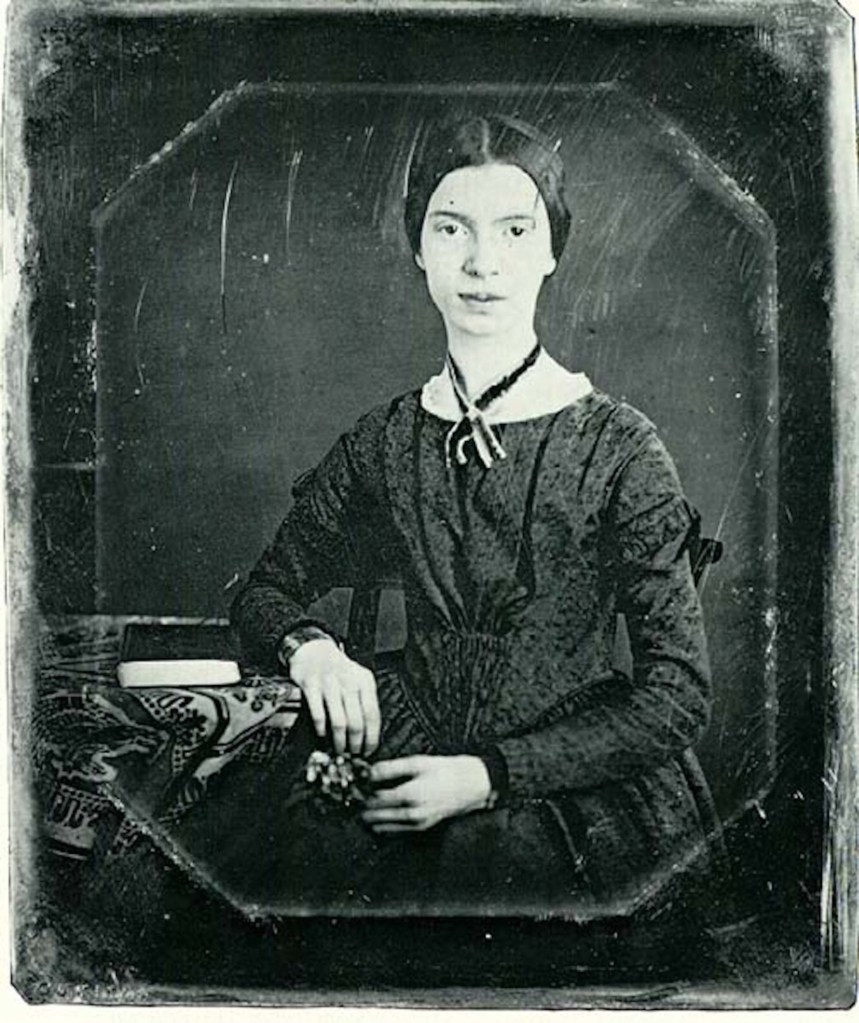
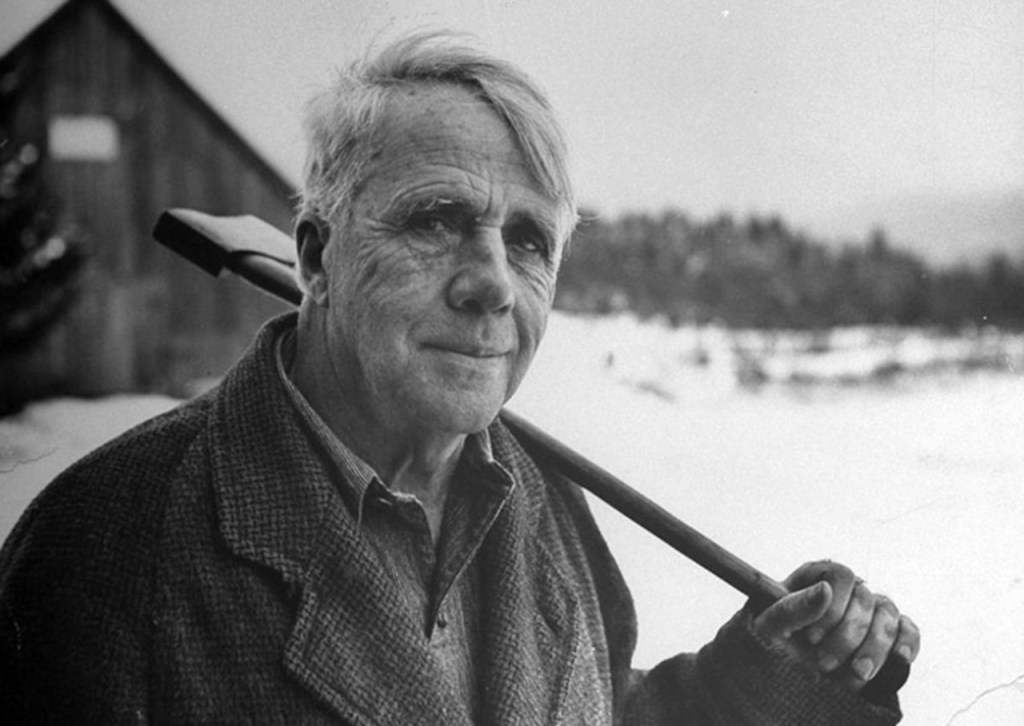


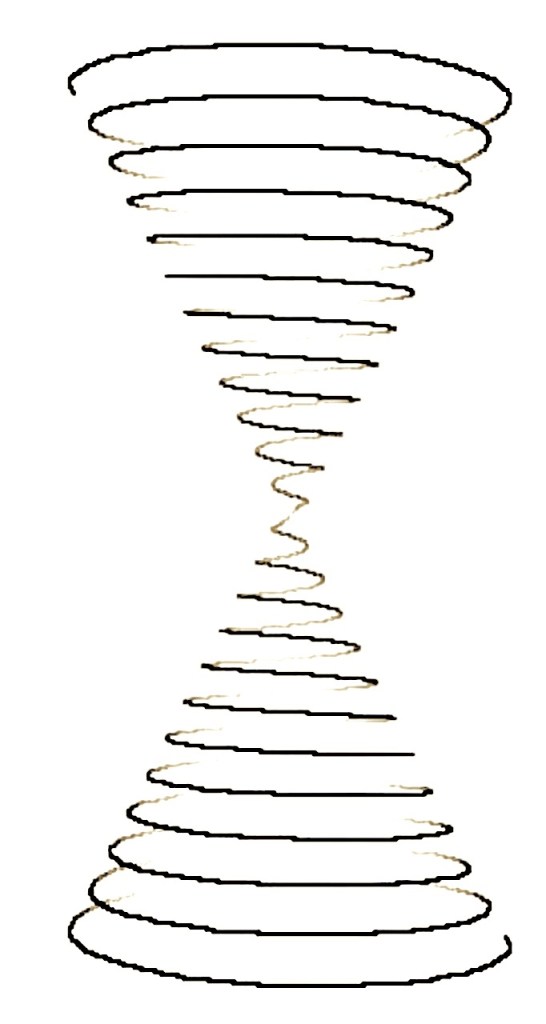

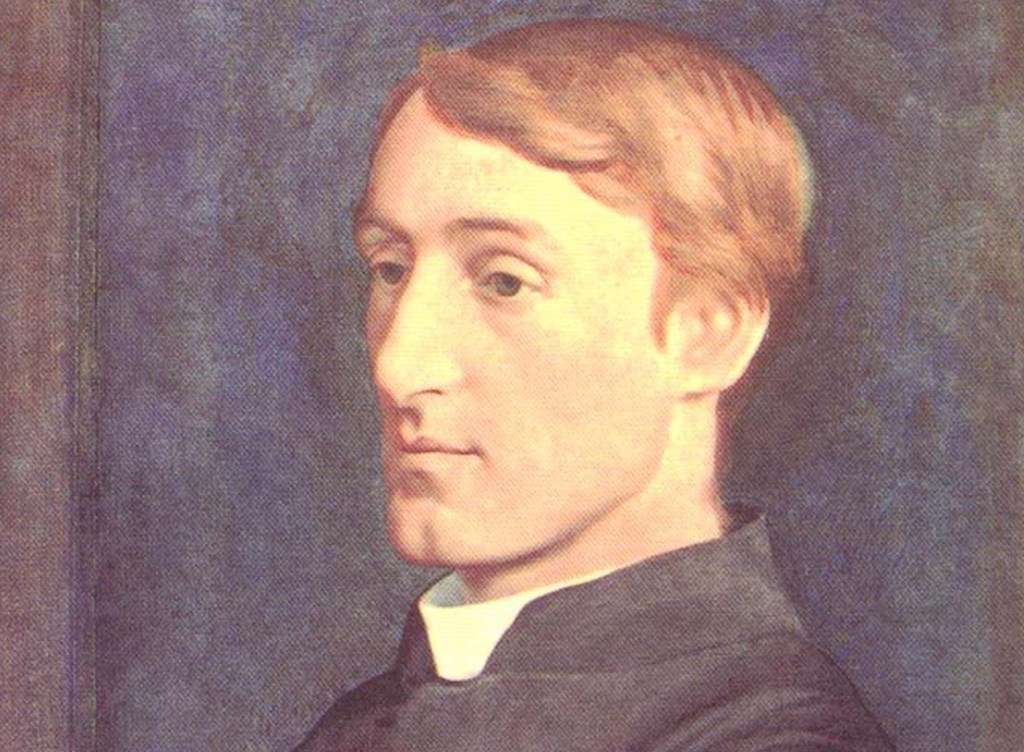
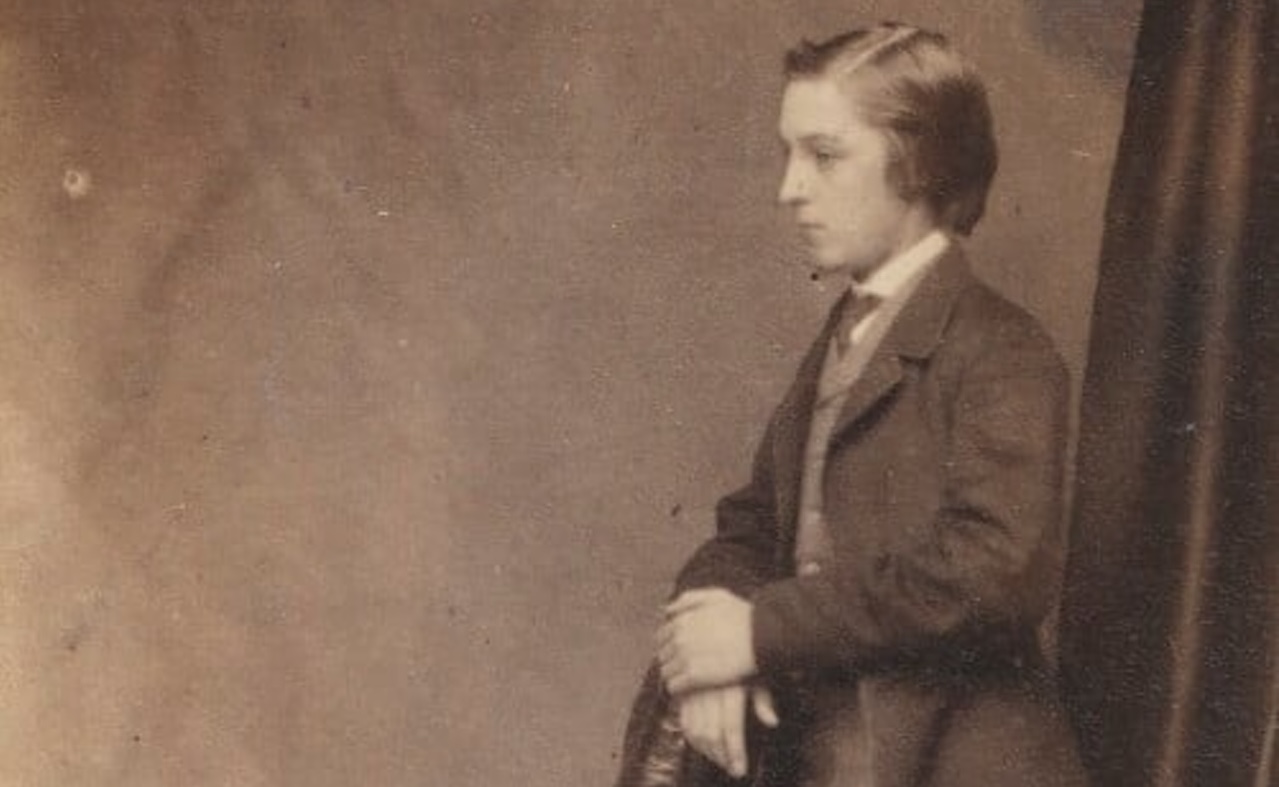
 Linda's Literary Home