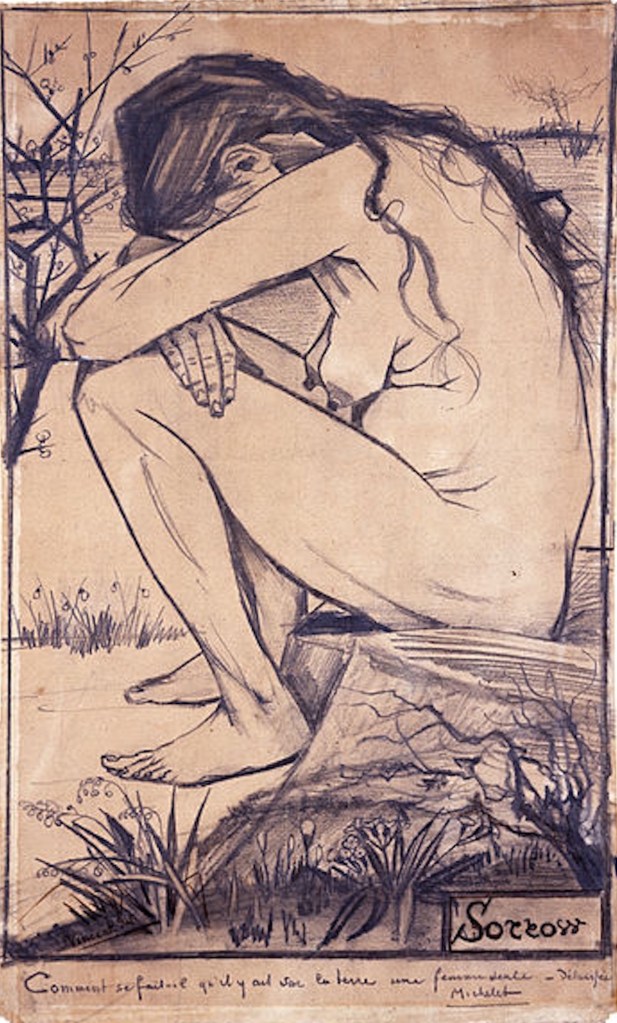
her body and mind withered to whispers balance on the edge of collapse hollowed out shadowed by her hunger to vanish. she scorns the soft arc of flesh chasing instead sharp angles crevices where bones will prove her control. a swollen waist blasphemes against her creed – thighs spilling wide across a chair-seat churn her stomach – breasts rising bold beneath cloth choke her breath. full cheeks stout arms wide hips a budding second chin — all swarm like thieves in the night stripping her joy chaining her days. she’s a captive in a cage she creates — a sparrow swirling in a gale. scales and measures are not useful tools but tyrants commanding her to fast. she has carved her flesh to the bone yet one phantom of flesh lingers tilting the cruel glass that hurls her reflection back in her face with a relentless chant: just a fraction slighter – just a bit smaller just a breath thinner – just bit thinner just a fraction slighter – just a bit smaller just a breath thinner – just bit thinner & then her life will be in order.
Greenpeace cries, “Save the earth!” A university cop stopped me last night And gave me a ticket for speeding. Trying for a bigger bust, this soldier In the war on drugs took aim, firing His trusty service questions:
Are you drunk? No. Have you been drinking? No. What have you been drinking? Nothing. Uh, water. Are you high on drugs? No. What drugs are you on? None. Are you high on any drugs? What have you been smoking, toking, popping, dropping, snorting, shooting-up. . . ? Are you stoned, ripped, high, wasted, plastered, high, shit-faced. . . ? No. Nothing. No. Still buzzing with suggestions, The man tests my sobriety: walk the center line, Follow my finger, let me poke your eyeballs with my flashlight.
The Breathalyzer reads no alcohol. Humphing a grimace, our protector yanks off the plastic mouthpiece And slams it on the ground.
An Orphic Oath: To Enshrine a Standard of Excellence for Poets
Beginning poets should be required to take a vow equivalent of the medical “Hippocratic Oath.” If poets could be held to a standard of excellence, less doggerel would plague the literary world.
A Hippocratic-Style Oath for Poets
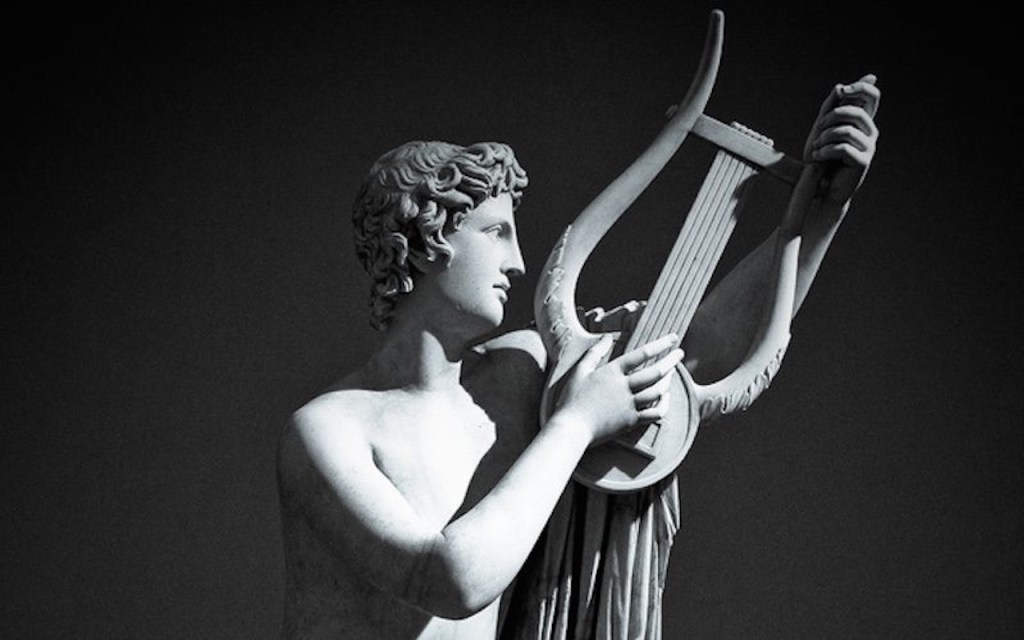
The Hippocratic Oath [1] is a covenant between the beginning physician and his profession regarding his conduct with patients. Perhaps such an oath for poets could be called an “Orphic Oath,” after Orpheus [2], the mythical father of music and poetry, who descended into Hades and then returned to Earth.
If beginning poets were required to take a vow equivalent of the medical “Hippocratic Oath” and, therefore, could be held to a standard of excellence, less doggerel would plague the literary world.
While all poets, established or aspiring, could benefit by adhering to a standard of excellence, it is the beginning poet who could most benefit from taking an artistic equivalent to the physicians’ famed “Hippocratic Oath.”
Does Poetry Make Sense?
Poets require standards. Many novice poets believe that anything that occurs to them to spew across the page in lines shorter than prose should be regarded as poetry. And many novices are convinced that poetry does not make sense and should not.
They think that words in poems always have altered meanings: light never means light, dark never means dark, smile never means smile—but must be interpreted or translated into some meaning that never approaches the literal meaning of the word.
For far too many beginning wordsmiths, words in poems take on a magic spell that renders them so other worldly that only the expert poetry reader or teacher can ever really understand them.
During my stint at Ball State University as an assistant professor teaching English composition, I discovered that some students thought of poetry as a discourse that could mean anything they wanted it to mean. And others believed that only the teacher could tell them what it meant; most students believed that as students could never figure it out for themselves.
As I was walking across the Ball State University campus, outside Bracken library, I heard a young woman remark about her composition professor, “She says my writing doesn’t make sense. But I write poetry and it’s not supposed to make sense.”
That remark told me a lot about many students’ attitude toward poetry. Many students begin with notion that poetry is “not supposed to make sense,” while others believe that somehow it might make sense to a teacher.
Aspiring Poets Need to Know Better
It is understandable for general studies students to begin with inaccurate beliefs about poetry, but by the time a young person has decided to write poetry, it seems that that aspiring poet would know better.
One wonders which poets such future poets admire. But the sad fact is that many would-be poets likely do not admire any poets, because they have never actually read and studied any poets or poems.
Another immature yet wide-spread belief about poetry usually held by those who have moved to a mid-level stage but who have not yet learned enough to remain humble is that to explicate, analyze, or otherwise comment upon a poem is to diminish its value as a poem.
That mistaken idea also stems from the notion that words in a poem always mean other than their literal meaning. These mid-level beginners hold that critical commentary on a poem turns out the light that mystically shines from the poem left unscrutinized.
If you are a beginning poet, or a mid-level beginner—even seasoned, published poets could benefit from this oath—you might do well to consider the following oath, which I have refashioned, based on the Hippocratic Oath to which physicians swear at the beginning of their careers:
As I [state your name] engage in my career as a poet, I solemnly swear to remain faithful to the tenets of the following covenant to the best of my ability:
I will respect and study the significant artistic achievements of those poets who precede me, and I will humbly share my knowledge with those who seek my advice. I will dedicate myself to my craft using all my talent while avoiding those two evils of (1) effusiveness of self-indulgence and (2) pontification on degradation and nihilism.
I will remember that there is a science to poetry as well as an art, and that spirituality, peace, and love always eclipse metaphors and similes. I will not bring shame to my art by pretending to knowledge I do not have, and I will not cut off the legs of colleagues that I may appear taller.
I will respect readers and ever be aware that not all readers are as well-versed in literary matters as I am. I will not take advantage of their ignorance by writing nonsense and then pretending it is the reader’s fault for not understanding my disingenuity. Regardless of the level of fame and fortune I reach, I will remain humble and grateful, not arrogant nor condescending.
I will remember that poetry requires revision and close attention; it does not just pour out of me onto the page, as if opening a vein and letting it drip. Writing poetry requires thinking as well as feeling.
I will continue to educate myself in areas other than poetry so that I may know a fair amount about history, geography, science, math, philosophy, foreign language, religion, economics, sociology, politics, and other fields of endeavor that result in bodies of knowledge.
I will remember that I am no better than prose writers, songwriters, musicians, or politicians; all human beings deserve respect as well as scrutiny as they perform their unique duties, whether artist or artisan.
I will not rewrite English translations of those who have already successfully translated and pretend that I too am a translator. I will not translate any poem that I cannot read and comprehend in the original.
If young poets treat their art as a trust between themselves and all they hold sacred, they will gladly follow this covenant and represent their chosen art gracefully and successfully.
Supporting Yourself by Writing Poetry
Aspiring poets needs to be aware that making a living solely by writing poetry is unlikely. They will, therefore, need to support themselves by other means, at least until they can ultimately parlay their literary reputations into full-time writing. An example of a contemporary poet who was able to parlay that reputation is Dana Gioia [3].
Sources
[1] Editors. “The Hippocratic Oath.” Greek Medicine. National Library of Medicine. First published: September 16, 2002. Last updated: February 7, 2012.
[2] Editors. “Orpheus.” GreekMythology.com. Accessed September 29, 2023.
Image: SRF Meditation Gardens in Encinitas CA – Photo by Ron W. G.
“Forget the Past”: A 10-Sonnet Sequence
Forget the past. The vanished lives of all men are dark with many shames. Human conduct is ever unreliable until man is anchored in the Divine. Everything in future will improve if you are making a spiritual effort now. —Swami Sri Yukteswar in Paramahansa Yogananda’s Autobiography of a Yogi
When one finds oneself harboring deep regrets for past behavior, thus stewing a pot of hot sorrow, regret, and remorse, Swami Sri Yukteswar’s words of truth about the human condition work like a soothing balm to calm to mind and cool the nerves.
1 Forget the past—its darkness rattled in shame
Forget the past—its darkness rattled in shame, Where myriad men have wavered, losing their way. The moves of minds, like cattle, are prone to stray, Not anchored to Truth, they lose their rightful name. In darkness through tales of time, no one can claim A clear path as night turns into day. But then the heart can choose a better way— Seeing Light, no daftness dare to cause blame. O venture forth! For present time is holy and clear, A door through which the saner world may rise. Each step with faith lightens the heft of fear, And heralds the soul to ever-brightening skies. Future bliss commences in present grace, As humankind with God all erring ways replace.
2 Forget the past, where shadows veil the soul
Forget the past, where shadows veil the soul, Where faded lives in shame and darkness dwell. Wavering human hearts are apt to fall, Drifting aimless till Divine Reality swells. The pressure of old flaws must not control, Grace redeems though mortal steps rebel. Future light is waiting, where hopes unroll, As each soul rises for in heaven to dwell. Now is the task: to pursue the holy flame, To labor with faith, to trust the Unseen Guide. Each striving creates a path to higher aim, Where peace, truth, and love in sacred light abide. So forsake all the ghosts of past blame, Allow your soul with the Father’s own will to reside.
3 Forget the past: the shadowy, departed days
Forget the past: the shadowy, departed days, Where legion lives hide obscured in silent shame. The efforts of humankind, unsettled as a flame That flickers, wavering inside a slate-gray haze. Hearts, untethered, waft on and on in unsure ways. Each life like a compass spinning, never fixed the same. Hope yet remains, calls hearts and minds to reclaim A stead-fast course, where loftier purpose stays. Only when the soul is fixed deep Within the sacred, ever-living Light Can human conduct rise above the changing sand. The future’s promise remains bright to keep, Born of striving made in spirit’s sight— A fresh beginning will allow the soul expand.
4 Forget the past: Leave all that lies behind
Forget the past: Leave all that lies behind, Shadows that cling, darkness understood, Vanished lives, a sad humankind— All lie veiled in ignominy, a dense brotherhood. Human steps on shifting sands take flight, And self-trust remains fragile, apt to fall, Until the soul rises to purer light, And harbors firm where grace embraces all. All all memory to remain and be, To remember from past somber wisdom lend, A clear reminder of our vanity, And that upward striving brings our blissful end. Then the future will create a brighter scene, If the heart and mind on spiritual effort lean.
5 Forget the past: disavow the shadows of yesteryears
Forget the past: disavow the shadows of yesteryears, Where shame infuses the deeds of mortal men, Gain for the soul that searches, with bitter tears, The road to grace where light will shine again. Unsure is the heart, a wavering reed, Until bound fast to heaven’s endless love; Yet hope does bloom where faith’s true seed Is sown with care, blessed by the stars above. The future’s promise arrives for those who strive, With soul toiling to mend what once was torn; Each step toward God renders fleeting joys revive, And colors the dawn where new dreams are born. So fling aside the dark, enfold the fight, For in seeking God, all wrongs turn right.
6 Forget the Past: let not ghosts of dusk to remain
Forget the Past: let not ghosts of dusk to remain, Do not let regret douse the morning flame; The storms of time have hollowed out joy and pain, Yet the soul still exists beyond all name. The past is only a dream and stars forget, Like a cloud liquefying in dawn’s tranquil breath; What holds us now are ropes of karma yet— But even such bindings unravel before death. Unmoored, we become tossed in shifting tides, But one strong cord connects to what is true; In stillness where the cosmic whisper hides The soul will rise in light when we break through. Hie inward now—the veil of maya becomes thin: The truth we seek always waits within.
7 Forget the past, steeped in shadowy shame
Forget the past, steeped in shadowy shame, Where vanished lives dark with error dwell. The vagabond human heart, untethered, apt to fail, Unsure, unguided as the winds that shift and swell. Yet in Divine Reality, an anchor steadies the soul, A steady guide through tempests of the will. No act of humankind endures, no human skill, Unless by grace its source divine truth fulfill. Peer ahead now—allow spirit’s zeal to ignite, For every seed of effort sown in faith shall bloom. The future’s hope, secured from earlier gloom, Will surely rise as love and righteousness unite. So travel on, O soul, the path to seek the eternal flame, And secure in the Heavenly Father the will to overcome.
8 Forget the past, where shadows veil the mind
Forget the past, where shadows veil the mind, Where faded lives and shames still haunt the soul. Let the chains of memory be completely left behind. Only in present time exists the goal. The heart adrift is half-hearted, not whole. Human deeds waver and are swept by tide. Only in Divine Reality does one know control— A reliable harbor where our hopes reside. If now, with genuine spirit, we confide In heavenly aims and search for the inward light, The future’s path will remain open, clear and wide, And every day grow brighter than the stars of night. So move forward, allowing the soul’s true course be steered: In today’s effort, all strife and darkness are cleared.
9 Forget the past: sadness and errors live there
Forget the past: sadness and errors live there Where folks too often amble blindly. Do not allow regret to dominate your thinking— Concentrate instead on the eternal Light of Truth. Human behavior, without God’s guidance, Is as unstable as a tumbleweed blown by the wind. Without the Divine Reality, we forget our way, Each decision pulls us further into confusion. But the eternal Now remains the moment to grow: Walk with purpose along the path to Blessèd Spirit. This very moment holds the seed of joy, If you choose to walk with Divine Mother now. Through the Grand Reality, your past becomes clear— And your future turns bright and filled with hope.
10 Forget the past: filled with shadows, shames, and scars
Forget the past: filled with shadows, shames, and scars It remains heavy, dark, dampening our lives. Unmoored hearts shift about aimless, lost in storms, Our conduct noise-tossed like the restless wind. The spent lives remind us that we fall, How fragile seems the thread that clasps us tight. But also, this moment keeps a different weight— A chance to enter ourselves into something vast. Let go of the burden of all reckless ways, And turn toward the One Who steadies and sustains. The future bends beneath a stalwart hand, As effort moves us to spirit deep within. Each breath leads the mind and heart toward light and hope, To a life reborn and anchored in the Divine Reality.
Upon a midnight drear, Regret does weep, Her face veiled by locks that downward flow, Her arms encircle knees in silence deep, The weight of years upon her form does show. Her belly, swollen through myriad pains, Her breasts, empty vessels of the past, Her beauty, once a fire, now remains A phantom ember fading, fading fast. Yet, alas! A silver moth upon her palm Rests and whispers secrets of love and light: “You are not cursed, but merely changed by alarm; Within your sorrow wings of hope take flight.” Thus Regret, though battered by time’s cruel hand, Finds grace renewed and learns again to stand.
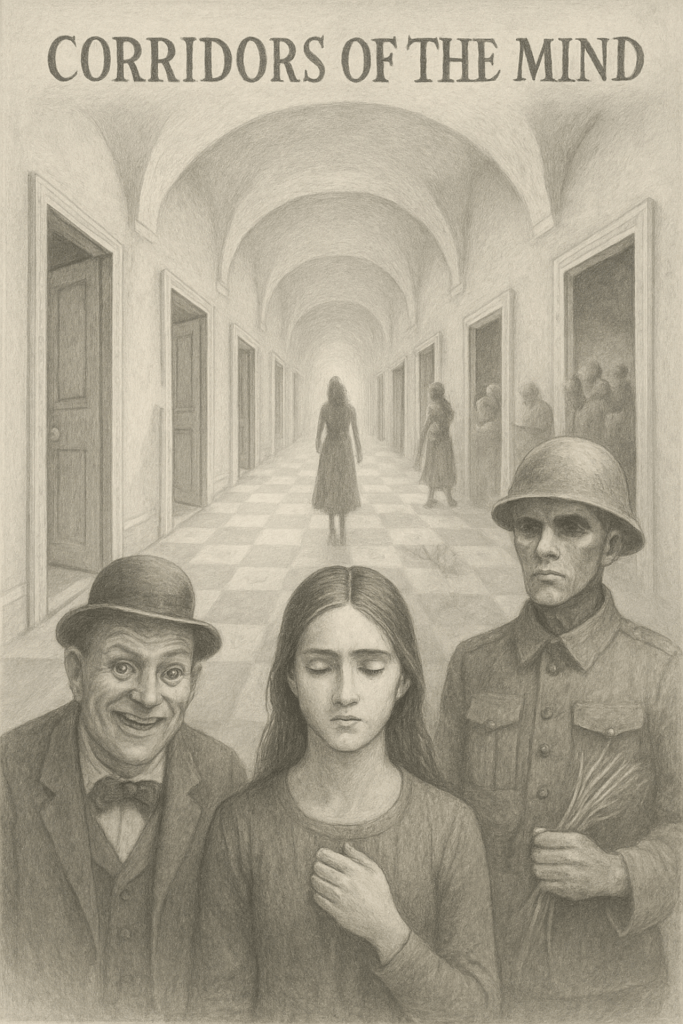
In the heart’s corridor, doors stand ajar, Each begging for touch, blistering the mind. Trivialities in single file align, To fill the hollow scoundrel with desire.
Funny men should not rule this grim bazaar, Where goose-steps march, the brain-dead kind. With straw in hand, they skirt the just, confined, Dealing in drugs, their fate a tarnished star.
Yet she, who spurned love’s slow, sweet sorghum drip, Denies its warmth, her heart a barren plain. Her mother hears “I love,” but words fall thin,
For funky notions find no place to slip. In a blank cathedral, where the marginal reign, Blather and lies stir uproar’s reckless din.
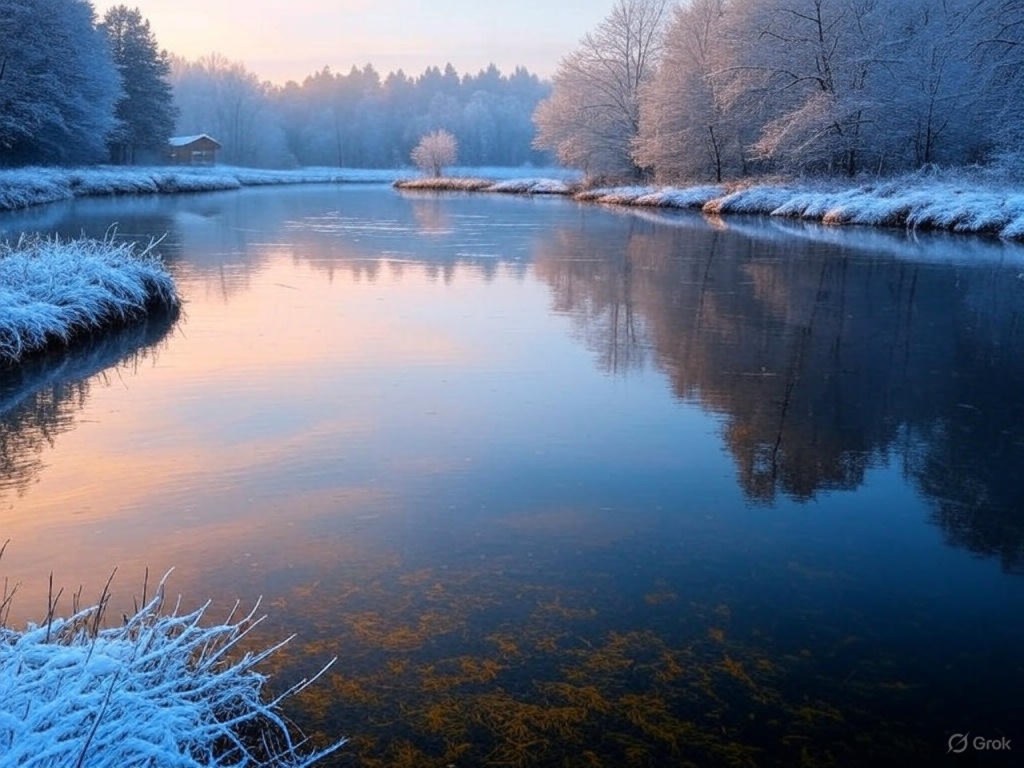
As morning’s breath touches the curtained night, And draws with golden rays the shade apart, My soul, in quiet musing bright, Then weaves a garland fair within my heart. The river’s murmur, in solemn chant before Noontime, calls my spirit to attend; Gray mountains, veiled in mist, my eyes explore, Like mournful shades that round my vision bend. Yet on the bank, where winter’s frost does cling, Sweet blossoms wait to burst into radiant bloom. My smile, a tear, in tender offering, Do fold over lilies’ clock in fragrant room. Thus sways my soul to greet the Divine’s grace, Where morning’s light warms my sacred place.
Sonnet II: Evening’s Starlit Peace
As evening’s quiet veiling falls, my soul becomes a vase, Open to catching the prayers that softly rise. The rain, an avatar, with gentle touch does cause The day’s sharp edge to render my spirit wise. My silver sorrow, breathed in one last sigh, Rises to where starry angels light the hill. Old eyes, now clear, behold the heavens high, Where night’s embrace does every care distill. No tulip dares to flaunt its vivid hue, Without the Gardener’s hand, divine and sure; No soul gains peace, save where the Guide does woo, With promises of love forever pure. So I sway still, in dawn’s or dusk’s soft gleams, To meet my Creator in everlasting dreams.
(Appeared in Manna, West Valley City, UT, Fall 1992)
Fog lifts morning off the pond. A fish flops up out of the water, Fires the early-bird fisherman’s hopes. He sees his pole bend, almost break Against the weight of his haul.
Noon sun bleaches the rocks along the bank. The little girl dips her toe in the shallows Sees her sister crossing the bridge Coming home from town.
The frogs begin around sundown. Their chorus performs long into the night. Campfires rim the edge of the water. Beer shouting dies down around two.
Fog settles night over the pond. Fishermen doze over their fishing poles. The little girl sleeps in the house on the hill. Her sister gets up early To watch the fog lift again.
(A slightly different version of this poem appeared in Struggle, Vol 8 No 4, Winter 1992-93)
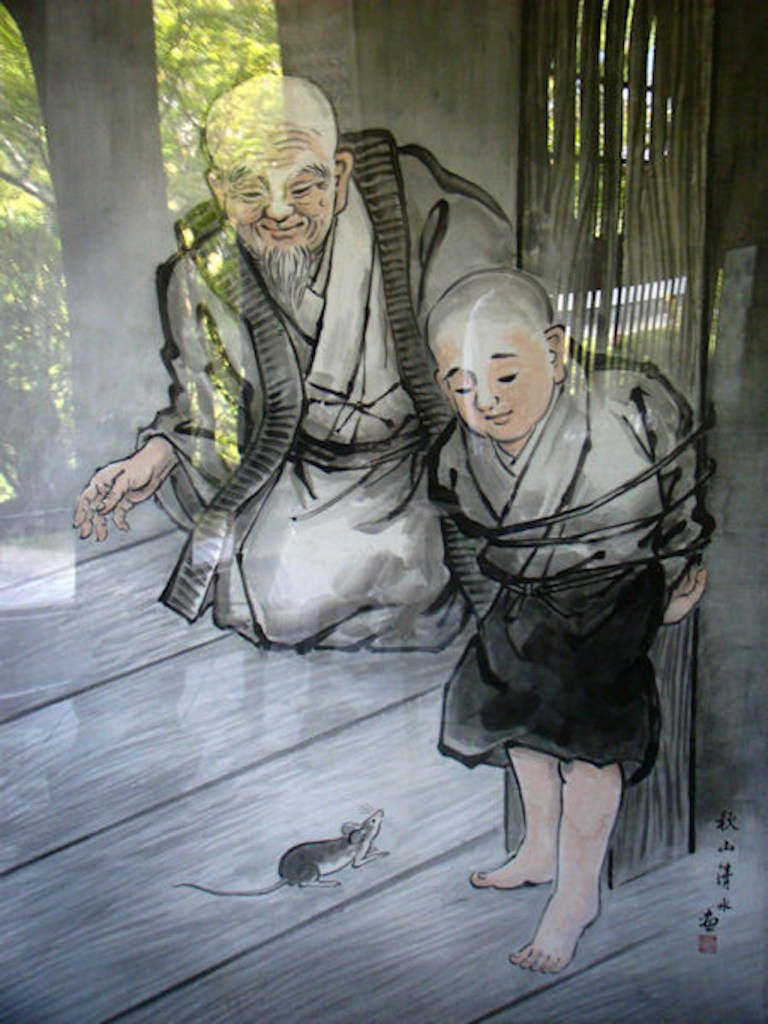
So she warned you about the natural hierarchy: First: White men, Second: White women, Third: Black men, Fourth: Black women And she stands on his blackness with tall heels? And warns you that your granddad Will disown you If you spring off a black baby? And your dad will kill you For calling him friend? What can I say to you? You are a child, battered by bigotry: You are staring in the face of a monster That will eat your heart and spit out the love, If you don’t stare it down. You are walking into a wall That is harder to tear down Than the one in Berlin, You’d better start chipping away now. You are caught in a vice that will squeeze out Your mind and leave you an empty skull, If you don’t push back. You are sinking farther out at sea than the Titanic And without a lifeboat, You’d better become a tireless swimmer. You are chained to a stake whose root Shoots out the other side of the earth, Better learn to see visions in the dirt like Sesshu. In this world, there are those who split their souls Into hate-fragments. They cannot know love As long as gravel bitterness rattles in their hearts. One foot is out the door waiting for the other to follow: Even if your heart has to bed down on the porch,
See that your mind escapes that prison house Or else your soul will be the final victim.
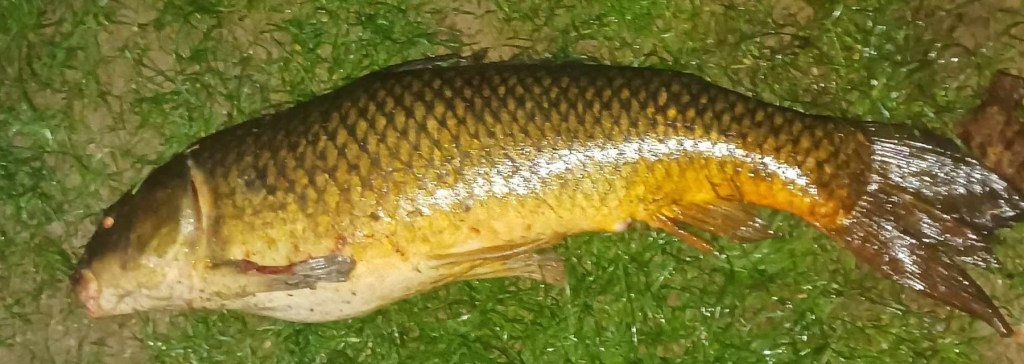
The nightmare repeats itself: A daughter clamped tight to each foot Pulling her down under The brute waters of her biggest lake; She gasps, Imagines she’s drowning While her husband watching from the bank Keels over from a heart attack. A colossal carp looms under her nose; She smells blood Dripping from a dozen hooks dangling From his mouth. His eyeballs slide out easy As the drawer of a cash register. Each eye-socket a window To her own soul — $ bills With little jackpots on them Jump up and dance like clowns Poking out their tongues, Flapping campaign signs With hammers, sickles, swastikas — She believes yes she can. Morning shivers her awake again, Stumbling to the bathroom Where the mirror flashes In her face that same ugly carp That has been catching her dreams And throwing them back As she chases each $, Never quite able to grasp enough.
Again, the nightmare begins: A son clamped tight to each foot Pulling him down under The brute waters of the river; He gasps, Imagines he’s drowning As his wife stands on the bank Shaking a canoe paddle. A colossal flowerhorn blooms from his nose; He spews blood Imagines a dozen hooks dangling From his mouth. His eyeballs slide out Searching the reaches of a netherworld. Each eye-socket a window Of some monster’s soul. His pink fins twirl and become knives. A yellow finch pecks at his first son’s ears A green finch pecks at his second son’s eyes. He cannot feel his hands Asleep on his pillow behind his head— He snores but does not wake Until morning blasts of sunlight pierce the window. Stumbling to the bathroom Nearly falling over the calico cat He turns on the shower tap And is relieved again that The liquid is water and not blood— A quick glance in the mirror, And the colossal flowerhorn blooms again from his nose. He is ready to shower now.
The nightmare repeats itself: Her house clamped tight to her right foot Her car to her left pulling her down under The brute waters of a big pond Way out in the middle of nowhere.
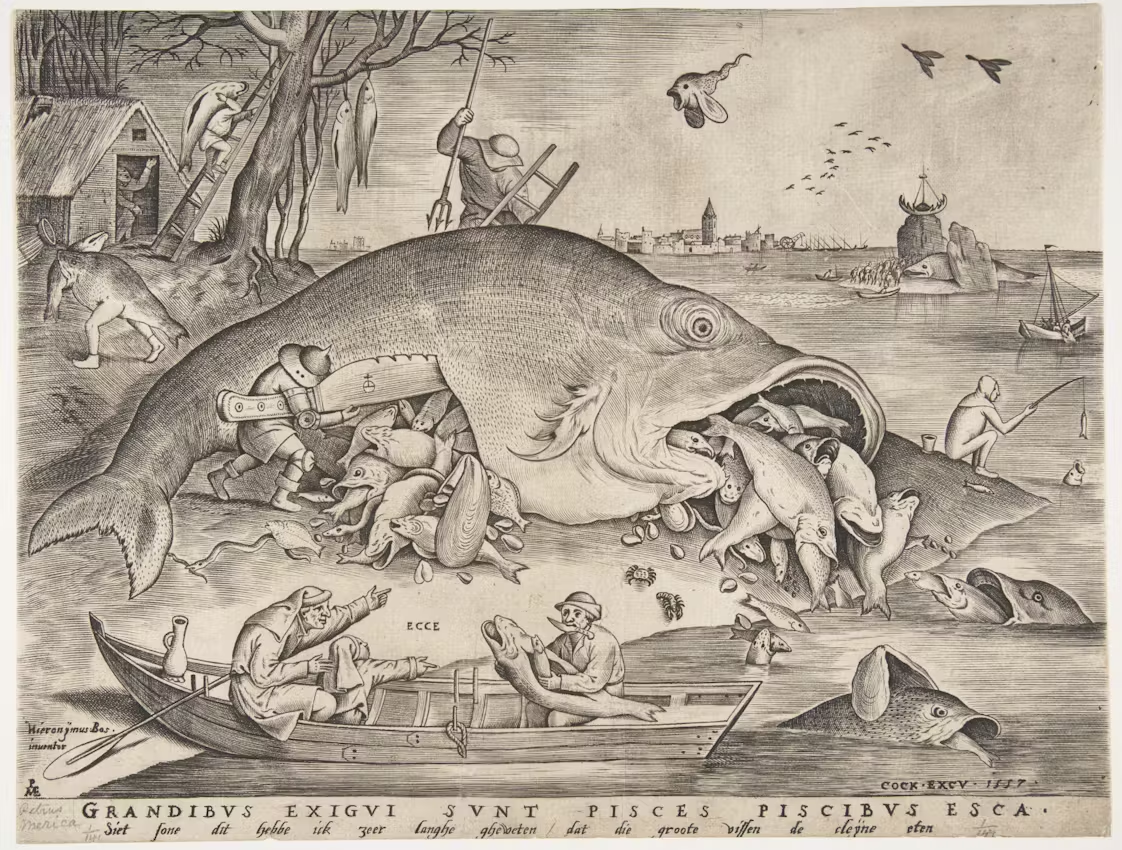
She gasps, Imagines she’s drowning While a vagrant lifts the cover Of the water peeking at her. A huge fish looms under her nose; She smells blood dripping From a smaller fish hanging Out of his mouth. His eyeballs slide out easy As the drawer of a cash register. Each eye-socket a big government Window to her pain: losing her $ bills To statist minnows gliding in And out of those windows. On the slippery bank Taxes, gasoline, and the price Of beans and rice Rocket beyond the blue of blues. Morning shivers her awake, Stumbling to the bathroom Where the mirror flashes In her face that same enormous fish That keeps catching her dreams And throwing them back As she struggles for each $, Never quite able to grasp enough.
Image: “Big Fish Eat Little Fish,” engraving, by the Flemish artist Pieter van der Heyden after Pieter Bruegel the Elder. The engraving is signed with the name of Hieronymus Bosch, who was dead when the engraving was produced. The engraving was likely the work of Pieter Bruegel the Elder. Dated 1557. 9 x 11 5/8 in. (22.9 x 29.6 cm). Image courtesy of The Metropolitan Museum of Art, New York.
III Third Movement
ilk & counting
a postmodernist masque for robert bly & that ilk; after a poetry workshop on translation, Ball State University, 1977
ephemeral saxifrage blowing through field after field
somewhere iron robert translates heaven into fog
ripening to scant scent fruit twirling into a whirl
even iron robert cannot bend the wind
stars back-biters bromides rock rock in barrel
where does iron robert keeps his semi-colons
after barrel somewhere a magic bee stood on green pollen
owed to “a liberal sprinkler of semi-colons and half parentheses” in PCish & some text-talk
s/he recognizes sewer talk when s/he talks it & ever since that useful little tool presented itself in cyber-space, s/he’s employed its dots and hooks to mitigate the vile vermin of her/is own verbiage.
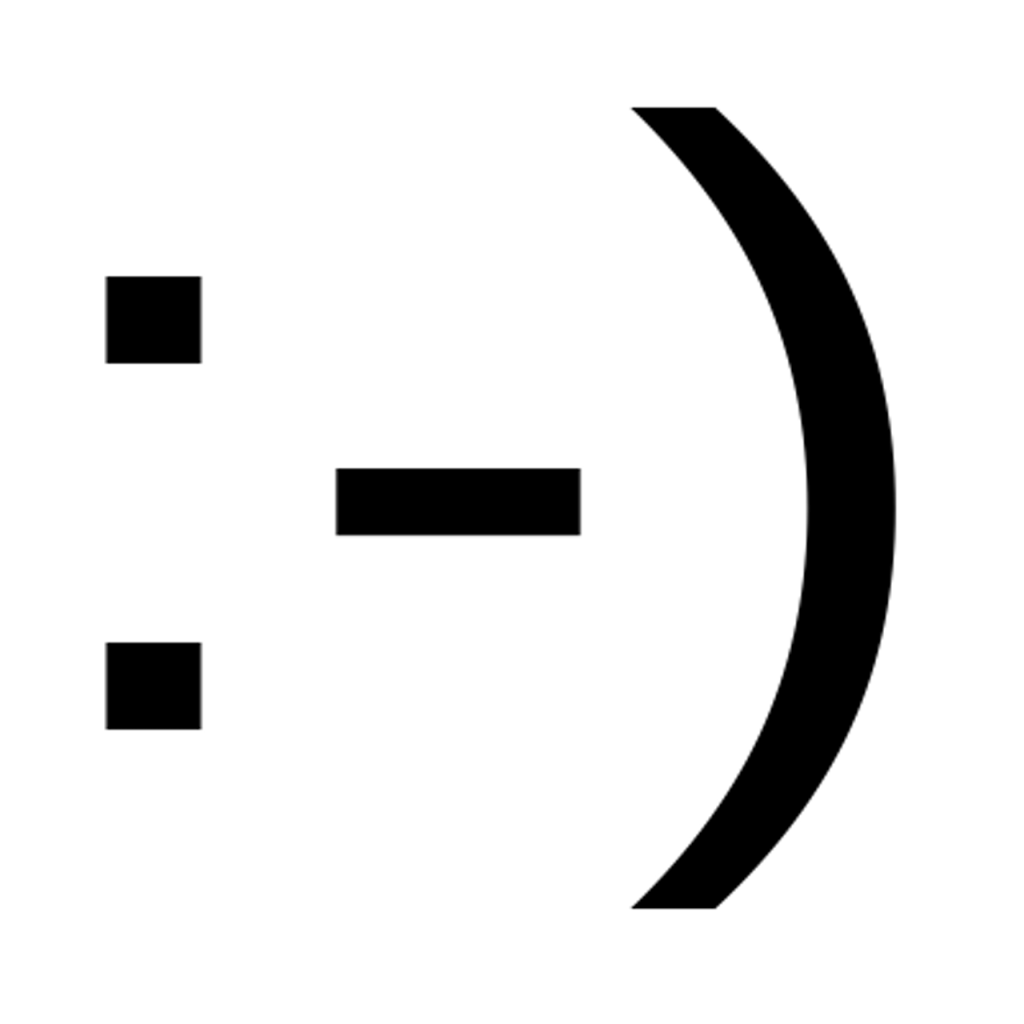
wanna call someone a slut :) stick a smiley face next to the sticky word & the slut will think U’v praised her/is slut choices & thus are willing to pay for her/is slut supplies.
wanna smack down that stuck up sibling ;) give him/er a smiley face winky-dink while U tell him/er how much smarter ur mom thought U were. s/he’ll think u r just kidding ;) Ha! Ha! Ha! :0)
wanna deliver a solid fist to the solar plexus about animal molestation, child battery, incest, etc . . . & make it seem like a tap on the wrist— U guessed it, a trusty little :)
nothing is off limits to the liberal sprinkler of semi-colons & half parentheses. good grief! s/he could even express sorrow :( if sewer talkers ever felt that emotion.
NOTA BENE: No PC in the following stanza . . .
Advice to the emoticonned: Words matter. Only Words matter. Look at the words. Emoticons are just that, cons. Make Connie know you are on to her.
for S. B., swooning as Auden sings, “O stand, stand at the window As the tears scald and start; You shall love your crooked neighbour With your crooked heart.”
“False words are not only evil in themselves, but they infect the soul with evil.” —Plato
“A lie can travel halfway around the world while the truth is putting on its shoes.” –Mark Twain
The nose grows longer As each lie grows easier to tell: She swears through straight, but yellowing teeth, “I can’t recall that.” Of course, if she can’t re-call it, She never called it at all. She can’t remember A thing about all those cheap shots she took At you when you were kids. She can’t remember Calling you a bimbo and then insinuating you Might have aids. Or telling a dying grandmother that you Were dying of bulimia. No, she will never remember Her bald-face brazen lies! Bait and switch: “I was not referring to myself But to society in general. Personally, I find nothing wrong with her marrying Another woman. Maybe a little creepy, But nothing wrong, nothing at all!” All the while claiming to possess an open mind And soft heart for all humankind, regardless Of how different “they” are from “us.” Flame-throw and run away: He’s taking an overload this semester, He’s working 36 hours at the Student Union, He’s taking his sister to ballet, And his mom to cardiac therapy— But only after he’s deep in deficit Of making the case to support His latest whopper—leaving you Wondering why/how the conversation Went on as long as it did.
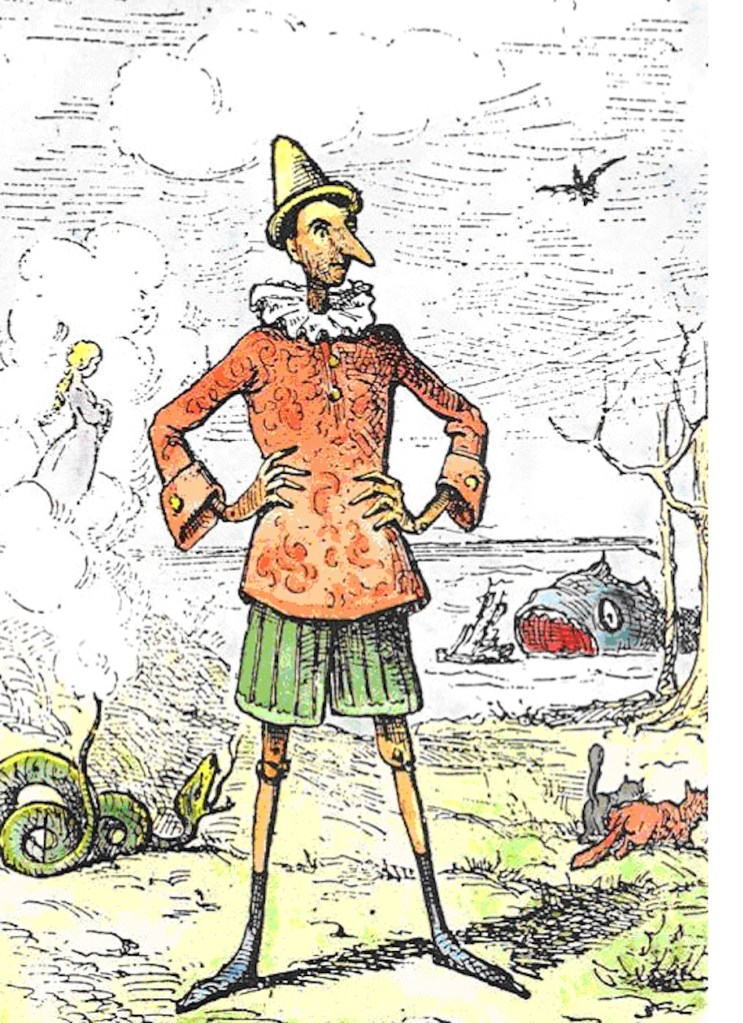
Break it off, break off Pinocchio’s nose, And close the gates of your attention.
Image: Pinocchio by Enrico Mazzanti (1852-1910) – the first illustrator (1883) of Le avventure di Pinocchio. Storia di un burattino – colored by Daniel DONNA
V Fifth Movement
“Vengeance is mine; I will repay, saith the Lord.” —Romans 12:19
Dr Frankenstink Crafts His Whimsy
Fixated on fashioning life With unliving things, he Falls in love with Whimsy, Codifies her, imbues her With the stench of personality That he can sleep with Without sleep cocking her To unconsciousness.
Rummage, rummage the trash heaps, The garbage bins, the dumps, And rotting flow of swill and sewage:
Whimsy takes her ungodly shape—
Big cardboard box head Empty except for butt Of chamber pot for mouth Needle-nose pliers for a snout Cash register $ $ for eyes.
Short stature in height But makes up for it in width. Mold-speckled cabbage leaves cover Her big cardboard box head Broken wine bottles about her neck Her huge tree-stump legs mock The act of walking Flea collar of rabid dog around each wrist Barrel-drum arms that rub against Shag fecal-smattered carpet glued Against her sides Faking a dress, monstrous cum-stained sheets Swaddle her middle region—more an equator than a waist— Drooping down over the stumps, flowing with blood and urine Onto the ground.
Dr Frankenstink loves his Whimsy, Locks her in his arms, croons to her A misbegotten lullaby that reminds him Of his murdered fiancée, after her last abortion.
Before he went down by the river And put a bullet in his heart, The youngest brother Left books on his bed—books Opened to marked passages. He left those marked passages To speak to us after he had passed. But the oldest brother closed His brother’s message Before we could read it. Was he embarrassed? From what did he mean to spare us? What insight did he gain into the deed That made him need To hoard that knowledge?
The oldest brother wanted to believe That someone else killed the youngest brother. He said that way he could wade the grief Without the guilt.
The middle brother stood and stared and wept.
The eldest did let us know That at the top of the page of a song lyric, The youngest had inscribed the date—May ——, 19—— His last day down by the river.
The youngest brother must have known About empty spaces; he must have known That the bullet that stopped his heart Would shatter more than a mere muscle,
And so he left us messages — But the oldest brother . . . —