Arna Bontemps’ speaker makes a statement about three classifications of humankind, employing subtle but bitter irony to further his point of view.
Introduction with Text of “God Give to Men”
Arna Bontemps’ “God Give to Men” disguises its bitter irony in a prayer, in which the speaker seems to be asking God for certain gifts for each of three classifications of human beings: “the yellow man,” “blue-eyed men,” and “black man.”
The speaker’s subtle but bitter irony reveals his contempt as he actually denigrates two of classifications. The speaker does not reveal explicitly to which classification he belongs. Thus, readers are given some latitude to interpret the significance of each gift the speaker wishes to bestow on each class of men.
An interesting thought experiment might include reading the poem from three different perspectives. That is, if the speaker is a “yellow man,” what do his gifts to that class mean? Also, if he is one of the “blue-eyed men,” how does that change the significance of each gift? And if he is a member of the “black man” classification, how might that impact his choices?
The Weakness of Stereotyping
It should be noted that the speaker engages heavily in stereotyping for all three classifications. Such a weakness could encourage the thought that this speaker does not belong to any of the classifications to which he is referring; for example, perhaps he is a red man or a brown man of Hispanic or Middle Eastern heritage, or perhaps he is an Indian from India.
By stereotyping each classification of man and men, the speaker offers nothing of substance regarding each, but the question does arise regarding the possible animus he holds for certain of the classifications.
Singular vs Plural
Interestingly, the speaker refers to the first classification as “the yellow man,” while designating the second group as “blue-eyed men.” Then he returns to the singular for the third group. That distinction from singular for the “yellow man” to plural for the “blue-eyed men” and then back to singular for the “black man” offers an issue for interpretation.
Might pluralizing the “blue-eyed” indicate the speaker’s level of familiarity with that group? Perhaps he simply finds the plural more rhythmic in its employment of pronouns. Or perhaps, it a simple rookie mistake. Such distinctions remain for each reader to decide.
God Give to Men
God give the yellow man an easy breeze at blossom time. Grant his eager, slanting eyes to cover every land and dream of afterwhile.
Give blue-eyed men their swivel chairs to whirl in tall buildings. Allow them many ships at sea, and on land, soldiers and policemen.
For black man, God, no need to bother more but only fill afresh his meed of laughter, his cup of tears.
God suffer little men the taste of soul’s desire.
Commentary on Arna Bontemps “God Give to Men”
In this poem, the speaker puts on display stereotypes that he holds regarding three classifications of humankind. His evaluation of each classification becomes apparent through the gifts that he asks the Creator to bestow on each.
First Stanza: The Yellow Man
God give the yellow man an easy breeze at blossom time. Grant his eager, slanting eyes to cover every land and dream of afterwhile.
In the first stanza, the speaker asks God to grant “the yellow man” gentle winds as he engages his “slanting eyes” observing the beauty of “blossom time.” He then asks that this yellow man be afforded the prescience to peer into the “afterwhile.”
The two gifts that the speaker is asking from God for the “yellow man” reveal two stereotypes that Westerners entertain regarding their Eastern brothers and sisters. The first gift of “an easy breeze at blossom time” shows that the speaker has been influenced by Japanese and Chinese fine paintings that depict delicate “blossoms.”
In his second gift to the “yellow man,” the speaker is engaging the stereotype that assumes all Asians adhere to the tenets of reincarnation and karma. He wishes God to grant this Eastern man the ability to see with his “slanting eyes” “every land and dream / of afterwhile.”
The magnanimity of both these gifts, however, is diminished by the mere fact that both gifts are based on stereotypes, not the individual heart-felt desire that each human being be given appropriate gifts from God.
But the insincerity of these stereotypical gifts becomes more than merely trivial. The speaker is denigrating the yellow man for engaging in the mere frivolity of light sense pleasure; that “easy breeze at blossom time” thus competes with more important life-sustaining vital gifts that the speaker could have assigned the yellow man.
Note also that a poet writing today would be pilloried for using an expression such a “slanting eyes” to refer to an Asian individual—that is, unless that poet is of the ilk of LeRoi Jones, aka Amiri Baraka or Arna Bontemps.
Second Stanza: The Blue-Eyed Men
Give blue-eyed men their swivel chairs to whirl in tall buildings. Allow them many ships at sea, and on land, soldiers and policemen.
For the “blue-eyed men,” the speaker asks that God give them skyscrapers with office equipment, as well as mighty navies and armies with “soldiers” as well as “policemen.” Again, as with the yellow man, the speaker employs a mere stereotype to designate which two gifts he thinks God should grant. The first gift that God should grant the blue eyes is the comfortable chairs in office buildings that are tall.
The speaker is presenting the stereotype that blue-eyed men are materialists who work in offices with “swivel chairs” in “tall buildings.” The second gift of vast military force and police officers again stereotypes the “blue-eyed men” as interested only in power and force.
By honing in on these two particular gifts instrumental in the use of force, the speaker reduces those men with blue eyes to power hungry monstrosities. As this classification is much less of a protected class in the 21st century, the poet writing today could get away with much more invective stereotyping even than this one.
Third Stanza: The Black Man
For black man, God, no need to bother more but only fill afresh his meed of laughter, his cup of tears.
The speaker then asks God’s gift to the “black man” be nothing special—just let him laugh plenty and cry as needed. This classification dictates that it suffer the other classes to precede it, as this classification remains humble. But the humility remains a mere façade as the bitter irony of the speaker’s requests has demonstrated his scant knowledge of all three classifications.
A stereotype can describe only a surface level of qualities, for example, the notion that black people all have rhythm and love watermelon and fried chicken becomes ludicrous after observation of real individuals forming this classification. Yet, less obnoxious stereotypes are just as insidious, as they stand in for individual knowledge and mask ultimate reality.
Fourth Stanza: Suffering Their Desires
God suffer little men the taste of soul’s desire.
The fourth stanza consists of only two lines that ask a generalized gift from God. The speaker wishes that each man of each classification “suffer” “the taste of soul’s desire.” Essentially, the speaker is asking God make sure each of these “little men” are afflicted with whatever punishment they deserve for entertaining the desires that they hold.
The speaker has assigned each classification of human beings a “soul’s desire,” but that desire has been determined by a very biased speaker, who holds bitter contempt for his other-racial fellows.
Asking God to grant each group of mankind their wishes, the speaker assumes that the yellow man wants to experience pretty flowers and contemplate the after life and that the blue-eyed men wish to accrue wealth and power.
However, black man needs nothing at all; he remains so humble that all he wants is just to laugh and cry as he sees fit. Thus the speaker is also implying that heretofore the black man has been denied his ability to laugh and cry according to his dictates. But now through his humble prayer, the speaker hopes that God will give these well-deserved gifts, and then all will be right with the world.
Reaping Bitter Fruit
Readers likely wonder what may be the significance of race for the black poet Arno Bontemps. The following poem by Bontemps is one example that demonstrates the poet’s attitude toward race:
A Black Man Talks of Reaping
I have sown beside all waters in my day. I planted deep, within my heart the fear That wind or fowl would take the grain away. I planted safe against this stark, lean year. I scattered seed enough to plant the land In rows from Canada to Mexico But for my reaping only what the hand Can hold at once is all that I can show. Yet what I sowed and what the orchard yields My brother’s sons are gathering stalk and root, Small wonder then my children glean in fields They have not sown, and feed on bitter fruit.
The speaker in the Bontemps “The Black Man Speaks of Reaping” portrays black labor as vast, careful, but undercompensated; the speaker’s harvest is stolen by others, leaving descendants to glean only bitter, inherited injustice.
While Bontemps did not spout bitter personal hatred toward his fellows of other races—as did LeRoi Jones, aka Amiri Baraka—Bontemps did often decry the limitations he perceived that were placed on the black race. He then often expressed his bitterness with irony and satire.
In “God Give to Men,” Bontemps has crafted a speaker, who is demonstrating a bitter attitude directed toward the races of men not his own, and although the piece engages subtle irony, it loses its heft because of the focus on stereotypes.
Image: Percy Bysshe Shelley – Amelia Curran 1819 – National Portrait Gallery, London
Percy Bysshe Shelley’s “The Sensitive Plant”
Percy Bysshe Shelley’s “The Sensitive Plant” features a poetic drama of an Eden-like garden with the mimosa plant and a Mother-Nature-like personification, a presence that tends the garden. After the drama plays out, the speaker engages in a philosophical musing on the meaning of life and death.
Introduction with Text of “The Sensitive Plant”
Percy Bysshe Shelley’s “The Sensitive Plant” plays out in three numbered parts and a conclusion.
Part 1 yields a whopping 28 stanzas: 26 quatrains and 2 cinquains); Part 2 contains 15 quatrains; Part 3 again another whopping 27 quatrains and one cinquain; the Conclusion plays out with only 6 quatrains.
The piece is a rather long 311-line poem with its 74 quatrains, each of which consists of two riming couplets, and three cinquains, each featuring a riming couplet and a riming tercet.
Shelley’s philosophical bent is on full display in this piece. While it portends to describe the mimosa plant, whose leaves will move in response to touch, it also offers a statement about humankind by comparison.
The Sensitive Plant
Part 1
A Sensitive Plant in a garden grew, And the young winds fed it with silver dew, And it opened its fan-like leaves to the light. And closed them beneath the kisses of Night.
And the Spring arose on the garden fair, Like the Spirit of Love felt everywhere; And each flower and herb on Earth’s dark breast Rose from the dreams of its wintry rest.
But none ever trembled and panted with bliss In the garden, the field, or the wilderness, Like a doe in the noontide with love’s sweet want, As the companionless Sensitive Plant.
The snowdrop, and then the violet, Arose from the ground with warm rain wet, And their breath was mixed with fresh odour, sent From the turf, like the voice and the instrument.
Then the pied wind-flowers and the tulip tall, And narcissi, the fairest among them all, Who gaze on their eyes in the stream’s recess, Till they die of their own dear loveliness;
And the Naiad-like lily of the vale, Whom youth makes so fair and passion so pale That the light of its tremulous bells is seen Through their pavilions of tender green;
And the hyacinth purple, and white, and blue, Which flung from its bells a sweet peal anew Of music so delicate, soft, and intense, It was felt like an odour within the sense;
And the rose like a nymph to the bath addressed, Which unveiled the depth of her glowing breast, Till, fold after fold, to the fainting air The soul of her beauty and love lay bare:
And the wand-like lily, which lifted up, As a Maenad, its moonlight-coloured cup, Till the fiery star, which is its eye, Gazed through clear dew on the tender sky;
And the jessamine faint, and the sweet tuberose, The sweetest flower for scent that blows; And all rare blossoms from every clime Grew in that garden in perfect prime.
And on the stream whose inconstant bosom Was pranked, under boughs of embowering blossom, With golden and green light, slanting through Their heaven of many a tangled hue,
Broad water-lilies lay tremulously, And starry river-buds glimmered by, And around them the soft stream did glide and dance With a motion of sweet sound and radiance.
And the sinuous paths of lawn and of moss, Which led through the garden along and across, Some open at once to the sun and the breeze, Some lost among bowers of blossoming trees,
Were all paved with daisies and delicate bells As fair as the fabulous asphodels, And flow’rets which, drooping as day drooped too, Fell into pavilions, white, purple, and blue, To roof the glow-worm from the evening dew.
And from this undefiled Paradise The flowers (as an infant’s awakening eyes Smile on its mother, whose singing sweet Can first lull, and at last must awaken it),
When Heaven’s blithe winds had unfolded them, As mine-lamps enkindle a hidden gem, Shone smiling to Heaven, and every one Shared joy in the light of the gentle sun;
For each one was interpenetrated With the light and the odour its neighbour shed, Like young lovers whom youth and love make dear Wrapped and filled by their mutual atmosphere.
But the Sensitive Plant which could give small fruit Of the love which it felt from the leaf to the root, Received more than all, it loved more than ever, Where none wanted but it, could belong to the giver,—
For the Sensitive Plant has no bright flower; Radiance and odour are not its dower; It loves, even like Love, its deep heart is full, It desires what it has not, the Beautiful!
The light winds which from unsustaining wings Shed the music of many murmurings; The beams which dart from many a star Of the flowers whose hues they bear afar;
The plumed insects swift and free, Like golden boats on a sunny sea, Laden with light and odour, which pass Over the gleam of the living grass;
The unseen clouds of the dew, which lie Like fire in the flowers till the sun rides high, Then wander like spirits among the spheres, Each cloud faint with the fragrance it bears;
The quivering vapours of dim noontide, Which like a sea o’er the warm earth glide, In which every sound, and odour, and beam, Move, as reeds in a single stream;
Each and all like ministering angels were For the Sensitive Plant sweet joy to bear, Whilst the lagging hours of the day went by Like windless clouds o’er a tender sky.
And when evening descended from Heaven above, And the Earth was all rest, and the air was all love, And delight, though less bright, was far more deep, And the day’s veil fell from the world of sleep,
And the beasts, and the birds, and the insects were drowned In an ocean of dreams without a sound; Whose waves never mark, though they ever impress The light sand which paves it, consciousness;
(Only overhead the sweet nightingale Ever sang more sweet as the day might fail, And snatches of its Elysian chant Were mixed with the dreams of the Sensitive Plant);—
The Sensitive Plant was the earliest Upgathered into the bosom of rest; A sweet child weary of its delight, The feeblest and yet the favourite, Cradled within the embrace of Night.
Part 2
There was a Power in this sweet place, An Eve in this Eden; a ruling Grace Which to the flowers, did they waken or dream, Was as God is to the starry scheme.
A Lady, the wonder of her kind, Whose form was upborne by a lovely mind Which, dilating, had moulded her mien and motion Like a sea-flower unfolded beneath the ocean
Tended the garden from morn to even: And the meteors of that sublunar Heaven, Like the lamps of the air when Night walks forth, Laughed round her footsteps up from the Earth!
She had no companion of mortal race, But her tremulous breath and her flushing face Told, whilst the morn kissed the sleep from her eyes, That her dreams were less slumber than Paradise:
As if some bright Spirit for her sweet sake Had deserted Heaven while the stars were awake, As if yet around her he lingering were, Though the veil of daylight concealed him from her.
Her step seemed to pity the grass it pressed; You might hear by the heaving of her breast, That the coming and going of the wind Brought pleasure there and left passion behind.
And wherever her aery footstep trod, Her trailing hair from the grassy sod Erased its light vestige, with shadowy sweep, Like a sunny storm o’er the dark green deep.
I doubt not the flowers of that garden sweet Rejoiced in the sound of her gentle feet; I doubt not they felt the spirit that came From her glowing fingers through all their frame.
She sprinkled bright water from the stream On those that were faint with the sunny beam; And out of the cups of the heavy flowers She emptied the rain of the thunder-showers.
She lifted their heads with her tender hands, And sustained them with rods and osier-bands; If the flowers had been her own infants, she Could never have nursed them more tenderly.
And all killing insects and gnawing worms, And things of obscene and unlovely forms, She bore, in a basket of Indian woof, Into the rough woods far aloof,—
In a basket, of grasses and wild-flowers full, The freshest her gentle hands could pull For the poor banished insects, whose intent, Although they did ill, was innocent.
But the bee and the beamlike ephemeris Whose path is the lightning’s, and soft moths that kiss The sweet lips of the flowers, and harm not, did she Make her attendant angels be.
And many an antenatal tomb, Where butterflies dream of the life to come, She left clinging round the smooth and dark Edge of the odorous cedar bark.
This fairest creature from earliest Spring Thus moved through the garden ministering All the sweet season of summer tide, And ere the first leaf looked brown—she died!
Part 3
Three days the flowers of the garden fair, Like stars when the moon is awakened, were, Or the waves of Baiae, ere luminous She floats up through the smoke of Vesuvius.
And on the fourth, the Sensitive Plant Felt the sound of the funeral chant, And the steps of the bearers, heavy and slow, And the sobs of the mourners, deep and low;
The weary sound and the heavy breath, And the silent motions of passing death, And the smell, cold, oppressive, and dank, Sent through the pores of the coffin-plank;
The dark grass, and the flowers among the grass, Were bright with tears as the crowd did pass; From their sighs the wind caught a mournful tone, And sate in the pines, and gave groan for groan.
The garden, once fair, became cold and foul, Like the corpse of her who had been its soul, Which at first was lovely as if in sleep, Then slowly changed, till it grew a heap To make men tremble who never weep.
Swift Summer into the Autumn flowed, And frost in the mist of the morning rode, Though the noonday sun looked clear and bright, Mocking the spoil of the secret night.
The rose-leaves, like flakes of crimson snow, Paved the turf and the moss below. The lilies were drooping, and white, and wan, Like the head and the skin of a dying man.
And Indian plants, of scent and hue The sweetest that ever were fed on dew, Leaf by leaf, day after day, Were massed into the common clay.
And the leaves, brown, yellow, and gray, and red, And white with the whiteness of what is dead, Like troops of ghosts on the dry wind passed; Their whistling noise made the birds aghast.
And the gusty winds waked the winged seeds, Out of their birthplace of ugly weeds, Till they clung round many a sweet flower’s stem, Which rotted into the earth with them.
The water-blooms under the rivulet Fell from the stalks on which they were set; And the eddies drove them here and there, As the winds did those of the upper air.
Then the rain came down, and the broken stalks Were bent and tangled across the walks; And the leafless network of parasite bowers Massed into ruin; and all sweet flowers.
Between the time of the wind and the snow All loathliest weeds began to grow, Whose coarse leaves were splashed with many a speck, Like the water-snake’s belly and the toad’s back.
And thistles, and nettles, and darnels rank, And the dock, and henbane, and hemlock dank, Stretched out its long and hollow shank, And stifled the air till the dead wind stank.
And plants, at whose names the verse feels loath, Filled the place with a monstrous undergrowth, Prickly, and pulpous, and blistering, and blue, Livid, and starred with a lurid dew.
And agarics, and fungi, with mildew and mould Started like mist from the wet ground cold; Pale, fleshy, as if the decaying dead With a spirit of growth had been animated!
Spawn, weeds, and filth, a leprous scum, Made the running rivulet thick and dumb, And at its outlet flags huge as stakes Dammed it up with roots knotted like water-snakes.
And hour by hour, when the air was still, The vapours arose which have strength to kill; At morn they were seen, at noon they were felt, At night they were darkness no star could melt.
And unctuous meteors from spray to spray Crept and flitted in broad noonday Unseen; every branch on which they alit By a venomous blight was burned and bit.
The Sensitive Plant, like one forbid, Wept, and the tears within each lid Of its folded leaves, which together grew, Were changed to a blight of frozen glue.
For the leaves soon fell, and the branches soon By the heavy axe of the blast were hewn; The sap shrank to the root through every pore As blood to a heart that will beat no more.
For Winter came: the wind was his whip: One choppy finger was on his lip: He had torn the cataracts from the hills And they clanked at his girdle like manacles;
His breath was a chain which without a sound The earth, and the air, and the water bound; He came, fiercely driven, in his chariot-throne By the tenfold blasts of the Arctic zone.
Then the weeds which were forms of living death Fled from the frost to the earth beneath. Their decay and sudden flight from frost Was but like the vanishing of a ghost!
And under the roots of the Sensitive Plant The moles and the dormice died for want: The birds dropped stiff from the frozen air And were caught in the branches naked and bare.
First there came down a thawing rain And its dull drops froze on the boughs again; Then there steamed up a freezing dew Which to the drops of the thaw-rain grew;
And a northern whirlwind, wandering about Like a wolf that had smelt a dead child out, Shook the boughs thus laden, and heavy, and stiff, And snapped them off with his rigid griff.
When Winter had gone and Spring came back The Sensitive Plant was a leafless wreck; But the mandrakes, and toadstools, and docks, and darnels, Rose like the dead from their ruined charnels.
Conclusion
Whether the Sensitive Plant, or that Which within its boughs like a Spirit sat, Ere its outward form had known decay, Now felt this change, I cannot say.
Whether that Lady’s gentle mind, No longer with the form combined Which scattered love, as stars do light, Found sadness, where it left delight,
I dare not guess; but in this life Of error, ignorance, and strife, Where nothing is, but all things seem, And we the shadows of the dream,
It is a modest creed, and yet Pleasant if one considers it, To own that death itself must be, Like all the rest, a mockery.
That garden sweet, that lady fair, And all sweet shapes and odours there, In truth have never passed away: ’Tis we, ’tis ours, are changed; not they.
For love, and beauty, and delight, There is no death nor change: their might Exceeds our organs, which endure No light, being themselves obscure.
Parts 1–3 dramatize spring/summer growth in a garden and fall/winter death and decay. In the conclusion, the speaker offers his philosophical musing on the meaning of it all.
Part 1: Observing a Unique Plant
In Part 1 of Percy Bysshe Shelley’s long piece, the speaker makes the observation that the mimosa plant is the only one that “tremble[s]” when touched.
He adds the claim that when touched, the plant not only trembled, but it also “panted with bliss.” He calls the “Sensitive Plant” companionless, likely because it is the only plant that produces that movement upon being touched.
The speaker goes through all manner of machinations to imbue the plant with favorable yet ultimately human qualities.
An example is in the 26th stanza when the speaker remarks that the plant actually has “consciousness”—not a new idea entirely but one seldom observed in intellectual discourse.
Part 2: The Ministering Lady
In Part 2 of Shelley’s long drama, the speaker introduces the presence of “A Lady,” who tends the garden.
This feminine presence is also referred to as “a Power” and an “Eve in this Eden,” whose relationship with the inmates of the garden resembles that of “God [ ] to the starry scheme.”
While this “Lady” functions as Mother Nature in many ways with her caring for the plants, her own nature departs markedly from Mother Nature, for as summer moves into autumn, the Lady dies.
Mother Nature does not die; she continues to minister through all seasons and all weather conditions. Indeed, Mother Nature is simply a metaphoric mother aspect of the one father God, Who is the Creator of all things.
Nevertheless, the “Lady,” who ministers in Shelley’s edenic piece, remains a Mother-Nature-like presence; she is the personification of the force that maintains the plants and other garden creations during their heyday of spring and summer.
Thus, in this piece, after the Lady dies, autumn brings on what that season always fetches—death and decay.
Without the presence of this nurturing Lady, a sinister force takes hold and as always happens during the cooling of the weather, the plant kingdom experiences death or dormancy until the reawakening the next spring.
Part 3: The Lady’s Death Heralds Autumn/Winter
Part 3 features the continued act of dying and decaying of the plants in the garden. After a three-day respite, the on-set of autumn becomes apparent to the “Sensitive Plant,” which “Felt the sound of the funeral chant.”
The speaker reports the mourning of the garden members for the late Lady; her passing has brought about great sorrow in the garden.
Images of darkness and dread engulf the atmosphere as the Lady’s dead presence is laid to rest: “And the smell, cold, oppressive, and dank, / Sent through the pores of the coffin-plank.”
The fourth quatrain of Part 3 exemplifies the mood heralded by the passing of the Lady: the grass is dark; the flowers yielded tears and sighs that resulted in a “mournful tone,” and the pines sent out many groans.
The speaker then turns the seasonal onset into a drama with images that describe the result from death of the mother-like presence.
In the final cinquain, the onset of autumn is revealed: the garden is now “cold and foul” wherein it once was “fair.” It resembles a corpse, having lost its “soul.” It becomes so grievous as to make men tremble.
Such a change in the countenance of the garden creatures was enough to affect even the most guarded manly qualities of those men who “never weep,” but yet now they “tremble” at the onslaught of the deathly season.
The remaining quatrains continue to provoke sorrow and loss with such couplets as “Swift Summer into the Autumn flowed, / And frost in the mist of the morning rode” and “Then the rain came down, and the broken stalks / Were bent and tangled across the walks.”
And the “Sensitive Plant” itself suffered the changing conditions: it “wept” and the tears caused its “folded leaves” to turn into “a blight of frozen glue.”
Then winter arrives: “For Winter came: the wind was his whip: / One choppy finger was on his lip.” And winter continues to perform his duties of transforming all living things to brown, stiff, still models of their former selves.
The speaker describes the “weeds” as being “forms of living death” and as those forms flee from the frost, their “decay” is likened to the “vanishing of a ghost!”
Again, the speaker returns to the “Sensitive Plant” to describe how under the plant’s roots “mold and dormice died for want.” And birds simply stiffen and drop from the sky, their lifeless bodies “caught in the branches naked and bare.”
After a “thawing rain,” whose “dull drops” immediately froze in the trees, a freezing dew “steamed up” which continued the freeze.
The speaker then describes this severe winter with its “northern whirlwind” as a “wolf” that has sniffed out “a dead child.” That wind shook the frozen tree limb so hard they snapped.
Then suddenly, winter is gone and spring is returning, but the Sensitive Plant is now a “leafless wreck.”
However, other woodland creatures, including “the mandrakes, and toadstools, and docks, and darnels,” “rose like the dead from their ruined charnels.”
Thus, the speaker has ended his foray into reimagining the changes involved in seasonal moving from spring/summer with its fecund growth and beauty to fall/winter with its death and decay.
Conclusion: A Philosophical Musing
The speaker now engages in a philosophical discourse which includes his musing on his description of the natural occurrence and what it all means.
He first confesses that he does not know how the “Sensitive Plant” might have felt about “this change.”
Furthermore, he cannot hazard a guess as to how the “Lady” felt about the situation.
He wonders if she felt sadness. And though he dares not guess how the “Sensitive Plant” and the “Lady” felt, he is now ready to offer his own thoughts on the issue of life and death.
He declares that this life is filled with “error, ignorance, and strife,” and “we” (humanity) seem to be little more than the “shadows of a dream.”
Thus, he has determined what he calls a “modest creed” is nevertheless pleasant to consider that “death” is nothing more than a “mockery.”
In fact, it is all a mockery. He then states that all of the sweetness and beauty contained within the Edenic garden, which he has so thoroughly described, remain, that is, those etheric qualities did not and do not change.
He says, “’Tis we, ’tis ours, are changed; not they.”
He then declares that love, beauty, and delight do not die or change. Those qualities, being ineffable, possess a power (“might”) that surpasses the human ability to comprehend.
Our human capacity—presented here by “our organs”—remains in darkness for those “organs” “endure / No light, being themselves obscure.”
The speaker is implying that the human heart and mind are, in fact, capable of enduring light.
But because of a willful blindness, many remain in a state of moribund, abject mental and spiritual poverty—where light cannot penetrate until a change of heart and mind is effected.
Note: Use of “Rime” vs “Rhyme”
Dr. Samuel Johnson introduced the form “rhyme” into English in the 18th century, mistakenly thinking that the term was a Greek derivative of “rythmos.”
Stephen Crane’s “The Wayfarer” and Other Versanelles
One of novelist Stephen Crane’s most admired versanelles, “The Wayfarer,” makes a profound statement about how rarely the path to “truth” is traveled. The three other versanelles offer interesting though less profound themes.
Introduction: Three Versanelles by Stephen Crane
Stephen Crane is most widely noted for his important American Civil War (1861-1865) novel, The Red Badge of Courage. He is credited with the founding of the Naturalist Movement in novel writing through this second novel. About Crane’s literary talent, novelist Ralph Ellison has famously remarked,
The important point is that between Twain and the emergence of the driving honesty and social responsibility of Faulkner, no artist of Crane’s caliber looked so steadily at the wholeness of American life and discovered such far-reaching symbolic equivalents for its unceasing state of civil war. Crane’s work remains fresh today because he was a great artist, but perhaps he became a great artist because under conditions of pressure and panic he stuck to his guns.
Writing in several diverse fields, Crane began his writing career as a journalist, earning the highest salary ever afforded newspaper correspondents for his reporting from Cuba.
In addition to his novel, Red Badge of Courage, he brought out two collections of poems, TheBlack Riders and Other Lines, published by Copeland & Day in 1895 and War Is Kind published by Frederick A. Stokes in 1899. Cornell University Press published The Complete Poems of Stephen Crane in 1972.
While Crane’s prowess as a novelist has earned him a permanent place in American literary history, his poems do not reach any exalted level. These little dramas are interesting and useful in their ideational configuration, but ultimately they do not bring forth any moment of rare observation.
When a novelist (or even a playwright) tries his hand as poetry, the result is often lackluster, as also may be observed in the poetry of novelist D. H. Lawrence and playwright Tennessee Williams. A notable exception to this rule is the Shakespeare writer, who penned both classic plays as well as poetry.
The Poetry Device “Versanelle”
The versanelle, a term that I coined for use in my commentaries about poems, is usually quite short, twenty lines or fewer; it gathers to an enigmatic punch line that implies an observation about human behavior. It often describes a scene as it tells its very short tale, sometimes quite mysterious and tantalizing, yet often something quite mundane.
It may use ordinary poetic devices such as metaphor, image, personification, metonymy, and simile, or it may simply rely on other colorful language.
Stephen Crane’s Three Important Versanelles
The novelist’s little sequence of poems that appeared in Edmund Clarence Stedman’s An American Anthology demonstrates the useful form, versanelle, that poets from time to time engage.
First Versanelle: “The Wayfarer”
The wayfarer Perceiving the pathway to truth, Was struck with astonishment. It was thickly grown with weeds. “Ha,” he said, “I see that none has passed here In a long time.” Later he saw that each weed Was a singular knife. “Well,” he mumbled at last, “Doubtless there are other roads.”
Reading of “The Wayfarer”
Commentary on “The Wayfarer”
In novelist Stephen Crane’s much anthologized “The Wayfarer,” the speaker imparts a little tale about a traveler who sets out to travel down the “pathway to truth.” The traveler is at once “struck with astonishment” that the pathway is overgrown with weeds.
So the traveler remarks that obviously nobody has traveled down this path for quite some time. Then he notices that each weed is actually “a singular knife.” It is at this point that the traveler decides he will also abandon this pathway to truth and look for another road.
The implication of this scenario is that like all the others who have tried and then abandoned the way to truth, this traveler will not get to truth either, because he would prefer to travel an easier path.
While the implication remains fascinating and holds a certain amount of accuracy—the pathway to truth seems to be lightly trodden—the reason for this particular traveler to abandon this pathway seems quite prudent. If each weed were a “knife,” he likely could not have reached his goal without considerable damage or even death.
Even though the way to truth may often be difficult, it surely does not offer such a means to damage and death. Only the ignorant would be likely to follow such a path. Obviously, Crane’s philosophical powers met with obstacles of distraction as he attempted to structure his thought into drama.
Second Versanelle: “There was a land where lived no violets”
There was a land where lived no violets. A traveller at once demanded: “Why?” The people told him: “Once the violets of this place spoke thus: ‘Until some woman freely gives her lover To another woman We will fight in bloody scuffle.’” Sadly the people added: “There are no violets here.”
Reading of “The Violets”:
Commentary on “There was a land where lived no violets”
In “There was a land where lived no violets,” the speaker relates a tale that accounts for there being no violets growing in a certain location. A traveler asks the residents why there are no violets in the area.
They tell him that violets used to proliferate there, but then once upon a time the violets made the odd announcement, “Until some woman freely gives her lover / To another woman / We will fight in bloody scuffle.”
The local residents therefore professed, “There are no violets here.” The absence of violets demonstrated that the violets fought a bloody battle, and the battle continued until the last violet was dead, and thus no more existed to reproduce. Clearly, not all of Crane’s versanelles can be judged a total success!
Third Versanelle: “‘Scaped” (“Once I knew a fine song”)
Once I knew a fine song, —It is true, believe me,— It was all of birds, And I held them in a basket; When I opened the wicket, Heavens! they all flew away. I cried, “Come back, Little Thoughts!” But they only laughed. They flew on Until they were as sand Thrown between me and the sky.
Reading of “‘Scaped”
Commentary on “‘Scaped” (“Once I knew a fine song”)
In Stephen Crane’s versanelle titled, “‘Scaped,” (also titled “Once I knew a fine song”), the speaker reports that he used to know a “fine song.” He interjects to demand that the listener believe him because “It is true.” He continues, “It was all of birds.” He kept them “in a basket,” and surprisingly, when he opened the basket door, all the birds “flew away.”
The speaker demanded of them, “Come back, Little Thoughts!” But of course, they just “laughed” at him and continued on their flight. Then they suddenly transformed into “sand” that seemed to be, “Thrown between [himself] and the sky.”
Instead of protecting the “fine song” that might have lived in perpetuity in his wonderful mind, he let the grace notes escape, and they devolved into meaninglessness.
Edwin Arlington Robinson’s “Richard Cory” offers a fascinating portrayal of its subject—a rich, well-respected man commits suicide. This poems demonstrates that literal language virtually completely free from literary devices can function poetically.
Introduction with Text of “Richard Cory”
Readers are indeed shocked into questioning “why?” as in the final stanza they are accosted with the line delivering the message that Richard Cory one night, “Went home and put a bullet through his head.”
The question provoked by this act does not appear to have a definite answer, but it does convincingly imply that despite outward appearances and wealth, one may feel so empty inside that one prefers death to life.
The speaker represents all those neighbors who thought Richard Cory’s life was far superior to their own. However, it becomes clear that they had been led astray by outward appearance.
Had they been able to become acquainted with the inner life of the man they so admired, they might have discovered the specifics of Richard Cory’s existence. But for purposes of the poem, only the mystery is necessary; indeed, it is preferable because life is full of such mysteries.
Richard Cory
Whenever Richard Cory went down town, We people on the pavement looked at him: He was a gentleman from sole to crown, Clean favored, and imperially slim.
And he was always quietly arrayed, And he was always human when he talked; But still he fluttered pulses when he said, “Good-morning,” and he glittered when he walked.
And he was rich—yes, richer than a king— And admirably schooled in every grace: In fine, we thought that he was everything To make us wish that we were in his place.
So on we worked, and waited for the light, And went without the meat, and cursed the bread; And Richard Cory, one calm summer night, Went home and put a bullet through his head.
Reading
Commentary on “Richard Cory”
Edwin Arlington Robinson’s “Richard Cory” renders its message in quite a literal poem, virtually devoid of any figurative language—appropriate for both the speaker and the subject of the poem.
First Stanza: The Richness of Literal Language
Whenever Richard Cory went down town, We people on the pavement looked at him: He was a gentleman from sole to crown, Clean favored, and imperially slim.
Although the poem employs no poetic device such as metaphor, symbol, or simile, its use of language is rich and full. The opening line exemplifies the richness: if Richard Cory “went down town,” then he had been uptown.
Stereotypically, being uptown indicates a neighborhood where the well-to-do lived. This dichotomy continues throughout the poem: a dichotomy of contrast between the wealthy and the less well off. The poem’s speaker is one of the less well off, those who thought of Richard Cory as being “richer than as king.”
Those “on the pavement” indicate the working class, apartment dwellers who struggled to survive, while Richard Cory moved in the circle of ladies and gentlemen—not just men and women who work hard for their meagre pittance.
Richard Cory was “a gentleman from sole to crown”—from his feet to his head. “Crown” is a pun, meaning top of the head as well as the head ornament of a king. “Crown” is, in fact, the only term in the poem that offers a slightly figurative use.
The poem functions quite well without any obvious figurative language. The fact that this poem remains quite literal demonstrates that literal language completely free from literary devices can function poetically.
Second Stanza: A Nice Man
And he was always quietly arrayed, And he was always human when he talked; But still he fluttered pulses when he said, “Good-morning,” and he glittered when he walked.
Despite Richard Cory’s being so rich and kingly, the man was still a very nice human being. He did not snub people; he engaged pleasantly with them. The speaker, who is obviously obsessed with Richard Cory’s status, and no doubt a bit envious, would have expected Cory’s behavior to have been arrogant. But the opposite was true.
Still Cory’s appearance dazzled those who encountered him. He made the common folk a little uneasy when he spoke to them, even though he was affable and friendly and seemed to be happy. Those common folk seemed unable to identify with Cory simply because of the differences between the classes.
Richard Cory actually seems to have similar attributes to the folks who admired him. He likely shared their mores, education level, and interests, but he differed only because of his wealth. His admirers perceive Cory to be from a different “class.”
They would consider him high class as opposed to their middle or low classes. Even in a supposed “classless” American society, citizens have always made distinctions based on class which is normally based on wealth, rather than heredity.
What makes classes different in America is that citizens have the ability to move between classes. Those born rich may not remain so; and those born poor have the opportunity to rise.
Third Stanza: The Vacuousness of Envy
And he was rich—yes, richer than a king— And admirably schooled in every grace: In fine, we thought that he was everything To make us wish that we were in his place.
The speaker, likely because of his nervous admiration of Cory, exaggerates Cory’s wealth by claiming he was “richer than a king.” In addition to being financially successful, Cory was well educated.
He possessed knowledge, and he also possessed the grace with which to behave properly. The speaker and his milieu concluded that Richard Cory possessed everything a human being needed to be successful. They envied him; thus, they wanted to be Richard Cory.
As the poem progresses, however, it will be realized that such claims regarding Richard Cory must be taken only provisionally. It will become obvious that those “people on the pavement” have completely misread the qualities of Richard Cory, especially after learning of the wealthy, accomplished gentleman’s final act.
Fourth Stanza: Looks Can Be Deceiving
So on we worked, and waited for the light, And went without the meat, and cursed the bread; And Richard Cory, one calm summer night, Went home and put a bullet through his head.
In the two opening lines of the last stanza of the poem, once again differences between the two socio-economic classes are dramatized. The working, struggling folk “on the pavement” worked and struggled so that one day they too could be like Richard Cory.
They worked, struggled, and complained. Then the irony of their complaining unfolds when this paragon of virtue that they had idolized and idealized “went home and put a bullet through his head.”
This act told them that looks can, indeed, be deceiving.
Dramatizing a Truth
The poem, “Richard Cory,” dramatizes a truth about life with all its appearances, contradictory evidence, and unexpected occurrences, confirming that life and human behavior, indeed, remain a mystery.
The poet has accomplished this achievement in a fine poem without one metaphor, simile, or other poetic device. The literal language is rich and deep and without nuance. It does its job like the people on the pavement, and it does it without gloss and glitter.
This lack of figurative or “poetic” language is not an anomaly; many fine poems do not rely on any figurative language such a metaphor, image, personification, simile, or other literary device.
The only requirement for a poem to function well is that the language be authentic and possess levels of truth. Readers must be able to identify with the claims beings made, even if such claims do not reflect the readers’ views or knowledge.
Simon and Garfunkel’s Song Based on “Richard Cory”
Simon and Garfunkel adapted the basic premise of this poem and fashioned it into a song that purports to fill in some information. The song actually transforms the story into a more macabre situation than is offered in the poem. For example, the chorus remarks,
But I work in his factory And I curse the life I’m living And I curse my poverty And I wish that I could be Richard Cory.
The chorus is repeated after every verse, which is the tradition for songs. However, because that particular chorus is repeated verbatim even after Cory put the bullet in his head, it is jarring and, at first, seems nonsensical. Why would the narrator continue to wish to be Richard Cory even after Cory killed himself?
One might assume that the “people on the pavement” would have changed their minds about admiring and idolizing Richard Cory after he put a bullet through his head. The song seems to take another tack: because the narrator in the song finds his life so degrading, he wishes he could be like Richard Cory and also end his life.
Alfred, Lord Tennyson’s “Come Not, When I Am Dead” features qualities of the versanelle form, using stark images as it concludes its message in just twelve short lines.
Introduction and Text of “Come Not, When I Am Dead”
Alfred, Lord Tennyson’s versanelle, “Come Not,When I am Dead,” features two rimed sestets each with the rime scheme, ABABCC. Each sestet features a concluding couplet with the same rime. The poem dramatizes the theme of a spurned lover who speaks harsh words to the one who has jilted him.
Come not, When I am Dead
Come not, when I am dead, To drop thy foolish tears upon my grave, To trample round my fallen head, And vex the unhappy dust thou wouldst not save. There let the wind sweep and the plover cry; But thou, go by.
Child, if it were thine error or thy crime I care no longer, being all unblest: Wed whom thou wilt, but I am sick of Time, And I desire to rest. Pass on, weak heart, and leave me where I lie: Go by, go by.
Commentary on “Come Not, When I Am Dead”
The speaker is dramatizing an unusual, acerbic message for a former lover.
First Sestet: No Visiting
Come not, when I am dead, To drop thy foolish tears upon my grave, To trample round my fallen head, And vex the unhappy dust thou wouldst not save. There let the wind sweep and the plover cry; But thou, go by.
The speaker addresses his former lover with the intention of showing her that she is silly, so silly that after his death, the speaker does not welcome her to come to his grave and mourn his passing. He does not want her to “drop [her] foolish tears upon [his grave].”
Furthermore, the speaker does not want her “to trample round [his] fallen head.” He paints her as a graceless person grinding the dirt around his grave into “unhappy dust.” True lovers who truly mourn the loss of a lover would want to scoop up some of that dirt and save it, but not his lover; she would merely cause his grave to look untidy.
The speaker demands that she not visit his resting place but instead merely “let the wind sweep” in place of her skirts swishing around his grave. He welcomes a crying bird and imagines its plaint more appropriate than the “foolish tears” of his faithless former love. Thus, the speaker demands that she “go by.” She should just keep walking past his grave and not stop and pretend to care.
Second Sestet: Keep Walking
Child, if it were thine error or thy crime I care no longer, being all unblest: Wed whom thou wilt, but I am sick of Time, And I desire to rest. Pass on, weak heart, and leave me where I lie: Go by, go by.
Continuing his disdain for his fickle lover, the speaker addresses her by calling her “Child.” He speculates that if she was, in fact, the cause of his death, he “care[s] no longer.” Indicating that at one time he cared very much, he makes it clear that now he does not.
She abandoned him and caused him to be “unblest” by her love, and even if her departure has killed him, he does not welcome her pretense or acknowledgment that she once cared for him.
The speaker tells her to “[w]ed whom thou wilt.” By this remark, he is, again, trying to demonstrate his current apathy. But he adds that he is “sick of Time, / And [he] desire[s] to rest.” His protest reveals that the love he lost has taken a mighty toll on him; it has made him not care for anything in life any longer.
The speaker then commands her once again to keep away, to keep walking, not to stop at his grave, but simply “Go by, go by.” He repeats for a third time that he wants her pass by his grave and not stop to mourn him.
A Common Theme
The speaker, of course, has not died but uses the imagined occasion of his death to emphasize how destructive to his heart has been the break with the lover addressed in the poem. This ploy remains a common theme for many lost love poems, but an unusual choice for Tennyson, who is famous for his profundity.
Robert Hayden’s “Those Winter Sundays” is an American (Innovative) sonnet, and it is one of the best poems written in the English language, particularly in the American vernacular.
Introduction and Text of “Those Winter Sundays”
Robert Hayden’s speaker in this nearly perfect innovative sonnet “Those Winter Sundays” is a man reflecting on his attitude and behavior during his childhood. Specifically, the speaker is remembering and dramatizing an event that involved his father. He comes to the conclusion that he should have behaved more kindly and respectfully toward his father who did so much for him.
Looking back at childish ways often reveals immature attitudes and behaviors. Such reminiscing can lead to feelings of guilt and recrimination for the immature behavior and selfish attitudes that are so common to youth. But those feelings prompted by contrasting an adult’s understanding to a child’s understanding need to be assuaged by forgiveness and knowledge of the human condition.
The speaker in this poem shows a mature, well-balanced attitude regarding his younger self that corrects the human tendency to castigate that younger self. He realizes that if he had known better he would have behaved better.
Those Winter Sundays
Sundays too my father got up early and put his clothes on in the blueblack cold, then with cracked hands that ached from labor in the weekday weather made banked fires blaze. No one ever thanked him.
I’d wake and hear the cold splintering, breaking. When the rooms were warm, he’d call, and slowly I would rise and dress, fearing the chronic angers of that house,
Speaking indifferently to him, who had driven out the cold and polished my good shoes as well. What did I know, what did I know of love’s austere and lonely offices?
Robert Hayden reading “Those Winter Sundays”
Commentary on “Those Winter Sundays”
This excellent sonnet “Those Winter Sundays” is one of the best poems written in the English language, and Robert Hayden is one the finest poets writing in the American vernacular.
First Stanza: The Plain Truth
Sundays too my father got up early and put his clothes on in the blueblack cold, then with cracked hands that ached from labor in the weekday weather made banked fires blaze. No one ever thanked him.
The speaker begins by reporting the unvarnished fact that even on Sundays, the day that most people are apt to sleep in, his father as usual “got up early.” The father got up early and put on his clothes in a very cold house. The father then built the fire in the stove that would warm the rooms to make it comfortable for the rest of the family to rise without suffering the cold that the father had done.
The speaker refers to the kind of cold that the house experienced as “blueblack.” That descriptor provides an intense image that renders that cold as biting and bitter. That the cold was so intense further strengthens the love and affection that the father felt for his family, and the misery he was willing to suffer in order to make life more comfortable for his loved ones.
Even though the father had worked hard during the week to the point of having to suffer “cracked hands” from all his hard labor, the father still without pause got up even on Sundays to assure that his family’s comfort was provided. The image “made / banked fires blaze” arises from the custom of piling up wood inside the stove or fireplace to keep a low-level fire smoldering for long periods of time, such as over night.
This procedure then makes it easier for the wood to blaze into full flames faster than its would have done without the banking. Thus, the fire is made faster and more easily in the morning when it is most necessary. The poet has created a speaker whose freshness of language infuses his message with all of the characteristics of a dramatic masterpiece. The images build, dramatizing as well as relaying information, implying attitudes as well as stating them.
The poet’s skill has created a well-placed infusion of feeling, as he has his speaker plainly claim, referring to the father, “No one ever thanked him.” The speaker’s remorse is revealed; he makes it clear that he wishes he had thanked his father for his sacrifices, but alas, he did not. Furthermore, no one did, and that omission now grieves the adult as he looks back on the situation.
Second Stanza: The Duties of a Father
I’d wake and hear the cold splintering, breaking. When the rooms were warm, he’d call, and slowly I would rise and dress, fearing the chronic angers of that house,
Because of the father’s loving attention, the speaker could stay in bed warm and snug until the house was no longer suffering that “blueblack” cold but instead was all toasty warm. After the speaker wakes up but while still in bed, he can hear the cold being driven out of the house. He describes what he hears as “splintering, breaking.”
Again, the poet has infused a marvelous set of images that intensifies the meaning and skillfully dramatizes the events of this nearly perfect sonnet. What the speaker hears literally is his father chopping up wood, but to the child-speaker’s ears, it seemed as though the cold were literally being cracked and broken.
After the father had heated the house, he would call for his son to get up and get dressed. The speaker would do so, although “slowly.” Even though he was only a child, he always seemed to remain aware of the “chronic angers of that house.” The line “fearing the chronic angers of that house” seems to leave open some frightening possibilities for interpretation, and as might be expected, some critics have assumed that those angers signal an abusive father.
But such an interpretation makes no sense, however, unless one has overlooked the main message of the poem. The speaker would not likely be focusing on thanking the father, if he were testifying that the father had been an abuser. The “angers of the house” more likely refer to the house itself.
It likely had other issues beside the morning cold, for example, it might have had broken windows, leaky or noisy pipes, rodents, shabby furniture, or perhaps the floor-boards creaked when walked upon, or the roof leaked when it rained. After all, the speaker does designate that those angers belonged to the “house,” not to his father or to any other family member or resident of the house.
If meaning in a poem is derived from the poet’s biography, the poet’s actual meaning in the poem can become skewed. Readers must always look first and foremost to the poem for its meaning, not at the biography of the poet.
Third Stanza: The Indifference of Youth
Speaking indifferently to him, who had driven out the cold and polished my good shoes as well. What did I know, what did I know of love’s austere and lonely offices?
In the final stanza, the speaker demonstrates that he now understands the sacrifices his father made for him and the rest of the family. Undeniably, the speaker feels shame that he often spoke so “indifferently” to this father. The speaker thus suggests that if he could go back and correct that mistake, he would speak to his father with the love and devotion that he now realizes the father deserved.
Not only had the father “driven out the cold” for him and the rest of the family, but he had also polished the speaker’s shoes. These tokens of love become symbols for all of the other duties that the father must have performed for the family. It is quite likely that the father also cooked breakfast of this son, drove him to church or school, or to wherever the son needed to go.
The speaker then asserts his all important remark, framing it as a question: “What did I know, what did I know / of love’s austere and lonely offices?” Far from excusing his childhood behavior, the speaker is, instead, very eloquently explaining it: he was just a child. And as a child, he did not have the maturity to perceive that his father was performing selfless acts. Few, if any, children are ever blessed with such foresight.
Because the speaker repeats the question “what did I know?,” he is emphasizing his childhood lack of awareness. The speaker simply did not know what it was like to be a father, with the responsibilities of caring for children and running a household, of going to work each week-day to keep the family fed, clothed, and warm with a roof over their heads.
If the speaker had been capable of processing all of this complex, adult activity, he would have behaved differently—not “indifferently” toward his father. With his adult awareness though maturity, the speaker is now able to offer a corrective to all those who have experienced those same feelings of guilt for past childhood immaturity.
Why should any adult continue to suffer from the guilt and recrimination over childhood immaturity when it is so simple?: Children simply do not know any better. Children cannot behave in ways that remain out of their range of knowledge.
Once they do know better as mature adults, and though they may continue to wish they had done better, they should be able to leave off the abject guilt and get on with their lives. This poem’s spiritual level of thought and feeling renders it the marvelous, nearly perfect poem that it is.
The poet’s skill in crafting his dramatic sonnet filled with poignant memories that offer universal succor to readers elevates its stature to the nearly sublime. Such a poetic achievement remains rare in 20th century secular poetry, so thoroughly infused with the postmodern muck of unprompted anger and the inability to recognize and accept truth.
Amanda Gorman’s “For Renee Nicole Good” tries to be an elegy, but it falters in displaying contrived diction, strained prosody, clichéd imagery, and manipulative historical framing—all compromising its position as an elegiac form.
Introduction and Text of “For Renee Nicole Good”
Spurred on by the January 7, 2026, incident in which Renee Nicole Good was fatally shot by an ICE agent in Minneapolis, inaugural poetry reader Amanda Gorman has focused on the unfortunate event for moral and political effect, prioritizing rhetoric over grief and glossing over a complex historical reality.
Gorman’s piece commemorates Renee Nicole Good, a 37-year-old Minneapolis woman, who was killed during a federal immigration enforcement operation. The incident, widely reported in major media, involved Good ramming her 4,000-pound Honda Pilot into an ICE officer, causing him to suffer internal injuries. Allegedly, the officer reacted by shooting Good in self-defense.
Political and media pundits have continued to debate federal characterizations of her actions, including claims that labeled her a “domestic terrorist.” Talking heads on various media outlets have continued to exploit the dismal affair by interpreting the videos of the event to fit their own narratives.
Gorman’s piece attempts to position Good’s death as the result of systemic failure couched in moral urgency; however, the literary execution of the piece weakens Gorman aim at elegy. The rime is forced and uneven, diction is inflated and often awkward, and imagery slips into abstraction or cliché.
The use of figurative language remains symbolic and moralistic, rather than being grounded in Good’s specific circumstances. While the piece attempts elegiac elevation, its rhetorical ornamentation and moral abstraction produce nothing more than mere posturing.
The piece remains merely decorative verse lacking emotional precision or nuanced engagement with historical fact. The piece remains an excellent example of “miselegy”—not elegy.
For Renee Nicole Good
Killed by I.C.E. on January 7, 2026
They say she is no more, That there her absence roars, Blood-blown like a rose. Iced wheels flinched & froze. Now, bare riot of candles, Dark fury of flowers, Pure howling of hymns.
If for us she arose, Somewhere, in the pitched deep of our grief, Crouches our power, The howl where we begin, Straining upon the edge of the crooked crater Of the worst of what we’ve been.
Change is only possible, & all the greater, When the labour & bitter anger of our neighbors Is moved by the love & better angels of our nature.
What they call death & void, We know is breath & voice; In the end, gorgeously, Endures our enormity.
You could believe departed to be the dawn When the blank night has so long stood. But our bright-fled angels will never be fully gone, When they forever are so fiercely Good.
Commentary on “For Renee Nicole Good”
Amanda Gorman’s piece is rhetorically inflated and abstract, inflating symbolic moral critique over concrete grief. It glosses over key facts and turns personal tragedy into generalized indictment. The result is both stylistic weakness and historical distortion.
First Movement: “They say she is no more”
They say she is no more, That there her absence roars, Blood-blown like a rose. Iced wheels flinched & froze. Now, bare riot of candles, Dark fury of flowers, Pure howling of hymns.
If for us she arose, Somewhere, in the pitched deep of our grief, Crouches our power, The howl where we begin, Straining upon the edge of the crooked crater Of the worst of what we’ve been.
The piece fails as elegy from its opening lines, with vagueness masquerading as intensity. The vague claim—“They say she is no more”—screams out as a slack, secondhand construction. The nondescript, distancing phrase “they say” bypasses the elegist’s most important obligation—to bear direct witness to loss.
Compare this avoidance to the stark authority of Walt Whitman’s “When Lilacs Last in the Dooryard Bloom’d” or even a simple declarative statement such as “She is dead”: the circumlocution here drains the death of immediacy before the piece has properly begun.
The use of figurative language compounds the failure. “Blood-blown like a rose” aspires to vivid compression but achieves only decorative incongruity: ”blood-blown” suggests violence, yet the rose is so overworked a poetic symbol that it softens rather than sharpens what ought to be a disturbing image. Thus, the two terms are pitted against each other.
Similarly, “Iced wheels flinched & froze” is so obscure that it remains meaninglessness: wheels, obviously belong to the 4000 pound vehicle, but wheels do not flinch. The verb “flinch” describes a human reaction of nervousness, and to assign wheels this involuntary recoil is to sentimentalize machinery rather than illuminate human grief.
The lines “bare riot of candles, / Dark fury of flowers, / Pure howling of hymns” reveal another besetting weakness: the piece’s reliance on oxymoronic abstract nouns to manufacture feeling it has not earned. A riot is not bare; fury is not dark in any illuminating sense; howling is not pure; see Malcolm M. Sedam’s appraisal of Allen Ginsberg’s “Howl.”
These contradictions do not exert a useful tension; instead, they simply hint at emotional extremes without grounding them in any specific detail of the occasion, the mourners, or the deceased. Readers learn nothing about who this woman was or who weeps for her.
The closing lines’ prosody also undermines its ambitions. The lines “Crouches our power, / The howl where we begin” strain for prophetic weight but the inversion “crouches our power” is merely awkward, and “the howl where we begin” is so abstract as to be empty—begin what?
The final image of “the crooked crater / Of the worst of what we’ve been” gestures at collective historical shame but without any specific referent. Although this piece concerns a real death in a specific circumstance—one involving an officer’s injury and reaction of likely self-defense, the needed context is entirely absent.
Elegy, at its best, as in Auden’s “In Memory of W.B. Yeats,” earns any generalization by first anchoring itself in specificity. This piece attempts the reverse, and the result is rhetoric without a foundation that is, nevertheless, loud, shapeless, unmoved and unmoving.
Second Movement: “Change is only possible”
Change is only possible, & all the greater, When the labour & bitter anger of our neighbors Is moved by the love & better angels of our nature.
What they call death & void, We know is breath & voice; In the end, gorgeously, Endures our enormity.
The second movement opens with a conditional proposition in the first stanza of the movement, and this proposal immediately reveals the piece’s central confusion of purpose: elegy is not argument. The conditional “when” converts mourning to a political syllogism: grief is admissible only insofar as it produces the correct social outcome. The dead woman has already been subordinated to a thesis.
The phrase “better angels of our nature” compounds the problem by alluding to Lincoln’s famous phrase without earning it. In Abraham Lincoln’s First Inaugural Address, the phrase carried the weight of a young nation on the verge of civil war; here it is borrowed to lend gravitas to what is essentially a political slogan. The allusion does not illuminate; it appropriates.
The lines “What they call death & void, / We know is breath & voice” represent the most telling failure in the passage. The opposition of “they” and “we” divides the world into the politically benighted and the enlightened speaker’s community, and in doing so it abandons the elegiac mode entirely.
Elegy confronts death as an irreducible, universal fact, intrinsic to the human condition; it does not reframe death as a misperception held by ideological opponents. To argue that death is not merely what the unenlightened “call” it is not consolation; it is evasion dressed as affirmation.
The closing couplet reaches for the lapidary but lands in obscurity. “Enormity” in precise usage means moral outrage or wickedness, which may be the intended meaning, but then “gorgeously” becomes grotesque in the wrong way, not productively paradoxical but simply muddled.
If “enormity” is used loosely to mean vastness or magnitude, the line collapses into vague self-congratulation: we are very large, and we endure. Neither reading redeems the couplet, and neither brings the reader any closer to a specific dead woman, her specific life, or the specific circumstances of her death. The piece has fully exchanged the particular for the rhetorical, and what endures is not grief but posture.
Third Movement: “You could believe departed to be the dawn”
You could believe departed to be the dawn When the blank night has so long stood. But our bright-fled angels will never be fully gone, When they forever are so fiercely Good.
The final movement opens with a conditional that immediately points to its own uncertainty: “You could believe departed to be the dawn.” The addition of the verb “believe” does not signal the tentativeness of honest doubt; it is the tentativeness of a versifier who knows the metaphor is not working.
That time of day known as dawn as a poetic device for death’s transcendence is among the most exhausted—therefore clichéd—resources in the elegiac tradition, and to introduce it with “you could believe” rather than committing to it fully exposes an acknowledgment of its staleness. The line asks readers to entertain a consolation that the piece itself does not fully trust.
The line “The blank night has so long stood” attempts to deepen the light-and-darkness opposition but “blank” is doing no useful work here. Night is characterized only by the absence of qualities, which is itself an absence of imagination.
Compare the productive darkness in elegies that have earned their consolations through prior engagement with specific grief. For example, Thomas Gray’s “Elegy Written in a Country Churchyard” lingers over the obscurity and stifled potential of the rural dead before arriving at its muted, hard‑won consolations. The darkness in Gorman’s piece has no particular texture because the woman mourned has never been rendered particular.
The line “Our bright-fled angels” is symptomatic of the movement’s broader failure. The compound adjective “bright-fled” strains for originality but produces only a vague luminous blur. Readers cannot see these angels, cannot locate them, cannot feel their specific absence. And “angels,” used here for the second time in the piece, has by this point become the piece’s default finger pointing toward the transcendent, deployed only wherever the sentiment runs short of concrete reality.
The closing line “When they forever are so fiercely Good” makes the piece’s central substitution explicit and, in doing so, exposes its paucity. The capitalization of “Good” collapses the woman’s surname into a moral abstraction, transforming a specific human being into an emblem of virtue—a claim which is never realized.
This kind of sleight-of-hand is the opposite of what elegy requires. The great elegies, including Milton’s “Lycidas,” Tennyson’s “In Memoriam A. H. H,” and Wilcox’s “The Queen’s Last Ride,” depend upon the irreplaceable particularity of the lost individual.
Here, the decedent’s’ name is conscripted into the piece’s rhetorical argument: she is “Good” [good]; therefore, her death indicts a system that is not. The wordplay, however well-intentioned, subordinates the woman’s personhood to her usefulness as a symbol, which is precisely the charge that the piece is leveling at the broader social forces it purports to critique.
Taken as a whole, “For Renee Nicole Good” fails as elegy because its every formal and figurative decision moves away from the particular and toward the general, away from grief and toward argument, away from the irreducibly human fact of one woman’s death and toward the consolations of political and moral statement.
Doggerel is not merely a matter of clumsy versification; it is verse that reaches beyond its own imaginative and emotional resources. This piece reaches very far and grasps nothing of substance.
Image: Thomas Gray – Portrait by John Giles Eccardt, oil on canvas, 1747-1748
Thomas Gray’s “Elegy Written in a Country Churchyard”
Thomas Gray’s elegy describes a beautiful scene in the country landscape, as the speaker muses upon the life and death of rustic, simple folk in the pastoral setting.
Introduction and Text of “Elegy Written in a Country Churchyard”
Thomas Gray’s “Elegy Written in a Country Churchyard” features 32 quatrains that naturally separate into eight self-contained movements. The final movement is a lovely epitaph devoted to an unknown country youth.
Elegy Written in a Country Churchyard
The curfew tolls the knell of parting day, The lowing herd winds slowly o’er the lea, The plowman homeward plods his weary way, And leaves the world to darkness and to me.
Now fades the glimmering landscape on the sight, And all the air a solemn stillness holds, Save where the beetle wheels his droning flight, And drowsy tinklings lull the distant folds;
Save that from yonder ivy-mantled tower The moping owl does to the moon complain Of such, as wand’ring near her secret bower, Molest her ancient solitary reign.
Beneath those rugged elms, that yew-tree’s shade, Where heaves the turf in many a mold’ring heap, Each in his narrow cell for ever laid, The rude forefathers of the hamlet sleep.
The breezy call of incense-breathing morn The swallow twitt’ring from the straw-built shed, The cock’s shrill clarion, or the echoing horn, No more shall rouse them from their lowly bed.
For them no more the blazing hearth shall burn, Or busy housewife ply her evening care: No children run to lisp their sire’s return, Or climb his knees the envied kiss to share.
Oft did the harvest to their sickle yield, Their furrow oft the stubborn glebe has broke; How jocund did they drive their team afield! How bowed the woods beneath their sturdy stroke!
Let not ambition mock their useful toil, Their homely joys, and destiny obscure; Nor grandeur hear with a disdainful smile, The short and simple annals of the poor.
The boast of heraldry, the pomps of power, And all that beauty, all that wealth e’er gave, Await alike th’ inevitable hour. The paths of glory lead but to the grave.
Nor you, ye proud, impute to these the fault, If memory o’er their tomb no trophies raise, Where through the long-drawn aisle and fretted vault The pealing anthem swells the note of praise.
Can storied urn or animated bust Back to its mansion call the fleeting breath? Can honor’s voice provoke the silent dust, Or flattery soothe the dull cold ear of death?
Perhaps in this neglected spot is laid Some heart once pregnant with celestial fire; Hands that the rod of empire might have swayed, Or waked to ecstasy the living lyre.
But Knowledge to their eyes her ample page Rich with the spoils of time did ne’er unroll; Chill penury repressed their noble rage, And froze the genial current of the soul.
Full many a gem of purest ray serene, The dark unfathomed caves of ocean bear: Full many a flower is born to blush unseen, And waste its sweetness on the desert air.
Some village Hampden, that, with dauntless breast The little tyrant of his fields withstood; Some mute inglorious Milton here may rest, Some Cromwell guiltless of his country’s blood.
Th’ applause of listening senates to command, The threats of pain and ruin to despise, To scatter plenty o’er a smiling land, And read their history in a nation’s eyes,
Their lot forbade: nor circumscribed alone Their growing virtues, but their crimes confined; Forbade to wade through slaughter to a throne, And shut the gates of mercy on mankind.
The struggling pangs of conscious truth to hide, To quench the blushes of ingenuous shame, Or heap the shrine of luxury and pride With incense kindled at the muse’s flame.
Far from the madding crowd’s ignoble strife, Their sober wishes never learned to stray; Along the cool requestered vale of life They kept the noiseless tenor of their way.
Yet ev’n these bones from insult to protect Some frail memorial still erected nigh, With uncouth rimes and shapeless sculpture decked, Implores the passing tribute of a sigh.
Their name, their years, spelt by th’ unlettered muse, The place of fame and elegy supply: And many a holy text around she strews, That teach the rustic moralist to die.
For who to dumb forgetfulness a prey, This pleasing anxious being e’er resigned, Left the warm precincts of the cheerful day, Nor cast one longing ling’ring look behind?
On some fond breast the parting soul relies, Some pious drops the closing eye requires; Ev’n from the tomb the voice of Nature cries, Ev’n in our ashes live their wonted fires.
For thee, who mindful of th’ unhonored dead Dost in these lines their artless tale relate; If chance, by lonely contemplation led, Some kindred Spirit shall inquire thy fate,
Haply some hoary-headed swain may say, “Oft have we seen him at the peep of dawn Brushing with hasty steps the dews away To meet the sun upon the upland lawn.
“There at the foot of yonder nodding beech That wreathes its old fantastic roots so high, His listless length at noontide would he stretch, And pore upon the brook that babbles by.
“Hard by yon wood, now smiling as in scorn, Mutt’ring his wayward fancies he would rove, Now drooping, woeful wan, like one forlorn, Or crazed with care, or crossed in hopeless love.
“One morn I missed him on the customed hill, Along the heath and near his fav’rite tree; Another came; nor yet beside the rill, Nor up the lawn, nor at the wood was he;
“The next with dirges due in sad array Slow through the church-way path we saw him borne. Approach and read (for thou canst read) the lay Graved on the stone beneath yon aged thorn.”
The Epitaph
Here rests his head upon the lap of earth A youth, to fortune and to fame unknown; Fair science frown’d not on his humble birth, And melancholy mark’d him for her own.
Large was his bounty, and his soul sincere; Heaven did a recompense as largely send: He gave to misery all he had, a tear, He gain’d from heaven,’twas all he wish’d, a friend.
No farther seek his merits to disclose, Or draw his frailties from their dread abode, (There they alike in trembling hope repose,) The bosom of his father and his God.
Reading
Commentary on “Elegy Written in a Country Churchyard”
Thomas Gray’s speaker is offering a tribute to the simply folk who tended the land in this beautiful scene of country landscape. The speaker is musing upon the life and death of these rustic, simple folk in the pastoral, rustic setting.
First Movement: Serene Landscape
In the opening movement, the speaker describes the serene landscape surrounding the cemetery which he will be visiting. A herd of cows is moving slowly over the meadow. A farmer is leaving his plowing to head home, “leaving the world to darkness and to” the speaker.
It is dusk and the landscape seems to glimmer in the still air. Except for a few complaining beetles and an “moping owl,” all is quiet. The speaker approaches the graves of the village “forefathers,” who rest beneath “rugged elms.”
Second Movement: No More Cultivation
Those resting forefathers will never again be roused by the noise of the twitter of swallows or the call of the roosters. They will never again be experiencing their home life with “blazing hearth,” care of the wives, and interaction with their children. No longer will the land that they cultivated be turned by their plow. No more will the fields be tended by their careful, cheerful hands.
Third Movement: Simple Folk
These men were simple folk who did not seek ambition trade and fame. They lived, loved, farmed their land and enjoyed the rustic life. The speaker wishes to forestall any negative criticism of these simple farmers, as such folk are often looked down upon by city-folk, calling them rubes and provincials.
But the speaker makes it clear that no matter how high and mighty the ambitious become, they all end up in the same place as these simple folk because “The paths of glory lead but to the grave.”
The speaker speculates that among these country folk there might even be those who could have easily performed the tasks of emperors or that of talented lyre playing poets. And perhaps there were those who did harbor such ambitions.
Fourth Movement: Unspoiled by Social Ills
In the fourth movement, the speaker elaborates on his assertion from the third movement. Because these rustic men never became enamored by knowledge of seeking ambitious titles and such, they remained unspoiled by many of the ills of society.
They remained like uncultured gems and flowers that were never seen but flourished. There might have been those who could have performed as a Milton or a Cromwell, or who could have served in government, or even conquered lands, thus adding their names to the nation’s historical record.
Fifth Movement: The Life Within
The speaker now concedes that if among these gentle folk some dark tendencies prevailed, their way of life precluded their acting upon those evil tendencies. They were “Forbade to wade through slaughter to a throne.” Because they lived and moved “Far from the madding crowd’s ignoble strife,” they experienced a life wherein, “Their sober wishes never learned to stray.”
They were, in fact, protected. However, some of the grave markers profess “uncouth rimes and shapeless sculpture.” This fact, while not dismaying, does arouse a “sigh” in the passersby.
Sixth Movement: Honoring the Rustic Dead
The speaker has noted that some of the names of the interred have been displayed by the “unlettered,” meaning that they are misspelled. But the gravestone also contained many biblical passages which “teach the rustic moralist to die.”
These “unhonored dead,” however, deserve to be honored, at least, by a reverent thought or prayer. If their history must remain hidden, at least a thought or two sent their way would give them honor as “some kindred Spirit shall inquire” about their lives.
Seventh Movement: A Rustic Soliloquy
In the seventh movement, the speaker composes a likely soliloquy by “some hoary-headed swain,” who might share a brief summary of one of the rustic’s manner, where he had roamed, how he might behaved, what he might have thought as he made his way through his day.
Then the rustic was missed and replaced by another like him. The imaginary speaker reports that they bore his man “through the church-way path.” and the speaker asks his listener to read the song that is engraved on the man’s “stone beneath yon aged thorn.”
Eighth Movement: Simple Country Folk
The final three quatrains making up the final movement and titled, “The Epitaph,” is dedicated to “A youth, to fortune and to fame unknown.” The youth “rests his head upon the lap of earth.” He represents the simple country folk who are of “humble birth.”
He laughed, he cried, and he had a “soul sincere.” To honor him, one need only acknowledge his having existed and realize that he now rests upon the “bosom of his father and his God.”
Walt Whitman in Camden, N.J., c. 1891. (Colorised black and white print). Creator: Thomas Eakins. (Photo by Heritage Art/Heritage Images via Getty Images)
Walt Whitman’s “When Lilacs Last in the Dooryard Bloom’d”
Walt Whitman’s admiration for President Lincoln is dramatized in the poet’s elegy “When Lilacs Last in the Dooryard Bloom’d,” mourning the death while celebrating the presidency of the sixteenth president, Abraham Lincoln.
Introduction and Text of “When Lilacs Last in the Dooryard Bloom’d”
In Walt Whitman’s “When Lilacs Last in the Dooryard Bloom’d,” the speaker laments the death of President Lincoln, but he does much more than merely offer his own sad and melancholy state of mind. This speaker creates a sacred myth through which he not only offers a tribute to the fallen president but also creates a symbolic triad that will henceforth bring readers’ and listeners’ attention to the momentous event.
The speaker also composes a “Death Carol,” in which rests the irony of elevating death from the lamentation it usually brings for a celebrated friend whom all suffering humanity can afford the fealty of welcome.
It might be observed that poet Walt Whitman sectioned his elegy into 16 parts, symbolizing the fact that Abraham Lincoln, the heroic subject of the poem, had served as the sixteenth president of the United States.
When Lilacs Last in the Dooryard Bloom’d
1
When lilacs last in the dooryard bloom’d, And the great star early droop’d in the western sky in the night, I mourn’d, and yet shall mourn with ever-returning spring.
Ever-returning spring, trinity sure to me you bring, Lilac blooming perennial and drooping star in the west, And thought of him I love.
2
O powerful western fallen star! O shades of night—O moody, tearful night! O great star disappear’d—O the black murk that hides the star! O cruel hands that hold me powerless—O helpless soul of me! O harsh surrounding cloud that will not free my soul.
3 In the dooryard fronting an old farm-house near the white-wash’d palings, Stands the lilac-bush tall-growing with heart-shaped leaves of rich green, With many a pointed blossom rising delicate, with the perfume strong I love, With every leaf a miracle—and from this bush in the dooryard, With delicate-color’d blossoms and heart-shaped leaves of rich green, A sprig with its flower I break.
4
In the swamp in secluded recesses, A shy and hidden bird is warbling a song.
Solitary the thrush, The hermit withdrawn to himself, avoiding the settlements, Sings by himself a song.
Song of the bleeding throat, Death’s outlet song of life, (for well dear brother I know, If thou wast not granted to sing thou would’st surely die.)
5
Over the breast of the spring, the land, amid cities, Amid lanes and through old woods, where lately the violets peep’d from the ground, spotting the gray debris, Amid the grass in the fields each side of the lanes, passing the endless grass, Passing the yellow-spear’d wheat, every grain from its shroud in the dark-brown fields uprisen, Passing the apple-tree blows of white and pink in the orchards, Carrying a corpse to where it shall rest in the grave, Night and day journeys a coffin
6
Coffin that passes through lanes and streets, Through day and night with the great cloud darkening the land, With the pomp of the inloop’d flags with the cities draped in black, With the show of the States themselves as of crape-veil’d women standing, With processions long and winding and the flambeaus of the night, With the countless torches lit, with the silent sea of faces and the unbared heads, With the waiting depot, the arriving coffin, and the sombre faces, With dirges through the night, with the thousand voices rising strong and solemn, With all the mournful voices of the dirges pour’d around the coffin, The dim-lit churches and the shuddering organs—where amid these you journey, With the tolling tolling bells’ perpetual clang, Here, coffin that slowly passes, I give you my sprig of lilac.
7
(Nor for you, for one alone, Blossoms and branches green to coffins all I bring, For fresh as the morning, thus would I chant a song for you O sane and sacred death.
All over bouquets of roses, O death, I cover you over with roses and early lilies, But mostly and now the lilac that blooms the first, Copious I break, I break the sprigs from the bushes, With loaded arms I come, pouring for you, For you and the coffins all of you O death.)
8
O western orb sailing the heaven, Now I know what you must have meant as a month since I walk’d, As I walk’d in silence the transparent shadowy night, As I saw you had something to tell as you bent to me night after night, As you droop’d from the sky low down as if to my side, (while the other stars all look’d on,) As we wander’d together the solemn night, (for something I know not what kept me from sleep,) As the night advanced, and I saw on the rim of the west how full you were of woe, As I stood on the rising ground in the breeze in the cool transparent night, As I watch’d where you pass’d and was lost in the netherward black of the night, As my soul in its trouble dissatisfied sank, as where you sad orb, Concluded, dropt in the night, and was gone.
9
Sing on there in the swamp, O singer bashful and tender, I hear your notes, I hear your call, I hear, I come presently, I understand you, But a moment I linger, for the lustrous star has detain’d me, The star my departing comrade holds and detains me.
10
O how shall I warble myself for the dead one there I loved? And how shall I deck my song for the large sweet soul that has gone? And what shall my perfume be for the grave of him I love?
Sea-winds blown from east and west, Blown from the Eastern sea and blown from the Western sea, till there on the prairies meeting, These and with these and the breath of my chant, I’ll perfume the grave of him I love.
11
O what shall I hang on the chamber walls? And what shall the pictures be that I hang on the walls, To adorn the burial-house of him I love?
Pictures of growing spring and farms and homes, With the Fourth-month eve at sundown, and the gray smoke lucid and bright, With floods of the yellow gold of the gorgeous, indolent, sinking sun, burning, expanding the air, With the fresh sweet herbage under foot, and the pale green leaves of the trees prolific, In the distance the flowing glaze, the breast of the river, with a wind-dapple here and there, With ranging hills on the banks, with many a line against the sky, and shadows, And the city at hand with dwellings so dense, and stacks of chimneys, And all the scenes of life and the workshops, and the workmen homeward returning.
12
Lo, body and soul—this land, My own Manhattan with spires, and the sparkling and hurrying tides, and the ships, The varied and ample land, the South and the North in the light, Ohio’s shores and flashing Missouri, And ever the far-spreading prairies cover’d with grass and corn.
Lo, the most excellent sun so calm and haughty, The violet and purple morn with just-felt breezes, The gentle soft-born measureless light, The miracle spreading bathing all, the fulfill’d noon, The coming eve delicious, the welcome night and the stars, Over my cities shining all, enveloping man and land.
13
Sing on, sing on you gray-brown bird, Sing from the swamps, the recesses, pour your chant from the bushes, Limitless out of the dusk, out of the cedars and pines.
Sing on dearest brother, warble your reedy song, Loud human song, with voice of uttermost woe.
O liquid and free and tender! O wild and loose to my soul—O wondrous singer! You only I hear—yet the star holds me, (but will soon depart,) Yet the lilac with mastering odor holds me.
14
Now while I sat in the day and look’d forth, In the close of the day with its light and the fields of spring, and the farmers preparing their crops, In the large unconscious scenery of my land with its lakes and forests, In the heavenly aerial beauty, (after the perturb’d winds and the storms,) Under the arching heavens of the afternoon swift passing, and the voices of children and women, The many-moving sea-tides, and I saw the ships how they sail’d, And the summer approaching with richness, and the fields all busy with labor, And the infinite separate houses, how they all went on, each with its meals and minutia of daily usages, And the streets how their throbbings throbb’d, and the cities pent—lo, then and there, Falling upon them all and among them all, enveloping me with the rest, Appear’d the cloud, appear’d the long black trail, And I knew death, its thought, and the sacred knowledge of death.
Then with the knowledge of death as walking one side of me, And the thought of death close-walking the other side of me, And I in the middle as with companions, and as holding the hands of companions, I fled forth to the hiding receiving night that talks not, Down to the shores of the water, the path by the swamp in the dimness, To the solemn shadowy cedars and ghostly pines so still.
And the singer so shy to the rest receiv’d me, The gray-brown bird I know receiv’d us comrades three, And he sang the carol of death, and a verse for him I love.
From deep secluded recesses, From the fragrant cedars and the ghostly pines so still, Came the carol of the bird.
And the charm of the carol rapt me, As I held as if by their hands my comrades in the night, And the voice of my spirit tallied the song of the bird.
Death Carol
Come lovely and soothing death, Undulate round the world, serenely arriving, arriving, In the day, in the night, to all, to each, Sooner or later delicate death.
Prais’d be the fathomless universe, For life and joy, and for objects and knowledge curious, And for love, sweet love—but praise! praise! praise! For the sure-enwinding arms of cool-enfolding death.
Dark mother always gliding near with soft feet, Have none chanted for thee a chant of fullest welcome? Then I chant it for thee, I glorify thee above all, I bring thee a song that when thou must indeed come, come unfalteringly.
Approach strong deliveress, When it is so, when thou hast taken them I joyously sing the dead, Lost in the loving floating ocean of thee, Laved in the flood of thy bliss O death.
From me to thee glad serenades, Dances for thee I propose saluting thee, adornments and feastings for thee, And the sights of the open landscape and the high-spread sky are fitting, And life and the fields, and the huge and thoughtful night.
The night in silence under many a star, The ocean shore and the husky whispering wave whose voice I know, And the soul turning to thee O vast and well-veil’d death, And the body gratefully nestling close to thee.
Over the tree-tops I float thee a song, Over the rising and sinking waves, over the myriad fields and the prairies wide, Over the dense-pack’d cities all and the teeming wharves and ways, I float this carol with joy, with joy to thee O death.
15
To the tally of my soul, Loud and strong kept up the gray-brown bird, With pure deliberate notes spreading filling the night.
Loud in the pines and cedars dim, Clear in the freshness moist and the swamp-perfume, And I with my comrades there in the night.
While my sight that was bound in my eyes unclosed, As to long panoramas of visions.
And I saw askant the armies, I saw as in noiseless dreams hundreds of battle-flags, Borne through the smoke of the battles and pierc’d with missiles I saw them, And carried hither and yon through the smoke, and torn and bloody, And at last but a few shreds left on the staffs, (and all in silence,) And the staffs all splinter’d and broken.
I saw battle-corpses, myriads of them, And the white skeletons of young men, I saw them, I saw the debris and debris of all the slain soldiers of the war, But I saw they were not as was thought, They themselves were fully at rest, they suffer’d not, The living remain’d and suffer’d, the mother suffer’d, And the wife and the child and the musing comrade suffer’d, And the armies that remain’d suffer’d.
16
Passing the visions, passing the night Passing, unloosing the hold of my comrades’ hands, Passing the song of the hermit bird and the tallying song of my soul, Victorious song, death’s outlet song, yet varying ever-altering song, As low and wailing, yet clear the notes, rising and falling, flooding the night, Sadly sinking and fainting, as warning and warning, and yet again bursting with joy, Covering the earth and filling the spread of the heaven, As that powerful psalm in the night I heard from recesses, Passing, I leave thee lilac with heart-shaped leaves, I leave thee there in the door-yard, blooming, returning with spring.
I cease from my song for thee, From my gaze on thee in the west, fronting the west, communing with thee, O comrade lustrous with silver face in the night.
Yet each to keep and all, retrievements out of the night, The song, the wondrous chant of the gray-brown bird, And the tallying chant, the echo arous’d in my soul, With the lustrous and drooping star with the countenance full of woe, With the holders holding my hand nearing the call of the bird, Comrades mine and I in the midst, and their memory ever to keep, for the dead I loved so well, For the sweetest, wisest soul of all my days and lands—and this for his dear sake, Lilac and star and bird twined with the chant of my soul, There in the fragrant pines and the cedars dusk and dim.
Commentary on “When Lilacs Last in the Dooryard Bloom’d”
Walt Whitman was deeply affected by the assassination of President Lincoln on April 14, 1865. The poet’s admiration is dramatized in his elegy as it emphasizes three symbols: a lilac, a star, and a bird.
First Movement 1-6: Springtime when Lilacs Bloom
The speaker begins by setting the time frame in spring when lilacs bloom. He is in mourning and suggests that Americans will continue to mourn this time of year, when three events continue to come together: the lilacs bloom, the star Venus appears, and the speaker’s thoughts of the president he venerated return.
The lilacs and the star of Venus immediately become symbolic of the speaker’s feelings and the momentous event that has engendered them. In the second section of the first movement, the speaker offers a set of keening laments prefaced by “O”:
O powerful western fallen star! O shades of night—O moody, tearful night! O great star disappear’d—O the black murk that hides the star! O cruel hands that hold me powerless—O helpless soul of me! O harsh surrounding cloud that will not free my soul.
Each keen grows more intense as it progresses to the final, ” O hard surrounding cloud that will not free my soul.” He picks a sprig of lilac whose leaves are heart-shaped. This act indicates that the lilac will henceforth become symbolic for the speaker; the lilac will symbolize the love the speaker bears for the fallen president.
The speaker then introduces the singing hermit thrush whose song will elevate the bird to symbolic significance for the speaker, as well as the lilacs and star. In the final two sections of the first movement, the speaker describes the landscape through which President Lincoln’s casketed body moved to its final resting place in Illinois.
Second Movement 7: The Symbolic Offering
The second movement consists of a parenthetical offering of flowers to the casketed corpse of the president but also suggests that the speaker would overlay the coffins of all the war dead with roses and lilies, “But mostly and now the lilac that blooms the first.”
Again, the suggestion that the lilac will remain a symbol because it is the first flower to bloom every spring. While showering the coffins of the fallen, the speaker says he will “chant a song for you O sane and sacred death.”
Third Movement 8-9: The Star of Venus
The speaker now confronts the “western orb” that star of Venus that he had observed a month earlier. He imagines that the symbolic star had been speaking to him of the tragic events to come.
The star seemed to drop to the speaker’s side as the other stars watched. The speaker felt a sadness as the star “drops in the night, and was gone.” Now that the month has passed, the speaker feels that he was being forewarned by the symbolic star.
The speaker says that the “star of my departing comrade hold and detains me,” as he addresses the “singer bashful and tender,” that is, the hermit thrush who sings his solitary song from the covering of leaves.
Fourth Movement 10-13: A Personal Shrine to a Slain President
The speaker now muses on how he will be able to “warble . . . for the dead one there I loved.” He continues to lament but knows he must compose a “song for the large sweet soul that has gone.”
The speaker then considers what he will “hang on the chamber walls,” indicating he will erect a personal shrine to the slain president. He offers a number of items that he feels must decorate that shrine, as he catalogues them; for example, “Pictures of growing spring and farms and homes.”
The famous Whitman catalogue finds its way into several movements of this elegy. As it is the president of the country who has died, the speaker places scenes from the country in his elegy:
Lo, body and soul—this land, My own Manhattan with spires, and the sparkling and hurrying tides, and the ships,The varied and ample land, the South and the North in the light, Ohio’s shores and flashing Missouri, And ever the far-spreading prairies cover’d with grass and corn.
The speaker then commands the bird to sing as he prepares to offer a “Death Carol” in the next movement.
Fifth Movement 14: A Hymn to Death
The speaker creates a moving tribute to the president by replacing the sorrow of death with the dignity and necessity of death. Death becomes a friend who gives respite to the weary body—a fact often referenced by the “Father of Yoga in the West” Paramahansa Yogananda.
The speaker prefaces his “Death Carol” with a scene of himself walking between two friends: “knowledge of death” walked on one side of the speaker, and the “thought of death” occupied the other.
The “Death Carol” virtually lovingly addresses death, inviting it to “come lovely and soothing death.” He welcomes death to “undulate round the world.” He has almost fully accepted that death comes “in the day, in the night, to all, to each, / Sooner or later.” The speaker’s lament has transformed death from a dreaded event to a sacred, sweet one to which he will float a song full of joy.
Sixth Movement 15-16: Entwining the Images and Symbols
The speaker credits the bird with the composition of the “Death Carol.” This crediting indicates that the speaker had become so closely in tune with the warbling bird that he cognizes a hymn from the singing.
The speaker then catalogues scenes that he had actually witnessed as he traveled the battlefields of the war during which time he had nursed the wounded and dying. He saw “battle-corpses, myriads of them.”
But he finally realizes something vital to the awareness of the reality of death: “. . . I saw they were not as was thought, / They themselves were fully at rest, they suffer’d not.” The speaker realized that it is the living who suffer the death of the deceased and not the deceased, who remained, “fully at rest.”
The speaker’s parting words offer his summation of the entwined images that now have become and will retain their symbolic significance for the speaker: “For the sweetest, wisest soul of all my days and lands—and this for his dear sake, / Lilac and star and bird twined with the chant of my soul.”
The speaker in Malcolm M. Sedam’s “Desafinado” holds the Beat poet Allen Ginsberg accountable for what the speaker deems to be the attempted degradation of the soul of humanity.
Introduction with Text of “Desafinado”
The speaker in Malcolm M. Sedam’s “Desafinado” belongs to that group of readers who finds little to no literary value in Ginsberg’s rant. He is thus holding the Beat poet accountable for what the speaker deems to be the attempted degradation of the soul of humanity.
Written in 1955 and published in late 1956, the long poem “Howl” from Allen Ginsberg’s collection, Howl and Other Poems, caused a stir that ultimately brought the book’s publisher, Lawrence Ferlinghetti, founder of City Lights Bookstore, to trial for obscenity [1]. The poem dramatizes certain sex acts; for example, “those who let themselves be fucked in the ass by saintly motorcyclists, and screamed with joy.”
The Ginsberg poem also spewed its glowing approval of illegal drug use. Ultimately, Ferlinghetti was not convicted of his alleged crime of obscenity. Nine expert witnesses, including literature professors, editors and book reviewers from the San Francisco Examiner and The New York Times testified that the work had literary value, that is, it offered “a significant and enduring contribution to society and literature.” They also testified that it was a “prophetic work” and “thoroughly honest.”
However, since that time, traditionally many readers [2], including teachers, parents, critics [3], and other literary scholars [4] have resisted the notion that Ginsberg’s hysterics had literary merit.
(One might note that the quotation above from the poem is not welcome on a number of websites even in the 21st century; the now defunct site to which I used to post articles required the block of full spelling of the offending words.)
The poem’s main claim to fame has always been its confrontational struggle with dignity and morality, not its literary value.
Desafinado
(For Allen Ginsberg, et al)
Through this state and on to Kansas more black than May’s tornadoes showering a debris of art — I saw you coming long before you came in paths of twisted fear and hate and dread, uprooted, despising all judgment which is not to say that the bourgeois should not be judged but by whom and by what, junkies, queers, and rot who sit on their haunches and howl that the race should be free for pot and horny honesty which I would buy if a crisis were ever solved in grossness and minor resolve but for whom and for what?
I protest your protest it’s hairy irrelevancy, I, who am more anxious than you more plaintive than you more confused than you having more at stake an investment in humanity.
Reading
Commentary on “Desafinado”
Out of touch with humanity, but certainly spouting the postmodern ethos, Ginsberg’s work finds its ultimate critic in Sedam’s “Desafinado.”
Flat or Off Key
The musical term “desafinado” denotes an out-of-tune sound; a note that is flat or off key may be labeled “desafinado.” Thus, Sedam’s speaker in his poem “Desafinado” from The Man in Motion insists that the Beat poets, Ginsberg and his ilk, are definitely out of tune with human dignity and morality. Featuring Sedam’s signature indented lines, the poem is displayed in free-verse and in twenty-four lines.
It seems likely that the speaker of the poem is reacting to having attended a poetry reading wherein one or more of the scandalous Beats—perhaps even Ginsberg himself—have performed their wares. The speaker claims that Ginsberg in his travels through the mid-west is “showering a debris of art.” That debris is blacker than the tornadoes that assault the landscape in May.
Literarily Littering the Minds
The speaker suggests that the Ginsberg “art” litters the mind in a way that even the devastating tornadoes fail to equal across middle America. The speaker understands that influence on the mind of an individual and thereby society can have far reaching consequences.
Cleaning up the damages from damaged minds far exceeds that of cleaning up the damage hurled by strong winds in spring. The speaker berates the Beat poet and his ilk for degrading the art of poetry by dragging it down paths of hatred which is twisted with fear and unhinged from reality. Also these protestors hate being judged, criticized, corrected, or held to any traditional standards.
The speaker asserts that he does not believe that the “bourgeoisie” is perfect, nor is it thereby above judgment. However, he forces out the question regarding who is really able and qualified to make those judgments about the middle class. The speaker affirms that such judgment will never be made effectively by societal degeneracy.
If one finds the speaker’s name-calling off-putting, one must ask, is it name-calling or simply naming? Is he not accurate in describing the characters who are appearing in the works of Ginsberg and the Beats?
What Redeeming Value?
According to this speaker, the Ginsbergian ilk does not offer anything useful to the society from which they benefit greatly. Those of that ilk continue to “sit on their haunches and howl / that the race should be free for pot / and horny honesty.”
The speaker is, of course, alluding to Ginsberg’s infamous “Howl,” which was coming into prominence in the early 1960s in the United States, as the Sixties decadence was setting in. The speaker asserts that he might be able to agree with some of the radicals’ protesting moral standards if such protest ever solved any of society’s problems.
The speaker, however, deems that the Beats’ low-energy “resolve” and the grossness of the bellyachers as they just “sit on their haunches and howl” cannot, in fact, alter society and cannot benefit humanity.
The speaker then declaims that he protests against their protests. The irrelevance of those long-haired hippies, those who merely howl while sitting on their butts cannot convince this speaker of any righteousness of their stance. This speaker revolts against the moral corruption of these dopers.
The speaker then further supports his claims by emphasizing his own invested interest in a just and moral society. He insists that he remains even more agitated, melancholy, and befuddled than those hairy protestors.
One Man’s Investment in Humanity
The speaker finally punches his last punch attempting to knock out the feeble but brazen howling cries of the hairy, dirty doping protesters, whose selfish self-aggrandizing leads only to a society of decay. Instead of only a selfish concern, this speaker’s stake is much higher: he professes that he struggles mightily because for him what is at stake is his “investment in humanity.”
Even though this speaker is aware that he cannot vanquish the debauchery that is on its way, leaking into the culture like a punctured sewer pipe, he knows he can register his own protest against the moral equivalency that is leading to the degeneracy of the next generation. Of course, the period known as the hippy sixties would continue down its fatalist path, yet where it would lead would remain open for discussion at the time of this poet’s writing.
My Personal Reflection on Ginsberg’s “Howl”
Allen Ginsberg’s poem “Howl” can arguably be considered to have ushered in the onslaught of postmodernism in America. However, this work as a piece of literature has stood the test of time as a game changer in literature, whether one agrees that the game needed to be changed or not.
The style of this slack-jawed piece is loosely reminiscent of that of Walt Whitman’s Leaves of Grass, even though Ginsberg’s obscene posture is anathema to Whitman’s measured, disciplined stance, as well as to that of the poet of “Desafinado.”
In my personal opinion, what saves “Howl” from becoming just a piece of trash to assign to the dustbin of literary history—as the Sedamian speaker’s ethos would suggest—is that it offers a view of a segment of American life.
The poem reveals the mindset dedicated to the aberrant life styles that a significant portion of American society would never be able to experience otherwise. Most of America—and likely even the entire globe—would never consider taking the kinds of trips taken by the Beats.
Information can be useful, whether one agrees with it or not, nay, even if the work is nonsensical or brushed through with immorality, nihilism, and naïveté. And while poetry’s first function is not to impart empirical information, it does rely on empirical information to empower its focus on the human experience in feeling and emotion.
A piece of literature based on information that is abominable and morally repugnant in its content offers the opportunity explain to children and students that the behavior in the work should be disdained, discouraged, and avoided.
Censorship vs Editorial Choice
The first commandment regarding the written word should be “Thou shalt NOT censor!” Unless a discourse is calling for active violence against a person or property, censorship should always remain off the table. Despite the possible, ultimate degradation and depravity of any text, nothing should be censored.
Editorial choice regarding the fitness of any text for any publication does not become censorship, unless the editor is denying the work based on prejudice, political bias, or personal preference. The discussion of ideas with which an editor does not agree does not give the editor the moral right to censor.
Essentially, censorship usually bans ideas not necessarily the form in which those ideas are delivered. If the form, including the use of grammar and mechanics, is faulty, the editor has the duty to reject for publication the submitted piece, as faulty grammar and lax mechanics often suggest that the ideas may be weak as well.
The experienced, knowledgable editor should possess and sustain the resources to determine the difference between a few insignificant mechanical errors and those that suggest a sloppy writer with sloppy thoughts.
But if the editor rejects or devalues a piece simply because s/he despises the politics, societal attitudes, or spiritual tradition of the writer, then that rejection would equal censorship, which is an abomination and a danger to a free people.
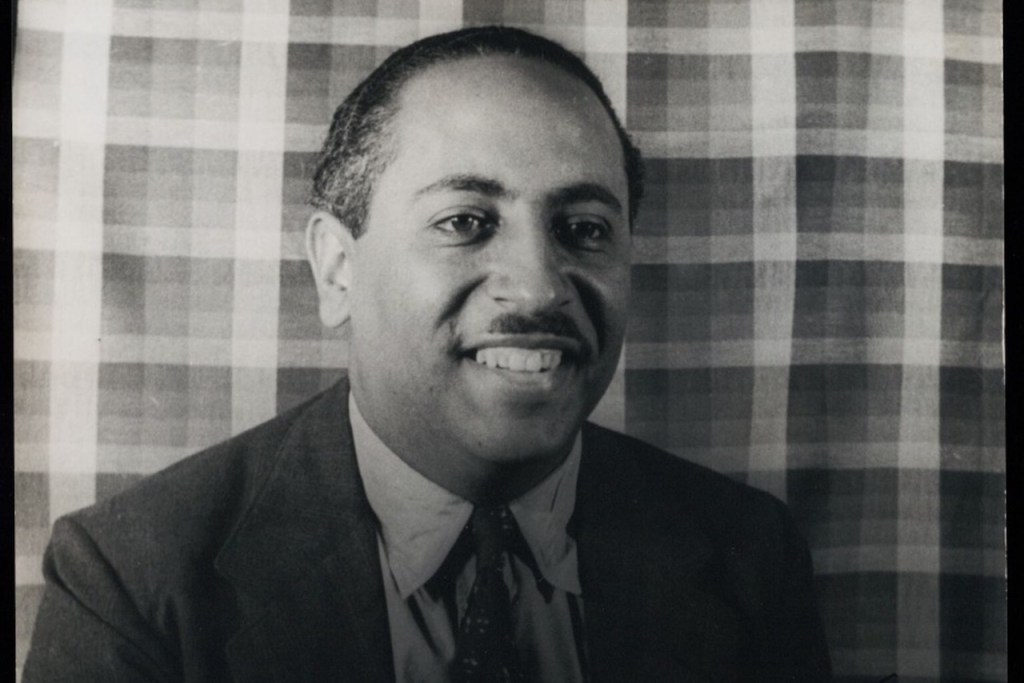
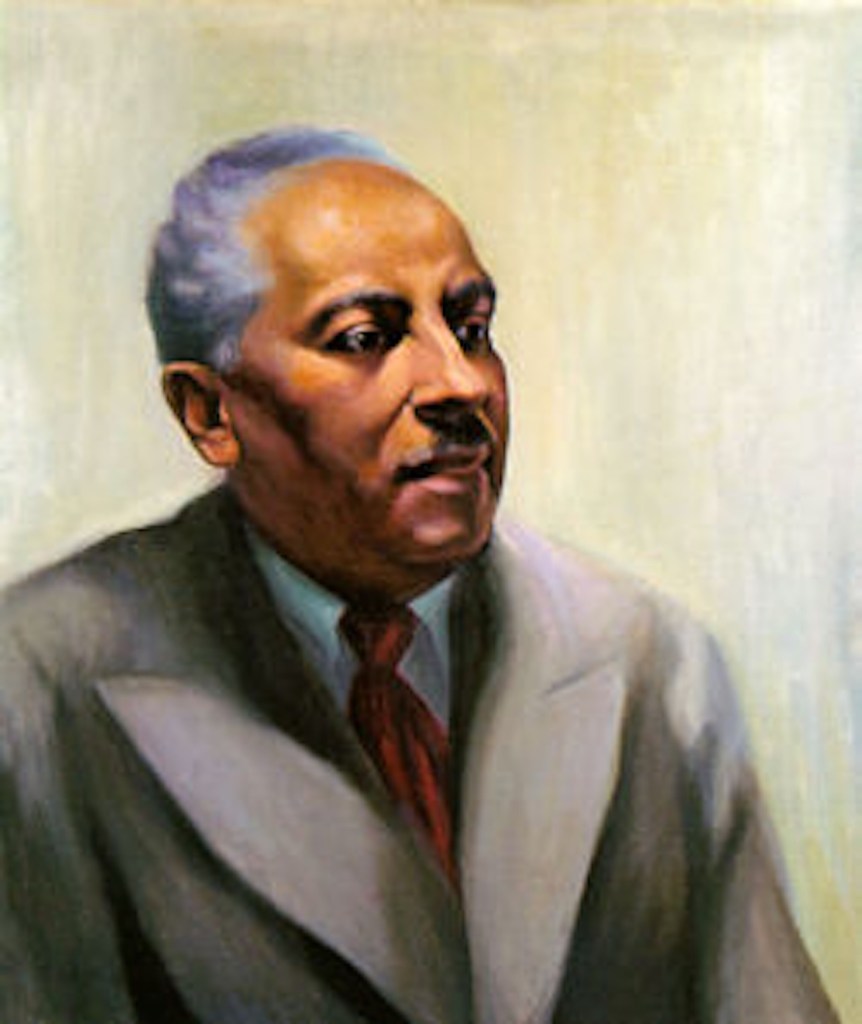


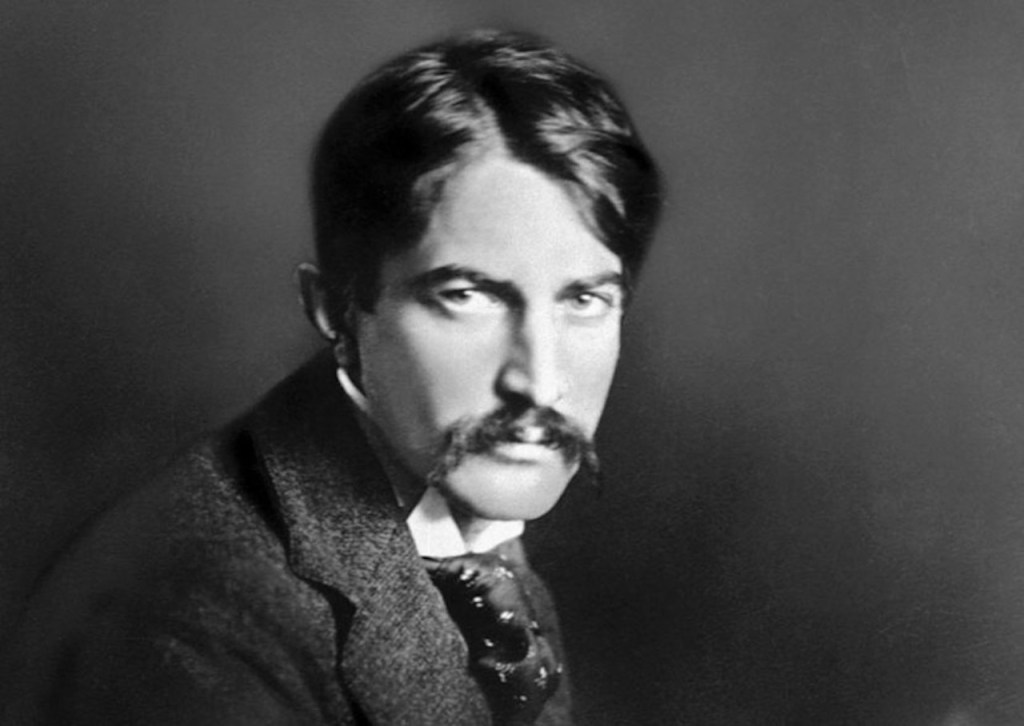
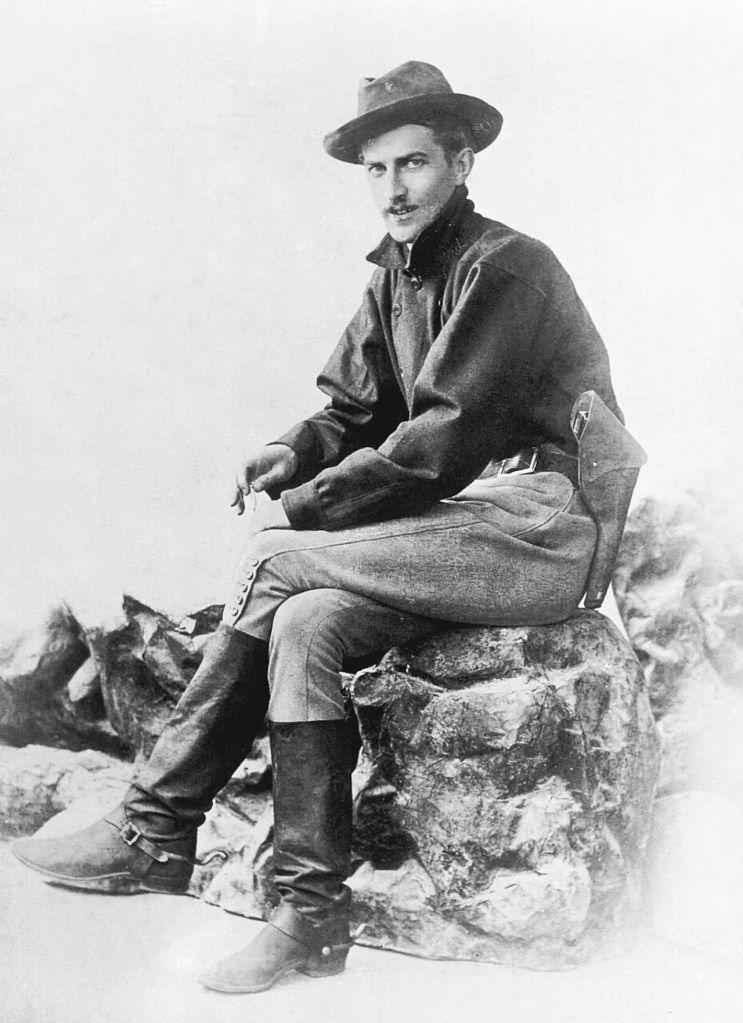
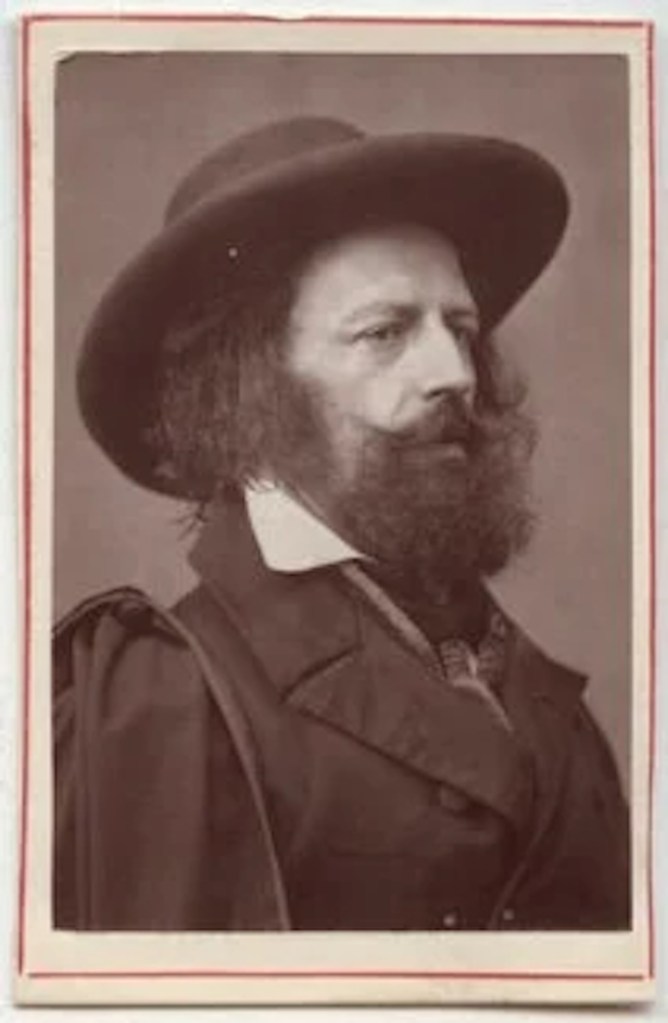
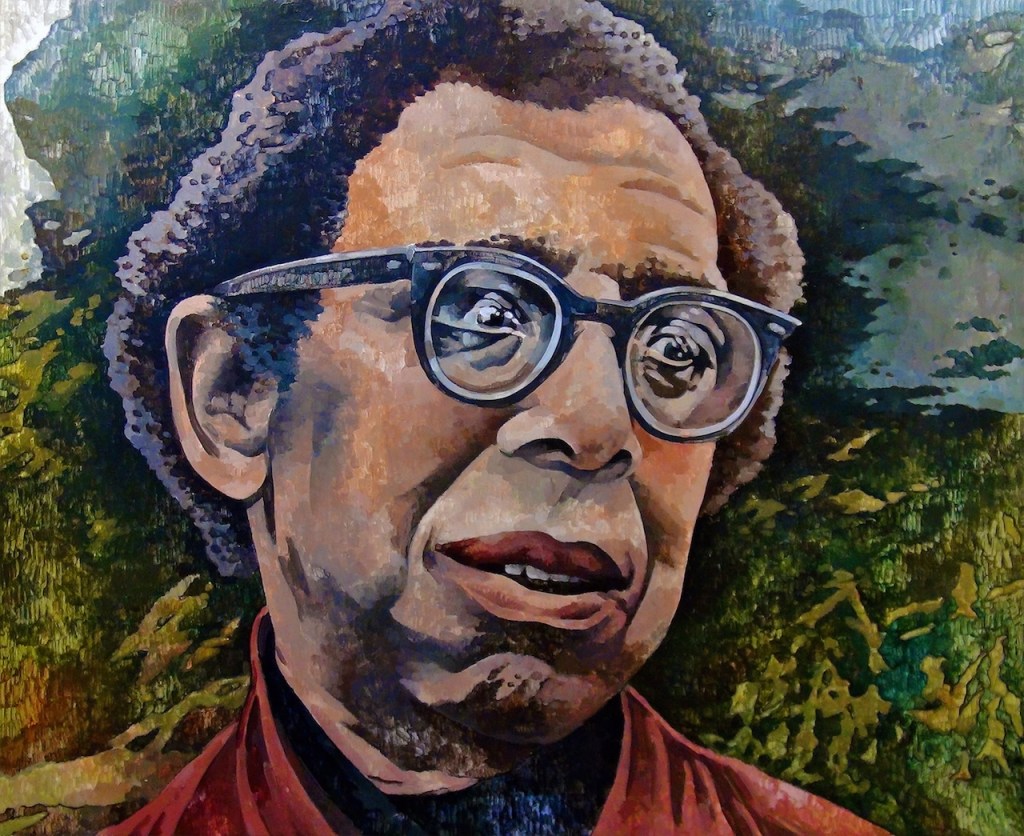


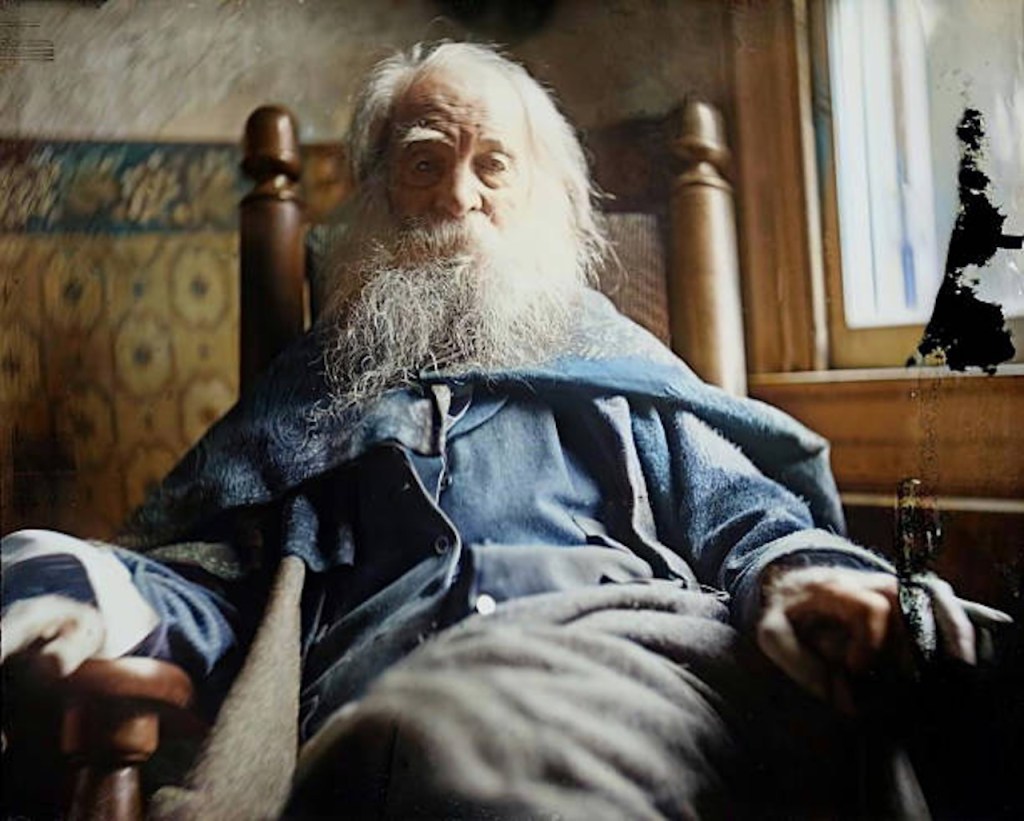
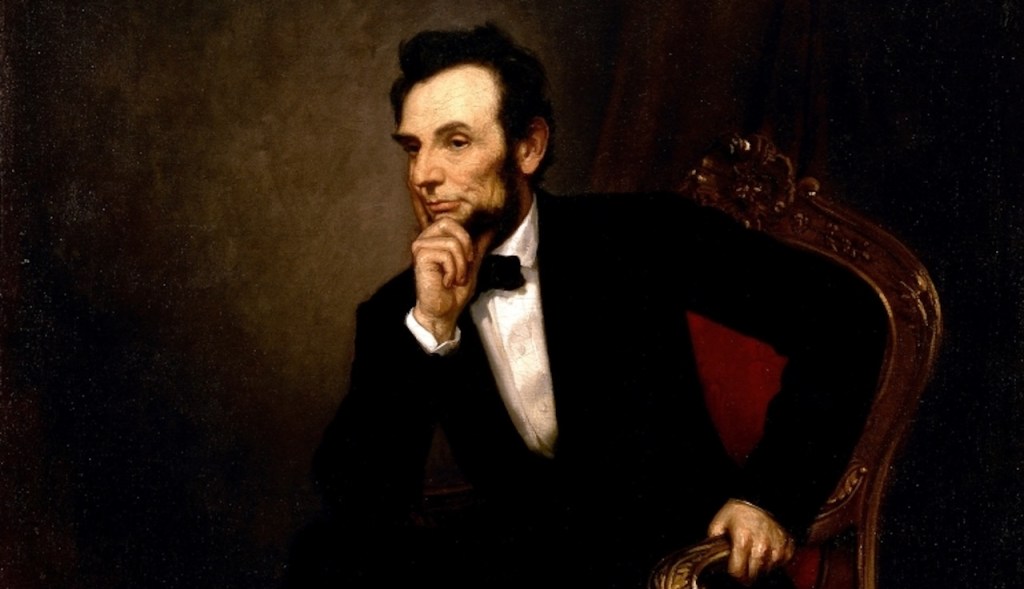

 Linda's Literary Home