Linda's Literary Home

Tag: American Civil War (1861–1865)

  • Walt Whitman’s “O Captain! My Captain!”

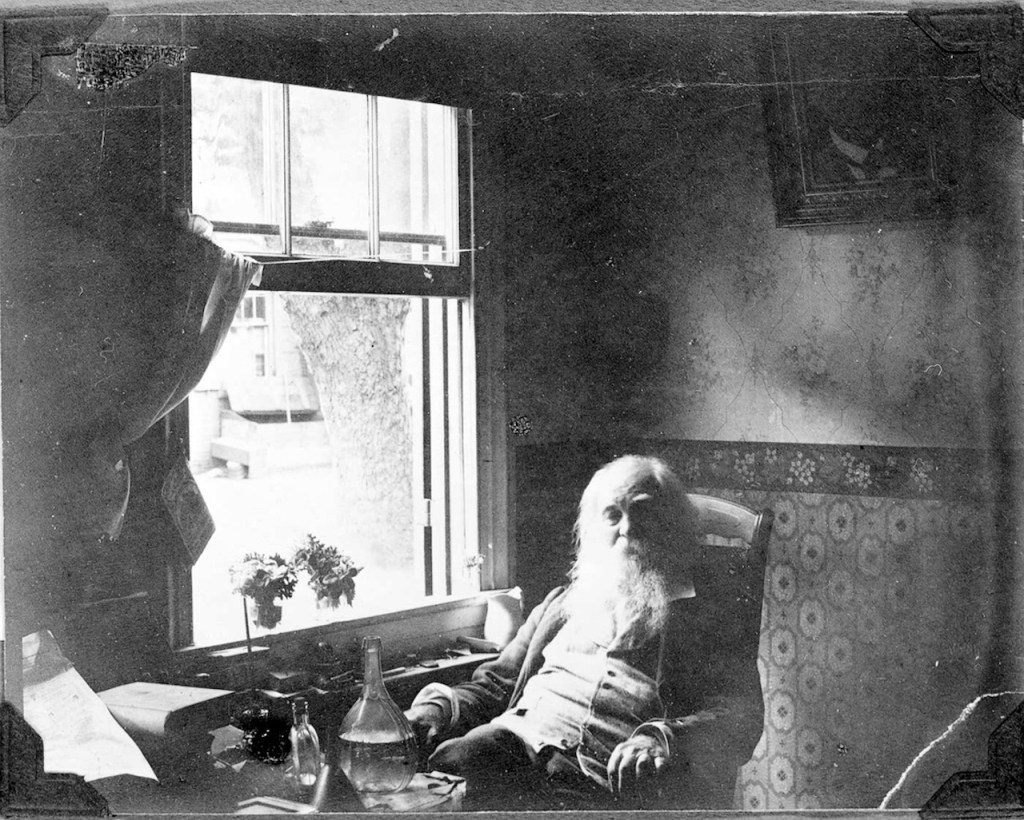
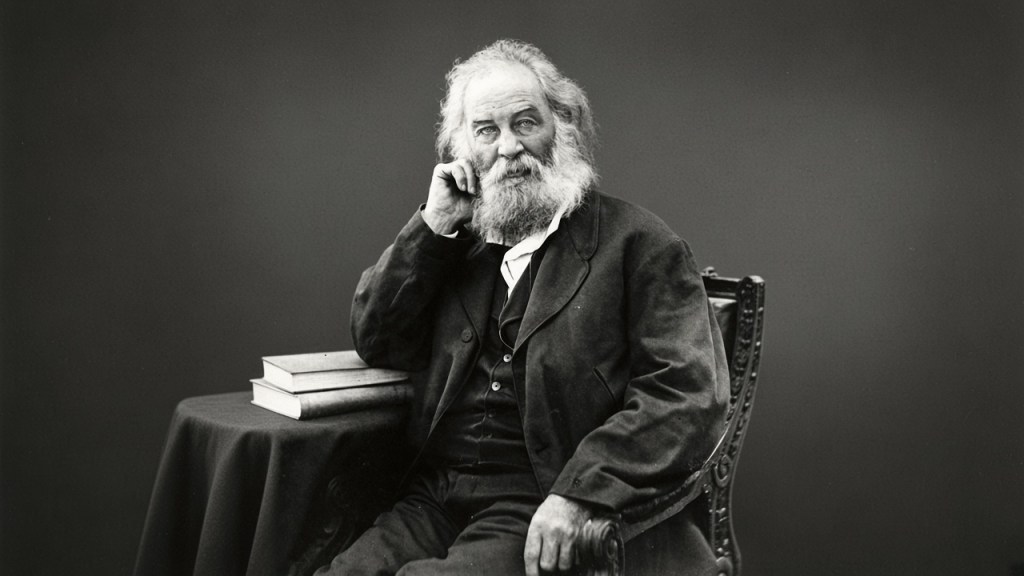
    Image a:  Walt Whitman https://whitmanarchive.org/item/zzz.00034 - Mathew Brady - Walt Whitman Archive
    Image:   Walt Whitman – Mathew Brady – Walt Whitman Archive

    Walt Whitman’s “O Captain! My Captain!”

    Walt Whitman’s “O Captain! My Captain!” is an elegy upon the death of Abraham Lincoln, who guided the Union through the terrible Civil War only to be assassinated after victory had been achieved. The speaker metaphorizes Lincoln into the fallen Captain of a victorious ship, creating Whitman’s most famous expression of national grief.

    Introduction and Text of “O Captain! My Captain!”

    In Walt Whitman’s “O Captain! My Captain!,” the speaker presents Abraham Lincoln as the Captain of a ship that has survived a fearful voyage and finally reached the safety of port. 

    The ship represents the Union, while the Captain represents Lincoln, whose leadership brought the nation through the Civil War. The Library of Congress identifies the poem specifically as Whitman’s 1865 dirge for Lincoln.

    The poem becomes especially poignant because Lincoln dies at the very moment that the nation can celebrate victory. The ship has weathered every storm, the prize has been won, and the people are rejoicing, yet the Captain lies dead upon the deck. The public celebration and the speaker’s private grief therefore exist side by side.

    Whitman wrote other elegies for Lincoln, most notably “When Lilacs Last in the Dooryard Bloom’d.” The two poems approach Lincoln’s death differently. “Lilacs” expands personal grief into a profound contemplation of death and national healing, while “O Captain! My Captain!” concentrates its emotional power upon the fallen leader and the terrible irony of his death at the moment of victory.

    In my earlier essays on Whitman’s poems, I have discussed the speaker’s recognition that death is an integral part of life. That recognition becomes particularly painful here because Lincoln’s death occurs after his great national task has been accomplished. The Captain has brought the ship safely home, but he cannot step ashore to receive the honors prepared for him.

    The poem was written in response to Lincoln’s assassination in April 1865 and first appeared later that year. Whitman subsequently placed it among his poems remembering Lincoln. The Walt Whitman Archive identifies the Captain as a symbolic representation of Lincoln and the ship as the Union that he had steered through the war.

    Walt Whitman’s “O Captain! My Captain!”

    O Captain! my Captain! our fearful trip is done,
    The ship has weather’d every rack, the prize we sought is won,
    The port is near, the bells I hear, the people all exulting,
    While follow eyes the steady keel, the vessel grim and daring;
                             But O heart! heart! heart!
                                O the bleeding drops of red,
                                   Where on the deck my Captain lies,
                                      Fallen cold and dead.

    O Captain! my Captain! rise up and hear the bells;
    Rise up—for you the flag is flung—for you the bugle trills,
    For you bouquets and ribbon’d wreaths—for you the shores a-crowding,
    For you they call, the swaying mass, their eager faces turning;
                             Here Captain! dear father!
                                This arm beneath your head!
                                   It is some dream that on the deck,
                                     You’ve fallen cold and dead.

    My Captain does not answer, his lips are pale and still,
    My father does not feel my arm, he has no pulse nor will,
    The ship is anchor’d safe and sound, its voyage closed and done,
    From fearful trip the victor ship comes in with object won;
                             Exult O shores, and ring O bells!
                                But I with mournful tread,
                                   Walk the deck my Captain lies,
                                      Fallen cold and dead.

    Commentary on “O Captain! my Captain! ”

    The speaker mourns Abraham Lincoln while confronting the painful irony of national victory accompanied by personal loss.

    First Stanza: “O Captain! my Captain! our fearful trip is done”

    O Captain! my Captain! our fearful trip is done,
    The ship has weather’d every rack, the prize we sought is won,
    The port is near, the bells I hear, the people all exulting,
    While follow eyes the steady keel, the vessel grim and daring;
                             But O heart! heart! heart!
                                O the bleeding drops of red,
                                   Where on the deck my Captain lies,
                                      Fallen cold and dead..

    The first line announces the central irony of the entire elegy. The “fearful trip” is the Civil War, and the ship is the Union. The voyage has ended successfully because the Union has survived the conflict, but the Captain who guided the nation through the storm has been killed.

    The phrase “the prize we sought is won” points directly toward the preservation of the Union. The ship has endured the terrible “rack,” or storm, and now approaches port. The historical reality behind the metaphor is therefore essential: the war has ended, victory has come, and Lincoln has been assassinated.

    The speaker then creates a scene of national rejoicing. Bells ring, people celebrate, and eyes follow the victorious vessel as it approaches. These details suggest the immense public significance of the Union’s victory after four years of civil conflict.

    But the speaker suddenly turns from public celebration to private anguish with “But O heart! heart! heart!” The repeated word “heart” seems almost to stop the celebration in its tracks. The speaker cannot participate in the rejoicing because his attention is fixed upon the blood appearing on the deck.

    The “bleeding drops of red” transform the victorious ship into a place of death. The image is particularly powerful because Lincoln’s assassination occurred just as the national crisis represented by the voyage had reached its conclusion. Victory and death occupy the same physical space.

    The Captain is therefore Abraham Lincoln, but the speaker never names him. This omission allows Lincoln to become both a historical individual and a symbolic national father. The Whitman Archive notes that Whitman grouped the poem with his other Lincoln poems under “Memories of President Lincoln.”

    The speaker’s grief is made more poignant by the fact that Lincoln cannot enjoy the victory he helped achieve. The people on shore can celebrate because the voyage has ended; the speaker can only mourn because the Captain lies dead.

    Second Stanza: “O Captain! my Captain! rise up and hear the bells”

    O Captain! my Captain! rise up and hear the bells;
    Rise up—for you the flag is flung—for you the bugle trills,
    For you bouquets and ribbon’d wreaths—for you the shores a-crowding,
    For you they call, the swaying mass, their eager faces turning;
                             Here Captain! dear father!
                                This arm beneath your head!
                                   It is some dream that on the deck,
                                     You’ve fallen cold and dead.

    The second stanza makes the speaker’s grief even more personal. He begs the Captain to rise because the entire nation is waiting to honor him. The flag is flying, the bugle is sounding, and the people are crowding the shores to welcome their victorious leader.

    The repeated phrase “For you” emphasizes the tragic appropriateness of the celebration. Everything has been prepared for Lincoln. The people are celebrating the victory that his leadership helped secure, yet the person whom they have come to honor cannot hear their voices.

    The speaker then calls him “dear father.” This expression is particularly significant in an elegy for Abraham Lincoln, whose public image after his assassination became associated with paternal leadership of a divided nation. The Captain is simultaneously the leader of the ship and the beloved father of the speaker.

    The phrase “This arm beneath your head!” brings the historical tragedy into an intimate physical scene. The speaker holds Lincoln’s head in his arm as though the dead president were still capable of hearing and responding. The gesture makes the enormous national tragedy intensely personal.

    The speaker then says, “It is some dream.” His mind resists what his eyes know. He has not merely lost a political leader; he has lost the Captain who has accompanied him through the fearful voyage.

    The relationship between this poem and “When Lilacs Last in the Dooryard Bloom’d” becomes important here. In “Lilacs,” the speaker eventually moves from the immediate shock of Lincoln’s death toward an acceptance of death as part of a larger spiritual reality. “O Captain! My Captain!” remains much closer to the immediate wound.

    Paramahansa Yogananda teaches that “Our real self, the soul, is immortal.” This spiritual reality is one the speaker, in his present deep state of mourning, is incapable of accepting, because he remains immersed in the human experience of loss.

    The speaker cannot yet see beyond the physical body lying upon the deck.   The suffering speaker can touch the Captain, but he cannot awaken him. The victory is real, but so is the terrible absence of the man who made that victory possible.

    Third Stanza: “My Captain does not answer, his lips are pale and still”

    My Captain does not answer, his lips are pale and still
    The ship is anchor’d safe and sound, its voyage closed and done,
    From fearful trip the victor ship comes in with object won;
                             Exult O shores, and ring O bells!
                                But I with mournful tread,
                                   Walk the deck my Captain lies,
                                      Fallen cold and dead.

    The third stanza finally forces the speaker to acknowledge the physical reality of Lincoln’s death.  The claim “My Captain does not answer” leaves no room for the dream that he might awaken. All color has gone from his lips and his pulse has ceased.

    The speaker again uses “My father,” emphasizing the intimate attachment that has made Lincoln’s death so devastating. The historical president has become, within the speaker’s emotional world, a beloved father whose absence cannot be compensated for by public celebration.

    The ship, meanwhile, has reached safety.  The statement “The ship is anchor’d safe and sound” is a direct confirmation that the Union has survived the Civil War. The voyage is “closed and done,” and the “victor ship” has arrived with the object of its struggle won.

    The tragic paradox is now complete. Lincoln has accomplished the task represented by the voyage, but he has been denied the opportunity to witness the peaceful arrival of the ship. The nation has won, but its leader has fallen.

    The command “Exult O shores, and ring O bells!” acknowledges the legitimate joy of the nation. The speaker does not ask the people to stop celebrating. Instead, he separates himself from them with the word “But.” They may rejoice; he must mourn.

    This distinction is central to the poem’s identity as an elegy for Abraham Lincoln. The poem does not simply lament a dead man. It dramatizes the strange emotional condition of a nation that has achieved victory while simultaneously losing the man who led it through the crisis.

    In “When Lilacs Last in the Dooryard Bloom’d,” Whitman broadens Lincoln’s death into a contemplative musing upon universal mortality and the possibility of spiritual reconciliation. 

    The Library of Congress describes that poem as an elegy concerned with universal death and national healing, while “O Captain! My Captain!” concentrates more directly upon the public and personal grief surrounding Lincoln.

    The final image returns to the deck. The speaker walks there with a “mournful tread,” remaining beside the body of the Captain while the nation celebrates. The physical movement is small, but emotionally it carries the full weight of the assassination.

    The repetition of “Fallen cold and dead” gives the poem its final emotional blow. The Captain is not merely absent; he has fallen at the precise moment that the ship reaches safety. The repeated words therefore connect Lincoln’s death permanently with the nation’s victory.

    Paramahansa Yogananda explains that death does not destroy the spiritual essence, stating that “the soul or spiritual essence of man is also indestructible.” Such a teaching provides a spiritual reality beyond the speaker’s immediate grief, although the speaker does not attempt to resolve his sorrow through such a doctrine at his point in his suffering.

    Instead, the speaker remains upon the deck with Lincoln. The people on shore celebrate the end of the war, while the speaker remains emotionally attached to the fallen Captain. This separation gives the poem its extraordinary poignancy.  The poem’s fame rests partly upon this directness. 

    The Library of Congress notes that it received immediate acclaim and became widely anthologized, while the Whitman Archive identifies it as Whitman’s most popular poem. Its enduring power comes from the simplicity with which it joins Lincoln’s national importance to the intimate sorrow of personal bereavement.

    The speaker has created a Captain who is unmistakably Abraham Lincoln without ever naming him. The ship is the Union, the fearful voyage is the Civil War, the prize is victory, the port is peace, and the fallen Captain is the president, who did not live to enter that peaceful harbor.

    Thus, “O Captain! My Captain!” remains Whitman’s most famous and perhaps his most immediately poignant elegy for Abraham Lincoln. “When Lilacs Last in the Dooryard Bloom’d” reaches toward universal death and spiritual healing, while this poem remains deliberately close to the heartbreaking image of Lincoln lying dead upon the deck of the victorious Union.

    The final paradox is therefore the poem’s deepest truth: the Captain has succeeded, but he has not survived his success. The ship has reached the harbor, but the man who guided it there is dead. The bells ring for victory while the speaker walks alone beside his fallen Captain.
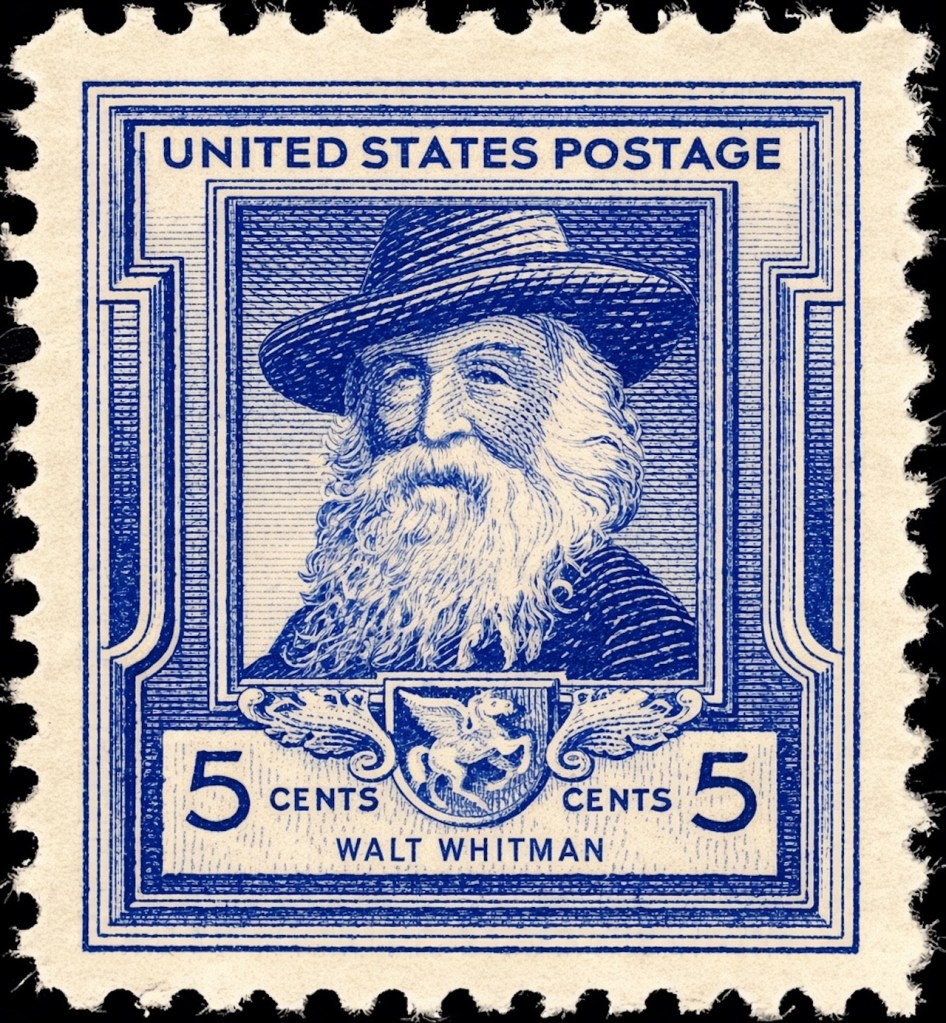
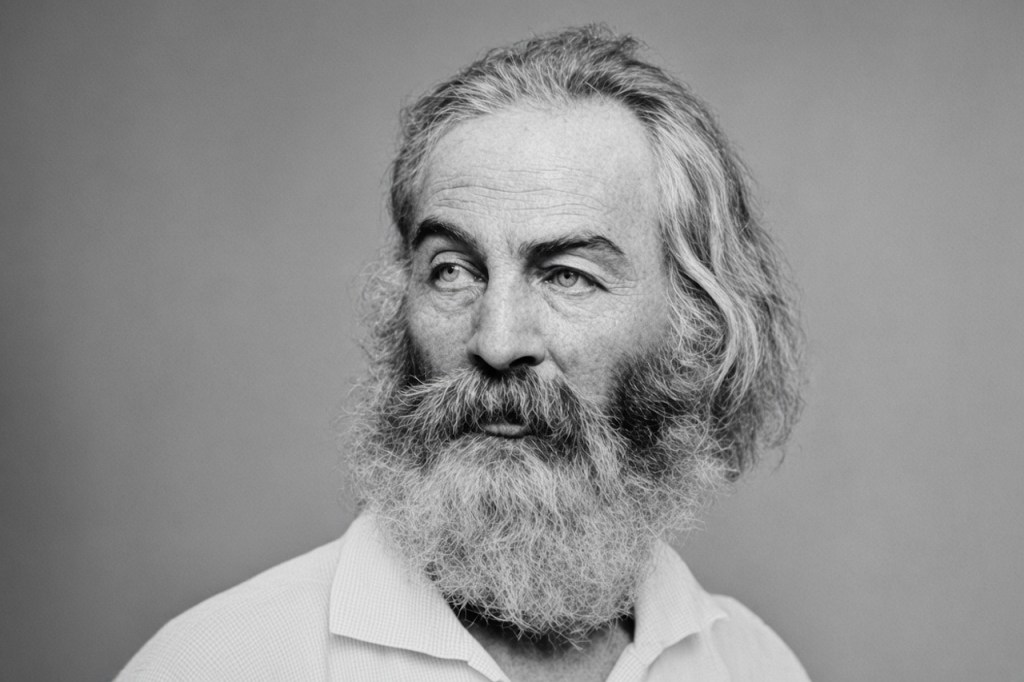
    Image d: Walt Whitman Commemorative Stamp http://usstampgallery.com/view.php?id=1b75f1a8ff3bff3ef7a72c6935c3d01a94da8969&Walt_Whitman
    Image: Walt Whitman Commemorative Stamp
  • Walt Whitman’s “Reconciliation”

    Image:  Walt Whitman https://www.poetryfoundation.org/articles/69161/walt-whitman-time-to-come  Library of Congress/Getty Images
    Image: Walt Whitman – Library of Congress/Getty Images

    Walt Whitman’s “Reconciliation”

    Walt Whitman served in field hospitals during the American Civil War (1861-1865), and he wrote extensively about his experience in both poems and essays.  His much anthologized poem “Reconciliation” resulted from the poet’s first-hand observation of the ravages of war.

    Introduction and Text of “Reconciliation”

    Walt Whitman’s “Reconciliation” consists of only six sprawling lines. The lines are long and unwieldy—the third line has to be broken for almost any page.  While one might contend that for such a subject, a cosmic voice is needed, Whitman has his speaker make his remarkable claims in a very personal, individual voice, revealed in the penultimate and final lines.

    Far from ever professing a morose or melancholy view, Whitman was able to see in the overall scheme of things that death is an integral part of life, and he allows his speaker to profess his heartfelt observations.

    Reconciliation 

    Word over all, beautiful as the sky! 
    Beautiful that war, and all its deeds of carnage, must in time be utterly lost;
    That the hands of the sisters Death and Night, incessantly softly wash again, and ever again, this soil’d world:
    … For my enemy is dead—a man divine as myself is dead;
    I look where he lies, white-faced and still, in the coffin—I draw near; 
    I bend down, and touch lightly with my lips the white face in the coffin.


    Commentary on “Reconciliation”

    What does the speaker in Whitman’s poem titled “Reconciliation” attempt to reconcile?  Two concrete entities—friend and foe, and two abstract—life and death. His sprawling lines are immediately recognizable as the Whitman style that has captivated readers for many decades.  

    First Movement:  Cosmic Claim

    Word over all, beautiful as the sky! 
    Beautiful that war, and all its deeds of carnage, must in time be utterly lost;

    “Reconciliation” makes a cosmic claim in the first line, “Word over all, beautiful as the sky.” “Word” alludes to “the Word” as it is used in the beginning of the Gospel of St. John: “In the beginning was the Word, and the Word was with God, and the Word was God” (KJV John 1:1).

    The speaker thus avers that God is “over all.” He then focuses on the limited space of humanity, claiming that something is “as beautiful as the sky.” And then he addresses his specific subject:  the reconciliation of the entities he has chosen to feature.  Influenced by the carnage he has witnessed, he comes to realize certain universal attributes that prevail and perplex humanity.

    Despite the death and destruction that war engenders, it is a beautiful fact that eventually those evil “deeds of carnage” will disappear. The sky implies the beauty that is “the Word” (or vibration) of God, and the beauty that is lost in war will return because war “in time” loses its hold completely.

    Second Movement: Death a Cleanser

    That the hands of the sisters Death and Night, incessantly softly wash again, and ever again, this soil’d world:

    Line three continues the claim, stating that it is also beautiful that both “Death and Night” behaving as “sisters” employ their “hands” to continue to cleanse the world’s soil repeatedly.  By personifying “Death and Night” as sisters who cleanse the dirt from the world, the speaker offers further evidence of deliverance from the “deeds of carnage.”

    That bad things happen on this physical plane is undeniable, but that the bad things are corrected is beautiful. “Death” gives the tired soul a respite from the torment of earth life as “night” gives rest to the body.

    Third Movement:  On Loving One’s Enemies

    … For my enemy is dead—a man divine as myself is dead;
    I look where he lies, white-faced and still, in the coffin—I draw near; 
    I bend down, and touch lightly with my lips the white face in the coffin.

    In line four, the speaker makes a startling statement: he simply affirms that his enemy is now deceased, but further he avers that this vanquished enemy is a “child of God” every bit as much as he the speaker is.

    It is customarily difficult for the ordinary mind to grasp that an enemy is, like one’s self, a child of God. But Whitman’s speaker does comprehend this truth, and thus he does as Jesus the Christ commands, “But I say unto you, Love your enemies, bless them that curse you, do good to them that hate you, and pray for them which despitefully use you, and persecute you” (KJV Matthew 5:44).

    The speaker views the dead enemy in his casket, but instead of denigrating the enemy or experiencing gladness at the man’s death as is usually expected, this speaker does the unthinkable:  He “[b]end[s] down” to “touch lightly with [his] lips the white face in the coffin.” He blesses the face of the enemy by offering a  consoling touch of the lips to the enemy’s pale countenance.

    Sound and Meaning

    Whitman’s short lyric relies on few poetic devices. Apart of the opening allusion and personification of Death and Night as sisters, the poem is fairly literal. It does employ alliteration in the same line as the personification: “the hands of the sisters . . . incessantly softly wash . . . the soil’d world.”

    The many alliterative sibilant sounds enforce the meaning of the claim that the hands wash the “soil’d world.” The sounds seem to inundate the sentence as water would inundate as it cleanses.

    Repetition of the “–ld” sound in “soil’d world” emphasizes the physical plane’s uncleanliness because the words are a near rime. Also, repetition of “is dead” in line four reinforces the finality that death has brought to the victim.

  • Walt Whitman’s “Song of the Banner at Daybreak”

    Image:  Walt Whitman https://www.listal.com/viewimage/5533083 listal
    Image:  Walt Whitman – listal

    Walt Whitman’s “Song of the Banner at Daybreak”

    In Walt Whitman’s “Song of the Banner at Daybreak,” the poet has created a speaker, who is singing the praises of the true meaning of patriotism through five different voices.

    Introduction and Text of “Song of the Banner at Daybreak”

    Walt Whitman’s “Song of the Banner at Daybreak” features a variety of voices who offer their own unique views and attitudes toward patriotism. Five distinct characters perform this little drama: poet, pennant, child, father, and banner.

    This sprawling poem celebrates the American flag as an emblem of freedom, democracy, and national identity. Whitman has created a speaker who, through a dramatic exchange featuring a father, his child, and the banner itself, explores the relationship between patriotism and poetic imagination, reflecting on the struggles and aspirations of a nation seeking to fulfill its democratic promise.

    Whitman’s speaker employs an expressive voice, combined with free verse, repetition, vivid imagery, and personification, which lends the poem immediacy and emotional depth. By transforming the banner into a living presence, the speaker moves beyond mere patriotic celebration to contemplate the connections among poetry, individual liberty, and national identity and destiny.

    (FYI: The poem displayed here conforms to the exact placement as found in Whitman’s deathbed edition of Leave of Grass.)

    Song of the Banner at Daybreak

    [Poet]  O a new song, a free song,
    Flapping, flapping, flapping, flapping, by sounds, by voices clearer,
    By the wind’s voice and that of the drum,
    By the banner’s voice and child’s voice and sea’s voice and father’s voice,
    Low on the ground and high in the air,
    On the ground where father and child stand,
    In the upward air where their eyes turn,
    Where the banner at daybreak is flapping.

    Words! bookwords! what are you?
    Words no more, for hearken and see,
    My song is there in the open air, and I must sing,
    With the banner and pennant a-flapping.

    I’ll weave the chord and twine in,
    Man’s desire and babe’s desire, I’ll twine them in, I’ll put in life,
    I’ll put the bayonet’s flashing point, I’ll let bullets and slugs whizz,
    (As one carrying a symbol and menace far into the future,
    Crying with trumpet voice, _Arouse and beware! Beware and arouse!)
    I’ll pour the verse with streams of blood, full of volition, full of joy.
    Then loosen, launch forth, to go and compete,
    With the banner and pennant a-flapping.

    [Pennant]  Come up here, bard, bard,
    Come up here, soul, soul,
    Come up here, dear little child,
    To fly in the clouds and winds with me, and play with the measureless
          light.

    [Child]  Father what is that in the sky beckoning to me with long finger?
    And what does it say to me all the while?

    [Father]  Nothing my babe you see in the sky,
    And nothing at all to you it says–but look you my babe,
    Look at these dazzling things in the houses, and see you the money-shops
            opening,
    And see you the vehicles preparing to crawl along the streets with goods;
    These, ah these, how valued and toil’d for these!
    How envied by all the earth.

    [Poet]  Fresh and rosy red the sun is mounting high,
    On floats the sea in distant blue careering through its channels,
    On floats the wind over the breast of the sea setting in toward land,
    The great steady wind from west or west-by-south,
    Floating so buoyant with milk-white foam on the waters.

    But I am not the sea nor the red sun,
    I am not the wind with girlish laughter,
    Not the immense wind which strengthens, not the wind which lashes,
    Not the spirit that ever lashes its own body to terror and death,
    But I am that which unseen comes and sings, sings, sings,
    Which babbles in brooks and scoots in showers on the land,
    Which the birds know in the woods mornings and evenings,
    And the shore-sands know and the hissing wave, and that banner and
         pennant,
    Aloft there flapping and flapping.

    [Child]  O father it is alive–it is full of people–it has children,
    O now it seems to me it is talking to its children,
    I hear it–it talks to me–O it is wonderful!
    O it stretches–it spreads and runs so fast–O my father,
    It is so broad it covers the whole sky.

    [Father]  Cease, cease, my foolish babe,
    What you are saying is sorrowful to me, much it displeases me;
    Behold with the rest again I say, behold not banners and pennants aloft,
    But the well-prepared pavements behold, and mark the solid-wall’d  houses.

    [Banner and Pennant]  Speak to the child O bard out of Manhattan,
    To our children all, or north or south of Manhattan,
    Point this day, leaving all the rest, to us over all–and yet we know not
        why,
    For what are we, mere strips of cloth profiting nothing,
    Only flapping in the wind?

    [Poet]  I hear and see not strips of cloth alone,
    I hear the tramp of armies, I hear the challenging sentry,
    I hear the jubilant shouts of millions of men, I hear Liberty!
    I hear the drums beat and the trumpets blowing,
    I myself move abroad swift-rising flying then,
    I use the wings of the land-bird and use the wings of the sea-bird,
         and look down as from a height,
    I do not deny the precious results of peace, I see populous cities
         with wealth incalculable,
    I see numberless farms, I see the farmers working in their fields or barns,
    I see mechanics working, I see buildings everywhere founded,
         going up, or finished,
    I see trains of cars swiftly speeding along railroad tracks
         drawn by the locomotives,
    I see the stores, depots, of Boston, Baltimore, Charleston, New  Orleans,
    I see far in the West the immense area of grain, I dwell awhile hovering,
    I pass to the lumber forests of the North, and again to the Southern
         plantation, and again to California;
    Sweeping the whole I see the countless profit, the busy gatherings,
         earn’d wages,
    See the Identity formed out of thirty-eight spacious and haughty  States,
         (and many more to come,)
    See forts on the shores of harbors, see ships sailing in and out;
    Then over all, (aye! aye!) my little and lengthen’d pennant
         shaped like a sword,
    Runs swiftly up indicating war and defiance—
         and now the halyards have rais’d it,
    Side of my banner broad and blue, side of my starry banner,
    Discarding peace over all the sea and land.

    [Banner and Pennant]  Yet louder, higher, stronger, bard! yet farther,
         wider cleave!
    No longer let our children deem us riches and peace alone,
    We may be terror and carnage, and are so now,
    Not now are we any one of these spacious and haughty States,
         (nor any five, nor ten,)
    Nor market nor depot we, nor money-bank in the city,
    But these and all, and the brown and spreading land,
         and the mines below, are ours,
    And the shores of the sea are ours, and the rivers great and small,
    And the fields they moisten, and the crops and the fruits are ours,
    Bays and channels and ships sailing in and out are ours—
         while we over all,
    Over the area spread below, the three or four millions
         of square miles, the capitals,
    The forty millions of people,—O bard! in life and death supreme,
    We, even we, henceforth flaunt out masterful, high up above,
    Not for the present alone, for a thousand years chanting through you,
    This song to the soul of one poor little child.

    [Child]  O my father I like not the houses,
    They will never to me be any thing, nor do I like money,
    But to mount up there I would like, O father dear, that banner I like,
    That pennant I would be and must be.

    [Father]  Child of mine you fill me with anguish,
    To be that pennant would be too fearful,
    Little you know what it is this day, and after this day, forever,
    It is to gain nothing, but risk and defy every thing,
    Forward to stand in front of wars–and O, such wars!—
         what have you to do with them?
    With passions of demons, slaughter, premature death?

    [Banner]  Demons and death then I sing,
    Put in all, aye all will I, sword-shaped pennant for war,
    And a pleasure new and ecstatic, and the prattled yearning of children,
    Blent with the sounds of the peaceful land and the liquid wash of the sea,
    And the black ships fighting on the sea envelop’d in smoke,
    And the icy cool of the far, far north, with rustling cedars and pines,
    And the whirr of drums and the sound of soldiers marching,
         and the hot sun shining south,
    And the beach-waves combing over the beach on my Eastern shore,
         and my Western shore the same,
    And all between those shores, and my ever running Mississippi
         with bends and chutes,
    And my Illinois fields, and my Kansas fields, and my fields of Missouri,
    The Continent, devoting the whole identity without reserving an atom,
    Pour in! whelm that which asks, which sings, with all and the yield of all,
    Fusing and holding, claiming, devouring the whole,
    No more with tender lip, nor musical labial sound,
    But out of the night emerging for good, our voice persuasive no more,
    Croaking like crows here in the wind.

    [Poet]  My limbs, my veins dilate, my theme is clear at last,
    Banner so broad advancing out of the night, I sing you haughty and
         resolute,
    I burst through where I waited long, too long, deafen’d and blinded,
    My hearing and tongue are come to me, (a little child taught me,)
    I hear from above O pennant of war your ironical call and demand,
    Insensate! insensate! (yet I at any rate chant you,) O banner!
    Not houses of peace indeed are you, nor any nor all their prosperity,
         (if need be, you shall again have every one of those houses
         to destroy them,
    You thought not to destroy those valuable houses, standing fast,
         full of comfort, built with money,
    May they stand fast, then? not an hour except you above them
         and all stand fast;)
    O banner, not money so precious are you, not farm produce you,
         nor the material good nutriment,
    Nor excellent stores, nor landed on wharves from the ships,
    Not the superb ships with sail-power or steam-power,
         fetching and carrying cargoes,
    Nor machinery, vehicles, trade, nor revenues–but you as henceforth
         I see you,
    Running up out of the night, bringing your cluster of stars,
         (ever-enlarging stars,)
    Divider of daybreak you, cutting the air, touch’d by the sun,
         measuring the sky,
    (Passionately seen and yearn’d for by one poor little child,
    While others remain busy or smartly talking, forever teaching thrift,
          thrift;)
    O you up there! O pennant! where you undulate like a snake hissing so
         curious,
    Out of reach, an idea only, yet furiously fought for,
         risking bloody death, loved by me,
    So loved–O you banner leading the day with stars brought from the
         night!
    Valueless, object of eyes, over all and demanding all—
         (absolute owner of all)—O banner and pennant!
    I too leave the rest—great as it is, it is nothing–houses,
         machines are nothing–I see them not,
    I see but you, O warlike pennant! O banner so broad, with stripes,
         I sing you only,
    Flapping up there in the wind.

    Commentary on “Song of the Banner at Daybreak”

    In Walt Whitman’s “Song of the Banner at Daybreak,” the speakers stage a dramatic conversation, which elevates the flag as a living symbol of national purpose amid the call of war.

    Poet: “O A new song, a free song”

    Upon observing the flag and pennant of his country and the military, the poet wishes to make the ultimate statement about the meaning of patriotism. With all of the voices who may express a thought, the poet will attempt to “twine them in” and give life to  them. 

    Pennant: “Come up here, bard, bard” 

    The pennant representing the military invites the poet and the others to join him as he flies high in the sky and “play[s] with the measureless light.”

     Child: “Father what is that in the sky beckoning to me with long finger?” 

    The child is thrilled by the invitation of the pennant but does not quite understand what it is or what it means; thus, he asks his father what it is that is so inviting to him.

    Father: “Nothing my babe you see in the sky” 

    The father typically tries to avert the child’s attention from the military pennant’s allure and points that attention to other areas of life. The father points out that there are houses and money and cars loaded with goods to be dealt with. 

    His implications are that the land is rich with material wealth with he would like his child to become engaged with instead of having to serve in the military to protect these things. 

    Poet: “Fresh and rosy red the sun is mounting high” 

    Here the poet again interjects his beautiful words: “But I am that which unseen comes and sings, sings, sings.” And in addition to some lovely landscape description, the poet adds, “And the shore-sands know and the hissing wave, and that banner and pennant, / Aloft there flapping and flapping.” 

    Child: “O father it is alive—it is full of people–it has children” 

    The child, despite the father’s attempt to redirect his attention, becomes even more

    enthralled by the pennant; in it, the child sees people, especially children: “It is talking to children / I hear it–it talks to me.” 

    Father: “Cease, cease, my foolish babe” 

    Again, the father seeks to dissuade the child from noting the pennant and directs the child’s attention to things on the ground.

    Banner and Pennant: “Speak to the child O bard out of Manhattan” 

    Now the flag and the pennant both appeal to the poet to talk to the children and help

    them understand that the banner and pennant are more then mere strips of cloth. 

    Poet: “I hear and see not strips of cloth alone” 

    The poet avers that the banner and pennant are not merely strips of cloth: “I hear and see not strips of cloth alone, / I hear the tramp of armies, I hear the challenging sentry, / I hear the jubilant shouts of millions of men, I hear Liberty!” 

    Banner and Pennant: “Yet louder, higher, stronger, bard! yet farther, wider cleave!” 

    The banner and pennant, however, feel that poet needs to be even more emphatic: “Yet louder, higher, stronger, bard! yet farther, wider cleave! / No longer let our children deem us riches and peace alone.” 

    Child: “O my father I like not the houses” 

    The child then tells his father that he is not interested in the material things of this world; he prefers to work for higher ideals as symbolized by the pennant and banner.

    Father: “Child of mine you fill me with anguish” 

    Naturally, the father fears for the child as any father would fear for a son or daughter who joins the military service. As the child seeks to perform duties that honor his country, the father only sees the possibility of the child fighting and dying in war. 

    Banner: “Demons and death then I sing” 

    The banner then admits that duty is filled with “demons and death,” but the banner nevertheless insists that it will sing these things. It then catalogues the guts and glory that is represents and is unashamed of the work it symbolizes. 

    Poet: “My limbs, my veins dilate, my theme is clear at last”

     The poet is finally emboldened to sing the praises of the banner and pennant, claiming, “a little child taught me.” The poet now thinks only of the heightened duty symbolized by the pennant and banner, not of the material wealth accumulated by a free people. The key focus is on the freedom, without which the material wealth would remain an unachieved desire.