One wonders whom the next elected Criminal for these troubled times Will the feckless public, suspect, Lever in the long direction (Between the last war and the next) We take in our quotidian crimes; How long our matrons skirt the leering Lawless on main ways to market; How long our aged folk in fear Imprisoned at their portals peering On them convicted in their derring And that with such cocksureness wear The scutum of their darknesses, Petronius? (I pray you, burn these letters.)
Agrippina
After the last trick had been turned in the game, The bumpers drunk, the galley fallen apart; The lying maid having drunk to a different name A cup for the journey, so to speak, at the start; One wonders whether that harried dame ever thought In terms of that fat man she and she father had wrought. Surely in knowing she would have aborted that plan Before it came forth in this world and assumed the shape of a man, Perhaps. Nine gods were enough of a problem; she laid it on fate; She even exclaimed on how simple it was and absurd (She was dead for some time before they came to kill her, too late) To have birthed and been part of the proof and power of Hate. The guise it assumed and its manner have also endured: Took its place in the capitol, developed a merchant for fire, Was witty and sullen, hired artists to teach it the lyre, Gave games for the people, and like an innocent bird.
Homage to Catullus
1
SWEET Lesbia,would you know the half of all my pleasure when your husband laughs delighted at your flyting and the flashing spite that lights your countenance when we two fight? watch out, my girl, your fat fool’s treasure, I may absent myself and rob the only pleasure he takes in both of us. O, what frustration should I reave your table of my conversation— no, no, do not start up so hastily to weep; this is a lover’s promise not to keep. but still . . . his pleasure when your latest insult flies against me, and the room lights from your brilliant eyes as when I goad you fast between your thighs.
2
OCTAVIA, you bitch, when you deride me in the taverns, it is time you knew you build the envious world you hide in, and every drunkard there suspects the true. why is it now, fat forty, you should blame my cold pursuits at something you’d not give me years ago, now when you wear my best friends’s name? sweet Mercury, the weird world we live in! how you condemn me, now I am a poet who never knew you slim, nor know you fat, so stop pretending, dear, your friends all know it, even they know that.
3
FLAVIVS, do you know rising in the Forum, lisping your meums, tuums, how your colleagues snicker to one another common knowledge about your extra-curricular quorums? could you believe the pupils would not talk you in their graffiti in the public stalls? why have you let the praetors and plebeians mock your courses you offer on the taverns walls? O tempora, mores! we all know you, dear, each several senator and charioteer.
to be continued, check back for updates
Publication Status of Ancient Letters
Amazon currently features one copy available at $7.00. This copy does not feature the original book cover. An additional option is offered by another seller, priced at $85.00 plus shipping.
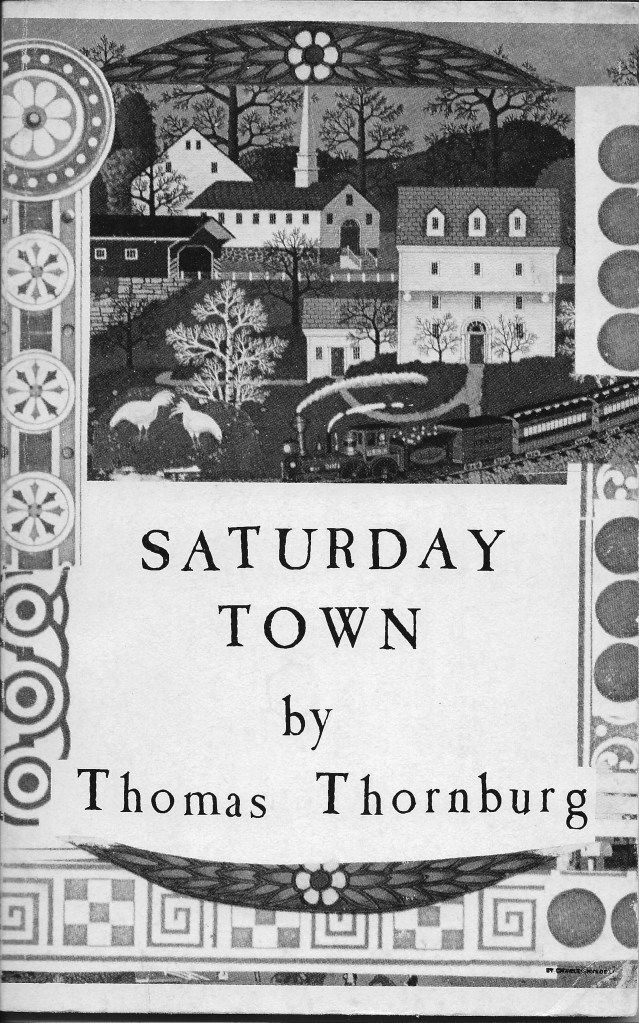
The following poems are from Thomas Thornburg’s first published collection, Saturday Town & other poems, published in 1976 by Dragon’s Teeth Press.
INTRODUCTION
You, man or woman who hand this book Alive in this red world, looking To your own in your human heart The charged color of my high art, The word made flesh and the fleshed hoarding, Edged as one’s arm is, a supple knifing When knives come out and the thrust is in, Bone and blood is, kith and kinning, Hearth is and homeward, child and wiving Is this samethingness, blood and wording That is my labor, You are only my farthest neighbor.
SATURDAY TOWN
When I was a young stud heeling down The reebing streets of Saturday town The houses mewed and rafters rollicked, And who didn’t know me for a rounder? I played knick-knack while the sun fell, frolicked My heart like seven on the sawdust flooring Where the women boomed and the basses faddled I forked me a singular journey, saddled All the long moon where the dogstar diddled Till the cats closed shop for the dearth of dorking And the town turned over to see such sport; Oh, it was red money I spent indooring. One jig my heart snapped like a locket And I kissed it off to the fat and faring, Buckled my knees to the silver caring And hawsered my heart to an apron pocket. It’s luck I sing to the he and seeing, To the sidewalk shuffle of Saturday town (While the moon turns over and mountains scree) Where the owl and the pussycat buoy their drowning Ding-bat times in a stagging sea— Harts tine where the roe-bucked does are downing— And the Saturday man I used to be.
AS I WALKED OUT IN THUNDERING APRIL
As I walked out in thundering April And all the streets were runing And the day green-good went rilling for me, Freely I strolled in the curtained sunning; The world wave-wet, joyed and easily I nithing was, but not alone; There tulip and crocus and windy anemone Gayed in the giving rains, pleasing The very crows that the black wood cawed me, The trees in the rainy park applauded. As I youthed out in April, latching The careful door of my fathers’s house, A wind turned, catching my fellow slicker And the trafficking plash to market doused My sunday Pants; to the sexy dickering Town I puddled; it was time I forded, The pavement running seaward; There cunning I Brought fisted tulips to a boobing lady Who dawdled in her kinsman’s house; By back-alley ways where the lilac fawdled Rain-heavy blooms on my shoulder, purple; Sheer-bloused there in the corner-nook chair She sang an ancient turtling song, The morning ran over, the tall wood rooking. As I stepped into another April And capped my head, O, the winding day Carried the calling birds who circled In the peevish wet where the woods were graying; My hard-monied house stood still behind me Spelt home to children as they came hilling; It was a luffing wind my hart spilled, From the shrouding hangings of myself came, rilling Tulip and crocus and windy anemone To the hawser nithings, the port of onlies; It was not April ran my face But the figured sum of April tracing: Stood in that cycled hubbing weather Rounding my compassed heart until, My deaths aprilling my august knees, We walked the runing streets together
to be continued, check back for updates
Publication Status of Saturday Town
Currently, no copies of Saturday Town are available anywhere on the Internet. That status may change, and perhaps with some research, copies may be found. I will continue to search for copies.
Original Short Fiction: “Graveyard Whistler’s Fourth Flash Fiction Find” (4)
The Graveyard Whistler has become quite enthusiastic about “flash fiction,” offering his fourth installment of the little stories. Stay tuned for a brief bio of “Belmonte Segwic” (aka “The Graveyard Whistler”) coming soon!
Fiction Alert! This story is fiction. It does not depict any real person or actual event.
Introduction by the Graveyard Whistler
Graveyard Whistler at it, again! I continue to find pieces of literature that just blow my mind, so I feel compelled to share them. Thus, I am continuing with this series of little narrations that have come to be known as “flash fiction.”
There are several online sites that offer this genre of literature, but most have upward of a 500 words or more. These little gems that I found seldom break 50, including the title! They exemplify an amazing feat and thus continue to fascinate me! I think I am in love!
And now I am considering a new label for this very, very short narrative. “Flash fiction” does not seem to fit. I’ll get back to you on that. Maybe I could run a contest to get help me rename this genre. Maybe! Maybe! Maybe!
A Bit of Background
The following set of five that I offer here are reconstituted narratives based on a set I found on a site that no longer exists, “Stone Gulch Literary Arts,” also known as “Stone Gulch Literary Home,” whose owner has given me permission to use the literary offerings he had place on the site. He lost his interest in literature and will likely become an attorney once he finishes law school and passes the bar exam.
Interestingly, “Stoney,” my nickname for him because he refuses to reveal his identity, sports a PhD in American Literature and serves as a full professor in the English department at a midwestern state university. He has given me permission to anything I want with his abandoned works.
And I might add, for my purposes, that lit site offers a treasure chest of goodies—from the flash fiction to highly sensual poems to short stories full of dark and dreary twists and turns to airy mystical stuff. It even delves into some political treatises analysis that is quite fascinating even insightful.
Five Flash Fiction Pieces
So, I am continuing to share the flash fiction pieces. Here are the new five. Each story contains only five sentences. But each boasts an opening, a conflict, and a conclusion—a feat which I am finding fascinating!
Getting Forgetful
The unsigned card arrived two days after Edna’s birthday. The card was beautiful and very personal. But it gave no clue as to who had posted it. Edna asked relatives and friends about the card. Six weeks later, Edna’s mother remembered sending the card.
A Country Picnic
I’ll bring the tea, and Sue can bring the cake. Where should we have our picnic this year? Same as last year, at Eddie’s Country Hide-a-Way. But Eddie sold that home. Yeah, I know; I bought it but kept the name!
Poems with Chunks of Ice
Winton wanted so much to become a famous poet. At college she became friends with Ashton and Flannory. Flannory became jealous that Ashton liked Winton’s poems. Winton had no interest in Ashton, Flannory, or their poems. After graduation, Flannory left Ashton for a novelist.
Raising the Pane
Lucette did not understand English well. She hired Johann to help her with her English lessons. Johann asked Lucette for a raise to keep tutoring her. Lucette put up the window. Johann jumped out and never returned.
Of Course, You Don’t Know Me
Candy brought six pies to the reunion banquet at Chicago Town High School. Jackson brought his fiddle and played it for the dancing. Astrid danced and ate pie and conversed with everyone. Martha finally admitted she did not know Astrid. Astrid finally admitted she had crashed the reunion and had actually graduated from a school in Toledo.
A Final Statement from the Graveyard Whistler
This installment features five of these flash fiction pieces. I’ll continue to add more later. But I’ll probably explore into other genres before I continue with these.
I am procrastinating hugely in writing my dissertation because at this point I am not finding as much information as I had anticipated on the topic of irony. I am considering changing my focus to a simple ideas of “variety” in the literary world because I am finding that literature, both ancient and modern contemporary, does offer such a wide array of different topics, genres, issues, attitudes, and styles. I could likely revamp a whole new glossary of literary devices if I put my mind to it, and I might just have to do that!
My advisor is somewhat dismayed at my dilly-dallying but hey, it’s my life—not hers!
The Graveyard Whistler continues with his enthusiasm for his finds in “flash fiction.” He is adding ten more brief stories to the mix. Enjoy!
Fiction Alert! This story is fiction. It does not depict any real person or actual event.
Introduction by the Graveyard Whistler
It’s the Graveyard Whistler again!
The following set of ten that I offer here are also little pieces I have culled from the former literary site that was titled “Stone Gulch Literary Arts.” The owner of that lit site explained that he chose that name because of a sign he had seen as a child down the road from where he lived. The sign belonged to a businessman who operated a machine tool business in the town about eight miles from that country road.
The sign read, “Stony Gulch,” and indicated a club house that the business man operated. The lit site owner had no idea what kind of club it was but he was impressed with the name on the sign so he coopted it changing it only a little.
Ten Flash Fiction Pieces
So, here is the second installment of those “flash” fiction pieces. Remember that each story boasts only five sentences, and each has an opening, a conflict, and a conclusion. I remain convinced that writing these pieces would make a marvelous exercise for a creative writing workshop or class. You’re welcome, instructors!
I Need My Keys, Please
I left my coat hanging on the back of chair in the library with my keys in the pocket. Martha Walls, the librarian, had asked me to help her look for some papers in the backroom. Returning to get my coat, I found it missing. As I was looking for my coat, I saw it walk by on Hillery Glover. Before she could head out the door, I stopped her, told her she had a lovely coat but that I really have to have my keys.
Peaches, Bananas, and an Apple
Albert brought three peaches to school to share with his buddies. Walter brought three bananas and an apple to share with his friends. Johnny wanted the apple but not the peaches or bananas. Walter wanted to keep the apple. Bette Sue swiped the peaches, bananas, and the apple, leaving the boys fruitless.
Jackie Goes Hijacking
The bus to Tulsa was over an hour late. While waiting for his sister, Andy was afraid there might have been an accident. At last, the reason for the delay was announced over the loud speakers. The bus had been hijacked to Palm Beach, FL. Andy’s sister, Jackie, had been talking about going to Palm Beach, FL, but was having trouble raising enough cash for the bus ticket.
The Saga of Edward Lee and Sally Fay
Martin asked Sally Fay to the autumn dinner dance in the village of Braintree. Sally Fay had wished to go to that outing with Edward Lee but said yes to Martin anyway. Maybelle asked Edward Lee to go with her to the dance but he turned her down. Martin then determined to go with Elane. Sally Fay and Edward Lee married the next summer and lived a very happy life together.
It’s a Tea Party
Janie planned a tea party for two of her gal pals—Suzette and Bonnie. Bonnie liked tea parties very much; Suzette—not so much! The tea was hot and ready, and the cookies looked delicious, ready for the guests. Bonnie showed up bringing a bouquet of lovely flowers. Suzette reluctantly appeared 20 minutes later—no flowers, just a bee in her bonnet.
Just Hand Him the Heineken
Ben tells Tony that he was invited to dinner by Lesley. After Lesley fails to show up at the restaurant, Ben decides to walk over to Lissly’s Bar & Grill. Bartender Max sees Ben and begins teasing him about being stood up by Lesley. Tony walks into the bar, sees Ben, and is surprised to see Ben there. Ben keeps his cool; he just tells Bartender Max to hand him a Heineken.
Crossing State Lines
Eugene lands in jail just across the state line for boosting a cell phone from a Radio Shack. Dotty is kind enough to drive over and bail him out of the hoosegow. Noreen had warned Dotty not to bail him out but just let him rot where he is. They stop for gas just shy of the state line, and Eugene lifts three cartons of cigarettes and a dozen Bic lighters from the convenience mart. Now Dotty and Eugene both end up in the hoosegow just across that state line.
At the Purple Penguin Pub
Alice is waiting for her cousin Eddie to bring over her lawn mower that he had borrowed. She waits and then waits some more, really needing he mower. She finally calls Eddie’s house. Eddie’s wife, Dora, tells Alice that Eddie has been gone about five hours. Eddie was sitting quietly on his usual stool enjoying a few beers at the Purple Penguin Pub.
Drowning in Nightmares
Marjorie was dreaming night after night that her four kids gang up and try to drown her in her bathtub. She tells Morry about those hideous nightmares. Morry replies that he thinks that very well might happen, knowing her kids as he does. Marjorie decides that she had keep her kids from drowning her. She tells the police that she thought she had shot four burglars who were breaking into her house.
Ignorance Is Bliss!
Nigel asks Margaret to cease her constant commenting about him on Facebook. But Margaret continues with her comments, more voluminous than before. So Nigel blocks Margaret, and she writes even more about Nigel. Now, however, Nigel is unable to read Margaret’s comments. Nigel is fine with not knowing because he always claims, “Ignorance is bliss!”
An Afterthought from the Graveyard Whistler
This installment continued featuring the flash fiction pieces. As I finish refurbishing them, I’ll add more. I guess my dissertation will change from its lazer-like focus on irony to literary variety. I think when most non-lit folks think of literature, mostly made-up stuff comes to mind, the stuff we call “fiction.”
Because there is such a vast variety of kinds of fiction, kinds of poetry, kinds of every which genre that is generated, I will likely start looking for a common denominator for all that vastness.
I don’t think I’m likely to switch my studies to anything really practical like medicine or law, but then I am a free-wheeling kind of guy who goes where interest takes me. I am having a lot of fun with my research, even if I have not determined exactly what I intend to do with it. Later, Gator!
From that great treasure trove of the former Web site called “Stone Gulch Literary Arts,” the feature offered here is a one act play.
Fiction Alert! Belmonte Segwic, aka Graveyard Whistler, is a fictional character, created to explore the world of literary studies. Thus Graveyard Whistler is free to invent characters, events, and places—all fictional. Any resemblance to real people, living or deceased, to actual events, or to real geographic locations is unintentional.
Introductory Word from Graveyard Whistler
The late owner, Stoney, of the literary site was quite a prolific writer in many different genres. He has a grand total of ten one act plays. I don’t know if I’ll feature all of them here, but I just might.
Just to refresh memories: “Stoney,”—my nickname for him because he requested anonymity—the owner of the Stone Gulch lit site, gave me permission to use any of his essays and original fiction and poetry anyway I choose.
So as I base the pieces on the selections I make, I tinker a bit with them, for example, I always change names. I have no idea if Stoney used names of real people or not, but for my purposes, I intend to keep these entries pure fiction, so my tinkering is geared to mask as much as possible any telling details that someone who knew Stoney might recognize.
The last thing I need is someone from Stoney’s circle of folks to suspect he sees himself and feel he’s being targeted.
The following play features two characters who are engaging in a conversation through letters. It is sparse, but it tells a story about two very different characters revealing their various qualities, strengths, and weakness. It’s funny in some ways but mostly pathetic as it pulls the veil off of a decaying, dying, and possibly dead relationship between the two characters involved.
Its original title was “Two Pathetic Women.” I changed it, alluding to Bob Dylan’s song, “Don’t Think Twice, It’s All Right” because I felt that allusion summed up the tenor of the letters the two women have offered.
Enjoy!
I’ll Just Say, “Fare Thee Well”
A one act play by Stoney
The stage setting features two writing desks, a woman at each with pen and paper. The curtain opens as one is writing, speaking as she writes. The curtain closes then opens as the other woman, writes speaking as she writes. This toggling continues until the final curtain closes.
Two pathetic women are exchanging correspondences.
Pathetic Woman 1: It occurred to me that we could easily lose each other. And if that is what you want, I am willing to accept it and respect it and will not bother you again. But I suspect that deep down you do not want that and deep down I do not want that either. We have a lovely and deeply inspirational childhood that we shared, and that we both cherish. I know that it has seemed to me that when we reminisce about our common past we are most in sync. If any of this rings true with you, please let me know because I have an idea that may keep us in a relationship that we can both accept. If not, just ignore and continue on, I won’t bother you again, and blessings to you.
Pathetic Woman 2: You think you are such a smartass intellectual with you fancy-ass ways of trying to look down on me. I get it. This just another way of saying I am at fault for our lousy relationship. You are the one who left home and left me to take care of our family while they got old and died off. Where were you when meemaw was dying, when peepaw was dying, and all the others I had take care of all by my lonesume. You are a selfish fuckhead. You never come to visit even when you are in town. You never call me. Most people who love each at least stay in touch. As far as I am concerned you can take a flying leap and kiss my ass.
Pathetic Woman 1: I think I understand. As I said, I won’t bother you again. And blessings to you.
Pathetic Woman 2: You think your such a fucking saint with all your “blessing this” and “blessing that.” Your just a hypocrit and fraude and you think of no one but your own godam self. You always try to make me look like I’m wrong when you know down deep I the one who has the common sense—peepaw even said that. He said you had the book learning but I had the real smarts. That what alway pisses you off. You know I right about politiks and shit like that. But just because you have choosen the wrong side you think you can bully me and make me think you are the smart and right one. You don’t know shit. As far as I’m concerned to can rot in hell with all the other crapheads.
Pathetic Woman 1: OK. You’ve convinced me. I’m not worth having relationship with. I annoy you, and I promise from now on I will simply leave you alone. At the risk of flaunting sainthood, I’ll again wish you many blessings and a joyous life. But before I go, one last thing: because you did not yet ask about the idea I had for keeping in touch, I’ll just mention it now. Every week or so we could offer a “blast from the past.” Here is my first one: I was playing my guitar this morning and realized that I have this particular brand of guitar because of Uncle Jedediah.
I asked him on one occasion what the best brand of guitar was, and he said, “Martin.” So that’s the brand of guitar I have.” I thought it would be interesting and helpful for us if we could share such info from time to time, since we both think lovingly upon our past and our family.
However, I can see now that that thought was silly. You would be much better off not keeping up a relationship with someone who is so repugnant to you. So, as Bob Dylan once quipped, “I’ll just say fare thee well.”
Pathetic Woman 2: You know I love you more than anything, but I just wish you were different. I wish you understood how unsafe and stupid I feel every time I have to read what you write. I used to like to read you stories and shit, but now all I see is stupid shit that makes me feel like a looser. I AM NOT A LOOSER – NO MATTER HOW MUCH YOU TRY TO MAKE ME OUT ONE.
Pathetic Woman 1: All right then. I think I’ve got your answer. Won’t bother you again: “I’ll just say fare thee well.”
Pathetic Woman 2: No response.
The curtain closes. One woman lets out a blood curdling scream: the audience is left to wonder who screamed.
Finis
Afterword from Graveyard Whistler
Just a quick note to thank my readers, especially those who offer useful suggestions. I could do without the insults, smears, and ghastly stupidity that gets slung my way, but what the hey!, that’s to be expected by anyone who goes public in anyway. And I do treasure the kind words and helpful comments. Keep them coming, please!
Back to the drawing board, as the old saw goes . . .
The Graveyard Whistler has found a new story with a complex of irony. He is rethinking his profession as literary sleuth. Captivated by the stories he finds, he remains conflicted about continuing with literature. Maybe he will give up and become a lawyer.
Fiction Alert! This story is fiction. It does not depict any real person or actual event.
Graveyard Whistler Offers Some Explanatory Remarks
Hey, hey! It’s been a while since I’ve posted.
The one titled “Literary History and the Art of Irony” brought me a ton of complaints from all the brothers and sisters who enjoy a beautiful, harmonious relationship and deeply resent that I would reveal a set of siblings who scratched at each other like cats in a clothes dryer.
My response was to delete that post, even though the subject was irony, the sibs just provided the example. But hey, I’m not in the business of alienating readers, so I just let it go. The experience did give me some food for thought.
So as I rethink my journey into the literary life, I am finding it discouraging that so many people can’t tell the difference between biography and fiction. What I mean is, a writer creating fiction does not always reveal only what is in his heart and mind: that’s why it’s called “fiction.”
The writer of fiction makes up stuff. If a writer were limited to writing only what he felt and thought, there would be no murder mysteries because only murderers have the knowledge of what it feels like to kill and what thoughts are engendered by that deplorable act.
So as I think though my dilemma, I take comfort in knowing that I will probably never become a creative writer: I write no poetry, no short stories, no plays, no novels. I just write about what poets, fiction writers, playwrights, and novelist have already written.
As I have said, I am especially interested in irony as a literary form and that’s why I wrote about the dysfunctional sibling relationship because the piece I had found had dealt with irony.
The following piece that I found, not on the Internet, but in an ancient, dusty tome at the New Chesterfield Library in Cabot Cove, Maine, features a wacky sea captain and her crew of the Blarney Barnacle, a strange seafaring vessel that ranged up and down the East coast from Maine to Georgia, sometime after the Civil War in the 1870s.
It’s a long and complicated tale but I have excerpted a spot that I found particularly interesting. It was quite a hassle having to type out text, made me very appreciative of the “cut and paste” function on modern word processors.
Without further ado, I present the story to you warts and all—meaning I have not corrected spelling or grammar errors unless they interfered too much with meaning.
The Irony of the Bones
The seas was strictly calm the night that Elizabeth Wayneright ran off from her blackhearted husband.
She hid under the technical tarp on the starboard side and was not detected until we’s way down the coast nearing on Massachusetts.
Cap’n Jane Pickwick, who as you now know, ran a tight ship-shape shippe—actually we wasn’t a shippe, we more a oversize tub but big enough to hold a crew of 9 and sometimes we’d take on passengers who need to travel down the coast.
We started out as usual, Capt. Janey, as we with affection called her, making her rounds, and her first mate, Lt. Maxine Stauttlemeyer, was checking out supplies then ran around the tub, as we with affection called our shippe. Everything in order we start her moving on down the coast.
We’s almost to Massachusetts Bay when a storm busted through, starting to bluster us about something awful. It wasn’t near so bad as it sounded, we’s all used to it and knew we’d be through it in an hour. But the stowaway, Elizabeth Wayneright musta thought we’s headed to perdition.
She came busting out flailing her arms around screaming and yelling, “Oh, God! Oh, God! We’re going to die! We’re going to die! What have I done? What have I done?”
First mate Maxy, as we with affection called her, arrived on the scene, grabbed Lizzy, as we later came to call her with affection, and got her settled own.
She brought Lizzy to Capt. Janey who asked Lizzy all manner of interrogatories, maybe taking hours on into the night.
Capt. put Lizzy in a cabin that had a cot, gave her some tea, and told her that breakfast was at 600 hours. We can only guess if Lizzy slept but next morning as we’s sailing the tub around Mass Bay, we stopped, spread out breakfast and then Lizzy told us her story.
Elizabeth Wayneright was a wife and mother, citizen from a little fishing village about a mile north of Cabot Cove, Maine. She wrote stories for newspapers and magazines. She wrote stuff she just made up, not news reports or journalist-like stuff.
She said she was doing pretty good, making a few extra bucks to help out the family. She had a husband who worked as a lumberjack and blacksmith, depending on what was busy at any given time.
They had one son, who was now grown, married, and living in Augusta, where he did some copyediting work for the state.
She said she worked as a waitress in the local pub while her son was growing up, and that’s how she got the idea to write made-up stories, listening to and talking to all the different types of folk who’d blow into town.
She said she’d been writing her stories for about ten years, sending them off to as far away as California. Said her stories had been published in the same magazine that published biggies like Samuel Clemens, aka Mark Twain.
We’s all really impressed, we hadn’t heard of her, but we did know the man Samuel Clemens, aka Mark Twain.
Going on with her story, she said everything was fine, her money helped so that when her husband couldn’t get enough work, they didn’t ever have to fall into debt or go begging on the streets. Then during a long stretch of workless days, her husband started rifling through the stories she had written.
At first, she was glad to see that he was taking an interest, something he had never done before. She felt a little concerned however because he’d read and then the rest of day not say anything. Then he’d read some more and seemed to get kind of mean toward her.
This went on for a week or so, and then he came busting into their bedroom where she sat writing, and he was shaking a magazine at her, and began to call her all sort of bad woman names, like bitch, whore, trollop.
She asked him what he’s taking about and he said it was all there in black and white. She hated him, she had bedded every stranger who came into town, and now she was planning to kill him. It was all there in black and white, he kept saying.
She tried to explain to him that those were stories she made up, she said she got ideas for those stories from listening to folks who frequented the pub where she used to waitress.
She told him she never wrote any stories about him, herself or anyone else she knew. They were all just fiction, stories she had made up.
He was having none of it. He stated ripping the pages out of the magazine, and throwing them at her. She tried again to reason with him, but again he had the goods on her it was all there in black and white.
He kept this rant up for several days, and then one night as Lizzy was cooking supper, he blasted though the door into the kitchen brandishing a knife. Whore! Trollop! What you think of this. I’ll teach you to make a fool out of Roger Blassing Wayneright.
He struck at her, leaving deep wound in her left arm. Lizzy held up her arm and sure enough a deep wound she said she wrapped up and then packed a little bag, and while Roger was sacked out after supper, she ran from their home and here she was.
We all sat, amazed, by this tale this poor woman was telling. We all said we’d think of how we could help her. She said she knew this tub went down the coast but didn’t know how far.
We told her it goes down to Savannah, Georgia. She asked if she could stay with us until then. We said we’s glad to help anyway we could.
After pulling the tub into Savannah, Lizzy clutching her little bag left the shippe, and we never heard from her again. We kept on sailing the Blarney Barnacle up and down the coast.
Then about thirty years after we’d encountered Lizzy, we all stepped out of our tub near Cabot Cove and went into the little diner where we planned to get a much needed, nearly home-cooked meal.
The place was buzzing with a strange report that was spreading through the little village. Near the old Wayneright place, some pigs has had been plugging into the dirt and unearthed a bunch of bones.
The local sheriff had sent the bones off to the capital for testing. But what grabbed us was the rumors that was buzzing about.
Some people was saying those bones was Roger Blassing Wayneright and that Elizabeth Wayneright had murdered her husband about three decade ago. They was sure it was her that done the nasty deed because one night she went missing and soon after it was discovered that Roger was also missing.
But then other folks saw it different, they said it was Elizabeth’s bones and that Roger had done his wife in. Both stories were floating around and we couldn’t tell which side was right, except for the fact that we’d carried Elizabeth Wayneright down to Savannah. We heard her story, but maybe she left out somethin’?
We had a meetin’ on the tub and tossed around the notion of telling the local authorities about seeing Elizabeth all those years ago. We voted that we should tell and so next day, we fetched ourselves to the sheriff’s office and laid out our tale.
He shocked us though and said that Elizabeth Wayneright had come back to Cabot Cove and she and Roger had patched things up and had been living pretty much a quiet life for at least the past twenty years or so.
So we asked him why the two sides of a story about those bones: some thinking Lizzy killed Roger, and some thinking Roger killed Lizzy. He said, that’s just what people in that town do. There was a third group of folks who knew that both Waynerights had moved to Augusta to be near their grandchildren.
A friend of Elizabeth, fellow writer lady of Cabot Cove who wrote under the name of Janice Baines Longstreet had kept that third group in the know about Elizabeth. So the sheriff could say for sure that those bones belonged to neither Wayneright. And to cap it off, he had funeral notices for both Roger and Elizabeth from when they lived and then died in Augusta.
We asked him why there could be three different version of the Wayneright story floating around this little village when at least two upstanding citizens knew the real skinny.
He just said, people gonna believe what they wanna believe. Don’t matter who says what. Once they choose up a side they just won’t see the other side, no matter the evidence.
Capt. Janey then put out the question we’s all wondering about. How did Elizabeth ever convince her husband that her stories were just stuff she made u? He cut her arm thinking she was going to kill him because of her stories.
The sheriff said that writer lady had a book that tried to answer that question. But he said he thought because it was a novel, it might have fudged the details a bit.
What he knew was that Elizabeth came back because she wanted to keep writing her stories and making money.
Roger had been down on his luck for quite a while, and had to depend on their son to even keep their home, and so when Elizabeth showed up, he knew he’d either have to accept her and her money or eventually sink to the poor house.
He knew their son who had a growing family couldn’t continue to support him. The sheriff said, it’s simple, money talks, and Roger finally accepted the fact that if stories about adultery and murder could make money that was better then no money.
We left again down the coast before the report about the bones came back, but we knew that once it did, no matter what the report said, those two sides would continue their rumors, and the third side, the one that knew the truth would just be so much whistling in the wind.
Graveyard Whistler’s Final Remark on Dramatic/Situational Irony
I asked a friend of mine to proofread this piece and he asked me what is ironic about the bones. Well, at first the reader thinks they must be Roger’s because they know Elizabeth had traveled with the Barnacle crew after running away from him.
Then it shifts to the possibility it could be Elizabeth’s because they learn that she went back to Roger.
But then they finally know that the bones are not Roger or Elizabeth, and they never find whose they are.
It’s a complex of dramatic and situational irony instead of simple verbal irony because the irony is based on situation not just words and the audience does become aware of information that the people in the story will never know.
Graveyard Whistler discovers a treasure trove of literary gems in a website titled “Stone Gulch Literary Forum,” including a piece displaying the literary device “irony,” and he then runs with it.
Fiction Alert! This story is fiction. It does not depict any real person or actual event.
Graveyard Whistler’s Introduction
Hello, to recap a bit—my name is Belmonte Segwic, (aka “Graveyard Whistler,” a handle I used in grad school), and I just recently earned my master of arts in creative writing from the Iowa Writers’ Workshop at the University of Iowa.
After achieving that momentous event, I decided I would go for a PhD in the history of letters. Thus, I had to go searching for a topic about which to attach my literarily waning interest. With a ton of doubt on my mind, I started rummaging the Internet searching for my focus of interest.
Unfortunately, I am still searching for that focus, but I am happy to report that I found an interesting piece that caught my eye because its title contains the term “irony,” and irony is my very, extremely very, favorite literary device.
I happened upon a literary website called “Stone Gulch Literary Forum.” The website owner explained that he was terminally ill and was therefore terminating his site. He thanked all of his readers and wished them well. So I contacted that website owner and discovered some fascinating facts about him.
He was actually the writer and creator of all the pieces offered on the site. I asked him if I could use his pieces in my research, and he gave me complete ownership of all of his works on the site. I have a legal contract and all that!
He asked only that I not divulge his name and that I change any names in the pieces that I reproduced. I gladly agreed and now I am in possession of a treasure trove of short stories, songs, poems, philosophical and political essays, even some drawings and sketches.
A few months after I acquired the Stone Gulch literature, the owner did succumb to his illness, and now when I feel it necessary to refer to this excellent writer, I refer to him only as “Stoney.”
The following short story “Chester Shows Them” is the first offering from Stoney’s treasure trove. It gave me a chill or two! Maybe it will do the same for you.
Chester Shows Them
Chester is sitting near the river, intending to slash his wrists so he would be found in a pool of blood. “That will show them,” he thinks. He sits for a long time brandishing a sharp stick, slashing through the muddy bank leaving long trails of troughs.
He continues to wait, he knows not what for, perhaps the courage to take out his knife and finish the job.
Suddenly, Chester bolts upright, after having dozed off for how long he could not tell. He throws down the sharp stick and starts walking up the riverbank, thinking a new location might inspire him.
A tree root reaches out and wraps itself around his ankle. He cannot move. Then a tree branch grabs him around the neck, squeezing tighter and tighter.
He thinks he may pass out, so he takes out his knife, cuts the tree branch from his neck and then cuts the root from his ankle, and walks on up the riverbank, cursing “Goddam tree!”
Suddenly, the bank is covered in weeds and grass so thick he can hardly walk through them. The grass is slick, and he nearly falls as he continues on, again cursing, “Goddam weeds!” Finally, he sees a place to sit near a large rock.
He feels that the rock may give him courage, and he can take out his knife slash both wrists with deep wide slashes so the blood will gush out, and he will be found in the pool of blood that he continues to envision.
Yes, they will find me in a pool of blood, and they will be sorry for wrecking my life, leaving me helpless, leaving me without any hope, leaving me without any dignity with which I could conduct my life.
They will find me, and they will see what they have done.
While Chester is playing out his drama down by the river, Flora is taking out the last of her money from the checking account she and Chester had shared.
Flora is on her way to a new life without Chester’s constant whining and accusations and sudden temper tantrums that always end with beatings and promises of death and utter destruction for Flora and her parents.
Chester’s brother is helping their parents clean up the mess Chester had left after breaking into their home, stealing money from their wall safe, breaking every mirror in the house, and emptying the food from the refrigerator onto the kitchen floor, where he had apparently stomped the lettuce, yogurt cartons, cheese, and other items until they were flattened, disgusting globs.
Chester’s friend Arthur is listening to his voicemail from Chester, who is ranting uncontrollably about all the times Arthur had tried to pull something over on him. Chester keeps repeating, “you’re going to pay, Artie.”
Chester continues: “You and everyone else is going to be sorry for all the shit you have slung at me over the years. Just wait and see. Kiss my ass, you motherfucker. Kiss my goddam ass. Piss off, fake friend. Friend! Ha! Go to hell!”
Arthur is stunned by this rant. He had seen Chester suffer from dark moods but had never heard Chester talk like that. He runs to his car and speeds over to Chester’s apartment but finds no Chester.
Sitting by the big rock, Chester again takes up a sharp stick and begins craving long trough-like trails through the moist riverbank soil. He carves and carves until he falls asleep.
As Chester sleeps, it begins to rain. It rains the rest of the day into the night as Chester continues to sleep. The river overflows its banks.
By the evening of the next day, the flood waters begin to recede. By this time Chester’s family and Arthur have alerted the police that Chester is missing. A search is put in place, but no one had any idea where Chester might have gone.
After four weeks, the captain of a riverboat sees something bobbing in the water. The riverboat crew haul in the object and realize it is a human body, badly decomposed and unrecognizable.
Chester’s family hears on the news about the riverboat crew finding a body, and they haul themselves down the police headquarters to check on their missing loved one.
Yes, the authorities are aware of the body, and the lab had started DNA tests but with nothing to which they can compare it, they had put the testing on hold. Chester’s brother gives a sample of his DNA for comparison to the corpse.
And his mother turns over a hair brush with Chester’s hair. The test comes back positively identifying the corpse as Chester.
Three days later, the forensic examiners offer their completed report. The victim had died by drowning. It appeared that the victim had fallen asleep sitting quietly by the riverbank. So simple!
So different from the drama that Chester had hoped to leave. No pool of blood! No remorseful gnashing of teeth by the family and friends who feel no compunction about taking any blame for Chester’s accidental drowning.
Graveyard Whistler’s Final Comment
I am kicking around the notion of focusing my dissertation on letters of famous literary figures who have confused their audiences with “irony.” I think that might work. I’ll keep you posted as I continue to research this issue.
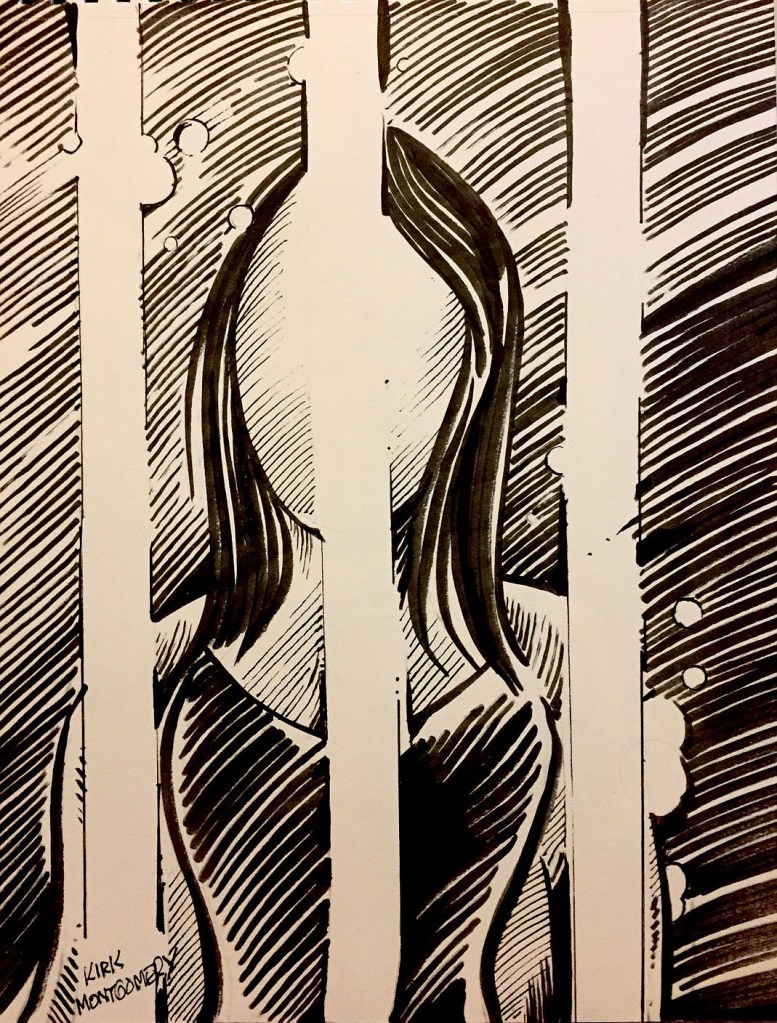
Given the choice of continuing to suffer beatings from a brutal husband and being held safely behind some unemotional bars, which would you choose?
Man at the best a creature frail and vain, In knowledge ignorant, in strength but weak; Subject to sorrows, losses, sickness, pain. Each storm his state, his mind, his body break; From some of these he never finds cessation, But day or night, within, without, vexation, Troubles from foes, from friends, from dearest, near’st relation. —Anne Bradstreet, from “Contemplations” #29
A Dead Baby
Joyce Ann took the shovel from the shed and dug the hole as quickly as she could in her flustered state. She laid the little thing unceremoniously at the bottom of the hole and started shoveling dirt on it.
She heard a faint whimper and just for the span of a heartbeat felt the urge to grab the thing and clean it off and stick its mouth to her breast. But she ignored that urge and continued to refill the hole.
The second and third and fourth shovels full of dirt were covering the thing but the whimper seemed to get louder, so she shoveled all the more furiously to stifle the noise. Finally, sweating and panting, she heaved a sigh of relief that the thing was gone, out of her life. Not a trace of its existence would follow her back to the house. She was safe now.
She could wash the blood from between her legs and walk to town and sit down at the drug store lunch counter and order herself a Coke, and nothing could stop her. She hoped she would see that soda jerk, Barry Flimstead. She would comb her hair and wear her best pink and white dress now. Now that she looked like her own self again. Maybe Barry would take her for a ride in his ’57 cherry-red Chevy.
Back inside the house cleaning herself up, she had to hurry; it was already past two o’clock, and Jiggs would be trudging in by three-thirty. But today she would not be there. And even if he came to the drug store looking for her, she would not be there either.
She would be out riding with Barry. She knew it would happen, now that she had unloaded that burden she had carried around all those months. Too bad it was born dead, she said to herself. Born dead. Born dead. It was born dead.
“Joyce Ann, where the hell are you?” Jiggs Batston was home early. She looked at the clock again. She was right, she knew she had at least an hour. Why was he home so early? Now her plans were ruined.
“Jiggs,” she answered, as she quickly pulled off her dress and threw on her ratty old housecoat. “Jiggs, I’m up here. I didn’t feel good and I took a nap. I’m coming down.”
“Why is the shovel laying out in the yard. I know damn well I didn’t leave it out. Now just who the hell did?” He grabbed her arm and twisted it and gave her one of those looks that scared the breath out of her.
“Ouch, Jiggs, I don’t know. I never saw any shovel. I been in the house all day. What I know about an old shovel?” She started to cry and pull her arm loose. But Jiggs just shoved her back.
He scowled and barked, “Where’s my goddam supper? I get home a lousy hour early. You damn worthless bitch can’t have my supper a hour early, can you? Hell, no, that’d be just too much for you. And I go work my ass off everyday to give you all this. And you’d better come up with some damn good reason for that shovel being out of the shed. Was it that neighbor Tom Tix fellow that borrows flower vases from you? You’d better come up with something damn good.”
He was more or less talking to himself now, as he headed outside to put the shovel back in the shed. He always did that though. His threats made her shiver, and she’d lived with them for over two years now, and she knew he’d knock her around later. He might even break her arm the way he did the first month he brought her here, but no matter what she told him he wouldn’t believe her.
Four months later Joyce Ann had finally snagged the attention of Barry Flimstead. In his ’57 Cherry-Red Chevy, he drove out along Fern Hill Road with Joyce Ann and pulled off the side of the road into a niche, a love nest for lovers who have no other sanctuary but their cars. Barry pulled Joyce Ann to him immediately.
Wasting no time, he shelled off her dress and underwear and his own pants in what seemed one movement, and he straddled her and began to pump hard and fast. Joyce Ann hardly had time to realize what was happening when Barry peeled off of her and reached to the back seat for a beer.
“Barry, did you like that?” Joyce Ann asked, putting her clothes back on.
“Hell, yes, I like to fuck. Don’t you?”
“Yeah, I do.” But she turned her head to look out the window, and she started to cry. She didn’t want him to see. So she held back as many of the tears as she could. Barry said, “Hey, give me a minute and I’ll pump you again. What d’ya say?”
“I gotta get back. Jiggs’ll be home soon and he’ll kill me if I ain’t there.”
“Well, OK. But I don’t see how he can kill you if you ain’t there.” She didn’t quite get it, so she leaned over to kiss Barry, but he reached back for another beer. Then he started the car and drove back to the drugstore.
She hoped he would kiss her now and ask to see her again soon, but he just parked the car, got out, and went into the drugstore without a word. Joyce Ann watched as he returned to his job behind the counter. She frowned and sighed and then started her walk back home.
As she was approaching the house, she saw a police cruiser with a flashing light and a bunch of men tromping around in the yard. She saw four fierce-looking German shepherds sniffing around. She feared that her secret had been discovered, but she stood back too far away to see that the corpse had actually been exhumed.
She began to think that somehow they found out that the baby wasn’t really dead when she buried it. They would arrest her. She would go to jail. What was she going to do? She decided to hide in the bushes and wait until they left. But they showed no signs of leaving. She thought they must be waiting for someone to show up.
She couldn’t let them catch her. She started walking back to town. But where could she go? She felt the only place she could go would be to Barry. Barry Flimstead and Tom Tix were the only two people she had really talked with, besides her husband, since he had brought her here.
But Barry wasn’t at the drug store. The manager said he took off early, said he had to go help his sister move. She sat at the fountain, drinking a Coke trying to figure out what to do. It was getting late. Jiggs would be home soon. She couldn’t go home now. With the cops there trying to arrest her for murder and Jiggs coming home.
He’d kill her just because she hadn’t been home on time. What a mess? But what if the police tell Jiggs about the baby? He didn’t even know about the baby. All the time she was pregnant he kept condemning her for getting fat. He’d call her a fat bitch. Tell her she’d better lose that weight or he was going to kick her blubber butt out.
He wouldn’t stay married to a tub of lard. When he’d climb on her at night, he always complained that her gut was in the way, mumbling that he couldn’t even get a good fuck out of her anymore.
She never told him she was pregnant, because she didn’t know it either. She also just thought she was getting fat. And the day the baby fell out as she reached up to swat a horsefly off the icebox, she could hardly believe that messy looking thing came out of her.
When she saw it was a baby, a boy, she imagined in a few years that two Jiggs’ would be blackening her eyes and beating her with belts and pushing her into furniture. She remembered her father and her brother used to gang up to teach her mom lessons about obedience.
And she remembered the day they taught her for the last time. At first she felt lucky at age fifteen that Jiggs Batston had come along and rescued her from that house. But less than a month after the rescue, Jiggs had started knocking her around and swearing at her the same way her father had done her mother.
What could she do now? It was very late. Nearly five-thirty and the drug store closed at six. She’d sat there for three hours trying to figure out what to do, and she hadn’t come up with anything. She figured she’d just go walking and think some more.
As she started to leave the drug store, the police cruiser was pulling up the street and when the officer saw her, he stopped the car. He stepped out of the cruiser, and Jiggs got out of the other side. Her face went sickly white, and she nearly fainted.
“Mrs. Batston, are you ill?” the officer asked Joyce Ann, as she stepped back to brace herself against the wall just outside the drug store. She looked at Jiggs. She couldn’t tell what he was thinking. What kind of mood was he in? What would happen now?
“I’m all right. Can I sit down?” She started to slide down the wall. But the officer caught her and led her to the cruiser.
“Mrs. Batston, we need to ask you some questions. This is not going to be pleasant. And if you’d like to have a lawyer present you can. But there are some things we need to know, in light of a report we’ve had from your neighbor, Mrs. Jella Tix.”
“I don’t need a lawyer. Just ask me. What is it?” She looked at Jiggs, who had not said anything yet. But now his face started to show some signs. She saw that same look the day he pushed her down the stairs, and again the day he choked her until she thought she’d never be able to speak again.
His hands were balled up in fists that promised her the beating of her life. And he sneered through his teeth, “Just you wait. Just you wait.” She looked back at the officer and felt a strange, sudden surge of security. She knew what she had to do; she had to make sure she kept that feeling.
A Safe Place
“Mrs. Batston, according to Mrs. Tix, you were pregnant and gave birth to a baby about four or five months ago. Mrs. Tix’s pigs were in your yard today, and they dug up what looks life the corpse of a baby. Now we’ve sent the body down to Richmond for an autopsy. But we’d really like it, Mrs. Batston, and it’d go a lot better for you, if you’d just tell us what happened.”
“What will happen to me after I tell you?”
“Well, that depends. You could be charged with something as minor as an illegal burial to something as serious as murder. Now, Mrs. Batston, the autopsy will show that pretty conclusively. If that baby was alive when you buried him, then you can count on being charged with murder. What you tell me right now determines whether your husband takes you back home tonight, or I take you to jail. So Mrs. Batston, why don’t you just tell me the truth.”
“You mean, if I tell you that the baby was dead before I buried it I go home with Jiggs. And if I tell you the baby was alive when I buried it, I go with you to jail. Does Jiggs go to jail too?”
“No, Mrs. Batston, your husband didn’t even know you were pregnant. Some folks might have some trouble with that one. But it’s not against the law not being able to recognize that your wife’s pregnant.”
“Well, what if I tell you, I didn’t know if the baby was dead or not. That I thought it was, but I wasn’t sure.”
“Is that what you’re telling me?”
“No, I want to know what if I tell you that. Then where do I go?”
“Then I’d have to let you go, but you’d then be arrested or not depending on the autopsy. Mrs. Batston, the only way I could hold you right now is if you admit to murder. Do you understand all this yet?”
“I did it. I murdered it. I heard it whimpering whilst I’s shoveling the dirt in on top of it. I hated it because it made me fat. And it was a little Jiggs. I think it was a little
Jiggs. And I did it. Take me to jail. Take me away from Jiggs. Take me where it’s safe.”
Fiction Alert! This story is fiction. It does not depict any real person or actual event.
Falling Grace
Grace Jackson began her freshman year at Ball State Teachers College with hopes of becoming an English teacher like her favorite high school teacher Mrs. Daisy Slone, an avid Shakespeare fan and scholar.
Grace Goes to College
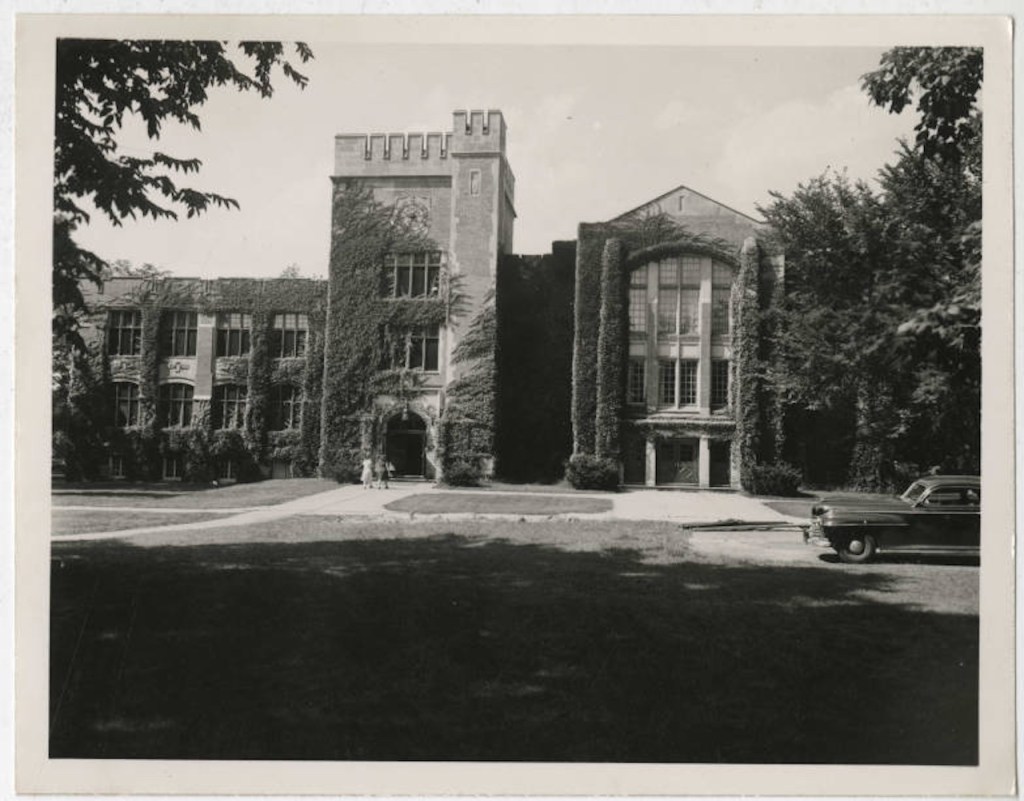
In the Hoosier heartland of America, where cornfields stretch like the dreams of the early American settlers, stood Ball State Teachers College (later renamed Ball State University), a bastion of teacher education.
There among the ten-thousand or so students and armies of administrators came Grace Jackson, a freshman with eyes like the last autumn leaves—vibrant yet tinged with the inevitability of fall.
Grace was majoring in English, where in a world woven from words, each sentence threaded itself into the tapestry of her young life. She had brought her treasure trove of books in one suitcase, and her clothes in much smaller one. She had marveled at all the gear other students had carted into the dorms.
Her days were spent plumbing the nuances of Shakespeare and the Romantic tropes of Wordsworth, but her heart and hormones were captivated by a different history, one not bound by books but by the circling rhythm of a forbidden dance.
A Professor’s Gaze
Professor Ed Stewart, her professor in general studies American history, possessed eyes that seemed to have witnessed centuries, even as they betrayed the youth of a young scholar, for he was less than a decade older than Grace. In class, he held her gaze, thrilling to smiles this young co-ed flashed his way.
Those lectures became a prelude to the symphony of secrets they would share. They soon began to meet outside of class; at first, she just needed some advice about extra reading. Then they met just to talk and walk and finally . . .
For Grace, their affair became a clandestine sonnet, whispered in the shadows of the old library, where the dust of ancient texts seemed to conspire in silence. Here, time felt suspended, each stolen moment of hand-holding, passionate kissing, and sweet talk—all a defiance against the ticking clock of morality.
The sad fact was that Professor Stewart was a married man with two young daughters, but that marriage had long soured, and he felt unhappily tethered to a life with Darlene, whose laughter had once been the melody of his days, now the echo of a song he no longer sang.
Darlene had become a born-again Christian in a very strict denomination called Hard Shell Baptist, and Ed chafed under her constant nagging that he attend church with her and the girls. At ages 11 and 9, the daughters easily sided with the mother making Ed’s life a constant, bitter struggle with adversity
Moonlight and Shadows
One late evening, when the campus was fairly deserted, under the cloak of a moon that seemed to understand their forbidden desire, Ed led Grace to a secluded alcove in the shadows between the college library and the assembly hall.
The air was lightly scented with the fragrance of burning leaves from the neighborhood surrounding the school, and the stars above whispered secrets only lovers could hear. Here, in this shadowed hide-away, they sought solace that seemed to escape them in the cold light of day
Ed took her hand and whispered, “Now, we are not separated.” Ed’s touch was like the first pages of a cherished book, gentle yet eager to explore. His lips pressed against Grace’s, and she felt that her body would melt into his.
A rustling of clothing and their bodies sealed together in a passionate embrace. Grace felt a stab of virginal pain but then dismissed it as her mind flew into the utter romance of consummation.
Ed quietly spoke of a love that transcends the boundaries of their world. “We are but a footnote in history,” he whispered, his breath warm against her neck, “but let us write our own chapter tonight.” And he took her body again in a passionate rush
Their bodies, entwined like the ivy around the old stone walls, continued to pump with the rhythm of a salacious sonnet. This love scene, hidden from the prying eyes of the world, was their rebellion. They rationalized that it was their silent scream against the life they could not openly claim.
Grace’s Fall
Fall turned to winter, and with the first frost, Grace’s heart and mind hardened. She saw Darlene not as a person but as an obstacle, a leaf that refused to fall, clinging to a tree that should now be hers.
Grace etched her plan. She would feign the need for help with a project, one that she knew was dear to Darlene’s heart, Campus Kids of Christ.
On a Monday night, under a moon that seemed to mourn, Grace visited the Stewart’s modest home, while the professor and the girls were away. The plan was simple, as sinister as the frost that nipped at the earth’s warmth.
Darlene greeted her with a smile, unaware of the storm she harbored. Grace’s words were sweet, like poisoned honey, as she asked for help with a project, to raise money for the group CKC.
In the quiet kitchen, where Darlene turned her back to pour tea, Grace’s hand, guided by a dark resolve, found the handle of the knife. The act was swift, a betrayal that whispered through the steam of the kettle, sealing fate as irrevocably as the first snow seals the ground.
The Frame of an Innocent
Grace stole out quickly into the night that seemed to swallow her like the silence after a gunshot, but in her wake, she planted seeds of deceit. She decided to frame Lester Phillips, a fellow student, whose jealousy over grades made him a plausible suspect. The framing was meticulous, a work of dark art.
First, Grace began to plant clues. She had seen Lester’s disdain for Professor Stewart in class, his bitter accusations of favoritism. She used this knowledge, planting a scarf with Lester’s initials near the crime scene. She had taken it from his locker one day, a small theft that would later become a noose around his neck.
She then concocted a false alibi. She made sure Lester was seen arguing with Darlene at a university event a week before the murder, their voices raised in the heat of academic rivalry. Grace whispered rumors, ensuring this altercation was remembered.
Grace then borrowed several sheets of paper from Lester’s personalized stationery under the guise of needing to write a letter to her mother, and she hadn’t had time to go to the bookstore to purchase her own writing paper.
On Lester’s stationery, she composed and then sent a letter to Darlene; the missive was filled with veiled threats and anger, suggesting a buildup of hostility.
Then finally, in her own room, she left notes about Lester’s supposed obsession with Darlene, scribblings that hinted at an unhealthy fixation, all written in her hand but styled to mimic Lester’s handwriting, as she had done with his stationery. She had practiced Lester’s handwriting style from a paper he left behind in class.
Truth Will Not Hide
Lester, with his loud protests and defensive demeanor, became the scapegoat, his life unraveling like a poorly knitted scarf in the hands of an unjust fate. But shadows, even those cast by the cunning, have a way of revealing their source.
But the college, as a microcosm of the world, was not immune to whispers. The police, methodical in their search for truth, found discrepancies in Grace’s alibi, her motive buried but not deep enough. The poetry of her deception was undone by the prosaic truth of evidence.
Grace could never account satisfactorily for her visit to the Stewart home at the time of Darlene’s murder. Too many roommates in her dorm all knew where she had gone that night. And the blood on her coat and boots proved to be Darlene’s, not her own nose bleed that she had tried to claim.
Sentencing Grace
Grace’s trial was an intense spectacle, the courtroom a stage where her life was dissected with the precision of a scientist. The judge, an old man with eyes that had seen too many stories end badly, announced that the jury had found her guilty.
The judge sentenced her to death, a final act in a drama she had orchestrated but could not control. In addition to the murder, her attempt to frame an innocent man swayed the judge and jury to impose the death penalty.
In her cell, Grace awaited the end, her world now a stark contrast to the vibrant one she had envisioned. In her cell, there were no books, no metaphors to escape into, only the cold reality of bars and the echo of her own heartbeat. She wrote her last poem on the wall, words etched with the stub of a pencil, a confession and a lament:
The gray cell and the black bars seem to pray As I pen my fate: My love has melted away From my heart. His stubborn wife Clinging to my love brought death her way. She fell like a leaf under a cold, hard moon. She stole my innocence, so I die at noon.
The imagery of her life became clear in these lines—her ambitious delusions, her faux love, her crime, all intertwined like the roots of an old oak, now exposed. The poetry that once colored her world was now her shroud, each word a reminder of the affection she sought and the darkness she embraced.
As she continued to think of her former lover, she continued in a depraved solace knowing that although she would never cleave her body to his again, neither would Darlene, who was now nothing more than an object of hatred.
An insane, silent cry kept ringing through her brain that it was all Darlene’s fault that she was now facing death before reaching the age of twenty.
On the day of her execution, the sky was as gray as the walls of her cell, the air heavy with the scent of rain, not unlike the day she first met Professor Stewart. As she walked her final steps, she looked up, perhaps seeking redemption or merely an end to the story she had written with blood instead of ink.
The Legend
The college moved on, its halls echoing with old legends, new stories, new lives, but in the old library, where their affair began, one could almost feel the ghost of Grace Jackson, her passion, her folly, her poetry. The leaves outside turned, year after year, a reminder of life’s cycle, of love’s complexity, and the tragic, tumultuous, terrifying power of desire.
And Ed, left with the weight of his part in this tragedy, returned to his lectures, his words now haunted by the specter of what was once his heart’s desire, turned to pity by the very hands he once held.
He felt that he could not face his daughters after the shame he brought to the family, so when Darlene’s sister Natalie, who lived in Georgia, insisted on seeking custody of the girls, he readily bent to Natalie’s wishes and allowed his daughter to grow up without him.
Thus, the tale of Grace Jackson and Professor Ed Stewart became part of the legend of this Indiana heartland college, a dark narrative woven into the fabric of its history, a cautionary tale of attraction, ambition, and the fatal missteps of those who dare to step outside of the boundaries of moral truth.
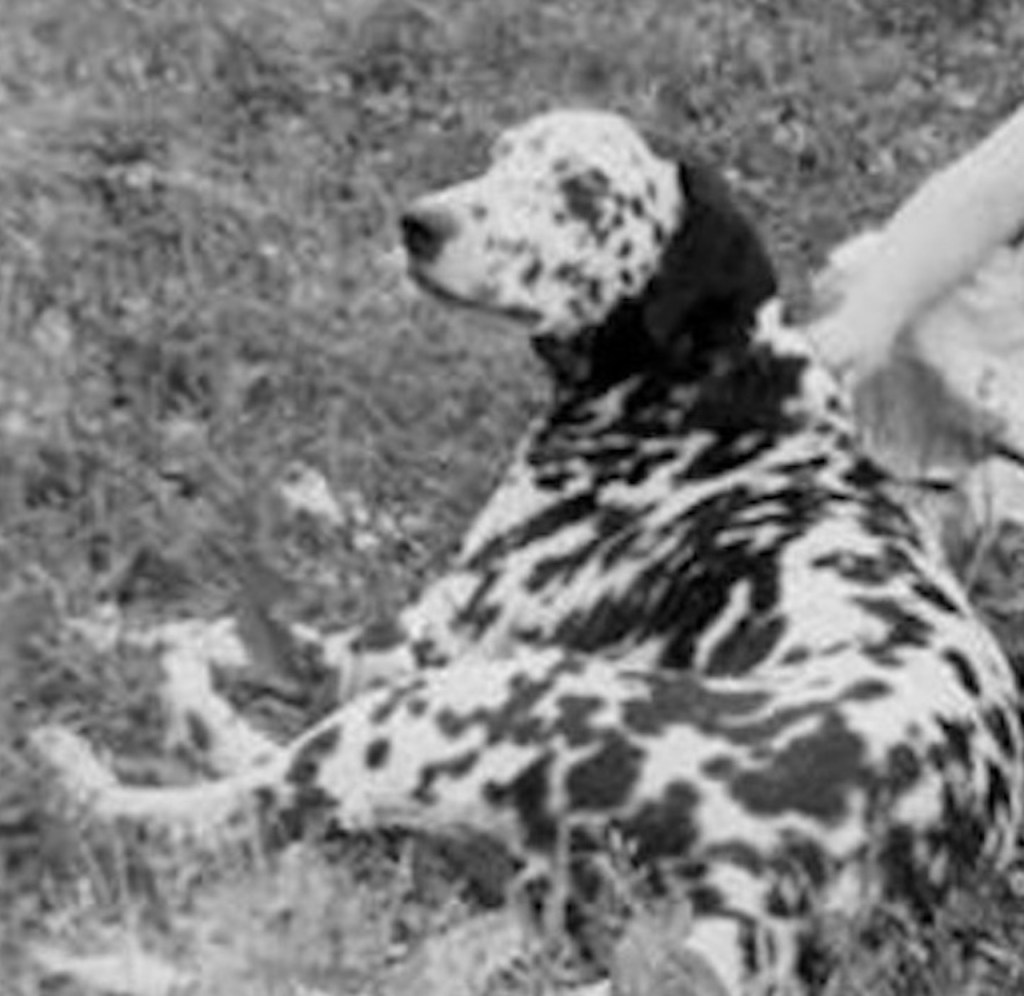
Image 1: A Dog Named Spot – Helen Richardson – Family Album
Fiction Alert! This story is fiction. It does not depict any real person or actual event.
Dedalus
“To live, to err, to fall, to triumph, to recreate life out of life!” —James Joyce, A Portrait of the Artist as a Young Man
They had kids. Their kids were their dogs. Their kids may be strange; they had never asked for a dog.
At 4 a.m.
Lane Rushington rolled out of bed at four a.m. as usual, heated her new favorite morning drink orange juice, sewed a patch on her fast-becoming-threadbare jeans, before she began writing. She heated her juice, because she had quit coffee but still craved something hot before breakfast.
She could have drunk herbal beverages, as Jane Ralston had recommended, but she didn’t like those beverages, so she stayed with what she liked—orange juice, and it was working out quite nicely.
It kept her from bouncing back into the caffeine habit. It had worked for a year. So what if the heat destroyed the vitamin C—what did caffeine ever do for her but make her nervous and forgetful and cause her heart to beat funny? At least, she always blamed the caffeine for making her heart beat funny—sort of skip a beat and flutter once in a while. So what? As long as it helped her stay off coffee.
About 6:15 a.m.
About six fifteen right as she was popping bread into the toaster, the phone rang. It was Jane. She was the best friend Lane had in the English department, a college instructor like Lane, who wanted to write great novels that would become best-sellers. Of course, they always complained that great novels do not become best-sellers, but they could hope, couldn’t they?
They had published short stories in literary journals. Jane had even sold one to Redbook, but that was ten years before Lane met her. They both blamed teaching for their slow progress in their writing careers.
They had that complaint in common, but actually little else. It’s the little else that caused Lane to feel not quite the camaraderie with Jane that she might have liked. And except for their riming names, they found little else to joke about.
Lane thought that Jane acted like a victim of a great conspiracy. Jane insisted that her writing was a great calling that would profit mankind—womankind, she always said, that is, if it were ever recognized for its true worth. She disparaged anything new—including the one new thing that could aid her the most in her writing career, the computer.
When Lane got her computer, she didn’t tell Jane for three months. They weren’t close on a personal basis. They never visited each other’s homes. Lane had a husband. Jane had a husband. But they had never met each other’s husband.
A James Joyce Symposium
So that morning, when Jane called, Lane was surprised.
“Hi, where have you been? I haven’t seen you yet this semester. How’s everything?” Lane tried to sound friendly despite the surprise.
“Lane, dear, I need to ask you a big favor and I’m somewhat overcome by, oh, a bit of shyness. I don’t want to take advantage of our quiet friendship,” Jane prefaced her request.
“Oh, well, gee, what is it? I’ll do whatever I can,” she tried to sound willing but not too committed so that she could back out if the favor was too distasteful.
“Jason has to go to Hawaii for a literary convention—a Joyce symposium, and I’m going with him,” Jane explained, sounding somewhat humble at first. “Hawaii, can you imagine what that will do for my repertoire of place names? I’ve longed to cross the Pacific, but the opportunity has thus far eluded me. And Jason is ecstatic that his paper on Joyce was accepted. There are so few opportunities to present the work—the seminal work—Jason is doing on Joyce. We both feel that this trip is much more than the ordinary tourist on holiday. We both feel that this is the opportunity to grow and contribute.”
“Sure, you’re right, what a great chance,” Lane said.
One Concern
“There is one concern, and that’s why I’m calling you. We have a dog, a Dalmatian named Dedalus, and he’s in great need of some loving care while we are gone. We just don’t have the heart to board him. I remember your telling me about a Dalmatian you had when you were growing up, and I recalled the love in your voice as you spoke of him. And when this concern over Dedi arose I thought of you immediately and hoped so much that you could keep him for us. Oh, I do hope you do this, and we will pay you more than the boarding kennel charges. We are just so concerned that our baby gets the best of care. We know that he will miss us terribly.”
“Oh, well, gosh, I haven’t had a dog since Duke—he was a great dog, and I’ve always thought that if I ever had another dog, it would be a Dalmatian like Duke.”
Lane was stalling, unsure about this venture. Keeping a dog. What would Rob think? They’d never thought about having a dog. Of course not. They had kids. Their kids were their dogs. Their kids may be strange; they had never asked for a dog. They only wanted turtles and mice.
Why did their kids never ask for a dog? All kids want dogs. But their kids were twenty-three and twenty-five now. Come to think of it, they both had dogs now. Maybe they should have a dog—she and Rob. Well, if she kept Jane’s dog, they could get a taste of dog ownership. Who knows, maybe it would be an opportunity for them to grow and contribute.
“Well, I just might do it, but I’d better check with Rob first to make sure he doesn’t mind or have some plans that would make it impossible. How soon do you need us as dog-sitters?”
Leaving Next Week
“We leave early next week, let’s see, the 3rd of October and we’ll arrive back the 13th. We’d like to bring him over perhaps the 1st—just in case it doesn’t work out, and we have to make other arrangements.”
“Well, I’ll talk to Rob about it and let you know tonight. I get home around 5:30, and I could call you then, if that’s OK,” replied Lane.
“That will be superb, I’ll be expecting your call around 5:30.”
Later that morning, before Rob left for the hospital, Lane brought up the topic of dog-sitting. After explaining who Jane was, and what she and her husband would be doing in Hawaii, she emphasized their reason for asking her to be in charge of their dog. He thought for a moment and said he had been thinking about getting a dog. And that it was OK with him.
But he added that he thought she would get attached to the animal and not want to give him up, and that she would probably be hoping they never came back. She told him that was just silly, and besides they could get their own dog if they really liked having one around.
No Survivors
Lane called Jane and told her that they would be glad to keep Dedalus. Jane was relieved and couldn’t thank her enough.
Jane and Jason brought Dedalus to Lane’s house as planned on the first of October. Dedalus and Lane fell immediately in love. He followed her everywhere around the house that evening. He ate blackberries from her hand, and Jane and Jason were amazed; they claimed that he ate only the finest cuts of prime steak from Lamphen’s Butcher Shop. But the dog would became a vegetarian in Lane’s house.
Of course, she did not tell Jane and Jason that only vegetarian meals would be served to their dog. Surely, they would have reconsidered letting the animal stay with Lane. But they soon departed, and Dedalus did not grieve or act as if he much cared that they were gone.
On the last day that they were to enjoy each other’s company, Lane got up that morning, as usual, heated her juice, shared some with her charge—she had been calling him Duke, feeling a little guilty, that maybe she and Duke/Dedi had grown too close—and just as she was sitting down to brush him, the phone rang.
It was Martha Cruelling, chairman of the English department; Jason and Jane had left careful emergency instructions for contacting everyone who had anything to do with their trip, and Professor Cruelling was calling to tell Lane that the plane carrying Jason and Jane back to the mainland had crashed near Maui, leaving no survivors.







 Linda's Literary Home