Linda's Literary Home

Tag: character sketches

  • Edgar Lee Masters’  “Benjamin Pantier” and “Mrs. Benjamin Pantier”

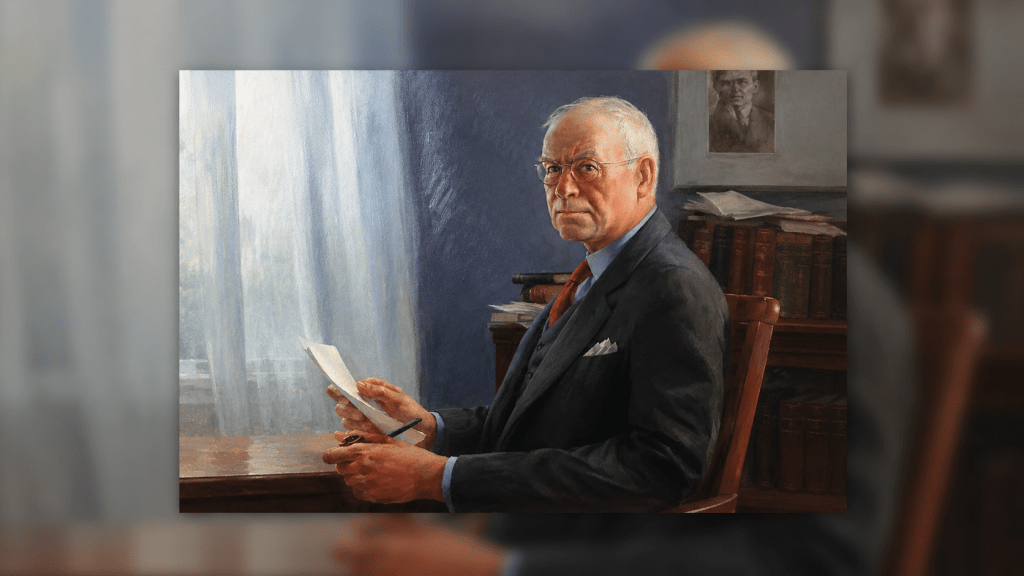
    005a Image/Edgar-Lee-Masters-Portrait.jpg
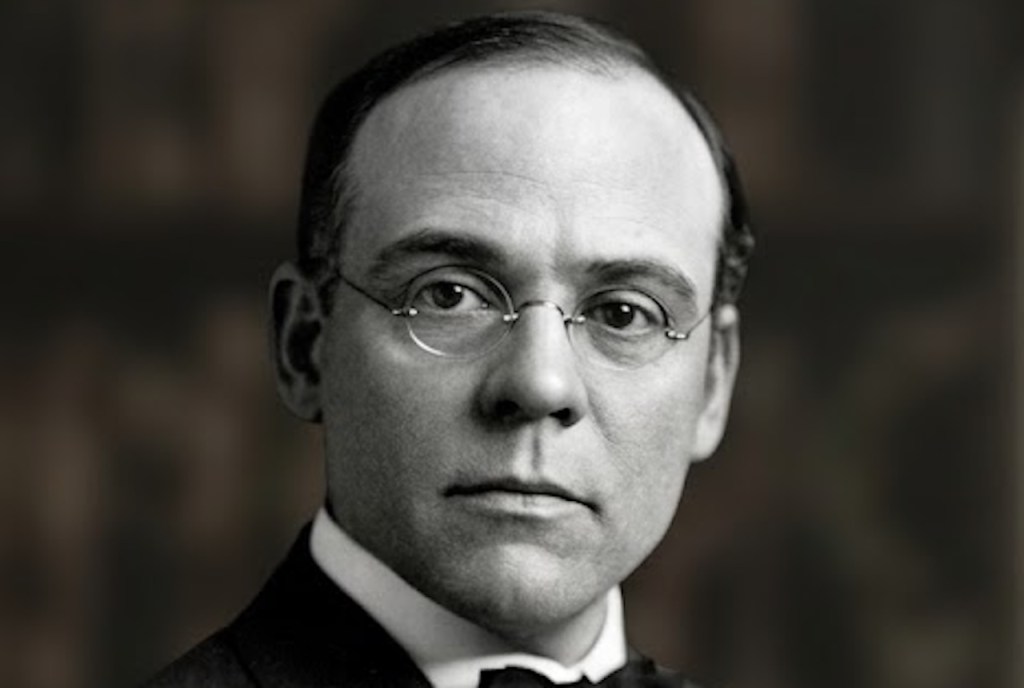
    Image: Edgar Lee Masters

    Edgar Lee Masters’  “Benjamin Pantier” and “Mrs. Benjamin Pantier”

    Feminine unbridled arrogance along with overweening vanity, and masculine weakness have coupled to bring about the destruction of the marriage of Mr. and Mrs. Benjamin Pantier.

    Introduction to the Pantier Sequence

    Edgar Lee Masters’ “Benjamin Pantier” and “Mrs. Benjamin Pantier” from the American classic, Spoon River Anthology, portray the complaint of a husband against his wife and the wife’s response.

    These two poems begin a short sequence that includes installments from “Reuben Pantier,” the couple’s son, “Emily Sparks,” who was Reuben’s teacher, and “Trainor, the Druggist,” from whom readers learn more about the dynamic of the Reubens’ marriage.

    These little sequences give the entire series the feel of reading a novel. But the main emphasis continues to be on the character studies that they provide.

    Benjamin Pantier

    Together in this grave lie Benjamin Pantier, attorney at law,  
    And Nig, his dog, constant companion, solace and friend.
    Down the gray road, friends, children, men and women,
    Passing one by one out of life, left me till I was alone
    With Nig for partner, bed-fellow, comrade in drink.
    In the morning of life I knew aspiration and saw glory.
    Then she, who survives me, snared my soul
    With a snare which bled me to death,
    Till I, once strong of will, lay broken, indifferent,
    Living with Nig in a room back of a dingy office.
    Under my jaw-bone is snuggled the bony nose of Nig—
    Our story is lost in silence. Go by, mad world!

    Interpretive Recitation of “Benjamin Pantier”  

    Commentary on “Benjamin Pantier”

    While Benjamin Pantier does garner sympathy, he also demonstrates a weakness and failure to own at least part of his pathetic life path.

    First Movement:  Buried with His Dog

    Together in this grave lie Benjamin Pantier, attorney at law,  
    And Nig, his dog, constant companion, solace and friend.
    Down the gray road, friends, children, men and women,
    Passing one by one out of life, left me till I was alone
    With Nig for partner, bed-fellow, comrade in drink.
    In the morning of life I knew aspiration and saw glory.

    The speaker is Benjamin Pantier, who announces that he now lies in his grave with his dog, named Nig, who became his “constant companion, solace and friend.”  Benjamin had been an “attorney at law,” yet he now is filled with pity for himself as he describes his lonely lot.

    Benjamin claims that early on his life showed great promise, “in the morning of life I knew aspiration and saw glory.”  But now he emphasizes this lonely lot; “friends, children, men and women” all left his life “one by one” until he was left with no one but Nig “for partner.”  

    Second Movement:  Marriage Blighted His Life

    Then she, who survives me, snared my soul
    With a snare which bled me to death,
    Till I, once strong of will, lay broken, indifferent,
    Living with Nig in a room back of a dingy office.
    Under my jaw-bone is snuggled the bony nose of Nig—
    Our story is lost in silence. Go by, mad world!

    Benjamin’s life looked bright until he married a woman who became the bane of his existence.  His hatred of his marriage partner led him to a soul-sickness that he could never overcome.

    Benjamin now lies in the same grave with his trusty canine friend’s “bony nose” “snuggled under his “jaw-bone.”  He complains bitterly; “our story is lost in silence. Go by, mad world!”  This sentiment of Benjamin’s dramatic final command echoes W. B. Yeats’ “Cast a cold eye / On life, on death. / Horseman, pass by!” 

    Mrs. Benjamin Pantier

    I know that he told that I snared his soul  
    With a snare which bled him to death.
    And all the men loved him,
    And most of the women pitied him.
    But suppose you are really a lady, and have delicate tastes,
    And loathe the smell of whiskey and onions.
    And the rhythm of Wordsworth’s “Ode” runs in your ears,  
    While he goes about from morning till night
    Repeating bits of that common thing;
    “Oh, why should the spirit of mortal be proud?”
    And then, suppose:  
    You are a woman well endowed,
    And the only man with whom the law and morality  
    Permit you to have the marital relation
    Is the very man that fills you with disgust
    Every time you think of it—while you think of it  
    Every time you see him?  
    That’s why I drove him away from home
    To live with his dog in a dingy room  
    Back of his office.

    Interpretive Recitation of  “Mrs. Benjamin Pantier” 

    Commentary on “Mrs. Benjamin Pantier”

    Trying to set the record straight, Mrs. Pantier further demonstrates the accuracy of her husband’s complaint.


    First Movement:  Her Side of the Story

    I know that he told that I snared his soul  
    With a snare which bled him to death.
    And all the men loved him,
    And most of the women pitied him.

    Mrs. Pantier begins her rebuttal to her husband’s accusation by stating that she knows what he has said about her bleeding “him to death.”  She states the issue in such a way that the reader knows immediately that she wants to share her side of the story and that it will surely not coincide with what Mr. Pantier has said.  

    Mrs. Pantier then states categorically, “all the men loved him / And most of the women pitied him,” a remark that does not comport with Mr. Pantier’s claim that he was left alone.  At this point, the reader will probably doubt Mr. Pantier’s assertion.

    Second Movement:   Her Obnoxious Arrogance

    But suppose you are really a lady, and have delicate tastes,
    And loathe the smell of whiskey and onions.
    And the rhythm of Wordsworth’s “Ode” runs in your ears,  
    While he goes about from morning till night
    Repeating bits of that common thing;
    “Oh, why should the spirit of mortal be proud?”
    And then, suppose:  
    You are a woman well endowed,
    And the only man with whom the law and morality  
    Permit you to have the marital relation
    Is the very man that fills you with disgust
    Every time you think of it—while you think of it  
    Every time you see him?  
    That’s why I drove him away from home
    To live with his dog in a dingy room  
    Back of his office.

    However, after Mrs. Pantier begins her defense, the reader understands the self-importance of this woman.  Her paltry defense for driving her husband from his home is that she fancies herself “a lady” with “delicate tastes.” 

    Mrs. Pantier hears strains of Wordsworth‘s “Ode” ringing in her ears, while her husband “goes about from morning till night” quoting lines from Abraham Lincoln’s favorite poem, “Mortality” by William Knox.  

    For Mrs. Pantier, the British Wordsworth signals gentility and the upper-class befitting a lady, while the American Knox implies low-class individualism and struggle for a living.

    Even more gratingly obnoxious is that Mrs. Pantier fancies herself “well endowed,” but legally and morally, she can indulge her well-endowed body only with a man she finds disgusting.  Thus, because of her vanity and arrogance, she feels justified in driving him from his home, causing him to live only with his dog in his office.
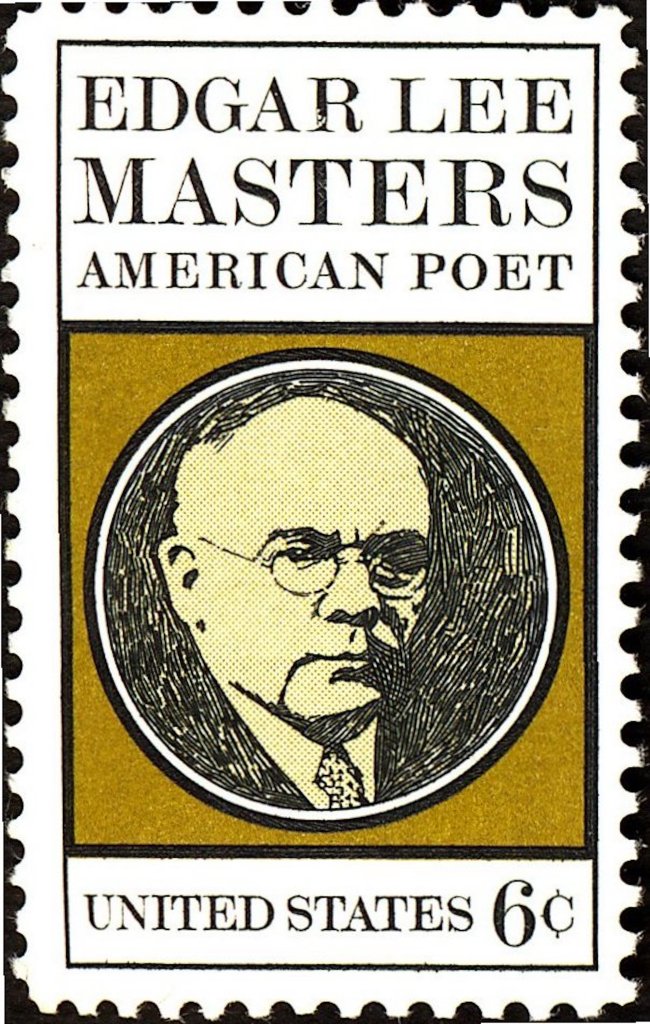
    Image: Edgar Lee Masters – Commemorative Stamp

    The Pantier Sequence

    1.  Benjamin Pantier  A husband who appears to be weakling allowing himself to be cowed by his wife, an arrogant bully.
    2. Mrs. Benjamin Pantier  Unbridled arrogance, overweening vanity along with cowardly weakness have combined to bring about the destruction of the marriage of Mr. and Mrs. Benjamin Pantier.
    3. Reuben Pantier  Reuben Pantier’s colorful character helps dramatize the power of spiritual love for healing the mind, heart, and soul, even through the distance of miles and decades.  Reuben is the son of the dysfunctional couple Mr. and Mrs. Benjamin Pantier.
    4. Emily Sparks  The epitaph is the fourth entry in the sequence of five epitaphs featuring a dysfunctional couple, their son, and the latter’s influential mentor.
    5.  Trainor, the Druggist  This epitaph offers a final installment covering the pitiful story of the Pantiers:  Mr. and Mrs. Benjamin Pantier and their son Reuben.
  • Edgar Lee Masters’ “Kinsey Keene”

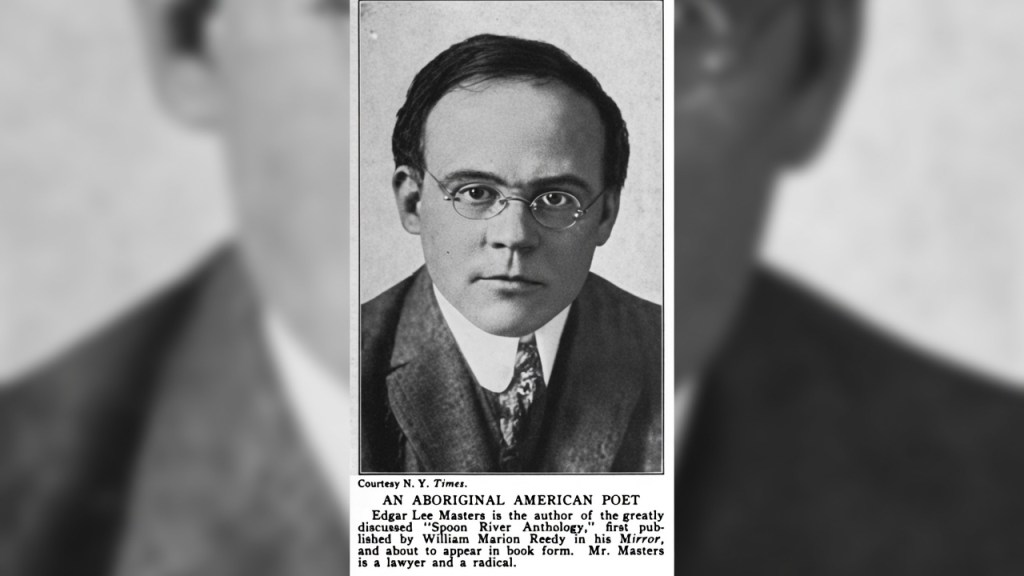
    Image:  Edgar Lee Masters -  Alchetron https://alchetron.com/Edgar-Lee-Masters
    Image:  Edgar Lee Masters –  Alchetron

    Edgar Lee Masters’ “Kinsey Keene”

    Edgar Lee Masters’ “Kinsey Keene” offers a unique conundrum as it forces the reader to muse upon the two legendary claims regarding a famous quotation.

    Introduction and Text of “Kinsey Keene”

    Edgar Lee Masters’ “Kinsey Keene” from his American classic Spoon River Anthology focuses on a legendary quotation by the French commander  General Count Etienne Cambronne at the losing end of the Battle at Waterloo.  

    When the British were about to vanquish the Old Guard, British Major-GeneralPeregrine Maitland called for the French to surrender, but Cambronne allegedly responded, “La Garde meurt, elle ne se rend pas!” (“The Guard may die, but it will never surrender”).  Cambronne repudiated the claim that he said those words, and legend has filled in the rest—claiming that he said, “Merde!” which translates variously as “F**k off!” or “Shit!”  

    Now to which legendary quotation Master’s speaker is alluding can be a matter of interpretation:  that he fails to offer the quotation might indicate that he has in mind the obscenity.  However, because he has already quoted the British Major-General’s command, he perhaps is implying the response about no surrender.  Regardless of which quotation the speaker is evoking, the same non-conformist, adversarial attitude is displayed by Kinsey Keene.

    Kinsey Keene

    Your attention, Thomas Rhodes, president of the bank;
    Coolbaugh Whedon, editor of the Argus;  
    Rev. Peet, pastor of the leading church;  
    A. D. Blood, several times Mayor of Spoon River;
    And finally all of you, members of the Social Purity Club—
    Your attention to Cambronne’s dying words,  
    Standing with the heroic remnant  
    Of Napoleon’s guard on Mount Saint Jean
    At the battle field of Waterloo,  
    When Maitland, the Englishman, called to them:
    “Surrender, brave Frenchmen!”—  
    There at close of day with the battle hopelessly lost,  
    And hordes of men no longer the army  
    Of the great Napoleon
    Streamed from the field like ragged strips
    Of thunder clouds in the storm.  
    Well, what Cambronne said to Maitland
    Ere the English fire made smooth the brow of the hill  
    Against the sinking light of day
    Say I to you, and all of you,
    And to you, O world.
    And I charge you to carve it
    Upon my stone.

    Commentary on “Kinsey Keene”

    Edgar Lee Masters’ “Kinsey Keene” offers a unique conundrum which requires readers to ruminate upon the two legendary claims regarding a famous quotation.

    First Movement:  Addressing the Upper Crust

    Your attention, Thomas Rhodes, president of the bank;
    Coolbaugh Whedon, editor of the Argus;  
    Rev. Peet, pastor of the leading church;  
    A. D. Blood, several times Mayor of Spoon River;
    And finally all of you, members of the Social Purity Club—

    Kinsey Keene addresses some of the upper crust of the fictional town of Spoon River: the president of the bank, the editor of the newspaper, the pastor of the leading church, and a “several times” mayor of the town.   He also calls for the attention of “all of you, members of the Social Purity Club”—a fictional club that implies Keene’s disdain for the town’s leaders.

    Second Movement:  Allusion to a Legend

    Your attention to Cambronne’s dying words,  
    Standing with the heroic remnant  
    Of Napoleon’s guard on Mount Saint Jean
    At the battle field of Waterloo,  
    When Maitland, the Englishman, called to them:
    “Surrender, brave Frenchmen!”—  

    The second movement reveals that Keene is drawing attention to those famous, legendary words of the dying French commander, General Count Etienne Cambronne.   Instead of revealing the words, Keene describes the scene:  the French general was “standing with heroic remnant / Of Napoleon’s guard on Mount Saint Jean / At the battle field of Waterloo.” Thus placed, Cambronne was accosted by the command of the British general Maitland, who demanded, “Surrender, brave Frenchmen!”

    Third Movement:  A Lost Battle

    There at close of day with the battle hopelessly lost,  
    And hordes of men no longer the army  
    Of the great Napoleon
    Streamed from the field like ragged strips
    Of thunder clouds in the storm.  

    Again, Keene describes the battlefield.  It is “at close of day,” the battle lost, and the once proud French army of “the great Napoleon” was moving restlessly from the battlefield.  He compares the appearance of  soldiers to “ragged strips / Of thunder clouds in the storm.”  

    Fourth Movement:  What Did Cambronne Say?

    Well, what Cambronne said to Maitland
    Ere the English fire made smooth the brow of the hill  
    Against the sinking light of day
    Say I to you, and all of you,
    And to you, O world.
    And I charge you to carve it
    Upon my stone.

    Keene then inserts the phantom quotation by referring to it with the clause “what Cambronne said to Maitland.”  Before the English continued to demolish the “brow of the hill / Against the sinking light of day,” Cambronne made his famous remark.    Now, Keene defiantly thrusts that same statement at his adversaries and challenges them to engrave the remark upon his grave marker.

    Of course, the French lost the Battle of Waterloo and Napoleon was exiled.  Historians remain uncertain regarding the Cambronne quotation:  perhaps he merely said, “The Guard dies but never surrenders,” or as others have asserted, Cambronne might uttered the obscene, “Merde!”

    This final command to carve the Cambronne quotation upon his stone leaves the reader again with the ambiguity for interpretation:  does Keene want an obscenity carved upon his stone, or just a defiant, “never surrender”?  Either way, he gets his point across—that he never surrendered his own sense of dignity to that of the town’s corrupt leaders.

  • Edgar Lee Masters’ “Harry Carey Goodhue”

    Image:  Edgar Lee Masters - Portrait by Francis J. Quirk https://francisquirk.blogspot.com/2017/03/visit-to-national-portrait-gallery.html
    Image:  Edgar Lee Masters – Portrait by Francis J. Quirk

    Edgar Lee Masters’ “Harry Carey Goodhue”

    Harry Carey Goodhue announces the special grudge he harbors against the citizens of the town of Spoon River while revealing how he finally got his revenge.

    Introduction and Text of “Harry Carey Goodhue”

    In Edgar Lee Masters’ “Harry Carey Goodhue” from his American classic Spoon River Anthology,  the speaker, as many of these speakers do, dramatizes his complaints against the citizens of the town while also announcing how he finally was able to avenge himself.

    Harry Carey Goodhue

    You never marveled, dullards of Spoon River,
    When Chase Henry voted against the saloons
    To revenge himself for being shut off.
    But none of you was keen enough
    To follow my steps, or trace me home
    As Chase’s spiritual brother.
    Do you remember when I fought
    The bank and the courthouse ring,
    For pocketing the interest on public funds?
    And when I fought our leading citizens
    For making the poor the pack-horses of the taxes?
    And when I fought the water works  
    For stealing streets and raising rates?
    And when I fought the business men  
    Who fought me in these fights?
    Then do you remember:
    That staggering up from the wreck of defeat,
    And the wreck of a ruined career,
    I slipped from my cloak my last ideal,
    Hidden from all eyes until then,
    Like the cherished jawbone of an ass,
    And smote the bank and the water works,
    And the business men with prohibition,
    And made Spoon River pay the cost  
    Of the fights that I had lost?

    Commentary on “Harry Carey Goodhue”

    In “Harry Carey Goodhue,” the speaker is dramatizing his complaints against the citizens of the town while also announcing how he finally exacted revenge for himself.

    First Movement:   His Dull Listeners

    You never marveled, dullards of Spoon River,
    When Chase Henry voted against the saloons
    To revenge himself for being shut off.
    But none of you was keen enough
    To follow my steps, or trace me home
    As Chase’s spiritual brother.

    Harry addresses his listeners by calling them “dullards of Spoon River.” He brings to mind that the townspeople “never marveled,” that the alcoholic Chase Henry  had incredulously voted to close down the bars. 

    It might seem odd that a hard-drinker would vote for Prohibition, but the bars had stopped giving Chase credit, and so he could no longer patronize them anyway; therefore, Chase got his revenge by voting to shut them down.

    Harry gives his listeners credit for not finding anything odd about Chase Henry’s revenge, but he then zaps them for their lack of awareness about Harry, who calls himself “Chase’s spiritual brother.”  This appellation alerts the reader that Harry must have rebelled in some way that the townspeople did not recognize.

    Second Movement:   Questions for His Fellows 

    Do you remember when I fought
    The bank and the courthouse ring,
    For pocketing the interest on public funds?
    And when I fought our leading citizens
    For making the poor the pack-horses of the taxes?
    And when I fought the water works  
    For stealing streets and raising rates?
    And when I fought the business men  
    Who fought me in these fights?

    Harry then asks his phantom listeners if they remember when he “fought / The bank and the courthouse ring / For pocketing the interest of public funds?”  Harry does not reveal how he fought these entities, but he continues by asking another question.  He asks if the Spoon River citizens remember when he fought “our leading citizens / For making the poor the pack-horses of the taxes?” 

    Harry also wants to know if they remember when he “fought the water works / For stealing streets and raising rates?” and finally, he wonders if they recall when he “fought the business men / Who fought me in these fights?” 

    Harry leaves his listeners wondering just how he did all of this fighting without their knowing it. And too, his hearers must wonder how successful all that fighting has been.  But Harry saves his surprise until the last few lines for the most impact.

    Third Movement:   Fighting to Defeat

    Then do you remember:
    That staggering up from the wreck of defeat,
    And the wreck of a ruined career,
    I slipped from my cloak my last ideal,
    Hidden from all eyes until then,
    Like the cherished jawbone of an ass,
    And smote the bank and the water works,
    And the business men with prohibition,
    And made Spoon River pay the cost  
    Of the fights that I had lost?

    In a final question, Harry then reveals that all of this fighting resulted in his own defeat: he wonders if anyone saw him “staggering up from the wreck of defeat.”  Harry lost his battle; he even lost his own job, “the wreck of a ruined career.”

    He does not reveal what his career was, just that it was ruined because of his standing up for his ideals. But because of all of this defeat, he “slipped from [his] cloak” his “last ideal,” which he had kept hidden.  This last ideal made him vote for Prohibition along with his “spiritual brother” the drunkard, Chase Henry. 

    Thus,Harry contends that as Samson (Judges 15:16) wielded the “jawbone of an ass” and killed a thousand enemies, Harry did the same with his vote for Prohibition.  He claims that he “smote the bank and the water works, / And the business men.”  With one vote, Harry made Spoon River pay for all “the fights that [he] had lost[.]”

  • Edgar Lee Masters’ “Cassius Huffier”

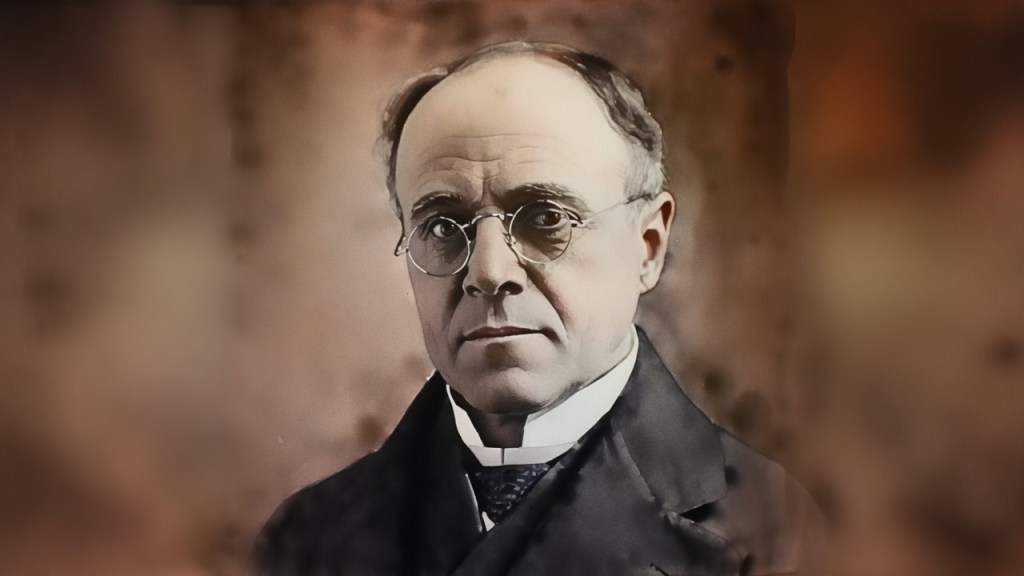
    Image:   Edgar Lee Masters, Esq.   https://librarycollections.law.umn.edu/darrow/trials_details.php?id=4   Clarence Darrow Law Library
    Image: Edgar Lee Masters, Esq. – Clarence Darrow Law Library

    Edgar Lee Masters’ “Cassius Huffier”

    From Spoon River Anthology, Edgar Lee Masters’ American classic, the epitaph “Cassius Huffier” is written in the American-Innovative sonnet tradition:  reversing the Petrarchan octave and sestet, while revealing the depravity of the speaker.

    Introduction and Text of “Cassius Hueffer”

    Edgar Lee Masters’ “Cassius Hueffer” from the Spoon River Anthology offers up the acerbic belly-aching of a man who hated life so completely that even after his death, he continues his belly-aching about the epitaph written on his tombstone.

    Cassius Hueffer

    They have chiseled on my stone the words:
    “His life was gentle, and the elements so mixed in him
    That nature might stand up and say to all the world,
    This was a man.”
    Those who knew me smile
    As they read this empty rhetoric.

    My epitaph should have been:
    “Life was not gentle to him,
    And the elements so mixed in him
    That he made warfare on life,
    In the which he was slain.”
    While I lived I could not cope with slanderous tongues,
    Now that I am dead I must submit to an epitaph
    Graven by a fool!

    Commentary on “Cassius Hueffer”

    From Spoon River Anthology, Edgar Lee Masters’ American classic, the epitaph “Cassius Huffier” is written in the American-Innovative sonnet tradition:  reversing the Petrarchan octave and sestet, while revealing the depravity of the speaker.

    The Sestet:  “They have chiseled on my stone the words”

    They have chiseled on my stone the words:
    “His life was gentle, and the elements so mixed in him
    That nature might stand up and say to all the world,
    This was a man.”
    Those who knew me smile
    As they read this empty rhetoric.

    The speaker, Cassius Hueffer, lays out the epitaph that is carved into his grave marker: “His life was gentle, and the elements so mixed in him / That nature might stand up and say to all the world, / This was a man.”

    In order to refute the truth of such a claim, Huffier reports that the statement will make the people who were well acquainted with him “smile” because those folks would know well that those kind words are merely, “empty rhetoric.

    The epitaph states that Hueffer had been a gentle, loving man in whom “the elements” stacked themselves up to render him a genuine “man.”  The epitaph leads people to believe that Cassius Hueffer was a warm man, who always had a kind greeting for those he encountered, and he behaved as a caring soul who was loved and admired by everyone he  met.

    Of course, Hueffer knows otherwise; therefore, he declares that those words are merely “empty rhetoric.”  Huffier is also aware that the people who chafed under his abusive character flaws would comprehend immediately the emptiness of that rhetoric.  

    The Octave:  “My epitaph should have been”

    My epitaph should have been:
    “Life was not gentle to him,
    And the elements so mixed in him
    That he made warfare on life,
    In the which he was slain.”
    While I lived I could not cope with slanderous tongues,
    Now that I am dead I must submit to an epitaph
    Graven by a fool!

    After striking down such a beautiful yet vacuous epitaph as it is written, Hueffer suggests his own version, the one that he knows ought to be chiseled on his  grave marker:  “Life was not gentle to him, / And the elements so mixed in him / That he made warfare on life, / In the which he was slain.” 

    Hueffer contests the idea that his life was “gentle,” but he does not actually dispute the accuracy of the claim that his own life was gentle, just the “idea” that life was gentle “to him.”  

    Hueffer contends that life did not deal gently with him.  He then employs the same form to assert, “the elements” were “mixed in him” in such a way as to urge him always to be at “warfare on life.”  Thus, he battled in life like a warrior, but finally, he “was slain.”

    The speaker does not elaborate about the manner in which he was “slain,” but he does contend that he was not able to abide “with slanderous tongues.”  He continues in his vagueness, however; thus, the reader remains without any information about either the nature of the slander, or how Hueffer left this earth.

    But his last dig at life and society and particularly the person who is responsible for the inaccurately carved epitaph is especially focused as it points an accusing finger:  “Now that I am dead I must submit to an epitaph / Graven by a fool!”

    Resentful in Life, Resentful in Death

    Although many readers of this poem may remain puzzled by the specifics of Hueffer’s life—why he carried on as such a misanthrope?  what was the nature of the slander he actually suffered?  how did he finally die?—such issues, in the long run, are not vital to the message of the poem, which is simply the grievance of a man who lived a resentful life and now undergoes a resentful  death.