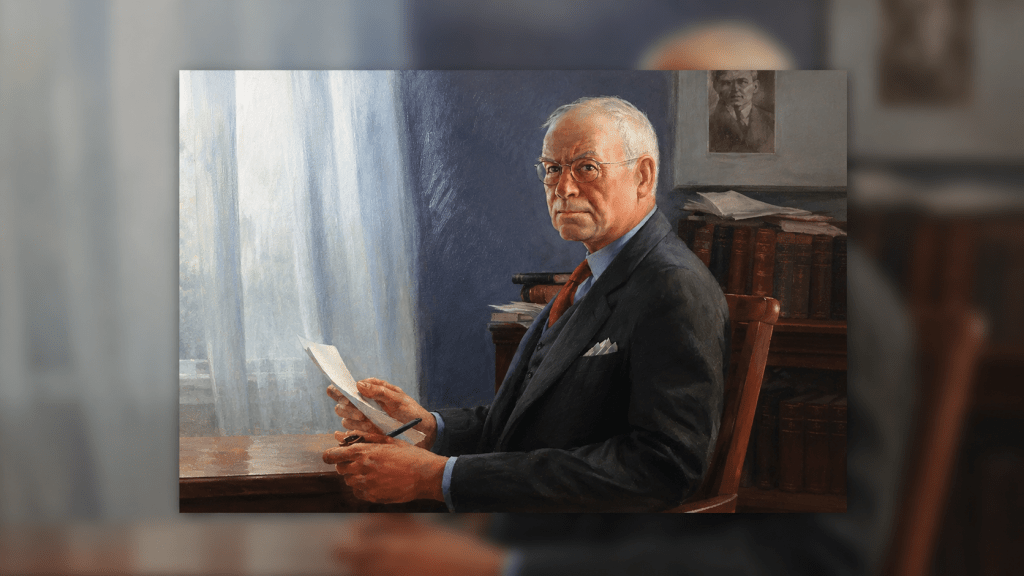
Edgar Lee Masters’ “Harry Carey Goodhue”
Harry Carey Goodhue announces the special grudge he harbors against the citizens of the town of Spoon River while revealing how he finally got his revenge.
Introduction and Text of “Harry Carey Goodhue”
In Edgar Lee Masters’ “Harry Carey Goodhue” from his American classic Spoon River Anthology, the speaker, as many of these speakers do, dramatizes his complaints against the citizens of the town while also announcing how he finally was able to avenge himself.
Harry Carey Goodhue
You never marveled, dullards of Spoon River,
When Chase Henry voted against the saloons
To revenge himself for being shut off.
But none of you was keen enough
To follow my steps, or trace me home
As Chase’s spiritual brother.
Do you remember when I fought
The bank and the courthouse ring,
For pocketing the interest on public funds?
And when I fought our leading citizens
For making the poor the pack-horses of the taxes?
And when I fought the water works
For stealing streets and raising rates?
And when I fought the business men
Who fought me in these fights?
Then do you remember:
That staggering up from the wreck of defeat,
And the wreck of a ruined career,
I slipped from my cloak my last ideal,
Hidden from all eyes until then,
Like the cherished jawbone of an ass,
And smote the bank and the water works,
And the business men with prohibition,
And made Spoon River pay the cost
Of the fights that I had lost?
Commentary on “Harry Carey Goodhue”
In “Harry Carey Goodhue,” the speaker is dramatizing his complaints against the citizens of the town while also announcing how he finally exacted revenge for himself.
First Movement: His Dull Listeners
You never marveled, dullards of Spoon River,
When Chase Henry voted against the saloons
To revenge himself for being shut off.
But none of you was keen enough
To follow my steps, or trace me home
As Chase’s spiritual brother.
Harry addresses his listeners by calling them “dullards of Spoon River.” He brings to mind that the townspeople “never marveled,” that the alcoholic Chase Henry had incredulously voted to close down the bars.
It might seem odd that a hard-drinker would vote for Prohibition, but the bars had stopped giving Chase credit, and so he could no longer patronize them anyway; therefore, Chase got his revenge by voting to shut them down.
Harry gives his listeners credit for not finding anything odd about Chase Henry’s revenge, but he then zaps them for their lack of awareness about Harry, who calls himself “Chase’s spiritual brother.” This appellation alerts the reader that Harry must have rebelled in some way that the townspeople did not recognize.
Second Movement: Questions for His Fellows
Do you remember when I fought
The bank and the courthouse ring,
For pocketing the interest on public funds?
And when I fought our leading citizens
For making the poor the pack-horses of the taxes?
And when I fought the water works
For stealing streets and raising rates?
And when I fought the business men
Who fought me in these fights?
Harry then asks his phantom listeners if they remember when he “fought / The bank and the courthouse ring / For pocketing the interest of public funds?” Harry does not reveal how he fought these entities, but he continues by asking another question. He asks if the Spoon River citizens remember when he fought “our leading citizens / For making the poor the pack-horses of the taxes?”
Harry also wants to know if they remember when he “fought the water works / For stealing streets and raising rates?” and finally, he wonders if they recall when he “fought the business men / Who fought me in these fights?”
Harry leaves his listeners wondering just how he did all of this fighting without their knowing it. And too, his hearers must wonder how successful all that fighting has been. But Harry saves his surprise until the last few lines for the most impact.
Third Movement: Fighting to Defeat
Then do you remember:
That staggering up from the wreck of defeat,
And the wreck of a ruined career,
I slipped from my cloak my last ideal,
Hidden from all eyes until then,
Like the cherished jawbone of an ass,
And smote the bank and the water works,
And the business men with prohibition,
And made Spoon River pay the cost
Of the fights that I had lost?
In a final question, Harry then reveals that all of this fighting resulted in his own defeat: he wonders if anyone saw him “staggering up from the wreck of defeat.” Harry lost his battle; he even lost his own job, “the wreck of a ruined career.”
He does not reveal what his career was, just that it was ruined because of his standing up for his ideals. But because of all of this defeat, he “slipped from [his] cloak” his “last ideal,” which he had kept hidden. This last ideal made him vote for Prohibition along with his “spiritual brother” the drunkard, Chase Henry.
Thus,Harry contends that as Samson (Judges 15:16) wielded the “jawbone of an ass” and killed a thousand enemies, Harry did the same with his vote for Prohibition. He claims that he “smote the bank and the water works, / And the business men.” With one vote, Harry made Spoon River pay for all “the fights that [he] had lost[.]”
 Linda's Literary Home
Good faith questions and comments welcome!