Breaking the Coffee Habit: A Devotee’s Reflection in the Spirit of Paramahansa Yogananda
“The soul is ever-free. It is deathless because it is birthless. It cannot be regimented by the stars.”—Paramahansa Yogananda in Autobiography of a Yogi
There is a light within each human being that has never dimmed. It shone before your first sip of coffee and will blaze undimmed long after the last cup is set aside. This light is no fleeting glow borrowed from caffeine—it is the eternal flame of the Atman, the divine Self that the great guru Paramahansa Yogananda (Guruji*) devoted his life to revealing.
Though the soul itself remains ever-free—untouched by birth, death, or any compulsion—it is the mind, clouded by identification with the physical encasement (body), that feels bound. To release the subtle dependency on caffeine is to loosen the mind’s grip on external props, allowing the soul’s innate radiance to shine through unobstructed.
Liberation: Practicing Non-Attachment
Paramahansa Yogananda taught that the spiritual path is, at its essence, liberation from all bondages. Every habit, however mild, forms an invisible chain that restrains the mind’s will and veils the soul’s bliss. Vairagya—non-attachment—was for him not austere denial but a joyful turning toward God, peeling away artificial stimulations so the natural joy of the soul might emerge.
The morning reach for coffee whispers to the mind: “You are not enough. You need something outside to awaken, to be alert, to live.” Each conscious choice to set the cup aside answers with the authority of the Self (Soul): “I am sufficient. God’s energy sustains me. I need nothing but the Infinite.”
In this small act of detachment lies a direct practice of the renunciation Guruji praised as the foundation of lasting happiness. (See his “How to Free Yourself from Bad Habits” in The Divine Romance.)
Prana: The Divine Source of Vitality
Guruji offered his disciples something far more potent than any earthly brew: the science of prana, the cosmic life-force that animates all creation, the very breath of God flowing through every cell. Through his Energization Exercises, Hong-Sau and Om Techniques, and Kriya Yoga, he showed how to draw consciously upon this inexhaustible, cosmic vitality.
Caffeine provides only borrowed energy—stimulating yet depleting, agitating the nerves, inflaming emotions, and leaving behind the fatigue it momentarily masked. Prana, in contrast, restores, regenerates, and uplifts without rebound. To detach from caffeine is to make space for this greater gift. It is to declare to the Universe: “I am ready to receive Thine energy directly, without the veil of stimulants.”
Those who meditate deeply know the truth from experience: after genuine stillness comes an alertness and joy no cup could produce—a clear, steady luminosity of mind that calms rather than jangles, sustains without craving, and reveals the ever-new bliss of Sat-Chit-Ananda. What the mind once sought clumsily in a morning ritual was always a veiled longing for this divine state—available within, waiting to be claimed.
The Will: God’s Greatest Gift to the Mind
Yoganandaji held the human will in profound reverence as the soul’s instrument for mastery over body and senses. The greater the will, the greater the flow of energy. Every victory over a habit strengthens this divine faculty; every surrender dulls it.
Guruji recommends beginning with small disciplines, sustained with determination and devotion, for such discipline burns away dependency and forges the will in purifying fire. Yet he was ever tender and non-judgmental, counseling patience, humor, and prayer in moments of weakness.
When craving arises, sit quietly, breathe deeply, and inwardly call: “Divine Mother, fill me now with Your energy.” To transcend through such prayer is genuine alchemy—the mind’s transformation by grace.
The Body as Temple: Cultivating Sattva
Guruji regarded the physical encasement as a sacred temple hosting the soul for its earthly evolution. He guided toward sattvic living—purity, clarity, lightness—in diet, habits, and rest, while cautioning against rajasic influences that stir restlessness.
Caffeine, by its stimulating nature, is rajasic: it agitates the nervous system, disrupts emotional balance, and creates cycles of artificial highs and lows that hamper meditation and obscure the still, small voice within.
Letting go that stimulant honors the temple’s potential for steadiness. Devotees who make this shift often marvel at the results: moods even out, sleep deepens, morning meditation quiets, and the mind settles into God’s intended rhythm—where inner hearing becomes clear and natural.
Sacred Tradition: Offering Love to the Guru
In the sacred tradition of discipleship, giving up a cherished habit becomes an act of devotion—an offering laid at the Guru’s feet. It says, “I trust Thy guidance more than this craving.” Guruji taught that the Guru cherishes not perfection but sincere effort, the heart’s turning. (See “The Bad Man Who Was Preferred by God)
Each morning that you choose prana over stimulation, stillness over restlessness, the soul’s light over borrowed brightness, you place another garland before Guruji. In the silent ways of the Guru-disciple bond, he receives it and strengthens you for the next choice. Devotees quickly learn that by the grace of the Guru, all difficulties are resolved and all good things are possible.
A Personal Quip: My Quest for God
Since March 1978, I have walked this path charted by my Guru Paramahansa Yogananda and his organization Self-Realization Fellowship—meditating, praying, serving, studying under Guruji’s grace. I have made my humble attempts to offer as much as possible to this quest for God.
This one small, sacred surrender—to free my mind from yet another veil of dependency—lies well within my power. The same will that drew me to my Guru’s feet can gently break this last chain, allowing fuller realization of my ever-free soul.
I must follow this sacred path with greater trust and faith. I must strengthen it daily in meditation. I must know with certainty: the bliss tasted in my deepest meditations is the immortal energy that will sustain me and transform every craving into quiet, unshakable joy. The light within needs no fuel but God, the Divine Stimulant.
O Divine Belovèd! Let my mind’s clouds part, and let the light shine free.
—————
*Guruji is the reverential appellation that devotees use in addressing or referring to their beloved Guru; this is the appellation I personally prefer. Other devotees prefer referring to Paramahansa Yogananda as Master, who was and is the master over his human and divine Self.
Literary studies is the academic discipline devoted to the analysis, interpretation, evaluation, and contextualization of literature; it also includes the generalized act of commentary on literary works.
Literary studies examines written works—from poetry, fiction, and drama to essays and emerging digital forms—not simply as artistic objects but as cultural, historical, philosophical, linguistic, and aesthetic expressions. At its core, literary studies asks:
What do texts mean?
How do they work?
Why do they matter?
The field draws from a range of approaches, including philology, historical scholarship, theory, philosophy, linguistics, theology, and cultural analysis. Each special focus from analysis to commentary engages its own experts who employ each of these fields in unique combinations of endeavor.
For example, the analyst may emphasize historical scholarship in explicating a poem, while the commentarian will dip into any number of those approaches in order to elucidate meaning from informed personal experience.
At the core of the literary field is human experience. From humankind’s first finding itself in world of pairs of opposites that operate sometimes for good and sometimes for ill, the mind of mankind has grappled with the very meaning of existence. Literature provides a written record of that grappling.
That record makes it so that humanity need not learn all over again and again everything required for living a well-seasoned and reasonably comfortable, prosperous life. Human beings can read about many more experiences than they can ever actually experience.
And while personal experience is always central to one’s psyche, it serves as a bedrock for understanding those contemporaries living in the immediate environment and those ancestors who lived in the past.
Literature and literary studies offer a treasure trove of material keeping the mind and heart balanced and harmonious as each human being travels a unique path to spiritual understanding and ultimate awakening to soul-reality—the final stage in understanding and uniting the soul with the Creator of creation (God).
Historical Development
1. Origins in Antiquity
The roots of literary studies reach back to ancient civilizations.
Greece: Thinkers such as Plato and Aristotle explored poetry’s moral and aesthetic value, laying foundational concepts in mimesis, genre, and rhetoric.
Rome: Critics such as Horace, Longinus, and Quintilian systematized literary technique and rhetorical education.
These early traditions treated literature as part of a wider program of moral, civic, and rhetorical training.
2. Medieval and Renaissance Scholarship
During the Middle Ages, literature was primarily studied through the lens of theology and classical rhetoric. With the Renaissance, renewed attention to classical texts and humanism broadened interpretation, emphasizing:
textual editing
authorial biography
moral philosophy
artistic imitation and originality
Figures such as Petrarch, Erasmus, and later Sir Philip Sidney were important for literary criticism as an intellectual discipline.
3. Philology and the Birth of Modern Literary Studies (18th–19th
Centuries)
The modern university model grew out of European philology—systematic study of languages, manuscripts, and textual origins. Key figures included:
Friedrich August Wolf, who formalized classical philology
Wilhelm Dilthey, who argued for the humanities as a distinct form of knowledge
The Grimm brothers, whose linguistic scholarship shaped historical study of culture
In Britain and the United States, literary study emerged gradually as its own discipline, often housed in departments of English language and rhetoric.
4. The Rise of Criticism and Theory (20th Century)
The 20th century saw a dramatic diversification of methodologies, often called literary theory. Important movements and contributors include:
New Criticism (T. S. Eliot, Cleanth Brooks, I. A. Richards): close reading, textual autonomy
Feminist and gender studies (Woolf, Gilbert & Gubar, Butler)
Postcolonial studies (Said, Spivak, Bhabha)
Reader-response theories (Iser, Fish)
This pluralism made literary studies one of the most interdisciplinary fields in the humanities.
5. Literary Studies in the 21st Century
The field continues to evolve with:
digital humanities (text mining, digital archives, computational analysis)
environmental humanities (ecocriticism)
narrative medicine
world literature studies
renewed interest in classical rhetoric and formal aesthetics
Today, literary studies includes both traditional close reading and technologically advanced methodologies.
Internal Tensions and Contemporary Challenges in Literary Studies
Despite its intellectual richness and adaptability, literary studies has faced sustained internal tensions and external pressures, particularly since the late twentieth century. Acknowledging these challenges is essential for an honest account of the discipline’s current condition.
1. Debates over Theory and Method
One of the most persistent internal debates concerns the role and dominance of literary theory. While theory expanded the field’s conceptual reach and interdisciplinary influence, critics have argued that its institutionalization sometimes displaced close reading, historical knowledge, and aesthetic judgment.
This tension has produced ongoing disagreements between theoretically driven approaches and those advocating a return to formal analysis, philology, rhetoric, or historically grounded criticism. The result has been both fragmentation and productive pluralism.
2. Institutional Pressures and Decline
Literary studies has also experienced institutional contraction, particularly in Anglophone universities. Declining enrollments, reduced funding, and departmental closures have forced the field to defend its place within increasingly market-driven educational systems.
These pressures have reshaped curricula, hiring priorities, and research agendas, often privileging demonstrable “impact” over long-term scholarly depth.
3. Economic Justification of the Humanities
A related challenge is the growing demand to justify literary studies in economic or utilitarian terms. Arguments emphasizing transferable skills—critical thinking, communication, adaptability—have helped defend the discipline, but they risk narrowing its intellectual and cultural aims.
Many scholars contend that literature’s value cannot be fully captured by metrics of employability, insisting instead on its role in ethical reflection, cultural memory, and imaginative freedom.
4. Public Relevance and Authority
Literary studies has also confronted questions about its public authority. As cultural commentary has migrated to digital platforms and popular media, academic criticism has sometimes appeared insular or inaccessible.
In response, there has been renewed interest in public humanities, essayistic criticism, and teaching-oriented scholarship that reconnects academic work with broader audiences.
5. Renewal through Self-Critique
These tensions have not merely weakened the discipline; they have also prompted self-examination and renewal. Contemporary literary studies increasingly combines theoretical sophistication with historical depth, formal attentiveness, and ethical seriousness. The field’s willingness to critique its own assumptions remains one of its defining strengths.
By recognizing these internal debates and structural challenges, literary studies presents itself not as a settled or complacent discipline, but as one engaged in ongoing reflection about its methods, purposes, and responsibilities in a changing cultural and institutional landscape.
Purpose of Literary Studies
Interpretation and Meaning
The primary purpose of literary studies is to interpret texts richly and responsibly, explaining how literature creates meaning through form, language, imagery, voice, and structure.
2. Preservation of Cultural Heritage
Through editing, archiving, and historical scholarship, literary studies preserves important works and makes them accessible to future generations.
3. Critical and Ethical Inquiry
Literature is a testing ground for human experience. Studying literature helps individuals:
examine moral and philosophical questions
understand diverse viewpoints
confront social issues
explore the imagination’s power
4. Training in Analytical and Communicative Skills
Literary discipline develops skills essential across professions:
close attention to detail
critical thinking
persuasive writing
interpretive reasoning
cultural literacy
5. Exploration of Aesthetics
Literary studies also seeks to understand the pleasures and structures of artistry—why poetry moves us, how narrative creates suspense, how style functions, and what beauty means in language.
Importance of Literary Studies
Cultural Understanding and Memory
Literature is a record of humanity’s inner life. Studying it helps societies remember, reflect, and interpret their history, values, and aspirations.
2. Empathy and Human Connection
Reading literature strengthens the capacity to imagine the lives of others, fostering empathy and reducing cultural isolation.
3. Intellectual Freedom
Literary analysis encourages questioning, debate, and openness to multiple interpretations—essential qualities for democratic societies.
4. Preservation of Language
Through the study of style, genre, and linguistic change, literary studies enriches and preserves the expressive possibilities of language itself.
5. Influence Across Disciplines
The methods employed in literary studies inform philosophy, history, sociology, psychology, political theory, theology, and even medicine and law.
Place in Society
1. Education
Literary studies is central to curricula from primary schools to graduate programs. It cultivates literacy, imagination, ethical reflection, and intellectual maturity.
2. Cultural Institutions
Libraries, publishing houses, museums, and arts organizations rely on literary scholars for:
editing and curating texts
creating anthologies
interpreting archives
preserving rare works
3. Public Discourse
Literary critics influence cultural conversations through essays, reviews, public scholarship, and commentaries.
4. Media and the Arts
Film, theater, screenwriting, advertising, and media studies use literary analysis to shape storytelling, symbolism, and audience impact.
5. Humanities and Civic Life
As part of the broader humanities, literary studies sustains thoughtful civic engagement by nurturing critical reflection, historical awareness, and nuanced communication.
Cornerstone of the Humanities
Literary studies is a cornerstone of the humanities, offering tools to understand texts not only as artistic creations but as expressions of human thought, feeling, and cultural identity. Its long history—from ancient rhetoric to digital humanities—shows a discipline continuously reinventing itself to meet new forms of storytelling and new intellectual challenges.
By cultivating interpretation, empathy, cultural memory, and critical reasoning, literary studies plays a vital role in shaping educated citizens and sustaining a thoughtful, imaginative, and spiritually enlightened society.
🕉️
My Personal Engagement with Literary Studies
From my earliest love of music to my first unpleasant encounter with literary studies as a high school sophomore, it may seem rather odd that I did ever so engage.
Music: My First Love
It is true that my first love was music. I especially loved piano. As I was but a toddler, I watched and listened with awe as my Aunt Winnie played the piano during visits to my paternal grandparents home in Kentucky. Winnie was in her teens and played beautifully only by ear. So I fell in love with the piano, later thrilling to the TV performances of Liberace.
I also persuaded my parents to let me take piano lessons at our little four-room school house in Abington, Indiana, when I was in about the third grade around age 9. The music teacher, Mrs. Frame, came once a week and gave lessons to students, who were permitted the leave the classroom for about a half hour for the lessons.
Unfortunately, the school board decided after about three years into my lessons to ban Mrs. Frame from using out little school to give her lessons; she then continued them at her home. But we had to then travel to her home, and my dad was often too busy to take me to my lessons.
To relieve my dad of that chore, I stopped the lessons fairly soon after Mrs. Frame’s banishment. I have often wished I could have continued the lessons beyond the three years. But I have continued to keep a piano in my home and to play it from time to time.
Literature in High School
During my sophomore year in high school, Mrs. Edna Pickett was my English teacher. The first semester we studied grammar, and I was a straight A student in grammar.
On the first day’s meeting in Mrs. Pickett’s class, she asked the class to name the 8 parts of speech. No one offered to do it, so I raised my hand a spouted them off for her; she was impressed, and she remained impressed with my ability to handle English grammar.
Then second semester arrived. And instead of my beloved grammar, the focus was on general literature. We would read stories and poems in the literature text book—a big thick thing that I had no love for—and then discuss them.
Oddly, I had no yardstick for measuring the height, depth, and width of those works. It seemed that we were supposed to fathom something in the stories that I could not seem to fathom. The study seemed terribly vague and unwieldy, not like grammar, which had real answers and followed logical patterns.
To make matters worse, Mrs. Pickett required us to write book reports. If we did not write a book report, we could not get a A, regardless of our accumulated number.
I thought that book report requirement was unfair, and I refused to write one. True to her word, Mrs. Pickett marked me down to a B, even though my grad average was in the high 90s as usual, which under normal circumstances would have given me my usual A.
I’m not sure how I managed to get A’s on the literature tests, but somehow I did. And Mrs. Pickett said when she assigned the B that she was sad about it, also. That B really stung, and from then on, I went ahead and read books and reported on them.
After sophomore English came junior English which was focused on American literature, in addition to the grammar, of course. By then I had fallen in love the poetry and began to appreciate literature more. So my American literature focus caused me no real consternation.
However, I did not take British literature with Mrs. Pickett in my senior year; that year a course in creative writing was offered and it fulfilled the requirement for academic curricula specialty, so I enrolled in creative writing instead of senior English. I have often regretted not taking both the Brit lit and the creative writing. I could have done so because I had two study hall periods that year.
Curiously, it is also the oddity that I ended up taking British/Irish literature as the main concentration for my PhD studies, writing my dissertation of William Butler Yeats’ focus on Eastern philosophy and religion.
PhD in British Literature
So the next part of this story ends on a reversal that could not have been predicted. And it has some twists and turns. As I enjoyed grammar in early high school, I also enjoyed and was good at foreign language, beginning with Latin. The study of Latin even enhanced my aptitude for English grammar.
I took Latin my freshman year, then I took Spanish my sophomore year; my junior year I took Latin II and Spanish II and then took French my senior year (Mrs. Pickett taught the French class, and it was the first year French had been offered. She even spent the summer at the Sorbonne in Paris boning up on her French stills.)
So my interest become completely ensconced in foreign language, and I knew that in college I would major in foreign language—likely Spanish. But then my creative writing teacher, Mr. Malcolm Sedam, who was working on a masters degree in history, let me know that he needed to translate some works from German. He was writing his thesis on Johannes Erwin Eugen Rommel, known as The Desert Fox, a German Generalfeldmarschall during World War II.
I had begun to study German, Italian, and Brazilian Portuguese on my own. And I had been apprized of the similarities between German and English, and I decided that in college I would likely major in German.
So I made an attempt to translate some the text that Mr. Sedam needed. Of course, that was a total bust; I had only a smattering of German, not nearly enough to translate such material.
Nevertheless, I went ahead and began my German major at Ball State Teachers College which I entered summer quarter 1964. I had to wait until fall quarter to take my first course in German however.
I thoroughly enjoyed studying German at Ball State, transferred to Miami University after studying four quarters at BSU, graduated with a major in German from Miami in April 1967. I then taught German at Brookville, Indiana, for one year. I earned my MA in German from BSU in 1971 then taught 2 more years of German at Brookville.
By this time, I had discovered that a career teaching German was not for me; to do a truly efficient job of such teaching and engaging such scholarship, I would have to travel and study in Germany probably on a yearly basis—a venture that I did not relish.
Besides, I had begun writing and studying poetry written in English and became convinced that as a native speaker of English and dedicated literary studies enthusiast, a concentration in literature written in English was my best focus.
I began an MA in English at BSU in 1976 but did not finish it. Then with many pages of poems, essays, and other writings, especially songs, in 1983, I began anew with the MA in English at BSU, and by this time I had decided that I would earn my PhD in English at BSU. And that’s what I did—finishing the MA in 1984 and the PhD in November 1987.
From 1983, I taught in the BSU writing program as graduate assistant, (1983-1984), doctoral fellow (1984-1987), and assistant professor (1987-1999.) In the fall of 1987, I accepted an offer of a teaching job at a now-defunct college in Virginia, but the job was so much different from what the administration had described that I left and returned to BSU by winter quarter that same year.
Independent Literary Scholar
After leaving the BSU writing program in 1999, I have become an independent scholar, writing, researching, and posting my works online on various sites that accept such works.
An example of my online writing endeavor is that I spent almost ten years posting on the recently defunct HubPages, accumulating over a thousand essays on poetry commentaries, political and social issues—even a few recipes and songs—along with several of my original poems and short stories.
Currently, I curate my own literary website at Linda’s Literary Site. The site features my writings in poems, songs, essays, short stories, fables, recipes, and commentaries.
The financial gain is close to non-existent, whereas I was able to gain a pittance on HubPages, but the satisfaction is enormous with no editorial noise to interrupt by voice.
Useful or Not?
The twists and turns featured in this overview are offered primarily to give readers the opportunity to decide for themselves whether they find my offerings in literary studies of any value for their own perusal.
As mentioned earlier, where I ended up regarding the study of literature had an inauspicious beginning. But it nevertheless has ended with me dedicating my time and effort to my once adversarial subject of literary studies.
Elizabeth Barrett Browning’s Sonnet 20 “Beloved, my Beloved, when I think”
Sonnet 20 “Beloved, my Beloved, when I think” from Sonnets from the Portuguese finds the speaker in a pensive mood, dramatizing her awe at the difference a year has made in her life.
Introduction with Text of Sonnet 20 “Beloved, my Beloved, when I think”
The speaker in Elizabeth Barrett Browning’s sonnet 20 “Beloved, my Beloved, when I think” from Sonnets from the Portuguese remembers that just year ago she would not have been able to imagine that a love relationship with someone so important as her belovèd would break the chains of sorrow with which she has been bound for many years.
This sonnet finds the speaker in a pensive mood, dramatizing her awe at the difference a year has made in her life. The speaker is gaining confidence in her ability to attract and return the kind of love that she has yearned for but heretofore considered herself unworthy of possessing.
Sonnet 20 “Beloved, my Beloved, when I think”
Beloved, my Beloved, when I think That thou wast in the world a year ago, What time I sate alone here in the snow And saw no footprint, heard the silence sink No moment at thy voice … but, link by link, Went counting all my chains, as if that so They never could fall off at any blow Struck by thy possible hand … why, thus I drink Of life’s great cup of wonder! Wonderful, Never to feel thee thrill the day or night With personal act or speech,—nor ever cull Some prescience of thee with the blossoms white Thou sawest growing! Atheists are as dull, Who cannot guess God’s presence out of sight.
Commentary on Sonnet 20 “Beloved, my Beloved, when I think”
Sonnet 20 “Beloved, my Beloved, when I think” finds the speaker in a pensive mood, dramatizing her awe at the difference a year has made in her life.
First Quatrain: The Difference a Year Makes
Beloved, my Beloved, when I think That thou wast in the world a year ago, What time I sate alone here in the snow And saw no footprint, heard the silence sink
The speaker is reminiscing about her feelings “a year ago” before she had met her belovèd. She sat watching the snow that remained without his “footprint.” The silence surrounding her lingered without her hearing his voice. The speaker is structuring her remarks in when/then clauses; she will be saying, “when” this was true, “then” something else was true.
In the first quatrain, she is thus beginning her clause with “when I think” and what she is thinking about is the time before her belovèd and she had met. She continues the “when” clause until the last line of the second quatrain.
Second Quatrain: Never to be Broken Chains
No moment at thy voice … but, link by link, Went counting all my chains, as if that so They never could fall off at any blow Struck by thy possible hand … why, thus I drink
Continuing to recount what she did and how she felt before her ne love came into her life, she reminds her audience that she was bound by “all my chains” which she “went counting” and believing would never be broken. The speaker makes it clear that her belovèd has, in fact, been responsible for breaking those chains of pain and sorrow that kept her bound and weeping.
The speaker then moves into the “then” construction, averring that the arrival of her belovèd is, indeed, the reason that she can now look on the world as a place “of wonder.” At this point, she is simply experiencing the awe of wonder that she should be so fortunate to have her belovèd strike those metaphorical blows against the chains of sorrow that kept her in misery.
First Tercet: Near Incredulous
Of life’s great cup of wonder! Wonderful, Never to feel thee thrill the day or night With personal act or speech,—nor ever cull
The speaker then expounds on what she had not been able to foretell as she remained unable to experience the joy and thrill of living that her belovèd has now afforded her through his acts of kindness and his verbal expressions of affection. The speaker is nearly incredulous that she could have remained without the love that has become so important to her.
Second Tercet: Dull as Atheists
Some prescience of thee with the blossoms white Thou sawest growing! Atheists are as dull, Who cannot guess God’s presence out of sight.
The speaker adds another part of her astonishing “wonder”: that she was not able to sense that such a being might actually be living and amenable to having a relationship with her. She feels that she should have had some inkling of awareness that such might be the case.
She sees now that she was “as dull” as “atheists,” those unimaginative souls, “who cannot guess God’s presence out of sight.” The speaker’s belovèd is such a marvelous work of nature that she imbues him with a certain divine stature, and she considers herself somewhat “dull” for not being about to guess that such a one existed.
As atheists are unable to surmise of Supreme Intelligence guiding the ordered cosmos, she was incapable of imagining that one such as her belovèd would come along and free her from her self-induced coma of sadness.
Elizabeth Barrett Browning’s Sonnet 6 “Go from me. Yet I feel that I shall stand”
Elizabeth Barrett Browning’s sonnet 6 is a clever seduction sonnet; as the speaker seems to be giving the suitor every reason to leave her, she is also giving him very good reasons to remain.
Introduction and Text of Sonnet 6 “Go from me. Yet I feel that I shall stand”
Elizabeth Barrett Browning’s sonnet 6 from Sonnets from the Portuguese may be thought of as the seeming reversal of a seduction theme. At first the speaker seems to be dismissing her lover. But as she continues, she shows just how close they already are.
The speaker’s revelation that he will always be with her, even though she has sent him away from the relationship, is bolstered by many instances of intensity that is surely meant to keep the love attracted instead of repelling him.
Sonnet 6 “Go from me. Yet I feel that I shall stand”
Go from me. Yet I feel that I shall stand Hence forward in thy shadow. Nevermore Alone upon the threshold of my door Of individual life, I shall command The uses of my soul, nor lift my hand Serenely in the sunshine as before, Without the sense of that which I forbore— Thy touch upon the palm. The widest land Doom takes to part us, leaves thy heart in mine With pulses that beat double. What I do And what I dream include thee, as the wine Must taste of its own grapes. And when I sue God for myself, He hears that name of thine, And sees within my eyes the tears of two.
Reading:
Commentary on Sonnet 6 “Go from me. Yet I feel that I shall stand”
This sonnet is a clever seduction sonnet; as the speaker seems to be giving the suitor every reason to leave her, she is also giving him very good reasons that they should remain together.
She is always trying to convince herself more than her suitor, for she already intuits that he believes their union is meant to be. He knows the depth of his love for her. But she must convince herself that that depth is genuine.
First Quatrain: No Equal Partnership
Go from me. Yet I feel that I shall stand Hence forward in thy shadow. Nevermore Alone upon the threshold of my door Of individual life, I shall command
In Elizabeth Barrett Browning’s sonnet 6 from Sonnets from the Portuguese, the speaker is commanding her beloved to leave her. As she has protested in earlier sonnets, she does not believe she is equal to his stature, and such a match could not withstand the scrutiny of their class society.
But the clever speaker also hastens to add that his spirit will always remain with her, and she will henceforth be “[n]evermore / Alone upon the threshold of my door / Of individual life.”
That the speaker once met and touched one so esteemed will continue to play as a presence in her mind and heart. She is grateful for the opportunity just to have briefly known him, but she cannot presume that they could have a permanent relationship.
Second Quatrain: Never to Forget
The uses of my soul, nor lift my hand Serenely in the sunshine as before, Without the sense of that which I forbore— Thy touch upon the palm. The widest land
The speaker continues the thought that her beloved’s presence will remain with her as she commands her own soul’s activities. Even as she may “lift [her] hand” and view it in the sunlight, she will be reminded that a wonderful man once held it and touched “the palm.”
The speaker has married herself so securely to her beloved’s essence that she avows that she cannot henceforth be without him. As she attempts to convince herself that such a life will suffice, she also attempts to convince her beloved that they are already inseparable.
First Tercet: Metaphysically Together Always
Doom takes to part us, leaves thy heart in mine With pulses that beat double. What I do And what I dream include thee, as the wine
No matter how far apart the two may travel, no matter how many miles the landscape “doom[s]” them to separation, their two hearts will forever beat together, as “pulses that beat double.”
Everything she does in future will include him, and in her every dream, he will appear. She is binding them together on the metaphysical level, where such bonds can never be broken, as they can on the physical level of being.
Second Tercet: Prayers That Include Her Beloved
Must taste of its own grapes. And when I sue God for myself, He hears that name of thine, And sees within my eyes the tears of two.
They will be a union as close as grapes and wine: “as the wine / / Must taste of its own grapes.” Her juxtaposition of wine and tears becomes symbolic of their liquid love, running together as any stream to the sea.
And when she supplicates to God, she will always include the name of her beloved. She will never be able to pray only for herself but will always pray for him as well. And when the speaker sheds tears before God, she will be shedding “the tears of two.” In her spiritual life, the two are already bound together.
Her life will be so bound together with her beloved that there is no need for him to remain with her physically, and she has given reasons that he should depart and not feel any pangs of sorrow for her.
In fact, he will not be leaving her if they are so closely united already. They can never be parted despite any measure of physical distance. While the speaker seems to be giving the suitor every opportunity to leave her by exaggerating their union, her pleadings also reveal that she is giving him every reason to remain with her.
If they are already as close and wine and grapes, and she adores him so greatly as to continue to remember that he touched her palm, such strong love and adoration would be difficult to turn down.
Despite the class differences that superficially separate them, the speaker must somehow come to understand that their parting is not an option. The metaphysical level of being must be explored for the sake of reality.
From an internet site dedicated to his Christian faith and affinity for cowboy culture God’s Horseback Gospel, Brad McClain’s “Cowboy Christmas” celebrates the congeniality of friends gathering to observe the Christmas season. It offers the traditional energy and fun-loving atmosphere of most cowboy Christmas poetry.
The two prose pieces following the poem further extend the faithful worship included in Mr. McClain’s purpose for creating his webpage—to glorify God and introduce others to a kind of spiritual awakening that they may not have known existed.
Brad McClain’s “Cowboy Christmas”
A countrified tradition, Was part of yester-year, When the cowboys’ main ambition, Was to spread some Christmas cheer.
The ranch folk friend and families, Would come from far and wide, Trottin’ through the winter breeze, On Christmas Eve they’d ride.
For food and fun and merriment, Twin fiddles filled the air, And everyone’s so glad they went, And goodwill everywhere.
Kids a’chasin’ kids around, Oldsters smile and wave, All the festive sights and sounds, And a cowboy gettin’ brave,
Enough to ask that gal to dance, And of course she says she will, He never thought he had a chance, And if a look could kill,
Her Daddy watches carefully, He remembers to that age, Her mama takes it prayerfully, It helps her fear assuage.
But nothin’ like a Christmas waltz, And nothin’ like young love, And nobody is findin’ faults, And lots to be proud of.
And when the egg nog’s mostly gone, And the kids are ‘bout asleep, The hugs and handshakes linger long, And the night is gettin’ deep,
And then all head for hearth and home, They jingle all the way, Snow drifts ‘cross the sandy loam, And soon comes Christmas Day.
The evening wanes, kids tucked in bed, Gifts set beneath the tree, Stockings filled all green and red, A prayer for you and me.
The Cowboy Christmas, all are blessed, Praise for the Savior’s birth, God gave to each His gracious rest, Good will and peace on earth.
“Praise the Lord, the God of Israel, because He has visited and redeemed His people. He has sent us a mighty Savior from the royal line of His servant David.” (Luke 1:68-69, NLT)
Christmas is a festival of praise. All the fun, food, music, lights and fellowship are because God has given us His greatest give- the Savior! God has always been the One who saves, but now the ultimate salvation has entered the world and for one reason- to save that which is lost. How sad that some of those who need it the most seem to feel it the least. And how wonderful it is when someone discovers the love that meets them exactly where they are in order to take them where they have always should have been! The devil lies when he claims to have the best party. Jesus is the Lord of the dance and it’s time we put aside our fickleness and followed Him. Christmas is a good time to get the party started!
S. Omar Barker’s Christmas poem “A Cowboy’s Christmas Prayer” features a humble cowpoke, who is not accustomed to praying but is offering his heart-felt supplication at Christmas time. As he prays, he reveals the qualities and issues of his life that are most important to him.
Introduction with Text of “A Cowboy’s Christmas Prayer”
This Christmas prayer/poem composed by cowboy poet, S. Omar Barker, allows a humble rider-of-the-range to express his deeply held wishes as he offers a supplication to the Lord for the good of all mankind. The cowboy prayer is framed as a ballad-style narration emphasizing the simple, humble nature of the cowpoke.
The ballad-influenced piece plays out in cowboy dialect and in riming couplets. Its stanza breaks are uneven with two single-line bridges that dissect the drama at important points to emphasize the shift in theme and tone.
A Cowboy’s Christmas Prayer
I ain’t much good at prayin’, and You may not know me, Lord — For I ain’t much seen in churches, where they preach Thy Holy Word. But you may have observed me out here on the lonely plains, A-lookin’ after cattle, feelin’ thankful when it rains.
Admirin’ Thy great handiwork.
The miracle of the grass, Aware of Thy kind Spirit, in the way it comes to pass That hired men on horseback and the livestock that we tend Can look up at the stars at night, and know we’ve got a Friend.
So here’s ol’ Christmas comin’ on, remindin’ us again Of Him whose coming brought good will into the hearts of men. A cowboy ain’t a preacher, Lord, but if You’ll hear my prayer, I’ll ask as good as we have got for all men everywhere
Don’t let no hearts be bitter, Lord. Don’t let no child be cold. Make easy the beds for them that’s sick and them that’s weak and old. Let kindness bless the trail we ride, no matter what we’re after, And sorter keep us on Your side, in tears as well as laughter.
I’ve seen ol’ cows a-starvin’ — and it ain’t no happy sight; Please don’t leave no one hungry, Lord, on Thy Good Christmas Night — No man, no child, no woman, and no critter on four feet I’ll do my doggone best to help you find ’em chuck to eat.
I’m just a sinful cowpoke, Lord — ain’t got no business prayin’ But still I hope you’ll ketch a word or two, of what I’m sayin’: We speak of Merry Christmas, Lord—
I reckon You’ll agree —
There ain’t no Merry Christmas for nobody that ain’t free! So one thing more I ask You, Lord: just help us what You can To save some seeds of freedom for the future Sons of Man!
Reading
Commentary on “A Cowboy’s Christmas Prayer”
S. Omar Barker’s “A Cowboy’s Christmas Prayer” dramatizes the prayer offered by a humble cowboy who is unaccustomed to praying and unacquainted with church services but who holds the blessings from the Creator very dear to his heart. He expresses his gratitude for the simple life he lives and asks his Creator to bless others with kindness and prosperity.
First Movement: A Humble Prayer
I ain’t much good at prayin’, and You may not know me, Lord — For I ain’t much seen in churches, where they preach Thy Holy Word. But you may have observed me out here on the lonely plains, A-lookin’ after cattle, feelin’ thankful when it rains.
In the first quatrain, the supplicating cowboy begins by addressing the Lord, suggesting that the Lord may not even be acquainted with the cowboy; he then gives the reasons that he feels the Lord may not know him. He has not attended church very often, and he knows that’s where they preach His “Holy Word.”
However, the cowboy then suggests that perhaps the Creator has seen him out on the plains doing his work of watching “after cattle.” The cowboy adds what he likely feels may be a useful introduction to the Lord Creator: he has felt thankful for the rain that keeps life supported.
Second Movement: A Single-Line Bridge
Admirin’ Thy great handiwork.
The cowboy adds another positive feature in his heretofore somewhat tentative relationship with the Almighty: he has always admired the “great handiwork” that he often observes as he rides the range in the great outdoors.
This line appears alone and emphasizes the important idea that the cowboy has always kept the Creator near to his heart by feeling enthralled by all of what He has created. The cowboy is likely remembering the wide-open plains, the mountains, the trees, vegetation of the prairie, the night sky full of stars, and the cattle that he himself drives and protects.
This single line offers a useful bridge between the moments of prayer that supplicates, as it brings the Divine back into the cowboy’s consciousness.
Third Movement: Miracles in Creation
The miracle of the grass, Aware of Thy kind Spirit, in the way it comes to pass That hired men on horseback and the livestock that we tend Can look up at the stars at night, and know we’ve got a Friend.
The next quatrain offers a few specific examples of the great Lord’s “handiwork.” The cowboy first mentions the grass, which he describes as a “miracle.” He then avers that even as a simply cowpoke he feels the nature of the Lord is kindness.
And through that “kind Spirit,” he reports that somehow the graceful occasion exists that those hired hands who work riding horseback and tending livestock are able to observe the sky full of “stars at night.”
The cowboy makes it clear that such a sight fills his heart with gratitude that he and his fellow workers “got a Friend.” His relationship with the Lord has blossomed even as he admits his tentative relationship with church and prayer.
Fourth Movement: Good Will
So here’s ol’ Christmas comin’ on, remindin’ us again Of Him whose coming brought good will into the hearts of men. A cowboy ain’t a preacher, Lord, but if You’ll hear my prayer, I’ll ask as good as we have got for all men everywhere.
Likely the coming of the season of Christmas has been the impetus for the cowboy to be offering this halting prayer. So he now tells the Lord that the coming of Christmas has reminded him of Jesus the Christ, Who “brought good will” into men’s hearts.
Even though he “ain’t a preacher,” the cowboy expresses the hope that the Lord will still hear his prayer. He promises to supplicate for the “good” of everyone everywhere. He wishes that all men may be as blessed as he his. His gratitude keeps his own heart open to the Lord’s grace.
Fifth Movement: Prayer of a Simple Soul
Don’t let no hearts be bitter, Lord. Don’t let no child be cold. Make easy the beds for them that’s sick and them that’s weak and old. Let kindness bless the trail we ride, no matter what we’re after, And sorter keep us on Your side, in tears as well as laughter.
In the next cinquain, the speaker offers a catalogue of blessings that he wishes to ask of the Lord. He asks that no bitterness reside in the hearts of men, as he asks that “no child be cold.”
He asks the Lord comfort those who are ill and make their convalescence go smoothly. He also wish ease and comfort for those who are old and weak. He asks kind-heartedness remain a feature of the “trail we ride.” He then asks the Creator to keep humanity on His side throughout good times as well as bad times.
Sixth Movement: Praying for Others’ Welfare
I’ve seen ol’ cows a-starvin’ — and it ain’t no happy sight; Please don’t leave no one hungry, Lord, on Thy Good Christmas Night — No man, no child, no woman, and no critter on four feet I’ll do my doggone best to help you find ’em chuck to eat.
Returning to the quatrain-form for the sixth movement, the speaker focuses on hunger; he has observed cows that are starving to death, and that sight weighs heavily on his heart and mind; thus, he begs the Lord to “leave no one hungry.”
This deprivation is so important to him that he asks that “no man, no child, no woman” be allowed to go hungry. But he also wants the Lord to protect all animals from the fate of hunger. He then promises to help the Lord in finding food for all who are hungry.
Seventh Movement: Self-Deprecation
I’m just a sinful cowpoke, Lord — ain’t got no business prayin’ But still I hope you’ll ketch a word or two, of what I’m sayin’: We speak of Merry Christmas, Lord—
In the next tercet, the cowboy again engages in self-deprecation, saying he is “just a sinful cowpoke” and he does not deserve to be “prayin’.” Still, he expresses the hope that the Creator will hear at least “a word or two” of his prayer.
The cowboy/speaker then begins a thought which is so important that he offers merely the opening of it, allowing its conclusion to spread over another bridge and into the final tercet. He begins by reporting that “[w]e speak of Merry Christmas, Lord—.”
Eighth Movement: Agreement with His Lord
I reckon You’ll agree —
The speaker then creates a second bridge between thoughts. This time he inserts the important notion he thinks the Lord will agree with what he is about to propose. By beginning the thought in the conclusion of the seventh movement, allowing it to marinate through the eighth bridge movement, he has created a small mystery that emphasizes the utterly vital importance of his final thought.
Ninth Movement: Freedom Is Vital
There ain’t no Merry Christmas for nobody that ain’t free! So one thing more I ask You, Lord: just help us what You can To save some seeds of freedom for the future Sons of Man!
Finally, the cowboy issues his important claim before God and world that the most important possession that mankind must retain is “freedom.” There can be no “Merry Christmas” unless humanity is free to enjoy it; no happiness can exists for any individual “that ain’t free!”
Thus, the cowboy’s final supplication is that the Lord “save some seeds of freedom for the future Sons of Man!” He asks his Creator to allow the love and hope of freedom to grow with mankind in all lands for all time.
Badger Clark’s ballad consists of four riming octets, nostalgically dramatizing a celebration of his gratitude to God for his way of life.
Introduction and Text of “A Cowboy’s Prayer”
Badger Clark’s “A Cowboy’s Prayer” with the subtitle “Written for Mother”offers a prayer that would make any mother proud, as he celebrates his free lifestyle of living on the open range. Each octet stanza features the rime scheme ABABCDCD. This Badger classic was first published in The Pacific Monthly, in December of 1906.
About this poem/prayer, Katie Lee writes in her classic history of cowboy songs and poems starkly titled Ten Thousand Goddam Cattle, A History of the American Cowboy in Song, Story, and Verse, “The language is true to his free-roving spirit and gives insight to the code he lived by the things he expected of himself.”
A Cowboy’s Prayer
(Written for Mother)
Oh Lord, I’ve never lived where churches grow. I love creation better as it stood That day You finished it so long ago And looked upon Your work and called it good. I know that others find You in the light That’s sifted down through tinted window panes, And yet I seem to feel You near tonight In this dim, quiet starlight on the plains.
I thank You, Lord, that I am placed so well, That You have made my freedom so complete; That I’m no slave of whistle, clock or bell, Nor weak-eyed prisoner of wall and street. Just let me live my life as I’ve begun And give me work that’s open to the sky; Make me a pardner of the wind and sun, And I won’t ask a life that’s soft or high.
Let me be easy on the man that’s down; Let me be square and generous with all. I’m careless sometimes, Lord, when I’m in town, But never let ’em say I’m mean or small! Make me as big and open as the plains, As honest as the hawse between my knees, Clean as the wind that blows behind the rains, Free as the hawk that circles down the breeze!
Forgive me, Lord, if sometimes I forget. You know about the reasons that are hid. You understand the things that gall and fret; You know me better than my mother did. Just keep an eye on all that’s done and said And right me, sometimes, when I turn aside, And guide me on the long, dim, trail ahead That stretches upward toward the Great Divide.
Clark’s “A Cowboy’s Prayer”
Commentary on “A Cowboy’s Prayer”
This poem, written in the traditional ballad form, reveals a grateful cowboy, who loves his rustic way of life and gives thanks for God for it.
First Stanza: Addressing the Lord
Oh Lord, I’ve never lived where churches grow. I love creation better as it stood That day You finished it so long ago And looked upon Your work and called it good. I know that others find You in the light That’s sifted down through tinted window panes, And yet I seem to feel You near tonight In this dim, quiet starlight on the plains.
The speaker begins his payer by addressing the Lord, telling Him that he has never been one to attend church, because “[he’s] never lived where churches grow.” But he admits that he loves creation just as the Lord finished it before mankind began to build things.
The speaker then confides that while others may find the Lord “in the light that is sifted down through tinted window panes,” he feels Him near, “In this dim, quiet starlight on the plains.” The speaker wants to assure the Divine that despite his absence from houses of worship, he worships without a house while simply stationed out on the open plains created by the Great Creator.
Second Stanza: Thanking the Lord
I thank You, Lord, that I am placed so well, That You have made my freedom so complete; That I’m no slave of whistle, clock or bell, Nor weak-eyed prisoner of wall and street. Just let me live my life as I’ve begun And give me work that’s open to the sky; Make me a pardner of the wind and sun, And I won’t ask a life that’s soft or high.
The speaker offers his heartfelt gratitude to the Lord for his blessings. He is especially grateful that the Lord has made “[his] freedom so complete.” He then catalogues the places where he would not feel so free, places where he would have to heed the call “of whistle, clock or bell.”
He asks the Lord to continue blessing him this way: “Just let me live my life as I’ve begun / And give me work that’s open to the sky.” He avers that he will not ever be asking “for a life that’s soft or high.”
Third Stanza: Praying for Wisdom
Let me be easy on the man that’s down; Let me be square and generous with all. I’m careless sometimes, Lord, when I’m in town, But never let ’em say I’m mean or small! Make me as big and open as the plains, As honest as the hawse between my knees, Clean as the wind that blows behind the rains, Free as the hawk that circles down the breeze!
The speaker then asks for the guidance and wisdom to treat other people with respect and honor. He admits that sometimes he is careless, especially when he is in town. But he asks that he never be mean or small. He wants others to think well of him because he behaves properly.
The speaker asks for three things, honesty, cleanliness, and freedom. Thus, he asks the Lord to make him, “As honest as the hawse between my knees, / Clean as the wind that blows behind the rains, / Free as the hawk that circles down the breeze!”
Fourth Stanza: Praying for Guidance
Forgive me, Lord, if sometimes I forget. You know about the reasons that are hid. You understand the things that gall and fret; You know me better than my mother did. Just keep an eye on all that’s done and said And right me, sometimes, when I turn aside, And guide me on the long, dim, trail ahead That stretches upward toward the Great Divide.
Again, the speaker acknowledges that he is not perfect, that at times he forgets proper behavior. He admits that he does not know all that God knows: “You know about the reasons that are hid.” And he declares that the Lord knows him “better than my mother did.”
So the speaker asks God to guard and guide him by watching over him, and when he misbehaves, he begs the Lord to “right me, sometimes, when I turn aside.” He asks God to be with him as he moves “on the long, dim, trail ahead / That stretches up toward the Great Divide”. He masterly employs the metaphoric Great Divide to signal the afterworld as well as a great Western geological phenomenon.
A “hard-bitten ol’ cowpoke” experiences a mystical experience that changes his heart in the Christmas ballad. He will carry his new change of heart into his daily cow poking life as he honors “the Great Trail Boss in the Sky.”
Introduction with Text of “Cowboy Christmas Carol”
The speaker in cowboy poet David Althouse’s “Cowboy Christmas Carol” spins a deeply spiritual yarn about an old cowboy whose mystical experience leads him to a state of grace and thankfulness that he had been lacking—even though he had lived a relatively carefree life in the open prairie that he loved.
Cowboy Christmas Carol
For a hard-bitten ol’ cowpoke like me a Christmas ain’t always merry; I’ve spent most of ’em a-ridin’ fences, a-sleepin’ in line cabins out on the prairie. So for most a my hard life the spirit of Christmas did not abide within my heart. How I come to possess the spirit is the story I hafta impart.
Tha year was ’87 and I was a-follerin’ doggie trails, A-drinkin’ rot gut whiskey to forget about my life’s travails. Ih was two days from the line cabin, at a far off lonely place, A-roundin’ up some strays, the snow whippin’ crost my face.
Night came of a-suddin’ so’s I bedded down to rest, A tin can full o’ hot coffee a-restin’ crost my chest. Of a-suddin’ I heard somthin’ a-flutterin’ down from the skies. I taken a closer look an I couldn’t believe my eyes.
It looked to be some kind o’ Christmas Angel from the first I did suspect, What with all the sugar plums a-hangin’ ’round ‘er neck. Holly laced ‘er halo an’ lustrous pearls adorned ‘er wings, An’ ‘er sweet little silver bell voice was a-trillin’ little ting-a-ling-a-lings.
“Cast away your fears, cowboy,” she says, “I’m an Angel sent from on High, And I’m here to do the bidding of the Great Trail Boss in the Sky.” Dadgumit she talked! She’s a bonafide Angel fer shore! Was I’a-goin’ feral or was it that bad hooch I drank the night afore?
“It isn’t the whiskey,” she says, a-readin’ my mind. “You don’t even know it cowboy, but it’s Christmas time.” She had me dead to rights on that one, an’ it caused me much chagrin, Causin’ the last time I partook a Christmas was back in … heck, I don’t know when.
“Why, thar ain’t no time fer Christmas out ‘ere Angel,” I says. “It’s absolut’ absurd. I’ve got fences to mend an’ orn’ry doggies to git back to the herd!” She says, “You’ve sunk lower than the wild beasts, lower than a longhorn steer, For even the furry animals keep Christmas once a year.”
“Critters a-keepin’ Christmas?” I says. “Now this I gotta see!” “Very well, cowboy,” she says. “Come fly the night sky with me.” Well my eyes got as big as poker chips when flyin’ she did suggest. “Just take hold of my arm, cowboy,” she says, “and I’ll do the rest.”
To a quiet faraway meadow we flew, to a lonely stand o’ pines, An’ when I looked down a’neath them trees I was in fer a big surprise. Fer a-layin’ thar a’neath them trees all cuddled up on the ground, Was ever’ kind o’ furry critter anywhere to be found.
Rabbits, squirrels, birds and deer all a-layin’ in one spot, With a coyote, wolf and mountain lion a-standin’ guard over the entire lot. She says, “They’re huddled together because the spirit of Christmas fills the air.” “Mebbe so,” I says, “But them smaller critters should be a-scampin’ outa thar!”
“They’ve nothing of which to worry,” she says. “Peace fill their hearts upon this night.” “Whatever ya thank,” I says, ” but they’d best make dust afore first light.” Yet, as I beheld this miracle, I recollect I shed some tears, A-rememberin’ all the wasted Christmases of my long-gone yesteryears.
I vowed I’d do thangs different, that I’d make another start, That ever’ day I had left I’d keep Christmas merry in my heart. Then I gave thanks to this ‘ere Angel fer a-savin’ me from my demise. She just smiled an angelic smile then she a-fluttered back up to the skies.
A-many a year has passed since I beheld that angelic sight, An’ I’ve tried to keep the promise I made to her upon that night. Now I’m proud to herd these doggies, an watch over ’em with all I know — Like extry hay fer the runt calves, when it’s a-freezin’ an’ a-blowin’ snow.
And now I’m thankful that I’m a cowboy, a-roamin’ the trails a-wild an’ free, A-watchin’ over these orn’ry doggies like the Great Trail Boss a-watches over me.
Commentary on “Cowboy Christmas Carol”
The idea that the sentiment of Christmas belongs in each heart every day of the year and not just on one celebrated day enjoys widespread lip-service, although it is seldom achieved. This old cowboy intends to change that fact, at least, for himself .
First Movement: Cowboy Work Comes First
For a hard-bitten ol’ cowpoke like me a Christmas ain’t always merry; I’ve spent most of ’em a-ridin’ fences, a-sleepin’ in line cabins out on the prairie. So for most a my hard life the spirit of Christmas did not abide within my heart. How I come to possess the spirit is the story I hafta impart.
Tha year was ’87 and I was a-follerin’ doggie trails, A-drinkin’ rot gut whiskey to forget about my life’s travails. Ih was two days from the line cabin, at a far off lonely place, A-roundin’ up some strays, the snow whippin’ crost my face.
The speaker is a cowboy who has been practicing his profession for many years, and he admits that mending fences while tending cattle out on the prairie has not always been conducive to observing and celebrating Christmas. He has felt that his mind and heart had been spiritually dry for a long time, but then something happened to change his heart.
During one Christmas season, the speaker was out on the prairie rounding up some stray “doggies,” drinking “rot gut whiskey,” which helped him forget his hard life. He found himself alone, many miles from the “line cabin.” It was cold with snow whipping about his face.
Second Movement: A Mystical Being Appears
Night came of a-suddin’ so’s I bedded down to rest, A tin can full o’ hot coffee a-restin’ crost my chest. Of a-suddin’ I heard somthin’ a-flutterin’ down from the skies. I taken a closer look an I couldn’t believe my eyes.
It looked to be some kind o’ Christmas Angel from the first I did suspect, What with all the sugar plums a-hangin’ ’round ‘er neck. Holly laced ‘er halo an’ lustrous pearls adorned ‘er wings, An’ ‘er sweet little silver bell voice was a-trillin’ little ting-a-ling-a-lings.
The speaker has bedded down for the night with a tin of hot coffee placed on his chest to help drive out some of the cold. With the night’s seemingly sudden arrival, he sees a celestial being approaching from the sky.
The cowboy describes the being in typical cowboy fashion, mentioning “sugar plums,” decorating the form of what appears to be an angel with “lustrous pearls” on her wings. He even hears her voice that sounds like a “sweet little silver bell.”
Third Movement: Sent by the “Great Trail Boss”
“Cast away your fears, cowboy,” she says, “I’m an Angel sent from on High, And I’m here to do the bidding of the Great Trail Boss in the Sky.” Dadgumit she talked! She’s a bonafide Angel fer shore! Was I’a-goin’ feral or was it that bad hooch I drank the night afore?
“It isn’t the whiskey,” she says, a-readin’ my mind. “You don’t even know it cowboy, but it’s Christmas time.” She had me dead to rights on that one, an’ it caused me much chagrin, Causin’ the last time I partook a Christmas was back in … heck, I don’t know when.
The being does not keep the cowboy guessing who she is; she identifies herself as an “Angel,” and she informs him that she is being sent by the Divine or in cowboy talk that “Great Trail Boss in the Sky.” Furthermore, she instructs him not to fear.
Of course, the speaker is wonderstruck at first that this Angel sent from “on High” would be visiting him. He suspects he is hallucinating from the bad whiskey or that he is just going wild in the brain.
The Angel tells him that her appearance has nothing to do with the whiskey. He knows then he is in the presence of something divine because she is reading his mind. She then informs him that it is Christmas time, insisting that he did not even know that season was upon him.
The cowboy has to admit that she has him “dead to rights”—he had not been aware of Christmas for so long that he had actually forgotten the last time he had thought about that season.
Fourth Movement: Too Busy to Celebrate
“Why, thar ain’t no time fer Christmas out ‘ere Angel,” I says. “It’s absolut’ absurd. I’ve got fences to mend an’ orn’ry doggies to git back to the herd!” She says, “You’ve sunk lower than the wild beasts, lower than a longhorn steer, For even the furry animals keep Christmas once a year.”
“Critters a-keepin’ Christmas?” I says. “Now this I gotta see!” “Very well, cowboy,” she says. “Come fly the night sky with me.” Well my eyes got as big as poker chips when flyin’ she did suggest. “Just take hold of my arm, cowboy,” she says, “and I’ll do the rest.”
Then the speaker protests that there is no opportunity for observing Christmas out here on the prairie with “orn’ry doggies” and “fences to mend.” But to his excuses, the Angel counters that he has allowed himself to sink lower than the animals, adding that at this time of year even the animals celebrate the spirit of Christmas.
The cowboy protests that “critters a-keepin’ Christmas” is something he would have to see to believe. And so the Angel tells him to take hold of her arm, and they will “fly the night sky” to a place where she will prove the truth of her statement. With eyes as big as “poker chips,” the cowboy obeys the Angel, and they fly off.
Fifth Movement: An Astral Meadow
To a quiet faraway meadow we flew, to a lonely stand o’ pines, An’ when I looked down a’neath them trees I was in fer a big surprise. Fer a-layin’ thar a’neath them trees all cuddled up on the ground, Was ever’ kind o’ furry critter anywhere to be found.
Rabbits, squirrels, birds and deer all a-layin’ in one spot, With a coyote, wolf and mountain lion a-standin’ guard over the entire lot. She says, “They’re huddled together because the spirit of Christmas fills the air.” “Mebbe so,” I says, “But them smaller critters should be a-scampin’ outa thar!”
The Angel brings him to an astral meadow that looks very much like a place the cowboy would recognize with a “lonely stand o’ pines.” But when he looks down, he can see “rabbits, squirrels, birds and deer,” and “a coyote, wolf and mountain lion” are guarding them all as they rest peacefully in one area.
This inspiring scene offers an allusion to Isaiah 11:6 (KJV), describing the peace that reigns with the experience of Christ-consciousness:
The wolf also shall dwell with the lamb, and the leopard shall lie down with the kid; and the calf and the young lion and the fatling together; and a little child shall lead them.
The Angel explains that the animals had all huddled together because the spirit of Christmas is filling the atmosphere But the cowboy, practical man that he is, remarks that those little critters ought be scampering away from those bigger, dangerous ones.
Sixth Movement: The Peaceful Night
“They’ve nothing of which to worry,” she says. “Peace fill their hearts upon this night.” “Whatever ya thank,” I says, ” but they’d best make dust afore first light.” Yet, as I beheld this miracle, I recollect I shed some tears, A-rememberin’ all the wasted Christmases of my long-gone yesteryears.
I vowed I’d do thangs different, that I’d make another start, That ever’ day I had left I’d keep Christmas merry in my heart. Then I gave thanks to this ‘ere Angel fer a-savin’ me from my demise. She just smiled an angelic smile then she a-fluttered back up to the skies.
The Angel insists that it is only peace that reigns upon this night; yet the cowboy still insists that those little critter better be making “dust” before dawn. Yet, even in his practical, worldly stance, the cowboy finds himself moved to tears, remembering all of his many past “wasted Christmases.” And he then finds that his heart is changed.
The cowboy vows to keep Christmas in his heart from now on. He knows that his life has been saved from his “demise” by this Angel of God, who after smiling at the cowboy’s gratitude “a-fluttered back up” from whence she came.
Seventh Movement: Thankful for Being a Cowboy
A-many a year has passed since I beheld that angelic sight, An’ I’ve tried to keep the promise I made to her upon that night. Now I’m proud to herd these doggies, an watch over ’em with all I know— Like extry hay fer the runt calves, when it’s a-freezin’ an’ a-blowin’ snow.
And now I’m thankful that I’m a cowboy, a-roamin’ the trails a-wild an’ free, A-watchin’ over these orn’ry doggies like the Great Trail Boss a-watches over me.
The cowboy’s story demonstrates a change of heart, from one who had focused too much on the material world to one who would henceforth keep the spiritual world in his consciousness. Although he had always been a good man, because of the mystical experience of being reminded to keep Christ-Consciousness in his heart, mind, and soul, he becomes even better.
From the moment of that experience on, the speaker becomes thankful for his life. He becomes more aware that “the Great Trail Boss” watches over him the way He watches over the cattle. That mystical experience places God’s essence in the cowboy’s awareness, allowing the cowboy to realize his love for the Divine every day of his life.
This inspirational tale reminds readers of the omnipresence of God. The cowboy speaks his own language and honors his Maker in his own personal terms. The name of God used by the cowpoke—”the Great Trail Boss”—demonstrates the uniqueness and closeness that he personally maintains with his Divine Creator.
The many names for God simply represent God’s different aspects and varied relationships with His children, as only One Divine Being exists and unifies each heart, mind, and soul of humanity.
Phillis Wheatley’s classically influenced poem, “On Imagination,” explores the powerful force of human imagination. Wheatley demonstrates her remarkable talent for use of mythological allusion and the classical forms in which she was trained and in which she excelled.
Introduction and Text of “On Imagination”
Phillis Wheatley’s “On Imagination” explores the nature of the human mind as it engages in the fanciful act of imagining. In the opening movement, Wheatley’s speaker offers an invocation [1] to the “imperial queen,” on whom she bestows the royal label, while personifying her subject.
Phillis Wheatley’s classical training in poetry is on full display as she composes a useful “invocation” that helps set the tone for her poem. Wheatley’s invocation also performs the traditional function of supplicating to the muses or to a deity for guidance and inspiration in composing the poem in progress.
The poet has her speaker follow such luminaries as the world-renowned, classical Greek poet, Homer, in his Odyssey [2 ]and the British mastercraftsman and classic poet, John Milton, in his Paradise Lost [3] .
On Imagination
Thy various works, imperial queen, we see, How bright their forms! how deck’d with pomp by thee! Thy wond’rous acts in beauteous order stand, And all attest how potent is thine hand.
From Helicon’s refulgent heights attend, Ye sacred choir, and my attempts befriend: To tell her glories with a faithful tongue, Ye blooming graces, triumph in my song.
Now here, now there, the roving Fancy flies, Till some lov’d object strikes her wand’ring eyes, Whose silken fetters all the senses bind, And soft captivity involves the mind.
Imagination! who can sing thy force? Or who describe the swiftness of thy course? Soaring through air to find the bright abode, Th’ empyreal palace of the thund’ring God, We on thy pinions can surpass the wind, And leave the rolling universe behind: From star to star the mental optics rove, Measure the skies, and range the realms above. There in one view we grasp the mighty whole, Or with new worlds amaze th’ unbounded soul.
Though Winter frowns to Fancy’s raptur’d eyes The fields may flourish, and gay scenes arise; The frozen deeps may break their iron bands, And bid their waters murmur o’er the sands. Fair Flora may resume her fragrant reign, And with her flow’ry riches deck the plain; Sylvanus may diffuse his honours round, And all the forest may with leaves be crown’d: Show’rs may descend, and dews their gems disclose, And nectar sparkle on the blooming rose.
Such is thy pow’r, nor are thine orders vain, O thou the leader of the mental train: In full perfection all thy works are wrought, And thine the sceptre o’er the realms of thought. Before thy throne the subject-passions bow, Of subject-passions sov’reign ruler thou; At thy command joy rushes on the heart, And through the glowing veins the spirits dart.
Fancy might now her silken pinions try To rise from earth, and sweep th’ expanse on high: From Tithon’s bed now might Aurora rise, Her cheeks all glowing with celestial dies, While a pure stream of light o’erflows the skies. The monarch of the day I might behold, And all the mountains tipt with radiant gold, But I reluctant leave the pleasing views, Which Fancy dresses to delight the Muse; Winter austere forbids me to aspire, And northern tempests damp the rising fire; They chill the tides of Fancy’s flowing sea, Cease then, my song, cease the unequal lay.
Commentary on “On Imagination”
The speaker of Phillis Wheatley’s “On Imagination” is dramatizing the power of the human imagination to create any situation it desires. However, remaining a rational, thinking mind ensconced in reality, the speaker returns to the physical plane of being to make a humble claim about her own use of imagination.
Opening Movement: The Classical Invocation
Thy various works, imperial queen, we see, How bright their forms! how deck’d with pomp by thee! Thy wond’rous acts in beauteous order stand, And all attest how potent is thine hand.
From Helicon’s refulgent heights attend, Ye sacred choir, and my attempts befriend: To tell her glories with a faithful tongue, Ye blooming graces, triumph in my song.
Now here, now there, the roving Fancy flies, Till some lov’d object strikes her wand’ring eyes, Whose silken fetters all the senses bind, And soft captivity involves the mind.
The speaker begins by describing some of the creations that have resulted from the works of this imperial queen, Imagination. She asserts that the queen’s many varied “works” reveal bright forms that have been accompanied by “pomp.” The works are also “wond’rous” as they appear in a “beauteous order.” And they all prove the exquisite power that rests in that imperial queen’s hand.
The speaker engages an allusion to the Greek mythological mountain of Helicon [4], whose springs became known as a fount of poetic inspiration. It was there that the poet, Hesiod, was inspired to compose his Theogony, a work that offers a narration about the origin of the world as it was formed from chaos.
Hesiod’s famous opus also describes the genesis and historical progression of the Greek gods. Also allusive is her brilliant invocation. This speaker wishes to tell with “a faithful tongue” the glories of the work of the Imagination. She avers that as “Fancy flies,” that facility eventually lands on some object of intense interest, and then the mind takes over to wrap that object in “silken fetters.”
Second Movement: The Astonishing Force
The second movement begins the intense exploration of the “force” that the human mind through employment of its tool, the imagination, wields upon nature, time, and space.
The speaker implies that the imagination, in fact, has such a force that it is likely that no one can do it justice by speaking about it: no one can “sing” it force, and no one can fully “describe” the speed at which the imagination can move along its path. Still, she is motivated to offer her attempt to shed some light on the subject.
The speaker avers that through the powerful force of imagination the human mind can fly through space in search of the abode of the “thund’ring God.” The mind through the imagination can fly past the wind and abandon the confines of the “rolling universe.”
On the wings of imagination, the human mind may flit from “star to star” and take a measuring tape to the skies, while roaming above the sky. The mind through imagination can bring the human consciousness to a pinnacle from which s/he may “grasp the mighty whole,” while also discovering new places that will astonish even the “unbounded soul.”
Third Stanza: Imaginative Declarations
The speaker then makes an amazing claim that through the imagination the ravages of the season of winter can be transformed, and spring-like weather may again become refulgent.
The fields may again hold the growing grain. Frozen soil and streams may come alive and move unfettered. Flowers again may send out their fragrance as their colorful beauty again decorates the landscape.
Alluding to the Roman god, Sylvanus [5], the speaker insists that the “forest”—”silva” is Latin for “forest”—may become festooned with green leaves, replacing the brown, bare branches of winter.
Spring rains may sprinkle the landscape while dew may form and gleam in the morning sunlight. And roses may hold their “nectar sparkle.” All of this is made possible by the forceful functioning of the mental process known as “imagination.”
Fourth Stanza: The Powerful Force for Creativity
The speaker then affirms that what she has described as issuing from the force of imagination is, in fact, true. She asserts that the power of imagination remains in effect and what that power orders comes into being because imagination is the “leader of the mental train.” According to the dictates of this speaker’s thinking, the central invigorating feature of the mind is imagination.
After the imperial queen, the imagination, lifts her staff over the heads of the “realms of thought,” her subjects, like all good subjects, “bow.” This queen remains their “sovereign ruler.”
Interestingly, the speaker finds that as this ruler asserts her power, instead of resistance and doubt claiming the subjects, their hearts are filled with joy. This joy rushes in and then “spirits dart” through those “glowing veins.”
Thus, the presence and powerful force of the imagination offers the host mental facility only positive attributes. With an inspirational joy flooding the body and mind, the host remains in a regenerative state of awareness.
Fifth Movement: A Humble Return to Reality
The speaker next refers to the wildly imaginative venture of “ris[ing] from earth” and rushing through the expanse far distant above the earth-planet. Alluding again to Greek mythology, she employs the character Tithon [6], whose bed from which dawn (Aurora) may awaken in a stream of pure light—an occasion that would be quite different from the activities experienced by those characters.
The imagination can change all negativity to positivity, but the speaker, however, must return to earthly reality by admitting that she must leave those halcyon realms to which her imaginative journey has aspired. While an imaginative winter may turn to spring, the reality of the empirical winter forbids such flights of fancy.
Thus, the speaker reluctantly returns to “northern tempests” that will douse the fire of pure imagination. While Fancy’s “flowing sea” begins to chill, the speaker must end her song, which she claims is inferior to the imaginative heights she had reached earlier in her singing.
Sources
[1] Editors. “Invocation.” Britannica. Accessed August 26, 2023.
[2] Homer. Odyssey. Translation by Classics Archive. Accessed August 26, 2023.
[3] John Milton.Paradise Lost. Poetry Foundation. Accessed August 26, 2023.
[4] Curators. “Helicon.” Fandom: Greek Mythology. Accessed August 26, 2023.
[5] Editors. “Sylvanus: Roman God.” Britannica. Accessed August 26, 2023.
[6] Curators. “Tithon.” GreekMythology.com. Accessed August 26, 2023.
James Weldon Johnson’s funeral oration, “Go Down Death,” offers one the most beautiful and heartfelt expressions of the soul’s journey through life.
Introduction and Text of “Go Down Death”
The epigraph to James Weldon Johnson’s poem, “Go Down Death,” from God’s Trombones: Seven Negro Sermons in Verse, identifies the poem as a dramatic “funeral oration.” This dramatization of the soul’s journey from life to death and beyond remains one of the most beautiful metaphoric expressions on the subject.
The poem, “Go Down Death,” features ten versagraphs in which a pastor ministers to a grieving family. The uplifting sermon remains an example of Johnson’s marvelous craftsmanship with words and profound ideas regarding life and death.
Go Down Death
(A Funeral Sermon)
Weep not, weep not, She is not dead; She’s resting in the bosom of Jesus. Heart-broken husband—weep no more; Grief-stricken son—weep no more; Left-lonesome daughter —weep no more; She only just gone home.
Day before yesterday morning, God was looking down from his great, high heaven, Looking down on all his children, And his eye fell on Sister Caroline, Tossing on her bed of pain. And God’s big heart was touched with pity, With the everlasting pity.
And God sat back on his throne, And he commanded that tall, bright angel standing at his right hand: Call me Death! And that tall, bright angel cried in a voice That broke like a clap of thunder: Call Death!—Call Death! And the echo sounded down the streets of heaven Till it reached away back to that shadowy place, Where Death waits with his pale, white horses.
And Death heard the summons, And he leaped on his fastest horse, Pale as a sheet in the moonlight. Up the golden street Death galloped, And the hooves of his horses struck fire from the gold, But they didn’t make no sound. Up Death rode to the Great White Throne, And waited for God’s command.
And God said: Go down, Death, go down, Go down to Savannah, Georgia, Down in Yamacraw, And find Sister Caroline. She’s borne the burden and heat of the day, She’s labored long in my vineyard, And she’s tired— She’s weary— Go down, Death, and bring her to me.
And Death didn’t say a word, But he loosed the reins on his pale, white horse, And he clamped the spurs to his bloodless sides, And out and down he rode, Through heaven’s pearly gates, Past suns and moons and stars; on Death rode, Leaving the lightning’s flash behind; Straight down he came.
While we were watching round her bed, She turned her eyes and looked away, She saw what we couldn’t see; She saw Old Death. She saw Old Death Coming like a falling star. But Death didn’t frighten Sister Caroline; He looked to her like a welcome friend. And she whispered to us: I’m going home, And she smiled and closed her eyes.
And Death took her up like a baby, And she lay in his icy arms, But she didn’t feel no chill. And death began to ride again— Up beyond the evening star, Into the glittering light of glory, On to the Great White Throne. And there he laid Sister Caroline On the loving breast of Jesus.
And Jesus took his own hand and wiped away her tears, And he smoothed the furrows from her face, And the angels sang a little song, And Jesus rocked her in his arms, And kept a-saying: Take your rest, Take your rest.
Weep not—weep not, She is not dead; She’s resting in the bosom of Jesus.
Wintley Phipps’ amazing recitation of “Go Down, Death”
Commentary on “Go Down Death”
James Weldon Johnson’s “Go Down Death,” a dramatization of the soul’s journey from life to death and beyond, remains one of the most beautiful metaphoric expressions on the subject.
First Versagraph: A Command not to Weep
Weep not, weep not, She is not dead; She’s resting in the bosom of Jesus. Heart-broken husband—weep no more; Grief-stricken son—weep no more; Left-lonesome daughter —weep no more; She only just gone home.
The often rhythmic, deeply dramatic oration begins with a refrain, “Weep not, weep not.” This command is directed to the family of a deceased woman, who is survived by a “Heart-broken husband, a Grief-stricken son, and a Left-lonesome daughter.”
The minister delivering the funeral sermon tasks himself with convincing the grieving family that their loved one is not dead, because she is resting in the bosom of Jesus, and she has only just gone home.
Second Versagraph: God’s Pity and What’s Often Forgotten
Day before yesterday morning, God was looking down from his great, high heaven, Looking down on all his children, And his eye fell on Sister Caroline, Tossing on her bed of pain. And God’s big heart was touched with pity, With the everlasting pity.
The minister creates a beautiful narrative beginning on the day just before the beloved died. He says that God was looking down from his great, high heaven, and He happened to glimpse Sister Caroline, who was “tossing on her bed of pain.” God in His great mercy was filled “with everlasting pity.”
The minister weaves a beautiful narrative designed not only to relieve the pain of the mourners but also to let them know a truth that is so often forgotten at the time of loss and grieving at death.
Third Versagraph: A Creature not to be Feared
And God sat back on his throne, And he commanded that tall, bright angel standing at his right hand: Call me Death! And that tall, bright angel cried in a voice That broke like a clap of thunder: Call Death!—Call Death! And the echo sounded down the streets of heaven Till it reached away back to that shadowy place, Where Death waits with his pale, white horses.
God instructed His “tall, bright angel” standing on His right to summon Death. The angel then summoned Death from the darkness in which he is always waiting with his pack of white horses.
Death is now becoming an anthropomorphic creature who will perform a function directed by God. If God is directing the creative Death, then mourners will begin to understand that Death is not a creature to be feared, only to be understood as a servant of the Belovèd Lord.
Fourth Versagraph: Death before the Great White Throne
And Death heard the summons, And he leaped on his fastest horse, Pale as a sheet in the moonlight. Up the golden street Death galloped, And the hooves of his horses struck fire from the gold, But they didn’t make no sound. Up Death rode to the Great White Throne, And waited for God’s command.
Hearing the call, Death leaps on his fastest stead. Death is pale in the moonlight, but he continues on, speeding down the golden street. And although the horses’ hooves “struck fire f rom the the gold,” no sound emanated from the clash. Finally, Death arrives at the Great White Throne, where he waits for God to give him his orders.
Fifth Versagraph: Death Goes down to Georgia
And God said: Go down, Death, go down, Go down to Savannah, Georgia, Down in Yamacraw, And find Sister Caroline. She’s borne the burden and heat of the day, She’s labored long in my vineyard, And she’s tired— She’s weary— Go down, Death, and bring her to me.
God commands Death to travel down to Georgia in Savannah. There he must find “Sister Caroline.” The poor sister has suffered for a long time; she has been a valiant laborer for God. Now she has grown too tired and too debilitated to continue on in her present incarnation.
Thus, God instructs Death to fetch the soul of Sister Caroline to Him. Knowing that Death is simply the conveyance employed by the Blessèd Creator to bring His children home is a concept that can bring comfort and relief to the mourners.
Sixth Versagraph: Death Obeys God’s Command
And Death didn’t say a word, But he loosed the reins on his pale, white horse, And he clamped the spurs to his bloodless sides, And out and down he rode, Through heaven’s pearly gates, Past suns and moons and stars; on Death rode, Leaving the lightning’s flash behind; Straight down he came.
Without uttering a sound, Death immediately complies with God’s command. Death rides out through “the pearly gates, / Past suns and moons and stars.” He heads straight down to Sister Caroline, to whom God had directed him.
Understanding the nature of God’s servant “Death” continues to build hope and understanding in the heart of the mourners. Their grieving can be assuaged and directed to a whole new arena of theological thought and practice.
Seventh Versagraph: Welcoming God’s Emissary
While we were watching round her bed, She turned her eyes and looked away, She saw what we couldn’t see; She saw Old Death. She saw Old Death Coming like a falling star. But Death didn’t frighten Sister Caroline; He looked to her like a welcome friend. And she whispered to us: I’m going home, And she smiled and closed her eyes.
Upon seeing Death approaching, Sister Caroline welcomes him as if he were an old friend, and she informs the others who were standing around her, ministering to her, that she was not afraid. Sister Caroline then tells them she is going home, as she smiles and closes her eyes for the last time.
By seeing that the dying soul can be so accepting of her new circumstance of leaving the physical body and the earth level of existence, the mourners continue to grow in acceptance as they become capable of letting their grief go. They can replace grief with the joy of knowing God and God’s ways.
That God simply uses Death for his own purposes goes a long way to healing the misunderstanding that one life on earth is all each soul has. The physical level of being becomes a mere step in the evolution through which the soul passes on its way back to its permanent home in God.
Eighth Versagraph: The Soul Moving into the Astral World
And Death took her up like a baby, And she lay in his icy arms, But she didn’t feel no chill. And death began to ride again— Up beyond the evening star, Into the glittering light of glory, On to the Great White Throne. And there he laid Sister Caroline On the loving breast of Jesus.
Death then takes Sister Caroline in his arms as he would a baby. Even though Death’s arm were icy, she experiences no cold. Sister is now able to feel with her astral body, not her physical encasement.
Again Death rides beyond the physical evening star and on into the astral light of “glory.” He approaches the great throne of God and commits the soul of Sister Caroline to the loving care of Christ.
Ninth Versagraph: Sister Shed Delusion of Earth Life
And Jesus took his own hand and wiped away her tears, And he smoothed the furrows from her face, And the angels sang a little song, And Jesus rocked her in his arms, And kept a-saying: Take your rest, Take your rest.
Jesus brushes away all sorrow from the soul of Sister Caroline. She soothes her, and she loses the deep furrows that marred her face, after long living in the world of sorrows and trials. The angels then serenade her as Christ comforts her. Sister Caroline can finally rest from her all her trials and tribulations; she can now shed the delusion that kept her hidebound as she passed through life on the physical plane.
Tenth Versagraph: Repeated Command not to Weep
Weep not—weep not, She is not dead; She’s resting in the bosom of Jesus.
The minister then repeats his opening refrain, “Weep not—weep not, / She is not dead; / She’s resting in the bosom of Jesus.” The refrain becomes a chant that will relieve all souls of pain and headache. Resting in the bosom of Christ will now become the aspiration for all listeners as they begin to understand truly that, “she is not dead.”
They will become aware that if Sister Caroline is not dead, neither will they die, when the time to leave this earth comes. They will understand that their own souls can look forward to resting in the arms of Jesus the Christ.



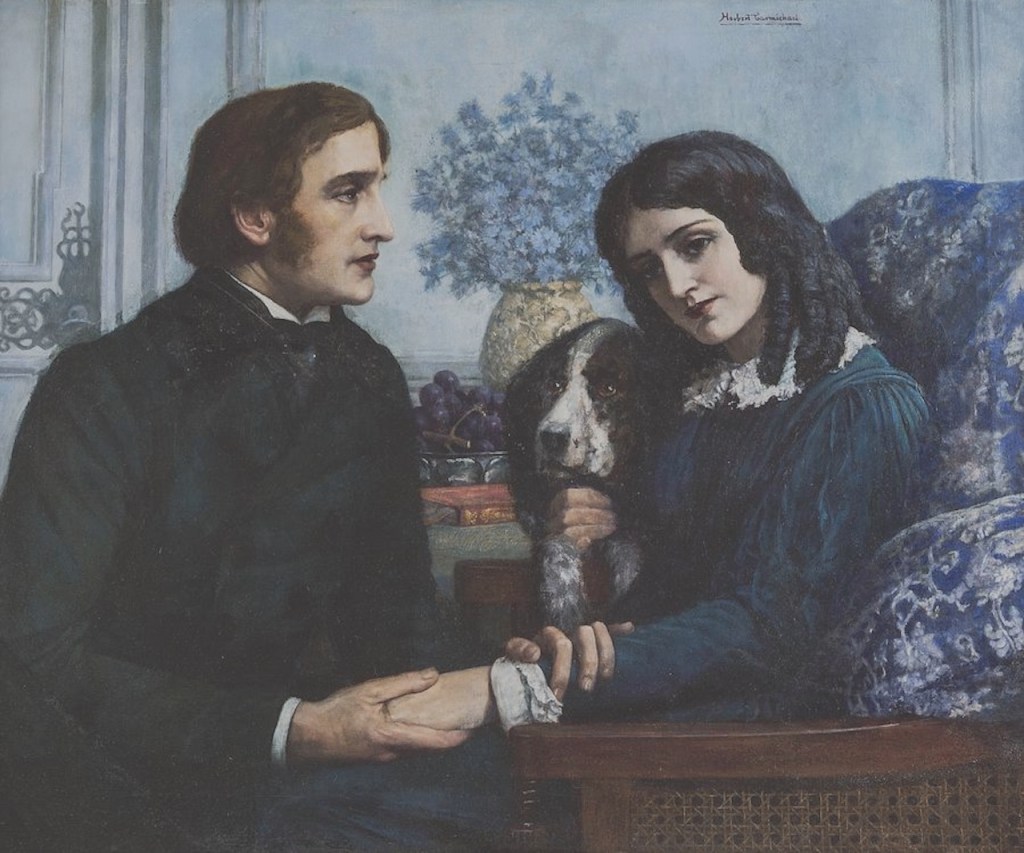

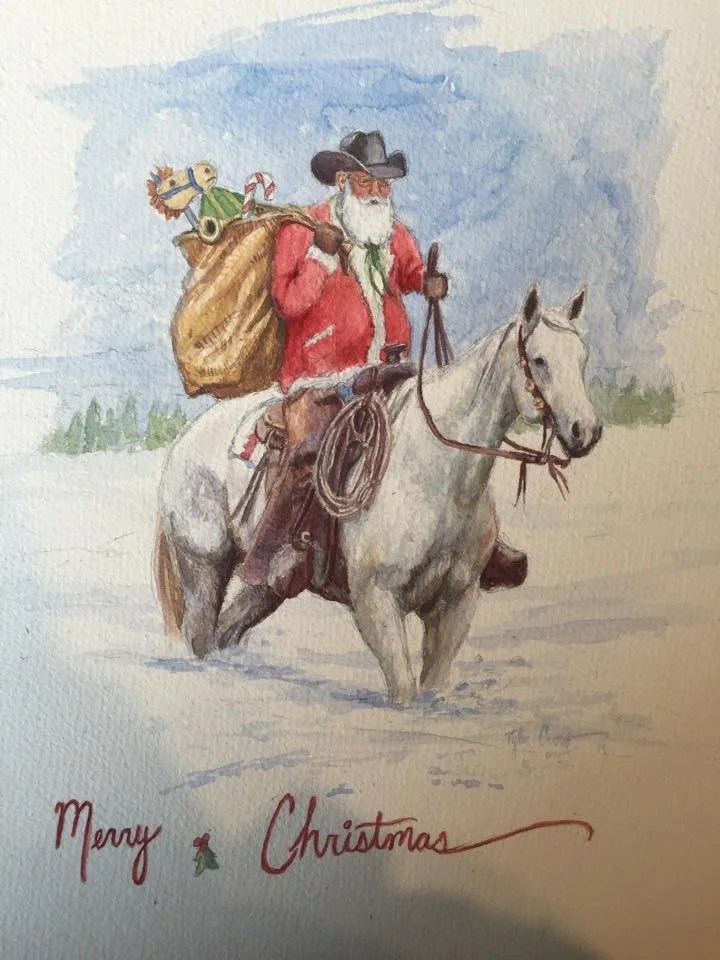
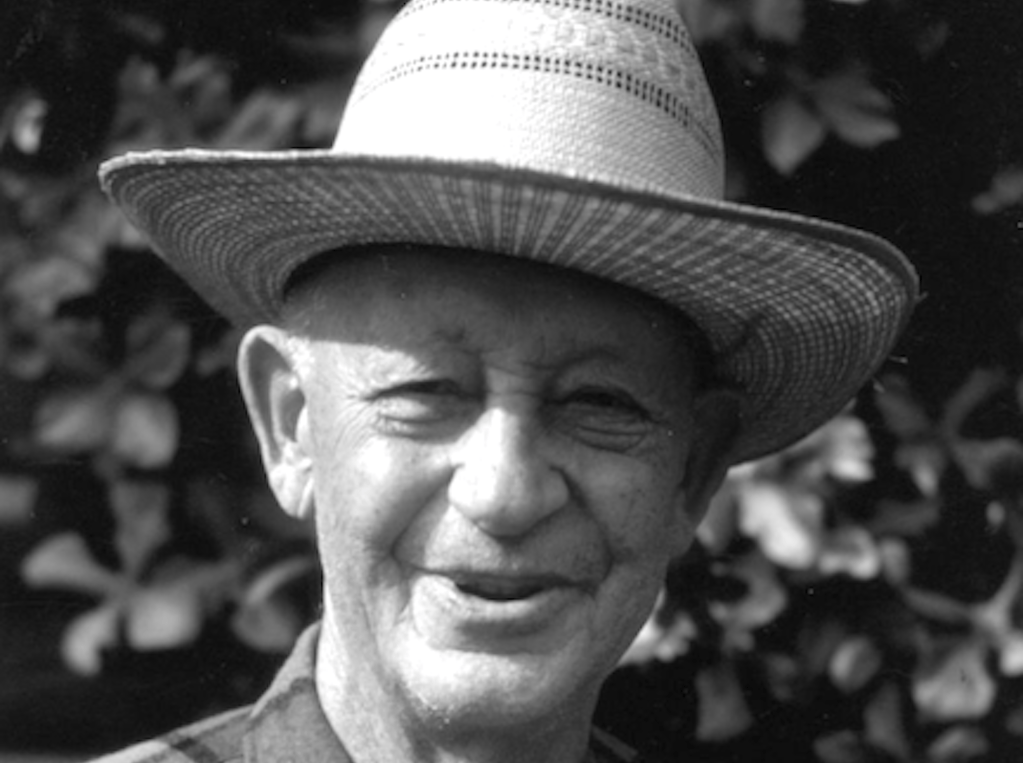
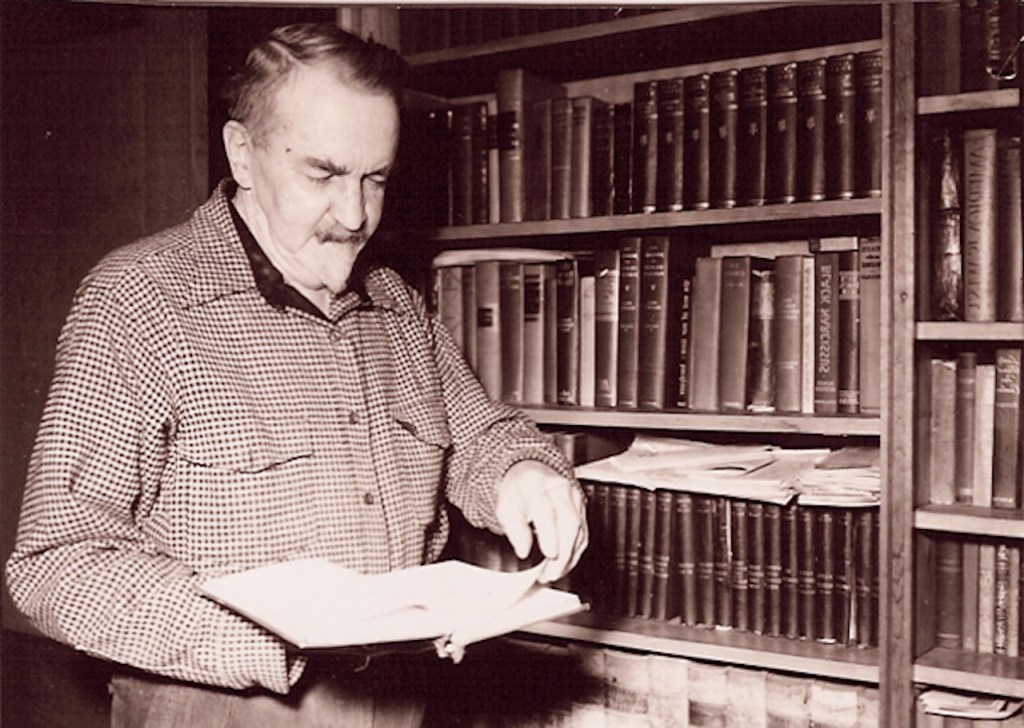



 Linda's Literary Home