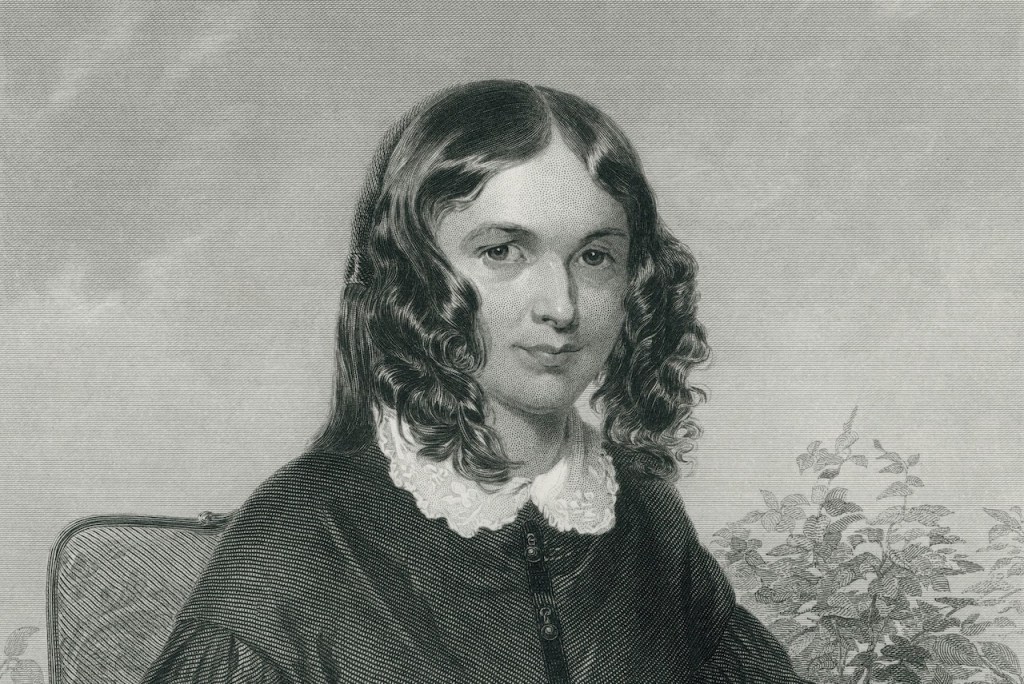
Elizabeth Barrett Browning’s Sonnet 23 “Is it indeed so? If I lay here dead”
The speaker is responding to a sweet love letter from her dear belovèd fiancé. She concludes that instead of desiring the deliverance by death of her woes, she can remain an earth resident because of the love that has healed her melancholy.
Introduction and Text of Sonnet 23 “Is it indeed so? If I lay here dead”
In Elizabeth Barrett Browning’s sonnet 23 “Is it indeed so? If I lay here dead” from Sonnets from the Portuguese, the speaker dramatizes the ever-growing confidence and profound love the speaker is enjoying with her belovèd.
She is responding to a love letter from her lover with her usual dazzling, amazement that he can love her so genuinely. The speaker is finally accepting the still a bit unbelievable fact that she is loved very deeply by this incredible man, whom she still holds in such high esteem.
Sonnet 23 “Is it indeed so? If I lay here dead”
Is it indeed so? If I lay here dead,
Wouldst thou miss any life in losing mine?
And would the sun for thee more coldly shine
Because of grave-damps falling round my head?
I marvelled, my Beloved, when I read
Thy thought so in the letter. I am thine—
But . . . so much to thee? Can I pour thy wine
While my hands tremble ? Then my soul, instead
Of dreams of death, resumes life’s lower range.
Then, love me, Love! look on me—breathe on me!
As brighter ladies do not count it strange,
For love, to give up acres and degree,
I yield the grave for thy sake, and exchange
My near sweet view of Heaven, for earth with thee!
Commentary on Sonnet 23: “Is it indeed so? If I lay here dead”
The speaker inElizabeth Barrett Browning’s sonnet 23 “Is it indeed so? If I lay here dead” is dramatizing her reaction to n affectionate love letter from her dear belovèd suitor.
First Quatrain: Framing a Question
Is it indeed so? If I lay here dead,
Wouldst thou miss any life in losing mine?
And would the sun for thee more coldly shine
Because of grave-damps falling round my head?
Beginning with a simple, yet somewhat vague at first, question, the speaker asks if something is really true. Next, she supplies the idea that prompts her inquiry, but then appends two additional questions. She is asking her lover if it is really true that he would miss her if she died.
But the speaker dramatizes this simple notion by asking her questions in such a vivid manner. She wonders if for her belovèd, it would seem that the sun’s warmth had cooled. Because only cold dampness would be “falling round [her] head” as she lay in the grave, she senses that coldness would also become her lover’s sensibilities.
The speaker may be echoing her lover’s words, but she enhances them by placing them in question form. The eerie image of “grave-damps falling” around her head evokes the mighty contrast between her imagined situation in a coffin and her moving about live upon the earth.
Second Quatrain: Filled with Wonder
I marvelled, my Beloved, when I read
Thy thought so in the letter. I am thine—
But . . . so much to thee? Can I pour thy wine
While my hands tremble ? Then my soul, instead
Directly addressing her belovèd, the speaker reveals that she was filled with wonder as she was reading the words communicating those very thoughts in a letter that she had received from him. Thus, the speaker then is creating her sonnet in response to her lover’s effusions in the love-letter, which reveals that the two are at the height of their passion.
The speaker has finally accepted that she is loved very deeply by this man, but she still can be overcome with emotion when he speaks to her from his heart. She repeats those long-wished-for, delicious words, “I am thine.”
However, the speaker then finds herself in awe that she could mean so much to this accomplished suitor. She lets him know that his admission has touched her so deeply that she is trembling, and thus she queries, wondering if she could even pour wine into a glass as her hands trembled so violently.
Again, the speaker dramatizes her avowal by placing it in a question. This emphasis assumes to communicate her still amazement at her good fortune in experiencing love with this wonderful mate.
First Tercet: Unique Love
Of dreams of death, resumes life’s lower range.
Then, love me, Love! look on me—breathe on me!
As brighter ladies do not count it strange,
The speaker, accepting that the answers to her questions are positive, reports that because of this unique love, she is touched to the soul and wants more than ever to live. Even though the speaker has dreamed of death to quell her misery, she now insists she will dream of life because now, her soul can move through life in a quieter atmosphere, where contentment can hold sway in her moods.
The speaker then effuses, “Then, love, Love! Look on me—breathe on me!” Her passion is rousing her language; she wants to make him know how strongly her ardor has become.
Second Tercet: Earthbound for the Sake of Love
For love, to give up acres and degree,
I yield the grave for thy sake, and exchange
My near sweet view of Heaven, for earth with thee!
The speaker then asserts that as those women, who are “brighter” than she is, are willing to give up possessions and station for love, she is willing to give up her desire for death to deliver her from her misery. She has held view that residing her her concept of heaven would be preferable to the life she has been assigned on earth.
However, now through the blessings of her love relationship with her suitor, she now wishes to give up those heavenly blessings for which she had yearned, and remain earthbound. She is willing to remain earthbound and keep her physical encasement for his sake.
Introduction to the Sonnet Sequence
- Introduction to Elizabeth Barrett Browning’s Sonnets from the Portuguese Elizabeth Barrett Browning’s classic work, Sonnets from the Portuguese, is the poet’s most anthologized and widely published work, studied by students in secondary schools, colleges, and universities and appreciated by the general poetry lover.
 Linda's Literary Home
Good faith questions and comments welcome!