To Thee I humbly offer my songs That Thou hast given me
Introduction
These poems grow out of my experience serving as harmonium player/chant leader for our Nashville Self-Realization Fellowship Sunday Readings Service.
I title this collection Command Performance for I have attempted to retire from the chant leader position, offering it to other devotees, but no one thus far wishes to take it from me.
And often I have come to the chapel Readings Service, thinking I would merely be attending, only to find that the scheduled chant leader was unavailable and so the service leader would prevail upon me to fill the void; thus, another “command performance.”
I reason that Guruji Paramahansa Yogananda is commanding me to continue performing this function, as long as I am capable.
Poems from Chants
These original poem were all inspired by the chant, whose title is offered following the poem title.
Who says, She is Dark?
—after “Thousands of Suns and Moons”
Her smile beams With the rays Of a millions suns.
Her skin glows With the light Of a million moons.
Who says, She is dark?
Only those who refuse To open their eye To her light.
Joy, Joy, Joy!
—after “Ever New Joy”
Joy, joy, joy— Morning has broken in joy. Light of starlight, hiding Behind the sun.
Joy, joy, joy— Evening calls the faithful To rest from a full day’s labor Practiced by Divine decree.
Joy, joy, joy— Night covers maya’s delusion So the spiritual eye May bound in brilliance.
Thou art That
—after “Hymn to Brahma”
Beyond my thoughts, Beyond my ideas, Beyond my knowledge, Far beyond my wisdom— Thou are That.
Beyond my body, Beyond my mind, Beyond my energy, One with my soul— Thou art That.
Drowning in Glory
—after “I Am the Bubble, Make Me the Sea”
You wake my senses to clear sight, glorious sound, Intelligent touch, pure fragrance, tempered taste. You wake my senses by drowning them in Glory Inundating them in the silence of Your vastness, Spilling on them the majestic light show Of Your body, bound by boundlessness.
In the ocean of Your love, my bubble heart Contracts and expands to eternity. My restless brain shrinks and extends Its reach to unknown realms of wisdom. My soul knows itself in the crash of breaking worlds Where it stands unshaken hand in hand with You. As You do, so I wish to do forever, Drowning in the Glory of Your sacred presence.
Into my garden of weeds Come, Eternal Gardener— Teach me to plant and prune fine foliage. Show me where to set the lilies and tulips And where the roses should grow. Guide my choices of herbs and vegetables. Give me knowledge of fertilizer and fences.
Into my garden of words Come, Eternal Poet— Make my poems exude divine ardor. Fashion my thoughts to bow at your feet. Make my images spout living waters From an enlightened fount To refresh all who dip a cup.
2 In My Spiritual Garden
In my spiritual garden I walk with you when the sun is medicine And the rain suckles the beets and corn. I walk with you between the rows of memories Where love holds you between peppers and tomatoes.
I walk with you along the fence And touch your hand and step across Thinking of you as I pick the peas, Still thinking of you as I weed The beans and cucumbers.
I walk with you and with every silent step And every moment of your absence That would weaken the faith of one Less in love, my love grows deep Like the roots of the bamboo and my love Grows straight like the stalks of asparagus.
In my spiritual garden I will always grow you In the medicine sun and the suckling rain.
3 Divine Gardner
After we scoop the soil over the seeds & sprinkle the water & pluck the weeds,
you will tend the growing & tempt the eye with green & yellow peppers, & tempt the tongue with onions & corn, & invite us to taste your flesh in cucumbers & tomatoes.
I will stand at the edge of the garden, my lips & tongue tending the silence I learn to thank you with.
4 My Divine Beloved
When spring comes Tilling the ground I will plant seeds And think of you You are earth You build my body.
When spring comes Showering young plants I will sing with raindrops And think of you You are water You carry my life.
When spring comes Warming my limbs I will brown my skin And think of you You are fire You inflame my heart.
When spring comes Swirling on the wind I will lean into it And think of you You are air You clear my mind.
When spring comes Rising from winter’s tomb I will sing devotion And think of you You are my Divine Beloved You revive my soul.
5Your Divine Love
My heart is a lake I swim in, But I want to float in the ocean of your love.
My mind is a sky I fly through, But I want to soar through your omniscient love.
My soul is an undiscovered star, But I want to find it shining in your flaming love.
My dream spreads out in all directions, Searching for the boundary of your Divine Love.
6 Cosmic Beloved
Though my heart is fickle And strays from you, You never stray from me. Your love for me Never waivers.
You came to me in youth’s naiveté And married my folly, And for a time I slept without rest In the arms of a splintering sorrow Deep within a cave of madness. When I emerged from that black night, You greeted me as my daughter. You blessed the rest of my life With a holy union when you became My true mate with whom I rest In the cave of a peaceful heart. And you greet me as my son.
When I go off from time to time To carouse with the lesser lights Of poets and painters and dabblers In pursuit of knowledge, You become each one of them So you can stay by my side—
Gary Clark’s “Mary’s Prayer”: A Yogic Interpretation
Employing the Christian iconic mother figure, the song “Mary’s Prayer” offers a marvelous corroboration of concepts between Christianity, taught by Jesus the Christ and Yoga, taught by Bhagavan Krishna.
Introduction and Excerpt from “Mary’s Prayer”
The song “Mary’s Prayer” is from the album Meet Danny Wilson by the 1980s Scottish rock band Danny Wilson. Lead singer of the group and the writer of the song is Gary Clark. About the song, Gary Clark, the songwriter, has explained,
There is a lot of religious imagery in the song but that is really just a device to relate past, present, and future. It is basically just a simple love song. In fact I like to think of it as being like a country and western song.
A Yogic Interpretation
By quipping that his song “is basically just a simple love song,” Gary Clark is being overly modest; on the other hand, he could possibly have meant the tune to be a “simple love song,” but its use of imagery opens the possibility of a deeper interpretation than one traditionally associated with a “simple love song.” Thus, I offer my interpretation of Clark’s song, based on my primary method of poetry interpretation, which I label “Yogic Interpretation.”
This yogic interpretation of Gary Clark’s “Mary’s Prayer” reveals the spiritual nature of the song. The allusion to the Christian icon “Mary” alerts the reader to the significance of the song as it transcends the stature of a love song to a human lover, although it can certainly be interpreted to include that possibility. The chorus of the tune offers a lengthening chant, which uplifts the mind directing it toward the Divine Goal of spiritual union.
The narrator/singer of the song “Mary’s Prayer” is revealing his desire to return to his path to Soul-Awareness, which he has lost by a mistaken act that turned his attention to the worldly thoughts and activities that replaced his earlier attention to his spiritual realm.
The noun phrase, “Mary’s Prayer,” functions as a metaphor for Soul-Awareness, (God-Union, Self-Realization, Salvation are other terms for this consciousness). That metaphor is extended by the allusions, “heavenly,” “save me,” “blessed,” “Hail Marys,” and “light in my eyes.” All of these allusions possess religious connotations often associated with Christianity.
The great spiritual leader, Paramahansa Yogananda, has elucidated the comparisons between original Christianity as taught by Jesus Christ and original Yoga as taught by Bhagavan Krishna.
Danny Wilson – “Mary’s Prayer”
Mary’s Prayer
Verse 1
Everything is wonderful Being here is heavenly Every single day she says Everything is free
Verse 2
I used to be so careless As if I couldn’t care less Did I have to make mistakes When I was Mary’s prayer?
Verse 3
Suddenly the heavens roared Suddenly the rain came down Suddenly was washed away The Mary that I knew
Verse 4
So when you find somebody to keep Think of me and celebrate I made such a big mistake When I was Mary’s Prayer
Chorus
So if I say save me, save me Be the light in my eyes And if I say ten Hail Marys Leave a light on heaven for me
Verse 5
Blessed is the one who shares Your power and your beauty, Mary Blessed is the millionaire Who shares your wedding day
Verse 6
So when you find somebody to keep Think of me and celebrate I made such a big mistake When I was Mary’s Prayer
Chorus
So if I say save me, save me Be the light in my eyes And if I say ten Hail Marys Leave a light on heaven for me
Save me, save me Be the light in my eyes And if I say ten Hail Marys Leave a light on heaven for me
Verse 7
If you want the fruit to fall You have to give the tree a shake But if you shake the tree too hard, The bough is gonna break
Verse 8
And if I can’t reach the top of the tree Mary you can blow me up there What I wouldn’t give to be When I was Mary’s prayer
Chorus
So if I say save me, me save me Be the light in my eyes And if I say ten Hail Marys Leave a light on heaven for me
Save me, save me Be the light in my eyes And if I say ten Hail Marys Leave a light on heaven for me
Save me, save me Be the light in my eyes
What I wouldn’t give to be When I was Mary’s prayer
What I wouldn’t give to be When I was Mary’s prayer
What I wouldn’t—save me—give to be When I was Mary’s prayer
Commentary on “Mary’s Prayer”
A yogic interpretation of Gary Clark’s “Mary’s Prayer” reveals the song’s spiritual nature. The allusion to the Christian icon “Mary” alerts the reader to the spiritual significance of the song causing it to transcend the stature of a love song to a human lover.
First Verse: Declaring a Spiritual Truth
Everything is wonderful Being here is heavenly Every single day, she says Everything is free
The narrator/singer begins by declaring a spiritual truth, “Everything is wonderful,” and that being alive to experience this wonderfulness is “heavenly.” The following lines report that each day provides a blank slate of freedom upon which each child of the Belovèd Creator may write his/her own life experiences.
“She” refers to Mary, who has authority to make such judgments, as the narrator states. The historical and biblical Mary, as the mother of one of the Blessèd Creator’s most important avatars, Jesus the Christ, holds special power to know the will of the Divine Creator and dispense wisdom to all children of that Creator.
Therefore, the prayer of Mary is dedicated to each child of the Heavenly Creator, and her only prayer can be for the highest good of the soul, and the highest good is that each offspring of the Belovèd Lord ultimately know him/herself as such.
Thus, Mary sends the faithful “every single day” and “everything is free.” Every creature, every human being, every creation of the Divine Creator’s is given for the nurturance, guidance, and progress of each soul made in the Creator’s image.
Second Verse: The Care and Feeding of the Soul
I used to be so careless As if I couldn’t care less Did I have to make mistakes? When I was Mary’s prayer
In the second verse, the narrator, having established his knowledge of the stature and desire of Mary, contrasts his own status. He was not been dedicated to his own salvation; he hardly paid any attention to the care and feeding of his soul. It’s as if he could not have “cared less” about the most important aspect of his being.
But that is the past, and the narrator now realizes that he made mistakes that have led him in the wrong direction, and he now wonders if he really had to make such a mess of his life. After all, he was “Mary’s prayer” — the Blessèd Mother had offered him the blessing of soul-union, but through his mistakes he had spurned that offering.
Third Verse: Losing Sight of the Blessèd Mother
Suddenly the heavens roared Suddenly the rain came down Suddenly was washed away The Mary that I knew So when you find somebody who gives Think of me and celebrate I made such a big mistake When I was Mary’s Prayer
The narrator then reveals that through some great and fearful event that caused the heavens to move and rain to pour down, his life had become devoid of the love and caring that had been bestowed on him by Mary. He no longer knew how to pray or how to feel the grace and guidance of the Blessèd Mother.
Fourth Verse: Missing a Great Opportunity
So when you find somebody to keep Think of me and celebrate I made such a big mistake When I was Mary’s Prayer
The singing narrator then offers his testimony that having a soul guide, who gives as the blessèd Mary gives, must be kept and celebrated and not merely cast off as the narrator had done. He confesses again that he “made such a big mistake” at a time that he could have just grasped the heavenly protection, while he was “Mary’s prayer.”
Chorus: Introduction of the Chant in Four Lines
So if I say save me save me Be the light in my eyes And if I say ten Hail Marys Leave a light on heaven for me
Turning to prayer can be difficult for the one who has deliberately left it behind and perhaps forgotten its efficacy. But the narrator is once again taking up his prayers. He is now calling out to the Blessèd One, even though he frames his supplication in “if” clauses: he cries, “So if I say save me, save me / Be the light in my eyes.” He demands from the Divine Mother that she return to him as the light of his eyes, which had left him.
Furthermore, and again framing his supplication in an “if” clause, he cries, “And if I say ten Hail Marys,” but yet again demands that she “Leave a light on in heaven for me.” The “if” clause followed by a demand seems contradictory, but the narrator is in distress and is confounded by his failures and his former indifference. The chorus of this song functions as a chant as it grows from four lines to its final iteration of sixteen lines that complete the song.
Fifth Verse: Rich in Spirit
Blessed is the one who shares The power and your beauty, Mary Blessed is the millionaire Who shares your wedding day
Still in supplication to the Divine Blessèd Mother, the narrator now simply voices what he knows to be the influence of the Divine One: anyone who accepts and transforms his life according to “the power and the beauty” of Mary will find him “a millionaire.” Not necessarily financially rich—but much more important, rich in spirit. The great wedding of the little soul to the Oversoul will be the richest blessing of all.
Sixth Verse: Emphasizing the Need to Celebrate and Remember
So when you find somebody to give Think of me and celebrate I made such a big mistake When I was Mary’s Prayer
The sixth verse is a repetition of the fourth. It functions to reiterate the importance of the narrator’s awareness of the need to celebrate those giving beings as well as the vital necessity that he realizes what a “big mistake” he made “when [he] was Mary’s Prayer.”
Chorus: Continuing the Chant with Repetition
So if I say save me, save me Be the light in my eyes And if I say ten Hail Marys Leave a light on heaven for me
Save me, save me Be the light in my eyes And if I say ten Hail Marys Leave a light on heaven for men
The chorus again becoming an enlarging presence serves to direct the mind Heaven-ward, while reminding the singer of his purpose for singing, for addressing his Divine Belovèd and keeping the mind steady.
Seventh Verse: Gathering the Effects of Yoga
If you want the fruit to fall You have to give the tree a shake But if you shake the tree too hard, The bough is gonna break
The penultimate verse offers a metaphor of gathering fruit from a tree which likens such gathering to the yoga practice that leads to Self-Realization or God-union. Shaking the tree gently will result in fruit falling, but shaking “the tree too hard” will break the bough. Yoga techniques must be practiced gently; straining in yoga practice is like shaking the tree too hard, which will result in failure to attain the yogic goals.
Eighth Verse: Upward Movement Through Faith
And if I can’t reach the top of the tree Mary you can blow me up there What I wouldn’t give to be When I was Mary’s prayer
The final verse also employs a tree metaphor. The narrator, who is once again firmly on his spiritual path, expresses an extremely important truth that each devotee must cultivate: faith that the target of his goal can lift the devotee at any time.
The narrator colorfully expresses this truth by stating, “And if I can’t reach the top of the tree / Mary you can blow me up there.” And finally, he expresses his regret for allowing Mary to escape him: he wants to become “Mary’s prayer” once again, and he would give anything to do so.
Chorus: The Efficacy of the Chant
So if I say save me, me save me Be the light in my eyes And if I say ten Hail Marys Leave a light on heaven for me
Save me, save me Be the light in my eyes And if I say ten Hail Marys Leave a light on heaven for me
Save me, save me Be the light in my eyes What I wouldn’t give to be When I was Mary’s prayer
What I wouldn’t give to be When I was Mary’s prayer What I wouldn’t—save me—give to be When I was Mary’s prayer
The chorus doubled from its first iteration of four lines featured after the fourth verse to eight lines following verse six. Then it doubles again following the final verse, finishing with sixteen lines.
The marvelous effect of the chant places the song squarely within the yogic practice of employing repetition to steady and direct the mind to its goal of union with the Divine. The song finishes with the much enlarged chorus, which is not only musically pleasing, but also shares the efficacy of a chant that draws the mind closer to its spiritual, yogic goal.
Cornelius Eady’s “Renée Nicole Good Is Murdered” attempts an elegy motivated by political propaganda instead of poetic insight. With clumsy imagery such as “melted from / The ice pack” and melodramatic effusions such as “see what fucking / With the bull gets you,” the piece descends into propaganda which fails to speak to the gravity of the event to which it refers.
Introduction and Text of “Renée Nicole Good Is Murdered”
Cornelius Eady is a fairly well-known American poet, whose work often exploits race and identity but also often focuses on music. Because the field of po-biz in its postmodern garb currently awards talentless and bombastic versifiers, who engage little more than identify politics, Eady can boast of having received Lamont and National Book Award nominations.
However, Eady’s 2026 piece “Renée Nicole Good Is Murdered” falls flat because it focuses on political propaganda; it shows no characteristic of an authentic elegy and no formal poetic craft.
Renée Nicole Good was a recent citizen of Minnesota, who, on January 7, 2026, was impeding the work of U.S. Immigration and Customs Enforcement agents as they engaged in their task of locating and arresting illegal migrants for deportation, many of whom had criminal records for murder, rape, and armed robbery.
As Good attempted to ram her Honda Pilot into an ICE agent, the agent shot and killed her. The event has sparked national attention, with political activists exploiting the sorrowful event to score political points. Democrats governor Tim Walz and mayor Jacob Frey have continued to gin up further violence, encouraging their citizens to continue to impede the ICE agents as those federal agents simply attempt to do their job.
An Elegy Goes Astray
It should be obvious that the subject to this “elegy” does not comport with the definition of a that form; the death of Renée Nicole Good is not a tragedy in the traditional, literary definition, but it is sorrowful event that we all mourn and wish desperately had not happened.
Good’s character flaw lay only in her failure to understand and/or accept the truth of the political turmoil that currently grips the nation, especially Trump Derangement Syndrome, a condition that dictates that anything happening under the Trump administration is evil and must fought against by any means necessary–including attempting to run down an ICS agent with two ton vehicle.
While Homeland Security secretary Kristi Noem’s labeling Good a “domestic terrorist” has received pushback, it does seem that the definition of that phrase clearly speaks to what Renée Good was doing that day:
Domestic terrorism in the United States is defined by federal statute in 18 U.S.C. § 2331(5), which states that it means activities that meet three criteria: (A) involve acts dangerous to human life that violate U.S. or state criminal laws; (B) appear intended to intimidate or coerce a civilian population, influence government policy by intimidation or coercion, or affect government conduct by mass destruction, assassination, or kidnapping; and (C) occur primarily within U.S. territorial jurisdiction. [my emphasis added: describing Good’s activism and actions]
Serious Matter Captured by Propaganda
The death of any individual causes concern and sorrow, especially when violence is involved, and the death of Renée Good is horrifying and remains particularly sad because she died because of the misguided urgings she believed from her fellow travelers—including the governor of her state and the mayor of her city.
Now comes the verse maker Cornelius Eady adding more dreck to the filth that has already been spewed about this horrific event. And this time the discourse is masquerading as an elegy—an elegy for an unfortunate, misguided woman whose action has been labeled domestic terrorism!
The subject matter is grave, but Eady’s treatment of it as a elegiac poem makes a mockery not only the human subject but the art of poetic elegy itself. The piece collapses into political sloganeering along with a clunky metaphor that undermines both elegiac seriousness and poetic craft.
Instead of focusing on complex human experience, the versifier substitutes caricatures for genuine people and emotion, such as a “dormant virus” and the “super cops”; these phrases ring in as contrived mountebanks rather than genuine images.
Instead of engaging with any nuanced reality of Good’s actual life and violent death, the piece’s political propaganda sorely diminishes the ability to even grieve, and it has no chance to illuminate.
The piece conflates contrived imagery of viral ice-packs with law enforcement as it inserts overt hostility (“see what fucking / With the bull gets you”). Eady’s obscene, flabby phrasing sacrifices reality for blunt political postering, yielding a piece of discourse that sadly falls flat as an elegy.
Renée Nicole Good Is Murdered
Up rides the super cops, The cancellation squad. A dormant virus, melted from The ice pack, And the conversation Is end-stopped when The shell cracks her Car window, does its Dumb duty, Brings silence To a poet’s mind.
The President says: You’re a terror bot If you don’t comply. Homeland security Puts on a ten gallon Texas size hat, Says see what fucking With the bull gets you. There is a picture of her Just before it tips rancid, Just before she’s dragged Into how they see her.
I wish I could read the words As they blaze their last, unsuspected Race through her skull. A language poem that ends on The word Impossible.
Commentary on “Renée Nicole Good Is Murdered”
The piece’s political sloganeering and awkward images undermine the gravity and craft of elegy, and diminish the gravity of the event it intends to mourn.
First Movement: “Up rides the super cops”
Up rides the super cops, The cancellation squad. A dormant virus, melted from The ice pack, And the conversation Is end-stopped when The shell cracks her Car window, does its Dumb duty, Brings silence To a poet’s mind.
When a piece offered as a poem begins with a bald-face lie in its title, what can one expect from the rest of the piece? The fact is that Renée Nicole Good was not “murdered.” She was killed by an ICE agent, acting in self-defense, as she appears to ram the agent with her two ton vehicle, a Honda Pilot.
The opening stanza attempts to set a dramatic scene with bold imagery: “Up rides the super cops” and “The cancellation squad.” The labeling of ICE agents as “super cops” is talky and unserious, and calling them the “cancellation squad” is equal as vapid. What’s with the grammatical error using a singular verb with a plural subject? That one might be overlooked and laid to an attempt at conversational dialect.
Quite the reverse is true about the “cancellation” notation; instead of canceling anything, ICE’s work entails removing crime and restoring the social order that works well for its citizens. The cartoonish labeling reveals more about the ignorance of real news, immaturity, and disingenuousness of the would-be poet than it does about the target of his ire.
The next line—“A dormant virus, melted from / The ice pack”—is even more asinine. There is no connection between a virus and the Minneapolis shooting of Good. The phrase hangs out like a concocted political conflation, intending to bring to mind the pandemic era as it critiques law enforcement actions as disease-like. Such a metaphor reduces real individuals to abstract threats and hazards.
Poetic metaphor and image require calibration: a powerful metaphor/image resonates with emotional truth. Here, the metaphors as well as the images feel arbitrary and jarring, unanchored to experience or sensation. It, therefore, becomes political propaganda rather than poetic reflection.
The speaker of the piece is undermining his thoughts by marginalizing them with clumsy syntax and incoherent imagery. Lines such as “The shell cracks her / Car window” attempt to point to violence but lack clarity or context, leaving the reader unsure whether the “shell” is literal or figurative.
These surreal pivots never come together to reveal any recognizable emotional reaction or narrative flavor. Abrupt shifts, awkward line breaks, and absurd references place the verse into the doggerel category rather than with crafted poetry.
Instead of exploring grief or loss, the imagery functions to flatten any complexity of thought in favor of bald assertion. As a result, the piece establishes a tone that bespeaks propaganda instead of elegy.
Second Movement: “The President says”
The President says: You’re a terror bot If you don’t comply. Homeland security Puts on a ten gallon Texas size hat, Says see what fucking With the bull gets you. There is a picture of her Just before it tips rancid, Just before she’s dragged Into how they see her.
The second movement intensifies these absurdities already presented in the first movement; it shifts into over-drive as is becomes pure political caricature. The claim about what the “President says” reads as hyperbolic ventriloquism rather than credible critique of actual quotation.
Effective elegy builds a sympathetic connection between public tragedy and private humanity, but this piece merely reduces the subject’s death to a cartoonish struggle between an imaginary oppressive state and a pathetically symbolic victim.
The reference to “Homeland security” donning a “ten gallon / Texas size hat” reduces would-be satire to stereotype, substituting fake bravado for engagement with real political language. DHS secretary Kristi Noem often dons Western style outfits, quite appropriately as the former governor of South Dakota.
Profanity-laden lines aim for shock but dislocate the tone of a piece intended to elegize its subject. This tonal imbalance further distances the piece from the contours of elegy. Even gestures toward tenderness—“There is a picture of her / Just before it tips rancid”—feel tacked on and tacky as they are aiming at rhetorical bluster.
Third Movement: “I wish I could read the words”
I wish I could read the words As they blaze their last, unsuspected Race through her skull. A language poem that ends on The word Impossible.
The final movement tries to offer some introspection by the speaker, but his attempt lapses into melodrama. Imagining words “blazing” as they “race through her skull” aestheticizes the violent act rather than honoring the dead.
The closing epigram—ending on the word “Impossible”—feels unconvincing because it sounds so completely contrived, lacking the emotional grounding so necessary for resonance.
Through its three movements, the piece substitutes forced metaphor/image, political sloganeering, and abstraction for specificity, empathy, genuine emotion, and reality itself.
Because of all of those weaknesses, the piece fails to meet the demands of a true elegy, instead it collapses into rhetorically heavy, emotionally shallow doggerel that neither illuminates the horrific event, nor does it pay tribute and honor its subject.
In the hands of a less skilled artist, the love theme of this lyric often trots out a tired cliché, but Sara Teasdale’s speaker makes it fresh and new.
Introduction and Text of “I Am Not Yours”
Taking the theme of deep and lasting love, the speaker in Sara Teasdale’s “I Am Not Yours” employs the poetic device of hyperbole to convey her emotion. Three riming quatrains using the traditional scheme of ABCB unfold the poem’s drama.
I Am Not Yours
I am not yours, not lost in you, Not lost, although I long to be Lost as a candle lit at noon, Lost as a snowflake in the sea.
You love me, and I find you still A spirit beautiful and bright, Yet I am I, who long to be Lost as a light is lost in light.
Oh plunge me deep in love—put out My senses, leave me deaf and blind, Swept by the tempest of your love, A taper in a rushing wind.
Commentary on “I Am Not Yours”
While lovers are prone to exaggerate in artistic endeavors the level to which they have become part of their love one, this speaker on Sara Teasdale’s “I Am Not Yours” dramatizes a very different approach: a series of negative exaggerations that emphasize the positive.
First Quatrain: No Romantic Exaggeration
I am not yours, not lost in you, Not lost, although I long to be Lost as a candle lit at noon, Lost as a snowflake in the sea.
The speaker directs her words to her beloved in an extraordinary manner, by claiming that she is not possessed by him and that she has not lost herself in his charms. While lovers are prone to exaggerate in artistic endeavors the level to which they have become part of their love one, this speaker dramatizes a very different approach.
Thus this speaker then changes her direction as she proclaims that even though she is “not lost in [him],” she desires wholeheartedly that she might become so. She, therefore, states that she would like to be as is “a candle lit at noon.” A candle at noon would barely show light at all as it would meld with the natural sunlight.
The speaker then asserts that she would like to become part of her beloved as “a snowflake in the sea.” The oceanic presence of her beloved has engulfed her heart in such as way that she can liken herself to the smallness and malleability of a flake of snow melting in the ocean.
The original claim that she does not belong to the addressee has now been set on its head. Although literally it will always be true that she is not his and she is not lost in him, her desire for that blending has caused her imagination to conjure such a state in a majestic manner of metaphorical supremacy.
Second Quatrain: Total Melding of Body, Mind, Soul
You love me, and I find you still A spirit beautiful and bright, Yet I am I, who long to be Lost as a light is lost in light.
The second quatrain confirms that the speaker is, indeed, loved by the target of her desire. As she claims, “I am I,” she hungers for annihilation of self, that is, to melt into her lover. Her drama continues the seeking after total blending of body, mind, and spirit with the beloved.
The speaker continues to wish for that complete melding with her lover, as she has shown from the beginning of her drama. She wants to be totally consumed in the love she feels for him: to be “lost [in him] as light is lost in light.”
Third Quatrain: Annihilation of Separation
Oh plunge me deep in love—put out My senses, leave me deaf and blind, Swept by the tempest of your love, A taper in a rushing wind.
The final quatrain finds the speaker essentially begging for the awareness of her wish to experience complete emersion in her beloved. She pleads, “Oh plunge me deep in love.” The speaker desires to exist so close to her beloved that she has no need to hear or see.
His love and affection will be her only awareness and guide. She begs that all her sense awareness become “swept by the tempest of your love.” Again, the speaker returns to the candle metaphor. She wishes to be so completely subsumed in him that she becomes a “taper in a rushing wind.” No longer is there a separation between the two lovers.
Avoiding the Tired, the Obnoxious, the Clichéd
The theme of this love lyric is a common one for lovers; pop lyrics use it over-abundantly. The idea of becoming so consumed by love that one wishes to melt into one’s lover has long been a cliché; the serious artist who employs this theme works to dramatize it in fresh, original ways.
That freshness is achieved by Teasdale in her opening remarks, “I am not yours, not lost in you” and in her use of light as the substance to which she compares her desired union with her beloved.
She avoids all of the tired and obnoxious sexual connotations that usually appear in portrayals of this theme. This lyric’s elocution remains so elevated that it could be interpreted as a devotee’s prayer to the Divine.
Renée Nicole Macklin’s “On Learning to Dissect Fetal Pigs”
The eight movements in this piece of postmodern doggerel serve to indict the scribbling as nothing more than a postmodern workshop exercise. It remains one of the most flagrant tells that something is wrong in education culture in the USA: this poem won the 2020 Academy of American Poets University & College Poetry Prize at Old Dominion University.
Introduction and Text of “On Learning to Dissect Fetal Pigs”
This piece “On Learning to Dissect Fetal Pigs” does not merely fail on its own terms; it exemplifies a system that has mistaken posture for poetry and grievance for vision. The entire spectrum along with its habits have become unmistakable—and depressingly standardized.
On Learning to Dissect Fetal Pigs
i want back my rocking chairs,
solipsist sunsets, & coastal jungle sounds that are tercets from cicadas and pentameter from the hairy legs of cockroaches.
i’ve donated bibles to thrift stores (mashed them in plastic trash bags with an acidic himalayan salt lamp— the post-baptism bibles, the ones plucked from street corners from the meaty hands of zealots, the dumbed-down, easy-to-read, parasitic kind):
remember more the slick rubber smell of high gloss biology textbook pictures; they burned the hairs inside my nostrils, & salt & ink that rubbed off on my palms. under clippings of the moon at two forty five AM I study&repeat ribosome endoplasmic— lactic acid stamen
at the IHOP on the corner of powers and stetson hills—
i repeated & scribbled until it picked its way & stagnated somewhere i can’t point to anymore, maybe my gut— maybe there in-between my pancreas & large intestine is the piddly brook of my soul.
it’s the ruler by which i reduce all things now; hard-edged & splintering from knowledge that used to sit, a cloth against fevered forehead. can i let them both be? this fickle faith and this college science that heckles from the back of the classroom
now i can’t believe— that the bible and qur’an and bhagavad gita are sliding long hairs behind my ear like mom used to & exhaling from their mouths “make room for wonder”— all my understanding dribbles down the chin onto the chest & is summarized as: life is merely to ovum and sperm and where those two meet and how often and how well and what dies there.
Commentary on “On Learning to Dissect Fetal Pigs”
Line breaks are not thoughts; failure to capitalize signals nothing profound. This piece strains to be original to the point of exhaustion. Its sprawling placement on the page does not equate to anything Whitmanesque; its mindless juxtapositions do little more than startle and stun and then fall flat.
First Movement: Nostalgia as Substitute for Form
i want back my rocking chairs,
solipsist sunsets, & coastal jungle sounds that are tercets from cicadas and pentameter from the hairy legs of cockroaches.
The piece opens with a whine rather than an image: “i want back my rocking chairs.” This awkwardly phrased salvo is not memory shaped by art; it is desire announced without effort. The rocking chair is a prefabricated symbol, wheeled in to signal premodern calm without earning it.
The gesture toward “tercets” and “pentameter” is particularly revealing. These features are not forms the poem employs but instead are terms it waves at the reader like credentials: “look I know some poetry terms I learned in my creative writing class.”
Meter becomes metaphor, form becomes flavoring. As Helen Vendler insists, poetry requires a thinking ear, not a decorative vocabulary [1]. This poem treats form the way lifestyle branding treats craft: as an aesthetic aura, not a discipline.
Second Movement: Desecration as Cultural Credential
i’ve donated bibles to thrift stores (mashed them in plastic trash bags… the dumbed-down, easy-to-read, parasitic kind):
Here we arrive at the first ritual sacrifice. Sacred texts are not confronted, questioned, or even read; they are disposed of theatrically. The Bible appears only as an evangelical pamphlet, never as literature, theology, or intellectual inheritance.
Such effusion is not critique; it is credentialing. George Steiner warned that modern art’s fixation on desecration often signals creative exhaustion rather than courage [2]. The poem performs disbelief the way a résumé lists internships. As Harold Bloom observed, contemporary poetry often avoids agon—the struggle with strong precursors—in favor of symbolic vandalism [3]. Trash bags replace thought.
Third Movement: Science as Vocabulary Trauma
remember more the slick rubber smell of high gloss biology textbook pictures; they burned the hairs inside my nostrils, & salt & ink that rubbed off on my palms. under clippings of the moon at two forty five AM I study&repeat ribosome endoplasmic— lactic acid stamen
Science enters the poem not as inquiry but as irritation. Scientific terms are recited like curse words, their meanings irrelevant. The poem resents knowledge without attempting to understand it.
James Longenbach has noted that free verse collapses when it merely records annoyance rather than transforming it [4]. Here, scientific language is treated as an assault on sensitivity, revealing not science’s limitations but the speaker’s refusal to engage it beyond syllabic discomfort.
Fourth Movement: Specificity as Alibi
at the IHOP on the corner of powers and stetson hills—
This line is the system’s shibboleth. The named diner is not symbol, setting, or pressure point—it is proof of authenticity. The poem assumes that coordinates equal meaning. Randall Jarrell warned that poetry which merely reports experience degenerates into prose with line breaks [5]. This IHOP does nothing but exist, which the poem treats as sufficient.
Fifth Movement: The Soul, Shrunk for Convenience
maybe there in-between my pancreas & large intestine is the piddly brook of my soul.
Here the poem congratulates itself for modesty by reducing the soul to runoff. Unlike metaphysical poetry, which used bodily imagery to heighten spiritual stakes, this poem uses anatomy to flatten them.
Christopher Ricks argued that metaphor should increase imaginative pressure [6]. This one relieves it. The soul becomes small enough not to trouble anyone—including the poet.
Sixth Movement: The Straw-Man Dialectic
this fickle faith and this college science that heckles from the back of the classroom
Faith and science are staged as cartoon antagonists: faith as comfort blanket, science as rude undergraduate. This weasel language is not dialectic; it is melodrama for the intellectually uncurious.
As T. S. Eliot warned, poetry that mistakes emotional dissatisfaction for insight substitutes complaint for thought [7]. The poem invents a conflict it cannot articulate and then sulks about it.
Seventh Movement: Wonder Infantilized
the bible and qur’an and bhagavad gita are sliding long hairs behind my ear like mom used to…
Wonder here is not earned but remembered—and remembered only as childhood comfort. Sacred texts become maternal figures, soothing rather than demanding.
Eliot cautioned against confusing regression with depth. This passage does exactly that. The poem inadvertently admits that its concept of wonder cannot survive adulthood and then blames knowledge for the failure.
Eighth Movement: The Grand Reduction (a.k.a. The Sulk)
life is merely to ovum and sperm and where those two meet and how often and how well and what dies there.
The poem concludes with the system’s obligatory finale: a reduction so crude it pretends to be brave. Life is reduced to sex and death, as though no one has ever thought this before.
No serious scientist, philosopher, or poet holds such a view, and the poem does not pretend to argue it. As Eliot observed, exhaustion presented as revelation is still exhaustion. The poem ends not with insight, but with a pout.
An Afterword: Dissatisfaction Does Not Bring Wisdom
Macklin’s “On Learning to Dissect Fetal Pigs” exemplifies the current rot that passes for poetry because it wants the authority of crisis without the labor of understanding. It rejects form while gesturing at it, dismisses belief without engaging it, and resents knowledge without learning it.
It longs for rocking chairs but refuses carpentry. What it offers instead is the familiar debris of postmodern workshop verse: fragments of feeling, gestures of rebellion, and the unexamined belief that dissatisfaction is a form of wisdom. It is not.
Readers might notice that this essay does not even begin to address the awkwardness of language use this piece, which would require another essay to fully engage the issue. Suffice it to say that said awkwardness could, in fact, result either from intent or simply lack of language acumen of the doggerelist.
Either reason aligns with postmodern thought that dismisses utility for heft and originality for quaint novelty. For the postmod mindset, Ezra Pound’s diktat “make it new” [8] has become “make it shockingly ugly.”
The speaker in Sylvia Plath’s masterpiece “Mirror” employs a double metaphor of personifying a mirror and then a lake to report the experience of observing a woman obsessed with the disfiguring of her aging face.
Introduction with Text of “Mirror”
One of the best American poems of the 20th century, Sylvia Plath’s “Mirror” plays out in only two unrimed, nine-line verse paragraphs (veragraphs). The theme of the poem focuses on the reality of the aging process. The personified mirror dramatizes its amazing skill in reflecting whatever is placed before it exactly as the object is.
A lake serving as a mirror performs the same function of truth-telling. It is the mirror as lake, however, who is assigned the privilege of reporting the flailing agitation and tears of the woman who watches and senses that her aging face resembles “a terrible fish” that is rising toward her.
The death of Sylvia Plath at the tender age of thirty renders unto this awesome poem an uncanny quality. Because Plath left this earth at such an early age, the poet put an end to the actuality that she could have undergone the aging process as the woman in the poem is doing.
Plath is grouped with the 20th century “Confessional Poets,” but she often wrote poems that cannot be labeled confessional in that they do not reflect her life experience. Rather than confessing in “Mirror,” the young poet is merely speculating through a speaker, as most poets of any stripe usually do.
Mirror
I am silver and exact. I have no preconceptions. Whatever I see I swallow immediately Just as it is, unmisted by love or dislike. I am not cruel, only truthful‚ The eye of a little god, four-cornered. Most of the time I meditate on the opposite wall. It is pink, with speckles. I have looked at it so long I think it is part of my heart. But it flickers. Faces and darkness separate us over and over.
Now I am a lake. A woman bends over me, Searching my reaches for what she really is. Then she turns to those liars, the candles or the moon. I see her back, and reflect it faithfully. She rewards me with tears and an agitation of hands. I am important to her. She comes and goes. Each morning it is her face that replaces the darkness. In me she has drowned a young girl, and in me an old woman Rises toward her day after day, like a terrible fish.
Reading of “Mirror”
Commentary on “Mirror”
The poem “Mirror” is arguably Sylvia Plath’s best poetic effort, and it is arguably also one of the best poems in American poetry.
First Versagraph: The Mirror Speaks
I am silver and exact. I have no preconceptions. Whatever I see I swallow immediately Just as it is, unmisted by love or dislike. I am not cruel, only truthful ‚ The eye of a little god, four-cornered. Most of the time I meditate on the opposite wall. It is pink, with speckles. I have looked at it so long I think it is part of my heart. But it flickers. Faces and darkness separate us over and over.
The personified mirror opens the poem with a clear and accurate boast that he holds no prior prejudice against or for whatever appears before him. The mirror continues to proclaim his uncanny truthful ability for over half the versagraph. He reports that he takes in whatever is placed before him with no compunction to change the subject in any way.
The mirror cannot be moved by emotion as human beings are so motivated. The mirror simply reflects back the cold hard facts, unfazed by human desires and whims. The mirror does, however, seem almost to possess the human quality of pride in its ability to remain objective.
As the mirror continues his objective reporting, he claims that he is “not cruel, only truthful.” Again, he is making his case for complete objectivity, making sure his listeners understand that he always portrays each object before him as the object actually is.
However, again he might go a little too far, perhaps spilling his pride of objectivity into the human arena, real as he proclaims himself to be as the eye of “a little god, four-cornered.” By overstating his qualities, and by taking himself so seriously as to deify himself, he begins to lose his credibility.
Bu then as the listener/reader may be starting to waver from too much truth telling, the mirror jolts the narrative to what he actually does: he habitually renders the color of the opposite wall that has speckles on it. And he avers that he has concentrated so long on that wall that he feels that the wall might be part of his own heart.
The listener/reader can then understand that a mirror with a heart might actually tend to exaggerate and even take on some tinge of human emotion, even though it is likely that a mirror’s heart would toil quite differently from the heart of a human being.
The mirror confesses that as the objects confront him, as these “faces” and “darkness” come and go, they effect a flicker that would no doubt agitate the mirror’s sensibilities, regardless of how objective and truthful the mirror remains in human terms.
Second Versagraph: The Lake Metaphor
Now I am a lake. A woman bends over me, Searching my reaches for what she really is. Then she turns to those liars, the candles or the moon. I see her back, and reflect it faithfully. She rewards me with tears and an agitation of hands. I am important to her. She comes and goes. Each morning it is her face that replaces the darkness. In me she has drowned a young girl, and in me an old woman Rises toward her day after day, like a terrible fish.
Reading a poem can deliver the reader into a state of “narrosis”—a state once rendered by Samuel Taylor Coleridge as a “willing suspension of disbelief for the moment, which constitutes poetic faith.” A reader must allow him/herself to believe, if only temporarily, what the narrative is saying.
It is with this “poetic faith” that a listener/reader must accept the claim that the “mirror” has now become a “lake.” The dramatic effect is all important here in order to have the woman bending over the water to continue that search for herself.
The woman hopes to find “what she really is,” according to the mirror/lake. While the mirror might believe that the woman is searching for her real self, readers will grasp immediately that her obsession centers on her desire to hold on to her youth.
The mirror/lake then ridicules the woman for wanting to believe, “those liars,” that is, “the candles or the moon,” whose lighting can be deceptive, filling in those facial wrinkles, allowing her to believe that she does not look as old as she really does in the full light of day.
The mirror/lake has come to understand how important he is to the woman, despite her agitated reaction as she looks into that aging face. While he might expect gratitude for his faithful reporting, the mirror/lake does not seem to receive any thanks from the woman.
Yet despite not being thanked for his service, the mirror/lake takes satisfaction in knowing how important he has become to the woman. After all, she looks into the mirror/lake every day, no doubt, many times a day. Such attention cannot be interpreted any other way by the mirror: he is convinced of his vital rôle in the woman’s daily life.
As the woman depends on the mirror to report her aging development, the mirror/lake has come to depend on the woman’s presence before him. He knows that “her face” will continue to “replace[] the darkness” every morning.
The mirror/lake knows that whatever the woman takes away from his reflection every morning has become such an internal part of her life that he can count on her being there. He will never be alone but will continue to report his findings, objectively and truthfully. The mirror/lake’s final statement is one of the most profound statements to ultimatize a poem:
In me she has drowned a young girl, and in me an old woman Rises toward her day after day, like a terrible fish.
Plath’s genius in fashioning a mirror that morphs into a lake allowed her to create these marvelous two final lines of her magnificent poem. If Sylvia Plath had produced nothing more than this poem, she would likely have become the great voice she is as a major twentieth-century poet.
No one can deny that a mirror becoming a lake is a stretch of the imagination that a in the hands of a less skillful wordsmith could have remained banal and even silly. But in the hands of a master poet that final two-line sentence grasps the mind of its readers/listeners. The genius of those lines delivers the poem into the natural world without one extraneous thought or word, rocking the world of literary studies.
Sara Teasdale’s “Barter” is a lyrical musing on the importance and value of beauty, stressing the indispensability of giving oneself up completely to any moment of loveliness that happens to appear before one’s consciousness.
Introduction and Text of “Barter”
Sara Teasdale’s “Barter” was first published in 1917 in her collection titled simply Love Songs. It is likely the poet’s most anthologized poem, for it remains one of her most crystallized expressions on loveliness, self-surrender, and sublimity.
In “Barter,” the poet has created a speaker who professes the belief that beauty is all encompassing in all of its aspects including its presence in nature, or in love between individuals, or in the soul’s quiet musings. To purchase such a rare commodity, one must be willing to pay any price.
Barter
Life has loveliness to sell, All beautiful and splendid things, Blue waves whitened on a cliff, Soaring fire that sways and sings, And children’s faces looking up Holding wonder like a cup.
Life has loveliness to sell, Music like a curve of gold, Scent of pine trees in the rain, Eyes that love you, arms that hold, And for your spirit’s still delight, Holy thoughts that star the night.
Spend all you have for loveliness, Buy it and never count the cost; For one white singing hour of peace Count many a year of strife well lost, And for a breath of ecstasy Give all you have been, or could be.
Commentary on “Barter”
The title “Barter”offers the first hint that the controlling metaphor of the poem will be that of commerce in the marketplace. The speaker then moves from description of worldly things of beauty to exhortation in demanding the audience’s complete surrender in order to acquire that beauty.
First Stanza: What Life Possesses
Life has loveliness to sell, All beautiful and splendid things, Blue waves whitened on a cliff, Soaring fire that sways and sings, And children’s faces looking up Holding wonder like a cup.
In the opening line, the speaker establishes the controlling metaphor for the poem: life is similar to a marketplace where its products are myriad forms of beauty. The speaker thus is personifying “Life” as a vendor, who is selling “loveliness.”
The speaker then begins a catalogue of examples of the things that are lovely, that is, they are “[a]ll beautiful and splendid things” such as ocean waves that whiten as they beat up against “a cliff,” fire that soars, sways, and sings, and the faces of little children as they look up in wonderment. The structure of the stanza features a quatrain with the rime scheme ABCB, and the final two lines are a rimed couplet. This structure is repeated in the remaining two stanzas.
Second Stanza: Things of Beauty
Life has loveliness to sell, Music like a curve of gold, Scent of pine trees in the rain, Eyes that love you, arms that hold, And for your spirit’s still delight, Holy thoughts that star the night.
Opening the second stanza, the speaker repeats the line “Life has loveliness to sell,” creating a chant-like rhythm and continuing the commerce metaphor. Then again following the same structure, the speaker offers another catalogue of the items for sale that are beautiful.
The four senses of hearing, smell, sight, and touch are represented. For hearing, there is music with its “curve of gold,” suggesting both melody and shape, along with value and warmth; this auditory image melds aesthetic and moral value: music soothes and inspires while gold glitters and is long lasting.
Representing the olfactory image, the “[s]cent of pine trees in the rain” brings to mind a pungent oder, wherein rain further enhances the scent by drawing out the resinous sharpness of the trees.
The sense of sight finds its ocular image in the “[e]yes that love you,” and the tactile image in the “arms that hold.” The human element brings to the poem an aura of intimacy and love, as these two images engage the emotion involved in the human acts of affection and protection.
The final couplet moves from the physical to the spiritual level of existence. The spirit (soul) also is afforded the quality of beauty in this marketplace. “Holy thoughts” offer pleasure to the soul as the stars offer loveliness to the night time sky.
Third Stanza: The Vital Importance of Experiencing Beauty
Spend all you have for loveliness, Buy it and never count the cost; For one white singing hour of peace Count many a year of strife well lost, And for a breath of ecstasy Give all you have been, or could be.
In the final stanza, the speaker moves from announcement and description to a direct command. Replacing the incantatory “Life has loveliness to sell” is the command to spend all that you possess in order to purchase this commodity called “loveliness.” Further commanding, the speaker insists that her listeners continue to purchase and give no thought as to how much is the price.
Conjoining color, sound, and time, the speaker commands her listeners to find it prudent to have lost “many a year of strife” for acquiring the amazing experience of “one white singing hour of peace.”
In the final couplet, the speaker presses forth her most intense commanding statement: for even a moment of the highest bliss, give up yourself entirely, including all you have been and all you could ever be. For this speaker the importance of experiencing even a brief moment of joyful beauty is worth all one can sacrifice.
Such a suggestion implies that the speaker believes that most beauty is lost through the human acts of non-observation and non-involvement with the things of this world that are indeed lovely if one looks with seeing eyes and an open loving heart.
The irony in the title of Thomas Thornburg’s “Serving the South” serves the hatred spewed by a Northern bigot on a fancied journey through the Southland of the United States of America, as he engages stereotypes to disparage Southerners.
Introduction with Text of “Serving the South”
The speaker in Thomas Thornburg’s “Serving the South” from his final published collection American Ballads: New and Selected Poems is a bigoted northerner who is ostensibly reporting his observations about his southern neighbors.
However, all he actually accomplishes is a warming up and reworking of a handful of worn out clichés and stereotypes about the American South. An especially egregious example of these ignorant stereotypes plays out in the speaker’s deliberate misspelling of the word, “eccyclema” as “ekkuklema” [1].
All those “k’s” and the replacement of the “y” with “u” is meant to trigger in the minds of readers an image of the KKK—Ku Klux Klan—which for many northerners like this speaker remains one of the few things they actually know about the American South. The speaker comes across as a pathetic yet pedantic wielder of left-over 20th century animus of the North that continues to castigate the South for its culture.
And yet while no contemporary southerners believe that slavery represents a useful and gloried past to which they would gladly return, some northerners (along with some westerners and easterners) continue to tar the entire South with that broad brush of racism. That tarring is most often done for political purposes. This speaker is engaging in that atrocious act primarily for poetic drama.
Serving the South
deadended on a siding in Midway, Alabama, stand 6.5 miles of RR cars. covered in kudzu and time, they stand, iron cheeks squaring their gothic mouths; they are Southern and Serve the South (hub-deep in red clay) this land, this ekkuklema of southern drama. still, it is Bike Week in Daytona, and the Lady is sold in yards from rucksacks where a tattooed mama fucks & sucks (her name is not Ramona). here will come no deus ex machina, this American South, this defeated dream. drunken, drugged, dolorous in their dementia, forbidden by Law to wear their colors, these cavaliers race their engines and scream where the marble figure in every square shielding his eyes as the century turns stands hillbilly stubborn and declares. heading back north having spent our earnings, honeyed and robbed we are fed on hatred cold as our dollar they cannot spurn, and we are in that confederate.
A northern bigot looks down his nose at the people of the South. As he does so, his use of stereotypes reveals inaccuracies as well as his shallow understanding of his target. Employment of mere stereotypes nearly always results in wrong-headedness and even gross but often wide-spread fabrications.
deadended on a siding in Midway, Alabama, stand 6.5 miles of RR cars. covered in kudzu and time, they stand, iron cheeks squaring their gothic mouths; they are Southern and Serve the South (hub-deep in red clay) this land, this ekkuklema of southern drama.
The speaker begins his rant in what, at first, seems to be a mere description of a length of railroad cars that have been sitting in Midway, Alabama, unattended so long that kudzu is growing on them. The cars have seemingly begun to sink into the “red clay”—(Northerners are often taken aback at the sight of southern “red clay.”)
The drama that plays out in this opening movement reveals the bigotry and ignorance of this low-information speaker. He employs the term “ekkuklema” to describe the railroad cars. This usage could signal a useful metaphor, as the Greek term refers to the vehicle used in Greek dramas to assist in shifting scenes.
However, this speaker’s usage merely signals an attempt to focus readers on the despicable and now nearly defunct and everywhere debunked group that blackened the reputation of the South following the American Civil War.
The traditional, anglicized spelling of this Greek term is “eccyclema” (pronounced ɛksɪˈkliːmə), but it does have an alternate spelling “ekkyklēma.” However, no alternate spelling exists that replaces the “y” with a “u.” This speaker has coined his own term, and for a very clever reason, he, no doubt, believes.
In choosing to spell “eccyclema” as “ekkuklema,” the speaker points to the most heinous organizations that did, in fact, develop in the South, the Ku Klux Klan. The organization served as an unofficial terror group for the Democratic Party [2], after the first Republican president, Abraham Lincoln, and the Civil War put an end to slavery.
The KKK attempted to dismantle the citizenship rights of former slaves through cross burnings, lynchings, and intimidation. The Klan also attempted to overthrow Republican governors by assassinating black leaders.
With one simple, innocent word, this speaker has alluded to that despicable group that began in the South, specifically in Pulaski, Tennessee, December 24, 1865. The stone-throwers of the North like to pretend innocence in such ventures, but the KKK spread North, and by 1915, Indiana and many other northern states [3] could boast their own branches of the Klan.
This speaker’s sole purpose in coining a new spelling for the Greek stage term is to remind readers of that Southern flaw, with which he hopes his readers will be instructed to believe that all southerners remain racists.
As the railroad cars become a symbol of non-productive laziness—stuck in red clay—the speaker lays on the stereotype of racism as a quality of the South. The South is served by these railroad cars that go nowhere, having sat idle so long that kudzu is covering them, while they sink into the mud of “red clay.”
Second Movement: From Alabama on to Florida
still, it is Bike Week in Daytona, and the Lady is sold in yards from rucksacks where a tattooed mama fucks & sucks (her name is not Ramona).
The speaker has now moved on from Alabama to Florida, where it is “Bike Week in Daytona.” His participation in Bike Week remains a mystery, but what he actually does pay attention to is most revealing: he is after cocaine and c*nt.
The speaker reports that he can get cocaine, “White Lady,” or “Lady” from dealers anywhere selling from backpacks. He seems especially interested in purchasing from a woman with tattoos from whom he can also receive sexual service because this “mama f*cks & sucks.” The tattooed mama is not a looker, that is, she is not a “Ramona”—slang term for a very good-looking woman.
The speaker has done such a marvelous job of condemning the South in his first movement that he lets the second movement slide a bit, except for the fact that cocaine is flowing freely. And ugly women with tattoos continue selling coke and c*nt during “Bike Week” in Daytona. But what about the bikers?
Third Movement: The Colors
here will come no deus ex machina, this American South, this defeated dream. drunken, drugged, dolorous in their dementia, forbidden by Law to wear their colors, these cavaliers race their engines and scream where the marble figure in every square shielding his eyes as the century turns stands hillbilly stubborn and declares.
Indeed, there cannot be any happy ending involving this God-forsaken place. No “god” is going to jump out of the “machine” called the South and save it from perdition, according to this stereotype-wielding bigot from the North.
Now the speaker is ready let loose how he really feels about the American South: it is a “defeated dream.” Southerners are nothing but demented druggies and drunks. His cleverly alliterative line-and-a-half reeks of desperation: “defeated dream. / drunken, drugged, dolorous in their dementia.”
The speaker then makes a huge error with the line, “forbidden by Law to wear their colors.” Actually, there is no “Law” that forbids bikers to wear their patches or “colors.” The speaker is confusing the controversy that erupted in Florida and other states that resulted in many bars and restaurants refusing services to bikers wearing their club insignia.
There has been a decades-old movement [4] seeking legislation to end the unfair discrimination against bikers, as some areas continue to post signs demanding “No colors. No guns.”
That demand violates both the first and second amendment rights of bikers: wearing their club insignia is protected speech under the first amendment, and carrying a gun is protected by the second amendment.
The speaker then concocts an unseemly image of the bikers, whom he refers to as “cavaliers,” racing their engines and screaming under the statues of the Confederate war heroes, which the speaker places in “every square.” Oddly, many of those bikers would not be southerners at all because bikers from all over the world attend events such as Daytona’s Bike Week.
The speaker further describes the men in the statues as covering their eyes and standing “hillbilly stubborn” at the turn of the century. According to the implications of this speaker, the dirty, dastardly southerners should be becoming more like their betters in the North.
Fourth Movement: Seriously Confederate
heading back north having spent our earnings, honeyed and robbed we are fed on hatred cold as our dollar they cannot spurn, and we are in that confederate.
Finally, this speaker reports that he and his group are “heading back north.” They have spent all their money, but he calls the money “earnings,” leaving it a mystery whether he means the money they earned up North at their jobs, or money they might have earned wagering at the bike track.
The speaker now blames the southerners he has encountered for his and his group’s spending all their money. Southern flattery (“honeyed”) has motivated these savvy northerners to spend their money, but now he translates the act of voluntary spending into being “robbed.”
And what, in fact, did they buy—well, nothing, really, they were just “fed on hatred.” This speaker would have his readers believe that southern hate is notorious for robbing innocent, white northerners who are just out to have a good time.
Then the speaker offers a surprising revelation: the southerners could not spurn those northern dollars, even though those dollars were cold like the southern hatred that the speaker et al apparently experienced at every turn.
The speaker is subtly suggesting that southerners make up the bulk of that now iconic and famous Clintonian “basket of deplorables,” who are “racist, sexist, homophobic, xenophobic, Islamaphobic—you name it” [5]. The speaker then remarks that on the issue of money, or “earnings,” he, his group, and the southerners are “confederate,” or in agreement, or so it seems.
So money is after all the great leveler. Everybody needs cash, is trying to secure cash—North, South, East, and West—all groups become “confederate” in their need for financial backing on this mud ball of a planet.
But still the cliché dictates that when “other” people—in this case those deplorable southerners—work to get the money they need, they are still deplorable. But when the virtuous northerner and his little group work for their cash, they are virtuous, and only “confederate” with those “others” in the mere fact that they need it.
No doubt the speaker’s cuteness in thus employing the term “confederate” elicits from him a wild-eyed, wide-mouthed guffaw. He and his group are, after all, heading home to the North, where things are sober, sane, and sympathetic to the political correctness that is flaying the world and turning stereotypes sprinkled with clichés into models for language and behavior.
Sources
[1] Editors. “Eccyclema.” Britannica. Accessed April 5, 2023.
[2] Editors. “Ku Klux Klan.” History. Accessed April 5, 2023.
Image: Robert Bly – NYT– Robert Bly striking one of his melodramatic poses
Robert Bly’s “The Cat in the Kitchen” and “Driving to Town Late to Mail a Letter”
The following sample pieces of doggerel “The Cat in the Kitchen” and “Driving to Town Late to Mail a Letter” by Robert Bly exemplify the style of the poetaster and the types of subjects he addresses.
Introduction with Text of “The Cat in the Kitchen”
Two versions of this piece of Robert Bly doggerel are extant; one is titled “The Cat in the Kitchen,” and at the other one is titled “The Old Woman Frying Perch.” They both suffer from the same nonsense: the speaker seems to be spouting whatever enters his head without bothering to communicate a cogent thought.
Bly’s 5-line piece “Driving to Town Late to Mail a Letter” consists of a fascinating conglomeration of images that results in a facile display of redundancy and an unfortunate missed opportunity.
Robert Bly’s penchant for nonsense knows no bounds. Most of his pieces of doggerel suffer from what seems to be an attempt to engage in stream-of-consciousness but without any actual consciousness. The following summary/paraphrase of Bly’s “The Cat in the Kitchen” demonstrates the poverty of thought from which this poetaster suffers as he churns out his doggerel:
A man falling into a pond is like the night wind which is like an old woman in the kitchen cooking for her cat.
About American readers, Bly once quipped that they “can’t tell when a man is counterfeiting and when he isn’t.” What might such an evaluation of one’s audience say about the performer? Is this a confession? Bly’s many pieces of doggerel and his penchant for melodrama as he presents his works suggest that the man was a fake and he knew it.
The Cat in the Kitchen
Have you heard about the boy who walked by The black water? I won’t say much more. Let’s wait a few years. It wanted to be entered. Sometimes a man walks by a pond, and a hand Reaches out and pulls him in.
There was no Intention, exactly. The pond was lonely, or needed Calcium, bones would do. What happened then?
It was a little like the night wind, which is soft, And moves slowly, sighing like an old woman In her kitchen late at night, moving pans About, lighting a fire, making some food for the cat.
Commentary on “Cat in the Kitchen”
The two versions of this piece that are extant both suffer from the same nonsense: the speaker seems to be spouting whatever enters his head without bothering to connect a cogent thought to his images. Unfortunately, that description seems to be the modus operandi of poetaster Bly.
The version titled “The Cat in the Kitchen” has three versagraphs, while the one titled “The Old Woman Frying Perch” boasts only two, as it sheds one line by combining lines six and seven from the Cat/Kitchen version.
First Versagraph: A Silly Question
Have you heard about the boy who walked by The black water? I won’t say much more. Let’s wait a few years. It wanted to be entered. Sometimes a man walks by a pond, and a hand Reaches out and pulls him in.
In Robert Bly’s “The Cat in the Kitchen,” the first versagraph begins with a question, asking the audience if they had heard about a boy walking by black water. Then the speaker says he will not “say much more” when, in fact, he has only asked a question. If he is not going to say much more, he has ten more lines in which not to say it. However, he then makes the odd demand of the audience that they wait a few years.
The speaker’s command implies that readers should stop reading the piece in the middle of the third line and begin waiting”a few years.” Why do they have to wait? How many years? By the middle of the third line, this piece has taken its readers down several blind alleys. So next, the speaker, possibly after waiting a few years, begins to dramatize his thoughts: “It wanted to be entered.” It surely refers to the black water which is surely the pond in the fourth line.
The time frame may, in fact, be years later because now the speaker offers the wobbly suggestion that there are times during which a man can get pulled into a pond by a hand as he walks by the body of water. The reader cannot determine that the man is the boy from the first line; possibly, there have been any number of unidentified men whom the hand habitually stretches forth to grab.
Second Versagraph: Lonely Lake Needing Calcium
There was no Intention, exactly. The pond was lonely, or needed Calcium, bones would do. What happened then?
The second verse paragraph offers the reasoning behind a pond reaching out its hand and grabbing some man who is walking by. The pond didn’t exactly intend to grab the man, but because it was “lonely” or “needed / Calcium,” it figured it would ingest the bones from the man.
Then the speaker poses a second question: “What happened then?” This question seems nonsensical because it is the speaker who is telling this tale. But the reader might take this question as a rhetorical device that merely signals the speaker’s intention to answer the question that he anticipates has popped into the mind of his reader.
Third Versagraph: It Was Like What?
It was a little like the night wind, which is soft, And moves slowly, sighing like an old woman In her kitchen late at night, moving pans About, lighting a fire, making some food for the cat.
Now the speaker tells the reader what it was like. There is a lack of clarity as to what the pronoun “it” refers. But readers have no choice but take “it” to mean the phenomenon of the pond reaching out its hand, grabbing a man who was walking by, and pulling him into the water because it was “lonely, or needed / Calcium.”
Thus this situation resembles what? It resembles soft, night wind which resembles and old lady in her kitchen whipping up food for her cat. Now you know what would cause a lonely, calcium-deficient pond to reach out and grab a man, pull him into its reaches, and consequently devour the man to get at his bones.
Alternate Version: “The Old Woman Frying Perch”
In a slightly different version of this work called “Old Woman Frying Perch,” Bly used the word “malice” instead of “intention.” And in the last line, instead of the rather flabby “making some food for the cat,” the old woman is “frying some perch for the cat.”
The Old Woman Frying Perch
Have you heard about the boy who walked by The black water? I won’t say much more. Let’s wait a few years. It wanted to be entered. Sometimes a man walks by a pond, and a hand Reaches out and pulls him in. There was no Malice, exactly. The pond was lonely, or needed Calcium. Bones would do. What happened then?
It was a little like the night wind, which is soft, And moves slowly, sighing like an old woman In her kitchen late at night, moving pans About, lighting a fire, frying some perch for the cat.
For Donald Hall
While the main problem of absurdity remains, this piece is superior to “The Cat in the Kitchen” because of two changes: “malice” is more specific than “intention,” and “frying perch” is more specific than “making food.”
However, the change in title alters the potential focus of each piece without any actual change of focus.The tin ear of this poetaster has resulted in two pieces of doggerel, one just a pathetic as the other. Robert Bly dedicates this piece to former poet laureate, Donald Hall—a private joke, possibly?
Introduction with Text of “Driving to Town Late to Mail a Letter”
Technically, this aggregate of lines that constitute Robert Bly’s “Driving to Town to Mail a Letter” could be considered a versanelle. The style of poem known as a versanelle is a short narration that comments on human nature or behavior and may employ any of the usual poetic devices. I coined this term and several others to assist in my poem commentaries.
Robert Bly’s “Driving to Town to Mail a Letter” does make a critical comment on human nature although quite by accident and likely not at all what the poet attempted to accomplish. Human beings do love to waste time although they seldom like to brag about it or lie about it, as seems to be case with the speaker in this piece.
Driving to Town Late to Mail a Letter
It is a cold and snowy night. The main street is deserted. The only things moving are swirls of snow. As I lift the mailbox door, I feel its cold iron. There is a privacy I love in this snowy night. Driving around, I will waste more time.
Commentary on “Driving to Town Late to Mail a Letter”
This 5-line piece by doggerelist Robert Bly simply stacks untreated image upon image, resulting in a stagnant bureaucracy of redundant blather. The poet missed a real opportunity to make this piece meaningful as well as beautiful.
First Line: Deserted Streets on a Cold and Snowy Night
It is a cold and snowy night. The main street is deserted.
The first line consists of two sentences; the first sentence asserts, “It is a cold and snowy
night.” That sentence echoes the line, “It was a dark and stormy night, by Edward George Bulwer-Lytton, whose name became synonymous with atrocious writing for that line alone.
There is a contest named for him, “The Bulwer-Lytton Fiction Contest,” with the subtitle where WWW means “Wretched Writers Welcome.” The second sentence proclaims the emptiness of main street. The title of the poem has already alerted the reader that the speaker is out late at night, and this line supports that claim that he is out and about so late that he is virtually the only one out.
This assertion also tells that reader that the town must be a very small town because large towns will almost always have some activity, no matter how late, no matter how cold.
Second Line: Only the Swirling Snow
The only things moving are swirls of snow.
The second line reiterates the deserted image of the first line’s second sentence, claiming that the only movement about his was the swirling snow. Of course, if the street were deserted, there would be no activity, or virtually no activity, so the speaker’s redundancy is rather flagrant.
The reader already knows there is snow from the first image of a cold and snowy night; therefore, the second line is a throwaway line. The speaker is giving himself only five lines to convey his message, and he blows one on a line that merely repeats what he has already conveyed, instead of offering some fresh insight into his little jaunt into town.
Third Line: Cold Mailbox Door
As I lift the mailbox door, I feel its cold iron
The third line is incredible in it facileness: the speaker imparts the information that he can feel the cold iron of the mailbox door as he lift it before depositing his letter. Such a line might be expected in a beginning poet’s workshop efforts.
The speaker had to have a line that shows he is mailing a letter, and he, no doubt, thinks this does it while adding the drama of “lift[ing] the mailbox door” and adding that he feels the coldness in the letter-box’s iron.
It’s a lame drama at best; from the information offered already both the cold iron and lifting the mailbox lid are already anticipated by the reader, meaning this line adds nothing to the scene.
Fourth Line: “There is a privacy I love in this snowy night”
There is a privacy I love in this snowy night
This line offers the real kernel of poetry for this conglomeration of lines. If the speaker had begun with this line, perhaps revising it to “I love the privacy of a snowy night,” and let the reader go with him to mail his letter, the experience could have been an inspiring one.
The images of the cold, snowy night of privacy, the deserted main street, the swirls of snow, the mailbox door could all have been employed to highlight a meaningful experience. Instead, the poetaster has missed his opportunity by employing insipid redundancy resulting in the flat, meaningless verse.
There is a major difference between Wright’s poem and Bly’s doggerel: Wright’s speaker is believable, genuine, authentic. Bly’s empty verse is quite the opposite in every aspect, especially as Bly’s speaker proclaims he will ride around “wasting more time.” That claim is non-sense. Does he actually believe that mailing a letter is a waste of time? If he does, he has not made it clear why he would think that. It just seems that he has forgotten what the poem is supposed to be about.
In Memoriam: Robert Bly December 23, 1926 – November 21, 2021
Requiescat in Pace.
Poetaster Robert Bly, one of the greatest flim-flam artists that po-biz has ever foisted upon the literary world, has passed on to his reward. Still, Bly remains one of the sacred cows of the contemporary literary world—so often praised that most critics, scholars, and commentarians shy away from pointing out the failings of this celebrated poetaster.
Ironically, among his hagiographies will remain criticism like the one by Suzanne Gordon, “‘Positive Patriarchy’ Is Still Domination: ‘Iron John’: Robert Bly’s devoted followers seem not to grasp what his message really means to women.”
While his recycled mythos, Iron John, surely earned him more financial rewards and much more recognition that his doggerel ever had, that twisted tome will also remain as testimony to the man’s warped thinking. Ironic indeed that the man who thought of himself as a feminist turned out not to have had a feminist bone in his body.
I met Robert Bly at Ball State University during a poetry workshop in the summer 1977. He held private sessions to offer us budding poets criticism of our poetic efforts. As I approached him, he planted a big kiss upon my lips before beginning the critique. Shocked at the impertinence, nevertheless, I just figured that was his way and then flung the incident down the memory hole.
The advice he offered regarding my poem was less than worthless. For example, I had a line, “slow as sorghum on the lip of a jar.” He called that vague and suggested that I somehow work my grandmother into the line, something like “my grandmother’s jar had a rim of sorghum.” (I was 31 years old at the time, but no doubt looked little more than 12).
That idiotic suggestion has colored my view of the man’s poetry, even more than his deceitful claims of “translations.” At the same workshop, he had taught a group of us how to “translate” poems, which was little more than reworking other people’s actual translations.
Anyway, may he rest in peace. He was persistent in his folly, and although William Blake infamously opined, “If a fool persists in his folly, he becomes wise,” it remains doubtful that claim actually applies, especially in Bly’s case.






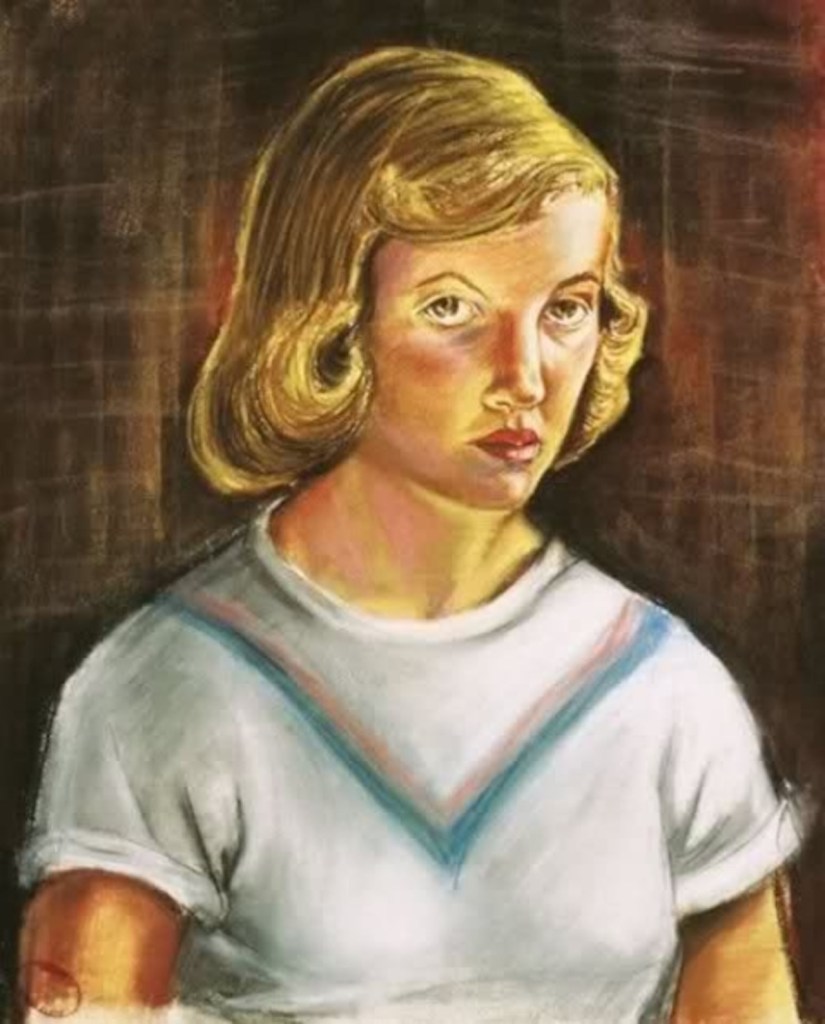



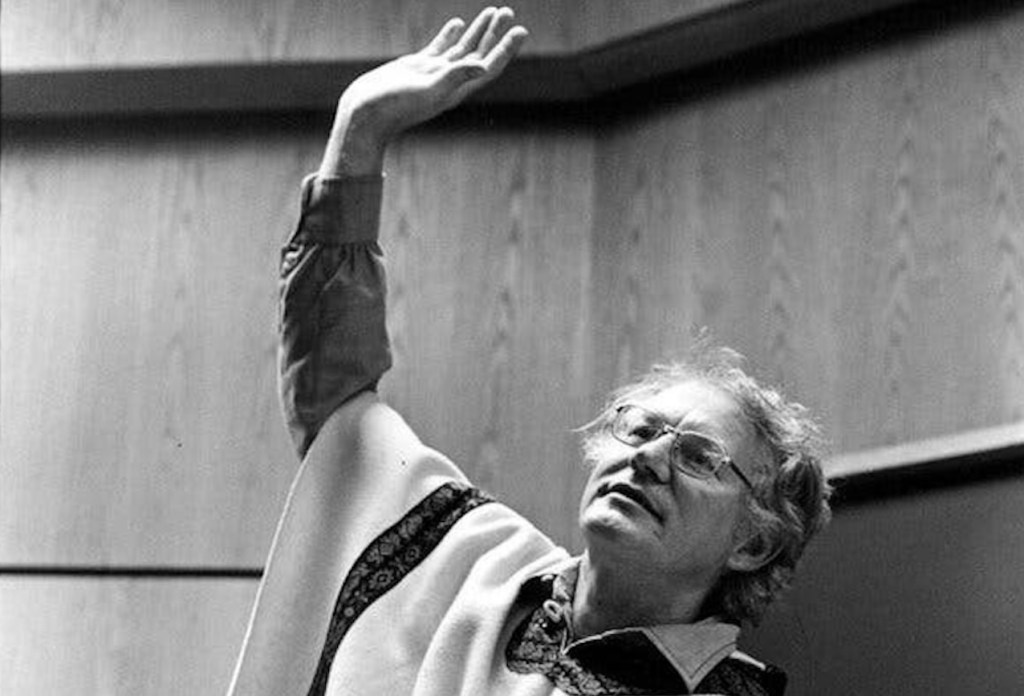



 Linda's Literary Home