Elizabeth Barrett Browning’s Sonnet 6 “Go from me. Yet I feel that I shall stand”
Elizabeth Barrett Browning’s sonnet 6 is a clever seduction sonnet; as the speaker seems to be giving the suitor every reason to leave her, she is also giving him very good reasons to remain.
Introduction and Text of Sonnet 6 “Go from me. Yet I feel that I shall stand”
Elizabeth Barrett Browning’s sonnet 6 from Sonnets from the Portuguese may be thought of as the seeming reversal of a seduction theme. At first the speaker seems to be dismissing her lover. But as she continues, she shows just how close they already are.
The speaker’s revelation that he will always be with her, even though she has sent him away from the relationship, is bolstered by many instances of intensity that is surely meant to keep the love attracted instead of repelling him.
Sonnet 6 “Go from me. Yet I feel that I shall stand”
Go from me. Yet I feel that I shall stand Hence forward in thy shadow. Nevermore Alone upon the threshold of my door Of individual life, I shall command The uses of my soul, nor lift my hand Serenely in the sunshine as before, Without the sense of that which I forbore— Thy touch upon the palm. The widest land Doom takes to part us, leaves thy heart in mine With pulses that beat double. What I do And what I dream include thee, as the wine Must taste of its own grapes. And when I sue God for myself, He hears that name of thine, And sees within my eyes the tears of two.
Reading:
Commentary on Sonnet 6 “Go from me. Yet I feel that I shall stand”
This sonnet is a clever seduction sonnet; as the speaker seems to be giving the suitor every reason to leave her, she is also giving him very good reasons that they should remain together.
She is always trying to convince herself more than her suitor, for she already intuits that he believes their union is meant to be. He knows the depth of his love for her. But she must convince herself that that depth is genuine.
First Quatrain: No Equal Partnership
Go from me. Yet I feel that I shall stand Hence forward in thy shadow. Nevermore Alone upon the threshold of my door Of individual life, I shall command
In Elizabeth Barrett Browning’s sonnet 6 from Sonnets from the Portuguese, the speaker is commanding her beloved to leave her. As she has protested in earlier sonnets, she does not believe she is equal to his stature, and such a match could not withstand the scrutiny of their class society.
But the clever speaker also hastens to add that his spirit will always remain with her, and she will henceforth be “[n]evermore / Alone upon the threshold of my door / Of individual life.”
That the speaker once met and touched one so esteemed will continue to play as a presence in her mind and heart. She is grateful for the opportunity just to have briefly known him, but she cannot presume that they could have a permanent relationship.
Second Quatrain: Never to Forget
The uses of my soul, nor lift my hand Serenely in the sunshine as before, Without the sense of that which I forbore— Thy touch upon the palm. The widest land
The speaker continues the thought that her beloved’s presence will remain with her as she commands her own soul’s activities. Even as she may “lift [her] hand” and view it in the sunlight, she will be reminded that a wonderful man once held it and touched “the palm.”
The speaker has married herself so securely to her beloved’s essence that she avows that she cannot henceforth be without him. As she attempts to convince herself that such a life will suffice, she also attempts to convince her beloved that they are already inseparable.
First Tercet: Metaphysically Together Always
Doom takes to part us, leaves thy heart in mine With pulses that beat double. What I do And what I dream include thee, as the wine
No matter how far apart the two may travel, no matter how many miles the landscape “doom[s]” them to separation, their two hearts will forever beat together, as “pulses that beat double.”
Everything she does in future will include him, and in her every dream, he will appear. She is binding them together on the metaphysical level, where such bonds can never be broken, as they can on the physical level of being.
Second Tercet: Prayers That Include Her Beloved
Must taste of its own grapes. And when I sue God for myself, He hears that name of thine, And sees within my eyes the tears of two.
They will be a union as close as grapes and wine: “as the wine / / Must taste of its own grapes.” Her juxtaposition of wine and tears becomes symbolic of their liquid love, running together as any stream to the sea.
And when she supplicates to God, she will always include the name of her beloved. She will never be able to pray only for herself but will always pray for him as well. And when the speaker sheds tears before God, she will be shedding “the tears of two.” In her spiritual life, the two are already bound together.
Her life will be so bound together with her beloved that there is no need for him to remain with her physically, and she has given reasons that he should depart and not feel any pangs of sorrow for her.
In fact, he will not be leaving her if they are so closely united already. They can never be parted despite any measure of physical distance. While the speaker seems to be giving the suitor every opportunity to leave her by exaggerating their union, her pleadings also reveal that she is giving him every reason to remain with her.
If they are already as close and wine and grapes, and she adores him so greatly as to continue to remember that he touched her palm, such strong love and adoration would be difficult to turn down.
Despite the class differences that superficially separate them, the speaker must somehow come to understand that their parting is not an option. The metaphysical level of being must be explored for the sake of reality.
S. Omar Barker’s Christmas poem “A Cowboy’s Christmas Prayer” features a humble cowpoke, who is not accustomed to praying but is offering his heart-felt supplication at Christmas time. As he prays, he reveals the qualities and issues of his life that are most important to him.
Introduction with Text of “A Cowboy’s Christmas Prayer”
This Christmas prayer/poem composed by cowboy poet, S. Omar Barker, allows a humble rider-of-the-range to express his deeply held wishes as he offers a supplication to the Lord for the good of all mankind. The cowboy prayer is framed as a ballad-style narration emphasizing the simple, humble nature of the cowpoke.
The ballad-influenced piece plays out in cowboy dialect and in riming couplets. Its stanza breaks are uneven with two single-line bridges that dissect the drama at important points to emphasize the shift in theme and tone.
A Cowboy’s Christmas Prayer
I ain’t much good at prayin’, and You may not know me, Lord — For I ain’t much seen in churches, where they preach Thy Holy Word. But you may have observed me out here on the lonely plains, A-lookin’ after cattle, feelin’ thankful when it rains.
Admirin’ Thy great handiwork.
The miracle of the grass, Aware of Thy kind Spirit, in the way it comes to pass That hired men on horseback and the livestock that we tend Can look up at the stars at night, and know we’ve got a Friend.
So here’s ol’ Christmas comin’ on, remindin’ us again Of Him whose coming brought good will into the hearts of men. A cowboy ain’t a preacher, Lord, but if You’ll hear my prayer, I’ll ask as good as we have got for all men everywhere
Don’t let no hearts be bitter, Lord. Don’t let no child be cold. Make easy the beds for them that’s sick and them that’s weak and old. Let kindness bless the trail we ride, no matter what we’re after, And sorter keep us on Your side, in tears as well as laughter.
I’ve seen ol’ cows a-starvin’ — and it ain’t no happy sight; Please don’t leave no one hungry, Lord, on Thy Good Christmas Night — No man, no child, no woman, and no critter on four feet I’ll do my doggone best to help you find ’em chuck to eat.
I’m just a sinful cowpoke, Lord — ain’t got no business prayin’ But still I hope you’ll ketch a word or two, of what I’m sayin’: We speak of Merry Christmas, Lord—
I reckon You’ll agree —
There ain’t no Merry Christmas for nobody that ain’t free! So one thing more I ask You, Lord: just help us what You can To save some seeds of freedom for the future Sons of Man!
Reading
Commentary on “A Cowboy’s Christmas Prayer”
S. Omar Barker’s “A Cowboy’s Christmas Prayer” dramatizes the prayer offered by a humble cowboy who is unaccustomed to praying and unacquainted with church services but who holds the blessings from the Creator very dear to his heart. He expresses his gratitude for the simple life he lives and asks his Creator to bless others with kindness and prosperity.
First Movement: A Humble Prayer
I ain’t much good at prayin’, and You may not know me, Lord — For I ain’t much seen in churches, where they preach Thy Holy Word. But you may have observed me out here on the lonely plains, A-lookin’ after cattle, feelin’ thankful when it rains.
In the first quatrain, the supplicating cowboy begins by addressing the Lord, suggesting that the Lord may not even be acquainted with the cowboy; he then gives the reasons that he feels the Lord may not know him. He has not attended church very often, and he knows that’s where they preach His “Holy Word.”
However, the cowboy then suggests that perhaps the Creator has seen him out on the plains doing his work of watching “after cattle.” The cowboy adds what he likely feels may be a useful introduction to the Lord Creator: he has felt thankful for the rain that keeps life supported.
Second Movement: A Single-Line Bridge
Admirin’ Thy great handiwork.
The cowboy adds another positive feature in his heretofore somewhat tentative relationship with the Almighty: he has always admired the “great handiwork” that he often observes as he rides the range in the great outdoors.
This line appears alone and emphasizes the important idea that the cowboy has always kept the Creator near to his heart by feeling enthralled by all of what He has created. The cowboy is likely remembering the wide-open plains, the mountains, the trees, vegetation of the prairie, the night sky full of stars, and the cattle that he himself drives and protects.
This single line offers a useful bridge between the moments of prayer that supplicates, as it brings the Divine back into the cowboy’s consciousness.
Third Movement: Miracles in Creation
The miracle of the grass, Aware of Thy kind Spirit, in the way it comes to pass That hired men on horseback and the livestock that we tend Can look up at the stars at night, and know we’ve got a Friend.
The next quatrain offers a few specific examples of the great Lord’s “handiwork.” The cowboy first mentions the grass, which he describes as a “miracle.” He then avers that even as a simply cowpoke he feels the nature of the Lord is kindness.
And through that “kind Spirit,” he reports that somehow the graceful occasion exists that those hired hands who work riding horseback and tending livestock are able to observe the sky full of “stars at night.”
The cowboy makes it clear that such a sight fills his heart with gratitude that he and his fellow workers “got a Friend.” His relationship with the Lord has blossomed even as he admits his tentative relationship with church and prayer.
Fourth Movement: Good Will
So here’s ol’ Christmas comin’ on, remindin’ us again Of Him whose coming brought good will into the hearts of men. A cowboy ain’t a preacher, Lord, but if You’ll hear my prayer, I’ll ask as good as we have got for all men everywhere.
Likely the coming of the season of Christmas has been the impetus for the cowboy to be offering this halting prayer. So he now tells the Lord that the coming of Christmas has reminded him of Jesus the Christ, Who “brought good will” into men’s hearts.
Even though he “ain’t a preacher,” the cowboy expresses the hope that the Lord will still hear his prayer. He promises to supplicate for the “good” of everyone everywhere. He wishes that all men may be as blessed as he his. His gratitude keeps his own heart open to the Lord’s grace.
Fifth Movement: Prayer of a Simple Soul
Don’t let no hearts be bitter, Lord. Don’t let no child be cold. Make easy the beds for them that’s sick and them that’s weak and old. Let kindness bless the trail we ride, no matter what we’re after, And sorter keep us on Your side, in tears as well as laughter.
In the next cinquain, the speaker offers a catalogue of blessings that he wishes to ask of the Lord. He asks that no bitterness reside in the hearts of men, as he asks that “no child be cold.”
He asks the Lord comfort those who are ill and make their convalescence go smoothly. He also wish ease and comfort for those who are old and weak. He asks kind-heartedness remain a feature of the “trail we ride.” He then asks the Creator to keep humanity on His side throughout good times as well as bad times.
Sixth Movement: Praying for Others’ Welfare
I’ve seen ol’ cows a-starvin’ — and it ain’t no happy sight; Please don’t leave no one hungry, Lord, on Thy Good Christmas Night — No man, no child, no woman, and no critter on four feet I’ll do my doggone best to help you find ’em chuck to eat.
Returning to the quatrain-form for the sixth movement, the speaker focuses on hunger; he has observed cows that are starving to death, and that sight weighs heavily on his heart and mind; thus, he begs the Lord to “leave no one hungry.”
This deprivation is so important to him that he asks that “no man, no child, no woman” be allowed to go hungry. But he also wants the Lord to protect all animals from the fate of hunger. He then promises to help the Lord in finding food for all who are hungry.
Seventh Movement: Self-Deprecation
I’m just a sinful cowpoke, Lord — ain’t got no business prayin’ But still I hope you’ll ketch a word or two, of what I’m sayin’: We speak of Merry Christmas, Lord—
In the next tercet, the cowboy again engages in self-deprecation, saying he is “just a sinful cowpoke” and he does not deserve to be “prayin’.” Still, he expresses the hope that the Creator will hear at least “a word or two” of his prayer.
The cowboy/speaker then begins a thought which is so important that he offers merely the opening of it, allowing its conclusion to spread over another bridge and into the final tercet. He begins by reporting that “[w]e speak of Merry Christmas, Lord—.”
Eighth Movement: Agreement with His Lord
I reckon You’ll agree —
The speaker then creates a second bridge between thoughts. This time he inserts the important notion he thinks the Lord will agree with what he is about to propose. By beginning the thought in the conclusion of the seventh movement, allowing it to marinate through the eighth bridge movement, he has created a small mystery that emphasizes the utterly vital importance of his final thought.
Ninth Movement: Freedom Is Vital
There ain’t no Merry Christmas for nobody that ain’t free! So one thing more I ask You, Lord: just help us what You can To save some seeds of freedom for the future Sons of Man!
Finally, the cowboy issues his important claim before God and world that the most important possession that mankind must retain is “freedom.” There can be no “Merry Christmas” unless humanity is free to enjoy it; no happiness can exists for any individual “that ain’t free!”
Thus, the cowboy’s final supplication is that the Lord “save some seeds of freedom for the future Sons of Man!” He asks his Creator to allow the love and hope of freedom to grow with mankind in all lands for all time.
Phillis Wheatley’s classically influenced poem, “On Imagination,” explores the powerful force of human imagination. Wheatley demonstrates her remarkable talent for use of mythological allusion and the classical forms in which she was trained and in which she excelled.
Introduction and Text of “On Imagination”
Phillis Wheatley’s “On Imagination” explores the nature of the human mind as it engages in the fanciful act of imagining. In the opening movement, Wheatley’s speaker offers an invocation [1] to the “imperial queen,” on whom she bestows the royal label, while personifying her subject.
Phillis Wheatley’s classical training in poetry is on full display as she composes a useful “invocation” that helps set the tone for her poem. Wheatley’s invocation also performs the traditional function of supplicating to the muses or to a deity for guidance and inspiration in composing the poem in progress.
The poet has her speaker follow such luminaries as the world-renowned, classical Greek poet, Homer, in his Odyssey [2 ]and the British mastercraftsman and classic poet, John Milton, in his Paradise Lost [3] .
On Imagination
Thy various works, imperial queen, we see, How bright their forms! how deck’d with pomp by thee! Thy wond’rous acts in beauteous order stand, And all attest how potent is thine hand.
From Helicon’s refulgent heights attend, Ye sacred choir, and my attempts befriend: To tell her glories with a faithful tongue, Ye blooming graces, triumph in my song.
Now here, now there, the roving Fancy flies, Till some lov’d object strikes her wand’ring eyes, Whose silken fetters all the senses bind, And soft captivity involves the mind.
Imagination! who can sing thy force? Or who describe the swiftness of thy course? Soaring through air to find the bright abode, Th’ empyreal palace of the thund’ring God, We on thy pinions can surpass the wind, And leave the rolling universe behind: From star to star the mental optics rove, Measure the skies, and range the realms above. There in one view we grasp the mighty whole, Or with new worlds amaze th’ unbounded soul.
Though Winter frowns to Fancy’s raptur’d eyes The fields may flourish, and gay scenes arise; The frozen deeps may break their iron bands, And bid their waters murmur o’er the sands. Fair Flora may resume her fragrant reign, And with her flow’ry riches deck the plain; Sylvanus may diffuse his honours round, And all the forest may with leaves be crown’d: Show’rs may descend, and dews their gems disclose, And nectar sparkle on the blooming rose.
Such is thy pow’r, nor are thine orders vain, O thou the leader of the mental train: In full perfection all thy works are wrought, And thine the sceptre o’er the realms of thought. Before thy throne the subject-passions bow, Of subject-passions sov’reign ruler thou; At thy command joy rushes on the heart, And through the glowing veins the spirits dart.
Fancy might now her silken pinions try To rise from earth, and sweep th’ expanse on high: From Tithon’s bed now might Aurora rise, Her cheeks all glowing with celestial dies, While a pure stream of light o’erflows the skies. The monarch of the day I might behold, And all the mountains tipt with radiant gold, But I reluctant leave the pleasing views, Which Fancy dresses to delight the Muse; Winter austere forbids me to aspire, And northern tempests damp the rising fire; They chill the tides of Fancy’s flowing sea, Cease then, my song, cease the unequal lay.
Commentary on “On Imagination”
The speaker of Phillis Wheatley’s “On Imagination” is dramatizing the power of the human imagination to create any situation it desires. However, remaining a rational, thinking mind ensconced in reality, the speaker returns to the physical plane of being to make a humble claim about her own use of imagination.
Opening Movement: The Classical Invocation
Thy various works, imperial queen, we see, How bright their forms! how deck’d with pomp by thee! Thy wond’rous acts in beauteous order stand, And all attest how potent is thine hand.
From Helicon’s refulgent heights attend, Ye sacred choir, and my attempts befriend: To tell her glories with a faithful tongue, Ye blooming graces, triumph in my song.
Now here, now there, the roving Fancy flies, Till some lov’d object strikes her wand’ring eyes, Whose silken fetters all the senses bind, And soft captivity involves the mind.
The speaker begins by describing some of the creations that have resulted from the works of this imperial queen, Imagination. She asserts that the queen’s many varied “works” reveal bright forms that have been accompanied by “pomp.” The works are also “wond’rous” as they appear in a “beauteous order.” And they all prove the exquisite power that rests in that imperial queen’s hand.
The speaker engages an allusion to the Greek mythological mountain of Helicon [4], whose springs became known as a fount of poetic inspiration. It was there that the poet, Hesiod, was inspired to compose his Theogony, a work that offers a narration about the origin of the world as it was formed from chaos.
Hesiod’s famous opus also describes the genesis and historical progression of the Greek gods. Also allusive is her brilliant invocation. This speaker wishes to tell with “a faithful tongue” the glories of the work of the Imagination. She avers that as “Fancy flies,” that facility eventually lands on some object of intense interest, and then the mind takes over to wrap that object in “silken fetters.”
Second Movement: The Astonishing Force
The second movement begins the intense exploration of the “force” that the human mind through employment of its tool, the imagination, wields upon nature, time, and space.
The speaker implies that the imagination, in fact, has such a force that it is likely that no one can do it justice by speaking about it: no one can “sing” it force, and no one can fully “describe” the speed at which the imagination can move along its path. Still, she is motivated to offer her attempt to shed some light on the subject.
The speaker avers that through the powerful force of imagination the human mind can fly through space in search of the abode of the “thund’ring God.” The mind through the imagination can fly past the wind and abandon the confines of the “rolling universe.”
On the wings of imagination, the human mind may flit from “star to star” and take a measuring tape to the skies, while roaming above the sky. The mind through imagination can bring the human consciousness to a pinnacle from which s/he may “grasp the mighty whole,” while also discovering new places that will astonish even the “unbounded soul.”
Third Stanza: Imaginative Declarations
The speaker then makes an amazing claim that through the imagination the ravages of the season of winter can be transformed, and spring-like weather may again become refulgent.
The fields may again hold the growing grain. Frozen soil and streams may come alive and move unfettered. Flowers again may send out their fragrance as their colorful beauty again decorates the landscape.
Alluding to the Roman god, Sylvanus [5], the speaker insists that the “forest”—”silva” is Latin for “forest”—may become festooned with green leaves, replacing the brown, bare branches of winter.
Spring rains may sprinkle the landscape while dew may form and gleam in the morning sunlight. And roses may hold their “nectar sparkle.” All of this is made possible by the forceful functioning of the mental process known as “imagination.”
Fourth Stanza: The Powerful Force for Creativity
The speaker then affirms that what she has described as issuing from the force of imagination is, in fact, true. She asserts that the power of imagination remains in effect and what that power orders comes into being because imagination is the “leader of the mental train.” According to the dictates of this speaker’s thinking, the central invigorating feature of the mind is imagination.
After the imperial queen, the imagination, lifts her staff over the heads of the “realms of thought,” her subjects, like all good subjects, “bow.” This queen remains their “sovereign ruler.”
Interestingly, the speaker finds that as this ruler asserts her power, instead of resistance and doubt claiming the subjects, their hearts are filled with joy. This joy rushes in and then “spirits dart” through those “glowing veins.”
Thus, the presence and powerful force of the imagination offers the host mental facility only positive attributes. With an inspirational joy flooding the body and mind, the host remains in a regenerative state of awareness.
Fifth Movement: A Humble Return to Reality
The speaker next refers to the wildly imaginative venture of “ris[ing] from earth” and rushing through the expanse far distant above the earth-planet. Alluding again to Greek mythology, she employs the character Tithon [6], whose bed from which dawn (Aurora) may awaken in a stream of pure light—an occasion that would be quite different from the activities experienced by those characters.
The imagination can change all negativity to positivity, but the speaker, however, must return to earthly reality by admitting that she must leave those halcyon realms to which her imaginative journey has aspired. While an imaginative winter may turn to spring, the reality of the empirical winter forbids such flights of fancy.
Thus, the speaker reluctantly returns to “northern tempests” that will douse the fire of pure imagination. While Fancy’s “flowing sea” begins to chill, the speaker must end her song, which she claims is inferior to the imaginative heights she had reached earlier in her singing.
Sources
[1] Editors. “Invocation.” Britannica. Accessed August 26, 2023.
[2] Homer. Odyssey. Translation by Classics Archive. Accessed August 26, 2023.
[3] John Milton.Paradise Lost. Poetry Foundation. Accessed August 26, 2023.
[4] Curators. “Helicon.” Fandom: Greek Mythology. Accessed August 26, 2023.
[5] Editors. “Sylvanus: Roman God.” Britannica. Accessed August 26, 2023.
[6] Curators. “Tithon.” GreekMythology.com. Accessed August 26, 2023.
James Weldon Johnson’s funeral oration, “Go Down Death,” offers one the most beautiful and heartfelt expressions of the soul’s journey through life.
Introduction and Text of “Go Down Death”
The epigraph to James Weldon Johnson’s poem, “Go Down Death,” from God’s Trombones: Seven Negro Sermons in Verse, identifies the poem as a dramatic “funeral oration.” This dramatization of the soul’s journey from life to death and beyond remains one of the most beautiful metaphoric expressions on the subject.
The poem, “Go Down Death,” features ten versagraphs in which a pastor ministers to a grieving family. The uplifting sermon remains an example of Johnson’s marvelous craftsmanship with words and profound ideas regarding life and death.
Go Down Death
(A Funeral Sermon)
Weep not, weep not, She is not dead; She’s resting in the bosom of Jesus. Heart-broken husband—weep no more; Grief-stricken son—weep no more; Left-lonesome daughter —weep no more; She only just gone home.
Day before yesterday morning, God was looking down from his great, high heaven, Looking down on all his children, And his eye fell on Sister Caroline, Tossing on her bed of pain. And God’s big heart was touched with pity, With the everlasting pity.
And God sat back on his throne, And he commanded that tall, bright angel standing at his right hand: Call me Death! And that tall, bright angel cried in a voice That broke like a clap of thunder: Call Death!—Call Death! And the echo sounded down the streets of heaven Till it reached away back to that shadowy place, Where Death waits with his pale, white horses.
And Death heard the summons, And he leaped on his fastest horse, Pale as a sheet in the moonlight. Up the golden street Death galloped, And the hooves of his horses struck fire from the gold, But they didn’t make no sound. Up Death rode to the Great White Throne, And waited for God’s command.
And God said: Go down, Death, go down, Go down to Savannah, Georgia, Down in Yamacraw, And find Sister Caroline. She’s borne the burden and heat of the day, She’s labored long in my vineyard, And she’s tired— She’s weary— Go down, Death, and bring her to me.
And Death didn’t say a word, But he loosed the reins on his pale, white horse, And he clamped the spurs to his bloodless sides, And out and down he rode, Through heaven’s pearly gates, Past suns and moons and stars; on Death rode, Leaving the lightning’s flash behind; Straight down he came.
While we were watching round her bed, She turned her eyes and looked away, She saw what we couldn’t see; She saw Old Death. She saw Old Death Coming like a falling star. But Death didn’t frighten Sister Caroline; He looked to her like a welcome friend. And she whispered to us: I’m going home, And she smiled and closed her eyes.
And Death took her up like a baby, And she lay in his icy arms, But she didn’t feel no chill. And death began to ride again— Up beyond the evening star, Into the glittering light of glory, On to the Great White Throne. And there he laid Sister Caroline On the loving breast of Jesus.
And Jesus took his own hand and wiped away her tears, And he smoothed the furrows from her face, And the angels sang a little song, And Jesus rocked her in his arms, And kept a-saying: Take your rest, Take your rest.
Weep not—weep not, She is not dead; She’s resting in the bosom of Jesus.
Wintley Phipps’ amazing recitation of “Go Down, Death”
Commentary on “Go Down Death”
James Weldon Johnson’s “Go Down Death,” a dramatization of the soul’s journey from life to death and beyond, remains one of the most beautiful metaphoric expressions on the subject.
First Versagraph: A Command not to Weep
Weep not, weep not, She is not dead; She’s resting in the bosom of Jesus. Heart-broken husband—weep no more; Grief-stricken son—weep no more; Left-lonesome daughter —weep no more; She only just gone home.
The often rhythmic, deeply dramatic oration begins with a refrain, “Weep not, weep not.” This command is directed to the family of a deceased woman, who is survived by a “Heart-broken husband, a Grief-stricken son, and a Left-lonesome daughter.”
The minister delivering the funeral sermon tasks himself with convincing the grieving family that their loved one is not dead, because she is resting in the bosom of Jesus, and she has only just gone home.
Second Versagraph: God’s Pity and What’s Often Forgotten
Day before yesterday morning, God was looking down from his great, high heaven, Looking down on all his children, And his eye fell on Sister Caroline, Tossing on her bed of pain. And God’s big heart was touched with pity, With the everlasting pity.
The minister creates a beautiful narrative beginning on the day just before the beloved died. He says that God was looking down from his great, high heaven, and He happened to glimpse Sister Caroline, who was “tossing on her bed of pain.” God in His great mercy was filled “with everlasting pity.”
The minister weaves a beautiful narrative designed not only to relieve the pain of the mourners but also to let them know a truth that is so often forgotten at the time of loss and grieving at death.
Third Versagraph: A Creature not to be Feared
And God sat back on his throne, And he commanded that tall, bright angel standing at his right hand: Call me Death! And that tall, bright angel cried in a voice That broke like a clap of thunder: Call Death!—Call Death! And the echo sounded down the streets of heaven Till it reached away back to that shadowy place, Where Death waits with his pale, white horses.
God instructed His “tall, bright angel” standing on His right to summon Death. The angel then summoned Death from the darkness in which he is always waiting with his pack of white horses.
Death is now becoming an anthropomorphic creature who will perform a function directed by God. If God is directing the creative Death, then mourners will begin to understand that Death is not a creature to be feared, only to be understood as a servant of the Belovèd Lord.
Fourth Versagraph: Death before the Great White Throne
And Death heard the summons, And he leaped on his fastest horse, Pale as a sheet in the moonlight. Up the golden street Death galloped, And the hooves of his horses struck fire from the gold, But they didn’t make no sound. Up Death rode to the Great White Throne, And waited for God’s command.
Hearing the call, Death leaps on his fastest stead. Death is pale in the moonlight, but he continues on, speeding down the golden street. And although the horses’ hooves “struck fire f rom the the gold,” no sound emanated from the clash. Finally, Death arrives at the Great White Throne, where he waits for God to give him his orders.
Fifth Versagraph: Death Goes down to Georgia
And God said: Go down, Death, go down, Go down to Savannah, Georgia, Down in Yamacraw, And find Sister Caroline. She’s borne the burden and heat of the day, She’s labored long in my vineyard, And she’s tired— She’s weary— Go down, Death, and bring her to me.
God commands Death to travel down to Georgia in Savannah. There he must find “Sister Caroline.” The poor sister has suffered for a long time; she has been a valiant laborer for God. Now she has grown too tired and too debilitated to continue on in her present incarnation.
Thus, God instructs Death to fetch the soul of Sister Caroline to Him. Knowing that Death is simply the conveyance employed by the Blessèd Creator to bring His children home is a concept that can bring comfort and relief to the mourners.
Sixth Versagraph: Death Obeys God’s Command
And Death didn’t say a word, But he loosed the reins on his pale, white horse, And he clamped the spurs to his bloodless sides, And out and down he rode, Through heaven’s pearly gates, Past suns and moons and stars; on Death rode, Leaving the lightning’s flash behind; Straight down he came.
Without uttering a sound, Death immediately complies with God’s command. Death rides out through “the pearly gates, / Past suns and moons and stars.” He heads straight down to Sister Caroline, to whom God had directed him.
Understanding the nature of God’s servant “Death” continues to build hope and understanding in the heart of the mourners. Their grieving can be assuaged and directed to a whole new arena of theological thought and practice.
Seventh Versagraph: Welcoming God’s Emissary
While we were watching round her bed, She turned her eyes and looked away, She saw what we couldn’t see; She saw Old Death. She saw Old Death Coming like a falling star. But Death didn’t frighten Sister Caroline; He looked to her like a welcome friend. And she whispered to us: I’m going home, And she smiled and closed her eyes.
Upon seeing Death approaching, Sister Caroline welcomes him as if he were an old friend, and she informs the others who were standing around her, ministering to her, that she was not afraid. Sister Caroline then tells them she is going home, as she smiles and closes her eyes for the last time.
By seeing that the dying soul can be so accepting of her new circumstance of leaving the physical body and the earth level of existence, the mourners continue to grow in acceptance as they become capable of letting their grief go. They can replace grief with the joy of knowing God and God’s ways.
That God simply uses Death for his own purposes goes a long way to healing the misunderstanding that one life on earth is all each soul has. The physical level of being becomes a mere step in the evolution through which the soul passes on its way back to its permanent home in God.
Eighth Versagraph: The Soul Moving into the Astral World
And Death took her up like a baby, And she lay in his icy arms, But she didn’t feel no chill. And death began to ride again— Up beyond the evening star, Into the glittering light of glory, On to the Great White Throne. And there he laid Sister Caroline On the loving breast of Jesus.
Death then takes Sister Caroline in his arms as he would a baby. Even though Death’s arm were icy, she experiences no cold. Sister is now able to feel with her astral body, not her physical encasement.
Again Death rides beyond the physical evening star and on into the astral light of “glory.” He approaches the great throne of God and commits the soul of Sister Caroline to the loving care of Christ.
Ninth Versagraph: Sister Shed Delusion of Earth Life
And Jesus took his own hand and wiped away her tears, And he smoothed the furrows from her face, And the angels sang a little song, And Jesus rocked her in his arms, And kept a-saying: Take your rest, Take your rest.
Jesus brushes away all sorrow from the soul of Sister Caroline. She soothes her, and she loses the deep furrows that marred her face, after long living in the world of sorrows and trials. The angels then serenade her as Christ comforts her. Sister Caroline can finally rest from her all her trials and tribulations; she can now shed the delusion that kept her hidebound as she passed through life on the physical plane.
Tenth Versagraph: Repeated Command not to Weep
Weep not—weep not, She is not dead; She’s resting in the bosom of Jesus.
The minister then repeats his opening refrain, “Weep not—weep not, / She is not dead; / She’s resting in the bosom of Jesus.” The refrain becomes a chant that will relieve all souls of pain and headache. Resting in the bosom of Christ will now become the aspiration for all listeners as they begin to understand truly that, “she is not dead.”
They will become aware that if Sister Caroline is not dead, neither will they die, when the time to leave this earth comes. They will understand that their own souls can look forward to resting in the arms of Jesus the Christ.
A poetic retelling of the story about Noah and the Ark, this dramatic poem is one of Johnson’s seven sermons in verse from his collection, God’s Trombones. At certain points in the story, the narrator offers his own interpretations, embellishing the tale and adding further interesting features.
Introduction and Text of “Noah Built the Ark”
James Weldon Johnson’s “Noah Built the Ark” offers an entertaining and educational experience in poetry. Johnson’s clear vision in biblical lore is on full display in his narrative retelling of the Noah and the Ark story from Genesis 6:9–9:17 KJV. The poet is offering an oratory tone in the style of a southern black preacher. His retelling features such plain language that even a child can understand the images and events immediately.
Johnson brought out his collection God’s Trombones: Seven Negro Sermons in Verse in 1927. The collection begins with a prayer, “Listen Lord–A Prayer,” and then features seven verse-sermons, “The Creation,” “The Prodigal Son,” “Go Down Death,” “Noah Built the Ark,” “The Crucifixion,” “Let My People Go,” and “The Judgment Day.”
During his lifetime, Johnson had attended many church services throughout the South, and he was inspired by the oratorical style of the many black preachers, whose preaching he admired. A Southerner himself born in Jacksonville, Florida, Johnson had an ear for dialect and rhythms in speech. All of his poetry is enhanced by his talent for language and its specialties of speech.
Noah Built the Ark
In the cool of the day— God was walking— Around in the Garden of Eden. And except for the beasts, eating in the fields, And except for the birds, flying through the trees, The garden looked like it was deserted. And God called out and said: Adam, Adam, where art thou? And Adam, with Eve behind his back, Came out from where he was hiding. And God said: Adam, What hast thou done? Thou hast eaten of the tree! And Adam, With his head hung down, Blamed it on the woman.
For after God made the first man Adam, He breathed a sleep upon him; Then he took out of Adam one of his ribs, And out of that rib made woman. And God put the man and woman together In the beautiful Garden of Eden, With nothing to do the whole day long But play all around in the garden. And God called Adam before him, And he said to him; Listen now, Adam, Of all the fruit in the garden you can eat, Except of the tree of knowledge; For the day thou eatest of that tree, Thou shalt surely die.
Then pretty soon along came Satan. Old Satan came like a snake in the grass To try out his tricks on the woman. I imagine I can see Old Satan now A-sidling up to the woman, I imagine the first word Satan said was: Eve, you’re surely good looking. I imagine he brought her a present, too,— And, if there was such a thing in those ancient days, He brought her a looking-glass.
And Eve and Satan got friendly— Then Eve got to walking on shaky ground; Don’t ever get friendly with Satan.— And they started to talk about the garden, And Satan said: Tell me, how do you like The fruit on the nice, tall, blooming tree Standing in the middle of the garden? And Eve said: That’s the forbidden fruit, Which if we eat we die.
And Satan laughed a devilish little laugh, And he said to the woman: God’s fooling you, Eve; That’s the sweetest fruit in the garden, I know you can eat that forbidden fruit, And I know that you will not die.
And Eve looked at the forbidden fruit, And it was red and ripe and juicy. And Eve took a taste, and she offered it to Adam, And Adam wasn’t able to refuse; So he took a bite, and they both sat down And ate the forbidden fruit.— Back there, six thousand years ago, Man first fell by woman— Lord, and he’s doing the same today.
And that’s how sin got into this world. And man, as he multiplied on the earth, Increased in wickedness and sin. He went on down from sin to sin, From wickedness to wickedness, Murder and lust and violence, All kinds of fornications, Till the earth was corrupt and rotten with flesh, An abomination in God’s sight.
And God was angry at the sins of men. And God got sorry that he ever made man. And he said: I will destroy him. I’ll bring down judgment on him with a flood. I’ll destroy ev’rything on the face of the earth, Man, beasts and birds, and creeping things. And he did— Ev’rything but the fishes.
But Noah was a just and righteous man. Noah walked and talked with God. And, one day, God said to Noah, He said: Noah, build thee an ark. Build it out of gopher wood. Build it good and strong. Pitch it within and pitch it without. And build it according to the measurements That I will give to thee. Build it for you and all your house, And to save the seeds of life on earth; For I’m going to send down a mighty flood To destroy this wicked world
And Noah commenced to work on the ark. And he worked for about one hundred years. And ev’ry day the crowd came round To make fun of Old Man Noah. And they laughed and they said: Tell us, old man, Where do you expect to sail that boat Up here amongst the hills?
But Noah kept on a-working. And ev’ry once in a while Old Noah would stop, He’d lay down his hammer and lay down his saw, And take his staff in hand; And with his long, white beard a-flying in the wind, And the gospel light a-gleaming from his eye, Old Noah would preach God’s word:
Sinners, oh, sinners, Repent, for the judgment is at hand. Sinners, oh, sinners, Repent, for the time is drawing nigh. God’s wrath is gathering in the sky. God’s a-going to rain down rain on rain. God’s a-going to loosen up the bottom of the deep, And drown this wicked world. Sinners, repent while yet there’s time For God to change his mind.
Some smart young fellow said: This old man’s Got water on the brain. And the crowd all laughed—Lord, but didn’t they laugh; And they paid no mind to Noah, But kept on sinning just the same.
One bright and sunny morning, Not a cloud nowhere to be seen, God said to Noah: Get in the ark! And Noah and his folks all got in the ark, And all the animals, two by two, A he and a she marched in. Then God said: Noah, Bar the door! And Noah barred the door.
And a little black spot begun to spread, Like a bottle of ink spilling over the sky; And the thunder rolled like a rumbling drum; And the lightning jumped from pole to pole; And it rained down rain, rain, rain, Great God, but didn’t it rain! For forty days and forty nights Waters poured down and waters gushed up; And the dry land turned to sea. And the old ark-a she begun to ride; The old ark-a she begun to rock; Sinners came a-running down to the ark; Sinners came a-swimming all round the ark; Sinners pleaded and sinners prayed— Sinners wept and sinners wailed— But Noah’d done barred the door.
And the trees and the hills and the mountain tops Slipped underneath the waters. And the old ark sailed that lonely sea— For twelve long months she sailed that sea, A sea without a shore.
Then the waters begun to settle down, And the ark touched bottom on the tallest peak Of old Mount Ararat. The dove brought Noah the olive leaf, And Noah when he saw that the grass was green, Opened up the ark, and they all climbed down, The folks, and the animals, two by two, Down from the mount to the valley. And Noah wept and fell on his face And hugged and kissed the dry ground.
And then— God hung out his rainbow cross the sky, And he said to Noah: That’s my sign! No more will I judge the world by flood— Next time I’ll rain down fire.
Recitation of “Noah Built the Ark”:
Commentary on “Noah Built the Ark”
While the basic story remains a parallel to the original, the narrator offers his own embellishments at certain points that any listener will recognize as departures from the biblical version. This embellishments stem from the narrator’s personal interpretations of the image and events.
First Movement: Original Creation
The actual story featuring Noah and the ark begins in the third movement; the narrator first builds up to the purpose for Noah having to build the ark. Thus, the opening scenes show God just after having created Adam and Eve, summoning them to hold them responsible for their disobedience.
God knows that they have done the one and only thing He had told them not to do: they have eaten of the “tree of knowledge.” God had told them if they disobeyed this one rule, they would die.
Unfortunately, Satan had persuaded Eve to eat of the fruit, making her believe that God was lying to her. Thus, she ate and convinced Adam to eat, and soon they had lost their paradise in Eden.
The narrator creatively describes the characters in his narrative in colorful ways, for example he had “Old Satan” “[a]-silding up the woman.” Then Satan, who moves “like a snake in the grass,” appeals to the woman’s vanity telling her “you’re surely good looking” and then imagining that Satan gave Eve a gift of a “looking-glass” to emphasize her vanity.
Second Movement: Satan’s Seduction
The narrator now goes into some detail as he has Satan seducing Eve to commit the one sin she had been warned against. Satan belts forth a “devilish little laugh” upon hearing that God had told that pair that they would die if they ate of the forbidden fruit. Satan tells Eve, “God’s fooling you.” He then tells her that the fruit she is forbidden is the “sweetest fruit in the garden” and insists that she can enjoy that fruit without dying.
Eve is convinced, eats the fruit, convinces Adam to eat the fruit, and “Man first fell by woman— / Lord, and he’s doing the same today.” The narrator jokingly demonstrates the rift that began between man and woman with the committing of the original sin.
So now mankind multiplied upon the earth, and not only did people increase, but “wickedness and sin” also increased, and kept on increasing until the corruption became “[a]n abomination in God’s sight.”
Third Movement: Corruption and Anger
The corruption made God angry, and the narrator states that “God got sorry that he ever made man.” And then God decides to destroy mankind by flooding the earth. The narrator says that God planned to destroy all life on earth—except “the fishes.”
The narrator is inserting a bit of comedy into his narration because he knows everyone already is aware that God, in fact, instructed Noah to save all animal life. The claim that God would save only the “fishes” is funny, though, because the fishes are the only life forms that can live in the water, a fact that would obviate the necessity of bringing a pair of them into the ark for saving, as was done with the land animals.
Because Noah was not a man of sin and corruption but a “just and righteous man,” who “walked and talked with God,” God chooses Noah to be his instrument in saving a portion of His Creation.
Thus, God instructs Noah to build an ark for which God gives specific instructions: to be made of gopherwood, “good and strong,” pitched inside and out, and according to the dimensions handed down by the Creator.
God tells Noah that He is going to send down a flood to “destroy this wicked world.” But the house/family of Noah would be spared, and God wanted Noah to help Him “save the seeds of life on earth.”
Noah then obeys God’s command, begins building the ark, working for “one hundred years,” experiencing ridicule daily as folks “make fun of Old Man Noah,” quipping, “Where do you expect to sail that boat / Up here amongst the hills?”
Fourth Movement: Building and Preaching
Noah remains undeterred, working on the ark, but every now and then, he would cease his ark building and offer a sermon. In his sermon, he would tell the “sinners” that they needed to repent because God was going to send “rain down rain on rain.”
Because of all the sinning and corruption, God’s wrath would “drown this wicked world.” Noah encourages the sinners to turn their lives around while there is still time for “God to change his mind.” In response to Noah, a laughing young reprobate quips: “This old man’s / Got water on the brain.” And then everyone else laughs.
Paying no attention to Noah’s warning, they keep on sinning. Then on a bright, sunny morning, the day had come. God instructs Noah to gather pairs of animals and take them along with his family into the ark and “Bar the door!” Then similar to ink spilling over a page, a black spot in the sky begins to spread, and the rain begins—pouring rain for forty days and night.
And many sinners come to the ark “a-running” and “a-swimming” around the ark, pleading to be let in, but it is too late. Though the sinners continue to weep and wail, “Noah’d done barred the door.”
Fifth Movement: The Promise
The narrator then describes the flooded earth, where trees, hills, mountain tops all “slipped underneath the waters.” And for “twelve long months,” the ark sails on a sea that possesses no shore.
Finally, the waters begin to recede, and ark settles down on the tall peak of Mount Ararat. A dove appears to Noah with an olive leaf, altering him that the flood is over, and anew beginning is at hand for all of the inmates of the Ark.
After leaving the ark, the righteous Noah “wept and fell on his face / And hugged and kissed the dry ground.” God then stretches a “rainbow across the sky” and promises Noah that the rainbow would be his reminder that He would never again “judge the world by flood.”
But then God warns that “Next time I’ll rain down fire.” Throughout his retelling of the Noah and the Ark story, the narrator has often added embellishments stemming from his own idiosyncratic interpretations.
The narrator’s final embellishment that God promised to end the world next by fire cannot be found in the biblical KJV version of that tale, but many instances in that version of the Holy Scripture do imply that God might employ the fire element the next time He feels compelled to destroy His Creation.
Holy Sonnet I “Thou hast made me, and shall Thy work decay?”
A speaker suffering physical pain and psychic anguish is conversing with his Belovèd Creator (God), as he prayerfully and meditatively muses upon his relationship with mortality and his eventual experience of immortality.
Introduction with Text of Holy Sonnet I “Thou hast made me, and shall Thy work decay?”
John Donne’s Holy Sonnets feature 19 poems that also function as prayers. Each poem’s form combines features of the Petrarchan style coupled with the Shakespearean use of the final rimed couplet; thus, the rime scheme for each sonnet is ABBAABBACDCDEE.
The Holy Sonnets spotlight a speaker supplicating to the Divine Creator (Heavenly Father or God) to deliver him from his self-created condition that has resulted in despair and decay. In the throes of a degenerating physical encasement, the humbled speaker is seeking succor from the only source able to give it—his Creator.
In the opening Holy Sonnet, the speaker is addressing his Heavenly Father, expressing his bewilderment that the great Heavenly Creator could fashion a being such as he only to permit him as his child to descend into the disillusionment and despair of decay as he confronts death.
Holy Sonnet 1 “Thou hast made me, and shall Thy work decay”
Thou hast made me, and shall Thy work decay? Repair me now, for now mine end doth haste; I run to death, and Death meets me as fast, And all my pleasures are like yesterday. I dare not move my dim eyes any way; Despair behind, and Death before doth cast Such terror, and my feeble flesh doth waste By sin in it, which it towards hell doth weigh. Only Thou art above, and when towards Thee By Thy leave I can look, I rise again; But our old subtle foe so tempteth me, That not one hour myself I can sustain. Thy grace may wing me to prevent his art And thou like adamant draw mine iron heart.
Commentary on Holy Sonnet 1 “Thou hast made me, and shall Thy work decay”
The speaker’s health is declining as he suffers from an aging and crippling physical encasement. He holds a long conversation with his Creator, as he, with prayer-like dramas, contemplates his life condition.
First Quatrain: Contemplating the Inevitable
Thou hast made me, and shall Thy work decay? Repair me now, for now mine end doth haste; I run to death, and Death meets me as fast, And all my pleasures are like yesterday.
The speaker seems to be conflicted as he addresses his Creator. He is trying to determine how and why his Divine Belovèd would create him and then allow him to suffer so many agonies of life. He suddenly makes the demand of his Belovèd Lord to restore him to health and make him whole again. He reveals that he intuits that the end of his life is approaching.
He senses he is moving so quickly toward death that he, therefore, can no longer experience any pleasure in living, as he always had before this period of his descent into illness began.
The speaker has always felt near to depended upon the Divine Creator, keeping the Divine close to his life’s engagements. That he could so easily command the Divine Belovèd to perform any act demonstrates the closeness that he has nurtured throughout his lifetime. Because the Blessèd Creator has created His children, those children of the Divine should always take comfort in speaking to Him—even at times chiding Him.
They should also feel free to demand from their Creator those things and situations that are necessary to the offspring for living their lives and performing their earthly duties. And with this speaker, it is despite his spiritual background that he finds himself in such dire straits.
Second Quatrain: The Looming Descent into Darkness
I dare not move my dim eyes any way; Despair behind, and Death before doth cast Such terror, and my feeble flesh doth waste By sin in it, which it towards hell doth weigh.
The speaker confesses that he can no longer employ the courage to peer about him because he fears sensing and being reminded of his past despair. And worse, he fears being reminded of the fact that death is rapidly approaching. That his demise is looming continues to haunt him and render him terrorized.
His bodily encasement has been rendered enfeebled from engaging in sense-urged acts of degradation that he allowed himself to pursue with such abandon during his lifetime—especially during his younger years.
The speaker even suspects that his poor soul may be cast into hell because of his lifetime of debauchery and useless engagement in sensual pleasures. He remains on the cusp of accepting his responsibility for his lot, but he, nevertheless, still senses the need to confess and seek forgiveness and reparations from his Divine Belovèd Creator.
Third Quatrain: Struggle against the Satanic Force
Only Thou art above, and when towards Thee By Thy leave I can look, I rise again; But our old subtle foe so tempteth me, That not one hour myself I can sustain.
The speaker willingly accepts the fact that his Belovèd Heavenly Father remains in control of his life, all of his actions, and especially his death. He positions the Creator “above”—humbly suggesting that only toward the Divine can he securely direct his glances.
His realization of the infallible presence of his Creator even assets him in rallying to a certain degree. Any small relief from pain, regardless of how brief, can offer a welcome respite.
However, Satan, the old tormenter—”our old foe”—again flaunts his magic on the sense-enslaved body, and the speaker agains senses how difficult it is to remain focused on the only Presence that truly matters.
The speaker always remains aware that he must work and strive to keep his consciousness above the physical encasement in order to remain securely locked in the arms of the Divine Belovèd, but he continues to struggle even as he continue to strive to remain spiritually focused.
The Couplet: Mercy and Salvation through Grace
Thy grace may wing me to prevent his art And thou like adamant draw mine iron heart.
In the couplet, the speaker offers his most affirmative pronouncement. He most vociferously insists that only the intersession of the Heavenly Father will be able to stop Satan from practicing his magic of delusion and degradation on the speaker. The speaker makes it clear to himself and anyone who is listening that it is the Divine Belovèd alone who is capable of attracting and keeping the attention of the speaker.
The speaker metaphorically compares his heart to iron and the Divine Creator to a magnet. He fashions his claim with a set of images that concentrates the motions of flying—”wing me”—to the hard texture of the hardest stone or metal “adamant.”
The speaker, thus, is placing his total faith in the “grace” that the Lord will fly to him and attract his heart away from the pleasure-mad, sin-inducing scheme of the satanic force.
Holy Sonnet II “As due by many titles I resign”
The speaker is bemoaning his fear that he may not be capable of purifying himself sufficiently for his Belovèd Creator to lift him up into divine unity.
Introduction with Text of Holy Sonnet II “As due by many titles I resign”
In John Donne’s Holy Sonnet II: “As due by many titles I resign,” the speaker is again lamenting his aging, decaying physical encasement, but he is also continuing to mourn his strength of spirit. He suspects that he has likely defiled himself through his earlier involvement in worldly activities that have so damaged his being he may not be able to purify himself.
He regrets the fact that the satanic force, a force of lust and depravity, may continue to dominate him, while the Divine Creator, the force of love, may simply ignore him. The speaker’s melancholy remains a result of his own doing, and he well understands his predicament. He continues to pray, however, as he describes exactly his desperate position.
He understands that he is made divinely, but he still fears that he has squandered too much divine energy to enter the Kingdom of Heaven, or achieve Divine Unity. The speaker’s enlightening dramas offer magnificent examples of a suffering soul that continues to engage his Divine Belovèd, in order to both understand and to bring himself nearer to his Divine Creator/Father.
Holy Sonnet II “As due by many titles I resign”
As due by many titles I resign Myself to thee, O God. First I was made By Thee; and for Thee, and when I was decay’d Thy blood bought that, the which before was Thine. I am Thy son, made with Thyself to shine, Thy servant, whose pains Thou hast still repaid, Thy sheep, Thine image, and—till I betray’d Myself—a temple of Thy Spirit divine. Why doth the devil then usurp on me? Why doth he steal, nay ravish, that’s Thy right? Except Thou rise and for Thine own work fight, O! I shall soon despair, when I shall see That Thou lovest mankind well, yet wilt not choose me, And Satan hates me, yet is loth to lose me.
Commentary on Holy Sonnet II “As due by many titles I resign”
As the speaker laments his sad lot in life, still he also puts on display his undying faith in the grace of his Belovèd Creator (God). Although he remains in a quandary of doubt, he shows that he has the spiritual strength to eventually pull himself out of it.
First Quatrain: Seeking Absolution
As due by many titles I resign Myself to thee, O God. First I was made By Thee; and for Thee, and when I was decay’d Thy blood bought that, the which before was Thine.
The speaker, who has served in a number of capacities on the physical plane of existence, is now to addressing his Belovèd Maker, seeking absolution for his beleaguered body and mind. The speaker first professes his dedication of his entire being to the Divine Reality, without Whom he would never have been brought into existence.
The speaker states that he was in the beginning created by the Heavenly Father. He then asserts that he was not only brought into being for himself and for the world, but also that his Blessèd Creator fashioned him for Himself. The sentiment of the Creator/Father bringing into existence humankind for Himself remains a missing element in many sermons and prayers.
Such a sentiment would assist in clarifying the activities and trajectory of the Ineffable as It trails Its behavior through the often incredulous and always bewildered world of humankind. The speaker then alludes to the passion and crucifixion of the Christ, juxtaposing what at first seems an odd comparison of his own physical “decay” to the taking on a karma that Jesus the Christ endured.
Jesus the Christ bought back with his blood a large segment of all humankind for past, present, and future generations. The speaker well comprehends that sacred, humble, and generous act. But he also knows that that selfless act merely bought back what was already in possession of the Divine Belovèd Father.
Second Quatrain: Made in the Image of Divinity
The speaker then offers a significant catalogue of images that reveals the speaker’s comprehension of his place in relationship to the Ultimate Creator (God). First of all, he is the son of that Creator, as all children of God remain children of the Divine Father.
The speaker is aware that his soul shines forth as does the spirit of the Heavenly Parent. As a child of Divinity, the speaker also realizes that he is the Lord’s “servant,” and he is one whose trials and tribulations have been taken back by the grace of the Divine Belovèd through Jesus the Christ.
The speaker then also affirms that he is also a “sheep” of the Divine Shepherd. Clearly, the speaker is the image of the Divine Creator, for he understands that the Blessèd Maker-Father has, indeed, created him in His image, as all holy scripture avers.
However, this speaker is now confessing that his own sins have led him astray as he earlier in his life went about behaving against the trust of the gift of life that had been bestowed on him by his Belovèd Heavenly Father.
The speaker believes that his body “temple” has been corrupted; he had been created to bear the physical encasement of the spirit divine, and until he acted against that spirit, he had been perfect.
Third Quatrain: The Age-Old Battle of Good vs Evil
The speaker then designs a pair of questions that show his clear awareness of the answers. He understands why the “devil” is seeking to defile him, even as he puts on display his inquiry. Also, he is aware of why that satanic force has attempted to “steal” what belongs to the Divine Belovèd Reality.
The speaker has proven and will continue to prove his clear understanding that it is his own sin which has allowed the satanic force, colorfully named “the devil,” to “ravish” and steal from him what his Heavenly Father-God has bestowed upon him.
The speaker then bemoans that if the Ultimate Reality does not bring to the forefront his own particular power in this poor straying child of His, that child will “soon despair.” The speaker separates his thought between the third quatrain and the couplet in order to emphasize the severity and the profundity of its importance.
The Couplet: Satan’s Tight Grasp
The speaker harbors extensive fears that he will not be capable of atoning for the sins that he so carelessly committed early in his life. He thus lays out his issues before his Divine Creator, alerting Him that if or when he senses that the Blessèd Father loves all humankind but fails to unite his soul with Ultimate Spirit, he will then find himself descending mightily into despair.
The speaker then offers a useful contrast between the force of Good and the force of Evil: Good (God, Divine Reality, Creator) loves humankind, while Evil (the devil, Satan) hates humankind.
However, the speaker remains in agony that Satan, the one who hates him will not deign to let him go. Therefore, it seems that he must remain in doubt that he can become purified enough that his Belovèd Creator Father will lift him up into his goal of unity with the Divine.
Holy Sonnet III “O! might those sighs and tears return again”
The speaker continues to lament his lot—that he now must suffer the pain of having transgressed against his higher nature earlier in his lifetime.
Introduction and Text of Holy Sonnet III “O! might those sighs and tears return again”
John Donne’s speaker in Holy Sonnet III finds himself lamenting through many episodes of tears and the agony of sighing that have left him in a deep state of melancholic grief. He avers that those who have committed ordinary sins against society such as thieves and the overweening proud, at least, have past joys to think on. He cannot look back at his own transgressions with but a jaundiced eye. He committed his sins in suffering, and now he must face continued punishment as he experiences great sorrow for his earlier transgressions.
Holy Sonnet III “O! might those sighs and tears return again”
O! might those sighs and tears return again Into my breast and eyes, which I have spent, That I might in this holy discontent Mourn with some fruit, as I have mourn’d in vain. In mine idolatry what showers of rain Mine eyes did waste? what griefs my heart did rent? That sufferance was my sin, I now repent; ‘Cause I did suffer, I must suffer pain. Th’ hydroptic drunkard, and night-scouting thief, The itchy lecher, and self-tickling proud Have the remembrance of past joys, for relief Of coming ills. To poor me is allow’d No ease ; for long, yet vehement grief hath been Th’ effect and cause, the punishment and sin.
Reading of Holy Sonnet III interspersed with scenes from “Breaking Bad”:
Commentary on Holy Sonnet III “O! might those sighs and tears return again”
The speaker is continuing to lament his lot of suffering the pain of having transgressed against his higher nature earlier in his lifetime.
First Quatrain: A Request for Deliverance
O! might those sighs and tears return again Into my breast and eyes, which I have spent, That I might in this holy discontent Mourn with some fruit, as I have mourn’d in vain.
The speaker begins his lament by requesting that all the sorrow that has caused him to shed tears and engaging in sighing come again to him so that he can ultimately find some results from his suffering. Thus far, he has cried and sighed and mourned without consequence. His vain lament seems to have gone unnoticed by his Divine Beloved, and he has determined to continue in his heretofore vain efforts until he has touched the heart of God and has proof of his connection with the Divine.
Second Quatrain: Wasted Tears
In mine idolatry what showers of rain Mine eyes did waste? what griefs my heart did rent? That sufferance was my sin, I now repent; ‘Cause I did suffer, I must suffer pain.
The speaker now castigates himself for his “idolatry” and how that sin has caused him to weep tears in abundance. He exaggerates his crying spells calling them colorfully, “showers of rain.” And he also asserts that his eyes have wasted that water on his grief. But the speaker frames his mention of vast tears and griefs as questions, in order to usher in his conclusions regarding their origin.
The speaker then lays the blame for his tears and grief at the door of his “sin.” He remarks that he is suffering because of his earlier sin. But now he comes before his Lord Creator to “repent.” He reports that because of the sin has suffered he now must endure “pain.” He demonstrates his awareness of the concept of sowing and reaping, although he may have come to understand that concept a little too late for his liking.
Third Quatrain: Memory of Earlier Happiness
Th’ hydroptic drunkard, and night-scouting thief, The itchy lecher, and self-tickling proud Have the remembrance of past joys, for relief Of coming ills. To poor me is allow’d
The speaker now catalogues a list of other types of sinners, including the “drunkard,” the “thief,” the “lecher,” and the “proud.” He asserts all of these sinners who have sown evil in their wake at least possess a memory of “past joys.” And he surmises that those joys may somehow mitigate the “coming ills” that are sure to follow their transgressions.
The speaker is now setting up a contrast between himself and his commission of sin and that of what one might think of as ordinary sins against society. This speaker has not named his own sin, and thus his audience must assume that his sin is a private matter, a transgression that only a union between himself and Maker can mitigate, which would render that transgression of even mightier import and seriousness.
The Couplet: Harsh Self-Judgment
No ease; for long, yet vehement grief hath been Th’ effect and cause, the punishment and sin.
Beginning in the fourth quatrain and completing itself in the couplet, the evaluation of the speaker’s lot determines that this speaker thinks of himself as “poor me,” and to this “poor me” no comfort is forthcoming, thus far.
The speaker believes this state of his condition to be what it is because for a long time his deep pain remained the effect of his transgression, while the cause of his pain is the “punishment” that he now must accept for the sin he has committed.
Holy Sonnet IV “O, my black soul, now thou art summoned”
John Donne’s Holy Sonnet IV finds the speaker continuing to lament his sorrowful state of being, but then he admonishes himself about which course of action he must take to mitigate his circumstances. He continues to judge himself harshly but also continues to seek grace and relief.
Introduction with Text of Holy Sonnet IV “O, my black soul, now thou art summoned”
In “Holy Sonnet IV,” the speaker continues his lament of his current melancholy state. He likens his errant soul to those who have broken laws that landed them in prison and to those who have committed treason against their own native lands.
The speaker remains harsh with himself, as he continues to explore how he came to be in such dire straits. He judges himself without excuse, often commanding himself what to think and what to do.
Holy Sonnet IV “O, my black soul, now thou art summoned”
O, my black soul, now thou art summoned By sickness, Death’s herald and champion; Thou’rt like a pilgrim, which abroad hath done Treason, and durst not turn to whence he’s fled; Or like a thief, which till death’s doom be read, Wisheth himself deliver’d from prison, But damn’d and haled to execution, Wisheth that still he might be imprisoned. Yet grace, if thou repent, thou canst not lack; But who shall give thee that grace to begin? O, make thyself with holy mourning black, And red with blushing, as thou art with sin; Or wash thee in Christ’s blood, which hath this might, That being red, it dyes red souls to white.
Commentary on Holy Sonnet IV “O, my black soul, now thou art summoned”
Again, the speaker finds himself lamenting his painful lot but then admonishing himself about which course of action he must take to remedy his situation.
First Quatrain: Soul-Sickness
O, my black soul, now thou art summoned By sickness, Death’s herald and champion; Thou’rt like a pilgrim, which abroad hath done Treason, and durst not turn to whence he’s fled;
The speaker’s despondency remains at such a degraded level that he labels his own vital essence, “my black soul.” Addressing his beleaguered soul, he states that that soul is now being called by illness. He further describes the unhealthful state of “sickness” as a “herald and champion” of Death.
The speaker then likens his poor “black soul” to a citizen traveler who has committed the act of treason against his own country in a foreign land and dares not return to his own native land. This treasonous comparison is quite apt.
The soul of each unenlightened individual remains connected to that mind and heart that will continue to suffer until they can become aware of that perfect soul that is their true origin and destination.
Although the soul is a spark of Divinity and remains perfect even when incarnated, the human mind and heart can become so ravaged by trials and tribulations that it feels that even the soul is suffering along with them.
The illusion of the mayic state is so strong that even the well-informed who possess an abundance of faith may suffer this soul-sickness. While the soul remains the only harbor of total enlightenment, those ultra difficult circumstances confuse and befuddle the mind and heart influencing them to accept falsehood over truth.
Second Quatrain: Comparisons of Sins to Crimes
Or like a thief, which till death’s doom be read, Wisheth himself deliver’d from prison, But damn’d and haled to execution, Wisheth that still he might be imprisoned
The speaker then continues with a further comparison, likening his soul to a “thief.” And this thief has desired to be released from prison, but then he is summoned to be executed for his crimes and then wishes to remain in prison, for at least he would still be alive.
The speaker’s earlier sins have caused him great regret and now he is urged to find comparisons that speak to his situation. He knows he is merely operating under the spiritual law of sowing and reaping. But he will not remain merely depressed or in neutrality about his lot; he will explore it in order to understand completely the laws of karma and retribution.
Third Quatrain: Repentance Leading to Grace
Yet grace, if thou repent, thou canst not lack; But who shall give thee that grace to begin? O, make thyself with holy mourning black, And red with blushing, as thou art with sin;
The speaker then affirms that repentance is the way to find grace. Still the speaker admits that he is finding it difficult to even begin to repent. He then commands himself to accept his mournful state of “black” because through truth he knows he can reach the holy.
The speaker then also commands himself to “blush” red for the act of blushing demonstrates his complete acceptance that he has indeed sinned against his holy temple and diminished his health and mental capacity.
He accepts his lot as he knows he has, in fact, brought about his sorrowful situation, and he now remains in a melancholy state exploring all avenues that will lead him in the proper direction back to soul purity in the arms of the Beloved Creator.
The Couplet: Only Through Christ
Or wash thee in Christ’s blood, which hath this might, That being red, it dyes red souls to white.
As the speaker has commanded himself to accept his soul-sickness and blush to show contrition, he also adds that another possibility for attaining grace is to unite with Christ-Consciousness, the ultimate goal of humanity.
Once untied with Christ-Consciousness, the soul comes into contact with it Divine Father, Whom it has always craved, even as it has failed to seek that Blessed Reality. The Christian metaphor for uniting with Christ-Consciousness is “to be washed in Christ’s blood.”
Thus the aptness of the “red” of that metaphoric blood possessing the powerful ability to turn those blushing, sinful beings with tainted souls to “white,” which is a metaphor for the state of soul being after removal of all sin and sins’ affects. In addition to a metaphor, “white” remains a symbol for Divine Unity, as it connotes cleanliness and purity.
Holy Sonnet V “I am a little world made cunningly”
The speaker in John Donne’s Holy Sonnet V continues lamenting his lot while commanding of his Belovèd Creator that He use even the strongest methods for cleansing the speaker’s heart, mind, and soul. He wishes to cleanse himself to become pure before his Lord.
Introduction with Text of Holy Sonnet V “I am a little world made cunningly”
In John Donne’s Holy Sonnet V, the speaker again is bemoaning his past sins, as he has been doing in Holy Sonnets I-IV. He begins by describing a spiritual truth: he, like all of humankind, is essentially a soul, or spiritual essence, which he colorfully calls “an angelic sprite,” who possesses a body made of “elements.”
He is seeking from his Blessèd Creator release from the miserably, pain, and agony caused by his sinning in his earlier life. He is desperate to cleanse himself of those sins so that he may unite with his Divine Essence and be relieved of the suffering of mind, body, and soul.
Although the speaker has demonstrated his spiritual awareness that he is a soul that possesses a body, nevertheless, he continues to lament that his many past sins have cause him to require extended cleansing to erase those sins. He thus is demanding that his Divine Belovèd (God) remove those sins through the strongest methods, even from drowning with water to burning with fire.
Holy Sonnet V “I am a little world made cunningly”
I am a little world made cunningly Of elements, and an angelic sprite; But black sin hath betray’d to endless night My world’s both parts, and, O, both parts must die. You which beyond that heaven which was most high Have found new spheres, and of new land can write, Pour new seas in mine eyes, that so I might Drown my world with my weeping earnestly, Or wash it if it must be drown’d no more. But O, it must be burnt; alas! the fire Of lust and envy burnt it heretofore, And made it fouler; let their flames retire, And burn me, O Lord, with a fiery zeal Of Thee and Thy house, which doth in eating heal.
Commentary in Holy Sonnet V “I am a little world made cunningly”
The speaker is showing his spiritual awareness that he is a soul encased in a physical body. He continues to lament his many past sins, as he seeks relief from the ravages of their effect on his body, mind, and soul.
First Quatrain: A Spiritual Essence in a Physical Form
I am a little world made cunningly Of elements, and an angelic sprite; But black sin hath betray’d to endless night My world’s both parts, and, O, both parts must die.
The speaker colorfully describes himself as a “little world” composed of “elements” plus “an angelic sprite.” His physical encasement, or physical body, is made of atoms and molecules which he conglomerates as elements, while infusing that encasement is his soul that he playfully refers to as the “angelic sprite.”
This delightful combination of elements and soul would remain in a haven of joyful bliss, except for one thing—”black sin.” That black sin has caused him to betray treasonously his physical and spiritual parts. And now he laments that both parts must be purged of that sin.
Second Quatrain: His Myriad Tears
You which beyond that heaven which was most high Have found new spheres, and of new land can write, Pour new seas in mine eyes, that so I might Drown my world with my weeping earnestly,
As one who has ranged beyond the heavenly sphere and discovered new areas of existence and is now capable of spreading the news about those new discoveries, the speaker then addresses a concept of his Divine Creator. The speaker then begs of this Manifestation to cleanse his vision—indeed to cleanse his whole world through his continued earnest “weeping.”
The speaker exaggerates the act of cleansing by calling for the God-Manifestion to “pour new seas in [his] eyes.” And to “[d]rown [his] world.” The fact is that he has cried so many tears that he likely feels that such exaggeration is only on a small scale.
Third Quatrain: Water vs Fire
Or wash it if it must be drown’d no more. But O, it must be burnt; alas! the fire Of lust and envy burnt it heretofore, And made it fouler; let their flames retire,
The speaker then lightens his command somewhat as he adds an alternative to the drowning by water. He asks, at least, to be washed if his sins can no longer be drowned. He then turns to cleansing through fire, stating that his sins must “be burnt.”
He realizes that the “fire / Of lust and envy” has burned in his heart until now. It has caused his once pure heart to become foul.The speaker thus asks for cleansing through fire that corresponds to the corruption that has engaged his body and mind.
If water is not strong enough to cleanse through his myriad tears, then perhaps fire may be able to burn through his dross, making him pure once more. He knows he has cried and sought forgiveness through both liquid and etherial means.
The Couplet: To Become Clean Again
And burn me, O Lord, with a fiery zeal Of Thee and Thy house, which doth in eating heal.
The speaker continues with the fire as cleanser metaphor, asking the Divine Creator to burn him in a “fiery zeal.” In the house of the Lord, the speaker wishes to remain. He is aware that the cleansing effect of fire which “eat[s]” all bacteria and leaves behind a cleansed canvass would afford him succor after having burned his sins to ash.
The speaker seems to be tossed hither and yon in his metaphoric ramblings for mercy. He sometimes exaggerates his own culpability and offers an equal exaggeration in order to correct his wrong doing.
The speaker, however, continues to possess a strong level of courage and a constant direction as he seeks to cleanse his body, mind, and soul in order to unite with his Divine Belovèd Father-God.
Advertisements
Holy Sonnet VI “This is my play’s last scene ; here heavens appoint”
John Donne’s speaker in Holy Sonnet VI is very close to death. He is thus speculating about the nature of his existence after death has released his soul from its physical body.
Introduction with Text of Holy Sonnet VI “This is my play’s last scene ; here heavens appoint”
As the speaker in John Donne’s Holy Sonnet VI experiences his final moments drawing him closer to death, he likens his life to a play, and he is in the final scene. He senses that he has been moving with considerable speed through his journey back to God.
His greatest goal is to be brought out of the ravages of sin that have defiled his body causing it to writhe in pain as his mind continues to remain deep in melancholy. The speaker puts on display in each sonnet evidence that his faith remain deep and abiding. He depends upon his Creator now more than he has ever in the past.
And his active, creative mind creates his dramatic scenes that display his musings and speculations regarding his last moments as well as his possibly journey that will continue after his soul has flows from its physical encasement.
Holy Sonnet VI “This is my play’s last scene ; here heavens appoint”
This is my play’s last scene ; here heavens appoint My pilgrimage’s last mile ; and my race Idly, yet quickly run, hath this last pace; My span’s last inch, my minute’s latest point; And gluttonous Death will instantly unjoint My body and soul, and I shall sleep a space; But my ever-waking part shall see that face, Whose fear already shakes my every joint. Then, as my soul to heaven her first seat takes flight, And earth-born body in the earth shall dwell, So fall my sins, that all may have their right, To where they’re bred and would press me to hell. Impute me righteous, thus purged of evil, For thus I leave the world, the flesh, the devil.
Commentary on Holy Sonnet VI “This is my play’s last scene ; here heavens appoint”
The speaker in John Donne’s Holy Sonnet VI realizes that he is now very near to the time that he will be abandoning his physical encasement. In this musing, he is examining the possibilities for the journey he will take up after the process of undergoing death has led his soul out of its physical encasement.
First Quatrain: The Final Moments of Life
This is my play’s last scene ; here heavens appoint My pilgrimage’s last mile ; and my race Idly, yet quickly run, hath this last pace; My span’s last inch, my minute’s latest point;
The speaker employs a theatre metaphor which then transforms into a racing metaphor, wherein the speaker now confides that his last moments of life have arrived. He has always been guided by his Creator, and he is aware that God has been guarding and guiding all of his thoughts and actions.
The speaker is aware that his life has sped by, even as he has much too often passed his time in idleness. He, therefore, now senses that he is facing the last phase of the race he has been engaged in, and not only is he now in his last pace, but he is also near the last “inch.” He is experiencing now the pinnacle of his final minute.
Interestingly, John Donne preached what has become known as his own funeral sermon. That final sermon is aptly titled, “Death’s Duel.” Therefore, that he should have created a similar dramatic scene in his Holy Sonnets is not al all unexpected. The speaker’s intensity increases throughout the entire sequence as he moves closer to that momentous day of moving from his physical body.
Second Quatrain: Hungry Death Approaches
And gluttonous Death will instantly unjoint My body and soul, and I shall sleep a space; But my ever-waking part shall see that face, Whose fear already shakes my every joint.
The speaker then addresses the issue of death which will prompt the disconnection of his soul from its physical encasement. He muses that he may “sleep” for a period of time after leaving his body; he speculates that the soul may seem to pause after escaping the cage of the body.
He assumes that that state of the soul might be considered metaphorically to resemble “sleep.” After that hiatus, although his body will no long be operational, his “ever-waking part”—his soul— will become capable of experiencing God’s face. The speaker’s respect and sense of awe for his Heavenly Father has already begun to cause him to experience physical trembling, as he anticipates joining his Creator-God.
Third Quatrain: Leaving All Sins
Then, as my soul to heaven her first seat takes flight, And earth-born body in the earth shall dwell, So fall my sins, that all may have their right, To where they’re bred and would press me to hell.
The speaker continues his musing. He avers that even as his soul is reposing in heaven, his physical encasement—body—which was born of earth will continue to exist “in the earth.” His sins will be taken back to where they originally began—to the place that they may still possess force but will no longer be able to ensnare the speaker.
Strong forces which result through sense awareness influence the mind to become engaged all kinds of activities. Unfortunately, many of those activities that often result in a physical and mental imbalance include physical as well as mental illness. Where those forces begin remains a mystery.
However, the interaction between and among the sense apparatuses, the nerves, and the brain remain in force as long as the soul continues to occupy a physical body. Those trammels of the senses are singularly responsible for the sin that plays out on the physical plane, or earth-level, of existence. Those same sense trammels are culpable for suicides which are merely attempts to seek relief from the misery and distress resulting from over-indulgences of sense pleasures.
The Couplet: Delivered from Evil
Impute me righteous, thus purged of evil, For thus I leave the world, the flesh, the devil.
The speaker then insists that the Undeclared Force impute to him righteousness as It delivers him from the clutches of evil. He avers that his abandoning this world is for the purpose of leaving the flesh as well as the devil.
He remains confident that he will be cleansed of those sins and then be capable of enjoying the purity that exists for him on the heavenly higher levels of existence. The devil along with evil and sin are earth plane realities only.This speaker’s entire being—including his heart, mind, and soul—now remain focuses on the heavenly plane of existence. On that higher plane of existence, no evil can hold sway.
Death Offers No Guarantee of Purity
This speaker likely assumes that simply dying will deliver him from his current predicament and into the loving arms of the Heavenly Father. Yet, his soul-force seems to be aware that its karmic past may still require that he again face life on an earth-like planet.
Such a return to earth would allow him to continue on his path God-union. He would be allowed to work to perfect his imperfections. As John Donne was a born Catholic and later became an Anglican minister, the poet quite possibly believed that the act of dying would relieve him of the consequences of the sins he had committed while residing in a physical body on planet Earth.
Although the law of karma reckons the entry of the soul into heaven, an individual’s strong faith while incarnated also plays an important role in determining the status of the soul’s ability to enter that unity with its Creator. The status of a fellow human being’s soul awareness can never be detected. That fact undergirds the reason for the command, “Judge not, lest ye be judged” (Matthew 7:1 KJV).
John Donne’s speaker in the sonnets possesses a premium level of education, and his faith is strong and abiding. Donne’s speaker continually calls upon his Heavenly Father-Creator in all circumstances of his life.
The Holy Sonnets exude a steadfast, strong faith in God, and therefore they should be experiences as one individual’s attempt to examine his own life and his own mind as he muses speculates about his existence after death.
Holy Sonnet VII “At the round earth’s imagined corners blow”
The speaker in John Donne’s Holy Sonnet VII is commanding his beloved Creator to instruct him in true repentance, in order to receive the grace that he so strongly desires and needs.
Introduction with Text of Holy Sonnet VII “At the round earth’s imagined corners blow”
John Donne was a brilliant thinker, as well as a strong devout religious devotee. This poem reveals his knowledge of geography, as well as the concepts of karma and reincarnation. Donne’s speaker is continuing to explore all aspects of the status of the soul as it journeys on the earth plane to after-death and back again. The speaker hopes to eventually find himself so blessed that his suffering will have led him to the exalted state of God-union.
Holy Sonnet VII: “At the round earth’s imagined corners blow”
At the round earth’s imagined corners blow Your trumpets, angels, and arise, arise From death, you numberless infinities Of souls, and to your scattered bodies go; All whom the flood did, and fire shall o’erthrow, All whom war, dea[r]th, age, agues, tyrannies, Despair, law, chance hath slain, and you, whose eyes Shall behold God, and never taste death’s woe. But let them sleep, Lord, and me mourn a space; For, if above all these my sins abound, ‘Tis late to ask abundance of Thy grace, When we are there. Here on this lowly ground, Teach me how to repent, for that’s as good As if Thou hadst seal’d my pardon with Thy blood.
Reading by Richard Burton
Commentary on Holy Sonnet VII “At the round earth’s imagined corners blow”
John Donne’s speaker again is lamenting his current physical and mental corruption as he continues to pursue a path that will lead him from darkness to light, and from his current restlessness to eternal peace.
First Quatrain: Addressing Unincarnated Souls
At the round earth’s imagined corners blow Your trumpets, angels, and arise, arise From death, you numberless infinities Of souls, and to your scattered bodies go;
The speaker is addressing all souls that are currently not incarnated. He calls them “angels” and gives them the command to sound their “trumpets” on all “corners” of the earth. He calls those corners “imagined” for that is exactly the case when referring to a sphere as having corners as in the old expression “the four corners of the globe.”
The speaker is also commanding those souls to continue on with their spiritual journey and go ahead and reincarnate, an act that would essentially bring them from “death” back to life. Their bodies are metaphorically “scattered” as they await union of egg and sperm for introduction of each new soul.
Second Quatrain: Death’s Variety
All whom the flood did, and fire shall o’erthrow, All whom war, dearth, age, agues, tyrannies, Despair, law, chance hath slain, and you, whose eyes Shall behold God, and never taste death’s woe.
The speaker now lists some of the ways that those unincarnated souls may have been removed from their bodies. Some have died through flood, other fire, while still others have succumbed through “war, dearth, age, agues, tyrannies / Despair, law, chance.”
The speaker then shockingly refers to those who no longer have need of reincarnating: those “whose eyes” are already “behold[ing] God,” those who no longer have the need to “taste death,” nor reincarnate on the death again. He makes it clear that his intention is to mention, however briefly, all souls into which God has ever breathed existence.
Third Quatrain: A Change of Heart
But let them sleep, Lord, and me mourn a space; For, if above all these my sins abound, ‘Tis late to ask abundance of Thy grace, When we are there. Here on this lowly ground,
The speaker then shifts his command to the “Lord”; having experienced a change of heart, he asks the Lord to let those souls sleep, while the speaker continues to “mourn.”
Thus, the speaker reasons that if his sins are mightier than all those sins that have brought on the many deaths he has listed, then it is likely too late for him to ask for grace from the Divine Creator. He is referring to those souls who are now out of their incarnation. The speaker finally begins his conclusion that he will hold for the couplet to complete.
The Couplet: The Strength of Repentance
Teach me how to repent, for that’s as good As if Thou hadst seal’d my pardon with Thy blood.
While still remaining upon the earth, which he calls “this lowly ground,” the speaker commands his Divine Beloved to instruct him in repentance. He asserts that the act of repentance is equal to having been pardoned. And he knows that, at least, part of his karma has been wiped away by Christ’s sacrifice on the cross.
The speaker is continuing to lament his condition, but he also continues to explore the relationship between God and the souls which God has created. The speaker demonstrates awareness of the concepts of karma and reincarnation, which in the Judeo-Christian religion are explained as sowing and reaping (karma) and resurrection (reincarnation).
Holy Sonnet VIII “If faithful souls be alike glorified”
The speaker in John Donne’s Holy Sonnet VIII is directly addressing his own soul, demanding that it through reason rely solely on his Divine Creator, Heavenly Father-God, Who has fashioned him into the very soul he must be.
Introduction with Text of Holy Sonnet VIII “If faithful souls be alike glorified”
In John Donne’s Holy Sonnet VIII, his speaker is employing the theory of logical consequences along with their circumstances to motivate himself to rely on God alone. He relies on inner urgings that reflect his true soul qualities, and he believes that only truth has the ability to lead his soul back to its Divine Origin.
Holy Sonnet VIII “If faithful souls be alike glorified”
If faithful souls be alike glorified As angels, then my father’s soul doth see, And adds this even to full felicity, That valiantly I hell’s wide mouth o’erstride. But if our minds to these souls be descried By circumstances, and by signs that be Apparent in us not immediately, How shall my mind’s white truth by them be tried? They see idolatrous lovers weep and mourn, And vile blasphemous conjurers to call On Jesus’ name, and pharisaical Dissemblers feign devotion. Then turn, O pensive soul, to God, for He knows best Thy grief, for He put it into my breast.
Commentary on Holy Sonnet VIII“If faithful souls be alike glorified”
Speaking directly to his soul, the speaker determines that dependence only on his Heaven Father can guide him in the precise direction in which he understands that he needs to journey.
First Quatrain: Reliance on Faith
If faithful souls be alike glorified As angels, then my father’s soul doth see, And adds this even to full felicity, That valiantly I hell’s wide mouth o’erstride.
The speaker is examining the feature of authentic faith as opposed to deceptive reasoning. He understands that if genuine faith possess the power to uplift each individual soul to the level of the angels, then his Divine Creator knows and further will bestow on his soul the power to rise above Hell on his journey back to union with the Divine Father-Creator.
His position will be uplifted to “full felicity,” even as he “valiantly” conquers “hell’s wide mouth.” The fact that Hell possesses a “wide mouth” renders it easier for souls to become enmeshed in its magnetism. The old idea that it is easier to engage in bad behavior than to remain ensconced in good behavior may apply to this logic. Also, choosing and following the right path remains more difficult than simply ambling down he wrong path.
Hell’s wide mouth could easily swallow all of us if we allow ourselves to dally near its wide gate. The speaker then continues to reason, to pray, and worship all good and holy things in order to rise above the need to spend any time in Hell. He finds that although the soul’s faith in its Creator is the only act necessary, the path leading to that ultimate awareness can be long and winding.
Second Quatrain: Mental Delusion
But if our minds to these souls be descried By circumstances, and by signs that be Apparent in us not immediately, How shall my mind’s white truth by them be tried?
On the other hand, the speaker knows that the mind can lend itself easily to delusion, causing the soul to be hemmed round by “circumstances.” There also may be indications of things that humankind cannot quickly perceive. The speaker then muses on how to discover the ultimate reality of truth with a mind that permits such folly, illusion, and sin to besmirch it.
He, therefore, seeks answers to how his mind can approach nearby to “white truth” if that mind flying of in all directions continues to keep his pathway obstructed by the dreck of unpolished thoughts, invasive obstruction, and multiple dissatisfactions.
Third Quatrain: Horrifying Hypocrisy
They see idolatrous lovers weep and mourn, And vile blasphemous conjurers to call On Jesus’ name, and pharisaical Dissemblers feign devotion. Then turn,
The speaker continues to elucidate acts that “our minds” are susceptible to performing: the mind receives all sorts of evil events that continue to march through the lives of humanity. Those minds perceive “Idolatrous lovers” and then become melancholy at such sights. Those who call in vain on the name of the Lord scorch hideous images into their minds as “pharisaical / Dissemblers feign devotion.”
The speaker remains disgusted by such depravity; thus, he warns himself strongly against such useless behavior. His hatred of evil action, however, demands that he not circumvent them but instead he must examine their force in order to comprehend why he wants to avoid and disdain.
The speaker commences to command his soul, a command whose conclusion he features in the couplet. For additional emphasis to his final thought, the speaker of these sonnets often uses the strategy of staring a line in the third quatrain and then concluding the idea in the couplet.
The Couplet: Dependence on the Creator-God
O pensive soul, to God, for He knows best Thy grief, for He put it into my breast.
Ultimately, the speaker is demanding that his soul turn to the Divine Reality or God. He says his soul is “pensive,” which literally, however, refers to the mind. His address to the soul then actually remains metaphorical.
But he still is able to speaker to all three bodily encasements and include them in his command: the physical body, in whose “breast” he is aware that God has instilled his sorrow; the mental body, which is responsible for the soul remaining “pensive”; and the soul, which operates both figuratively and literally. The speaker understands that his Heavenly Father (God) includes the entirety of all creation.
The speaker’s final musing and thought process thus points to a pantheistic point of view, else the idea that a compassionate God-Creator would assign grief to the breast of any of his children would remain flagrantly non-compassionate and even grossly unfair.
Holy Sonnet IX “If poisonous minerals, and if that tree”
John Donne’s speaker in Holy Sonnet IX employs his reasoning to compare and contrast the behavior and consequences experienced by God’s creatures of His creation as he fashions another installment of musings on the nature of sin and punishment into finely crafted pieces of art.
Introduction with Text of Holy Sonnet IX “If poisonous minerals, and if that tree”
The speaker of John Donne’s Holy Sonnet IX: “If poisonous minerals, and if that tree” again finds himself “disputing” with his Blessed Creator. He explores creation to understand the reason that his earlier sins are now threatening to cast him into total destruction and suffering.
In this poem, the speaker compares his own status as a child of the Creator to other created beings that while lower on the evolutionary scale seem to be given a pass receiving less punishment than himself as the highest evolved being of the progressing scale of beings. His suffering continues as he searches for answers to his spiritual questions, which he then turns into ever increasingly intense dramas.
Holy Sonnet IX “If poisonous minerals, and if that tree”
If poisonous minerals, and if that tree, Whose fruit threw death on (else immortal) us, If lecherous goats, if serpents envious Cannot be damn’d, alas! why should I be? Why should intent or reason, born in me, Make sins, else equal, in me more heinous? And, mercy being easy, and glorious To God, in His stern wrath why threatens He? But who am I, that dare dispute with Thee? O God, O! of Thine only worthy blood, And my tears, make a heavenly Lethean flood, And drown in it my sin’s black memory. That Thou remember them, some claim as debt; I think it mercy if Thou wilt forget.
Commentary on Holy Sonnet IX “If poisonous minerals, and if that tree”
The speaker expresses his desire that his past sins might be erased and he be forgiven as easily as the Blessed Heavenly Father forgives the unpleasantries of his lesser evolved creatures.
First Quatrain: If This Is, Why Is This Not
If poisonous minerals, and if that tree, Whose fruit threw death on (else immortal) us, If lecherous goats, if serpents envious Cannot be damn’d, alas! why should I be?
In three “if” clauses, the speaker begins his query regarding the ultimate punishment of various entities created by the same Creator-God. Under the notion that God’s lesser beings escape accountability for their behavior, the speaker wonders why that is. How can it be that he, a highly evolved, self-aware child of the Creator, must be “damn’d” for his sins, while the lower creatures get a pass.
The speaker first cites “poisonous minerals” as, in his opinion, a candidate for punishment. He then moves quickly to “that tree” in the Garden of Eden, from which the guilty Adam and Eve ate, thereby casting themselves and their descendants into the realm of mayic delusion where they must experience rounds of life and death.
Interestingly, the speaker includes the fact that if the glutinous pair had not partaken of the fruit from that tree, they would have remained “immortal.” The speaker moves on to call out “lecherous goats” and “serpents envious”—as he then exclaims “alas!” querying why he should be dammed if those unpleasant blemishes on the environment are not.
The speaker’s relationship with his Divine Father is so close that he feels comfortable “disputing” with Him, that is, questioning the Creator-Lord’s motives and reasons for creating His Creation as He has. The speaker finds himself troubled by certain issues and his knowledge that he belongs eternally to the Blessed Creator allows him the audacity to question and even rebuke certain features of Creation.
Second Quatrain: Nothing too Difficult for the Infinite Creator
Why should intent or reason, born in me, Make sins, else equal, in me more heinous? And, mercy being easy, and glorious To God, in His stern wrath why threatens He?
Moving from the structure of the “if” clause plus question, the speaker now directly fashions his questioning of his Father Divine. He wants to understand “why” should his sins be judged “more heinous” simply because he has the ability to form “intent” and to reason. He assumes that his sins are otherwise “equal” to any of the sins committed by those lesser beings that he has called out in the first quatrain.
The speaker then essentially suggests that because nothing is too difficult for God to accomplish, why is the speaker continually blamed while he could be on the receiving end of God’s glory and mercy. He suggests that it is not difficult for God to grant mercy to his children, and he asserts that mercy is a marvelous thing in the eyes of both God and his children.
That God possesses “stern wrath” and inflicts it against the sinner causes the speaker such consternation that he must continue to explore, reason, and pray for answers to his many questions. He cannot merely accept everything that he does not understand without at least some attempt to acquire answers from his Heavenly Father.
Third Quatrain: A Humble Inquiry
But who am I, that dare dispute with Thee? O God, O! of Thine only worthy blood, And my tears, make a heavenly Lethean flood, And drown in it my sin’s black memory.
The speaker has waxed particularly bold in his inquiries. Now he makes a turn on himself and puts forth the rhetorical question, “who am I” to “dispute with Thee?” This statement—as a rhetorical question, the question becomes a statement, as it contains its own answer—seems especially proper at this point.
He has blatantly questioned the motives of God, implying that they are unjust and perhaps overstrict, and even one who feels himself intimate with the Divine Creator must back away with some humility as he faces his own station.
The speaker then offers his most poignant and humble prayer to his Heavenly Father, asking Him to remove from him his “sin’s black memory.” He asks the Father to send the Christian blood that washes clean to combine with his own “tears” and allow him cross the Greek mythological River of Lethe, after which all earthly memory is erased.
The Couplet: The Mercy of Forgetfulness
That Thou remember them, some claim as debt; I think it mercy if Thou wilt forget.
The speaker then offers his last preference that even God forget the speaker’s past sins, but he frames that preference not as a request but as simply what he would consider that forgetting to be. He calls it “mercy” that the Lord would simply treat his sins as they had not existed and that the Lord should forget about them.
The speaker’s exploration has again resulted in a classic drama that has fashioned his lamentation and sorrow over his past sins into an artistic prayer with his plea to this Creator. His desire for deliverance from his past evil will continue to grow as he sculpts his musings and study for discovery into memorable little dramatic verse pieces. The poet’s craftsmanship reveals that his only desire is truth that informs beauty and love.
10 Holy Sonnet X “Death, be not proud, though some have called thee”
John Donne’s Holy Sonnet X: “Death, be not proud, though some have called thee” remains one of the most anthologized poems of the Holy Sonnet sequence. The speaker addresses the conceptual force of death in order to rebuke it and relieve it of its power over human thinking.
Introduction with Text of Holy Sonnet X “Death, be not proud, though some have called thee”
In John Donne’s Holy Sonnet X: “Death, be not proud, though some have called thee”, the speaker rebukes the concept of death, taking away from it all its power to terrify and confuse the heart and mind of humankind.
At first glance, it may seem the speaker is personifying “Death,” as human beings are the creatures capable of pride and retaining “mighty and dreadful” characteristics. However, in this sonnet, death simply remains a force or a concept, not a person, because in the final analysis this speaker assigns death to oblivion.
After the initial stage of life after death, the eternal soul realizes itself as immortal, at which time death itself dies and exists no more. That important detail cannot be said of the human being—either before or after death has intervened.
Instead of being “personified,” the concept of death is merely assigned the anthropomorphic characteristic of possessing pride, as in the first line, “Death, be not proud” and in the concluding line of the third quatrain, “why swell’st thou then?,” which refers to swelling with pride. Thus the only true human characteristic death possesses in this drama is that of pride; Pride is the first and most deadly of the Seven Deadly (Cardinal) Sins.
Holy Sonnet X:”Death, be not proud, though some have called thee”
Death, be not proud, though some have called thee Mighty and dreadful, for thou art not so; For those, whom thou think’st thou dost overthrow, Die not, poor Death, nor yet canst thou kill me. From rest and sleep, which but thy pictures be, Much pleasure, then from thee much more must flow, And soonest our best men with thee do go, Rest of their bones, and soul’s delivery. Thou art slave to Fate, chance, kings, and desperate men, And dost with poison, war, and sickness dwell, And poppy, or charms can make us sleep as well, And better than thy stroke; why swell’st thou then? One short sleep past, we wake eternally, And Death shall be no more; Death, thou shalt die.
Commentary on Holy Sonnet X “Death, be not proud, though some have called thee”
The speaker essentially kills death in this little drama, by robbing it of its dread and placing it among other evil but feckless invaders of the soul.
First Quatrain: A Command to Leave Off Pride
Death, be not proud, though some have called thee Mighty and dreadful, for thou art not so; For those, whom thou think’st thou dost overthrow, Die not, poor Death, nor yet canst thou kill me.
The speaker begins by commanding death to leave off with its pride because it, in fact, has no reason for being proud. Even though some folks have claimed the powers of might and dread for the force of death, the speaker contradicts that characterization. He informs death that even though it might be persuaded that it can kill, it cannot.
The speaker instructs death that it cannot “overthrow” anyone simply because those that death thinks it kills do not actually “die,” and the speaker adds that death cannot kill him. The speaker is aware of the immortality of the soul that exists eternally, despite its falling under the illusion of the concepts of “life” and “death.”
Second Quatrain: Shadow Images of Death
From rest and sleep, which but thy pictures be, Much pleasure, then from thee much more must flow, And soonest our best men with thee do go, Rest of their bones, and soul’s delivery.
The speaker then explains that even “rest and sleep” represent only shadow images of death, but they convey a pleasing comfort as it is comforting to engage in rest and sleep after much physical exertion.
And for the soul itself, the respite given by leaving the physical encasement, which is what death essentially is, only results in “delivery” from the trials, tribulations, and trammels of life on earth.
Even the “best men” are subject to death, and from that fact the speaker is able to conclude that the death force cannot be the dreadful, tragic source that is so widely attributed to it.
Third Quatrain: A Mere Slave with Low Companions
Thou art slave to Fate, chance, kings, and desperate men, And dost with poison, war, and sickness dwell, And poppy, or charms can make us sleep as well, And better than thy stroke; why swell’st thou then?
The speaker then offers a convincing evidentiary assertion that cuts death down to the level of a “slave.” Death has been used by “kings” and by “desperate men” against their enemies. Thus death is simply a servant of “Fate” and of “chance.”
Additionally, the company death keeps includes despicable, degenerates as well; with companions such as “poison, war, and sickness,” with whom death makes his residence, one can only conclude again that death has no reason to be proud.
The speaker then claims that sleeping potions can make people sleep as well as death can do. And the results of such, “poppy” or “charms” are always superior to that of death; thus again death has no reason to possess pride in its abilities.
The Couplet: The Death of Death
One short sleep past, we wake eternally, And Death shall be no more; Death, thou shalt die.
The speaker finally punctures the puffed-up pride of death by asserting that the soul after it awakes in its Divine Beloved Creator, will know itself to be eternally immortal. Where is death then? Death itself has to “die” and “shall be no more.”
Speculation by as yet soul-unrealized beings remains just that, speculation. But in order to describe the ineffable, the speaker always must resort to metaphor; thus “one short sleep,” in fact, may actually include many such “short sleep[s],” depending on the level of achievement of the individual soul.
The meaning remains the same: the soul is immortal and exists eternally; thus, the episodes of life and death remain a mayic delusion. “[W]e wake eternally” is the fact that remains despite the necessity of metaphorically likening any temporal durations in the after-death time frame to earth experienced ones.
Each soul is on one long journey, and the number of times that it requires for reincarnating in the physical encasement is ultimately irrelevant to the spiritual fact of the soul’s eternal immorality.
Holy Sonnet XI “Spit in my face, you Jews, and pierce my side”
The speaker in John Donne’s Holy Sonnet XI: “Spit in my face, you Jews, and pierce my side” continues to examine his lot vis-a-vis pain and suffering. He muses on the factors of his faith that strengthen his ability to face his own destiny.
Introduction with Text of Holy Sonnet XI “Spit in my face, you Jews, and pierce my side”
The speaker in Holy Sonnet XI finds himself facing his own lot in life by examining the tenets of his faith. He is facing a destiny that he knows he cannot circumvent in any other way but by wading through the whole pools of pain.
He compares and contrasts the suffering of humanity with that of the Blessed Lord Jesus Christ. Knowing that the Ultimate Reality, the Heavenly Father Himself, clothed Himself in the same flesh of humankind to prove his love offers considerable comfort to the speaker’s suffering mind and heart.
Holy Sonnet XI “Spit in my face, you Jews, and pierce my side”
Spit in my face, you Jews, and pierce my side, Buffet, and scoff, scourge, and crucify me, For I have sinn’d, and sinne’, and only He, Who could do no iniquity, hath died. But by my death can not be satisfied My sins, which pass the Jews’ impiety. They kill’d once an inglorious man, but I Crucify him daily, being now glorified. O let me then His strange love still admire; Kings pardon, but He bore our punishment; And Jacob came clothed in vile harsh attire, But to supplant, and with gainful intent ; God clothed Himself in vile man’s flesh, that so He might be weak enough to suffer woe.
Commentary on Holy Sonnet XI “Spit in my face, you Jews, and pierce my side”
The speaker continues to consider his own pain and suffering, as he muses on the tenets of his faith that strengthen his ability to face his own destiny.
First Quatrain: Comparative Suffering
Spit in my face, you Jews, and pierce my side, Buffet, and scoff, scourge, and crucify me, For I have sinn’d, and sinne’, and only He, Who could do no iniquity, hath died.
By today’s dictates of political correctness, the speaker would likely be castigated for “racism.” However, this speaker is not leveling malice toward a religious group, he is metaphorically comparing his sinfulness to the sinlessness of Lord Jesus Christ.
At the time of that crucifixion of Jesus, Rome was occupying and desecrating the Land of Israel, and the Jewish Diaspora was continuing, driven by the Roman conquerors. Actually, it was the invading, occupying Romans who were responsible for the crucifixion of Jesus the Christ, even though the political leaders of the Jewish people of the Land of Israel would have been forced to cooperate in that atrocity.
Thus, his speaker’s reference to “Jews” is not to recall Roman/Jewish history; his purpose is to contrast his own sins and his suffering to that of the Jesus the Christ. He therefore refers to those who scourged the Blessed Lord Jesus to do the same to him.
The speaker is suggesting that he merits punishment while his Lord and Savior never did. The speaker avers that he has, in fact, sinned and continues to sin, while the Blessed Lord Christ Jesus remained always sinless. Yet, the irony is that Jesus seemed to succumb to his punishment, while the sinner/speaker continues to remain among the living.
Second Quatrain: Liberation from Sin and Suffering
But by my death can not be satisfied My sins, which pass the Jews’ impiety. They kill’d once an inglorious man, but I Crucify him daily, being now glorified.
The speaker then elaborates the even though he may die his sins will not be assuaged until he can unite his soul with the Ultimate Reality. He even claims that his sins are greater than those who crucified Jesus because they crucified Him only once, while the speaker now continues to “[c]rucify him daily.”
Those who beat and crucified Jesus only punished the physical body, or “an inglorious man,” while the speaker/sinner now continues to “crucify” Him after He has become “glorified.” Again, the speaker suggests that his current iniquity is worse than those who crucified the body of Jesus Christ.
Third Quatrain: Admiration for Glory
O let me then His strange love still admire; Kings pardon, but He bore our punishment; And Jacob came clothed in vile harsh attire, But to supplant, and with gainful intent;
The speaker then demands that he be allowed to hold a measure of admiration for the love, given so unquestionably puzzling for the non-liberated mind. While leaders of nations may offer pardon to those accused, the Blessed Lord Jesus Christ suffered the punishment Himself to alleviate the karma of his followers.
The speaker alludes to Jacob, father of Joseph of the Coat of Many Colors, whose life reflected only the ways of man. The speaker employs this allusion to set up his contrast between the ways of man and the ways of the Divine Reality, which he concludes in the couplet.
The Couplet: Proof of Divine Love
God clothed Himself in vile man’s flesh, that so He might be weak enough to suffer woe.
The Divine Beloved took the form of a human being, clothing himself in “vile man’s flesh,” and He did this in order to show humankind the suffering that he was willing to undergo for the sake of each human soul, who is each a child of that Blessed Reality.
The speaker continues to muse on his situation and his faith, on which he relies to alleviate the burden of his pain. By contrasting his own paltry pain to that of the suffering Jesus at crucifixion, he hopes to come to accept his lot with greater equanimity.
Holy Sonnet XII Holy Sonnet XII “Why are we by all creatures waited on?”
In John Donne’s Holy Sonnet XII, the speaker explores his chagrin that humankind has privilege over the lower creatures on the evolutionary scale. The physical stamina of the lower creatures is outweighed by humankind’s mental prowess. But the speaker is tormented by humankind’s penchant for sin.
Introduction and Text of Holy Sonnet XII “Why are we by all creatures waited on?”
The speaker in John Donne’s Holy Sonnet XII: “Why are we by all creatures waited on?” again is focusing on his displeasure with physical phenomena, particularly what seems to constitute an out-of-whack harmony in the natural order.
He finds humankind’s privilege over the lower creatures on the evolutionary scale to be an unhealthy and destructive force; he chafes at the injustice of it all. Although the physical strength of those lower evolved creatures often far surpasses that of any man or woman, it is humankind that has the ability to thrive in ways those poor lesser creatures do not.
The speaker is furthermore tormented that humankind is so prone to sin, while the lower creatures are not. He finds such an imbalance of justice an issue to take to his Creator for an answer.
Advertisements
Holy Sonnet XII “Why are we by all creatures waited on?”
Why are we by all creatures waited on? Why do the prodigal elements supply Life and food to me, being more pure than I, Simpler and further from corruption? Why brook’st thou, ignorant horse, subjection? Why dost thou, bull and boar, so sillily Dissemble weakness, and by one man’s stroke die, Whose whole kind you might swallow and feed upon? Weaker I am, woe’s me, and worse than you; You have not sinn’d, nor need be timorous. But wonder at a greater, for to us Created nature doth these things subdue; But their Creator, whom sin, nor nature tied, For us, His creatures, and His foes, hath died.
Commentary on Holy Sonnet XII: “Why are we by all creatures waited on?”
In Holy Sonnet XII, the speaker is exploring his discontent with what appears to constitute an imbalance of justice in nature.
First Quatrain: Humankind’s Position in the World
Why are we by all creatures waited on? Why do the prodigal elements supply Life and food to me, being more pure than I, Simpler and further from corruption?
The speaker is speculating about humankind’s position in the world as it appears to exist at the top of the evolutionary scale, thus possessing certain privileges that are not afforded the lower creatures. He is at the same time bemoaning the fact that he belongs to that privileged class for the simple reason that he is capable of sin, while those lower creature are not.
The speaker asserts his opinion that because those lower creature are “simpler” as well as “further from corruption,” they should deserve more than he to be “waited on” and afforded “life and food.”
He seems to suggest that he deserves to suffer more and strive harder for his own nourishment than he has had to do. This speaker is continuing his lament for his earlier life that he feels he wasted in idle sensuality.
Second Quatrain: What of the Horses, Bulls, and Boars?
Why brook’st thou, ignorant horse, subjection? Why dost thou, bull and boar, so sillily Dissemble weakness, and by one man’s stroke die, Whose whole kind you might swallow and feed upon?
The speaker then becomes quite specific in addressing those lower creature. He engages the “ignorant horse,” whom is not castigating but merely offering his query, wanting to ascertain why the horse allows itself to be subjugated by humankind.
He then addresses the “bull and bear,” inquiring of them why they remain so silly as to profess weakness as they allow themselves to be killed by a man, sometimes with only “one man’s stroke,”when by physical strength they could turn on humankind and devour it.
The speaker’s observation of the interaction between humankind, his own species, and the lower creatures informs his criticism, and his own hatred of his past sexual depravity motivates him to make the comparisons and contrasts he engages to once again flog himself in punishment over his earlier transgressions against his soul.
Third Quatrain: Sinners vs the Sinless
Weaker I am, woe’s me, and worse than you; You have not sinn’d, nor need be timorous. But wonder at a greater, for to us Created nature doth these things subdue;
The speaker then blatantly offers his notion that at least he of the species known as humankind is “weaker” and even “worse then” the horse, the bull, and the boar. And of course, he offers the reason, which is, that the horse, bull, and boar have not “sinn’d”; thus they need not be of lesser courage than a man.
However, the speaker then admits that nature being what it is causes the thinking man to wonder about why it allows what seem to his human mind atrocities. Creation does not seem to reflect the mercy of the Creator, at least this speaker seems to search for that mercy.
The Couplet: Equality in the Creator’s Eyes
But their Creator, whom sin, nor nature tied, For us, His creatures, and His foes, hath died.
Still the speaker must admit that the Creator, for Whom sin as well as nature remain equal, sent His representative “Son” to reclaim the karma from all of creation alike. The speaker can thus take some comfort from that special level of equality that evens out through eternity.
The speaker remains on his journey to self-realization. He focuses on various phenomena of creation to provide topics for his speculation and also to allow him room to philosophize about the nature of God and humankind, the Creator’s greatest creation.
Holy Sonnet XIII “What if this present were the world’s last night?”
The speaker in John Donne’s Holy Sonnet XIII: “What if this present were the world’s last night?” continues his search for consolation that he will be forgiven his earlier sins of the flesh.
Introduction with Text of Holy Sonnet XIII: “What if this present were the world’s last night?”
The speaker in this holy sonnet begins with a profound speculation regarding the end of the world, an exaggeration representing his own demise. He then begins his musing regarding the nature of forgiveness, particularly that nature of the Christian forgiveness originating from Jesus the Christ’s effusion on the cross: “Father, forgive them for they know not what they do” (Luke 23:34 KJV).
Holy Sonnet XIII “What if this present were the world’s last night?”
What if this present were the world’s last night? Mark in my heart, O soul, where thou dost dwell, The picture of Christ crucified, and tell Whether His countenance can thee affright. Tears in His eyes quench the amazing light; Blood fills his frowns, which from His pierced head fell; And can that tongue adjudge thee unto hell, Which pray’d forgiveness for His foes’ fierce spite? No, no; but as in my idolatry I said to all my profane mistresses, Beauty of pity, foulness only is A sign of rigour; so I say to thee, To wicked spirits are horrid shapes assign’d; This beauteous form assures a piteous mind.
Commentary on Holy Sonnet XIII “What if this present were the world’s last night?”
The speaker again is musing deeply on his own soul status after it leaves its physical encasement.
First Quatrain: What if the World Ends Now?
What if this present were the world’s last night? Mark in my heart, O soul, where thou dost dwell, The picture of Christ crucified, and tell Whether His countenance can thee affright.
The speaker begins by speculating about the termination of the world. He is addressing his own soul, first with a question and then a command. He instructs his soul to observe the image it holds of the Blessed Lord Christ upon the cross to determine if the face of that crucified holy savior can cause fear in him.
The speaker is attempting to ascertain his own feelings and thoughts at time of his own death. By exaggerating his own demise with that of the world, he engages the profundity involved in the holy act of the soul leaving its physical encasement.
Second Quatrain: The Visage of Christ
Tears in His eyes quench the amazing light; Blood fills his frowns, which from His pierced head fell; And can that tongue adjudge thee unto hell, Which pray’d forgiveness for His foes’ fierce spite?
The speaking then appears to be taking his imagery from a painting of the crucified Jesus, or more likely he has internalized that image that many paintings have been known to capture.
Thus, the speaker remarks that Jesus’ eyes, filled with tears from his physical agony and his pity for the world are so strong as to put out the “amazing light” that blazes across the scene.
The speaker then returns to the common thread of his own judgment by the Blessed Lord, as the former wonders if the Holy One, Who has forgiven even those who are guilty of crucifying Him, could possibly send this lowly speaker of much lesser sins “unto hell.” This speaker remains ever concerned for his soul, fearing his earlier misdeeds might have already sealed his postmortem fate.
Third Quatrain: A Comparison
No, no; but as in my idolatry I said to all my profane mistresses, Beauty of pity, foulness only is A sign of rigour; so I say to thee,
The speaker decides doubly in the negative; then he adds a proviso. He flashes back to his days “in [his] idolatry,” at a time when he would tell his “profane mistresses” about how he reckoned it to be a sign of energy and strength to see the “beauty” in “pity” and “foulness.” The speaker then continues with the comparison as he had said to those mistresses he is now averring to “wicked spirits,” and he concludes his thought in the couplet.
The Couplet: The Face of Forgiveness
To wicked spirits are horrid shapes assign’d; This beauteous form assures a piteous mind.
To those “wicked spirits” the speaker now declaims that only ugliness adorns the wicked. Because Christ remains ever in a “beauteous form,” the Blessed One will always take pity on His Father’s children.
Thus, the speaker has again found consolation in his analysis of the relationship between Christ and himself. The speaker would also aver that his own physical encasement retains the beauty of the Father, after Whose image he is gloriously created.
Holy Sonnet XIV “Batter my heart, three-person’d God; for you”
The speaker is becoming increasingly more intense as he continues to explore the plight which has sent him on his journey from sensuality to spirituality. He implores his Heavenly Father to remake him and thus utterly destroy his old attitude that led him astray.
Introduction and Text of Holy Sonnet XIV “Batter my heart, three-person’d God; for you”
“Three-person’d God” refers to the Holy Trinity. The reality of God can be understood as a unified trinity: 1. There is God outside of Creation, residing in the vibrationless realm; 2. There is God within Creation, Whose only reflection exists as the Christ-Consciousness; 3. There is God as the vibratory force itself. These three qualities are expressed in Christianity as “Father, Son, and Holy Spirit,” and in Hinduism as “Sat-Tat-Aum.”
The speaker in this widely anthologized sonnet continues to muse about the status of his soul. He knows that he is near death, and he desires to mitigate as many of his former sins as possible in order for his post-death situation to herald a pleasant reality.
Holy Sonnet XIV “Batter my heart, three-person’d God; for you”
Batter my heart, three-person’d God; for you As yet but knock; breathe, shine, and seek to mend; That I may rise, and stand, o’erthrow me, and bend Your force, to break, blow, burn, and make me new. I, like an usurp’d town, to another due, Labour to admit you, but O, to no end. Reason, your viceroy in me, me should defend, But is captived, and proves weak or untrue. Yet dearly I love you, and would be loved fain, But am betroth’d unto your enemy; Divorce me, untie, or break that knot again, Take me to you, imprison me, for I, Except you enthrall me, never shall be free, Nor ever chaste, except you ravish me.
Commentary “Batter my heart, three-person’d God; for you”
The speaker is continuing his struggle for eternal peace and tranquility after passing a rather chaotic existence in his younger days. He regrets his many transgression and seeks lasting forgiveness from his Creator.
First Quatrain: Knocking at the Heart’s Door
Batter my heart, three-person’d God; for you As yet but knock; breathe, shine, and seek to mend; That I may rise, and stand, o’erthrow me, and bend Your force, to break, blow, burn, and make me new.
The speaker addresses his Creator-Father as the Holy Trinity; he makes this all-inclusive address, in order to intensify his request. Thus he is appealing to each quality (or “person”) of the Trinity or “three-person’d God.”
The speaker then proclaims that thus far his beloved Father has been attempting to gain his child’s attention by knocking at the door of his heart. But the speaker now begs for the Blessed Lord to knock harder, even “batter” down that door, if necessary.
The speaker wishes to become new, and he believes his current situation must be utterly destroyed in order for that newness to take hold. He colorfully implores his Creator-God to shatter his being—”break, blow, burn”—so that this poor child may become “new.”
Second Quatrain: A Devastated, Conquered Town
I, like an usurp’d town, to another due, Labour to admit you, but O, to no end. Reason, your viceroy in me, me should defend, But is captived, and proves weak or untrue.
The speaker then colorfully likens himself to a town that has “usurp’d.” That conquerered town thus owes allegiance to its captors. He works hard at allowing the Lord to usurp him but still he does not find that he is successful.
The speaker takes all the blame on himself that he has not been completely dominated by God, Whom he adores but still remains too “weak or untrue” to be able to prove that deep love and affection.
Third Quatrain: Confession of Divine Love
Yet dearly I love you, and would be loved fain, But am betroth’d unto your enemy; Divorce me, untie, or break that knot again, Take me to you, imprison me, for I,
Then the speaker openly confesses his love—”dearly I love you”—and would gladly be loved. But the speaker then shockingly admits that he is still too closely allied with “your enemy.” Of course, the speaker fights this enemy non-stop. This satanic force has driven the speaker to commit his unspeakable, adulterous acts that now stifle his spiritual progress.
The speaker pleads again for his Lord to separate Himself from the speaker but then “take me to you.” He begs to be imprisoned by the Lord. His exaggerated effusions continue to reveal the excited state from which the speaker reports. He feels that his desire to taken into the Lord’s possession must first be preceded by utter departure from the Presence.
The Couplet: To Become New
Except you enthrall me, never shall be free, Nor ever chaste, except you ravish me.
The speaker then utters the truth that he shall never “be free” or ever find purity without the intersession of his Creator. He begs to be changed in heart and mind, so that his perfect soul qualities may blossom forth.
The speaker, therefore, continues to entreat his Divine Beloved to make him new. Because he believes that such an act requires a catastrophic act to accomplish, he is begging that he be utterly destroyed and then recreated by his Divine Beloved Creator, Who fathers all His children in His own image.
Holy Sonnet XV “Wilt thou love God as he thee? then digest”
The speaker seeks assurance that he understands his own faith. This blessed understanding strengthens the speaker’s remembrance of his own creation and helps him to realize that his earlier sins can be forgiven.
Introduction with Text of Holy Sonnet XV: “Wilt thou love God as he thee? then digest”
The speaker in Holy Sonnet XV addresses his soul in mediation, commanding it to completely understand its nature—that it is an image of the Divine. As he always does, this speaker is examining his own understanding of his faith.
The speaker likely has reasoned that if he can put own his mystical awareness in his little dramas, that ability will assure him that he does, in fact, comprehend what he is learning from his studies, his meditations, and his prayers.
Holy Sonnet XV: “Wilt thou love God as he thee? then digest”
Wilt thou love God as he thee? then digest, My soul, this wholesome meditation, How God the Spirit, by angels waited on In heaven, doth make His temple in thy breast. The Father having begot a Son most blest, And still begetting—for he ne’er begun— Hath deign’d to choose thee by adoption, Co-heir to His glory, and Sabbath’s endless rest. And as a robb’d man, which by search doth find His stolen stuff sold, must lose or buy it again, The Son of glory came down, and was slain, Us whom He had made, and Satan stole, to unbind. ‘Twas much, that man was made like God before, But, that God should be made like man, much more.
Commentary on Holy Sonnet XV: “Wilt thou love God as he thee? then digest”
The speaker commands his soul to seek assurance of his faith.
First Quatrain: Commanding the Soul
Wilt thou love God as he thee? then digest, My soul, this wholesome meditation, How God the Spirit, by angels waited on In heaven, doth make His temple in thy breast.
The speaker addresses his soul in meditation, asking it to understand the beautiful idea that the Divine Beloved lives in his own heart. He asks his soul if it is capable of loving God as God loves the human soul.
Assuming that a positive answer is in the offing, he then commands that soul to take into itself and live the faith and efficacy that knowing that the spark of the Divine resides in him can bring. It must be remembered that this speaker is seeking solace in his knowledge that he will be departing this earth soon.
He can intuit that his soul will leave its physical encasement and as he prepares for that eventuality, he continues to examine his faith vis-à-vis biblical lore. All he knows is now being employed to reason and understand his own nature and that of his Creator.
Second Quatrain: Complex Relationships
The Father having begot a Son most blest, And still begetting—for he ne’er begun— Hath deign’d to choose thee by adoption, Co-heir to His glory, and Sabbath’s endless rest.
The speaker then reasons that he can compare his own relationship to the Beloved Creator as an adopted son. The Creator fashioned a “most blest” “Son” and continued to create—or in reality nothing begins and nothing ends—but the speaker contends that his own existence cannot compare to that of the Christ’s. Thus his own “sonship” must resemble an adopted son.
Still the speaker is aware that he is “co-heir” to the most blessed one’s “glory.” He deserves to share the glory and the eternal “rest” offered by a day of prayer and meditation. He will not remain shy about demanding what he knows he deserves as a child of God.
Third Quatrain: Divine Awareness
And as a robb’d man, which by search doth find His stolen stuff sold, must lose or buy it again, The Son of glory came down, and was slain, Us whom He had made, and Satan stole, to unbind.
The speaker then compares humankind’s lot to the man who is robbed. When the victim tries to regain his stolen possessions, he has the choice of buying them back or just letting them go. That “Son of glory” who descended to earth and allowed his physical encasement to be shattered did so to “unbind” humankind from that Satan-robbed status.
That Satan would rob humankind of its soul qualities remains part of the science of duality under which each soul must struggle to overcome its karma. The speaker understands the relationships that grow and transform under the laws of karma and reincarnation. That he is meditating on those qualities demonstrates that knows the nature of stillness and its relationship to Divine awareness.
The Couplet: Made in the Image
‘Twas much, that man was made like God before, But, that God should be made like man, much more.
The speaker then alludes to the human being having been made in the “image of God.” He finds that such knowledge is great, yet even greater is the awareness that God is also made in the image of humankind. That co-equality is hardly ever addressed because it makes the human being sound as if he is making a god of himself; the seeming blasphemy is hard for fundamentalists to grasp.
But this speaker, however, sees that if a man is made in the image of God, then that obviously means that God also exists in the image of the man. Of course, he knows that such ancient and sacred knowledge does not belong solely to the physical encasement but does inhere to the soul.
As the reader recalls that the speaker began by addressing his “soul,” it becomes obvious that the speaker is not saying a man in his physical encasement is an exact replica of his Creator, but, instead that the Creator is, however, an exact replica (image) of the soul.
This speaker has learned to live and move by soul power, and as he continues to create his dramas, he become stronger and more determined in his faith and trust in the Divine Reality.
Holy Sonnet XVI “Father, part of His double interest”
The speaker employs a legal metaphor to pray that his legacy will ultimately be sufficient to cleanse his soul to allow it eternal rest in the arms of the Divine.
Introduction with Text of Holy Sonnet XVI “Father, part of His double interest”
The speaker’s little drama in Holy Sonnet XVI: “Father, part of His double interest” features a legal metaphor as he prays that his “legacy” will finally remain strong and thus elevate his soul permitting it to rest eternally in the arms of its Heavenly Creator. The legal metaphor includes the terms “interest,” “jointure,” “wills,” “legacy,” “invest,” “laws,” “statutes,” and “law and letter.”
Donne’s poetic talent ranks his accomplishment in the Holy Sonnets along side that of the Shakespeare sonnets. As the speaker in Donne’s sonnets seeks ultimate absolution for his soul, the Shakespeare speaker sought to create his best expressions of beauty, love, and truth. Both writers understood many aspects of the nature of their relationship to the Divine Reality, and both were aware of their reliance of their poetic gifts for creating fine art.
Holy Sonnet XVI “Father, part of His double interest”
Father, part of His double interest Unto Thy kingdom Thy Son gives to me; His jointure in the knotty Trinity He keeps, and gives to me his death’s conquest. This Lamb, whose death with life the world hath blest, Was from the world’s beginning slain, and He Hath made two wills, which with the legacy Of His and Thy kingdom do Thy sons invest. Yet such are these laws, that men argue yet Whether a man those statutes can fulfil. None doth; but Thy all-healing grace and Spirit Revive again what law and letter kill. Thy law’s abridgement, and Thy last command Is all but love; O let this last Will stand!
Commentary on Holy Sonnet XVI: “Father, part of His double interest”
Employing a legal metaphor, the speaker likens humanity to the beneficiary of all that is given by the Creator, Heavenly Father. The speaker is, thus, demonstrating his strong desire to inherit the legacy that will cleanse his soul.
First Quatrain: Relationship of Inheritor to Bequeather
Father, part of His double interest Unto Thy kingdom Thy Son gives to me; His jointure in the knotty Trinity He keeps, and gives to me his death’s conquest.
Addressing his Heavenly Father, the speaker expresses his intuitive knowledge regarding the scientific and spiritual laws that govern the relationship between fallen souls and their Creator, who has extended the curtesy of blessed assurance of redemption through the intervention of Blessed Lord Jesus Christ.
The speaker is exploring his relationship with the Christ, or the Christ Consciousness, as exemplified in the body and life Lord Jesus Christ. The speaker has intuited that a “double interest” exists with Christ possessing both interests but allowing the speaker a “part.”
While Christ remains steadfastly ensconced in the Holy Trinity, He thus possesses the ability to take up the karma of fallen sons such as the speaker. Christ, therefore, has bequeathed his conquest of death on the speaker and all who fall into that fallen category.
Second Quatrain: The Double Will of the Over-Soul
This Lamb, whose death with life the world hath blest, Was from the world’s beginning slain, and He Hath made two wills, which with the legacy Of His and Thy kingdom do Thy sons invest.
The speaker continues his legal metaphor which he began with the terms “interest” and “jointure.” The latter term expresses the close relationship of the parts of the Holy Trinity by metaphorically comparing that intimate relationship to a wife’s interest in the holdings of her late husband. The speaker now employs the term “wills” likening the created souls’ position to that of one inheriting property from another on the physical, earth plane.
The speaker expresses the main feature of the Christ crucifixion which essentially gave life to all created souls even as the body of Jesus underwent “death.” The speaker contends that although the death of the Christ existed from the beginning, the Blessed one had “made two wills.” And the “legacy” of those wills extends from both the kingdom of God and from the legendary act of taking up the karma of all created souls. whole world.
Third Quatrain: An Ongoing Philosophical Inquiry
Yet such are Thy laws, that men argue yet Whether a man those statutes can fulfil. None doth; but Thy all-healing grace and Spirit Revive again what law and letter kill.
The speaker then refers to the ongoing philosophical discussion regarding the ability of humankind to “fulfil” God’s laws. The speaker has determined quite definitely that humankind has not fulfilled those laws.
However, the speaker has become aware that through the “all-healing grace” of the Divine, the soul of each human being can “revive again,” even after having undergone the metaphoric death foisted onto it by the letter of the law.
The Couplet: Saving Grace
Thy law’s abridgement, and Thy last command Is all but love; O let this last Will stand!
The speaker accepts as the ultimate reality that while God’s laws are immutable, the Divine Creator Himself can abridge them. The speaker then alludes to the final command that Jesus gave before His crucifixion:
A new commandment I give unto you, That ye love one another; as I have loved you, that ye also love one another. By this shall all men know that ye are my disciples, if ye have love one to another (John 13:34–35 KJV).
The speaker, having become sufficiently ensconced in divine love, now prays that the Blessed Creator will find the wherewithal to bestow on him the final legacy that allows his soul to recover its sonship and rest in eternal peace in Divine Grace.
Advertisements
Holy Sonnet XVII “Since she whom I loved hath paid her last debt”
The speaker in John Donne’s Holy Sonnet XVII: “Since she whom I loved hath paid her last debt” begins by exploring his feelings for his late wife as the motivation for seeking the Heavenly Father’s will.
Introduction with Text of Holy Sonnet XVII: “Since she whom I loved hath paid her last debt”
The speaker in John Donne’s Holy Sonnets continues to make his way toward his goal of unity with his Heavenly Father God, Who is the Divine Reality. As he progresses, he puts forth many questions in order to examine the various solutions to his spiritual bewilderment.
The speaker’s physical body is deteriorating, and he is aware that little time remains for him to explore the issues that appear to be preventing his soul from reaching his desired goal of self-realization, or soul-realization, which is unity with his Creator.
He keeps on creating his poetic dramas to portray his steady exploration of all that he knows and all that he wishes to learn. By reflecting upon his beloved wife’s impact on him, he becomes aware that his Heavenly Father reaches out to His children just as His children reach out through supplication to their Beloved Creator.
Holy Sonnet XVII “Since she whom I loved hath paid her last debt”
Since she whom I loved hath paid her last debt To Nature, and to hers, and my good is dead, And her soul early into heaven ravishèd, Wholly on heavenly things my mind is set. Here the admiring her my mind did whet To seek Thee, God; so streams do show the head; But though I have found Thee, and Thou my thirst hast fed, A holy thirsty dropsy melts me yet. But why should I beg more love, whenas Thou Dost woo my soul, for hers offering all Thine: And dost not only fear lest I allow My love to saints and angels, things divine, But in Thy tender jealousy dost doubt Lest the world, flesh, yea, devil put Thee out.
Commentary on Holy Sonnet XVII “Since she whom I loved hath paid her last debt”
In Holy Sonnet XVII: “Since she whom I loved hath paid her last debt,” the speaker is examining his affection for his beloved late wife which becomes the impetus for searching out the will of his Beloved Creator.
First Quatrain: Remembering His Beloved Wife
Since she whom I loved hath paid her last debt To Nature, and to hers, and my good is dead, And her soul early into heaven ravishèd, Wholly on heavenly things my mind is set.
As the speaker addresses his Heavenly Father, he heralds to memory his late wife. He proclaims that her abandoning her physical body was an act of paying “her last debt.” She had, thus, paid her debt to “Nature” totally and had atoned for her own being.
The speaker finds her leaving has left him at a loss, and he believes that he had lost all goodness. He announces that she escaped from her physical encasement while she was still quite young. HIs great loss has prompted him to seek things of a divine nature; therefore, he asserts that his mind has set itself only on things divine.
The speaker’s audience understand that he is quite squarely focusing on the Creator as the Divine Reality. He is interested only on divine qualities and movement in order to create his poetic dramas which reflect his discoveries. His intensity continues to grow because he remains apprehensive for his soul’s status. He is aware that he will likely be abandoning his physical body in the near future.
Second Quatrain: God Motivation
Here the admiring her my mind did whet To seek Thee, God; so streams do show the head; But though I have found Thee, and Thou my thirst hast fed, A holy thirsty dropsy melts me yet.
The speaker then report that it is his beloved wife, especially his respect and affection for that first focused his intention to seek unity with the Divine Reality. He colorfully likens his flowing into Reality to awareness of “streams” that show their source.
Still, the speaker, despite his continued journey to his goal of divine union, understands that God has always quenched “his thirst.” The speaker, nevertheless, has kept an unhappy consternation about his final goal. Likely, he had once again brought to mind his earlier dangerous descents into sense slavery.
Third Quatrain: Questioning the Divine Beloved
But why should I beg more love, whenas Thou Dost woo my soul, for hers offering all Thine: And dost not only fear lest I allow My love to saints and angels, things divine,
The speaker asks a question to his Heavenly Father, wanting to ascertain why he continues to experience the necessity of seeking “more love.” He intuitively believes that he is being hunted by the Divine Reality, even as he searches for that union with the Creator. He also knows that the misery experienced by his late wife has been expended in the flames of Divine Love.
The speaker has become suspicious that his Heavenly Father may sense in him a waning of his love as he expands that love to “saints and angels” and other “things divine.” By allotting such discrimination to the Divine Reality, the speaker can muse on his own quantity of fear that likely still inhibits his advancement down his spiritual path.
The Couplet: What Worldly Doubt Extinguishes
But in Thy tender jealousy dost doubt Lest the world, flesh, yea, devil put Thee out.
A slight fear of lack of concentration on Divine affection continue to reside in him. Still there seems to remain a certain level of “tender jealousy” along with some “doubt” that will likely prompt the Beloved Lord to refuse to appear before the speaker to fulfill the final union.
The speaker wishes more than anything else to become united with his Heaven Father. He, therefore, scrutinizes every feeling and every thought that emerges in him. He questions his Divine Father just as an earthly son would question an earthly father because he is aware that he still has so much to learn and very little time for learning it.
Holy Sonnet XVIII “Show me, dear Christ, Thy spouse so bright and clear”
The speaker in Holy Sonnet XVIII speculates about the church of Christ: if it will continue with grace, how it may remain comprehensible to Christ’s followers. The teachings of Christ, His church, and body of His followers form a unity represented in this sonnet as the “spouse” of Christ.
Introduction with Text of Holy Sonnet XVIII: “Show me, dear Christ, Thy spouse so bright and clear”
The speaker of John Donne’s Holy Sonnet XVIII: “Show me, dear Christ, Thy spouse so bright and clear” continues to seek out and examine the history of the revelation of Christian theory.
He is employing the metaphor of the bride of Christ (“spouse”), often designated in Christian lore as Christ’s church. After creating the controlling metaphor of husband and wife for Christ and His church, the speaker poses questions and commands to the Divine Reality.
Readers will surely call to mind that this speaker continues to seek out his own salvation while gathering all the necessary information to maintain the idea that he can be forgiven his youthful sins of debauchery prompted by the sex urge.
Advertisements
Holy Sonnet XVIII “Show me, dear Christ, Thy spouse so bright and clear”
Show me, dear Christ, Thy spouse so bright and clear. What! is it she which on the other shore Goes richly painted? or which, robbed and tore, Laments and mourns in Germany and here? Sleeps she a thousand, then peeps up one year?18 Is she self-truth, and errs? now new, now outwore? Doth she, and did she, and shall she evermore On one, on seven, or on no hill appear? Dwells she with us, or like adventuring knights First travel we to seek, and then make love? Betray, kind husband, thy spouse to our sights, And let mine amorous soul court thy mild dove, Who is most true and pleasing to thee then When she is embraced and open to most men.
Commentary on Holy Sonnet XVIII “Show me, dear Christ, Thy spouse so bright and clear”
The controlling metaphor in Holy Sonnet XVIII: “Show me, dear Christ, Thy spouse so bright and clear” portrays the relationship between a husband (Christ) and a wife (Christ’s church of teachings, also including followers).
First Quatrain: The Nature of Christ’s Teachings and His Church
Show me, dear Christ, Thy spouse so bright and clear. What! is it she which on the other shore Goes richly painted? or which, robbed and tore, Laments and mourns in Germany and here?
In traditional Christian legend and lore, the “bride” of Christ—”spouse” to which John Donne refers—is understood as the church which is the entire following of Jesus Christ. Included in that compilation are the teachings of the Christ.
Thus, the followers of the teachings of Christianity are metaphorically considered to be the “spouse” or “bride” of Christ. The closeness signified by the term “spouse” refers to the closeness of Christ’s teachings and His followers, who then become “Christians.”
In Holy Sonnet XVIII: “Show me, dear Christ, Thy spouse so bright and clear,” the speaker is addressing the Christ, demanding that the Blessèd Savior open to him the exact nature along with the essence of His teachings.
The speaker is seeking the results that come from following those teachings. He is also suggesting that those teachings remain “so bright and clear.” However, the speaker then suggests those teachings have not been so clear to many of the world’s population.
The speaker contemplates the possibility that the teachings of the Christ that seem to have been received with praise and attention have actually been plundered and disfigured; for such, he then laments their status in places such as “Germany” and England.
Second Quatrain: Speculation, Acceptance, and Reliance
Sleeps she a thousand, then peeps up one year? Is she self-truth, and errs? now new, now outwore? Doth she, and did she, and shall she evermore On one, on seven, or on no hill appear?
The speaker continues speculating about the reception of Christ’s teachings, and he inquires whether those teachings have been kept dormant for a millennium or if they seem to suddenly appear out of nowhere. The speaker wonders further if Christ’s principles are self-evident but still contain both truth and along with errors. He also wants to ascertain if they are both fresh and worn-out.
The speaker also searches for information regarding the past, present, future stays of those teachings as well as where they may later become known. He asks if “she” will appear on a single hill, on seven hills, or on no hill at all. The allusion to the seven hills is, without doubt, prompted by the lines in Revelation 17:9:
And here is the mind which hath wisdom. The seven heads are seven mountains, on which the woman sitteth.
But the speaker entertains the likelihood that as Christ’s teachings may emerge again there may be no hill involved.
Third Quatrain: A Clear Understanding of the Church
Dwells she with us, or like adventuring knights First travel we to seek, and then make love? Betray, kind husband, thy spouse to our sights, And let mine amorous soul court thy mild dove,
The speaker then crafts a colorful scenario that the church—Christ’s teachings—may live only in the hearts and minds of humanity. They may also, similar to a traveling “knights,” go off on an journey and then return to “make love.”
It is highly unlikely that the speaker is referring to coitus by the phrase “make love”; he, no doubt, signals heralding an atmosphere in which love, affection, and compassion may abundantly thrive.
The speaker commands from the Christ that He render in perfect clarity the nature and essence of His church and His teachings, so that the speaker will be able to peruse the teachings with determination that leads to perfect comprehension. The speaker is aware that such a scenario would afford his soul the grace to absolve his sins and would also afford him precious rest for his soul.
The Couplet: Understanding, Pleasing to the Lord
Who is most true and pleasing to thee then When she is embraced and open to most men.
The speaker then features the reasoning that has motivated his speculation and ultimate demands. Intuitively, he senses that having the teachings correctly comprehended and then adhered to will please the Heavenly Father.
Having “most men” appropriately follow His guidance will afford not only true leadership on the spiritual path but will also remain a peaceful and pleasurable thought for the Lord Jesus the Christ to retain in His memory.
Holy Sonnet XIX “Oh, to vex me, contraries meet in one”
The speaker in Holy Sonnet XIX makes a most fervent declaration regarding his spiritual striving for deliverance into the arms of the Ultimate Reality. He offers a confession and sincere statement of continued seeking for the mind-set of “fear” or loving respect that his Heavenly Father will accept.
Introduction with Text of Holy Sonnet XIX “Oh, to vex me, contraries meet in one”
In John Donne’s Holy Sonnet XIX, the speaker continues his soul searching journey, stating in fervency his continued desire to be taken into the arms of the Divine Ultimate Reality. He employs a set of seven similes to compare his state of mind to various states of awareness.
The speaker’s only goal remains constant: he has studied, researched, prayed, and meditated in order to acquire the proper direction for his heart and mind. He has remained desirous that his direction remain ever aimed toward soul-awareness, for he knows that his spark of Divinity is the only instrument that can cleanse his physical and mental quirks which in his youth so often led him astray.
Holy Sonnet XIX “Oh, to vex me, contraries meet in one”
Oh, to vex me, contraries meet in one: Inconstancy unnaturally hath begot A constant habit; that when I would not I change in vows, and in devotion. As humorous is my contrition As my profane love, and soon forgot: As riddlingly distempered, cold and hot, As praying, as mute; as infinite, as none. I durst not view heaven yesterday; and today In prayers and flattering speeches I court God: Tomorrow I quake with true fear of his rod. So my devout fits come and go away Like a fantastic ague; save that here Those are my best days, when I shake with feare.
Commentary on Holy Sonnet XIX “Oh, to vex me, contraries meet in one”
Seeking complete union with his Creator, the speaker offers a prayer that serves as both a confession and prediction of soul reality.
First Quatrain: The Karmic Wheel
Oh, to vex me, contraries meet in one: Inconstancy unnaturally hath begot A constant habit; that when I would not I change in vows, and in devotion.
The speaker laments that the pairs of opposites that hold the human mind and heart to the wheel of karma have over his life-time remained fully functioning in him to his utter shame and dismay.
While he would vow to behave only with dignity and grace, the weakness of the flesh has repeatedly motivated him to abandon his good intentions, laying him waste to the debauchery that ensues from following the urges of the sensual body within the physical encasement.
The speaker is clarifying his utmost desire to rid himself of all trammels of physical behaviors that lead to decay and demolition. He deeply craves that his soul become afire with only the desire for the love of his Divine Belovèd.
He has suffered from the continued behavior that prompts mortals caught in the web of delusion to repeat. Without desire to achieve a spiritual cleansing, the human heart and mind remain in a fallen state eschewing vows and lacking devotion. This speaker deeply seeks to remedy that common plight.
Second Quatrain: Seven Similes
As humorous is my contrition As my profane love, and soon forgot: As riddlingly distempered, cold and hot, As praying, as mute; as infinite, as none.
Through seven similes, the speaker then likens his position to the following:
1. to the comedy of “contrition,” which leads to utter nothingness,
2. to “profane love,” which had led him to his current state though after each debauched act was “soon forgot,”
3. to a temperament that caused his remaining puzzled while running “cold and hot,”
4. to his spiritual striving through prayer that seems to remain a constance,
5, to his inability to respond to his situation,
6 to his fluttering mind that seemed to fly off in all directions,
7 to the utter nothingness that remaining on the physical level brings the spiritual aspirant who recognizes that the dust of lust opposes the luster of spiritual love and soul power.
Third Quatrain: Cleansing Mind and Heart
I durst not view heaven yesterday; and today In prayers and flattering speeches I court God: Tomorrow I quake with true fear of his rod. So my devout fits come and go away
The speaker gathers his comparisons into the simple thought that while he has not taken on the ability to cleanse his mind and heart in the past, in the present he finds himself totally in the aspect of one pursuing his Divine Creator, although he seems to do so “in prayers” as well as in “flattering speeches.”
The speaker then predicts that because of yesterday’s audacity and today’s contemplation, tomorrow should find his respecting the Ultimate Reality with a true and sacrosanct “fear,” which does not refer to being afraid but instead means deep and abiding respect and admiration for the Great Spirit.
The speaker remains in hope that his “devout fits,” which “come and go,” will nevertheless elevate his soul to the place where he can experience the rest and clarity he needs to experience his soul’s power and autonomy.
The Couplet: Quaking with Devotion
Like a fantastic ague; save that here Those are my best days, when I shake with feare.
The speaker had begun to describe the position regarding his “devout fits” in the third quatrain and then finishes it in the couple. He declares that those “devout fits” that “come and go” have done so like a fever in the physical encasement would do.
The speaker concludes with a remarkable claim that on his “best days,” he has found himself moved deeply with his love, respect, and affection for the Divine Belovèd. He knows that his deep love of God is the only aspect of his life that can elevate his soul to the status of a true son, a status which he desires above all else. His faith is sealed, and now he can await the call to Heaven.
Image: Emily Dickinson – Amherst College – This daguerrotype circa 1847 at age 17 is likely the only authentic, extant image of the poet.
Emily Dickinson’s “I have a Bird in spring”
Emily Dickinson’s riddle-poem “I have a Bird in spring” features the speaker’s musing on her ability to sense existence beyond the earthly, material level of physical reality. She also expresses her confidence that the “Bird” she possesses is not one that she could ever lose.
Introduction with Text of “I have a Bird in spring”
Emily Dickinson’s “I have a Bird in spring” exemplifies the poet’s oft-employed strategy of creating little dramas that not only function as poems, but they also work well as fascinating riddles.
The speaker never states the name of this strange bird that can fly away from her and then return bringing her new melodies from far beyond the sea.
This metaphoric avian winging its way beyond a metaphoric sea possesses the delicious power to calm any doubts and fears that might molest the speaker. That a mere bird could retain such seemingly magical powers renders this Dickinsonian riddle one of her most profound and most captivating little dramas.
I have a Bird in spring
I have a Bird in spring Which for myself doth sing – The spring decoys. And as the summer nears – And as the Rose appears, Robin is gone.
Yet do I not repine Knowing that Bird of mine Though flown – Learneth beyond the sea Melody new for me And will return.
Fast in safer hand Held in a truer Land Are mine – And though they now depart, Tell I my doubting heart They’re thine.
In a serener Bright, In a more golden light I see Each little doubt and fear, Each little discord here Removed.
Then will I not repine, Knowing that Bird of mine Though flown Shall in distant tree Bright melody for me Return.
Reading of “I have a Bird in spring”
Commentary on “I have a Bird in spring”
The speaker muses on and dramatizes the activity of a metaphoric bird that can bring to her wonderful bits of information from beyond the material level of existence.
First Stanza: A Strange Bird
I have a Bird in spring Which for myself doth sing – The spring decoys. And as the summer nears – And as the Rose appears, Robin is gone.
The speaker begins employing a rather straight forward claim that becomes ever more mysterious as she continues. She reports that she is in possession of “a Bird in spring.” However, that “Bird” sings for her alone. Such a statement remains intriguing because it seems obvious that birds sing for everyone, or rather perhaps they sing for no one but themselves and likely other birds.
Even if this speaker is creating her little ditty about a pet bird that she keeps in a cage, that bird likely would not sing simply for his care-taker. Paul Laurence Dunbar’s speaker has averred in his poem “Sympathy” that he “knows why the caged bird sings,” and the bird does not sing only for the one who has caged him.
Thus, the puzzle continues to plays out. Why is this “Bird” singing only for his owner/care-taker? Thus, the speaker then asserts that as spring moves on, the season lures her away from her “Bird.” But then as she moves into summer, she becomes attracted by the beauty of “the Rose,” but then her “Bird,” whom she now calls “Robin” has flown away.
The first stanza leaves the audience cogitating on such a mystifying conundrum: an unusual bird that seems to belong to a person, simply up and disappears as the season of spring with all of its lushness has captured the individual’s attention and as roses are starting to blow forth for summer.
Second Stanza: Not a “bird” – but a “Bird”
Yet do I not repine Knowing that Bird of mine Though flown – Learneth beyond the sea Melody new for me And will return.
The speaker then offers yet another surprising claim. She reports that she does not worry that the bird has vanished. She remains confident that this special “Bird” has simply winged its way “beyond the sea” where he will accrue some new melodies.
The bird with his newly learned repertoire will then return to her. Once again, the speaker has offered an even more puzzling event for the audience to ponder. Her rare bird has apparently flown away, but the avian’s owner/care-taker seems to remain convinced that he will fly back to her. The likelihood of any person recognizing the same bird that had flown far way from her remains next to nil.
As thousands of birds appear and fly away chirping throughout the land or landing in trees, the ability to distinguish the same bird as the exact one that flew away and then returned would be a stunning feat.
The speaker’s claim seems ridiculous—however, it may not be ridiculous because that “Bird” that she owns is not a “bird.” Instead the avian referred to by the speaker is, in fact, a “Bird.” It is thus a metaphorical bird. And because he is a metaphoric not a literal bird, the audience has to rethink all those claims that seemed so terribly unusual.
In order to take this confusing discourse seriously, the reader must interpret a metaphorical bird. How can a bird be metaphorical? The speaker is calling a bird a “Bird,” and that figurative “Bird” is not a literal bird.
Third Stanza: Divine Creator as Muse
Fast in safer hand Held in a truer Land Are mine – And though they now depart, Tell I my doubting heart They’re thine.
The speaker then makes it clear that this metaphorical “Bird” is her muse. Her muse thus retains the qualities, features, and aspects of her soul. Those soul qualities and functions permit her to fashion a new creation, such as her magnificent other “sky,” which includes her marvelously perpetual “garden” of poetry. Thus, the speaker creates her garden of verse, where she can spend her time, her effort, and her love. In this metaphysical world, she can continue to fashion a different world.
Even as she lives in the world of physical, material, earthly existence, because she communes with her inner being—her soul which is a spark of the Ultimate Creator (God)—she can create just the Creator does.
Her soul—through the instrumentality of her metaphysical “Bird”— bestows on her the ability to comprehend that fact that she along with her talent remains secure in the presence of the Divine Creator.
The speaker, her soul, her muse, and her talent are all “Held in a truer Land”—a metaphorical, cosmic location that remains more real because it is ever existing as well as eternally present, unlike the planet called Earth, on which immortality and eternity do not exist.
Aging, fading, destruction, and death obtain on the physical level of existence, for example, on such place as the Earth planet. The speaker’s compendium of joy includes her mental abilities, her writing talent, and her love and appreciation of beauty, poetry, and the arts and science.
This compendium the speaker has fashioned into a metaphorical, metaphysical “Bird” is secured “fast” by a “safer hand.” The speaker’s Heavenly Father, Divine Creator (God) guides and guards her in myriad mystery-making ways. She remains aware, however, that she follows that guidance through faith because she continues to work and ponder with a “doubting heart.”
However, she informs her doubting heart that the compendium of joyous qualities, metaphorically fashioned into her “Bird,” still belong to her. Though at times they may seem to move beyond her sight, her strong faith keeps her mind convinced that immortality and eternity belong to her.
As the Shakespearean sonneteer, who often complains about periods of creative dryness that afflict him, this speaker confesses that certain entities and events of spring and summer may distract her, allowing her “Bird” to seem to fly off and disappear for long whiles. Nevertheless, she finds relief through the understanding that her talent is merely resting and likely experiencing further development somewhere out of her vision.
Her “Bird” is just off somewhere learning new melodies for her to sing and fashion into new dramas. Even more important is that she need not entertain doubts about the return of that special bird. They will return to her because “They’re [hers].” What belongs to her, she cannot lose.
Fourth Stanza: Seeing through Mystic Eyes
In a serener Bright, In a more golden light I see Each little doubt and fear, Each little discord here Removed.
The speaker moves on detailing the reasoning that allows her to be sure that her “Bird” will return to her. During her periods of clear sight which she at times experiences even with the absence of her “Bird,” she can sense in a “more golden light” that all her doubts, worries, fears, and discordant thoughts “here” can be removed.
As she remains living upon this Earth planet, she acknowledges that her fears will likely persist in attacking her. However, because of her assurance of her own divinity through her the power of her soul—that spark of the Divine Creator—she remains capable of realizing that those trials and tribulations brought on by the dualities and pairs of opposites of Earth life are time-stamped.
In opposition to the temporal, her soul power is permanent without any limitation or stamp of time. The speaker possesses to ability to perceive through mystic eyes in a “serener Bright” and “golden light.” These cosmic lights bestow upon her the ability to quiet her doubting heart.
She possesses the awareness that Eternity and Immortality are hers. Her capacity to continue creating her own “sky” and “garden” remains absolute—the knowledge of the Absolute has the power to quiet and even eliminate fears and doubts.
Fifth Stanza: The Virtue of Patience
Then will I not repine, Knowing that Bird of mine Though flown Shall in distant tree Bright melody for me Return.
The speaker can finally report that she will no longer fuss and fret if her “Bird” remains away from her for extended periods. She will remain confident that he will return to her and bring with him beautiful, glowing melodies.
Even though that “Bird of [hers]” may retain a inclination for disappearing from her sight, she is sure that her own consciousness is simply being distracted by other entities and events of “spring” and “summer.” Those warm seasonal activities just permit her “Bird” to flutter deep into the darkened areas of her mental sphere.
The speaker experiences great joy in creating her little dramatic pieces, and also once again similar to the Shakespearean sonneteer, she possesses the great ability to create her dramas even as she appears to be experiencing a blockage in the flowing of her words.
Incubation and Writing
Writing teachers and rhetoricians explain the concept of incubation as a stage of the writing process, a period of time when the writer seems not to be thinking directly about his writing project but to be allowing his thoughts to quietly proliferate, even as he goes about performing other activities.
Dickinson and the Shakespearean sonneteer, as creative writers, were able to use that concept for creating their little dramas, even as they, no doubt, chafed under their seeming inability to create.
Dickinson’s mystic sight afforded her an even stronger talent for delivering her mind to performance because she knew her soul to be immortal, and she was able to see mystically beyond the physical, Earth-level of being. The Shakespeare writer’s faith was strong enough to render him nearly as capable as Dickinson, as his “Muse” sonnet sequence (Part 1 and Part 2) testifies.
Image: Emily Dickinson – Amherst College – This daguerrotype of the poet at age 17 is likely the only extant authentic image of Emily Dickinson.
Two Winter Poems: Emily Dickinson’s “Winter is good – his Hoar Delights” and “Like Brooms of Steel”
For Emily Dickinson, the seasons offered ample opportunities for verse creation, and her love for all of the seasons is quite evident in her poems. However, her poetic dramas become especially deep and profound in her winter poems.
First Winter Poem: “Winter is good – his Hoar Delights”
Emily Dickinson creates speakers who are every bit as a tricky as Robert Frost’s tricky speakers. Her two-stanza, eight-line lyric announcing, “Winter is good” attests to the poet’s skill of seemingly praising while showing disdain in the same breath.
The rime scheme of “Winter is good – his Hoar Delights” enforces the slant rime predilection with the ABAB approximation in each stanza. All of the rimes are near or slant in the first stanza, while the second boasts a perfect rime in Rose/goes.
Winter is good – his Hoar Delights
Winter is good – his Hoar Delights Italic flavor yield – To Intellects inebriate With Summer, or the World –
Generic as a Quarry And hearty – as a Rose – Invited with Asperity But welcome when he goes.
Commentary on “Winter is good – his Hoar Delights”
Emily Dickinson loved all of the seasons, and she found them inspiringly colorful in their many differing attributes. These seasonal characteristics gave this observant poet much material for her creative little dramas.
First Stanza: Winter’s Buried Charms
Winter is good – his Hoar Delights Italic flavor yield – To Intellects inebriate With Summer, or the World –
The speaker claims rather blandly that “Winter is good” but quickly adds not so plainly that his frost is delightful. That winter’s frost would delight one, however, depends on the individual’s ability to achieve a level of drunkenness with “Summer” or “the World.”
For those who fancy summer and become “inebriat[ed]” with the warm season’s charms, winter takes some digging to unearth its buried charm. And the speaker knows that most folks will never bother to attempt to find anything charming about the season they least favor.
But those frozen frosts will “yield” their “Italic flavor” to those who are perceptive and desirous enough to pursue any “Delights” that may be held there. The warmth of the Italian climate renders the summer flavors a madness held in check by an other-worldliness provided by the northern climes.
The speaker’s knowledge of the climate of Italy need be only superficial to assist in making the implications this speaker makes. Becoming drunk with winter, therefore, is a very different sport from finding oneself inebriated with summer, which can be, especially with Dickinson, akin to spiritual intoxication.
Second Stanza: Repository of Fine Qualities
Generic as a Quarry And hearty – as a Rose – Invited with Asperity But welcome when he goes.
Nevertheless, the speaker, before her hard-hitting yet softly-applied critique, makes it clear that winter holds much to be honored; after all, the season is “Generic as a Quarry / And hearty – as a Rose.” It generates enough genuine qualities to be considered a repository like a stone quarry that can be mined for all types of valuable rocks, gems, and granite.
The season is “hearty” in the same manner that a lovely flower is “hearty.” The rose, although it can be a fickle and finicky plant to cultivate, provides a strength of beauty that rivals other blossoms. That the freezing season is replete with beauty and its motivating natural elements render it a fertile time for the fertile mind of the poet.
But despite the useful and luxuriant possibilities of winter, even the mind that is perceptive enough to appreciate its magnanimity has to be relieved when that frozen season leaves the premises or as the speaker so refreshingly puts it, he is “welcome when he goes.” The paradox of being “welcome” when “he goes” offers an apt conclusion to this tongue-in-cheek, left-handed praise of the coldest season.
The speaker leaves the reader assured that although she recognizes and even loves winter, she can well do without his more stark realities as she welcomes spring and welcomes saying good-bye to the winter months.
Second Winter Poem: “Like Brooms of Steel”
Emily Dickinson’s “Like Brooms of Steel” features the riddle-like metaphoric usage that the poet so often employs. She playfully turns the natural elements of snow and wind into brooms made of steel and allows them to sweep the streets, while the coldness draws stillness through the landscape.
Like Brooms of Steel
Like Brooms of Steel The Snow and Wind Had swept the Winter Street – The House was hooked The Sun sent out Faint Deputies of Heat — Where rode the Bird The Silence tied His ample — plodding Steed The Apple in the Cellar snug Was all the one that played.
Commentary on “Like Brooms of Steel”
For Emily Dickinson the seasons offered ample opportunities for verse creation, and her love for all of the seasons is quite evident in her poems. However, her poetic dramas become especially deep and profound in her winter poems.
First Movement: The Nature of Things in Winter
Like Brooms of Steel The Snow and Wind Had swept the Winter Street —
The speaker has been observing and musing on the nature of things in winter. She finally speaks and makes the remarkable claim that the “Winter Street” looks as if it has been swept by “Brooms of Steel.” The “Snow and Wind” are the agencies that have behaved like those hard, industrial brooms. In Dickinson’s time were decidedly absent those big plows we have today that come rumbling down the streets, county roads, and interstates.
But those simple natural elements of snow and wind have moved the snow down the street in such a way that it looks as if it has been swept with a broom. And not just a straw broom would do, but it had to be a steel broom, an anomaly even in Dickinson’s century.
Second Movement: House as Big Warm Rug
The House was hooked The Sun sent out Faint Deputies of Heat –
The speaker then remarks about “the House,” which looked as if it had been, “hooked.” She is referring to the process of creating a rug with a loom that employs a hook. The house is like a big warm rug as “The Sun sent out / Faint Deputies of Heat.” Of course, the sun will always be sending out heat, but this speaker looks upon those dribbles of warmth as mere “Deputies.” They are sent in place of the sheriff, who will not appear until summer, or late spring at the most.
Third Movement: A Tree Steed
Where rode the Bird The Silence tied His ample – plodding Steed
The speaker then spies a bird, who seems to have ridden in on a “plodding Steed.” But the steed has been stilled by “silence”—denoting that the steed was indeed a tall tree. The tree is silenced by fall having blown away all of his leaves. He no longer rustles in the wind, but he does serve as a useful vehicle for both bird and poet.
Fourth Movement: Silent, Frozen
The Apple in the Cellar snug Was all the one that played.
The winter scene is filled with things that are still, silent, frozen in place by those agents of cold. The still bird sits in the still tree, silent, waiting in the frozen atmosphere. The musing speaker detects both silence and stillness and makes them vibrant with an inner, spiritual movement.
Yet, the speaker has to confess that the only real movement, things that might be said to have “played” that cold day, belongs to the “Apple in the Cellar.” The apple is “snug,” wrapped in tissue paper, preserved for the long winter months.
Or perhaps even some apple wine is “snug” in its bottle, and might even be a better candidate for playing. But they differ greatly from those outdoor creatures; those apples possess a level of warmth that allows them to play, although the irony of such playing might intrigue and tickle the fancy of the musing mind that deigns to contemplate the icy bitterness of winter.
Misplaced Line Alters Meaning
A number of sites that offer this poem—for example, bartleby.com—misplace the line, “The Apple in the Cellar snug,” relocating it after “Faint Deputies of Heat.”
This alteration changes the meaning of the poem: Dickinson’s poem makes it clear that it is the “apple” that is the only one who played. While it might seem more sensible to say a horse played instead of an apple, that is not what the original poem states. And, in actuality, the apple does, in fact, do some moving as it will begin to decay even though it is securely wrapped for winter and stored in the cellar.
The problem is, however, that the speaker has said that silence has “tied” or stilled the steed; he is not moving, which means that the bird is not moving. So to claim that the steed is playing gives motion to the bird, which the speaker claims is still.
The only thing that makes sense is that the speaker is exaggerating the stillness by saying that the snug apple is playing. The irony of a playing apple does not contradict the stillness that the speaker is painting, while the playing steed would violate and confuse that meaning.
Alluding to the Genesis concept of the image of God, the speaker parallels the Eastern spiritual tradition of pantheism to dramatize the full implication of that venerable concept.
Introduction with Text of “The Indian upon God”
William Butler Yeats’ poem “The Indian upon God” is displayed in ten riming couplets. The theme of the poem dramatizes the biblical concept that God made man in His own image:
So God created man in his own image, in the image of God created he him; male and female created he them… (King James Version, Genesis 1:27).
The full implication of this fascinating dictum is that God, in fact, created all of creation after His own image. And while—because of the influence of postmodernism—that concept often receives short shrift in Western art culture, Eastern culture has long embraced it fully.
William Butler Yeats became fascinated by Eastern philosophy and religion. And while Yeats also fell victim to the “romantic misunderstanding” of many of the concepts pointed out by T. S. Eliot, Yeats still managed to dramatize certain ideas appropriately.
This poem “The Indian upon God” remains one of his most accurate offerings from among the pieces that he based upon his take on Eastern philosophy.
The Indian upon God
I passed along the water’s edge below the humid trees, My spirit rocked in evening light, the rushes round my knees, My spirit rocked in sleep and sighs; and saw the moorfowl pace All dripping on a grassy slope, and saw them cease to chase Each other round in circles, and heard the eldest speak: Who holds the world between His bill and made us strong or weak Is an undying moorfowl, and He lives beyond the sky. The rains are from His dripping wing, the moonbeams from His eye. I passed a little further on and heard a lotus talk: Who made the world and ruleth it, He hangeth on a stalk, For I am in His image made, and all this tinkling tide Is but a sliding drop of rain between His petals wide. A little way within the gloom a roebuck raised his eyes Brimful of starlight, and he said: The Stamper of the Skies, He is a gentle roebuck; for how else, I pray, could He Conceive a thing so sad and soft, a gentle thing like me? I passed a little further on and heard a peacock say: Who made the grass and made the worms and made my feathers gay, He is a monstrous peacock, and He waveth all the night His languid tail above us, lit with myriad spots of light.
Commentary on “The Indian upon God”
The speaker is paralleling the Eastern spiritual tradition of pantheism to dramatize the full impact of that venerable concept presented in Genesis: creation—including all created beings along with humankind—is created in the image of the Creator (God).
I passed along the water’s edge below the humid trees, My spirit rocked in evening light, the rushes round my knees, My spirit rocked in sleep and sighs; and saw the moorfowl pace All dripping on a grassy slope, and saw them cease to chase Each other round in circles, and heard the eldest speak: Who holds the world between His bill and made us strong or weak Is an undying moorfowl, and He lives beyond the sky. The rains are from His dripping wing, the moonbeams from His eye.
The speaker of the poem opens his musings by placing himself alongside a body of water as he walks under trees that he senses to have been moistened likely by a recent rain. In a meditative mood, he muses on the spiritual atmosphere of his locus.
He spies some birds pacing about and begins to consider how the moorfowl would elucidate his existence if he could do so in words. He continues musing on the birds as they are leisurely moving about.
Finally, the speaker, in his mind’s ear, imagines that the oldest bird begins to declaim about his existence. That discourse is roughly paraphrased by the following:
my Maker is an immortal moorfowl, Who has created all the world, and He remains hidden behind His skyey perch from where He sends the rains and lights His creation with “His eye.”
The moorfowl visualizes his Creator as a glorious version of himself. His Creator possesses a “bill” and a “wing,” and the rains drop from His wings, while the moonbeams shoot from His eye.
Image 3 Lotus – Photo by Ron Grimes
Second Movement: Lotus
I passed a little further on and heard a lotus talk: Who made the world and ruleth it, He hangeth on a stalk, For I am in His image made, and all this tinkling tide Is but a sliding drop of rain between His petals wide.
The speaker then moves on a short distance and begins his musing on what a lotus might say in explaining his origin: thus, the lotus also holds forth about his Creator:
my Maker and the ruler of the world “hang[s] on a stalk.” I am made in His image, and this rain He is sending from between His enormous petals
The lotus also describes his Creator as an embellished version of himself. His Creator “hangeth on a stalk,” just as the lotus flower does, and his Maker also causes the rain to fall.
And similar to the moorfowl’s conception that the rain drips from the Supreme Moorfowl’s wings, the lotus’ Creator lets the rain “slide” between His petals.
A little way within the gloom a roebuck raised his eyes Brimful of starlight, and he said: The Stamper of the Skies, He is a gentle roebuck; for how else, I pray, could He Conceive a thing so sad and soft, a gentle thing like me?
The speaker continues on and crafts the fulmination of a roebuck, whose eyes were full of “starlight,” as he, too, explains his creative origin, labeling his Maker, “The Stamper of the Skies“:
the creator of the world is a tender and mild roebuck, who else could have thought to fashion such a being as myself who remains so sorrowful yet so softly gentle?
The roebuck concludes that his Creator has to be like himself in order to be able to fashion his unique characteristics of sadness, softness, and gentleness. It is noteworthy that the roebuck makes his claim through a rhetorical question, which appears to humble his claim yet at the same time gives it particular emphasis.
I passed a little further on and heard a peacock say: Who made the grass and made the worms and made my feathers gay, He is a monstrous peacock, and He waveth all the night His languid tail above us, lit with myriad spots of light.
The speaker moves farther along, and listening to a peacock, he muses that the bird would describe his origin as the following:
I was created by a huge peacock who also created all vegetation and all other animals. My Maker moves His bright features through the sky, from where He sends to us the light from the stars.
Again, the animal describes his Creator in terms of his own characteristics. The peacock, however, verges on the boastful with his description, claiming that the “monstrous peacock,” or more glorious version of himself, also made the grass and worms.
The peacock implies that his Creator has made these creatures for the sake of the peacock. And the peacock also likens his beautiful tail feathers to stars hanging in the skies.
The philosophy portrayed in William Butler Yeats’ poem is pantheism, the concept that God is everything. If man (humankind) correctly discerns that God created human beings in His image, then God, in fact, created everything else that exists in His image.
If all things are reflections of one Creator, then each thing created can rightly aver that it is made in the image of the Divine. Pantheism is also logically monotheism: all of creation taken together is one entity.
The monotheistic religions of empirical reality—as opposed to that of the mythological Greek and Roman pantheon of gods—all expound the nature of God as a trinity—one being expressing in three aspects. For example, in Hinduism the trinity is Sat-Tat-Aum (also expressed as Sat-Chit-Ananda). The Christian trinity is expressed a Father-Son-Holy Spirit.
All of the five major world religions—Hinduism, Buddhism, Judaism, Christianity, and Islam—are monotheistic. Hinduism is often mistakenly referred to a a polytheistic religion by commentators who confuse the names for the various aspects of God as separate gods.
Capitalizing Pronouns Referring to God
The King Jame Version of the Holy Bible does not capitalize the pronouns referring to God; that custom is a 19th century invention. However, I usually capitalize pronouns referring to the Deity to make clear that such references are, in fact, referring to God. In this commentary, I have capitalized the pronouns primarily to make clear that the various individuals are referring to their Maker or God.
Image: Gerard Manley Hopkins – National Portrait Gallery, London
Gerard Manley Hopkins’ “My own heart let me more have pity on; let”
The speaker in this sonnet examines his inward struggle, through which he has learned mercy toward the self (soul) while undergoing heavy, sustained spiritual pressure. My personal issue with this pressure assures me that Father Hopkins well understood its vicissitudes as well as its rewards.
Introduction and Text of “My own heart let me more have pity on; let”
In this final terrible sonnet, the speaker turns inward to speak directly to his own heart; he does so with urgency but restraint. The sonnet foregrounds his own personal moral and spiritual reckoning. In that accounting, he has found that self-pity is not indulgence but instead it is simply charity rightly ordered and affirmed.
The poetic language pushes as well as it knots itself into compression. It portrays the pressure exerted on a mind that has been tormented to the point of exhaustion. Thus, now that exhausted mind must seek a genuine place to rest.
Readers may note that Father Hopkins has separated both the octave and the sestet into two quatrains in the octave and two tercets in the sestet. This kind of separation adds to the dramatic effect that each stanza represents.
The sonnet could be interpreted as consisting of four movements; however, for consistency of preserving the Petrarchan model, I have kept them grouped in my commentary as simply octave and sestet.
My own heart let me more have pity on; let
My own heart let me more have pity on; let Me live to my sad self hereafter kind, Charitable; not live this tormented mind With this tormented mind tormenting yet.
I cast for comfort I can no more get By groping round my comfortless, than blind Eyes in their dark can day or thirst can find Thirst’s all-in-all in all a world of wet.
Soul, self; come, poor Jackself, I do advise You, jaded, lét be; call off thoughts awhile Elsewhere; leave comfort root-room; let joy size
At God knows when to God knows what; whose smile ‘S not wrung, see you; unforeseen times rather—as skies Betweenpie mountains—lights a lovely mile.
Reading
Commentary on “My own heart let me more have pity on; let”
The sonnet dramatizes four movements, as mentioned above, from self-laceration to self-mercy, which has led to the discovery of hope—not by force of harsh discipline but by soft, divinely inspired release.
Octave: “My own heart let me more have pity on; let”
My own heart let me more have pity on; let Me live to my sad self hereafter kind, Charitable; not live this tormented mind With this tormented mind tormenting yet.
I cast for comfort I can no more get By groping round my comfortless, than blind Eyes in their dark can day or thirst can find Thirst’s all-in-all in all a world of wet.
The speaker begins the octave by offering a plea that is, however, also a command. He is directly addressing his own heart as both somewhat metaphorically as both judge and defendant. The line “Let me more have pity on” signals a deliberate act of will: pity must be allowed to exist and work its power, not merely be passively felt.
The speaker then labels his accustomed cruelty toward himself: he has become a “tormented mind” that compounds his suffering by continually rehearsing it. The repetition of “tormented” mimics the cycle he is condemning; his has become a mind that had kept turning upon itself without pause to rest.
Charity here does not engage merely for sentimental purposes; it remains a necessary, ethical discipline, employing the discipline to refuse to continually inflict self-harm, even under the guise of rigor.
The second quatrain moves quite quickly but assertively, and then it intensifies the uselessness of the same old, ordinary search for simple, quiet comfort. Casting “for comfort” metaphorically creates the two leisure activities of fishing and gambling. Both of these activities involve chance, and uncertainty often hands over nothing to the player after plunging much effort into them.
The “blind/Eyes” image sharpens the deadlock: Blind eyes cannot see daylight simply by groping, while thirst cannot be slaked by being dunked in water that is not fit to drink. Again, the poet has been performing his duty of giving back to the reader his own experience. And the mark of a great poet is that he does so completely in a natural, believable voice, as Father Hopkins does here.
The paradox of “thirst’s all-in-all in all a world of wet” completely and earnestly captures spiritual barrenness as it spirits about in a world of abundance, where remedies for maladies surround the suffering soul yet remain remote and unreachable.
The octave thus has closed every false door. The activities of exerting much effort, of analyzing each sorrow’s parts, and then groping toward some restless search have only deepened the dryness of the issue. The speaker’s understanding and honesty now clear the way for a genuine rejoinder that does not hang on mastery or grasping.
The minds and hearts of all humanity remain in search of such genuineness, especially as it contemplates it own mortality. The winds of change may threaten the material world, but the astral and causal levels of being hold promises that humanity keeps deep in its bosom.
Sestet: “Soul, self; come, poor Jackself, I do advise”
Soul, self; come, poor Jackself, I do advise You, jaded, lét be; call off thoughts awhile Elsewhere; leave comfort root-room; let joy size
At God knows when to God knows what; whose smile ‘S not wrung, see you; unforeseen times rather—as skies Betweenpie mountains—lights a lovely mile.
The speaker in the sestet now is able to turn advice into consolation, as he discovers joy; and this joy was not seized by groping fingers but granted by steady grace, which arrived without exertion and through patience.
In the sestet, the direct address broadens as the “Soul, self” bring together the divided mind/heart into a single event. The affectionate diminutive “Jackself” calms the weather of judgment, while weariness is acknowledged but without contempt.
The advice remains as simple as it is radical—“let be.” Thought itself must be allowed to rest “awhile,” not disappeared but its temperature lowered. The speaker suggests a turning “elsewhere,” away from the former obsessive peer into inwardness, leaving “comfort root-room.” Comfort cannot be bludgeoned at the root, an joy must be afforded a place to increase.
The speaker then suspends time as well as outcome, when he asserts “At God knows when to God knows what.” This line refuses acts that schedule or measure. It finds that hope exists only under divine discretion. The smile then appears quite naturally because it is “not wrung”; it is not forced by circumstances , neither is it caught up by the will. Instead, this divine joy may come like a flash in “unforeseen times,” and the speaker compares that flash colorfully to the sudden light that appears between mountains.
This image then significantly gives honor to the obstruction without dragging in the issue of despair: the mountains still remain mountains, but between them, a mile or so has been wonderfully lighted. The sonnet concludes with a vista—limited, lovely, and sufficient. Mercy toward the self has become the condition for perceiving the divine light, for experiencing joy, and it is patience that remains the means by which that blessed condition endures.
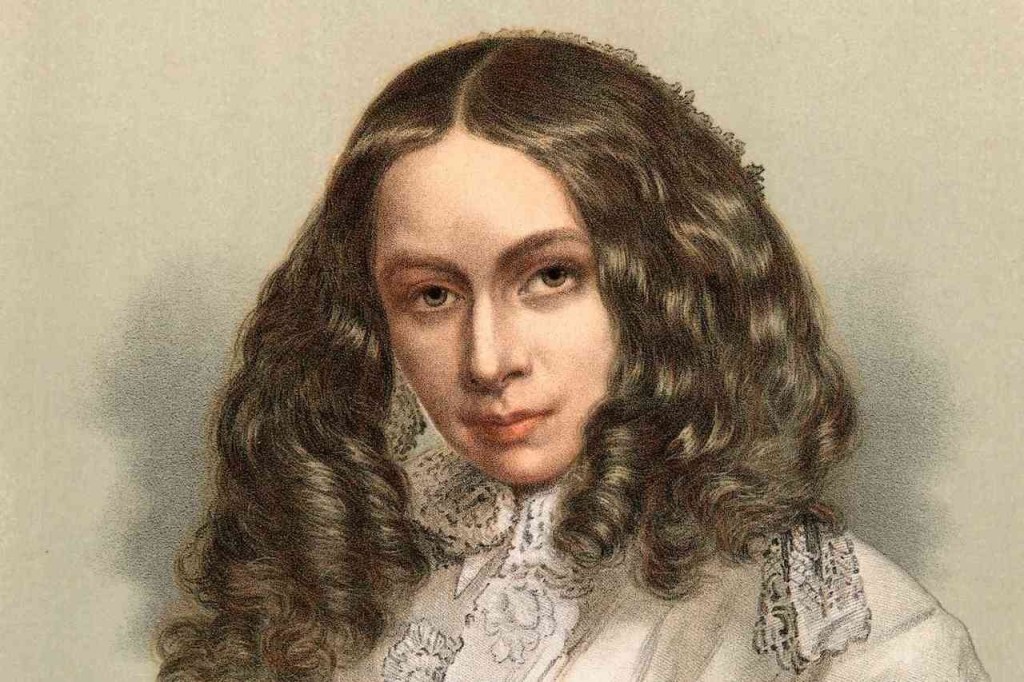
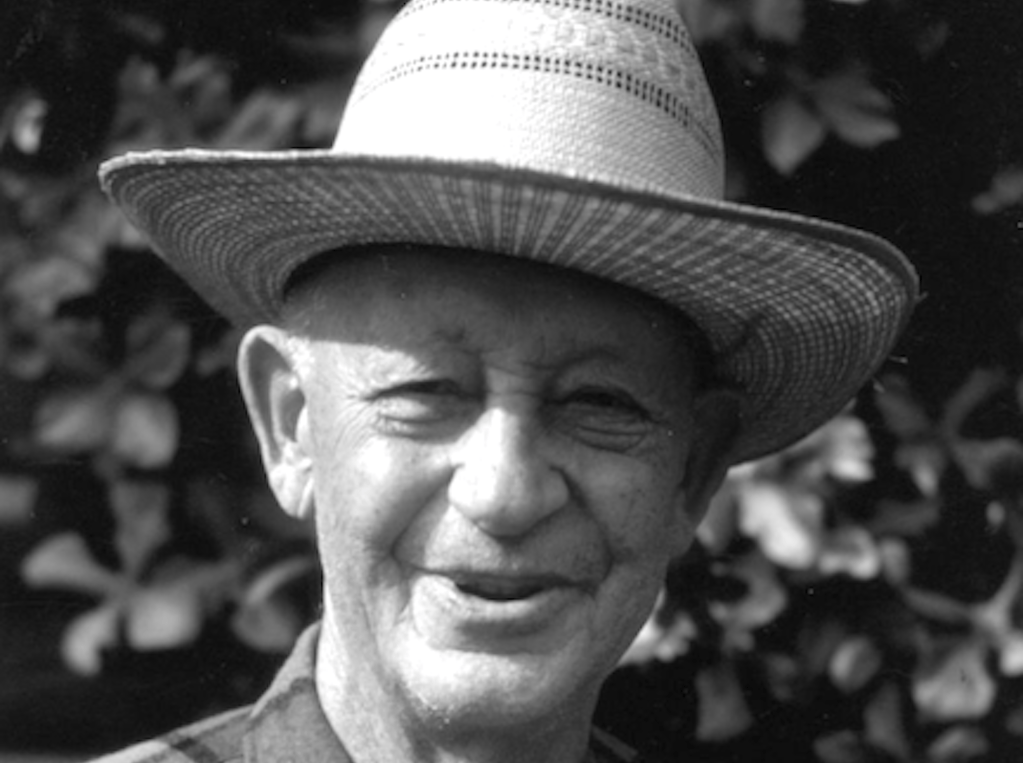


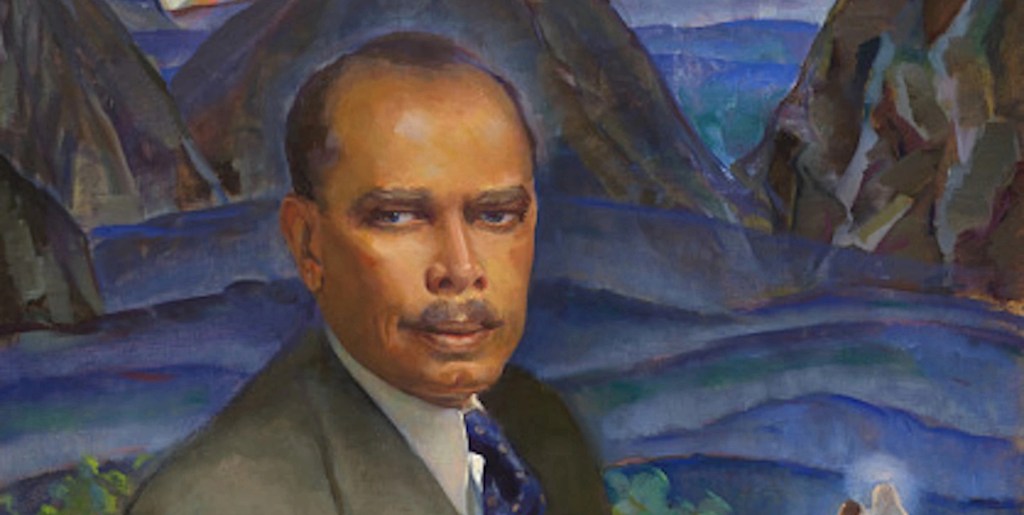
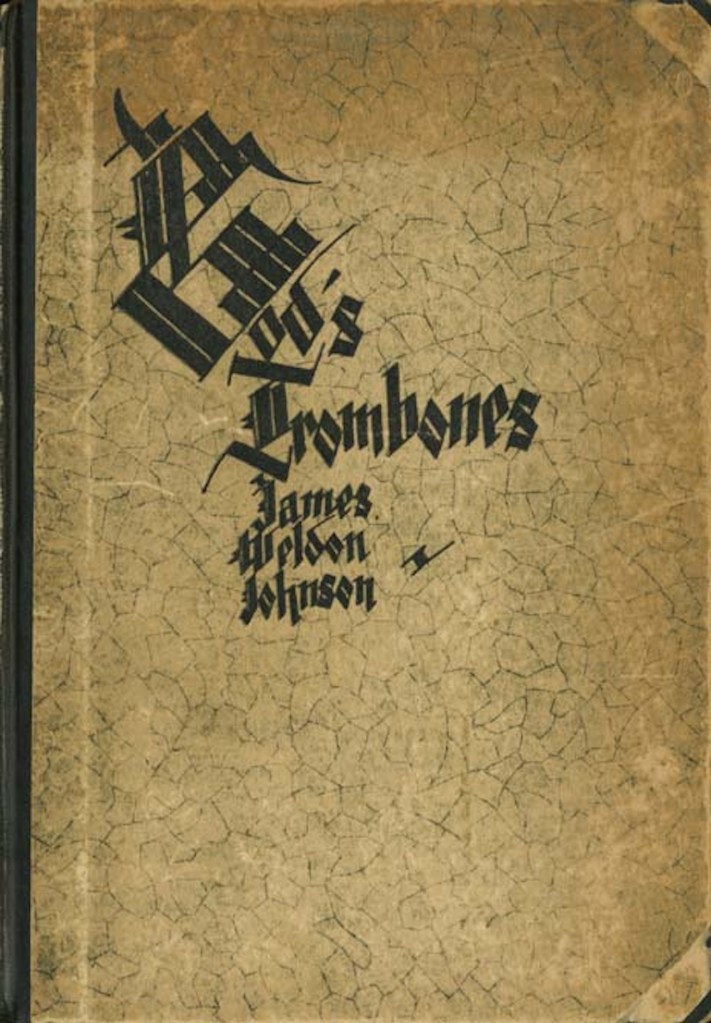


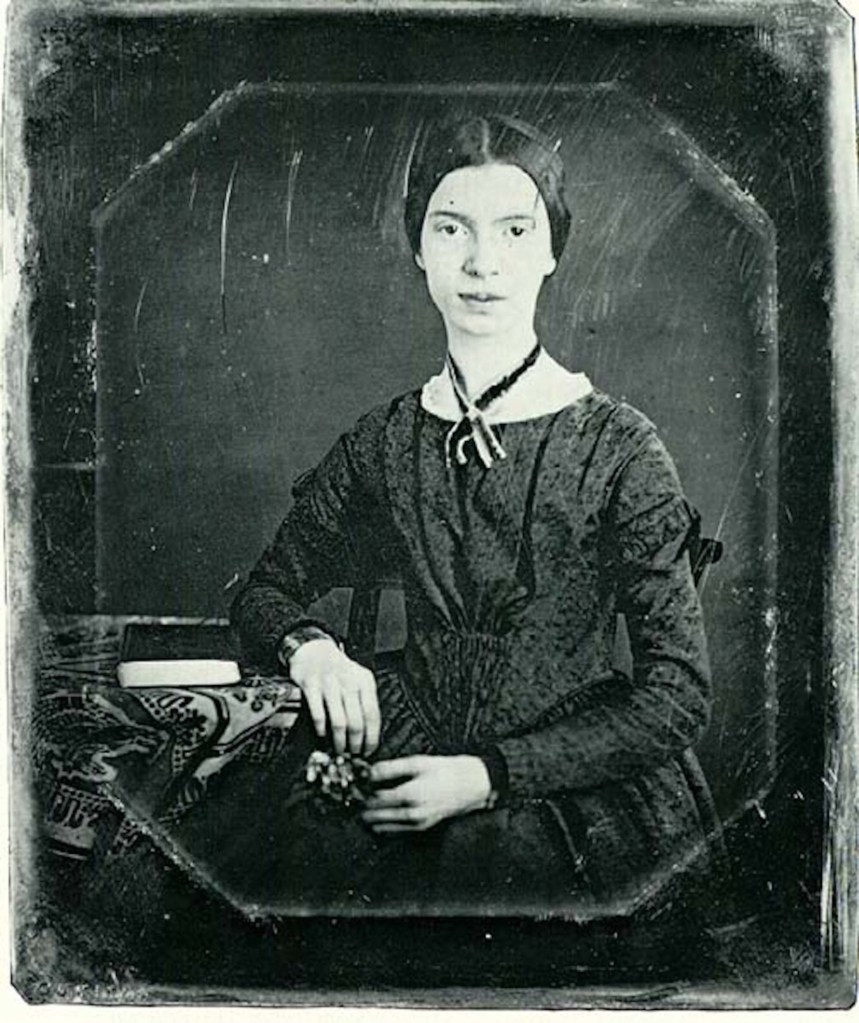



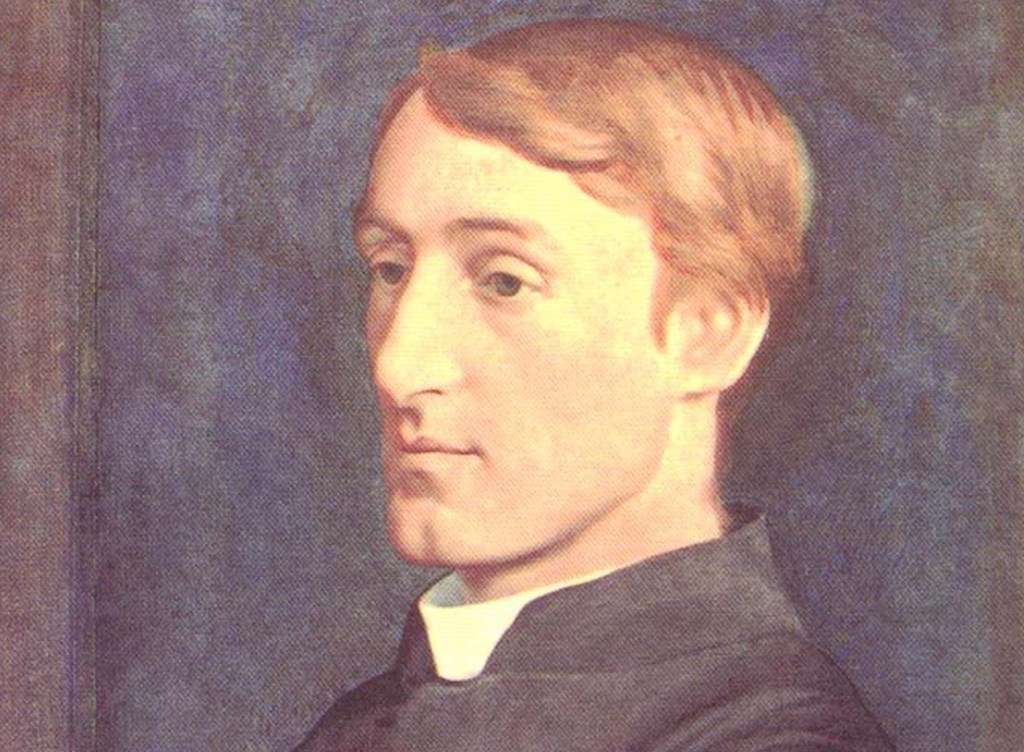
 Linda's Literary Home