Badger Clark’s ballad consists of four riming octets, nostalgically dramatizing a celebration of his gratitude to God for his way of life.
Introduction and Text of “A Cowboy’s Prayer”
Badger Clark’s “A Cowboy’s Prayer” with the subtitle “Written for Mother”offers a prayer that would make any mother proud, as he celebrates his free lifestyle of living on the open range. Each octet stanza features the rime scheme ABABCDCD. This Badger classic was first published in The Pacific Monthly, in December of 1906.
About this poem/prayer, Katie Lee writes in her classic history of cowboy songs and poems starkly titled Ten Thousand Goddam Cattle, A History of the American Cowboy in Song, Story, and Verse, “The language is true to his free-roving spirit and gives insight to the code he lived by the things he expected of himself.”
A Cowboy’s Prayer
(Written for Mother)
Oh Lord, I’ve never lived where churches grow. I love creation better as it stood That day You finished it so long ago And looked upon Your work and called it good. I know that others find You in the light That’s sifted down through tinted window panes, And yet I seem to feel You near tonight In this dim, quiet starlight on the plains.
I thank You, Lord, that I am placed so well, That You have made my freedom so complete; That I’m no slave of whistle, clock or bell, Nor weak-eyed prisoner of wall and street. Just let me live my life as I’ve begun And give me work that’s open to the sky; Make me a pardner of the wind and sun, And I won’t ask a life that’s soft or high.
Let me be easy on the man that’s down; Let me be square and generous with all. I’m careless sometimes, Lord, when I’m in town, But never let ’em say I’m mean or small! Make me as big and open as the plains, As honest as the hawse between my knees, Clean as the wind that blows behind the rains, Free as the hawk that circles down the breeze!
Forgive me, Lord, if sometimes I forget. You know about the reasons that are hid. You understand the things that gall and fret; You know me better than my mother did. Just keep an eye on all that’s done and said And right me, sometimes, when I turn aside, And guide me on the long, dim, trail ahead That stretches upward toward the Great Divide.
Clark’s “A Cowboy’s Prayer”
Commentary on “A Cowboy’s Prayer”
This poem, written in the traditional ballad form, reveals a grateful cowboy, who loves his rustic way of life and gives thanks for God for it.
First Stanza: Addressing the Lord
Oh Lord, I’ve never lived where churches grow. I love creation better as it stood That day You finished it so long ago And looked upon Your work and called it good. I know that others find You in the light That’s sifted down through tinted window panes, And yet I seem to feel You near tonight In this dim, quiet starlight on the plains.
The speaker begins his payer by addressing the Lord, telling Him that he has never been one to attend church, because “[he’s] never lived where churches grow.” But he admits that he loves creation just as the Lord finished it before mankind began to build things.
The speaker then confides that while others may find the Lord “in the light that is sifted down through tinted window panes,” he feels Him near, “In this dim, quiet starlight on the plains.” The speaker wants to assure the Divine that despite his absence from houses of worship, he worships without a house while simply stationed out on the open plains created by the Great Creator.
Second Stanza: Thanking the Lord
I thank You, Lord, that I am placed so well, That You have made my freedom so complete; That I’m no slave of whistle, clock or bell, Nor weak-eyed prisoner of wall and street. Just let me live my life as I’ve begun And give me work that’s open to the sky; Make me a pardner of the wind and sun, And I won’t ask a life that’s soft or high.
The speaker offers his heartfelt gratitude to the Lord for his blessings. He is especially grateful that the Lord has made “[his] freedom so complete.” He then catalogues the places where he would not feel so free, places where he would have to heed the call “of whistle, clock or bell.”
He asks the Lord to continue blessing him this way: “Just let me live my life as I’ve begun / And give me work that’s open to the sky.” He avers that he will not ever be asking “for a life that’s soft or high.”
Third Stanza: Praying for Wisdom
Let me be easy on the man that’s down; Let me be square and generous with all. I’m careless sometimes, Lord, when I’m in town, But never let ’em say I’m mean or small! Make me as big and open as the plains, As honest as the hawse between my knees, Clean as the wind that blows behind the rains, Free as the hawk that circles down the breeze!
The speaker then asks for the guidance and wisdom to treat other people with respect and honor. He admits that sometimes he is careless, especially when he is in town. But he asks that he never be mean or small. He wants others to think well of him because he behaves properly.
The speaker asks for three things, honesty, cleanliness, and freedom. Thus, he asks the Lord to make him, “As honest as the hawse between my knees, / Clean as the wind that blows behind the rains, / Free as the hawk that circles down the breeze!”
Fourth Stanza: Praying for Guidance
Forgive me, Lord, if sometimes I forget. You know about the reasons that are hid. You understand the things that gall and fret; You know me better than my mother did. Just keep an eye on all that’s done and said And right me, sometimes, when I turn aside, And guide me on the long, dim, trail ahead That stretches upward toward the Great Divide.
Again, the speaker acknowledges that he is not perfect, that at times he forgets proper behavior. He admits that he does not know all that God knows: “You know about the reasons that are hid.” And he declares that the Lord knows him “better than my mother did.”
So the speaker asks God to guard and guide him by watching over him, and when he misbehaves, he begs the Lord to “right me, sometimes, when I turn aside.” He asks God to be with him as he moves “on the long, dim, trail ahead / That stretches up toward the Great Divide”. He masterly employs the metaphoric Great Divide to signal the afterworld as well as a great Western geological phenomenon.
Buck Ramsey’s “Christmas Waltz” dramatizes a holiday celebration on the ranch. The participants all join in a joyful preparation for their celebration as they keep their faith central and focused.
Introduction and Text of “Christmas Waltz”
Buck Ramsey is considered the “Father of Cowboy Poetry.” Many of his poems, which have also been rendered in song, have become classics in the cowboy poetry genre.
Ramsey’s “Christmas Waltz” stages a cowboy Christmas celebration with a tree from the big ranch that was selected way back in summer. The ranch hands then experience a rambunctious good time as they acknowledge their joy in the birth of a “baby boy born in a cow shed.”
This traditionally flavored ballad offers many colorful images of cowboy culture from the American West as the folks prepare for a big feast to recognize and celebrate their faith that keeps them grounded throughout the year.
Christmas Waltz
The winter is here and the old year is passing, The sun in its circle winds far in the south. It’s time to bring cheer to a cold, snowbound cow camp, It’s Christmas tree time of the year for the house.
Go ride to the cedar break rim of a canyon, Down by where the river takes creek water clear, And saddle-sleigh home us a fine shapely evergreen Picked out while prowling the pasture this year.
While Fair strings the berries and popcorn and whatnots And Ty braids the wreaths out of leather and vines, Old Dunder, he whittles and whistles old carols And fills them with stories of fine olden times.
He talks of a baby boy born in a cow shed, All swaddled in tatters and laid in a trough, Who, growing up, gave away all he could gather And taught us that what is not given is lost.
It’s morning of Christmas and long before dawning The camp hands are risen to ready the feast. But with the fires glowing they don warm apparel And go out to gaze on the Star of the East.
They cobbler the plums they put up back in summer, They bake a wild turkey and roast backstrap deer, They dollop the sourdough for rising and baking, And pass each to each now the brown jug of cheer.
The dinner is done and they pass out the presents, Their three each they open with handshakes and hugs, Then Ty gets his guitar and Fred gets his fiddle While Dunder and Fair laugh and roll back the rugs.
The tunes that they play melt the chill from the winter As Dunder and Fair waltz and two-step along. They play, sing and dance till the next morning’s dawning Then all of the their slumbers are filled with this song.
Musical Version Buck Ramsey’s “Christmas Waltz”
Commentary on “Christmas Waltz”
A cowboy Christmas filled with family, friends, and good times allows the narrator to colorfully describe even scientific facts.
First Stanza: It Winter Time
The winter is here and the old year is passing, The sun in its circle winds far in the south. It’s time to bring cheer to a cold, snowbound cow camp, It’s Christmas tree time of the year for the house.
The cowboy/speaker starts off his celebration of the Christmas season by reporting, “winter is here”; he continues to offer a description of the time of year by averring that the old year is almost over, and the sun has moved “far to the south.”
Around Christmas time, the sun is in the Tropic of Capricorn in the southern hemisphere; thus, the speaker colorfully reports that scientific fact, “sun in its circle winds far in the south.”
Interestingly, the speaker then describes the Christmas holiday season as being “Christmas tree time” at the ranch, placing emphasis on the tree as the center of decoration for the season. The speaker is full of joy that a big Christmas tree will soon stand tall in the ranch house.
Second Stanza: The Big Christmas Tree
Go ride to the cedar break rim of a canyon, Down by where the river takes creek water clear, And saddle-sleigh home us a fine shapely evergreen Picked out while prowling the pasture this year.
The cowboy/speaker then reports to his audience where that big Christmas tree comes from: during the summer, while looking over the pasture, the speaker had spotted the perfect tree that stood down along the river where the water was clear as crystal.
The speaker had made a mental note to remember exactly where it stood so he could send another cowboy to fetch it as Christmas time was on its way. He so admired that “shapely evergreen” that he had no difficulty remembering exactly where he saw it.
Third Stanza: Fair Decorating
While Fair strings the berries and popcorn and whatnots And Ty braids the wreaths out of leather and vines, Old Dunder, he whittles and whistles old carols And fills them with stories of fine olden times.
A gal named “Fair” will help decorate the grand tree with berries and popcorn on a string. Another cow-hand named “Ty” will put up wreaths fashioned out of vines and leather.
While each ranch hand attends to his part in the decorating, the old cowboy they call “Old Dunder” will be whittling while he whistles old Christmas carols, and he will be telling stories of the olden days.
The speaker makes it clear that everyone involved with this celebration is fulled with the joy of the season as they tend to their appointed tasks. Each member of the party, no doubt, looks forward to the fine gathering they are anticipating as they work to bring about the holiday appearance.
Fourth Stanza: Testimony
He talks of a baby boy born in a cow shed, All swaddled in tatters and laid in a trough, Who, growing up, gave away all he could gather And taught us that what is not given is lost.
Old Dunder will be the one who will offer testimony regarding the reason for the season, “a baby boy born in a cow shed.” He will mention how Jesus “gave away” all material possessions in order to demonstrate for humanity the vital importance of giving.
The cowboy colloquial of having the baby Christ “born in a cow shed” adds to the American West flavor of the ballad. The “born in a manger” theme easily translates to cowboy lingo for the cow poke who retains his love and respect for American culture, influenced by Jesus the Christ.
Each aspect of the American culture can be expressed through unique images and language common to each group that has become integral to the melting pot of languages and cultures while remaining purely American.
Fifth Stanza: Christmas Morning
It’s morning of Christmas and long before dawning The camp hands are risen to ready the feast. But with the fires glowing they don warm apparel And go out to gaze on the Star of the East.
Finally, Christmas day has arrived. Even well before the light of day, the ranch hands are up and wide awake, getting ready to start blazing up fires for cooking. But before they commence their chores for the big celebration, they go outside, “to gaze on the Star of the East”; this annual ritual is the heart of their cowboy prayer that they gratefully offer as part of their celebration.
While the partying and feasting remain a central part of the poem’s theme, the birth of their Christian faith also figures strongly in that celebration as they ready the ranch and their hearts and minds for keeping their faith strong and vibrant.
Sixth Stanza: Time to Cook
They cobbler the plums they put up back in summer, They bake a wild turkey and roast backstrap deer, They dollop the sourdough for rising and baking, And pass each to each now the brown jug of cheer.
Finally, the cooking begins. They whip up plum cobbler using the plums they had stored up back in summer. The revelers bake wild turkey and roast backstrap deer; they also bake sourdough bread, as they continue to pass around “the brown jug of cheer.”
Seventh Stanza: A Big Dinner
The dinner is done and they pass out the presents, Their three each they open with handshakes and hugs, Then Ty gets his guitar and Fred gets his fiddle While Dunder and Fair laugh and roll back the rugs.
They all enjoy their big dinner, and then they all gather around the beautiful Christmas tree to exchange their gifts. Each partier receives at least three presents for which they are very grateful and easily express their gratitude to one another. They hug and shake hands to show gratitude for their bounty.
After the gift exchange, they are now ready for music and dancing. Old Dunder and Fair roll back the rugs for the dancing. Fred starts his fiddle-playing, while Ty warms up his guitar.
Eighth Stanza: Music and Fun Times
The tunes that they play melt the chill from the winter As Dunder and Fair waltz and two-step along. They play, sing and dance till the next morning’s dawning Then all of the their slumbers are filled with this song.
The music is rollicking and lively, and everyone has a great time. It seems the robust celebration takes the chill off the bitter winter weather. The dancing continues way past dawn; every one sings and dances until morning. After the partiers finally say good-night and drift off to sleep, the music and singing will keep on playing in their dreams.
The theme of Christmas cheer and the beautiful faith each cowboy experiences will play out as the images from this ballad continue to influence their work and play in the coming year.
A city-dweller, painting a picture of dirt, noise, and hustling about in the city, imagines what his life would be like if he could trade places with a drover (cowboy) in the outback, where life would be grounded in nature with many pleasurable sights and sounds.
Introduction and Text of “Clancy of the Overflow”
The speaker in A. B. “Banjo” Paterson’s “Clancy of the Overflow” is a city-dweller, who thinks he would like to change his life and become a cowboy in the outback. The speaker was prompted to dramatize and romanticize that life after he met a chap named Clancy.
The poem features eight ballad-form quatrains, each with the basic end-rime scheme, ABCB. The second and third lines of each quatrain feature an internal rime, in addition to the end-rimes. The following uses the first stanza to exemplify the internal and end-rime schemes:
A . . . A letter . . . better . . . . . B . . . . . . . . ago C . . . C knew him . . . to him . . . . . B . . . . . . . . overflow
The lines are long with a jaunty rhythm, making the poem ripe for turning into a song.
Clancy of the Overflow
I had written him a letter which I had, for want of better Knowledge, sent to where I met him down the Lachlan, years ago, He was shearing when I knew him, so I sent the letter to him, Just “on spec”, addressed as follows: “Clancy, of The Overflow”.
And an answer came directed in a writing unexpected, (And I think the same was written in a thumbnail dipped in tar) ‘Twas his shearing mate who wrote it, and verbatim I will quote it: “Clancy’s gone to Queensland droving, and we don’t know where he are.”
In my wild erratic fancy visions come to me of Clancy Gone a-droving “down the Cooper” where the western drovers go; As the stock are slowly stringing, Clancy rides behind them singing, For the drover’s life has pleasures that the townsfolk never know.
And the bush hath friends to meet him, and their kindly voices greet him In the murmur of the breezes and the river on its bars, And he sees the vision splendid of the sunlit plains extended, And at night the wondrous glory of the everlasting stars.
I am sitting in my dingy little office, where a stingy Ray of sunlight struggles feebly down between the houses tall, And the foetid air and gritty of the dusty, dirty city Through the open window floating, spreads its foulness over all.
And in place of lowing cattle, I can hear the fiendish rattle Of the tramways and the buses making hurry down the street, And the language uninviting of the gutter children fighting, Comes fitfully and faintly through the ceaseless tramp of feet.
And the hurrying people daunt me, and their pallid faces haunt me As they shoulder one another in their rush and nervous haste, With their eager eyes and greedy, and their stunted forms and weedy, For townsfolk have no time to grow, they have no time to waste.
And I somehow fancy that I’d like to change with Clancy, Like to take a turn at droving where the seasons come and go, While he faced the round eternal of the cashbook and the journal – But I doubt he’d suit the office, Clancy, of “The Overflow”.
Reading of Banjo Paterson’s “Clancy of the Overflow”
Commentary on Banjo Paterson’s “Clancy of the Overflow”
People who reside in large cities from time to time muse on the idea of being or becoming a country dweller. Country folk do the same, but it seems less often than the city-dweller, who likes to romanticize the life of their rustic fellows.
First Stanza: A Letter to Clancy
I had written him a letter which I had, for want of better Knowledge, sent to where I met him down the Lachlan, years ago, He was shearing when I knew him, so I sent the letter to him, Just “on spec”, addressed as follows: “Clancy, of The Overflow”.
The first quatrain remains very simple, offering a mere tease regarding the drama that will be unfolding. The speaker reports that he wrote a letter to Clancy with simple address, “Clancy, of the Overflow.” The speaker had met Clancy while the latter was shearing sheep.
Second Stanza: Receives a Response
And an answer came directed in a writing unexpected, (And I think the same was written in a thumbnail dipped in tar) ‘Twas his shearing mate who wrote it, and verbatim I will quote it: “Clancy’s gone to Queensland droving, and we don’t know where he are.”
The speaker receives a response to his letter that revealed no one knew where Clancy was at present, although he had gone to Queensland droving. The speaker adds the colorful detail that the letter appeared to have been “written with thumb-nail dipped in tar.”
Third Stanza: Wild Imaginings
In my wild erratic fancy visions come to me of Clancy Gone a-droving “down the Cooper” where the western drovers go; As the stock are slowly stringing, Clancy rides behind them singing, For the drover’s life has pleasures that the townsfolk never know.
The speaker then begins his wild erratic fancy, envisioning Clancy driving his herd singing and enjoying kind of peaceful “pleasures” that city-dwellers, such as the speaker himself, never experience. The speaker is now off to musing on those supposed pleasures of living a rustic life.
Fourth Stanza: Natural Beauties
And the bush hath friends to meet him, and their kindly voices greet him In the murmur of the breezes and the river on its bars, And he sees the vision splendid of the sunlit plains extended, And at night the wondrous glory of the everlasting stars.
The speaker imagines Clancy with his friends who greet him with their kindly voices. He hears the murmur of the breezes. He sees a beautiful river and observes the splendor of the sunlit plain extending for miles. And, of course, Clancy enjoys seeing “the wondrous glory of the everlasting stars.” All of these natural beauties elude the city-dweller.
Fifth Stanza: Bemoaning City Life
I am sitting in my dingy little office, where a stingy Ray of sunlight struggles feebly down between the houses tall, And the foetid air and gritty of the dusty, dirty city Through the open window floating, spreads its foulness over all.
The city-dwelling speaker then plainly bemoans his own lot as he sits in his dingy little office where only a sliver of sunlight is able to penetrate. The air is polluted and floats into the office through the window, “spread[ing] its foulness over all.”
Sixth Stanza: Enduring City Noise
And in place of lowing cattle, I can hear the fiendish rattle Of the tramways and the buses making hurry down the street, And the language uninviting of the gutter children fighting, Comes fitfully and faintly through the ceaseless tramp of feet.
Instead of Clancy’s pleasant sounds of lowing cattle, the poor speaker’s ears are accosted by the metallic, screeching noise of “tramways and the buses.” He also must endure hearing the foul language of children fighting in the streets. And there is “the ceaseless tramp of feet.” Hearing so many people rushing hither and yon also annoys the speaker as he continues to endure city life.
Seventh Stanza: Stuffed in a Small Place
And the hurrying people daunt me, and their pallid faces haunt me As they shoulder one another in their rush and nervous haste, With their eager eyes and greedy, and their stunted forms and weedy, For townsfolk have no time to grow, they have no time to waste.
So many people hurrying here and there, their “pallid faces haunt” the speaker. They seem to be stuffed into the small space of the city as they shoulder one another in the rush and nervous haste. He decries that the fact that city dwellers in their hurry to get to work have not time for other endeavors. The speaker feels that such a rushing madness stunts the growth of the people who have no time for leisure; to them leisure would be considered a waste of time.
Eighth Stanza: The Grass Is Always Greener
And I somehow fancy that I’d like to change with Clancy, Like to take a turn at droving where the seasons come and go, While he faced the round eternal of the cashbook and the journal – But I doubt he’d suit the office, Clancy, of “The Overflow”.
Finally, the speaker admits that he prefers to believe that he would like to change places with Clancy. The speaker would like to be out there herding those animals in the outback “where the seasons come and go.” He would like to let Clancy do his “cashbook” work, but he figures that job would probably not be well suited to the outback cowboy.
A “hard-bitten ol’ cowpoke” experiences a mystical experience that changes his heart in the Christmas ballad. He will carry his new change of heart into his daily cow poking life as he honors “the Great Trail Boss in the Sky.”
Introduction with Text of “Cowboy Christmas Carol”
The speaker in cowboy poet David Althouse’s “Cowboy Christmas Carol” spins a deeply spiritual yarn about an old cowboy whose mystical experience leads him to a state of grace and thankfulness that he had been lacking—even though he had lived a relatively carefree life in the open prairie that he loved.
Cowboy Christmas Carol
For a hard-bitten ol’ cowpoke like me a Christmas ain’t always merry; I’ve spent most of ’em a-ridin’ fences, a-sleepin’ in line cabins out on the prairie. So for most a my hard life the spirit of Christmas did not abide within my heart. How I come to possess the spirit is the story I hafta impart.
Tha year was ’87 and I was a-follerin’ doggie trails, A-drinkin’ rot gut whiskey to forget about my life’s travails. Ih was two days from the line cabin, at a far off lonely place, A-roundin’ up some strays, the snow whippin’ crost my face.
Night came of a-suddin’ so’s I bedded down to rest, A tin can full o’ hot coffee a-restin’ crost my chest. Of a-suddin’ I heard somthin’ a-flutterin’ down from the skies. I taken a closer look an I couldn’t believe my eyes.
It looked to be some kind o’ Christmas Angel from the first I did suspect, What with all the sugar plums a-hangin’ ’round ‘er neck. Holly laced ‘er halo an’ lustrous pearls adorned ‘er wings, An’ ‘er sweet little silver bell voice was a-trillin’ little ting-a-ling-a-lings.
“Cast away your fears, cowboy,” she says, “I’m an Angel sent from on High, And I’m here to do the bidding of the Great Trail Boss in the Sky.” Dadgumit she talked! She’s a bonafide Angel fer shore! Was I’a-goin’ feral or was it that bad hooch I drank the night afore?
“It isn’t the whiskey,” she says, a-readin’ my mind. “You don’t even know it cowboy, but it’s Christmas time.” She had me dead to rights on that one, an’ it caused me much chagrin, Causin’ the last time I partook a Christmas was back in … heck, I don’t know when.
“Why, thar ain’t no time fer Christmas out ‘ere Angel,” I says. “It’s absolut’ absurd. I’ve got fences to mend an’ orn’ry doggies to git back to the herd!” She says, “You’ve sunk lower than the wild beasts, lower than a longhorn steer, For even the furry animals keep Christmas once a year.”
“Critters a-keepin’ Christmas?” I says. “Now this I gotta see!” “Very well, cowboy,” she says. “Come fly the night sky with me.” Well my eyes got as big as poker chips when flyin’ she did suggest. “Just take hold of my arm, cowboy,” she says, “and I’ll do the rest.”
To a quiet faraway meadow we flew, to a lonely stand o’ pines, An’ when I looked down a’neath them trees I was in fer a big surprise. Fer a-layin’ thar a’neath them trees all cuddled up on the ground, Was ever’ kind o’ furry critter anywhere to be found.
Rabbits, squirrels, birds and deer all a-layin’ in one spot, With a coyote, wolf and mountain lion a-standin’ guard over the entire lot. She says, “They’re huddled together because the spirit of Christmas fills the air.” “Mebbe so,” I says, “But them smaller critters should be a-scampin’ outa thar!”
“They’ve nothing of which to worry,” she says. “Peace fill their hearts upon this night.” “Whatever ya thank,” I says, ” but they’d best make dust afore first light.” Yet, as I beheld this miracle, I recollect I shed some tears, A-rememberin’ all the wasted Christmases of my long-gone yesteryears.
I vowed I’d do thangs different, that I’d make another start, That ever’ day I had left I’d keep Christmas merry in my heart. Then I gave thanks to this ‘ere Angel fer a-savin’ me from my demise. She just smiled an angelic smile then she a-fluttered back up to the skies.
A-many a year has passed since I beheld that angelic sight, An’ I’ve tried to keep the promise I made to her upon that night. Now I’m proud to herd these doggies, an watch over ’em with all I know — Like extry hay fer the runt calves, when it’s a-freezin’ an’ a-blowin’ snow.
And now I’m thankful that I’m a cowboy, a-roamin’ the trails a-wild an’ free, A-watchin’ over these orn’ry doggies like the Great Trail Boss a-watches over me.
Commentary on “Cowboy Christmas Carol”
The idea that the sentiment of Christmas belongs in each heart every day of the year and not just on one celebrated day enjoys widespread lip-service, although it is seldom achieved. This old cowboy intends to change that fact, at least, for himself .
First Movement: Cowboy Work Comes First
For a hard-bitten ol’ cowpoke like me a Christmas ain’t always merry; I’ve spent most of ’em a-ridin’ fences, a-sleepin’ in line cabins out on the prairie. So for most a my hard life the spirit of Christmas did not abide within my heart. How I come to possess the spirit is the story I hafta impart.
Tha year was ’87 and I was a-follerin’ doggie trails, A-drinkin’ rot gut whiskey to forget about my life’s travails. Ih was two days from the line cabin, at a far off lonely place, A-roundin’ up some strays, the snow whippin’ crost my face.
The speaker is a cowboy who has been practicing his profession for many years, and he admits that mending fences while tending cattle out on the prairie has not always been conducive to observing and celebrating Christmas. He has felt that his mind and heart had been spiritually dry for a long time, but then something happened to change his heart.
During one Christmas season, the speaker was out on the prairie rounding up some stray “doggies,” drinking “rot gut whiskey,” which helped him forget his hard life. He found himself alone, many miles from the “line cabin.” It was cold with snow whipping about his face.
Second Movement: A Mystical Being Appears
Night came of a-suddin’ so’s I bedded down to rest, A tin can full o’ hot coffee a-restin’ crost my chest. Of a-suddin’ I heard somthin’ a-flutterin’ down from the skies. I taken a closer look an I couldn’t believe my eyes.
It looked to be some kind o’ Christmas Angel from the first I did suspect, What with all the sugar plums a-hangin’ ’round ‘er neck. Holly laced ‘er halo an’ lustrous pearls adorned ‘er wings, An’ ‘er sweet little silver bell voice was a-trillin’ little ting-a-ling-a-lings.
The speaker has bedded down for the night with a tin of hot coffee placed on his chest to help drive out some of the cold. With the night’s seemingly sudden arrival, he sees a celestial being approaching from the sky.
The cowboy describes the being in typical cowboy fashion, mentioning “sugar plums,” decorating the form of what appears to be an angel with “lustrous pearls” on her wings. He even hears her voice that sounds like a “sweet little silver bell.”
Third Movement: Sent by the “Great Trail Boss”
“Cast away your fears, cowboy,” she says, “I’m an Angel sent from on High, And I’m here to do the bidding of the Great Trail Boss in the Sky.” Dadgumit she talked! She’s a bonafide Angel fer shore! Was I’a-goin’ feral or was it that bad hooch I drank the night afore?
“It isn’t the whiskey,” she says, a-readin’ my mind. “You don’t even know it cowboy, but it’s Christmas time.” She had me dead to rights on that one, an’ it caused me much chagrin, Causin’ the last time I partook a Christmas was back in … heck, I don’t know when.
The being does not keep the cowboy guessing who she is; she identifies herself as an “Angel,” and she informs him that she is being sent by the Divine or in cowboy talk that “Great Trail Boss in the Sky.” Furthermore, she instructs him not to fear.
Of course, the speaker is wonderstruck at first that this Angel sent from “on High” would be visiting him. He suspects he is hallucinating from the bad whiskey or that he is just going wild in the brain.
The Angel tells him that her appearance has nothing to do with the whiskey. He knows then he is in the presence of something divine because she is reading his mind. She then informs him that it is Christmas time, insisting that he did not even know that season was upon him.
The cowboy has to admit that she has him “dead to rights”—he had not been aware of Christmas for so long that he had actually forgotten the last time he had thought about that season.
Fourth Movement: Too Busy to Celebrate
“Why, thar ain’t no time fer Christmas out ‘ere Angel,” I says. “It’s absolut’ absurd. I’ve got fences to mend an’ orn’ry doggies to git back to the herd!” She says, “You’ve sunk lower than the wild beasts, lower than a longhorn steer, For even the furry animals keep Christmas once a year.”
“Critters a-keepin’ Christmas?” I says. “Now this I gotta see!” “Very well, cowboy,” she says. “Come fly the night sky with me.” Well my eyes got as big as poker chips when flyin’ she did suggest. “Just take hold of my arm, cowboy,” she says, “and I’ll do the rest.”
Then the speaker protests that there is no opportunity for observing Christmas out here on the prairie with “orn’ry doggies” and “fences to mend.” But to his excuses, the Angel counters that he has allowed himself to sink lower than the animals, adding that at this time of year even the animals celebrate the spirit of Christmas.
The cowboy protests that “critters a-keepin’ Christmas” is something he would have to see to believe. And so the Angel tells him to take hold of her arm, and they will “fly the night sky” to a place where she will prove the truth of her statement. With eyes as big as “poker chips,” the cowboy obeys the Angel, and they fly off.
Fifth Movement: An Astral Meadow
To a quiet faraway meadow we flew, to a lonely stand o’ pines, An’ when I looked down a’neath them trees I was in fer a big surprise. Fer a-layin’ thar a’neath them trees all cuddled up on the ground, Was ever’ kind o’ furry critter anywhere to be found.
Rabbits, squirrels, birds and deer all a-layin’ in one spot, With a coyote, wolf and mountain lion a-standin’ guard over the entire lot. She says, “They’re huddled together because the spirit of Christmas fills the air.” “Mebbe so,” I says, “But them smaller critters should be a-scampin’ outa thar!”
The Angel brings him to an astral meadow that looks very much like a place the cowboy would recognize with a “lonely stand o’ pines.” But when he looks down, he can see “rabbits, squirrels, birds and deer,” and “a coyote, wolf and mountain lion” are guarding them all as they rest peacefully in one area.
This inspiring scene offers an allusion to Isaiah 11:6 (KJV), describing the peace that reigns with the experience of Christ-consciousness:
The wolf also shall dwell with the lamb, and the leopard shall lie down with the kid; and the calf and the young lion and the fatling together; and a little child shall lead them.
The Angel explains that the animals had all huddled together because the spirit of Christmas is filling the atmosphere But the cowboy, practical man that he is, remarks that those little critters ought be scampering away from those bigger, dangerous ones.
Sixth Movement: The Peaceful Night
“They’ve nothing of which to worry,” she says. “Peace fill their hearts upon this night.” “Whatever ya thank,” I says, ” but they’d best make dust afore first light.” Yet, as I beheld this miracle, I recollect I shed some tears, A-rememberin’ all the wasted Christmases of my long-gone yesteryears.
I vowed I’d do thangs different, that I’d make another start, That ever’ day I had left I’d keep Christmas merry in my heart. Then I gave thanks to this ‘ere Angel fer a-savin’ me from my demise. She just smiled an angelic smile then she a-fluttered back up to the skies.
The Angel insists that it is only peace that reigns upon this night; yet the cowboy still insists that those little critter better be making “dust” before dawn. Yet, even in his practical, worldly stance, the cowboy finds himself moved to tears, remembering all of his many past “wasted Christmases.” And he then finds that his heart is changed.
The cowboy vows to keep Christmas in his heart from now on. He knows that his life has been saved from his “demise” by this Angel of God, who after smiling at the cowboy’s gratitude “a-fluttered back up” from whence she came.
Seventh Movement: Thankful for Being a Cowboy
A-many a year has passed since I beheld that angelic sight, An’ I’ve tried to keep the promise I made to her upon that night. Now I’m proud to herd these doggies, an watch over ’em with all I know— Like extry hay fer the runt calves, when it’s a-freezin’ an’ a-blowin’ snow.
And now I’m thankful that I’m a cowboy, a-roamin’ the trails a-wild an’ free, A-watchin’ over these orn’ry doggies like the Great Trail Boss a-watches over me.
The cowboy’s story demonstrates a change of heart, from one who had focused too much on the material world to one who would henceforth keep the spiritual world in his consciousness. Although he had always been a good man, because of the mystical experience of being reminded to keep Christ-Consciousness in his heart, mind, and soul, he becomes even better.
From the moment of that experience on, the speaker becomes thankful for his life. He becomes more aware that “the Great Trail Boss” watches over him the way He watches over the cattle. That mystical experience places God’s essence in the cowboy’s awareness, allowing the cowboy to realize his love for the Divine every day of his life.
This inspirational tale reminds readers of the omnipresence of God. The cowboy speaks his own language and honors his Maker in his own personal terms. The name of God used by the cowpoke—”the Great Trail Boss”—demonstrates the uniqueness and closeness that he personally maintains with his Divine Creator.
The many names for God simply represent God’s different aspects and varied relationships with His children, as only One Divine Being exists and unifies each heart, mind, and soul of humanity.
The legendary hero, Pecos Bill, gargling with nitroglycerin and chewing on habanero peppers, saved Christmas one year. Accompanied by his horse, Widow Maker, Pecos Bill performs his extreme acts throughout cowboy folklore.
Introduction with Text of “How Pecos Bill Saved Christmas”
The legend of Pecos Bill first appeared in 1917 [1] when Edward O’Reilly published a collection of the tales about Bill in The Century Magazine. In 1923, the stories were reprinted in a book titled The Saga of Pecos Bill.
Like other characters from the folklore genre such as Paul Bunyan [2], Pecos Bill remains a figure of controversy. According to F. E. Abernethy, “Pecos Bill seems to have been more the product of journalism than folklore” [3].
Journalist Edward O’Reilly had claimed that the stories of Pecos Bill were told by cowboys who handed them down in the oral tradition as they expanded westward settling Texas, New Mexico, and Arizona. But then O’Reilly filed a lawsuit against a plagiarizer of one of his articles featuring Pecos Bill.
O’Reilly then admitted that he had invented Pecos Bill. J. Frank Dobie of the Texas Folklore Society has affirmed that Pecos Bill had not been heard of until O’Reilly’s stories began appearing in 1917.
Whether Pecos Bill is genuine “folklore” or “fakelore” [4], his character has stolen the hearts of readers since he first appeared. A widely known version of the Pecos Bill legend is James Cloyd Bowman’s Pecos Bill: The Greatest Cowboy of All Time, first published in 1937, winning the Newbery Honor in 1938.
After remaining out of print since 1970, the book was republished in 2007 with added illustrations by Laura Bannon.
Pecos Bill and Christmas
Cowboy poet David Althouse, in his hilarious drama titled “How Pecos Bill Saved Christmas,” features this controversial but still fascinating character from cowboy lore, who performs extraordinary acts and boasts a bizarre history.
For example, Pecos Bill was supposedly bounced off a wagon heading west as a newborn infant, was left behind by his unwitting parents, and then raised by coyotes. That auspicious (or perhaps inauspicious) beginning sets the stage for the many fantastic events in the adventures of Pecos Bill.
Narrated in 16 riming couplets, Althouse’s “How Pecos Bill Saved Christmas” represents one of those bizarre, outrageous events that readers have come to expect from this unlikely hero.
How Pecos Bill Saved Christmas
You’ve heard the tales of Pecos Bill, a western hero bold and true— Like his paintin’ deserts, ridin’ twisters, and marryin’ up with Slue-Foot Sue.
Atop Widow Maker, his cantankerous steed, live rattlesnake whip in tow, Pecos swung a mighty wide loop, ‘twas a one-man Wild West show.
So it would’ve come to no surprise to those who knew him best, Pecos once saved Christmas when it was almost cancelled way out west.
Pecos was winterin’ in Colorado at his cabin two miles high, When he stood up to look southwesterly to the Arizona sky.
His eagle eyes could take in country most normal eyes couldn’t see, And he spotted somethin’ white where the Grand Canyon was supposed to be.
The worst winter storm in history had filled the great chasm up with snow, And soon he spotted reindeer antlers stickin’ up from down below.
Well, Pecos knew no such reindeer lived out in Arizona land, So he knew St. Nick was trapped with his sleigh and reindeer band.
Great times call for great men, and such was true upon this night; Christmas hung in the balance, and Pecos aimed to set it right.
Pecos whistled for Widow Maker, and the ornery hoss was there post haste, And they took off like a lightening bolt with little time to waste.
In just a couple of minutes they were at the canyon rim; Pecos looks at Widow Maker and then he says to him,
“I’m gonna gargle some nitroglycerin mixed with habaneros don’t you know, And I’m gonna blow it through the canyon and melt down all that snow!”
Now, Pecos was a known spitter, and could prove it with his deeds, Having practiced with tobacco juice and watermelon seeds.
He chews on the habaneros and swishes the nitroglycerin all around, Plants his feet, pulls in some air, and then—he unwound!
This fireball of a concoction blast through the canyon—end-to-end— Allowin’ the Christmas sleigh to elevate and fly off in the wind.
Now if you doubt this story, and think it doesn’t make much sense, Next time you’re at the canyon just look at the evidence.
Great fire-burnt canyon rocks were left behind from Bill’s fiery spray, Which is why they’re reddish orange even to this day.
Why are the rocks in the Grand Canyon a burnt-orange color? Find out what saving Christmas has to to with the color of canyon rocks.
First Movement: Following Tradition
You’ve heard the tales of Pecos Bill, a western hero bold and true— Like his paintin’ deserts, ridin’ twisters, and marryin’ up with Slue-Foot Sue.
Atop Widow Maker, his cantankerous steed, live rattlesnake whip in tow, Pecos swung a mighty wide loop, ‘twas a one-man Wild West show.
So it would’ve come to no surprise to those who knew him best, Pecos once saved Christmas when it was almost cancelled way out west.
Pecos was winterin’ in Colorado at his cabin two miles high, When he stood up to look southwesterly to the Arizona sky.
The first movement treats readers to some of the traditional accoutrements of Pecos Bill: he painted desserts, rode tornadoes (was said to have lassoed one), rode a horse named Widow Maker, used a live rattlesnake as whip, and married an equally outlandish character named “Slue-Foot Sue.”
This movement also introduces the first element that will result in Pecos Bill’s saving Christmas. He was spending his winter in Colorado in his “two mile high” cabin, and he happened to look toward the southwest observing the “Arizona sky.”
Second Movement: Farsighted
His eagle eyes could take in country most normal eyes couldn’t see, And he spotted somethin’ white where the Grand Canyon was supposed to be.
The worst winter storm in history had filled the great chasm up with snow, And soon he spotted reindeer antlers stickin’ up from down below.
Well, Pecos knew no such reindeer lived out in Arizona land, So he knew St. Nick was trapped with his sleigh and reindeer band.
Great times call for great men, and such was true upon this night; Christmas hung in the balance, and Pecos aimed to set it right.
Pecos Bill was able to see Arizona from Colorado because of his “eagle eyes,” and he saw that the Grand Canyon was filled with snow from “the worst winter storm in history.” But he also saw “antlers stickin’ up” through that snow, and he knew there were no deer like that in Arizona. He figured immediately that Santa Claus had gotten trapped during that worst blizzard in history.
Third Movement: Spewing Nitro
Pecos whistled for Widow Maker, and the ornery hoss was there post haste, And they took off like a lightening bolt with little time to waste.
In just a couple of minutes they were at the canyon rim; Pecos looks at Widow Maker and then he says to him,
“I’m gonna gargle some nitroglycerin mixed with habaneros don’t you know, And I’m gonna blow it through the canyon and melt down all that snow!”
Now, Pecos was a known spitter, and could prove it with his deeds, Having practiced with tobacco juice and watermelon seeds.
So Bill whistles for Widow Maker, and they are off “like a lightning bolt.” In only two minutes, they arrive on the rim of the Grand Canyon. Bill announces to Widow Maker that he is going to mix up a batch of nitroglycerin and habanero peppers in his throat and them spew that mixture through the canyon to melt the snow.
Pecos Bill had practiced spitting using “tobacco juice and watermelon seeds,” and he had become quite expert in that practice. Thus, he could spew the nitro and habanero juice through the canyon to melt the snow to release Santa Claus and his hapless reindeer.
Fourth Movement: Evidence That It Happened
He chews on the habaneros and swishes the nitroglycerin all around, Plants his feet, pulls in some air, and then—he unwound!
This fireball of a concoction blast through the canyon—end-to-end— Allowin’ the Christmas sleigh to elevate and fly off in the wind.
Now if you doubt this story, and think it doesn’t make much sense, Next time you’re at the canyon just look at the evidence.
Great fire-burnt canyon rocks were left behind from Bill’s fiery spray, Which is why they’re reddish orange even to this day.
So Bill does as he said he would. He chews up some habanero peppers, the hottest of the peppers, along with some nitroglycerin. He then stands and spits it through the canyon.
The combination of nitro and hot peppers raises a “fireball of a concoction” which flashes through the canyon melting the snow and then Santa and his sleigh pulled by the reindeer could rise out of the canyon, catch the wind, and fly off to complete their task of delivering gifts to the world’s children.
The narrator then remarks that even though his readers/listeners might think the story sounds too fantastic to be true, he points out the the evidence of its veracity is the color of the canyon rocks which have remained even to the present day a color he calls “great fire-burnt” or “reddish orange.”
Most important of all, however, is that Pecos Bill saved Christmas that year, and everyone can be grateful for that.
Original Short Fiction: “Graveyard Whistler’s Fourth Flash Fiction Find” (4)
The Graveyard Whistler has become quite enthusiastic about “flash fiction,” offering his fourth installment of the little stories. Stay tuned for a brief bio of “Belmonte Segwic” (aka “The Graveyard Whistler”) coming soon!
Fiction Alert! This story is fiction. It does not depict any real person or actual event.
Introduction by the Graveyard Whistler
Graveyard Whistler at it, again! I continue to find pieces of literature that just blow my mind, so I feel compelled to share them. Thus, I am continuing with this series of little narrations that have come to be known as “flash fiction.”
There are several online sites that offer this genre of literature, but most have upward of a 500 words or more. These little gems that I found seldom break 50, including the title! They exemplify an amazing feat and thus continue to fascinate me! I think I am in love!
And now I am considering a new label for this very, very short narrative. “Flash fiction” does not seem to fit. I’ll get back to you on that. Maybe I could run a contest to get help me rename this genre. Maybe! Maybe! Maybe!
A Bit of Background
The following set of five that I offer here are reconstituted narratives based on a set I found on a site that no longer exists, “Stone Gulch Literary Arts,” also known as “Stone Gulch Literary Home,” whose owner has given me permission to use the literary offerings he had place on the site. He lost his interest in literature and will likely become an attorney once he finishes law school and passes the bar exam.
Interestingly, “Stoney,” my nickname for him because he refuses to reveal his identity, sports a PhD in American Literature and serves as a full professor in the English department at a midwestern state university. He has given me permission to anything I want with his abandoned works.
And I might add, for my purposes, that lit site offers a treasure chest of goodies—from the flash fiction to highly sensual poems to short stories full of dark and dreary twists and turns to airy mystical stuff. It even delves into some political treatises analysis that is quite fascinating even insightful.
Five Flash Fiction Pieces
So, I am continuing to share the flash fiction pieces. Here are the new five. Each story contains only five sentences. But each boasts an opening, a conflict, and a conclusion—a feat which I am finding fascinating!
Getting Forgetful
The unsigned card arrived two days after Edna’s birthday. The card was beautiful and very personal. But it gave no clue as to who had posted it. Edna asked relatives and friends about the card. Six weeks later, Edna’s mother remembered sending the card.
A Country Picnic
I’ll bring the tea, and Sue can bring the cake. Where should we have our picnic this year? Same as last year, at Eddie’s Country Hide-a-Way. But Eddie sold that home. Yeah, I know; I bought it but kept the name!
Poems with Chunks of Ice
Winton wanted so much to become a famous poet. At college she became friends with Ashton and Flannory. Flannory became jealous that Ashton liked Winton’s poems. Winton had no interest in Ashton, Flannory, or their poems. After graduation, Flannory left Ashton for a novelist.
Raising the Pane
Lucette did not understand English well. She hired Johann to help her with her English lessons. Johann asked Lucette for a raise to keep tutoring her. Lucette put up the window. Johann jumped out and never returned.
Of Course, You Don’t Know Me
Candy brought six pies to the reunion banquet at Chicago Town High School. Jackson brought his fiddle and played it for the dancing. Astrid danced and ate pie and conversed with everyone. Martha finally admitted she did not know Astrid. Astrid finally admitted she had crashed the reunion and had actually graduated from a school in Toledo.
A Final Statement from the Graveyard Whistler
This installment features five of these flash fiction pieces. I’ll continue to add more later. But I’ll probably explore into other genres before I continue with these.
I am procrastinating hugely in writing my dissertation because at this point I am not finding as much information as I had anticipated on the topic of irony. I am considering changing my focus to a simple ideas of “variety” in the literary world because I am finding that literature, both ancient and modern contemporary, does offer such a wide array of different topics, genres, issues, attitudes, and styles. I could likely revamp a whole new glossary of literary devices if I put my mind to it, and I might just have to do that!
My advisor is somewhat dismayed at my dilly-dallying but hey, it’s my life—not hers!
Fiction Alert! This story is fiction. It does not depict any real person or actual event.
Graveyard Whistler’s Career Update and Third Flash Fiction Find
Graveyard Whistler has an updated report on his career path and his threat to become a lawyer. Plus he offers a political rant with a rebuttal, which was suggested to him by one of his readers.
Graveyard Whistler Here! Bet You Thought I Forgot about Y’all!
I finally did it. Took the plunge, and decided to take a job with a law firm. I know I’ve been quiet about my pursuit of legal studies, but that’s simply because I do love literary studies so much, and it does take a lot of my time.
But even as I pursued the PhD in lit, I was simultaneously working toward my JD, which I got, and then took a job at Spirit, Mission, and Frees Legal Firm, leaving the university position I originally started. I have not looked back; university teaching is for the birds, not for serious scholars.
Funny, I have been asked to join the University of South Field as an adjunct to teach a lit crit class at night; it would run 6:30 to 10 p.m. So far I have resisted the offer, but I am considering it.
My day job is fantastic; it doesn’t require a lot of homework, but still I do like to guard my time to keep for my own literary studies—am currently working on a book of sonnets. Yeah, I know. I didn’t use to consider myself a creative writer, but that has slowly changed, and I’ve taken up writing both fiction and poetry. Oh, well!
The thing is I spend my daytime doing legal briefs and simple legal tasks, like wills and contracts—stuff that doesn’t take a lot of time, and never interferes with my off time—no weekends, no evenings—what they used to call bankers hours 9 a.m. to 3 p. m.. And so you know how I spend my off time. So let’s get to it!
Here are five additional very short pieces of “flash fiction.”
The following set of five flash fiction stories originally appeared on a now defunct literary site titled, “Stone Gulch Literary Arts.” The owner of the site fell out of love with literature, even as he remained a full professor of American literature at a mid-west American university. He indicated that he might even go back to school to finish his law degree. He hasn’t published widely in the field but just enough to make it to the top of his professoriate.
I continue to adore the study of literature and cannot ever foresee giving it up, certainly never for the study of law. I do find law itself interesting but practicing as an attorney would never interest me. Look at Edgar Lee Masters, Esq., a bitter little man whose bitterness wrecked his marriages, left him in a blue funk. And his literary output?
The sum of his reputation rests on his Spoon River Anthology that is made of other bitter, disgruntled little people. Oh, sure! Masters is regarded as a success, but is he really? He got no joy of out life, and he became so addicted to writing his putrid little “epitaphs” that he couldn’t stop, even after seeing that additional iterations of those little nasty character pieces had lost their pizzazz with the reading public.
Five Flash Fiction Stories
Okay, now down off my soapbox, I give you five more “flash” fiction pieces gleaned and refurbished from “Stone Gulch Literary Arts.” Each little story is told in only five sentences, while still presenting an opening, a conflict, and a conclusion.
Oh, Yeah, Here’s My Point!
Katherine became passionate about Marcus, a member of her poetry workshop. They started meeting several times a week to engage in their lascivious passions. Katherine put psychologist major Marcus in mind of his own mother. Marcus made the mistake of telling Katherine that she wanted to screw her own son, as he also wanted to bed his own mother. Katherine shrieked at Marcus, “you bastard!” as she stabbed him in the neck with her ball point.
A Sinking Feeling
The water looked so refreshing to Jamaal, so he jumped in for a short swim. Sheena was strolling by the lake waters carrying her baby son. Jamaal noticed Sheena and waved to her to come swim with him. Sheena plopped her infant son down on some rocks, jumped in, hoping to get lucky with Jamaal. Problem was, Sheena forgot that she could not swim, so Jamaal was left to raise Sheena’s newborn son.
The Legend of Bessie and Marva
Bessie and Marva start meeting at the Gauntlet Hotel for late night trysts. Bessie tries to break off the affair and begins telling Marva she is not really gay, maybe bisexual, but not a true lesbian. Marva would just blow off Bessie’s claim of non-gayhood. Bessie becomes flustered trying to find a way to make Marva let her go. But then Marva suffers a fatal shooting at a gay pride rally, and Bessie is sad but relieved.
The Vandalizing Sleeper
A big “stop” sign by Bernie’s home was being vandalized regularly. Bernie made up his mind to catch the vandals in the act. Bernies then installs a camera to catch the offending culprits. After a couple of weeks, Bernie goes to fetch the camera to see who’d been messing with that important stop sign. Bernie is shocked and dismayed the find out that he had been vandalizing the sign—he had started sleepwalking again!
Selma to Selma
Buster was a stock clerk in Bibi’s dad’s grocery store in Selma, Alabama. Bibi had eyes for Buster, big time! Buster had the hots for Bibi! Bibi’s dad held “Bozo Buster,” as he called him, in very low regard and canned him to keep him away from his daughter. Bibi and Buster, however, ended up tying the knot and relocating to Selma, Indiana.
Final Word from the Graveyard Whistler
There are only a few more little short fiction pieces left on the Stone Gulch site. I’ll be presenting them as I finish refurbishing them. The site does have a lot of other stuff which I can’t wait to curate. I’m ever so grateful to the owner of that site that he so generously allows me to use the stuff.
It’s all original; I check it religiously with plagiarism checkers and all, and it always comes up clean. I would love to do an interview with that site owner, to see what makes him tick besides growing impatient with literary studies. It would certainly fascinating to find out how his law career is going. Of course, all this depends on how forthcoming he wishes to be. I would not want to make him reveal more than he is comfortable with.
Final Word from the Graveyard Whistler
There are only a few more little short fiction pieces left on the Stone Gulch site. I’ll be presenting them as I finish refurbishing them. The site does have a lot of other stuff which I can’t wait to curate. I’m ever so grateful to the owner of that site that he so generously allows me to use the stuff.
It’s all original; I check it religiously with plagiarism checkers and all, and it always comes up clean. I would love to do an interview with that site owner, to see what makes him tick besides growing impatient with literary studies. It would certainly be fascinating to find out how his law career is going. Of course, all this depends on how forthcoming he wishes to be. I would not want to make him reveal more than he is comfortable with.
Fiction Alert! This story is fiction. It does not depict any real person or actual event.
Graveyard Whistler: A Political Poem Find,”Liberal Mud with Commentary”
Graveyard Whistler unearths a piece of doggerel that nevertheless caught his fancy, as it presented, in his opinion, a much needed corrective to the misuse of a beloved term.
Foreword from the Graveyard Whistler
Let me make it clear right away: I despise politics. National politics, hate it. Local politics, hate it. Office politics, hate it the worst. So I rarely delve into issues that might lead me to the necessity of discussing politics. However, as I have so often touted the treasure trove from my old, late buddy Stoney’s Stone Gulch Literary Arts, I feel the need to address some political issues that Stoney addressed.
At first, my inclination was to simply avoid all of his political scribblings, but then after I actually read this offering, I realized I had actually learned something, which has changed my view about political issues. You will notice that it’s not just a poem—actually, it’s a piece of doggerel, as Stoney called it—but it has a commentary that is well researched with sources. I’m still not allowing myself to become immersed in those issues, but I don’t feel that avoiding them completely does me or anyone else any good.
You see, I’ve always considered myself “liberal”—that is opposed to stuffy conservative thought that disavows all progress, including science and minority rights—and until encountering this piece called “Liberal Mud,” I did not realize the difference between “classical liberal” and “modern liberal.” To me, liberal was liberal which was a good thing, always. Full stop.
As usual, Stoney has not made it clear that he wrote this piece; it just kind of popped up at the bottom of a clipping of Stoney delivering a speech to a college assembly. How I would love to include that image of Stoney speaking—but alas! when he gifted me with his site-full of writings, he insisted he remain anonymous, so any image or even Stoney’s real name will never appear in my writings.
Without further ado, I present the piece of doggerel—and that’s what Stoney called it—for what it’s worth:
“Liberal Mud with Commentary”
This piece of doggerel titled, “Liberal Mud,” is brazenly political; it focuses on the nature of the much abused term, “liberalism,” which denotes freedom from the overreach of governmental restraints.
The term, “liberal,” has been much abused. For example, in contemporary American politics, the party that claims the label of liberal is the party whose policies are formulated to control every aspect of life of the citizens of the United States from healthcare to business practices to what each American is allowed to think. That party even seeks to quash freedom of religion, which was a major impetus leading to the founding the country.
Under the guise of “liberalism,” that party claims large swaths of the citizenry who have fallen for the corrupt concept of “identity politics.” For example, the party claims huge numbers of African Americans, women, gays, and young voters. The party appeals to many of the uninformed/misinformed in those “groups” simply by offering them government largesse and claiming to represent their interests.
A common misconception is that the Democratic and Republican parties switched policies a few decades ago. That lie has been perpetuated by Democrat vote seekers because history reveals that the Republican Party has always been the party of freedom; it was, in fact, President Abraham Lincoln, the first Republican president, who issued the Emancipation Proclamation that freed the slaves during the American Civil War.
As Rev. Wayne Perryman has averred: “Many believed the Democrats had a change of heart and fell in love with blacks. To the contrary, history reveals the Democrats didn’t fall in love with black folks, they fell in love with the black vote knowing this would be their ticket to the White House.” As they have experienced the result of luring the votes of black folks, Democrat politicians have worked the same old lie to get the votes of the other identity groups: women, gays, young voters.
Originally, the term, “liberal,” indicated the positive quality of allowing freedom from government overreach, and generally those who wish to unleash themselves from harsh constraints on behavior that harms no one are, in fact, liberal. The American Founding Fathers were the liberals of that period of history. Those colonists who wished to remain tied to England, instead of seeking independence, were the conservatives. In current, common parlance, there is a distinction between “classical liberal” and “modern liberal.”
Whether an ideology is liberal or conservative depends entirely upon the status quo of the era. If a nation’s government status quo functions as a socialist/totalitarian structure and a group of citizens works to convert it to a republic, then that group would be the liberals, as was the case at the founding of the democratic republic of the United States of America. However, if a country’s governing status quo structure functions as a democratic republic, and a group of citizens struggles to change it into a socialist/totalitarian structure — a la Bernie Sanders, Hillary Clinton, Barack Obama, or any other current member of the Democratic Party — then that group would be the liberals, however, mistakenly that term would be when applied to such a stance.
Conservatism is the desire to maintain the status quo despite the nature of that status quo, but then again it is necessary to delineate what that status quo is. If the status quo allows freedom, then it should be conserved; if it does not, it should be liberalized. It is unfortunate that those terms have become so flabby, but then that is the nature of political speak: the side that has the lesser argument will always seek to convert language, instead of converting their feckless policies.
This piece hails forth in the current acceptance of a liberalism that is anything but liberal: modern liberalism vs classical liberalism. The piece (doggerel) might well be titled “Totalitarian Mud.” But part of the point is to report the denatured use of the term, “liberal,” as it decries the effects of that denatured term.
Liberal Mud
Every soldier takes to battle His duty for survival Marching against the rival.
The enemy muscles the air Against all that is fair Against putrid politics.
Liberal dust smothering light, Converts gloom against the fight To save freedom from the sand.
Liberal breath pollutes the way Through politics that betray Their fellows natural rights.
Liberal thieves convert the vote To steal the sacred note As enemies rise from hell.
Licking their wounds, their paws, Leaving the press no answer Save all the fake men of straws.
No hypocrite gives more haste Than a mind without a compass. It remains a terrible waste
To slime the brain’s red blood In the bog pond of liberal mud.
Commentary on “Liberal Mud”
The fight for freedom never ends. True liberal thought that leads to fairness must continually be pursued to avoid its opposite, tyranny.
First Tercet: Fight for Freedom
Every soldier takes to battle His duty for survival Marching against the rival.
These particular soldiers represent the fight for what is right, correct, that which gives the most freedom to the most people. Modern-day liberals would take away these soldiers, the fight, and the freedom and replace them with goose-stepping thugs who would enforce totalitarian rule. One need only observe examples of the Democratic party such as the Clintons, and how they mistreated the military to understand the verity of this observation.
Lt. Col. Robert Patterson reports in his book, Dereliction of Duty: Eyewitness Account of How Bill Clinton Compromised America’s National Security, that Clinton’s kick-the-can attitude toward taking out Al-Qaeda and Saddam Hussein’s nuclear facility convinced Patterson that Clinton was the “greatest security risk to the United States.”
In Ronald Kessler’s book, The First Family Detail: Secret Service Agents Reveal the Hidden Lives of the Presidents, Kessler recounts how a simple greeting of “Good Morning, ma’am” to the First Lady Hillary Clinton would provoke a reply of “F*ck off!” from that future failed Democratic presidential hopeful.
The Obama White House managed to behave no better toward the men and women in uniform, as President Obama continued to downsize both the troop strength and the pay and pension of each troop.
Second Tercet: Vanity Leads to Loss
The enemy muscles the air Against all that is fair Against putrid politics.
The great example of this claim is the winning of the War in Iraq by President George W. Bush, only to be squandered and lost under the vain, tepid, backward responses of President Barack H. Obama.
Thomas Sowell has summarized the situation accurately stating:
Despite the mistakes that were made in Iraq, it was still a viable country until Barack Obama made the headstrong decision to pull out all the troops, ignoring his own military advisers, just so he could claim to have restored “peace,” when in fact he invited chaos and defeat.
Third Tercet: The Glass Eye of Dictatorship
Liberal dust smothering light, Converts gloom against the fight To save freedom from the sand.
The dust of liberal thinking covers all the furniture of a republic. Gouging out the eyeballs of freedom, replacing them with the glass eye of dictatorship. Suspending industry, encouraging the sex-crazed lazy to spend tax dollars on abortifacients.
Fourth Tercet: Lies, Deception, Obfuscation
Liberal breath pollutes the way Through politics that betray Their fellows natural rights.
But somehow the putrid politics of the Democratic Party breathe on, polluting the environment with lies, deceptions, obfuscations that kill and maim as society turns violent in the wake of lawlessness.
Observe Democratic Baltimore Mayor Stephanie Rawlings-Blake offering looters “space to destroy” by commanding law enforcement to stand down. Of course, after making such a ludicrous remark, she then lies and says she didn’t say that.
Fifth Tercet: Leading from Behind Is not Leading
Liberal thieves convert the vote To steal the sacred note As enemies rise from hell.
The Obamaniacs’ “lead from behind”— the likes of fake purple heart winner turned Secretary of State John Kerry accepts a deal with a terror sponsoring nation that will lead to the obliteration of a neighboring democracy and encourage other dictatorships to go nuclear.
Sixth Tercet: The Birth of Fake News
Licking their wounds, their paws, Leaving the press no answer Save each fake man of straws.
Everyone suffers the abominations, and the corrupt liberal press continues to fail to hold to account those who are steering their country into a poverty stricken mess, too weak to defend itself, too dependent on government to know how to earn its own living.
Seventh Tercet: Mindless, Rudderless, Moral Mess
No hypocrite gives more haste Than a mind without a compass. It remains a terrible waste
The moral compass of the country has been hacked into a pile of unworkable fragments.
Final Couplet: Lack of Moral Clarity
To slime the brain’s red bloodIn the bog pond of liberal mud.
The final two movements echo the adage: “A mind is a terrible thing to waste.” And the minds of so many young folks have been wasted in the dumpster of fake “liberal” ideology.
Applying the Lessons of History
Poetry and politics are uneasy bedfellows. They struggle to fall asleep, often simply through mistrust, but often because the nature of beauty remains deeply personal, and politics, by its nature, must look outward.
Unfortunately, or perhaps fortunately, depending upon how one looks at it, all that can be done about “politics” — identity and otherwise — is to continue to debate the merits of each policy that presents itself. One would also continue to hope that those debaters know their history and have some skill in applying the lessons of that history as they analyze and scrutinize each policy.
I know this entry must have seemed like a bunch of mud to slog through, and I promise I will not be engaging in this kind of rhetoric very often—I’m not swearing off entirely because Stoney does have a few other pieces that I think might help light up the political landscape.
Anyway, I do hope you can find some benefit from following such a piece. Stoney has an interesting mind, an expansive mind, so I feel it would not be fair to him if I just leave out whole swaths of his views. Plus his writing ability remains unique in the annals of the world of literary studies. While I do believe that poetry and politics make strange if not impossible bedfellows, sometimes it is necessary to give both their due.
Graveyard Whistler Presents Verönique Flüres’ “A Tale of Political Intrigue”
Fiction Alert! For entertainment, not information!
Belmonte Segwic is a fictional character, created to explore the world of literary studies. Publishing under his nom de plume, Graveyard Whistler, he invents characters, events, and places—all fictional. Any resemblance to real people, living or deceased, to actual events, or to real geographic locations is unintentional.
Graveyard Whistler posts primarily what he discovers in his literary studies research. But a politico, Verönique Flüres, sent him this piece, saying she thought it important to get this information out because she knows all the pertinent facts. She changed names and dates to mask the guilty.
A Pre-Foreword from Graveyard Whistler
As my regular readers know, I plant most of my writings on my personal website, and I have gained a rather dedicated following. However, one of my readers suggested that I might try posting articles on a site called Fulcrum Letters.
The Fulcrum Letters outfit claims to be for writers and purports to feature only the best pieces of work in any field of endeavor and to pay writers for their efforts. The reader/follower suggested that I might make a few extra dollars on my more worthy pieces. I was skeptical but I thought I’d give it try.
I discovered that the editors of the site have an obvious, political bias. But more important was the discovery that they cannot distinguish between fiction vs non-fiction and literary vs expository writings.
Here’s how I know: every article that I submitted that contained any negative view or refutation of their political bias garnered a red-flag, meaning they would keep the article up (because it receives lots of traffic and ad clicks), but they red-flagged them and admonished me to reconsider the “tone” and revise to a more “acceptable state of standard logic.”
And that happened not only on expository pieces that did have an obvious political view, but even with literary fiction (even satire)—pieces that might have a character whose dialog identified him as leaning toward one end of the political spectrum.
In the “Conversations Area” of the site, I asked other writers if they had experienced such treatment, and many responded with the same complaint that I have, and some even stated that they actually had articles censored—poof, deleted from the site—even satire, that argued against or presented ideas against the bias of the FL editors.
Of course, not all literary pieces are of equal value, but writers know their own works and when they see that their pieces are being unfairly criticized or censored, they know they are the victims of unfair bias.
I finally decided to remove all of my articles from Fulcrum Letters—close to 600 of them in all—and leave those biased editors to go after whatever it is they were chasing. On the one hand, I feel guilty for allowing myself to engage in self-censorship, but on the other hand, I could not in good conscience allow my work to be used by those editors for their own financial gain, as I received just a pittance for my work.
Censorship is a travesty in a supposedly free country; unfree countries themselves are travesties. But when we run up against any organization that engages in political bias and censorship, we must stand and push back against it.
Actually, political bias in and of itself is not the problem. The problem is when editors allow their bias to unfairly criticize, denigrate, and censor their opposition. We need to hear all sides of issues, and if we can’t, we don’t have enough information to make good choices.
The piece I offer here—Verönique Flüres’ “A Tale of Political Intrigue”—is an example of that bad “tone” and “substandard logic” that the editors of Fulcrum Letters found unsavory. After wiping it form FL, I revised it and am now placing it here on my personal site. Verönique Flüres wanted her message to get out, and I’m honoring her wishes.
Luckily, I don’t have to self-censor on my own site! Have a happy! And enjoy!
Foreword by Graveyard Whistler: On Verönique Flüres
Customarily, I post things here only that I have encountered in my literary research. But this gem came to me from a source, who says she just wanted to get this story out because she knows the true facts of the situations. Still, she claims she has changed the names of people and places to protect the guilty.
Her name is Verönique Flüres; she is a citizen of Lichtenbourg but has worked for three decades in Washingtown, Metropolis District, and traveled overseas often between that locale and Mukabull, Krimelin-in-Russha, and she may be the only person in the world who actually knows personally all of the people involved with those two political items in question: the dossier and the laptop.
The “Tin-Pot Dossier”—aka the “Tambor-KiR Conspiracy Report”—and the “Numrod Frake, Jr., Laptop”—aka the “Computer from Hell-Hole”—will likely remain two of the most controversial items to grace—or disgrace, as it were—the political scene: one is authentic, the other could not be more inauthentic.
So I turn the floor over to Verönique Flüres:
The Dutiful Dossier
In July 20–, after business tycoon Reynaldo Manuel Tambor, declared his intention to run for the office of President of the Principalities (POP), the world-famous Britnish scholar and humanitarian, Professor K. S. Timmpott, began an in-depth research project to determine the eligibility and desirability of the noted businessman and former silver screen celebrity to hold that high office.
Timmpott found himself embroiled in an undertaking of a lifetime, and he was thrilled to find that high ranking Principalities politicians, including former Underwriter of the Commonweal, Murftry Brainfree, and her political allies in the Demon-Run-in Party (DRiP) were eager to not only verbally encourage Timmpott’s project but more than willing to support financially that important research.
Important Findings
In record time with the assistance of lucrative financial arrangements from the Brainfree Conglomeration and the DRiP, which allowed the hiring of an army of research assistants, Timmpott was able to finish his project, which culminated in the famous Timmpott Dossier, aka Tin-Pot Dossier.
The final report appeared by January 20–, just in time to begin throwing monkey wrenches into the machine known of the Tambor Presidential Campaign.
The dossier was released and the upstream media organizations then began the vetting process, and again in record time were able to corroborate the findings that Professor Timmpott’s work had produced. Key findings include the following:
A high level cohort of Tambor campaign workers, including the Tambor family and Tambor himself, were exposed as agents of the Krimelin-in-Russha (KiR). Tambor was revealed as a puppet of Vladivostok Kagebee, strong man and dictator extraordinaire of KiR.
During federal police raids on the Tambor campaign headquarters in every major city of the Principalities, the top spy agency retrieved a treasure trove of names, dates, and strategies coordinated by the Tambor campaign and Krimelin-in-Russha (KiR) agents. Many phone and texts message between Tambor and Kagebee were seized.
Records were found involving emails, text messages, photos, bank accounts, and many lists of KiR requests for Tambor once he was installed in the Ovalish Office, for example, one of the most damning requests directly from Vladivostok Kagebee, was that a newly elected POP Tambor was to hobble the progress of the weakened but struggling government of YiTrane, a neighboring country to KiR.
Tambor’s main messenger, coordinating many of the meetings and communiques between Tambor and Kagebee, was Karen Suss-Wage, a high level operative who traveled to KiR over 30 times between July 20– and January 20–. It is expected that Suss-Wage will be one of the first Tambor campaign operatives to be tried for treason after Tambor’s presidential term has ended.
Not only did the Tambor campaign collude with KiR to win the 20– election, it also sought to say mean things about Murftry Brainfree. For example, it was revealed that Kagebee had suggested that Tambor continually refer to Murftry Brainfree as “Mad Money Murftry,” which the presidential contender then did at every one of his campaign rallies.
Conclusion
Despite the findings of Professor Timmpott’s thoroughly vetted and widely reported dossier, Reynaldo Manuel Tambor did succeed to the presidency because of the many acts of collusion with KiR. Evidence has even been discovered that three out of five voting machines during the 20– election process had been hacked and votes changed by KiR computer specialists.
While many citizens of the Principalities have remained nearly oblivious to most of the credible information offered by Professor Timmpott’s dossier as the upstream media has continued to protect and cover for Tambor, their favored candidate.
That protection and cover remains even now moving into the next election season, sources say that after Tambor’s term is over, he and the Tambor family will all be arrested and will face charges of treason, along with all of the other campaign operatives including Karen Suss-Wage.
Tamborian opponents in the government are waging a campaign to re-instate public hanging as punishment for treason. Very likely the entire Tambor family and all government officials, including High Court picks, will hang in the public square—likely in the courtyard of the Emancipator Memorial. Tickets to view the hanging will be sold on eBay, and sources say they expect to sell enough tickets to pay off the entire national debt.
The Lurking Laptop
In April 20–, Numrod Frake, Jr., brilliant, accomplished son of the beloved former vice-president, Numrod Frake, Sr.,—who humbly declared that Junior Frake is the “smartest dude he ever had the acquaintance to”—took a laptop computer that his father had given him for Christmas to a LapTop Computer Repair Shop in — (city retracted to protect residents), to find out why the computer was running so slow.
The LapTopRepairman, Jeff Johnus, saw immediately that the LapBook had too many files on the desktop, an operation notorious for slowing down computers. The LapTopRepairman noticed some of the filenames and became suspicious: things like “Pops and the YiTrane Prosecutor,” “Pops or the ‘big lug’ as I lovingly call him,” “Uncle Jock and the Ching-Chang Comm-Brunch date,” and “list of big bucks for each of us Frakes—Yay!”
Suspicious Repairman and the Malignant Mayor
The suspicious LapTopRepairman hatched a plan to get into those files. He’d heard on the conspiracy dabbling WOLFPACKnews Network that the Frakes had been pulling some shady deals in foreign countries to haul in big bucks by offering to those countries the influence of the big Frake name.
He also knew that the current president was finally being held accountable by being impeached for his quid-pro dealings with YiTrane. So to get Junior Frake to leave his laptop, the LapTopRepairman told the brilliant but unsuspecting lad that he would have to keep the computer overnight so he could send for parts to help repair the slow-running machine.
So Junior Frake leaves the laptop. But then when he did not return the next day to retrieve it, the LapTopRepairman let the computer sit on his shelf for the 75 days required for considering the computer abandoned. After the 90 days, he tried to contact Junior Frake but was unable to locate him.
Waiting another week, he then tried to contact Junior one more time but again was unable to contact the very busy world traveling entrepreneur-now-turned Picasso-esque artist. Then Jeff Johnus made several copies of the computer’s hard drive.
Jeff Johnus, the LapTopRepairman, then decided to give the hard drive to a man named Cosmo Karakus, who had been the mayor of a large city, running that city into the ground—literally in that on one fine day in September some people managed to do something that exploded and brought down several of the tallest buildings in that city, killing over a million citizens and maiming many millions more for life.
So the disgraced mayor fiddled with emails, made them look like poor Numrod Frake, Jr., and his beloved father and world-class statesman, Numrod Frake, Sr., had done something mean.
Conclusion
The morally bankrupt mayor then peddled a concocted story to several smut magazines and waited for the stuff to hit the fan. Of course, the stuff never did hit the fan because all of the legitimate news outlets were able to see that the stuff was just that—stuff, or more specifically “Krimelin-in-Russha disfornication.”
Thus, the country was finally made aware that Vladivostok Kagebee was still in charge of their country and likely would be until the country could safely elect Junior Frake’s beloved father as president—or perhaps evict the scoundrel Tambor, perhaps even installing the rightful heir to the Ovalish Office, the long-suffering Murtry Brainfree, who has sacrificed so much for her country.
The shame of all shames is that had Ms. Murftry Brainfree been elected and secured the Ovalish Office, none of the preceding would have even occurred.
Well, that’s what I know for now. I’ll report more as it comes in.
Afterword by Graveyard Whistler
Pretty bizarre story, but Verönique said she was glad to get it out there so folks can do with it what they will. I’m glad I could be a platform on which she could offer her insights. History is brimming with such subterfuge, and I am always glad that my concentration area is literature instead of hard history. Too much politics for my blood!
The Graveyard Whistler continues with his enthusiasm for his finds in “flash fiction.” He is adding ten more brief stories to the mix. Enjoy!
Fiction Alert! This story is fiction. It does not depict any real person or actual event.
Introduction by the Graveyard Whistler
It’s the Graveyard Whistler again!
The following set of ten that I offer here are also little pieces I have culled from the former literary site that was titled “Stone Gulch Literary Arts.” The owner of that lit site explained that he chose that name because of a sign he had seen as a child down the road from where he lived. The sign belonged to a businessman who operated a machine tool business in the town about eight miles from that country road.
The sign read, “Stony Gulch,” and indicated a club house that the business man operated. The lit site owner had no idea what kind of club it was but he was impressed with the name on the sign so he coopted it changing it only a little.
Ten Flash Fiction Pieces
So, here is the second installment of those “flash” fiction pieces. Remember that each story boasts only five sentences, and each has an opening, a conflict, and a conclusion. I remain convinced that writing these pieces would make a marvelous exercise for a creative writing workshop or class. You’re welcome, instructors!
I Need My Keys, Please
I left my coat hanging on the back of chair in the library with my keys in the pocket. Martha Walls, the librarian, had asked me to help her look for some papers in the backroom. Returning to get my coat, I found it missing. As I was looking for my coat, I saw it walk by on Hillery Glover. Before she could head out the door, I stopped her, told her she had a lovely coat but that I really have to have my keys.
Peaches, Bananas, and an Apple
Albert brought three peaches to school to share with his buddies. Walter brought three bananas and an apple to share with his friends. Johnny wanted the apple but not the peaches or bananas. Walter wanted to keep the apple. Bette Sue swiped the peaches, bananas, and the apple, leaving the boys fruitless.
Jackie Goes Hijacking
The bus to Tulsa was over an hour late. While waiting for his sister, Andy was afraid there might have been an accident. At last, the reason for the delay was announced over the loud speakers. The bus had been hijacked to Palm Beach, FL. Andy’s sister, Jackie, had been talking about going to Palm Beach, FL, but was having trouble raising enough cash for the bus ticket.
The Saga of Edward Lee and Sally Fay
Martin asked Sally Fay to the autumn dinner dance in the village of Braintree. Sally Fay had wished to go to that outing with Edward Lee but said yes to Martin anyway. Maybelle asked Edward Lee to go with her to the dance but he turned her down. Martin then determined to go with Elane. Sally Fay and Edward Lee married the next summer and lived a very happy life together.
It’s a Tea Party
Janie planned a tea party for two of her gal pals—Suzette and Bonnie. Bonnie liked tea parties very much; Suzette—not so much! The tea was hot and ready, and the cookies looked delicious, ready for the guests. Bonnie showed up bringing a bouquet of lovely flowers. Suzette reluctantly appeared 20 minutes later—no flowers, just a bee in her bonnet.
Just Hand Him the Heineken
Ben tells Tony that he was invited to dinner by Lesley. After Lesley fails to show up at the restaurant, Ben decides to walk over to Lissly’s Bar & Grill. Bartender Max sees Ben and begins teasing him about being stood up by Lesley. Tony walks into the bar, sees Ben, and is surprised to see Ben there. Ben keeps his cool; he just tells Bartender Max to hand him a Heineken.
Crossing State Lines
Eugene lands in jail just across the state line for boosting a cell phone from a Radio Shack. Dotty is kind enough to drive over and bail him out of the hoosegow. Noreen had warned Dotty not to bail him out but just let him rot where he is. They stop for gas just shy of the state line, and Eugene lifts three cartons of cigarettes and a dozen Bic lighters from the convenience mart. Now Dotty and Eugene both end up in the hoosegow just across that state line.
At the Purple Penguin Pub
Alice is waiting for her cousin Eddie to bring over her lawn mower that he had borrowed. She waits and then waits some more, really needing he mower. She finally calls Eddie’s house. Eddie’s wife, Dora, tells Alice that Eddie has been gone about five hours. Eddie was sitting quietly on his usual stool enjoying a few beers at the Purple Penguin Pub.
Drowning in Nightmares
Marjorie was dreaming night after night that her four kids gang up and try to drown her in her bathtub. She tells Morry about those hideous nightmares. Morry replies that he thinks that very well might happen, knowing her kids as he does. Marjorie decides that she had keep her kids from drowning her. She tells the police that she thought she had shot four burglars who were breaking into her house.
Ignorance Is Bliss!
Nigel asks Margaret to cease her constant commenting about him on Facebook. But Margaret continues with her comments, more voluminous than before. So Nigel blocks Margaret, and she writes even more about Nigel. Now, however, Nigel is unable to read Margaret’s comments. Nigel is fine with not knowing because he always claims, “Ignorance is bliss!”
An Afterthought from the Graveyard Whistler
This installment continued featuring the flash fiction pieces. As I finish refurbishing them, I’ll add more. I guess my dissertation will change from its lazer-like focus on irony to literary variety. I think when most non-lit folks think of literature, mostly made-up stuff comes to mind, the stuff we call “fiction.”
Because there is such a vast variety of kinds of fiction, kinds of poetry, kinds of every which genre that is generated, I will likely start looking for a common denominator for all that vastness.
I don’t think I’m likely to switch my studies to anything really practical like medicine or law, but then I am a free-wheeling kind of guy who goes where interest takes me. I am having a lot of fun with my research, even if I have not determined exactly what I intend to do with it. Later, Gator!
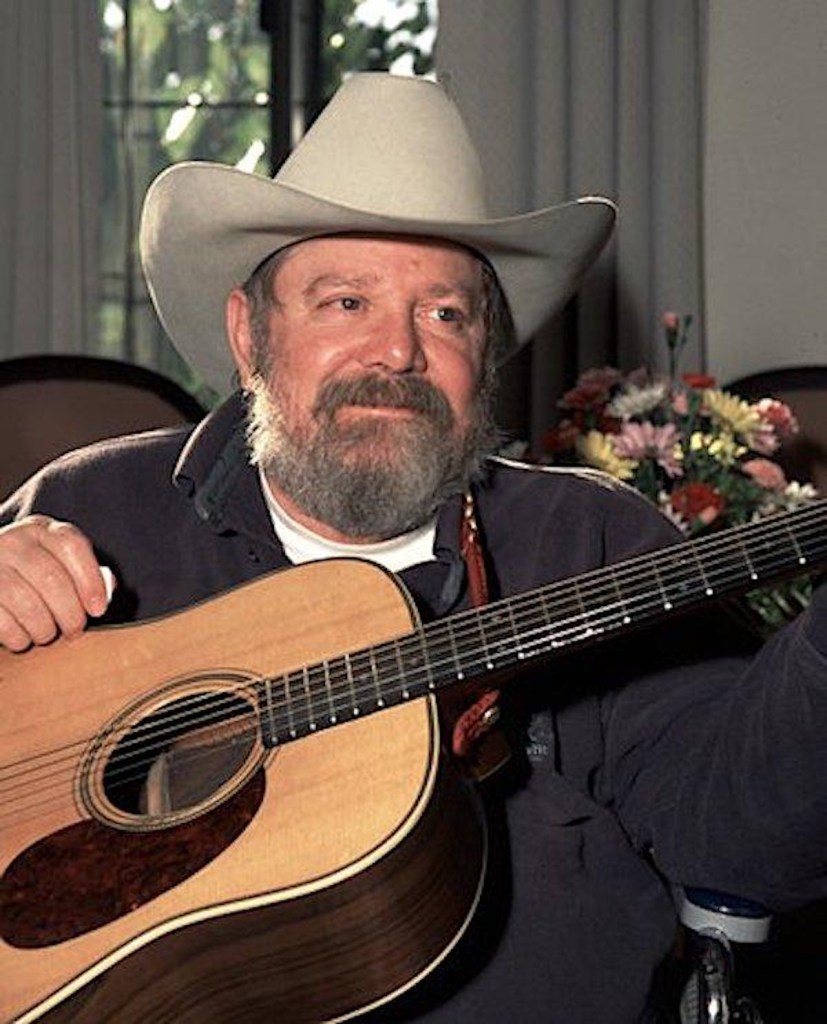
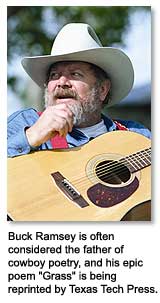


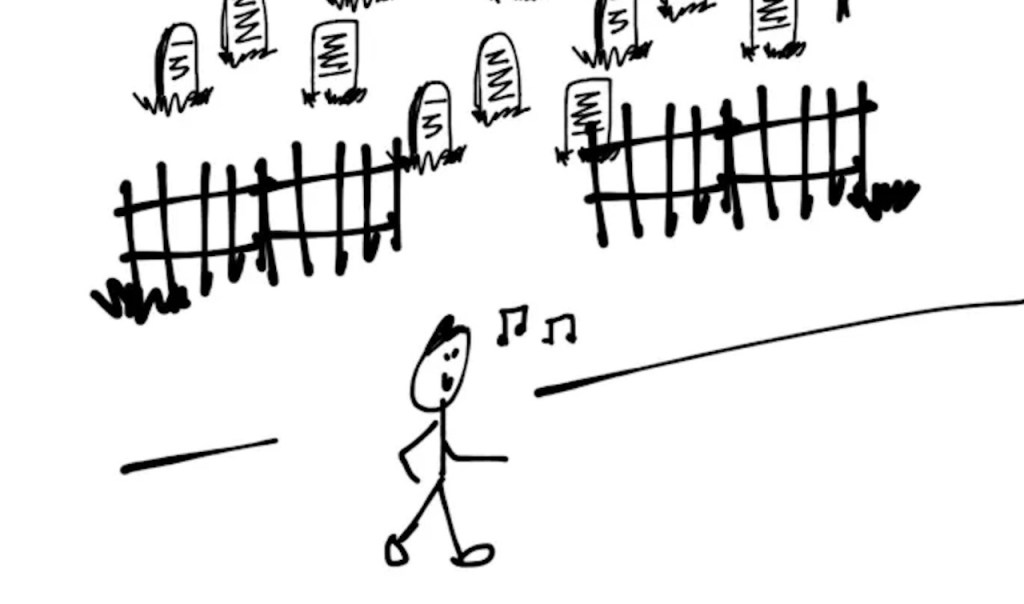


 Linda's Literary Home