Lydia Puckett spews forth a very different view of Knowlt Hoheimer. Although he has asserted that he ran off and joined the army simply because he stole some livestock and would have landed in jail over it, Lydia believes Knowlt went to the army because she told him to buzz off.
Introduction and Text of “Lydia Puckett”
The character “Lydia Puckett” offers a little drama showcasing her thoughts on the topic of Knowlt’s joining the army.
Lydia Puckett
Knowlt Hoheimer ran away to the war The day before Curl Trenary Swore out a warrant through Justice Arnett For stealing hogs. But that’s not the reason he turned a soldier. He caught me running with Lucius Atherton. We quarreled and I told him never again To cross my path. Then he stole the hogs and went to the war— Back of every soldier is a woman.
Commentary on “Lydia Puckett”
Lydia Puckett spews forth a very different view of Knowlt Hoheimer. Although he has asserted that he ran off and joined the army simply because he stole some livestock and would have landed in jail over it, Lydia believes Knowlt went to the army because she told him to buzz off.
First Movement: It Wasn’t the Hog-Stealing
Knowlt Hoheimer ran away to the war The day before Curl Trenary Swore out a warrant through Justice Arnett For stealing hogs. But that’s not the reason he turned a soldier.
Lydia begins her epitaph by reporting some specifics not revealed by Knowlt. Justice Arnett had sworn out a warrant for Knowlt to be arrested, after Curl Trenary, owner of the livestock stolen by Knowlt, had pressed charges against the thief.
Thus, Knowlt claims to have joined the army to avoid incarceration, but Lydia now insists that Knowlt did not got to war for that reason.
Second Movement: She Told Him to Buzz Off
He caught me running with Lucius Atherton. We quarreled and I told him never again To cross my path. Then he stole the hogs and went to the war— Back of every soldier is a woman.
Lydia and Knowlt had been sweethearts. Then Lydia started seeing “Lucius Atherton” while still involved with Knowlt. After Knowlt discovered Lydia’s cheating, the two quarreled. Then Lydia ended her relationship with Knowlt.
Knowlt, after the quarrel and break up of his relationship with Lydia, then committed the theft of Curl Trenary’s hogs. He subsequently went off to war and was killed. Lydia waxes philosophical about Knowlt’s having died as a soldier; she reasons, egomaniacally, “Back of every soldier is a woman.”
Of course, Lydia may be exaggerating to hoist her own self-esteem. One is wise to take much of the self-aggrandizement in these epitaphs with a huge grain of salt. Same goes for Knowlt, although he is likely more truthful than Lydia, but certainty about either is far from certain.
My summer mind makes my thighs and my tongue move in ways all the talk and friction of last winter could not pull off.
If you join me in this heat, we’ll find out if we have the guts to burn each other.
We’ll listen to the song that the urge sings as it rubs itself hard against guilt.
We’ll hear the tale that nature tells to that place in the body that beats itself to death demanding for itself body after body.
And if the heat hangs hot enough and we work and sweat long enough that night, we will come to that place that runs deep into the center of the body on fire, that place where knowledge and love contradict each other.
A Prose Commentary on My Original Poem “After the Spring Thaw”
Image: Original photo by Linda Sue Grimes, text added by Grok
In my poem “After the Spring Thaw,” I have created a speaker who is reflecting on the awakening of desire after a season of emotional and physical dormancy. The seasonal movement from winter into summer becomes a controlling metaphor for the reemergence of instinct, passion, and longing, while the speaker contemplates the uneasy relationship between bodily appetite and the claims of conscience.
The poem does not celebrate desire uncritically, nor does it condemn it. Rather, it allows the natural world to mirror the forces that arise within the human person. Summer symbolizes vitality and release, but it also exposes the hidden tensions between impulse and moral awareness. My speaker remains attentive to both realities without allowing either one to dominate the musing.
The language throughout remains deliberately physical—thighs, tongue, heat, friction, sweat, body—yet each concrete image gestures beyond sensuality toward psychological and spiritual complexity. The body becomes the stage upon which conflicting truths encounter one another. My speaker does not resolve those conflicts but instead follows them toward their deepest implications.
Underlying the poem is my conviction that human desire is neither wholly trustworthy nor wholly corrupt. It belongs to the created order, yet it continually presses against the boundaries established by wisdom and self-knowledge.
Such an understanding has been profoundly shaped by the spiritual teachings of my blessèd Guru Paramahansa Yogananda, who consistently emphasized the necessity of bringing bodily impulses into harmony with divine consciousness.
First Stanza: Awakening after Winter
My summer mind makes my thighs and my tongue move in ways all the talk and friction of last winter could not pull off.
In the opening stanza, my speaker introduces the contrast between winter and summer as a metaphor for differing states of consciousness. The “summer mind” is not merely seasonal but psychological, suggesting an inward awakening that immediately manifests itself through the body. Thought itself becomes embodied as thighs and tongue begin moving in ways that winter had rendered impossible.
The reference to “talk / and friction / of last winter” implies that language, argument, or strained intimacy proved incapable of producing genuine transformation. Summer accomplishes effortlessly what conflict could not. The speaker suggests that desire often arises independently of reason, arriving with the force of nature rather than the conclusions of deliberate thought.
Second Stanza: Mutual Risk
If you join me in this heat, we’ll find out if we have the guts to burn each other.
Here, my speaker shifts from solitary reflection to direct address. The invitation is not merely erotic but existential, for entering “this heat” requires courage as well as attraction. Passion carries within itself the possibility of injury, and the image of burning evokes both pleasure and destruction.
The phrase “have the guts” deliberately emphasizes physicality while also invoking emotional resolve. The speaker recognizes that intimacy demands vulnerability. To approach another person honestly is always to risk mutual wounding, even when both participants willingly embrace the encounter.
Third Stanza: Desire against Conscience
We’ll listen to the song that the urge sings as it rubs itself hard against guilt.
In this brief but concentrated stanza, my speaker personifies desire as a singer whose music emerges through friction with guilt. The imagery remains deliberately tactile, for the urge does not merely exist; it presses insistently against the moral awareness that resists its demands.
Rather than presenting guilt as an enemy or desire as a villain, the speaker allows both forces to remain active within the same experience. Their friction generates the poem’s emotional energy. The implication is that human beings rarely encounter desire in a morally neutral condition; appetite and conscience frequently arise together.
Fourth Stanza: Nature’s Ancient Story
We’ll hear the tale that nature tells to that place in the body that beats itself to death demanding for itself body after body.
The fourth stanza broadens the musing from individual experience to the universal voice of nature. The speaker imagines nature continually telling its ancient story to the body’s deepest instinct for reproduction and possession. This tale is persuasive because it speaks directly to appetite rather than to reason.
The heart, or perhaps desire itself, “beats itself to death” in endless pursuit of one body after another. The hyperbole underscores the insatiable quality of physical longing when it becomes detached from higher purpose. My speaker suggests that instinct alone cannot satisfy itself because each fulfillment immediately gives rise to renewed craving.
For further clarification, the “one body after another,” alludes to reincarnation, not polyamory. Interestingly, both interpretations work in sussing out the meaning of the poem. But without the nod to reincarnation, the poem’s spirituality will go lacking.
Fifth Stanza: The Center of Contradiction
And if the heat hangs hot enough and we work and sweat long enough that night, we will come to that place that runs deep into the center of the body on fire, that place where knowledge and love contradict each other.
In the concluding stanza, my speaker carries the imagery beyond physical exhaustion into a symbolic interior landscape. The lovers arrive not simply at bodily fulfillment but at “that place” lying deep within the human person. The repeated phrase marks the movement from external experience toward interior revelation.
The poem culminates in the assertion that “knowledge / and love contradict each other.” My speaker is not claiming that genuine love opposes truth, but rather that human passion often exposes painful contradictions between what one knows to be wise and what one longs to embrace.
The body becomes the arena in which these opposing claims reveal themselves most intensely. The speaker deliberately leaves that contradiction unresolved, recognizing that some of the deepest realities of human existence resist easy reconciliation.
An Afterthought
In “After the Spring Thaw,” I attempted to explore the mysterious reawakening of desire as both a natural force and a spiritual challenge. The seasonal imagery provides the framework through which the speaker examines the body’s vitality without ignoring the claims of conscience or higher understanding.
The poem ultimately suggests that physical passion reaches beyond itself toward questions that neither instinct nor intellect can answer alone. At its deepest center, desire reveals not only the body’s hunger but also the soul’s continuing struggle to reconcile knowledge, love, and the longing for wholeness.
Edgar Lee Masters’ “Knowlt Hoheimer” features a 10-line poem (epitaph) with two movements. As usual, this epitaph reveals the character of the speaker, even as he tries to castigate others.
Introduction and Text of “Knowlt Hoheimer”
In Edgar Lee Masters’ Spoon River Anthology, the short poem, or epitaph as Masters called them, “Knowlt Hoheimer” features a man who regrets among other things that he had the misfortune of dying in battle.
Knowlt Hoheimer
I was the first fruits of the battle of Missionary Ridge. When I felt the bullet enter my heart I wished I had staid at home and gone to jail For stealing the hogs of Curl Trenary, Instead of running away and joining the army. Rather a thousand times the country jail Than to lie under this marble figure with wings, And this granite pedestal Bearing the words, “Pro Patria.” What do they mean, anyway?
Commentary on “Knowlt Hoheimer”
According to Knowlt, he simply joined the army to avoid jail. He stole some livestock belonging to another man, and thus faced serving time for the crime.
First Movement: The Costs of Avoiding Jail
I was the first fruits of the battle of Missionary Ridge. When I felt the bullet enter my heart I wished I had staid at home and gone to jail For stealing the hogs of Curl Trenary, Instead of running away and joining the army.
Knowlt is claiming to have been the first casualty of “the battle of Missionary Ridge.” He died after “the bullet enter[ed his] heart.” Knowlt had signed up with the army and went off to war to avoid being incarcerated. After stealing some farm animals belonging to Curl Trenary, Knowlt simply ran off to join the army.
Because he is now dead, having become the first to die in the battle in which his infantry was engaged, he deeply regrets his choice. He discovers that serving some jail time would be preferable to dying in war.
Second Movement: Regretting a Decision
Rather a thousand times the country jail Than to lie under this marble figure with wings, And this granite pedestal Bearing the words, “Pro Patria.” What do they mean, anyway?
Knowlt now professes great regret over his deadly decision. He now figures that being jailed a thousand times would be better than dying and now lying under a slab of concrete with an inappropriate angelic symbol marking his grave. Knowlt supposes that he would still be living, had he served his time in jail. He imagines that serving a thousand jail terms would beat dying.
Apparently, Knowlt has been recognized as a war hero. He rests beneath a majestic monument which he describes: “this marble figure with wings, / And this granite pedestal / Bearing the words, “Pro Patria.” Knowlt reveals that he does not even comprehend that “Pro Patria” means “for country.” He asks rather sarcastically, “What do they mean, anyway?”
That he does not even know the Latin phrase suggests that he would not believe the sentiment even if he understood the words in translation. He likely believes along with the speaker in “Dulce et Decorum Est” that Horace’s old adage was a lie. Knowlt, by revealing what he does not know, further reveals his ignorant narcissism.
Lucille Clifton’s “at the cemetery, walnut grove plantation, south carolina, 1989”
In Lucille Clifton’s unconventionally capitalized titled poem “at the cemetery, walnut grove plantation, south carolina, 1989,” the speaker offers a lament that dramatizes the omission of the mention of slavery during a tour the poet took of Walnut Grove Plantation in South Carolina in 1989.
Introduction with the Text from “at the cemetery, walnut grove plantation, south carolina, 1989”
The United States of America in the twenty-first century has become replete with attempts to abolish history [1]. Examples include removing statues of noted individuals such as Frederick Douglass [2], and many others [3], changing names of public buildings, colleges, and streets [4].
Poet Lucille Clifton encountered a situation that had attempted to abolish history, and she was greatly offended by that attempt—so offended that she wrote this poem about this issue! Clifton has remarked, “You see, we cannot ignore history. History doesn’t go away. The past isn’t back there, the past is here too.”
After being asked, “Is it part of poetry’s job to recover history, to proclaim it, and to correct it when necessary?,” she responded, “Yes. All that may be needed is that the injustice in the world be mentioned so that nobody can ever say, ‘Nobody told me’.”
W. H. Auden once quipped in his tribute poem, “In Memory of W. B. Yeats” [5], “Poetry makes nothing happen.” However, sometimes in quiet ways that may snowball into movements, poetry may be able to start the ball rolling, and one might hope that Clifton’s little verse may serve to save history lessons from disappearance.
at the cemetery, walnut grove plantation, south carolina, 1989
among the rocks at walnut grove your silence drumming in my bones, tell me your names.
nobody mentioned slaves and yet the curious tools shine with your fingerprints. nobody mentioned slaves but somebody did this work who had no guide, no stone, who moulders under rock.
tell me your names, tell me your bashful names and I will testify.
the inventory lists ten slaves but only men were recognized.
among the rocks at walnut grove some of these honored dead were dark some of these dark were slaves some of these slaves were women some of them did this honored work. tell me your names foremothers, brothers, tell me your dishonored names.
here lies here lies here lies here lies hear
Reading: Lucille Clifton reading her poem, “at the cemetery, walnut grove plantation, south carolina, 1989”
Commentary on “at the cemetery, walnut grove plantation, south carolina, 1989”
This poem is voicing its plaintive lament that there was no mention of slavery during a tour the poet took of Walnut Grove Plantation in South Carolina in 1989. The omission is particularly galling because the place is a plantation in the South.
The history of such a place would be replete with information about that heinous institution. Simply ignoring an issue because it is unpleasant can do more harm than good. No problem was ever solved by ignoring it.
First Stanza: Addressing a Ghost-Like Presence
among the rocks at walnut grove your silence drumming in my bones, tell me your names.
In “at the cemetery, walnut grove plantation, south carolina, 1989,” the speaker addresses the ghost-like presences of the imagined slaves about which she knows nothing.
She is convinced that there had to be slaves on this large plantation that was thriving in the early nineteenth century. She dramatically claims that the silence of the slaves was “drumming / in [her] bones.” And she asks them to “tell [her] [their] names.”
Second Stanza: Intuiting a Presence
nobody mentioned slaves and yet the curious tools shine with your fingerprints. nobody mentioned slaves but somebody did this work who had no guide, no stone, who moulders under rock.
The speaker has likely come to take the plantation tour hoping to get a sense of the slaves that she believed worked there. She fancies that even though the tour guide has never mentioned slaves, she feels that she is intuiting their presence. Even though she did not hear the word “slave,” the very tools that are present seem to testify that slave left their fingerprints on them.
Since “somebody” had to have done that work, she reasons that it had to be the slaves. The owners of the plantation, Charles and Mary Moore, had ten children; those “fingerprints” may also be from those children who likely also worked on the plantation. Still, the speaker’s intuition allows her to create her speculative drama as she assumes that those slaves now “moulder[ ] under rock.”
Third Stanza: Who Are You?
tell me your names, tell me your bashful names and I will testify.
The speaker then begs the ghosts to tell her their names, and she “will testify” for them. Her testimony may not be thorough, but as least it is more than the nothing at all she is receiving from this historically filtered tour.
If the slaves existed, they lived and worked as such. Perhaps, she wishes simply to cite their names, which is an admirable thought, despite the impossibility of ever knowing those names.
Fourth Stanza: Proof of Their Existence
the inventory lists ten slaves but only men were recognized.
The speaker then reports that the list of “inventory” did mention ten male slaves. This possible factoid affords the female speaker another issue over which to express indignation: that the female slaves are not even listed as inventoried property.
Fifth Stanza: Slaves in the Cemetery
among the rocks at walnut grove some of these honored dead were dark some of these dark were slaves some of these slaves were women some of them did this honored work. tell me your names foremothers, brothers, tell me your dishonored names.
The speaker then muses that in the cemetery some of those buried must be slaves, and, of course, some of those slaves were women. They all did “honored work.” Again, the speaker demands of the imagined ghostly presences that they reveal their names.
They were “foremothers, brothers,” and she wants to know their “dishonored names.” They are “dishonored” because the speaker does not know their names and has no hope of finding out exactly who they were. While revision of historical facts remains an abomination, total erasure from the historical record is even worse.
Sixth Stanza: Who Lies Buried Here?
here lies here lies here lies here lies hear
The final five lines of the poem repeat the line “here lies” four times and ends with “hear.” She would like to add a name to each line, but since she is unable to do so, she offers one last command: she wants them to “hear” that she would honor them if she could.
CLIFTON: Well, let me tell you what happened with that poem. I went to Walnut Grove Plantation in South Carolina in 1989 and I was the only person of color on the tour. It’s a wonderful two thousand acres, but on the tour there was no mention of slaves. The plantation had the original furniture, and the guide talked about the difficulty of the work for a small family, but there was no mention of slavery. Now I’m very nosy–I want to know everything when I travel to give readings, all the gossip, everything. I like to know what happened here, so I always ask about the people who were here before these people? And then the uncomfortable question always is “Where are they now?”
Well, Walnut Grove Plantation has the family burying ground, and on the sides of the roped-off path leading to that burying ground there are crosses and rocks and other things sitting on edge that to me clearly mark the graves of slaves. So I asked, “Why don’t you mention slaves?” The first answer was “Maybe the guide didn’t want to embarrass you.” “Well,” I said, “I’m not a slave. I don’t know why he would think I’d be embarrassed.” Then I asked again, and the answer was, “Maybe they didn’t have any.” Well, they had two thousand acres in South Carolina in the early part of the nineteenth century. Be serious!
When I suggested that the guide check the inventory–because slaves were considered property and were often inventoried–they discovered that the plantation had an inventory of ten slaves, but they might have had more because women weren’t counted. Now, well, I had to find out about that! I mean, some things say, hey, like “No!” Then when I learned that the women were not considered valuable enough to inventory, I definitely wanted to write about that.
MOYERS: What do you want the readers to do at the end of the poem when you change the word “here” to “hear”?
CLIFTON: I want them to recognize that only half the truth was being told. At that time schoolchildren were taken there on field trips to Walnut Grove, and half the children in the town were denied the knowledge that their ancestors had helped to build that plantation. That is unjust, and I’m into justice big-time.
I read that poem in South Carolina a lot, and someone in the audience–I think she was the director of the group which has restored the plantation–wrote me a letter saying that she just didn’t realize. Two years ago they began building a model slave cabin, and now they are going to include all the people who lived there in the tour. So that’s one poem doing something, making a difference. Then once when I did a reading at the nearby town a woman came up and told me that her family had owned Walnut Grove, but she had never gone back—she was ashamed—so I said the next time I come here, we must go together. You see, we cannot ignore history. History doesn’t go away. The past isn’t back there, the past is here too.
MOYERS: Is it part of poetry’s job to recover history, to proclaim it, and to correct it when necessary?
CLIFTON: Yes. All that may be needed is that the injustice in the world be mentioned so that nobody can ever say, “Nobody told me.”
“When the yogi, like a tortoise withdrawing its limbs, can fully retire his senses from the objects of perception, his wisdom manifests steadiness.” —Bhagavad Gita II:58
Will you still love me if I finish first?
Slow as I am to you whose speed is your god, I move. Admiring really your shell-less existence— On my back it’s sometimes hard to right myself. In the soup they call me a delicacy, So I praise vegetarians, Though I myself sometimes snap At insects, small fish, & moving fingers.
But what’s a creature so heavy-laden to do?
O, lest I sound maudlin Or sorry for my webbed feet, I withdraw my questions Along with my head & legs And drop out of your race.
Lucille Clifton has composed a delightfully funny and entertaining poem about the unlikely subject of big hips. While most ladies feel less than full of pride for a big rear end, Clifton’s speaker gleams with pride over her wide bottom. The speaker has nothing but praise for her huge keister.
Introduction with Text of “homage to my hips”
The speaker in Lucille Clifton’s hilarious little ditty is gloating about an unlikely target for gloat—the physical feature that many woman would prefer to hide. But this speaker is filled with pride about her possession of a huge set of hips; thus, she colorfully and insistently flaunts those “magic” hips.
Lucille Clifton’s style is unique. She has no compunction about keeping her letters all in lower case. Often in the hands of much less talented craftsman, such a departure from traditional grammar/mechanics looks like mere showing off or trying to put forth the rebel- without-a-cause attitude, as the verse then cannot support that departure.
But Clifton’s unusual enjambment also works well, while in the hands of a poetaster the same attempt at odd line breaks merely disrupts meaning while demonstrating immaturity and amateurishness.
homage to my hips
these hips are big hips they need space to move around in. they don’t fit into little petty places. these hips are free hips. they don’t like to be held back. these hips have never been enslaved, they go where they want to go they do what they want to do. these hips are mighty hips. these hips are magic hips. i have known them to put a spell on a man and spin him like a top!
Commentary on “homage to my hips”
In Lucille Clifton’s “homage to my hips,” a big-hipped woman celebrates the size of her big bottom. She elucidates her pride of size in her colorful little drama, revealing her satisfaction with the humble yet significant pride-showing word “homage.”
One almost wants to think of the title as “homage to my big hips,” but Lucille had the foresight to allow the reader to discover the reason for that “homage” after experiencing the poem itself.
First Movement: Big -Hipped and Proud
these hips are big hips they need space to move around in. they don’t fit into little petty places.
The speaker begins with the provocative statement, “these hips are big hips.” Such audacity would take the wind out of the sails of any name-calling huckster who would try to make this speaker’s rump the butt of any joke.
This woman is proud her big hips, and her pride is infectious; she plans to crow about her big hips and make people know the importance of her huge posterior. The speaker then claims that her hips need lots of space “to / move around in.” She doesn’t just sit on that humongous keister; she moves it around.
She is an active broad; she’s in your face. So she demands room to move her behind. She gives no quarter to anyone who would denigrate her big bottom.
This speaker will not tolerate anything “little” or “petty.” She is influenced by her big rear to see all the world as a humungous opportunity to do things, to move around as a big, strong force. She sees life itself full of space for all things “big” which she has discovered to be a beautiful thing.
Second Movement: Free-Hipped and Profound
these hips are free hips. they don’t like to be held back. these hips have never been enslaved, they go where they want to go they do what they want to do.
Those big hips cannot squeeze into small spaces. Those small places are simply too “little” for her, and they represent “petty places” that will not allow the expanse of freedom she demands for herself, her life, and her mind.
As her hips are broad, so is her mind. She will not be limited physically or mentally. She belongs to the world where profundity reigns. She brooks no little-minded thinkers. Her big hips are “free hips.” They go where they wish, and they do as they please.
Those expansive hips are wide as the cosmos. They have elevated her level of courage. Enslaved lesser hips and minds can just get out of her way. She will push her big hips into any place that will accommodate them.
She will not allow the mediocre minds to put her in chains. Her hips will never abide by any restraints; they move where they desire to move and when they desire to move. They keep on moving; they keep on achieving what her broad mind can imagine.
This big-hipped speaker is proud of her accomplishments, and those big hips are a large part of that achievement. She will sing to her hips as she transcends the limitations that would hem them and her round.
This speaker’s world is big like her hips; her mind is even bigger than those big hips. And she will have everyone take notice. There will never be a place or a person who can limit this strong woman, whose hips have now become a symbol for her strength, liberation, and determination for success.
Third Movement: Magic-Hipped and Glory-Hipped
these hips are magic hips. i have known them to put a spell on a man and spin him like a top!
Spreading out in all directions, the mental acuity of this big-hipped woman will not be stopped from accomplishing all the glory, wisdom, and rewards her ability can bring her. Her hips “do what they want to do.”
She cannot be caged or shrunk by social standards. Thin hips are for small minds, and her mind is big like her hips. The speaker then hints that those hips have not kept a big fat woman from enjoying sexual experience once thought to belong only to thin, emaciated supermodels. Her hips are “magic.”
They can capture the imagination and attention of any man, and then after they capture the man, they can cause him to succumb to her will. That spinning-top man comes under spell because of those hips that perform their spell-working.
The speaker has no compunction about bragging up those big hips. She wants men and women alike to understand that she is proud of that prominent physical feature.
This declaration is her protest against smallness in any form—especially when it comes to her bottom. She gloats about a physical feature that many woman would wish to hide, but she is full of pride about her big keister as she flaunts those spell-binding, “magic” hips.
She’d get dressed up to go get curtains in town, Daddy would huff before we piled into the truck, That pretty little woman could always calm him down.
From store to store we would dart all around, Daddy’d wait in truck hoping we’d hurry up, She’d get dressed up to go get curtains in town.
He’d groan and moan but always come ’round, His complaints never seemed to bother her much, That pretty little woman could always calm him down.
On the way home she suddenly found She needed to stop for some groceries and such. She’d get dressed up to go get curtains in town.
He’d gripe, “Honey, you take longer with each new round.” But she was happy enough and so he’d drive on and shut up. That pretty little woman could always calm him down.
She had what she came for, was happy as a clam. His complaints never seemed to stifle her luck. She’d get dressed up to go get curtains in town, That pretty little woman could always calm him down.
The Ern Malley poetry hoax was perpetrated by two poets who disdained the avant-garde style of modernism. They planned to debunk what they considered was fraudulent and demeaning to the art.
A Brief Overview of the Hoax
The Ern Malley affair is one the most interesting literary hoaxes of the 20th century. It grew out of a hatred of and the desire to debunk the avant-garde style of modernism.
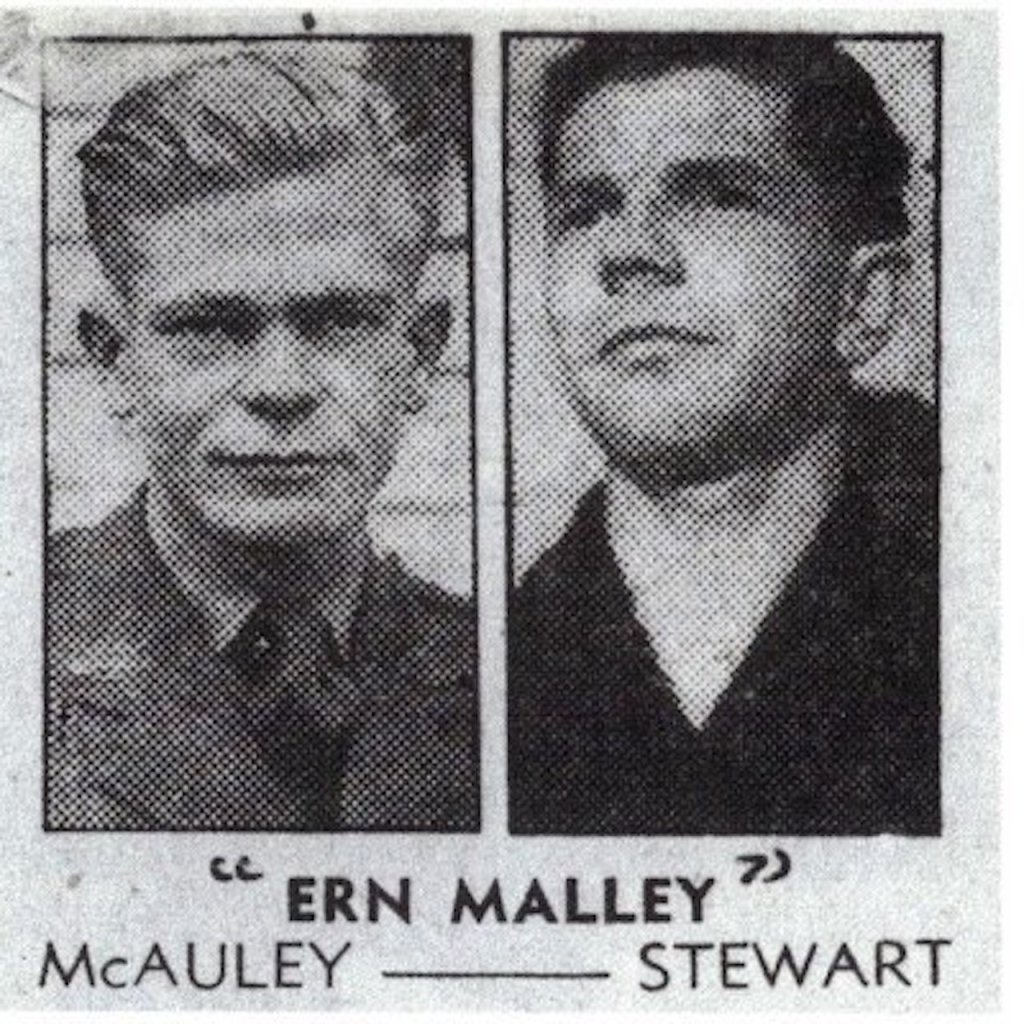
In October 1943 on a Saturday, two traditional poets, Lieutenant James McAuley and Corporal Harold Stewart, in their offices at the Victoria Barracks of the Australian Army in Melbourne, Australia, hatched their plan.
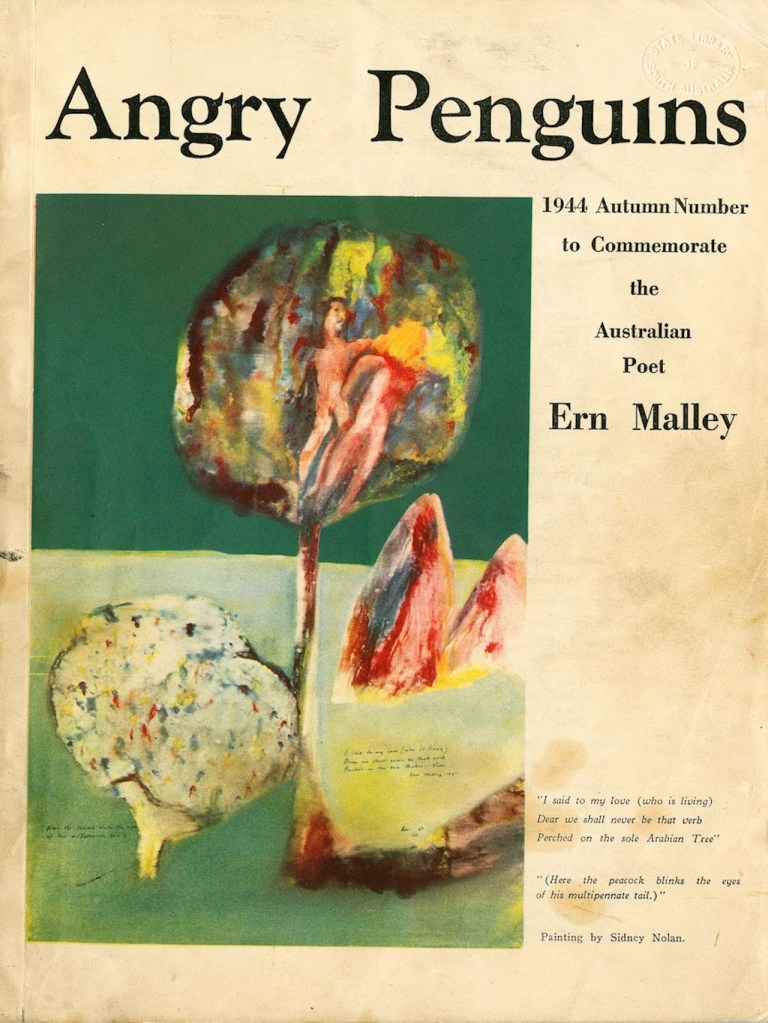
They concocted a plan to expose the bankruptcy of the modernist avant-garde trend of literature in British, Australian, and world poetry. They chose the publication titled Angry Penguins and one of the editors Max Harris as their targets.
As the legend recounts it, within a few hours on that ordinary Saturday, the two young army men had slapped together sixteen poems by collecting strings of words from the books and magazines that lay on their desks [1]. The following example begins with the first three lines lifted verbatim from a US Army report on mosquito control:
Culture as Exhibit
“Swamps, marshes, borrow-pits and other Areas of stagnant water serve As breeding-grounds …” Now Have I found you, my Anopheles! (There is a meaning for the circumspect) Come, we will dance sedate quadrilles, A pallid polka or a yelping shimmy Over these sunken sodden breeding-grounds! We will be wraiths and wreaths of tissue-paper To clog the Town Council in their plans. Culture forsooth! Albert, get my gun.
After completing their first sixteen fake pieces, McAuley and Stewart then delivered a fictitious poet from the womb of mischief and named him “Ern Malley,” a take-off on the French word “mal” meaning bad.
Next, McAuley and Stewart invented a sister and called her Ethel, dreamed up a melancholy biography for the deceased auto mechanic turned insurance salesman poet, which Ethel would narrate, and they were all set. From the hands of Ethel, McAuley and Stewart posted ole Ern’s poems and biography to the magazine Angry Penguins.
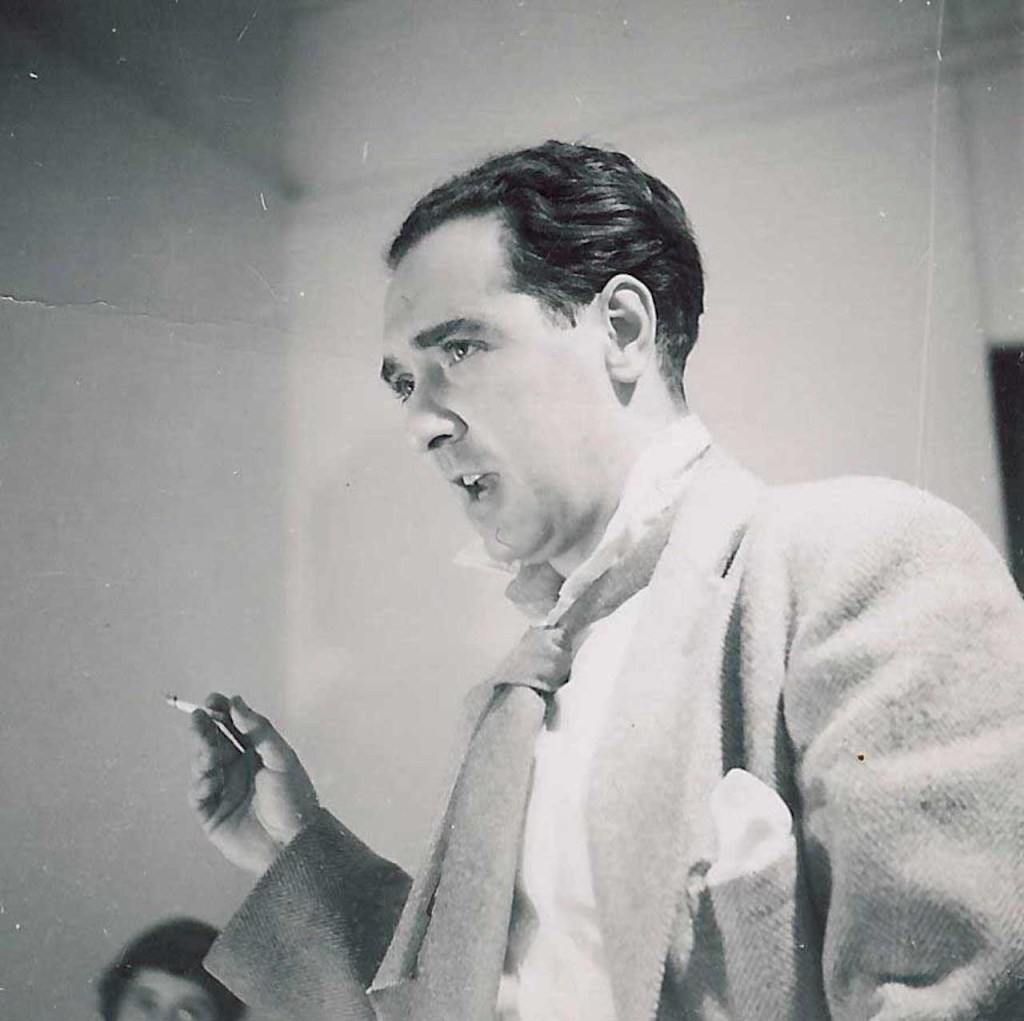
Max Harris [2] flipped over the poems, as did the other editors, and a special edition of Angry Penguins carried the fake poems and the fake biography of the fake poet. The two disgruntled poets, Lieutenant James McAuley and Corporal Harold Stewart, had accomplished their mission.
They had demonstrated for the world that those editors, critics, and readers who are taken in by the avant-garde, surrealistic drivel flowing from the pens of literary poetasters under the guise of modernism could be easily exposed by a real fake.
The Nonsense of Modernist Poetry
As poets, Lieutenant James McAuley and Corporal Harold Stewart had come to despise the poetry of Dylan Thomas, Henry Treece, and other modernist poets. McAuley and Stewart, therefore, deemed the entire modernist movement “pretentious nonsense.”
Thus the pair then hatched their plan to expose the nonsense. They believed they could fool editors into publishing anything that smacked of the same “nonsense” they had been observing in literary mags. So, they would write fake poems and submit them. They concocted three rules that they would follow as they composed their deliberately fake works:
There must be no coherent theme, at most, only confused and inconsistent hints at a meaning held out as a bait to the reader.
No care was taken with verse technique, except occasionally to accentuate its general sloppiness by deliberate crudities.
In style, the poems were to imitate, not Mr. Harris in particular, but the whole literary fashion as we knew it from the works of Dylan Thomas, Henry Treece and others.
Based on these rules, the poems of Ern Malley were born.
Poor Max Harris, who was not a bad poet, and whose early poems were, in fact, quite traditional in form, faced a court trial for publishing the Ern Malley poems, which were considered obscene. Harris paid a fine, and his jail time was suspended.
Still Harris’ reputation was less sullied than that of the Malley creators. Actually, McAuley and Stewart simply suffered from anonymity, with their only claim to fame being the Ern Malley hoax.
Sample Pieces from the Collection
A fascinating and useful study might result from elucidating how each piece in the hoax collection demonstrates the three “rules” that the poets were constrained to follow in composing the fake works. The following “sonnets” offer a glimpse at the style and subject that the Ern Malley collection of hoax poems perpetrated upon the literary world:
Sonnets for the Novachord
(i.) Rise from the wrist, o kestrel Mind, to a clear expanse. Perform your high dance On the clouds of ancestral Duty. Hawk at the wraith Of remembered emotions. Vindicate our high notions Of a new and pitiless faith. It is not without risk! In a lofty attempt The fool makes a brisk Tumble. Rightly contempt Rewards the cloud-foot unwary Who falls to the prairie.
(ii.) Poetry: the loaves and fishes, Or no less miracle; For in this deft pentacle We imprison our wishes.
Though stilled to alabaster This Ichthys shall swim From the mind’s disaster On the volatile hymn.
If this be the norm Of our serious frolic There’s no remorse:
Our magical force Cleaves the ignorant storm On the hyperbolic.
There is much more to this convoluted caper, including intriguing biographical information about all the parties involved—especially McAuley, Steward, and Harris. The following is a list of titles contained in the Ern Malley poems, composed by McAuley and Stewart and sent to Angry Penguins:
Dürer: Innsbruck, 1495
Sonnets for the Novachord
Sweet William
Boult to Marina
Sybilline
Night Piece
Documentary Film
Palinode
Night-piece (Alternate Version)
Baroque Exterior
Perspective Lovesong
Culture as Exhibit
Egyptian Register
Young Prince of Tyre
Colloquy with John Keats (and Coda)
Petit Testament
An additional publication is Michael Heyward’s The Ern Malley Affair, which sheds light on the entire caper [4].
—villanelle inspired by Malcolm M. Sedam’s “The Hill Maiden”
Moving through a deep valley of melancholy night She roams ghost-like though the stones of dreams— Even without wings, she will soon sail into flight.
Her smile carries a sword that rends her might. Flowers meet her eye but her sorrow still gleams— Moving through a deep valley of melancholy night.
Her thoughts attend a rainbow galaxy of light, As the blood rose pricks the ice of clay-cold streams— Even without wings, she will soon sail into flight.
The pain of growth spreads through her flesh in spite Of snow bank’s promise of better schemes— Moving through a deep valley of melancholy night.
Zen-like hands reach out, time tends to make all right The door of her heart opens wide, as yearning teems— Even without wings, she will soon sail into flight.
Her reveries rise on golden prayers unto the height Where soul love heals all gloom as new light beams— Moving through a deep valley of melancholy night, Even without wings, she will soon sail into flight.







 Linda's Literary Home