Linda's Literary Home

Tag: American classic

  • Edgar Lee Masters’ “Fiddler Jones”

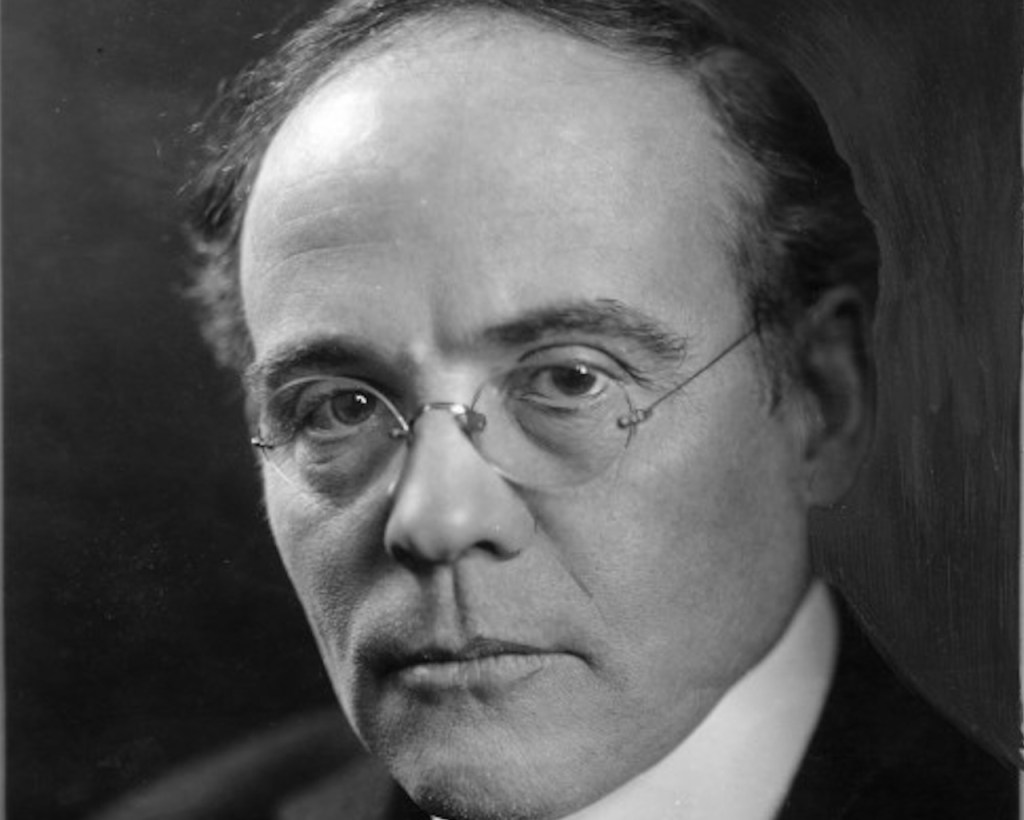
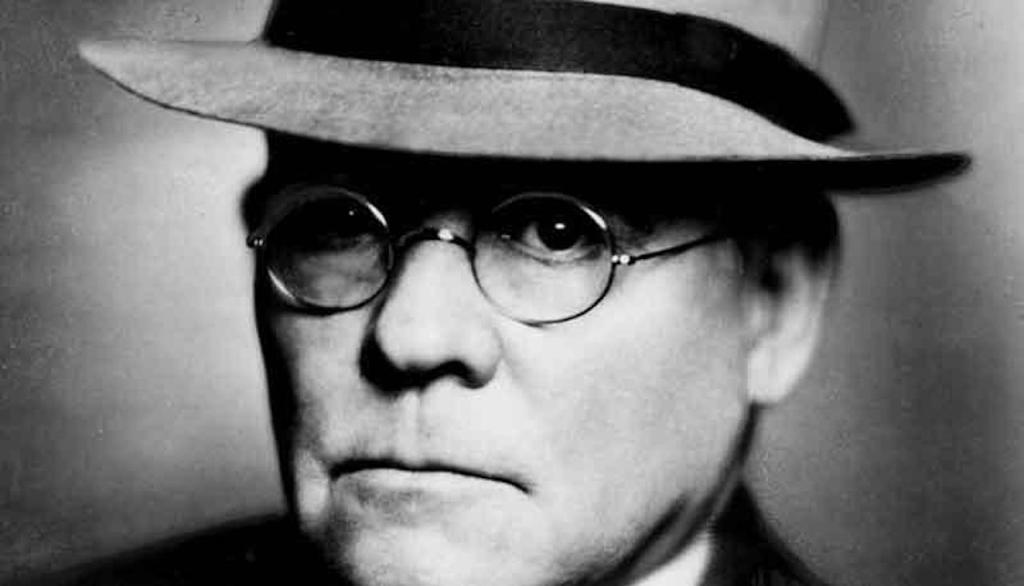
    Image: Edgar Lee Masters https://chicagoliteraryhof.org/inductees/profile/edgar-lee-masters
    Image: Edgar Lee Masters – Chicago Literary Hall of Fame

    Edgar Lee Masters’ “Fiddler Jones”

    Fiddler Jones is one of the less melancholy figures of Spoon River, though he has his trials as well. 

    Introduction with Text of  “Fiddler Jones”

    In Edgar Lee Masters’ “Fiddler Jones” from his American classic Spoon River Anthology, the speaker waxes philosophical about life; he possesses a more congenial nature than many of the other Spoon River inmates. 

    Although Fiddler has trials to report from his life, he remains one of the more jovial and less melancholy characters from the Spoon River bunch.  He does not blame others for his lot in life.

    Fiddler Jones

    The earth keeps some vibration going  
    There in your heart, and that is you.  
    And if the people find you can fiddle,  
    Why, fiddle you must, for all your life.
    What do you see, a harvest of clover?
    Or a meadow to walk through to the river?  
    The wind’s in the corn; you rub your hands
    For beeves hereafter ready for market;
    Or else you hear the rustle of skirts  
    Like the girls when dancing at Little Grove.
    To Cooney Potter a pillar of dust
    Or whirling leaves meant ruinous drouth;  
    They looked to me like Red-Head Sammy  
    Stepping it off, to “Toor-a-Loor.”
    How could I till my forty acres
    Not to speak of getting more,
    With a medley of horns, bassoons and piccolos  
    Stirred in my brain by crows and robins
    And the creak of a wind-mill—only these?  
    And I never started to plow in my life
    That some one did not stop in the road
    And take me away to a dance or picnic.
    I ended up with forty acres;
    I ended up with a broken fiddle—
    And a broken laugh, and a thousand memories,
    And not a single regret.

    Commentary on “Fiddler Jones”

    Fiddler Jones is one of the less melancholy figures of Spoon River, though he has his own trials and tribulations as well.

    First Movement:  Vibration in the Heart

    The earth keeps some vibration going  
    There in your heart, and that is you.  
    And if the people find you can fiddle,  
    Why, fiddle you must, for all your life.

    Fiddler Jones holds forth that the heart of a human being is connected to and motivated by a planetary “vibration.”  He believes the essence of the human being is “some vibration” that resides in the heart and that essence constitutes the personality and nature of the individual. 

    Fiddler offers an example, using his own “vibration,” his talent for playing a fiddle.  He claims that when people learn of your talent, then you have to keep performing for them until you die.

    Second Movement:  Hearing vs Seeing

    What do you see, a harvest of clover?
    Or a meadow to walk through to the river?  
    The wind’s in the corn; you rub your hands
    For beeves hereafter ready for market;
    Or else you hear the rustle of skirts  
    Like the girls when dancing at Little Grove.

    Fiddler then compares himself to a farmer, who sees “a harvest of clover,” a meadow that backs up to a river, beef cattle “ready for market.”  

    Instead of all these things, Fiddler hears “the rustle of skirts” of the girls dancing while he plays his fiddle.

    Third Movement:  From Forty to a Thousand

    To Cooney Potter a pillar of dust
    Or whirling leaves meant ruinous drouth;  
    They looked to me like Red-Head Sammy  
    Stepping it off, to “Toor-a-Loor.”

    Fiddler refers to Cooney Potter, the farmer who began with an inherited forty acres and turned them into a thousand and strove to double that.  

    Fiddler asserts that a storm would leave Potter devastated, but people expected music from the fiddler so they could dance.  He implies that he would not have to endure such ruin.

    Fourth Movement:  Music Trumps Tillage

    How could I till my forty acres
    Not to speak of getting more,
    With a medley of horns, bassoons and piccolos  
    Stirred in my brain by crows and robins
    And the creak of a wind-mill—only these?  

    Unlike Cooney, who coveted more and more acres, Fiddler had a head full of music, “a medley of horns, bassoons and piccolos.”  

    All of these instruments were “stirred in [his] brain by crows and robins / And the creak of a wind-mill.”   Fiddler fiddled because he had musical talent that occupied his heart and mind.

    Fifth Movement:  Music in His Heart and Mind

    And I never started to plow in my life That some one did not stop in the road
    And take me away to a dance or picnic.

    Fiddler’s music ability, however, interfered with his ability to farm.  Every time he started to plow a field, someone would come and drag him off “to a dance or picnic” to entertain them.   

    Fiddler, however, obviously enjoyed his music more than plowing, or else he would have turned down those invitations once in a while.

    Sixth Movement:  No Regrets

    I ended up with forty acres;
    I ended up with a broken fiddle—
    And a broken laugh, and a thousand memories,
    And not a single regret.

    The musician claims that as he started with forty acres, he “ended up with forty acres.”  But he also “ended up with a broken fiddle.”  Sadly, Fiddler ended up with “a broken laugh, and a thousand memories.”  But yet not so sadly, he can report that he also ended up with no regrets.

    Being without regrets puts Fiddler Jones into a very different mind-set from many of the Spoon River epitaph reporters, whose main issue usually focuses on their regrets.  When they are not blaming others for their poor choices, they are whining about how they could have done better had the people around them treated them better. 

    Thus to announce a life that results in no regrets demonstrates that Fiddler Jones is resting much easier than his fellow graveyard residents.
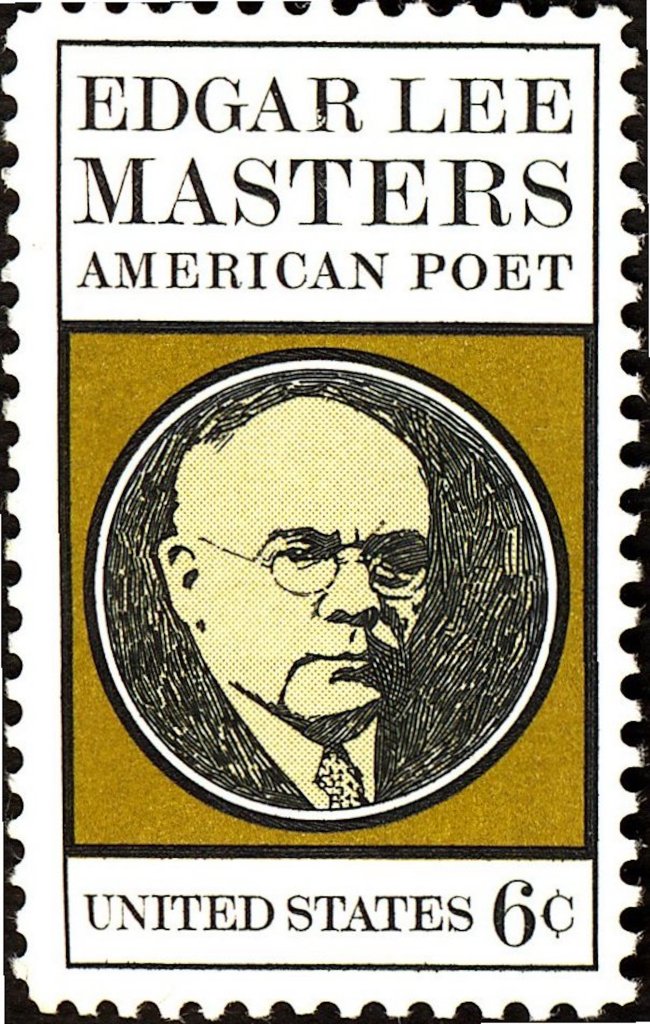

    Edgar Lee Masters - Commemorative Stamp
    Image: Edgar Lee Masters – Commemorative Stamp  US Stamp Gallery
  • Edgar Lee Masters’ “George Trimble”

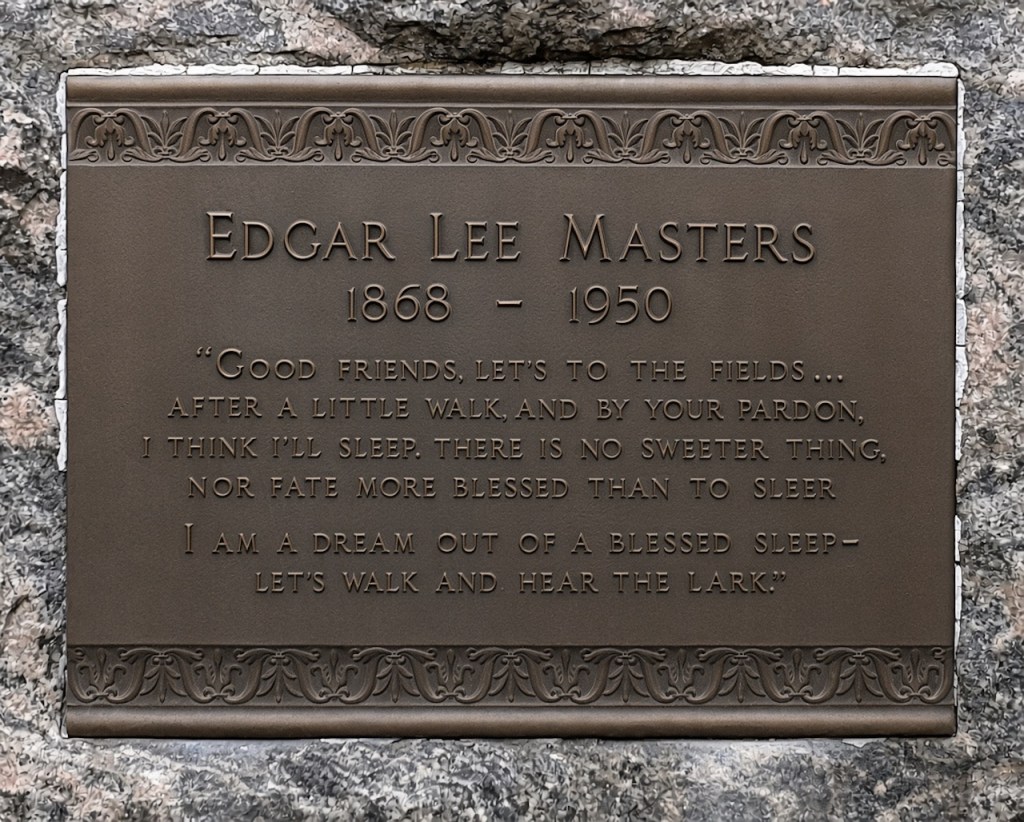
    Image Edgar Lee Masters Grave Marker
    Image: Edgar Lee Masters Grave Marker – Find a Grave

    Edgar Lee Masters’ “George Trimble”

    George Trimble deems himself the victim of his wife’s ruinous goading and now he lies unmourned in his Spoon River grave. But because his wife’s side of the story is never reported, the issue about her blame may raise doubts about Trimble’s accusation.

    Introduction and Text of “George Trimble”

    Edgar Lee Masters’ “George Trimble” from Masters’ American classic Spoon River Anthology features a failed politician, who blames his wife for goading him into throwing his hat into the ring. 

    Lying unnoticed, therefore unmourned, in his Spoon River grave, George Trimble considers himself a victim of his wife’s nagging. George joins the long, sad parade of characters who use their epitaphs to complain about their victimhood brought on by the behavior and urging of others.

    George Trimble

    Do you remember when I stood on the steps
    Of the Court House and talked free-silver,  
    And the single-tax of Henry George?  
    Then do you remember that, when the Peerless Leader
    Lost the first battle, I began to talk prohibition,
    And became active in the church?
    That was due to my wife,  
    Who pictured to me my destruction  
    If I did not prove my morality to the people.
    Well, she ruined me:
    For the radicals grew suspicious of me,
    And the conservatives were never sure of me—
    And here I lie, unwept of all.

    Commentary on “George Trimble”

    “George Trimble” tried to become a politician, but he had no solid political positions; therefore, he was unable to attract a following.   Like many of the other Spoon River epitaphs, his report is filled with attempts to rehabilitate his reputation, not by admitting his own blame but by placing the blame on others—especially his own wife.

    First Movement:   Remembering His Speech

    Do you remember when I stood on the steps
    Of the Court House and talked free-silver,  
    And the single-tax of Henry George?  

    George Trimble begins his lamentation from the grave by posing a question to his Spoon River fellow citizens:  he asks them if they remember a speech that he gave standing on the courthouse steps.  In that speech, he spoke about “free-silver” and the “single-tax of Henry George.”

    The references to “free silver” and “Henry George” demonstrate Trimble’s supposed political positions.  Those who favored the Free Silver policies wanted to replace the gold standard with silver.  

    And Henry George, who gained a reputation as an economist, believed that only land owners should be taxed. Although Henry George ran for office several times, he never succeeded in securing election.  

    However, Henry George did become quite famous through his writing and publishing his book, Progress and Poverty, which influenced the fields of politics as well as the economy.   In his book, Progress and Poverty, George attempts to work out and explain the issue of wide-spread poverty:

    Henry George seeks to explain why poverty exists notwithstanding widespread advances in technology and even where there is a concentration of great wealth such as in cities.

    Henry George’s influence through the “single tax” based on land value earned him a widely-noted reputation as he called for free trade, limitation on immigration from China, which was impacting employment options, encouragement of state ownership of certain natural resources, and regulation of monopolies.

    Unlike Henry George, George Trimble does not appear to hold any strong beliefs regarding any political position or policy; thus his lament becomes pathetic.  While Henry George did not allow losing elections to impede his progress as a thinker and achiever, George Trimble simply gave up any effort at success, and thus he had to engage a scapegoat to blame for his own lack of striving.

    Second Movement:  Losing the Election

    Then do you remember that, when the Peerless Leader
    Lost the first battle, I began to talk prohibition,
    And became active in the church?

    Without much political savvy or ideological conviction, Trimble loses the election.  He ironically refers to himself as “the Peerless Leader” who “lost the first battle.”  After this loss, Trimble says he took up the discussion of “prohibition,” and he joined the church, becoming an active member.  Thus he is showing some energy as he seems to be continuing to strive for accomplish of some political goal.

    However, the disparity between his actions and his paltry discourse shows a deeply conflicted psyche. By juxtaposing discussion about prohibition and becoming a church member, he is attempting to rehabilitate his moral fiber.

    Third Movement:   Weakness of Character

    That was due to my wife,  
    Who pictured to me my destruction  
    If I did not prove my morality to the people.

    George Trimble now concedes that he has done those things because of his wife.  He claims that she played on his sense of guilt by telling him he would court “destruction,” if he did not prove to people that he possessed “morality.” George is revealing his weakness of character if it was, in fact, accurate that his wife goaded him into trying to be that which he was not.  

    He appears to fail at every turn to think for himself, for after he reveals that it was his wife, who talked him into joining the church just to “prove [his] morality,” he seems to be implying that his wife might have been the reason he ran for office in the first place.   

    Sadly, the reader never learns what, if anything, George actually did accomplish.  Many of the other grave-yard residents possess that same flaw; their opinion of themselves remains much higher than any of their neighbors could muster in their favor.

    Fourth Movement:   A Shrewish Wife

    Well, she ruined me:
    For the radicals grew suspicious of me,
    And the conservatives were never sure of me—
    And here I lie, unwept of all.

    Finally, George levels his severe charge against his wife, whose side of the story is never told. He declares vehemently, “Well, she ruined me.”  He never gains any political backing, because “the radicals” became “suspicious of [him],” and “the conservatives were never sure of [him].”  

    Likely, Trimble does not even understand why both the “radicals” and the “conservatives” failed to trust him.  He fails to recognize that he had no solid political platform on which to base specific policies.  Little wonder that the two opposing parties would both remain wary of him.

    Now, George Trimble lies in his grave, and no one cares.  By Spoon River standards, he has gotten off lightly.  At least, he does not seem to have suffered the severe trauma of living as the target of hatred, as some of the other residents have lamented.  

    Still, George blames his wife that he has died an unremarkable death. Unfortunately, readers will continue to remain skeptical that even Mrs. Trimble were to blame because her side of issue is never revealed.

    But as George Trimble’s behavior goes, he joins many of his fellow cemetery reporters; blaming others for their own misfortune and lack of achievement is often the modus operandi of the Spoon River speakers from the grave.

  • Edgar Lee Masters’ “Cassius Huffier”

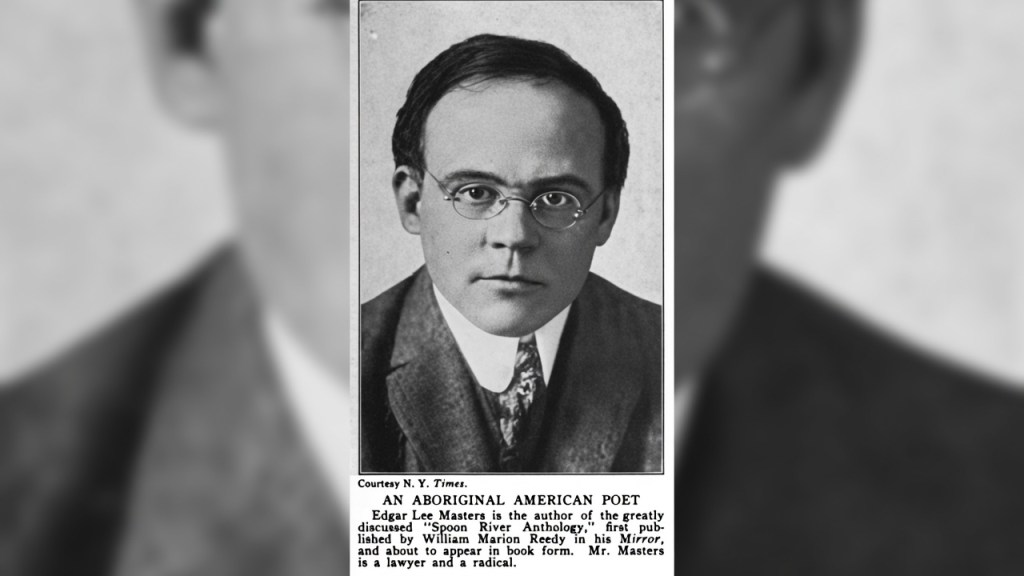
    Image:   Edgar Lee Masters, Esq.   https://librarycollections.law.umn.edu/darrow/trials_details.php?id=4   Clarence Darrow Law Library
    Image: Edgar Lee Masters, Esq. – Clarence Darrow Law Library

    Edgar Lee Masters’ “Cassius Huffier”

    From Spoon River Anthology, Edgar Lee Masters’ American classic, the epitaph “Cassius Huffier” is written in the American-Innovative sonnet tradition:  reversing the Petrarchan octave and sestet, while revealing the depravity of the speaker.

    Introduction and Text of “Cassius Hueffer”

    Edgar Lee Masters’ “Cassius Hueffer” from the Spoon River Anthology offers up the acerbic belly-aching of a man who hated life so completely that even after his death, he continues his belly-aching about the epitaph written on his tombstone.

    Cassius Hueffer

    They have chiseled on my stone the words:
    “His life was gentle, and the elements so mixed in him
    That nature might stand up and say to all the world,
    This was a man.”
    Those who knew me smile
    As they read this empty rhetoric.

    My epitaph should have been:
    “Life was not gentle to him,
    And the elements so mixed in him
    That he made warfare on life,
    In the which he was slain.”
    While I lived I could not cope with slanderous tongues,
    Now that I am dead I must submit to an epitaph
    Graven by a fool!

    Commentary on “Cassius Hueffer”

    From Spoon River Anthology, Edgar Lee Masters’ American classic, the epitaph “Cassius Huffier” is written in the American-Innovative sonnet tradition:  reversing the Petrarchan octave and sestet, while revealing the depravity of the speaker.

    The Sestet:  “They have chiseled on my stone the words”

    They have chiseled on my stone the words:
    “His life was gentle, and the elements so mixed in him
    That nature might stand up and say to all the world,
    This was a man.”
    Those who knew me smile
    As they read this empty rhetoric.

    The speaker, Cassius Hueffer, lays out the epitaph that is carved into his grave marker: “His life was gentle, and the elements so mixed in him / That nature might stand up and say to all the world, / This was a man.”

    In order to refute the truth of such a claim, Huffier reports that the statement will make the people who were well acquainted with him “smile” because those folks would know well that those kind words are merely, “empty rhetoric.

    The epitaph states that Hueffer had been a gentle, loving man in whom “the elements” stacked themselves up to render him a genuine “man.”  The epitaph leads people to believe that Cassius Hueffer was a warm man, who always had a kind greeting for those he encountered, and he behaved as a caring soul who was loved and admired by everyone he  met.

    Of course, Hueffer knows otherwise; therefore, he declares that those words are merely “empty rhetoric.”  Huffier is also aware that the people who chafed under his abusive character flaws would comprehend immediately the emptiness of that rhetoric.  

    The Octave:  “My epitaph should have been”

    My epitaph should have been:
    “Life was not gentle to him,
    And the elements so mixed in him
    That he made warfare on life,
    In the which he was slain.”
    While I lived I could not cope with slanderous tongues,
    Now that I am dead I must submit to an epitaph
    Graven by a fool!

    After striking down such a beautiful yet vacuous epitaph as it is written, Hueffer suggests his own version, the one that he knows ought to be chiseled on his  grave marker:  “Life was not gentle to him, / And the elements so mixed in him / That he made warfare on life, / In the which he was slain.” 

    Hueffer contests the idea that his life was “gentle,” but he does not actually dispute the accuracy of the claim that his own life was gentle, just the “idea” that life was gentle “to him.”  

    Hueffer contends that life did not deal gently with him.  He then employs the same form to assert, “the elements” were “mixed in him” in such a way as to urge him always to be at “warfare on life.”  Thus, he battled in life like a warrior, but finally, he “was slain.”

    The speaker does not elaborate about the manner in which he was “slain,” but he does contend that he was not able to abide “with slanderous tongues.”  He continues in his vagueness, however; thus, the reader remains without any information about either the nature of the slander, or how Hueffer left this earth.

    But his last dig at life and society and particularly the person who is responsible for the inaccurately carved epitaph is especially focused as it points an accusing finger:  “Now that I am dead I must submit to an epitaph / Graven by a fool!”

    Resentful in Life, Resentful in Death

    Although many readers of this poem may remain puzzled by the specifics of Hueffer’s life—why he carried on as such a misanthrope?  what was the nature of the slander he actually suffered?  how did he finally die?—such issues, in the long run, are not vital to the message of the poem, which is simply the grievance of a man who lived a resentful life and now undergoes a resentful  death.

  • Edgar Lee Masters’ “Robert Fulton Tanner”

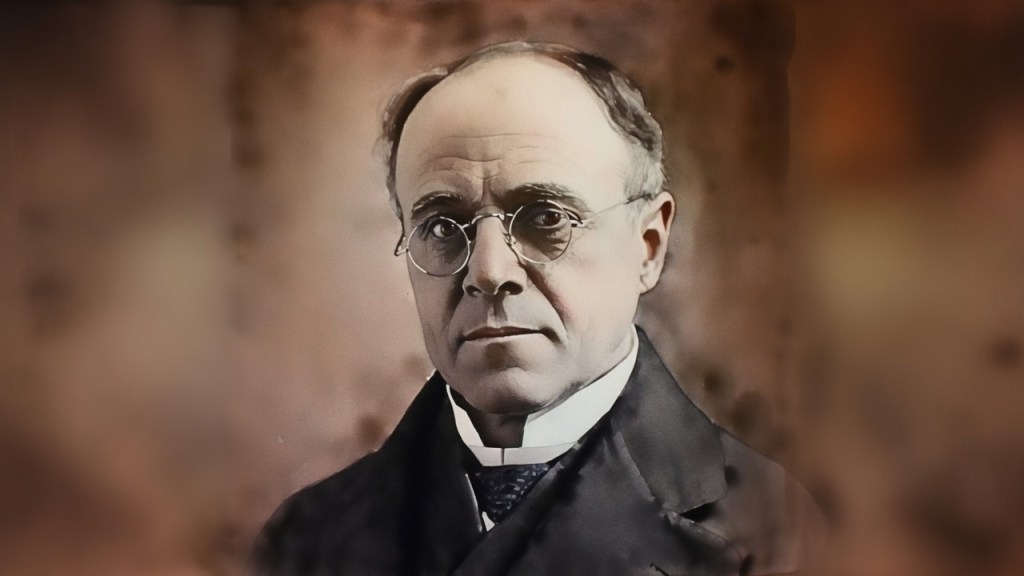
    005a Image/Edgar-Lee-Masters-Portrait.jpg
    Image: Edgar Lee Masters

    Edgar Lee Masters’ “Robert Fulton Tanner”

    Representing the fifth epitaph in Masters’  Spoon River Anthology is the character named Robert Fulton Tanner, who compares his life to a rat caught in a trap.

    Introduction and Text of “Robert Fulton Tanner”

    Edgar Lee Masters’ “Robert Fulton Tanner” is the fifth epitaph in the American classic Spoon River Anthology.   Fulton is a pathetic character, who discovers that building a better mouse trap might only get up a cockeyed metaphor to fling at this thing vaguely called “Life.”

    Robert Fulton Tanner 

    If a man could bite the giant hand
    That catches and destroys him,  
    As I was bitten by a rat
    While demonstrating my patent trap,
    In my hardware store that day.
    But a man can never avenge himself  
    On the monstrous ogre Life.
    You enter the room—that’s being born;
    And then you must live—work out your soul,
    Aha! the bait that you crave is in view:
    A woman with money you want to marry,
    Prestige, place, or power in the world.
    But there’s work to do and things to conquer—  
    Oh, yes! the wires that screen the bait.
    At last you get in—but you hear a step:
    The ogre, Life, comes into the room,  
    (He was waiting and heard the clang of the spring)
    To watch you nibble the wondrous cheese,  
    And stare with his burning eyes at you,
    And scowl and laugh, and mock and curse you,
    Running up and down in the trap,
    Until your misery bores him.

    Commentary on “Robert Fulton Tanner”

    The fifth epitaph in Masters’  Spoon River Anthology features the character named Robert Fulton Tanner, who compares his life to a rat caught in a trap.

    First Movement:  Holding a Grudge

    “Robert Fulton Tanner” holds a grudge, and he holds it against “Life.””  He thus blames “Life” for his misery, and he muses on the notion of being able the bite that hand of Life that has bitten him.  If he could have bitten that “giant hand,” then what?  He does not say.  It appears he did not think beyond that luscious ability.  Or perhaps he thinks such biting would be enough to avenge his plight.

    Reader/listeners are free to imagine the consequence of such biting, and the only safe conclusion is that Tanner would feel better if he could have accomplished such a biting.  Likening that “giant hand” to God, as well as Life, Tanner reveals that he is a hardware store owner, who had determined that he had built a better mouse trap.

    But while demonstrating that “patent trap,” a rat bit his hand. And that bitter event unleashed in Tanner’s mind all that would go wrong in his life henceforth.  From that day forth, he would see himself as a victim of the giant hand, which caught him and destroyed him.

    Second Movement:  Biting God’s Hand

    If only one could bite that giant hand—of God, of Life, or of whatever—living would be improved for the man.  Unfortunately, that is never going to happen, and Tanner knows it.

    Tanner then goes on a philosophically tinged discourse, likening being born to entering a room.  He observes that one must “live” and “work out [one’s soul].”  He pities himself for having to do such work, but then transforming himself into the rat seeking bait, he admits that sought to marry a woman who had money.

    And then he marries her for “prestige, place, or power in the world.” The reader’s likely sympathy at this point turns to disgust at the incivility of this speaker.  Who seeks a woman to marry to achieve wealth and power?  Only scoundrels unworthy of the very wealth and power they seek.

    Third Movement:  Life Requires Effort

    Having discovered that all of life requires some kind of effort, he highlights his having to perform and struggle just to get to the woman in order to woo her.  But to him, she is just a piece of rat bait.  He must exert much effort just to get to her.  But like the rat who spies a piece of cheese, he does what it takes to grasp that morsel.

    After achieving his goal of marrying the woman he sought, he finds not the wealth, the power, the prestige he thought he was pursuing, but that that “ogre, Life,” is entering the room again, watching him munch at the bait, while scowling and laughing at him.  

    What has he achieved?  Only more of that monster Life eating at him.  Of course, the reader realizes that the only ogre in this lazy, evil opportunist’s life is Robert Fulton Tanner himself.  He has destroyed his own life because he failed to understand honesty, sincerity, and genuine affection while striving for self-improvement.

    Fourth Movement:  Self-Professed Victims

    Self-professed victims are all the same:  someone else is to blame for their misery.  They have no role in making themselves miserable.  They cannot see that it is exactly what they have done that has resulted in all the misery of their lives.  

    The final image of Robert Fulton “[r]unning up and down in the trap” is most appropriate. But his ignorance of how he got there is the real ogre in his life.   It is not God or “Life” that will become “bored” with his misery; it is his own self who will experience that boredom until he discovers a way out of it.  

  • Edgar Lee Masters’ “Ollie McGee”and “Fletcher McGee”

    Image: Edgar Lee Masters https://www.best-poems.net/edgar_lee_masters/index.html#google_vignette
    Image: Edgar Lee Masters

    Edgar Lee Masters’ “Ollie McGee”and “Fletcher McGee”

    “Ollie McGee” and her husband “Fletcher McGeereport their complaints in the third and fourth poems from Masters’ Spoon River Anthology.  The couple elucidates the status of their marriage.

    Ollie McGee Speaks

    Mrs. McGee begins by posing a question and then launches her accusation.

    Ollie McGee 

    Have you seen walking through the village
    A man with downcast eyes and haggard face?
    That is my husband who, by secret cruelty
    Never to be told, robbed me of my youth and my beauty;
    Till at last, wrinkled and with yellow teeth,
    And with broken pride and shameful humility,
    I sank into the grave.  
    But what think you gnaws at my husband’s heart?
    The face of what I was, the face of what he made me!
    These are driving him to the place where I lie.
    In death, therefore, I am avenged.

    Commentary on “Ollie McGee”

    Ollie McGee offers her take on her marriage with Fletcher McGee.

    First Movement:  Question and Accusation

    Have you seen walking through the village
    A man with downcast eyes and haggard face?  
    That is my husband who, by secret cruelty
    Never to be told, robbed me of my youth and my beauty;  
    Till at last, wrinkled and with yellow teeth,
    And with broken pride and shameful humility,
    I sank into the grave.  

    Mrs. “Ollie McGee” begins with a query, wondering if her listeners have observed, “a man with downcast eyes and haggard face,” ambling throughout the village from time to time.  She then admits that that haggard face belongs to the man who was her husband.  

    The speaker then begins to hurl accusations at the man.  The wife reveals that he is guilty of horrifying cruelty: the man took away his wife’s youth as well as her beauty.   This theft continued over the lifetime of their miserable marriage.   Mrs. McGee then died, “wrinkled and with yellow teeth.”  He stole her pride and made her suffer “shameful humility.”

    Second Movement:   Vengeance

    But what think you gnaws at my husband’s heart?
    The face of what I was, the face of what he made me!
    These are driving him to the place where I lie.
    In death, therefore, I am avenged.

    Ollie then offers a further inquiry, as she questions whether her listeners know what “gnaws at my husband’s heart.” She contends that two images likely unsettle her husband’s heart and mind: “the face of what I was”and “the face of what he made me.”    Mrs. McGee asserts that these images are taking his life, “driving him to the place where I lie.”  Thus she has convinced herself that she is getting her revenge in death.

    Fletcher McGee Speaks

    Fletcher McGee offers his own complaint but reveals himself to be a criminal in his own behavior.

    Fletcher McGee 

    She took my strength by minutes,
    She took my life by hours,  
    She drained me like a fevered moon
    That saps the spinning world.
    The days went by like shadows,
    The minutes wheeled like stars.
    She took the pity from my heart,
    And made it into smiles.
    She was a hunk of sculptor’s clay,
    My secret thoughts were fingers:
    They flew behind her pensive brow
    And lined it deep with pain.
    They set the lips, and sagged the cheeks,
    And drooped the eyes with sorrow.
    My soul had entered in the clay,
    Fighting like seven devils.
    It was not mine, it was not hers;
    She held it, but its struggles
    Modeled a face she hated,
    And a face I feared to see.
    I beat the windows, shook the bolts.
    I hid me in a corner—
    And then she died and haunted me,
    And hunted me for life.

    Commentary on “Fletcher McGee”

    Two miserable people made each other miserable, but who was the actual culprit in this dungheap of a marriage?

    First Movement:  Accusations Returned

    She took my strength by minutes,
    She took my life by hours,  
    She drained me like a fevered moon  
    That saps the spinning world.  
    The days went by like shadows,
    The minutes wheeled like stars.

    Mr. “Fletcher McGee” also begins his epitaph with appalling accusations against his wife.  Just as he had done, she had foisted on him unspeakable cruelty:  “she took my strength,””she took my life,” “she drained me.”

    This speaker also includes time measurements to each complaint, in order to increase and compound the pain he claims he suffered at the hands of this woman.   Mr. McGee then asserts, “the days went by like shadows, / the minutes wheeled like stars.”  His days were dark but time seemed to drag on in an other worldly fashion.  He seemed unable to concentrate on anything worthwhile.

    Second Movement:   Vengeance Returned

    She was a hunk of sculptor’s clay,
    My secret thoughts were fingers:
    They flew behind her pensive brow
    And lined it deep with pain.
    They set the lips, and sagged the cheeks,  
    And drooped the eyes with sorrow.
    My soul had entered in the clay,
    Fighting like seven devils.  
    It was not mine, it was not hers;
    She held it, but its struggles
    Modeled a face she hated,
    And a face I feared to see.
    I beat the windows, shook the bolts.  
    I hid me in a corner—
    And then she died and haunted me,
    And hunted me for life.

    After fiercely complaining that Mrs. McGee ruined his life, Mr. McGee freely and somewhat gleefully confesses that he, in fact quite deliberately, ruined hers.   Instead of pitying his wife for her unhappiness and shrewish behavior, he came to possess the ability to smile about her suffering.   His “smiles”grew out of the fact that he had power over her. 

    He came to see her only as “a hunk of sculptor’s clay.”  Thus Mr. McGee went about working to sculpt ugly features onto his wife’s face.  This despicable husband asserts that, “my secret thoughts were fingers.”  He continues with the sculptor metaphor, as he affirms what Ollie has earlier said about the man.   

    The miserable husband freely confesses and describes his fingers as sculptors, motivated by his “secret thoughts”which “lined” “her pensive brow” “deep with pain.”  Mr. McGee again freely admits that he, in fact, “set the lips, and sagged the cheeks, / And drooped the eyes with sorrow.” 

    He then bizarrely asserts that his “soul had entered in the clay.” Thus his soul became the force of evil, “fighting like seven devils.” He appears to have become so hooked on making her miserable that he just could not stop himself.  His evil served him like a dangerous drug.

    Mr. McGee then admits that he actually killed her:  “I beat the windows, shook the bolts.”  He vaguely claims that he hid “in a corner,” and “she died and haunted me / And hunted me for life.”

    He took advantage of his weak, depressed, sorrowful wife. He fully realized what he was doing. Therefore, it becomes clear that Ollie was correct about her lout of a husband, who was in fact a criminal.  

    At least, Mrs. McGee can feel somewhat avenged in death.   But a pathetic irony is laced within these pitiful confessions.  Readers are left to doubt that any vengeance or feeling “haunted”can, in fact, offer these tortured souls any meaningful rest.

  • Edgar Lee Masters’ “Hod Putt”

    Image:   Edgar Lee Masters  https://www.best-poems.net/edgar_lee_masters/index.html#google_vignette
    Image: Edgar Lee Masters

    Edgar Lee Masters’ “Hod Putt”

    Hod Putt chafed at his low station in life as an unsuccessful laborer who never seemed able to get ahead. His intense envy of those who were successful lead him down a path to perdition.

    Introduction and Text of “Hod Putt”

    The deceased inhabitants of the fictional village of Spoon River in Edgar Lee Masters’ American classic, Spoon River Anthology, are finally free to let loose their venom on whoever crossed them in life.  They now feel free to testify, but their testimony is only their side of it.  They can say whatever they like without being rebuked, reprimanded, or criticized.

    The advantage of this kind of scenario, masterfully crafted by the poet, is that the dead people have the same stage to make their claims.  The study thus reveals differing points of view, even as the individual speakers sometimes focus on similar circumstances.

    The Spoon River character study begins with an epitaph featuring the character “Hod Putt,” which qualifies as a versanelle, a short, pithy verse with a gripping punch offering a glimpse at human nature. The poem delivers that interesting punch as it reveals a truth about human nature and its desire to justify the unjustifiable to flatter the ego.

    Hod Putt 

    Here I lie close to the grave
    Of Old Bill Piersol,  
    Who grew rich trading with the Indians, and who
    Afterwards took the bankrupt law  
    And emerged from it richer than ever.
    Myself grown tired of toil and poverty
    And beholding how Old Bill and others grew in wealth,
    Robbed a traveler one night near Proctor’s Grove,
    Killing him unwittingly while doing so,
    For the which I was tried and hanged.
    That was my way of going into bankruptcy.
    Now we who took the bankrupt law in our respective ways  
    Sleep peacefully side by side.

    Commentary on “Hod Putt”

    Apparently, considering himself a failure in life’s rat race for riches, this speaker Hod Putt envied those who were successful or at least more successful than he was.

    From his perch in the afterworld, Putt attempts to improve his lack of substance by concocting an equivalence between his moral bankruptcy and the financial bankruptcy experienced by “Old Bill Piersol.”

    Putt belongs to that classification of Spoon River inmates who try to assuage their own guilt by laying a thick blanket of culpability onto others.  Readers can see clearly that these scofflaws are merely cutting off the heads of others so that they may appear to stand taller.

    First Movement:   Blinding Jealousy

    Here I lie close to the grave
    Of Old Bill Piersol,
    Who grew rich trading with the Indians, and who
    Afterwards took the bankrupt law
    And emerged from it richer than ever. 

    Hod Putt informs his audience that his grave lies near the “grave / Of Old Bill Piersol.” He reports that Piersol was an Indian trader who became wealthy through his lucrative trade association.

    Piersol, however, went bankrupt but then recovered his wealth quickly and grew “richer than ever”; these events cause Putt’s jealous nature to overcome his ability to think clearly.

    Second Movement:  A Double Felony

    Myself grown tired of toil and poverty
    And beholding how Old Bill and others grew in wealth,
    Robbed a traveler one night near Proctor’s Grove, 

    Putt implies that he was somewhat lackadaisical with no deep interest in high achievement; just keeping bread on the table caused him to grow “tired of toil and poverty.” While not fond of work, he also found poverty inconvenient.

    Putt assumed that “Old Bill and others” had used the system to become wealthy; thus he assumed he could also use the system for his own purposes.  He, therefore, dreamed up a plan: instead of working for his pay, he would take from others. He began his new endeavor in crime by robbing a traveler “near Proctor’s Grove.”

    Third Movement: Faulty Logic

    Killing him unwittingly while doing so,
    For the which I was tried and hanged.
    That was my way of going into bankruptcy.

    To Putt’s chagrin, he kills the victim while trying to take his property. This felony then gets Putt “tried and hanged.” Like any other act of faulty logic, he asserts that his act just constituted “bankruptcy.”

    He, no doubt, believes he is clever in comparing his crimes to what he assumes to be the crimes of others, as he draw a moral equivalency between financial bankruptcy and moral bankruptcy.  But his utterly counterfeit comparison to businessmen who declare legitimate bankruptcy according to the law demonstrates the criminal nature of Putt’s mind.

    Fourth Movement: Morally Bankrupt

    Now we who took the bankrupt law in our respective ways
    Sleep peacefully side by side.

    Putt shows that he is morally bankrupt; he concocts a moral equivalency between his felonious crimes and those of successful men, in this case, Old Bill Piersol, who merely followed bankruptcy laws.

    The smug Putt claims that he and Piersol “sleep peacefully side by side”; this claim implies that their “bankruptcies” are just the same.

    A Two-Fold Felon

    Readers will understand the difference between the two “bankruptcies”: Hod Putt is a criminal trying to vindicate himself while, in fact, revealing his felonious nature. Bankruptcy laws work within the legal system for those who declare bankruptcy.

    The laws governing bankruptcy do not exist in order to encourage theft but to allow the unfortunate to place their financial endeavor on the path to recovery. Putt declares that he intended to rob a man, but while committing the robbery, he killed the man.

    It is not likely that he intended to kill the man as he was committing his intensional felony.  But then, because of the accidental killing, Putt becomes a two-fold felon, failing to even understand his criminal acts. 

    Now after death, he disingenuously claims to be “sleeping peacefully side by side” with Old Bill Piersol. In his own imagination, Putt is free to believe that his “sleep” after death and that of a legitimate businessman are the same. 

    But imagination does not make it so.  The karma of all individuals dictates how well they rest—not how things may seem at any given time. Apparently, Putt remains blissfully unaware that karma will reckon with him—if not today, nor tomorrow, then sometime in future.