Elizabeth Barrett Browning’s Sonnet 7 “The face of all the world is changed, I think”
Elizabeth Barrett Browning’s sonnet 7, “The face of all the world is changed, I think,“ offers a tribute to the speaker’s lover, who has wrought deep and lasting important changes in the speaker’s life.
Introduction with Text of Sonnet 7 “The face of all the world is changed, I think”
Elizabeth Barrett Browning’s sonnet #7, “The face of all the world is changed, I think,” from Sonnets from the Portuguese expresses the speaker’s astonishment and delight at a new awareness she is sensing.
She has begun to notice that her situation is in the process of a unique transformation, and she, therefore, wishes to extend her gratitude to her belovèd suitor for these marvelous, soul-inspiring changes in her life.
Sonnet 7 “The face of all the world is changed, I think”
The face of all the world is changed, I think, Since first I heard the footsteps of thy soul Move still, oh, still, beside me, as they stole Betwixt me and the dreadful outer brink Of obvious death, where I, who thought to sink, Was caught up into love, and taught the whole Of life in a new rhythm. The cup of dole God gave for baptism, I am fain to drink, And praise its sweetness, Sweet, with thee anear. The names of country, heaven, are changed away For where thou art or shalt be, there or here; And this … this lute and song … loved yesterday, (The singing angels know) are only dear Because thy name moves right in what they say.
Reading
Commentary on Sonnet 7 “The face of all the world is changed, I think”
Elizabeth Barrett Browning’s sonnet 7, “The face of all the world is changed, I think,” focuses specifically on the tribute to the speaker’s belovèd partner in love, who has wrought deep and lasting important changes in her life.
In fact, the entire sonnet sequence performs the awe-inspiring task of recording the evolution of the poet’s life transformation after meeting and becoming the partner of her belovèd life mate.
First Quatrain: The Speaker’s Changing Environment
The face of all the world is changed, I think, Since first I heard the footsteps of thy soul Move still, oh, still, beside me, as they stole Betwixt me and the dreadful outer brink
The emotional speaker notes that all things in her environs have changed their appearance because of her new outlook after having become aware of her new love. Lovers traditionally begin to see the world through rose-colored glasses upon falling in love. The happiness in the heart spreads like a lovely, fragrant flower garden throughout the lover’s whole being.
Every ordinary object takes on a brilliant, rosy glow that flows like a gentle river from the happiness in the heart of the romantic lover.This deep-thinking speaker asserts that her lover has placed himself between her and the terrible “death.”
Heretofore, she had sensed that all she had to look forward to was more misery and ultimately the act of leaving her physical body. That mindset had continued to engulf her being her whole lifelong.
But now the “footsteps” of her belovèd suitor have been so gentle that they seemed to be the soft sounds of his soul approaching her. His meaning for her has become deep and abiding, spreading meaning and joy in her life.
Second Quatrain: Doomed Without Love
Of obvious death, where I, who thought to sink, Was caught up into love, and taught the whole Of life in a new rhythm. The cup of dole God gave for baptism, I am fain to drink,
The speaker had been convinced that without such a love to save her she would be doomed to “obvious death.” She finds herself suddenly transported to a new world, a new “life in a new rhythm” with the arrival of her belovèd suitor.
She has been so mired in sadness that it seemed that she was being “baptized” in that mindset, as one drowning in one’s own fears and tears.However, the melancholy speaker finds herself reluctant to allow herself complete immersion in her newfound happiness, but still she has to admit that her new status is overcoming her prior terror.She is beginning slowly to change her doubts to delightful possibilities.
First Tercet: A Universal Change
And praise its sweetness, Sweet, with thee anear. The names of country, heaven, are changed away For where thou art or shalt be, there or here;
The speaker must extol the “sweetness” that she receives from her new belovèd swain. Because he is beside her, she has changed in a universal way—”names of country, heaven, are changed away.”
Nothing is the same, even the ordinary names of things seem altered and in a good way; all of her old cheerless, dreary life is transforming utterly, and she finally seems to become able to enjoy and appreciate this transformation.The more confident speaker is now willing to entertain the notion that he will remain by her side to delight her life permanently, throughout time and space.
Second Tercet: The Singing of Angels
And this … this lute and song … loved yesterday, (The singing angels know) are only dear Because thy name moves right in what they say.
The glad speaker hears the angels singing in the voice of her belovèd suitor.Even as she loved his poems and music before this new awakening of love between the two, she has now become even more enamored with those art forms after only a brief period of time has passed. His very name motivates the speaker in a heavenly manner. As the angels sing and heavenly music delights her, she realizes that her belovèd has brought about her pleasant state of mind.
The thankful speaker wants to give him all the tribute he deserves. She feels that she cannot exaggerate the magnitude of his effect on her state of being and thinking.And everything she knows and feels now fills her heart and mind with new life.
Earlier in her life, she had become convinced that she could never experience the joy and fulfillment that she sees herself heading into now because of this special, accomplished man.
With such an important transformation, she now senses that she cannot say enough to express the value of such an vital act for her well-being and growth. She has only words of love to express her state of mind, and she works mightily to make those words the best, placed in the best order with as much emphasis as she can garner.
Elizabeth Barrett Browning’s Sonnet 6 “Go from me. Yet I feel that I shall stand”
Elizabeth Barrett Browning’s sonnet 6 is a clever seduction sonnet; as the speaker seems to be giving the suitor every reason to leave her, she is also giving him very good reasons to remain.
Introduction and Text of Sonnet 6 “Go from me. Yet I feel that I shall stand”
Elizabeth Barrett Browning’s sonnet 6 from Sonnets from the Portuguese may be thought of as the seeming reversal of a seduction theme. At first the speaker seems to be dismissing her lover. But as she continues, she shows just how close they already are.
The speaker’s revelation that he will always be with her, even though she has sent him away from the relationship, is bolstered by many instances of intensity that is surely meant to keep the love attracted instead of repelling him.
Sonnet 6 “Go from me. Yet I feel that I shall stand”
Go from me. Yet I feel that I shall stand Hence forward in thy shadow. Nevermore Alone upon the threshold of my door Of individual life, I shall command The uses of my soul, nor lift my hand Serenely in the sunshine as before, Without the sense of that which I forbore— Thy touch upon the palm. The widest land Doom takes to part us, leaves thy heart in mine With pulses that beat double. What I do And what I dream include thee, as the wine Must taste of its own grapes. And when I sue God for myself, He hears that name of thine, And sees within my eyes the tears of two.
Reading:
Commentary on Sonnet 6 “Go from me. Yet I feel that I shall stand”
This sonnet is a clever seduction sonnet; as the speaker seems to be giving the suitor every reason to leave her, she is also giving him very good reasons that they should remain together.
She is always trying to convince herself more than her suitor, for she already intuits that he believes their union is meant to be. He knows the depth of his love for her. But she must convince herself that that depth is genuine.
First Quatrain: No Equal Partnership
Go from me. Yet I feel that I shall stand Hence forward in thy shadow. Nevermore Alone upon the threshold of my door Of individual life, I shall command
In Elizabeth Barrett Browning’s sonnet 6 from Sonnets from the Portuguese, the speaker is commanding her beloved to leave her. As she has protested in earlier sonnets, she does not believe she is equal to his stature, and such a match could not withstand the scrutiny of their class society.
But the clever speaker also hastens to add that his spirit will always remain with her, and she will henceforth be “[n]evermore / Alone upon the threshold of my door / Of individual life.”
That the speaker once met and touched one so esteemed will continue to play as a presence in her mind and heart. She is grateful for the opportunity just to have briefly known him, but she cannot presume that they could have a permanent relationship.
Second Quatrain: Never to Forget
The uses of my soul, nor lift my hand Serenely in the sunshine as before, Without the sense of that which I forbore— Thy touch upon the palm. The widest land
The speaker continues the thought that her beloved’s presence will remain with her as she commands her own soul’s activities. Even as she may “lift [her] hand” and view it in the sunlight, she will be reminded that a wonderful man once held it and touched “the palm.”
The speaker has married herself so securely to her beloved’s essence that she avows that she cannot henceforth be without him. As she attempts to convince herself that such a life will suffice, she also attempts to convince her beloved that they are already inseparable.
First Tercet: Metaphysically Together Always
Doom takes to part us, leaves thy heart in mine With pulses that beat double. What I do And what I dream include thee, as the wine
No matter how far apart the two may travel, no matter how many miles the landscape “doom[s]” them to separation, their two hearts will forever beat together, as “pulses that beat double.”
Everything she does in future will include him, and in her every dream, he will appear. She is binding them together on the metaphysical level, where such bonds can never be broken, as they can on the physical level of being.
Second Tercet: Prayers That Include Her Beloved
Must taste of its own grapes. And when I sue God for myself, He hears that name of thine, And sees within my eyes the tears of two.
They will be a union as close as grapes and wine: “as the wine / / Must taste of its own grapes.” Her juxtaposition of wine and tears becomes symbolic of their liquid love, running together as any stream to the sea.
And when she supplicates to God, she will always include the name of her beloved. She will never be able to pray only for herself but will always pray for him as well. And when the speaker sheds tears before God, she will be shedding “the tears of two.” In her spiritual life, the two are already bound together.
Her life will be so bound together with her beloved that there is no need for him to remain with her physically, and she has given reasons that he should depart and not feel any pangs of sorrow for her.
In fact, he will not be leaving her if they are so closely united already. They can never be parted despite any measure of physical distance. While the speaker seems to be giving the suitor every opportunity to leave her by exaggerating their union, her pleadings also reveal that she is giving him every reason to remain with her.
If they are already as close and wine and grapes, and she adores him so greatly as to continue to remember that he touched her palm, such strong love and adoration would be difficult to turn down.
Despite the class differences that superficially separate them, the speaker must somehow come to understand that their parting is not an option. The metaphysical level of being must be explored for the sake of reality.
Image: Emily Dickinson – Amherst College – Daguerrotype of the poet at age 17, circa 1847 – likely the only authentic, extant likeness of the poet
The speaker in Emily Dickinson’s “I had a guinea golden” is expressing melancholy at the loss of a friend, whom she describes metaphorically in terms of three dear objects: a guinea, a robin, and a star.
Introduction with Text of “I had a guinea golden”
This fascinating Emily Dickinson poem of loss offers quite a tricky subversion of thought. The first three stanzas seem to explain the loss of three separate loved ones. Then the final stanza packs a wallop unloading on only one “missing friend,” who has caused the speaker to create this “mournful ditty” with tears in her eyes.
This poem demonstrates the depth of Dickinson’s education as she employs metaphors of the British coinage system and allusions to Greek mythology, which has been further employed by the science of astronomy to name stars.
Not only did Dickinson study widely in many subject areas, she possessed the ability to employ her learning in creative ways to fashion those beautiful flowers, allowing them to grow in her garden of verse.
I had a guinea golden
I had a guinea golden – I lost it in the sand – And tho’ the sum was simple And pounds were in the land – Still, had it such a value Unto my frugal eye – That when I could not find it – I sat me down to sigh.
I had a crimson Robin – Who sang full many a day But when the woods were painted, He, too, did fly away – Time brought me other Robins – Their ballads were the same – Still, for my missing Troubador I kept the “house at hame.”
I had a star in heaven – One “Pleiad” was its name – And when I was not heeding, It wandered from the same. And tho’ the skies are crowded – And all the night ashine – I do not care about it – Since none of them are mine.
My story has a moral – I have a missing friend – “Pleiad” its name, and Robin, And guinea in the sand. And when this mournful ditty Accompanied with tear – Shall meet the eye of traitor In country far from here – Grant that repentance solemn May seize upon his mind – And he no consolation Beneath the sun may find.
Reading
Commentary on “I had a guinea golden”
Each stanza builds to a magnificent crescendo of outrage that allows the speaker to lavish affection as well as harsh rebuke to the one leaving her in a state of melancholy.
First Stanza: The Value of Small Things
I had a guinea golden – I lost it in the sand – And tho’ the sum was simple And pounds were in the land – Still, had it such a value Unto my frugal eye – That when I could not find it – I sat me down to sigh.
The speaker begins by referring to the coin “guinea,” which was a British coin manufactured with the gold from the African nation of Guinea. The coin was worth 21 shillings and ceased circulating in 1813. The speaker maintains the British monetary metaphor by referring also to “pounds” in the fourth line of the poem.
Metaphorically, the speaker is calling her lost friend a “golden” coin, which she lost “in the sand.” She then admits that it was a small loss for much more valuable moneys—”pounds”—were all about her. Nevertheless, to her, because of her frugality, the value of the small coin was huge, and because it was lost to her, she just “sat down to sigh.”
Second Stanza: Missing the Music
I had a crimson Robin – Who sang full many a day But when the woods were painted, He, too, did fly away – Time brought me other Robins – Their ballads were the same – Still, for my missing Troubador I kept the “house at hame.”
The speaker then employs the metaphor of “crimson Robin.” This time she is likening her friend to the singing robin who “sang full many a day.” But when the autumn of the year came around, she loses this friend also.
Just as other moneys were abounding after the loss of a simple guinea, other robins presented themselves to the speaker after she lost her robin. But even though they sang the same songs as her lost robin, it just was not the same for the speaker. She continues to mourn the loss of her robin; thus she kept herself harnessed to her house, likely in case her own robin should show up again.
Third Stanza: The Mythology of Science
I had a star in heaven – One “Pleiad” was its name – And when I was not heeding, It wandered from the same. And tho’ the skies are crowded – And all the night ashine – I do not care about it – Since none of them are mine.
The speaker then finds herself once again mourning the loss of a loved one. This one she labels “Pleiad.” Pleiad is an allusion to Greek mythology but also a reference to astronomy.
In Greek mythology, the seven daughters of Atlas went into hiding up in the sky among the stars to escape being pursued by Orion. One the seven seems to disappear perhaps out of shame or grief.
In the science of astronomy, the constellation known as Taurus features a group of seven stars, but oddly enough only six can be seen, resulting in the same “Lost Pleiad” as exists in the Greek myth.
Dickinson, who studied widely the subjects of mythology, history, and science thus alludes to the myth of the “Lost Pleiad” to again elucidate the nature of her third lost beloved. She has now experienced the loss of money, a bird, and now a star–each more precious than the last.
The speaker loses the star as she was being heedless–not paying attention. In her negligent state, her star wanders away from her. Again, although the sky is full of other stars, they just don’t measure up because “none of them are mine.”
Fourth Stanza: Admonishing a Traitor
My story has a moral – I have a missing friend – “Pleiad” its name, and Robin, And guinea in the sand. And when this mournful ditty Accompanied with tear – Shall meet the eye of traitor In country far from here – Grant that repentance solemn May seize upon his mind – And he no consolation Beneath the sun may find.
While wildly famous for her riddles, Dickinson often breaks the riddle’s force by actually naming the object described. In the final stanza, she blatantly confesses that her little story “has a moral.” She then blurts out, “I have a missing friend.”
It is now that the reader understands the loss is not three different loved ones, but only one. She has thus been describing that “missing friend” using three different metaphoric images.
Now, however, she has a message for this friend whose description has revealed multiple times how much she misses the friend and laments the loss. After again rather baldly admitting her sorrow told in “this mournful ditty” and even “[a]ccompanied with tear,” she refers to that missing friend as a “traitor.”
If this friend who has betrayed her happens to see this “mournful ditty,” she hopes that it will grab that individual’s mind so that the person will experience “repentance solemn.” Furthermore, she wishes that the friend be unable to find any solace for the individual’s contrition no matter where that friend goes.
the sick cat in the clowder calls, (the little girl who loved her lost) wanders in the alley, falls and stiffens like a frozen coat; a powder of November palls on the despair of hunted dusks, a dumb husk of hares; that creature in the corner there sprawling in the drunken chair ringing silver on the table has no business being here and is in trouble.
TETSUMARO HAYASHI
When these feathered sing In fawdled magnolia It is truly spring.
GILLESPIE TOWERS
This winter sun again is centered Above Gillespie Towers where Each dawn discovers lights declaring Early risers there. Infirm and ill and some demented, Why do they rise in winder, staring When each in her cell might bask instead In summer dreams beneath the snows Of memory, secure and somnolent? The weak light rallies, and I know: A car awaits her who is newly dead. I must take leave of this, prepare my readings (Poems of death) for students, show Them the journey we must go.
VALEDICTORY
Not, if nothing else, a free Thing one spends his red time making, Fit words: between you and me (One’s self abides though every shaking Star whipsaw on any side) This talk wrought for all your taking, This song, one’s self abides. There are lives no need to move to laughter One’s debtors dying as alone, To ink one’s name is writ in water: The polished stanza is a stone.
Thus was this is, and this to be Horseman nor hearse in passing see, Or lovers in the quarreling world Read any but their now stones knurled; Nothing but poetry forgives Beauty for being so; we live Until we die, and die until, Rising like any spring a round us, God or godlessness unground us.
to be continued, check back for updates
Publication Status of Munseetown
Currently, no copies of Munseetown are available anywhere on the Internet. That status may change, and maybe even with some research, copies may be found. I will continue to search for copies.
The following poems are from Thomas Thornburg’s first published collection, Saturday Town & other poems, published in 1976 by Dragon’s Teeth Press.
INTRODUCTION
You, man or woman who hand this book Alive in this red world, looking To your own in your human heart The charged color of my high art, The word made flesh and the fleshed hoarding, Edged as one’s arm is, a supple knifing When knives come out and the thrust is in, Bone and blood is, kith and kinning, Hearth is and homeward, child and wiving Is this samethingness, blood and wording That is my labor, You are only my farthest neighbor.
SATURDAY TOWN
When I was a young stud heeling down The reebing streets of Saturday town The houses mewed and rafters rollicked, And who didn’t know me for a rounder? I played knick-knack while the sun fell, frolicked My heart like seven on the sawdust flooring Where the women boomed and the basses faddled I forked me a singular journey, saddled All the long moon where the dogstar diddled Till the cats closed shop for the dearth of dorking And the town turned over to see such sport; Oh, it was red money I spent indooring. One jig my heart snapped like a locket And I kissed it off to the fat and faring, Buckled my knees to the silver caring And hawsered my heart to an apron pocket. It’s luck I sing to the he and seeing, To the sidewalk shuffle of Saturday town (While the moon turns over and mountains scree) Where the owl and the pussycat buoy their drowning Ding-bat times in a stagging sea— Harts tine where the roe-bucked does are downing— And the Saturday man I used to be.
AS I WALKED OUT IN THUNDERING APRIL
As I walked out in thundering April And all the streets were runing And the day green-good went rilling for me, Freely I strolled in the curtained sunning; The world wave-wet, joyed and easily I nithing was, but not alone; There tulip and crocus and windy anemone Gayed in the giving rains, pleasing The very crows that the black wood cawed me, The trees in the rainy park applauded. As I youthed out in April, latching The careful door of my fathers’s house, A wind turned, catching my fellow slicker And the trafficking plash to market doused My sunday Pants; to the sexy dickering Town I puddled; it was time I forded, The pavement running seaward; There cunning I Brought fisted tulips to a boobing lady Who dawdled in her kinsman’s house; By back-alley ways where the lilac fawdled Rain-heavy blooms on my shoulder, purple; Sheer-bloused there in the corner-nook chair She sang an ancient turtling song, The morning ran over, the tall wood rooking. As I stepped into another April And capped my head, O, the winding day Carried the calling birds who circled In the peevish wet where the woods were graying; My hard-monied house stood still behind me Spelt home to children as they came hilling; It was a luffing wind my hart spilled, From the shrouding hangings of myself came, rilling Tulip and crocus and windy anemone To the hawser nithings, the port of onlies; It was not April ran my face But the figured sum of April tracing: Stood in that cycled hubbing weather Rounding my compassed heart until, My deaths aprilling my august knees, We walked the runing streets together
to be continued, check back for updates
Publication Status of Saturday Town
Currently, no copies of Saturday Town are available anywhere on the Internet. That status may change, and perhaps with some research, copies may be found. I will continue to search for copies.
Elizabeth Barrett Browning’s Sonnet 4 “Thou hast thy calling to some palace-floor”
Elizabeth Barrett Browning’s sonnet 4 from Sonnets from the Portuguese continues with the speaker musing on her new relationship with her suitor, who seems too good to be true.
Introduction with Text of Sonnet 4 “Thou hast thy calling to some palace-floor”
The speaker in Elizabeth Barrett Browning’s sonnet 4 “Thou hast thy calling to some palace-floor” seems to be searching for a reason to believe that such a match with a suitor as distinguished as hers is even possible. She continues to brood in a melancholy line of thought, even as she seems to be becoming enthralled with the notion of having a true love in her life.
The speaker’s past continues to cause her to brood and remain skeptical, as she has difficulty accepting her own accomplishments and poetic talent. Likely, she is aware of her considerable ability, but when compared to her suitor, she feels that she cannot compete equally.
Sonnet 4 “Thou hast thy calling to some palace-floor”
Thou hast thy calling to some palace-floor, Most gracious singer of high poems! where The dancers will break footing, from the care Of watching up thy pregnant lips for more. And dost thou lift this house’s latch too poor For hand of thine? and canst thou think and bear To let thy music drop here unaware In folds of golden fulness at my door? Look up and see the casement broken in, The bats and owlets builders in the roof! My cricket chirps against thy mandolin. Hush, call no echo up in further proof Of desolation! there’s a voice within That weeps … as thou must sing … alone, aloof.
Reading
Commentary on Sonnet 4 “Thou hast thy calling to some palace-floor”
Sonnet 4 marches on with the speaker’s musing on her new relationship with her suitor. She seems to remain skeptical that such a relationship can endure, even as she obviously hopes that it will.
She colorfully compares her lot with that of her suitor, by presenting an image of her dwelling juxtaposed with the image of the royal venue where her beloved is welcomed and where he performs.
First Quatrain: Mesmerizing Kings, Queens, and Royal Guests
Thou hast thy calling to some palace-floor, Most gracious singer of high poems! where The dancers will break footing, from the care Of watching up thy pregnant lips for more.
In Sonnet 4 from Sonnets from the Portuguese, the speaker is addressing directly her suitor, as she continues her metaphorical comparison between the two lovers in a similar vain as she did with Sonnet 3. Once again, she takes note of her suitor’s invitations to perform for royalty, as she colorfully remarks, “Thou hast thy calling to some palace-floor.”
Her illustrious suitor has been a “[m]ost gracious singer of high poems,” and the royal guests curiously stop dancing to listen to him recite his poetry. The speaker visualizes her remarkable suitor at court, mesmerizing the king, queen, and royal guests with his poetic prowess.
Second Quatrain: Rhetorical Musings on Class Distinctions
And dost thou lift this house’s latch too poor For hand of thine? and canst thou think and bear To let thy music drop here unaware In folds of golden fulness at my door?
In the second quatrain, the speaker puts forth a rhetorical question in two-parts:
1. Being one of such high breeding and accomplishment, are you sure that you want to visit one who is lower class than you? 2. Are you sure that you do not mind reciting your substantial and rich poetry in such a low class place with one who is not of your high station?
The questions remain rhetorical only in that the speaker entertains the deep hope that the answer to both parts of the question remains resoundingly in the affirmative. Because readers of this sequence already know how the drama turns out, they must wonder if as she was writing these melancholy thoughts, she secretly held the sentiment of relief, knowing that her skepticism and doubt had been laid to rest.
First Tercet: Contrasting Visual and Auditory Images
Look up and see the casement broken in, The bats and owlets builders in the roof! My cricket chirps against thy mandolin.
The speaker then insists that her royalty-worthy suitor take a good look at where she lives. The windows of her house are in disrepair, and she cannot afford to have “the bats and owlets” removed from the nests that they have built in the roof of her house. The final line of the first sestet offers a marvelous comparison that metaphorically states the difference between the suitor and speaker: “My cricket chirps against thy mandolin.”
On the literal level, she is only a plain woman living in a pastoral setting with simple possessions, while he is the opposite, cosmopolitan and richly endowed. And he is famous enough to be summoned by royalty, possessing the expensive musical instrument with which he can embellish his already distinguished art.
The lowly speaker’s “cricket” also metaphorically represent her own poems, which she likens to herself, poor creatures compared to the “high poems” and royal music of her illustrious suitor. The suitor’s “mandolin,” therefore, literally exemplifies wealth and leisure because it accompanies his poetry performance, and it figuratively serves as a counterpart to the lowly cricket of the speaker.
Second Tercet: A Natural Mode of Expression
Hush, call no echo up in further proof Of desolation! there’s a voice within That weeps … as thou must sing … alone, aloof.
The speaker again makes a gentle demand of her suitor, begging him, please do not be concerned or troubled for my rumblings about poverty and my lowly station. The speaker is asserting her belief that it is simply her natural mode of expression; her “voice within” is one that is given to melancholy, even as his voice is given to singing cheerfully.
The speaker implies that because she has lived “alone, aloof,” it is only natural that her voice would reveal her loneliness and thus contrast herself somewhat negatively with one as illustrious and accomplished as her suitor.
Stephen Vincent Benét’s “The Ballad of William Sycamore”
Not strictly a cowboy poem, Benét’s ballad, however, offers the mind-set of an individual close to the land, preferring the rural life to the urban.
Introduction and Text of “The Ballad of William Sycamore”
Stephen Vincent Benét’s “The Ballad of William Sycamore” features 19 rimed, stanzas of traditional ballad form. The subject is the rustic life of William Sycamore, narrated by Sycamore himself from just before his birth to after his death.
The Ballad of William Sycamore
My father, he was a mountaineer, His fist was a knotty hammer; He was quick on his feet as a running deer, And he spoke with a Yankee stammer.
My mother, she was merry and brave, And so she came to her labor, With a tall green fir for her doctor grave And a stream for her comforting neighbor.
And some are wrapped in the linen fine, And some like a godling’s scion; But I was cradled on twigs of pine In the skin of a mountain lion.
And some remember a white, starched lap And a ewer with silver handles; But I remember a coonskin cap And the smell of bayberry candles.
The cabin logs, with the bark still rough, And my mother who laughed at trifles, And the tall, lank visitors, brown as snuff, With their long, straight squirrel-rifles.
I can hear them dance, like a foggy song, Through the deepest one of my slumbers, The fiddle squeaking the boots along And my father calling the numbers.
The quick feet shaking the puncheon-floor, And the fiddle squealing and squealing, Till the dried herbs rattled above the door And the dust went up to the ceiling.
There are children lucky from dawn till dusk, But never a child so lucky! For I cut my teeth on “Money Musk” In the Bloody Ground of Kentucky!
When I grew as tall as the Indian corn, My father had little to lend me, But he gave me his great, old powder-horn And his woodsman’s skill to befriend me.
With a leather shirt to cover my back, And a redskin nose to unravel Each forest sign, I carried my pack As far as a scout could travel.
Till I lost my boyhood and found my wife, A girl like a Salem clipper! A woman straight as a hunting-knife With eyes as bright as the Dipper!
We cleared our camp where the buffalo feed, Unheard-of streams were our flagons; And I sowed my sons like the apple-seed On the trail of the Western wagons.
They were right, tight boys, never sulky or slow, A fruitful, a goodly muster. The eldest died at the Alamo. The youngest fell with Custer.
The letter that told it burned my hand. Yet we smiled and said, “So be it!” But I could not live when they fenced the land, For it broke my heart to see it.
I saddled a red, unbroken colt And rode him into the day there; And he threw me down like a thunderbolt And rolled on me as I lay there.
The hunter’s whistle hummed in my ear As the city-men tried to move me, And I died in my boots like a pioneer With the whole wide sky above me.
Now I lie in the heart of the fat, black soil, Like the seed of the prairie-thistle; It has washed my bones with honey and oil And picked them clean as a whistle.
And my youth returns, like the rains of Spring, And my sons, like the wild-geese flying; And I lie and hear the meadow-lark sing And have much content in my dying.
Go play with the towns you have built of blocks, The towns where you would have bound me! I sleep in my earth like a tired fox, And my buffalo have found me.
Reading:
Commentary on “The Ballad of William Sycamore”
Speaking from two unlikely locales, William Sycamore narrates a fascinating tale of a fanciful life.
First Movement: Rough and Tumble Parents
The speaker describes his parents as scrappy, rough survivors. His mountaineer father had fists that resembled hammers; he ran as fast as a deer, and had a Yankee accent. His mother was merry and brave and also quite a tough woman, giving birth to the narrator under a tall green fir with no one to help her but “a stream for her comforting neighbor.”
While some folks can boast of clean linen fine to swaddle them, Sycamores cradle was a pile of pine twigs and he was wrapped in the skin of a mountain lion. Instead of “a starched lap / And a ewer with silver handles,” he recalls “a coonskin cap / And the smell of bayberry candles.”
Thus, Sycamore has set the scene of his nativity as rustic and rural, no modern conveniences to spoil him. He idealizes those attributes as he sees them making him strong and capable of surviving in a dangerous world.
Second Movement: Fun in the Cabin
Sycamore describes the cabin in which he grew up by focusing on the fun he saw the adults have when they played music and danced. Their visitors were tall, lank, “brown as snuff,” and they brought their long, straight squirrel rifles with them.
He focuses on the fiddle squealing and the dancing to a foggy song. The raucous partying was so intense that it rattled the herbs hanging over the door and caused a great cloud of dust to rise to the ceiling. He considers himself a lucky child to have experienced such, as well as being able to “cut [his] teeth on ‘Money Musk’ / In the Bloody Ground of Kentucky!”
Third Movement: Tall as Indian Corn
The speaker reports that he grew as tall as the Indian corn, and while his father had little to offer him in things, his father did give him a woodsman skill, which he found helpful. With his homespun gear, a leather shirt on his back, he was able to navigate the woodlands like a profession scout.
Fourth Movement: A Sturdy Wife
Reaching adulthood, Sycamore married a sturdy woman, whom he describes as “straight as a hunting-knife / With eyes as bright as the Dipper!” The couple built their home where the buffalo feed, where the streams had no names. They raised sons who were “right, tight boys, never sulky or slow.”
The oldest son died at the Alamo, and the youngest died with Custer. While the letters delivering the news of their fallen sons “burned [his] hand,” the grieving parents stoically said, “so be it!” and push ahead with their lives. What finally broke the speaker’s heart, however, was the fencing of his land, referring the government parceling land to individual owners.
Fifth Movement: Gutsy, Self-Reliance
The speaker still shows his gutsy, self-reliance in his breaking of a colt that bucked him off and rolled over him. After he recovered, however, he continues to hunt, and while the “city-men tried to move [him],” he refused to be influenced by any city ways. He died “in [his] boots like a pioneer / With the whole wide sky above [him].”
Sixth Movement: Speaking from Beyond
Speaking from beyond the grave somewhat like a Spoon River resident, only with more verve and no regret, William Sycamore describes his astral environment as a fairly heavenly place.
He is young again, reminding him of spring rain that returns every year, and his sons are free souls reminding him of wild geese in flight. He hears the meadow-lark, and he avers that he is very contented in his after-life state.
Sycamore disdained the city, as most rustics do, so he uses his final stanza to get in one last dig: “Go play with the town you have built of blocks.” He then insists that he would never be bound by a town, but instead he sleeps “in my earth like a tired fox, / And my buffalo have found me.” In his peaceful, afterlife existence, William Sycamore differs greatly from the typical Spoon River reporter.
The works of Stephen Vincent Benét (1898–1943) [1] have influenced many other writers. Cowboy poet Joel Nelson claims that “The Ballad of William Sycamore” made him fall in love with poetry. Dee Brown’s title Bury my Heart at Wounded Knee comes directly from the final line of Benét’s poem titled “American Names” [2].
The book-length poem, John Brown’s Body, won him his first Pulitzer Prize in 1929 and remains the poet’s most famous work. Benét first published “The Ballad of William Sycamore” in the New Republic in 1922. Benét’s literary talent extended to other forms, including short fiction and novels. He also excelled in writing screenplays, librettos, an even radio broadcasts.
Born July 22, 1898, in Bethlehem, Pennsylvania [3] Benét graduated from Yale University in 1919 where instead of a typical thesis, he substituted his third collection of poems. His father was a military man who appreciated literary studies. His brother William and his sister Laura both became writers as well.
Benét’s first novel The Beginning of Wisdom was published in 1921, after which he relocated to France to study at the Sorbonne. He married the writer Rosemary Carr, and they returned to the USA in 1923, where his writing career blossomed.
The writer won the O. Henry Story Prize and a Roosevelt Medal, in addition to a second Pulitzer Prize, which was awarded posthumously in 1944 for Western Star. Just a week before spring of 1943, Benét succumbed to a heart attack in New York City; he was four month shy of his 45th birthday.
Sources
[1] Editors. “Stephen Vincent Benét.” Academy of American Poets. Accessed January 13, 2026.
[2] Darla Sue Dollman. “Buy My Heart at Wounded Knee and Stephen Vincent Benét.” Wild West History. October 4, 2013.
The Graveyard Whistler continues with his enthusiasm for his finds in “flash fiction.” He is adding ten more brief stories to the mix. Enjoy!
Fiction Alert! This story is fiction. It does not depict any real person or actual event.
Introduction by the Graveyard Whistler
It’s the Graveyard Whistler again!
The following set of ten that I offer here are also little pieces I have culled from the former literary site that was titled “Stone Gulch Literary Arts.” The owner of that lit site explained that he chose that name because of a sign he had seen as a child down the road from where he lived. The sign belonged to a businessman who operated a machine tool business in the town about eight miles from that country road.
The sign read, “Stony Gulch,” and indicated a club house that the business man operated. The lit site owner had no idea what kind of club it was but he was impressed with the name on the sign so he coopted it changing it only a little.
Ten Flash Fiction Pieces
So, here is the second installment of those “flash” fiction pieces. Remember that each story boasts only five sentences, and each has an opening, a conflict, and a conclusion. I remain convinced that writing these pieces would make a marvelous exercise for a creative writing workshop or class. You’re welcome, instructors!
I Need My Keys, Please
I left my coat hanging on the back of chair in the library with my keys in the pocket. Martha Walls, the librarian, had asked me to help her look for some papers in the backroom. Returning to get my coat, I found it missing. As I was looking for my coat, I saw it walk by on Hillery Glover. Before she could head out the door, I stopped her, told her she had a lovely coat but that I really have to have my keys.
Peaches, Bananas, and an Apple
Albert brought three peaches to school to share with his buddies. Walter brought three bananas and an apple to share with his friends. Johnny wanted the apple but not the peaches or bananas. Walter wanted to keep the apple. Bette Sue swiped the peaches, bananas, and the apple, leaving the boys fruitless.
Jackie Goes Hijacking
The bus to Tulsa was over an hour late. While waiting for his sister, Andy was afraid there might have been an accident. At last, the reason for the delay was announced over the loud speakers. The bus had been hijacked to Palm Beach, FL. Andy’s sister, Jackie, had been talking about going to Palm Beach, FL, but was having trouble raising enough cash for the bus ticket.
The Saga of Edward Lee and Sally Fay
Martin asked Sally Fay to the autumn dinner dance in the village of Braintree. Sally Fay had wished to go to that outing with Edward Lee but said yes to Martin anyway. Maybelle asked Edward Lee to go with her to the dance but he turned her down. Martin then determined to go with Elane. Sally Fay and Edward Lee married the next summer and lived a very happy life together.
It’s a Tea Party
Janie planned a tea party for two of her gal pals—Suzette and Bonnie. Bonnie liked tea parties very much; Suzette—not so much! The tea was hot and ready, and the cookies looked delicious, ready for the guests. Bonnie showed up bringing a bouquet of lovely flowers. Suzette reluctantly appeared 20 minutes later—no flowers, just a bee in her bonnet.
Just Hand Him the Heineken
Ben tells Tony that he was invited to dinner by Lesley. After Lesley fails to show up at the restaurant, Ben decides to walk over to Lissly’s Bar & Grill. Bartender Max sees Ben and begins teasing him about being stood up by Lesley. Tony walks into the bar, sees Ben, and is surprised to see Ben there. Ben keeps his cool; he just tells Bartender Max to hand him a Heineken.
Crossing State Lines
Eugene lands in jail just across the state line for boosting a cell phone from a Radio Shack. Dotty is kind enough to drive over and bail him out of the hoosegow. Noreen had warned Dotty not to bail him out but just let him rot where he is. They stop for gas just shy of the state line, and Eugene lifts three cartons of cigarettes and a dozen Bic lighters from the convenience mart. Now Dotty and Eugene both end up in the hoosegow just across that state line.
At the Purple Penguin Pub
Alice is waiting for her cousin Eddie to bring over her lawn mower that he had borrowed. She waits and then waits some more, really needing he mower. She finally calls Eddie’s house. Eddie’s wife, Dora, tells Alice that Eddie has been gone about five hours. Eddie was sitting quietly on his usual stool enjoying a few beers at the Purple Penguin Pub.
Drowning in Nightmares
Marjorie was dreaming night after night that her four kids gang up and try to drown her in her bathtub. She tells Morry about those hideous nightmares. Morry replies that he thinks that very well might happen, knowing her kids as he does. Marjorie decides that she had keep her kids from drowning her. She tells the police that she thought she had shot four burglars who were breaking into her house.
Ignorance Is Bliss!
Nigel asks Margaret to cease her constant commenting about him on Facebook. But Margaret continues with her comments, more voluminous than before. So Nigel blocks Margaret, and she writes even more about Nigel. Now, however, Nigel is unable to read Margaret’s comments. Nigel is fine with not knowing because he always claims, “Ignorance is bliss!”
An Afterthought from the Graveyard Whistler
This installment continued featuring the flash fiction pieces. As I finish refurbishing them, I’ll add more. I guess my dissertation will change from its lazer-like focus on irony to literary variety. I think when most non-lit folks think of literature, mostly made-up stuff comes to mind, the stuff we call “fiction.”
Because there is such a vast variety of kinds of fiction, kinds of poetry, kinds of every which genre that is generated, I will likely start looking for a common denominator for all that vastness.
I don’t think I’m likely to switch my studies to anything really practical like medicine or law, but then I am a free-wheeling kind of guy who goes where interest takes me. I am having a lot of fun with my research, even if I have not determined exactly what I intend to do with it. Later, Gator!
Image: Shake-speares Sonnets Hank Whittemore’s Shakespeare Blog
Shakespeare Sonnet 127 “In the old age black was not counted fair”
Sonnet 127 “In the old age black was not counted fair” begins the “Dark Lady” series of the Shakespeare sonnets—the third thematic grouping. The speaker begins by railing against artificial beauty.
Introduction and Text of Sonnet 127 “In the old age black was not counted fair”
Scholars and critics have created three thematic categories of the classic Shakespeare 154-sonnet sequence:
The Marriage Sonnets: 1-17 The Fair Youth Sonnets: 18-126 The Dark Lady Sonnets: 127-154
While the “Marriage Sonnets” deserve their label, as the speaker contrives to persuade a young handsome man to marry and produce beautiful offspring, the “Fair Youth Sonnets” remain problematic because there is no actual imagery of a “fair youth” or a “young man” in the poems. Sonnets 18-126, the bulk of the 154, actually reflect the speaker’s spiritual exploration and examination of his dedication to his creativity and writing talent.
The “dark lady” sonnet sequence begins with sonnet 127 and continues through to the final sonnet 154. These sonnets, while clearly containing imagery of an actual dark-haired, dark-skinned woman, may also be read as “dark mood” sonnets.
Sonnet 127 “In the old age black was not counted fair”
In the old age black was not counted fair Or if it were, it bore not beauty’s name; But now is black beauty’s successive heir, And beauty slander’d with a bastard’s shame: For since each hand hath put on Nature’s power, Fairing the foul with Art’s false borrow’d face, Sweet beauty hath no name, no holy bower, But is profan’d, if not lives in disgrace. Therefore my mistress’ brows are raven black, Her eyes so suited, and they mourners seem At such who, not born fair, no beauty lack, Sland’ring creation with a false esteem: Yet so they mourn, becoming of their woe, That every tongue says beauty should look so.
Original Text
Better Reading
Commentary on Sonnet 127 “In the old age black was not counted fair”
The speaker begins his musings on his relationship with a woman, whom he will come to disdain, as he examines his own motives and urges. In fact, these poems remain the dark lot of the bunch of sonnets, and likely the designation “dark” refers to moods, attitudes, and personalities rather than skin tone.
First Quatrain: Standards in the Idealization of Women
In the old age black was not counted fair Or if it were, it bore not beauty’s name; But now is black beauty’s successive heir, And beauty slander’d with a bastard’s shame:
The speaker begins sonnet 127 by claiming that in earlier times “black” was not appreciated as “fair.” The statement presents a paradox because “black” as a color is not fair or light; it is dark, and it would have been dark even “in the old age” or earlier times.
But upon reflection and awareness that the term “fair” also means pleasant, attractive, honest, or favorable, the reader understands that the speaker is referring to one or all of those qualities.
The speaker refers to the notion that light-skinned, blonde women were held in higher esteem than dark-skinned, raven-haired women. This fact, of course, simply reflects the part of the world where the speaker resides—in a zone where less sun would encourage less melanin production in human skin and hair.
The object of Petrarchan sonnets “Laura” is described as fair-haired—”The hair’s bright tresses, full of golden glows” in Petrarch sonnet VII— and some of the “dark lady” sonnets protest against the idealization of women found in these and earlier highly romanticized poems.
The speaker thus asserts that although black used to be denigrated, now it is “beauty’s successive heir.” But also “beauty [is] slandered with a bastard’s shame,” when cosmetics are employed to enhance any natural beauty.
Second Quatrain: True Beauty Must Come in an Honest Package
For since each hand hath put on Nature’s power, Fairing the foul with Art’s false borrow’d face, Sweet beauty hath no name, no holy bower, But is profan’d, if not lives in disgrace.
The standard for “beauty” seems to have lost its naturalness, likely because of the use of wigs and hair dye, rouges, lipsticks, and mascara. A woman using these cosmetics can change her true hair color, and that falseness makes a “bastard” of true beauty, leaving it degraded because of its lack of honesty.
The speaker has shown repeatedly in his earlier sonnet sequence that he is dedicated to truth. Thus it will come as no surprise that he will rail again dishonest beauty tricks. He decries anything artificial, as the reader has encountered in those earlier sonnets, particularly the “Muse Sonnets” 18-126; thus he now wishes to advocate for what is natural and demand that beauty be based on reality not cosmetics.
Third Quatrain: Fake Cannot Reflect Beauty
Therefore my mistress’ brows are raven black, Her eyes so suited, and they mourners seem At such who, not born fair, no beauty lack, Sland’ring creation with a false esteem:
The speaker then introduces his lady friend as a raven-haired beauty with dark eyes, and insists that her naturalness is dark, and yet she does not lack beauty. Her beauty represents honesty. Her beauty demolishes that notion that the fake blonde is more beautiful than the natural brunette.
The speaker believes that nature is slandered when attempts are made to crush naturalness into a false concept of beauty. He disdains such actions and will condemn them at every opportunity.
The Couplet: Natural and Untouched Beauty
Yet so they mourn, becoming of their woe, That every tongue says beauty should look so.
The dark-haired, dark-skinned beauties do not mourn to be light-haired and light-skinned because they are able to demonstrate true, natural beauty that makes people realize that all beauty should be natural and untouched. The speaker then asserts that natural beauty is the standard and everybody knows it.
Shakespeare Sonnet 128 “How oft when thou, my music, music play’st”
Sonnet 128 “How oft when thou, my music, music play’st” is purely for fun; the speaker plies his clever creativity as he dramatizes his feigned jealousy of the keyboard on which his lady is playing music for him.
Introduction and Text of Sonnet 128 “How oft when thou, my music, music play’st”
In sonnet 128 “How oft when thou, my music, music play’st,” the speaker creates a little drama, featuring his beloved lady friend playing a harpsichord. As he watches, he feigns jealousy of the keys across which the mistress’ fingers press and glide as she performs her music.
Sonnet 128 “How oft when thou, my music, music play’st”
How oft when thou, my music, music play’st Upon that blessed wood whose motion sounds With thy sweet fingers, when thou gently sway’st The wiry concord that mine ear confounds, Do I envy those jacks that nimble leap To kiss the tender inward of thy hand, Whilst my poor lips, which should that harvest reap, At the wood’s boldness by thee blushing stand! To be so tickl’d, they would change their state And situation with those dancing chips, O’er whom thy fingers walk with gentle gait, Making dead wood more bless’d than living lips. Since saucy jacks so happy are in this, Give them thy fingers, me thy lips to kiss.
Original Text
Better Reading
Commentary on Sonnet 128 “How oft when thou, my music, music play’st”
The likability of this speaker takes a serious hit in this “Dark Lady” category of sonnets. He panders, placates, and demeans himself as he unveils his dramatic—and likely adulterous— relationship with this woman.
First Quatrain: Watching the Woman Play a Harpsichord
How oft when thou, my music, music play’st Upon that blessed wood whose motion sounds With thy sweet fingers, when thou gently sway’st The wiry concord that mine ear confounds,
The speaker claims that it is quite often that when he hears and watches the woman play music for him, he notices how her “sweet fingers” move and how she “gently sway[s].” The first quatrain does not complete his statement, but it nevertheless supplies the details that the lady is playing “upon that blessed wood,” and that her music results in “concord that [the speaker’s] ear confounds.”
The speaker sets up the claim with just enough detail to allow his reader/listener to observe only a snippet of the event. By beginning his sentence, “How oft when thou, my music, music play’st,” the speaker creates ambiguity: this construction could be a question or it could an exclamation.
Second Quatrain: A Joyful Exclamation!
Do I envy those jacks that nimble leap To kiss the tender inward of thy hand, Whilst my poor lips, which should that harvest reap, At the wood’s boldness by thee blushing stand!
The second quatrain completes the thought begun in the first quatrain, and the reader/listener learns that the statement is indeed an exclamation: “how oft . . . do I envy!” The speaker is, in fact, dramatizing his envy of the wooden keys of the instrument, probably a harpsichord, upon which his lady friend is playing.
He claims that he envies “those jacks” because they “nimble leap / To kiss the tender inward of [her] hand.” While he stands helpless, imagining that his lips should be enjoying that opportunity, instead of the pieces of inert wood.
Third Quatrain: A Strange and Comical Exchange
To be so tickl’d, they would change their state And situation with those dancing chips, O’er whom thy fingers walk with gentle gait, Making dead wood more bless’d than living lips.
Comically, the speaker then fashions the image of his lips trading places with the keys on the keyboard. Her fingers are gently gliding over those keys, and he would prefer to have her fingers be playing over his lips. He offers the melodramatic notion that her fingers moving over those “dancing chips” or keys is giving blessings to “dead wood” that he would assign only to “living lips.”
The Couplet: Clever Conclusion
Since saucy jacks so happy are in this, Give them thy fingers, me thy lips to kiss.
The speaker then offers the clever conclusion that is it fine for those “saucy jacks” to be “so happy” that his lady is moving her fingers over them, and thus the speaker will accept their happiness, and he tells his lady directly that she can give her fingers to the keyboard, but she should give the speaker her ” lips to kiss.”
A Jolting Experience
Moving from the “Muse Sonnet” sequence to the “Dark Lady” sequence affords a rather jarring and jolting experience. The meditation/rumination of the “Muse Sonnets” creates a tranquility verging on divine peace that becomes so comforting in their masterful execution.
Going from such a nearly divine state of peace to the drama of a lustful relationship with a tawdry woman leads the reader to feel cheated, debased, and haunted. But the cleverness and the craftsmanship of the set of sonnets make their study important and necessary.
After all, the speaker is simply a man who despite his heavenly, God-given talent for creating dramatic literary works retains all of the vices as well as the virtues of being human. Thus his audience must applaud where applause is warranted.
Shakespeare Sonnet 129 “Th’ expense of spirit in a waste of shame”
Sonnet 129 “Th’ expense of spirit in a waste of shame” from “The Dark Lady” sequence dramatizes the evils of promiscuity, wherein sexual gratification engaged in solely out of lust results in all manner of trials and tribulations.
Introduction and Text of Sonnet 129 “The expense of spirit in a waste of shame”
The speaker in Sonnet 129 “Th’ expense of spirit in a waste of shame” from the classic Shakespeare 154-sonnet sequence is dramatizing the pit of promiscuity, where copulation engaged in solely out of lust engenders all manner of evil consequences. Exploring the nature of lust, he finds that urge to promote a deceptive behavior that promises “heaven” but delivers “hell.”
Sonnet 129: “Th’ expense of spirit in a waste of shame”
Th’ expense of spirit in a waste of shame Is lust in action; and till action, lust Is perjur’d, murderous, bloody, full of blame, Savage, extreme, rude, cruel, not to trust; Enjoy’d no sooner but despised straight; Past reason hunted; and no sooner had, Past reason hated, as a swallow’d bait, On purpose laid to make the taker mad: Mad in pursuit, and in possession so; Had, having, and in quest to have, extreme; A bliss in proof,—and prov’d, a very woe; Before, a joy propos’d; behind, a dream. All this the world well knows; yet none knows well To shun the heaven that leads men to this hell.
Original Text
Better Reading
Commentary on Sonnet 129 “Th’ expense of spirit in a waste of shame”
Sonnet 129 is dramatizing the degradation caused by promiscuity. The speaker reveals that all manner of evil consequences result after copulation is engaged in solely out of lust.
First Quatrain: The Evil Nature of Lust
Th’ expense of spirit in a waste of shame Is lust in action; and till action, lust Is perjur’d, murderous, bloody, full of blame, Savage, extreme, rude, cruel, not to trust;
In the first quatrain of sonnet 129, the speaker describes the nature of “lust” as “perjur’d, murderous, bloody, full of blame, / Savage, extreme, rude, cruel, not to trust.” Jesus the Christ described Satan as
a murderer from the beginning, and abode not in the truth, because there is no truth in him. When he speaketh a lie, he speaketh of his own: for he is a liar, and the father of it. (KJV John 8:44).
The speaker in sonnet 129 thus echoes the Christ’s description likening “lust” to the devil, or Satan, who tempts human beings, promising happiness but delivering misery and loss.
Worse even than “lust” itself, however, is “lust in action,” or the sex act, which results in “Post coitum triste omni est”—”After coitus, everyone experiences gloom.” (My translation from the Latin.)
Second Quatrain: Lust, the Lower Nature
Enjoy’d no sooner but despised straight; Past reason hunted; and no sooner had, Past reason hated, as a swallow’d bait, On purpose laid to make the taker mad:
The speaker then continues his indictment of lust and its concomitant action. No sooner is the act consummated than it is “despised” immediately. Lust rushes the human mind “past reason,” causing the aroused individual to hate what he actually knows, that as soon as he lets down his guard, he will be made “mad.” By allowing his body to dictate to his mind what he knows intuitively, the person giving in to lust will become “as a swallow’d bait.”
The sex urge is a strong one, implanted in the body to ensure continuation of the human species, but after the human being allows himself to engage in that act without the purpose of procreation, he is subjugating his will to the whims of his lower nature that he is supposed to control. The human mind knows through intuition that sex for sex’s sake is an abomination to the soul. Wasting the life energy for sexual gratification alone is tantamount to torturing the soul.
Third Quatrain: Possessed by a Devil
Mad in pursuit, and in possession so; Had, having, and in quest to have, extreme; A bliss in proof,—and prov’d, a very woe; Before, a joy propos’d; behind, a dream.
The sex urge when allowed to arouse the body to action causes the individual to become “mad in pursuit” of gratification; he behaves as if possessed by a devil. The body craving sexual congress moves in a frenzied orgy: “Had, having, and in quest to have, extreme / A bliss in proof,—and prov’d, a very woe.”
The excessive desire that drives the frenzy always results in “a very woe.” What seemed to promise “bliss,” in actuality, discharges only sorrow and remorse. Before engaging in the promiscuous act, the one in the throes of sexual desire feels convinced that that desire is “a joy propos’d,” but after its completion, the dejected one realizes that that promise was nothing but “a dream.”
The Couplet: Knowing Evil, but Failing to Avoid It
All this the world well knows; yet none knows well To shun the heaven that leads men to this hell.
The speaker is clearly asserting that the human mind is fully able to understand that the sex urge must be eschewed, except for procreation. He, therefore, insists that the whole world is aware of this fact, yet ironically, the human condition continues to replay itself, and in spite of possessing this sacred knowledge that leads to right behavior, human beings often fall pray to the erroneous promise of “the heaven that leads men to this hell.”
Instead of following the advice from the soul and from great spiritual leaders and from great philosophical thinkers who have offered warnings against this depraved act, the weak individual allows him/herself to be lured into this depravity repeatedly.
Shakespeare Sonnet 130 “My mistress’ eyes are nothing like the sun”
The speaker in sonnet 130 “My mistress’ eyes are nothing like the sun” is playing against the Petrarchan tradition of placing the lady friend upon a pedestal to demonstrate affection.
Introduction and Text of Sonnet 130 “My mistress’ eyes are nothing like the sun”
The Petrarchan tradition of writing poems to women included exaggeration in order to praise her features; for example the Petrarchan line “Those eyes, the sun’s pure golden citadel” from Petrarchan sonnet LIV is obviously the one that inspires the Shakespeare line “My mistress’ eyes are nothing like the sun.”
The speaker in Shakespeare sonnet 130 from the classic Shakespeare 154-sonnet sequence shows that he will not be comparing his love’s feature to natural things and saying she outshines them.
This speaker, instead, will be saying quite straightforwardly that even though his lover does not always compare well with the beauties that appear in nature, he loves her just the same. He is attempting to establish and maintain her humanity above all.
Sonnet 130 “My mistress’ eyes are nothing like the sun”
My mistress’ eyes are nothing like the sun Coral is far more red than her lips’ red: If snow be white, why then her breasts are dun; If hairs be wires, black wires grow on her head. I have seen roses damask’d, red and white, But no such roses see I in her cheeks; And in some perfumes is there more delight Than in the breath that from my mistress reeks. I love to hear her speak, yet well I know That music hath a far more pleasing sound: I grant I never saw a goddess go,— My mistress, when she walks, treads on the ground: And yet, by heaven, I think my love as rare As any she belied with false compare.
Original Text
Better Reading
Commentary on Sonnet 130 “My mistress’ eyes are nothing like the sun”
The speaker in Sonnet 130 is playing against the Petrarchan tradition of placing the lady friend upon a pedestal to demonstrate affection.
First Quatrain: Her Features are Not Like Sun, Coral, Snow, or Silk
My mistress’ eyes are nothing like the sun Coral is far more red than her lips’ red: If snow be white, why then her breasts are dun; If hairs be wires, black wires grow on her head.
The speaker begins by describing his lady friend’s eyes. They are not at all “like the sun.” That is all he has to say about those orbs, even though much exaggeration in earlier poetry has taken place in describing the eyes of the beloved. But this speaker quickly moves on to her lips, which are again described in the negative: while those lips are red, they are not as red as “coral.”
Moving on to the woman’s bustline, he finds her competing in the negative against “snow.” While snow may actually be white, this lady’s breasts are a shade of brown, as most human skin comes in varying shades from light to dark brown. The lady’s hair suffers the worst comparison.
Lovers like to attribute hair as strands of silk, but this speaker has to admit that her hair is just like “black wires,” and he offers the humorous image of black wires growing out off her scalp.
Second Quatrain: Her Cheeks Have no Roses, Her Breath not Like Perfume
I have seen roses damask’d, red and white, But no such roses see I in her cheeks; And in some perfumes is there more delight Than in the breath that from my mistress reeks.
The speaker next focuses on his lady’s cheeks and breath. Her cheeks are not like any rose he has experienced, especially the “red and white,” or damasked rose. He has seen those kinds of roses, and he does not see them in her cheeks.
The speaker has delighted in the smells of “some perfumes.” He finds no such delightful perfume smell exhaling with the breath of his lover. He employs the term “reek,” which may likely be misconstrued by contemporary readers because the term “reek” in the Shakespearean era merely meant “to exhale” or “to exude.” Currently, the term describes an odor that is decidedly unpleasant.
Th speaker, however, does not claim that his mistress’ breath stinks; he is merely stating that her breath is not as sweet smelling as perfume. Again, the speaker is merely stating honest, human facts about this woman for whom he maintains affection. He is bucking the notion that exaggerating the beauty of a woman somehow offers her a tribute. This speaker prefers truth over the fiction of hyperbole.
Third Quatrain: No Music in Her Voice and She Walks on the Ground
I love to hear her speak, yet well I know That music hath a far more pleasing sound: I grant I never saw a goddess go,— My mistress, when she walks, treads on the ground:
In the final quatrain, the speaker does what he has failed to do in the first and second quatrains. He admits that he loves to hear his lady friend talk, but he also has to admit that even though he enjoys hearing her voice, he remains aware that her voice lacks the more “pleasing sound” of music. Still, he seems to be making a more positive comparison than with the earlier natural phenomena he employed.
While she sun, coral, snow, silk, roses, and perfume all seemed to shine more brilliantly than the lady’s features, in her voice he has found something about which to state flat out that he “loves.” Then again, he keeps his mistress treading on the earth, that is, she does not walk about as some “goddess” would do.
And even though he cannot attest that a goddess would walk any other way, he can say that his mistress “treads on the ground.” And with that assertion, the speaker summarizes his notion of keeping his tribute to his lady down to earth, truthful in all aspects.
The Couplet: Truthful, Human Terms
And yet, by heaven, I think my love as rare As any she belied with false compare.
The couplet finds the speaker swearing that his love for his mistress is as “rare” as the love possessed by those who exaggerate their mistresses’ beauty. He accuses those speakers of lying when they compare the beauty of their ladies to natural phenomena and claim that the lady’s features outshine the sun, or that she has lips redder than coral, or outrageously bright toned body parts.
This speaker is convinced that such hyperbolic rhetoric in attempting to place the loved one a pedestal simply remains at odds with the true comparisons, and ultimately distracts from the focus on her true qualities.
He likely would have preferred to be addressing the positive features of the lady, but he found it necessary to refute the notion of hyperbole before addressing other, more important issues.
The speaker is implying that he looks deeper for beauty. His affection for his friend is based on her individuality as a human being. By describing his lady friend’s qualities in human terms, keeping his rhetoric down to earth, the speaker can still assert the rare quality of genuine affection that he feels for her.
One of the Problem Sonnets
Although this sonnet is grouped with the “Dark Lady” sequence, it seems to prove an anomaly because in many of the others in this group the lady does not merit such positive effusions as offered in the speaker’s claim that his “love” for her is rare.
Shakespeare Sonnet 131 “Thou art as tyrannous, so as thou art”
Even as he defends her physical beauty, the beguiled speaker in sonnet 131 “Thou art as tyrannous, so as thou art” introduces the notion of the ugly “deeds” of which the dark lady persona proves capable.
Introduction and Text of Sonnet 131 “Thou art as tyrannous, so as thou art”
The speaker in sonnet 131 addresses the persona that is responsible for this group of sonnets (127-154) being labeled “the dark lady sonnets.” Clearly, the speaker is addressing a person who has a “face” and a “neck,” unlike the supposed “young man sonnets” (18-126), which never offer any evidence of referring to a human being.
The speaker does seem to reveal that she is on the darker complexioned side of the spectrum, but also that she is quite a stunning beauty, whose swarthiness does not diminish her beauty. He implies that she is as beautiful or perhaps more lovely than the standard fair-haired beauty that seems to be the popular yardstick for feminine beauty at that period of time.
Sonnet 131 “Thou art as tyrannous, so as thou art”
Thou art as tyrannous, so as thou art As those whose beauties proudly make them cruel; For well thou know’st to my dear doting heart Thou art the fairest and most precious jewel. Yet, in good faith, some say that thee behold, Thy face hath not the power to make love groan: To say they err I dare not be so bold, Although I swear it to myself alone. And to be sure that is not false I swear, A thousand groans, but thinking on thy face, One on another’s neck, do witness bear Thy black is fairest in my judgment’s place. In nothing art thou black save in thy deeds, And thence this slander, as I think, proceeds.
Original Text
Better Reading
Commentary on Sonnet 131 “Thou art as tyrannous, so as thou art”
The “Dark Lady” sequence focuses on a woman as it continues to maintain an ambiguity as to whether the “dark” refers to her coloring—complexion, hair, eyes— or only to her behavior.
First Quatrain: Beautiful but Cruel
Thou art as tyrannous, so as thou art As those whose beauties proudly make them cruel; For well thou know’st to my dear doting heart Thou art the fairest and most precious jewel.
In the first quatrain, the speaker accuses the lady of tyrannical behavior that resembles that of those beautiful women who become cruel because of their beauty. She thinks she has the upper hand in the relationship because she knows that he is captivated by her beauty and holds her in high regard.
The speaker admits that he has a “doting heart” and that to him she is “the fairest and most precious jewel.” Such a position leaves him weak and vulnerable, making him accept her cruel behavior out of fear of losing her. Because she is aware of his vulnerability, she is free to cause him pain with impunity.
Second Quatrain: Conflicted by Beauty
Yet, in good faith, some say that thee behold, Thy face hath not the power to make love groan: To say they err I dare not be so bold, Although I swear it to myself alone.
Even though the speaker has heard other people say that there is nothing special and particularly beautiful about this woman, he continues to think otherwise. He has heard people say that she does not have “the power to make love groan.” According to others, she is incapable of motivating the kind of reaction that other really beautiful woman may engender.
And the speaker does not have the courage to argue with those who hold those negative opinions. Yet even though he will not rebut those complaints to the faces of those who hold them, he “swear[s]” to himself that they are wrong and thus continues to hold his own view as the correct one.
Third Quatrain: Intrigued by Coloring
And to be sure that is not false I swear, A thousand groans, but thinking on thy face, One on another’s neck, do witness bear Thy black is fairest in my judgment’s place.
To convince himself that he is right in thinking his lady a beauty, he insists that when thinking of “[her] face,” he may groan with love a thousand times. He refers to her blackness as the “fairest in [his] judgment’s place.”
The speaker holds the dark features of the “dark lady” in highest regard, despite the prevailing standard of beauty reflected in the opinions of other people who criticize her negatively. As he compares the complexion and hair of lighter skinned women to his “dark lady,” he finds that he remains more intrigued by her coloring.
The Couplet: Beauty Is as Beauty Does
In nothing art thou black save in thy deeds, And thence this slander, as I think, proceeds.
The speaker then asserts that any negativity associated with blackness results only from the woman’s behavior. Her physical beauty does not contrast in the negative to blondes and other fair-haired women, but her callous and indifferent behavior renders her deserving to the “slander” she is receiving. He will not uphold the ugliness of her deeds, even though he is attracted to her natural, dark beauty.
Shakespeare Sonnet 132 “Thine eyes I love, and they, as pitying me”
In sonnet 132 “Thine eyes I love, and they, as pitying me,” the speaker dramatizes the dark lady’s “pretty ruth,” likening her “mourning” eyes to the sun in the morning and then in the evening.
Introduction and Tex of Sonnet 132 “Thine eyes I love, and they, as pitying me”
Addressing his dark lady, the speaker again focuses on her foul disposition, as he wishes for a better attitude from her. He dramatizes her moods by comparing them to sunrise and sunset, and punning on the word “mourning.” He wishes for “morning” but continues to receive “mourning” instead.
Sonnet 132 “Thine eyes I love, and they, as pitying me”
Thine eyes I love, and they, as pitying me Knowing thy heart torment me with disdain, Have put on black and loving mourners be, Looking with pretty ruth upon my pain. And truly not the morning sun of heaven Better becomes the grey cheeks of the east, Nor that full star that ushers in the even, Doth half that glory to the sober west, As those two mourning eyes become thy face: O! let it then as well beseem thy heart To mourn for me, since mourning doth thee grace, And suit thy pity like in every part. Then will I swear beauty herself is black, And all they foul that thy complexion lack.
Original Text
Better Reading
Commentary on Sonnet 132 “Thine eyes I love, and they, as pitying me”
The speaker employs a clever pun—mourning/morning—as he begins to reveal more clearly the dreary nature of this woman with whom he is unfortunately ensnared in an unhealthy relationship.
First Quatrain: The Eyes of Disdain
Thine eyes I love, and they, as pitying me Knowing thy heart torment me with disdain, Have put on black and loving mourners be, Looking with pretty ruth upon my pain.
The speaker in the first quatrain of sonnet 132 asserts that he loves his lady’s eyes even as they look at him “with disdain.” She wrongs him, and he suffers, but he then dramatizes his suffering by focusing on her eyes, which he claims “put on black and [become] loving mourners.” Her eyes seem to mourn for his torment, yet they continue to gaze at him, or at his pain, with “pretty ruth.”
Second Quatrain: Glorifying the Face
And truly not the morning sun of heaven Better becomes the grey cheeks of the east, Nor that full star that ushers in the even, Doth half that glory to the sober west,
The speaker then asserts that sunrise and sunset do not beautify the land so well as her “two mourning eyes” glorify her face. The second quatrain is only part of the complete thought that continues in the third quatrain. The thought straddles the two quatrains more for the purpose of form than for content.
The speaker has likened the darkened landscape before sunrise to “grey cheeks,” which implies those dark cheeks of his mistress. The sun that is “usher[ing] in” evening is a “full star,” but it offers less than “half the glory” that the lady’s eyes give to her face.
Third Quatrain: The Drama of Mourning
As those two mourning eyes become thy face: O! let it then as well beseem thy heart To mourn for me, since mourning doth thee grace, And suit thy pity like in every part.
The speaker labels his lady’s eyes, “those two mourning eyes,” dramatizing them with a pun on “mourning,” and then punning again in the line “since mourning doth thee grace.”
The pun implies the wish that the speaker projects: he wishes this beautiful creature had the grace of “morning,” but instead she constantly delivers the characterization of “mourning.”
The woman’s eyes mourn for him not out of love but out of the pity she feels for him after she has caused his misery. His humiliation is a cross that he has to bear in having a relationship with this woman.
The Couplet: Looking Past Pain
Then will I swear beauty herself is black, And all they foul that thy complexion lack.
In the couplet, the speaker again decides to accept the situation and even support the woman for her beauty. Unfortunately, the idea, beauty is a beauty does, eludes this speaker, at least for now. He will continue to look past the pain she causes him as long as he can enjoy her beauty.
Shakespeare Sonnet 133 “Beshrew that heart that makes my heart to groan”
In sonnet 133 “Beshrew that heart that makes my heart to groan,” the speaker bemoans that the cruel lady has captured his heart and his alter ego, who creates his poems.
Introduction and Text of Sonnet 133 “Beshrew that heart that makes my heart to groan”
As the reader has experienced from sonnets 18 through 126, the speaker in sonnet 133 from the classic Shakespeare 154-sonnet sequence creates a persona of his soul in order to reflect upon and dramatize the activity of his talent and ambition.
In that section of the sonnets, the speaker variously addresses his muse, his poems, or himself—all of whom are the same entity, the only difference being the differing aspects of the same soul.
In this sonnet 133, the speaker is referring to his Muse-Talent-Soul as his friend, who is being affected by the dark lady’s behavior. This sonnet and the following sonnet 134 are often misinterpreted by claiming that the “he” in the poem refers to a young man who is friend of the speaker, and this friend has betrayed his speaker-friend by sleeping with his mistress the dark lady.
For example, Helen Vendler begins her commentary on sonnet 133 by announcing: “This sonnet of the lady’s infidelity with the speaker’s friend has driven Ingram and Redpath to a diagram and to a comparison with ‘Chines boxes’.”
Vendler continues with this inaccuracy in her commentary on sonnet 134: “Sonnet 134 takes stock of the torment of the affair between the friend and the mistress announced in 133.”
By failing to understand the actual topic of the “Muse Sonnets” as the speaker’s own soul and instead claiming that the target is a “fair youth,” critics and scholars then continue that failure as they encounter the “Dark Lady” subsequence.
Sonnet 133 “Beshrew that heart that makes my heart to groan”
Beshrew that heart that makes my heart to groan For that deep wound it gives my friend and me! Is ’t not enough to torture me alone, But slave to slavery my sweet’st friend must be? Me from myself thy cruel eye hath taken, And my next self thou harder hast engross’d: Of him, myself, and thee, I am forsaken; A torment thrice threefold thus to be cross’d. Prison my heart in thy steel bosom’s ward, But then my friend’s heart let my poor heart bail; Whoe’er keeps me, let my heart be his guard; Thou canst not then use rigour in my jail: And yet thou wilt; for I, being pent in thee, Perforce am thine, and all that is in me.
Original Text
Better Reading
Commentary on Sonnet 133 “Beshrew that heart that makes my heart to groan”
The speaker is bemoaning the fact that the cruel lady has not only captured his heart but also his alter ego, that is, his other self who creates his poems.
First Quatrain: Dark Lady vs the Muse
Beshrew that heart that makes my heart to groan For that deep wound it gives my friend and me! Is ’t not enough to torture me alone, But slave to slavery my sweet’st friend must be?
The speaker brings down a curse on “that heart” of the dark lady, not only for making his heart “to groan,” but also for the “deep wound” she causes in both his “friend” and himself. He queries, isn’t it enough that you torment me? must you also cause my muse, who is “my sweet’st friend” to suffer?
The speaker is probably finding his musings invaded with thoughts of the mistress, and because of his intense infatuation with her, he feels his creations are suffering. The complaint resembles the one wherein he would chide his muse for abandoning him, implying that he could not write without her, yet he continued to make poems about that very topic.
Second Quatrain: Triumvirate of Soul
Me from myself thy cruel eye hath taken, And my next self thou harder hast engross’d: Of him, myself, and thee, I am forsaken; A torment thrice threefold thus to be cross’d.
The speaker then refers explicitly to the cruelty of the lady for affecting his muse/writing; he claims that she has taken him from himself, and also “my next self thou harder has engross’d.” The self that is closest to him is that triumvirate of Muse-Talent-Soul, which constitutes his life, including his working life.
When the lady disrupts the speaker’s tripartite entity, she causes him to be “forsaken” by everything and everyone: “Of him, myself, and thee, I am forsaken.” And he thus is “torment[ed] thrice threefold.”
Third Quatrain: Begging to Keep His Own Muse
Prison my heart in thy steel bosom’s ward, But then my friend’s heart let my poor heart bail; Whoe’er keeps me, let my heart be his guard; Thou canst not then use rigour in my jail:
In the third quatrain, the speaker commands the lady to go ahead and lock him up in “[her] steel bosom’s ward,” but let him be able to extricate his muse from her clutches. He wants to retain control over whatever his own heart “guard[s].” He wants to keep his muse in his own “jail” so that she cannot “use rigour” in that jail.
The Couplet: Confined and under a Spell
And yet thou wilt; for I, being pent in thee, Perforce am thine, and all that is in me.
But the speaker contends that the lady will continue to imprison him, and because he deems that he belongs to her, all “that is in me,” including that triumvirate of Muse-Talent-Soul, also is confined in her jail and under her spell.
Shakespeare Sonnet 134 “So, now I have confess’d that he is thine”
The speaker in sonnet 134 “So, now I have confess’d that he is thine” descends into a vulgar discussion, lamenting the sexual attraction he suffers because of the lustful lady.
Introduction and Text of Sonnet 134 “So, now I have confess’d that he is thine”
In sonnet 134, the speaker again is addressing the dark lady, as he laments her power over his other self. However, this “other self” is not the spiritual persona, not the muse, but very bluntly yet subtly and specifically, he is referring to his male member as “he.” It is quite a common vulgar traditional part of coarse conversation, and both male and females engage in it, often even assigning nicknames to their private parts.
Sonnet 134 “So, now I have confess’d that he is thine”
So, now I have confess’d that he is thine And I myself am mortgag’d to thy will, Myself I ’ll forfeit, so that other mine Thou wilt restore, to be my comfort still: But thou wilt not, nor he will not be free, For thou art covetous and he is kind; He learn’d but surety-like to write for me, Under that bond that him as fast doth bind. The statute of thy beauty thou wilt take, Thou usurer, that putt’st forth all to use, And sue a friend came debtor for my sake; So him I lose through my unkind abuse. Him have I lost; thou hast both him and me: He pays the whole, and yet am I not free.
Original Text
Better Reading
Commentary on Sonnet 134 “So, now I have confess’d that he is thine”
The speaker in sonnet 134 “So, now I have confess’d that he is thine” descends into a vulgar discussion, lamenting the sexual attraction he suffers because of the lustful lady.
First Quatrain: Lower Nature
So, now I have confess’d that he is thine And I myself am mortgag’d to thy will, Myself I ’ll forfeit, so that other mine Thou wilt restore, to be my comfort still:
The speaker complained in sonnet 133 that the lady was imprisoning not only the speaker but also his alter ego, his soul-muse-talent. The speaker’s identity is so closely bound with his writing that even he at times finds distinguishing them unappealing.
The diction of sonnet 134 however cleverly demonstrates that the speaker is referring to his lower nature or his sex drive; thus the “he” referred to here is his male organ. He tells the lady that he has “confess’d that he is thine.” But because the speaker cannot separate himself from this particular “he,” the speaker is also “mortgag’d to [the lady’s] will.”
The speaker’s sexual arousal causes his entire being to respond and bind itself to the lady. The use of financial terms such as “mortgage” and “forfeit” imply and confirm that the speaker is complaining about physical acts instead of spiritual ones.
The speaker says he will “forfeit” himself, his sensual self, so that he will have “restore[d]” to him his other self and his comfort. He implies that giving in to the woman sexually will dilute the urge and he can become calm again.
Second Quatrain: Physical Pleasure
But thou wilt not, nor he will not be free, For thou art covetous and he is kind; He learn’d but surety-like to write for me, Under that bond that him as fast doth bind.
But then the speaker admits that engaging in physical pleasure with her will not free him from her clutches, because she is “covetous.” He knows he will give in to her again. His male member has “learn’d but surety-like to write for me, / Under that bond that him as fast doth bind.” That male organ “write[s]” for or creates in the speaker the motivation that will urge them both to cling to the woman.
Third Quatrain: The Diction of Desire
The statute of thy beauty thou wilt take, Thou usurer, that putt’st forth all to use, And sue a friend came debtor for my sake; So him I lose through my unkind abuse.
The lady will continue to flaunt her beauty to keep the speaker and his male member desirous of her. Again the speaker employs diction that indicates the material, worldly nature of his discourse: “the statute” of her beauty, “thou usurer,” “sue a friend came debtor”—all employ legal and/or financial terms that clearly join the speaker’s conversation to worldly endeavors.
The speaker then admits that he lost control over his base urges “through [his] unkind abuse,” that is, he allowed his attention to fall below the waist. He allowed his attraction for the woman’s beauty to stir in him the desire to satisfy the drives that are meant for the sacred purpose of marriage consummation and reproduction, not mere entertainment.
The Couplet: Lamenting Loss of Self-Control
Him have I lost; thou hast both him and me: He pays the whole, and yet am I not free.
The speaker then laments, “Him have I lost,” meaning that he has lost control over his male organ. He tells the woman that she possesses both him and his copulatory organ, and while the latter “pays the whole,” punning on “hole,” he is certainly not free but is right there with that body part.
Sonnet 135 “Whoever hath her wish, thou hast thy Will” and sonnet 136 “If thy soul check thee that I come so near” both focus intensely on punning the word “Will.” The poet, Edward de Vere, uses the nickname “Will” from his pseudonym, William Shakespeare.
Introduction and Text of Sonnet 135 “Whoever hath her wish, thou hast thy Will”
The word “will” here means primarily desire, and because the speaker is addressing the object of his intense sexual desire, he conflates his desire with his pseudonym nickname “Will” with “will” meaning desire into a clever pun.
Sonnet 135 “Whoever hath her wish, thou hast thy Will”
Whoever hath her wish, thou hast thy Will And Will to boot, and Will in over-plus; More than enough am I that vex thee still, To thy sweet will making addition thus. Wilt thou, whose will is large and spacious, Not once vouchsafe to hide my will in thine? Shall will in others seem right gracious, And in my will no fair acceptance shine? The sea, all water, yet receives rain still, And in abundance addeth to his store; So thou, being rich in Will, add to thy Will One will of mine, to make thy large Will more. Let no unkind ‘No’ fair beseechers kill; Think all but one, and me in that one Will.
Original Text
Better Reading
Commentary on Sonnet 135 “Whoever hath her wish, thou hast thy Will”
The speaker is cleverly punning on his nom de plume William Shakespeare.
First Quatrain: Her Strong Desire
Whoever hath her wish, thou hast thy Will And Will to boot, and Will in over-plus; More than enough am I that vex thee still, To thy sweet will making addition thus.
In the opening quatrain of sonnet 135, the speaker tells his dark, attractive mistress that while many other comely women may have mere wishes, she has a strong wish; she has “Will.” The term “will” carries the idea of desire or wish but with an intention, making it a much stronger wish.
A mere “wish” may never be acted upon, but a “will” probably will. The expression “the will to live” as opposed to “the wish to live” may help in comprehending the difference, that “will” is stronger than “wish.”
The speaker appears to believe that he is flattering the dark lady by informing her she has the same sexual desire that he has, and he also is thus flattering his own ego by telling her that not only does she have the same carnal desire, she also possesses him and his desire. To his mind, she is therefore thrice blessed: she owns her own “will,” she possesses his “will,” and she possesses him, who is “Will” itself.
Second Quatrain: Adding Insult to Flattery
Wilt thou, whose will is large and spacious, Not once vouchsafe to hide my will in thine? Shall will in others seem right gracious, And in my will no fair acceptance shine?
In the second quatrain, the speaker adds insult to flattery, but at least he frames it as questions: in the first question, he asks her outright for her physical favors. Avoiding euphemism, he asks her to “vouchsafe to hide my will in thine.” He then accuses her of promiscuity, which he seeks to offer as an excuse for his own lechery. He reasons that because she satisfies her “will” with others, there can be no reason that she should not do so with him.
Third Quatrain: Rationalizing the Irrational
The sea, all water, yet receives rain still, And in abundance addeth to his store; So thou, being rich in Will, add to thy Will One will of mine, to make thy large Will more.
Seeking to further rationalize the efficacy of the couple’s wills coming together, the speaker compares their wills to the ocean that is “all water,” and still it continues to accept more in the form of rain. The speaker professes that it is a good thing that “abundance addeth to his store.”
Seeing that the woman is full of desire, and the speaker is full of desire, the speaker adduces that the combination of all that desire can only multiply the advantages to be had by their coming together to satisfy themselves.
The speaker is dramatizing his total immersion in thoughts of the act that he had disdained. He is demonstrating the demonic hold that this worldly “will” has on him and by extension, humankind.
The Couplet: Fumbling About in a Notion
Let no unkind ‘No’ fair beseechers kill; Think all but one, and me in that one Will.
The speaker closes his request by commanding the woman not to turn him down. He insists that his plea is “fair,” and he believes or pretends to fumble about in the idea that he has been perfectly persuasive in his dramatization of desire.
He maintains that she should “think all but one, and me in that one Will.” He encourages her to think only of the unity of their strong desires as she includes him in that desire.
Shakespeare Sonnet 136 “If thy soul check thee that I come so near”
As with sonnet 135 “Whoever hath her wish, thou hast thy Will,” the speaker continues his word play by punning on his pseudonymic nickname Will, dramatizing his lust for the alluring dark lady.
Introduction and Text of Sonnet 136 “If thy soul check thee that I come so near”
In sonnets 135 and 136, the speaker became intoxicated with punning his pen name, “Will.” This section of the sonnet sequence seems to suggest that the speaker has nicknamed his penis, “Will.”
Thus there are at least three wills involved with these sonnets: William Shakespeare, the writer’s pseudonym, the will or desire to write or in the “Dark Lady” section to commit adultery, and the instrument through by the speaker would commit the adultery.
The tongue-in-cheek cattiness with which the speaker has glommed onto the term, “Will,” seems to suggest that his playfulness has gotten the better of him. He becomes willing to say outrageous things, that even though clever, still would render him a scurrilous cad. Nevertheless, the drama must proceed, and thus it does.
Sonnet 136 “If thy soul check thee that I come so near”
If thy soul check thee that I come so near Swear to thy blind soul that I was thy Will, And will, thy soul knows, is admitted there; Thus far for love, my love-suit, sweet, fulfil. Will will fulfil the treasure of thy love, Ay, fill it full with wills, and my will one. In things of great receipt with ease we prove Among a number one is reckon’d none: Then in the number let me pass untold, Though in thy stores’ account I one must be; For nothing hold me, so it please thee hold That nothing me, a something sweet to thee: Make but my name thy love, and love that still, And then thou lov’st me,—for my name is Will.
Original Text
Better Reading
Commentary on Sonnet 136 “If thy soul check thee that I come so near”
The speaker continues his exercise in punning on his pseudonymic nickname Will.
First Quatrain: He Is Her Will
If thy soul check thee that I come so near Swear to thy blind soul that I was thy Will, And will, thy soul knows, is admitted there; Thus far for love, my love-suit, sweet, fulfil.
Addressing the voluptuous mistress again, the speaker admonishes her that if her conscience has any qualms about his desire for her, she should tell that unthinking conscience that he is her “Will.”
He is her desire for him, and his name is Will.Because he deems that he is her possession, he concludes that her conscience will understand that he is permitted to be “admitted there,” or into her body.
It is “for love” that he becomes a suitor in order to “fulfil” the desires of the lady—her lust, and his own lustful desires. He is, of course, rationalizing his lust again, but this time focusing more squarely on her own lust than his. He is somewhat an innocent who is merely willing to accompany the lady on her journey to lust fulfillment, he playfully suggests.
Second Quatrain: Will and Desire
Will will fulfil the treasure of thy love, Ay, fill it full with wills, and my will one. In things of great receipt with ease we prove Among a number one is reckon’d none:
The speaker then predicts that he, or “Will,” is going to “fulfil the treasure of [her] love,” or simply satisfy her desires. Not only satisfy, but “fill it full with wills,” referring her to the sperm he is capable of leaving inside her vaginal cavity, after having completed his act, which he calls, “my will one.”
The speaker’s penis may be only one, but his sperm contains multitudes. The male penchant for braggadocio has overtaken this speaker in sonnets 135 and 136. His overpowering lust has rendered him a satyric fop. Then he philosophizes that it is always easy to accomplish things from which one thinks one will receive much pleasure.
Third Quatrain: A Token of Lust
Then in the number let me pass untold, Though in thy stores’ account I one must be; For nothing hold me, so it please thee hold That nothing me, a something sweet to thee:
The speaker then concludes that since he has made much sense of his explanation, she should go ahead and allow him to join all the others she has tempted and tasted, even though he will be counted as only one. She should allow him one more bit of wise counsel: even if she will not desire to keep him in her company, she could at least retain one token of him, “a something sweet to [her].”
The Couplet: The Will to Pun
Make but my name thy love, and love that still, And then thou lov’st me,—for my name is Will.
The token of sweetness, the speaker hopes, will simply be his name. And if his name were James or Edward, the last remark would remain unremarkable in its literalness. But the speaker has gone out of his way to pun the term “will” and to associate it with his name “Will,” driving home the fact that when he utters that term, he is referring to lust, whether his own or hers.
Shakespeare Sonnet 137 “Thou blind fool, Love, what dost thou to mine eyes”
Employing the technique of the well-placed question, the speaker in sonnet 137 “Thou blind fool, Love, what dost thou to mine eyes” muses on the evil consequences from acting upon what the eye sees instead of what the heart knows to be true.
Introduction and Text of Sonnet 137 “Thou blind fool, Love, what dost thou to mine eyes”
In sonnet 137 from the classic Shakespeare 154-sonnet sequence, the speaker muses and bemoans the contradictory falsehood that lust engenders between his eyes and his heart. The speaker sees yet he sees not. And through his distorted vision, his heart becomes corrupted. Such a situation cannot remain unattended by this speaker.
His has demonstrated his fealty to truth and beauty as he mused on his special talent in his thematic grouping, “The Muse Sonnets.” His strong desire to remain right-thinking will not allow him to continue to wallow in sense pleasure that leads him into degradation and sorrow.
Sonnet 137 “Thou blind fool, Love, what dost thou to mine eyes”
Thou blind fool, Love, what dost thou to mine eyes That they behold, and see not what they see? They know what beauty is, see where it lies, Yet what the best is take the worst to be. If eyes, corrupt by over-partial looks, Be anchor’d in the bay where all men ride, Why of eyes’ falsehood hast thou forged hooks, Whereto the judgment of my heart is tied? Why should my heart think that a several plot Which my heart knows the wide world’s common place? Or mine eyes, seeing this, say this is not, To put fair truth upon so foul a face? In things right true my heart and eyes have err’d, And to this false plague are they now transferr’d.
Original Text
Better Reading
Commentary on Sonnet 137 “Thou blind fool, Love, what dost thou to mine eyes”
The speaker in Sonnet 137 is attempting to work out the disparity between what his eye sees and what his heart tells him is correct. His eye has led him to experience evil consequences.
First Quatrain: Love and Lust
Thou blind fool, Love, what dost thou to mine eyes That they behold, and see not what they see? They know what beauty is, see where it lies, Yet what the best is take the worst to be.
Instead of speaking to his lady-love directly as he usually does in the thematic group called “Dark Lady Sonnets,” the speaker is revealing the falseness and foulness of her character, as he speaks directly to “Love.” He is employing the term “Love” euphemistically; his drama depicting the relationship between his heart and his eyes demonstrates that he is in reality addressing “lust.”
The speaker appends his first question, as he often does in this kind of musing. He wishes to know what “Love” does to him to make his eyes not see appropriately. He labels “Love” the “blind fool,” as he makes it clear that he is, indeed, the “blind fool.”
He cannot comprehend that his eyes would betray him; he feels that he is aware of what beauty is, yet when he chances to meet this particular woman, he always manages to become bumfuzzled by her physical beauty.
Second Quatrain: Evil vs Good
If eyes, corrupt by over-partial looks, Be anchor’d in the bay where all men ride, Why of eyes’ falsehood hast thou forged hooks, Whereto the judgment of my heart is tied?
The speaker then begs the logic of “eyes” being placed “in the bay where all men ride,” or, he wants to know why should physical appearance to which he has become so favorably drawn render his genitals to flutter in an agitated state. Even more so, he wishes to know why the lie told by his lying eyes is permitted to crook the “judgment of [his] heart.”
The speaker is examining the old riddle of the human tendency to want the exact thing that is not beneficial, the very thing, which after promising much pleasure and joy, will do the human mind, heart, and soul the most damage.
Third Quatrain: Swayed by Outward Beauty
Why should my heart think that a several plot Which my heart knows the wide world’s common place? Or mine eyes, seeing this, say this is not, To put fair truth upon so foul a face?
The speaker continues to muse on these questions: he desires to know why his heart can be moved by a woman who behaves as a contemptible harlot. He wonders why he permits an alluring face that he knows is “foul” to tempt him as if it were a representation of “fair truth.”
The speaker is again supplying answers to his own rhetorical questions, even as he poses them. The conundrum of human behavior always reveals that that behavior swings like a pendulum between evil and good.
His eyes see only the outward beauty, while his mind knows otherwise. But his heart has been swayed by the outward beauty even as it senses that such beauty is only skin deep, and the inner person of this wretched woman is full of deceit.
The Couplet: Bamboozled Error
In things right true my heart and eyes have err’d, And to this false plague are they now transferr’d.
The speaker concludes that his eyes and thus his heart have been bamboozled; therefore, they become erroneous prone. He leaves the sonnet still distressed in his sickening situation, asserting that his eyes and heart, and therefore his mind, have been afflicted by a disastrous level of falsehood.
Shakespeare Sonnet 138 “When my love swears that she is made of truth”
The speaker in sonnet 138 “When my love swears that she is made of truth” makes a mockery of truth in a relationship, even as he offers a feeble defense of indefensible actions and thought.
Introduction and Text of Sonnet 138 “When my love swears that she is made of truth”
Readers familiar with this speaker’s devotion to truth as portrayed in his “Muse Sonnets” may find the falsity on which this sonnet sequence focuses a bit jarring. But if one notes carefully, the poet/speaker is quite aware of his allowing himself to be deceived, and he thus makes it clear that he is obviously just playing along to satisfy his lustful needs that he knows do not represent his higher self.
Sonnet 138 “When my love swears that she is made of truth”
When my love swears that she is made of truth I do believe her, though I know she lies, That she might think me some untutor’d youth, Unlearned in the world’s false subtleties. Thus vainly thinking that she thinks me young, Although she knows my days are past the best, Simply I credit her false-speaking tongue: On both sides thus is simple truth supprest. But wherefore says she not she is unjust? And wherefore say not I that I am old? O! love’s best habit is in seeming trust, And age in love loves not to have years told: Therefore I lie with her, and she with me, And in our faults by lies we flatter’d be.
Original Text
Better Reading
Commentary on “When my love swears that she is made of truth”
At the same time that this speaker in sonnet 138 is making a mockery of truth in a relationship by offering a feeble defense of indefensible actions and thought, he is still polishing a fascinating drama of entertainment. Likely the speaker in this sequence is more than ever separating himself from the ludicrous milksop he is creating of himself because of this disgraceful woman.
First Quatrain: A WilledDeception
When my love swears that she is made of truth I do believe her, though I know she lies, That she might think me some untutor’d youth, Unlearned in the world’s false subtleties.
The speaker in Shakespeare’s Sonnet 138 spills forth the bizarre admission that when his adulterous mistress assures him of her fidelity and truthfulness, he seems to accept her word on the issue.
However, he knows she is spewing a bald-faced lie. And the speaker then makes it abundantly clear that he is merely pretending to accept her prevarication. In actuality, he has become well aware that he cannot believe what she says, and he is convinced that she merely deals in deceitful claims.
Nevertheless, the duped lover then confesses to being a liar himself. He would like to have her believe that he is as immature and unsophisticated as any young man. He therefore feigns acceptance of her lies, in order to cause her to accept the pretense that he is younger than he actually is.
Second Quatrain: Age-Old Vanity
Thus vainly thinking that she thinks me young, Although she knows my days are past the best, Simply I credit her false-speaking tongue: On both sides thus is simple truth supprest.
In the second quatrain, the speaker condenses all the prevarication and falsifying on both sides. He has become aware that she is aware that he is not actually a young man. He is not in the prime of his life, so he admits that his pretense remains in vain.
She is not really accepting the notion that he is a young man, anymore than he is accepting that she is a faithful love interest. They both are exaggerating and lying all for the sake of their stupid, licentious, silly game.
Third Quatrain: Deceptive Rationalization
But wherefore says she not she is unjust? And wherefore say not I that I am old? O! love’s best habit is in seeming trust, And age in love loves not to have years told:
In the third quatrain, the speaker attempts to rationalize the deceptions each partner has engaged, as he concocts the absurd notion that “love’s best habit is in seeming trust.” But this speaker is fashioning a character, feigning a belief in what the poet/speaker knows to be false.
The poet/speaker understands the value of truth because he is, in fact, a mature man, who has learned that such pretended “trust” is not trust whatsoever. Such lovers as these cannot ever trust each other, because each is aware that the other is merely fabricating.
Couplet: Pun on a Lie
Therefore I lie with her, and she with me, And in our faults by lies we flatter’d be.
Finally, the couplet cannot bestow any hope of correcting this anomaly. It can show only that the relationship between these two counterfeiters is based only on sexual gratification: “I lie with her and she with me.”
The speaker puns on the term “lie.” He has made it quite clear that these fake lovers “lie” to each other, and thus when he reports that they lie “with” each other, he is referring only to their sexual liaison, that is, reposing in bed as sexual partners.
The speaker claims that they are “flattered” by this farcical relationship. But because flattery is not a strong foundation on which to create a relationship, the speaker allows the reader to decide whether that relationship is a sad one—despite the gay glee that they may experience as they “lie” together and then lay each other.
Shakespeare Sonnet 139 “O! Call not me to justify the wrong”
In sonnet 139 “O! Call not me to justify the wrong,” again addressing the “dark lady,” the speaker bemoans and condemns her infidelity, as the tension grows between his desire and his intelligence.
Introduction and Text of Sonnet 139 “O! Call not me to justify the wrong”
The speaker continues to allow himself to be made a blithering fool by this woman. She even rebuffs him so that his enemies can insult him. This speaker, who treasures truth, beauty, and love seems to have become a whimpering nitwit because of this woman’s physically attractive body.
The drama that this speaker continues to create reveals more about him than he even realizes. By allowing himself this weakness, he may be putting his own reputation in jeopardy. As a truth-teller, he has certainly lowered his vision by allowing such a despicable creature to control him.
Sonnet 139 “O! Call not me to justify the wrong”
O! Call not me to justify the wrong That thy unkindness lays upon my heart; Wound me not with thine eye, but with thy tongue: Use power with power, and slay me not by art. Tell me thou lovest elsewhere; but in my sight, Dear heart, forbear to glance thine eye aside: What need’st thou wound with cunning, when thy might Is more than my o’erpress’d defence can bide? Let me excuse thee: ah! my love well knows Her pretty looks have been my enemies; And therefore from my face she turns my foes, That they elsewhere might dart their injuries: Yet do not so; but since I am near slain, Kill me outright with looks, and rid my pain.
Original Text
Better Reading
Commentary on Sonnet 139 “O! Call not me to justify the wrong”
Addressing the “dark lady,” the speaker bemoans and condemns her infidelity, as the tension grows between his desire and his intelligence.
First Quatrain: Coy Flirting
O! Call not me to justify the wrong That thy unkindness lays upon my heart; Wound me not with thine eye, but with thy tongue: Use power with power, and slay me not by art.
In the first quatrain of sonnet 139, the speaker addresses the “dark lady” pleading with her not to hurt him in such open and offending ways. He prefers that she just tell him plainly what is on her mind, instead of coyly flirting with others in his presence. He does not believe that he should have to excuse and defend himself for feeling the pain she causes by her disingenuousness.
The speaker wants an honest and open exchange between the two; his disposition requires exactitude, but he is discovering repeatedly that this lady is not capable of satisfying his wishes for plain truth.
Second Quatrain: Stinging in an Unholy Alliance
Tell me thou lovest elsewhere; but in my sight, Dear heart, forbear to glance thine eye aside: What need’st thou wound with cunning, when thy might Is more than my o’erpress’d defence can bide?
In the second quatrain, the speaker commands her to tell him that, “[she] loves[ ] elsewhere.” The reader has encountered this complaint in many of the “dark lady” sonnets, and it becomes apparent that her flaw will continue to sting the speaker if he continues in this unholy alliance with her.
In addition to a command, the speaker attaches a question, wondering why she has to “wound with cunning,” and he confesses a grave weakness that renders him a weasel as he whines that the strength of her continued infidelity overtakes his ability to defend himself against it.
Third Quatrain: Engaging His Enemies
Let me excuse thee: ah! my love well knows Her pretty looks have been my enemies; And therefore from my face she turns my foes, That they elsewhere might dart their injuries:
The speaker with sarcasm insists that she would have him excuse her, knowing that it is her beauty, not her fine personality or intelligence that has captured his attention, a turn of events that the speaker knows to be inimical to his best interests. He knows it is her physical appearance that has been his worst enemy.
The speaker then avers that she has engaged his enemies, but he would have her behave in such a way that would allow “[his] foes” to spray their venom somewhere else, and not in his direction.
However, he knows he cannot trust her to listen to his commands and questions, but he seems compelled to engage her despite his desire to save himself from more humiliation and pain.
The Couplet: Throwing up His hands
Yet do not so; but since I am near slain, Kill me outright with looks, and rid my pain.
The speaker then throws up his hands again in despair, remarking that since he has been nearly vanquished with the pain she has already caused, she might as will continue to stab him in the heart and “Kill [him] outright with looks.” If she can once and for all accomplish his death, at least he will experience the end of “[his] pain.”
Shakespeare Sonnet 140: “Be wise as thou art cruel; do not press”
The speaker in sonnet “Be wise as thou art cruel; do not press” suffers from his conscious denial: he knows the “dark lady” is not true to him, but his infatuation with her causes him to ask her to feign fidelity.
Introduction and Text of Sonnet 140 “Be wise as thou art cruel; do not press”
Again, the speaker in this “Dark Lady” sonnet category is fighting a losing battle with this woman. He continues to debase himself by begging her to behave in ways that are obviously quite foreign to her.
Begging someone to fake their feelings for the sake of a pretend relationship cannot but hold despair and loss for the beggar. But until that gloomy time when he can take it no longer, he continues to enjoy his little dramas, which continue unabated, and in reality, he is likely continuing the relationship in order to collect firewood for his burning creativity.
Sonnet 140 “Be wise as thou art cruel; do not press”
Be wise as thou art cruel; do not press My tongue-tied patience with too much disdain; Lest sorrow lend me words, and words express The manner of my pity-wanting pain. If I might teach thee wit, better it were, Though not to love, yet, love, to tell me so;— As testy sick men, when their deaths be near, No news but health from their physicians know;— For, if I should despair, I should grow mad, And in my madness might speak ill of thee: Now this ill-wresting world is grown so bad, Mad slanderers by mad ears believed be. That I may not be so, nor thou belied, Bear thine eyes straight, though thy proud heart go wide.
Original Text
Better Reading
Commentary on Sonnet 140 “Be wise as thou art cruel; do not press”
The speaker is attempting to keep his anger in check; thus he creates a little drama wherein he beseeches his paramour to at least pretend to be civil to him.
First Quatrain: Patience Is Wearing Thin
Be wise as thou art cruel; do not press My tongue-tied patience with too much disdain; Lest sorrow lend me words, and words express The manner of my pity-wanting pain.
In the first quatrain of sonnet 140, the speaker, addresses the “dark lady,” insisting that she refrain from straining his patience with her cruelty and disdain. He suggests that if she continues in her hateful actions, he will be forced to lash out at her. Heretofore, he has remained “tongue-tied” and holding his emotions in check for her sake.
If she will not take his advice to be as “wise” as she is “cruel,” his “sorrow” will motivate him to untie that tongue and express his suppressed pain, and he will let loose without pity for her feelings. He reveals that his “patience” is wearing thin and cautions her lest she suffer his wrath. The reader will snicker at these threats, wondering, ‘what is he going to do? talk her to death’.
Second Quatrain: A Sick Man
If I might teach thee wit, better it were, Though not to love, yet, love, to tell me so;— As testy sick men, when their deaths be near, No news but health from their physicians know;—
The speaker, as he remains quite civil, does get in a zinger or two here and there. With a condescending remark—”If I might teach thee wit”— he is implying that she is simply too dull-witted to be taught wit or anything else by him.
If, however, by chance, he were able to teach her to be a smart woman, it would be better that they were not involved as lovers. But because they are engaged in a relationship—however, licentious it may be—he is insisting that she simply must tell him what she means, as he remains unable to comprehend her lies and obfuscating circumlocution.
The speaker then likens his feelings for her to a sick man who can only hear good health news from his doctor. He feels no compunction for admitting that he remains in denial because of his continuing lust for his mistress.
Third Quatrain: Worldly Appetite for Gossip
For, if I should despair, I should grow mad, And in my madness might speak ill of thee: Now this ill-wresting world is grown so bad, Mad slanderers by mad ears believed be.
The speaker then tells the woman that he would become mentally unstable if he sank into “despair.” And from that “madness,” he “might speak ill of [her].” He then evaluates the world in general claiming that it has “grown so bad”; it plucks evil from every corner.
The speaker does not want to become a “mad slanderer[ ],” because he thinks that the world would believe him even though he knows he would probably be exaggerating. He is warning her that if he does eventually explode and start denouncing the woman, her reputation will be further diminished because of the world’s appetite for gossip.
The Couplet: Protesting for the Impossible
That I may not be so, nor thou belied, Bear thine eyes straight, though thy proud heart go wide.
The speaker then concludes that if the lady will just keep her eyes on him for a change, he will not have to become this raving madman railing against her. Even if she continues to flirt and carouse with others, if she will just keep her “eyes straight,” in the presence of others, he will overlook the fact that her straight eyes belie her “proud heart” that roams wide.
Shakespeare Sonnet 141 “In faith, I do not love thee with mine eyes”
The speaker in sonnet 141 “In faith, I do not love thee with mine eyes” taunts the “dark lady,” demeaning her looks, decrying her ability to attract him physically, yet insisting that he foolishly remains in her clutches.
Introduction and Text of Sonnet 141 “In faith, I do not love thee with mine eyes”
The speaker’s attitude toward the beauty of the “dark lady” has dramatically changed in sonnet 141 from the classic Shakespeare 154-sonnet sequence; until now, he has complained heartily about his bewitchment by the lady’s dark beauty and its fatal attraction for him. Now, he throws all that to the wind. However, sonnet 130 had given a foreshadowing of this attitude.
Sonnet 141 “In faith, I do not love thee with mine eyes”
In faith, I do not love thee with mine eyes For they in thee a thousand errors note; But ’tis my heart that loves what they despise, Who, in despite of view, is pleas’d to dote. Nor are mine ears with thy tongue’s tune delighted; Nor tender feeling, to base touches prone, Nor taste, nor smell desire to be invited To any sensual feast with thee alone: But my five wits nor my five senses can Dissuade one foolish heart from serving thee, Who leaves unsway’d the likeness of a man, Thy proud heart’s slave and vassal wretch to be: Only my plague thus far I count my gain, That she that makes me sin awards me pain.
Original Text
Better Reading
Commentary on Sonnet 141 “In faith, I do not love thee with mine eyes”
The speaker is taunting the “dark lady” by demeaning her looks and denying her ability to attract him physically, yet at the same time insisting that he foolishly remains allured by her.
First Quatrain: Not so Easy on the Eyes
In faith, I do not love thee with mine eyes For they in thee a thousand errors note; But ’tis my heart that loves what they despise, Who, in despite of view, is pleas’d to dote.
The speaker addresses the mistress again, telling her that, in fact, she is not really that easy on the eyes, and his eyes detect “a thousand errors” in her appearance. But even as his eyes “despise” what they see, his “heart” loves her “despite of view.” And therefore he is “pleas’d to dote” on her.
This seeming change of heart could merely be a ploy, simply another attempt to halt the woman’s infidelity. He might be attempting to end her hold on him. He knows that she is vain about her appearance as well as her personality.
And thus he is likely attempting to use reverse psychology to encourage her to be more attentive to him. If she comes to believe that he does not actually appreciate her for her looks, he could possibly break off with her before she can break up with him.
Second Quatrain: Not so Pleasing to the Senses
Nor are mine ears with thy tongue’s tune delighted; Nor tender feeling, to base touches prone, Nor taste, nor smell desire to be invited To any sensual feast with thee alone:
The speaker then continues his denigration of the woman’s attributes. He does not even care that much for the sound of her voice. As a matter of fact, he tells her, she does not particularly please any of his senses.
In sonnet 130, he demonstrates how she does not compare favorably with a goddess, but now he notes that she does not compare well with other women. His senses of hearing, touch, taste, and smell are as unmoved by her as his sense of sight is.
Third Quatrain: Reduced to Less Than a Man
But my five wits nor my five senses can Dissuade one foolish heart from serving thee, Who leaves unsway’d the likeness of a man, Thy proud heart’s slave and vassal wretch to be:
Despite the negative knowledge communicated to him by his five senses, his “foolish heart” cannot stop itself “from serving [her].” Because he has become her love slave, he hardly still resembles “the likeness of a man.” He is a disgusting human vessel and not a real man at all.
The Couplet: The Pain of Sin
Only my plague thus far I count my gain, That she that makes me sin awards me pain.
All he receives from this relationship is a “plague.” She motivates him to sin, and all he gets out of it “pain.” He is taunting her, as he feigns his displeasure with your looks, but he is also quite serious as he bemoans the lustful relationship in which he seems to be inexorably tangled.
The speaker’s sense of worthlessness in the face of committing these adulterous sins with this woman is making him see her what she is—a disgraceful trollop. Her qualities, which under more pleasant circumstances might be deemed pleasant or even beautiful, are diminished by the reality of her dark heart and unseemly behavior.
Shakespeare Sonnet 142 “Love is my sin, and thy dear virtue hate”
The speaker in sonnet 142 “Love is my sin, and thy dear virtue hate” employs financial and legal metaphors to denounce the sins of the dark lady, as he accounts for his own sins against his soul.
Introduction and Text of Sonnet 142 “Love is my sin, and thy dear virtue hate”
The speaker continues to cajole this woman into treating him with some semblance of kindness. His legal and financial metaphors fit the severity of his tone as well as the dramatic importance of the suffering of his sad heart. He seems to know that a day of reckoning is coming to both of them, as he continues to beg her to abandon her evil ways.
Sonnet 142 “Love is my sin, and thy dear virtue hate”
Love is my sin, and thy dear virtue hate Hate of my sin, grounded on sinful loving: O! but with mine compare thou thine own state, And thou shalt find it merits not reproving; Or, if it do, not from those lips of thine, That have profan’d their scarlet ornaments And seal’d false bonds of love as oft as mine, Robb’d others’ beds’ revenues of their rents. Be it lawful I love thee, as thou lov’st those Whom thine eyes woo as mine importune thee: Root pity in thy heart, that when it grows, Thy pity may deserve to pitied be. If thou dost seek to have what thou dost hide, By self-example mayst thou be denied!
Original Text
Better Reading
Commentary on Sonnet 142 “Love is my sin, and thy dear virtue hate”
The speaker in sonnet 142 employs financial and legal metaphors to denounce the sins of the dark lady, as he accounts for his own sins against his soul.
First Quatrain: Sad State of an Affair
Love is my sin, and thy dear virtue hate Hate of my sin, grounded on sinful loving: O! but with mine compare thou thine own state, And thou shalt find it merits not reproving;
In sonnet 142, addressing the mistress, the speaker is again complaining about the sad state of their affair. He chortles that his sin is love, a term he uses as a euphemism for lust. Yet as bad as his sin is, the sin of the mistress is worse because she is guilty of just plain “hate,” which he also euphemizes by qualifying the phrase with a sarcastic “dear virtue.”
Then the speaker exclaims, “O!,” and commands her to compare the sins, which he calls their “state” and insists that the comparison will reveal his state superior to hers. At least he can euphemize his lust and call it “love”; she cannot convert hate into love, regardless of her disingenuousness.
Second Quatrain: Accusations
Or, if it do, not from those lips of thine, That have profan’d their scarlet ornaments And seal’d false bonds of love as oft as mine, Robb’d others’ beds’ revenues of their rents.
This clever speaker then offers to suggest an alternative scenario: if she concludes the comparison and still prevaricates with her very self-same mouth, it is because her lips have made a mockery of their red decoration. Again, he appears to be accusing her of yielding up herself promiscuously to others: she has “seal’d false bond” with other men, to whom he lies as often as she lies with him. (Pun intended.)
The woman has “[r]obb’d others’ beds’ revenues of their rents.” This metaphoric drama likely is a thinly veiled accusation of prostitution. This speaker seems to be dragging his heart and mind through the mud for this woman, and she still treats him with disdain, which he undoubtedly realizes he has earned.
Third Quatrain: Breaking Spiritual Laws
Be it lawful I love thee, as thou lov’st those Whom thine eyes woo as mine importune thee: Root pity in thy heart, that when it grows, Thy pity may deserve to pitied be.
The speaker speculates that if what she is doing is legal, then his desire for her is also legal. This conjecture is a pretentious way of stating what the speaker already knows: that their relationship is not “lawful.” He is breaking spiritual laws that will keep his soul in bondage, and he knows it.
The clever speaker is sure that she does not know this, because she is bound tightly to worldliness. So he offers his conditional ploy in order to suggest that she should, therefore, take pity on him; after all, there may come a time when she will also long for pity.
The Couplet: The Law of Karma
If thou dost seek to have what thou dost hide, By self-example mayst thou be denied!
Finally, the speaker asserts that if the woman fails to pity him and remove his pain and suffering in their relationship, she will eventually find herself in the same position he is. She will be denied all pity and comfort as she has denied him. He is admonishing her that her chickens will come home to roost.
Shakespeare Sonnet 143 “Lo, as a careful housewife runs to catch”
In an uproariously funny drama, the speaker likens himself to a naughty baby who chases and cries for his mother after she speeds off to fetch a fleeing chicken.
Introduction and Text of Sonnet 143 “Lo, as a careful housewife runs to catch”
The speaker in sonnet 143 “Lo, as a careful housewife runs to catch” uses a complex structure of adverbial clauses to express his notion that as a housewife runs after her fleeing bird (first quatrain), while her infant tries to follow her and wails after her (second quatrain), thus he behaves toward to his dark beauty (third quatrain); therefore, he will make a plea (couplet).
Sonnet 143“Lo, as a careful housewife runs to catch”
Lo, as a careful housewife runs to catch One of her feather’d creatures broke away, Sets down her babe, and makes all quick dispatch In pursuit of the thing she would have stay; Whilst her neglected child holds her in chase, Cries to catch her whose busy care is bent To follow that which flies before her face, Not prizing her poor infant’s discontent: So runn’st thou after that which flies from thee, Whilst I thy babe chase thee afar behind; But if thou catch thy hope, turn back to me, And play the mother’s part, kiss me, be kind; So will I pray that thou mayst have thy Will, If thou turn back and my loud crying still.
Original Text
Better Reading
Commentary on Sonnet 143 “Lo, as a careful housewife runs to catch”
The speaker is likening himself to a naughty baby who chases and cries for his mother after she speeds off to fetch a fleeing chicken.
First Quatrain: A Chase Scene
Lo, as a careful housewife runs to catch One of her feather’d creatures broke away, Sets down her babe, and makes all quick dispatch In pursuit of the thing she would have stay;
The speaker creates a dramatic scene in which a housewife/mother begins to run after one of her chickens that has managed to escape the coop and is fleeing to parts unknown. The housewife/mother, plops down her infant and quickly speeds off in quest of the chicken.
The first quatrain offers only one complex clause of the complex sentence of which this sonnet is composed. An entanglement of grammatical and technical elements often pops up in this speaker’s discourse, and his dexterity in sorting them out supplies the evidence that his appraisal of his writing talent is not mere braggadocio in the earlier sonnets.
Second Quatrain: Wailing after His Mother
Whilst her neglected child holds her in chase, Cries to catch her whose busy care is bent To follow that which flies before her face, Not prizing her poor infant’s discontent:
The unfortunate child is then attempting to catch the mother and goes wailing after her as she runs after the bird. The child keeps his eye peeled on the mother, who is hell-bent on retrieving the bird. Although the child is heartbroken while the mother runs after the critter, the mother is hardly cognizant of her baby at all, because she so covets recovery of the chicken.
Third Quatrain: Hilarious Dramatic Comparison
So runn’st thou after that which flies from thee, Whilst I thy babe chase thee afar behind; But if thou catch thy hope, turn back to me, And play the mother’s part, kiss me, be kind;
In the third quatrain, the speaker then spits out his comparison: the dark mistress plays the role of the mother, while the speaker portrays “[her] babe.” The woman continues to fly from the arms of the speaker, chasing the affection of other men.
But the speaker, even as he offers his hilarious dramatic comparison, also hopes to soften the woman’s heart by asserting that the mother will eventually return to her babe and shower him with kisses and be kind to him. He is urging the lady to behave similarly towards him.
The Couplet: Punning His Nom de Plume
So will I pray that thou mayst have thy Will, If thou turn back and my loud crying still.
The speaker has become so enamored of his “Will” pun that he exploits it again in this sonnet. He will “pray” that the woman “may[ ] have [her] Will.” Punning on his pseudonym, he claims he is praying that she achieve her wishes by returning to him.
Whatever she is chasing, whether sexual gratification or vanity of some sort, the speaker tries to assure her that he can fulfill her desires, if only she will “turn back” to him and stop his “crying” for her.
Shakespeare Sonnet 144 “Two loves I have of comfort and despair”
In sonnet 144 “Two loves I have of comfort and despair,” the speaker is examining the ambiguity of human nature, particularly his own: he prefers to be guided by his “better angel” who is “right fair,” but he is tempted too often by a “worser spirit.”
Introduction and Text of Sonnet 144 “Two loves I have of comfort and despair”
The speaker in sonnet 144 from the classic Shakespeare 154-sonnet sequence has become disheartened by his having made many bad choices that leave him in “despair” rather than in “comfort.” He analyzes the two natures that seem to be battling within him, a battle of good and evil, of good angels vs bad angels.
While the speaker seems to be leaning toward believing that his better nature is losing that battle, he does leave open the possibility of the opposite occurrence. Although “doubt” is a painful human condition, at least it is not a positive or declarative state. Doubt may lean toward the negative, but with further evidence, doubt can be changed to understanding and faith.
Sonnet 144 “Two loves I have of comfort and despair”
Two loves I have of comfort and despair Which like two spirits do suggest me still: The better angel is a man right fair, The worser spirit a woman, colour’d ill. To win me soon to hell, my female evil Tempteth my better angel from my side, And would corrupt my saint to be a devil, Wooing his purity with her foul pride. And whether that my angel be turn’d fiend Suspect I may, yet not directly tell; But being both from me, both to each friend, I guess one angel in another’s hell: Yet this shall I ne’er know, but live in doubt, Till my bad angel fire my good one out.
Original Text
Better Reading
Commentary on Sonnet 144 “Two loves I have of comfort and despair”
As the speaker examines the ambiguity of his nature, he asserts that he prefers to be guided by his “better angel” who is “right fair,” but he is tempted too often by a “worser spirit.” This common human problem finds a colorful treatment by this clever, muse-inspired poet.
First Quatrain: Dual Nature
Two loves I have of comfort and despair Which like two spirits do suggest me still: The better angel is a man right fair, The worser spirit a woman, colour’d ill.
In the first quatrain of sonnet 144, the speaker reports that there are “two loves” residing in his consciousness. The famous German poet/playwright, Johann Wolfgang von Goethe, created a similar situation for his Faust, who uttered the words, “Zwei Seelen, ach!, wohnen in meinem Brust,” (Two spirits, alas, reside in my heart.)
This ambiguity continually presents a universal conundrum for the human condition. One wants to follow the path of goodness and morality, yet lustful urges tempt one to commit sins against the soul.
The great spiritual guru, Paramahansa Yogananda, has clearly explained that the strong delusional forces of maya befuddle and misdirect through confusion the human mind. Those forces motivate human beings to think that evil will bring happiness, and that self-discipline will bring misery and unhappiness, and by the time we poor indulgent fools learn the truth, we are usually neck-deep in the sorrow that our ignorance has brought.
Thus the speaker realizes that his better nature, which would bring him “comfort,” is often outflanked by the “worser spirit.” He is then thrust into a situation that evokes in him “despair.”
The “better nature” is masculine and the “worser” is feminine; these qualities do not correspond to human sex or gender in language declension; instead, they refer to the principles that govern the pairs of opposites, which function as the modus operandi of maya or delusion.
Both women and men become plagued with the same problems, and both must solve the problem by the same method that transcends the physical and mental to thus attain the spiritual; therefore, the better nature is “right fair,” while the worse is “colour’d ill.”
Second Quatrain: The Battle of the Angels
To win me soon to hell, my female evil Tempteth my better angel from my side, And would corrupt my saint to be a devil, Wooing his purity with her foul pride.
The “female evil,” if he continues to follow it, will lead him to hell because it causes him to ignore, and therefore, weaken his “better angel.” Instead of becoming a saint, he will “be a devil.” The “foul pride” will overtake “his purity,” if he allows it to happen.
This perceptive speaker understands the nature of duality, and he also understands the strength that that duality exerts over the human mind and heart. His lament is directed to his own nature.
He knows he must discipline himself in order to straighten his ability to continue his journey down his path. He is, therefore, using his knowledge to explain and also persuade his better nature to exert itself against his evil side. By elucidating the nature of good and evil, he hopes to influence his better nature to make better choices in the future.
Third Quatrain: Uncertainty
And whether that my angel be turn’d fiend Suspect I may, yet not directly tell; But being both from me, both to each friend, I guess one angel in another’s hell:
Because both urges live in the same speaker, he cannot be sure how he will keep the evil urge from overtaking the good one. Perhaps his “angel” will “be turn’d fiend,” but since they both live in him, he can only “guess one angel (lives) in another’s hell.” The two collide, and the one causes the other to live in hell within him.
Although he possesses a certain level of understanding, the speaker remains aware that the evil may still overtake the good. He seems to cede power to the evil side, even against his will. But if he had perfect power along with the fail-proof protection against the evil, he would not have an argument or even the motivation to begin the argument.
The Couplet: A Hopeful Doubt
Yet this shall I ne’er know, but live in doubt, Till my bad angel fire my good one out.
The speaker seems to end on a sad note. Because the speaker suspects he will never be able to mollify the two parts of his psyche, he will “live in doubt.” Thus the “worser spirit” just might win the battle for his soul.
On the other hand, because at this point he knows he will continue to “live in doubt,” the possibility is left open that the “good one” will be able ultimately to overcome and extinguish the “bad angel.”
At his point in the creation of this thematic sonnet group, the speaker can allow himself the possibility of failure. If he fails, he will still have material for creating his little dramas, and if he succeeds in conquering his licentiousness, he will also remain in possession of a treasure trove of materials that will result in even more colorful and spiritually useful little dramatic sonnets.
Shakespeare Sonnet 145 “Those lips that Love’s own hand did make”
This sonnet may be the weakest of the entire set of 154. The speaker is reaching here, striving to make clever a rather mundane little scenario that falls flat.
Introduction and Text of Sonnet 145 “Those lips that Love’s own hand did make”
Sonnet 145 “Those lips that Love’s own hand did make” demonstrates an unfortunate, shallow attempt at cleverness; thus it does not, in fact, accomplish that goal. The speaker simply sounds silly, as he appears to be concocting a situation while recounting a linguistic event with that despicable, dark lady.
The speaker is not directly addressing the woman in this sonnet as he is wont to do. Interestingly, this sonnet is written in iambic tetrameter, instead of the traditional pentameter, in which all of the other sonnets are written, giving a clipped, curt rhythm.
Sonnet 145 “Those lips that Love’s own hand did make”
Those lips that Love’s own hand did make Breath’d forth the sound that said ‘I hate,’ To me that languish’d for her sake: But when she saw my woeful state, Straight in her heart did mercy come, Chiding that tongue that ever sweet Was us’d in giving gentle doom; And taught it thus anew to greet; ‘I hate,’ she alter’d with an end, That follow’d it as gentle day Doth follow night, who like a fiend From heaven to hell is flown away. ‘I hate’ from hate away she threw, And sav’d my life, saying—‘Not you.’
Original Text
Better Reading
Commentary on Sonnet 145 “Those lips that Love’s own hand did make”
This sonnet is likely the weakest of the entire series of 154. The speaker is obviously reaching here, striving to make clever a rather mundane little scenario that falls flat.
First Quatrain: The Cleverness of Incompleteness
Those lips that Love’s own hand did make Breath’d forth the sound that said ‘I hate,’ To me that languish’d for her sake: But when she saw my woeful state,
In the first quatrain, the speaker reports that the woman has spewed forth the expression, “I hate,” and he makes the contrast between the lips “that Love’s own hand [had] made,” and the expression of hatred that they pronounced. He reveals that she said these vile words to him even as he had been pining for her.
The speaker then begins to report a turn-around of the lady’s sentiment by stating, “But when she saw my woeful state,” which he leaves for the next quatrain. This construction is no doubt part of his attempt at cleverness by leaving the thought uncompleted.
Second Quatrain: Wiping Clean the Hatred
Straight in her heart did mercy come, Chiding that tongue that ever sweet Was us’d in giving gentle doom; And taught it thus anew to greet;
The speaker reveals that after seeing his sorrowful expression, she suddenly becomes sympathetic towards him. He makes it difficult to accept his claim that “straight in her heart mercy c[a]me.”
In early sonnets, he has painted her the epitome of evil will toward him, but now he wants to play a little game with words. The reader has to believe the speaker is deluding himself.
But, nevertheless, the speaker claims that she changes her hatred and even chides herself for causing him pain. He would have his listener believe that she is truly sorry for using her tongue “in giving gentle doom.” She, accordingly, wipes clean her earlier expression of hatred and begins again.
Third Quatrain: The Clever Construct
‘I hate,’ she alter’d with an end, That follow’d it as gentle day Doth follow night, who like a fiend From heaven to hell is flown away.
However, when the woman restates her expression, the same “I hate,” comes flying from her mouth. But, and here is the clever construction of which the speaker feels very proud: she concluded her spiteful remark with one that became mild and natural as daylight following nighttime or like some devil being expelled from heaven and deposited in hell where he belongs.
The speaker seems to understand that no matter what he says to delude himself, beneath the façade he knows the truth: she is surely that fiend whom heaven has expelled to hell. After setting up these contrasts, the speaker waits for the couplet to complete his little twist.
The Couplet: Gullible and Easy to Please
‘I hate’ from hate away she threw, And sav’d my life, saying—‘Not you.’
The lady then tells him that she does actually hate, but she does not hate him. And he buys into that, or at least pretends to, and thus claims that she has saved his life. He is easy to please at times.
Shakespeare Sonnet 146 “Poor soul, the centre of my sinful earth”
The speaker in sonnet 146 “Poor soul, the centre of my sinful earth” addresses his soul (his true self), asking it why it bothers to continue to bedeck an aging body, when the soul is so much more important.
Introduction and Text of Sonnet 146 “Poor soul, the centre of my sinful earth”
As the speaker in sonnet 146 “Poor soul, the centre of my sinful earth” has for many years concentrated upon creativity, he has gained awareness that the decaying physical encasement cannot deserve the intense interest and attention that it often receives. The speaker’s goal remains a moving force in his life. He wishes to acquire soul knowledge that is permanent.
Such a lofty goal is the natural result of having lived a life of truth seeking for his creative efforts to fashion important sonnets that sing with love, beauty, and, above all, truth. His constant sparring with his muse and untiring work in his writing have engaged him and placed him on a path to soul-realization.
The speaker desires to rise above the vicissitudes of earthly living to enter into a realm of existence that allows one to know that death can never claim him. He is the soul, not the body, and the soul is immortal, and as he comes to unite with his immortal soul, he can aver that “there’s no more dying then.”
Poor soul, the centre of my sinful earth
Poor soul, the centre of my sinful earth Fool’d by these rebel powers that thee array, Why dost thou pine within and suffer dearth, Painting thy outward walls so costly gay? Why so large cost, having so short a lease, Dost thou upon thy fading mansion spend? Shall worms, inheritors of this excess, Eat up thy charge? Is this thy body’s end? Then soul, live thou upon thy servant’s loss, And let that pine to aggravate thy store; Buy terms divine in selling hours of dross; Within be fed, without be rich no more: So shall thou feed on Death, that feeds on men, And Death once dead, there’s no more dying then.
Original Text
Better Reading
Commentary on Sonnet 146 “Poor soul, the centre of my sinful earth”
The speaker in sonnet 146 addresses his soul (his true self), asking it why it bothers to continue to bedeck an aging body, when the soul is so much more important.
First Quatrain: Fooled by Physical Temptations
Poor soul, the centre of my sinful earth Fool’d by these rebel powers that thee array, Why dost thou pine within and suffer dearth, Painting thy outward walls so costly gay?
In the first quatrain, the speaker of sonnet 146 directs a question to his soul, that is, his own true self: oh, my soul, why do you allow yourself to suffer within this expensively decorated outer body? He is metaphorically comparing his physical body to a building; his outer frame flesh and skin are likened to “walls.”
The speaker is suffering as all mortals suffer, but he is aware that inwardly he is an immortal soul, and therefore, he finds it difficult to understand why he allows himself to be “fool’d by these rebel powers that thee array,” or fooled by the temptations of the physical body.
Second Quatrain: The Temporary Abode of the Soul
Why so large cost, having so short a lease, Dost thou upon thy fading mansion spend? Shall worms, inheritors of this excess, Eat up thy charge? Is this thy body’s end?
The speaker poses another question with a similar theme: why bother with a clod of clay in which the soul will remain for only a short while? Why spend time, effort, treasure on things for the body, which “worms, inheritors of this excess” will soon feast upon?
The speaker has grown weary of the constant care and adornment of the body, especially the procurement of elegant raiment that serves no purpose and begins to look unsightly when placed upon an aging body. The body is not important; only the soul is essential, and the speaker wants to follow and drive home the precepts that accompany this realization.
Third Quatrain: To Rely More on Soul than Body
Then soul, live thou upon thy servant’s loss, And let that pine to aggravate thy store; Buy terms divine in selling hours of dross; Within be fed, without be rich no more:
Because of the temporary stewardship of the body, the speaker instructs himself to live more inwardly, and let the body learn to live simply and modestly: “Then soul, live thou upon thy servant’s loss, / And let that pine to aggravate thy store.”
The speaker tells himself to meditate on the Divine soul within and pay less attention to the gross outward coat of flesh: “Buy terms divine in selling hours of dross; / Within be fed, without be rich no more.” He needs to be nourished by his spirit and not by his body.
The Couplet: To Overcome Death
So shall thou feed on Death, that feeds on men, And Death once dead, there’s no more dying then.
If the speaker were to continue to meditate on his true self and study the ways of the Divine Reality, he will be able to outsmart death. Although ordinary folks permit death to overtake them, those blessed ones who unite with the soul become capable of transcending death, as they realize finally that the soul lives eternally: “there’s no more dying then.”
This speaker continues to hold himself to his noble goal, one which remains the natural result of living a life filled with extraordinary creativity while sparring with the muse that he has always found engaging.
Where Is the “Dark Lady”?
Because this sonnet is categorized with the “Dark Lady” sonnets, readers might wonder why there is nary a mention of her or the plight against which the speaker has been struggling in the sonnets leading up to this one.
Remember that the speaker is suffering deeply because of the cruel treatment he has received from a woman who is supposed to love him. Thus far he has complained, accused, and then groveled at the feet of this miscreant. The issue tackled in this sonnet is motived directly by the pain and suffering the woman has caused the speaker.
He is now to the point of wondering if life is even worth living if one has to continue to grovel in pain without end. He is thus trying to remind his own better nature that his suffering is not necessary. And he is doing so by reminding himself that he is an immortal, perfect soul—not the physical body tossed about by delusional senses that lead him into perdition.
Although she remains out the sight in this scene, she is behind it: the “Dark Lady” is directly responsible for the speaker’s mood in this sonnet. She is directly responsible for the deep anguish and troubling sorrows that are motivating the speaker to concentrate on and to continue to seek higher goals than the mere physical. The dark lady is part of the physical, sexual world from which the speaker is now attempting to extricate himself.
Shakespeare Sonnet 147 “My love is as a fever, longing still”
In sonnet 147 “My love is as a fever, longing still,” the speaker is examining and ultimately condemning his unhealthy attachment to the dark lady.
Introduction and Text of Sonnet 147 “My love is as a fever, longing still”
Sonnet 147 from the classic Shakespeare 154-sonnet sequence at first appears to be merely the speaker’s musing about his uncontrolled desires for the affection of the mistress, but it turns out that he is actually addressing her as he examines his spurious affair with her.
Sonnet 147 “My love is as a fever, longing still”
My love is as a fever, longing still For that which longer nurseth the disease; Feeding on that which doth preserve the ill, The uncertain sickly appetite to please. My reason, the physician to my love, Angry that his prescriptions are not kept, Hath left me, and I desperate now approve Desire is death, which physic did except. Past cure I am, now Reason is past care, And frantic-mad with evermore unrest; My thoughts and my discourse as madmen’s are, At random from the truth vainly express’d; For I have sworn thee fair, and thought thee bright, Who art as black as hell, as dark as night.
Original Text
Better Reading
Commentary on Sonnet 147 “My love is as a fever, longing still”
The speaker examines and condemns his unhealthy attachment to the dark lady, bemoaning his loss of reason, the result of allowing his lower nature to rule his conscience.
First Quatrain: Still in the Clutches
My love is as a fever, longing still For that which longer nurseth the disease; Feeding on that which doth preserve the ill, The uncertain sickly appetite to please.
In the first quatrain, the speaker confesses that he remains in the clutches of sexual attraction to the woman. He understand that this desire is degrading his health, and thus he labels it a “sickly appetite.” He declaims that not only is this unhealthy hankering a dreadful disease, but that it also continues to feed upon itself, nursing and perpetuating itself, resulting in the horrific situation, in which he finds himself.
Reasoning that his emotional state is eliciting and perpetuating this debased condition, he decides to display his longing in medical terms, using such terms as “fever,” “nurseth,” “disease,” and “ill.” All of these images contribute to causing the patient have a”sickly appetite” that he believes he must discover how to ameliorate.
Second Quatrain: Reason Has Faded
My reason, the physician to my love, Angry that his prescriptions are not kept, Hath left me, and I desperate now approve Desire is death, which physic did except.
The speaker then claims that his “reason,” or medical professional metaphorically his ability to think clearly, has abandoned him. He can no longer think logically, because of his irrational desire to engage in an unhealthy relationship with the slattern, to whom he has permitted himself the sad state of becoming attached.
The speaker says that because of his forgotten ability to reason he is continuing to confuse desire with death. He continues to be aware that his reasonable physician, if he were still communicating with that entity, would still be keeping him aware of the instinct to keep soul and body together.
Third Quatrain: Irrationality Has Stolen His Mind
Past cure I am, now Reason is past care, And frantic-mad with evermore unrest; My thoughts and my discourse as madmen’s are, At random from the truth vainly express’d;
The speaker then grumbles that he is beyond help in curing his ailment, and he has also lost his capacity to be concerned about his delusional state. He deems himself, “frantic-mad with evermore unrest.” Individuals who continually allow the sex urge to dominate and contaminate their thoughts discover that it becomes virtually hopeless to put that genie back in the bottle.
The strong force of sex longings overpowers reason, and once aroused, passion aggressively demands gratification. The speaker knows that he has permitted himself to be driven by perverse desires that cause “[his] thoughts” and his even speech to become as frenzied as that of a madman. He discovers that he had become unsteady in his ability to search for truth, a central tenant of his faith and action that had remained his main interest as he creates his art.
The Couplet: Not Loving
For I have sworn thee fair, and thought thee bright, Who art as black as hell, as dark as night.
In the couplet, the speaker begins to find some clarity. He has been addressing his ravings to this woman and is now ready to hurl appropriate accusations at the filthy slattern. He also reveals the exact spot on which his mental health is now shining its light: he made the mistake of believing that the woman was a loving as well as lovely creature.
But her true personality and behavior have revealed to him a monstrous prevaricator, who is incapable of truth and fidelity. Instead of fair and bright, this miscreant’s behavior determines her to be “black as hell” and “dark as night.”
Shakespeare Sonnet 148 “O me! what eyes hath Love put in my head”
In sonnet 148 “O me! what eyes hath Love put in my head,” the sonneteer has come to the end of his ability to explore new themes in his sonnet sequence: he is now rehashing the disparity between what he sees and what is there.
Introduction and Text of Sonnet 148 “O me! what eyes hath Love put in my head”
Sonnet 148 has the speaker speculating again about the disparity between his “eyes” and his brain. He avers that his “judgment” has abandoned him because his eyes continue to deceive him: he sees beauty that allures him, but beneath the skin of that beauty lie “foul faults.”
Sonnet 148 “O me! what eyes hath Love put in my head”
O me! what eyes hath Love put in my head Which have no correspondence with true sight; Or, if they have, where is my judgment fled, That censures falsely what they see aright? If that be fair whereon my false eyes dote, What means the world to say it is not so? If it be not, then love doth well denote Love’s eye is not so true as all men’s: no. How can it? O! how can Love’s eye be true, That is so vex’d with watching and with tears? No marvel then, though I mistake my view; The sun itself sees not till heaven clears. O cunning Love! with tears thou keep’st me blind, Lest eyes well-seeing thy foul faults should find.
Original Text
Better Reading
Commentary on Sonnet 148 “O me! what eyes hath Love put in my head”
The sonneteer has come to end of his ability to explore new themes in this group of sonnets: he is now rehashing the disparity between what he sees and what is there.
First Quatrain: Deceptive Eyes
O me! what eyes hath Love put in my head Which have no correspondence with true sight; Or, if they have, where is my judgment fled, That censures falsely what they see aright?
In sonnet 141, the speaker begins by telling the mistress that because he sees many flaws in her outward beauty, he does not hold affection for her by looking at her. And in sonnet 148, once again, he is broaching the subject of the deception of his “eyes”: what he sees does not correspond to with the reality of what is actually there.
He then conjectures that if his eyes are seeing correctly, then his discernment is gone, leaving him unable to distinguish right from wrong, error from accuracy, moral from immoral. In sonnet 141, he blames his lack of discrimination on his “heart,” while in sonnet 148, he simply condemns his ability to think clearly.
Second Quatrain: False Eyes
If that be fair whereon my false eyes dote, What means the world to say it is not so? If it be not, then love doth well denote Love’s eye is not so true as all men’s: no.
The speaker continues to examine the possibility that his eyes simply do not see what is before him. He again tries to rationalize his feelings by comparison to what others think.
If his “false eyes” see correctly, and his lady is truly “fair,” then others have to be sitting in false judgment. However, if what he sees is, in fact, tainted, then his eyes are “not so true as all men’s.” He then reinforces the negative that he has come to believe with the simple negation, “no.”
Third Quatrain: Troubled Eyes
How can it? O! how can Love’s eye be true, That is so vex’d with watching and with tears? No marvel then, though I mistake my view; The sun itself sees not till heaven clears.
The speaker then questions—”How can it?”—which he extends for clarification, “O! how can Love’s eye be true, / That is so vex’d with watching and with tears?” Reasoning that because his eyes are troubled by what he sees the woman do and then by the fact that he cries tears that blind his vision, he compares his eyes to the “sun” which “sees not till heaven clears.”
By using his reason, he has determined that he could not possibly be seeing his mistress in all her reality because not only is his heart lead astray but his very eyesight in literally distorted from the real tears he sheds over the strained relationship.
The Couplet: Blinded by Tears
O cunning Love! with tears thou keep’st me blind, Lest eyes well-seeing thy foul faults should find.
The speaker sums up his situation by craftily laying the blame at the woman’s feet: she deliberately keeps him blinded by tears, so that his normally “well-seeing” eyes cannot detect her “foul faults.”
Shakespeare Sonnet 149 “Canst thou, O cruel! say I love thee not”
In sonnet 149 “Canst thou, O cruel! say I love thee not,” the speaker poses six rhetorical questions to the “dark lady,” still attempting to find out her reason for the constant cruelty she metes out to him who adores her so.
Introduction and Text of Sonnet 149 “Canst thou, O cruel! say I love thee not”
Sonnet 149 from the classic Shakespeare 154-sonnet sequence is composed of a set of six rhetorical questions—a literary device in which the question contains its own answer. For example, a paraphrase of the the opening question might be, “Are you really able to claim that I do not love you when you see me acting against my own best interests by continuing this ruinous relationship with you?”
As a statement: Even though you claim that I do not love you, you can see that I act against my own best interest by continuing this ruinous relationship with you. Likewise, the second question is: “Don’t you understand that for you I debase myself with self-cruelty?” And its implication is: “You well understand that for you I debase myself with self-cruelty.”
The sonnet then continues with four further rhetorical questions. The speaker fashions his complaint into questions in order to add emphasis to their meaning, which is the function of all rhetorical questions. The couplet caps the series with a heavily sarcastic command.
Sonnet 149 “Canst thou, O cruel! say I love thee not”
Canst thou, O cruel! say I love thee not When I against myself with thee partake? Do I not think on thee, when I forgot Am of myself, all tyrant, for thy sake? Who hateth thee that I do call my friend? On whom frown’st thou that I do fawn upon? Nay, if thou lour’st on me, do I not spend Revenge upon myself with present moan? What merit do I in myself respect, That is so proud thy service to despise, When all my best doth worship thy defect, Commanded by the motion of thine eyes? But, love, hate on, for now I know thy mind; Those that can see thou lov’st, and I am blind.
Original Text
Better Reading
Commentary on Sonnet 149 “Canst thou, O cruel! say I love thee not”
Attempting to ferret out the dark lady’s reason for the constant cruelty she metes out to him, the befuddled but still clever speaker now concocts his drama by posing six cleverly worded rhetorical questions to the slattern.
First Quatrain: Groaning and Complaining
Canst thou, O cruel! say I love thee not When I against myself with thee partake? Do I not think on thee, when I forgot Am of myself, all tyrant, for thy sake?
The first two rhetorical questions of sonnet 149 appear in the first quatrain and may be paraphrased as follows: 1. Are you really able to claim that I do not love you when you see me acting against my own best interests by continuing this ruinous relationship with you? 2. Don’t you understand that for you I debase myself with self-cruelty?
Throughout this “Dark Lady” thematic group of the sonnet sequence, the speaker has continued to groan and complain about how he is kinder to the woman than he is to himself.
He continues to swallow his pride and hand over his own thoughts and feelings to a supercilious woman who spurns him and abuses him and then audaciously insists that he does not hold affection for her.
Second Quatrain: Sacrificing for Mistreatment
Who hateth thee that I do call my friend? On whom frown’st thou that I do fawn upon? Nay, if thou lour’st on me, do I not spend Revenge upon myself with present moan?
Rhetorical questions 3, 4, and 5 continue in the second quatrain, and may be paraphrased as follows: 3. Have I not estranged myself from all those who have spoken ill of you? 4. Are you not aware that I scorn anyone who scorns you? 5. And as you look at me with disdain, do I not berate myself for your sake?
The speaker is confessing that he has sacrificed other friends for her sake. And he even scolds himself after she makes him think that he is to blame for her disagreeable treatment of him. He wants to make her realize that he has been willing to surrender not only other friends, but also his own self-interest for her sake.
Third Quatrain: Self-Hate and Low Self-Esteem
What merit do I in myself respect, That is so proud thy service to despise, When all my best doth worship thy defect, Commanded by the motion of thine eyes?
The final question comprises the entire third quatrain. A paraphrase might result as: 6. When you see me under the spell of your wondering eyes, how do you think I should have any self-esteem left when I virtually hate myself in order to serve your blundering ways?
The speaker has become desperate to understand the betrayal of trust and appreciation he feels he deserves after remaining dedicated to serving this deceitful woman’s needs. He knows he has degraded himself while allowing his senses to rule him instead of his balanced mind.
The Couplet: Seeing What Is Not There
But, love, hate on, for now I know thy mind; Those that can see thou lov’st, and I am blind.
In the couplet, the speaker seems to throw up his hands telling the woman to go ahead and hate him if she must. But at least he finally knows what she is thinking. He adds a final, sarcastic jab: anyone who thinks that you can love is fooling himself, and yet I consider myself the deluded one.
Depending upon how one reads the last line, another interpretation is also possible: the speaker wishes to contrast himself with those men that the “dark lady” would love; thus, he claims that she loves only the ones who “can see,” and therefore, she cannot love him, because he is blind.
Shakespeare Sonnet 150 “O! from what power hast thou this powerful might”
The speaker of the “dark lady” sonnets has become addicted to this form of poetic rhetoric, employing it often, posing four questions in the quatrains of sonnet 150 “O! from what power hast thou this powerful might.”
Introduction and Text of Sonnet 150 “O! from what power hast thou this powerful might”
In sonnet 150 “O! from what power hast thou this powerful might,” again the speaker poses questions to the mistress, and again they are questions that only he can answer. The form of questioning is merely a rhetorical device and is not concerned with gathering answers from this person, who he knows would not have the intelligence to answer anyway.
Sonnet 150 “O! from what power hast thou this powerful might”
O! from what power hast thou this powerful might With insufficiency my heart to sway? To make me give the lie to my true sight, And swear that brightness doth not grace the day? Whence hast thou this becoming of things ill, That in the very refuse of thy deeds There is such strength and warrantise of skill, That, in my mind, thy worst all best exceeds? Who taught thee how to make me love thee more, The more I hear and see just cause of hate? O! though I love what others do abhor, With others thou shouldst not abhor my state: If thy unworthiness rais’d love in me, More worthy I to be belov’d of thee.
Original Text
Better Reading
Commentary on Sonnet 150 “O! from what power hast thou this powerful might”
The speaker of sonnet 150 “O! from what power hast thou this powerful might” knows that the “dark lady” would not have the intelligence to answer any of the questions he poses to her. Why does he ask them? As most rhetorical questions do, they function to emphasize the answer they imply.
First Quatrain: Two Questions
O! from what power hast thou this powerful might With insufficiency my heart to sway? To make me give the lie to my true sight, And swear that brightness doth not grace the day?
The first quatrain contains two questions: where does it come from, this force you exert to cause my heart to bend to your wishes? He adds that even though she possesses this “powerful might,” he labels it “with insufficiency” making it known that he understands how lame her power really is.
The weakness of her power reveals ever more clearly how wretched the speaker has become from all of his attention paid to this unworthy woman. He knows she can only do him harm, weaken his resolve to live a moral life, distract him from his previously stated goals of the pursuit of truth and beauty. His outbursts cause his sonnets to resemble a confessional, but instead of dumping his sins onto a priest, he crafts them into works of art.
His second question asks how she has the power to make him see what is not there. His sight becomes so distorted that he has not the ability to aver that the sun shines. Her ability to attract him to filth closes his eyes to all else that is good, clean, and bright.
Second Quatrain: Turning Everything Disgusting
Whence hast thou this becoming of things ill, That in the very refuse of thy deeds There is such strength and warrantise of skill, That, in my mind, thy worst all best exceeds?
The third question takes up the entire second quatrain: how is it that you have the muscle to cause everything to turn disgusting and with “such strength” to cause “my mind” to believe that the worst things you do are better than the best that can be done.
The speaker, at this point, becomes nearly mad with a confused brain. Knowing that the woman is immoral, yet feeling without power to struggle against the attraction he maintains for her, he can only moan and complain bitterly in sonnet after dramatic sonnet.
Third Quatrain: Distorting His Feelings
Who taught thee how to make me love thee more, The more I hear and see just cause of hate? O! though I love what others do abhor, With others thou shouldst not abhor my state:
The final question takes up the first two lines of the third quatrain: “who taught thee” how to distort my feelings? The more he experiences her harmful ways, that is, the more he experiences the things he knows he should hate, the more he appears to love her, or be attracted to her.
Although he seems to love what other people, who think with clarity, hate, he admonishes that her she should not agree with the others who find his own state of mind hateful. He seems always to be telling her what to think and feel, knowing his advice never exerts any influence on or awareness in her.
The Couplet: The Uncomprehending
If thy unworthiness rais’d love in me, More worthy I to be belov’d of thee.
The speaker then sums up his rhetorical questioning with a strange remark: since this shady woman, who is lacking worth, has influenced him to be attracted to her, somehow it seems to follow that he is “worthy” of her love and affection. If the woman were capable of understanding such logic, not even this small brained strumpet would agree with such a sham conclusion.
Shakespeare Sonnet 151 “Love is too young to know what conscience is”
The speaker is studying the nature of “conscience” and “lust” and dramatizes the effect of lust on his other self that rises and falls through conscienceless motivation. He concocts one the ugliest images to appear in literary works—one that degrades him as he gives in to its lust.
Introduction and Text of Sonnet 151 “Love is too young to know what conscience is”
In sonnet 151 “Love is too young to know what conscience is” from “The Dark Lady Sonnets” of the classic Shakespeare 154-sonnet sequence, the speaker is offering a clear comparison between the dictates of the flesh and the dictates of the soul. He reveals his awareness that certain bodily functions are capable of waylaying moral judgment.
Sonnet 151 “Love is too young to know what conscience is”
Love is too young to know what conscience is; Yet who knows not conscience is born of love? Then, gentle cheater, urge not my amiss, Lest guilty of my faults thy sweet self prove: For, thou betraying me, I do betray My nobler part to my gross body’s treason; My soul doth tell my body that he may Triumph in love; flesh stays no further reason, But rising at thy name doth point out thee As his triumphant prize. Proud of this pride, He is contented thy poor drudge to be, To stand in thy affairs, fall by thy side. No want of conscience hold it that I call Her ‘love’ for whose dear love I rise and fall.
Original Text
Better Reading
Commentary on Sonnet 151 “Love is too young to know what conscience is”
When the speaker fails to follow his intuition of truth, he falls victim to lecherous urges that blemish his soul. His stick of flesh pointing to the object of its lust takes his mind in the wrong direction.
First Quatrain: The Euphemistic Love
Love is too young to know what conscience is; Yet who knows not conscience is born of love? Then, gentle cheater, urge not my amiss, Lest guilty of my faults thy sweet self prove:
The speaker asserts in the first line of the first quatrain of sonnet 151 that lust remains too immature to arise to the knowledge of wisdom that leads to proper behavior. He is again employing the term “love” as a euphemistic metaphor for “lust.” In the second line, he avers that “love” now employed literally and “conscience” are virtually identical, as “conscience” and soul are identical.
The speaker then puts forth the rhetorical question, what sentient human being is not cognizant of the fact that “conscience” is activated by love? But he knows that the “gentle cheater” does not know this. This physically beautiful woman does not possess a beautiful mind.
Thus he suggests to her that she not try to prove his flaws, for she might find that she is guilty of the same faults that he is. Of course, he does not believe this. He is winding down his relationship with her because he knows it has no future.
Second Quatrain: Relationship between Body and Soul
For, thou betraying me, I do betray My nobler part to my gross body’s treason; My soul doth tell my body that he may Triumph in love; flesh stays no further reason,
The speaker then accurately describes the relationship between body and soul as well as between himself and the dark lady. When she betrays him, he follows and betrays his “nobler part” which is his soul. His “gross body” or physical body commits treason again his soul, every time he allows himself to be seduced by this woman.
The speaker reports that his soul tries to guide him to the right thing that he should do; his soul directs his body to act in ways that “he may / Triumph in love.” But “flesh stays no further reason.” The flesh is weak and succumbs even when the mind is strong.
Third Quatrain: Stick of Flesh
But rising at thy name doth point out thee As his triumphant prize. Proud of this pride, He is contented thy poor drudge to be, To stand in thy affairs, fall by thy side.
The speaker completes the clause from the preceding quatrain, “flesh stays no further reason, / / But rising at thy name doth point out thee / As his triumphant prize.” Referring to his penile erection that occurs “at [her] name,” he makes a joke at the woman’s expense: she is a “triumphant prize” for this stick of flesh that is pointing at her. This depiction remains one of the ugliest and most repulsive images in English literature.
Continuing his penile reference, the speaker abandons himself to a full characterization of his male member, stating that the organ takes pride in its function and that “He” feels pleased just to be the woman’s “poor drudge.” “He” is happy to erect himself for her sake and remain limp beside her at other times.
The Couplet: Whole Self vs Stick of Self
No want of conscience hold it that I call Her ‘love’ for whose dear love I rise and fall.
The speaker then declares that his male member has no conscience, and while his mind and consciousness are in the grip of lecherous strain, he mistakenly calls the lust he feels for her “love,” which he places in single scare quotes: ‘love’.
For her “dear love,” the speaker claims he “rise[s] and fall[s],” cleverly suggesting a parallel between his whole self and his other little flesh stick of self that also rises and falls at her behest.
Shakespeare Sonnet 152 “In loving thee thou know’st I am forsworn”
Sonnet 152 “In loving thee thou know’st I am forsworn”is the final sonnet that directly addresses the “dark lady”; it is quite fitting that it closes with the same complaint he has long issued against the woman.
Introduction and Text of Sonnet 152 “In loving thee thou know’st I am forsworn”
In the first line of sonnet 152 “In loving thee thou know’st I am forsworn” from “The Dark Lady Sonnets” in the classic Shakespeare 154-sonnet sequence, the speaker commits the grammatical sin of a dangling participle: “In loving thee thou know’st I am forsworn”—the prepositional modifying phrase “in loving thee” requires that element modified be “thou.” That modification, however, makes no sense.
The speaker is not saying that the addressee, the dark lady, is loving herself. The proper modified element is “I,” which appears in the clause “I am forsworn.” The grammatical constructions of this poet are nearly pristine in their correct usage. He, no doubt, is relying on the second line to clear up the misunderstanding that his dangling participle causes.
Sonnet 152 “In loving thee thou know’st I am forsworn”
In loving thee thou know’st I am forsworn But thou art twice forsworn, to me love swearing; In act thy bed-vow broke, and new faith torn, In vowing new hate after new love bearing. But why of two oaths’ breach do I accuse thee, When I break twenty? I am perjur’d most; For all my vows are oaths but to misuse thee, And all my honest faith in thee is lost: For I have sworn deep oaths of thy deep kindness, Oaths of thy love, thy truth, thy constancy; And, to enlighten thee, gave eyes to blindness, Or made them swear against the thing they see; For I have sworn thee fair; more perjur’d I, To swear against the truth so foul a lie!
Original Text
Better Reading
Commentary on Sonnet 152 “In loving thee thou know’st I am forsworn”
The speaker concludes his “dark lady” subsequence by issuing the same complaint with which he began the sequence. While the two final sonnets—153 and 154—remain technically part of the “Dark Lady” thematic group, they function differently, and sonnet 152 is actually the final sonnet to address the lady directly.
First Quatrain: Legalese and Love
In loving thee thou know’st I am forsworn But thou art twice forsworn, to me love swearing; In act thy bed-vow broke, and new faith torn, In vowing new hate after new love bearing.
As he has done many times before, the speaker resorts to legal terminology as he continues winding up his dramatic study of his tumultuous relationship with the dark lady.
He reminds her that she already knows he has sworn to love her, but then he adds a paradoxical statement, “But thou art twice forsworn, to me love swearing.” She broke her vow to be sexually faithful by bedding other men, and then she broke her vow to love him by telling him she hates him.
Second Quatrain: Lost Faith
But why of two oaths’ breach do I accuse thee, When I break twenty? I am perjur’d most; For all my vows are oaths but to misuse thee, And all my honest faith in thee is lost:
The speaker then poses the question, why should I blame you for breaking two vows when I break twenty? He claims that he is “perjur’d most” or that he has told more lies than she has. He claims that, on the one hand, he makes his vows only to “misuse thee.” Yet on the other hand, all the faith he has in her “is lost.”
Third Quatrain: Bestowing Unmerited Qualities
For I have sworn deep oaths of thy deep kindness, Oaths of thy love, thy truth, thy constancy; And, to enlighten thee, gave eyes to blindness, Or made them swear against the thing they see;
It turns out that the speaker’s “oaths” held the noble purpose of giving the woman all those qualities that she lacks: love, truth, constancy. He has attempted repeatedly to elicit from her “deep kindness” all of these noble qualities. By showing her how to trust, he had hoped she would become trustworthy.
In addition, the disheartened speaker had hoped to enlighten her by opening her eyes to more decent ways of behaving, but he ultimately found himself lying to himself, trying to convince his own eyes that what they saw was false, that he pretended for the sake of his misplaced affection for this woman.
The Couplet: Swearing and Lying
For I have sworn thee fair; more perjur’d I, To swear against the truth so foul a lie!
The speaker has many times declared that the woman was “fair,” and he now admits that such swearing made him a liar. He committed perjury against truth by swearing to “so foul a lie.”
The conclusion of the relationship is achieved through the implied finality of the legalese terminology that denounces for the last time the source of falsehood and treachery. His final admission allows him to leave the relationship, knowing that truth in on his side.
Shakespeare Sonnets 153 “Cupid laid by his brand and fell asleep“
Sonnet 153 “Cupid laid by his brand and fell asleep” alludes to Roman mythology through the characters of Cupid, god of love, and Diana, goddess of the hunt.
Introduction and Text of Sonnet 153 “Cupid laid by his brand and fell asleep“
The two final sonnets 153 and 154 are nearly identical; 154 is essentially a paraphrase of 153. They differ from the other “dark lady” poems in two main ways: they do not address the lady directly as most of the others do, and they employ use of Roman mythology for purposes of analogy.
Sonnet 153 “Cupid laid by his brand and fell asleep”
Cupid laid by his brand and fell asleep A maid of Dian’s this advantage found, And his love-kindling fire did quickly steep In a cold valley-fountain of that ground; Which borrow’d from this holy fire of Love A dateless lively heat, still to endure, And grew a seething bath, which yet men prove Against strange maladies a sovereign cure. But at my mistress’ eye Love’s brand new-fired, The boy for trial needs would touch my breast; I, sick withal, the help of bath desired, And thither hied, a sad distemper’d guest, But found no cure: the bath for my help lies Where Cupid got new fire, my mistress’ eyes.
Original Text
Better Reading
Commentary onSonnet 153 “Cupid laid by his brand and fell asleep“
Sonnet 153 alludes to Roman mythology through the characters of Cupid, god of love, and Diana, goddess of the hunt.
First Quatrain: Carrying a Torch
Cupid laid by his brand and fell asleep A maid of Dian’s this advantage found, And his love-kindling fire did quickly steep In a cold valley-fountain of that ground;
In the first quatrain of Sonnet 153, the speaker, who is still the same speaker smarting from his unsatisfactory love affair with the dark mistress, dramatically alludes to the Roman god of love, Cupid. In this little drama, Cupid falls asleep leaving his torch unattended. One of Diana’s handmaidens sees Cupid asleep and steals off with his torch, which she tries to extinguish by dipping in a cold-spring pool of water.
The speaker, in addition to exposing yet again his suffering at the hands of his dark mistress, is dramatizing a myth wherein medicinal hot springs is created. His clever portrayal also employs an analogy between the Cupid torch and his own physical and mental torch of love. The expression “to carry a torch” for someone after the breakup of a romance comes from the mythological Cupid with his torch.
Second Quatrain: From Cold to Hot Springs
Which borrow’d from this holy fire of Love A dateless lively heat, still to endure, And grew a seething bath, which yet men prove Against strange maladies a sovereign cure.
The Dianian nymph, however, was unsuccessful in extinguishing the torch’s flame, but the spring takes on the heat, transforming its cold waters into a hot-springs bath that people henceforth would use for curing physical ailments.
The waters are heated by the powerful “holy fire of Love,” and a “seething bath” continued in perpetuity, “which yet men prove / Against” all manner of physical illness; they come to the baths to seek “sovereign cure.”
Third Quatrain: Allusion to Explicate Delusion
But at my mistress’ eye Love’s brand new-fired, The boy for trial needs would touch my breast; I, sick withal, the help of bath desired, And thither hied, a sad distemper’d guest,
In the third quatrain, the purpose of the little Cupid-Diana drama becomes apparent. The speaker is dramatizing his own “holy fire of Love,” that is, his obsessive lust for his mistress. When he sees his mistress, or even just “[his] mistress’ eyes,” his own “Love brand,” that is, male member becomes “new-fired” or aroused to sensual desire.
If the little god of love were to touch the speaker’s breast with his torch, the speaker would again become love sick, as he always does, and he would hurry to the hot springs that Cupid’s torch had created to try to be cured of his love-sickness.
However, the speaker asserts that he would be “a sad distemper’d guest” at the baths resort because he is always in a melancholy funk through the ill-treatment he suffers at the hands of the dark lady.
The Couplet: No Help
But found no cure: the bath for my help lies Where Cupid got new fire, my mistress’ eyes.
Unlike others who might have experienced a cure at the medicinal hot springs, this speaker, unfortunately, “found no cure.” Referring to his male appendage as “Cupid” now, he claims that he could get help only from his “mistress’ eyes,” those same pools that always stimulate him to the passionate lust of coital arousal.
Shakespeare Sonnet 154 “The little Love-god lying once asleep”
Paraphrasing sonnet 153, sonnet 154 “The little Love-god lying once asleep” pairs up with its predecessor to bring down the curtain on this drama of unfulfilled love (“lust”) between speaker and mistress.
Introduction and Text of Sonnet 154 “The little Love-god lying once asleep”
Shakespeare sonnet 154 “The little Love-god lying once asleep” is the final installment in the “Dark Lady” thematic classification, as well as the final sonnet in the 154-sonnet sequence.
Because sonnet 154 “The little Love-god lying once asleep” is essentially a paraphrase of sonnet 153, it, therefore, bears the same message. The two final sonnets keep the same theme, a complaint of unrequited, scorned love, while dressing the complaint with the gaudy clothing of mythological allusion.
Again employing the Roman god, Cupid, and the goddess Diana, the speaker achieves a distance from his feelings—a distance that he, no doubt, hopes will finally bring him some comfort.
In most of the “dark lady” sonnets, the speaker addresses the mistress directly or makes it clear that what he is saying is intended specifically for her ears. In the last two sonnets, the speaker does not address the mistress; he does mention her, but he is speaking now about her instead of directly to her.
He is now withdrawing from the drama; the reader senses that he has grown weary from his battle for the lady’s love and attention, and now he just decides to make a philosophical drama that heralds the ending, saying essentially, “I’m through.”
Sonnet 154 “The little Love-god lying once asleep”
The little Love-god lying once asleep Laid by his side his heart-inflaming brand, Whilst many nymphs that vow’d chaste life to keep Came tripping by; but in her maiden hand The fairest votary took up that fire Which many legions of true hearts had warm’d; And so the general of hot desire Was, sleeping, by a virgin hand disarm’d. This brand she quenched in a cool well by, Which from Love’s fire took heat perpetual, Growing a bath and healthful remedy For men diseas’d; but I, my mistress’ thrall, Came there for cure, and this by that I prove, Love’s fire heats water, water cools not love.
Original Text
Better Reading
Commentary Sonnet 154 “The little Love-god lying once asleep”
Paraphrasing sonnet 153, sonnet 154 pairs up with its predecessor to bring down the curtain on this drama of unfulfilled love (“lust”) between speaker and mistress.
First Quatrain: Grabbing the Torch
The little Love-god lying once asleep Laid by his side his heart-inflaming brand, Whilst many nymphs that vow’d chaste life to keep Came tripping by; but in her maiden hand
In the first quatrain, the speaker alludes to the Roman mythological god Cupid, saying that the god is sleeping, and his “heart-inflaming brand” or torch is lying by his side. Along come “many nymphs” or handmaidens of the goddess of the hunt Diana; one of the maidens grabs the torch.
Second Quatrain: A Thieving Virgin
The fairest votary took up that fire Which many legions of true hearts had warm’d; And so the general of hot desire Was, sleeping, by a virgin hand disarm’d.
The speaker claims that the maiden who steals Cupid’s torch is the “fairest votary.” He reports that the fire from this torch had caused many men to fall in love, and he emphasizes that now the torch is stolen by “a virgin” while the little love god lies fast asleep.
Third Quatrain: Cool the Flame, or Heat the Water
This brand she quenched in a cool well by, Which from Love’s fire took heat perpetual, Growing a bath and healthful remedy For men diseas’d; but I, my mistress’ thrall,
The maiden carries the torch to a “cool well” and tries to put out the flame, but instead she succeeds in heating the water. The hot water becomes widely thought to possess health-giving powers “for men diseas’d.” The speaker then asserts that such is not so for him in his “mistress’s thrall.”
The Couplet: Still no Cure
Came there for cure, and this by that I prove, Love’s fire heats water, water cools not love.
When the speaker goes to the bath famed for “healthful remedy,” he finds that there is no cure for him. Love can heat water, but water cannot cool love. What can the speaker do now? There seems to be no resolution for his predicament.
However, the likely implication from the two final sonnets is that he must simply walk away from her. He must avert his eyes from the object that arouses his lust. Instead merely stating that he must leave her, he leaves her by employing the mythological allusions in the two final sonnets that themselves have essentially left her.
In the two final sonnets, the only mention of the woman is in the phrases “my mistress’ eyes” in sonnet 153 and “my mistress’ thrall” in sonnet 154. The speaker is focusing on the physical attributes and that fact that they have enthralled him. Thus because of his sick status which nothing can cure, he has no other alternative than to simply say—or strongly imply—I’m through.
Cupid’s Torch vs Bow and Arrow
The speaker’s choice of Cupid is obvious for the god’s representation of love, but the speaker also focuses on the “torch” instrument instead of the more common “bow and arrow.”
The choice of torch is obvious as well, as the speaker has often euphemistically referred to his aroused copulatory organ at the sight of the dark lady. The speaker exaggerates his lust by dramatizing its ability to heat water, while water lacks the ability to cool his lust.
The focus on the “torch” is also significant because the speaker’s relationship with the dark lady is based on lust, not love. Cupid’s bow and arrow suggest that falling in love happens after Cupid has aimed his arrow at a target’s heart. But it is not the speaker’s heart that craves the dark lady; it is his penis—his “torch” that he carries for her.
Whenever the speaker has employed the term “love” in the “Dark Lady Sonnets,” he employs it euphemistically for “lust.” The heart loves, but the penis lusts. And that state of affairs must be ended, if the speaker is to endure as a complete human being, capable of meeting his challenge of creating literary works of truth, beauty, and love.
Image: Shake-speares Sonnets Hank Whittemore’s Shakespeare Blog
Shakespeare Sonnet 127 “In the old age black was not counted fair”
Sonnet 127 “In the old age black was not counted fair” begins the “Dark Lady” series of the Shakespeare sonnets—the third thematic grouping. The speaker begins by railing against artificial beauty.
Introduction and Text of Sonnet 127 “In the old age black was not counted fair”
Scholars and critics have created three thematic categories of the classic Shakespeare 154-sonnet sequence:
The Marriage Sonnets: 1-17 The Fair Youth Sonnets: 18-126 The Dark Lady Sonnets: 127-154
While the “Marriage Sonnets” deserve their label, as the speaker contrives to persuade a young handsome man to marry and produce beautiful offspring, the “Fair Youth Sonnets” remain problematic because there is no actual imagery of a “fair youth” or a “young man” in the poems. Sonnets 18-126, the bulk of the 154, actually reflect the speaker’s spiritual exploration and examination of his dedication to his creativity and writing talent.
The “dark lady” sonnet sequence begins with sonnet 127 and continues through to the final sonnet 154. These sonnets, while clearly containing imagery of an actual dark-haired, dark-skinned woman, may also be read as “dark mood” sonnets.
Sonnet 127 “In the old age black was not counted fair”
In the old age black was not counted fair Or if it were, it bore not beauty’s name; But now is black beauty’s successive heir, And beauty slander’d with a bastard’s shame: For since each hand hath put on Nature’s power, Fairing the foul with Art’s false borrow’d face, Sweet beauty hath no name, no holy bower, But is profan’d, if not lives in disgrace. Therefore my mistress’ brows are raven black, Her eyes so suited, and they mourners seem At such who, not born fair, no beauty lack, Sland’ring creation with a false esteem: Yet so they mourn, becoming of their woe, That every tongue says beauty should look so.
Original Text
Better Reading
Commentary on Sonnet 127 “In the old age black was not counted fair”
The speaker begins his musings on his relationship with a woman, whom he will come to disdain, as he examines his own motives and urges. In fact, these poems remain the dark lot of the bunch of sonnets, and likely the designation “dark” refers to moods, attitudes, and personalities rather than skin tone.
First Quatrain: Standards in the Idealization of Women
In the old age black was not counted fair Or if it were, it bore not beauty’s name; But now is black beauty’s successive heir, And beauty slander’d with a bastard’s shame:
The speaker begins sonnet 127 by claiming that in earlier times “black” was not appreciated as “fair.” The statement presents a paradox because “black” as a color is not fair or light; it is dark, and it would have been dark even “in the old age” or earlier times.
But upon reflection and awareness that the term “fair” also means pleasant, attractive, honest, or favorable, the reader understands that the speaker is referring to one or all of those qualities.
The speaker refers to the notion that light-skinned, blonde women were held in higher esteem than dark-skinned, raven-haired women. This fact, of course, simply reflects the part of the world where the speaker resides—in a zone where less sun would encourage less melanin production in human skin and hair.
The object of Petrarchan sonnets “Laura” is described as fair-haired—”The hair’s bright tresses, full of golden glows” in Petrarch sonnet VII— and some of the “dark lady” sonnets protest against the idealization of women found in these and earlier highly romanticized poems.
The speaker thus asserts that although black used to be denigrated, now it is “beauty’s successive heir.” But also “beauty [is] slandered with a bastard’s shame,” when cosmetics are employed to enhance any natural beauty.
Second Quatrain: True Beauty Must Come in an Honest Package
For since each hand hath put on Nature’s power, Fairing the foul with Art’s false borrow’d face, Sweet beauty hath no name, no holy bower, But is profan’d, if not lives in disgrace.
The standard for “beauty” seems to have lost its naturalness, likely because of the use of wigs and hair dye, rouges, lipsticks, and mascara. A woman using these cosmetics can change her true hair color, and that falseness makes a “bastard” of true beauty, leaving it degraded because of its lack of honesty.
The speaker has shown repeatedly in his earlier sonnet sequence that he is dedicated to truth. Thus it will come as no surprise that he will rail again dishonest beauty tricks. He decries anything artificial, as the reader has encountered in those earlier sonnets, particularly the “Muse Sonnets” 18-126; thus he now wishes to advocate for what is natural and demand that beauty be based on reality not cosmetics.
Third Quatrain: Fake Cannot Reflect Beauty
Therefore my mistress’ brows are raven black, Her eyes so suited, and they mourners seem At such who, not born fair, no beauty lack, Sland’ring creation with a false esteem:
The speaker then introduces his lady friend as a raven-haired beauty with dark eyes, and insists that her naturalness is dark, and yet she does not lack beauty. Her beauty represents honesty. Her beauty demolishes that notion that the fake blonde is more beautiful than the natural brunette.
The speaker believes that nature is slandered when attempts are made to crush naturalness into a false concept of beauty. He disdains such actions and will condemn them at every opportunity.
The Couplet: Natural and Untouched Beauty
Yet so they mourn, becoming of their woe, That every tongue says beauty should look so.
The dark-haired, dark-skinned beauties do not mourn to be light-haired and light-skinned because they are able to demonstrate true, natural beauty that makes people realize that all beauty should be natural and untouched. The speaker then asserts that natural beauty is the standard and everybody knows it.
Shakespeare Sonnet 128 “How oft when thou, my music, music play’st”
Sonnet 128 “How oft when thou, my music, music play’st” is purely for fun; the speaker plies his clever creativity as he dramatizes his feigned jealousy of the keyboard on which his lady is playing music for him.
Introduction and Text of Sonnet 128 “How oft when thou, my music, music play’st”
In sonnet 128 “How oft when thou, my music, music play’st,” the speaker creates a little drama, featuring his beloved lady friend playing a harpsichord. As he watches, he feigns jealousy of the keys across which the mistress’ fingers press and glide as she performs her music.
Sonnet 128 “How oft when thou, my music, music play’st”
How oft when thou, my music, music play’st Upon that blessed wood whose motion sounds With thy sweet fingers, when thou gently sway’st The wiry concord that mine ear confounds, Do I envy those jacks that nimble leap To kiss the tender inward of thy hand, Whilst my poor lips, which should that harvest reap, At the wood’s boldness by thee blushing stand! To be so tickl’d, they would change their state And situation with those dancing chips, O’er whom thy fingers walk with gentle gait, Making dead wood more bless’d than living lips. Since saucy jacks so happy are in this, Give them thy fingers, me thy lips to kiss.
Original Text
Better Reading
Commentary on Sonnet 128 “How oft when thou, my music, music play’st”
The likability of this speaker takes a serious hit in this “Dark Lady” category of sonnets. He panders, placates, and demeans himself as he unveils his dramatic—and likely adulterous— relationship with this woman.
First Quatrain: Watching the Woman Play a Harpsichord
How oft when thou, my music, music play’st Upon that blessed wood whose motion sounds With thy sweet fingers, when thou gently sway’st The wiry concord that mine ear confounds,
The speaker claims that it is quite often that when he hears and watches the woman play music for him, he notices how her “sweet fingers” move and how she “gently sway[s].” The first quatrain does not complete his statement, but it nevertheless supplies the details that the lady is playing “upon that blessed wood,” and that her music results in “concord that [the speaker’s] ear confounds.”
The speaker sets up the claim with just enough detail to allow his reader/listener to observe only a snippet of the event. By beginning his sentence, “How oft when thou, my music, music play’st,” the speaker creates ambiguity: this construction could be a question or it could an exclamation.
Second Quatrain: A Joyful Exclamation!
Do I envy those jacks that nimble leap To kiss the tender inward of thy hand, Whilst my poor lips, which should that harvest reap, At the wood’s boldness by thee blushing stand!
The second quatrain completes the thought begun in the first quatrain, and the reader/listener learns that the statement is indeed an exclamation: “how oft . . . do I envy!” The speaker is, in fact, dramatizing his envy of the wooden keys of the instrument, probably a harpsichord, upon which his lady friend is playing.
He claims that he envies “those jacks” because they “nimble leap / To kiss the tender inward of [her] hand.” While he stands helpless, imagining that his lips should be enjoying that opportunity, instead of the pieces of inert wood.
Third Quatrain: A Strange and Comical Exchange
To be so tickl’d, they would change their state And situation with those dancing chips, O’er whom thy fingers walk with gentle gait, Making dead wood more bless’d than living lips.
Comically, the speaker then fashions the image of his lips trading places with the keys on the keyboard. Her fingers are gently gliding over those keys, and he would prefer to have her fingers be playing over his lips. He offers the melodramatic notion that her fingers moving over those “dancing chips” or keys is giving blessings to “dead wood” that he would assign only to “living lips.”
The Couplet: Clever Conclusion
Since saucy jacks so happy are in this, Give them thy fingers, me thy lips to kiss.
The speaker then offers the clever conclusion that is it fine for those “saucy jacks” to be “so happy” that his lady is moving her fingers over them, and thus the speaker will accept their happiness, and he tells his lady directly that she can give her fingers to the keyboard, but she should give the speaker her ” lips to kiss.”
A Jolting Experience
Moving from the “Muse Sonnet” sequence to the “Dark Lady” sequence affords a rather jarring and jolting experience. The meditation/rumination of the “Muse Sonnets” creates a tranquility verging on divine peace that becomes so comforting in their masterful execution.
Going from such a nearly divine state of peace to the drama of a lustful relationship with a tawdry woman leads the reader to feel cheated, debased, and haunted. But the cleverness and the craftsmanship of the set of sonnets make their study important and necessary.
After all, the speaker is simply a man who despite his heavenly, God-given talent for creating dramatic literary works retains all of the vices as well as the virtues of being human. Thus his audience must applaud where applause is warranted.
Shakespeare Sonnet 129 “Th’ expense of spirit in a waste of shame”
Sonnet 129 “Th’ expense of spirit in a waste of shame” from “The Dark Lady” sequence dramatizes the evils of promiscuity, wherein sexual gratification engaged in solely out of lust results in all manner of trials and tribulations.
Introduction and Text of Sonnet 129 “The expense of spirit in a waste of shame”
The speaker in Sonnet 129 “Th’ expense of spirit in a waste of shame” from the classic Shakespeare 154-sonnet sequence is dramatizing the pit of promiscuity, where copulation engaged in solely out of lust engenders all manner of evil consequences. Exploring the nature of lust, he finds that urge to promote a deceptive behavior that promises “heaven” but delivers “hell.”
Sonnet 129: “Th’ expense of spirit in a waste of shame”
Th’ expense of spirit in a waste of shame Is lust in action; and till action, lust Is perjur’d, murderous, bloody, full of blame, Savage, extreme, rude, cruel, not to trust; Enjoy’d no sooner but despised straight; Past reason hunted; and no sooner had, Past reason hated, as a swallow’d bait, On purpose laid to make the taker mad: Mad in pursuit, and in possession so; Had, having, and in quest to have, extreme; A bliss in proof,—and prov’d, a very woe; Before, a joy propos’d; behind, a dream. All this the world well knows; yet none knows well To shun the heaven that leads men to this hell.
Original Text
Better Reading
Commentary on Sonnet 129 “Th’ expense of spirit in a waste of shame”
Sonnet 129 is dramatizing the degradation caused by promiscuity. The speaker reveals that all manner of evil consequences result after copulation is engaged in solely out of lust.
First Quatrain: The Evil Nature of Lust
Th’ expense of spirit in a waste of shame Is lust in action; and till action, lust Is perjur’d, murderous, bloody, full of blame, Savage, extreme, rude, cruel, not to trust;
In the first quatrain of sonnet 129, the speaker describes the nature of “lust” as “perjur’d, murderous, bloody, full of blame, / Savage, extreme, rude, cruel, not to trust.” Jesus the Christ described Satan as
a murderer from the beginning, and abode not in the truth, because there is no truth in him. When he speaketh a lie, he speaketh of his own: for he is a liar, and the father of it. (KJV John 8:44).
The speaker in sonnet 129 thus echoes the Christ’s description likening “lust” to the devil, or Satan, who tempts human beings, promising happiness but delivering misery and loss.
Worse even than “lust” itself, however, is “lust in action,” or the sex act, which results in “Post coitum triste omni est”—”After coitus, everyone experiences gloom.” (My translation from the Latin.)
Second Quatrain: Lust, the Lower Nature
Enjoy’d no sooner but despised straight; Past reason hunted; and no sooner had, Past reason hated, as a swallow’d bait, On purpose laid to make the taker mad:
The speaker then continues his indictment of lust and its concomitant action. No sooner is the act consummated than it is “despised” immediately. Lust rushes the human mind “past reason,” causing the aroused individual to hate what he actually knows, that as soon as he lets down his guard, he will be made “mad.” By allowing his body to dictate to his mind what he knows intuitively, the person giving in to lust will become “as a swallow’d bait.”
The sex urge is a strong one, implanted in the body to ensure continuation of the human species, but after the human being allows himself to engage in that act without the purpose of procreation, he is subjugating his will to the whims of his lower nature that he is supposed to control. The human mind knows through intuition that sex for sex’s sake is an abomination to the soul. Wasting the life energy for sexual gratification alone is tantamount to torturing the soul.
Third Quatrain: Possessed by a Devil
Mad in pursuit, and in possession so; Had, having, and in quest to have, extreme; A bliss in proof,—and prov’d, a very woe; Before, a joy propos’d; behind, a dream.
The sex urge when allowed to arouse the body to action causes the individual to become “mad in pursuit” of gratification; he behaves as if possessed by a devil. The body craving sexual congress moves in a frenzied orgy: “Had, having, and in quest to have, extreme / A bliss in proof,—and prov’d, a very woe.”
The excessive desire that drives the frenzy always results in “a very woe.” What seemed to promise “bliss,” in actuality, discharges only sorrow and remorse. Before engaging in the promiscuous act, the one in the throes of sexual desire feels convinced that that desire is “a joy propos’d,” but after its completion, the dejected one realizes that that promise was nothing but “a dream.”
The Couplet: Knowing Evil, but Failing to Avoid It
All this the world well knows; yet none knows well To shun the heaven that leads men to this hell.
The speaker is clearly asserting that the human mind is fully able to understand that the sex urge must be eschewed, except for procreation. He, therefore, insists that the whole world is aware of this fact, yet ironically, the human condition continues to replay itself, and in spite of possessing this sacred knowledge that leads to right behavior, human beings often fall pray to the erroneous promise of “the heaven that leads men to this hell.”
Instead of following the advice from the soul and from great spiritual leaders and from great philosophical thinkers who have offered warnings against this depraved act, the weak individual allows him/herself to be lured into this depravity repeatedly.
Shakespeare Sonnet 130 “My mistress’ eyes are nothing like the sun”
The speaker in sonnet 130 “My mistress’ eyes are nothing like the sun” is playing against the Petrarchan tradition of placing the lady friend upon a pedestal to demonstrate affection.
Introduction and Text of Sonnet 130 “My mistress’ eyes are nothing like the sun”
The Petrarchan tradition of writing poems to women included exaggeration in order to praise her features; for example the Petrarchan line “Those eyes, the sun’s pure golden citadel” from Petrarchan sonnet LIV is obviously the one that inspires the Shakespeare line “My mistress’ eyes are nothing like the sun.”
The speaker in Shakespeare sonnet 130 from the classic Shakespeare 154-sonnet sequence shows that he will not be comparing his love’s feature to natural things and saying she outshines them.
This speaker, instead, will be saying quite straightforwardly that even though his lover does not always compare well with the beauties that appear in nature, he loves her just the same. He is attempting to establish and maintain her humanity above all.
Sonnet 130 “My mistress’ eyes are nothing like the sun”
My mistress’ eyes are nothing like the sun Coral is far more red than her lips’ red: If snow be white, why then her breasts are dun; If hairs be wires, black wires grow on her head. I have seen roses damask’d, red and white, But no such roses see I in her cheeks; And in some perfumes is there more delight Than in the breath that from my mistress reeks. I love to hear her speak, yet well I know That music hath a far more pleasing sound: I grant I never saw a goddess go,— My mistress, when she walks, treads on the ground: And yet, by heaven, I think my love as rare As any she belied with false compare.
Original Text
Better Reading
Commentary on Sonnet 130 “My mistress’ eyes are nothing like the sun”
The speaker in Sonnet 130 is playing against the Petrarchan tradition of placing the lady friend upon a pedestal to demonstrate affection.
First Quatrain: Her Features are Not Like Sun, Coral, Snow, or Silk
My mistress’ eyes are nothing like the sun Coral is far more red than her lips’ red: If snow be white, why then her breasts are dun; If hairs be wires, black wires grow on her head.
The speaker begins by describing his lady friend’s eyes. They are not at all “like the sun.” That is all he has to say about those orbs, even though much exaggeration in earlier poetry has taken place in describing the eyes of the beloved. But this speaker quickly moves on to her lips, which are again described in the negative: while those lips are red, they are not as red as “coral.”
Moving on to the woman’s bustline, he finds her competing in the negative against “snow.” While snow may actually be white, this lady’s breasts are a shade of brown, as most human skin comes in varying shades from light to dark brown. The lady’s hair suffers the worst comparison.
Lovers like to attribute hair as strands of silk, but this speaker has to admit that her hair is just like “black wires,” and he offers the humorous image of black wires growing out off her scalp.
Second Quatrain: Her Cheeks Have no Roses, Her Breath not Like Perfume
I have seen roses damask’d, red and white, But no such roses see I in her cheeks; And in some perfumes is there more delight Than in the breath that from my mistress reeks.
The speaker next focuses on his lady’s cheeks and breath. Her cheeks are not like any rose he has experienced, especially the “red and white,” or damasked rose. He has seen those kinds of roses, and he does not see them in her cheeks.
The speaker has delighted in the smells of “some perfumes.” He finds no such delightful perfume smell exhaling with the breath of his lover. He employs the term “reek,” which may likely be misconstrued by contemporary readers because the term “reek” in the Shakespearean era merely meant “to exhale” or “to exude.” Currently, the term describes an odor that is decidedly unpleasant.
Th speaker, however, does not claim that his mistress’ breath stinks; he is merely stating that her breath is not as sweet smelling as perfume. Again, the speaker is merely stating honest, human facts about this woman for whom he maintains affection. He is bucking the notion that exaggerating the beauty of a woman somehow offers her a tribute. This speaker prefers truth over the fiction of hyperbole.
Third Quatrain: No Music in Her Voice and She Walks on the Ground
I love to hear her speak, yet well I know That music hath a far more pleasing sound: I grant I never saw a goddess go,— My mistress, when she walks, treads on the ground:
In the final quatrain, the speaker does what he has failed to do in the first and second quatrains. He admits that he loves to hear his lady friend talk, but he also has to admit that even though he enjoys hearing her voice, he remains aware that her voice lacks the more “pleasing sound” of music. Still, he seems to be making a more positive comparison than with the earlier natural phenomena he employed.
While she sun, coral, snow, silk, roses, and perfume all seemed to shine more brilliantly than the lady’s features, in her voice he has found something about which to state flat out that he “loves.” Then again, he keeps his mistress treading on the earth, that is, she does not walk about as some “goddess” would do.
And even though he cannot attest that a goddess would walk any other way, he can say that his mistress “treads on the ground.” And with that assertion, the speaker summarizes his notion of keeping his tribute to his lady down to earth, truthful in all aspects.
The Couplet: Truthful, Human Terms
And yet, by heaven, I think my love as rare As any she belied with false compare.
The couplet finds the speaker swearing that his love for his mistress is as “rare” as the love possessed by those who exaggerate their mistresses’ beauty. He accuses those speakers of lying when they compare the beauty of their ladies to natural phenomena and claim that the lady’s features outshine the sun, or that she has lips redder than coral, or outrageously bright toned body parts.
This speaker is convinced that such hyperbolic rhetoric in attempting to place the loved one a pedestal simply remains at odds with the true comparisons, and ultimately distracts from the focus on her true qualities.
He likely would have preferred to be addressing the positive features of the lady, but he found it necessary to refute the notion of hyperbole before addressing other, more important issues.
The speaker is implying that he looks deeper for beauty. His affection for his friend is based on her individuality as a human being. By describing his lady friend’s qualities in human terms, keeping his rhetoric down to earth, the speaker can still assert the rare quality of genuine affection that he feels for her.
One of the Problem Sonnets
Although this sonnet is grouped with the “Dark Lady” sequence, it seems to prove an anomaly because in many of the others in this group the lady does not merit such positive effusions as offered in the speaker’s claim that his “love” for her is rare.
Shakespeare Sonnet 131 “Thou art as tyrannous, so as thou art”
Even as he defends her physical beauty, the beguiled speaker in sonnet 131 “Thou art as tyrannous, so as thou art” introduces the notion of the ugly “deeds” of which the dark lady persona proves capable.
Introduction and Text of Sonnet 131 “Thou art as tyrannous, so as thou art”
The speaker in sonnet 131 addresses the persona that is responsible for this group of sonnets (127-154) being labeled “the dark lady sonnets.” Clearly, the speaker is addressing a person who has a “face” and a “neck,” unlike the supposed “young man sonnets” (18-126), which never offer any evidence of referring to a human being.
The speaker does seem to reveal that she is on the darker complexioned side of the spectrum, but also that she is quite a stunning beauty, whose swarthiness does not diminish her beauty. He implies that she is as beautiful or perhaps more lovely than the standard fair-haired beauty that seems to be the popular yardstick for feminine beauty at that period of time.
Sonnet 131 “Thou art as tyrannous, so as thou art”
Thou art as tyrannous, so as thou art As those whose beauties proudly make them cruel; For well thou know’st to my dear doting heart Thou art the fairest and most precious jewel. Yet, in good faith, some say that thee behold, Thy face hath not the power to make love groan: To say they err I dare not be so bold, Although I swear it to myself alone. And to be sure that is not false I swear, A thousand groans, but thinking on thy face, One on another’s neck, do witness bear Thy black is fairest in my judgment’s place. In nothing art thou black save in thy deeds, And thence this slander, as I think, proceeds.
Original Text
Better Reading
Commentary on Sonnet 131 “Thou art as tyrannous, so as thou art”
The “Dark Lady” sequence focuses on a woman as it continues to maintain an ambiguity as to whether the “dark” refers to her coloring—complexion, hair, eyes— or only to her behavior.
First Quatrain: Beautiful but Cruel
Thou art as tyrannous, so as thou art As those whose beauties proudly make them cruel; For well thou know’st to my dear doting heart Thou art the fairest and most precious jewel.
In the first quatrain, the speaker accuses the lady of tyrannical behavior that resembles that of those beautiful women who become cruel because of their beauty. She thinks she has the upper hand in the relationship because she knows that he is captivated by her beauty and holds her in high regard.
The speaker admits that he has a “doting heart” and that to him she is “the fairest and most precious jewel.” Such a position leaves him weak and vulnerable, making him accept her cruel behavior out of fear of losing her. Because she is aware of his vulnerability, she is free to cause him pain with impunity.
Second Quatrain: Conflicted by Beauty
Yet, in good faith, some say that thee behold, Thy face hath not the power to make love groan: To say they err I dare not be so bold, Although I swear it to myself alone.
Even though the speaker has heard other people say that there is nothing special and particularly beautiful about this woman, he continues to think otherwise. He has heard people say that she does not have “the power to make love groan.” According to others, she is incapable of motivating the kind of reaction that other really beautiful woman may engender.
And the speaker does not have the courage to argue with those who hold those negative opinions. Yet even though he will not rebut those complaints to the faces of those who hold them, he “swear[s]” to himself that they are wrong and thus continues to hold his own view as the correct one.
Third Quatrain: Intrigued by Coloring
And to be sure that is not false I swear, A thousand groans, but thinking on thy face, One on another’s neck, do witness bear Thy black is fairest in my judgment’s place.
To convince himself that he is right in thinking his lady a beauty, he insists that when thinking of “[her] face,” he may groan with love a thousand times. He refers to her blackness as the “fairest in [his] judgment’s place.”
The speaker holds the dark features of the “dark lady” in highest regard, despite the prevailing standard of beauty reflected in the opinions of other people who criticize her negatively. As he compares the complexion and hair of lighter skinned women to his “dark lady,” he finds that he remains more intrigued by her coloring.
The Couplet: Beauty Is as Beauty Does
In nothing art thou black save in thy deeds, And thence this slander, as I think, proceeds.
The speaker then asserts that any negativity associated with blackness results only from the woman’s behavior. Her physical beauty does not contrast in the negative to blondes and other fair-haired women, but her callous and indifferent behavior renders her deserving to the “slander” she is receiving. He will not uphold the ugliness of her deeds, even though he is attracted to her natural, dark beauty.
Shakespeare Sonnet 132 “Thine eyes I love, and they, as pitying me”
In sonnet 132 “Thine eyes I love, and they, as pitying me,” the speaker dramatizes the dark lady’s “pretty ruth,” likening her “mourning” eyes to the sun in the morning and then in the evening.
Introduction and Tex of Sonnet 132 “Thine eyes I love, and they, as pitying me”
Addressing his dark lady, the speaker again focuses on her foul disposition, as he wishes for a better attitude from her. He dramatizes her moods by comparing them to sunrise and sunset, and punning on the word “mourning.” He wishes for “morning” but continues to receive “mourning” instead.
Sonnet 132 “Thine eyes I love, and they, as pitying me”
Thine eyes I love, and they, as pitying me Knowing thy heart torment me with disdain, Have put on black and loving mourners be, Looking with pretty ruth upon my pain. And truly not the morning sun of heaven Better becomes the grey cheeks of the east, Nor that full star that ushers in the even, Doth half that glory to the sober west, As those two mourning eyes become thy face: O! let it then as well beseem thy heart To mourn for me, since mourning doth thee grace, And suit thy pity like in every part. Then will I swear beauty herself is black, And all they foul that thy complexion lack.
Original Text
Better Reading
Commentary on Sonnet 132 “Thine eyes I love, and they, as pitying me”
The speaker employs a clever pun—mourning/morning—as he begins to reveal more clearly the dreary nature of this woman with whom he is unfortunately ensnared in an unhealthy relationship.
First Quatrain: The Eyes of Disdain
Thine eyes I love, and they, as pitying me Knowing thy heart torment me with disdain, Have put on black and loving mourners be, Looking with pretty ruth upon my pain.
The speaker in the first quatrain of sonnet 132 asserts that he loves his lady’s eyes even as they look at him “with disdain.” She wrongs him, and he suffers, but he then dramatizes his suffering by focusing on her eyes, which he claims “put on black and [become] loving mourners.” Her eyes seem to mourn for his torment, yet they continue to gaze at him, or at his pain, with “pretty ruth.”
Second Quatrain: Glorifying the Face
And truly not the morning sun of heaven Better becomes the grey cheeks of the east, Nor that full star that ushers in the even, Doth half that glory to the sober west,
The speaker then asserts that sunrise and sunset do not beautify the land so well as her “two mourning eyes” glorify her face. The second quatrain is only part of the complete thought that continues in the third quatrain. The thought straddles the two quatrains more for the purpose of form than for content.
The speaker has likened the darkened landscape before sunrise to “grey cheeks,” which implies those dark cheeks of his mistress. The sun that is “usher[ing] in” evening is a “full star,” but it offers less than “half the glory” that the lady’s eyes give to her face.
Third Quatrain: The Drama of Mourning
As those two mourning eyes become thy face: O! let it then as well beseem thy heart To mourn for me, since mourning doth thee grace, And suit thy pity like in every part.
The speaker labels his lady’s eyes, “those two mourning eyes,” dramatizing them with a pun on “mourning,” and then punning again in the line “since mourning doth thee grace.”
The pun implies the wish that the speaker projects: he wishes this beautiful creature had the grace of “morning,” but instead she constantly delivers the characterization of “mourning.”
The woman’s eyes mourn for him not out of love but out of the pity she feels for him after she has caused his misery. His humiliation is a cross that he has to bear in having a relationship with this woman.
The Couplet: Looking Past Pain
Then will I swear beauty herself is black, And all they foul that thy complexion lack.
In the couplet, the speaker again decides to accept the situation and even support the woman for her beauty. Unfortunately, the idea, beauty is a beauty does, eludes this speaker, at least for now. He will continue to look past the pain she causes him as long as he can enjoy her beauty.
Shakespeare Sonnet 133 “Beshrew that heart that makes my heart to groan”
In sonnet 133 “Beshrew that heart that makes my heart to groan,” the speaker bemoans that the cruel lady has captured his heart and his alter ego, who creates his poems.
Introduction and Text of Sonnet 133 “Beshrew that heart that makes my heart to groan”
As the reader has experienced from sonnets 18 through 126, the speaker in sonnet 133 from the classic Shakespeare 154-sonnet sequence creates a persona of his soul in order to reflect upon and dramatize the activity of his talent and ambition.
In that section of the sonnets, the speaker variously addresses his muse, his poems, or himself—all of whom are the same entity, the only difference being the differing aspects of the same soul.
In this sonnet 133, the speaker is referring to his Muse-Talent-Soul as his friend, who is being affected by the dark lady’s behavior. This sonnet and the following sonnet 134 are often misinterpreted by claiming that the “he” in the poem refers to a young man who is friend of the speaker, and this friend has betrayed his speaker-friend by sleeping with his mistress the dark lady.
For example, Helen Vendler begins her commentary on sonnet 133 by announcing: “This sonnet of the lady’s infidelity with the speaker’s friend has driven Ingram and Redpath to a diagram and to a comparison with ‘Chines boxes’.”
Vendler continues with this inaccuracy in her commentary on sonnet 134: “Sonnet 134 takes stock of the torment of the affair between the friend and the mistress announced in 133.”
By failing to understand the actual topic of the “Muse Sonnets” as the speaker’s own soul and instead claiming that the target is a “fair youth,” critics and scholars then continue that failure as they encounter the “Dark Lady” subsequence.
Sonnet 133 “Beshrew that heart that makes my heart to groan”
Beshrew that heart that makes my heart to groan For that deep wound it gives my friend and me! Is ’t not enough to torture me alone, But slave to slavery my sweet’st friend must be? Me from myself thy cruel eye hath taken, And my next self thou harder hast engross’d: Of him, myself, and thee, I am forsaken; A torment thrice threefold thus to be cross’d. Prison my heart in thy steel bosom’s ward, But then my friend’s heart let my poor heart bail; Whoe’er keeps me, let my heart be his guard; Thou canst not then use rigour in my jail: And yet thou wilt; for I, being pent in thee, Perforce am thine, and all that is in me.
Original Text
Better Reading
Commentary on Sonnet 133 “Beshrew that heart that makes my heart to groan”
The speaker is bemoaning the fact that the cruel lady has not only captured his heart but also his alter ego, that is, his other self who creates his poems.
First Quatrain: Dark Lady vs the Muse
Beshrew that heart that makes my heart to groan For that deep wound it gives my friend and me! Is ’t not enough to torture me alone, But slave to slavery my sweet’st friend must be?
The speaker brings down a curse on “that heart” of the dark lady, not only for making his heart “to groan,” but also for the “deep wound” she causes in both his “friend” and himself. He queries, isn’t it enough that you torment me? must you also cause my muse, who is “my sweet’st friend” to suffer?
The speaker is probably finding his musings invaded with thoughts of the mistress, and because of his intense infatuation with her, he feels his creations are suffering. The complaint resembles the one wherein he would chide his muse for abandoning him, implying that he could not write without her, yet he continued to make poems about that very topic.
Second Quatrain: Triumvirate of Soul
Me from myself thy cruel eye hath taken, And my next self thou harder hast engross’d: Of him, myself, and thee, I am forsaken; A torment thrice threefold thus to be cross’d.
The speaker then refers explicitly to the cruelty of the lady for affecting his muse/writing; he claims that she has taken him from himself, and also “my next self thou harder has engross’d.” The self that is closest to him is that triumvirate of Muse-Talent-Soul, which constitutes his life, including his working life.
When the lady disrupts the speaker’s tripartite entity, she causes him to be “forsaken” by everything and everyone: “Of him, myself, and thee, I am forsaken.” And he thus is “torment[ed] thrice threefold.”
Third Quatrain: Begging to Keep His Own Muse
Prison my heart in thy steel bosom’s ward, But then my friend’s heart let my poor heart bail; Whoe’er keeps me, let my heart be his guard; Thou canst not then use rigour in my jail:
In the third quatrain, the speaker commands the lady to go ahead and lock him up in “[her] steel bosom’s ward,” but let him be able to extricate his muse from her clutches. He wants to retain control over whatever his own heart “guard[s].” He wants to keep his muse in his own “jail” so that she cannot “use rigour” in that jail.
The Couplet: Confined and under a Spell
And yet thou wilt; for I, being pent in thee, Perforce am thine, and all that is in me.
But the speaker contends that the lady will continue to imprison him, and because he deems that he belongs to her, all “that is in me,” including that triumvirate of Muse-Talent-Soul, also is confined in her jail and under her spell.
Shakespeare Sonnet 134 “So, now I have confess’d that he is thine”
The speaker in sonnet 134 “So, now I have confess’d that he is thine” descends into a vulgar discussion, lamenting the sexual attraction he suffers because of the lustful lady.
Introduction and Text of Sonnet 134 “So, now I have confess’d that he is thine”
In sonnet 134, the speaker again is addressing the dark lady, as he laments her power over his other self. However, this “other self” is not the spiritual persona, not the muse, but very bluntly yet subtly and specifically, he is referring to his male member as “he.” It is quite a common vulgar traditional part of coarse conversation, and both male and females engage in it, often even assigning nicknames to their private parts.
Sonnet 134 “So, now I have confess’d that he is thine”
So, now I have confess’d that he is thine And I myself am mortgag’d to thy will, Myself I ’ll forfeit, so that other mine Thou wilt restore, to be my comfort still: But thou wilt not, nor he will not be free, For thou art covetous and he is kind; He learn’d but surety-like to write for me, Under that bond that him as fast doth bind. The statute of thy beauty thou wilt take, Thou usurer, that putt’st forth all to use, And sue a friend came debtor for my sake; So him I lose through my unkind abuse. Him have I lost; thou hast both him and me: He pays the whole, and yet am I not free.
Original Text
Better Reading
Commentary on Sonnet 134 “So, now I have confess’d that he is thine”
The speaker in sonnet 134 “So, now I have confess’d that he is thine” descends into a vulgar discussion, lamenting the sexual attraction he suffers because of the lustful lady.
First Quatrain: Lower Nature
So, now I have confess’d that he is thine And I myself am mortgag’d to thy will, Myself I ’ll forfeit, so that other mine Thou wilt restore, to be my comfort still:
The speaker complained in sonnet 133 that the lady was imprisoning not only the speaker but also his alter ego, his soul-muse-talent. The speaker’s identity is so closely bound with his writing that even he at times finds distinguishing them unappealing.
The diction of sonnet 134 however cleverly demonstrates that the speaker is referring to his lower nature or his sex drive; thus the “he” referred to here is his male organ. He tells the lady that he has “confess’d that he is thine.” But because the speaker cannot separate himself from this particular “he,” the speaker is also “mortgag’d to [the lady’s] will.”
The speaker’s sexual arousal causes his entire being to respond and bind itself to the lady. The use of financial terms such as “mortgage” and “forfeit” imply and confirm that the speaker is complaining about physical acts instead of spiritual ones.
The speaker says he will “forfeit” himself, his sensual self, so that he will have “restore[d]” to him his other self and his comfort. He implies that giving in to the woman sexually will dilute the urge and he can become calm again.
Second Quatrain: Physical Pleasure
But thou wilt not, nor he will not be free, For thou art covetous and he is kind; He learn’d but surety-like to write for me, Under that bond that him as fast doth bind.
But then the speaker admits that engaging in physical pleasure with her will not free him from her clutches, because she is “covetous.” He knows he will give in to her again. His male member has “learn’d but surety-like to write for me, / Under that bond that him as fast doth bind.” That male organ “write[s]” for or creates in the speaker the motivation that will urge them both to cling to the woman.
Third Quatrain: The Diction of Desire
The statute of thy beauty thou wilt take, Thou usurer, that putt’st forth all to use, And sue a friend came debtor for my sake; So him I lose through my unkind abuse.
The lady will continue to flaunt her beauty to keep the speaker and his male member desirous of her. Again the speaker employs diction that indicates the material, worldly nature of his discourse: “the statute” of her beauty, “thou usurer,” “sue a friend came debtor”—all employ legal and/or financial terms that clearly join the speaker’s conversation to worldly endeavors.
The speaker then admits that he lost control over his base urges “through [his] unkind abuse,” that is, he allowed his attention to fall below the waist. He allowed his attraction for the woman’s beauty to stir in him the desire to satisfy the drives that are meant for the sacred purpose of marriage consummation and reproduction, not mere entertainment.
The Couplet: Lamenting Loss of Self-Control
Him have I lost; thou hast both him and me: He pays the whole, and yet am I not free.
The speaker then laments, “Him have I lost,” meaning that he has lost control over his male organ. He tells the woman that she possesses both him and his copulatory organ, and while the latter “pays the whole,” punning on “hole,” he is certainly not free but is right there with that body part.
Sonnet 135 “Whoever hath her wish, thou hast thy Will” and sonnet 136 “If thy soul check thee that I come so near” both focus intensely on punning the word “Will.” The poet, Edward de Vere, uses the nickname “Will” from his pseudonym, William Shakespeare.
Introduction and Text of Sonnet 135 “Whoever hath her wish, thou hast thy Will”
The word “will” here means primarily desire, and because the speaker is addressing the object of his intense sexual desire, he conflates his desire with his pseudonym nickname “Will” with “will” meaning desire into a clever pun.
Sonnet 135 “Whoever hath her wish, thou hast thy Will”
Whoever hath her wish, thou hast thy Will And Will to boot, and Will in over-plus; More than enough am I that vex thee still, To thy sweet will making addition thus. Wilt thou, whose will is large and spacious, Not once vouchsafe to hide my will in thine? Shall will in others seem right gracious, And in my will no fair acceptance shine? The sea, all water, yet receives rain still, And in abundance addeth to his store; So thou, being rich in Will, add to thy Will One will of mine, to make thy large Will more. Let no unkind ‘No’ fair beseechers kill; Think all but one, and me in that one Will.
Original Text
Better Reading
Commentary on Sonnet 135 “Whoever hath her wish, thou hast thy Will”
The speaker is cleverly punning on his nom de plume William Shakespeare.
First Quatrain: Her Strong Desire
Whoever hath her wish, thou hast thy Will And Will to boot, and Will in over-plus; More than enough am I that vex thee still, To thy sweet will making addition thus.
In the opening quatrain of sonnet 135, the speaker tells his dark, attractive mistress that while many other comely women may have mere wishes, she has a strong wish; she has “Will.” The term “will” carries the idea of desire or wish but with an intention, making it a much stronger wish.
A mere “wish” may never be acted upon, but a “will” probably will. The expression “the will to live” as opposed to “the wish to live” may help in comprehending the difference, that “will” is stronger than “wish.”
The speaker appears to believe that he is flattering the dark lady by informing her she has the same sexual desire that he has, and he also is thus flattering his own ego by telling her that not only does she have the same carnal desire, she also possesses him and his desire. To his mind, she is therefore thrice blessed: she owns her own “will,” she possesses his “will,” and she possesses him, who is “Will” itself.
Second Quatrain: Adding Insult to Flattery
Wilt thou, whose will is large and spacious, Not once vouchsafe to hide my will in thine? Shall will in others seem right gracious, And in my will no fair acceptance shine?
In the second quatrain, the speaker adds insult to flattery, but at least he frames it as questions: in the first question, he asks her outright for her physical favors. Avoiding euphemism, he asks her to “vouchsafe to hide my will in thine.” He then accuses her of promiscuity, which he seeks to offer as an excuse for his own lechery. He reasons that because she satisfies her “will” with others, there can be no reason that she should not do so with him.
Third Quatrain: Rationalizing the Irrational
The sea, all water, yet receives rain still, And in abundance addeth to his store; So thou, being rich in Will, add to thy Will One will of mine, to make thy large Will more.
Seeking to further rationalize the efficacy of the couple’s wills coming together, the speaker compares their wills to the ocean that is “all water,” and still it continues to accept more in the form of rain. The speaker professes that it is a good thing that “abundance addeth to his store.”
Seeing that the woman is full of desire, and the speaker is full of desire, the speaker adduces that the combination of all that desire can only multiply the advantages to be had by their coming together to satisfy themselves.
The speaker is dramatizing his total immersion in thoughts of the act that he had disdained. He is demonstrating the demonic hold that this worldly “will” has on him and by extension, humankind.
The Couplet: Fumbling About in a Notion
Let no unkind ‘No’ fair beseechers kill; Think all but one, and me in that one Will.
The speaker closes his request by commanding the woman not to turn him down. He insists that his plea is “fair,” and he believes or pretends to fumble about in the idea that he has been perfectly persuasive in his dramatization of desire.
He maintains that she should “think all but one, and me in that one Will.” He encourages her to think only of the unity of their strong desires as she includes him in that desire.
Shakespeare Sonnet 136 “If thy soul check thee that I come so near”
As with sonnet 135 “Whoever hath her wish, thou hast thy Will,” the speaker continues his word play by punning on his pseudonymic nickname Will, dramatizing his lust for the alluring dark lady.
Introduction and Text of Sonnet 136 “If thy soul check thee that I come so near”
In sonnets 135 and 136, the speaker became intoxicated with punning his pen name, “Will.” This section of the sonnet sequence seems to suggest that the speaker has nicknamed his penis, “Will.”
Thus there are at least three wills involved with these sonnets: William Shakespeare, the writer’s pseudonym, the will or desire to write or in the “Dark Lady” section to commit adultery, and the instrument through by the speaker would commit the adultery.
The tongue-in-cheek cattiness with which the speaker has glommed onto the term, “Will,” seems to suggest that his playfulness has gotten the better of him. He becomes willing to say outrageous things, that even though clever, still would render him a scurrilous cad. Nevertheless, the drama must proceed, and thus it does.
Sonnet 136 “If thy soul check thee that I come so near”
If thy soul check thee that I come so near Swear to thy blind soul that I was thy Will, And will, thy soul knows, is admitted there; Thus far for love, my love-suit, sweet, fulfil. Will will fulfil the treasure of thy love, Ay, fill it full with wills, and my will one. In things of great receipt with ease we prove Among a number one is reckon’d none: Then in the number let me pass untold, Though in thy stores’ account I one must be; For nothing hold me, so it please thee hold That nothing me, a something sweet to thee: Make but my name thy love, and love that still, And then thou lov’st me,—for my name is Will.
Original Text
Better Reading
Commentary on Sonnet 136 “If thy soul check thee that I come so near”
The speaker continues his exercise in punning on his pseudonymic nickname Will.
First Quatrain: He Is Her Will
If thy soul check thee that I come so near Swear to thy blind soul that I was thy Will, And will, thy soul knows, is admitted there; Thus far for love, my love-suit, sweet, fulfil.
Addressing the voluptuous mistress again, the speaker admonishes her that if her conscience has any qualms about his desire for her, she should tell that unthinking conscience that he is her “Will.”
He is her desire for him, and his name is Will.Because he deems that he is her possession, he concludes that her conscience will understand that he is permitted to be “admitted there,” or into her body.
It is “for love” that he becomes a suitor in order to “fulfil” the desires of the lady—her lust, and his own lustful desires. He is, of course, rationalizing his lust again, but this time focusing more squarely on her own lust than his. He is somewhat an innocent who is merely willing to accompany the lady on her journey to lust fulfillment, he playfully suggests.
Second Quatrain: Will and Desire
Will will fulfil the treasure of thy love, Ay, fill it full with wills, and my will one. In things of great receipt with ease we prove Among a number one is reckon’d none:
The speaker then predicts that he, or “Will,” is going to “fulfil the treasure of [her] love,” or simply satisfy her desires. Not only satisfy, but “fill it full with wills,” referring her to the sperm he is capable of leaving inside her vaginal cavity, after having completed his act, which he calls, “my will one.”
The speaker’s penis may be only one, but his sperm contains multitudes. The male penchant for braggadocio has overtaken this speaker in sonnets 135 and 136. His overpowering lust has rendered him a satyric fop. Then he philosophizes that it is always easy to accomplish things from which one thinks one will receive much pleasure.
Third Quatrain: A Token of Lust
Then in the number let me pass untold, Though in thy stores’ account I one must be; For nothing hold me, so it please thee hold That nothing me, a something sweet to thee:
The speaker then concludes that since he has made much sense of his explanation, she should go ahead and allow him to join all the others she has tempted and tasted, even though he will be counted as only one. She should allow him one more bit of wise counsel: even if she will not desire to keep him in her company, she could at least retain one token of him, “a something sweet to [her].”
The Couplet: The Will to Pun
Make but my name thy love, and love that still, And then thou lov’st me,—for my name is Will.
The token of sweetness, the speaker hopes, will simply be his name. And if his name were James or Edward, the last remark would remain unremarkable in its literalness. But the speaker has gone out of his way to pun the term “will” and to associate it with his name “Will,” driving home the fact that when he utters that term, he is referring to lust, whether his own or hers.
Shakespeare Sonnet 137 “Thou blind fool, Love, what dost thou to mine eyes”
Employing the technique of the well-placed question, the speaker in sonnet 137 “Thou blind fool, Love, what dost thou to mine eyes” muses on the evil consequences from acting upon what the eye sees instead of what the heart knows to be true.
Introduction and Text of Sonnet 137 “Thou blind fool, Love, what dost thou to mine eyes”
In sonnet 137 from the classic Shakespeare 154-sonnet sequence, the speaker muses and bemoans the contradictory falsehood that lust engenders between his eyes and his heart. The speaker sees yet he sees not. And through his distorted vision, his heart becomes corrupted. Such a situation cannot remain unattended by this speaker.
His has demonstrated his fealty to truth and beauty as he mused on his special talent in his thematic grouping, “The Muse Sonnets.” His strong desire to remain right-thinking will not allow him to continue to wallow in sense pleasure that leads him into degradation and sorrow.
Sonnet 137 “Thou blind fool, Love, what dost thou to mine eyes”
Thou blind fool, Love, what dost thou to mine eyes That they behold, and see not what they see? They know what beauty is, see where it lies, Yet what the best is take the worst to be. If eyes, corrupt by over-partial looks, Be anchor’d in the bay where all men ride, Why of eyes’ falsehood hast thou forged hooks, Whereto the judgment of my heart is tied? Why should my heart think that a several plot Which my heart knows the wide world’s common place? Or mine eyes, seeing this, say this is not, To put fair truth upon so foul a face? In things right true my heart and eyes have err’d, And to this false plague are they now transferr’d.
Original Text
Better Reading
Commentary on Sonnet 137 “Thou blind fool, Love, what dost thou to mine eyes”
The speaker in Sonnet 137 is attempting to work out the disparity between what his eye sees and what his heart tells him is correct. His eye has led him to experience evil consequences.
First Quatrain: Love and Lust
Thou blind fool, Love, what dost thou to mine eyes That they behold, and see not what they see? They know what beauty is, see where it lies, Yet what the best is take the worst to be.
Instead of speaking to his lady-love directly as he usually does in the thematic group called “Dark Lady Sonnets,” the speaker is revealing the falseness and foulness of her character, as he speaks directly to “Love.” He is employing the term “Love” euphemistically; his drama depicting the relationship between his heart and his eyes demonstrates that he is in reality addressing “lust.”
The speaker appends his first question, as he often does in this kind of musing. He wishes to know what “Love” does to him to make his eyes not see appropriately. He labels “Love” the “blind fool,” as he makes it clear that he is, indeed, the “blind fool.”
He cannot comprehend that his eyes would betray him; he feels that he is aware of what beauty is, yet when he chances to meet this particular woman, he always manages to become bumfuzzled by her physical beauty.
Second Quatrain: Evil vs Good
If eyes, corrupt by over-partial looks, Be anchor’d in the bay where all men ride, Why of eyes’ falsehood hast thou forged hooks, Whereto the judgment of my heart is tied?
The speaker then begs the logic of “eyes” being placed “in the bay where all men ride,” or, he wants to know why should physical appearance to which he has become so favorably drawn render his genitals to flutter in an agitated state. Even more so, he wishes to know why the lie told by his lying eyes is permitted to crook the “judgment of [his] heart.”
The speaker is examining the old riddle of the human tendency to want the exact thing that is not beneficial, the very thing, which after promising much pleasure and joy, will do the human mind, heart, and soul the most damage.
Third Quatrain: Swayed by Outward Beauty
Why should my heart think that a several plot Which my heart knows the wide world’s common place? Or mine eyes, seeing this, say this is not, To put fair truth upon so foul a face?
The speaker continues to muse on these questions: he desires to know why his heart can be moved by a woman who behaves as a contemptible harlot. He wonders why he permits an alluring face that he knows is “foul” to tempt him as if it were a representation of “fair truth.”
The speaker is again supplying answers to his own rhetorical questions, even as he poses them. The conundrum of human behavior always reveals that that behavior swings like a pendulum between evil and good.
His eyes see only the outward beauty, while his mind knows otherwise. But his heart has been swayed by the outward beauty even as it senses that such beauty is only skin deep, and the inner person of this wretched woman is full of deceit.
The Couplet: Bamboozled Error
In things right true my heart and eyes have err’d, And to this false plague are they now transferr’d.
The speaker concludes that his eyes and thus his heart have been bamboozled; therefore, they become erroneous prone. He leaves the sonnet still distressed in his sickening situation, asserting that his eyes and heart, and therefore his mind, have been afflicted by a disastrous level of falsehood.
Shakespeare Sonnet 138 “When my love swears that she is made of truth”
The speaker in sonnet 138 “When my love swears that she is made of truth” makes a mockery of truth in a relationship, even as he offers a feeble defense of indefensible actions and thought.
Introduction and Text of Sonnet 138 “When my love swears that she is made of truth”
Readers familiar with this speaker’s devotion to truth as portrayed in his “Muse Sonnets” may find the falsity on which this sonnet sequence focuses a bit jarring. But if one notes carefully, the poet/speaker is quite aware of his allowing himself to be deceived, and he thus makes it clear that he is obviously just playing along to satisfy his lustful needs that he knows do not represent his higher self.
Sonnet 138 “When my love swears that she is made of truth”
When my love swears that she is made of truth I do believe her, though I know she lies, That she might think me some untutor’d youth, Unlearned in the world’s false subtleties. Thus vainly thinking that she thinks me young, Although she knows my days are past the best, Simply I credit her false-speaking tongue: On both sides thus is simple truth supprest. But wherefore says she not she is unjust? And wherefore say not I that I am old? O! love’s best habit is in seeming trust, And age in love loves not to have years told: Therefore I lie with her, and she with me, And in our faults by lies we flatter’d be.
Original Text
Better Reading
Commentary on “When my love swears that she is made of truth”
At the same time that this speaker in sonnet 138 is making a mockery of truth in a relationship by offering a feeble defense of indefensible actions and thought, he is still polishing a fascinating drama of entertainment. Likely the speaker in this sequence is more than ever separating himself from the ludicrous milksop he is creating of himself because of this disgraceful woman.
First Quatrain: A WilledDeception
When my love swears that she is made of truth I do believe her, though I know she lies, That she might think me some untutor’d youth, Unlearned in the world’s false subtleties.
The speaker in Shakespeare’s Sonnet 138 spills forth the bizarre admission that when his adulterous mistress assures him of her fidelity and truthfulness, he seems to accept her word on the issue.
However, he knows she is spewing a bald-faced lie. And the speaker then makes it abundantly clear that he is merely pretending to accept her prevarication. In actuality, he has become well aware that he cannot believe what she says, and he is convinced that she merely deals in deceitful claims.
Nevertheless, the duped lover then confesses to being a liar himself. He would like to have her believe that he is as immature and unsophisticated as any young man. He therefore feigns acceptance of her lies, in order to cause her to accept the pretense that he is younger than he actually is.
Second Quatrain: Age-Old Vanity
Thus vainly thinking that she thinks me young, Although she knows my days are past the best, Simply I credit her false-speaking tongue: On both sides thus is simple truth supprest.
In the second quatrain, the speaker condenses all the prevarication and falsifying on both sides. He has become aware that she is aware that he is not actually a young man. He is not in the prime of his life, so he admits that his pretense remains in vain.
She is not really accepting the notion that he is a young man, anymore than he is accepting that she is a faithful love interest. They both are exaggerating and lying all for the sake of their stupid, licentious, silly game.
Third Quatrain: Deceptive Rationalization
But wherefore says she not she is unjust? And wherefore say not I that I am old? O! love’s best habit is in seeming trust, And age in love loves not to have years told:
In the third quatrain, the speaker attempts to rationalize the deceptions each partner has engaged, as he concocts the absurd notion that “love’s best habit is in seeming trust.” But this speaker is fashioning a character, feigning a belief in what the poet/speaker knows to be false.
The poet/speaker understands the value of truth because he is, in fact, a mature man, who has learned that such pretended “trust” is not trust whatsoever. Such lovers as these cannot ever trust each other, because each is aware that the other is merely fabricating.
Couplet: Pun on a Lie
Therefore I lie with her, and she with me, And in our faults by lies we flatter’d be.
Finally, the couplet cannot bestow any hope of correcting this anomaly. It can show only that the relationship between these two counterfeiters is based only on sexual gratification: “I lie with her and she with me.”
The speaker puns on the term “lie.” He has made it quite clear that these fake lovers “lie” to each other, and thus when he reports that they lie “with” each other, he is referring only to their sexual liaison, that is, reposing in bed as sexual partners.
The speaker claims that they are “flattered” by this farcical relationship. But because flattery is not a strong foundation on which to create a relationship, the speaker allows the reader to decide whether that relationship is a sad one—despite the gay glee that they may experience as they “lie” together and then lay each other.
Shakespeare Sonnet 139 “O! Call not me to justify the wrong”
In sonnet 139 “O! Call not me to justify the wrong,” again addressing the “dark lady,” the speaker bemoans and condemns her infidelity, as the tension grows between his desire and his intelligence.
Introduction and Text of Sonnet 139 “O! Call not me to justify the wrong”
The speaker continues to allow himself to be made a blithering fool by this woman. She even rebuffs him so that his enemies can insult him. This speaker, who treasures truth, beauty, and love seems to have become a whimpering nitwit because of this woman’s physically attractive body.
The drama that this speaker continues to create reveals more about him than he even realizes. By allowing himself this weakness, he may be putting his own reputation in jeopardy. As a truth-teller, he has certainly lowered his vision by allowing such a despicable creature to control him.
Sonnet 139 “O! Call not me to justify the wrong”
O! Call not me to justify the wrong That thy unkindness lays upon my heart; Wound me not with thine eye, but with thy tongue: Use power with power, and slay me not by art. Tell me thou lovest elsewhere; but in my sight, Dear heart, forbear to glance thine eye aside: What need’st thou wound with cunning, when thy might Is more than my o’erpress’d defence can bide? Let me excuse thee: ah! my love well knows Her pretty looks have been my enemies; And therefore from my face she turns my foes, That they elsewhere might dart their injuries: Yet do not so; but since I am near slain, Kill me outright with looks, and rid my pain.
Original Text
Better Reading
Commentary on Sonnet 139 “O! Call not me to justify the wrong”
Addressing the “dark lady,” the speaker bemoans and condemns her infidelity, as the tension grows between his desire and his intelligence.
First Quatrain: Coy Flirting
O! Call not me to justify the wrong That thy unkindness lays upon my heart; Wound me not with thine eye, but with thy tongue: Use power with power, and slay me not by art.
In the first quatrain of sonnet 139, the speaker addresses the “dark lady” pleading with her not to hurt him in such open and offending ways. He prefers that she just tell him plainly what is on her mind, instead of coyly flirting with others in his presence. He does not believe that he should have to excuse and defend himself for feeling the pain she causes by her disingenuousness.
The speaker wants an honest and open exchange between the two; his disposition requires exactitude, but he is discovering repeatedly that this lady is not capable of satisfying his wishes for plain truth.
Second Quatrain: Stinging in an Unholy Alliance
Tell me thou lovest elsewhere; but in my sight, Dear heart, forbear to glance thine eye aside: What need’st thou wound with cunning, when thy might Is more than my o’erpress’d defence can bide?
In the second quatrain, the speaker commands her to tell him that, “[she] loves[ ] elsewhere.” The reader has encountered this complaint in many of the “dark lady” sonnets, and it becomes apparent that her flaw will continue to sting the speaker if he continues in this unholy alliance with her.
In addition to a command, the speaker attaches a question, wondering why she has to “wound with cunning,” and he confesses a grave weakness that renders him a weasel as he whines that the strength of her continued infidelity overtakes his ability to defend himself against it.
Third Quatrain: Engaging His Enemies
Let me excuse thee: ah! my love well knows Her pretty looks have been my enemies; And therefore from my face she turns my foes, That they elsewhere might dart their injuries:
The speaker with sarcasm insists that she would have him excuse her, knowing that it is her beauty, not her fine personality or intelligence that has captured his attention, a turn of events that the speaker knows to be inimical to his best interests. He knows it is her physical appearance that has been his worst enemy.
The speaker then avers that she has engaged his enemies, but he would have her behave in such a way that would allow “[his] foes” to spray their venom somewhere else, and not in his direction.
However, he knows he cannot trust her to listen to his commands and questions, but he seems compelled to engage her despite his desire to save himself from more humiliation and pain.
The Couplet: Throwing up His hands
Yet do not so; but since I am near slain, Kill me outright with looks, and rid my pain.
The speaker then throws up his hands again in despair, remarking that since he has been nearly vanquished with the pain she has already caused, she might as will continue to stab him in the heart and “Kill [him] outright with looks.” If she can once and for all accomplish his death, at least he will experience the end of “[his] pain.”
Shakespeare Sonnet 140: “Be wise as thou art cruel; do not press”
The speaker in sonnet “Be wise as thou art cruel; do not press” suffers from his conscious denial: he knows the “dark lady” is not true to him, but his infatuation with her causes him to ask her to feign fidelity.
Introduction and Text of Sonnet 140 “Be wise as thou art cruel; do not press”
Again, the speaker in this “Dark Lady” sonnet category is fighting a losing battle with this woman. He continues to debase himself by begging her to behave in ways that are obviously quite foreign to her.
Begging someone to fake their feelings for the sake of a pretend relationship cannot but hold despair and loss for the beggar. But until that gloomy time when he can take it no longer, he continues to enjoy his little dramas, which continue unabated, and in reality, he is likely continuing the relationship in order to collect firewood for his burning creativity.
Sonnet 140 “Be wise as thou art cruel; do not press”
Be wise as thou art cruel; do not press My tongue-tied patience with too much disdain; Lest sorrow lend me words, and words express The manner of my pity-wanting pain. If I might teach thee wit, better it were, Though not to love, yet, love, to tell me so;— As testy sick men, when their deaths be near, No news but health from their physicians know;— For, if I should despair, I should grow mad, And in my madness might speak ill of thee: Now this ill-wresting world is grown so bad, Mad slanderers by mad ears believed be. That I may not be so, nor thou belied, Bear thine eyes straight, though thy proud heart go wide.
Original Text
Better Reading
Commentary on Sonnet 140 “Be wise as thou art cruel; do not press”
The speaker is attempting to keep his anger in check; thus he creates a little drama wherein he beseeches his paramour to at least pretend to be civil to him.
First Quatrain: Patience Is Wearing Thin
Be wise as thou art cruel; do not press My tongue-tied patience with too much disdain; Lest sorrow lend me words, and words express The manner of my pity-wanting pain.
In the first quatrain of sonnet 140, the speaker, addresses the “dark lady,” insisting that she refrain from straining his patience with her cruelty and disdain. He suggests that if she continues in her hateful actions, he will be forced to lash out at her. Heretofore, he has remained “tongue-tied” and holding his emotions in check for her sake.
If she will not take his advice to be as “wise” as she is “cruel,” his “sorrow” will motivate him to untie that tongue and express his suppressed pain, and he will let loose without pity for her feelings. He reveals that his “patience” is wearing thin and cautions her lest she suffer his wrath. The reader will snicker at these threats, wondering, ‘what is he going to do? talk her to death’.
Second Quatrain: A Sick Man
If I might teach thee wit, better it were, Though not to love, yet, love, to tell me so;— As testy sick men, when their deaths be near, No news but health from their physicians know;—
The speaker, as he remains quite civil, does get in a zinger or two here and there. With a condescending remark—”If I might teach thee wit”— he is implying that she is simply too dull-witted to be taught wit or anything else by him.
If, however, by chance, he were able to teach her to be a smart woman, it would be better that they were not involved as lovers. But because they are engaged in a relationship—however, licentious it may be—he is insisting that she simply must tell him what she means, as he remains unable to comprehend her lies and obfuscating circumlocution.
The speaker then likens his feelings for her to a sick man who can only hear good health news from his doctor. He feels no compunction for admitting that he remains in denial because of his continuing lust for his mistress.
Third Quatrain: Worldly Appetite for Gossip
For, if I should despair, I should grow mad, And in my madness might speak ill of thee: Now this ill-wresting world is grown so bad, Mad slanderers by mad ears believed be.
The speaker then tells the woman that he would become mentally unstable if he sank into “despair.” And from that “madness,” he “might speak ill of [her].” He then evaluates the world in general claiming that it has “grown so bad”; it plucks evil from every corner.
The speaker does not want to become a “mad slanderer[ ],” because he thinks that the world would believe him even though he knows he would probably be exaggerating. He is warning her that if he does eventually explode and start denouncing the woman, her reputation will be further diminished because of the world’s appetite for gossip.
The Couplet: Protesting for the Impossible
That I may not be so, nor thou belied, Bear thine eyes straight, though thy proud heart go wide.
The speaker then concludes that if the lady will just keep her eyes on him for a change, he will not have to become this raving madman railing against her. Even if she continues to flirt and carouse with others, if she will just keep her “eyes straight,” in the presence of others, he will overlook the fact that her straight eyes belie her “proud heart” that roams wide.
Shakespeare Sonnet 141 “In faith, I do not love thee with mine eyes”
The speaker in sonnet 141 “In faith, I do not love thee with mine eyes” taunts the “dark lady,” demeaning her looks, decrying her ability to attract him physically, yet insisting that he foolishly remains in her clutches.
Introduction and Text of Sonnet 141 “In faith, I do not love thee with mine eyes”
The speaker’s attitude toward the beauty of the “dark lady” has dramatically changed in sonnet 141 from the classic Shakespeare 154-sonnet sequence; until now, he has complained heartily about his bewitchment by the lady’s dark beauty and its fatal attraction for him. Now, he throws all that to the wind. However, sonnet 130 had given a foreshadowing of this attitude.
Sonnet 141 “In faith, I do not love thee with mine eyes”
In faith, I do not love thee with mine eyes For they in thee a thousand errors note; But ’tis my heart that loves what they despise, Who, in despite of view, is pleas’d to dote. Nor are mine ears with thy tongue’s tune delighted; Nor tender feeling, to base touches prone, Nor taste, nor smell desire to be invited To any sensual feast with thee alone: But my five wits nor my five senses can Dissuade one foolish heart from serving thee, Who leaves unsway’d the likeness of a man, Thy proud heart’s slave and vassal wretch to be: Only my plague thus far I count my gain, That she that makes me sin awards me pain.
Original Text
Better Reading
Commentary on Sonnet 141 “In faith, I do not love thee with mine eyes”
The speaker is taunting the “dark lady” by demeaning her looks and denying her ability to attract him physically, yet at the same time insisting that he foolishly remains allured by her.
First Quatrain: Not so Easy on the Eyes
In faith, I do not love thee with mine eyes For they in thee a thousand errors note; But ’tis my heart that loves what they despise, Who, in despite of view, is pleas’d to dote.
The speaker addresses the mistress again, telling her that, in fact, she is not really that easy on the eyes, and his eyes detect “a thousand errors” in her appearance. But even as his eyes “despise” what they see, his “heart” loves her “despite of view.” And therefore he is “pleas’d to dote” on her.
This seeming change of heart could merely be a ploy, simply another attempt to halt the woman’s infidelity. He might be attempting to end her hold on him. He knows that she is vain about her appearance as well as her personality.
And thus he is likely attempting to use reverse psychology to encourage her to be more attentive to him. If she comes to believe that he does not actually appreciate her for her looks, he could possibly break off with her before she can break up with him.
Second Quatrain: Not so Pleasing to the Senses
Nor are mine ears with thy tongue’s tune delighted; Nor tender feeling, to base touches prone, Nor taste, nor smell desire to be invited To any sensual feast with thee alone:
The speaker then continues his denigration of the woman’s attributes. He does not even care that much for the sound of her voice. As a matter of fact, he tells her, she does not particularly please any of his senses.
In sonnet 130, he demonstrates how she does not compare favorably with a goddess, but now he notes that she does not compare well with other women. His senses of hearing, touch, taste, and smell are as unmoved by her as his sense of sight is.
Third Quatrain: Reduced to Less Than a Man
But my five wits nor my five senses can Dissuade one foolish heart from serving thee, Who leaves unsway’d the likeness of a man, Thy proud heart’s slave and vassal wretch to be:
Despite the negative knowledge communicated to him by his five senses, his “foolish heart” cannot stop itself “from serving [her].” Because he has become her love slave, he hardly still resembles “the likeness of a man.” He is a disgusting human vessel and not a real man at all.
The Couplet: The Pain of Sin
Only my plague thus far I count my gain, That she that makes me sin awards me pain.
All he receives from this relationship is a “plague.” She motivates him to sin, and all he gets out of it “pain.” He is taunting her, as he feigns his displeasure with your looks, but he is also quite serious as he bemoans the lustful relationship in which he seems to be inexorably tangled.
The speaker’s sense of worthlessness in the face of committing these adulterous sins with this woman is making him see her what she is—a disgraceful trollop. Her qualities, which under more pleasant circumstances might be deemed pleasant or even beautiful, are diminished by the reality of her dark heart and unseemly behavior.
Shakespeare Sonnet 142 “Love is my sin, and thy dear virtue hate”
The speaker in sonnet 142 “Love is my sin, and thy dear virtue hate” employs financial and legal metaphors to denounce the sins of the dark lady, as he accounts for his own sins against his soul.
Introduction and Text of Sonnet 142 “Love is my sin, and thy dear virtue hate”
The speaker continues to cajole this woman into treating him with some semblance of kindness. His legal and financial metaphors fit the severity of his tone as well as the dramatic importance of the suffering of his sad heart. He seems to know that a day of reckoning is coming to both of them, as he continues to beg her to abandon her evil ways.
Sonnet 142 “Love is my sin, and thy dear virtue hate”
Love is my sin, and thy dear virtue hate Hate of my sin, grounded on sinful loving: O! but with mine compare thou thine own state, And thou shalt find it merits not reproving; Or, if it do, not from those lips of thine, That have profan’d their scarlet ornaments And seal’d false bonds of love as oft as mine, Robb’d others’ beds’ revenues of their rents. Be it lawful I love thee, as thou lov’st those Whom thine eyes woo as mine importune thee: Root pity in thy heart, that when it grows, Thy pity may deserve to pitied be. If thou dost seek to have what thou dost hide, By self-example mayst thou be denied!
Original Text
Better Reading
Commentary on Sonnet 142 “Love is my sin, and thy dear virtue hate”
The speaker in sonnet 142 employs financial and legal metaphors to denounce the sins of the dark lady, as he accounts for his own sins against his soul.
First Quatrain: Sad State of an Affair
Love is my sin, and thy dear virtue hate Hate of my sin, grounded on sinful loving: O! but with mine compare thou thine own state, And thou shalt find it merits not reproving;
In sonnet 142, addressing the mistress, the speaker is again complaining about the sad state of their affair. He chortles that his sin is love, a term he uses as a euphemism for lust. Yet as bad as his sin is, the sin of the mistress is worse because she is guilty of just plain “hate,” which he also euphemizes by qualifying the phrase with a sarcastic “dear virtue.”
Then the speaker exclaims, “O!,” and commands her to compare the sins, which he calls their “state” and insists that the comparison will reveal his state superior to hers. At least he can euphemize his lust and call it “love”; she cannot convert hate into love, regardless of her disingenuousness.
Second Quatrain: Accusations
Or, if it do, not from those lips of thine, That have profan’d their scarlet ornaments And seal’d false bonds of love as oft as mine, Robb’d others’ beds’ revenues of their rents.
This clever speaker then offers to suggest an alternative scenario: if she concludes the comparison and still prevaricates with her very self-same mouth, it is because her lips have made a mockery of their red decoration. Again, he appears to be accusing her of yielding up herself promiscuously to others: she has “seal’d false bond” with other men, to whom he lies as often as she lies with him. (Pun intended.)
The woman has “[r]obb’d others’ beds’ revenues of their rents.” This metaphoric drama likely is a thinly veiled accusation of prostitution. This speaker seems to be dragging his heart and mind through the mud for this woman, and she still treats him with disdain, which he undoubtedly realizes he has earned.
Third Quatrain: Breaking Spiritual Laws
Be it lawful I love thee, as thou lov’st those Whom thine eyes woo as mine importune thee: Root pity in thy heart, that when it grows, Thy pity may deserve to pitied be.
The speaker speculates that if what she is doing is legal, then his desire for her is also legal. This conjecture is a pretentious way of stating what the speaker already knows: that their relationship is not “lawful.” He is breaking spiritual laws that will keep his soul in bondage, and he knows it.
The clever speaker is sure that she does not know this, because she is bound tightly to worldliness. So he offers his conditional ploy in order to suggest that she should, therefore, take pity on him; after all, there may come a time when she will also long for pity.
The Couplet: The Law of Karma
If thou dost seek to have what thou dost hide, By self-example mayst thou be denied!
Finally, the speaker asserts that if the woman fails to pity him and remove his pain and suffering in their relationship, she will eventually find herself in the same position he is. She will be denied all pity and comfort as she has denied him. He is admonishing her that her chickens will come home to roost.
Shakespeare Sonnet 143 “Lo, as a careful housewife runs to catch”
In an uproariously funny drama, the speaker likens himself to a naughty baby who chases and cries for his mother after she speeds off to fetch a fleeing chicken.
Introduction and Text of Sonnet 143 “Lo, as a careful housewife runs to catch”
The speaker in sonnet 143 “Lo, as a careful housewife runs to catch” uses a complex structure of adverbial clauses to express his notion that as a housewife runs after her fleeing bird (first quatrain), while her infant tries to follow her and wails after her (second quatrain), thus he behaves toward to his dark beauty (third quatrain); therefore, he will make a plea (couplet).
Sonnet 143“Lo, as a careful housewife runs to catch”
Lo, as a careful housewife runs to catch One of her feather’d creatures broke away, Sets down her babe, and makes all quick dispatch In pursuit of the thing she would have stay; Whilst her neglected child holds her in chase, Cries to catch her whose busy care is bent To follow that which flies before her face, Not prizing her poor infant’s discontent: So runn’st thou after that which flies from thee, Whilst I thy babe chase thee afar behind; But if thou catch thy hope, turn back to me, And play the mother’s part, kiss me, be kind; So will I pray that thou mayst have thy Will, If thou turn back and my loud crying still.
Original Text
Better Reading
Commentary on Sonnet 143 “Lo, as a careful housewife runs to catch”
The speaker is likening himself to a naughty baby who chases and cries for his mother after she speeds off to fetch a fleeing chicken.
First Quatrain: A Chase Scene
Lo, as a careful housewife runs to catch One of her feather’d creatures broke away, Sets down her babe, and makes all quick dispatch In pursuit of the thing she would have stay;
The speaker creates a dramatic scene in which a housewife/mother begins to run after one of her chickens that has managed to escape the coop and is fleeing to parts unknown. The housewife/mother, plops down her infant and quickly speeds off in quest of the chicken.
The first quatrain offers only one complex clause of the complex sentence of which this sonnet is composed. An entanglement of grammatical and technical elements often pops up in this speaker’s discourse, and his dexterity in sorting them out supplies the evidence that his appraisal of his writing talent is not mere braggadocio in the earlier sonnets.
Second Quatrain: Wailing after His Mother
Whilst her neglected child holds her in chase, Cries to catch her whose busy care is bent To follow that which flies before her face, Not prizing her poor infant’s discontent:
The unfortunate child is then attempting to catch the mother and goes wailing after her as she runs after the bird. The child keeps his eye peeled on the mother, who is hell-bent on retrieving the bird. Although the child is heartbroken while the mother runs after the critter, the mother is hardly cognizant of her baby at all, because she so covets recovery of the chicken.
Third Quatrain: Hilarious Dramatic Comparison
So runn’st thou after that which flies from thee, Whilst I thy babe chase thee afar behind; But if thou catch thy hope, turn back to me, And play the mother’s part, kiss me, be kind;
In the third quatrain, the speaker then spits out his comparison: the dark mistress plays the role of the mother, while the speaker portrays “[her] babe.” The woman continues to fly from the arms of the speaker, chasing the affection of other men.
But the speaker, even as he offers his hilarious dramatic comparison, also hopes to soften the woman’s heart by asserting that the mother will eventually return to her babe and shower him with kisses and be kind to him. He is urging the lady to behave similarly towards him.
The Couplet: Punning His Nom de Plume
So will I pray that thou mayst have thy Will, If thou turn back and my loud crying still.
The speaker has become so enamored of his “Will” pun that he exploits it again in this sonnet. He will “pray” that the woman “may[ ] have [her] Will.” Punning on his pseudonym, he claims he is praying that she achieve her wishes by returning to him.
Whatever she is chasing, whether sexual gratification or vanity of some sort, the speaker tries to assure her that he can fulfill her desires, if only she will “turn back” to him and stop his “crying” for her.
Shakespeare Sonnet 144 “Two loves I have of comfort and despair”
In sonnet 144 “Two loves I have of comfort and despair,” the speaker is examining the ambiguity of human nature, particularly his own: he prefers to be guided by his “better angel” who is “right fair,” but he is tempted too often by a “worser spirit.”
Introduction and Text of Sonnet 144 “Two loves I have of comfort and despair”
The speaker in sonnet 144 from the classic Shakespeare 154-sonnet sequence has become disheartened by his having made many bad choices that leave him in “despair” rather than in “comfort.” He analyzes the two natures that seem to be battling within him, a battle of good and evil, of good angels vs bad angels.
While the speaker seems to be leaning toward believing that his better nature is losing that battle, he does leave open the possibility of the opposite occurrence. Although “doubt” is a painful human condition, at least it is not a positive or declarative state. Doubt may lean toward the negative, but with further evidence, doubt can be changed to understanding and faith.
Sonnet 144 “Two loves I have of comfort and despair”
Two loves I have of comfort and despair Which like two spirits do suggest me still: The better angel is a man right fair, The worser spirit a woman, colour’d ill. To win me soon to hell, my female evil Tempteth my better angel from my side, And would corrupt my saint to be a devil, Wooing his purity with her foul pride. And whether that my angel be turn’d fiend Suspect I may, yet not directly tell; But being both from me, both to each friend, I guess one angel in another’s hell: Yet this shall I ne’er know, but live in doubt, Till my bad angel fire my good one out.
Original Text
Better Reading
Commentary on Sonnet 144 “Two loves I have of comfort and despair”
As the speaker examines the ambiguity of his nature, he asserts that he prefers to be guided by his “better angel” who is “right fair,” but he is tempted too often by a “worser spirit.” This common human problem finds a colorful treatment by this clever, muse-inspired poet.
First Quatrain: Dual Nature
Two loves I have of comfort and despair Which like two spirits do suggest me still: The better angel is a man right fair, The worser spirit a woman, colour’d ill.
In the first quatrain of sonnet 144, the speaker reports that there are “two loves” residing in his consciousness. The famous German poet/playwright, Johann Wolfgang von Goethe, created a similar situation for his Faust, who uttered the words, “Zwei Seelen, ach!, wohnen in meinem Brust,” (Two spirits, alas, reside in my heart.)
This ambiguity continually presents a universal conundrum for the human condition. One wants to follow the path of goodness and morality, yet lustful urges tempt one to commit sins against the soul.
The great spiritual guru, Paramahansa Yogananda, has clearly explained that the strong delusional forces of maya befuddle and misdirect through confusion the human mind. Those forces motivate human beings to think that evil will bring happiness, and that self-discipline will bring misery and unhappiness, and by the time we poor indulgent fools learn the truth, we are usually neck-deep in the sorrow that our ignorance has brought.
Thus the speaker realizes that his better nature, which would bring him “comfort,” is often outflanked by the “worser spirit.” He is then thrust into a situation that evokes in him “despair.”
The “better nature” is masculine and the “worser” is feminine; these qualities do not correspond to human sex or gender in language declension; instead, they refer to the principles that govern the pairs of opposites, which function as the modus operandi of maya or delusion.
Both women and men become plagued with the same problems, and both must solve the problem by the same method that transcends the physical and mental to thus attain the spiritual; therefore, the better nature is “right fair,” while the worse is “colour’d ill.”
Second Quatrain: The Battle of the Angels
To win me soon to hell, my female evil Tempteth my better angel from my side, And would corrupt my saint to be a devil, Wooing his purity with her foul pride.
The “female evil,” if he continues to follow it, will lead him to hell because it causes him to ignore, and therefore, weaken his “better angel.” Instead of becoming a saint, he will “be a devil.” The “foul pride” will overtake “his purity,” if he allows it to happen.
This perceptive speaker understands the nature of duality, and he also understands the strength that that duality exerts over the human mind and heart. His lament is directed to his own nature.
He knows he must discipline himself in order to straighten his ability to continue his journey down his path. He is, therefore, using his knowledge to explain and also persuade his better nature to exert itself against his evil side. By elucidating the nature of good and evil, he hopes to influence his better nature to make better choices in the future.
Third Quatrain: Uncertainty
And whether that my angel be turn’d fiend Suspect I may, yet not directly tell; But being both from me, both to each friend, I guess one angel in another’s hell:
Because both urges live in the same speaker, he cannot be sure how he will keep the evil urge from overtaking the good one. Perhaps his “angel” will “be turn’d fiend,” but since they both live in him, he can only “guess one angel (lives) in another’s hell.” The two collide, and the one causes the other to live in hell within him.
Although he possesses a certain level of understanding, the speaker remains aware that the evil may still overtake the good. He seems to cede power to the evil side, even against his will. But if he had perfect power along with the fail-proof protection against the evil, he would not have an argument or even the motivation to begin the argument.
The Couplet: A Hopeful Doubt
Yet this shall I ne’er know, but live in doubt, Till my bad angel fire my good one out.
The speaker seems to end on a sad note. Because the speaker suspects he will never be able to mollify the two parts of his psyche, he will “live in doubt.” Thus the “worser spirit” just might win the battle for his soul.
On the other hand, because at this point he knows he will continue to “live in doubt,” the possibility is left open that the “good one” will be able ultimately to overcome and extinguish the “bad angel.”
At his point in the creation of this thematic sonnet group, the speaker can allow himself the possibility of failure. If he fails, he will still have material for creating his little dramas, and if he succeeds in conquering his licentiousness, he will also remain in possession of a treasure trove of materials that will result in even more colorful and spiritually useful little dramatic sonnets.
Shakespeare Sonnet 145 “Those lips that Love’s own hand did make”
This sonnet may be the weakest of the entire set of 154. The speaker is reaching here, striving to make clever a rather mundane little scenario that falls flat.
Introduction and Text of Sonnet 145 “Those lips that Love’s own hand did make”
Sonnet 145 “Those lips that Love’s own hand did make” demonstrates an unfortunate, shallow attempt at cleverness; thus it does not, in fact, accomplish that goal. The speaker simply sounds silly, as he appears to be concocting a situation while recounting a linguistic event with that despicable, dark lady.
The speaker is not directly addressing the woman in this sonnet as he is wont to do. Interestingly, this sonnet is written in iambic tetrameter, instead of the traditional pentameter, in which all of the other sonnets are written, giving a clipped, curt rhythm.
Sonnet 145 “Those lips that Love’s own hand did make”
Those lips that Love’s own hand did make Breath’d forth the sound that said ‘I hate,’ To me that languish’d for her sake: But when she saw my woeful state, Straight in her heart did mercy come, Chiding that tongue that ever sweet Was us’d in giving gentle doom; And taught it thus anew to greet; ‘I hate,’ she alter’d with an end, That follow’d it as gentle day Doth follow night, who like a fiend From heaven to hell is flown away. ‘I hate’ from hate away she threw, And sav’d my life, saying—‘Not you.’
Original Text
Better Reading
Commentary on Sonnet 145 “Those lips that Love’s own hand did make”
This sonnet is likely the weakest of the entire series of 154. The speaker is obviously reaching here, striving to make clever a rather mundane little scenario that falls flat.
First Quatrain: The Cleverness of Incompleteness
Those lips that Love’s own hand did make Breath’d forth the sound that said ‘I hate,’ To me that languish’d for her sake: But when she saw my woeful state,
In the first quatrain, the speaker reports that the woman has spewed forth the expression, “I hate,” and he makes the contrast between the lips “that Love’s own hand [had] made,” and the expression of hatred that they pronounced. He reveals that she said these vile words to him even as he had been pining for her.
The speaker then begins to report a turn-around of the lady’s sentiment by stating, “But when she saw my woeful state,” which he leaves for the next quatrain. This construction is no doubt part of his attempt at cleverness by leaving the thought uncompleted.
Second Quatrain: Wiping Clean the Hatred
Straight in her heart did mercy come, Chiding that tongue that ever sweet Was us’d in giving gentle doom; And taught it thus anew to greet;
The speaker reveals that after seeing his sorrowful expression, she suddenly becomes sympathetic towards him. He makes it difficult to accept his claim that “straight in her heart mercy c[a]me.”
In early sonnets, he has painted her the epitome of evil will toward him, but now he wants to play a little game with words. The reader has to believe the speaker is deluding himself.
But, nevertheless, the speaker claims that she changes her hatred and even chides herself for causing him pain. He would have his listener believe that she is truly sorry for using her tongue “in giving gentle doom.” She, accordingly, wipes clean her earlier expression of hatred and begins again.
Third Quatrain: The Clever Construct
‘I hate,’ she alter’d with an end, That follow’d it as gentle day Doth follow night, who like a fiend From heaven to hell is flown away.
However, when the woman restates her expression, the same “I hate,” comes flying from her mouth. But, and here is the clever construction of which the speaker feels very proud: she concluded her spiteful remark with one that became mild and natural as daylight following nighttime or like some devil being expelled from heaven and deposited in hell where he belongs.
The speaker seems to understand that no matter what he says to delude himself, beneath the façade he knows the truth: she is surely that fiend whom heaven has expelled to hell. After setting up these contrasts, the speaker waits for the couplet to complete his little twist.
The Couplet: Gullible and Easy to Please
‘I hate’ from hate away she threw, And sav’d my life, saying—‘Not you.’
The lady then tells him that she does actually hate, but she does not hate him. And he buys into that, or at least pretends to, and thus claims that she has saved his life. He is easy to please at times.
Shakespeare Sonnet 146 “Poor soul, the centre of my sinful earth”
The speaker in sonnet 146 “Poor soul, the centre of my sinful earth” addresses his soul (his true self), asking it why it bothers to continue to bedeck an aging body, when the soul is so much more important.
Introduction and Text of Sonnet 146 “Poor soul, the centre of my sinful earth”
As the speaker in sonnet 146 “Poor soul, the centre of my sinful earth” has for many years concentrated upon creativity, he has gained awareness that the decaying physical encasement cannot deserve the intense interest and attention that it often receives. The speaker’s goal remains a moving force in his life. He wishes to acquire soul knowledge that is permanent.
Such a lofty goal is the natural result of having lived a life of truth seeking for his creative efforts to fashion important sonnets that sing with love, beauty, and, above all, truth. His constant sparring with his muse and untiring work in his writing have engaged him and placed him on a path to soul-realization.
The speaker desires to rise above the vicissitudes of earthly living to enter into a realm of existence that allows one to know that death can never claim him. He is the soul, not the body, and the soul is immortal, and as he comes to unite with his immortal soul, he can aver that “there’s no more dying then.”
Poor soul, the centre of my sinful earth
Poor soul, the centre of my sinful earth Fool’d by these rebel powers that thee array, Why dost thou pine within and suffer dearth, Painting thy outward walls so costly gay? Why so large cost, having so short a lease, Dost thou upon thy fading mansion spend? Shall worms, inheritors of this excess, Eat up thy charge? Is this thy body’s end? Then soul, live thou upon thy servant’s loss, And let that pine to aggravate thy store; Buy terms divine in selling hours of dross; Within be fed, without be rich no more: So shall thou feed on Death, that feeds on men, And Death once dead, there’s no more dying then.
Original Text
Better Reading
Commentary on Sonnet 146 “Poor soul, the centre of my sinful earth”
The speaker in sonnet 146 addresses his soul (his true self), asking it why it bothers to continue to bedeck an aging body, when the soul is so much more important.
First Quatrain: Fooled by Physical Temptations
Poor soul, the centre of my sinful earth Fool’d by these rebel powers that thee array, Why dost thou pine within and suffer dearth, Painting thy outward walls so costly gay?
In the first quatrain, the speaker of sonnet 146 directs a question to his soul, that is, his own true self: oh, my soul, why do you allow yourself to suffer within this expensively decorated outer body? He is metaphorically comparing his physical body to a building; his outer frame flesh and skin are likened to “walls.”
The speaker is suffering as all mortals suffer, but he is aware that inwardly he is an immortal soul, and therefore, he finds it difficult to understand why he allows himself to be “fool’d by these rebel powers that thee array,” or fooled by the temptations of the physical body.
Second Quatrain: The Temporary Abode of the Soul
Why so large cost, having so short a lease, Dost thou upon thy fading mansion spend? Shall worms, inheritors of this excess, Eat up thy charge? Is this thy body’s end?
The speaker poses another question with a similar theme: why bother with a clod of clay in which the soul will remain for only a short while? Why spend time, effort, treasure on things for the body, which “worms, inheritors of this excess” will soon feast upon?
The speaker has grown weary of the constant care and adornment of the body, especially the procurement of elegant raiment that serves no purpose and begins to look unsightly when placed upon an aging body. The body is not important; only the soul is essential, and the speaker wants to follow and drive home the precepts that accompany this realization.
Third Quatrain: To Rely More on Soul than Body
Then soul, live thou upon thy servant’s loss, And let that pine to aggravate thy store; Buy terms divine in selling hours of dross; Within be fed, without be rich no more:
Because of the temporary stewardship of the body, the speaker instructs himself to live more inwardly, and let the body learn to live simply and modestly: “Then soul, live thou upon thy servant’s loss, / And let that pine to aggravate thy store.”
The speaker tells himself to meditate on the Divine soul within and pay less attention to the gross outward coat of flesh: “Buy terms divine in selling hours of dross; / Within be fed, without be rich no more.” He needs to be nourished by his spirit and not by his body.
The Couplet: To Overcome Death
So shall thou feed on Death, that feeds on men, And Death once dead, there’s no more dying then.
If the speaker were to continue to meditate on his true self and study the ways of the Divine Reality, he will be able to outsmart death. Although ordinary folks permit death to overtake them, those blessed ones who unite with the soul become capable of transcending death, as they realize finally that the soul lives eternally: “there’s no more dying then.”
This speaker continues to hold himself to his noble goal, one which remains the natural result of living a life filled with extraordinary creativity while sparring with the muse that he has always found engaging.
Where Is the “Dark Lady”?
Because this sonnet is categorized with the “Dark Lady” sonnets, readers might wonder why there is nary a mention of her or the plight against which the speaker has been struggling in the sonnets leading up to this one.
Remember that the speaker is suffering deeply because of the cruel treatment he has received from a woman who is supposed to love him. Thus far he has complained, accused, and then groveled at the feet of this miscreant. The issue tackled in this sonnet is motived directly by the pain and suffering the woman has caused the speaker.
He is now to the point of wondering if life is even worth living if one has to continue to grovel in pain without end. He is thus trying to remind his own better nature that his suffering is not necessary. And he is doing so by reminding himself that he is an immortal, perfect soul—not the physical body tossed about by delusional senses that lead him into perdition.
Although she remains out the sight in this scene, she is behind it: the “Dark Lady” is directly responsible for the speaker’s mood in this sonnet. She is directly responsible for the deep anguish and troubling sorrows that are motivating the speaker to concentrate on and to continue to seek higher goals than the mere physical. The dark lady is part of the physical, sexual world from which the speaker is now attempting to extricate himself.
Shakespeare Sonnet 147 “My love is as a fever, longing still”
In sonnet 147 “My love is as a fever, longing still,” the speaker is examining and ultimately condemning his unhealthy attachment to the dark lady.
Introduction and Text of Sonnet 147 “My love is as a fever, longing still”
Sonnet 147 from the classic Shakespeare 154-sonnet sequence at first appears to be merely the speaker’s musing about his uncontrolled desires for the affection of the mistress, but it turns out that he is actually addressing her as he examines his spurious affair with her.
Sonnet 147 “My love is as a fever, longing still”
My love is as a fever, longing still For that which longer nurseth the disease; Feeding on that which doth preserve the ill, The uncertain sickly appetite to please. My reason, the physician to my love, Angry that his prescriptions are not kept, Hath left me, and I desperate now approve Desire is death, which physic did except. Past cure I am, now Reason is past care, And frantic-mad with evermore unrest; My thoughts and my discourse as madmen’s are, At random from the truth vainly express’d; For I have sworn thee fair, and thought thee bright, Who art as black as hell, as dark as night.
Original Text
Better Reading
Commentary on Sonnet 147 “My love is as a fever, longing still”
The speaker examines and condemns his unhealthy attachment to the dark lady, bemoaning his loss of reason, the result of allowing his lower nature to rule his conscience.
First Quatrain: Still in the Clutches
My love is as a fever, longing still For that which longer nurseth the disease; Feeding on that which doth preserve the ill, The uncertain sickly appetite to please.
In the first quatrain, the speaker confesses that he remains in the clutches of sexual attraction to the woman. He understand that this desire is degrading his health, and thus he labels it a “sickly appetite.” He declaims that not only is this unhealthy hankering a dreadful disease, but that it also continues to feed upon itself, nursing and perpetuating itself, resulting in the horrific situation, in which he finds himself.
Reasoning that his emotional state is eliciting and perpetuating this debased condition, he decides to display his longing in medical terms, using such terms as “fever,” “nurseth,” “disease,” and “ill.” All of these images contribute to causing the patient have a”sickly appetite” that he believes he must discover how to ameliorate.
Second Quatrain: Reason Has Faded
My reason, the physician to my love, Angry that his prescriptions are not kept, Hath left me, and I desperate now approve Desire is death, which physic did except.
The speaker then claims that his “reason,” or medical professional metaphorically his ability to think clearly, has abandoned him. He can no longer think logically, because of his irrational desire to engage in an unhealthy relationship with the slattern, to whom he has permitted himself the sad state of becoming attached.
The speaker says that because of his forgotten ability to reason he is continuing to confuse desire with death. He continues to be aware that his reasonable physician, if he were still communicating with that entity, would still be keeping him aware of the instinct to keep soul and body together.
Third Quatrain: Irrationality Has Stolen His Mind
Past cure I am, now Reason is past care, And frantic-mad with evermore unrest; My thoughts and my discourse as madmen’s are, At random from the truth vainly express’d;
The speaker then grumbles that he is beyond help in curing his ailment, and he has also lost his capacity to be concerned about his delusional state. He deems himself, “frantic-mad with evermore unrest.” Individuals who continually allow the sex urge to dominate and contaminate their thoughts discover that it becomes virtually hopeless to put that genie back in the bottle.
The strong force of sex longings overpowers reason, and once aroused, passion aggressively demands gratification. The speaker knows that he has permitted himself to be driven by perverse desires that cause “[his] thoughts” and his even speech to become as frenzied as that of a madman. He discovers that he had become unsteady in his ability to search for truth, a central tenant of his faith and action that had remained his main interest as he creates his art.
The Couplet: Not Loving
For I have sworn thee fair, and thought thee bright, Who art as black as hell, as dark as night.
In the couplet, the speaker begins to find some clarity. He has been addressing his ravings to this woman and is now ready to hurl appropriate accusations at the filthy slattern. He also reveals the exact spot on which his mental health is now shining its light: he made the mistake of believing that the woman was a loving as well as lovely creature.
But her true personality and behavior have revealed to him a monstrous prevaricator, who is incapable of truth and fidelity. Instead of fair and bright, this miscreant’s behavior determines her to be “black as hell” and “dark as night.”
Shakespeare Sonnet 148 “O me! what eyes hath Love put in my head”
In sonnet 148 “O me! what eyes hath Love put in my head,” the sonneteer has come to the end of his ability to explore new themes in his sonnet sequence: he is now rehashing the disparity between what he sees and what is there.
Introduction and Text of Sonnet 148 “O me! what eyes hath Love put in my head”
Sonnet 148 has the speaker speculating again about the disparity between his “eyes” and his brain. He avers that his “judgment” has abandoned him because his eyes continue to deceive him: he sees beauty that allures him, but beneath the skin of that beauty lie “foul faults.”
Sonnet 148 “O me! what eyes hath Love put in my head”
O me! what eyes hath Love put in my head Which have no correspondence with true sight; Or, if they have, where is my judgment fled, That censures falsely what they see aright? If that be fair whereon my false eyes dote, What means the world to say it is not so? If it be not, then love doth well denote Love’s eye is not so true as all men’s: no. How can it? O! how can Love’s eye be true, That is so vex’d with watching and with tears? No marvel then, though I mistake my view; The sun itself sees not till heaven clears. O cunning Love! with tears thou keep’st me blind, Lest eyes well-seeing thy foul faults should find.
Original Text
Better Reading
Commentary on Sonnet 148 “O me! what eyes hath Love put in my head”
The sonneteer has come to end of his ability to explore new themes in this group of sonnets: he is now rehashing the disparity between what he sees and what is there.
First Quatrain: Deceptive Eyes
O me! what eyes hath Love put in my head Which have no correspondence with true sight; Or, if they have, where is my judgment fled, That censures falsely what they see aright?
In sonnet 141, the speaker begins by telling the mistress that because he sees many flaws in her outward beauty, he does not hold affection for her by looking at her. And in sonnet 148, once again, he is broaching the subject of the deception of his “eyes”: what he sees does not correspond to with the reality of what is actually there.
He then conjectures that if his eyes are seeing correctly, then his discernment is gone, leaving him unable to distinguish right from wrong, error from accuracy, moral from immoral. In sonnet 141, he blames his lack of discrimination on his “heart,” while in sonnet 148, he simply condemns his ability to think clearly.
Second Quatrain: False Eyes
If that be fair whereon my false eyes dote, What means the world to say it is not so? If it be not, then love doth well denote Love’s eye is not so true as all men’s: no.
The speaker continues to examine the possibility that his eyes simply do not see what is before him. He again tries to rationalize his feelings by comparison to what others think.
If his “false eyes” see correctly, and his lady is truly “fair,” then others have to be sitting in false judgment. However, if what he sees is, in fact, tainted, then his eyes are “not so true as all men’s.” He then reinforces the negative that he has come to believe with the simple negation, “no.”
Third Quatrain: Troubled Eyes
How can it? O! how can Love’s eye be true, That is so vex’d with watching and with tears? No marvel then, though I mistake my view; The sun itself sees not till heaven clears.
The speaker then questions—”How can it?”—which he extends for clarification, “O! how can Love’s eye be true, / That is so vex’d with watching and with tears?” Reasoning that because his eyes are troubled by what he sees the woman do and then by the fact that he cries tears that blind his vision, he compares his eyes to the “sun” which “sees not till heaven clears.”
By using his reason, he has determined that he could not possibly be seeing his mistress in all her reality because not only is his heart lead astray but his very eyesight in literally distorted from the real tears he sheds over the strained relationship.
The Couplet: Blinded by Tears
O cunning Love! with tears thou keep’st me blind, Lest eyes well-seeing thy foul faults should find.
The speaker sums up his situation by craftily laying the blame at the woman’s feet: she deliberately keeps him blinded by tears, so that his normally “well-seeing” eyes cannot detect her “foul faults.”
Shakespeare Sonnet 149 “Canst thou, O cruel! say I love thee not”
In sonnet 149 “Canst thou, O cruel! say I love thee not,” the speaker poses six rhetorical questions to the “dark lady,” still attempting to find out her reason for the constant cruelty she metes out to him who adores her so.
Introduction and Text of Sonnet 149 “Canst thou, O cruel! say I love thee not”
Sonnet 149 from the classic Shakespeare 154-sonnet sequence is composed of a set of six rhetorical questions—a literary device in which the question contains its own answer. For example, a paraphrase of the the opening question might be, “Are you really able to claim that I do not love you when you see me acting against my own best interests by continuing this ruinous relationship with you?”
As a statement: Even though you claim that I do not love you, you can see that I act against my own best interest by continuing this ruinous relationship with you. Likewise, the second question is: “Don’t you understand that for you I debase myself with self-cruelty?” And its implication is: “You well understand that for you I debase myself with self-cruelty.”
The sonnet then continues with four further rhetorical questions. The speaker fashions his complaint into questions in order to add emphasis to their meaning, which is the function of all rhetorical questions. The couplet caps the series with a heavily sarcastic command.
Sonnet 149 “Canst thou, O cruel! say I love thee not”
Canst thou, O cruel! say I love thee not When I against myself with thee partake? Do I not think on thee, when I forgot Am of myself, all tyrant, for thy sake? Who hateth thee that I do call my friend? On whom frown’st thou that I do fawn upon? Nay, if thou lour’st on me, do I not spend Revenge upon myself with present moan? What merit do I in myself respect, That is so proud thy service to despise, When all my best doth worship thy defect, Commanded by the motion of thine eyes? But, love, hate on, for now I know thy mind; Those that can see thou lov’st, and I am blind.
Original Text
Better Reading
Commentary on Sonnet 149 “Canst thou, O cruel! say I love thee not”
Attempting to ferret out the dark lady’s reason for the constant cruelty she metes out to him, the befuddled but still clever speaker now concocts his drama by posing six cleverly worded rhetorical questions to the slattern.
First Quatrain: Groaning and Complaining
Canst thou, O cruel! say I love thee not When I against myself with thee partake? Do I not think on thee, when I forgot Am of myself, all tyrant, for thy sake?
The first two rhetorical questions of sonnet 149 appear in the first quatrain and may be paraphrased as follows: 1. Are you really able to claim that I do not love you when you see me acting against my own best interests by continuing this ruinous relationship with you? 2. Don’t you understand that for you I debase myself with self-cruelty?
Throughout this “Dark Lady” thematic group of the sonnet sequence, the speaker has continued to groan and complain about how he is kinder to the woman than he is to himself.
He continues to swallow his pride and hand over his own thoughts and feelings to a supercilious woman who spurns him and abuses him and then audaciously insists that he does not hold affection for her.
Second Quatrain: Sacrificing for Mistreatment
Who hateth thee that I do call my friend? On whom frown’st thou that I do fawn upon? Nay, if thou lour’st on me, do I not spend Revenge upon myself with present moan?
Rhetorical questions 3, 4, and 5 continue in the second quatrain, and may be paraphrased as follows: 3. Have I not estranged myself from all those who have spoken ill of you? 4. Are you not aware that I scorn anyone who scorns you? 5. And as you look at me with disdain, do I not berate myself for your sake?
The speaker is confessing that he has sacrificed other friends for her sake. And he even scolds himself after she makes him think that he is to blame for her disagreeable treatment of him. He wants to make her realize that he has been willing to surrender not only other friends, but also his own self-interest for her sake.
Third Quatrain: Self-Hate and Low Self-Esteem
What merit do I in myself respect, That is so proud thy service to despise, When all my best doth worship thy defect, Commanded by the motion of thine eyes?
The final question comprises the entire third quatrain. A paraphrase might result as: 6. When you see me under the spell of your wondering eyes, how do you think I should have any self-esteem left when I virtually hate myself in order to serve your blundering ways?
The speaker has become desperate to understand the betrayal of trust and appreciation he feels he deserves after remaining dedicated to serving this deceitful woman’s needs. He knows he has degraded himself while allowing his senses to rule him instead of his balanced mind.
The Couplet: Seeing What Is Not There
But, love, hate on, for now I know thy mind; Those that can see thou lov’st, and I am blind.
In the couplet, the speaker seems to throw up his hands telling the woman to go ahead and hate him if she must. But at least he finally knows what she is thinking. He adds a final, sarcastic jab: anyone who thinks that you can love is fooling himself, and yet I consider myself the deluded one.
Depending upon how one reads the last line, another interpretation is also possible: the speaker wishes to contrast himself with those men that the “dark lady” would love; thus, he claims that she loves only the ones who “can see,” and therefore, she cannot love him, because he is blind.
Shakespeare Sonnet 150 “O! from what power hast thou this powerful might”
The speaker of the “dark lady” sonnets has become addicted to this form of poetic rhetoric, employing it often, posing four questions in the quatrains of sonnet 150 “O! from what power hast thou this powerful might.”
Introduction and Text of Sonnet 150 “O! from what power hast thou this powerful might”
In sonnet 150 “O! from what power hast thou this powerful might,” again the speaker poses questions to the mistress, and again they are questions that only he can answer. The form of questioning is merely a rhetorical device and is not concerned with gathering answers from this person, who he knows would not have the intelligence to answer anyway.
Sonnet 150 “O! from what power hast thou this powerful might”
O! from what power hast thou this powerful might With insufficiency my heart to sway? To make me give the lie to my true sight, And swear that brightness doth not grace the day? Whence hast thou this becoming of things ill, That in the very refuse of thy deeds There is such strength and warrantise of skill, That, in my mind, thy worst all best exceeds? Who taught thee how to make me love thee more, The more I hear and see just cause of hate? O! though I love what others do abhor, With others thou shouldst not abhor my state: If thy unworthiness rais’d love in me, More worthy I to be belov’d of thee.
Original Text
Better Reading
Commentary on Sonnet 150 “O! from what power hast thou this powerful might”
The speaker of sonnet 150 “O! from what power hast thou this powerful might” knows that the “dark lady” would not have the intelligence to answer any of the questions he poses to her. Why does he ask them? As most rhetorical questions do, they function to emphasize the answer they imply.
First Quatrain: Two Questions
O! from what power hast thou this powerful might With insufficiency my heart to sway? To make me give the lie to my true sight, And swear that brightness doth not grace the day?
The first quatrain contains two questions: where does it come from, this force you exert to cause my heart to bend to your wishes? He adds that even though she possesses this “powerful might,” he labels it “with insufficiency” making it known that he understands how lame her power really is.
The weakness of her power reveals ever more clearly how wretched the speaker has become from all of his attention paid to this unworthy woman. He knows she can only do him harm, weaken his resolve to live a moral life, distract him from his previously stated goals of the pursuit of truth and beauty. His outbursts cause his sonnets to resemble a confessional, but instead of dumping his sins onto a priest, he crafts them into works of art.
His second question asks how she has the power to make him see what is not there. His sight becomes so distorted that he has not the ability to aver that the sun shines. Her ability to attract him to filth closes his eyes to all else that is good, clean, and bright.
Second Quatrain: Turning Everything Disgusting
Whence hast thou this becoming of things ill, That in the very refuse of thy deeds There is such strength and warrantise of skill, That, in my mind, thy worst all best exceeds?
The third question takes up the entire second quatrain: how is it that you have the muscle to cause everything to turn disgusting and with “such strength” to cause “my mind” to believe that the worst things you do are better than the best that can be done.
The speaker, at this point, becomes nearly mad with a confused brain. Knowing that the woman is immoral, yet feeling without power to struggle against the attraction he maintains for her, he can only moan and complain bitterly in sonnet after dramatic sonnet.
Third Quatrain: Distorting His Feelings
Who taught thee how to make me love thee more, The more I hear and see just cause of hate? O! though I love what others do abhor, With others thou shouldst not abhor my state:
The final question takes up the first two lines of the third quatrain: “who taught thee” how to distort my feelings? The more he experiences her harmful ways, that is, the more he experiences the things he knows he should hate, the more he appears to love her, or be attracted to her.
Although he seems to love what other people, who think with clarity, hate, he admonishes that her she should not agree with the others who find his own state of mind hateful. He seems always to be telling her what to think and feel, knowing his advice never exerts any influence on or awareness in her.
The Couplet: The Uncomprehending
If thy unworthiness rais’d love in me, More worthy I to be belov’d of thee.
The speaker then sums up his rhetorical questioning with a strange remark: since this shady woman, who is lacking worth, has influenced him to be attracted to her, somehow it seems to follow that he is “worthy” of her love and affection. If the woman were capable of understanding such logic, not even this small brained strumpet would agree with such a sham conclusion.
Shakespeare Sonnet 151 “Love is too young to know what conscience is”
The speaker is studying the nature of “conscience” and “lust” and dramatizes the effect of lust on his other self that rises and falls through conscienceless motivation. He concocts one the ugliest images to appear in literary works—one that degrades him as he gives in to its lust.
Introduction and Text of Sonnet 151 “Love is too young to know what conscience is”
In sonnet 151 “Love is too young to know what conscience is” from “The Dark Lady Sonnets” of the classic Shakespeare 154-sonnet sequence, the speaker is offering a clear comparison between the dictates of the flesh and the dictates of the soul. He reveals his awareness that certain bodily functions are capable of waylaying moral judgment.
Sonnet 151 “Love is too young to know what conscience is”
Love is too young to know what conscience is; Yet who knows not conscience is born of love? Then, gentle cheater, urge not my amiss, Lest guilty of my faults thy sweet self prove: For, thou betraying me, I do betray My nobler part to my gross body’s treason; My soul doth tell my body that he may Triumph in love; flesh stays no further reason, But rising at thy name doth point out thee As his triumphant prize. Proud of this pride, He is contented thy poor drudge to be, To stand in thy affairs, fall by thy side. No want of conscience hold it that I call Her ‘love’ for whose dear love I rise and fall.
Original Text
Better Reading
Commentary on Sonnet 151 “Love is too young to know what conscience is”
When the speaker fails to follow his intuition of truth, he falls victim to lecherous urges that blemish his soul. His stick of flesh pointing to the object of its lust takes his mind in the wrong direction.
First Quatrain: The Euphemistic Love
Love is too young to know what conscience is; Yet who knows not conscience is born of love? Then, gentle cheater, urge not my amiss, Lest guilty of my faults thy sweet self prove:
The speaker asserts in the first line of the first quatrain of sonnet 151 that lust remains too immature to arise to the knowledge of wisdom that leads to proper behavior. He is again employing the term “love” as a euphemistic metaphor for “lust.” In the second line, he avers that “love” now employed literally and “conscience” are virtually identical, as “conscience” and soul are identical.
The speaker then puts forth the rhetorical question, what sentient human being is not cognizant of the fact that “conscience” is activated by love? But he knows that the “gentle cheater” does not know this. This physically beautiful woman does not possess a beautiful mind.
Thus he suggests to her that she not try to prove his flaws, for she might find that she is guilty of the same faults that he is. Of course, he does not believe this. He is winding down his relationship with her because he knows it has no future.
Second Quatrain: Relationship between Body and Soul
For, thou betraying me, I do betray My nobler part to my gross body’s treason; My soul doth tell my body that he may Triumph in love; flesh stays no further reason,
The speaker then accurately describes the relationship between body and soul as well as between himself and the dark lady. When she betrays him, he follows and betrays his “nobler part” which is his soul. His “gross body” or physical body commits treason again his soul, every time he allows himself to be seduced by this woman.
The speaker reports that his soul tries to guide him to the right thing that he should do; his soul directs his body to act in ways that “he may / Triumph in love.” But “flesh stays no further reason.” The flesh is weak and succumbs even when the mind is strong.
Third Quatrain: Stick of Flesh
But rising at thy name doth point out thee As his triumphant prize. Proud of this pride, He is contented thy poor drudge to be, To stand in thy affairs, fall by thy side.
The speaker completes the clause from the preceding quatrain, “flesh stays no further reason, / / But rising at thy name doth point out thee / As his triumphant prize.” Referring to his penile erection that occurs “at [her] name,” he makes a joke at the woman’s expense: she is a “triumphant prize” for this stick of flesh that is pointing at her. This depiction remains one of the ugliest and most repulsive images in English literature.
Continuing his penile reference, the speaker abandons himself to a full characterization of his male member, stating that the organ takes pride in its function and that “He” feels pleased just to be the woman’s “poor drudge.” “He” is happy to erect himself for her sake and remain limp beside her at other times.
The Couplet: Whole Self vs Stick of Self
No want of conscience hold it that I call Her ‘love’ for whose dear love I rise and fall.
The speaker then declares that his male member has no conscience, and while his mind and consciousness are in the grip of lecherous strain, he mistakenly calls the lust he feels for her “love,” which he places in single scare quotes: ‘love’.
For her “dear love,” the speaker claims he “rise[s] and fall[s],” cleverly suggesting a parallel between his whole self and his other little flesh stick of self that also rises and falls at her behest.
Shakespeare Sonnet 152 “In loving thee thou know’st I am forsworn”
Sonnet 152 “In loving thee thou know’st I am forsworn”is the final sonnet that directly addresses the “dark lady”; it is quite fitting that it closes with the same complaint he has long issued against the woman.
Introduction and Text of Sonnet 152 “In loving thee thou know’st I am forsworn”
In the first line of sonnet 152 “In loving thee thou know’st I am forsworn” from “The Dark Lady Sonnets” in the classic Shakespeare 154-sonnet sequence, the speaker commits the grammatical sin of a dangling participle: “In loving thee thou know’st I am forsworn”—the prepositional modifying phrase “in loving thee” requires that element modified be “thou.” That modification, however, makes no sense.
The speaker is not saying that the addressee, the dark lady, is loving herself. The proper modified element is “I,” which appears in the clause “I am forsworn.” The grammatical constructions of this poet are nearly pristine in their correct usage. He, no doubt, is relying on the second line to clear up the misunderstanding that his dangling participle causes.
Sonnet 152 “In loving thee thou know’st I am forsworn”
In loving thee thou know’st I am forsworn But thou art twice forsworn, to me love swearing; In act thy bed-vow broke, and new faith torn, In vowing new hate after new love bearing. But why of two oaths’ breach do I accuse thee, When I break twenty? I am perjur’d most; For all my vows are oaths but to misuse thee, And all my honest faith in thee is lost: For I have sworn deep oaths of thy deep kindness, Oaths of thy love, thy truth, thy constancy; And, to enlighten thee, gave eyes to blindness, Or made them swear against the thing they see; For I have sworn thee fair; more perjur’d I, To swear against the truth so foul a lie!
Original Text
Better Reading
Commentary on Sonnet 152 “In loving thee thou know’st I am forsworn”
The speaker concludes his “dark lady” subsequence by issuing the same complaint with which he began the sequence. While the two final sonnets—153 and 154—remain technically part of the “Dark Lady” thematic group, they function differently, and sonnet 152 is actually the final sonnet to address the lady directly.
First Quatrain: Legalese and Love
In loving thee thou know’st I am forsworn But thou art twice forsworn, to me love swearing; In act thy bed-vow broke, and new faith torn, In vowing new hate after new love bearing.
As he has done many times before, the speaker resorts to legal terminology as he continues winding up his dramatic study of his tumultuous relationship with the dark lady.
He reminds her that she already knows he has sworn to love her, but then he adds a paradoxical statement, “But thou art twice forsworn, to me love swearing.” She broke her vow to be sexually faithful by bedding other men, and then she broke her vow to love him by telling him she hates him.
Second Quatrain: Lost Faith
But why of two oaths’ breach do I accuse thee, When I break twenty? I am perjur’d most; For all my vows are oaths but to misuse thee, And all my honest faith in thee is lost:
The speaker then poses the question, why should I blame you for breaking two vows when I break twenty? He claims that he is “perjur’d most” or that he has told more lies than she has. He claims that, on the one hand, he makes his vows only to “misuse thee.” Yet on the other hand, all the faith he has in her “is lost.”
Third Quatrain: Bestowing Unmerited Qualities
For I have sworn deep oaths of thy deep kindness, Oaths of thy love, thy truth, thy constancy; And, to enlighten thee, gave eyes to blindness, Or made them swear against the thing they see;
It turns out that the speaker’s “oaths” held the noble purpose of giving the woman all those qualities that she lacks: love, truth, constancy. He has attempted repeatedly to elicit from her “deep kindness” all of these noble qualities. By showing her how to trust, he had hoped she would become trustworthy.
In addition, the disheartened speaker had hoped to enlighten her by opening her eyes to more decent ways of behaving, but he ultimately found himself lying to himself, trying to convince his own eyes that what they saw was false, that he pretended for the sake of his misplaced affection for this woman.
The Couplet: Swearing and Lying
For I have sworn thee fair; more perjur’d I, To swear against the truth so foul a lie!
The speaker has many times declared that the woman was “fair,” and he now admits that such swearing made him a liar. He committed perjury against truth by swearing to “so foul a lie.”
The conclusion of the relationship is achieved through the implied finality of the legalese terminology that denounces for the last time the source of falsehood and treachery. His final admission allows him to leave the relationship, knowing that truth in on his side.
Shakespeare Sonnets 153 “Cupid laid by his brand and fell asleep“
Sonnet 153 “Cupid laid by his brand and fell asleep” alludes to Roman mythology through the characters of Cupid, god of love, and Diana, goddess of the hunt.
Introduction and Text of Sonnet 153 “Cupid laid by his brand and fell asleep“
The two final sonnets 153 and 154 are nearly identical; 154 is essentially a paraphrase of 153. They differ from the other “dark lady” poems in two main ways: they do not address the lady directly as most of the others do, and they employ use of Roman mythology for purposes of analogy.
Sonnet 153 “Cupid laid by his brand and fell asleep”
Cupid laid by his brand and fell asleep A maid of Dian’s this advantage found, And his love-kindling fire did quickly steep In a cold valley-fountain of that ground; Which borrow’d from this holy fire of Love A dateless lively heat, still to endure, And grew a seething bath, which yet men prove Against strange maladies a sovereign cure. But at my mistress’ eye Love’s brand new-fired, The boy for trial needs would touch my breast; I, sick withal, the help of bath desired, And thither hied, a sad distemper’d guest, But found no cure: the bath for my help lies Where Cupid got new fire, my mistress’ eyes.
Original Text
Better Reading
Commentary onSonnet 153 “Cupid laid by his brand and fell asleep“
Sonnet 153 alludes to Roman mythology through the characters of Cupid, god of love, and Diana, goddess of the hunt.
First Quatrain: Carrying a Torch
Cupid laid by his brand and fell asleep A maid of Dian’s this advantage found, And his love-kindling fire did quickly steep In a cold valley-fountain of that ground;
In the first quatrain of Sonnet 153, the speaker, who is still the same speaker smarting from his unsatisfactory love affair with the dark mistress, dramatically alludes to the Roman god of love, Cupid. In this little drama, Cupid falls asleep leaving his torch unattended. One of Diana’s handmaidens sees Cupid asleep and steals off with his torch, which she tries to extinguish by dipping in a cold-spring pool of water.
The speaker, in addition to exposing yet again his suffering at the hands of his dark mistress, is dramatizing a myth wherein medicinal hot springs is created. His clever portrayal also employs an analogy between the Cupid torch and his own physical and mental torch of love. The expression “to carry a torch” for someone after the breakup of a romance comes from the mythological Cupid with his torch.
Second Quatrain: From Cold to Hot Springs
Which borrow’d from this holy fire of Love A dateless lively heat, still to endure, And grew a seething bath, which yet men prove Against strange maladies a sovereign cure.
The Dianian nymph, however, was unsuccessful in extinguishing the torch’s flame, but the spring takes on the heat, transforming its cold waters into a hot-springs bath that people henceforth would use for curing physical ailments.
The waters are heated by the powerful “holy fire of Love,” and a “seething bath” continued in perpetuity, “which yet men prove / Against” all manner of physical illness; they come to the baths to seek “sovereign cure.”
Third Quatrain: Allusion to Explicate Delusion
But at my mistress’ eye Love’s brand new-fired, The boy for trial needs would touch my breast; I, sick withal, the help of bath desired, And thither hied, a sad distemper’d guest,
In the third quatrain, the purpose of the little Cupid-Diana drama becomes apparent. The speaker is dramatizing his own “holy fire of Love,” that is, his obsessive lust for his mistress. When he sees his mistress, or even just “[his] mistress’ eyes,” his own “Love brand,” that is, male member becomes “new-fired” or aroused to sensual desire.
If the little god of love were to touch the speaker’s breast with his torch, the speaker would again become love sick, as he always does, and he would hurry to the hot springs that Cupid’s torch had created to try to be cured of his love-sickness.
However, the speaker asserts that he would be “a sad distemper’d guest” at the baths resort because he is always in a melancholy funk through the ill-treatment he suffers at the hands of the dark lady.
The Couplet: No Help
But found no cure: the bath for my help lies Where Cupid got new fire, my mistress’ eyes.
Unlike others who might have experienced a cure at the medicinal hot springs, this speaker, unfortunately, “found no cure.” Referring to his male appendage as “Cupid” now, he claims that he could get help only from his “mistress’ eyes,” those same pools that always stimulate him to the passionate lust of coital arousal.
Shakespeare Sonnet 154 “The little Love-god lying once asleep”
Paraphrasing sonnet 153, sonnet 154 “The little Love-god lying once asleep” pairs up with its predecessor to bring down the curtain on this drama of unfulfilled love (“lust”) between speaker and mistress.
Introduction and Text of Sonnet 154 “The little Love-god lying once asleep”
Shakespeare sonnet 154 “The little Love-god lying once asleep” is the final installment in the “Dark Lady” thematic classification, as well as the final sonnet in the 154-sonnet sequence.
Because sonnet 154 “The little Love-god lying once asleep” is essentially a paraphrase of sonnet 153, it, therefore, bears the same message. The two final sonnets keep the same theme, a complaint of unrequited, scorned love, while dressing the complaint with the gaudy clothing of mythological allusion.
Again employing the Roman god, Cupid, and the goddess Diana, the speaker achieves a distance from his feelings—a distance that he, no doubt, hopes will finally bring him some comfort.
In most of the “dark lady” sonnets, the speaker addresses the mistress directly or makes it clear that what he is saying is intended specifically for her ears. In the last two sonnets, the speaker does not address the mistress; he does mention her, but he is speaking now about her instead of directly to her.
He is now withdrawing from the drama; the reader senses that he has grown weary from his battle for the lady’s love and attention, and now he just decides to make a philosophical drama that heralds the ending, saying essentially, “I’m through.”
Sonnet 154 “The little Love-god lying once asleep”
The little Love-god lying once asleep Laid by his side his heart-inflaming brand, Whilst many nymphs that vow’d chaste life to keep Came tripping by; but in her maiden hand The fairest votary took up that fire Which many legions of true hearts had warm’d; And so the general of hot desire Was, sleeping, by a virgin hand disarm’d. This brand she quenched in a cool well by, Which from Love’s fire took heat perpetual, Growing a bath and healthful remedy For men diseas’d; but I, my mistress’ thrall, Came there for cure, and this by that I prove, Love’s fire heats water, water cools not love.
Original Text
Better Reading
Commentary Sonnet 154 “The little Love-god lying once asleep”
Paraphrasing sonnet 153, sonnet 154 pairs up with its predecessor to bring down the curtain on this drama of unfulfilled love (“lust”) between speaker and mistress.
First Quatrain: Grabbing the Torch
The little Love-god lying once asleep Laid by his side his heart-inflaming brand, Whilst many nymphs that vow’d chaste life to keep Came tripping by; but in her maiden hand
In the first quatrain, the speaker alludes to the Roman mythological god Cupid, saying that the god is sleeping, and his “heart-inflaming brand” or torch is lying by his side. Along come “many nymphs” or handmaidens of the goddess of the hunt Diana; one of the maidens grabs the torch.
Second Quatrain: A Thieving Virgin
The fairest votary took up that fire Which many legions of true hearts had warm’d; And so the general of hot desire Was, sleeping, by a virgin hand disarm’d.
The speaker claims that the maiden who steals Cupid’s torch is the “fairest votary.” He reports that the fire from this torch had caused many men to fall in love, and he emphasizes that now the torch is stolen by “a virgin” while the little love god lies fast asleep.
Third Quatrain: Cool the Flame, or Heat the Water
This brand she quenched in a cool well by, Which from Love’s fire took heat perpetual, Growing a bath and healthful remedy For men diseas’d; but I, my mistress’ thrall,
The maiden carries the torch to a “cool well” and tries to put out the flame, but instead she succeeds in heating the water. The hot water becomes widely thought to possess health-giving powers “for men diseas’d.” The speaker then asserts that such is not so for him in his “mistress’s thrall.”
The Couplet: Still no Cure
Came there for cure, and this by that I prove, Love’s fire heats water, water cools not love.
When the speaker goes to the bath famed for “healthful remedy,” he finds that there is no cure for him. Love can heat water, but water cannot cool love. What can the speaker do now? There seems to be no resolution for his predicament.
However, the likely implication from the two final sonnets is that he must simply walk away from her. He must avert his eyes from the object that arouses his lust. Instead merely stating that he must leave her, he leaves her by employing the mythological allusions in the two final sonnets that themselves have essentially left her.
In the two final sonnets, the only mention of the woman is in the phrases “my mistress’ eyes” in sonnet 153 and “my mistress’ thrall” in sonnet 154. The speaker is focusing on the physical attributes and that fact that they have enthralled him. Thus because of his sick status which nothing can cure, he has no other alternative than to simply say—or strongly imply—I’m through.
Cupid’s Torch vs Bow and Arrow
The speaker’s choice of Cupid is obvious for the god’s representation of love, but the speaker also focuses on the “torch” instrument instead of the more common “bow and arrow.”
The choice of torch is obvious as well, as the speaker has often euphemistically referred to his aroused copulatory organ at the sight of the dark lady. The speaker exaggerates his lust by dramatizing its ability to heat water, while water lacks the ability to cool his lust.
The focus on the “torch” is also significant because the speaker’s relationship with the dark lady is based on lust, not love. Cupid’s bow and arrow suggest that falling in love happens after Cupid has aimed his arrow at a target’s heart. But it is not the speaker’s heart that craves the dark lady; it is his penis—his “torch” that he carries for her.
Whenever the speaker has employed the term “love” in the “Dark Lady Sonnets,” he employs it euphemistically for “lust.” The heart loves, but the penis lusts. And that state of affairs must be ended, if the speaker is to endure as a complete human being, capable of meeting his challenge of creating literary works of truth, beauty, and love.
Image: Shake-speares Sonnets Hank Whittemore’s Shakespeare Blog
Shakespeare Sonnets: The Muse Sonnets 74—126
Shakespeare Sonnet 74 “But be contented: when that fell arrest”
Sonnet 74 “But be contented: when that fell arrest” reveals the speaker’s awareness of the triune nature of the human body’s composition and that nature’s relationship to art creation, as he continues the theme on life’s brevity.
Introduction and Text of Sonnet 74 “But be contented: when that fell arrest”
Sonnet 74 “But be contented: when that fell arrest” begins with the coordinating conjunction “but” to signal its connection to sonnet 73 as the speaker insists that despite life’s brevity and finality, art can act as a kind of defense again annihilation.
If the speaker can portray his life, his loves, his interests honestly and clearly enough, he will in a sense be creating for his life a kind of immortality that the purely physical level of being can never emulate.
The very spirit of art is what lives on after the death of the artist, whose spirit is captured in that art, if the artist has genuine talent and the ability to fulfill its promise. Themed sub-sequences appear in the classic Shakespeare 154-sonnet sequence. Such is the case with sonnet 74, which is a companion to sonnet 73 and sonnet 75 “So are you to my thoughts as food to life.”
In sonnet 73, the speaker metaphorically dramatizes the aging process to emphasize the nature of deep love and its preservation in art: knowing that life on the physical level exists only briefly renders the ability to love and capture its qualities in art even more intense.
Sonnet 74 “But be contented: when that fell arrest”
But be contented: when that fell arrest Without all bail shall carry me away, My life hath in this line some interest, Which for memorial still with thee shall stay. When thou reviewest this, thou dost review The very part was consecrate to thee: The earth can have but earth, which is his due; My spirit is thine, the better part of me: So then thou hast but lost the dregs of life, The prey of worms, my body being dead; The coward conquest of a wretch’s knife, Too base of thee to be remembered. The worth of that is that which it contains, And that is this, and this with thee remains.
Original Text
Better Reading
Commentary on Sonnet 74 “But be contented: when that fell arrest”
Sonnet 74 “But be contented: when that fell arrest” continues with a further installment in this sub-sequence, which was begun in sonnet 73 “That time of year thou mayst in me behold”; it includes a focus on the aging and final death of the poet/speaker.
First Quatrain: Continuing the Thought
But be contented: when that fell arrest Without all bail shall carry me away, My life hath in this line some interest, Which for memorial still with thee shall stay.
The speaker thus continues from the previous sonnet telling his audience to “be contented” even though they must be parted by the speaker’s death. The speaker emphasizes the inevitability of “that fell arrest” which will “carry [him] away.” He uses a legal metaphor saying there will be no “bail” to get him released from that arrest.
The speaker then opens the discussion to the possibility of a kind of immortality in which the body cannot participate but his greater self, the soul, can. And, of course, that immortality resides in the hands of his mighty talent which assists him in creating his little sonnet dramas.
The urgency of creating his bits of immortality continues to drive the speaker further into his adventure with art. Becoming aware of his considerable talent can never be enough; he knows he must engage that talent with all the strength he has. The speaker is convinced that his very soul depends on his ability to fulfill its destiny.
Second Quatrain: Part of the Planet
When thou reviewest this, thou dost review The very part was consecrate to thee: The earth can have but earth, which is his due; My spirit is thine, the better part of me:
In the second quatrain, the speaker then avers that his body is simply a part of the earth, and the earth deserves to take it back. But he is more than earth; he is spirit and that cannot be taken from him, nor can it be taken from his loved ones.
This speaker’s love has been sculpted into his written creations, and he knows that they are issuing from his immortal soul. So even though his physical encasement must perish, he takes great comfort in knowing that he has left behind him great expressions of himself in his written works.
The speaker’s genuinely heartfelt desires continue to motivate him in his works. Even his dry spells will not allow him to rest; he pushes on despite all obstacles. Immortality becomes a shining star upon which he has precisely focused his attention.
This dedicated speaker knows that it takes honesty, sincerity, and perseverance applied along with his considerable talent to create the kinds of works that will outlive him and continue to honor his efforts.
Third Quatrain: The Base Body
So then thou hast but lost the dregs of life, The prey of worms, my body being dead; The coward conquest of a wretch’s knife, Too base of thee to be remembered.
The speaker then comforts his belovèds, among them his muse, that after the speaker has departed his body, those belovèds will have lost only the “dregs of life.” The physical body is nothing more than the “prey of worms.” Death has dominion over the physical body, and that dominion renders the physical encasement “too base” “to be remembered.”
Of the three bodies carried by each human being—causal, astral, and physical, sometimes narrowed down to merely spiritual and physical—this speaker has become cognizant that the physical body is the least of importance, while the other bodies are the ones that will remain attached to the soul until soul-liberation from them.
This notion harkens back to sonnet 72 (See “Shakespeare Sonnet 72 ‘O! lest the world should task you to recite’”at HubPages) as the speaker commanded that his name be buried with his body. He insists that loss of the gross body is not to be lamented.
This speaker retains the assurance that the mental and spiritual levels of being far outweigh in value that of the mere physical. While the physical body and the mental levels serve as instruments, it is the immortal, ever conscious, eternal soul that is responsible for the best part of him: his prowess in composition.
The Couplet: Soul in Art
The worth of that is that which it contains, And that is this, and this with thee remains.
The couplet forcefully declares that the only value of the body is that it contains the soul. And this speaker has placed his soul into his art, which will continue to provide sustenance for all those other souls who may read his creations, including those family and friends who will mourn his loss.
The Premier World Poet: Knowledge Plus Talent
The remarkable knowledge that this speaker continues to reveal demonstrates why the writer of the Shakespeare canon has become known as the premier world poet. His skill is nearly flawless as he crafts his works with each word exactly in the place where it belongs.
Knowledge plus skill are the two necessary tools for all art. Without a balance and harmony of those two useful tools, a would-be poet becomes a mere poetaster. The Shakespeare writer demonstrates that balance and harmony in every poem and every play that he produces. His facility with language can teach anyone who wishes to accept its instruction.
Shakespeare Sonnet 75 “So are you to my thoughts as food to life”
Sonnet 75 “So are you to my thoughts as food to life” finds the speaker returning to contemplating his considerable talent as well as his belovèd muse who nourishes his inspiration in creating his sonnet dramas. But he also bemoans the dual nature of the thinking process.
Introduction and Text of Sonnet 75 “So are you to my thoughts as food to life”
In sonnet 75 “So are you to my thoughts as food to life” from the thematic group “The Muse Sonnets” in the classic Shakespeare 154-sonnet sequence, the speaker has been mourning the inevitable demise of his physical encasement and the possible waning of his talent. He was also broaching the same issue in sonnet 73 and sonnet 74.
In sonnet 75 “So are you to my thoughts as food to life,” the speaker returns to his favorite complex subject: his muse, his talent, and his ability to enshrine his deepest love in his sonnets as he battles the world of maya, whose dual nature always inserts negativity along with positivity.
The speaker notes that his muse comes and goes. At times he remains thoroughly nourished by his talent muse. But other times, he finds himself starving for inspiration. The writer is always hoping for continued inspiration for creativity.
However, this speaker also remains realistic as he bemoans the lack every time it occurs. He differs from other writers in that he is able to create fine dramas out of the very annoyance that is goading him.
Sonnet 75 “So are you to my thoughts as food to life”
So are you to my thoughts as food to life Or as sweet-season’d showers are to the ground; And for the peace of you I hold such strife As ’twixt a miser and his wealth is found; Now proud as an enjoyer, and anon Doubting the filching age will steal his treasure; Now counting best to be with you alone, Then better’d that the world may see my pleasure: Sometime, all full with feasting on your sight, And by and by clean starved for a look; Possessing or pursuing no delight, Save what is had or must from you be took. Thus do I pine and surfeit day by day, Or gluttoning on all, or all away.
Original Text
Better Reading
Commentary on Sonnet 75 “So are you to my thoughts as food to life”
The speaker is noting that the presence of his talent-muse waxes and wanes. Sometimes he can remain nourished by his considerable talent, while other times, he finds himself starving for inspiration during periods of dryness.
First Quatrain: Food of the Mind
So are you to my thoughts as food to life Or as sweet-season’d showers are to the ground; And for the peace of you I hold such strife As ’twixt a miser and his wealth is found;
In the first quatrain, the speaker is addressing his muse as he avers that she nourishes his “thoughts” as “food” nourishes human “life.” Furthermore, this speaker’s muse enlivens him as the rain does the dry, parched earth. Such a useful analogy lends itself perfectly to the speaker’s purpose, which remains before him as a shining goal—he must continue to create his masterful little dramas.
The talented speaker says that he is so dependent on his muse that he must make a mighty effort to calm himself in the presence of this belovèd inspirer. He knows how profound his life has remained simply because of his considerable talent. He also has become aware of his great debt to the Giver of all talents.
If this speaker fails to engage productively with his God-given talent, he fears ultimate failure. The center of his life is his writing, his ability to produce significant, substantial art that will become and remain important to generations hence. The musing speaker likens his relationship with his muse to that of a “miser and his wealth.”
Thus the speaker is humbly deprecating himself to show that he knows he is not entirely responsible for his considerable gifts. However, despite those gifts, the speaker still has to strive to remain evenminded in his passion for creating.
He could become so flustered by doubt and fear of failure that he could disgrace himself. He, therefore, reminds himself from time to time that he must maintain his equilibrium. A too nearly perfect life would distill a dullness in this speaker; so while showing gratitude for his talent, he must also constantly strive to overcome his flaws.
On the one hand, he does comprehend that his life is hardly perfect, but on the other hand, he knows that his talent places his stature well above other artists. He must constantly strive for balance and harmony to produce the peace of mind allowing him to create.
Second Quatrain: The Art of Precision
Now proud as an enjoyer, and anon Doubting the filching age will steal his treasure; Now counting best to be with you alone, Then better’d that the world may see my pleasure:
The speaker then avers that he is proud to be able to enjoy his ability to commune with his fecund muse, but he admits that he still suffers doubts that his ability will always remain as strong and vibrant as he is now experiencing.
The speaker’s humanness always demonstrates that he never becomes so self-important as to think he is more than a striving artist, despite the unique muse he has attracted. This speaker’s ability to remain humble while castigating himself for over-weaning pride actually infuses his art with precision.
The striving speaker badly needs to be precise in pursuing the qualities he most admires—truth, beauty, and love. Those three attributes have become a virtual holy trinity for this practicing artist-poet.
As an artist, this speaker remains steadfast in his zeal to portray those qualities in an honest but colorful array of works. Without doubt, he is thinking of his sonnets as he muses on such issues, but also there is no doubt that he includes in his thoughts his plays and other long poems.
Third Quatrain: Opposing States of Mind
Sometime, all full with feasting on your sight, And by and by clean starved for a look; Possessing or pursuing no delight, Save what is had or must from you be took.
In the third quatrain, the speaker reports his opposing states of mind: sometimes he is able to “feast” on the muse’s bounty, and other times he is “starved” for the sight her. All artists experience such states. Creativity may seem to flow unfettered at certain unplanned times.
But then the dreaded dry periods arrive, and nothing seems to avail. During the dry periods, the artist feels that he has to strain for inspiration, that he has to try to take whatever he can get from the unyielding muse.
Interestingly, the muse of this speaker never remains absent for long, as he is able to create his fine little songs even in the face of a dry spell. He is so determined that he has become capable of creating colorful pieces that take for their subject his carping and complaining. Even as he is showing his contradictory nature, he is able provoke that muse into action, and that action always results in first rate work.
The Couplet: Two Mental Dramas
Thus do I pine and surfeit day by day, Or gluttoning on all, or all away.
The speaker ends his musing on a plaintive note, saying that from day to day, he is tossed between those two states of mind: inspiration and lack thereof. The speaker remains at times like a glutton and at other times like a man starving.
The dualities of life are ever present, even for a divinely inspired artist whose talent is considerable. The artist who has become aware that life is composed of dualities will always have a leg up on those who have not entertained thoughts on the workings of that dual factuality of living.
The mayic world of delusion cannot hem round the deep thinking individual, and if an artist is not as deep thinking as he is creatively skillful, his talent will appear to remain meager despite the size and scope of his output.
Shakespeare Sonnet 76 “Why is my verse so barren of new pride”
The speaker in sonnet 76 “Why is my verse so barren of new pride”explores and dramatizes the fact that he always writes about one subject: his writing talent, which he calls his love.
Introduction and Text of Sonnet 76 “Why is my verse so barren of new pride”
This sonnet attests to the fact that the writer of the Shakespeare works has studied classical rhetoric. He uses the term “invention” which in classical rhetoric is the method for discovering a subject for composition. And he employs the term “argument” which means subject or content.
This knowledge possessed by the writer of these sonnets offers further evidence for the claim that the highly educated Edward de Vere, 17th Earl of Oxford was the actual writer of the works attributed to Gulielmus Shakspere of Stratford-upon-Avon—”William Shakespeare”— who attained little formal learning after leaving grammar school.
One misidentifying biographer has remarked, “It is amazing that William Shakespeare achieved so much after leaving school at the age of fourteen – with only seven years of formal education!” That would be “amazing” indeed, but the fact is that the man known as William Shakespeare is not likely the writer of the works attributed to him.
Recent research scholarship points increasing to the fact that the real “William Shakespeare” is Edward de Vere, 17th Earl of Oxford, and the label “William Shakespeare” is the nom de plume employed by the earl.
Sonnet 76“Why is my verse so barren of new pride”
Why is my verse so barren of new pride So far from variation or quick change? Why with the time do I not glance aside To new-found methods and to compounds strange? Why write I still all one, ever the same, And keep invention in a noted weed, That every word doth almost tell my name, Showing their birth, and where they did proceed? O! know, sweet love, I always write of you, And you and love are still my argument; So all my best is dressing old words new, Spending again what is already spent: For as the sun is daily new and old, So is my love still telling what is told.
Original Text
Better Reading
Commentary on Sonnet 76 “Why is my verse so barren of new pride”
The speaker in sonnet 76 “Why is my verse so barren of new pride” explores and dramatizes the fact that he always writes about one subject: his writing talent, which he calls his love.
First Quatrain: Posing Questions
Why is my verse so barren of new pride So far from variation or quick change? Why with the time do I not glance aside To new-found methods and to compounds strange?
In the first quatrain, the speaker poses a compound questions: why do I fail to fill my sonnets with pride? and why do I continue to examine the same issues again and again? He wonders why his sonnets are always exploring the same subject and theme, without any variance of notice.
Then the speaker asks his second question: why do I continue to look straight a head instead of glancing about for novelty and depth? He then asks why he never seems to look anywhere for inspiration other than his accustomed place.
This speaker never explores any new manner of expression or any other “compounds strange,” or other subjects. The reader who has examined all of the sonnets from 1 through 75 can well understand these queries.
The speaker/writer has used only one form, the sonnet, and while the sonnets are traditionally sectioned into three subject areas by academics, a closer look can reveal that all, indeed, focus on the same general area: the poet’s talent and love of writing.
Second Quatrain: Continuing to Question
Why write I still all one, ever the same, And keep invention in a noted weed, That every word doth almost tell my name, Showing their birth, and where they did proceed?
In the second quatrain, the speaker continues with another question, which essentially is a reiteration of the first two. He wonders why his writing is “ever the same.” He never departs from his theme and never attempts to “invent” new subjects matter to dress in a new fashioned way. This speaker “keep[s] invention in a noted weed”—the same subject dressed in the same clothing or sonnet form.
The speaker then says that, “every word doth almost tell my name.” This claim accurately reports that fact that an artist’s writing is as unique for identification as a fingerprint. The clever speaker avers that everything he writes demonstrates the same origin and the same progress.
Third Quatrain: Same Subject, Different Viewpoint
O! know, sweet love, I always write of you, And you and love are still my argument; So all my best is dressing old words new, Spending again what is already spent:
Then the speaker addresses his “sweet love” and remarks, “I always write of you.” The speaker adds that, “you and love are still my argument.” He dramatically confesses that his one subject is all he cares about, and he spends his time “dressing old words new” and “[s]ending again what is already spent.” The speaker has no qualms about his seeming repetitiveness. He loves and understands his subject so well that he can present it from any number of viewpoints.
The Couplet: Like the Sun—Old and New
For as the sun is daily new and old, So is my love still telling what is told.
The couplet likens the speaker’s “love” to the sun, which is always the same yet still “daily new.” The speaker tells “what is told” and by the retelling makes his love new. He reveals that his considerable talent has afforded him the process for experiencing new joy in perpetuity.
The speaker’s story, even as it seems to remain the same, becomes new through the speaker’s ingenuity and because of his intense, abiding love of his main subject. Thus, this speaker is engulfed in ever new joy, as he continues to create and re-create his little dramas filled with lovely images that represent his favorite love thoughts.
Shakespeare Sonnet 77 “Thy glass will show thee how thy beauties wear“
The speaker in sonnet 77 “Thy glass will show thee how thy beauties wear“is conversing with his poetself, reminding that self of the importance of his continued artistic endeavors.
Introduction and Text of Sonnet 77 “Thy glass will show thee how thybeauties wear”
In sonnet 77 “Thy glass will show thee how thy beauties wear”from the classic Shakespeare 154-sonnet sequence, the speaker is engaging the useful devices of a mirror and the empty pages of a book. He chooses those two objects in order to motivate himself to keep laboring intensely at his sonnet creation.
The speaker is expressing creatively his simple wish to complete a full dramatic record of his thoughts and feelings. He is endeavoring to create a dramatic memoir to serve as a reminder of his early perceptions of love and truth that he may peruse in his final years.
He insists that these mementos remain loyal to truth and reality so they may serve honestly as clear representations of his early perceptions of all that he deems good and beautiful.
Sonnet 77 “Thy glass will show thee how thy beauties wear”
Thy glass will show thee how thy beauties wear Thy dial how thy precious minutes waste; These vacant leaves thy mind’s imprint will bear, And of this book this learning mayst thou taste. The wrinkles which thy glass will truly show Of mouthed graves will give thee memory; Thou by thy dial’s shady stealth mayst know Time’s thievish progress to eternity. Look! what thy memory cannot contain, Commit to these waste blanks, and thou shalt find Those children nursed, deliver’d from thy brain, To take a new acquaintance of thy mind. These offices, so oft as thou wilt look, Shall profit thee and much enrich thy book.
Original Text
Better Reading
Commentary on Sonnet 77 “Thy glass will show thee how thy beauties wear”
The speaker is conversing with himself in this sonnet, which is an installment from “The Muse” thematic group of this sequence. He is musing intensely and profoundly in order to create a genuine “poetself,” a place where he can continue to remind his creative faculty of the importance of his work. He insists that he must continue crafting his fine poems—the ones that will result in his 154-sonnet sequence.
First Quatrain: The Poet’s Persona
Thy glass will show thee how thy beauties wear Thy dial how thy precious minutes waste; These vacant leaves thy mind’s imprint will bear, And of this book this learning mayst thou taste.
The speaker admonishes his poet’s persona that three instruments will keep him informed about his progress:
his mirror will remind him that he is aging;
his clock will remind him that he is wasting time, and
his book with only empty pages will persist in reminding him that he must continue to create and be productive in order to fill those blank pages with “learning.”
The creative speaker must continue to produce his sonnets so that he will be able to enjoy his creations into old age. He has affirmed his ability to create, but because of human inertia and habits of procrastination, he must continually remind himself of his goals. He has likely already wasted more time than he thinks can afford, but he knows he can persevere if he can muster the proper motivation.
The triple prompts of an aging face staring back from the mirror, the fleeting time measured by the clock, and empty pages that he needs to fill seem to be working to urge the speaker on to his creative efforts.
Second Quatrain: The Mirror and the Clock
The wrinkles which thy glass will truly show Of mouthed graves will give thee memory; Thou by thy dial’s shady stealth mayst know Time’s thievish progress to eternity.
The speaker then again refers to the mirror and the clock. The mirror will “truly show” “the wrinkles” that will begin developing as the speaker ages, while the clock will keep ticking off the minutes as his life speeds by. But the mirror can be used as a motivational tool only if the speaker/poet will keep in mind the image of “mouthed graves.”
The open grave waits for the speaker who has ceased his work and can no longer create his valuable poems. The speaker creates such a gruesome image in order to offer himself motivation to spur his inner writer to greater effort that he may stop wasting his precious moments.
The speaker’s ability to urge himself on corresponds to his ability to fashion his creations. He has a talent for crafting beautiful, strong sonnets—a fact that has become clear to him. Now he must intensify his effort to fulfill that talent.
This effort requires a different skill but one that he knows is equally important. A skill unrealized remains as useless as a skill that never existed. He, therefore, engages every moment and all of his mental energy to make sure he realizes and engages his talent.
Third Quatrain: Command to Understand
Look! what thy memory cannot contain, Commit to these waste blanks, and thou shalt find Those children nursed, deliver’d from thy brain, To take a new acquaintance of thy mind.
The speaker then shouts a command, “Look!” He commands his poetself to understand that he will not be able to remember all of the important and fascinating details of this life unless he fashions them into useful artifacts, that is, the sonnets, and “[c]ommits [them] to these waste blanks.”
The speaker insists that he must create his works because they are like his children, “deliver’d from [his] brain.” As the speaker/creator saves his “children” and fashions them into poems he will “take a new acquaintance,” and he will be reminded of his experiences in his old age.
The speaker appears to be grasping each moment, finding new ways to express ideas that extend universally to all artists. He has envisioned a world for his art, and he works to build that world with present metaphoric and mystical realities, in order that in his later years he can look back at his works and remember what he thought, how he felt, and even why he works so hard to create that world.
The Couplet: His Own Enrichment
These offices, so oft as thou wilt look, Shall profit thee and much enrich thy book.
In the couplet, the speaker concludes his premise that if he makes haste and stays productive, he will be glad and “profit” much from “[his] book.” The speaker predicts that his enrichment will come from two sources: (1) the spiritual, which is the most important, and (2) the material, because he will also be able to gain monetarily from the sale of his book.
The speaker will “enrich” his memory, his heart and soul, as well as his pocketbook. The motivation must satisfy the speaker on all levels, if it is to work. He has noted many times in many sonnets that he is interested in capturing only beauty and truth.
The speaker knows that only what is true and beautiful will enhance his spirit as he looks back upon his life and his works. He also knows that this sequence of sonnets will have meaning and value for others also only if the poems contained therein are filled with truth and beauty, qualities with which others can identity.
The speaker also knows that folks will not appreciate the vulgar and the mundane as they look to experience through poetry the pure and exceptional. He remains aware that his exceptional talent has the ability to render him able to create a world that he and others will be capable of appreciating down through the centuries.
Shakespeare Sonnet 78 “So oft have I invok’d thee for my Muse”
The speaker in sonnet 78 “So oft have I invok’d thee for my Muse” addresses his muse with appreciation for her ever constant influence and power that elevates his art above lesser artists.
Introduction and Text of Sonnet 78: “So oft have I invok’d thee for my Muse”
The speaker in sonnet 78 “So oft have I invok’d thee for my Muse” from the classic Shakespeare 154-sonnet sequence compares his substantial muse to that of other artists. He reveals that most examples of the engagement of a muse remains for cosmetic purposes of style and outward appearance in the art.
This speaker, however, employs his superior muse for the purpose of creating content-rich, vital art filled with his favorite topics: love, beauty, and truth. Instead of merely constructing a beautiful, well-crafted sonnet form, this speaker is dedicated to establishing content of personal and universal substance.
This gifted, talent-rich speaker knows he is gifted and talented, he knows he can concoct sonnet forms, but more important for him is that he inform his art with vitally important words of truth.
Sonnet 78 “So oft have I invok’d thee for my Muse”
So oft have I invok’d thee for my Muse And found such fair assistance in my verse As every alien pen hath got my use And under thee their poesy disperse. Thine eyes, that taught the dumb on high to sing And heavy ignorance aloft to fly, Have added feathers to the learned’s wing And given grace a double majesty. Yet be most proud of that which I compile, Whose influence is thine, and born of thee: In others’ works thou dost but mend the style, And arts with thy sweet graces graced be; But thou art all my art, and dost advance As high as learning my rude ignorance.
Original Text
Better Reading
Commentary on Sonnet 78 “So oft have I invok’d thee for my Muse”
The speaker in sonnet 78 “So oft have I invok’d thee for my Muse” addresses his Muse with appreciation for her ever constant influence and power that elevates his art above lesser artists.
First Quatrain: Meshing of Theme and Subject
So oft have I invok’d thee for my Muse And found such fair assistance in my verse As every alien pen hath got my use And under thee their poesy disperse.
In the first quatrain of sonnet 78, the speaker is addressing his subject, “love,” which he reveals that he has so often “invok’d for [his] Muse.” The sonnets all mesh together the theme and subject, concentrating on the speaker’s talent for poetry creation and his fascination for and interest in “love” and “truth.”
At times, the speaker addresses the poem itself and at other times he focuses on his subjects. Here he is addressing his favorite subject “love.” The speaker claims that “love” has provided him aid “in [his] verse.” Other subjects from time to time are attracted to his “alien pen,” but under the influence of love, which he takes as his Muse, he is able to bring forth his “poesy.”
Second Quatrain: The Singing of Angels
Thine eyes, that taught the dumb on high to sing And heavy ignorance aloft to fly, Have added feathers to the learned’s wing And given grace a double majesty.
The speaker’s favorite subject is akin to the singing of angels; even more astoundingly, the eyes of love have “taught the dumb on high to sing.” The remarkable healing power of love even teaches “heavy ignorance” “to fly.” The “lofty” rarified air of love even “add[s] feathers to the learned’s wing.” Those who are already bright become brilliant through this all pervading, shining love.
This love furthermore “give[s] grace a double majesty.” These hyperbolic statements serve to underscore the exceptional quality of life that true, unconditional love offers as it effects and flourishes in the hands of a master craftsman the art of poetry.
Third Quatrain: Pride of Accomplishment
Yet be most proud of that which I compile, Whose influence is thine, and born of thee: In others’ works thou dost but mend the style, And arts with thy sweet graces graced be;
The speaker then imparts to his Muse, his love, that she can be “proud” of what the speaker does in her favor; his Muse remains the “influence.” His inspiration has always come directly from the Muse.
The speaker’s Muse can experience pride in the knowledge of all the positive creations she has assisted him in creating. They will forever remain brilliant examples of the high quality of this Muse.
While comparing his inspiration from his Muse to that of other artists, this superior, talented speaker deems the others to lack substance. In other poets’ art, the Muse serves simply to correct “style,” and even though the Muse’s “grace” may be well represented, it lacks the substance of the accomplished craftsman.
The Couplet: Style and Substance
But thou art all my art, and dost advance As high as learning my rude ignorance.
The speaker reveals the difference between mere style and substance. While other artists rely on the Muse for cosmetic purposes, this speaker says, “thou art all my art.” This gifted speaker’s art represents all aspects of the Muse’s power, and thus his art “do[th] advance / As high as learning my rude ignorance.” As usual, the speaker remains humble, giving credit to higher power, for he, as a poor servant, must always remain in certain “rude ignorance.”
Shakespeare Sonnet 79 “Whilst I alone did call upon thy aid”
While this Shakespearean speaker waits for what he believes to be true inspiration, he goes ahead and writes whatever he can to keep his creative juices flowing. The speaker of sonnet 79 addresses his muse directly, sorting out once again his own contribution from that of the muse.
Introduction and Text of Sonnet 79 “Whilst I alone did call upon thy aid”
The speaker in the “Muse Sonnets” sequence from the classic Shakespeare 154-sonnet sequence has repeatedly demonstrated his deep obsession with poetry creation. It is, indeed, ironic that he finds he can write even about complaining about not being able to write. This kind of devotion and determination finds expression over and over again.
While this speaker waits for what he believes to be true inspiration, he goes ahead and writes whatever he can to keep his creative juices flowing. The speaker of sonnet 79 “Whilst I alone did call upon thy aid” is addressing his muse directly, attempting to sort out once again his own individual offerings from that of the muse’s contributions.
Sonnet 79 “Whilst I alone did call upon thy aid”
Whilst I alone did call upon thy aid My verse alone had all thy gentle grace; But now my gracious numbers are decay’d, And my sick muse doth give an other place. I grant, sweet love, thy lovely argument Deserves the travail of a worthier pen; Yet what of thee thy poet doth invent He robs thee of, and pays it thee again. He lends thee virtue, and he stole that word From thy behaviour; beauty doth he give, And found it in thy cheek; he can afford No praise to thee but what in thee doth live. Then thank him not for that which he doth say, Since what he owes thee thou thyself dost pay.
Advertisements
Original Text
Better Reading
Commentary on “Whilst I alone did call upon thy aid”
The speaker of sonnet 79 “Whilst I alone did call upon thy aid” is once again directly facing his muse, as he attempts to sort out his own contribution from the inspirational contribution of the muse. Making such fine distinctions helps generate drama as well as useful images with which to create his sonnets.
First Quatrain: Bereft of the Muse
Whilst I alone did call upon thy aid My verse alone had all thy gentle grace; But now my gracious numbers are decay’d, And my sick muse doth give an other place.
In the first quatrain of sonnet 79, the speaker declares that when he has depended solely on his muse for writing his sonnets, the poems professed the “gentle grace” that belongs to that muse.
But the speaker now finds himself bereft of his muse, that is, another one of those pesky periods of low inspiration is assailing him. His “sick muse” is letting him down, and he is failing to accumulate the number of sonnets he wishes to produce.
Writers have to write, and when they are faced with a blank page that seems to want to remain silent, they must cajole and pester their thought processes in order to find some prompt that will motivate the images, ideas, and context to produce the desired texts.
This speaker faces his muse—which is his own soul/mental awareness—and demands results. His determination always results in product; thus he has learned never to stay silent for long. His clever talents seem to be always equal to the task of creativity.
Second Quatrain: Search for a Better Argument
I grant, sweet love, thy lovely argument Deserves the travail of a worthier pen; Yet what of thee thy poet doth invent He robs thee of, and pays it thee again.
The speaker, who is an obsessed poet, admits that “sweet love” deserves a better “argument” than he is presently capable of providing. He knows that such work demands “a worthier pen,” but when the speaker finds himself in such a dry state, destitute of creative juices, he simply has to ransack his earlier work to “pay[ ] it thee again.”
To be able to offer at least some token, the speaker has to “rob” what the muse had earlier given him. The act does not make him happy, but he feels that he must do something other than whine and mope.
Making his own works new again, however, results in a freshness that will work time and time again, but only if it can pass the poet’s own smell test. He will not allow warmed over, obviously stale images to infect his creations.
Third Quatrain: Crediting the Muse
He lends thee virtue, and he stole that word From thy behaviour; beauty doth he give, And found it in thy cheek; he can afford No praise to thee but what in thee doth live.
Even such a thieving poet “lends thee virtue.” The speaker metaphorically likens his reliance on the muse to the crime of theft, but he makes it clear that he gives the muse all of the credit for his ability even to steal. It is the music unity of “behaviour” and “beauty” that lend this speaker his talents.
The speaker says he cannot accept praise for any of the works, because they all come from the muse: they are “what in thee doth live.” His talent and his inspiration that find happy expression in his works he always attributes to his muse. On those occasions that the speaker becomes too full of himself, he pulls back humbly, even though he knows he has let the cat out of the bag.
The Couplet: Undeserving of Music Gratitude
Then thank him not for that which he doth say, Since what he owes thee thou thyself dost pay.
Finally, the speaker avers that he is not deserving of any gratitude or even consideration by the muse. He insists, “what he owes thee thou thyself dost pay.” All that the speaker may owe his muse is already contained in that muse, including any gratitude he may want to express.
Such a description of his “muse” indicates that the speaker knows the muse is none other than his own Divine Creator. His humble nature allows him to construct his sonnets as prayers, which he can offer to his Divine Belovèd.
The distinction between Creator and creation remains a nebulous one. There always seems to be a difference without an actual difference—or perhaps a distinction without a difference. What is united cannot be divided unless the human mind divides them.
The writer, especially the creative writer, has to understand, appreciate, and then be able to manipulate the Creator/creation unity if he is to continue creating. This Shakespearean speaker understands that relationship better than most writers who have even written; that understanding is responsible for the durability and classic status of the Shakespeare canon.
Advertisements
Shakespeare Sonnet 80 “O! how I faint when I of you do write”
The speaker in sonnet 80 “O! how I faint when I of you do write” is once again examining the nature of his most important subject, love, in regard to his talent, as he recognizes the intervention of not only the muse, but also the Divine Muse or Spirit-God.
Introduction and Text of Sonnet 80 “O! how I faint when I of you do write”
In sonnet 80 from the classic Shakespeare 154-sonnet sequence, the speaker is addressing God (or the Divine Muse), although he never uses any term to indicate so, except for the word “spirit” in the first quatrain, which is here referring to the individual soul. The speaker uses the same technique that he has employed before: he segments his “self ” into parts in order to praise while still remaining humble.
The speaker is undoubtedly aware of the concept of the religious trinity which explains the nature of the Divine Creator’s Ultimate Reality as tripartite: the force outside of nature, the force informing nature, and the force inside of nature. The Hindus refer to this force as Sat-Tat-Aum, and the tradition of the Judeo-Christian religion refers to it as “Father, Son, and Holy Spirit.”
Sonnet 80 “O! how I faint when I of you do write”
O! How I faint when I of you do write Knowing a better spirit doth use your name, And in the praise thereof spends all his might, To make me tongue-tied, speaking of your fame! But since your worth—wide as the ocean is,— The humble as the proudest sail doth bear, My saucy bark, inferior far to his, On your broad main doth wilfully appear. Your shallowest help will hold me up afloat, Whilst he upon your soundless deep doth ride; Or, being wrack’d, I am a worthless boat, He of tall building and of goodly pride: Then if he thrive and I be cast away, The worst was this;—my love was my decay.
Original Text
Better Reading
Commentary on Sonnet 80 “O! how I faint when I of you do write”
This speaker is reminding his inner self of the most important aspects of his God-given talent. He knows the importance of maintaining a level of humbleness that will allow him to continue to perfect and keep his works genuine and guileless.
First Quatrain: A Humble Weakness
O! How I faint when I of you do write Knowing a better spirit doth use your name, And in the praise thereof spends all his might, To make me tongue-tied, speaking of your fame!
In the first quatrain, the speaker exclaims,”O! How I faint when I of you do write.” He is overcome with a weakness that keeps him humble. This speaker is essentially dividing his consciousness into two parts, referring to one as “I” and the other as “he.” The “better spirit” refers to the muse or his native talent; he separates his various “selves” in order to explore them.
The entity becomes tripartite, representing the physical, mental, and spiritual levels of being that all unite to produce fine art. The speaker’s self qua self becomes “tongue-tied” when “speaking of the fame” of the Over-Soul’s Divinity.
He spends “all of his might” praising the Divine, and thus he transforms into a humble servant as he compares his lesser talents to those of God, or the Over-Soul or Super Muse.
Second Quatrain: Litotes of Reason
But since your worth—wide as the ocean is,— The humble as the proudest sail doth bear, My saucy bark, inferior far to his, On your broad main doth wilfully appear.
The speaker then avers that the value of the Divine is “wide as the ocean,” clearly an understatement (litotes of classical rhetoric), yet suitable for his purposes. The humble speaker then metaphorically likens himself to a small boat which competes with a much larger vessel.
The speaker asserts that the Divine includes and recognizes all from the humblest to the “proudest.” His own small boat, which he labels a “saucy bark” and claims its inferiority, still finds favor enough to “appear” with the “proudest” on this all-encompassing sea. This sea, of course, metaphorically represents the art world and by extension the entire cosmos.
Third Quatrain: Muse Inspired Grace
Your shallowest help will hold me up afloat, Whilst he upon your soundless deep doth ride; Or, being wrack’d, I am a worthless boat, He of tall building and of goodly pride:
Addressing the Divine, the speaker avers that even the smallest aid offered by His Greatness “will hold me up afloat.” This upliftment happens simultaneously with his other self “rid[ing]” “upon your soundless deep.”
While the muse remains silent, the speaker is permitted voice by the same grace that creates the muse and his own creative self. The talented speaker thus demonstrates the unity of the muse and his own creative self, even as he has separated them, merely for the purpose of examining them.
Again, the speaker displays his humility by claiming, “I am a worthless boat,” and at the same time averring, “He (his “self” that functions as the muse) appears “of tall building and of goodly pride.” This convenient splitting allows the speaker to remain humble yet retain his pride.
The Couplet: A Triumvirate of Self
Then if he thrive and I be cast away, The worst was this;—my love was my decay.
The couplet binds the tripartite self together again with the speaker’s usual and most important subject—”love.” If the writing self, who is the most ordinary self, fails while his muse succeeds, then the ordinary self gets the better part of it all because he has remained true to his love, and they continue united as they venture forth aging together.
The speaker may at times find himself leaning in a direction that he does not find helpful. As he becomes too proud of his own abilities, he knows that he must temper that pride in order to remain open to possibilities for his creations. He depends on the Great Muse—or God—and he continues to remind himself that his accomplishments remain dependent on his Creator.
Although this speaker never becomes overly solicitous through his prayers, he nevertheless offers the kinds of prayers that are indistinguishable from clarified dramatic performances.
He uses his talent to praise his Creator in ways that remain unique to his own individual talent. He knows well that he must remain humble, and as he continues to pursue his art, he also continues to pursue his path through life that leads to better, more informed art.
This talented, sincere speaker has long eschewed the fake and paltry puffery in favor of genuine works that will become classic as they portray what is real and lasting for each human heart and mind.
Shakespeare Sonnet 81 “Or I shall live your epitaph to make”
Sonnet 81 “Or I shall live your epitaph to make” offers a glowing tribute to the speaker’s poems. He often extols the virtue of his own poetry because he is certain it will live long after he is gone.
Introduction and Text of Sonnet 81 “Or I shall live your epitaph to make”
In sonnet 81 “Or I shall live your epitaph to make” from the classic Shakespeare 154-sonnet sequence, the speaker addresses his poem, as he often does. In this sonnet, the speaker is celebrating his gifts and offering a magnificent, glowing tribute to the poems themselves.
This speaker has often extolled the virtue of his own poetry because he is certain his creative compositions will live long after he has shuffled off the mortal coil. Now the speaker chooses to place the poems themselves, indeed, he even gives a nod to his plays, in the spotlight and shower on them the immortality that the feels they will experience.
Sonnet 81 “Or I shall live your epitaph to make”
Or I shall live your epitaph to make Or you survive when I in earth am rotten; From hence your memory death cannot take, Although in me each part will be forgotten. Your name from hence immortal life shall have, Though I, once gone, to all the world must die: The earth can yield me but a common grave, When you entombed in men’s eyes shall lie. Your monument shall be my gentle verse, Which eyes not yet created shall o’er-read; And tongues to be your being shall rehearse, When all the breathers of this world are dead; You still shall live,—such virtue hath my pen,— Where breath most breathes,—even in the mouths of men.
Original Text
Better Reading
Commentary on Shakespeare Sonnet 81 “Or I shall live your epitaph to make”
Sonnet 81 “Or I shall live your epitaph to make” offers a glowing tribute to the speaker’s poems. He often extols the virtue of his own poetry because he is certain it will live long after he left the world.
First Quatrain: Posing Two Ideas
Or I shall live your epitaph to make Or you survive when I in earth am rotten; From hence your memory death cannot take, Although in me each part will be forgotten.
In the first quatrain, the speaker proposes two ideas: he will live to write the epitaph for his poetry, or his poetry will outlive him. The speaker chooses to believe and act on the latter because “From hence your memory death cannot take.”
Even though the speaker, who lives in a physical body, must eventually die, death cannot take away his sonnets once he has written them. While the writer of the sonnets will be forgotten, the works themselves will remain eternally.
Second Quatrain: Naming His Art
Your name from hence immortal life shall have, Though I, once gone, to all the world must die: The earth can yield me but a common grave, When you entombed in men’s eyes shall lie.
After having finished composition of each sonnet, the speaker christens the work, giving it a name, and he confidently proclaims “your name from hence immortal life shall have.” This speaker has often shown his confidence in his talent, and he has often demonstrated his heavy reliance on his poetic muse.
The speaker then remarks that while his earthly flesh must be buried in that earth, his sublime poetry will live “in men’s eyes.” The interesting metaphor of likening the poetry to the entombed body generates the opposite reality. The poetry is not “entombed” but is full of vibrant life.
Third Quatrain: Poetic Monument
Your monument shall be my gentle verse, Which eyes not yet created shall o’er-read; And tongues to be your being shall rehearse, When all the breathers of this world are dead;
The poetry will be a monument to the poet, but more importantly, it will be a monument to itself. The speaker calls his poetry “gentle verse.” And the speaker then indicates that it is being written for “eyes not yet created.” The speaker often projects his thoughts far into the future.
Not only will eyes play lovingly over this speaker’s “gentle verse,” but also “tongues to be your being shall rehearse.” The speaker seems to be referring not only to his sonnets but also to his plays, which, of course, continue even today to be performed world-wide.
The Couplet: Art Outliving Artist
You still shall live,—such virtue hath my pen,— Where breath most breathes,—even in the mouths of men.
The speaker dramatizes the future of his poems in the couplet. When all the people who are living at the time of the speaker have vanished, he is confident that his poetic works “still shall live.” It is by “virtue” of his “pen” that such a phenomenon can occur. He believes the poems as they will be spoken and read by future generations will have even more life than he could ever envision.
Shakespeare Sonnet 82 “I grant thou wert not married to my Muse”
In sonnet 82 “I grant thou wert not married to my Muse,” the speaker is addressing his favorite subject, which is “love,” as he dramatizes the superior nature that this subject offers to his art.
Introduction and Text of Sonnet 82 “I grant thou wert not married to my Muse”
Sonnet 82 “I grant thou wert not married to my Muse” from the classic Shakespeare 154-sonnet sequence finds the speaker doing what he does best: dramatizing the nature of his favorite subject and how it infuses his own craft with the delicious qualities of truth and beauty.
This speaker continues to demonstrate his love for his own talent, his Muse, and creations. He especially holds originality in high regard. His God-given (Muse-driven) talent affords him the ability to detect and distinguished the genuine from the fake in art.
Sonnet 82 “I grant thou wert not married to my Muse”
I grant thou wert not married to my Muse And therefore mayst without attaint o’erlook The dedicated words which writers use Of their fair subject, blessing every book. Thou art as fair in knowledge as in hue, Finding thy worth a limit past my praise; And therefore art enforc’d to seek anew Some fresher stamp of the time-bettering days. And do so, love; yet when they have devis’d What strained touches rhetoric can lend, Thou truly fair wert truly sympathized In true plain words by thy true-telling friend; And their gross painting might be better used Where cheeks need blood; in thee it is abus’d.
Original Text
Better Reading
Commentary on Sonnet 82 “I grant thou wert not married to my Muse”
In Sonnet 82 “I grant thou wert not married to my Muse,” this speaker is demonstrating his love for his own talent, his Muse, and creations. He especially holds originality in high regard.
First Quatrain: Distinction between Muse and Love
I grant thou wert not married to my Muse And therefore mayst without attaint o’erlook The dedicated words which writers use Of their fair subject, blessing every book.
In the first quatrain of sonnet 82, the speaker is again addressing his favorite subject “love.” And he is telling love that he knows his favorite subject and his “Muse” are not the same or even closely linked as by marriage. Because the Muse does not align herself irrevocable with any particular subject, theme, or topic, the writer’s inspiration and subject matter do not taint each other.
If the writer praises one, he is not necessarily praising the other. Writers will always be “blessing every book.” But their subject and their Muse are not always equal in their production and therefore cannot partake of equal appreciation.
The writer alone decides to whom he will offer his gratitude for any particular piece of work. The speaker is affirming his autonomy, even as he grants that his Muse remains vital in his quest to create useful dramas.
Second Quatrain: The Beauty of Love
Thou art as fair in knowledge as in hue, Finding thy worth a limit past my praise; And therefore art enforc’d to seek anew Some fresher stamp of the time-bettering days.
The speaker then alerts love that it is “as fair in knowledge as in hue.” He is asserting that the beauty of love lies not only in its outward expression but also primarily in its knowledge. Love’s value exceeds the ability of the speaker to praise it. The writer who falls in love with love will seek answers to earthly questions as he seeks, “Some fresher stamp of the time-bettering days.”
The original writer will not be satisfied by merely copying others but will be motivated by the ever-new inspiration that love continuously infuses into his vision. Such a writer does not wait for the Muse, and readers will have noted this trait in this speaker’s method.
He writes even when he feels he has nothing to write about except to complain that he cannot write. Such depth and strength of talent seldom ever fail to assist him in producing his colorful pieces.
Third Quatrain: Straining Rhetoric
And do so, love; yet when they have devis’d What strained touches rhetoric can lend, Thou truly fair wert truly sympathized In true plain words by thy true-telling friend;
Love works in a similar fashion. Even as those who formulated the rules of rhetoric have warned against the “strained touches” that the art of rhetoric can offer, love still remains true.
The speaker then drives his claim home by using the rhetorical device called repetition in the line, “Thou truly fair wert truly sympathized / In true plain words by thy true-telling friend.”
This highly educated and perceptive speaker employs the term “truly” twice and its root “true” twice in the two lines. Through this rhetorical device of repetition, he is emphasizing his stance that “love” and “truth” are, in fact, married, or unified for him.
The Couplet: Poetry and Painting
And their gross painting might be better used Where cheeks need blood; in thee it is abus’d.
In the couplet, the speaker compares his sonnet to a painting, which has to use gross physical forms, where the painter must put blood in the cheek of his subject. But such grossness is not required for the written word.
And this speaker avers that in the sonnet “it is abus’d.” Too physical a subject abuses the spirituality with which the subjects “love” and “truth” endow his art. Thus the speaker has again touted his own talent, while praising and showing gratitude for his Muse.
Shakespeare Sonnet 83 “I never saw that you did painting need”
The speaker in sonnet 83 “I never saw that you did painting need” again offers a tribute to his poetry, as he dramatizes the nature of poetry cosmetics pitted against profound insight and inspiration.
Introduction and Text of Sonnet 83 “I never saw that you did painting need”
In sonnet 83 “I never saw that you did painting need” from the classic Shakespeare 154-sonnet sequence, this gifted speaker asserts his desire to remain a humble servant of truth. His desire to offer only beauty that bespeaks sincere love will guide him to create honest art.
This speaker is aware that many artists turn to flattering language to fill their poems with tinsel and tinker. This speaker/poet dramatizes the nature of a humble heart that is aware of its gifts, but he remains insistent that he will use his considerable gifts to create only works that represent truth and beauty. His art is his love, as he has many times proclaimed.
This speaker seems to be taking a vow or making a pact with his readers that his works will always strive to represent only the most profound subjects. He will reveal his subjects in their own brilliant light and not add glitter to falsely enhance them.
This poet-speaker knows that he possesses the ability to accomplish all of his worthy goals for his writing because he knows how deeply he loves his art as well as the qualities of divine love, truth, and beauty that he seeks for living his life.
Sonnet 83 “I never saw that you did painting need”
I never saw that you did painting need And therefore to your fair no painting set; I found, or thought I found, you did exceed That barren tender of a poet’s debt: And therefore have I slept in your report, That you yourself, being extant, well might show How far a modern quill doth come too short, Speaking of worth, what worth in you doth grow. This silence for my sin you did impute, Which shall be most my glory, being dumb; For I impair not beauty being mute, When others would give life, and bring a tomb. There lives more life in one of your fair eyes Than both your poets can in praise devise.
Original Text
Better Reading
Commentary on Sonnet 83 “I never saw that you did painting need”
The speaker in sonnet 83 is offering a heartfelt tribute to his own poetry. Also, he is revealing and dramatizing the harm that mere cosmetics smeared over simplistic, artificial fakery causes, as such harm damages and prevents profundity from taking center stage.
First Quatrain: No Mere Cosmetics
I never saw that you did painting need And therefore to your fair no painting set; I found, or thought I found, you did exceed That barren tender of a poet’s debt:
Once again, addressing his poetry, the speaker-poet avers that he has never engaged in mere cosmetic dressing for his poems. He has always believed that his subjects of love, beauty, and truth provide the profundity that his creations need.
This speaker believes that he, as a poet, owes a debt to his audience, and this speaker vows that he will always pay that debt. Unlike many superficial poets, this poet-speaker will not condescend to use poetic devices such as metaphor, simile, and image for mere window dressing.
His work will always reflect his dedication to heartfelt art produced by a genuinely workable method. It is because of this dedication to his art that he bitterly complains from time to time about his periods of dryness—times when he feels abandoned by his muse.
Although his basic premise may be based upon a complaint, he still manages to create a unique little drama that not only reveals his issue but always at the same time also demonstrates the profound nature of his suffering.
Second Quatrain: The Shallow “Moderns”
And therefore have I slept in your report, That you yourself, being extant, well might show How far a modern quill doth come too short, Speaking of worth, what worth in you doth grow.
Every time period has its genuinely talented artists as well as its less talented and even its poetasters and other fakes or pretenders. Even as the contemporaries of the genuine artists fall into the genuine vs the fraudulent categories, the “modern” way always brings with it those shallow writers who depend upon disingenuousness and cosmetic touches to make their poetry appear original, even as it merely shows pretension and conformity.
Such a situation can be seen in poets who become critics in order to make a case for their own poetry. A present-day example of this debauchery presents itself in the highly overrated poet and essayist, Robert Bly, who has fabricated the idea of “picturism” to support his false definition of imagism.
Such artists behave like adolescents, who must change their style out of an ignorant rebellion and an immature attempt to belong to something they do not completely understand. Instead of studying the nature of love, beauty, spirituality, and truth, they are content to dabble in “worth[less]” pursuits that lead to counterfeit art.
Third Quatrain: Base Instincts
This silence for my sin you did impute, Which shall be most my glory, being dumb; For I impair not beauty being mute, When others would give life, and bring a tomb.
The poem may seem to impart “silence for my sin,” but for those speakers, who limit their intentions to base instincts, this speaker understands that they “impair not beauty being mute.”
This sincere speaker’s own poems will sing with “life,” while the superficial will “bring a tomb.” The speaker’s passion for life will live in his works because he has struggled to maintain his integrity, while paying homage to his own considerable talents.
The repetition of his subjects will not be taken as “dumb” but will “be most my glory.” While this speaker may run the risk of sounding as if he were dabbling in mere braggadocio, he knows his genuine feelings will allow him to escape such a charge. He also knows the depth and breadth of his own talent for drama creating, and he is convinced that his artistic bravado will remain strong as well as accurate and genuine.
The Couplet: Poetry of the Profound
There lives more life in one of your fair eyes Than both your poets can in praise devise.
The speaker declares that his own poetry, because of the profound history, philosophy, and spirituality he has struggled to place into it, will contain “more life” than that of any two less honest poets.
The speaker takes such honor for himself only in that he has been able to assist his own poems into creation. This speaker’s humility can be achieved by the very talent that could, in a less realized poet, give rise to a presumptuous pride.
The overzealous fakes will always out themselves through their inability to remain consistent, as well as their through their vain attempts to make the vulgar and profane sound profound and sacred.
Readers who appreciate fine art will always be able to distinguish between the genuine and the bogus. This speaker maintains confidence in both his own ability to write and the ability of his readers to read, understand, and appreciate the depth and value of his works.
Shakespeare Sonnet 84 “Who is it that says most? which can say more”
The speaker in Shakespeare Sonnet 84 “Who is it that says most? which can say more”is examining the true ground of art, which is the human soul. He avers that the truth of the soul is indispensable for artists who aspire to be genuine.
Introduction and Text of Sonnet 84 “Who is it that says most? which can say more”
The speaker in sonnet 84 “Who is it that says most? which can say more” is once again exploring the nature of the genuine vs fake art. He contends that each human soul’s abundance of truth provides the repository from which all artists may partake in producing their works.
This speaker believes that only genuine feeling can produce useful, effective, beautiful art. His interest in pursuing the reality of truth and beauty continue to motivate his poetics and its exploration.
Sonnet 84 “Who is it that says most? which can say more”
Who is it that says most? which can say more Than this rich praise,—that you alone are you? In whose confine immured is the store Which should example where your equal grew. Lean penury within that pen doth dwell That to his subject lends not some small glory; But he that writes of you, if he can tell That you are you, so dignifies his story, Let him but copy what in you is writ, Not making worse what nature made so clear, And such a counterpart shall fame his wit, Making his style admired every where. You to your beauteous blessings add a curse, Being fond on praise, which makes your praises worse.
Original Text
Better Reading
Commentary on Sonnet 84 “Who is it that says most? which can say more”
The speaker examines the true ground of art, which is the human soul. He contends that the truth of the soul is indispensable for artists who aspire to be genuine.
First Quatrain: A Two Pronged Question
Who is it that says most? which can say more Than this rich praise,—that you alone are you? In whose confine immured is the store Which should example where your equal grew.
In the first quatrain of sonnet 84, the speaker begins with a two-part question: Who is capable of producing the brightest discourse? and who can produces more than that produced by the genuine?
The speaker is addressing his soul, the life force that makes each human being unique, as he has many times before, and with his rhetorical question asserts that the greatest praise one can receive is the recognition of one’s uniqueness.
The speaker then insists that each individual contains the seeds for his own growth. His art production will “equal” the value of the individual’s worth because each person is unique. The speaker, of course, is examining his own uniqueness specifically, but his claims also flourish to universality through his broad scope and study.
Second Quatrain: A Poor Writer
Lean penury within that pen doth dwell That to his subject lends not some small glory; But he that writes of you, if he can tell That you are you, so dignifies his story,
The speaker then asserts that the writer who cannot afford “some small glory” to his own soul is, indeed, a poor writer. The reader has become well aware that the speaker’s obsession with the art of writing dominates his musings. This talented speaker has intuitively grasped that the soul is the true creator, being a spark of the Supreme Creator.
Therefore, the speaker can say with certainty that if the writer will contact his soul, he will find that his work “dignifies his story.” The speaker, however, does also insist that the writer must be able to distinguish the soul from the ego; the writer must be able to “tell / That you are you.”
Third Quatrain: From the Soul
Let him but copy what in you is writ, Not making worse what nature made so clear, And such a counterpart shall fame his wit, Making his style admired every where.
The speaker claims that all the writer has to do is “copy what in [the soul] is writ.” The soul is the repository of all knowledge, and if the writer will contact the soul, he will never be guilty of “making worse what nature made so clear.” And furthermore, that soul-writer’s style will be “admired every where.”
The speaker, as the reader has discovered in many of the sonnets, is most interested in truth, beauty, and love. And as such a genuine of the true and beautiful, this speaker continues to castigate poetasters for their betrayal of truth.
This speaker also has on many occasions rebuked pretenders who use poetic devices as mere cosmetics. This speaker holds special scorn for those who abuse love. In this sonnet, the speaker is especially concerned with truth; he insists that soul knowledge is the answer to the opening question.
The Couplet: Ego Failure
You to your beauteous blessings add a curse, Being fond on praise, which makes your praises worse.
In the couplet, the speaker scolds the ego, who, when it fails to attend the soul, “add[s] a curse” to its own “beauteous blessings.” And when the ego allows itself to become inebriated “on praise,” the resulting art becomes inferior. If such art is praised, it is done so by sycophants, not true art lovers.
Advertisements
Shakespeare Sonnet 85 “My tongue-tied Muse in manners holds her still“
The speaker of all the Shakespeare sonnets has honed a skill in praising his own talent while appearing to remain humble.
Introduction and Text of Sonnet 85 “My tongue-tied Muse in manners holds her still”
In sonnet 85 “My tongue-tied Muse in manners holds her still” from the classic Shakespeare 154-sonnet sequence, the speaker virtually lauds his own poems while humbly attributing their worth to the muse, who remains visibly humble.
This speaker has devised many little dramas in which he has shown that his humility can remain intact while at the same time demonstrate that he knows his work is outstanding. The speaker can assert his worth while at the same time dramatize his inner humbleness that remains clothed in gratitude.
The speaker often pries apart his trinity of theme—truth, beauty, love—in order to explore each quality in depth. He does the same with the trinity of art—artist, making, art—in order to examine and craft his little dramas.
As he often speaks to his poems, he is able to demonstrate the strength and beauty that each one possesses. He can do all this without appearing to be boastful: he is merely demonstrating what truly exists—not what he might wish to fabricate or obfuscate into existence, as do poetasters such as Robert Bly.
Sonnet 85 “My tongue-tied Muse in manners holds her still”
My tongue-tied Muse in manners holds her still Whilst comments of your praise, richly compil’d, Deserve their character with golden quill, And precious phrase by all the Muses fil’d. I think good thoughts, whilst others write good words, And, like unletter’d clerk, still cry ‘Amen’ To every hymn that able spirit affords, In polish’d form of well-refined pen. Hearing you prais’d, I say ‘’Tis so, ’tis true,’ And to the most of praise add something more; But that is in my thought, whose love to you, Though words come hindmost, holds his rank before. Then others for the breath of words respect, Me for my dumb thoughts, speaking in effect.
Original Text
Better Reading
Commentary on Sonnet 85 “My tongue-tied Muse in manners holds her still”
While appearing to remain humble, the clever speaker of all the Shakespeare sonnets has honed a skill in praising his own talent, as she explores that nature of art, talent, and art creation.
First Quatrain: The Quiet Composer
My tongue-tied Muse in manners holds her still Whilst comments of your praise, richly compil’d, Deserve their character with golden quill, And precious phrase by all the Muses fil’d.
The speaker is addressing his sonnet, telling it that its creator remains quiet when others praise it, but he freely admits that the sonnet deserves the “praise, richly compil’d.” The sonnet shines as though written with a pen of golden ink. Not only the Muse of poetry, but also all of the other Muses are filled with pleasure at the valuable sonnets that the speaker has created.
This speaker claims that his Muse is “tongue-tied,” but the sonnet, as usual, demonstrates otherwise. The speaker never allows himself to be tongue-tied, and at times, when he might be struggling to find expression, he merely blames the Muse until he once again takes command of his thoughts, compressing them into his golden sonnets.
Second Quatrain: The Rôle of Critics
I think good thoughts, whilst others write good words, And, like unletter’d clerk, still cry ‘Amen’ To every hymn that able spirit affords, In polish’d form of well-refined pen.
While the speaker admits that he “think[s] good thoughts,” it is the critics who “write good words” about his sonnets. This talented speaker cannot take credit for their brilliance in exposing what a gifted writer he is. And thus, while he certainly agrees with those “good words,” he can blush outwardly while inwardly “cry[ing] ‘Amen’.”
The speaker now is emphasizing the force of his soul on his creative power as he refers to his poem as a “hymn.” To each of his sonnets, he will owe his fame, any praise they may garner him, and also the recognition he will receive for having composed them.
The speaker remains eternally in deep agreement with his words: “In polish’d form of well-refined pen.” As the speaker distinguishes his ego from the sonnet itself and also his process in creating them, he will be able to attain a humbleness while at the same time completely agree that he, in fact, will always merit the praise his creations bring him.
Third Quatrain: Fond of Praise
Hearing you prais’d, I say ‘’Tis so, ’tis true,’ And to the most of praise add something more; But that is in my thought, whose love to you, Though words come hindmost, holds his rank before.
The speaker then tells his sonnet that when he hears it praised, he says, “’Tis so, ’tis true.” But then the speaker also has something further to express regarding that praise; he would have to add some deprecating thought in order not to come off as engaging in braggadocio.
Because the speaker’s foremost thought is always the love he puts into his sonnets, whatever his casual remarks tend to be, he knows that those remarks are much less important than those written into the sonnet. The sonnet represents the speaker’s soul force, not the conversational small talk that results from responding to those who praise his work.
The Couplet: True Speaking
Then others for the breath of words respect, Me for my dumb thoughts, speaking in effect.
While others praise his sonnets for their clever craft with words, the speaker feels that his thoughts, which remain unspoken but yet exist as the sonnet, are the ones that do the true speaking for him. Thus he holds that whatever he crafts will remain closer to truth than what anyone—critic, scholar, or admirer—could ever add to his conveyed message.
Shakespeare Sonnet 86 “Was it the proud full sail of his great verse”
The speaker of sonnet 86 “Was it the proud full sail of his great verse” puts on display the skills of a verbal gymnast, acrobat, or tightrope walker, and he always feels confident enough to perform the most difficult movements in his art, as he reaches ever higher for perfection.
Introduction and Text of Sonnet 86 “Was it the proud full sail of his great verse”
With the skills of a verbal gymnast, the speaker in sonnet 86 from the classic Shakespeare 154-sonnet sequence moves along his lines of poetry with the agility of a tightrope walker, and like a skillfully performing acrobat, he always feels confident enough to sway and swagger.
Sonnet 86 “Was it the proud full sail of his great verse”
Was it the proud full sail of his great verse Bound for the prize of all too precious you, That did my ripe thoughts in my brain inhearse, Making their tomb the womb wherein they grew? Was it his spirit, by spirits taught to write Above a mortal pitch, that struck me dead? No, neither he, nor his compeers by night Giving him aid, my verse astonished. He, nor that affable familiar ghost Which nightly gulls him with intelligence, As victors of my silence cannot boast; I was not sick of any fear from thence: But when your countenance fill’d up his line, Then lack’d I matter; that enfeebled mine.
Original Text
Better Reading
Commentary on Sonnet 86 “Was it the proud full sail of his great verse”
The speaker is exploring his favorite issues and his relationship with his muse. The speaker in all of the Shakespeare sonnets dramatizes and demonstrates the skills of a verbal gymnast. He performs his literary feats as an acrobat or tightrope walker would do as they perform their own dangerous acts. This speaker knows he possesses a rare talent, and he always reveals his confidence as he continues to move with great agility through the lines of his poems.
First Quatrain: Addressing the Muse
Was it the proud full sail of his great verse Bound for the prize of all too precious you, That did my ripe thoughts in my brain inhearse, Making their tomb the womb wherein they grew?
In the first quatrain, the speaker addresses his muse, metaphorically comparing his “great verse” to a ship in “proud full sail.” He asks the question, did my poems come from the dead ideas in my brain? The speaker then implies that he might have merely taken thoughts into his mental processes and then his brain seemed to incubate them, and they began to grow.
This clever speaker is merely exploring the idea, so as he continues, he poses a second question. The speaker often suggests some notion that he will later repudiate. He is once again setting his stage for his later performance that will surprise and delight his audience. His skill in dramatizing his ideas seems to become stronger with each new challenge.
Second Quatrain: Beginning an Answer
Was it his spirit, by spirits taught to write Above a mortal pitch, that struck me dead? No, neither he, nor his compeers by night Giving him aid, my verse astonished.
The second quatrain poses the second question and offers the beginning of the answer. He asks, was I merely afforded superior writing ability by some writing spirit? The speaker responds in the negative. He was not merely a target of some disembodied soul who uses him for his own purposes. He is assured the his talent and worth are not mere flukes. The speaker then finishes his explanation in the next quatrain.
Third Quatrain: Not Passive
He, nor that affable familiar ghost Which nightly gulls him with intelligence, As victors of my silence cannot boast; I was not sick of any fear from thence:
The speaker affirms that he is not merely a passive host for some apparition who “gulls him with intelligence.” He has not been contaminated even though low power of inspiration occasionally has heralded his mighty effort to overcome the “victors of my silence.”
This talented speaker has not been a pawn in the hands of others but has always been in charge of his own destiny. Even this speaker’s ability to create as he complains about weakened inspiration demonstrates a rare and fertile mind at work.
The Couplet: Muse and Truth
But when your countenance fill’d up his line, Then lack’d I matter; that enfeebled mine.
The speaker then declares that his muse, who represents truth, love, and beauty has always provided the “countenance” that has inspired him with the ability and grace to overcome any human lack he might have experienced. That this speaker humbly offers a tribute of gratitude to his muse speaks volumes about the depth of character the writer of these works possesses.
Shakespeare Sonnet 87 “Farewell! thou art too dear for my possessing”
Shakespeare sonnet 87 “Farewell! thou art too dear for my possessing” begins a sequence in which this clever, talented speaker addresses his muse, again bemoaning the fact that she sometimes seems to abandon him.
Introduction and Text Sonnet 87 “Farewell! thou art too dear for my possessing”
Interestingly, the speaker again in sonnet 87 “Farewell! thou art too dear for my possessing” from the classic Shakespeare 154-sonnet sequence is facing the dreaded bane of writers, low level inspiration for creating.
And yet even more interesting is the way this clever writer goes about overcoming that problem. If his muse intends to abandon the writer, what better act then to take the initiative and abandon his muse before she can complete her get-away!
Sonnet 87 “Farewell! thou art too dear for my possessing”
Farewell! thou art too dear for my possessing And like enough thou know’st thy estimate: The charter of thy worth gives thee releasing; My bonds in thee are all determinate. For how do I hold thee but by thy granting? And for that riches where is my deserving? The cause of this fair gift in me is wanting, And so my patent back again is swerving. Thyself thou gav’st, thy own worth then not knowing, Or me, to whom thou gav’st it, else mistaking; So thy great gift, upon misprision growing, Comes home again, on better judgment making. Thus have I had thee, as a dream doth flatter, In sleep a king, but, waking, no such matter.
Original Text
Better Reading
Commentary on Sonnet 87 “Farewell! thou art too dear for my possessing”
Sonnet 87 “Farewell! thou art too dear for my possessing” begins a sequence in which the speaker addresses his muse, again bemoaning the fact that she sometimes seems to abandon him.
First Quatrain: Cannot Possess
Farewell! thou art too dear for my possessing And like enough thou know’st thy estimate: The charter of thy worth gives thee releasing; My bonds in thee are all determinate.
In the first quatrain, the speaker exclaims a defiant “Farewell!” and then adds the claim that the addressee is too valuable to be possessed by one such as he. He then accuses his muse of behaving rather superciliously.
His muse knows she is too precious and difficult for the speaker to hold. The speaker then explains that the high value that his muse places on her company renders it all the more proper that he should be “releasing” her.
The speaker makes it clear that he understands his claim on his muse has always been and will always be tenuous. This talented speaker is well aware that she may abandon him permanently, even as she does temporarily from time to time. Thus he strikes out boldly by beating her to the punch—abandoning her before she abandons him.
Second Quatrain: A Fluid Style
For how do I hold thee but by thy granting? And for that riches where is my deserving? The cause of this fair gift in me is wanting, And so my patent back again is swerving.
The speaker then adopts a fluid style as he asks of his muse, asking her how he could ever hold on to her without her consent. The speaker proclaims repeatedly that he does not deserve the “riches” that his muse has heretofore bestowed upon him. So he has no complaint that she should take back her inspiration.
If the speaker sounds as if he has given up, he still does so in a cunning manner, as always. As the speaker is making any kind of gesture, readers have come to realize that he likely has some clever come-back that will save the day. This speaker is both clever and resourceful even as he often feigns dullness and poverty; his spirit remains strong as his writing talent lives to write another sonnet.
Third Quatrain: Inspirational Storehouse
Thyself thou gav’st, thy own worth then not knowing, Or me, to whom thou gav’st it, else mistaking; So thy great gift, upon misprision growing, Comes home again, on better judgment making.
In the third quatrain, the speaker draws back a bit and notes that his muse probably gave him a store of her inspiration not realizing her own worth at the time. Then when she finally realized her value, she decided to take it back. She judged it better to refrain from inspiring the speaker further.
Again, the speaker is bestowing on the muse qualities that he knows he possesses. He may feign dependence on the muse, but he is always aware that she depends greatly upon him—that is, upon his considerable talent. This awakened speaker remains ever aware of the blessing of the gift of composing that he abundantly possesses.
The Couplet: Go from Flattery
Thus have I had thee, as a dream doth flatter, In sleep a king, but, waking, no such matter.
The speaker then likens his early encounters with his muse to that of a dream. In his dream, the speaker had fancied he was a king, but when he woke up, he realized that he had been mistaken. And now the speaker is facing the fact that he might have written his last inspired piece of work, and he is assuaging his pain by feigning his release of his blessed muse.
Shakespeare Sonnet 88 “When thou shalt be dispos’d to set me light”
The speaker in sonnet 88 “When thou shalt be dispos’d to set me light”admits that he is a flawed human being, but he avers that his blessings of talent and pure motivation render and keep his art worthy.
Introduction and Text of Sonnet 88 “When thou shalt be dispos’d to set me light”
In Shakespeare sonnet 88 “When thou shalt be dispos’d to set me light” from the classic Shakespeare 154-sonnet sequence, the speaker has stumbled up on a unique position: even his flaws reveal nothing but genuine love for truth, beauty, and spiritual honesty. His skillful rendering of that idea results in one the most intriguing sonnets in any language.
Sonnet 88 “When thou shalt be dispos’d to set me light”
When thou shalt be dispos’d to set me light And place my merit in the eye of scorn, Upon thy side against myself I ’ll fight, And prove thee virtuous, though thou art forsworn. With mine own weakness, being best acquainted, Upon thy part I can set down a story Of faults conceal’d, wherein I am attainted; That thou in losing me shalt win much glory: And I by this will be a gainer too; For bending all my loving thoughts on thee, The injuries that to myself I do, Doing thee vantage, double-vantage me. Such is my love, to thee I so belong, That for thy right myself will bear all wrong.
Original Text
Better Reading
Commentary on Sonnet 88 “When thou shalt be dispos’d to set me light”
Admitting that he is a flawed human being, the speaker in sonnet 88, nevertheless, also claims that his blessings of talent and sincere motivation result in a valuable art.
First Quatrain: Addressing His Poem as Critic
When thou shalt be dispos’d to set me light And place my merit in the eye of scorn, Upon thy side against myself I ’ll fight, And prove thee virtuous, though thou art forsworn.
The speaker addresses his poem as if it were a critic or an adversary. He tells the poem that when it has a mind to make him look superficial and without worth, he will agree with the poem. The speaker will “prove [the poem] virtuous” above his own worth. Even though the poem may, in fact, be speaking out of prejudice, the speaker, nevertheless, will argue on its side, instead of trying to defend his own position.
By giving the poem such power, the speaker relieves his own sense of lack of power at time. Of course, he feels that most of the time he retains control, but those times when power, creativity, and clarity elude him, he must rethink his ability to reason as well as his power to control the logic of his continuing to create.
This speaker has made it clear that he wishes to engage only genuine thoughts and feelings that then produces genuine poetry. He has also made it clear that he has no respect for those artists who produce mere tinsel and decoration.
Second Quatrain: Aware of His Own Value
With mine own weakness, being best acquainted, Upon thy part I can set down a story Of faults conceal’d, wherein I am attainted; That thou in losing me shalt win much glory:
The speaker/poet knows his own value and position, including his own weaknesses. Thus, in his art he believes he is wont to display, from time to time, remnants of those weaknesses. Even when the speaker’s “story” tries to cover his flaws, he knows that they will show through the work, for he also knows his unique talent is employed for truth-telling.
But when the speaker is fortunate enough to rise above his flaws, it will be tantamount to the poem’s “losing [him]”; at least, the poem will have dispensed with the writer’s serious blemishes and therefore will “win much glory.” By giving the glory to the poem, the speaker again de-emphasizes his own ego, which he knows he must keep in check, in order to remain true to truth and beauty.
He knows that it is the ego that leads the human mind and heart astray, and while his level of talent might lead to an enlarged and overweening ego, he is determined not to allow it. Ego aggrandizement spells the death of all art.
Third Quatrain: The Way to Strength and Power
And I by this will be a gainer too; For bending all my loving thoughts on thee, The injuries that to myself I do, Doing thee vantage, double-vantage me.
After the poem establishes itself in glory despite the faults of the poet, the poet also grows in strength and power. This clever speaker knows that because he has been “bending all [his] loving thought on” the poem, the failures that might slip into the poem to harm him will, instead, be advantageous to the poem, and doubly beneficial to the poet.
This deep-thinking speaker cannot take advantage of the poem, just as the poem cannot reflect more than the store of wealth owned by the speaker. The defects of the speaker molded by the unique talent of the poet will prove the value of each. The speaker’s confidence grows with each sonnet, and he can toast his failures as well as his best efforts.
The Couplet: Glory to Love
Such is my love, to thee I so belong, That for thy right myself will bear all wrong.
The speaker attributes his glory to the love of the sonnet; he is always deeply interested in the theme of love—from his thematic trinity of love, truth, and beauty—and when the sonnet shines with the glory of his love, he feels he is most successful.
He is then able to “bear all wrong” for the sake of the sonnet to which he has committed his attention, talent, and ability. Any wrong the speaker might commit in his poems he fully accepts, knowing that his motivation is genuine, his effort is tireless, and his spiritual understanding is impeccable.
Shakespeare Sonnet 89 “Say that thou didst forsake me for some fault”
Addressing his muse in sonnet 89 “Say that thou didst forsake me for some fault,” the speaker/poet again professes that he will not argue with the one who ultimately steadies his hand and focuses his spirit on his art.
Introduction and Text of Sonnet 89 “Say that thou didst forsake me for some fault”
The speaker in Shakespeare sonnet 89 “Say that thou didst forsake me for some fault”knows that sometimes his works may not hold up to his standards. He accepts total blame when he fails to deliver a perfect polished sonnet. He desires to accept such blame because he wishes to remain of the mindset that his muse is perfect and would never lead him astray.
Sonnet 89 “Say that thou didst forsake me for some fault”
Say that thou didst forsake me for some fault And I will comment upon that offence: Speak of my lameness, and I straight will halt, Against thy reasons making no defence. Thou canst not love, disgrace me half so ill, To set a form upon desired change, As I’ll myself disgrace; knowing thy will, I will acquaintance strangle, and look strange; Be absent from thy walks; and in my tongue Thy sweet beloved name no more shall dwell, Lest I, too much profane, should do it wrong, And haply of our old acquaintance tell. For thee, against myself I’ll vow debate, For I must ne’er love him whom thou dost hate.
Original Text
Better Reading
Commentary on Sonnet 89 “Say that thou didst forsake me for some fault”
The speaker/poet again is addressing his muse, this time professing that he will not argue with the one who ultimately steadies his hand and focuses his spirit on his art.
First Quatrain: No Haggling with Inspiration
Say that thou didst forsake me for some fault And I will comment upon that offence: Speak of my lameness, and I straight will halt, Against thy reasons making no defence.
In the first quatrain, the speaker addresses his muse, saying that if she will let him know what his misbehavior has been, he will “comment upon that offence.” And the speaker will cease whatever activities the muse thinks is unworthy, because he has no desire to haggle with his inspiration.
Second Quatrain: Argument as Enjoyment
Thou canst not love, disgrace me half so ill, To set a form upon desired change, As I ’ll myself disgrace; knowing thy will, I will acquaintance strangle, and look strange;
The speaker then says that his muse cannot “disgrace me half so ill,” unless she tries to become too restrictive and “set a form upon desired change.” This speaker, as has been seen in many sonnets, enjoys arguing with his muse. And he is apt to change his stance from time to time; even though he often complains about it.
The speaker also avers that he will not defend himself against the muse’s accusations. This speaker is willing to “look strange” if, however, the muse desires such, even though he might seem to “disgrace” himself.
Third Quatrain: No Blame
Be absent from thy walks; and in my tongue Thy sweet beloved name no more shall dwell, Lest I, too much profane, should do it wrong, And haply of our old acquaintance tell.
After the muse has forsaken him, as she all to often is wont to do, the speaker vows that he, henceforth, will no longer keep calling on her “sweet beloved name.” Instead, the speaker will permit her to leave, if he finds that he “should do it wrong.” If he ever concocts a poem that is deemed “too much profane,” he will not allow the muse to be blamed for the bad sonnet.
The speaker insists on to taking responsibility for his own flaws and errors. He desires that the muse remain perfect and a special model of inspiration and motivation. He will not allow his muse ever to suffer for his inadequate outpourings.
The Couplet: Neutralizing of Hate
For thee, against myself I ’ll vow debate, For I must ne’er love him whom thou dost hate.
The speaker then asserts that he will continue his artistic endeavors alone, “myself I’ll vow debate.” The speaker maintains that he cannot love that which the muse hates. However, the speaker knows that the nature of such hatred neutralizes itself in the continued practice of art. The speaker longs to believe that the muse’s bittersweet inspiration keeps him focused even as he occasionally languishes in uncontrolled emotion.
Advertisements
Shakespeare Sonnet 90 “Then hate me when thou wilt; if ever, now”
In another colorful dramatic expression, the speaker in sonnet 90 “Then hate me when thou wilt; if ever, now” commands his muse to leave him, if she intends to, while he is suffering other defeats, which will be made light in comparison to losing her.
Introduction and Text of Sonnet 90 “Then hate me when thou wilt; if ever, now”
As readers have observed in the first 89 sonnets from the classic Shakespeare 154-sonnet sequence by this talented sonneteer, his speakers are skilled in making arguments seemingly out of thin air.
The speaker at times is bitterly complaining about his inability to face the blank page while he suffers that bane of all scribblers—periods of low inspiration. Still this rich-minded, spiritually strong speaker is able to construct a fascinating drama out of his frustration. And that is exactly what all writers must do, if they are to continue growing their skills and their portfolios.
Sonnet 90 “Then hate me when thou wilt; if ever, now”
Then hate me when thou wilt; if ever, now Now, while the world is bent my deeds to cross, Join with the spite of fortune, make me bow, And do not drop in for an after-loss: Ah! do not, when my heart hath ’scap’d this sorrow, Come in the rearward of a conquer’d woe; Give not a windy night a rainy morrow, To linger out a purpos’d overthrow. If thou wilt leave me, do not leave me last, When other petty griefs have done their spite, But in the onset come: so shall I taste At first the very worst of fortune’s might; And other strains of woe, which now seem woe, Compar’d with loss of thee will not seem so.
Original Text
Better Reading
Commentary on Sonnet 90 “Then hate me when thou wilt; if ever, now”
The speaker makes light of other defeats that would pale in comparison to losing his muse. The notion of such a comparison/contrast can offer imagery for a dramatic effect—and effect which this speaker continues to create with abundant skill.
First Quatrain: Addressing His Muse
Then hate me when thou wilt; if ever, now Now, while the world is bent my deeds to cross, Join with the spite of fortune, make me bow, And do not drop in for an after-loss:
Once again addressing his muse, the speaker faces the possible flight of his muse from him. He exaggerates the situation by telling the muse to hate him, if she must. But the clever speaker also commands her to do it quickly while he is being pummeled by others. He then asks her not to bother to return, for he will not be fit to accept her again once he suspects that he has her lost permanently.
The clever speaker is once again concocting a situation that requires colorful language. The mere notion that his muse would hate him offers him phrases such as “bent my deeds,” “spite of fortune,” and “drop in for an after-loss.” Once the speaker has established a line of thinking, the images that reveal the concoction seem to appear out of thin air.
This speaker has such confidence in his ability to squeeze blood out of turnip that he never has any compunction about making his repeated attempts. Sometimes brainstorming produces dreck which can also be transformed with little effort into beautiful thoughts and feelings that inhabit the images.
Second Quatrain: A Fickle Muse
Ah! do not, when my heart hath ’scap’d this sorrow, Come in the rearward of a conquer’d woe; Give not a windy night a rainy morrow, To linger out a purpos’d overthrow.
The speaker then commands the muse not to return again to cause him grief, for he knows and avers that he will be able to soldier on. He will escape the “sorrow.” But this crafty speaker also knows how love-turned-to-hate wants to add insult to injury.
He commands his fickle muse not to bother producing inclement weather that can just be reversed upon the coming of the very next day. The clouds that move across the sky in the morning may be whisked away by noon as if they had never been.
The speaker will not allow himself to suffer from his lot no matter what the trials and tribulations that lot may bring. He remains vigilant but more importantly, he remains confident that he will not succumb to any loss, or seeming loss, perpetrated by circumstances. Even though he accepts the fact that much remains beyond his control, he also understands the extent and the limit of his own ability to bring about necessary change.
His little dramas continue to await the eyeballs that will eventually herald them into power. This satisfied speaker can rely upon his early works to spill much needed lush waters that will motivate his fecund and everlastingly fertile mind to ply its skills in all cases.
Third Quatrain: Commanding the Muse
If thou wilt leave me, do not leave me last, When other petty griefs have done their spite, But in the onset come: so shall I taste At first the very worst of fortune’s might; And other strains of woe, which now seem woe, Compar’d with loss of thee will not seem so.
The speaker then commands his erratic muse not to leave him after he has been castigated by other miseries. He prefers to face her absence along with the other griefs, despite the number and severity of those griefs.
The worst thing the speaker could face is the loss of his muse, and if he faces that first, then he knows he will be made stronger and more capable of enduring all other losses. As he rationalizes any loss, he also vouches safe his own position of strength from which he is always arguing.
The Couplet: No Comparison
And other strains of woe, which now seem woe, Compar’d with loss of thee will not seem so.
The other “woe[s]” that the speaker must suffer cannot compare with “strains of woe” with which losing his muse would burden him. This speaker then commands his muse to do him the courtesy of permitting him to recover at his own speed.
Accepting the fact that the muse must venture off from time to time, he takes every precaution to keep his balance. He must harmonizes his inner equilibrium with outer circumstances, a fact that he has learned early on but which becomes more and more apparent as he progresses in his acquisition of skill.
Shakespeare Sonnet 91 “Some glory in their birth, some in their skill”
The speaker in sonnet 91 “Some glory in their birth, some in their skill” addresses his own soul, which is the repository of his considerable talent for creating the kind of poetry he uses to express truth.
Introduction and Text of Sonnet 91 “Some glory in their birth, some in their skill”
This speaker in sonnet 91 from the classic Shakespeare 154-sonnet sequence has observed closely all the things that attract his fellow beings. His deep thinking and discriminating faculties have led him to believe that only one human possession is truly valuable. The crafty and talented scribbler in this speaker allows him to again create a unique drama to both elevate his abilities while remaining quite humble and subtle.
Sonnet 91 “Some glory in their birth, some in their skill”
Some glory in their birth, some in their skill Some in their wealth, some in their body’s force; Some in their garments, though new-fangled ill; Some in their hawks and hounds, some in their horse; And every humour hath his adjunct pleasure, Wherein it finds a joy above the rest: But these particulars are not my measure; All these I better in one general best. Thy love is better than high birth to me, Richer than wealth, prouder than garments’ cost, Of more delight than hawks and horses be; And having thee, of all men’s pride I boast: Wretched in this alone, that thou mayst take All this away, and me most wretched make.
Original Text
Better Reading
Commentary on Sonnet 91 “Some glory in their birth, some in their skill”
The speaker in sonnet 91 “Some glory in their birth, some in their skill” addresses his own soul, which is the repository of his considerable talent for creating the kind of poetry he uses to express truth.
First Quatrain: Pride of Possession
Some glory in their birth, some in their skill Some in their wealth, some in their body’s force; Some in their garments, though new-fangled ill; Some in their hawks and hounds, some in their horse;
In the first quatrain, the speaker catalogues all of the earthly possessions about which people have chosen to feel prideful: high birth, useful skill, prodigious wealth, body’s force, garments, and fine animals.
Second Quatrain: Transcending the Mundane
And every humour hath his adjunct pleasure, Wherein it finds a joy above the rest: But these particulars are not my measure; All these I better in one general best.
The speaker continues as he avers that each personality is attracted to its own particular “pleasure” from which it may take “joy.” But to this clever speaker, none of those qualities and possessions seem at all pleasing and desirable. This speaker’s choice transcends all the other choices. Because his choice is simple, he regards it as far superior.
Third Quatrain: Soul Elevation
Thy love is better than high birth to me, Richer than wealth, prouder than garments’ cost, Of more delight than hawks and horses be; And having thee, of all men’s pride I boast:
The love of his soul is the being that elevates him above all others. It is far superior to high birth, wealth, and all of the other items in the catalogue. And because this speaker possess this important soul love, he has everything—not just one choice or other from the physical level of being, because the entire cosmos is contained in every human soul.
The Couplet: Losing Soul Awareness
Wretched in this alone, that thou mayst take All this away, and me most wretched make.
The speaker summarizes his comparison by averring that the only thing that would make the speaker “wretched” is that he could lose awareness of his most prized possession, this soul love that he cherishes above all else. And the creative motivation of this speaker seems to assure him and his readers that such a loss remains a virtual impossibility.
That fact that the speaker employs the conditional verb “mayest” vouches safe that is he knows such a soul love cannot be taken away from him. He knows that the soul is the permanent entity that informs all of his physical, as well as mental being. He makes this statement merely emphasizing his soul love without which he would, indeed, become “wretched.”
Shakespeare Sonnet 92 “But do thy worst to steal thyself away”
In sonnet 92 “But do thy worst to steal thyself away,” the speaker is addressing his soul, dramatizing his realization that the soul is an immortal being; thus his own true self is immortal, despite his lack of complete awareness.
Introduction and Text of Sonnet 92 “But do thy worst to steal thyself away”
In sonnet 92, the speaker avows his unity with the soul force yet still holds back with an agnostic possibility that he might be mistaken, though he is certain he is not. But even as he seems to remain affirmed in his faith in the immortality of his soul, he holds out room for doubt. He colorfully causes a give and take that still results in confirmed faith.
Sonnet 92 “But do thy worst to steal thyself away”
But do thy worst to steal thyself away For term of life thou art assured mine; And life no longer than thy love will stay, For it depends upon that love of thine. Then need I not to fear the worst of wrongs, When in the least of them my life hath end. I see a better state to me belongs Than that which on thy humour doth depend: Thou canst not vex me with inconstant mind, Since that my life on thy revolt doth lie. O! what a happy title do I find, Happy to have thy love, happy to die: But what’s so blessed-fair that fears no blot? Thou mayst be false, and yet I know it not.
Original Text
Better Reading
Commentary on Sonnet 92 “But do thy worst to steal thyself away”
The speaker in this sonnet 92 “But do thy worst to steal thyself away” avows his unity with the soul force, yet he still holds back with an agnostic possibility that he might be mistaken, though he is certain he is not.
First Quatrain: Addresses His Own Soul
But do thy worst to steal thyself away For term of life thou art assured mine; And life no longer than thy love will stay, For it depends upon that love of thine.
Addressing his soul, the speaker dramatizes his realization that his soul is an immortal being; thus his own true self is immortal, despite his lack of total awareness. The soul, he does realize, is made of love—Divine love. This speaker understands that as long as his soul remains in his physical body, he will continue to live and perform his earthly duties.
The speaker avers that he knows his life is connected to and therefore “depends upon that love of thine.” The soul’s love is the life force (prana or lifetrons) that keeps his body animated and infuses his mind with the ability to cogitate and create.
Second Quatrain: Soul Awareness
Then need I not to fear the worst of wrongs, When in the least of them my life hath end. I see a better state to me belongs Than that which on thy humour doth depend:
The speaker then reports that the result of his soul awareness and the understanding that his soul is pure divine love allows him to be able to remain brave in the face of “the worst of wrongs.”
The speaker “see[s] a better state to me belongs” after his earthly, physical awareness ends and his unique spiritual awakening begins. He realizes that the pure, inviolate state of the soul that remains perpetually balanced does not experience the vicissitudes of mood and “humour.” The harmonious evenmindedness is a welcoming one for the speaker.
Third Quatrain: Chiding His Own Soul
Thou canst not vex me with inconstant mind, Since that my life on thy revolt doth lie. O! what a happy title do I find, Happy to have thy love, happy to die:
The speaker then chides his soul that would never deign to “vex me with inconstant mind.” He knows that because his very life depends on the life force of his soul power, he is eternally bound to that soul force. Because of this cosmic unity, the speaker can rejoice that he is “Happy to have thy love, happy to die.” For even in death, he will be still united with that all-important soul love.
The Couplet: Only Human
But what ’s so blessed-fair that fears no blot? Thou mayst be false, and yet I know it not.
The speaker then admits that he is still as yet only a human being who may not be able to swear that he “fears no blot.” The speaker finally offers a rather bland nod to his own soul, suggesting that he suspects that he could possibly be wrong in his guesses. However, if it does turn out that he is mistaken, it is because he is unable to realize his error.
Shakespeare Sonnet 93 “So shall I live, supposing thou art true”
In sonnet 93 “So shall I live, supposing thou art true” addressing his muse, the speaker is professing that his art will continue to be infused with the permanent beauty and spiritual strength that the heavenly muse provides.
Introduction and Text of Sonnet 93 “So shall I live, supposing thou art true”
Addressing his muse, the speaker asserts that his art will continue to be focused on the permanent beauty and spiritual strength that the heavenly muse or soul provides. Once again, this alert speaker finds a way to elevate his muse while at the same time, he is chiding her for not letting him know certain unknowable future movements.
The speaker remains certain that his muse is a spiritual being, to whom he will always remain dependent for artistic inspiration. But he does not elevate her station to the point of mere praise and flattery.
It must be remembered that this sonneteer remains totally devoted to truth as he dramatizes beauty, but he also remains dedicated to accuracy, knowing that not all things on this earth can be deemed beautiful.
This speaker has demonstrated many times that he can complain at the same time he praises, and his muse can remain a target at the same time she remains a praiseworthy inspiration.
Sonnet 93 “So shall I live, supposing thou art true”
So shall I live, supposing thou art true Like a deceived husband; so love’s face May still seem love to me, though alter’d new; Thy looks with me, thy heart in other place: For there can live no hatred in thine eye, Therefore in that I cannot know thy change. In many’s looks, the false heart’s history Is writ in moods, and frowns, and wrinkles strange, But heaven in thy creation did decree That in thy face sweet love should ever dwell; Whate’er thy thoughts or thy heart’s workings be, Thy looks should nothing thence but sweetness tell. How like Eve’s apple doth thy beauty grow, If thy sweet virtue answer not thy show!
Original Text
Better Reading
Commentary on Sonnet 93 “So shall I live, supposing thou art true”
Addressing his muse, this divinely creative speaker takes a vow that he will continue to infuse his art with the permanent beauty and spiritual strength that the heavenly muse affords him.
First Quatrain: Addressing the Muse
So shall I live, supposing thou art true Like a deceived husband; so love’s face May still seem love to me, though alter’d new; Thy looks with me, thy heart in other place:
In the first quatrain of sonnet 93, the speaker is addressing his muse, alerting her that he will henceforth pretend that he believes she will not forsake him. The speaker still chides her, insisting that he knows he will be like a deceived husband, but he nevertheless continues with his diversion.
This clever speaker will continue to believe that his muse is true to him as he looks into her face of inspiration. Even when her endowment of motivation is “alter’d new,” that is changed, it is still better than dismissing her altogether.
The speaker will continue to retain her vision, even if her heart is in another place. The speaker knows that he is really the one who supplies the emotion, or heart, and the muse is only an aid, and sometimes a crutch, for acquiring a way of seeing.
Second Quatrain: Knowing No Hatred
For there can live no hatred in thine eye, Therefore in that I cannot know thy change. In many’s looks, the false heart’s history Is writ in moods, and frowns, and wrinkles strange,
The speaker then avers that he can find no reason to reprimand the muse, who knows no hatred. With human beings, the speaker can read changes of mood in their physical face with its frowns and wrinkles.
The human will display moods easily read by those who carefully observe and take note of such displays, but the muse, being ethereal, can steal away as surreptitiously as she steals in.
While the speaker insists that he loves that quality of the muse, nevertheless, it sometimes perturbs him. After all, the speaker is still only human, even though his ambitions continuously run after so much that remains seemingly out of reach.
Third Quatrain: Optimistic Conviction
But heaven in thy creation did decree That in thy face sweet love should ever dwell; Whate’er thy thoughts or thy heart’s workings be, Thy looks should nothing thence but sweetness tell.
But the speaker returns to his optimistic conviction that in the true face of his muse, sweet love should ever dwell. This loving speaker knows that his own grumpiness is all he sees when he projects his foul moods upon his lovely muse.
The muse is a divine reflection of heaven, and when the Divine created the muse, He placed perfection within the reach of the artist, who makes the effort to court her in earnest in all her divinity and without the vanity of solipsism.
Regardless of the many projections the artist might cast out from his own tainted mood, the muse will remain constant. The artist must simply learn to discern his own failures to distinguish them from the inspirations of the muse.
The Couplet: Inspiration and Guidance
How like Eve’s apple doth thy beauty grow, If thy sweet virtue answer not thy show!
If the muse’s beauty were an evanescent, rotting reality such as “Eve’s apple,” no artist could ever rely upon her for inspiration and guidance. This speaker, however, avows that sweet virtue belongs only to the spiritual union that the muse brings to the practicing artist, who sets his principles and goals on a lofty pedestal.
Shakespeare Sonnet 94 “They that have power to hurt and will do none”
In sonnet 94 “They that have power to hurt and will do none,” the speaker argues a philosophical point that despite a pleasing appearance and personality, an individual’s behavior might still remain deplorable.
Introduction and Text of Sonnet 94“They that have power to hurt and will do none”
In Shakespeare sonnet 94 “They that have power to hurt and will do none,” the speaker is exploring the notion of outward beauty compared to inward character. How does one determine which is more valuable and more useful for a purposeful life? The speaker offers his own suggestions as he dramatizes the plant kingdom with its spectrum of beautiful flowers to ugly weeds.
In the long run, which is more honest? A rotten stinking once lovely flower or a stalwart though ragged and ugly weed? The speaker’s philosophical nature can always be traced to his ultimate stance on the purpose and function of poetry.
The philosophy of a speaker who desires above all else to create honest art should remain consistent, and readers will be able to determine such a consistency as they continue to experience the entire set of 154 sonnets. This speaker has made it clear that he disdains mere showiness in drama. His dramas must fulfill a definite purpose, and they must always reveal a basic truth about life and art.
Sonnet 94 “They that have power to hurt and will do none”
They that have power to hurt and will do none That do not do the thing they most do show, Who, moving others, are themselves as stone, Unmoved, cold, and to temptation slow; They rightly do inherit heaven’s graces, And husband nature’s riches from expense; They are the lords and owners of their faces, Others but stewards of their excellence. The summer’s flower is to the summer sweet, Though to itself it only live and die, But if that flower with base infection meet, The basest weed outbraves his dignity: For sweetest things turn sourest by their deeds; Lilies that fester smell far worse than weeds.
Original Text
Better Reading
Commentary on “They that have power to hurt and will do none”
The speaker is arguing a philosophical point that despite a pleasing appearance and personality, an individual’s behavior might still remain unacceptable.
First Quatrain: The Philosophy of Personality
They that have power to hurt and will do none That do not do the thing they most do show, Who, moving others, are themselves as stone, Unmoved, cold, and to temptation slow;
The first quatrain of sonnet 94 finds the speaker waxing philosophical, as he describes a type of personality that is the repository for the power to hurt other individuals. That particular personality type may show his power as he fails to act upon it. That sort of personality can also remain “Unmoved, cold” and thus not succumb to the temptation of displaying any ostentatious emotional outbursts.
The first quatrain merely describes the personality type as having this innate power and at the same time having the cool control over outward appearance. He leaves his conclusion about the nature of that individual for the next quatrain.
Second Quatrain: Innate Tendencies
They rightly do inherit heaven’s graces, And husband nature’s riches from expense; They are the lords and owners of their faces, Others but stewards of their excellence.
The speaker then remarks that such individuals who exhibit the personal behavior as described in the first quatrain “rightly do inherit heaven’s graces.” The cool, slow to enrage type comes by his temperament, not by learning but by innate tendencies.
That person, in addition to inheriting his evenmindedness, has the ability to “husband nature’s riches from expense.” The control, with which such an individual is born, may be used in controlling the nature of others.
While the controllers are “lords and owners of their faces,” other people are the ones who reap the benefit, or harvest the penury, depending upon the true depth of personality that eventually will be dramatized by the powerful personality.
Third Quatrain: Weed Appeal
The summer’s flower is to the summer sweet, Though to itself it only live and die, But if that flower with base infection meet, The basest weed outbraves his dignity:
The speaker then offers a comparison to the plant kingdom to demonstrate further his observations about those supposed cool personalities. While a flower may be “to the summer sweet,” “to itself,” it does nothing more than “live and die.” But if that same flower becomes infected by a canker worm, it is less appealing than an ordinary weed.
The natural weed that remains healthy “outbraves” the “dignity” of the formerly sweet flower. Even the weed that naturally exudes no pleasant odor will not fling forth a stench as putrid as a rotting formerly sweet-smelling flower.
The Couplet: Beauty and Behavior
For sweetest things turn sourest by their deeds; Lilies that fester smell far worse than weeds.
The couplet then contains the point of the philosophical theorizing: “sweetest things turn sourest by their deeds.” “Pretty is a pretty does”—as the old adage goes. Thus “Lilies that fester smell far worse than weeds.” Despite the original beauty of the face, or sweetness of the personality, the value of the personality will be determined by the person’s behavior.
Advertisements
Shakespeare Sonnet 95 “How sweet and lovely dost thou make the shame”
The speaker in sonnet 95 “How sweet and lovely dost thou make the shame” dramatizes the Muse’s power to appoint beauty despite decay as he again celebrates his own innate talent to remain focused on his creativity.
Introduction and Text of Sonnet 95 “How sweet and lovely dost thou make the shame”
Sonnet 95 “How sweet and lovely dost thou make the shame” finds the speaker dramatizing his Muse’s force in appointing all things that are lovely and graceful. This insightful speaker remains appreciative of such power, despite the fact that ultimately degradation and decay must come to all physical objects.
The speaker remains once again in celebration of his magnificent talent, which affords him the ability to stay focused intently on his useful and truthful process of creativity. That this scribbling speaker lives in his art becomes clear more and more with every sonnet that he adds to his collection.
Sonnet 95 “How sweet and lovely dost thou make the shame”
How sweet and lovely dost thou make the shame Which, like a canker in the fragrant rose, Doth spot the beauty of thy budding name! O! in what sweets dost thou thy sins enclose. That tongue that tells the story of thy days, Making lascivious comments on thy sport, Cannot dispraise but in a kind of praise; Naming thy name blesses an ill report. O! what a mansion have those vices got Which for their habitation chose out thee, Where beauty’s veil doth cover every blot And all things turn to fair that eyes can see! Take heed, dear heart, of this large privilege; The hardest knife ill-used doth lose his edge.
Original Text
Better Reading
Commentary on Sonnet 95 “How sweet and lovely dost thou make the shame”
The speaker in sonnet 95 “How sweet and lovely dost thou make the shame” dramatizes the Muse’s power to appoint beauty despite decay as he again celebrates his own innate talent to remain focused on his creativity.
First Quatrain: Addressing His Muse
How sweet and lovely dost thou make the shame Which, like a canker in the fragrant rose, Doth spot the beauty of thy budding name! O! in what sweets dost thou thy sins enclose.
In the first quatrain of sonnet 95, the speaker is addressing his Muse, capturing her trait of ferreting out the “lovely” from the cankerous “sins.” The speaker then asserts colorfully that beauty spouts from the fountain of the Muse’s lush abilities.
Despite the fact that vile worms abide ready to attack all that is beautiful and decorous, the Muse’s talent keeps them at bay. Also, it is the Muse’s power that ultimately allows artists who woo her to forgo the “sins” that would “enclose” those who are less attentive.
Second Quatrain: To Be a Valiant Artist
That tongue that tells the story of thy days, Making lascivious comments on thy sport, Cannot dispraise but in a kind of praise; Naming thy name blesses an ill report.
The speaker then begins to dramatize the activities of the valiant artist who narrates the tale of his time on this round mud ball hurtling through space. Despite nature’s ways of degrading all that is heavenly and praiseworthy, the many blessings that are inherent in the Divine Muse erase the ill effects that would despoil all beauty and heartfelt emotion, coupled with courage.
The Muse’s very “name blesses” all that might consort with the dark underbelly of the world. The dark spirits cannot stand because light is a purifier, and the Muse is full of light—not the natural sunlight only but the light of the soul.
Third Quatrain: Vice vs Virtue
O! what a mansion have those vices got Which for their habitation chose out thee, Where beauty’s veil doth cover every blot And all things turn to fair that eyes can see!
Vice cannot successfully compete with virtue; therefore, “vices” have no home, where the soulful Muse is enthroned. The heart of the true artist yields itself up as the “habitation” from which the spark of the Muse Divine can reign, and in the place where the veil of beauty can function to hide every jot and tittle that would blot out loveliness. The speaker encapsulates the Muse’s influence, while dramatizing the baser aspects of earth.
In so doing, the speaker is partaking of every item that may transform all fairness, any place where any eyes may detect such. The speaker, who knows himself as a skillful artist, serves as a whisperer for the activity that prevails in the fine home of the heavenly Muse.
The Couplet: From Muse to Heart
Take heed, dear heart, of this large privilege; The hardest knife ill-used doth lose his edge.
In the couplet, the speaker shifts from the Muse to address his own heart, that is, his own conscience. The speaker then reminds his own heart as well as his own talent that he enjoys the divine “privilege” of comprehending such mystical and esoteric knowledge.
However, the speaker’s boast may yet again lead him astray, but until he loses his sharpness, he will remain well focused on his assigned task. The speaker compares such fine-tuned power to the edge of a knife that when wrongly employed becomes dull.
The speaker is implying that his unique grasp of nature and heaven will protect him from foolishly squandering his useful and always entertaining talent. For this speaker, his creativity remains his life as he is constantly searching for new metaphors to elucidate his soul qualities.
Shakespeare Sonnet 96 “Some say thy fault is youth, some wantonness”
Traditionally, sonnets 18-126 are classified “The Fair Youth Sonnets” as being addressed to a “young man.” There is no person in this sequence, however, and the speaker continues to explore the many aspects of his writing talent.
Introduction and Text of Sonnet 96 “Some say thy fault is youth, some wantonness”
The speaker variously addresses his muse, his poems, and sometimes he bemoans low writer’s inspiration in this group of poems—sonnets 18 through 126—from the classic Shakespeare 154-sonnet sequence. A close reading of this group of sonnets reveals that there is, in fact, no person in them at all. Sonnet 96, similar to sonnet 18 and sonnet 36, is addressing the poem itself.
Sonnet 96 “Some say thy fault is youth, some wantonness”
Some say thy fault is youth, some wantonness; Some say thy grace is youth and gentle sport; Both grace and faults are lov’d of more and less: Thou mak’st faults graces that to thee resort. As on the finger of a throned queen The basest jewel will be well esteem’d, So are those errors that in thee are seen To truths translated, and for true things deem’d. How many lambs might the stern wolf betray, If like a lamb he could his looks translate! How many gazers mightst thou lead away, If thou wouldst use the strength of all thy state! But do not so; I love thee in such sort, As, thou being mine, mine is thy good report.
Original Text
Better Reading
Commentary on Sonnet 96 “Some say thy fault is youth, some wantonness”
Sonnets 18-126 are traditionally identified as being addressed to a “young man.” However, in this set of sonnets, the speaker appears to be exploring the many aspects of his writing talent.
First Quatrain: Converting Fault to Grace
Some say thy fault is youth, some wantonness; Some say thy grace is youth and gentle sport; Both grace and faults are lov’d of more and less: Thou mak’st faults graces that to thee resort.
In the first quatrain, the speaker tells the sonnet that some people discredit its value by claiming that it merely portrays adolescent values or mere lust, while others say it is that very youth that gives the sonnet “grace” and “gentle sport.” But the speaker simply avers that both grace and faults have their place in poetry, and people “more and less” recognize that fact.
And besides, the speaker claims, the sonnet is the place where the crafty writer converts those faults into graces. The speaker is, once again, addressing his poem in order to compliment its value as well as he own writing talent that accomplishes that value.
Second Quatrain: Power of Language
As on the finger of a throned queen The basest jewel will be well esteem’d, So are those errors that in thee are seen To truths translated, and for true things deem’d.
The second quatrain employs a simile to compare “errors” in a sonnet to “the basest jewel” on the finger of a queen. The jewel will be considered valuable because of who wears it; the errors will be “translated” from error to truth in the sonnet. Use of the term “translate” supports the speaker’s idea that his sonnets have power through language.
Translation refers primarily to language, particularly conveying one language into another. The speaker is confident that error and lack can be “translated” into truth and value in the sonnet, created by a talented craftsman.
Third Quatrain: Attracting Readers
How many lambs might the stern wolf betray, If like a lamb he could his looks translate! How many gazers mightst thou lead away, If thou wouldst use the strength of all thy state!
In the third quatrain, the speaker makes another comparison, between the sonnet and a wolf. If the wolf could “translate” or change himself into a lamb, he could make off with his prey. The speaker asks rhetorically, “How many lambs” might the wolf be able to attract through his mutation? The speaker is implying that the number is substantial.
Then the speaker asks, how many readers might the sonnet attract, if it would “use the strength of all [its] state!” The sonnet has the power to capture the minds of its readers, as a wolf has the power to capture lambs, if only the wolf and the sonnet appear in the proper form.
The Couplet: Truth in Art
But do not so; I love thee in such sort, As, thou being mine, mine is thy good report.
The speaker informs his sonnet that it need not change, because the poem has the speaker’s heart. The sonnet belongs to the speaker, and through his substantial talent, he has created a truthful and viable piece of art.
The speaker tells the sonnet that it will represent him well as it moves through the centuries. He knows that his own skill is responsible for the value of his worthy creations.
Repeated Couplet in Sonnets 36 and 96
Shakespeare sonnet 36, in which the speaker also addresses the sonnet directly, has the identical couplet to this sonnet 96. The couplet works well with either sonnet because in both cases the speaker is affirming his identity as the poem’s creator.
In both sonnets, the fact that they will go forth and engage readers in a way that reflects on the poet is asserted. However, even though, or perhaps because, the couplet works with both sonnets, the possibility of a publishing error exists. It is difficult to see how that would occur, but it cannot be ruled out.
Shakespeare Sonnet 97 “How like a winter hath my absence been”
In sonnet 97 “How like a winter hath my absence been,” the speaker addresses his muse, likening her absence to the bleakness of winter, yet finding renewal as winter ministers to the renewal of spring.
Introduction and Text of Sonnet 97 “How like a winter hath my absence been”
As the speaker in sonnet 97 “How like a winter hath my absence been” again experiences a dry spell of low inspiration, he fabricates his drama at first blaming his own obtuseness then hinting that, in fact, he believes his muse has gone away.
The speaker then again returns to the position that he cherishes his muse and eagerly awaits her return. He knows his nature will remain dependent on the spiritual guidance that only his soul (Muse) can offer.
As he compares his dry spells to the season of winter, the speaker then realizes that winter is only a stopping over period on the year’s way to spring. He is demonstrating his ability to look on the bright side of any event.
And for this speaker, the loss of writing dexterity is likely the worst travesty he can suffer, but instead of allowing himself to wallow in sorrow and anxiety, he gets busy and creates a little drama that will get him through his rough patches.
Sonnet 97 “How like a winter hath my absence been”
How like a winter hath my absence been From thee, the pleasure of the fleeting year! What freezings have I felt, what dark days seen! What old December’s bareness every where! And yet this time remov’d was summer’s time; The teeming autumn, big with rich increase, Bearing the wanton burden of the prime, Like widow’d wombs after their lords’ decease: Yet this abundant issue seem’d to me But hope of orphans and unfather’d fruit; For summer and his pleasures wait on thee, And, thou away, the very birds are mute: Or, if they sing, ’tis with so dull a cheer, That leaves look pale, dreading the winter’s near.
Original Text
Better Reading
Commentary on Sonnet 97 “How like a winter hath my absence been”
In sonnet 97, the speaker addresses his muse, likening her absence to the bleakness of winter, yet finding renewal as winter ministers to the renewal of spring.
First Quatrain: The Winter Blahs
How like a winter hath my absence been From thee, the pleasure of the fleeting year! What freezings have I felt, what dark days seen! What old December’s bareness every where!
In the first quatrain of sonnet 97, the speaker reveals to his muse that his latest dry spell has been like experiencing the season of winter. Instead of chastising his muse, however, for abandoning him as he does so often, this time the clever speaker says he is the one who has been absent from her.
The speaker has experienced “freezings” with “dark days” that remind him of “December’s bareness.” But he admits readily that “pleasure” may come from “the fleeting year.” The speaker accepts the waxing and waning of seasonal change, even if he has to complain about it occasionally.
Second Quatrain: The Flow of Creativity
And yet this time remov’d was summer’s time; The teeming autumn, big with rich increase, Bearing the wanton burden of the prime, Like widow’d wombs after their lords’ decease:
But then the speaker avers that this time, despite the dreariness of the absence, his creativity seemed to flow unabated; in fact, it “was summer’s time.” And the time continued into “teeming autumn” for he became “big with rich increase.”
Even though his creative spirits felt like “widow’d wombs after their lords’ decease,” the speaker has managed to eke out his poems with uncanny dispatch. He dramatizes his status rather boastfully, while preserving his dignity and that of his muse.
Third Quatrain: Leave Me to My Issue
Yet this abundant issue seem’d to me But hope of orphans and unfather’d fruit; For summer and his pleasures wait on thee, And, thou away, the very birds are mute:
Still, the speaker cannot take total pleasure in and assurance for his rich output for “this abundant issue seem’d to me / But hope of orphans and unfather’d fruit.” Even though he managed to fantasize a summer-like fecundity, the speaker knows that factually “summer and his pleasures wait on thee.”
The speaker also finds that even the chirping, musical birds seem “mute ” with “thou away.” (Notice here that he has reversed his claim that he, the speaker, was the one who has been absent; he now reveals that, in fact, it has been his muse who was absent.)
The Couplet: Cheer and Brilliance
Or, if they sing, ’tis with so dull a cheer, That leaves look pale, dreading the winter’s near.
Conversely, however, if the birds do manage to emit a tune or two, those songs lack the brilliance that they exude while his muse is present. Even the leaves “look pale and “dread[ ] the winter’s near.” The speaker has shown that his creativity is limited without his muse.
The speaker wants to declare that he can be as fully creative even in dry spells when low inspiration has settled in like a hard case of the blahs. However, this talented speaker feels that such arrogance might harden the heart of his muse permanently, and thus, he prefers her presence; he prefers her useful guidance that keeps him in touch with his spiritual nature.
Shakespeare Sonnet 98 “From you have I been absent in the spring”
The speaker in sonnet 98 “From you have I been absent in the spring” again addresses his muse, who is again absent. The speaker explores the nature of this absence in spring, which seems like winter without her.
Introduction and Sonnet 98 “From you have I been absent in the spring”
Sonnet 98 “From you have I been absent in the spring” finds the speaker still wallowing in the sorrow of separation from his muse. Still, the speaker continues to find ways to outsmart that separation.
He explores every knock and cranny of his brain to create his little dramas. This speaker’s intensity never fails him, despite his very human problem that all writer’s must face—periods of low inspiration. Even though he is complaining that his muse has abandoned him, he seems to be able to create anyway.
This talented speaker retains the ability to employ the season in ways that other poets have left untouched. On the one hand, he can observe the beauty of the season while on the other hand, he can admit that that beauty is somehow escaping his deepest observation.
Whatever he chooses to focus on, this clever speaker can be counted on to provide not only a well-structured sonnet, but one that will make a truthful statement about the human heart, mind, and soul.
Sonnet 98 “From you have I been absent in the spring”
From you have I been absent in the spring When proud-pied April, dress’d in all his trim, Hath put a spirit of youth in every thing, That heavy Saturn laugh’d and leap’d with him. Yet nor the lays of birds, nor the sweet smell Of different flowers in odour and in hue, Could make me any summer’s story tell, Or from their proud lap pluck them where they grew: Nor did I wonder at the lily’s white, Nor praise the deep vermilion in the rose; They were but sweet, but figures of delight, Drawn after you, you pattern of all those. Yet seem’d it winter still, and you away, As with your shadow I with these did play.
Original Text
Better Reading
Commentary on Sonnet 98 “From you have I been absent in the spring”
The speaker in sonnet 98 again addresses his muse, who is again absent. The speaker explores the nature of this absence in spring, which seems like winter without her.
First Quatrain: Absence in April
From you have I been absent in the spring When proud-pied April, dress’d in all his trim, Hath put a spirit of youth in every thing, That heavy Saturn laugh’d and leap’d with him.
In the first quatrain of sonnet 98, the speaker announces that he has remained absent from his must during the season of spring. And as he did in sonnet 97, he first begins by claiming that he is the one absent from the muse, reversing what comes later in each poem. The speaker paints his absence in April, who is dressed out in appropriate fashion, and who has infuse the world with the “spirit of youth.”
The mythologically gloomy god Saturn even responds to the glories of April by “laugh[ing] and leap[ing] with him.” April is a time when young things begin to appear and grow, and the speaker associates his budding creativity with this season; therefore, it is an especially inopportune time for the muse to be absent, but such is life.
Second Quatrain: Flowers and Birds Not Enough
Yet nor the lays of birds, nor the sweet smell Of different flowers in odour and in hue, Could make me any summer’s story tell, Or from their proud lap pluck them where they grew:
Somehow even the joy that usually arises from the birds and flowers is not enough to bring the usual inspiration to the speaker nor to elevate his mood to creativity. The speaker does not seem to be able to create any “summer’s” tale. Regardless of his contemplation of all the surrounding beauty, he does not find it possible to alter his mood to a more sunny disposition.
Even as the speaker is motivated by the loveliness of the flowers, he remains unable to “pluck them where they grew.” That is, his mental facility seems incapable of appreciating the fertile materials offered him by April and the beautiful season of spring.
Third Quatrain: Reminders of the One
Nor did I wonder at the lily’s white, Nor praise the deep vermilion in the rose; They were but sweet, but figures of delight, Drawn after you, you pattern of all those.
The speaker’s deep admiration for “the lily’s white” and “the deep vermillion in the rose” are, nevertheless, reminders of the One who creates and sustains them—the muse is, after all, a spark of the Divine, Whom the speaker has come to rely on for his very life. The speaker detects the pattern of the Divine in all creation, and that pattern is especially manifest during the spring season when nature begins to bloom and grow.
The speaker calls these natural phenomena “figures of delight.” And he avers that they are, indeed, “drawn after you,” that is, the muse. The pattern or design of the Divine is inherent in the muse. Although the speaker is aware that he is also a spark of the Divine, he separates himself from the concept in order to explore its nature and value.
The Couplet: A Solid Understanding of Nature
Yet seem’d it winter still, and you away, As with your shadow I with these did play.
The speaker reveals that while the muse is “away,” it seems like winter even in spring. The “shadow[s]” of the muse detected in the birds, lilies, and roses are not sufficient. The speaker is inviting his muse to return by advancing his sorrow coupled with clear discernment.
He has been able to demonstrate his solid understanding of how nature and the human mind may be employed to shed light on unexplored areas of thought. This speaker/thinker has no fear of treading where others have feared to go.
Shakespeare Sonnet 99 “The forward violet thus did I chide”
Shakespeare Sonnet 99 “The forward violet thus did I chide”features 15 lines, instead of the traditional 14. The extra line transforms the first quatrain to a cinquain, altering the rime scheme from ABAB to ABABA.
Introduction and Text of Sonnet 99 “The forward violet thus did I chide”
In sonnet 99 “The forward violet thus did I chide,” the speaker addresses “his love” which is his muse, which includes by extension his writing ability or talent. He uses a strategy similar to the one in which he complains that he has been absent from the muse, meaning that the muse has been absent from him.
The speaker reverses the situation again with the muse saying the flowers have copied his poems, not the other way around, which is ordinary: the poet captures the images of the flowers for his poem, but this poet/speaker claims that the flowers have stolen their beauty from his poetry—a remarkable as well as cheeky proposal.
Sonnet 99 “The forward violet thus did I chide”
The forward violet thus did I chide Sweet thief, whence didst thou steal thy sweet that smells, If not from my love’s breath? The purple pride Which on thy soft cheek for complexion dwells In my love’s veins thou hast too grossly dy’d. The lily I condemned for thy hand, And buds of marjoram had stol’n thy hair; The roses fearfully on thorns did stand, One blushing shame, another white despair; A third, nor red nor white, had stol’n of both, And to his robbery had annex’d thy breath; But, for his theft, in pride of all his growth A vengeful canker eat him up to death. More flowers I noted, yet I none could see But sweet or colour it had stol’n from thee.
Original Text
Better Reading
Commentary on Sonnet 99 “The forward violet thus did I chide”
The speaker reverses the natural order of poems taking their qualities from nature, as he insists that nature is taking its qualities from his poems.
The Beginning Cinquain: A Drama of Reversal
The forward violet thus did I chide Sweet thief, whence didst thou steal thy sweet that smells, If not from my love’s breath? The purple pride Which on thy soft cheek for complexion dwells In my love’s veins thou hast too grossly dy’d.
A cinquain replaces the traditional quatrain in this unusual 15-line sonnet. The speaker reports that he has upbraided the brazen violet for “steal[ing]” its “sweet that smells” from his “love’s breath.” The “breath” is associated with the sonnet, which is meant to be read aloud.
Again, the speaker has populated his sonnet not with a human being, as has been misunderstood by many critics, but with the characteristics of his poems, which always feature his love, his muse, his talent—his God-given gift of poetic creativity.
This clever, drama-loving speaker then says that in its attempt to copy the color of his love’s “veins” for its “soft cheek,” the violet exaggerated and now looks “too grossly dy’d.”
Notice that the speaker places the “soft cheek” on the violet, who after its theft wears a “purple pride.” And the speaker claims that that purple comes from the “veins” of his love, which metaphorically refers to the “vein” of thought that lives in the images of his poetry.
First Quatrain: Thieving Flowers
The lily I condemned for thy hand, And buds of marjoram had stol’n thy hair; The roses fearfully on thorns did stand, One blushing shame, another white despair;
The speaker reports that he also scolded the lily for stealing the image of his love’s hand, and the “buds of marjoram” had imitated his love’s hair. “Hand” metaphorically likens the writing process to the shape of the lily, and marjoram buds compare to the spice that the poem contains metaphorically as the flowing mane that keeps the rhythm of the sonnet intact.
Next, the speaker noticed that roses “on thorns did stand / One blushing shame, another white despair.” Even roses had imitated the beauty and variety of his sonnets, which sometimes “blush[ ] with shame” and other times suffer with “white despair.”
Second Quatrain: Stealing from the Blush of the Sonnet
A third, nor red nor white, had stol’n of both, And to his robbery had annex’d thy breath; But, for his theft, in pride of all his growth A vengeful canker eat him up to death.
In the second quatrain, the speaker announces that a “third” rose, which was not white or red, had stolen both the sonnet’s blush of shame and melancholy of despair, and in addition, this third damasked rose had also stolen the love’s breath.
But because of this theft and the inordinate beauty of this rose, a “vengeful canker” worm had attacked it and stolen its loveliness for itself. The speaker implies that this super-thief got his just desserts.
The Couplet: The Permanence of Poetry
More flowers I noted, yet I none could see But sweet or colour it had stol’n from thee.
The speaker finally asserts that along with the violet, lily, and rose, he has noted other flowers, and he has found that all of them have behaved exactly as the first three had. They all, every last flower, had stolen their qualities from this speaker’s creations, that it, his love.
The implication naturally follows that his love, his poetic creativity, has the power to contain and thus sustain the loveliness of all flowers, and therefore remains permanent, perhaps even unto eternity. The speaker’s poetry will at least be able to survive for centuries while the flowers, those little thieves, will survive only for a season, if even that long.
The speaker has once again asserted his little drama that creates for him a claim to immortality. Through his sonnets he will continue to assert his will, his talent, and his power to influence minds for how long he can only imagine.
Advertisements
Shakespeare Sonnet 100 “Where art thou, Muse, that thou forget’st so long”
In Shakespeare sonnet 100 “Where art thou, Muse, that thou forget’st so long,” the speaker addresses his Muse directly, even calling her “Muse”; he audaciously instructs her to inspire only the artist who has skill and right understanding, that is, of course, himself.
Introduction and Text of Sonnet 100 “Where art thou, Muse, that thou forget’st so long”
The speaker in sonnet 100 “Where art thou, Muse, that thou forget’st so long” is again addressing his Muse. He rebukes her for remaining at leisure and away from her post in assisting him in composing his dramatic works for posterity. He reminds her of the importance of remaining steadfast in inspiring only those who truly deserve and comprehend her importance.
The speaker employs his questioning technique to prompt the Muse to action. But he finally offers her what may seem to be an egotistical urge as he insists that with her help they both will be able to provide the standard by which all future art may be judged. And by providing that standard, they both will receive credit in terms of fame and recognition.
Sonnet 100 “Where art thou, Muse, that thou forget’st so long”
Where art thou, Muse, that thou forget’st so long To speak of that which gives thee all thy might? Spend’st thou thy fury on some worthless song, Darkening thy power to lend base subjects light? Return, forgetful Muse, and straight redeem In gentle numbers time so idly spent; Sing to the ear that doth thy lays esteem And gives thy pen both skill and argument. Rise, resty Muse, my love’s sweet face survey, If Time have any wrinkle graven there; If any, be a satire to decay, And make Time’s spoils despised every where. Give my love fame faster than Time wastes life; So thou prevent’st his scythe and crooked knife.
Original Text
Better Reading
Commentary on Sonnet 100 “Where art thou, Muse, that thou forget’st so long”
The speaker is addressing his Muse directly, even calling her “Muse”; he audaciously instructs her to inspire only the artist who has skill and right understanding, that is, of course, himself.
First Quatrain: Chiding the Muse
Where art thou, Muse, that thou forget’st so long To speak of that which gives thee all thy might? Spend’st thou thy fury on some worthless song, Darkening thy power to lend base subjects light?
The first quatrain of sonnet 100 finds the speaker chiding his Muse for keeping silent on issues that provide the Muse with “all thy might.” He displays the bitter rebuke with two rhetorical questions.
The first question inquires of the Muse where she has been that she could cause herself to become so lax in offering discourse in such important matters. The second question, which requires an affirmative/negative response wants to know if this Muse has been wasting her powers in creating “some worthless song.”
The speaker then accuses the Muse of debasing herself to offer “base subjects light.” He subsequently admonishes her that his objectives always remain profound. His only genuine interest remains in beauty, love, and truth. He therefore deems these qualities to be far superior to all lesser subjects, and so he urges the Muse not to become unmindful of these essential facts.
Second Quatrain: Commanding the Forgetful Muse
Return, forgetful Muse, and straight redeem In gentle numbers time so idly spent; Sing to the ear that doth thy lays esteem And gives thy pen both skill and argument.
The speaker offers a command to this Muse, who has become “forgetful,” to return to him, in order to inspire in his creation of the vital works, instead of remaining at leisure. He wants her stop attempting to inspire those with lesser hearts and minds, for example those of poetasters. He is obviously referring to his own poetic talent as he demands, “Sing to the ear that doth thy lays esteem / And gives thy pen both skill and argument.”
The speaker knows that he possesses the educated eye and ear for poetry. He knows that he is able to compose the profound lines that will continue to reverberate down through the centuries, as they carry forth the vital thoughts about his subjects. His dramatic word-paintings will speak for his own age as they continue to inspire and enlighten others with their “skill and argument.”
Third Quatrain: Call to Accomplishment
Rise, resty Muse, my love’s sweet face survey, If Time have any wrinkle graven there; If any, be a satire to decay, And make Time’s spoils despised every where.
The speaker then again begins to command his Muse to “Rise, resty Muse.” He commands her to come out of her lazy leisure. He demonstrates what he wants her to accomplish. He is requiring her look to help him proof-read his works, in order to assist him in ironing out any “wrinkle” that he might have left “graven there.”
The Muse must assist him in making his poems so nearly perfect that their content and form will become and remain the standard by which beauty will be judged, “every where.”
One of this speaker’s favorite subjects has been the process of human aging. Here he labels that theme, “a satire to decay.” By placing before his memory and before that of his readers the fact that the aging and decaying process of the human physical body are seriously delicate and importantly vital matters, he believes that he is performing a vital service.
And at the same time, he is sustaining truth and beauty, which are inherent in his correct thinking. His right thoughts, he believes, assist and inform his ability to dramatize all loveliness in his poetic works and always truthfully.
The Couplet: Sage Assistance
Give my love fame faster than Time wastes life; So thou prevent’st his scythe and crooked knife.
The speaker continues to hold to the thought that if his Muse will but offer him sage assistance in perfecting his sonnets, both he and the Muse will be capable of achieving “fame faster than Time wastes life.”
In order to encourage the Muse in this endeavor, the speaker promises that they both will receive credit in thwarting, “[Time’s] scythe and crooked knife.” He is, of course, engaging in hyperbole.
He surely must be aware that such speed remains quite impossible, but he also is convinced that his exaggeration merely reflects the truth that life can imitate art, even as art reflects life.
Shakespeare Sonnet 101 “O truant Muse, what shall be thy amends”
The speaker in sonnet 101 “O truant Muse, what shall be thy amends” again addresses the Muse directly, asking her to continue to accompany him on his journey in creating an enduring poetry to bestow on posterity.
Introduction and Text of Sonnet 101 “O truant Muse, what shall be thy amends”
In sonnet 101 “O truant Muse, what shall be thy amends,” the speaker is again concocting a little piece of drama that seems to include a glowing yet deep back and forth between his Muse and himself. They are not enemies, of course, but the clear and definite argument this speaker continues with his Muse always provides the character of a bitter battle.
Even as he seems to be continuing to create the same drama time and time again, the speaker still offers new, fresh, entertaining, and interesting little dramas. As he chides his Muse, the speaker allows the reader to experience a conflict that is imaginatively much more than an inner conflict, which ultimately, it certainly is.
Sonnet 101 “O truant Muse , what shall be thy amends”
O truant Muse, what shall be thy amends For thy neglect of truth in beauty dy’d? Both truth and beauty on my love depends; So dost thou too, and therein dignified. Make answer, Muse: wilt thou not haply say, ‘Truth needs no colour, with his colour fix’d; Beauty no pencil, beauty’s truth to lay; But best is best, if never intermix’d?’ Because he needs no praise, wilt thou be dumb? Excuse not silence so; for ’t lies in thee To make him much outlive a gilded tomb And to be prais’d of ages yet to be. Then do thy office, Muse; I teach thee how To make him seem long hence as he shows now.
Original Text
Better Reading
Commentary on Sonnet 101 “O truant Muse, what shall be thy amends”
The speaker in sonnet 101 is again speaking directly to his Muse, asking her to continue to accompany him on his journey in creating an enduring poetry to bestow on posterity. This confident speaker believes that his little dramas delving into truth and beauty may become guiding lights for a younger generation and even for further generations to come.
First Quatrain: Addressing His Muse
O truant Muse, what shall be thy amends For thy neglect of truth in beauty dy’d? Both truth and beauty on my love depends; So dost thou too, and therein dignified.
In sonnet 101, the speaker again is addressing his Muse directly by appealing to her by name, “Muse.” The speaker proclaims that “truth and beauty” depend upon his “love.” As for that matter, the Muse depends upon his love also, for in reality, it is the speaker who wills the Muse into being. The speaker, in effect, creates a mystical being with whom to spar. Once again, he feigns his complaint regarding the Muse’s absence by calling her “truant.”
The speaker not only creates the Muse, but he also gives her substance through his conversations with her. It is through his wrangling with her that she is “therein dignified.” He willingly gives her power in order to understand better that his own power originates from a Higher Source.
Second Quatrain: Commanding the Muse
Make answer, Muse: wilt thou not haply say, ‘Truth needs no colour, with his colour fix’d; Beauty no pencil, beauty’s truth to lay; But best is best, if never intermix’d?’
The speaker then begins to command the Muse to answer him, but he, of course, will be putting the words into the Muse’s mouth and qualifying her response, “wilt thou not haply say,” that truth is ethereal and not tainted or stained by the hues of earth; therefore, “his colour” is “fix’d.”
The speaker then continues by asserting that beauty requires “no pencil” in order to demonstrate truth; however, by narrating the truth well, the speaker presumes that his artistic talent will guarantee that truth will never be tangled up with any qualities that are beneath truth and beauty. This devoted speaker is able to intuit that he is correct in his assumptions; thus he is elevating his belief from mere correctness to righteousness.
Third Quatrain: A Dramatic Pretense
Because he needs no praise, wilt thou be dumb? Excuse not silence so; for ’t lies in thee To make him much outlive a gilded tomb And to be prais’d of ages yet to be.
In the third quatrain, the speaker continues his dramatic little pretense, as he gives the Muse the power to “make him much outlive a gilded tomb / And to be prais’d of ages yet to be.” Speaking of himself and his talent in the third person, he assigns to the Muse the capability of assisting in the future continuation and fame of his art.
The speaker discerns the quality of his abilities and thus recognizes that “he needs no praise.” But he still expects the Muse to sing to him and not to make excuses for remaining dumb.
This speaker is a quite a task master. He knows what he wants, and he expects his Muse to be as determined to create as he is. He also insists that the quality of the Muse’s inspiration be equal or better than the quality of his own abilities to absorb that inspiration.
The Couplet: Toward an Enduing Art
Then do thy office, Muse; I teach thee how To make him seem long hence as he shows now.
In the couplet, the speaker then commands the Muse to complete her assignment; he promises to assist by instructing the Muse on “how / To make him seem long hence.” He knows that his art will endure and thus chides the Muse to join him in making sure it shines as brightly as they can create it.
Shakespeare Sonnet 102 “My love is strengthen’d, though more weak in seeming”
The speaker in sonnet 102 “My love is strengthen’d, though more weak in seeming” dramatizes the principle of moderation, even minimalism, as he explains his reasons for self-restraint in portraying the subject of love.
Introduction and Text of Sonnet 102 “My love is strengthen’d, though more weak in seeming”
In sonnet 102 “My love is strengthen’d, though more weak in seeming” from the classic Shakespeare 154-sonnet sequence, the speaker is musing on the nature and purpose of keeping his creations lean and crisp.
He asserts that too much effusion just stands in the way of understanding and the message can be lost. This speaker’s primary focus is always on the best manner in which he can convey his message of love, truth, and beauty.
Sonnet 102 “My love is strengthen’d, though more weak in seeming”
My love is strengthen’d, though more weak in seeming I love not less, though less the show appear: That love is merchandiz’d whose rich esteeming The owner’s tongue doth publish every where. Our love was new, and then but in the spring, When I was wont to greet it with my lays; As Philomel in summer’s front doth sing, And stops her pipe in growth of riper days: Not that the summer is less pleasant now Than when her mournful hymns did hush the night, But that wild music burthens every bough, And sweets grown common lose their dear delight. Therefore, like her, I sometime hold my tongue, Because I would not dull you with my song.
Original Text
Better Reading
Commentary on Sonnet 102 “My love is strengthen’d, though more weak in seeming”
The speaker in sonnet 102 “My love is strengthen’d, though more weak in seeming” is dramatizing the principle of moderation, even minimalism, as he explains his reasons for self-restraint in portraying the subject of love.
First Quatrain: Drama and Feelings
My love is strengthen’d, though more weak in seeming I love not less, though less the show appear: That love is merchandiz’d whose rich esteeming The owner’s tongue doth publish every where.
Sonnet 102finds the speaker addressing a general listener. He is dramatizing his feelings about allowing ideas to remain unexpressed. As he conveys the notion that “less is more,” he emphasizes that such a concept is especially necessary when broaching the subject of love.
At the same times, he makes it clear that even if he lays less stress on his love, that love never becomes less. If the lover speaks of his love too enthusiastically and too often that love becomes “merchandize’d.”
By scattering his emotion too vehemently and frequently, the lover’s emotion begins to appear insincere and false. Readers have come to rely on this speaker’s obsession with truth, balance, harmony, and beauty.
He cherishes these qualities for his art; thus the quintessential artist in this speaker requires him to be in search of the nearly perfect, harmonious balance in art as well as in his life.
Second Quatrain: The Muse
Our love was new, and then but in the spring, When I was wont to greet it with my lays; As Philomel in summer’s front doth sing, And stops her pipe in growth of riper days:
The speaker’s initial awareness that his muse was operative in his work fostered a strong relationship of love for the speaker with that muse. This love relationship urged him to create dramatic and melodious sonnets.
He alludes to Philomel, the Greek character from mythology that became a nightingale, as he asserts that despite the depth of his love, too excessive a singing would become regressive. Thus he stresses the necessity of moderation in expressing his truest feelings.
The speaker then will calm his “pipe” as the birds that in summer begin to control their own singing. He stresses that such discipline will result in harmony. Lest his heartfelt longings lead him into wallowing in the slime of zealotry, he will show that he has the ability to remain moderate.
He is able to balance his joys and sorrows because he recognizes and comprehends the nature of the onslaught of the promptings of excess in which the human heart and mind are wont to engage.
Third Quatrain: The Summer of Love
Not that the summer is less pleasant now Than when her mournful hymns did hush the night, But that wild music burthens every bough, And sweets grown common lose their dear delight.
By the third quatrain, the speaker has become desirous of conveying the message that the moderation he employs allows the summer of his love to remain and continue to enforce all the qualities that make summer and love agreeable to the human psyche.
He insists that “wild music” and “mournful hymns” sound out at too high a decibel level and thus assault the ears of listeners, interfering with the music’s ability to convey its message.
The artist who remains focused on accuracy will never engage in heavy and tinsel-like embellishment. Even though the qualities of overly dramatic discourse may seem appealing at first, they lose their attraction through overuse.
This speaker understands that too much of any physical property will diminish its attraction eventually. He then asserts colorfully, “sweets grown common lose their dear delight.”
The Couplet: Self-Discipline
Therefore, like her, I sometime hold my tongue, Because I would not dull you with my song.
The speaker reasons that his self-discipline remains supported by valid principles. So instead of over-drama coupled with mere lovely verbiage, this speaker will carefully orchestrate his works, keep them crisp and clean.
His creations will render the reader satisfied and not bedazzled by a lot of excess effusion. He will always keep his reading/listening audience in mind so that his works may be understood in the clear and bright terms the speaker/writer has used to produce them.
Shakespeare Sonnet 103 “Alack! what poverty my muse brings forth”
In Shakespeare sonnet 103 “Alack! what poverty my muse brings forth,” the speaker addresses his sonnet, concentrating on its expression of beauty and worth above the contributions of both his talent and the inspiration of his muse.
Introduction and Text of Sonnet 103 “Alack! what poverty my muse brings forth”
The speaker in sonnet 103 again is assuring the poem of its value and purpose. He makes it clear that the poem’s value will always rest with the poem, and not in the muse or even the writer of the sonnet. As a creative artist, the speaker places emphasis on the product of his efforts, not on the agency—whether it be within or without himself.
Sonnet 103 “Alack! what poverty my muse brings forth”
Alack! what poverty my muse brings forth That having such a scope to show her pride, The argument, all bare, is of more worth Than when it hath my added praise beside! O! blame me not, if I no more can write! Look in your glass, and there appears a face That over-goes my blunt invention quite, Dulling my lines and doing me disgrace. Were it not sinful then, striving to mend, To mar the subject that before was well? For to no other pass my verses tend Than of your graces and your gifts to tell; And more, much more, than in my verse can sit, Your own glass shows you when you look in it.
Original Text
Better Reading
Commentary on Sonnet 103 “Alack! what poverty my muse brings forth”
The speaker is confronting his sonnet, concentrating on its expression of beauty and worth above the contributions of both his talent and the inspiration of his muse. He is placing the sonnet itself above the tools and agents that are responsible for its existence.
First Quatrain: The Poem and the Muse
Alack! what poverty my muse brings forth That having such a scope to show her pride, The argument, all bare, is of more worth Than when it hath my added praise beside!
The first quatrain of sonnet 103 finds the speaker exclaiming enthusiastically that despite the inspiration of the muse the sonnet ultimately must rest on its own laurels. The speaker does not wish to devalue the muse; after all, he has suffered through many a session because of her apparent absence.
However, the value of the muse will never be able to infuse the sonnet with any argument that can become “all bare” while projecting her own worth above that of the sonnet itself. The pride of the muse must always remain muted if the sonnet is to reflect clearly its own pride of accomplishment.
The speaker, that is, the creator of the sonnet, must also remain carefully in the background in order for the brilliance of the poem to retain the power of shining brightly forth.
The spiritual strength of the speaker’s subjects remain untainted by a lazy muse or a gifted writer. By remaining steadfastly devoted to crafting truth throughout his works, the poet/speaker succeeds because of the merit of his subjects, not the trinkets and tinsel of music and artistry.
Second Quatrain: Disdain for Accountability
O! blame me not, if I no more can write! Look in your glass, and there appears a face That over-goes my blunt invention quite, Dulling my lines and doing me disgrace.
The speaker then begins to beg his poems not to hold him accountable if he can “no more write!” He personifies his sonnet and dramatizes the situation by telling it to “look in your glass.” It will see for itself that its subjects of beauty, truth, and love will “dull[ ] [his] lines and do[ ] [him] disgrace.”
By personifying the sonnet and having it look in the mirror, the speaker is insisting that the sonnet become more self-aware, seeing what is there, instead of imagining false qualities that will result in too much self-aggrandizement.
The subject of art is always of central importance, and this speaker is assured that his choices remain so significant that his attempt at “invention” is merely “blunt[ed]” by the already exalted nature of those choices. He admits that he does employ poetic devices, but his use of those devices serves a great function of allowing universal truths to be captured for posterity. He does not personify for decoration but for greater clarity.
Third Quatrain: Artistic Exaggeration
Were it not sinful then, striving to mend, To mar the subject that before was well? For to no other pass my verses tend Than of your graces and your gifts to tell;
The speaker then exaggerates the artistic attempt to craft “the subject”; in no way, can he “mend” what is not broken, but he could “mar” it, if he possessed not the perfectionist yet simplifying attitude toward his subject and his art.
This creative speaker admits that he writes for none other than his chosen subjects of love, beauty, and truth, and his works, therefore, portray the “graces and [ ] gifts” of those spiritual attributes. The speaker’s methods attempt to capture only the highest value of his subjects, and his myriad ways of using poetic devices reflect only their true face, without paint and make-up.
The Couplet: Playful Invitation
And more, much more, than in my verse can sit, Your own glass shows you when you look in it.
The speaker playfully invites the poem to let its mirror show its value and its beauty. The poem will reflect much more than the poet is able to capture because his subjects, being themselves timeless and eternal, will reverberate throughout time and eternity.
Again, the speaker is professing his affection for creating not only beautiful sonnets but poems that reflect his favorite poetic issues of love, beauty, and truth. Because this speaker, in fact, retains only a very limited message, he knows he must create little dramas that repeat his message in varying, colorful ways. Such a chore could become tedious and monotonous—and ultimately fraudulent—in the hands of a lesser mindful craftsman.
Shakespeare Sonnet 104 “To me, fair friend, you never can be old”
As the speaker directly addresses his poem in Shakespeare Sonnet 104 “To me, fair friend, you never can be old,” he declaims on the immortality of the poetry that he is creating. As he does so, he employs the seasons to assist in dramatizing his notions.
Introduction and Text of Sonnet 104 “To me, fair friend, you never can be old”
While the speaker in sonnet 104 “To me, fair friend, you never can be old” from the classic Shakespeare 154-sonnet sequence knows that through language evolution sometime in future, his tropes may lose their special nuances, he still remains convinced that their agelessness will compare well with the seasons that change constantly.
Sonnet 104 “To me, fair friend, you never can be old”
To me, fair friend, you never can be old For as you were when first your eye I ey’d, Such seems your beauty still. Three winters cold Have from the forests shook three summers’ pride, Three beauteous springs to yellow autumn turn’d In process of the seasons have I seen, Three April perfumes in three hot Junes burn’d, Since first I saw you fresh, which yet are green. Ah! yet doth beauty, like a dial-hand, Steal from his figure, and no pace perceiv’d; So your sweet hue, which methinks still doth stand, Hath motion, and mine eye may be deceiv’d: For fear of which, hear this, thou age unbred: Ere you were born was beauty’s summer dead.
Original Text
Better Reading
Commentary on Sonnet 104 “To me, fair friend, you never can be old”
Shakespeare Sonnet 104 “To me, fair friend, you never can be old” is an example of the many in which the speaker addresses the poem itself.
First Quatrain: Lovingly Addressing His Sonnet
To me, fair friend, you never can be old For as you were when first your eye I ey’d, Such seems your beauty still. Three winters cold Have from the forests shook three summers’ pride,
The creator of the Shakespeare sonnets is often addressing his poem, as he fashions a near personification. Sonnet 104 thus finds the speaker addressing his poem as “fair friend”; however, he makes it quite clear that this “fair friend” is not a human friend, as he asserts “you never can be old.”
Such a statement could never be made truthfully about a human being. Although this speaker does often exaggerate, he never makes statements that are flat out false, and he assiduously avoids exaggerating physical human qualities.
The speaker is now addressing a sonnet that he wrote three years ago. He tells the piece of verse that its beauty is as abundant as it was at the time it first came into his vision. Even following on three winter seasons that had changed the “forest,” which had shone with “summer’s pride,” the poem remains fresh with a youthful beauty.
Second Quatrain: After Three Years
Three beauteous springs to yellow autumn turn’d In process of the seasons have I seen, Three April perfumes in three hot Junes burn’d, Since first I saw you fresh, which yet are green.
Again the speaker emphasizes the age of the poem as three years old. He reports that three springs have transformed themselves through three “yellow autumn[s].” Three cool Aprils have been burned up by three hot Junes. The freshness of the poem remains unchanged, however, unlike the seasons that swallow each other up, one after the other.
As readers have on many other occasions in many other sonnets discovered, this speaker continues his obsession with the aging process in human beings. While the human body will continue to transform itself through decrepitude and decay, the poem will remain as fresh as ever.
The poem is not subject to the unpleasant transformation that the human physical encasement must undergo. The poem will continue to remain ever beautiful, as it glows with youth and vitality.
Third Quatrain: Cannot Predict Language Change
Ah! yet doth beauty, like a dial-hand, Steal from his figure, and no pace perceiv’d; So your sweet hue, which methinks still doth stand, Hath motion, and mine eye may be deceiv’d:
The speaker then hedges somewhat in speculating that his “eye may be deceiv’d” by beauty alone because beauty, being in the eye of the beholder, may behave “like a dial-hand” and “steal from his figure.”
This speaker, although he is a talented, clever poet, cannot predict how language might change down through the centuries. His “figures” that work so well during his own lifetime might become worn out or change meaning over time, despite the skillful talent of the poet.
And because the evolution of language is something the poet cannot control, he has his speaker make his future disclaimer as subtly as possible. But the declaimer remains important for the speaker to continue to assume the superiority of his works for now and all time.
The Couplet: Assuaging Negativity
For fear of which, hear this, thou age unbred: Ere you were born was beauty’s summer dead.
But because the poet/speaker does consider himself tainted with this “fear,” he redounds with a strong assertion that despite such mutability, before his poem was written there existed no height of beauty.
Even if the speaker exaggerates the power of his poem to exude beauty, he can assuage any negativity with the awareness of the special attributes his own poem will contribute to the creation of beauty because he knows the poem lives in perpetuity—”thou age unbred.”
If “the Bard” Could Visit Today
The heart of the poet, Edward de Vere, if he could visit the world today in the 21st century surely would be gladdened by the long-standing reception of his poetry and his works having earned him the title of “the Bard”–this despite the fact that he has been confused with the actor named Gulielmus Shakspere, who resided at Stratford-upon-Avon.
The Earl of Oxford would also likely be somewhat dismayed by the onslaught of postmodernism whose influence has caused his works to become nearly incomprehensible in many circles. And you would not want to get him started on the issue of “political correctness” and its disastrous influence on all the arts.
Shakespeare Sonnet 105 “Let not my love be call’d idolatry”
The speaker in sonnet 105 “Let not my love be call’d idolatry” fashions an artist’s holy trinity of “fair, kind, and true,” a reflection of his beloved subjects of beauty, love, and truth.
Introduction and Text of Sonnet 105 “Let not my love be call’d idolatry”
In sonnet 105 “Let not my love be call’d idolatry” from the classic Shakespeare 154-sonnet sequence, the speaker creates a new trinity, an artist’s trinity perhaps, consisting of the three qualities, “fair, kind, and true.” He begins by railing against the blasphemy of “idolatry,” as he demonstrates that his devotion is dedicated to only One Being.
As the speaker declares that he will not have his beloved thought of as “an idol show,” he is employing a pun on the term “idol.” In his usage, he is working the term to mean both “idol” and “idle.” Thus, he is warning against interpreting his love as “idolatry” and his beloved as a graven image or a meaningless demonstration.
Sonnet 105 “Let not my love be call’d idolatry”
Let not my love be call’d idolatry Nor my beloved as an idol show, Since all alike my songs and praises be To one, of one, still such, and ever so. Kind is my love to-day, to-morrow kind, Still constant in a wondrous excellence; Therefore my verse, to constancy confin’d, One thing expressing, leaves out difference. ‘Fair, kind, and true,’ is all my argument, ‘Fair, kind, and true,’ varying to other words; And in this change is my invention spent, Three themes in one, which wondrous scope affords. ‘Fair, kind, and true,’ have often liv’d alone, Which three till now never kept seat in one.
Original Text
Better Reading
Commentary on Sonnet 105 “Let not my love be call’d idolatry”
The speaker in sonnet 105 is enshrining an artist’s holy trinity of “fair, kind, and true,” a reflection of his beloved subjects of beauty, love, and truth.
First Quatrain: No Mere Idol Worship
Let not my love be call’d idolatry Nor my beloved as an idol show, Since all alike my songs and praises be To one, of one, still such, and ever so.
In the first quatrain of sonnet 105, the speaker exhorts his listener/reader not to interpret his reverence to his beloved as idol worship and by extension not to think of the object of his passion as a trivial target.
He does not put on display his discourse for the purpose of pomp and glitter. His poetry not only reflects his considerable talent, but it also engages the world with respect and love for its subject matter.
The speaker insists that his entire canon speaks with a unity that no one can denigrate or deny. He praises only one and that one is the spiritual reality that creates and upholds all creation.
Nevertheless, this speaker time and time again demonstrates that his particular interest and talent lay in creating poems about love, beauty, and truth. All of his “songs and praises” pay homage to the reality he calls, “my beloved.”
Second Quatrain: Reality Stabilized
Kind is my love to-day, to-morrow kind, Still constant in a wondrous excellence; Therefore my verse, to constancy confin’d, One thing expressing, leaves out difference.
The consistency of this speaker’s love stabilizes his reality, and his poetry reflects this stability. His love is “kind” “to-day” and “to-morrow.” It is by grace and “a wondrous excellence” that he has the ability to devote himself so single-mindedly to his preoccupation. His poetry shines as a monument to “constancy.”
Because of this dedication, this devoted speaker is committed to conveying a single message, which “leaves out difference.” Without such a focused heart and mind, “difference” would sever his grasp and break the concentration required to remain integrated with his soul power.
Third Quatrain: A Holy Trinity of Art
‘Fair, kind, and true,’ is all my argument, ‘Fair, kind, and true,’ varying to other words; And in this change is my invention spent, Three themes in one, which wondrous scope affords.
The speaker then spells out his stance; he argues only for what is “fair, kind, and true.” These seemingly three qualities become a trinity for his invention: “three themes in one.” The speaker alludes to the mystery of the holy trinity, wherein abide three Gods in one. And as the holy trinity upholds and explains the nature of spirit, this speaker/poet’s trinity offers “wondrous scope.”
The Couplet: Chanting Its Name
‘Fair, kind, and true,’ have often liv’d alone, Which three till now never kept seat in one.
The speaker repeats the three names that compose his artist’s trinity: “Fair, kind, and true.” This trinity is so important that he has now chanted its name a third time. The speaker then reveals that the ordinary usage of these terms would define each separately.
However, in this speaker/artist’s cosmogony, these three when taken together create a fresh reality that until he had thought them into existence had never combined to create the one that he now maintains. He regards his position as a king reigning over a kingdom or as the Great Spirit Creator reigning over His creation.
Shakespeare Sonnet 106 “When in the chronicle of wasted time”
Addressing his sonnet, the speaker in Shakespeare sonnet 106 “When in the chronicle of wasted time”is celebrating the poem’s ability to portray beauty skillfully, and his talent actually outshines that of the ancients.
Introduction and Text of Sonnet 106 “When in the chronicle of wasted time”
In sonnet 106 “When in the chronicle of wasted time” from the classic Shakespeare 154-sonnet sequence, the speaker is studying earlier poetry and discovering that those writers had limited talent. They were not able to accomplish the mature level of art that this speaker now is achieving.
Sonnet 106 “When in the chronicle of wasted time”
When in the chronicle of wasted time I see descriptions of the fairest wights, And beauty making beautiful old rime*, In praise of ladies dead and lovely knights, Then, in the blazon of sweet beauty’s best, Of hand, of foot, of lip, of eye, of brow, I see their antique pen would have express’d Even such a beauty as you master now. So all their praises are but prophecies Of this our time, all you prefiguring; And, for they look’d but with divining eyes, They had not skill enough your worth to sing: For we, which now behold these present days, Have eyes to wonder, but lack tongues to praise.
Original Text
Better Reading
Commentary on Sonnet 106 “When in the chronicle of wasted time”
Addressing the sonnet, the speaker/poet in Shakespeare sonnet 106 celebrates the poem’s ability to skillfully portray beauty that outshines that of the ancients.
First Quatrain: Sometime in the Past
When in the chronicle of wasted time I see descriptions of the fairest wights, And beauty making beautiful old rime, In praise of ladies dead and lovely knights,
The speaker of Shakespeare sonnet 106 is in the process of reading poetry from earlier poets, and he take notice that some of those poems are attempting to portray beauty. They make their attempt to capture beauty in a “beautiful old rime,” by portraying and complimenting the female sex and warriors.
The speaker makes no special judgment about those pieces yet but instead is simply reporting what he finds, and he frames his thought in a subordinating clause, which commences with “when,” a subordinate conjunction.
The entire first quatrain thus plays out as a subordinate clause; therefore, the speaker causes the reader has to have to wait for the second stanza to complete the speaker’s entire thought.
Second Quatrain: Exaggerations Fails to Achieve
Then, in the blazon of sweet beauty’s best, Of hand, of foot, of lip, of eye, of brow, I see their antique pen would have express’d Even such a beauty as you master now.
The speaker then is asserting that as he is taking note of the best proffered in the ancient pieces; he is aware that those poets were striving to achieve what the speaker’s poems have currently accomplished.
The pieces that relied heavily upon the exaggeration of beauty of the parts of physical encasement—such as “Of hand, of foot, of lip, of eye, of brow”—clearly cannot favorably compare with the art of this present speaker/poet; he has transcended his art beyond the physical to the spiritual level of being.
In the first quatrain, the speaker had commenced by asserting that after all is said and done, those ancient poem dabblers merely wasted their time in crafting such common, mundane pieces of description.
This speaker now arrests their flights of fancy by averring that their attempt to communicate beauty rests only in “a blazon.” Although they attempted to accomplish greatness, they remained immature, vulgar, and obvious in their striking.
Third Quatrain: Reaching Coveted Goals
So all their praises are but prophecies Of this our time, all you prefiguring; And, for they look’d but with divining eyes, They had not skill enough your worth to sing:
Thus, all that those earlier poem dabblers were capable to achieving has come to equal simple “prophecies.” They, no doubt, had visualized specific artistic goals, which they were unable to bring to fruition. However, they may serve as a precursor.
They seem to have been able to assume that a form might exist that would be capable of expressing in a profound way the concept of beauty, but they simply did not possess the “skill” and wherewithal necessary to actually achieve the task that was set before them.
The Couplet: The Achievements of Genuine Talent
For we, which now behold these present days, Have eyes to wonder, but lack tongues to praise.
In the couplet, the speaker ruminates on and then fashions the claim that those earlier poets would express, it they had possessed the ability to experience the excellence, which this brilliant sonneteer of great talent is now achieving.
Those poets would have reported that they also saw great beauty and became filled with inspiration, but they would also have to confess that they lacked the skill to compose well enough to encapsulate their observations.
Shakespeare Sonnet 107 “Not mine own fears, nor the prophetic soul”
Addressing his poem in sonnet 107 “Not mine own fears, nor the prophetic soul,” the poet/speaker again affirms that despite the ravages of time and wrong thinking that may obliterate and denigrate art, his sonnet will live on.
Introduction and Text of Sonnet 107 “Not mine own fears, nor the prophetic soul”
The speaker in sonnet 107 from the classic Shakespeare 154-sonnet sequence is once again affirming that spiritual immortality remains possible through his poems. The poem will stand as a monument to the speaker’s love. His ability to erect such a monument remains steadfast.
The speaker insists that the poet’s monuments will outlast all the sculpted stones of political leaders and war heroes. He is blessed with vision and the talent to place his love of beauty and truth in little dramas that, he is convinced, will stand the test of time.
Sonnet 107 “Not mine own fears, nor the prophetic soul”
Not mine own fears, nor the prophetic soul Of the wide world dreaming on things to come, Can yet the lease of my true love control, Suppos’d as forfeit to a confin’d doom. The mortal moon hath her eclipse endur’d, And the sad augurs mock their own presage; Incertainties now crown themselves assur’d, And peace proclaims olives of endless age. Now with the drops of this most balmy time My love looks fresh, and Death to me subscribes, Since, spite of him, I ’ll live in this poor rime*, While he insults o’er dull and speechless tribes: And thou in this shalt find thy monument, When tyrants’ crests and tombs of brass are spent.
Original Text
Better Reading
Commentary on Sonnet 107 “Not mine own fears, nor the prophetic soul”
As the speaker addresses his sonnet, he again affirms that despite the ravages of time and wrong thinking that may obliterate and denigrate art, his sonnet will live on.
First Quatrain: No Stopping Progress
Not mine own fears, nor the prophetic soul Of the wide world dreaming on things to come, Can yet the lease of my true love control, Suppos’d as forfeit to a confin’d doom.
In the first quatrain of sonnet 107, the speaker declares that nothing can halt the progress of his creations, not his “own fears,” nor the fears of “the wide world.” That world tries to prognosticate the future while it keeps freedom of thought and wisdom of talent in check.
A “dreaming” world holds in its imagination a source of squalor that would limit and denigrate the enlightened, talented artist. Historically, submission to false ideals limits art and thereby causes “forfeit to a confin’d doom.”
But this speaker takes a strong stance against such negativity and conformity, as he asserts aggressively that none of this doomsaying will affect his art. Even his “own fears” he determines to rouse and dominate for the good of his art.
Second Quatrain: Nature and Adversity
The mortal moon hath her eclipse endur’d, And the sad augurs mock their own presage; Incertainties now crown themselves assur’d, And peace proclaims olives of endless age.
The speaker then demonstrates that even nature provides examples of entities overcoming their own adversities; for example, the “eclipse” of the moon is an insult to that glowing body, but the moon remains steadfast, returning again despite temporarily having its light put out.
Soothsayers reporting future calamities often exhibit behavior that limits their credibility. Many of those “world dreaming” folks like to pretend to be prophets, even though they spout “incertainties.” Their portentousness becomes a blemish, when their many claims are rendered false by time.
During times of supposed “peace,” citizens fail to remember that there has never really been a time of peace on earth. There are, in fact, no “olives of endless age,” to which the peaceniks like to refer. The fog of imagination continuously hides the reality of earth life, except to the poet of talent and vision who strives to cut through it.
Third Quatrain: Creative Interludes
Now with the drops of this most balmy time My love looks fresh, and Death to me subscribes, Since, spite of him, I ’ll live in this poor rime, While he insults o’er dull and speechless tribes:
The speaker has enjoyed a period of creativity which he calls “drops of the most balmy time.” It is useful to remember all the times when the speaker has complained mightily about this lack of creativity, even as he continues to create. But now this talented speaker is celebrating a wealth of inspiration, and his love “looks fresh.”
Nevertheless, he is always aware that “Death” still looms in the future for him, but his art affords him a place to reside eternally, “I’ll live in this poor rime.” He rationalizes that Death will accost those who are “dull and speechless,” but not those who enforce a permanent vessel for their spiritual remains.
The Couplet: The Poet’s Monument
And thou in this shalt find thy monument, When tyrants’ crests and tombs of brass are spent.
The sonnet will, in fact, stand as a monument to the poet, who has lovingly molded his affection in his poetry. The poetry will remain even after the monuments erected to despotic rulers have been toppled.
Shakespeare Sonnet 108 “What’s in the brain, that ink may character”
Sonnets 108 “What’s in the brain, that ink may character” and 126 “O thou, my lovely boy, who in thy power”should possibly be grouped with the “marriage poems” 1-17, in which the speaker pleads with a young man to marry and produce lovely children.
Introduction and Text of Sonnet 108 “What’s in the brain, that ink may character”
It is likely that the misplacement of sonnets 108 “What’s in the brain, that ink may character” and 126″O thou, my lovely boy, who in thy power” has resulted in the erroneous interpretation of sonnets 18-126 as being addressed to a “young man.” Sonnet 108 addresses a “sweet boy,” and sonnet 126 addresses “my lovely boy.”
The main argument in sonnets 1-17 is that such a physically attractive creature should marry and produce heirs, who would then also be attractive, and supply the poet/speaker with unlimited material for his sonnets.
Sonnet 108 “What’s in the brain, that ink may character”
What’s in the brain, that ink may character Which hath not figur’d to thee my true spirit? What’s new to speak, what new to register, That may express my love, or thy dear merit? Nothing, sweet boy; but yet, like prayers divine, I must each day say o’er the very same; Counting no old thing old, thou mine, I thine, Even as when first I hallow’d thy fair name. So that eternal love in love’s fresh case Weighs not the dust and injury of age, Nor gives to necessary wrinkles place, But makes antiquity for aye his page; Finding the first conceit of love there bred, Where time and outward form would show it dead.
Original Text
Better Reading
Commentary on Sonnet 108 “What’s in the brain, that ink may character”
Sonnets 108, as well as 126, should possibly be grouped with the “marriage poems” 1-17, in which the speaker pleads with a young man to marry and produce lovely children.
First Quatrain: Emphasizing His True Spirit
What’s in the brain, that ink may character Which hath not figur’d to thee my true spirit? What’s new to speak, what new to register, That may express my love, or thy dear merit?
In the first quatrain, the speaker addresses the young man, whom he has been exhorting to marry and produce beautiful heirs. The speaker’s intention is to emphasize his “true spirit.” He wants to stress his sincerity to the lad, and so he essentially says that he has, in fact, said it all, and wonders what more he can say or do to persuade.
The speaker makes clear that because he loves the young man, he has the latter’s best interests at heart. His sonnets have “express[ed] [the speaker’s] love,” and they have, as well, expressed the “dear merit” of the youth. The speaker wants to assure the younger man that he believes all of the glowing attributes he has defined in the poems to be genuine.
Second Quatrain: No Old Argument
Nothing, sweet boy; but yet, like prayers divine, I must each day say o’er the very same; Counting no old thing old, thou mine, I thine, Even as when first I hallow’d thy fair name.
The speaker then answers his own question: there is nothing new he could add, but his pleading for the young man to marry and produce heirs (heirs that would also be those of the speaker) is like praying. He must pray every day and plead every day “o’er the very same.”
The speaker claims that even if often repeated he will not consider his argument old and stale, and he requests that the young lad do the same. The speaker will not deem the young man’s arguments old, meaning tiresome, and the young man will give the older man the same consideration.
The speaker then invokes the time when he “first [ ] hallow’d [the young man’s] fair name.” And that first time would be in sonnet 1, where the speaker says, “Thou that art now the world’s fresh ornament,” and declared, “From fairest creatures we desire increase.”
Third Quatrain: Continuing Beauty
So that eternal love in love’s fresh case Weighs not the dust and injury of age, Nor gives to necessary wrinkles place, But makes antiquity for aye his page;
The speaker then adds on additional reason that the young man should marry: “So that eternal love in love’s fresh case / Weighs not the dust and injury of age.” Then too, by procreating heirs, who can continue the beauty and love of both generations, the young father will eliminate the curse of father time-imposition that will cause those “necessary wrinkles.”
Even though the speaker, the young potential father, and the heir will age, the poet/speaker will be able to frame them in the sonnets that will “make[ ] antiquity for aye his page.”
The Couplet: Capturing Love and Beauty in Sonnets
Finding the first conceit of love there bred, Where time and outward form would show it dead.
The “eternal love” that continues like a thread through the generations will become outwardly apparent if the lad will marry and produce beautiful offspring. The spiritual level will thus be represented at least for a time by those lovely physical encasements.
If the speaker succeeds in persuading the young man to marry and produce heirs, the beauty and love will continue, as the poet/speaker will be able to capture their souls in sonnets, even though their physical bodies will age and perish.
Shakespeare Sonnet 109 “O! Never say that I was false of heart”
As he addresses his muse in sonnet 109 “O! Never say that I was false of heart,” this prolific and talented speaker begins to soften the harshness that once accompanied his complaining as he bemoaned his separation from the inspiration provided by his indispensable muse.
Introduction and Text of Sonnet 109 “O! Never say that I was false of heart”
The speaker in sonnet 109″O! Never say that I was false of heart” from the classic Shakespeare 154-sonnet sequence again holds a conversation with his muse. He wants to solidify the notion that he will always remain constant in his relationship with her. Despite this clever speaker’s sporadic periods of allowing his mental fields to lie fallow, he will always return to plow and plant.
This talented, accomplished speaker reaffirms that his muse, which represents and contains his writing talent and inspiration, is the most important part of his being. As he calls his muse “my rose,” he asserts his loyalty to truth and beauty that he has so often avowed.
This thematic group “The Muse Sonnets” varies, with the speaker at times addressing his talent (his writing ability) and at other times addressing his muse, while often still he can be found addressing the sonnet itself. His life represents a trinity of talent, muse, and work.
As many of life’s endeavors may be sectioned into three aspects—such as the knower, the knowing, and the known—this speaker often wrenches apart his undisputed unity simply to give himself the opportunity to dramatize each aspect for various purposes. Often the speaker will isolate one of the aspects in order to complain about the absence of the muse or that dryness resulting from periods of low inspiration.
Sonnet 109 “O! Never say that I was false of heart”
O! Never say that I was false of heart Though absence seem’d my flame to qualify. As easy might I from myself depart As from my soul, which in thy breast doth lie: That is my home of love: if I have rang’d, Like him that travels, I return again; Just to the time, not with the time exchang’d, So that myself bring water for my stain. Never believe, though in my nature reign’d, All frailties that besiege all kinds of blood, That it could so preposterously be stain’d, To leave for nothing all thy sum of good; For nothing this wide universe I call, Save thou, my rose; in it thou art my all.
Original Text
Better Reading
Commentary on“O! Never say that I was false of heart”
The speaker is addressing his muse, as he begins to soften the harshness that once played out in his complaining as he spoke of separation from his beloved muse.
First Quatrain: Forgiving Fickleness
O! Never say that I was false of heart Though absence seem’d my flame to qualify. As easy might I from myself depart As from my soul, which in thy breast doth lie:
In the first quatrain of sonnet 109, the speaker commands his muse not to think him fickle even though he sometimes allows his gifts to rest for longer periods of time than he would like.
His absence from the muse, he suggests, is his own doing; he no longer blames her for abandoning him as he has done so many times before. The speaker assures the muse that she is the entity that preserves his “soul,” his deepest love.
This assertive speaker would as soon “from [him]self depart” as from his heart’s inspiration. His importance and strength as a writer depend primarily on his bundle of gifts and talent that reside literally in his own mind and heart, but he projects these qualities figuratively onto his muse.
This talented writer’s muse, therefore, is always more than an ordinary muse. She does appreciably more than merely inspire and motivate because she also retains and thus sustains his abilities.
Second Quatrain: Home Is Where the Muse Is
That is my home of love: if I have rang’d, Like him that travels, I return again; Just to the time, not with the time exchang’d, So that myself bring water for my stain.
The speaker then asserts that the muse is, in fact, his home, but she is a very special home “of love.” Because his home is where the muse resides, he knows that she lives in his own mind and heart; thus, he avers that even when he seems to leave his talents lying dormant, he does, in good time, return to them.
The speaker thinks of his mind/heart as a fallow field while he is traveling from his muse, but he insists that he never allows anything to replace or usurp his true love, and he himself washes away any guilt he might accrue for having left the field too long.
The metaphoric field of fallowness vs fecundity plays out appropriately for the art of writing. Because the writer must engage themes and attitudes as well as literary devices, the nature of inspiration must always come into play. The prolific artist prays that his field will remain fecund, despite the seasons of fallowness.
This speaker asserts his intentions but only through his dramatic representations. He will never allow a false modesty to blight his creations, and he need never worry that such could intrude, because he keeps his muse central in his mind and heart—in his “home of love.”
Third Quatrain: Human Frailties Intrude
Never believe, though in my nature reign’d, All frailties that besiege all kinds of blood, That it could so preposterously be stain’d, To leave for nothing all thy sum of good;
The speaker then implores his muse to realize that although he knows his human nature contains “frailties,” he could never ignore her for longer periods of time than are absolutely essential; he would never allow his own work ethic to “so preposterously be stain’d.”
Because his muse contains that part of him where his gifts reside, she signifies his own and “[her] sum of good.” He insists on making it clear that he remains attached to his muse in soulful ways. He cherishes all that is good and true and beautiful, as he has so many times averred.
The Couplet: The Muse and the Creative Nature
For nothing this wide universe I call, Save thou, my rose; in it thou art my all.
The speaker then avows that in “this wide universe,” his muse—his talent, his affinity for the beautiful and the true—alone and nothing else represents for him the creative nature that he most cherishes. The speaker will continue to cherish and acknowledge his good fortune at having been blessed with the talent that he knows he is able to confirm and continue to develop.
This creative speaker’s talent will never grow stale because he possesses the wisdom and the motivation to keep it fresh and thriving. Quite appropriately, he chooses to call his muse “my rose,” the symbol for beauty, which he fiercely defends and lovingly evokes in his sonnets. In that “wide universe,” his muse is all-important to him, as he declares, “in it thou art my all.”
Shakespeare Sonnet 110 “Alas! ’tis true I have gone here and there”
Addressing his muse, the speaker in sonnet 110 “Alas! ’tis true I have gone here and there” confesses that he has behaved in ways that he now detests and rejects, and he affirms his dedication to truth and love.
Introduction and Text of Sonnet 110 “Alas! ’tis true I have gone here and there”
In sonnet 110 “Alas! ’tis true I have gone here and there” from the classic Shakespeare 154-sonnet sequence, the speaker presents his drama in a somber, confessional mode. He is evaluating the results of his behavior, as he rummages through his mental forest, trying to determine what he must prune out in order to grow in his true nature and attitudes.
The speaker asserts and reaffirms his commitment and dedication to truth and love. As he offers the confession that he has been behaved in an unbecoming manner, he thus begins to declare that he will reject inappropriate behavior because he hate that sort of debauchery.
The speaker is thus realizing that he has been permitting himself to become too closely identified with the physical level of existence, which neglects the spiritual. He understands that his talent for creating insightful poetry will be adversely affected if he continues such behavior.
The speaker. therefore, waxes deeply philosophical as he confesses and vows to make amends to his heavenly muse, who is the emissary and earthly representative of the divine Creator, Who has bestowed on him his rare talent for creating dramatic, insightful discourse.
Sonnet 110 “Alas! ’tis true I have gone here and there”
Alas! ’tis true I have gone here and there And made myself a motley to the view, Gor’d mine own thoughts, sold cheap what is most dear, Made old offences of affections new; Most true it is that I have look’d on truth Askance and strangely; but, by all above, These blenches gave my heart another youth, And worse essays prov’d thee my best of love. Now all is done, save what shall have no end: Mine appetite I never more will grind On newer proof, to try an older friend, A god in love, to whom I am confin’d. Then give me welcome, next my heaven the best, Even to thy pure and most most loving breast.
Original Text
Better Reading
Commentary on Sonnet 110 “Alas! ’tis true I have gone here and there”
As he once again addresses his muse, the speaker confesses that he has been behaving in ways that contradict and thus impede his progress on his creative path of dedication to beauty, truth and love.
First Quatrain: Admission of Debauchery
Alas! ’tis true I have gone here and there And made myself a motley to the view, Gor’d mine own thoughts, sold cheap what is most dear, Made old offences of affections new;
In the first quatrain of sonnet 110, the speaker admits—”Alas! ‘tis true”—that he has “gone here and there” in debauchery that left himself looking disheveled and miserable. He has been guilty of acting against his own better judgment.
The speaker confesses that has “sold cheap what is most dear,” causing himself to regret his indefensible choices. His wretched behavior “made old offences of affections news.” He has made enemies of those who would have gladly become his friends, if he had he not selfishly contaminated thoserelationships.
The speaker attempts to elucidate before his own mind and that of his muse certain behaviors which he now realizes can lead him astray from his cherished goals. He must admit to all the offenses in order to determine the best path to take in order to walk away from them and eliminate their negative influence on his ability to remain focused on his main interests of truth, beauty, and love.
Second Quatrain: Avowed Allegiance to Truth and Beauty
Most true it is that I have look’d on truth Askance and strangely; but, by all above, These blenches gave my heart another youth, And worse essays prov’d thee my best of love.
Still in the confession mode, the speaker then admits worse behavior when he “look’d on truth / Askance and strangely.” In many sonnets, the speaker has avowed his allegiance to what is true and beautiful, so this admission takes a remarkable amount of courage.
The speaker is facing down demons, as he works to become closer to his ideals. He confesses to his muse as a religious devotee confesses to a spiritual leader or to the Divine Reality.
Luckily, the speaker can aver that his former engagement with wickedness had assisted him in returning to his earlier innocence. The more he had been tempted by evil the more he came to understand that his soul, the spark of the Divine represented by the muse, held his “best of love.”
As the speaker continues his struggles against his profane nature, he becomes more and more aware of the evil that prompts humankind to evade their spiritual natures. Because he now hates his earlier bad behavior, he has become aggressive in his determination to supplant his the trials and tribulations that would likely again send him into the realm of spiritual poverty.
Third Quatrain: Turning Attention to Truth
Now all is done, save what shall have no end: Mine appetite I never more will grind On newer proof, to try an older friend, A god in love, to whom I am confin’d.
The speaker then asserts that he has now experienced what is necessary to make him comprehend that some behavior is not nacceptable and that he is now directing his attention solely to the eternal. He has no desire to live by physical desires alone—”Mine appetite I never more will grind.”
Instead of looking for satisfaction in physical endeavors, henceforth the speaker will remain focused on his “older friend / A god in love, to whom I am confin’d.” He sees that his muse—his talent, his soul—represents the infinite and eternal. He is aware that, sense pleasures and the worldly debauchery serve only to keep him earth-bound and concentrated on the physical level of being.
The duality, through which humankind must ever maneuver, has trapped the speaker as it traps all sentient beings. He is fortunate enough to have the brain-power with which to discriminate and determine the behaviors that will lead him to his cherished goals, rather than land him in the pit of degradation and misery.
The Couplet: Profound Realization
Then give me welcome, next my heaven the best, Even to thy pure and most most loving breast.
The speaker, after his profound confession and realization, commands his muse to accept his declaration and hereafter keep him securely attached “to thy pure and most most loving breast.” He repeats the superlative, “most,” emphasizing his understanding that he must place his trust in the love of his Divine Reality or Muse.
This deep-thinking speaker understand that the usefulness of the spiritual level of reality opens up a better path to a prosperous life, contrasting mightily with the physical and mental levels.
Those levels of duality are rife with trials and tribulation. Even as material world remains in command, he realizes that he must cherish his relationship with the Eternal Reality, thus demanding that that relationship become and remain a close one.
This speaker’s discourse may thus be likened to a prayer, even as it is somewhat secularized but with his muse holding the sanctified position of the Divine Beloved, the Divine Reality, or God.
The speaker’s audience has observed as he has become interiorized as well as insightful through his creativity. He holds his talent in high esteem, desiring to strengthen its power; therefore, he has become ever more determined to examine and enhance a closer relationship with the Source of his talent.
Shakespeare Sonnet 111 “O! for my sake do you with Fortune chide”
Sonnet 111 “O! for my sake do you with Fortune chide” reveals a biographical fact that points to the 17th Earl of Oxford, Edward de Vere, as the true author of the Shakespearean oeuvre.
Introduction and Text of Sonnet 111 “O! for my sake do you with Fortune chide”
Sonnet 111 “O! for my sake do you with Fortune chide” is one of the Shakespeare sonnets, which includes a biographical tidbit that could be attributed only to Edward de Vere, 17 th Earl of Oxford, not the Stratford man, who has been traditionally considered the Shakespeare write.
While it is certainly possible to read and appreciate the Shakespeare sonnet sequence without deep consideration of the biography of the writer, certain facts emerge that render it desirable to know at least a modicum about that biography. As the Oxfordians and Stratfordians ply their trade in debate, they are both obligated to address issues that the Shakespeare writer offers in his works.
For example, sonnet 111 engenders a question for the Stratfordians: how would a man of the status of the Stratford resident have been afforded a grant from the crown only available to the an earl?
According to Gary Goldstein, editor of Elizabethan Review, “In 1586, to rescue him from penury, the Queen granted the Earl an annual pension of £1,000.” The speaker in sonnet 111 reveals that he has not acquitted himself well in supporting his life financially, and he must take “public means” for his subsistence.
Sonnet 111 “O! for my sake do you with Fortune chide”
O! for my sake do you with Fortune chide The guilty goddess of my harmful deeds, That did not better for my life provide Than public means which public manners breeds. Thence comes it that my name receives a brand, And almost thence my nature is subdu’d To what it works in, like the dyer’s hand: Pity me, then, and wish I were renew’d; Whilst, like a willing patient, I will drink Potions of eisel ’gainst my strong infection; No bitterness that I will bitter think, Nor double penance, to correct correction. Pity me, then, dear friend, and I assure ye Even that your pity is enough to cure me.
Original Text
Better Reading
Commentary on Sonnet 111 “O! for my sake do you with Fortune chide”
Sonnet 111 reveals a bit of biographical information that can point only to the Earl of Oxford, Edward de Vere, as the true author of the Shakespearean oeuvre.
First Quatrain: A Biographical Tidbit
O! for my sake do you with Fortune chide The guilty goddess of my harmful deeds, That did not better for my life provide Than public means which public manners breeds.
The speaker in sonnet 111 is addressing his muse, continuing his confessional mode from sonnet 110. This time he is broaching the subject of his finances. He feels that he is being “chide[d]” by his muse as well as by Fortune. He distances himself, at least a short way, from the blame, as he implies that he is the victim of “the guilty goddess of my harmful deeds.”
Those harmful deeds caused him to lose his inheritance, and only by the grace of the Queen is he sustained financially. He is ashamed that he “did not better for [his] life provide,” because taking public assistance causes him to breed “public manners.”
Second Quatrain: Living on “Public Means”
Thence comes it that my name receives a brand, And almost thence my nature is subdu’d To what it works in, like the dyer’s hand: Pity me, then, and wish I were renew’d;
Because he is obliged to accept “public means,” the speaker is required to fulfill specific obligations that he finds distasteful. Likely, the speaker is referring to his obligation to compose and stage plays because of his financial situation, instead of because of the love he holds for art creation from pure inspiration.
The speaker’s name then becomes “a brand.” And this fact likely remains responsible for his employing the pseudonym, “William Shakespeare.” By producing these types of works, that is, “works for hire,” he fears his own brand will be tarnished. Thus using a pseudonym will guaranteed that he can retain his dignity and privacy.
The speaker reveals to the muse that his nature, while working the plays, takes on the tincture of theatre life, “like the dyer’s hand,” and he begs the muse to take pity on him and “wish [he] were renew’d.”
Third Quatrain: A Bitter Drink
Whilst, like a willing patient, I will drink Potions of eisel ’gainst my strong infection; No bitterness that I will bitter think, Nor double penance, to correct correction.
Even though the speaker must “drink / Potions of eisel ‘gainst [his] strong infection,” he will not become bitter in his thinking. The bitter vinegar drink, though it may be unpleasant on his physical tongue, will not cause his creative use of language, his metaphorical tongue, to turn sour. He will not allow his public endeavors to taint his true love of sonnet creation based on love, beauty, and truth—his artist’s holy trinity.
The speaker is again using the negativity that appears in his life to structure his spiritual endeavors. By consulting with his muse and asking her to pity him, he removes the glare of his public image that he feels does not represent his true self.
The Couplet: Just a Little Pity
Pity me, then, dear friend, and I assure ye Even that your pity is enough to cure me.
So again, this speaker implores his muse to “pity [him].” And calling her “dear friend,” he asserts that just that small amount of pity will erase the error of having to involve himself in worldly endeavors.
The speaker’s utter shame at having to suffer “pity” from his muse or from any other quarter, one would assume, is enough to motivate the talented creative writer to plunge himself deep into his art in order to create his best works that they live eternally on his favorite subjects of love and beauty bathed in truth.
Advertisements
Shakespeare Sonnet 112 “Your love and pity doth the impression fill”
In sonnet 112 “Your love and pity doth the impression fill,” the speaker compares his private relationship with his muse to his relationship with society, as he praises the advantages of his private life.
Introduction and Text of Sonnet 112 “Your love and pity doth the impression fill”
Most writers, in their heart of hearts, are private people who crave solitude in order to think, muse, and craft their chosen art forms. The Shakespearean speaker of the sonnets demonstrates repeatedly his devotion to seclusion and to the muse, who is the queen of his solitude.
Sonnet 112 “Your love and pity doth the impression fill” from the classic Shakespeare 154-sonnet sequence dramatizes the speaker’s unique relationship with his muse; her attention not only motivates his cogitation but also gives him respite from the scars and wounds inflicted by public interaction. The muse to the Shakespearean sonneteer offers respite in a similar sense that religionists depend upon the Divine Belovèd.
Sonnet 112 “Your love and pity doth the impression fill”
Your love and pity doth the impression fill Which vulgar scandal stamp’d upon my brow; For what care I who calls me well or ill, So you o’er-green my bad, my good allow? You are my all-the-world, and I must strive To know my shames and praises from your tongue; None else to me, nor I to none alive, That my steel’d sense or changes right or wrong. In so profound abysm I throw all care Of other’s voices, that my adder’s sense To critic and to flatterer stopped are. Mark how with my neglect I do dispense: You are so strongly in my purpose bred, That all the world besides methinks are dead.
Original Text
Better Reading
Commentary onSonnet 112 “Your love and pity doth the impression fill”
As the speaker dramatizes the advantages of private life, he compares his privacy with his muse to his relationship with society.
First Quatrain: Addressing His Muse
Your love and pity doth the impression fill Which vulgar scandal stamp’d upon my brow; For what care I who calls me well or ill, So you o’er-green my bad, my good allow?
The speaker addresses his muse, asserting to her and seeming to remind her, that she is assuaging the pain that has been inflicted upon him by cruel accusation. He is dramatizing the accusations hurled at him by claiming that they have cut into his “brow” leaving a gaping hole. But fortunately, his muse will bandage his wound and fill it as one would fill in a divot.
The speaker then assures his muse that he does not take to heart what others think of him; he does not “care . . . who calls [him] well or ill.” He knows that his own worth is not determined by anyone or anything outside of himself. His own soul, to whom he relates as his muse, can treat any of his trifling trials and tribulations.
Such independence is vital in pursuing the kind of truth-telling to which this speaker continuously aspires. He does not remain beholden to the thoughts and criticisms of others. He knows his own mind, heart, and the extent of his talent, and he has the courage to follow his own path to his own goal.
Second Quatrain: His Muse, His World
You are my all-the-world, and I must strive To know my shames and praises from your tongue; None else to me, nor I to none alive, That my steel’d sense or changes right or wrong.
The speaker then imparts to his muse, “You are my all-the-world.” Because the muse is his world, he can take only the evaluation of himself from her. No one other than his own heart, mind, and soul can offer “shames and praises,” because no one knows him so well as his muse. Only his own soul can understand his “steel’d sense.” The people of society see only his outward garb; they can never know his inner being.
This profound speaker knows that the outward garb remains changeable in its physical level of existence. He has transcended that level mentally, and he thus aspires to attain to the level of spiritual reality, where truth, beauty, and love exist eternally, even exponentially.
Third Quatrain: Banishing Worry and Care
In so profound abysm I throw all care Of other’s voices, that my adder’s sense To critic and to flatterer stopped are. Mark how with my neglect I do dispense: You are so strongly in my purpose bred, That all the world besides methinks are dead.
The speaker portrays his muse as a deep vessel into which he can toss all worry and the taunting sound of “others’ voices.” By tossing his worries into the musean abyss, he loses his need to respond to critics and flatterers.
He knows that neither praise nor blame from others makes him better or worse. And though the human artist in him may be vulnerable to criticism, he realizes the futility of becoming caught up in its grip. Therefore, he will always strive to ignore those voices.
Because of his confidence, courage, and awareness of his own strength, the speaker can vow to his soulful muse that he will continue to toss all dross down that abyss where such travails fall and then vanish.
The Couplet: His Muse, His Strength
You are so strongly in my purpose bred, That all the world besides methinks are dead.
The speaker can dispense with all societal critics and flatterers because his muse remains his best resource for self-criticism, rendering all outside critiques unnecessary. To this talented, alert, and highly skilled craftsman, social commentary regarding his creations remains moot as though to him the world itself is “dead.”
This speaker will continue to take his inspiration and instruction directly from his own muse—his heart, mind, and soul. He has become so sensitive to his own abilities that he can remain certain about his creations, even during the times when he chooses to create dramas that might seem to contradict such certainty.
Thought Food for Writers
While writers who share their products with others will always find the need to face their adversaries, they can take a hint from this speaker after they ask themselves certain pertinent questions:
Do I have the courage of my convictions?
Do I remain convinced of my own creative abilities?
Do I side with my muse instead of allowing critics and flatterers to influence me?
The writer who cannot answer in the affirmative to all of these important questions must keep returning to them as s/he continues to practice the craft of writing. The answers in full, that is, explanation alongside the yes or no, may change over time. Thus the maturing writer may keep as a goal the ability to eventually respond with a “yes” to all those questions and really mean it.
Shakespeare Sonnet 113 “Since I left you, mine eye is in my mind”
In Shakespeare sonnet 113 “Since I left you, mine eye is in my mind,” the speaker gives a thorough examination of his obsession with creating poetry in the presence of his divine muse, as he compares his creative mind and his physical eye.
Introduction and Text of Sonnet 113 “Since I left you, mine eye is in my mind”
Sonnet 113 from the classic Shakespeare 154-sonnet sequence finds the speaker again addressing his muse. He notices that while not directly engaging her during his act of creating and crafting his art, his mind continues to fancy her as he observes nature. He is thus examining the dual nature of the creative spirit in the human mind.
The deeply discerning speaker is elucidating the fact that the human soul and the concept of a “muse” are mutual. The soul, which is eternal and immortal, is also all powerful, as it is a spark of the Divine Creator.
The speaker therefore has become aware of the limitless potential of his spiritual element, his muse, and he now is capable of demonstrating that that power moves in all directions of creativity.
Sonnet 113 “Since I left you, mine eye is in my mind”
Since I left you, mine eye is in my mind And that which governs me to go about Doth part his function and is partly blind, Seems seeing, but effectually is out; For it no form delivers to the heart Of bird, of flower, or shape, which it doth latch: Of his quick objects hath the mind no part, Nor his own vision holds what it doth catch; For if it see the rud’st or gentlest sight, The most sweet favour or deformed’st creature, The mountain or the sea, the day or night, The crow or dove, it shapes them to your feature: Incapable of more, replete with you, My most true mind thus maketh mine untrue.
Original Text
Better Reading
Commentary on Sonnet 113 “Since I left you, mine eye is in my mind”
This talented speaker has an obsession with creating poetry, and the presence of his mystical muse is given a thorough study, as he compares his creative mind and his physical eye.
First Quatrain: The Power of the Image
Since I left you, mine eye is in my mind And that which governs me to go about Doth part his function and is partly blind, Seems seeing, but effectually is out;
The speaker observes that while his eye is not trained directly on his muse, his mind takes up her image still. It affects how he looks at things in his environment. His physical, that is his literal eye, appears to abandon its “function and is partly blind.” He is exaggerating as he claims that his eye cannot function with the same visual ability as it does when he remains in the presence of his muse.
The speaker then interprets the function of “seeing” as a concept of the mind. As he is composing his works, he remains so self-aware as a creator that he feels that he is literally capable of seeing with his mind.
The act of seeing with the mind, however, cannot be a literal function, but it works quite well figuratively. But for this obsessed speaker, his act of creating has almost become his only endeavor; therefore, even while he is not literally creating, his mind in the background continues to engage in creative musing.
Second Quatrain: The Affinity for Framing Nature
For it no form delivers to the heart Of bird, of flower, or shape, which it doth latch: Of his quick objects hath the mind no part, Nor his own vision holds what it doth catch;
The objects that the speaker’s physical eye sees, whether it be “bird, of flower, or shape,” do not register “to the heart” as those entities do during his full engagement with the muse. Merely observing one of nature’s creatures is not enough for this speaker whose affinity is for framing nature in sonnets.
This speaker can enjoy his own sense perceptions such as vision only when he is able to amplify them through the lens of his considerable talent. The speaker’s obsession is the constant thread that sews all of the sonnets tightly together. As perceptive readers have begun to notice, this speaker delves deeply into his own heart, mind, and soul.
He is never content to accept the superficial but instead finds that the path to reality remains paved with much deep thinking, delving, and diving for the pearls of wisdom offered by the Universal Reality. He has made it his mission to touch that Reality and report his findings to the best of his considerable ability.
Third Quatrain: Muse is All
For if it see the rud’st or gentlest sight, The most sweet favour or deformed’st creature, The mountain or the sea, the day or night, The crow or dove, it shapes them to your feature:
When the speaker observes anything excerpted from the pairs of opposites that comprise the physical level of being, his mind automatically imposes mystical muse-like qualities upon those natural features.
This practice demonstrates the intense relationship between the speaker and his eternal energy, his muse. The muse is everything to the speaker, and he perceives the muse in everything. He demonstrates the qualities of a devotee of pantheism in his art.
The speaker’s deeply spiritual striving has resulted in his ability to perceive the universal presence of the Great Spirit (God) that dominates even as it creates the Cosmic Reality. His own observation and practice through writing has led him to the profound understanding of both language and the way the world works.
That understanding furthermore bestows on this exceptional scribbler the acclaimed title of “The Bard,” who will in future become a force for the world of both the literary and the non-literary with which to reckon.
The Couplet: Appreciation for the Muse
Incapable of more, replete with you, My most true mind thus maketh mine untrue.
Because the speaker deems himself “incapable” of anything without the muse, he appreciates her all the more. He feels completed by the magnitude of the muse’s omnipresence. His muse always remains “[his] most true mind”; thus, his ordinary mind is a less capable entity and therefore “untrue.”
Because the muse resides in the mystical realm of existence along with the soul, this speaker has taken on or become united with his omniscient soul because of his dependence and connection with his muse.
Such dedication to the lofty pursuit of excellence results in finely crafted sonnets and other writings that will fill the future literary world with its masterpieces. This Bard’s deep comprehension along with his adherence to basic principles will keep him in good stead along his path to creating a masterfully tuned canon of poetic dramas and comedies in his plays as well as in his perfectly pitched sonnets and other poems.
Shakespeare Sonnet 114 “Or whether doth my mind, being crown’d with you”
The speaker in sonnet 114 “Or whether doth my mind, being crown’d with you” again dramatizes an aspect of the struggle between mind and sense to determine the genuine. His interest in the real vs the fake keeps him alert as he journeys down his path to creating beautiful and useful poetic art.
Introduction and Text of Sonnet 114 “Or whether doth my mind, being crown’d with you”
Sonnet 114 “Or whether doth my mind, being crown’d with you” from the classic Shakespeare 154-sonnet sequence continues its thought from sonnet 113. Addressing his muse, the speaker asks two questions in the first and second quatrains.
The speaker is once again weighing options to determine the better path. He is engaged in a struggle to determine the genuine from the fake. He knows that the mind is easily tricked by the eye and the ear. This conundrum appears to be only a beginning of a much larger inquiry into truth.
The speaker of the Shakespeare sonnets reveals that he is on a spiritual journey, and he tries to use all of his talent and every poetic tool in his toolkit to create his journey for posterity. He is thus aware that he must always pursue the genuine and forsake the fake.
He knows that the mind can be a tricky friend, as it desires to accept only what it wants. The speaker wants his mind to sharpen beyond the point of easy acceptance for he knows that discernment is the way to true art.
Sonnet 114 “Or whether doth my mind, being crown’d with you”
Or whether doth my mind, being crown’d with you Drink up the monarch’s plague, this flattery? Or whether shall I say, mine eye saith true, And that your love taught it this alchymy, To make of monsters and things indigest Such cherubins as your sweet self resemble, Creating every bad a perfect best, As fast as objects to his beams assemble? O! ’tis the first, ’tis flattery in my seeing, And my great mind most kingly drinks it up: Mine eye well knows what with his gust is ’greeing, And to his palate doth prepare the cup: If it be poison’d, ’tis the lesser sin That mine eye loves it and doth first begin.
Original Text
Better Reading
Commentary on Sonnet 114 “Or whether doth my mind, being crown’d with you”
The speaker is continuing his thought from sonnet 113, and in sonnet 114 he again is dramatizing an aspect of this struggle between the mind and the senses.
First Quatrain: The Perfidy of Flattery
Or whether doth my mind, being crown’d with you Drink up the monarch’s plague, this flattery? Or whether shall I say, mine eye saith true, And that your love taught it this alchymy,
The speaker’s first question poses the possibility that because he is blessed with an able muse, he might be susceptible to flattery, which he calls “the monarch’s plague.” A king, and thus any person holding a lofty societal position, always has people looking for favors, and those seekers are prone to say kind things about the king simply to win those favors.
The artist who gains some critical attention during his own lifetime has to guard against useless criticism. While some critics will be unfairly harsh, others who aspire to their own notoriety may offer false compliments to the artist.
The artist must be aware of both useless poseurs as he practices his art for genuine purposes. The speaker then begins his second question, which is completed in the second quatrain.
Second Quatrain: Senses of Belief
To make of monsters and things indigest Such cherubins as your sweet self resemble, Creating every bad a perfect best, As fast as objects to his beams assemble?
The speaker’s second question asks whether he should believe whatever he sees and hears. The muse has taught his mind about “this alchymy” that turns “monsters” into angels, and the muse, of course, resembles the angels. He wonders if, because his own talent is able to turn all bad into “a perfect best,” that makes it so.
The speaker has been calculating these thoughts, weighing the possibilities, and by verbalizing them and dramatizing them in his sonnets, he thinks he may be able to make decisions. This speaker is constantly thinking and rethinking his position in certain areas.
While he remain confident in his own talent, this capable speaker also knows he must guard against accepting flattery and fakery, and his senses of belief must remain sharp as he aspires to deeper wisdom.
Third Quatrain: Dangerous Flattery
O! ’tis the first, ’tis flattery in my seeing, And my great mind most kingly drinks it up: Mine eye well knows what with his gust is ’greeing, And to his palate doth prepare the cup:
The speaker then decides that the answer to his question lies in the first possibility: “’tis flattery in my seeing.” That he may want to choose to believe nice things said about him even when he knows they are not true simply demonstrates his proclivity to succumbing to sheer flattery.
That struggle between the mind and eye is a continuing one: his mind has to discern what to believe. When the eye (or ear) wants to accept something as true, the mind must determine the value of what the eye sees and ear hears. The speaker realizes how tricky the eye/ear can be and how willing the mind often is to allow itself to be fooled.
The desire to accept ideas that affirm one’s worth must constantly be probed in order to determine if the criticism is mere flattery or if it has some merit. This speaker knows that he is struggling for the positive in life that includes beauty, love, and truth, but he also remains aware that he can be susceptible to wolves in sheep’s clothing.
The Couplet: Soul Awareness
If it be poison’d, ’tis the lesser sin That mine eye loves it and doth first begin.
If the eye/ear at first accept something that may “be poison’d,” that is “the lesser sin” from what the mind will do when it accepts the poison as potion. Information first comes to the mind through the senses; thus the pleasantry striking the senses initiates the thought and feeling with which the mind must contend.
It is because of this series of events that the speaker knows he must not let is guard down in accepting what he first finds to be pleasant. His goal of creation pure and truthful poetry keeps him ever aware that he must think deeply about all profound subjects, and no subject is more profound that the realization of his own soul.
Advertisements
Shakespeare Sonnet 115 “Those lines that I before have writ do lie”
Addressing his poem, the speaker of sonnet 15 “Those lines that I before have writ do lie” is striving to scrutinize and plumb, through dramatization, the depth of his genuine affection for his art.
Introduction and Text of Sonnet 115 “Those lines that I before have writ do lie”
As the speaker addresses his sonnet 115 from the classic Shakespeare 154-sonnet sequence, he is dramatizing the results of his thinking. He attempts to determine how deep runs his love of his art. He has proven many times that he respects the great talent he possesses, and he remains humble enough to share his success with his muse.
But still the speaker knows that he is not in perfect awareness of his deep soul qualities, and he intuits that by questioning and reasoning he may be able to ascertain all that he yearns to know and to understand about his deepest wishes and desires.
Sonnet 115 “Those lines that I before have writ do lie”
Those lines that I before have writ do lie Even those that said I could not love you dearer: Yet then my judgment knew no reason why My most full flame should afterwards burn clearer. But reckoning Time, whose million’d accidents Creep in ’twixt vows, and change decrees of kings, Tan sacred beauty, blunt the sharp’st intents, Divert strong minds to the course of altering things; Alas! why, fearing of Time’s tyranny, Might I not then say, ‘Now I love you best,’ When I was certain o’er incertainty, Crowning the present, doubting of the rest? Love is a babe; then might I not say so, To give full growth to that which still doth grow?
Original Text
Better Reading
Commentary on Sonnet 115 “Those lines that I before have writ do lie”
Addressing his poem, the speaker of sonnet 15 offers a dramatization of his thinking regarding the depth of his genuine affection for his art.
First Quatrain: Attempting to Introspect
Those lines that I before have writ do lie Even those that said I could not love you dearer: Yet then my judgment knew no reason why My most full flame should afterwards burn clearer.
In the opening quatrain of sonnet 115, the speaker asserts that until now he has not been able to correctly evaluate his love for his art; he even suggests that what he wrote heretofore regarding the subject has been prevarication.
The speaker also insists that he did not comprehend “why / My most full flame should afterwards burn clearer.” Earlier in his life, he did not understand that later, after he had garnered much more life experience, he would begin to understand the true nature of his feelings and be able to better express them.
Second Quatrain: Accidental Knowledge
But reckoning Time, whose million’d accidents Creep in ’twixt vows, and change decrees of kings, Tan sacred beauty, blunt the sharp’st intents, Divert strong minds to the course of altering things;
The speaker then catalogues a selection of the occurrences, eventuated by “Time,” that can change a person’s ways of thinking about things in his life. He labels time “reckoning Time” as if time is a calculating person who allows “million[s of] accidents” and also permits even the “decrees of kings” to change.
This “reckoning Time” also allows “sacred beauty” to be altered, while it makes dull even the “sharp’st intents.” Time as a reckoner also has the power to “divert strong minds” as it changes all things. The speaker is implying that he himself has been affected by all of time’s change-producing abilities.
Third Quatrain: Holding onto Truth
Alas! why, fearing of Time’s tyranny, Might I not then say, ‘Now I love you best,’ When I was certain o’er incertainty, Crowning the present, doubting of the rest?
Instead of asserting any claims about events that have motivated his life through his observations about “reckoning Time,” the speaker suggests a complex question; he is wondering why, even knowing about and “fearing Time’s tyranny,” he remains unable to say simply, “Now I love you best.”
The speaker does remain convinced that the statement holds truth; thus, he assumes that he should be capable of making this remark without having to know all future events, thoughts, and feelings that might plague him. But his remark offers such a bald assertion that it does not seem to capture completely all he truly experiences.
The Couplet: The Delicacy of Love
Love is a babe; then might I not say so, To give full growth to that which still doth grow?
The speaker therefore invents a metaphor, “Love is a babe.” By creating the image of his feeling as still an infant, he gives his feeling room to grow. He believes that his love for poetry cannot be encompassed by the simple statement, “Now I love you best”; such a statement is not only too simple, but it also limits love to a spot in the present.
The speaker insists that his love should remain a growing thing and not be limited to present time. By metaphorically comparing his love for his art to an infant, he asserts that his love will remain capable of further maturation.
However, the speaker does not merely frame this idea as a statement; he offers it as a question, “then might I not say so, / To give full growth to that which still doth grow?” By asserting such a bold claim as a question, he adds still further emphasis to his affection.
Shakespeare Sonnet 116 “Let me not to the marriage of true minds”
In sonnet 116 “Let me not to the marriage of true minds,” the speaker dramatizes the nature of love, not lust or ordinary affection, but the abiding love that he declares is the “marriage of true minds” that time’s fickleness cannot destroy.
Introduction and Text of Sonnet 116 “Let me not to the marriage of true minds”
The speaker in sonnet 116 “Let me not to the marriage of true minds” is offering a definitive description of the nature of love—not physical lust nor even the casual attraction that so often masquerades as love, only later to break and fall apart. This careful speaker dramatizes the nature of love as he specifies that nature in three qualities: “the marriage of true minds,” “an ever-fixed mark,” and “not “Time’s fool.”
The speaker devotes a quatrain to each quality, and then makes an indisputable conclusion in the couplet: if he can be proven wrong in his description of love, then no one ever did any writing and also no one ever loved. Thus, he puts an end to any rebuttal that might even attempt to prove him wrong.
Sonnet 116 “Let me not to the marriage of true minds” is one of the Shakespearean sonnets that is most anthologized. Other oft-anthologized Shakespeare sonnets include sonnet 18 “Shall I compare thee to a summer’s day?” and sonnet 29 “When in disgrace with fortune and men’s eyes.”
Sonnet 116 “Let me not to the marriage of true minds”
Let me not to the marriage of true minds Admit impediments. Love is not love Which alters when it alteration finds, Or bends with the remover to remove: O, no! it is an ever-fixed mark, That looks on tempests and is never shaken; It is the star to every wandering bark, Whose worth’s unknown, although his height be taken. Love ’s not Time’s fool, though rosy lips and cheeks Within his bending sickle’s compass come; Love alters not with his brief hours and weeks, But bears it out even to the edge of doom. If this be error, and upon me prov’d, I never writ, nor no man ever lov’d.
Original Text
Better Reading
Commentary on Sonnet 116 “Let me not to the marriage of true minds”
In sonnet 116, the speaker is dramatizing the nature of love, not lust or ordinary affection, but the abiding love that he declares is the “marriage of true minds,” which time’s fickleness cannot destroy.
First Quatrain: Biblical Injunction
Let me not to the marriage of true minds Admit impediments. Love is not love Which alters when it alteration finds, Or bends with the remover to remove:
Alluding to the biblical injunction, “What therefore God hath joined together, let not man put asunder” (KJV Matthew 19:6), the speaker describes the true nature of love. Thus paraphrasing that injunction as admitting impediments to the “marriage of true minds,” he declares that he would never attempt to do such.
The speaker then explains his reasoning: love, in fact, cannot be defiled, for it is always steadfast and enduring. No one can change true love’s nature, not even if it is surmised that a reason exists to do so.
True love cannot be bent and reshaped; it cannot be removed. The speaker is insisting on the constancy of love; thus he employs a polyptotonic repetition device as a poetic tool to reinforce his claims: “Love is not love,” “alters when it alteration finds,” and “bends with the remover to remove.”
By repeating these key words, the speaker makes his meaning concretely clear. Repetition is always the best teaching tool as well as the best tool with which to reinforce an argument in the minds of listeners.
Second Quatrain: True Love
O, no! it is an ever-fixed mark, That looks on tempests and is never shaken; It is the star to every wandering bark, Whose worth’s unknown, although his height be taken
Continuing with his description of true love, the speaker now moves on to his second quality attributed to that description and definition. He thus metaphorically likens “love” to the polestar of the North, which remains, “an ever-fixed mark,” serving to guide ships on their voyages across the ocean.
Even when storms whip up and toss the ships with violent winds and rains, the polestar remains ever constant, ever guiding the ship’s direction. Love then serves as such a polestar; despite the trials and tribulations that confront the beleaguered minds, true love remains to guide those dear hearts out of the storms of life on this planet. As the North Star guides ships, love guides the hearts and minds of those who truly love.
While the distance of the polestar from the earth may be calculated, its value to humankind in remaining a steady force cannot be plumbed. Thus it is with love, its value cannot be estimated because it remains a dynamic force and always for the good of the those who love.
That strength attaches to the ultimate nature of the love that the speaker in sonnet 116 is describing because love provides the ability for each soul to unite with its Divine Belovèd, it own Divine Creator.
And it is only that union that permits the soul to remain standing as worlds around it come crashing down; an example of a “breaking worlds” is the bombardment of buildings and infrastructure surrounding the populace, as is evident in all the wars the people of Earth have experienced.
Third Quatrain: Love and Time
Love ’s not Time’s fool, though rosy lips and cheeks Within his bending sickle’s compass come; Love alters not with his brief hours and weeks, But bears it out even to the edge of doom.
Although “rosy lips and cheeks” may be labeled “Time’s fool,” love cannot be so labeled. Time will destroy the youthful beauty of those physical characteristics, but against love Time has no power.
The speaker has already demonstrated that love cannot be “alter[ed]” in “hours and weeks”—or even years and decades for that matter—because love continues to ply its force until the world is taken back into the bosom of its Creator.
The speaker is dramatically and metaphorically likening love to the power of the Creator of the Cosmos. Love is the driving force, the dynamic power employed by that Ultimate Creator to fashion all things on earth and in heaven.
Thus it could never be otherwise that that divine quality could ever change its nature, for its very nature is the natural force that all humanity craves and will continue to crave as long as physical, mental, and spiritual bodies exist in their extant forms.
The Couplet: Prove Me a Liar
If this be error, and upon me prov’d, I never writ, nor no man ever lov’d.
The speaker has completed his definitive description of the nature of love. In the quatrains, he has offered three qualities that love possesses:
(1 ) it is “the marriage of true minds,” (2) it remains “an ever-fixed mark,” and (3) it is not “Time’s fool.”
Thus the speaker has argued his stance through drama, through metaphor, and through persuasion. This deeply thinking speaker has become convinced that no argument could ever be brooked against his claims.
The speaker, therefore, declaims what at first might seem to be an outrageous assertion: if he can be proven wrong, then no one ever wrote, and no one ever loved. Of course, the speaker knows that any adversary would have to admit the people have written—the speaker himself has just written—and people have loved. If people has never loved, the concept itself would never have been perceived.
If anyone would care to continue in an adversarial vain, the speaker might remind them of all the “love stories” that have been composed time immemorial. The “love story” exemplifies both “writing” and “loving.”
Shakespeare Sonnet 117 “Accuse me thus: that I have scanted all“
Addressing his muse in a confrontational tone in sonnet 117 “Accuse me thus: that I have scanted all,“ the speaker, half in jest, begs forgiveness for his trespasses of neglect and carousing with unrecognized minds.
Introduction and Text of Sonnet 117 “Accuse me thus: that I have scanted all”
The speaker in sonnet 117 is once again facing his muse. Apparently, he has been keeping company with “unknown minds,” and he now must ask for forgiveness. Such carousing has led to his failing to fulfill his duty to his art.
Naturally, it would be to his muse that the speaker must apologize and then beg forgiveness; however, the speaker is well aware that his muse is only another name for his own soul. And he remains well aware that his talent and all creative ability emanate from his soul—that spark of the Divine, informing his being.
As the speaker often bases his little dramas on an imagined split between himself and his muse/talent, the likelihood arises that the poet has been composing the three themed sections of the sonnet sequence in tandem.
He goes off carousing with the “Dark Lady,” takes on a certain amount to lackadaisical guilt, and then comes begging forgiveness from his muse/talent/soul/artist-self. He possibly even deems the time he is spending trying to convince the “young man” in the “Marriage Sonnets” sequence to marry less well employed, and thus is including that time in his lamenting his wasted hours.
Sonnet 117 “Accuse me thus: that I have scanted all”
Accuse me thus: that I have scanted all Wherein I should your great deserts repay, Forgot upon your dearest love to call, Whereto all bonds do tie me day by day; That I have frequent been with unknown minds, And given to time your own dear-purchas’d right; That I have hoisted sail to all the winds Which should transport me farthest from your sight. Book both my wilfulness and errors down, And on just proof surmise accumulate; Bring me within the level of your frown, But shoot not at me in your waken’d hate; Since my appeal says I did strive to prove The constancy and virtue of your love.
Original Text
Better Reading
Commentary on Sonnet 117 “Accuse me thus: that I have scanted all”
The speaker is now addressing his muse, as he often does. He speaks partly in jest as he feigns begging forgiveness for neglecting his art after having wasted time carousing with minds that do not offer him the necessary challenges he needs.
First Quatrain: Confronting the Muse
Accuse me thus: that I have scanted all Wherein I should your great deserts repay, Forgot upon your dearest love to call, Whereto all bonds do tie me day by day;
In the first quatrain of sonnet 117, the speaker once again is addressing his muse in a confrontational tone. Yet as he seems to be accosting his muse, he is, in reality, dressing down himself for his failure “upon your dearest love to call.” Every time this speaker allows himself to put space between himself and his duty to his muse, he feels the necessity of confronting those lapses.
As any reader of the sonnets has experienced many times, this speaker’s whole being is so bound up with his writing and creating art that he disdains any time spent that does not in some way contribute to his all consuming passion.
This speaker reveals time and again that truth, beauty, and love are of greatest importance to him. He has dedicated himself to crafting a world in which those qualities live and breathe.
Thus after each time he finds himself averting his gaze into activities that attend upon mediocre events (and even to people whose motives he deems incompatible with his own), he will be found seeking redemption from his muse-self, not always promising to improve but at least to show that he is aware of his lapse.
Second Quatrain: Lamenting Wasted Time
That I have frequent been with unknown minds, And given to time your own dear-purchas’d right; That I have hoisted sail to all the winds Which should transport me farthest from your sight.
The obsession continues with this speaker lamenting that he has spent time with “unknown minds,” that is, minds that are foreign to his own soul nature and by extension to that of the muse.
Through cavorting with those unknown minds, he has averted his attention away from his true purpose in his own estimation. When he “transport[s] [himself] farthest from [her] sight,” he abandons his most sacred duties and suffers deeply the anguish of guilt.
The speaker in this regard then seeks out his muse as a religious devotee would seek out a spiritual leader for advice or confession. His muse behaves as his anchor as well as his inspiration; she has the power to absolve his transgressions, but this power comes solely through the speaker/artist’s ability to create his salvation in art. The complexity of his relationship with his muse remains a unique achievement with this speaker/poet.
When the speaker of this themed section of sonnets, “The Muse Sonnets,” which focus on his writing, decries having cavorted with those “unknown minds,” it is likely he has in mind the central figure of the next themed section of sonnets focusing on the “Dark Lady.”
She certainly qualifies as an “unknown” or incompatible mind—one that would likely be deemed a waste of his time, as well as a waste of his bodily fluids. It is also therefore likely that the poet was composing this section of poems at the same time he was composing the “Dark Lady” section. With that contemporaneous activity in mind, the two sets of sonnets inform each other quite well.
Third Quatrain: Evidence of Misdeeds
Book both my wilfulness and errors down, And on just proof surmise accumulate; Bring me within the level of your frown, But shoot not at me in your waken’d hate;
As the speaker continues his little drama regarding his lapses and errors, he uplifts the nature and value of his muse, contrasting her importance with all other engagements. He will allow himself the space to generate his dramas in order to improve both his ability to concentrate and focus on each issue.
That he will always dedicate himself to the chosen qualities of art for the sake of truth and beauty becomes a fixture and guiding element determining the special status of each sonnet’s dramatic features.
Exaggerating his guilt, the speaker begs his muse to write down his errors and his proclivities for them; then, she may offer evidence of his misdeeds, and he admits that they are substantial. He then commands her only to frown at him but not to hate him. Using legalese to court the muse’s favor, he continues his plea in the couplet.
The Couplet: The Reality of Virtuousness
Since my appeal says I did strive to prove The constancy and virtue of your love.
The speaker declares that he deserves clemency because he always attempts to follow the virtuous path of love as provided so generously by his beloved muse. He deems his faithfulness, as he returns to her again and again, makes him worthy of her appreciative forgiveness. He considers his relation with his muse-talent to remain a two-way street.
While he knows his sins and failures are significant and many, he still keeps within his mental grasp the reality of his virtuous muse. And he is convinced that his relationship with his muse can, in fact, assist in his transcendence of all errors, despite their gravity and number.
As the speaker is cleverly laying out in abundance his folly and the gravity of his ability to exhibit depravity of behavior in the “Dark Lady” sequence, he straddles the line between good and evil in his little dramas, suggesting full well that he will eventually come squarely down on the side that leads him in his desired direction to his ultimate goal of truth and beauty.
A Note on the Nine Muses
The Greek epic poet Hesiod names and describes nine Muses in The Theogony:
Thalia: Comedy, depicted with theatrical mask—Cheerful One
Urania: Astronomy, holds a globe—Heavenly Persona
Melpomene: Tragedy, in theatrical mask—One Who Sings
Polyhymnia: sacred poetry, hymns, wearing a veil—Sacred Singer
Erato: Lyric Poetry, playing a lyre—Loveliness
Calliope: Epic Poetry, depicted with a writing tablet—Voice of Beauty
Clio: History, depicted with a scroll— Proclaimer
Euterpe: Flute-playing, depicted with a flute—Pleasing One
Terpsichore: Dance, depicted dancing, playing a lyre—Delighted by Dance
From these original creativity inspirers, writers, poets, musicians, and other artists have all built a veritable encyclopedia of “muses.” Each artist who recognizes such an inspiration in their creative endeavor employs a unique muse. The importance of gaining information and knowledge about the notion of these historical and mythological presences merely assists the mind and heart in plumbing the depths for truth and beauty.
If the ancients had such concepts and took the time and effort to delineate them, then modern day, indeed, all current notions of “inspiration” are given a boost of authenticity. The act of creativity is not merely a technological event of mixing words, or paint, or clay, or music notes. The mixings must come from an important place in the soul, else it has little value for the creator/artist or the audience.
Shakespeare Sonnet 118 “Like as, to make our appetites more keen”
The speaker in sonnet 118 “Like as, to make our appetites more keen” confesses to his muse that he has learned that the use of artificial stimuli to retain his ardor for writing is not effective.
Introduction and Text of Sonnet 118 “Like as, to make our appetites more keen”
Sonnet 118 from the classic Shakespeare 154-sonnet sequence finds the speaker musing on odd bits of thought. Although he has become aware that using artificial stimulation cannot enhance his writing ability, he continues to muse on the notion that perhaps some outside potion might help boost his ardor.
The speaker, as most artists do from time to time, is experiencing a bit of burn out or low inspiration. But he continues to respect his ability, and he knows he must do only what will keep him productive.
As he contemplates the nature of health, he returns to the notion that remaining faithful to his muse will assist him in retaining his own health, physically, mentally, and creatively.
Sonnet 118 “Like as, to make our appetites more keen”
Like as, to make our appetites more keen, With eager compounds we our palate urge; As, to prevent our maladies unseen, We sicken to shun sickness when we purge; Even so, being full of your ne’er-cloying sweetness, To bitter sauces did I frame my feeding; And, sick of welfare, found a kind of meetness To be diseased, ere that there was true needing. Thus policy in love, to anticipate The ills that were not, grew to faults assured, And brought to medicine a healthful state Which, rank of goodness, would by ill be cured; But thence I learn and find the lesson true, Drugs poison him that so fell sick of you.
Advertisements
Original Text
Better Reading
Commentary on Sonnet 118 “Like as, to make our appetites more keen”
The speaker is ruminating on the issue of keeping his creative spirit alive and well functioning. As he does so, he contemplates the efficacy of artificial stimulation, ultimately rejecting it as unhelpful.
First Quatrain: Comparison of Sorts
Like as, to make our appetites more keen, With eager compounds we our palate urge; As, to prevent our maladies unseen, We sicken to shun sickness when we purge;
In the first quatrain of sonnet 118, the speaker compares his ability to retain his passion and enthusiasm for writing and therefore his ability to remain centered in his muse to the consumption of appetizers before meals and to implementation of preventative medicines.
Addressing his muse, he tells her that in order to retain his interest and craving, he commits certain acts, or exercises certain mental muscles, and he avers that those activities resemble those other physical activities.
Second Quatrain: Metaphoric Medicine
Even so, being full of your ne’er-cloying sweetness, To bitter sauces did I frame my feeding; And, sick of welfare, found a kind of meetness To be diseased, ere that there was true needing.
The speaker then reports that when he becomes satiated with the “ne’er-cloying sweetness” of the muse, he finds he must use an appetizer in order to whet his satiated appetite in order to take in more of the muse’s inspiration. But he also admits that those appetizers are “bitter sauces,” not like the sweetness of his muse.
On the physical plane of existence, pairs of opposites rule: day/night, health/sickness, sweet/bitter, hot/cold, etc. The speaker is showing that he is quite human; he cannot appreciate all sweetness all of the time nor can he tolerate perfect health without experiencing sickness. Especially for his writer persona, he must experience both qualities of the pairs of opposites.
Thus the speaker reports that after finding himself “sick of welfare,” that is, faring well or being healthy all the time, he discovered that there was necessity “to be diseased.” However, he did not actually do anything to bring on true illness, he only used a preventative medicine, which makes the patient ill in order to prevent a worse illness, for example, taking a vaccine.
The patient may experience a slight fever or other symptoms, but these are far preferable to having the disease itself, or so the layman is led to believe. Even so, the speaker is using all this as a metaphor. He does not mean that he took a physical medicine; he is referring only to a way of thinking; therefore, the medicine to which he refers is mental, his thinking process, not physical, not actually swallowing medicine.
Third Quatrain: Tricking the Creative Spirit
Thus policy in love, to anticipate The ills that were not, grew to faults assured, And brought to medicine a healthful state Which, rank of goodness, would by ill be cured;
The speaker then applies his metaphor of taking a food appetizer and preventive medical remedy to the “policy in love.” He mentally “anticipated” the “ills that were not,” but in doing so, he did experience some flaws in his thinking, but luckily, the preventive medicine worked and “brought to medicine a healthful state.”
If the speaker had, in fact, become ill, that is, sick of his muse to the point of abandoning her, he knows his writing ability would end. All artists must use techniques to keep themselves interested in their art so that they will continue to ply it, or they will lose their skill if they abandon it even for a short period.
The Couplet: Artificial Stimuli Weaken instead of Strengthen Creativity
But thence I learn and find the lesson true, Drugs poison him that so fell sick of you.
The speaker then concludes that he has learned his lesson: artificial stimuli are not the answer; they actually weaken the craving. His passion must be prompted by his deep spiritual urging because “drugs poison him that so fell sick of you.” By allowing himself to feel satiated of the very inspiration that keeps him healthy, he sickens himself, and no outside remedy can help him.
Shakespeare Sonnet 119 “What potions have I drunk of Siren tears”
Sonnet 119 “What potions have I drunk of Siren tears”finds the speaker again examining and dramatizing his “wretched errors,” and they are errors that his “heart committed” but from which he learns a valuable lesson.
Introduction and Text of Sonnet 119
The speaker in sonnet 119 does not directly address his muse but instead is lamenting to himself his faults and griefs, while intending that the muse overhear his confession.
Sonnet 119 “What potions have I drunk of Siren tears”
What potions have I drunk of Siren tears, Distilled from limbecks foul as hell within, Applying fears to hopes, and hopes to fears, Still losing when I saw myself to win! What wretched errors hath my heart committed, Whilst it hath thought itself so blessed never! How have mine eyes out of their spheres been fitted, In the distraction of this madding fever! O benefit of ill! now I find true That better is by evil still made better; And ruined love, when it is built anew, Grows fairer than at first, more strong, far greater. So I return rebuked to my content, And gain by ill thrice more than I have spent.
Original Text
Better Reading
Commentary on Sonnet 119 “What potions have I drunk of Siren tears”
In sonnet 119 “What potions have I drunk of Siren tears,” the speaker is again ruminating on the “wretched errors,” which his “heart committed” but from which he learns a valuable lesson.
First Quatrain: Failed Thought as a Concoction
What potions have I drunk of Siren tears, Distilled from limbecks foul as hell within, Applying fears to hopes, and hopes to fears, Still losing when I saw myself to win!
The reader will note that both the first and second quatrains are exclamatory questions, something like the outburst, “What is wrong with me!” He exclaims that he has been a loser in times when he thought he would win, and he blames the losing outcome on having “drunk of Siren tears / Distill’d from limbecks foul as hell within.”
The speaker is metaphorically describing his inner failure of thought as a concoction that an alchemical sorcerer would manufacture in attempting to turn a base metal into gold. The speaker, of course, is referring to his thoughts and feelings: he has tried to turn “fears to hopes” and “hopes to fears.” Yet for all his inner turmoil, he has only become bogged down in error.
Second Quatrain: Sidetracked by Gross Error
What wretched errors hath my heart committed, Whilst it hath thought itself so blessed never! How have mine eyes out of their spheres been fitted, In the distraction of this madding fever!
The “wretched errors” of his heart allowed him to overlook that well-known fact that he has always been “blessed.” He has allowed himself to lose his intuition while engaging in superficiality.
This whorl of flaws seemed to cause “[his] eyes out of their spheres to be fitted,” that is, he has misplaced vision. He has allowed himself to become sidetracked by a “madding fever.” Out of gross error, he has looked in the wrong places for the inspiration that he needs to complete his work.
Just as Emily Dickinson averred that the things of the world “hold so,” the Shakespearean speaker is finding those world-holding situations quite troubling. That he must face his issues he knows; therefore, he complains as he pinpoints his errors and contemplates what he must do about them.
Third Quatrain: Worldly Pairs of Opposites
O benefit of ill! now I find true That better is by evil still made better; And ruined love, when it is built anew, Grows fairer than at first, more strong, far greater.
The third quatrain finds the speaker exclaiming again, but this time his exclamation answers his earlier exclamatory questions. He discovers that the illness caused by his earlier errors is actually helpful, and he exclaims, “O benefit of ill!” He understands again that the pairs of opposites that operate on the physical level of existence can, in fact, become valuable teachers.
The speaker finally understands, “That better is by evil still made better.” In order to comprehend the good and the true, the artist needs to have the contrast of the bad and the false, which is evil. The speaker continues his analogy by likening the comparison to love: “ruin’d love, when it is built anew, / Grows fairer than at first, more strong, far greater.”
The Couplet: Gaining Through Adversity
So I return rebuked to my content, And gain by ill thrice more than I have spent.
The speaker then avers that after he comes back to his “content” which is his own level of spiritual understanding and his own conscience, he realizes how much he has gained. His own sphere of activity, which includes his muse, offers him at least three times the enjoyment of other worldly endeavors.
Advertisements
Shakespeare Sonnet 120 “That you were once unkind befriends me now”
In sonnet 120 “That you were once unkind befriends me now,” the speaker returns to confronting the muse for mistreating him, but he has found a way to employ that maltreatment for the better.
Introduction and Text of Sonnet 120 “That you were once unkind befriends me now”
Sonnet 120 from the classic Shakespeare 154-sonnet sequence again finds the poet/speaker conversing with his muse. The reader has observed the various stances the speaker has taken over the course of the sonnet sequence, from blaming the muse for his own flaws to accepting the blame himself, and even sharing the blame.
No matter what the grievance, the speaker remains capable of creating a proper drama from it. His courageous and constant confidence in his own talent for creativity allows him the space to fling his creations forward in a brave way.
Sonnet 120 “That you were once unkind befriends me now”
That you were once unkind befriends me now, And for that sorrow, which I then did feel, Needs must I under my transgression bow, Unless my nerves were brass or hammer’d steel. For if you were by my unkindness shaken, As I by yours, you’ve passed a hell of time; And I, a tyrant, have no leisure taken To weigh how once I suffered in your crime. O! that our night of woe might have remembered My deepest sense, how hard true sorrow hits, And soon to you, as you to me, then tendered The humble salve, which wounded bosoms fits! But that your trespass now becomes a fee; Mine ransoms yours, and yours must ransom me.
Original Text
Better Reading
Commentary on Sonnet 120 “That you were once unkind befriends me now”
The speaker is once again confronting his muse for treating him poorly, but he has discovered a method for employing that mistreatment for his better good, as he virtually always does.
First Quatrain: Advantages of Unkindness
That you were once unkind befriends me now, And for that sorrow, which I then did feel, Needs must I under my transgression bow, Unless my nerves were brass or hammer’d steel.
The speaker advises his muse that the earlier grievance perpetrated by her now has resulted in their friendship becoming even deeper, and because of this deep attachment, he is now able to perceive an advantage to that earlier unkindness.
He confesses that he endured all that pain as a result of the muse’s mistreatment of him, and yet he can aver that despite his own offenses, which he was required to acknowledge, the fact remains that it is quite natural for him to suffer. After all he is a human being, not a being made of steel. Being only human, he possesses normal physical organs that mental anguish may brunt.
By clearly stating his awareness of the trial and tribulations that an incarnated human being must suffer, the speaker demonstrates the profound nature of his learning and his searching for answers that confront each human psyche. With such correct understanding, he is laying the foundation for better behavior, even proper behavior in the future.
Second Quatrain: Empathy for the Muse
For if you were by my unkindness shaken, As I by yours, you’ve passed a hell of time; And I, a tyrant, have no leisure taken To weigh how once I suffered in your crime.
The speaker then offers a conjecture regarding the reciprocal suffering of the muse. He suspects that if she felt as much sorrow as he did, then he knows by comparison that she also suffered extremely during the calamitous period of time. His own suffering allows him to empathize with the suffering of his muse.
Remembering that the muse and the speaker are in reality the same, the reader understands that the speaker again is dramatizing his situation as if he were a split personality. He must make this split in order to take a separate stance from the muse and thus be able to portray his feelings.
The speaker then reports that he has never backed down from complaining about any ill-treatment he has undergone at the hands of the sometimes too quiet muse. He feels no guilt in labeling those down times her offenses.
He feels the crime of omission is as sure as the crime of commission. He wants his muse to know that he is aware of their closeness as well as the fact that his ability to split them when needed remains a vital part of making creative art.
Third Quatrain: Long Night of Sorrow
O! that our night of woe might have remembered My deepest sense, how hard true sorrow hits, And soon to you, as you to me, then tendered The humble salve, which wounded bosoms fits!
The speaker then offers a full-throated exclamation: he hopes that that night of pain and sorrow at feeling abandoned will remain with him, that he will continue to feel it in his deepest heart.
And as he recalls how painful the abandonment felt to him, he realizes that she must also have suffered from the separation. He makes it clear that he knows that the painful night not only belongs to him but also to his muse.
Thus, the speaker again empathizes with his muse, knowing that the sorrow is mutually shared. But he then suggests that they both finally partake curative medicine that soothes and remedies the pain for both parties. The speaker reveals that his concerns for his soul aware remain threefold: for himself, for his muse, and for their relationship.
The Couplet: Free-Flowing Forgiveness
But that your trespass now becomes a fee; Mine ransoms yours, and yours must ransom me.
The speaker then reminds the muse that her transgression has allowed him the freedom to transgress against her. But mutual heartache is not the better path, so he refashions the agreement to forgiveness flowing both ways: his error he will ransom for her error, and she will do the same for him.
The speaker thus concludes that both parties will thus be assuaged. The freedom that the speaker takes for himself is the same freedom that the muse possesses. Inspiration must flow both ways so that each party continually feeds the other. They may both continue the free flow of inspiration that keeps them ever moving on their path for achieving creative endeavors.
Shakespeare Sonnet 121 “’Tis better to be vile than vile esteem’d”
In sonnet 121 “’Tis better to be vile than vile esteem’d,” the speaker soliloquizes about the damage caused by gossiping critics who attempt to destroy what they do not understand.
Introduction and Text of Sonnet 121 “’Tis better to be vile than vile esteem’d”
The speaker in sonnet 121 “’Tis better to be vile than vile esteem’d” from the classic Shakespeare 154-sonnet sequence sets forth an announcement of principle; he is not addressing anyone in particular, even though he poses questions. The sonnet functions as a soliloquy in a play would do.
The writer of the Shakespearean canon remains most famous for his plays both comedies as well as tragedies, including Hamlet, Macbeth, Romeo and Juliet, King Lear,Julius Caesar, and at least thirty more. Hamlet alone features a whopping seven of the most famous soliloquies in the history of the literary arts.
Sonnet 121 “’Tis better to be vile than vile esteem’d”
‘Tis better to be vile than vile esteemed, When not to be receives reproach of being; And the just pleasure lost, which is so deemed Not by our feeling, but by others’ seeing: For why should others’ false adulterate eyes Give salutation to my sportive blood? Or on my frailties why are frailer spies, Which in their wills count bad what I think good? No, I am that I am, and they that level At my abuses reckon up their own: I may be straight though they themselves be bevel; By their rank thoughts, my deeds must not be shown; Unless this general evil they maintain, All men are bad and in their badness reign.
Original Text
Better Reading
Commentary on Sonnet 121 “’Tis better to be vile than vile esteem’d”
In sonnet 121 “’Tis better to be vile than vile esteem’d,” the speaker soliloquizes about the damage caused by gossiping critics who attempt to destroy what they have not bothered to make the effort to understand.
First Quatrain: On Being vs Seeming Bad
‘Tis better to be vile than vile esteemed, When not to be receives reproach of being; And the just pleasure lost, which is so deemed Not by our feeling, but by others’ seeing:
The speaker asserts his idea that it is better to actually be a bad person than to be merely thought to be bad by those who do not really know. Gossiping busybodies may contend that the target of their gossip is other then he actually is, and then the latter may take it upon himself to alter his behavior to suit the gossipers.
In which case, the victim of gossip would be allowing himself to be distorted “not by [his own] feeling, but by others’ seeing.” The speaker disdains such hypocrisy; therefore, he exaggerates the notion that it is better to be “vile than vile esteem’d.”
Second Quatrain: Rhetorical Questions
For why should others’ false adulterate eyes Give salutation to my sportive blood? Or on my frailties why are frailer spies, Which in their wills count bad what I think good?
The speaker then poses two rhetorical questions:
Why should those who understand so little about me be thought to possess the ability to judge my feelings and worth?
Why should those who lack all understanding of moral value be thought to have the capability to judge as not valid what I think is, in fact, true?
Each question contains its own answer:
Those who understand so little about me do not possess the ability to judge me in anyway.
Those who lack all understanding of moral value have no business offering their moronic conclusions about what I deem right and good.
No one should have to modify his/her life according to those who do not see correctly and understand thoroughly. And “frailer spies” cannot be counted on to validly judge the “frailties” of others.
Third Quatrain: Brave Assertions
No, I am that I am, and they that level At my abuses reckon up their own: I may be straight though they themselves be bevel; By their rank thoughts, my deeds must not be shown;
The speaker asserts bravely, “I am that I am,” and those who unjustly criticize him are merely airing their own faults. They criticize without understanding him and thus demonstrate that they are the ones who are out of step with reality.
The gossiping critics diminish their own reputation by trying to dull that of one they do not even understand. They possess “rank thoughts” that they foist onto the speaker, thus showing their own pettiness, while nothing genuine about their intended target is even addressed.
The Couplet: Evil vs Creativity
Unless this general evil they maintain, All men are bad and in their badness reign.
Such gossiping poseurs who negatively criticize might as well hold that “all men are bad and in their badness reign.” But it is the “general evil” of the poseurs who possess the reign of badness. They would destroy creativity in their own evil. But this speaker exposes their wickedness and blunts their sharp invective.
Shakespeare Sonnet 122 “Thy gift, thy tables, are within my brain”
In sonnet 122 “Thy gift, thy tables, are within my brain,” the speaker addresses the Giver of his gift of poetry, dramatizing the ability of his memory to retain the love and inspiration of the Divine Giver.
Introduction and Text of Sonnet 122 “Thy gift, thy tables, are within my brain”
The speaker in Shakespeare sonnet 122 “Thy gift, thy tables, are within my brain” from the classic Shakespeare 154-sonnet sequence claims that he does not need to retain tablets or books of his poems to remember the love that has created his career in writing.
Thus this speaker is challenging himself to de-emphasize the physical presence of his works. Whether they reside in tablets or books, the speaker will never allow any aspect of their being to overcome or overshadow his original promptings, which will forever remain his central interest.
While poets and writers will always record in books for publication or for their own possession, those artifacts of words cannot become more important than the love that inspired them.
Sonnet 122 “Thy gift, thy tables, are within my brain”
Thy gift, thy tables, are within my brain Full character’d with lasting memory, Which shall above that idle rank remain, Beyond all date, even to eternity: Or, at the least, so long as brain and heart Have faculty by nature to subsist; Till each to raz’d oblivion yield his part Of thee, thy record never can be miss’d. That poor retention could not so much hold, Nor need I tallies thy dear love to score; Therefore to give them from me was I bold, To trust those tables that receive thee more: To keep an adjunct to remember thee Were to import forgetfulness in me.
Original Text
Better Reading
Commentary on Sonnet 122 “Thy gift, thy tables, are within my brain”
The speaker in sonnet 122 “Thy gift, thy tables, are within my brain” is addressing the Giver of his gift of poetry, dramatizing the ability of his memory to retain the love and inspiration of the Divine Giver.
First Quatrain: Gift of Poetry Resides in the Brain
Thy gift, thy tables, are within my brain Full character’d with lasting memory, Which shall above that idle rank remain, Beyond all date, even to eternity:
As the speaker opens his sonnet 122, he announces that his gift for poetry creation, the product of which resides in tablets “full character’d,” is also part of his “brain”; they are retained in his memory. He will continue to expand his memory’s ability retain the love that inspired his works as long as his soul exists, which means unto eternity.
The speaker asserts that the mental impression of his sonnets will be retained in his memory, even without his having the physical copies in his presence. He does not have to read his own poems to know what motivated them. He is implying that the love he feels for his muse and writing talent are part of his DNA, that is, so close that he needs only his magnificent memory.
Second Quatrain: Mental Capacity Explored
Or, at the least, so long as brain and heart Have faculty by nature to subsist; Till each to raz’d oblivion yield his part Of thee, thy record never can be miss’d.
The speaker continues to emphasize his mental capacity, saying that at least he will be able to recall his inspirations as long as his brain continues to function, and he will be able to remember his motivations as long as he is alive on the physical plane.
The speaker reiterates his claim, and then with a measure of hyperbole, he declaims his ability to keep those memories in his brain and heart as long as obliviousness never cramps his thought-processes. He will never forget his love of his muse as long as he can still think and feel.
Third Quatrain: The Irrelevance of Forgetting
That poor retention could not so much hold, Nor need I tallies thy dear love to score; Therefore to give them from me was I bold, To trust those tables that receive thee more:
The speaker then asserts that forgetting is not even relevant when broaching these subjects of his art: his muse, his talent, the Giver of talent, and Divine Inspiration. He does not have to worry about keeping a physical account of his love; it would be like constantly having to count fingers or look for the eyeballs in his head.
Publishing his works and letting them find an audience requires that he be “bold.” He can let his books be sold without losing what motivated his writing them. The “tables” of the mind and heart are the ones that accept all the love of the One who give him his talent and life. That Giver is more important than the paper on which the poems rest.
The Couplet: Physical Tokens of Superfluity
To keep an adjunct to remember thee Were to import forgetfulness in me.
The speaker then avers that the physical tokens of his works are ultimately superfluous, and he suggests that those physical things might actually encourage him to forget, if he lets that happen.
Keeping his own books constantly in his presence would imply that he could somehow forget his own love and inspiration, and the speaker has taken great pains to counter that misconception.
Shakespeare Sonnet 123 “No, Time, thou shalt not boast that I do change”
The speaker in sonnet 123 “No, Time, thou shalt not boast that I do change”again accosts his adversary, Time, dramatizing his faith that his art can outpace Time’s scythe: Time moves in haste; art evolves with intent.
Introduction and Text of Sonnet 123 “No, Time, thou shalt not boast that I do change”
In sonnet 123 “No, Time, thou shalt not boast that I do change,” the speaker addresses “Time,” as he has done in many of the sonnets in this sequence. He spars occasionally with Time, showing how it has no control over the soul, although it disfigures the physical body and for some ravages the mind.
Sonnet 123 “No, Time, thou shalt not boast that I do change”
No, Time, thou shalt not boast that I do change: Thy pyramids built up with newer might To me are nothing novel, nothing strange; They are but dressings of a former sight. Our dates are brief, and therefore we admire What thou dost foist upon us that is old; And rather make them born to our desire Than think that we before have heard them told. Thy registers and thee I both defy, Not wondering at the present nor the past, For thy records and what we see doth lie, Made more or less by thy continual haste. This I do vow, and this shall ever be; I will be true, despite thy scythe and thee.
Original Text
Better Reading
Commentary on Sonnet 123 “No, Time, thou shalt not boast that I do change”
Addressing his nemesis, Time, the speaker asserts that time will never be able to count him among its victims.
First Quatrain: Change and the Passage of Time
No, Time, thou shalt not boast that I do change: Thy pyramids built up with newer might To me are nothing novel, nothing strange; They are but dressings of a former sight.
Even though “Time” wants to contend that marvels such as the pyramids were created through its agency, the speaker asserts that these wonders are mere trinkets of a bygone era; this speaker considers such creations not at all out of the ordinary or new.
The speaker understands that the nature of humankind includes the act of creation, which has no limits. From the creation of little songs, or sonnets, to the enormous ingenuity that brought forth the pyramids, there exists a constant stream of creativity.
The artist’s work does not change with “Time” as other human activity does. The artist’s creations result from the artist’s self because they are manifestations of the creative soul. While the physical body and even the mind may come under Time’s sway, the soul does not. And this truth becomes and remains evidence in the artist’s creations that withstand the test of “Time.”
Second Quatrain: Time and the Linear Motion of Events
Our dates are brief, and therefore we admire What thou dost foist upon us that is old; And rather make them born to our desire Than think that we before have heard them told.
The speaker admits that the period of time allotted for each human being’s existence is short, and because human beings live such short lives, they are fascinated by the accomplishments of the past. The ordinary human mind accepts received knowledge but fails to intuit that the recycling of material reality has allowed earlier generations to have already become aware of that knowledge.
The speaker demonstrates that humans prefer to accept the linear motion of historical acts as the only progression they can understand, but that same desire does not mask the intensity of the mental anguish such thinking must necessarily engender.
Third Quatrain: Rebelling against Time and Its Records
Thy registers and thee I both defy, Not wondering at the present nor the past, For thy records and what we see doth lie, Made more or less by thy continual haste.
The speaker, however, rebels against both Time’s “registers” and against Time itself. He can express this defiance by conflating both present and past in his art. He makes the bold claim that what Time has recorded is as false as what we think we view with the eye. And those “registers” or records alongside the bias with which the mind looks at them exist because of the constant fast pace in which Time operates.
The artist, on the other hand, is deliberate, moving slowly in order to accomplish his work of truth, love, and beauty. Time’s playthings matter little to the artist whose work is motivated by his soul awareness, not by the desire to attract vulgar curiosity.
The Couplet: Vow to Remain Faithful to Truth
This I do vow, and this shall ever be; I will be true, despite thy scythe and thee.
The speaker then makes his vow to his soul, his talent, and his muse that he will remain faithful to truth, and he will adhere to truth, his main interest, regardless of Time’s damaging exploits.
Shakespeare Sonnet 124 “If my dear love were but the child of state”
In sonnet 124 “If my dear love were but the child of state,” the speaker dramatizes the nature of his “dear love,” the motivating power guiding his craftsmanship, keeping his creative juices flowing.
Introduction and Text of Sonnet 124 “If my dear love were but the child of state”
In sonnet 124 “If my dear love were but the child of state,” as in many of the sonnets from the classic Shakespeare 154-sonnet sequence, the speaker’s love of truth and beauty is consistently his companion. He reveals the love that strengthens his talent and his craft.
In this drama the speaker compares and contrasts his own soul (“love”) with the situation experienced by a child who remains a ward of the state. His point is to show that his love is not dependent on outward circumstances. It was created by the Divine, it continues to live and be guided by the Divine; thus it will remain undefiled by the physical machinations of time.
Sonnet 124 “If my dear love were but the child of state”
If my dear love were but the child of state It might for Fortune’s bastard be unfather’d, As subject to Time’s love or to Time’s hate, Weeds among weeds, or flowers with flowers gather’d. No, it was builded far from accident; It suffers not in smiling pomp, nor falls Under the blow of thralled discontent, Whereto the inviting time our fashion calls: It fears not policy, that heretic, Which works on leases of short-number’d hours, But all alone stands hugely politic, That it nor grows with heat, nor drowns with showers. To this I witness call the fools of time, Which die for goodness, who have liv’d for crime.
Original Text
Better Reading
Commentary on Sonnet 124 “If my dear love were but the child of state”
In sonnet 124, the speaker dramatizes the nature of his “dear love,” the motivating soul-power that guides his craftsmanship and keeps his creatively active.
First Quatrain: Exploring the Nature of Love
If my dear love were but the child of state It might for Fortune’s bastard be unfather’d, As subject to Time’s love or to Time’s hate, Weeds among weeds, or flowers with flowers gather’d.
Addressing a general audience in sonnet 124, the speaker explores the nature of his love (or his soul) by metaphorically comparing it to an orphan, but the comparison is crafted negatively, claiming that if his love were a mere orphan or “child of state,” it would be not only a “bastard” but left to the vicissitudes of time.
Time maintains a special place in this speaker’s dramas. And in this sonnet, he insists that if time had its sway over his love and his talent, his best qualities would be ordinary. They would come under the control of ordinary love and hate. Thus they would be like weeds or flowers.
Second Quatrain: Love Divinely Created
No, it was builded far from accident; It suffers not in smiling pomp, nor falls Under the blow of thralled discontent, Whereto the inviting time our fashion calls:
But such is not the case with his love, which is deliberately, thus divinely, crafted “far from accident.” Unlike the poor bastard child of state, fatherless and depending upon societal scraps and passing good will, his love does not suffer from the vicissitudes of good and back luck.
Because his love is from the Divine, the speaker can insist with certainty that time and its fickle gifts cannot touch his love and his ability to create his life’s works. The pairs of opposites will continue to work on the physical level of his being, but at his soul level, this speaker knows by intuition that his love will remain vital despite the see-saw effect provided by time.
Third Quatrain: The Fickle Policies of the State
It fears not policy, that heretic, Which works on leases of short-number’d hours, But all alone stands hugely politic, That it nor grows with heat, nor drowns with showers.
The speaker’s love does not suffer the fears of the state’s actions, and to the character of his love, the policies of the state are often traitorous indignities that usurp the individual in fits and starts.
It is necessary to remember that his speaker lived under a monarchy, and the governed had no say in how they were governed. Thus, references to politics or governing by this speaker reveal a radical gulf between the spiritual and the political.
Instead of functioning as a part of the obedient crowd, the love, or soul, of this speaker “all alone stands hugely politic,” but it moves in an alternate universe from ordinary politics because it neither “grows with heat, nor drowns with showers.” His love does not embody the physical but the spiritual, where it is not subject to the ravages of the physical universe and that old nemesis Time.
The Couplet: Perfect Balance and Harmony
To this I witness call the fools of time, Which die for goodness, who have liv’d for crime.
The speaker then testifies as a “witness” against the “fools of time,” who are subject to Time’s vicissitudes, or the pairs of opposites. His love remains in perfect balance and harmony because it transcends the common lot of humankind. It cannot be burned by heat, it cannot be drowned by water, and it cannot be forced to suffer the trammels of aging.
Without this awareness and unity with one’s love, or soul, the angry mob will “die for goodness, who have liv’d for crime.” The speaker suggests that it is a crime against the soul not to live in it. It is a crime against one’s individuality to follow blindly the policies of a monarchy without understanding that one’s true life, love, and existence blissfully wait within.
Shakespeare Sonnet 125 “Were’t aught to me I bore the canopy”
Again addressing his muse, the speaker in sonnet 125 “Were’t aught to me I bore the canopy” concludes that despite his dedication to poetry creation, all he has to give his muse is his own soul.
Introduction and Text of Shakespeare Sonnet 125 “Were’t aught to me I bore the canopy”
Speaking to his muse, the craftsman in sonnet 125 from the classic Shakespeare 154-sonnet sequence concludes that despite his dedication to the composition of poetry, all he has to offer his muse is his own soul power. The speaker poses two questions then offers his answers. Again, he is exploring his own talent as it is complemented with his muse.
This speaker continues to fashion his little dramas using his technique of questioning as he attempts to explore his inner most-thoughts in order to evaluate their purity. His goal as he has often stated is to present his art and inform it with beauty, truth, and love. He never fails to keep those qualities in focus.
Shakespeare Sonnet 125 “Were’t aught to me I bore the canopy”
Were’t aught to me I bore the canopy With my extern the outward honouring, Or laid great bases for eternity, Which prove more short than waste or ruining? Have I not seen dwellers on form and favour Lose all and more by paying too much rent, For compound sweet foregoing simple savour Pitiful thrivers, in their gazing spent? No; let me be obsequious in thy heart, And take thou my oblation, poor but free, Which is not mix’d with seconds, knows no art, But mutual render, only me for thee. Hence, thou suborn’d informer! a true soul When most impeach’d stands least in thy control.
Original Text
Better Reading
Commentary on Shakespeare Sonnet 125: “Were’t aught to me I bore the canopy”
In sonnet 125, the speaker is addressing his muse, concluding that despite his dedication and even addiction to poetry creation, all he has to give his muse is his own soul.
First Quatrain: An Opening Inquiry
Were’t aught to me I bore the canopy With my extern the outward honouring, Or laid great bases for eternity, Which prove more short than waste or ruining?
In the first quatrain of sonnet 125, the speaker asks a question: was I the one who brought any attention to myself, my outward behavior, or did I create any useful foundations that attested merely to fickleness and debasement?
Through the question, the speaker is implying that he would not choose to flaunt himself or his works and would not claim that they could stand the test of time. The speaker’s desire always returns to the process of creating soulful masterpieces for later generations, not demonstrating his prowess to contemporaries by outward show.
The speaker also implies in the question that what he has created might, in fact, have a very short shelf life or might even bring negative criticism to him as their creator. But by framing such implications with a question, he is hinting that these estimations are probably not accurate.
Second Quatrain: Further Inquiry
Have I not seen dwellers on form and favour Lose all and more by paying too much rent, For compound sweet foregoing simple savour Pitiful thrivers, in their gazing spent?
The second quatrain also features a question: Have not my critics shown their poverty of thought by “gazing” too intently at my status and faintly at my works, while gliding over any good they possess and directing their attention to trifles? The speaker likens his critics to people living in glass houses who throw stones.
They are “dwellers on form and favour,” and by positing that the speaker’s lot in life is low, they lose their credibility by concentrating on his class and less on his works. They become “pitiful thrivers” who discounted “simple savour” while looking too intently for “compound sweet.”
Third Quatrain: A Negative Answer
No; let me be obsequious in thy heart, And take thou my oblation, poor but free, Which is not mix’d with seconds, knows no art, But mutual render, only me for thee.
The speaker then answers his questions in the negative, showing that he will not concern himself with the possibility that he has become too showy, that he lost his ability to create substantial, long-living works, nor that he will give credence to his critics.
Instead, he demands that his muse allow him to “be obsequious in thy heart.” He commands, “take thou my oblation, poor but free,” bringing forth his humbleness. Although he is financially “poor,” it is more important for the artist to be “free,” and he asserts that such is his situation.
He insists that his intentions are pure, but all he has to offer in the end is himself: his offering “is not mix’d with seconds” and contains no guile. The Muse, his conscience, and the writer soul “mutual[ly] render” what each possesses. There is “only me for thee.” The speaker as artist can only offer himself to his muse, who has so graciously offered herself to him.
The Couplet: A Clean Heart and Grateful Mind
Hence, thou suborn’d informer! a true soul When most impeach’d stands least in thy control.
Because the speaker humbly believes that he has assessed his situation rightly, he can claim himself to be “a true soul.” Even if accused of offenses that he cannot “control,” he knows his own soul has remained devoted to his goal, and for that he can claim a clean heart and grateful mind.
Shakespeare Sonnet 126 “O thou, my lovely boy, who in thy power”
Sonnet 126 “O thou, my lovely boy, who in thy power” presents a problem; it is not technically a sonnet. It plays out in only 12 lines in six couplets, not the traditional 3 quatrains and a couplet. It is located between the so-called “young man” sequence and the “dark lady” sonnets.
Introduction and Text of Sonnet 126 “O thou, my lovely boy, who in thy power”
While many Shakespeare scholars have classified the 154 sonnets into three thematic categories, “The Marriage Sonnets” (1-17), “The Fair Youth Sonnets” (18-216), and “The Dark Lady Sonnets” (127-154), others combine the marriage and fair youth groups into one group labeling them, “The Young Man Sonnets.”
The marriage sonnets do address a young man as they plead with him to marry and produce pleasing offspring, but the fair youth sonnets do not address any person, with the exception of sonnet 126, which seems to address “my lovely boy”; instead of focusing on a “fair youth,” those sonnets focus on the poet’s musings on his talent or writing ability. In some of the sonnets in this group, the speaker even directly addresses the sonnets.
Still in other sonnets in the “Fair Youth” category, the speaker complains about the issue of low inspiration. Thus a more accurate label for “The Fair Youth Sonnets” is “The Muse Sonnets,” which I employ in my commentaries.
A Problem Sonnet
In addition to the issue of theme, however, sonnet 126 presents a further problem: it is not technically a sonnet. Its final lines consist of two phantom lines represented by two sets of empty parentheses.
The traditional Elizabethan sonnet consists of 14 lines displayed in three quatrains and a couplet with the rime scheme ABABCDCDEFEFGG. All of the other sonnets in this sequence conform to that traditional format, but sonnet 126 departs drastically, consisting of six riming couplets, totaling 12 actual lines of content not the usual 14.
Furthermore, sonnet 126 is addressing the issue of aging; it is not exhorting a young man to marry and produce offspring, as the marriage sonnets do. Nor does it clearly address his writing talent or the sonnet itself, as those sonnets in the thematic group, “The Muse Sonnets,” do.
One might speculate that this sonnet should be located between “The Marriage Sonnets” and “The Muse Sonnets.” If the speaker is addressing the same young man in sonnet 126 as he is addressing the marriage sonnets, it makes sense that he would make such a statement about the aging process to him as a final persuasion point.
If, on the other hand, the speaker is addressing himself, as he so often does in the “Muse Sonnets,” then the placement is accurate but a different interpretation would be required for the subject matter of the poem. For example, he could be addressing himself, calling himself “my lovely boy,” and trying to persuade himself to make the best of the time remaining to him while he still can.
Sonnet 126 “O thou, my lovely boy, who in thy power”
O thou, my lovely boy, who in thy power Dost hold Time’s fickle glass, his sickle hour; Who hast by waning grown, and therein show’st Thy lovers withering as thy sweet self grow’st; If Nature, sovereign mistress over wrack, As thou goest onwards, still will pluck thee back, She keeps thee to this purpose, that her skill May time disgrace and wretched minutes kill. Yet fear her, O thou minion of her pleasure! She may detain, but not still keep, her treasure: Her audit, though delay’d, answer’d must be, And her quietus is to render thee (——————————————————-) (——————————————————-).
Original Text
Better Reading
Commentary on Sonnet 126 “O thou, my lovely boy, who in thy power”
Not technically a “sonnet,” #126 remains problematic.. It has only 12 lines in six rimed couplets. It is located between the so-called “young man” sequence and the “dark lady” sonnets.
First Couplet: Time and the Mirror
O thou, my lovely boy, who in thy power Dost hold Time’s fickle glass, his sickle hour;
The speaker addresses the young man, calling him “my lovely boy,” and remarking that the young man has the ability to look into the mirror and know that time is passing. The phrase, “his sickle hour” refers to time cutting down youth, metaphorically with a sharp harvesting blade.
Second Couplet: The Loss of Youth
Who hast by waning grown, and therein show’st Thy lovers withering as thy sweet self grow’st;
In the second couplet, the speaker refers to the young man’s losing his youthfulness as he has grown into a mature adult, and even as those who have loved him may have withered into old age, the young man is also continuing to grow older, although he may still seem to remain young and vibrant for a time.
Third Couplet and Fourth Couplets: What If?
If Nature, sovereign mistress over wrack, As thou goest onwards, still will pluck thee back, She keeps thee to this purpose, that her skill May time disgrace and wretched minutes kill.
The third couplet finds the speaker beginning an “if” clause with the main clause in the fourth couplet: if nature who rules over the wreckage of bodily aging will keep you in your prime for what seems an unusual period of time, she’s merely playing tricks, even though it may seem she has the skill to disgrace time and make minutes cease to tick by.
Fifth Couplet: An Admonition
Yet fear her, O thou minion of her pleasure! She may detain, but not still keep, her treasure:
The speaker admonishes the young man not to let nature use him for “her pleasure” by believing she will allow him to keep his youth forever. She may put off making him look old, but she will not sustain his youth, even though it may be considered her “treasure” to have him always fresh and lovely and in his prime.
Sixth Couplet: The Reckoning
Her audit, though delay’d, answer’d must be, And her quietus is to render thee
The speaker’s final warning uses an accounting metaphor: though nature may delay her “audit” or reckoning of the youth’s years, they will definitely be counted because it is just the way she operates. She will make him aged and feeble in the end.
Seventh Phantom Couplet: What Might the Empty Lines Suggest?
(——————————————————-) (——————————————————-).
The seventh phantom couplet seems to suggest that some error has caused the text to have been lost. Or that the addition of two lines of empty parentheses intends to keep the poem a 14-line sonnet.
According to Carl D. Atkins, the empty parentheses serve as a placeholder to keep the text from allowing an ugly empty space during the printing process. Because all of the other sonnets featured fourteen lines, this aberration with merely 12 had to be remedied.
Helen Vendler offers a bizarre interpretation of those empty parentheses:
. . . no couplet exists. But its absence is compensated for by the extreme phonemic resonances listed above. The Quarto’s two sets of eloquently silent parentheses (which I retain) emphasize the reader’s desire for a couplet and the grim fact of its lack. Inside parentheses there lies, so to speak, the mute effigy of the rendered youth.
Vendler had begun her commentary on sonnet 126 by likening the first four couplets to “a perfect octave” in a Petrarchan sonnet, with lines 9-12 representing the sestet. So, of course, no couplet in the Shakespearean sense would be present in an Italian form, but the entire Shakespeare sonnet 126 is six sets of couplets.
But Vendler tries to have it both ways by interpreting the phantom lines (the empty parentheses) as a Shakespearean couplet, while imputing possible meaning to those phantom lines. Such an interpretation becomes a fool’s errand because the Shakespeare sonneteer did not write the lines.



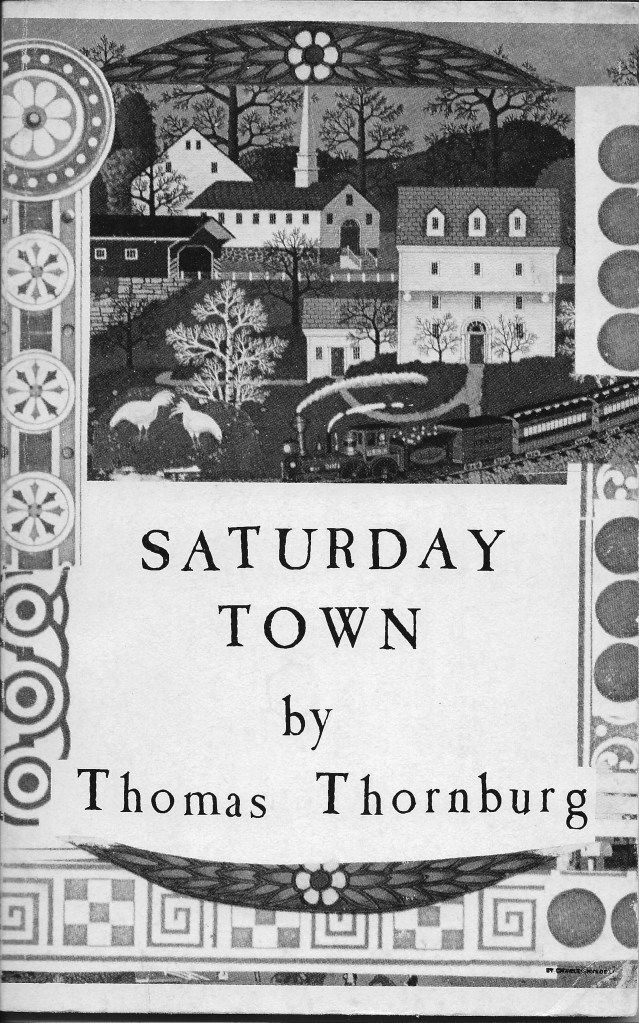
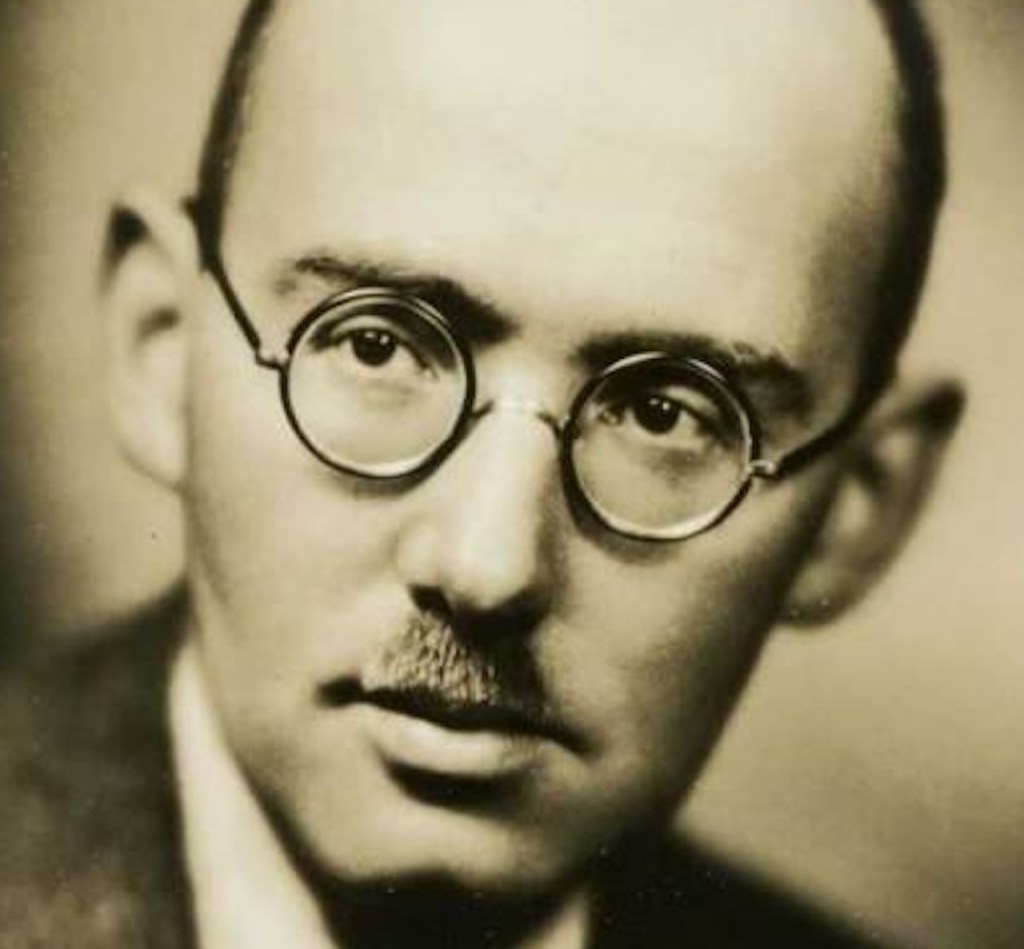
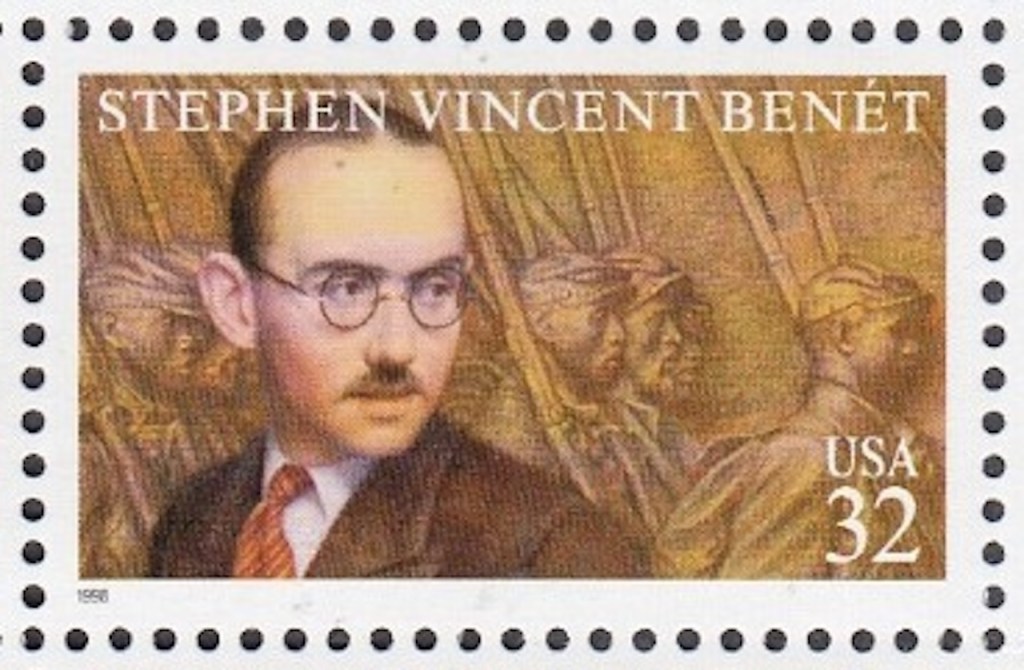

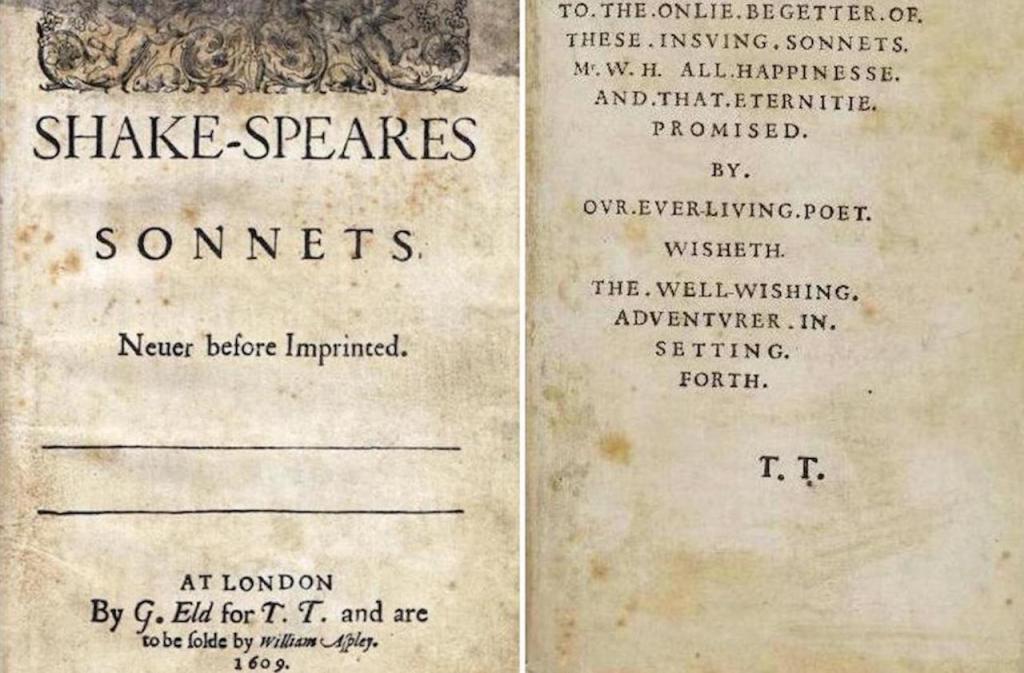
 Linda's Literary Home