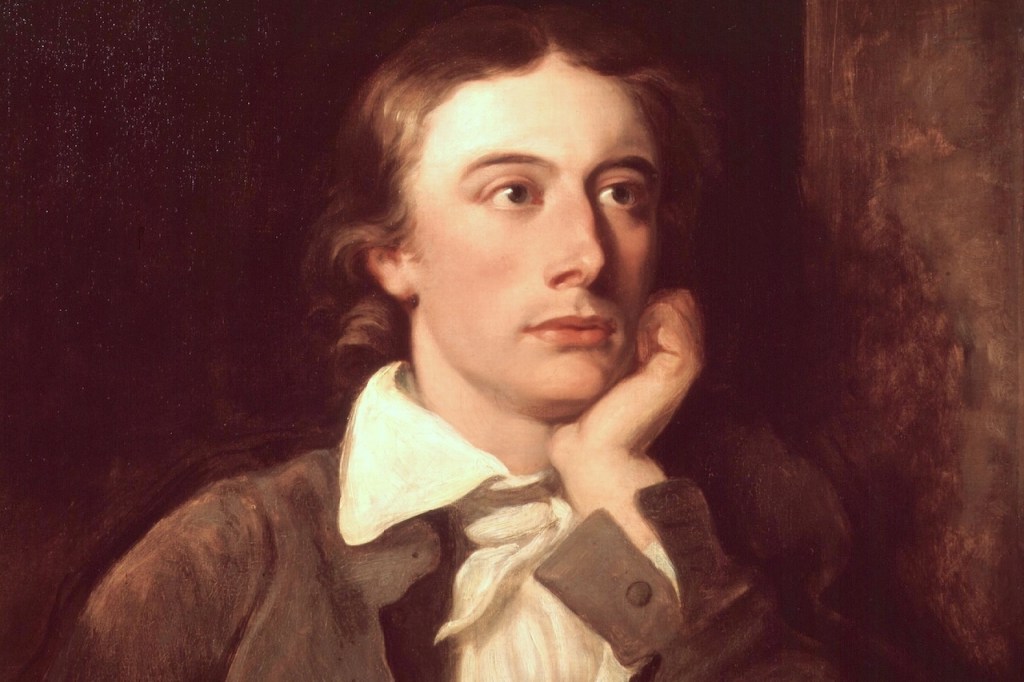
John Keats’ “Ode to a Nightingale”
The speaker in John Keats’ “Ode to a Nightingale” is celebrating the beauty of nature while contemplating mortality, suffering, imagination, and the longing for an lasting happiness. The nightingale’s enchanting song provides an essence of beauty that seems to transcend the limitations of human existence.
Introduction and Text of “Ode to a Nightingale”
John Keats’ speaker in “Ode to a Nightingale” is contemplating the marvelous beauty of a nightingale’s song. He becomes so enchanted by the bird’s music that he longs to escape the weariness and suffering of human existence.
Through the melancholy of contemplative musing, the speaker explores the relationship between beauty, imagination, mortality, and the desire for something everlasting while still on the material level of being.
Ode to a Nightingale
My heart aches, and a drowsy numbness pains
My sense, as though of hemlock I had drunk,
Or emptied some dull opiate to the drains
One minute past, and Lethe-wards had sunk:
‘Tis not through envy of thy happy lot,
But being too happy in thine happiness,—
That thou, light-winged Dryad of the trees
In some melodious plot
Of beechen green, and shadows numberless,
Singest of summer in full-throated ease.
O, for a draught of vintage! that hath been
Cool’d a long age in the deep-delved earth,
Tasting of Flora and the country green,
Dance, and Provençal song, and sunburnt mirth!
O for a beaker full of the warm South,
Full of the true, the blushful Hippocrene,
With beaded bubbles winking at the brim,
And purple-stained mouth;
That I might drink, and leave the world unseen,
And with thee fade away into the forest dim:
Fade far away, dissolve, and quite forget
What thou among the leaves hast never known,
The weariness, the fever, and the fret
Here, where men sit and hear each other groan;
Where palsy shakes a few, sad, last gray hairs,
Where youth grows pale, and spectre-thin, and dies;
Where but to think is to be full of sorrow
And leaden-eyed despairs,
Where Beauty cannot keep her lustrous eyes,
Or new Love pine at them beyond to-morrow.
Away! away! for I will fly to thee,
Not charioted by Bacchus and his pards,
But on the viewless wings of Poesy,
Though the dull brain perplexes and retards:
Already with thee! tender is the night,
And haply the Queen-Moon is on her throne,
Cluster’d around by all her starry Fays;
But here there is no light,
Save what from heaven is with the breezes blown
Through verdurous glooms and winding mossy ways.
I cannot see what flowers are at my feet,
Nor what soft incense hangs upon the boughs,
But, in embalmed darkness, guess each sweet
Wherewith the seasonable month endows
The grass, the thicket, and the fruit-tree wild;
White hawthorn, and the pastoral eglantine;
Fast fading violets cover’d up in leaves;
And mid-May’s eldest child,
The coming musk-rose, full of dewy wine,
The murmurous haunt of flies on summer eves.
Darkling I listen; and, for many a time
I have been half in love with easeful Death,
Call’d him soft names in many a mused rime,
To take into the air my quiet breath;
Now more than ever seems it rich to die,
To cease upon the midnight with no pain,
While thou art pouring forth thy soul abroad
In such an ecstasy!
Still wouldst thou sing, and I have ears in vain—
To thy high requiem become a sod.
Thou wast not born for death, immortal Bird!
No hungry generations tread thee down;
The voice I hear this passing night was heard
In ancient days by emperor and clown:
Perhaps the self-same song that found a path
Through the sad heart of Ruth, when, sick for home,
She stood in tears amid the alien corn;
The same that oft-times hath
Charm’d magic casements, opening on the foam
Of perilous seas, in faery lands forlorn.
Forlorn! the very word is like a bell
To toll me back from thee to my sole self!
Adieu! the fancy cannot cheat so well
As she is fam’d to do, deceiving elf.
Adieu! adieu! thy plaintive anthem fades
Past the near meadows, over the still stream,
Up the hill-side; and now ’tis buried deep
In the next valley-glades:
Was it a vision, or a waking dream?
Fled is that music:—Do I wake or sleep?
Commentary on “Ode to a Nightingale”
Keats creates a speaker who becomes fascinated with the nightingale’s enchanting song. The bird’s apparent freedom from human suffering inspires the speaker to contemplate the temporary nature of human happiness and the hope of an existence beyond mortality.
First Stanza: “My heart aches, and a drowsy numbness pains”
My heart aches, and a drowsy numbness pains
My sense, as though of hemlock I had drunk,
Or emptied some dull opiate to the drains
One minute past, and Lethe-wards had sunk:
‘Tis not through envy of thy happy lot,
But being too happy in thine happiness,—
That thou, light-winged Dryad of the trees
In some melodious plot
Of beechen green, and shadows numberless,
Singest of summer in full-throated ease.
In the first stanza, the speaker is overheard describing a peculiar sensation of numbness that seems to have overcome his entire being. He compares his condition to having consumed hemlock or an opiate. The reference to Lethe, the mythological river of forgetfulness, further suggests that the speaker longs to escape ordinary human consciousness.
The speaker then explains that his condition does not arise from envy of the nightingale’s happiness. Instead, he is so delighted by the bird’s happiness that he experiences an almost overwhelming sense of pleasure.
He addresses the nightingale as a “light-winged Dryad,” suggesting a supernatural creature associated with the trees. The bird’s “full-throated ease” provides an enchanting contrast to the speaker’s troubled condition.
Second Stanza: “O, for a draught of vintage! that hath been”
O, for a draught of vintage! that hath been
Cool’d a long age in the deep-delved earth,
Tasting of Flora and the country green,
Dance, and Provençal song, and sunburnt mirth!
O for a beaker full of the warm South,
Full of the true, the blushful Hippocrene,
With beaded bubbles winking at the brim,
And purple-stained mouth;
That I might drink, and leave the world unseen,
And with thee fade away into the forest dim:
The speaker then shifts his attention to an imaginary draught of delicious wine. He longs for a vintage that has been cooling underground for many years. The wine suggests the pleasures of nature, dancing, music, and the warmth of the southern countryside.
The speaker also invokes Hippocrene, the mythological fountain associated with poetic inspiration. Its sparkling bubbles and purple-stained mouth create an appealing image of an intoxicating beverage. The speaker hopes that drinking this wine will allow him to leave the ordinary world behind and disappear into the forest with the nightingale.
Third Stanza: “Fade far away, dissolve, and quite forget”
Fade far away, dissolve, and quite forget
What thou among the leaves hast never known,
The weariness, the fever, and the fret
Here, where men sit and hear each other groan;
Where palsy shakes a few, sad, last gray hairs,
Where youth grows pale, and spectre-thin, and dies;
Where but to think is to be full of sorrow
And leaden-eyed despairs,
Where Beauty cannot keep her lustrous eyes,
Or new Love pine at them beyond to-morrow.
The third stanza finds the speaker longing to escape the suffering that characterizes human existence. He wishes to forget the “weariness, the fever, and the fret” that accompany the human condition. The nightingale, sheltered among the leaves, appears untouched by these difficulties.
The speaker then provides a melancholy description of human mortality. Old age brings physical deterioration, while youth gradually loses its vitality and eventually dies. Even Beauty and Love cannot escape the destructive passage of time. The speaker’s contemplative musing reveals his awareness that human happiness remains temporary.
Fourth Stanza: “Away! away! for I will fly to thee,”
Away! away! for I will fly to thee,
Not charioted by Bacchus and his pards,
But on the viewless wings of Poesy,
Though the dull brain perplexes and retards:
Already with thee! tender is the night,
And haply the Queen-Moon is on her throne,
Cluster’d around by all her starry Fays;
But here there is no light,
Save what from heaven is with the breezes blown
Through verdurous glooms and winding mossy ways.
Next, the speaker announces his intention to escape into the nightingale’s world. He rejects the idea of traveling through the influence of Bacchus, the mythological god associated with wine. Instead, he chooses the “viewless wings of Poesy,” suggesting that imagination and poetic inspiration provide the means of escape.
The speaker then imagines himself already accompanying the nightingale. The “Queen-Moon” occupies her heavenly throne, surrounded by starry fairies. Although the surroundings are dark, occasional glimpses of heavenly light filter through the trees and illuminate the winding paths. The setting becomes an enchanting place for contemplative musing.
Fifth Stanza: “I cannot see what flowers are at my feet”
I cannot see what flowers are at my feet,
Nor what soft incense hangs upon the boughs,
But, in embalmed darkness, guess each sweet
Wherewith the seasonable month endows
The grass, the thicket, and the fruit-tree wild;
White hawthorn, and the pastoral eglantine;
Fast fading violets cover’d up in leaves;
And mid-May’s eldest child,
The coming musk-rose, full of dewy wine,
The murmurous haunt of flies on summer eves.
The speaker is then surrounded by darkness. Although he cannot see the flowers growing at his feet, he imagines their presence through their fragrances. The darkness becomes an enchanting setting in which the speaker can appreciate the natural world through his other senses.
The speaker then provides a delightful catalogue of flowers that flourish during the season: white hawthorn, eglantine, violets, and the musk-rose—all create a fascinating collection of natural beauty. The final image of flies gathering around the musk-rose adds another appealing detail to this marvelous nighttime setting.
Sixth Stanza: “Darkling I listen; and, for many a time”
Darkling I listen; and, for many a time
I have been half in love with easeful Death,
Call’d him soft names in many a mused rime,
To take into the air my quiet breath;
Now more than ever seems it rich to die,
To cease upon the midnight with no pain,
While thou art pouring forth thy soul abroad
In such an ecstasy!
Still wouldst thou sing, and I have ears in vain—
To thy high requiem become a sod.
The speaker now shifts his attention from the flowers to the nightingale’s enchanting song. Listening in the darkness, he reveals that he has frequently contemplated Death as a welcome escape from human suffering. He even describes having addressed Death affectionately in his earlier contemplative musings.
The speaker considers dying while listening to the nightingale’s extraordinary song an especially appealing possibility. However, he recognizes a significant difference between himself and the bird. If he dies, he will no longer be able to hear its music. The bird will continue singing, while he will have become part of the earth.
Seventh Stanza: “Thou wast not born for death, immortal Bird!”
Thou wast not born for death, immortal Bird!
No hungry generations tread thee down;
The voice I hear this passing night was heard
In ancient days by emperor and clown:
Perhaps the self-same song that found a path
Through the sad heart of Ruth, when, sick for home,
She stood in tears amid the alien corn;
The same that oft-times hath
Charm’d magic casements, opening on the foam
Of perilous seas, in faery lands forlorn.
The seventh stanza finds the speaker addressing the nightingale as an “immortal Bird!” He appears to believe that the bird’s song transcends the limitations of time. Although individual birds must eventually die, their beautiful song continues through succeeding generations.
The speaker then imagines that this same enchanting song has been heard throughout human history. He refers to Ruth, the biblical woman who experienced homesickness while living among strangers.
The bird’s song may also have enchanted people looking through magical windows toward dangerous seas and distant fairylands. Thus, the nightingale’s music seems to connect different generations through an enduring experience of beauty.
The speaker’s description of the bird’s apparent immortality also invites a contemplative comparison with the spiritual teachings of Paramahansa Yogananda, who explains, ”God is Happiness. He is Bliss. He is Love. He is Joy that will never go away from your soul.”
The eternal nature of divine joy offers an fascinating contrast to the speaker’s awareness of the temporary nature of human existence.
Eighth Stanza: “Forlorn! the very word is like a bell”
Forlorn! the very word is like a bell
To toll me back from thee to my sole self!
Adieu! the fancy cannot cheat so well
As she is fam’d to do, deceiving elf.
Adieu! adieu! thy plaintive anthem fades
Past the near meadows, over the still stream,
Up the hill-side; and now ’tis buried deep
In the next valley-glades:
Was it a vision, or a waking dream?
Fled is that music:—Do I wake or sleep?
The final stanza has the speaker suddenly returning to his ordinary consciousness. The word “forlorn” reminds him of his isolation and causes the enchanting experience to disappear. He realizes that his imagination cannot continue to provide an escape from the realities of human existence.
The speaker then bids farewell to the nightingale as its plaintive song gradually disappears into the distant landscape. The music travels beyond the meadows, across the stream, and over the hillside until it vanishes into the next valley. The speaker is left wondering whether the entire experience was a vision or a waking dream.
The final questions, “Was it a vision, or a waking dream?” and “Do I wake or sleep?” leave the speaker in a state of uncertainty. The enchanting experience has ended, but its emotional impact remains.
The contrast between the bird’s seemingly everlasting music and the speaker’s temporary escape from human suffering provides a particularly poignant conclusion.
Keats’ marvelous images have provided his audience with an abundance of beauty tinged with melancholy. The nightingale’s enchanting music offers an appealing image of freedom from the limitations of human existence. Yet the speaker must eventually return to the ordinary world, where beauty, happiness, and human life remain subject to the passage of time.


Questions, comments, suggestions offered in good faith are always welcome. If you use a pseudonym, please include your real name, if you expect a response.