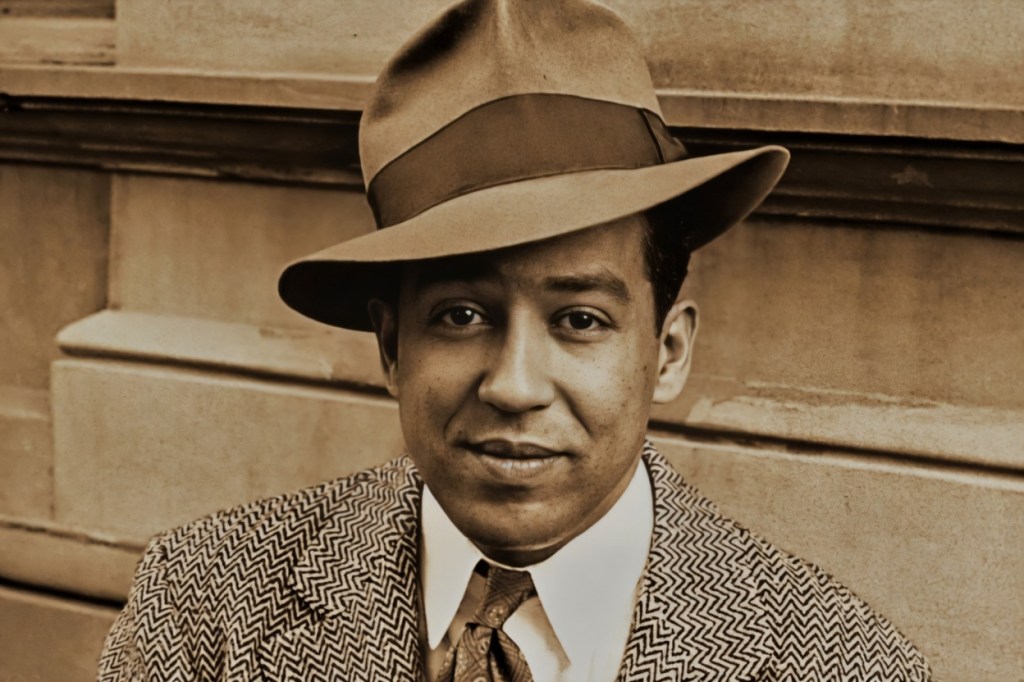
One wonders whom the next elected Criminal for these troubled times Will the feckless public, suspect, Lever in the long direction (Between the last war and the next) We take in our quotidian crimes; How long our matrons skirt the leering Lawless on main ways to market; How long our aged folk in fear Imprisoned at their portals peering On them convicted in their derring And that with such cocksureness wear The scutum of their darknesses, Petronius? (I pray you, burn these letters.)
Agrippina
After the last trick had been turned in the game, The bumpers drunk, the galley fallen apart; The lying maid having drunk to a different name A cup for the journey, so to speak, at the start; One wonders whether that harried dame ever thought In terms of that fat man she and she father had wrought. Surely in knowing she would have aborted that plan Before it came forth in this world and assumed the shape of a man, Perhaps. Nine gods were enough of a problem; she laid it on fate; She even exclaimed on how simple it was and absurd (She was dead for some time before they came to kill her, too late) To have birthed and been part of the proof and power of Hate. The guise it assumed and its manner have also endured: Took its place in the capitol, developed a merchant for fire, Was witty and sullen, hired artists to teach it the lyre, Gave games for the people, and like an innocent bird.
Homage to Catullus
1
SWEET Lesbia,would you know the half of all my pleasure when your husband laughs delighted at your flyting and the flashing spite that lights your countenance when we two fight? watch out, my girl, your fat fool’s treasure, I may absent myself and rob the only pleasure he takes in both of us. O, what frustration should I reave your table of my conversation— no, no, do not start up so hastily to weep; this is a lover’s promise not to keep. but still . . . his pleasure when your latest insult flies against me, and the room lights from your brilliant eyes as when I goad you fast between your thighs.
2
OCTAVIA, you bitch, when you deride me in the taverns, it is time you knew you build the envious world you hide in, and every drunkard there suspects the true. why is it now, fat forty, you should blame my cold pursuits at something you’d not give me years ago, now when you wear my best friends’s name? sweet Mercury, the weird world we live in! how you condemn me, now I am a poet who never knew you slim, nor know you fat, so stop pretending, dear, your friends all know it, even they know that.
3
FLAVIVS, do you know rising in the Forum, lisping your meums, tuums, how your colleagues snicker to one another common knowledge about your extra-curricular quorums? could you believe the pupils would not talk you in their graffiti in the public stalls? why have you let the praetors and plebeians mock your courses you offer on the taverns walls? O tempora, mores! we all know you, dear, each several senator and charioteer.
to be continued, check back for updates
Publication Status of Ancient Letters
Amazon currently features one copy available at $7.00. This copy does not feature the original book cover. An additional option is offered by another seller, priced at $85.00 plus shipping.
The following poems are from Thomas Thornburg’s first published collection, Saturday Town & other poems, published in 1976 by Dragon’s Teeth Press.
INTRODUCTION
You, man or woman who hand this book Alive in this red world, looking To your own in your human heart The charged color of my high art, The word made flesh and the fleshed hoarding, Edged as one’s arm is, a supple knifing When knives come out and the thrust is in, Bone and blood is, kith and kinning, Hearth is and homeward, child and wiving Is this samethingness, blood and wording That is my labor, You are only my farthest neighbor.
SATURDAY TOWN
When I was a young stud heeling down The reebing streets of Saturday town The houses mewed and rafters rollicked, And who didn’t know me for a rounder? I played knick-knack while the sun fell, frolicked My heart like seven on the sawdust flooring Where the women boomed and the basses faddled I forked me a singular journey, saddled All the long moon where the dogstar diddled Till the cats closed shop for the dearth of dorking And the town turned over to see such sport; Oh, it was red money I spent indooring. One jig my heart snapped like a locket And I kissed it off to the fat and faring, Buckled my knees to the silver caring And hawsered my heart to an apron pocket. It’s luck I sing to the he and seeing, To the sidewalk shuffle of Saturday town (While the moon turns over and mountains scree) Where the owl and the pussycat buoy their drowning Ding-bat times in a stagging sea— Harts tine where the roe-bucked does are downing— And the Saturday man I used to be.
AS I WALKED OUT IN THUNDERING APRIL
As I walked out in thundering April And all the streets were runing And the day green-good went rilling for me, Freely I strolled in the curtained sunning; The world wave-wet, joyed and easily I nithing was, but not alone; There tulip and crocus and windy anemone Gayed in the giving rains, pleasing The very crows that the black wood cawed me, The trees in the rainy park applauded. As I youthed out in April, latching The careful door of my fathers’s house, A wind turned, catching my fellow slicker And the trafficking plash to market doused My sunday Pants; to the sexy dickering Town I puddled; it was time I forded, The pavement running seaward; There cunning I Brought fisted tulips to a boobing lady Who dawdled in her kinsman’s house; By back-alley ways where the lilac fawdled Rain-heavy blooms on my shoulder, purple; Sheer-bloused there in the corner-nook chair She sang an ancient turtling song, The morning ran over, the tall wood rooking. As I stepped into another April And capped my head, O, the winding day Carried the calling birds who circled In the peevish wet where the woods were graying; My hard-monied house stood still behind me Spelt home to children as they came hilling; It was a luffing wind my hart spilled, From the shrouding hangings of myself came, rilling Tulip and crocus and windy anemone To the hawser nithings, the port of onlies; It was not April ran my face But the figured sum of April tracing: Stood in that cycled hubbing weather Rounding my compassed heart until, My deaths aprilling my august knees, We walked the runing streets together
to be continued, check back for updates
Publication Status of Saturday Town
Currently, no copies of Saturday Town are available anywhere on the Internet. That status may change, and perhaps with some research, copies may be found. I will continue to search for copies.
Elizabeth Barrett Browning’s Sonnet 4 “Thou hast thy calling to some palace-floor”
Elizabeth Barrett Browning’s sonnet 4 from Sonnets from the Portuguese continues with the speaker musing on her new relationship with her suitor, who seems too good to be true.
Introduction with Text of Sonnet 4 “Thou hast thy calling to some palace-floor”
The speaker in Elizabeth Barrett Browning’s sonnet 4 “Thou hast thy calling to some palace-floor” seems to be searching for a reason to believe that such a match with a suitor as distinguished as hers is even possible. She continues to brood in a melancholy line of thought, even as she seems to be becoming enthralled with the notion of having a true love in her life.
The speaker’s past continues to cause her to brood and remain skeptical, as she has difficulty accepting her own accomplishments and poetic talent. Likely, she is aware of her considerable ability, but when compared to her suitor, she feels that she cannot compete equally.
Sonnet 4 “Thou hast thy calling to some palace-floor”
Thou hast thy calling to some palace-floor, Most gracious singer of high poems! where The dancers will break footing, from the care Of watching up thy pregnant lips for more. And dost thou lift this house’s latch too poor For hand of thine? and canst thou think and bear To let thy music drop here unaware In folds of golden fulness at my door? Look up and see the casement broken in, The bats and owlets builders in the roof! My cricket chirps against thy mandolin. Hush, call no echo up in further proof Of desolation! there’s a voice within That weeps … as thou must sing … alone, aloof.
Reading
Commentary on Sonnet 4 “Thou hast thy calling to some palace-floor”
Sonnet 4 marches on with the speaker’s musing on her new relationship with her suitor. She seems to remain skeptical that such a relationship can endure, even as she obviously hopes that it will.
She colorfully compares her lot with that of her suitor, by presenting an image of her dwelling juxtaposed with the image of the royal venue where her beloved is welcomed and where he performs.
First Quatrain: Mesmerizing Kings, Queens, and Royal Guests
Thou hast thy calling to some palace-floor, Most gracious singer of high poems! where The dancers will break footing, from the care Of watching up thy pregnant lips for more.
In Sonnet 4 from Sonnets from the Portuguese, the speaker is addressing directly her suitor, as she continues her metaphorical comparison between the two lovers in a similar vain as she did with Sonnet 3. Once again, she takes note of her suitor’s invitations to perform for royalty, as she colorfully remarks, “Thou hast thy calling to some palace-floor.”
Her illustrious suitor has been a “[m]ost gracious singer of high poems,” and the royal guests curiously stop dancing to listen to him recite his poetry. The speaker visualizes her remarkable suitor at court, mesmerizing the king, queen, and royal guests with his poetic prowess.
Second Quatrain: Rhetorical Musings on Class Distinctions
And dost thou lift this house’s latch too poor For hand of thine? and canst thou think and bear To let thy music drop here unaware In folds of golden fulness at my door?
In the second quatrain, the speaker puts forth a rhetorical question in two-parts:
1. Being one of such high breeding and accomplishment, are you sure that you want to visit one who is lower class than you? 2. Are you sure that you do not mind reciting your substantial and rich poetry in such a low class place with one who is not of your high station?
The questions remain rhetorical only in that the speaker entertains the deep hope that the answer to both parts of the question remains resoundingly in the affirmative. Because readers of this sequence already know how the drama turns out, they must wonder if as she was writing these melancholy thoughts, she secretly held the sentiment of relief, knowing that her skepticism and doubt had been laid to rest.
First Tercet: Contrasting Visual and Auditory Images
Look up and see the casement broken in, The bats and owlets builders in the roof! My cricket chirps against thy mandolin.
The speaker then insists that her royalty-worthy suitor take a good look at where she lives. The windows of her house are in disrepair, and she cannot afford to have “the bats and owlets” removed from the nests that they have built in the roof of her house. The final line of the first sestet offers a marvelous comparison that metaphorically states the difference between the suitor and speaker: “My cricket chirps against thy mandolin.”
On the literal level, she is only a plain woman living in a pastoral setting with simple possessions, while he is the opposite, cosmopolitan and richly endowed. And he is famous enough to be summoned by royalty, possessing the expensive musical instrument with which he can embellish his already distinguished art.
The lowly speaker’s “cricket” also metaphorically represent her own poems, which she likens to herself, poor creatures compared to the “high poems” and royal music of her illustrious suitor. The suitor’s “mandolin,” therefore, literally exemplifies wealth and leisure because it accompanies his poetry performance, and it figuratively serves as a counterpart to the lowly cricket of the speaker.
Second Tercet: A Natural Mode of Expression
Hush, call no echo up in further proof Of desolation! there’s a voice within That weeps … as thou must sing … alone, aloof.
The speaker again makes a gentle demand of her suitor, begging him, please do not be concerned or troubled for my rumblings about poverty and my lowly station. The speaker is asserting her belief that it is simply her natural mode of expression; her “voice within” is one that is given to melancholy, even as his voice is given to singing cheerfully.
The speaker implies that because she has lived “alone, aloof,” it is only natural that her voice would reveal her loneliness and thus contrast herself somewhat negatively with one as illustrious and accomplished as her suitor.
Image: Ron running in the Nashville Country Music Marathon
I have been running for over 40 years. I started running when I was 24. It wasn’t until I was 54 that I completed my first marathon.
I always enjoyed reading books about running. I had run four half-marathons, but I never thought about running a full marathon. Until a comment from a stranger changed my thinking and my life.
Changing Someone’s Life
You may have changed someone’s life by something you said.
A simple off-the-cuff comment can change a life forever. My life, especially as related to health and running, has been changed twice by comments someone made to me.
My Sister Changed My Life
The first life-changing comment occurred in 1978. I was living in a small town in Indiana and worked in a grocery store. I was married and had two children. I wanted to travel, and get an education, and I knew I couldn’t do both on a grocery clerk’s salary. I decided that joining the Army could help me reach those goals. I talked to a recruiter, who said that I would be able to take my family with me except during basic training.
Much to my surprise, my sister Faye joined the Army soon after I did. Faye went to basic training right away. I had a mobile home to sell, so I joined using the delayed entry program, which meant I would leave for basic training in the spring of 1979.
A few weeks after Faye left for basic training she called me. During our brief conversation, Faye mentioned that she had run two miles. I was amazed. I said, “TWO MILES!” Faye down-played it by saying, “Well, just barely.” That didn’t matter to me.
The fact that she had run two miles changed my thinking. My sister had run TWO MILES! I was so impressed and so proud of her. Before Faye told me that she had run two miles, I had not thought about running at all. Faye’s two-mile run made me realize that I had to get in shape. I decided to start running right away.
At First, It Made Me Sick
I had to leave for work around 7:30 AM, so I started out running at 6:00 AM. I began running about a mile and then after a few weeks, I increased to two miles. For the first couple of weeks, I was so nauseated after each run that I had to lie on the bathroom floor. The nausea was overwhelming. I felt so sick that I couldn’t even sit up. If it wasn’t for the upcoming basic training, I would never have forced myself through that misery; however, as an enlisted person, I was owned by Uncle Sam, I had no choice. I had to get in shape. I had to keep running.
After the first couple of weeks, my nausea started going away. Within two months I could run 5 miles and feel just fine afterward. I remember my father-in-law was impressed that I was running 5 miles. He said that since I could run five miles, I wouldn’t have to worry about basic training. He was right. Being able to run made basic training a lot easier for me.
An Angel or a Demon?
The second time my life was changed by a comment was about 20 years after I got out of the army when I was running a half marathon in Nashville, Tennessee. Runners parked at the finish line, and there was a bus to take them to the marathon starting line.
I got on the bus, and a lady sat next to me. She asked me if I was running the half marathon or the full marathon. I told her that I was running the half marathon, and then I said, “I don’t think that I could ever run a full marathon.” Then she said something that changed my life. She said, “If you can run five miles, you can run a marathon. It’s mostly a mental thing.” Wow, that so impacted my thinking. Running five miles was easy for me.
Could I actually run 26.2 miles and complete a full marathon? I enjoyed reading books about marathon runners, but I had never thought that I would be able to run a marathon. The books I had read detailed the pain and difficulty involved in a marathon run. I did not think that I would ever put myself through that. This was my fourth half marathon. I had previously run three half marathons in Indianapolis, Indiana.
I Could Not Let Go of the “It’s Mostly a Mental Thing” Comment
The “It’s mostly a mental thing” comment by the lady on the bus stuck in my brain. Later that year, I decided to train for a full marathon. The first time I ran 20 miles, was a real eye-opener. I ignorantly did not take any water with me, and I must have become very dehydrated. By the end of the run, I was having a lot of back and abdominal pain. I thought, “Wow, it hurts to run 20 miles.” Later that day I had severe abdominal pain and ended up in the hospital with a kidney stone that had to be surgically removed.
I recovered and trained hard for the marathon. I ran my first full marathon in April 2008. I was 54 years old. That marathon was a shock to me. My niece, Heather, had recently run a marathon, and she gave me the advice that I should start out slow. Of course, I started out way too fast. By mile 17 as I headed up a long hill, I was ready to collapse. I had to stop and walk part of the way. As I ran the last few miles, my leg muscles were screaming at me to stop. I wasn’t prepared for how painful it was. Each step was excruciating pain.
After My First Marathon
The Nashville Marathon finish line was at the Tennessee Titans Football Stadium. The marathon was in late April, and it was cool at 6:00 AM when I arrived at the starting line area near the Nashville Parthenon. I wore a jacket and long pants over my running shorts and shirt. Just before the race started, I put the warm clothes in a gear bag. There were trucks to take the gear bags to the Titans Stadium so they can be picked up at the finish of the race.
After I finished the marathon, I was in so much pain that I could barely walk. I headed toward one end of the stadium to pick up my gear bag. I don’t know why I didn’t ask someone where the gear trucks were. As I stepped down from a curb onto the road, pain shot through my leg muscles. I then had to walk through some gravel beside the stadium. Each step was pain-filled. It seemed like I could feel every muscle in my legs, and they all hurt a lot. I finally made it to the end of the stadium, but I did not see any trucks. I had left my clothes and car keys in the gear bag. I found a security guard and I said, “Where are the gear trucks?” He said, “They are over at the opposite end of the stadium.” My heart sank. I looked at him and said, “Oh God!”
How could I have been so stupid that I didn’t find out where the busses were before I went to the wrong end of the stadium? I couldn’t believe that I had to walk that far. I didn’t think I could make it. I thought about asking a policeman to give me a ride to my car, but then I thought that if I told him I couldn’t walk to my car that he might not let me get into the car and try to drive home. I slowly made my way to the parking lot at the opposite end of the stadium. Along the way, I saw a grassy area and wanted to sit down, but realized that if I got down that there was no way I was going to be able to get back up. After many slow painful steps, I finally made it to the gear trucks and then to my car.
During the last few miles of the marathon, my mental chant was, “Never again! I will never do this again.” When I got home and told my wife how difficult and painful it was, I said, “I will never do that again.” When I woke up the next morning, my first thought was, “I bet I can run the marathon faster next year.”
Over 40 Years of Running
I have now completed four marathons. Training for each marathon takes several months. To make sure that I am ready, I always complete at least one 20-mile run a few weeks prior to a marathon. So for me, a marathon is a lot of physical preparation. The “mostly mental” part for me was just believing that I could do it at all.
I am not a fast runner. Initially, my goal was to run a marathon in 3 1/2 hours. I never accomplished that. Marathons always take me over 4 hours to complete.
The only time I was able to actually run every step of the 26.2 miles without stopping at all was when I had a hip injury that caused me to limp. The day before the race, I wasn’t even sure I was going to attempt it. I decided that since I had already paid for it I would try and see how far I could run. The hip injury forced me to follow my niece’s advice and to start out slow. When I finished, I was elated that I had run every step of a full marathon.
I often think of that lady on the bus who said that it was, “Mostly a mental thing.” During each marathon, when I was in excruciating pain, I wondered if that lady was an evil demon. A demon sent to make me suffer. Had I been so bad that I deserved that much suffering? Apparently so.
As of 2020, I am still running at the age of 66. I only run 3 or 4 days a week now, and I have decreased the miles to 5 1/2 miles/day. I am grateful that I am able to run.
Most often when I think of that lady on the bus, I think that she must have been an angel. An angel sent to change my life by making me realize that I could do more than I had ever imagined.
🕉
For more information about the artist, Ron W. G., (Ron Grimes), please visit: Ron in Tennessee, Facebook
This is my experience of a recurring nightmare that came true.
In 1970 I was 16 years old. We lived in a small town in Southeastern Indiana, in a little neighborhood just across the river from town. Our house was on the main road, and we had horses in a barn and pen area on the other side of the neighborhood. To get to the barn, we walked along a path that led past our grandparents’ house. The path led from our driveway, all the way across the neighborhood to the back road.
On the way to the barn, our grandparents’ house was to the right, up a small hill past a yard with lots of trees and beautiful landscaping with flowers and shrubs.
Grandpa Plowing the Garden
On the left side of the path was a huge flower garden with a grape arbor and many shrubs, small trees, and hundreds of flowers that bloomed in spring and summer.
Our Grandparents Loved Animals
When we were very little, our grandparents always had ponies and horses, and many other pets and animals. Grandpa used to take us for pony cart rides.
Picture of grandpa and us on a pony cart ride
Our grandparents had passed away years ago. From them, we inherited our love for animals. We usually had a couple of ponies and horses, as well as several dogs. I loved horses and everything about them, so one of my chores was to feed the horses every morning before school. In the winter, that meant that I had to walk along the path across the neighborhood to the barn in the dark. That didn’t bother me at all. I carried a flashlight so I could see, but I wasn’t afraid of the dark. We knew everyone in the neighborhood, and I always felt completely safe there.
The Nightmare
One night I dreamed that when I went to the barn to feed the horses, there was a man in the barn. In the dream, as I was giving the horses hay, a man came up behind me. It scared me, and I usually woke up right away. I didn’t think too much about it at the time, but then I started having that dream every night. It started to scare me a lot, so I told my mom about the dreams. I told her that I was afraid to go over to the barn.
We had three German Shepherd dogs at the time, and Mom said, “Well, take the dogs with you.” So I started taking the dogs with me every morning. The dogs loved the early morning trek to the barn, and they were always eager to join me. Once I started taking the dogs with me, the dream stopped.
A few weeks later, I started having the dream again. In one of the dreams, when the man in the barn came at me, I grabbed a pitchfork and stabbed him. That only happened in one of the dreams. In all the other dreams, I just saw a man in the barn, it scared me, and I woke up right away.
After a few more nights of these dreams, I told mom that I was having that dream again and that I was afraid to go to the barn even though the dogs were with me. Mom said, “Take Randy with you.” Randy, my younger brother, was 14 years old at the time. He wasn’t obsessed with horses like I was, and he wasn’t exactly thrilled that he had to go out in the dark early morning cold, but he went along anyway. He loved the dogs, and he enjoyed seeing how excited they were to go on our morning excursions.
The Dream Stops for Awhile
After I started taking the dogs, and my brother with me to feed the horses, the dreams stopped, and all was good for a while.
Then one night I had the dream again. I didn’t tell Mom or Randy that I had had the dream again. I didn’t know what else could be done, and since I had been having the dream on and off for several weeks and nothing bad had happened, I wasn’t too worried about it.
That morning as we reached the barn, we noticed that the dogs were excitedly sniffing at the barn doors and running back and forth in front of the doors. I thought that they had probably just caught the scent of an animal, maybe a rabbit or something. I slid open the huge double barn doors, and the dogs immediately ran inside barking and growling. Inside the barn toward the back was the haystack.
A man jumped up out of the hay and yelled as the dogs were at his feet. I couldn’t tell if the dogs bit him, but they were loudly barking and growling. Randy and I screamed and ran as fast as we could back to our house. The back door of our house faced the south side of the neighborhood and it was closest to the barn. The back door opened directly into the kitchen.
My horse in back of the barn
Randy and I ran in through the back door, and we both screamed, at the same time, “There’s a man in the barn!” In the kitchen were our Mom, our older brother Chuck, and our little sister Faye. At this point, I didn’t know if the dogs were still over at the barn, or if they had followed us back home. Our older brother, Chuck, grabbed a baseball bat and said, “Let’s go.” I remember being very impressed that Chuck was so brave.
The dogs had come home, and they joined us as we returned to the barn. When we got to the barn, the man was gone. We could see where he had been sleeping in the hay, and where he had taken a leak on the floor. I fed the horses and we returned home. Mom said that she had called the sheriff, and he said that it was probably a bum just getting out of the cold. Then I felt sorry for the man. It must have been horrible to wake up with dogs attacking you.
I Had Told My Family and Girlfriend About the Dreams
I had told only my family and my girlfriend about those recurring dreams. My girlfriend lived just two houses down the road from our barn, and she loved horses as much as I did.
After school that day, I was walking over to the barn as my girlfriend was walking up the road. When she got to the little hill which was on the back road just in front of the barn, I said, “There was a man in the barn this morning.” She said, “I just pinched myself to make sure I wasn’t dreaming.”
The Dream Stops for Good
I never had that dream again, and after a while, I no longer had to make Randy go with me to feed the horses. I did keep taking the dogs though since they loved going with me, and I enjoyed their company.
I will admit that even though I wasn’t afraid anymore, I think that I was more alert as to my surroundings after that. I often wonder what might have happened if I had not had those dreams and if I had not told my mom about them.