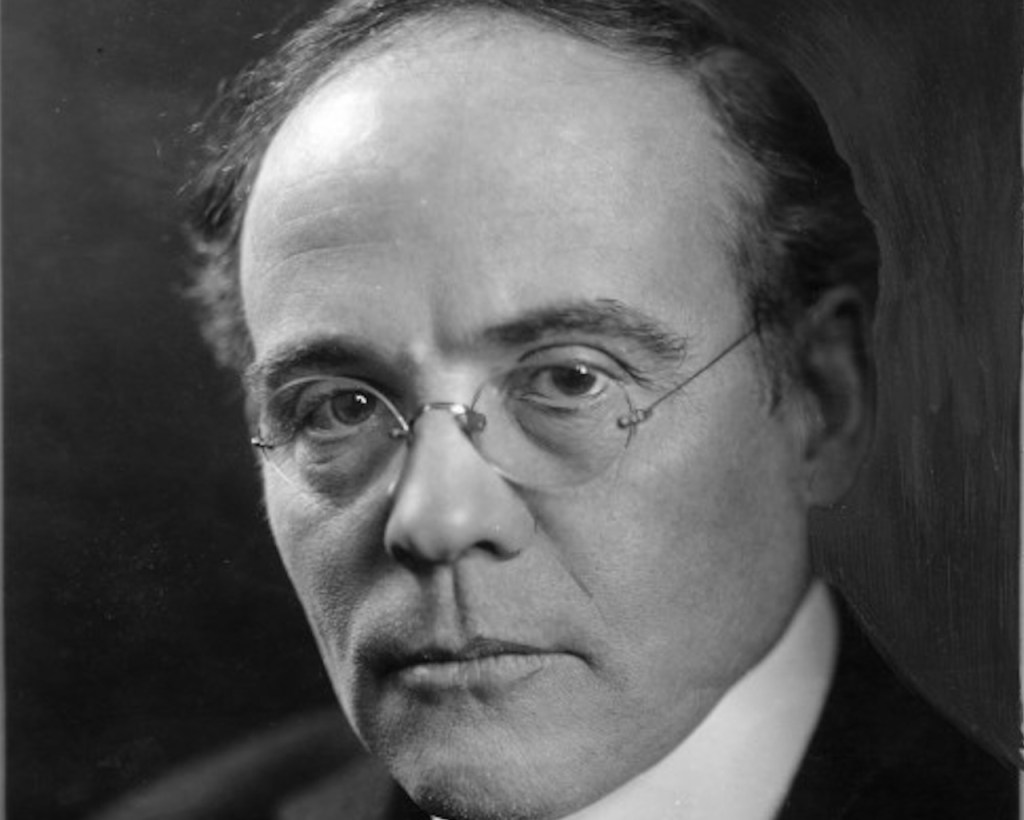
Edgar Lee Masters’ “Sersmith the Dentist”
Edgar Lee Masters’ character, a dentist named Sersmith, pontificates on the political atmosphere, using rhetorical questions to emphasize his stance.
Introduction and Text of “Sersmith the Dentist”
In Edgar Lee Masters’ “Sersmith the Dentist” from the American classic Spoon River Anthology, the speaker asks four rhetorical questions and then offers a final philosophical summation.
This dentist proves to be one of the more bankrupt characters of the lot. He sees everything in terms of money. Although he does not offer a personal complaint as most of the speakers do, he goes on carping about societal and political issues.
Unfortunately, Sersmith’s clouded mind remains a one dimension of mediocrity and error. Misinterpreting religious and historical events leads him to ludicrous conclusions. While Sersmith the Dentist surely thinks himself clever as he remarks about the hollow tooth filled up with gold, his quip merely signals the hollow mind of the speaker.
Sersmith the Dentist
Do you think that odes and sermons,
And the ringing of church bells,
And the blood of old men and young men,
Martyred for the truth they saw
With eyes made bright by faith in God,
Accomplished the world’s great reformations?
Do you think that the Battle Hymn of the Republic
Would have been heard if the chattel slave
Had crowned the dominant dollar,
In spite of Whitney’s cotton gin,
And steam and rolling mills and iron
And telegraphs and white free labor?
Do you think that Daisy Fraser
Had been put out and driven out
If the canning works had never needed
Her little house and lot?
Or do you think the poker room
Of Johnnie Taylor, and Burchard’s bar
Had been closed up if the money lost
And spent for beer had not been turned,
By closing them, to Thomas Rhodes
For larger sales of shoes and blankets,
And children’s cloaks and gold-oak cradles?
Why, a moral truth is a hollow tooth
Which must be propped with gold.
Commentary on “Sersmith the Dentist”
While Sersmith the Dentist no doubt thinks himself a clever fellow as he remarks about the hollow tooth filled up with gold, his quip merely signals the hollow mind of the dentist.
First Movement: The Rhetorical No
Do you think that odes and sermons,
And the ringing of church bells,
And the blood of old men and young men,
Martyred for the truth they saw
With eyes made bright by faith in God,
Accomplished the world’s great reformations?
First, Sersmith denigrates religion. His question reveals that he thinks “odes and sermons,” “the ringing of church bells,” and people whose faith brighten their spirit did not, in fact, “accomplish [ ] the world’s great reformations.”
By forming his deliberations into questions, Sersmith tries to emphasize the resounding “no” that he believes is the correct answer to each query. In fact, the dentist’s narrow-minded view can easily be refuted by pointing to the meaning of great historical movements: the birth of each of the world’s five major religions, Hinduism, Buddhism, Judaism, Christianity, and Islam demolishes his putative claims utterly.
Each religion has had its martyrs and their names live in the hearts of the reformed. Thus the “no” that Sersmith expects is not forthcoming. Rhetorical questions can also be employed as weasel questions signaling that the questioner is basically unsure of his stance. While the effective rhetorical question offers a unique emphasis for its truth, when employed by imbeciles and jerkwaters, the device falls flat.
Second Movement: Revisionist History
Do you think that the Battle Hymn of the Republic
Would have been heard if the chattel slave
Had crowned the dominant dollar,
In spite of Whitney’s cotton gin,
And steam and rolling mills and iron
And telegraphs and white free labor?
Sersmith’s second question is merely foolish. Slavery was abolished primarily because of moral reasons, not economical ones. Those who take the bash-America-first side always look for ways to malign events that prove otherwise.
Those who continue to disparage the United States over slavery turn a willful blind eye to the fact that hundreds of thousands of brave men and women died in order to accomplish that feat. As an educated man, Sersmith should know this historical fact.
Third Movement: Lack of Credibility
Do you think that Daisy Fraser
Had been put out and driven out
If the canning works had never needed
Her little house and lot?
Sersmith now alludes to the character, “Daisy Fraser,” a prostitute who seems to know all kinds of lurid details about other members of the Spoon River community. Unfortunately, Daisy’s credibility is suspect, and now by associating his lot with hers. Sersmith adds yet another block of incredulity to his stack.
Fourth Movement: The Spoonian Evil
Or do you think the poker room
Of Johnnie Taylor, and Burchard’s bar
Had been closed up if the money lost
And spent for beer had not been turned,
By closing them, to Thomas Rhodes
For larger sales of shoes and blankets,
And children’s cloaks and gold-oak cradles?
Why, a moral truth is a hollow tooth
Which must be propped with gold.
Beginning to repeat himself, again Sersmith decries the selling off of one establishment in order to benefit another. He invokes the name, “Thomas Rhodes,” which becomes a spoonian meme for evil. “Thomas Rhodes” turns up often throughout the Spoon River Anthology, whenever a villain is needed.
Fifth Movement: The Vacuous Mindset
Why, a moral truth is a hollow tooth
Which must be propped with gold.
Sersmith’s final couplet attempts to couple his dental wisdom and his political acumen by likening a “moral truth” to a “hollow tooth” which is filled with gold. The dentist’s quip is more comical than wise, more pathetic than informative. Such is the nature of this mindset, forever and anon.
Origin of the “Sexsmith” Error
The title of this Edgar Lee Masters’ epitaph “Sersmith the Dentist” is often misspelled across the Internet as “Sexsmith the Dentist.” In all published print copies of the Spoon River Anthology in which that epitaph appears, beginning with the 1916 edition published by Macmillan in New York, the spelling is “Sersmith” not “Sexsmith.”
The “Sexsmith” misspelling appears in a number of contemporary sources, such as a bartleby.com entry from July 1999. Other current reprints replicate this error, including youtube. Other errors appear here, here, and here. Unfortunately, these sites are not the only ones perpetuating this error.
Fraktur: Possible Reason for the Error
This misspelling likely comes from an optical character recognition (OCR) error in reading the ornate typeset in which the titles were displayed in that early edition of the Spoon River Anthology.
In that first edition in which the Sersmith epitaph appears, titles are displayed in a font called “Fraktur,” which is a typeface style developed in the early 16th century in Germany.
The typeface Fraktur is ornate, rather flowery with curves and spikes, and thus it is highly decorative. It was widely used in German printing until the 20th century. (See image below.)

 Linda's Literary Home
Good faith questions and comments welcome!