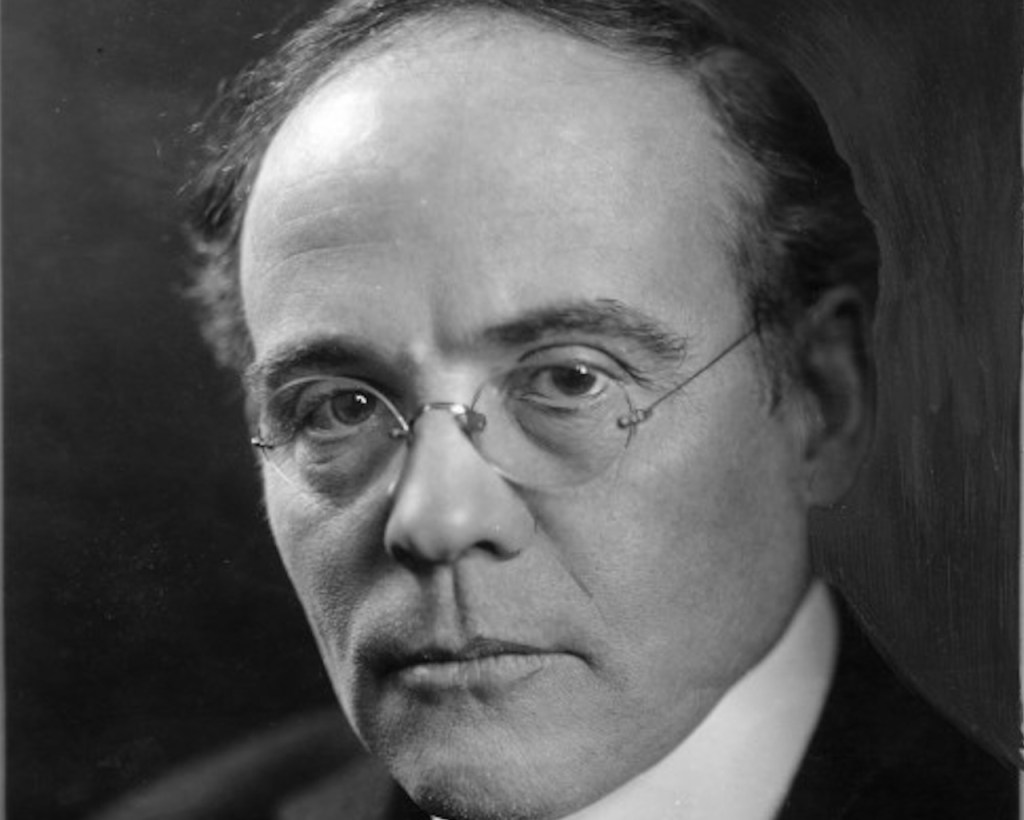
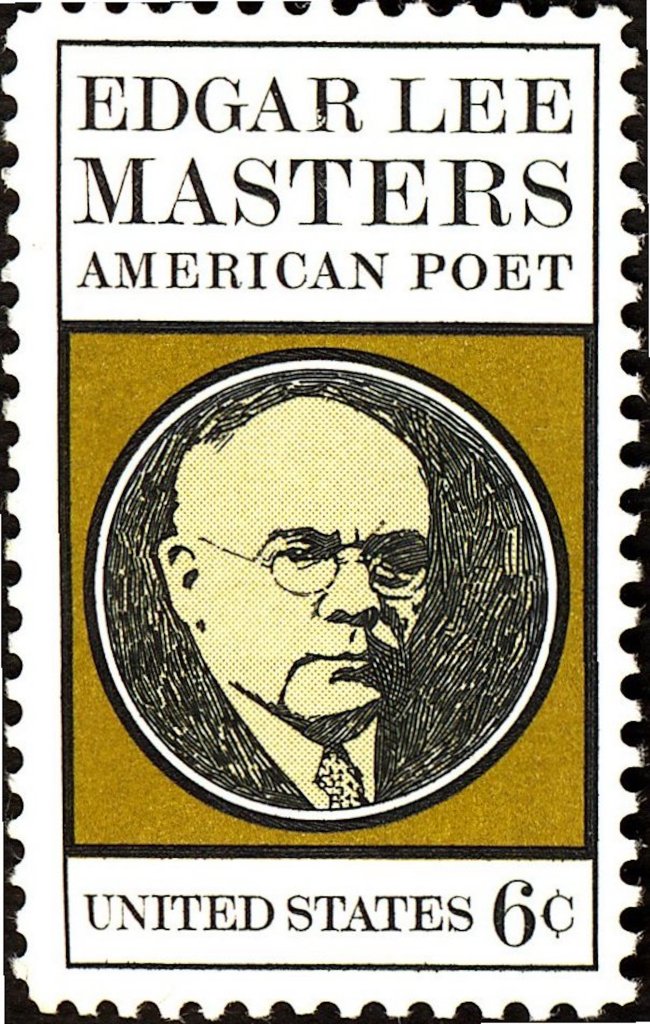
”Hare Drummer” portrays beautiful memories of pastoral scenery.
Introduction and Text of “Hare Drummer”
Hare Drummer asks a series of questions, seeking to learn how things have continued on after his death. That question format is reminiscent of A. E. Housman’s “Is my team ploughing,” in which a dead man asks for a report about how things are going now that he has died.
Hare Drummer
Do the boys and girls still go to Siever’s For cider, after school, in late September? Or gather hazel nuts among the thickets On Aaron Hatfield’s farm when the frosts begin? For many times with the laughing girls and boys Played I along the road and over the hills When the sun was low and the air was cool, Stopping to club the walnut tree Standing leafless against a flaming west. Now, the smell of the autumn smoke, And the dropping acorns, And the echoes about the vales Bring dreams of life. They hover over me. They question me: Where are those laughing comrades? How many are with me, how many In the old orchards along the way to Siever’s, And in the woods that overlook The quiet water?
Interpretive Reading
Commentary on “Hare Drummer”
Hare Drummer poses a series of questions about what life has been like for those who have lived on after he died.
First Movement: Does Life Go On After?
Do the boys and girls still go to Siever’s For cider, after school, in late September? Or gather hazel nuts among the thickets On Aaron Hatfield’s farm when the frosts begin?
Hare begins by asking if the young folk “still go to Siever’s / For cider, after school, in late September?” He continues with his second question, asking if they still “gather hazel nuts among the thickets” on the farm owned by Aaron Hatfield “when the frost begins.”
Hare’s purpose in questioning seems quite innocent, as if he is merely curious about the continuation of life as he had seen it. And his questions and comments simply paint a portrait of simple, pastoral life including farms, hills, trees, cold weather, and “quiet water.”
Second Movement: Down Memory Lane
For many times with the laughing girls and boys Played I along the road and over the hills When the sun was low and the air was cool, Stopping to club the walnut tree Standing leafless against a flaming west.
Hare then offers the explanation that he had accompanied “the laughing girls and boys” as they all “played [ ] along the road and over the hills.” He remembers how they would knock down walnuts from the tree which stood “leafless against the flaming west.”
Third Movement: The Smell of Autumn Smoke
Now, the smell of the autumn smoke, And the dropping acorns, And the echoes about the vales Bring dreams of life. They hover over me.
Intimating that he now smells “autumn smoke” and acorns drop on his grave, he dramatizes how “echoes about the vales / Bring dreams of life.” His memory abounds with sights and sounds that he experienced when he was alive. These dreams and experiences “hover over me,” he asserts.
Fourth Movement: Questioned by Phantoms
They question me: Where are those laughing comrades? How many are with me, how many In the old orchards along the way to Siever’s, And in the woods that overlook The quiet water?
And just as Hare questions some phantom audience, he is questioned by the same phantoms. They want to know how many of his former playmates are with him and how many are still making their way through “the old orchards along the way to Siever’s.” And he also wonders how many still visit “the woods that overlook / The quiet water.”
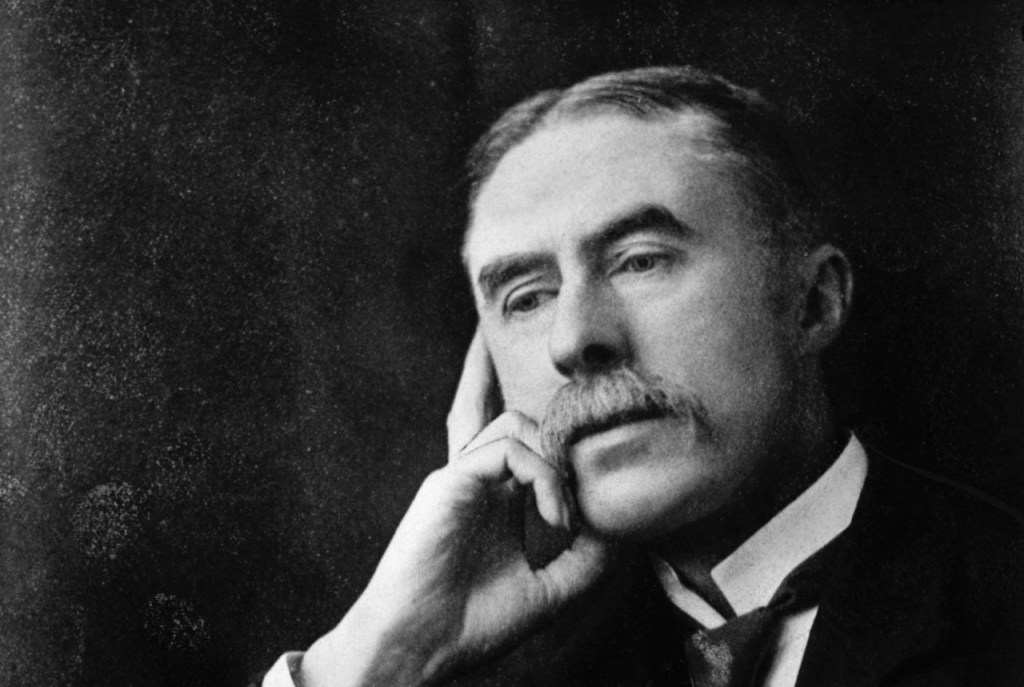
Image: A. E. Housman Photo by Hulton-Deutsch/Hulton-Deutsch Collection/Corbis via Getty Images
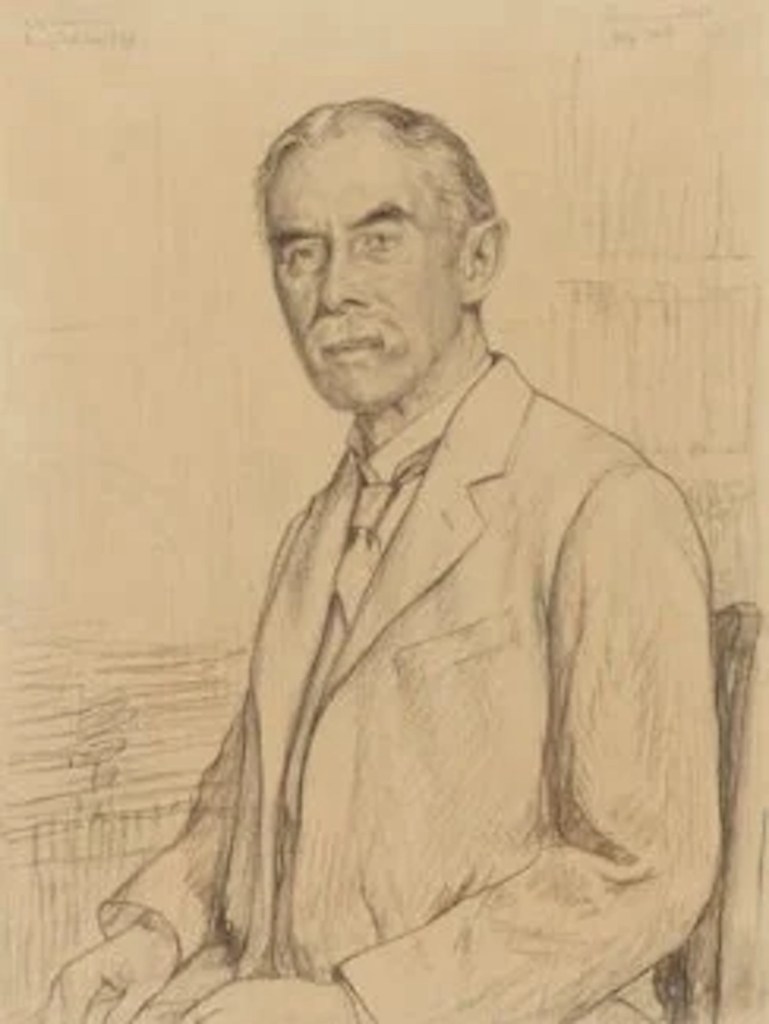
A.E. Housman’s Poem XXVII “Is my team ploughing”
Two speakers appear in A. E. Housman’s “Is my team ploughing”: one a dead man, the other his living friend. The dead man asks for a report about how things are going now that he has died.
Introduction and Text of “Is my team ploughing”
A E. Housman’s “Is my team ploughing” (XXVII) appears in A Shropshire Lad, the poet’s well-known, somewhat autobiographical collection. In the poem, a deceased man questions a living friend about various aspects of their life together before the dead man died.
The eight stanzas are sectioned into question and response, similar to an interview, with the dead man beginning with a question. The dead man’s questions appear in quotation marks, followed by the living friend’s response without quotation marks.
XXVII Is my team ploughing
“Is my team ploughing, That I was used to drive And hear the harness jingle When I was man alive?”
Ay, the horses trample, The harness jingles now; No change though you lie under The land you used to plough.
“Is football playing Along the river shore, With lads to chase the leather, Now I stand up no more?”
Ay the ball is flying, The lads play heart and soul; The goal stands up, the keeper Stands up to keep the goal.
“Is my girl happy, That I thought hard to leave, And has she tired of weeping As she lies down at eve?”
Ay, she lies down lightly, She lies not down to weep: Your girl is well contented. Be still, my lad, and sleep.
“Is my friend hearty, Now I am thin and pine, And has he found to sleep in A better bed than mine?”
Yes, lad, I lie easy, I lie as lads would choose; I cheer a dead man’s sweetheart, Never ask me whose.
Commentary on “Is my team ploughing”
Two speakers appear in these lines: one a dead man, the other his living friend. The dead man asks for a report about how things are going now that he has died.
First Stanza: The Dead Man Asks a Question
“Is my team ploughing, That I was used to drive And hear the harness jingle When I was man alive?”
The dead man begins by asking a question of his friend who is still alive. The deceased wishes to find out if his team of horses that he employed in ploughing his fields is still performing that function.
Therefore he puts the question to his friend: “Is my team ploughing?” Continuing he adds, “That I used to drive, / And hear the harness jingle.” The dead speaker, no longer possessing the capability of tilling his farm fields, nor of listening to the jingling of the horses’ harnesses, seeks answers to the mystery of how those still living are functioning now that the deceased is no longer “man alive.”
Second Stanzas: The Living Man Responds
Ay, the horses trample, The harness jingles now; No change though you lie under The land you used to plough.
The friend immediately responds that the horses are indeed continuing to plough and their harnesses are still making their jingling sounds. Life has continued on as before the deceased became deceased. Everything goes on as it did before the poor dead farmer’s body was placed “under / The land [he] used to plough.”
Third Stanza: No Longer Able to Play
“Is football playing Along the river shore, With lads to chase the leather, Now I stand up no more?”
The dead speaker then wants to know if their other friends are still playing football; he shows that he remembers where they used to play, adding the colorful fact of the boys chasing the ball as they played their game.
He emphasizes his current status to his living friend that he can no long join in the game. He makes sure the friend does not forget that being dead he can no longer play and enjoy himself as he did before.
Fourth Stanzas: Contrast Between the Living and the Dead
Ay the ball is flying, The lads play heart and soul; The goal stands up, the keeper Stands up to keep the goal.
The friend then responds that yes the boys are still playing their lively game. He stresses his positive answer, saying, the goal is still in place and the goalie still performs his task in the game. By repeating the term “stands” the speaker emphasizes the contrast between the living players and the deceased questioner who can no longer “stand.”
Fifth Stanza: Hated to Leave His Sweetheart
“Is my girl happy, That I thought hard to leave, And has she tired of weeping As she lies down at eve?”
The dead man then queries after his girlfriend. He hated having to leave her, and he says, he “thought hard” on the issue. He wonders if she has ceased mourning the loss of him, as he surmises that his sweetheart would have bitterly mourned his passing and that she might still be in mourning for him.
Sixth Stanza: A Well-Satisfied Sweetheart
Ay, she lies down lightly, She lies not down to weep: Your girl is well contented. Be still, my lad, and sleep.
However, the friend assures the dead man that the sweetheart is well satisfied, and as she lies down in bed at night, she is not pining nor shedding tears. This turning point reveals that the friend may not be such a good friend to the dead man as it might have seemed; the living friend knows too much about the sweetheart and has revealed to the dead man more than the poor fool would have wanted to know.
Seventh Stanza: His Hearty Friend
“Is my friend hearty, Now I am thin and pine, And has he found to sleep in A better bed than mine?”
The dead speaker then poses a final question about his friend, the one he has been interviewing all along. The dead man asks if his friend is “hearty,” as he once again emphasizes his own status as a dead man. Instead of “hearty,” he is “thin and pine.” Thus he asks if the still living friend has found a better place to sleep than the grave. Is it possible that the dead already knows, or suspects, the answer to that question?
Eighth Stanza: Quite Well and Sleeping Well
Yes, lad, I lie easy, I lie as lads would choose; I cheer a dead man’s sweetheart, Never ask me whose.
The living friend then assures his dead friend that he is quite well, and he sleeps well. And he adds, “I cheer a dead man’s sweetheart.” When the living friend, who has usurped the place of the dead man with the latter’s sweetheart, adds, “Never ask me whose,” the questioning does cease.
But how likely is it that the dead man does not already have the answers to all of his questions? The dead man’s questions seem to elicit responses that unveil the treachery of his so-called living friend. Such an examination of possibilities places before the minds of readers and listeners the unending route of knowledge, experience, and truth that does not end with death.
The Extended Paradox of a Dead Man Speaking
Readers of A.E. Housman’s “Is my team ploughing” may react to the implausibility of a dead man holding a conversation with a living man. That reaction will depend on how literally one takes the conversation. Obviously, a literal conversation is impossible; thus, one must consider the fact that the conversation itself is a figure of speech, an extended paradox.
Paradoxes, which at first seem absurd, are justified upon further explanation. But how does one justify a conversation between a dead man and a living man? Only the living man can be offering a report of this conversation; thus, the dead man’s part of the conversation is also coming from the mind of the living man. But why would a living man hold such a conversation, even if imaginary?
The answer is that the living man is being tormented with guilt at the way he treated the dead man while the latter was living, and now that his so-called friend is dead, he is committing the ultimate sin against their friendship by taking his place with the dead man’s sweetheart. The living friend is merely attempting to assuage his own guilty conscience by holding the imaginary conversation in which he seems to be attempting to solace his former friend.
“How can sense slaves enjoy the world? Its subtle flavors escape them while they grovel in primal mud.” —Sri Yukteswar, in Paramahansa Yogananda’s Autobiography of a Yogi
Flesh is the battlefield. Every soldier takes it to war. The armies marching under the cover Of skin are the enemies. Your neighbor may be the worst bag Of blather to carry a stick, But you can walk away from Him. You cannot walk away from That bag of guts. You cannot walk away from Those thousands of miles of blood tube. You cannot walk away from The heat and bristle of the loins.
Your head is on straight. You’re a moral giant. You exercise bladder control. You spit only in the bathroom sink. But you’re not one of us, If you don’t carry around a sack of excrement.
Every sack of bones and motley sense clown Learns sooner or later That the mind is a terrible thing Wasted in the slime of primal mud.
“Frank Drummer” had high aspirations for himself but died young at age twenty-five.
Introduction and Text of “Frank Drummer”
The epitaph”Frank Drummer” from Edgar Lee Masters’ American classic Spoon River Anthology features a character study of a milder personality than most of the other Spoon River collection o f speakers.
Frank Drummer
Out of a cell into this darkened space— The end at twenty-five! My tongue could not speak what stirred within me, And the village thought me a fool. Yet at the start there was a clear vision, A high and urgent purpose in my soul Which drove me on trying to memorize The Encyclopedia Britannica!
Commentary on “Frank Drummer”
Although the reader never learns to what specific goals he aspired, Frank reveals that he at least thought himself capable of achieving great things. He demonstrates an intense emotional make-up that was likely responsible for his landing in jail.
First Movement: Died in Jail
Out of a cell into this darkened space— The end at twenty-five! My tongue could not speak what stirred within me, And the village thought me a fool.
Frank reports that he died in jail and was immediately introduced to the grave, “this darkened space”—and at the young age of twenty-five. His emotion was so strong that he could not even speak, and thus the town “thought me a fool.” Frank, of course, sees himself as one destined for high achievement, but instead he committed some crime that brought him low.
Second Movement: Bright Mind Turned Dark
Yet at the start there was a clear vision, A high and urgent purpose in my soul Which drove me on trying to memorize The Encyclopedia Britannica!
However, early on in this life, his mind was bright and his soul possessed “[a] high and urgent purpose.” That high purpose motivated him to try to “memorize / The Encyclopedia Britannica!”
Frank’s evaluation of his own capabilities show that he was not tethered to reality. He thinks that memorizing a set of encyclopedia was enough to support his contention that he was clear-minded and had “high purpose.”
Image: Emily Dickinson – Amherst College – Daguerrotype of the poet at age 17, circa 1847 – likely the only authentic, extant likeness of the poet
Emily Dickinson’s “Of God we ask one favor”
Emily Dickinson’s “Of God we ask one favor” reveals the speaker’s penetrating challenge to inherited guilt, exposing the conflict between imposed religious doctrine and the soul’s natural freedom and joy.
Introduction and Text of “Of God we ask one favor”
Dickinson’s “Of God we ask one favor” represents an elegant and gentle critique of religious orthodoxy. Written in a single, eight-line stanza with alternating meters, the work employs a characteristic ABCBDEFE rime scheme, leaning gently on near rime to evoke an quaint feeling of theological movement and spiritual struggling.
Through this innovative structure, the speaker establishes an intimate dialogue with the divine, questioning the premise of original sin. By questioning the justice of some vague transgression, the speaker rejects the standard dogmas of her contemporary New England culture.
Instead of accepting hereditary guilt, she prefers to seek truth through her own quiet meditation, unveiling the complex strain caused by a doctrine that commands humans to apologize for a crime they may not be yet able to identify. On the literal level, the poem is a polite but intimate confrontation with an enigmatic Creator who demands repentance while keeping His creation in the dark.
Of God we ask one favor
Of God we ask one favor, That we may be forgiven — For what, he is presumed to know — The Crime, from us, is hidden — Immured the whole of Life Within a magic Prison We reprimand the Happiness That too competes with Heaven.
Commentary on “Of God we ask one favor”
This profound work analyzes the psychological impairment wrought by orthodox dogmas that prioritize guilt over original, natural joy, a position many hardline clergy adopted to keep the rabble in tow.
First Movement: “Of God we ask one favor”
Of God we ask one favor, That we may be forgiven
The opening movement immediately establishes a tone of polite petition, yet it carries a sharp, underlying irony. The speaker addresses the Sovereign of the universe with a single, humble request for forgiveness. This initial posture mimics the traditional stance of a devout believer seeking absolution from a merciful Creator.
However, the simplicity of the request acts as a rhetorical setup for the philosophical strike that follows. In my earlier essays on Dickinsonian poems, I have discussed the speaker’s frequent adoption of a mask of conventional piety only to dismantle orthodox certainties from within. By reducing the human relationship with God to “one favor,” the speaker exposes the transaction as transactional and inherently unbalanced.
This initial petition sets a dramatic stage where the speaker pretends to seek grace while actually preparing to question the absolute justice of so-called divine law. The request for forgiveness is presented not as a joyful redemption, but as an ongoing, exhausting obligation imposed upon humanity.
Through this subtle opening, the speaker invites the reader to reconsider whether a relationship built solely on perpetual begging for mercy can ever lead to true, liberating spiritual fulfillment.
Second Movement: “For what, he is presumed to know”
For what, he is presumed to know — The Crime, from us, is hidden —
In the second movement, the speaker delivers a devastating critique of original sin. By stating that the specific transgression is “hidden” from humanity, she mocks the idea of inherited, ancestral guilt. The divine authority is “presumed” to know the nature of this mysterious infraction, yet he leaves his children in total ignorance.
This lack of spiritual clarity breeds a deep sense of alienation and psychological imprisonment. It is impossible to truly repent for a misdeed that one cannot comprehend or remember. The speaker points out the glaring problem of expecting a creature to beg for mercy without knowing what offense was actually committed.
In my earlier essays on Dickinsonian poems, I have discussed the speaker’s refusal to accept any theology that violates human reason and natural justice. She exposes a deity who acts as an arbitrary judge, enforcing laws that remain hidden from those who are subject to his daily, severe rulings.
In his writings, Paramahansa Yogananda explains that God does not wish for human beings to wander in the darkness of delusion, but rather to realize their inherent divinity. Genuine spiritual life should be based on direct perception and soul-knowledge, rather than on blind obedience to a hidden, fearful indictment.
Third Movement: “Immured the whole of Life”
Immured the whole of Life Within a magic Prison
The third movement introduces the brilliant, haunting image of the “magic Prison.” The speaker describes the human condition on earth as being permanently walled in or “immured” from birth until death. This prison is deemed “magic” because its walls are invisible, constructed of theological dogmas, superstitions, and the hypnotic illusions of material existence.
Within this confinement, humanity remains trapped, unable to experience the boundless freedom of the soul. The walls of this psychological cell are reinforced by teachings that emphasize guilt, sin, and spiritual unworthiness. Through this metaphor, the speaker laments how organized religion turns the beautiful canvas of earthly existence into a dark, restrictive dungeon.
In my earlier essays on Dickinsonian poems, I have discussed the speaker views that the human mind is a complex laboratory of consciousness that can either liberate or entrap the self (soul). When trapped by false, dogmatic beliefs, the mind easily succumbs to a paralyzing sense of spiritual exile and perpetual captivity.
Offering a direct way out of this psychological confinement, Paramahansa Yogananda explains that the great masters are “diamond mentalities” who provide the direct exit “from the prison of limitations” to divine liberation. Through deep meditation one can transcend this magic prison and realize the soul’s natural, ever-free state.
Fourth Movement: “We reprimand the Happiness”
We reprimand the Happiness That too competes with Heaven
The final movement addresses the negative consequence of living inside this dogmatic, magic prison. Because humanity is taught to view itself as inherently sinful, people learn to actively suppress and “reprimand” their own natural, earthly joy.
They fear that experiencing happiness in the present moment somehow insults or competes with the promised joys of the hereafter. This false dichotomy between earthly pleasure and heavenly salvation forces individuals to deny the goodness of the present world.
The speaker highlights the complex irony of a faith that requires the rejection of life’s natural blessings as a prerequisite for gaining a distant, hypothetical paradise after death.
In my earlier essays on Dickinsonian poems, I have discussed the speaker’s championing the ecstatic beauty found in the simple, immediate details of nature and human emotion.
To deny this beauty in favor of a rigid, cold theology is to commit a true crime against the soul’s natural instincts. Refuting the idea that true joy must be postponed or feared, Paramahansa Yogananda explains that “Divine Joy outlasts everything.”
Instead of reprimanding happiness, humanity must realize that true, everlasting joy is its divine birthright, which it can experience here and now through direct communion with the Infinite.
Image created by ChatGPT/Gemini inspired by the poem
Metaphysical Reminders
Where that brain stores its loot There stands a cabin by the river, Where it dreamed a body too good For flesh and bones, Too good for breath and blood Where the clock spills stars, Hands that milk until honey flows, And a mouth that torches neck to toe.
And as it worked itself out there On that bed of river mud Squeezing and kneading Lust from every pore, As hips pushed and crushed, The end of an era seemed at hand, And if you slept through the night, You would awake with the clock And a note on your pillow Telling you to get the hell out of there— The river is rising.
Image: Emily Dickinson – Amherst College – Daguerrotype of the poet at age 17, circa 1847 – likely the only authentic, extant likeness of the poet
Emily Dickinson’s “The Bible is an antique Volume”
Emily Dickinson’s “The Bible is an antique Volume” presents the speaker’s probing, skeptical, yet imaginative engagement with sacred narrative and its communicative power.
Introduction and Text of “The Bible is an antique Volume”
Emily Dickinson’s “The Bible is an antique Volume” dramatizes a speaker weighing the authority, authorship, and persuasive force of scripture. The poem unfolds as a series of compressed observations, blending irreverence with contemplative musing. Its slant rime and fragmentary cataloging mirror a mind testing inherited belief against intuitive awareness.
The Bible is an antique Volume –
Written by faded men At the suggestion of Holy Spectres – Subjects – Bethlehem – Eden – the ancient Homestead – Satan – the Brigadier – Judas – the Great Defaulter – David – the Troubador – Sin – a distinguished Precipice Others must resist – Boys that “believe” are very lonesome – Other Boys are “lost” – Had but the Tale a warbling Teller – All the Boys would come – Orpheus’ Sermon captivated – It did not condemn –
Commentary on “The Bible is an antique Volume”
The speaker investigates scriptural authority while pondering how narrative and tone shape spiritual receptivity.
First Movement: “The Bible is an antique Volume”
The Bible is an antique Volume – Written by faded men At the suggestion of Holy Spectres –
The speaker opens by calling the Bible “an antique Volume,” immediately situating it within history rather than timeless immediacy. The adjective “antique” carries both reverence and distance, implying value yet suggesting obsolescence. The text becomes artifact, not living utterance, inviting contemplative musing rather than unquestioned submission.
The past participial phrase “Written by faded men” further complicates authority. “Faded” suggests mortality, obscurity, and perhaps diminished relevance. The speaker subtly resists the notion of divine dictation, emphasizing human intermediaries whose voices have dimmed across time, thereby introducing epistemological uncertainty regarding sacred transmission.
The prepositional phrase “At the suggestion of Holy Spectres” introduces ambiguity between divine inspiration and spectral abstraction. The term “Spectres” evokes immaterial presence, yet also ghostliness, hinting at intangibility. The speaker neither affirms nor denies divine origin but leaves it suspended between revelation and imaginative projection.
Paramahansa Yogananda explains that true scripture must be inwardly realized, not merely inherited: spiritual truth must be experienced in the soul. The speaker’s stance resonates with this principle, as she weighs external authority against internal perception.
In my earlier essays on Dickinsonian poems, I have discussed the speaker’s tendency to challenge inherited doctrines through compressed irony. Here, that strategy emerges in her speaker’s careful diction, which neither outright rejects nor fully endorses scripture but reframes it as subject to human interpretation.
Thus the opening movement establishes tension between antiquity and immediacy, between transmitted belief and living realization. The speaker positions herself as evaluator, not disciple, engaging the sacred text through intellectual and intuitive scrutiny.
Second Movement: “Subjects – Bethlehem”
Subjects – Bethlehem – Eden – the ancient Homestead – Satan – the Brigadier – Judas – the Great Defaulter – David – the Troubador – Sin – a distinguished Precipice Others must resist –
The speaker catalogs biblical figures and locales as “Subjects,” reducing vast theological narratives into concise labels. This rhetorical compression transforms sacred history into literary inventory, suggesting that meaning depends upon presentation as much as content.
The subjects “Bethlehem” and “Eden” appear as emblematic settings, yet “the ancient Homestead” renders Eden almost domestic. The speaker recasts mythic origins into familiar terms, diminishing their grandeur while enhancing accessibility, revealing her inclination to humanize the transcendent.
The subject “Satan – the Brigadier” reframes evil through militaristic imagery, while the subject “Judas – the Great Defaulter” employs economic language. These descriptions secularize theological figures, translating spiritual drama into social metaphors. The speaker thus exposes how narrative framing shapes moral perception.
The subject “David – the Troubador” highlights artistry rather than kingship, emphasizing the poetic dimension of scripture. This alignment meshes with the speaker’s broader concern: the power of storytelling. The Bible becomes not only doctrine but performance, its figures recast as roles within a literary tradition.
The subject “Sin – a distinguished Precipice” offers a striking metaphor. The designation “Distinguished” lends allure, while the term “Precipice” signals danger. The speaker captures sin’s paradoxical attraction and peril, suggesting that moral failure possesses a dramatic, almost aesthetic fascination that demands resistance.
Paramahansa Yogananda teaches that the human mind is drawn toward both uplift and delusion, requiring discrimination. The speaker’s phrasing reflects this duality, acknowledging the seductive edge of transgression while affirming the necessity of resistance.
In my earlier essays on Dickinson’s poems, I have discussed the speaker’s reshaping of traditional symbols to reveal their psychological resonance. Here, biblical figures become archetypes within human consciousness rather than fixed theological entities.
Thus this movement reframes scripture as a collection of narratives whose meaning depends upon interpretive lens. The speaker neither dismisses nor venerates but reorganizes, revealing the elasticity of sacred storytelling.
Third Movement: “And so – upon this wise – I prayed”
Boys that “believe” are very lonesome – Other Boys are “lost” – Had but the Tale a warbling Teller – All the Boys would come – Orpheus’ Sermon captivated – It did not condemn –
The speaker shifts to the social consequences of belief. The line “Boys that ‘believe’ are very lonesome” suggests that faith isolates, while those who reject belief are “lost.” Neither condition appears wholly desirable, revealing a tension between belonging and conviction.
The speaker then critiques delivery rather than doctrine with the claim “Had but the Tale a warbling Teller – / All the Boys would come.” The issue lies not in content but in expression. A more melodious, inviting voice might reconcile belief and community.
The lines “Orpheus’ Sermon captivated – / It did not condemn” introduce a classical contrast. Orpheus persuades through beauty rather than judgment. The speaker implies that aesthetic appeal and compassion succeed where moral severity fails.
Paramahansa Yogananda emphasizes that divine truth attracts through joy and love rather than fear. The speaker’s preference for a “warbling Teller” echoes this teaching, valuing inspiration over condemnation.
In my earlier essays on Dickinsonian poems, I have discussed the speaker’s recurrent privileging of inward attraction over external coercion. Here, she suggests that spiritual teaching must harmonize with human receptivity to be effective.
Thus the poem concludes with a subtle prescription: truth requires not only substance but song. Without beauty and gentleness, even sacred narratives risk alienation rather than illumination.
Lydia Puckett spews forth a very different view of Knowlt Hoheimer. Although he has asserted that he ran off and joined the army simply because he stole some livestock and would have landed in jail over it, Lydia believes Knowlt went to the army because she told him to buzz off.
Introduction and Text of “Lydia Puckett”
The character “Lydia Puckett” offers a little drama showcasing her thoughts on the topic of Knowlt’s joining the army.
Lydia Puckett
Knowlt Hoheimer ran away to the war The day before Curl Trenary Swore out a warrant through Justice Arnett For stealing hogs. But that’s not the reason he turned a soldier. He caught me running with Lucius Atherton. We quarreled and I told him never again To cross my path. Then he stole the hogs and went to the war— Back of every soldier is a woman.
Commentary on “Lydia Puckett”
Lydia Puckett spews forth a very different view of Knowlt Hoheimer. Although he has asserted that he ran off and joined the army simply because he stole some livestock and would have landed in jail over it, Lydia believes Knowlt went to the army because she told him to buzz off.
First Movement: It Wasn’t the Hog-Stealing
Knowlt Hoheimer ran away to the war The day before Curl Trenary Swore out a warrant through Justice Arnett For stealing hogs. But that’s not the reason he turned a soldier.
Lydia begins her epitaph by reporting some specifics not revealed by Knowlt. Justice Arnett had sworn out a warrant for Knowlt to be arrested, after Curl Trenary, owner of the livestock stolen by Knowlt, had pressed charges against the thief.
Thus, Knowlt claims to have joined the army to avoid incarceration, but Lydia now insists that Knowlt did not got to war for that reason.
Second Movement: She Told Him to Buzz Off
He caught me running with Lucius Atherton. We quarreled and I told him never again To cross my path. Then he stole the hogs and went to the war— Back of every soldier is a woman.
Lydia and Knowlt had been sweethearts. Then Lydia started seeing “Lucius Atherton” while still involved with Knowlt. After Knowlt discovered Lydia’s cheating, the two quarreled. Then Lydia ended her relationship with Knowlt.
Knowlt, after the quarrel and break up of his relationship with Lydia, then committed the theft of Curl Trenary’s hogs. He subsequently went off to war and was killed. Lydia waxes philosophical about Knowlt’s having died as a soldier; she reasons, egomaniacally, “Back of every soldier is a woman.”
Of course, Lydia may be exaggerating to hoist her own self-esteem. One is wise to take much of the self-aggrandizement in these epitaphs with a huge grain of salt. Same goes for Knowlt, although he is likely more truthful than Lydia, but certainty about either is far from certain.
My summer mind makes my thighs and my tongue move in ways all the talk and friction of last winter could not pull off.
If you join me in this heat, we’ll find out if we have the guts to burn each other.
We’ll listen to the song that the urge sings as it rubs itself hard against guilt.
We’ll hear the tale that nature tells to that place in the body that beats itself to death demanding for itself body after body.
And if the heat hangs hot enough and we work and sweat long enough that night, we will come to that place that runs deep into the center of the body on fire, that place where knowledge and love contradict each other.
A Prose Commentary on My Original Poem “After the Spring Thaw”
Image: Original photo by Linda Sue Grimes, text added by Grok
In my poem “After the Spring Thaw,” I have created a speaker who is reflecting on the awakening of desire after a season of emotional and physical dormancy. The seasonal movement from winter into summer becomes a controlling metaphor for the reemergence of instinct, passion, and longing, while the speaker contemplates the uneasy relationship between bodily appetite and the claims of conscience.
The poem does not celebrate desire uncritically, nor does it condemn it. Rather, it allows the natural world to mirror the forces that arise within the human person. Summer symbolizes vitality and release, but it also exposes the hidden tensions between impulse and moral awareness. My speaker remains attentive to both realities without allowing either one to dominate the musing.
The language throughout remains deliberately physical—thighs, tongue, heat, friction, sweat, body—yet each concrete image gestures beyond sensuality toward psychological and spiritual complexity. The body becomes the stage upon which conflicting truths encounter one another. My speaker does not resolve those conflicts but instead follows them toward their deepest implications.
Underlying the poem is my conviction that human desire is neither wholly trustworthy nor wholly corrupt. It belongs to the created order, yet it continually presses against the boundaries established by wisdom and self-knowledge.
Such an understanding has been profoundly shaped by the spiritual teachings of my blessèd Guru Paramahansa Yogananda, who consistently emphasized the necessity of bringing bodily impulses into harmony with divine consciousness.
First Stanza: Awakening after Winter
My summer mind makes my thighs and my tongue move in ways all the talk and friction of last winter could not pull off.
In the opening stanza, my speaker introduces the contrast between winter and summer as a metaphor for differing states of consciousness. The “summer mind” is not merely seasonal but psychological, suggesting an inward awakening that immediately manifests itself through the body. Thought itself becomes embodied as thighs and tongue begin moving in ways that winter had rendered impossible.
The reference to “talk / and friction / of last winter” implies that language, argument, or strained intimacy proved incapable of producing genuine transformation. Summer accomplishes effortlessly what conflict could not. The speaker suggests that desire often arises independently of reason, arriving with the force of nature rather than the conclusions of deliberate thought.
Second Stanza: Mutual Risk
If you join me in this heat, we’ll find out if we have the guts to burn each other.
Here, my speaker shifts from solitary reflection to direct address. The invitation is not merely erotic but existential, for entering “this heat” requires courage as well as attraction. Passion carries within itself the possibility of injury, and the image of burning evokes both pleasure and destruction.
The phrase “have the guts” deliberately emphasizes physicality while also invoking emotional resolve. The speaker recognizes that intimacy demands vulnerability. To approach another person honestly is always to risk mutual wounding, even when both participants willingly embrace the encounter.
Third Stanza: Desire against Conscience
We’ll listen to the song that the urge sings as it rubs itself hard against guilt.
In this brief but concentrated stanza, my speaker personifies desire as a singer whose music emerges through friction with guilt. The imagery remains deliberately tactile, for the urge does not merely exist; it presses insistently against the moral awareness that resists its demands.
Rather than presenting guilt as an enemy or desire as a villain, the speaker allows both forces to remain active within the same experience. Their friction generates the poem’s emotional energy. The implication is that human beings rarely encounter desire in a morally neutral condition; appetite and conscience frequently arise together.
Fourth Stanza: Nature’s Ancient Story
We’ll hear the tale that nature tells to that place in the body that beats itself to death demanding for itself body after body.
The fourth stanza broadens the musing from individual experience to the universal voice of nature. The speaker imagines nature continually telling its ancient story to the body’s deepest instinct for reproduction and possession. This tale is persuasive because it speaks directly to appetite rather than to reason.
The heart, or perhaps desire itself, “beats itself to death” in endless pursuit of one body after another. The hyperbole underscores the insatiable quality of physical longing when it becomes detached from higher purpose. My speaker suggests that instinct alone cannot satisfy itself because each fulfillment immediately gives rise to renewed craving.
For further clarification, the “one body after another,” alludes to reincarnation, not polyamory. Interestingly, both interpretations work in sussing out the meaning of the poem. But without the nod to reincarnation, the poem’s spirituality will go lacking.
Fifth Stanza: The Center of Contradiction
And if the heat hangs hot enough and we work and sweat long enough that night, we will come to that place that runs deep into the center of the body on fire, that place where knowledge and love contradict each other.
In the concluding stanza, my speaker carries the imagery beyond physical exhaustion into a symbolic interior landscape. The lovers arrive not simply at bodily fulfillment but at “that place” lying deep within the human person. The repeated phrase marks the movement from external experience toward interior revelation.
The poem culminates in the assertion that “knowledge / and love contradict each other.” My speaker is not claiming that genuine love opposes truth, but rather that human passion often exposes painful contradictions between what one knows to be wise and what one longs to embrace.
The body becomes the arena in which these opposing claims reveal themselves most intensely. The speaker deliberately leaves that contradiction unresolved, recognizing that some of the deepest realities of human existence resist easy reconciliation.
An Afterthought
In “After the Spring Thaw,” I attempted to explore the mysterious reawakening of desire as both a natural force and a spiritual challenge. The seasonal imagery provides the framework through which the speaker examines the body’s vitality without ignoring the claims of conscience or higher understanding.
The poem ultimately suggests that physical passion reaches beyond itself toward questions that neither instinct nor intellect can answer alone. At its deepest center, desire reveals not only the body’s hunger but also the soul’s continuing struggle to reconcile knowledge, love, and the longing for wholeness.