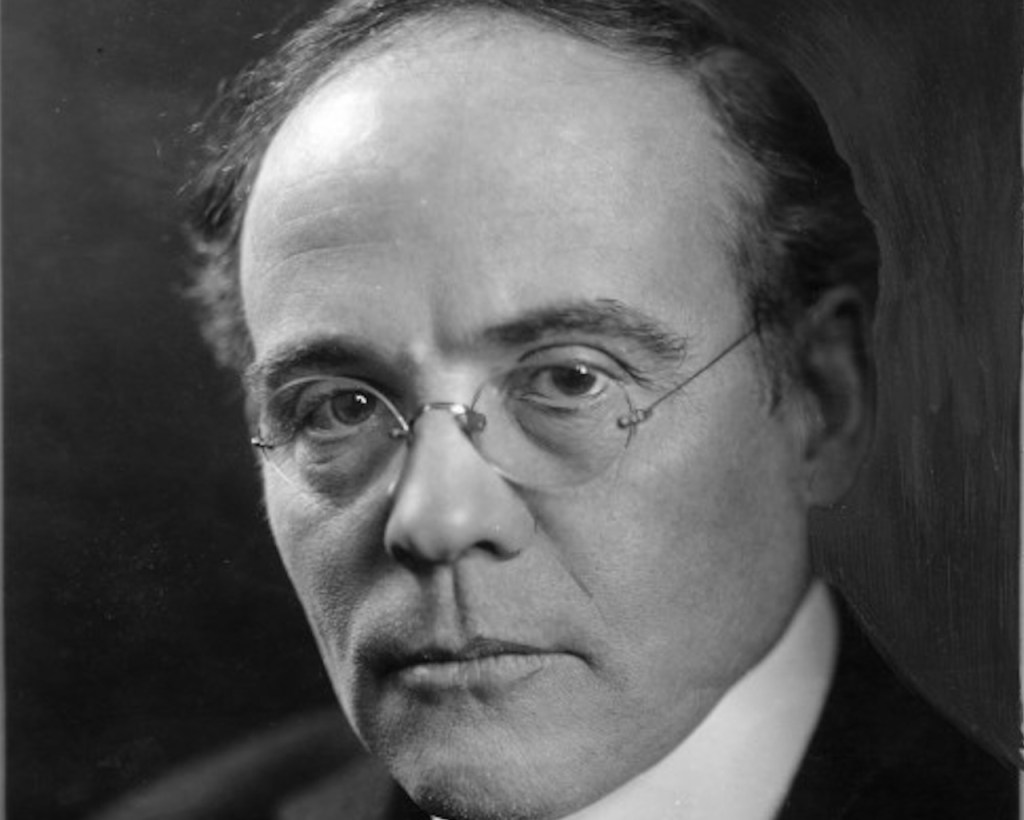
Edgar Lee Masters’ “Hare Drummer”
”Hare Drummer” portrays beautiful memories of pastoral scenery.
Introduction and Text of “Hare Drummer”
Hare Drummer asks a series of questions, seeking to learn how things have continued on after his death. That question format is reminiscent of A. E. Housman’s “Is my team ploughing,” in which a dead man asks for a report about how things are going now that he has died.
Hare Drummer
Do the boys and girls still go to Siever’s
For cider, after school, in late September?
Or gather hazel nuts among the thickets
On Aaron Hatfield’s farm when the frosts begin?
For many times with the laughing girls and boys
Played I along the road and over the hills
When the sun was low and the air was cool,
Stopping to club the walnut tree
Standing leafless against a flaming west.
Now, the smell of the autumn smoke,
And the dropping acorns,
And the echoes about the vales
Bring dreams of life. They hover over me.
They question me:
Where are those laughing comrades?
How many are with me, how many
In the old orchards along the way to Siever’s,
And in the woods that overlook
The quiet water?
Interpretive Reading
Commentary on “Hare Drummer”
Hare Drummer poses a series of questions about what life has been like for those who have lived on after he died.
First Movement: Does Life Go On After?
Do the boys and girls still go to Siever’s
For cider, after school, in late September?
Or gather hazel nuts among the thickets
On Aaron Hatfield’s farm when the frosts begin?
Hare begins by asking if the young folk “still go to Siever’s / For cider, after school, in late September?” He continues with his second question, asking if they still “gather hazel nuts among the thickets” on the farm owned by Aaron Hatfield “when the frost begins.”
Hare’s purpose in questioning seems quite innocent, as if he is merely curious about the continuation of life as he had seen it. And his questions and comments simply paint a portrait of simple, pastoral life including farms, hills, trees, cold weather, and “quiet water.”
Second Movement: Down Memory Lane
For many times with the laughing girls and boys
Played I along the road and over the hills
When the sun was low and the air was cool,
Stopping to club the walnut tree
Standing leafless against a flaming west.
Hare then offers the explanation that he had accompanied “the laughing girls and boys” as they all “played [ ] along the road and over the hills.” He remembers how they would knock down walnuts from the tree which stood “leafless against the flaming west.”
Third Movement: The Smell of Autumn Smoke
Now, the smell of the autumn smoke,
And the dropping acorns,
And the echoes about the vales
Bring dreams of life. They hover over me.
Intimating that he now smells “autumn smoke” and acorns drop on his grave, he dramatizes how “echoes about the vales / Bring dreams of life.” His memory abounds with sights and sounds that he experienced when he was alive. These dreams and experiences “hover over me,” he asserts.
Fourth Movement: Questioned by Phantoms
They question me:
Where are those laughing comrades?
How many are with me, how many
In the old orchards along the way to Siever’s,
And in the woods that overlook
The quiet water?
And just as Hare questions some phantom audience, he is questioned by the same phantoms. They want to know how many of his former playmates are with him and how many are still making their way through “the old orchards along the way to Siever’s.” And he also wonders how many still visit “the woods that overlook / The quiet water.”


Questions, comments, suggestions offered in good faith are always welcome. If you use a pseudonym, please include your real name, if you expect a response.