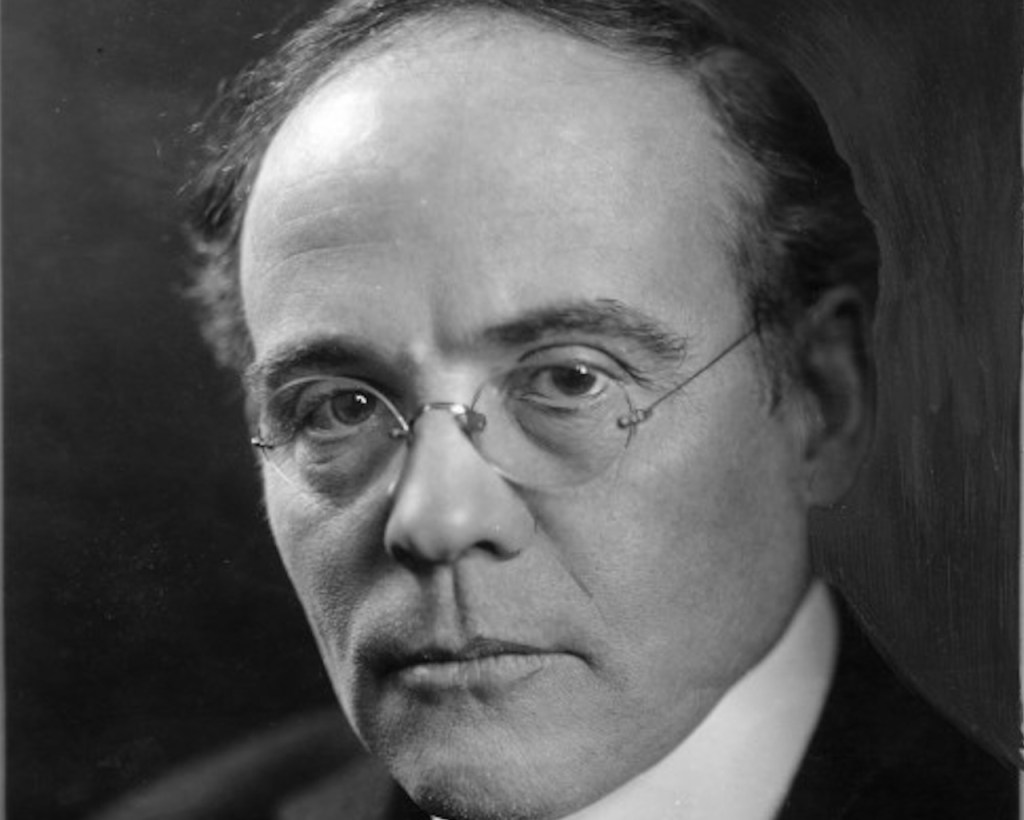
Edgar Lee Masters’ “Doc Hill”
Doc Hill was spurned by his wife and apparently also by his lackluster son. The sad physician turned to healing the sick to find an outlet for his love and affection.
Introduction and Text of “Doc Hill”
The 13-line epitaph “Doc Hill” from Edgar Lee Masters’ American classic, Spoon River Anthology features the pathetic character of a town doctor who basically lived his life through the people he cared for in his medical practice. Like many of the other graveyard complaining epitaphs, Doc Hill’s is full of pathos and self-pity.
But while apparently erasing from memory his own family, the physician does hold special regard for the many mourners who attended his funeral. He especially entertained deep sorrow, however, for one Spoon River resident, Em Stanton.
Although the doc does not elaborate upon his relationship with Em Stanton, his reticence allows his audience to imagine the extent that would cause him such sorrow at seeing her standing alone grieving.
Doc Hill
I went up and down the streets
Here and there by day and night,
Through all hours of the night caring for the poor who were sick.
Do you know why?
My wife hated me, my son went to the dogs.
And I turned to the people and poured out my love to them.
Sweet it was to see the crowds about the lawns on the day of my funeral,
And hear them murmur their love and sorrow.
But oh, dear God, my soul trembled, scarcely able
To hold to the railing of the new life
When I saw Em Stanton behind the oak tree
At the grave,
Hiding herself, and her grief!
Commentary on “Doc Hill”
Doc Hill confesses that his attention to his medical practice was only in part to assist the needy; it also assisted him by infusing into his life the love and affection that he failed to find in his own family life.
The dejected Doc Hill harbors a secret that will remain a mystery. Readers are left to imagine the meaning of the implied relationship between the physician and Em Stanton, a woman who secretly visits the gravesite as the doctor’s body is being interred.
First Movement: The Wages of Altruism?
I went up and down the streets
Here and there by day and night,
Through all hours of the night caring for the poor who were sick.
The doc begins by reporting that he spent most of his time with his patients, most of whom were poor as well as sick. Doc Hill made his way along the streets of the town during both daylight hours and during the nighttime. His reason for spending that time away from home was in order to care for sick people, who needed and appreciated him.
As the doc’s life centered on his profession, he seemingly behaved as a rather altruistic individual. However, readers become more and more skeptical of the scads of information given out by these Spoon River grave reporters.
Most of epitaphs include in their reporting complaints offered solely for the purpose of rehabilitating their reputations. Instead of accepting any fault on their part, they are quick to lay all blame on others for their pathetic lots.
While Doc Hill has some blame to lay on his wife and his reprobate son, his main issue is that while he was seemingly abandoned and/or mistreated by his own family, the many sick and poor people of the town came to love him for his medical service to them.
Yet, the physician seems to leave open the possibility that his motives were perhaps not as selfless and altruistic as they may seem. Thus he finds it important to explain his reasoning for giving so much attention to others outside of his home life.
Second Movement: No Love at Home
Do you know why?
My wife hated me, my son went to the dogs.
And I turned to the people and poured out my love to them.
Lest one think the doctor was an entirely altruistic workaholic or simply obsessed with his medical practice, he wants to explain that such was not the case. The doc begins by proffering the question as to why he spent so much time with his ill patients.
He then reveals “why”: His wife detested him, and his son felt no better toward his father. Thus the doc had no family life. He offers no details about his wife and son, other than that they abandoned him emotionally.
The doctor had to find consolation somewhere so he turned to his profession that involved other people, particularly sick folks, who became appreciative of his services. However, the doc does not seem to assert that he was merely looking for love for himself.
Part of his personality seems genuinely caring, although it also offers him an excuse for remaining absent from his home, marriage, and fatherhood. Likely the doc’s explanation makes him sound more altruistic than one who is expecting attention in return: he was looking for people to whom he could give his love and caring.
The doc’s medical profession afforded him the opportunity, or perhaps excuse, to spend all of his time away from his own family while attending to others. Less pathetic and crass than many of the Spoon River crowd, he, nevertheless, remains one of the forlorn characters as he spins his yarn of sorrow.
Third Movement: The Return of Love
Sweet it was to see the crowds about the lawns on the day of my funeral,
And hear them murmur their love and sorrow.
Interestingly, the day’s events of his funeral allow him to revel in the return of the love he had bestowed, for he hears sweet murmurings emanating from the many folks attending the event as they offer their little tributes to the man who tended to their health needs. Thus in death, he has achieved what he was never able to achieve in life with his own family.
The summation of caring and affection that showed itself on the day of his funeral seems to make up for the familial affection he had not experienced. And that lack seems to extend into death, for he mentions the presence of neither his wife nor his son at his funeral. Readers then may assume that they were not present, or that the doc cared so little for them that he fails to bother to account for their reactions to his death.
Fourth Movement: A Grieving Paramour?
But oh, dear God, my soul trembled, scarcely able
To hold to the railing of the new life
When I saw Em Stanton behind the oak tree
At the grave,
Hiding herself, and her grief!
However, the doc does reveal a rather mysterious implication about himself when he describes a woman, Em Stanton, whom he observes as she appears to hide “behind the oak tree,” pathetically watching the events at the grave-site. Em Stanton appears to be assuaging her grief as she hides from the other mourners.
The observation of Em standing behind a tree apparently grief-stricken shakes the doc so badly that he can hardly hold his soul power together as he tries to “hold to the railing of the new life.” This extreme reaction does seem to indicate that his relationship with Em Stanton likely indicates a close and deep emotional tie.
The doc’s showering of affection on the townsfolk possibly included a romantic relationship with the woman behind the tree, Em Stanton, a woman who is now left to grieve in hiding. By extension, readers might wonder if there may be other “Em-Stantons,” who simply failed to appear and mourn as his own family failed to appear.


Questions, comments, suggestions offered in good faith are always welcome. If you use a pseudonym, please include your real name, if you expect a response.