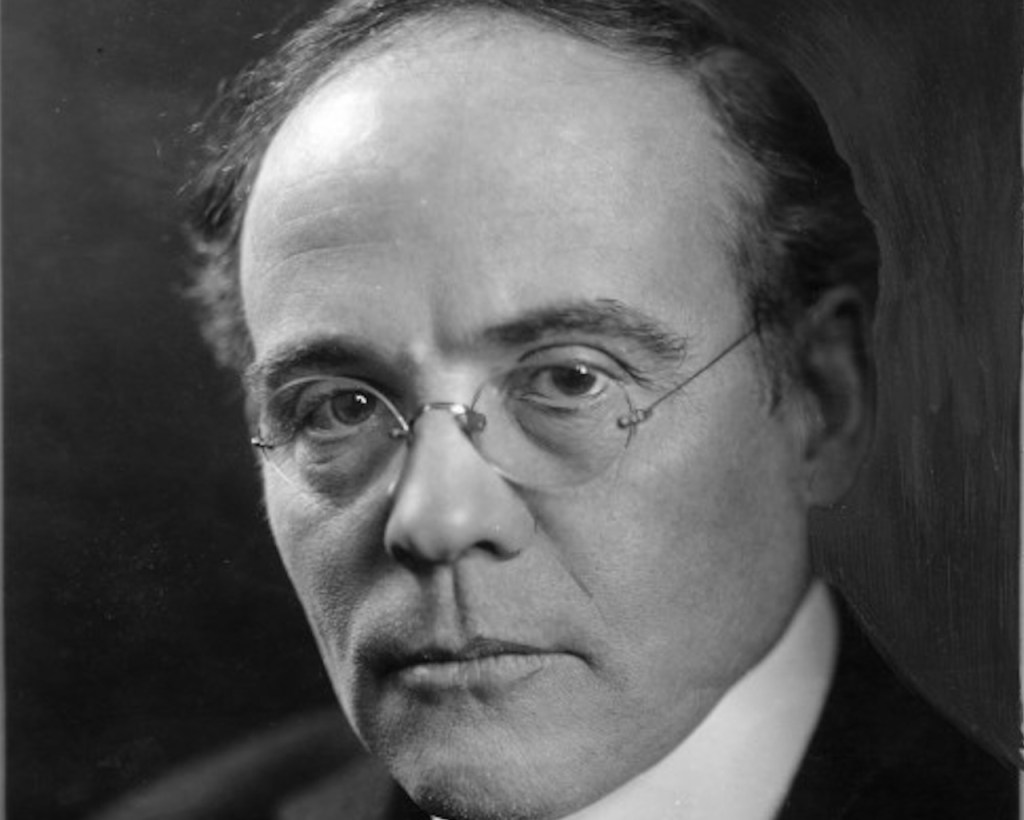
Edgar Lee Masters’ “Aner Clute”
Edgar Lee Masters’ speaker in “Aner Clute” compares her choosing “the life” to a boy stealing an apple from a grocery store.
Introduction and Text of “Aner Clute”
In Edgar Lee Masters’ “Aner Clute,” from Spoon River Anthology, the speaker is a prostitute, who blames others for her own life choices, as many of the Spoon River soliloquists are wont to do.
The bulk of Aner Clute’s drama plays out in her comparison of her choosing “the life” to a boy stealing an apple from a grocery store. Like many other Spoon River speakers, Miss Clute dabbles in a ridiculous fantasy designed solely to relieve her of her own guilty life choices.
Aner Clute
Over and over they used to ask me,
While buying the wine or the beer,
In Peoria first, and later in Chicago,
Denver, Frisco, New York, wherever I lived,
How I happened to lead the life,
And what was the start of it.
Well, I told them a silk dress,
And a promise of marriage from a rich man—
(It was Lucius Atherton).
But that was not really it at all.
Suppose a boy steals an apple
From the tray at the grocery store,
And they all begin to call him a thief,
The editor, minister, judge, and all the people—
“A thief,” “a thief,” “a thief,” wherever he goes.
And he can’t get work, and he can’t get bread
Without stealing it, why the boy will steal.
It’s the way the people regard the theft of the apple
That makes the boy what he is.
Commentary on “Aner Clute”
Edgar Lee Masters’ speaker in “Aner Clute” compares her choosing “the life” to a boy stealing an apple from a grocery store.
First Movement: Getting into “The Life”
Over and over they used to ask me,
While buying the wine or the beer,
In Peoria first, and later in Chicago,
Denver, Frisco, New York, wherever I lived,
How I happened to lead the life,
And what was the start of it.
Aner begins her drama by reporting that her johns (customers of a prostitute) would ask her how she got into “the life,” which is a euphemism for prostitution. They supposedly wanted to know “what was the start of it.”
These johns in Peoria, Chicago, Denver, San Francisco, New York, or “wherever [she] lived” would put these questions to her as they were “buying the wine or the beer.”
No doubt, they asked not so much because they cared how she became a “working girl,” but likely just to have something to say. They probably had little else in common with their companion for the night, and such a question would seem personal enough yet non-intimidating.
Second Movement: Blame it on a Dress and a Promise
Well, I told them a silk dress,
And a promise of marriage from a rich man—
(It was Lucius Atherton).
Aner claims she would tell them she got into the business because of “a silk dress, / And a promise of marriage from a rich man.” She even names the man, Lucius Atherton.
Third Movement: A Lie and Ludicrous Comparison
But that was not really it at all.
Suppose a boy steals an apple
From the tray at the grocery store,
And they all begin to call him a thief,
The editor, minister, judge, and all the people—
Aner then admits that her claim about the marriage promise and the silk dress was a lie, and she begins a ludicrous comparison of her choice to sell sex for a living to a boy stealing an apple from a grocery store. Clute’s pitiful plaint is that “the editor, minister, judge, and all the people” took up the refrain of calling the boy “a thief.”
Fourth Movement: The Label Makes the Man
“A thief,” “a thief,” “a thief,” wherever he goes.
And he can’t get work, and he can’t get bread
Without stealing it, why the boy will steal.
It’s the way the people regard the theft of the apple
That makes the boy what he is.
Clute continues her analogy and chorus of “all the people” calling the boy, “A thief,” “a thief,” “a thief.” Everywhere the poor lad goes someone calls him a thief. The boy’s reputation as a thief prevents the boy from finding any job. He cannot even supply his own meals, so the boy can do only one thing—continue to steal.
According to Aner, the boy’s predicament was not engendered by the boy stealing an apple; his life as a thief resulted from “the way the people regard the theft of the apple.” Their heartless taunting “ma[de] the boy what he is.”
The reason that Aner’s analogy to the boy-turned-thief sounds utterly asinine is because it is. She is implying that because she took money once for sex, she had to continue because everywhere she went, people would call her names like whore, slut, slattern or whatever.
So Aner’s difficulty was not her own making. Her downfall was having other people label her a whore that made her actually become a prostitute. Such is the convoluted thinking of many of these Spoon River cemetery inmates. They are never to blame for their choices—they blame society in the town of Spoon River.


Questions, comments, suggestions offered in good faith are always welcome. If you use a pseudonym, please include your real name, if you expect a response.