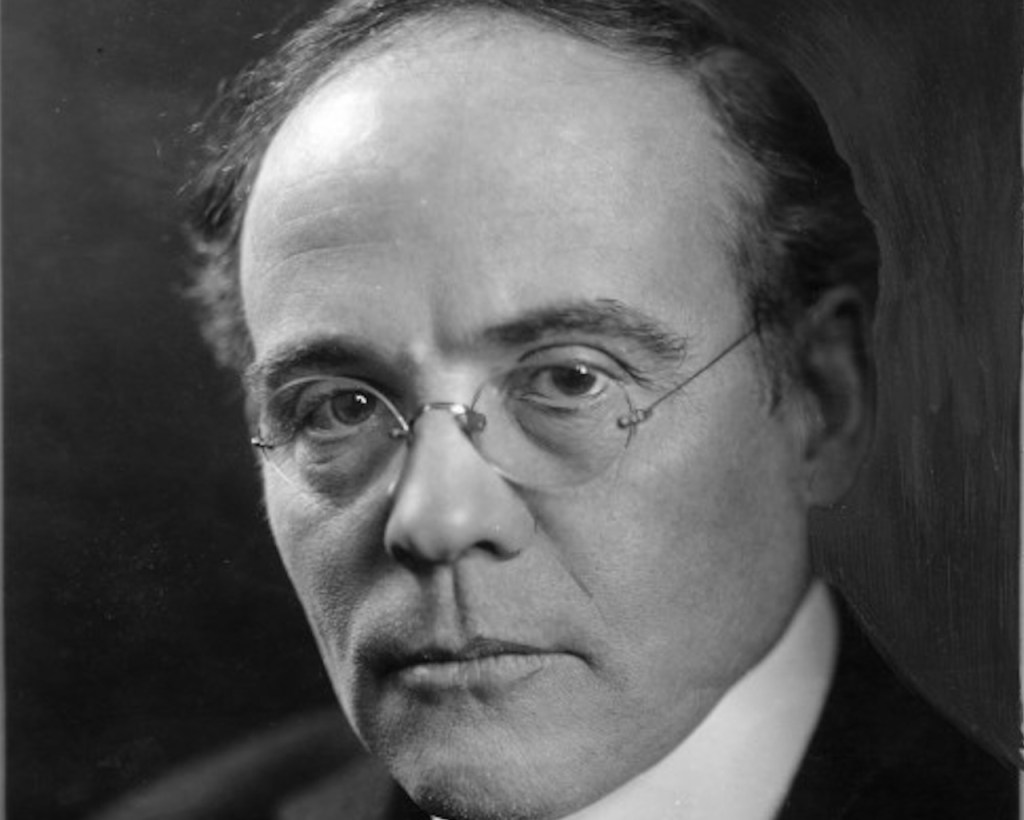
Edgar Lee Masters’ “William and Emily”
The speaker’s epitaph is titled, “William and Emily,” with no details offered about the pair. But the gravity of the message is unique and interestingly appropriate.
Introduction and Text of “William and Emily”
In Edgar Lee Masters’ “William and Emily” from his American classic Spoon River Anthology, the speaker makes a profound statement about the cessation of passion in a marriage. It is quite likely that he does so unwittingly.
William and Emily
There is something about Death
Like love itself!
If with some one with whom you have known passion,
And the glow of youthful love,
You also, after years of life
Together, feel the sinking of the fire,
And thus fade away together,
Gradually, faintly, delicately,
As it were in each other’s arms,
Passing from the familiar room—
That is a power of unison between souls
Like love itself!
Commentary on “William and Emily”
The speaker’s epitaph is titled “William and Emily” with no details offered about the pair. But the gravity of the message is unique and interestingly appropriate.
First Movement: Death and Love
There is something about Death
Like love itself!
The speaker begins with an intriguing proposition, vaguely offering, “there is something about Death.” Don’t we all know that? We dread it, we crave it, we mostly wonder about it, but yes, dude, there is definitely something about “Death.” What the reader is not expecting is that someone would assert that death is “like love itself.”
Readers have come to expect all sorts of nonsense from the residents, or might one say, inmates of the Spoon River cemetery. So when one of them asserts that death and love have something in common, readers might not blink an eye, as they curiously wait to find out what this dude thinks death and love have in common.
Second Movement: Reason Is an “If”
If with some one with whom you have known passion,
And the glow of youthful love,
You also, after years of life
Together, feel the sinking of the fire,
And thus fade away together,
The speaker then offers his reason for making such a statement that love and death have something in common. The curious speaker begins with an “if” clause—if you have known someone with “passion” and “the glow of youthful love,” but you start losing that fiery passion of youth.
Third Movement: A Fiery Thought
Gradually, faintly, delicately,
As it were in each other’s arms,
Passing from the familiar room—
That is a power of unison between souls
Like love itself!
The speaker then breaks the fiery thought. This slow loss, “Gradually, faintly, delicately” builds up a drama that might have easily been glossed over. It is a cliché that sexual passion fades with the age of the paramours, but if it is lost slowly, the loss takes on a different context.
The cessation of violent sexual passion between two individuals is scheduled by nature to occur. That cessation allows room for the spiritual bond between them to flower. After all, sexual passion has only one true purpose—to create other human beings.
Once the physical ability to give birth has passed, there is no longer a need for sexual passion, even though, as many erroneously believe otherwise, the ability to be sexually aroused does not subside, unless, of course, there are health issues.
Perfectly healthy octogenarians are as capable of basking in the “glow of youthful love” as they were in their twenties, thirties, etc,—but should they? What do they lose if they do?
Fourth Movement: Soul Unity
That is a power of unison between souls
Like love itself!
They lose “the power of unison between souls”—a man who continues to pound his wife as a sex object past the age of the ability to conceive and spawn offspring can hardly be considered a soul-living creature.
The main purpose of sexual coupling long past, all that is left is that “shudder in the loins” that speaks only one word, “selfishness.” Or perhaps two words, “selfish ignorance.” It is the “power of the unison between souls” that speaks to the union with “love itself.”
So what is there about “Death” that is like “love itself”? God is love—pure love: not sex, not physical passion that leads to procreation, which is only a tiny aspect of God. As the human being grows older, s/he becomes more aware of the necessity of knowing God.
After procreating, the human body/mind has only one true, dual-pronged purpose: to pursue and find itself as a soul connected it to the OverSoul, or God. After the human being leaves the body/mind at “Death,” it craves only the company of its Creator. A little preparation beforehand is always advisable on this mud ball of planet Earth.


Good faith questions and comments welcome!