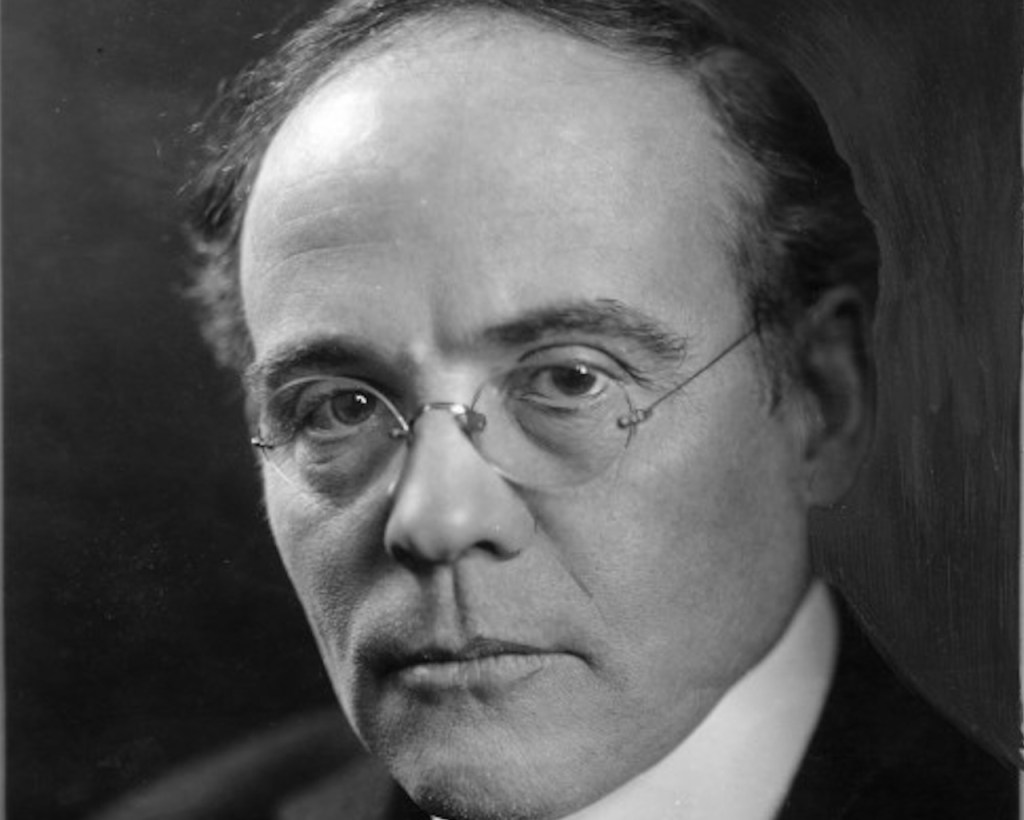
Edgar Lee Masters’ “‘Butch’ Weldy”
The epitaph “‘Butch’ Weldy” concludes the “Minerva” series. Butch declaims about his ordeal after a work related accident—with nary a nod to Minerva.
Introduction with Text of Poem, “‘Butch’ Weldy”
In Edgar Lee Masters’ “‘Butch’ Weldy” from the American classic Spoon River Anthology, the character of the man who impregnated Minerva Jones before he “got religion and steadied down” is revealed.
The reader will notice that Butch makes no reference to Minerva Jones, her father—Indignation Jones, or Doctor and Mrs. Meyers. Butch’s choice of narrative subject reveals him to be a rather self-indulgent individual. The fifth and final installment in the “Minerva Jones” saga, “‘Butch’ Weldy” concludes the “Minerva Jones” series.
Butch declaims about his ordeal after a work related accident—with nary a nod to Minerva, but it is easy to understand how his own misery would tend to blot out his dealings with the ilk of Minerva, et al.
“Butch” Weldy
After I got religion and steadied down
They gave me a job in the canning works,
And every morning I had to fill
The tank in the yard with gasoline,
That fed the blow-fires in the sheds
To heat the soldering irons.
And I mounted a rickety ladder to do it,
Carrying buckets full of the stuff.
One morning, as I stood there pouring,
The air grew still and seemed to heave,
And I shot up as the tank exploded,
And down I came with both legs broken,
And my eyes burned crisp as a couple of eggs.
For someone left a blow-fire going,
And something sucked the flame in the tank.
The Circuit Judge said whoever did it
Was a fellow-servant of mine, and so
Old Rhodes’ son didn’t have to pay me.
And I sat on the witness stand as blind
As Jack the Fiddler, saying over and over,
“I didn’t know him at all.”
Interpretive Reading
Commentary on “‘Butch’ Weldy”
‘Butch’ Weldy reveals himself to be a young man who has tried to rehabilitate himself from his earlier bad behavior. But he meets with a terrible work-related accident that leaves him blind and crippled.
His getting religion and steadying down likely improved his life in some regards. But then after accepting a job at the canning factory, things fell apart. He eventually shows himself to be a rather muddled-brained fellow as the tries to navigate a court trial.
First Movement: Weldy Get Religion and Takes a Job at the Canning Factory
After I got religion and steadied down
They gave me a job in the canning works,
And every morning I had to fill
The tank in the yard with gasoline,
That fed the blow-fires in the sheds
To heat the soldering irons.
And I mounted a rickety ladder to do it,
Presenting himself as a ne’er-do-well, Butch reports that he was able to find work after he “got religion and steadied down,” exposing his character as a gad-about, who likely indulged in all manner of adolescent chicanery. This estimation of Weldy’s character can be inferred from the fact that he impregnated Minerva Jones out- of-wedlock.
Likely, Butch led Minerva to believe he loved her and after carrying on with her for a time that suited his fancy, he dumped her. It remains unclear if Weldy ever knew about the baby, Minerva was carrying.
Equally likely, however, is that he left the village poetess after finding out about the pregnancy, which he would not have entertained a desire to support As Minerva said, Butch left her “to her fate with Doctor Meyers.”
Butch explains his job at the canning works, how he “mounted a rickety ladder” every morning “to fill / The tank in the yard with gasoline.” This fuel then fed the “blow-fires in the sheds / To heat the soldering irons.”
Second Movement: The Work Incident That Blinded and Crippled Butch
Carrying buckets full of the stuff.
One morning, as I stood there pouring,
The air grew still and seemed to heave,
And I shot up as the tank exploded,
And down I came with both legs broken,
And my eyes burned crisp as a couple of eggs.
For someone left a blow-fire going,
And something sucked the flame in the tank.
Butch then states that on one work morning as he was filling the tank with gasoline that he had fetched up the ladder, he noticed that suddenly the air around him became still but “seemed to heave.”
All of a sudden, his body was hurled upward “as the tank exploded.” From this unfortunate event, Butch suffered two broken legs and his eyes “burned crisp as a couple of eggs,” thus, rendering him blind.
Third Movement: The Trial and the Failure to Be Compensated
For someone left a blow-fire going,
And something sucked the flame in the tank.
The Circuit Judge said whoever did it
Was a fellow-servant of mine, and so
Old Rhodes’ son didn’t have to pay me.
A fellow worker had allowed one of the fires to continue to burn. Butch explains that the air sucked the flame in the tank. Butch’s narrative then lurches quickly to the trial in which the Circuit Judge fails to award Weldy any damages.
Butch’s attempt to recover damages from the canning works for his injuries is thwarted by the court which found that because a fellow worker had been negligent and caused the accident, the owners of the canning works could not be held responsible.
Fourth Movement: Weldy Sues the Wrong Party
And I sat on the witness stand as blind
As Jack the Fiddler, saying over and over,
“I didn’t know him at all.”
Butch repeatedly protests that he did not know the fellow worker at all. This response reveals a lack of understanding; the court was not saying the Butch and the perpetrator were buddies; it was saying that the canning works’ owners were not responsible. It would therefore seem to follow that if Butch were to sue the fellow worker, he might have a case.
Butch remarks that he sat on the witness stand, “as blind / As Jack the Fiddler,” repeating his claim that he did not know the fellow employ who neglected to douse the fire in the shed. Jack the Fiddler is an allusion to “Blind Jack,” who appears later on in the Spoon River Anthology.
The Minerva Jones Sequence
- Minerva Jones The “Minerva Jones” epitaph features one of the most depraved characters of the Spoon River talking dead. She is self-absorbed and haughty, lacking empathy and self-awareness, causing her to remain ignorant of her own discordant thoughts.
- “Indignation” Jones In the second epitaph of the “Minerva” series, the poetess’ father, “Indignation” Jones, fulminates against Spoon River society.
- Doctor Meyers The third epitaph in the Minerva Jones series features “Doctor Meyers,” who performed the abortion that led to the death of the unfortunate poetess.
- Mrs. Meyers In the fourth epitaph in this series,”Mrs. Meyers,” Dr. Meyers’ wife testifies that her husband, whom she calls “poor soul,” reaped what he sowed for his actions in life. The religious woman offers advice for a pleasant and peaceful life, reminding humanity to “Love God and keep his commandments.”
- “Butch” Weldy The fifth and final epitaph “‘Butch’ Weldy” concludes the “Minerva Jones” series. Butch declaims about his ordeal after a work related accident—with nary a nod to Minerva.


Questions, comments, suggestions offered in good faith are always welcome. If you use a pseudonym, please include your real name, if you expect a response.