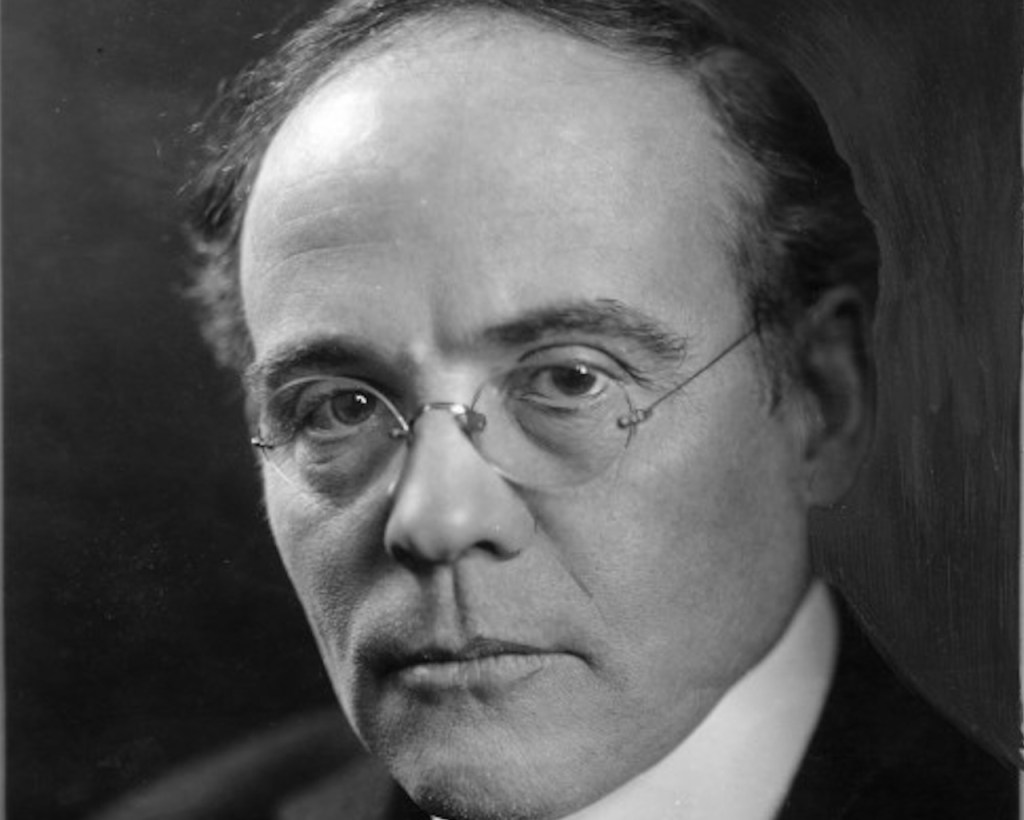
Edgar Lee Masters’ “Dr. Siegfried Iseman”
Dr. Siegfried Iseman is the typical Spoon River speaker who blames others for his own destructive path.
Introduction and Text of “Dr. Siegfried Iseman”
The speaker in Edgar Lee Masters’ “Dr. Siegfried Iseman” from Spoon River Anthology is a disgraced physician who goes to imprison for peddling a concoction he called the “Elixir of Youth.”
Dr. Siegfried Iseman will be recognized as the typical Spoon River epitaph speaker who touts himself as a victim, as he huffs and puffs, blaming others for his own crimes on his path to self-destruction.
As scoundrels often justify their own perfidy, they not only blame others for their mishaps but they also feel an inner high-moral ground that sounds logical only to their misguided and twisted thinking.
Dr. Siegfried Iseman
I said when they handed me my diploma,
I said to myself I will be good
And wise and brave and helpful to others;
I said I will carry the Christian creed
Into the practice of medicine!
Somehow the world and the other doctors
Know what’s in your heart as soon as you make
This high-souled resolution.
And the way of it is they starve you out.
And no one comes to you but the poor.
And you find too late that being a doctor
Is just a way of making a living.
And when you are poor and have to carry
The Christian creed and wife and children
All on your back, it is too much!
That’s why I made the Elixir of Youth,
Which landed me in the jail at Peoria
Branded a swindler and a crook
By the upright Federal Judge!
Commentary on “Dr. Siegfried Iseman”
Dr. Siegfried Iseman is the typical Spoon River speaker who blames others for his own destructive path.
First Movement: The No-Witness Convenience
I said when they handed me my diploma,
I said to myself I will be good
And wise and brave and helpful to others;
I said I will carry the Christian creed
Into the practice of medicine!
Dr. Iseman begins his confessional by recalling that at the beginning of his entry into the profession of medicine, he promised to be a good Christian doctor. He intended to be “good / And wise and brave and helpful to others.” Even as Iseman was “handed” his diploma, these promises he mouthed to himself.
Interestingly, because the doctor had only silently “said” these things, there is conveniently no witness to his testimony. The lack of any evidence that Iseman had intended to acquit himself honorably allows him to backslide at least without others knowing about this original intentions, a fact that, no doubt, in the beginning of his moral failure gave him a sense of comfort.
Second Movement: Scoundrel Justification
Somehow the world and the other doctors
Know what’s in your heart as soon as you make
This high-souled resolution.
Siegfried then philosophically laments that making such a “high-souled resolution” opened him to the fraud, greed, and graft of “the world and the other doctors.” Completely without substantial support for the claim, Iseman decries the fact that they all “know” what is the heart of the man of good intentions. But this kind of conclusion is necessary when a scoundrel needs to justify his own improprieties.
Third Movement: Self-Victimized
And the way of it is they starve you out.
And no one comes to you but the poor.
And you find too late that being a doctor
Is just a way of making a living.
Because Siegfried had made a pledge to himself to be good and noble, he became a victim of the other doctors who were not bound by such high-souled intentions. They were free to “starve [him] out.”
Because only the poor came to Dr. Iseman, he found that he could not thrive financially as the others did. Iseman’s lack of financial success ultimately led him to believe that, “being a doctor / Is just a way of making a living.” And he learned this lesson “too late”—this is, too late to change his good intentions and thus begin acting unconscionably as the others had.
Fourth Movement: The Burden of Duty
And when you are poor and have to carry
The Christian creed and wife and children
All on your back, it is too much!
Poor Siegfried, who remained poor, despite his medical practice became burdened by his “Christian creed” as well as by a “wife and children.” With such heavy responsibilities “on [his] back,” Iseman exclaims, “it is too much!”
Fifth Movement: It’s the Judge’s Fault
That’s why I made the Elixir of Youth,
Which landed me in the jail at Peoria
Branded a swindler and a crook
By the upright Federal Judge!
Siegfried finally reveals that he concocted “the Elixir of Youth,” and that concoction “landed [him] in jail in Peoria.” Iseman’s reputation was ruined, and he was “[b]randed a swindler and a crook.”
He sarcastically blames “the upright Federal Judge” for his predicament. Dr. Siegfried Iseman’s testimony from the grave resembles so many other Spoon River deceased, who excuse their own behavior by claiming themselves victims of someone else.


Questions, comments, suggestions offered in good faith are always welcome. If you use a pseudonym, please include your real name, if you expect a response.