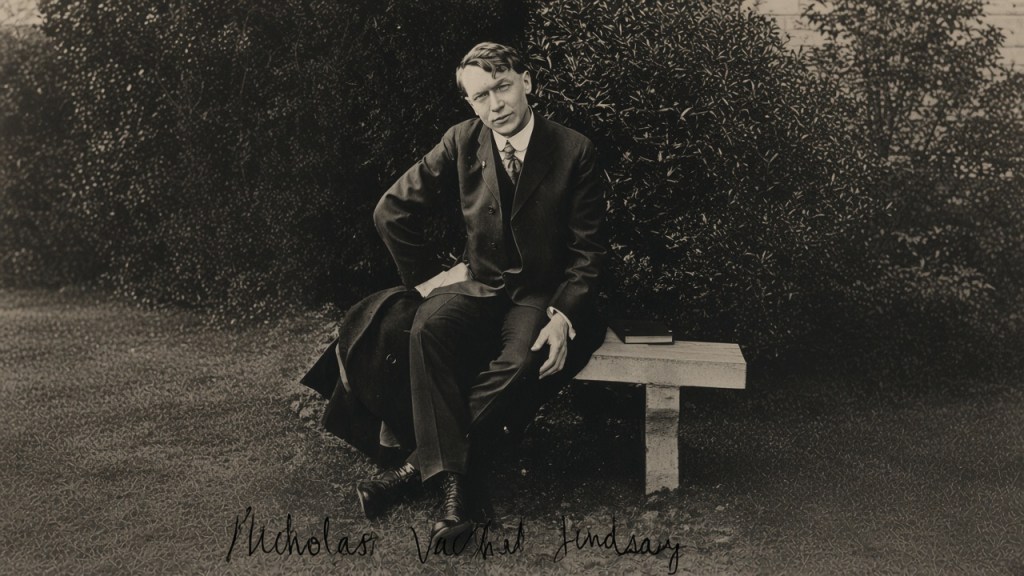
Vachel Lindsay’s “Abraham Lincoln Walks at Midnight’’
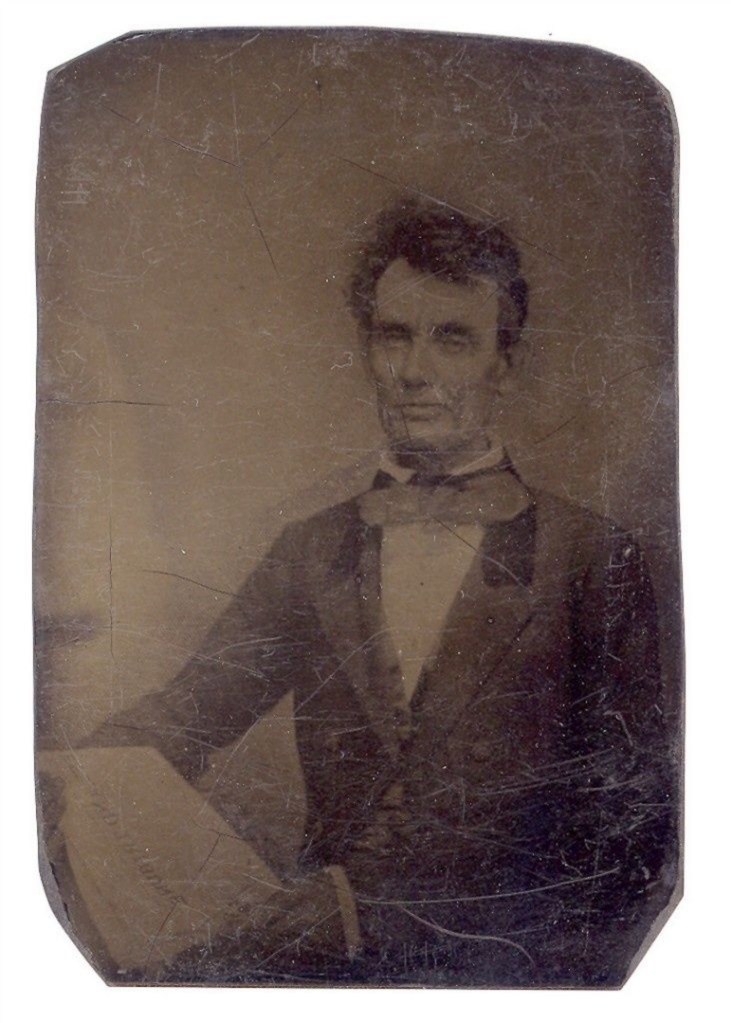
One of Vachel Lindsay’s most noted poems focuses Abraham Lincoln, the sixteenth American president. In this elegy, Lincoln strolls about “at Midnight” contemplating the tragedy of nations being in on the brink of a world war. The Civil War president wonders therefore about his own legacy.
Introduction and Text of “Abraham Lincoln Walks at Midnight’’
Vachel Lindsay’s father was a physician, who urged his son to study medicine, but the son discovered that he did not want to be a doctor. He dropped out of Hiram College and studied for a time at the Chicago Art Institute and later at the New York School of Art.
While in New York, Lindsay started poetry writing. He would print out copies of his poems and sell them on the street. He enjoyed a fairly high level of recognition for his writing, and particularly for his performances of his works. He believed that poetry was to be heard more than read, and his lively concerts brought him a wide audience.
One of his most noted poems focuses on the sixteenth president of the United States. Titled “Abraham Lincoln Walks at Midnight,” with the subtitle “In Springfield, Illinois,” the poem consists of eight stanzas each with the rime scheme ABCB and separates into four movements.
Abraham Lincoln Walks at Midnight
(In Springfield, Illinois)
It is portentous, and a thing of state
That here at midnight, in our little town
A mourning figure walks, and will not rest,
Near the old court-house pacing up and down.
Or by his homestead, or in shadowed yards
He lingers where his children used to play,
Or through the market, on the well-worn stones
He stalks until the dawn-stars burn away.
A bronzed, lank man! His suit of ancient black,
A famous high top-hat and plain worn shawl
Make him the quaint great figure that men love,
The prairie-lawyer, master of us all.
He cannot sleep upon his hillside now.
He is among us:—as in times before!
And we who toss and lie awake for long
Breathe deep, and start, to see him pass the door.
His head is bowed. He thinks on men and kings.
Yea, when the sick world cries, how can he sleep?
Too many peasants fight, they know not why,
Too many homesteads in black terror weep.
The sins of all the war-lords burn his heart.
He sees the dreadnaughts scouring every main.
He carries on his shawl-wrapped shoulders now
The bitterness, the folly and the pain.
He cannot rest until a spirit-dawn
Shall come;—the shining hope of Europe free;
The league of sober folk, the Workers’ Earth,
Bringing long peace to Cornland, Alp and Sea.
It breaks his heart that kings must murder still,
That all his hours of travail here for men
Seem yet in vain. And who will bring white peace
That he may sleep upon his hill again?
Commentary on “Abraham Lincoln Walks at Midnight’’
One of Vachel Lindsay’s most noted poems takes as its subject the sixteenth president of the United States, Abraham Lincoln, likely the most beloved president of all forty-five presidents.
(As of 2024, there have been a total of 45 US presidents. Grover Cleveland had two non-consecutive presidencies, #22 and #24, and after the 2024 presidential election Donald Trump has repeated that feat as #45 and #47; thus while there have been 47 presidencies, there have been only 45 presidents.)
First Movement: Reporting a Portentous Event
It is portentous, and a thing of state
That here at midnight, in our little town
A mourning figure walks, and will not rest,
Near the old court-house pacing up and down.
Or by his homestead, or in shadowed yards
He lingers where his children used to play,
Or through the market, on the well-worn stones
He stalks until the dawn-stars burn away.
In the opening stanza, the speaker declares that “a mourning figure walks” near the courthouse, and this is a “portentous” event that needs to be reported.
In the second stanza, the speaker enumerates other places where the figure has been seen walking: by the home where the figure once lived and where his children played, in the market place “on the well-worn stones.” And he “stalks until the dawn-stars burn away,” thus the title Lincoln “walks at midnight.”
Second Movement: Worries and Restless Roused from the Grave
A bronzed, lank man! His suit of ancient black,
A famous high top-hat and plain worn shawl
Make him the quaint great figure that men love,
The prairie-lawyer, master of us all.
He cannot sleep upon his hillside now.
He is among us:—as in times before!
And we who toss and lie awake for long
Breathe deep, and start, to see him pass the door.
The third stanza describes the figure’s appearance: bronze, lank, wearing a black suit and top-hat. These characteristics, the speaker claims, “make him the quaint great figure that men love.” And he adds that the figure is “The prairie-lawyer, master of us all.” This description makes it quite clear that the figure is Lincoln.
In the fourth stanza, the speaker surmises that Lincoln is worried and restless and cannot remain in his grave; he has to come join the other people of the town who also “toss and lie awake.” And because the restless living people are kept awake by worries, they see the long dead figure walking among them.
Third Movement: Concerned with World Conditions
His head is bowed. He thinks on men and kings.
Yea, when the sick world cries, how can he sleep?
Too many peasants fight, they know not why,
Too many homesteads in black terror weep.
The sins of all the war-lords burn his heart.
He sees the dreadnaughts scouring every main.
He carries on his shawl-wrapped shoulders now
The bitterness, the folly and the pain.
The speaker reckons that the president is worried and unable to sleep because he is cogitating over world conditions. Lincoln is likely thinking about “men and kings,” and he is distressed about the struggling poor people of the world and the “sins of all the war-lords.”
Lincoln paces in the town at midnight, with a load of worries that he knows are bothering this fellow citizens. The problems of the world he seems to carry on his own shoulders, including all the “folly and the pain.”
Fourth Movement: A Question of Peace
He cannot rest until a spirit-dawn
Shall come;—the shining hope of Europe free;
The league of sober folk, the Workers’ Earth,
Bringing long peace to Cornland, Alp and Sea.
It breaks his heart that kings must murder still,
That all his hours of travail here for men
Seem yet in vain. And who will bring white peace
That he may sleep upon his hill again?
In the final two stanzas, the speaker makes the startling claim that Lincoln will not be able to rest until peace comes to the world: until Europe is free, and people wise up and bring long-lasting peace the world over “to Cornland, Alp, and Sea.”
The speaker claims that Lincoln remains sorrowful because kings are still murdering, and all of his own former earthy endeavors seem to be “in vain.” He then concludes with the question about who will finally be the one to bring about peace on this earth, so that Abraham Lincoln’s soul may be at rest and his body lie “sleep[ing] upon his hill again?”


Questions, comments, suggestions offered in good faith are always welcome. If you use a pseudonym, please include your real name, if you expect a response.