Linda's Literary Home

Tag: character study

  • Edgar Lee Masters’ “Dora Williams”

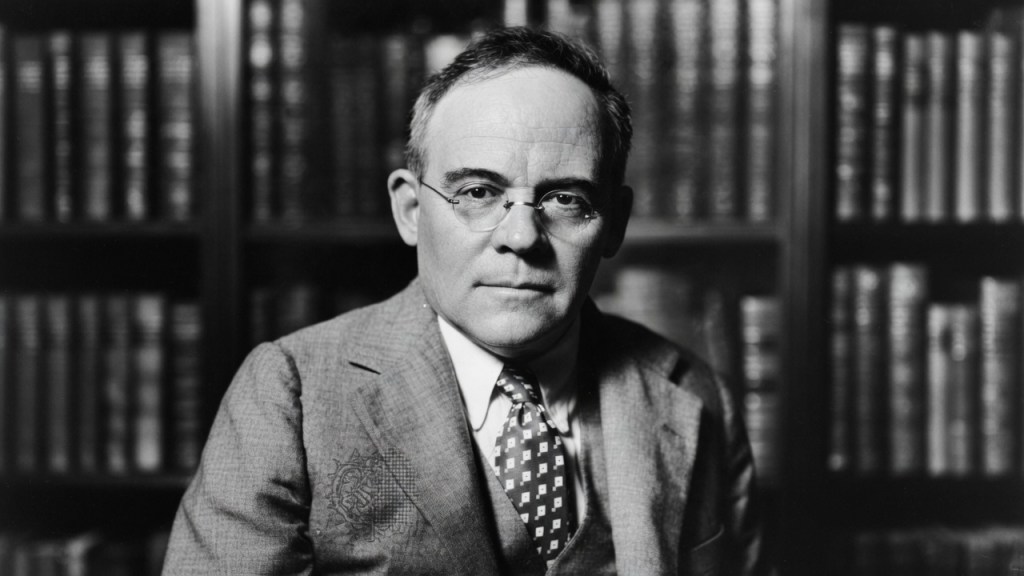
    Image: Edgar Lee Masters https://chicagoliteraryhof.org/inductees/profile/edgar-lee-masters
    Image: Edgar Lee Masters – Chicago Literary Hall of Fame – https://chicagoliteraryhof.org/inductees/profile/edgar-lee-masters

    Edgar Lee Masters’ “Dora Williams”

    “Dora Williams” is reporting from Camp Santo in Genoa, Italy, instead of from the Spoon River graveyard.

    Introduction and Text of “Dora Williams”

    In Edgar Lee Masters’ “Dora Williams” from the American classic Spoon River Anthology, the speaker, unlike the other posthumous reporters who announce themselves from the graveyard in Spoon River, is offering her shout-out from Campo Santo in Genoa, Italy.   The none-too-subtle allusion to Columbus offers an opening salvo of the trash-America-first bunch, who begin with the Columbian discovery of a New World.

    Dora Williams

    When Reuben Pantier ran away and threw me  
    I went to Springfield. There I met a lush,  
    Whose father just deceased left him a fortune.  
    He married me when drunk. My life was wretched.
    A year passed and one day they found him dead.
    That made me rich. I moved on to Chicago.
    After a time met Tyler Rountree, villain.
    I moved on to New York. A gray-haired magnate
    Went mad about me—so another fortune.  
    He died one night right in my arms, you know.
    (I saw his purple face for years thereafter.)
    There was almost a scandal. I moved on,  
    This time to Paris. I was now a woman,
    Insidious, subtle, versed in the world and rich.
    My sweet apartment near the Champs Élysées
    Became a center for all sorts of people,
    Musicians, poets, dandies, artists, nobles,  
    Where we spoke French and German, Italian, English.
    I wed Count Navigato, native of Genoa.
    We went to Rome. He poisoned me, I think.
    Now in the Campo Santo overlooking
    The sea where young Columbus dreamed new worlds,
    See what they chiseled: ”Contessa Navigato
    Implora eterna quiete.”

    Commentary on “Dora Williams”

    “Dora Williams”  offers her report from Camp Santo in Genoa, Italy, instead of from the Spoon River graveyard. Yeah, funny how that works!

    First Movement:  Making Her Life Miserable

    When Reuben Pantier ran away and threw me  
    I went to Springfield. There I met a lush,  
    Whose father just deceased left him a fortune.  
    He married me when drunk. My life was wretched.
    A year passed and one day they found him dead.
    That made me rich. I moved on to Chicago.
    After a time met Tyler Rountree, villain.

    Readers will remember meeting Dora as part of the fornicating couple, whom A. D. Blood castigated for using his grave as their “unholy pillow.”  The reader will not be surprised to learn the particulars of Dora’s ultimate history. 

    Dora begins with a brief mention of “Reuben Pantier,” who dumped her and “ran away.”  But after Reuben ran off, so did Dora; she “went to Springfield.”  There she met “a lush”; she reports that the lush’s father had died and left him a fortune.   The lush ends up married to Dora (she blames it on his being drunk at the time) and makes her life miserable.

    After a year of this wretched existence, “one day they found him dead.”  What’s Dora’s response?  “That made me rich.  I moved to Chicago.”  No word of concern for the man with whom she had lived, just the unadorned report that “they found him dead.”   And after relocating to Chicago, Dora meets another man, Tyler Rountree, whom she claims was a “villain.”  She gives us no further details about Tyler.  Thus she moves on.

    Second Movement:  Moving On

    I moved on to New York. A gray-haired magnate
    Went mad about me—so another fortune.  
    He died one night right in my arms, you know.
    (I saw his purple face for years thereafter.)
    There was almost a scandal. I moved on,  

    Dora then moves to New York, where the lucky gal again manages to marry a fortune, “a gray-haired magnate,” who again dies.  This time in her arms.  And Dora claims that she “saw his purple face for years thereafter.”  She also admits, “[t]here was almost a scandal.”  But then she moves on.

    Third Movement:   Entertaining the Rabble

    This time to Paris. I was now a woman,
    Insidious, subtle, versed in the world and rich.
    My sweet apartment near the Champs Élysées
    Became a center for all sorts of people,
    Musicians, poets, dandies, artists, nobles,  
    Where we spoke French and German, Italian, English.

    Now, Dora finds herself in Paris, and she is “now a woman,” and she describes herself as “[i]nsidious, subtle, versed in the world and rich.”  She lived in a “sweet apartment near the Champs Élysées.”  

    Dora’s pad became a hang-out for such rabble as “Musicians, poets, dandies, artists, nobles.”  They spoke “French and German, Italian, English.”  Dora has the need to make herself look very sophisticated and cosmopolitan.

    Fourth Movement:    Marrying a Count

    I wed Count Navigato, native of Genoa.
    We went to Rome. He poisoned me, I think.
    Now in the Campo Santo overlooking
    The sea where young Columbus dreamed new worlds,
    See what they chiseled: ”Contessa Navigato
    Implora eterna quiete.”

    While in Paris, Dora marries again, possibly a man with a fortunate, but maybe not.  His name is “Count Navigato,” and he is a “native of Genoa.”  They relocate to Rome, where the count poisons Dora; at least, she thinks he poisoned her. 

    Dora is reporting from a cemetery called “Campo Santo,” which is supposedly “overlooking / The sea where young Columbus dreamed new worlds.”  On Dora’s tombstone, the following is engraved:  “Contessa Navigato / Implora eterna quiete,” which roughly translates as “Countess Navigato – Rest in Peace.” 

    The irony is thick and Dora gets it:  she lived anything but a peaceful life, having murdered at least two husbands and finally being murdered by her third.  Dora—being the “[i]nsidious, subtle, versed in the world” woman that she is—understandably doubts that her rest will be peaceful.

  • Edgar Lee Masters’ “George Gray”

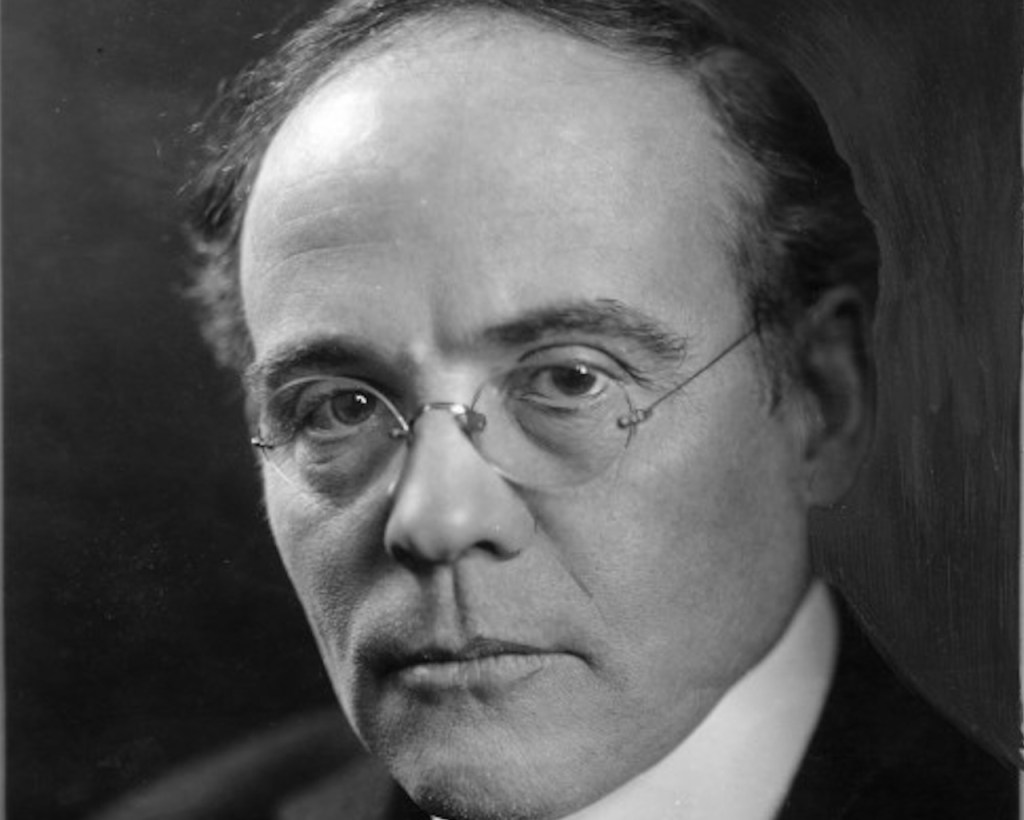
    Image: Edgar Lee Masters http://www.poorwilliam.net/al-082314.html Poor William’s Almanack
    Image: Edgar Lee Masters – Poor William’s Almanack

    Edgar Lee Masters’ “George Gray”

    The boat with furled sail chiseled on his tombstone prompts George Gray to speculate about his stalled life.

    Introduction and Text of “George Gray”

    In Edgar Lee Masters’ “George Gray” from the American classic Spoon River Anthology, the speaker philosophizes about his lost opportunities to infuse some meaning into his life. 

    The speaker’s tombstone features a boat “with a furled sail at rest in a harbor.”   This carving motivates George to dramatize his speculation that like the still boat his own life seemed to go nowhere.

    George Gray

    I have studied many times  
    The marble which was chiseled for me—
    A boat with a furled sail at rest in a harbor.
    In truth it pictures not my destination
    But my life.
    For love was offered me and I shrank from its disillusionment;
    Sorrow knocked at my door, but I was afraid;
    Ambition called to me, but I dreaded the chances.
    Yet all the while I hungered for meaning in my life.  
    And now I know that we must lift the sail
    And catch the winds of destiny
    Wherever they drive the boat.
    To put meaning in one’s life may end in madness,
    But life without meaning is the torture
    Of restlessness and vague desire—
    It is a boat longing for the sea and yet afraid.

    Commentary on “George Gray”

    In Edgar Lee Masters’ “George Gray,” the speaker is musing on his life as he philosophizes about the lost opportunities that might have given meaning to his life.

    First Movement:  A Twisted Symbolism

    I have studied many times  
    The marble which was chiseled for me—
    A boat with a furled sail at rest in a harbor.
    In truth it pictures not my destination
    But my life.

    A boat with a furled sail resting peacefully in a harbor symbolizes a life well lived and a soul resting comfortably in the arms of the divine after that life has accomplished its finish—an appropriate and beautiful image for a tombstone monument.   However, in the case of George Gray, the symbolism takes a very different twist.

    George begins by stating that he has contemplated that boat image “many times,” and he has concluded that it does not represent his life’s “destination” but the course of his life itself. 

    Second Movement:  Fear of Taking a Chance

    For love was offered me and I shrank from its disillusionment;
    Sorrow knocked at my door, but I was afraid;
    Ambition called to me, but I dreaded the chances.

    George then offers the reasons that the boat image designates his course through life rather than his life’s destination.  George says that he was offered “love,” but he “shrank from its disillusionment.”  He would not have believed the old adage that is it better to have loved and lost than never to have loved at all.

    George then claims that he had the opportunity to experience “sorrow,” but he would not allow himself the luxury of that experience simply because he was “afraid.”  Quite likely, the “sorrow” arose as he declined the offer of love.   

    A part of George wanted to return the love, but his brittle nature rejected it and along with the sorrow caused by the rejection of love.  George also did not allow himself to engage in “ambition” because of dreading the “chances.”  He failed to play the game because he might lose—which made it a forgone conclusion that he would not win.

    Third Movement:  A Hunger for Meaning in Life

    Yet all the while I hungered for meaning in my life.  
    And now I know that we must lift the sail
    And catch the winds of destiny
    Wherever they drive the boat.

    Even as George was allowing love, ambition, and other emotions to slip through his fingers, he felt a “hunger[ ] for meaning in [his] life.”  He could not foretell that meaning resided in the unknown.

    But now George understands that to achieve meaning one must take chances; one must “lift the sail,” “catch the winds of destiny,” and be willing to go “[w]herever they drive the boat.” 

    Fourth Movement:  Torture Every Which Way 

    To put meaning in one’s life may end in madness,
    But life without meaning is the torture
    Of restlessness and vague desire—
    It is a boat longing for the sea and yet afraid.

    George admits that “putt[ing] meaning in one’ life may end in madness.”  The loss of love, the despair brought on by sorrow, the dreaded dashing of ambitious hopes all could lead to “madness.”  But on the other hand, George now believes that “a life without meaning is the torture / Of restlessness and vague desire.”  

    Such a life of torture, he assumes, must be worse than the madness of unrequited love and failed ambitions.   George metaphorically likens such a passionless life as his own to a “boat longing for the sea yet afraid.”  Thus the only emotion he actually lived with was fear and that emotion proved to be torture.

  • Edgar Lee Masters’ “Herbert Marshall”

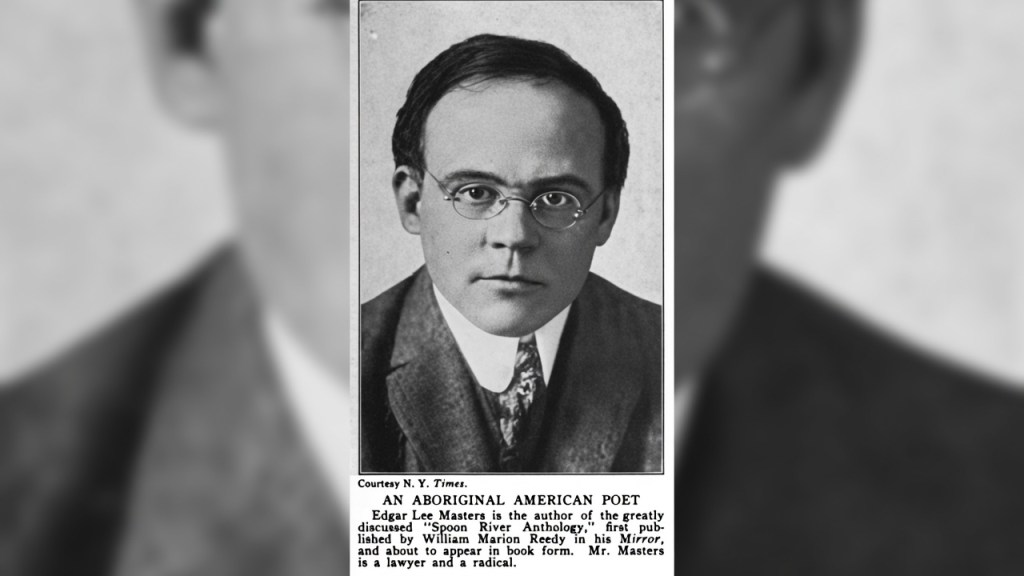
    Image: Edgar Lee Masters https://chicagoliteraryhof.org/inductees/profile/edgar-lee-masters
    Image: Edgar Lee Masters – Chicago Literary Hall of Fame

    Edgar Lee Masters’ “Herbert Marshall”

    In this American-Innovative sonnet, “Herbert Marshall” is responding to the report delivered by “Louise Smith,” the speaker of the preceding epitaph.

    Introduction and Text of “Herbert Marshall”

    Edgar Lee Masters’ again performs his magic in an American-Innovative sonnet.  While the sonnet remains without a rime scheme or a rhythm pattern, it does section itself into the Petrarchan octave and sestet; the octave features the speaker’s response to Louise’s sorrow.  The sestet explains the speaker’s own sorrow along with his reason for abandoning the relationship with Louise.  

    The speaker in Edgar Lee Masters’ “Herbert Marshall” from Spoon River Anthology is offering his side of the complaint, revealed by Louise Smith, the previous speaker in the series.

    Herbert reflects the defects in Louise’s character, or lack thereof.  He then turns philosophical about life as it relates to happiness.  Herbert refused to be a doormat by allowing Louise to walk all over him in life.  And now in death he refuses to allow her to obfuscate the reason that he had to leave her.

    Herbert Marshall

    All your sorrow, Louise, and hatred of me  
    Sprang from your delusion that it was wantonness
    Of spirit and contempt of your soul’s rights
    Which made me turn to Annabelle and forsake you.
    You really grew to hate me for love of me,  
    Because I was your soul’s happiness,  
    Formed and tempered
    To solve your life for you, and would not.  
    But you were my misery. If you had been
    My happiness would I not have clung to you?
    This is life’s sorrow:  
    That one can be happy only where two are;
    And that our hearts are drawn to stars  
    Which want us not.

    Commentary on “Herbert Marshall”

    In this American-Innovative sonnet, “Herbert Marshall” is responding to the report delivered by “Louise Smith,” the speaker of the preceding epitaph.

    Octave: First Movement:  Louise’s Wrong Thinking

    All your sorrow, Louise, and hatred of me  
    Sprang from your delusion that it was wantonness
    Of spirit and contempt of your soul’s rights
    Which made me turn to Annabelle and forsake you.

    As Herbert addresses Louise, he lets her know that it was only her “delusion” regarding his relationship with Annabelle that made Louise end up hating Herbert.   Herbert insists that Louise was thinking wrongly.  He claims that he did not turn to Annabelle merely out of lust.  It was Louise’s own actions that caused Herbert to turn to another woman.

    Herbert wishes to make it clear that Louise’s wrong thinking caused her to hate him.  He insists that it was not evil intentions on his part that is responsible for Louise’s life destroying hatred.

    Octave: Second Movement:  Love Morphed into Hatred

    You really grew to hate me for love of me,  
    Because I was your soul’s happiness,  
    Formed and tempered
    To solve your life for you, and would not.

    Herbert remains well aware that Louise’s love for him morphed into hatred.  Yet he also understands that because she expected him to provide her “soul’s happiness,” he could never live up to such an expectation.  Like so many unlucky marriage partners, Louise wanted Herbert to supply her with that which he could not.  He was simply not capable of “solv[ing] [her] life for [her].”  

    Many marriages end because the partners expect each other to supply them with that soul happiness. That deep, inner happiness can only attained by each individual through his or her own effort.

    Marriage partners cannot supply each other with the deep, lasting happiness that only each unique soul can find.  The behavior of one human being toward another can never afford soul happiness.  Herbert was aware of this situation.  He realized that Louise would squeeze the life out of him if he tried to satisfy her soul longings.

    Thus, Herbert refused to allow himself to be used this way.  Knowing he could never the fill void caused by Louise’s wrongheadedness, he turned away from her and to Annabelle.

    Sestet: Third Movement:  Blunt and Defiant

    But you were my misery. If you had been
    My happiness would I not have clung to you?

    Herbert addresses Louise with a blunt and defiant response: “you were my misery.”    Herbert knew that Louise’s neediness would smother any hopes for a happy marriage for the two of them.

    Louise’s delusional expectations of Herbert made it impossible for her to offer him the love he need.  Her blindness to Herbert’s needs precluded any happiness that they might experience as a couple.  Herbert implies through a rhetorical question to Louise that if she had, in fact, been making him happy, he would have remained with her.

    And Herbert wants Louise to understand that he did not turn to another woman out of lust.  It was Louise’s needy selfishness that causes him to spurn her and end their relationship.  Louise’s clinging nature that grew out of pure greed was the culprit, not simple selfishness on Herbert’s part.

    Sestet: Fourth Movement:  Gleaning Awareness from Experience

    This is life’s sorrow:  
    That one can be happy only where two are;
    And that our hearts are drawn to stars  
    Which want us not.

    Finally, Herbert philosophically announces what he has gleaned from his experience about life and sorrow.  Herbert concludes that a conundrum exists: it seems that in order to be happy one has to become two, that is, has to have a marriage partner.  

    But Herbert also sees that “our hearts are drawn to stars / Which want us not.”  Even though we need a partner to be happy, we can be attracted to those who do not want us.  Such thinking makes the reader wonder about how Herbert’s relationship with Annabelle turned out.

  • Edgar Lee Masters’ “Fiddler Jones”

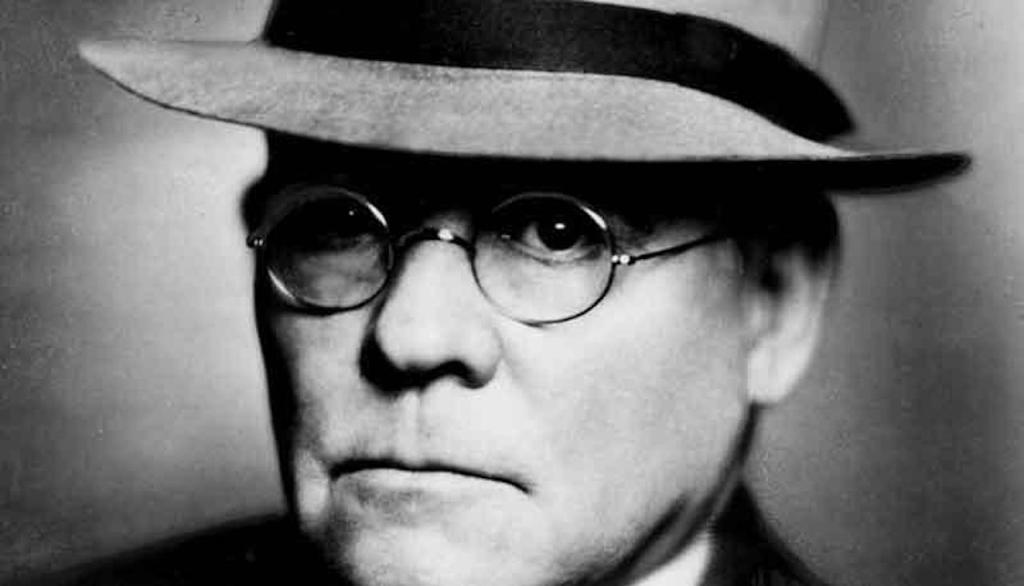
    Image: Edgar Lee Masters https://chicagoliteraryhof.org/inductees/profile/edgar-lee-masters
    Image: Edgar Lee Masters – Chicago Literary Hall of Fame

    Edgar Lee Masters’ “Fiddler Jones”

    Fiddler Jones is one of the less melancholy figures of Spoon River, though he has his trials as well. 

    Introduction with Text of  “Fiddler Jones”

    In Edgar Lee Masters’ “Fiddler Jones” from his American classic Spoon River Anthology, the speaker waxes philosophical about life; he possesses a more congenial nature than many of the other Spoon River inmates. 

    Although Fiddler has trials to report from his life, he remains one of the more jovial and less melancholy characters from the Spoon River bunch.  He does not blame others for his lot in life.

    Fiddler Jones

    The earth keeps some vibration going  
    There in your heart, and that is you.  
    And if the people find you can fiddle,  
    Why, fiddle you must, for all your life.
    What do you see, a harvest of clover?
    Or a meadow to walk through to the river?  
    The wind’s in the corn; you rub your hands
    For beeves hereafter ready for market;
    Or else you hear the rustle of skirts  
    Like the girls when dancing at Little Grove.
    To Cooney Potter a pillar of dust
    Or whirling leaves meant ruinous drouth;  
    They looked to me like Red-Head Sammy  
    Stepping it off, to “Toor-a-Loor.”
    How could I till my forty acres
    Not to speak of getting more,
    With a medley of horns, bassoons and piccolos  
    Stirred in my brain by crows and robins
    And the creak of a wind-mill—only these?  
    And I never started to plow in my life
    That some one did not stop in the road
    And take me away to a dance or picnic.
    I ended up with forty acres;
    I ended up with a broken fiddle—
    And a broken laugh, and a thousand memories,
    And not a single regret.

    Commentary on “Fiddler Jones”

    Fiddler Jones is one of the less melancholy figures of Spoon River, though he has his own trials and tribulations as well.

    First Movement:  Vibration in the Heart

    The earth keeps some vibration going  
    There in your heart, and that is you.  
    And if the people find you can fiddle,  
    Why, fiddle you must, for all your life.

    Fiddler Jones holds forth that the heart of a human being is connected to and motivated by a planetary “vibration.”  He believes the essence of the human being is “some vibration” that resides in the heart and that essence constitutes the personality and nature of the individual. 

    Fiddler offers an example, using his own “vibration,” his talent for playing a fiddle.  He claims that when people learn of your talent, then you have to keep performing for them until you die.

    Second Movement:  Hearing vs Seeing

    What do you see, a harvest of clover?
    Or a meadow to walk through to the river?  
    The wind’s in the corn; you rub your hands
    For beeves hereafter ready for market;
    Or else you hear the rustle of skirts  
    Like the girls when dancing at Little Grove.

    Fiddler then compares himself to a farmer, who sees “a harvest of clover,” a meadow that backs up to a river, beef cattle “ready for market.”  

    Instead of all these things, Fiddler hears “the rustle of skirts” of the girls dancing while he plays his fiddle.

    Third Movement:  From Forty to a Thousand

    To Cooney Potter a pillar of dust
    Or whirling leaves meant ruinous drouth;  
    They looked to me like Red-Head Sammy  
    Stepping it off, to “Toor-a-Loor.”

    Fiddler refers to Cooney Potter, the farmer who began with an inherited forty acres and turned them into a thousand and strove to double that.  

    Fiddler asserts that a storm would leave Potter devastated, but people expected music from the fiddler so they could dance.  He implies that he would not have to endure such ruin.

    Fourth Movement:  Music Trumps Tillage

    How could I till my forty acres
    Not to speak of getting more,
    With a medley of horns, bassoons and piccolos  
    Stirred in my brain by crows and robins
    And the creak of a wind-mill—only these?  

    Unlike Cooney, who coveted more and more acres, Fiddler had a head full of music, “a medley of horns, bassoons and piccolos.”  

    All of these instruments were “stirred in [his] brain by crows and robins / And the creak of a wind-mill.”   Fiddler fiddled because he had musical talent that occupied his heart and mind.

    Fifth Movement:  Music in His Heart and Mind

    And I never started to plow in my life That some one did not stop in the road
    And take me away to a dance or picnic.

    Fiddler’s music ability, however, interfered with his ability to farm.  Every time he started to plow a field, someone would come and drag him off “to a dance or picnic” to entertain them.   

    Fiddler, however, obviously enjoyed his music more than plowing, or else he would have turned down those invitations once in a while.

    Sixth Movement:  No Regrets

    I ended up with forty acres;
    I ended up with a broken fiddle—
    And a broken laugh, and a thousand memories,
    And not a single regret.

    The musician claims that as he started with forty acres, he “ended up with forty acres.”  But he also “ended up with a broken fiddle.”  Sadly, Fiddler ended up with “a broken laugh, and a thousand memories.”  But yet not so sadly, he can report that he also ended up with no regrets.

    Being without regrets puts Fiddler Jones into a very different mind-set from many of the Spoon River epitaph reporters, whose main issue usually focuses on their regrets.  When they are not blaming others for their poor choices, they are whining about how they could have done better had the people around them treated them better. 

    Thus to announce a life that results in no regrets demonstrates that Fiddler Jones is resting much easier than his fellow graveyard residents.

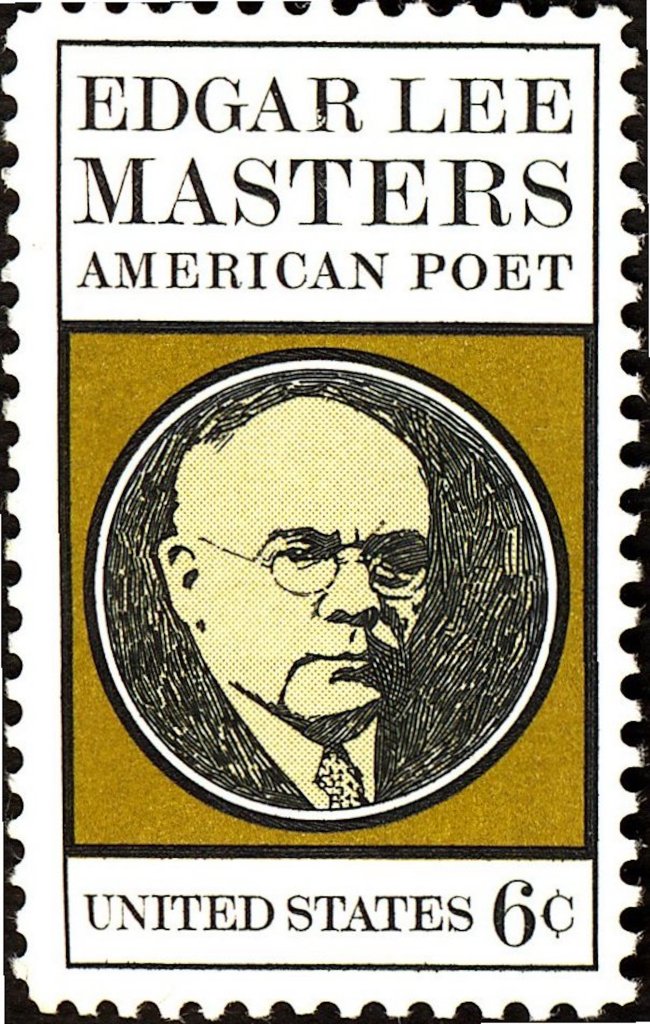
    Edgar Lee Masters - Commemorative Stamp
    Image: Edgar Lee Masters – Commemorative Stamp  US Stamp Gallery
  •  Edgar Lee Masters’ “Deacon Taylor,” “Sam Hookey,” and “Cooney Potter”

    Image: Edgar Lee Masters https://factfile.org/10-facts-about-edgar-lee-masters#google_vignette
    Image: Edgar Lee Masters

     Edgar Lees Masters’ “Deacon Taylor,” “Sam Hookey,” and “Cooney Potter”

    These three very short epitaphs from Edgar Lee Masters’ American Classic Spoon River Anthology feature diverse characters making bizarre confessions.

    Introduction:  A Motley Trio

    Edgar Lee Masters’ “Deacon Taylor,” “Sam Hookey,” and “Cooney Potter” from Masters’ American classic Spoon River Anthology portray characters of little depth, so they are presented here together.  These three very short epitaphs feature very diverse characters making bizarre confessions.

    Each character features the complaining mind-set of most the after-death reporters; however, this trio gives few details about each of their stories.  They just want to chime in with a short quip about their lives., so it seems.

    Deacon Taylor’s confession reveals his hypocrisy, being a churchman and a member of the “prohibition” party, yet dying of cirrhosis of the liver. 

    Sam Hookey’s report may be one of the most bizarre as it remains unclear his purpose for revealing the odd appearance of “Robespierre” to him after Hookey’s death.

    Cooney Potter’s description of his death is odd, but his purpose is clear.  He needs to show that he died while working, not from a frivolous enjoyment of tobacco.

    Deacon Taylor

    I belonged to the church,
    And to the party of prohibition;
    And the villagers thought I died of eating watermelon. 
    In truth I had cirrhosis of the liver,
    For every noon for thirty years, I slipped behind the prescription partition
    In Trainor’s drug store
    And poured a generous drink
    From the bottle marked
    “Spiritus frumenti.”


    Commentary on “Deacon Taylor

    This speaker wants to get a dirty little secret off his chest.

    First Movement:  Member of Church and Prohibition Party

    Taylor says he was a church member as well as belonging to the “party of prohibition.”   And so when he died the villagers thought he “died of eating watermelon.”

    Second Movement:  Died of Cirrhosis

    But the Deacon confesses that he actually died of cirrhosis of the liver, because for thirty years he “slipped behind the prescription partition / In Trainor’s drug store” and gulped down a large portion of “Spiritus frumenti.”

    Sam Hookey

    I ran away from home with the circus,
    Having fallen in love with Mademoiselle Estralada,
    The lion tamer.
    One time, having starved the lions
    For more than a day,
    I entered the cage and began to beat Brutus
    And Leo and Gypsy.  
    Whereupon Brutus sprang upon me,  
    And killed me.  
    On entering these regions
    I met a shadow who cursed me,
    And said it served me right….  
    It was Robespierre!

    Commentary on “Sam Hookey

    Sam Hookey offers a bizarre admission about the events leading to his ultimate demise.

    First Movement:  For the Love of a Lion Tamer

    Sam reports that he left home to join the circus after he fell in love the lion tamer, Mademoiselle Estralada.

    Second Movement:  Karmic Lions

    In his bizarre confession, Sam reveals that he starved three lions, Brutus, Leo, and Gypsy, and then stepped into their cage and began beating them, whereupon Brutus “sprang upon me / And killed me.”

    Third Movement:  Chickens Coming Home to Roost

    Upon his death, Sam found himself confronted by “a shadow” that cursed him and told him that he got what he deserved.  He concludes by saying the “shadow” was Robespierre, the famous politician who is credited with the Reign of Terror during the French Revolution.

    Cooney Potter

    I inherited forty acres from my Father
    And, by working my wife, my two sons and two daughters
    From dawn to dusk, I acquired  
    A thousand acres. But not content,
    Wishing to own two thousand acres, I bustled through the years with axe and plow,
    Toiling, denying myself, my wife, my sons, my daughters.  
    Squire Higbee wrongs me to say
    That I died from smoking Red Eagle cigars.
    Eating hot pie and gulping coffee
    During the scorching hours of harvest time
    Brought me here ere I had reached my sixtieth year.

    Commentary on “Cooney Potter”

    Cooney Potter simply wants to refute the contention made by Squire Higbee about Potter’s death.

    First Movement:  Farm Expansion

    Sam states that his father left him “forty acres.”  By hard work, including that of his wife and four children all laboring from “dawn to dusk,” Sam was able expand his farm from forty acres to “a thousand acres.”

    Second Movement:  Striving for Two Thousand

    Sam was not satisfied with his thousand acres, and therefore kept his family busy, “Toiling, denying myself, my wife, my sons, my daughters” striving to acquire a second thousand acres.  He does not make it clear that he succeeded in reaching the two-thousand-acre goal.

    Third Movement:  Death before Sixty

    Sam complains, “Squire Higbee wrongs me” when he claimed Sam “died from smoking Red Eagle cigars.”  Sam insists he died from “eating hot pie and gulping coffee / During the scorching hours of harvest time.”  Finally, he reveals that he died before he had attained the age of sixty.

  • Edgar Lee Masters’ “Lucius Atherton”

    Image: Edgar Lee Masters https://chicagoliteraryhof.org/inductees/profile/edgar-lee-masters
    Image: Edgar Lee Masters – Chicago Literary Hall of Fame

    Edgar Lee Masters’ “Lucius Atherton”

    The “Lucius Atherton” epitaph reveals a truly depraved and delusional man who decries his aging body simply because it no longer attracts women.

    Introduction and Text of “Lucius Atherton”

    A disgusting poseur, “Lucius Atherton,” from Edgar Lee Masters’ Spoon River Anthology, complains about the loss of his earlier handsomeness as well as the loss of his ability to draw to himself women of whom he could take advantage. 

    Readers will remember that “Aner Clute” had named Atherton as the man who jilted her, leaving her to take up the life of a prostitute.  Aner had claimed the Lucius was a rich man and that they had been engaged.

    Although Lucius’ epitaph offers no evidence that the two had been engaged or even that he was a rich man, it does confirm the fact the two star-crossed lovers had huge egos.

    Aner and Lucius also like many other Spoon River reporters from the grave possess a penchant for making excuses regarding their own excesses and debauchery.

    Lucius Atherton

    When my moustache curled,  
    And my hair was black,
    And I wore tight trousers  
    And a diamond stud,
    I was an excellent knave of hearts and took many a trick.
    But when the gray hairs began to appear—
    Lo! a new generation of girls  
    Laughed at me, not fearing me,  
    And I had no more exciting adventures
    Wherein I was all but shot for a heartless devil,
    But only drabby affairs, warmed-over affairs
    Of other days and other men.  
    And time went on until I lived at Mayer’s restaurant,  
    Partaking of short-orders, a gray, untidy,
    Toothless, discarded, rural Don Juan….
    There is a mighty shade here who sings
    Of one named Beatrice;  
    And I see now that the force that made him great
    Drove me to the dregs of life.

    Commentary on “Lucius Atherton”

    Formerly a dandy, Atherton begins his report as he reminisces about the man he had been earlier in his life.  He had a curling mustache and black hair, no doubt kept perfectly combed.

    First Movement:   Regrets Aging

    When my moustache curled,  
    And my hair was black,
    And I wore tight trousers  
    And a diamond stud,
    I was an excellent knave of hearts and took many a trick.

    The fatuousness of Lucious Atherton’s nature begins to appear early in his monologue.  His choices in behavior and dress suggest that he was likely little more than a male prostitute, who, however, instead of for money, compromised his integrity because of his vanity.

    Atherton sported “tight trousers / And a diamond stud.”  He describes himself as an “excellent knave of hearts and took many a trick.”  He had the ability to attract any woman he might have fancied.

    Second Movement:   Decrying Loss of Good Looks

    But when the gray hairs began to appear—
    Lo! a new generation of girls  
    Laughed at me, not fearing me,  
    And I had no more exciting adventures

    The sole purpose of Atherton’s soliloquy is to decry his loss of good looks as the reason that a “new generation” of women were not attracted to him; in fact, these new “girls” would ridicule him openly.  

    Atherton bemoans the fact that these new women showed no “fear” of him.  That he desired to have them fear him reveals the depraved nature of this despicable man.  He likely raped and beat the women that he had so easily attracted.

    Atherton’s aging body lost for him the ability to engage in “exciting adventures.”  The many “tricks” he had taken started to dwindle as the years piled up on his physique, and he is deeply disturbed by that loss.

    Third Movement:   No Long Worth Attention

    Wherein I was all but shot for a heartless devil,
    But only drabby affairs, warmed-over affairs
    Of other days and other men.

    While the process of aging was gripping savagely his physique, Atherton began to realize that he was no longer deemed to be worth the attention of this new generation of women.

    These new women considered him a “heartless devil,” and he devolved into a ridiculous humiliation to his former self.  Instead of good-looking women, he could pick up only what he describes as “drabby affairs” and “warmed-over affairs.” 

    With his decrepitude, Atherton had the ability to attract only women who had been with many “other men.”  He is filled with self-pity for his loss of his former handsome body with its magnetism to the female sex.

    Fourth Movement:  Whining Self-Pity

    And time went on until I lived at Mayer’s restaurant,  
    Partaking of short-orders, a gray, untidy,
    Toothless, discarded, rural Don Juan….

    Throughout Atherton’s caterwauling screed of whining self-pity, nowhere does he suggest that he offered any service to the community of humankind.  It remains unclear that he ever had a job.  He seems to hint that whatever means of support he formerly possessed he had also lost that. 

    Atherton claims he finally ended up “liv[ing] at Mayer’s restaurant,” where he ate, “short-orders.”  He is likely exaggerating, not actually saying that he resides at the restaurant but just takes most or all of his meals there.

    Likely the fact that Atherton leaves his listeners in the dark about how he met expenses and where he lived indicates a blurred mind, possibly being eaten up by syphilis.  

    Atherton then gives a truly pathetic description of himself:  “a gray, untidy, / Toothless, discarded, rural Don Juan.”  No doubt a grave insult to the real “Don Juan.”

    Fifth Movement:  Arrogant Popinjay

    There is a mighty shade here who sings
    Of one named Beatrice;  
    And I see now that the force that made him great
    Drove me to the dregs of life.

    Finally, with an arrogance to rival that of the pathetic popinjay Barack Obama, who liked to brag that he wrote two books all by himself, Atherton compares himself to the great poet Dante Alighieri, composer of The Divine Comedy.    

    Atherton would have us believe, “that the force that made [Dante] great / Drove me to the dregs of life.” Dante’s driving force was spiritual love, symbolically portrayed by the beautiful Beatrice.

    Atherton’s driving force was his penchant only for physical lust, demonstrated by his emphasis on his good looks and the pain that losing his physical appearance has caused him as he could no longer attract women for his exciting adventures.  

    While Lucius Atherton does belong to the same class of men that includes Bill Clinton, Atherton has nothing in common with Dante Alighieri.

  • Edgar Lee Masters’ “Willard Fluke”

    Image: Edgar Lee Masters https://www.best-poems.net/edgar_lee_masters/index.html#google_vignette
    Image: Edgar Lee Masters

    Edgar Lee Masters’ “Willard Fluke”

    The character, Willard Fluke, is spared an ignominious confession but at a great price.

    Introduction and Text of “Willard Fluke”

    Edgar Lee Masters’ “Willard Fluke” from his American classic Spoon River Anthology is the name of the father of “Lois Spears,” the blind woman whose simple purity serves as a welcome cleansing after interacting with the many unsavory speakers the reader meets in this anthology.

    Willard Fluke

    My wife lost her health,
    And dwindled until she weighed scarce ninety pounds.
    Then that woman, whom the men
    Styled Cleopatra, came along.
    And we—we married ones
    All broke our vows, myself among the rest.
    Years passed and one by one
    Death claimed them all in some hideous form,  
    And I was borne along by dreams
    Of God’s particular grace for me,
    And I began to write, write, write, reams on reams
    Of the second coming of Christ.
    Then Christ came to me and said,
    “Go into the church and stand before the congregation
    And confess your sin.”
    But just as I stood up and began to speak
    I saw my little girl, who was sitting in the front seat—
    My little girl who was born blind!
    After that, all is blackness!

    Commentary on “Willard Fluke”

    The character, Willard Fluke, is spared an ignominious confession but at a great price.

    First Movement:  The Sick Wife

    My wife lost her health,
    And dwindled until she weighed scarce ninety pounds.
    Then that woman, whom the men
    Styled Cleopatra, came along.
    And we—we married ones
    All broke our vows, myself among the rest.

    Willard begins by reporting about his wife, who “lost her health.”  His wife lost so much weight that she “weighed scare ninety pounds.”   Willard does not reveal the nature of his wife’s affliction—just that this loss of her health apparently triggered breaking of his marital vows, after “that woman, whom the men / Styled Cleopatra, came along.” 

    Along with the other men, Willard succumbs to temptation with the woman they “styled Cleopatra.”  He allows the reader to draw the appropriate conclusions about the temptress because his only point is that he sinned through his weakness.

    Second Movement:  Time Flies

    Years passed and one by one
    Death claimed them all in some hideous form,  
    And I was borne along by dreams
    Of God’s particular grace for me,
    And I began to write, write, write, reams on reams
    Of the second coming of Christ.

    Time fled by as it is wont to do, and all the men involved with the cleopatrian temptress died one by one in “some hideous form.”  Willard was strangely motivated to write about “the second coming of Christ.”  He wrote “reams on reams.”  Spurred on by guilt, trying desperately to save his soul, he used his writing is an alternative to meditation.

    Willard stresses that he was “borne along by dreams / Of God’s particular grace for [him].”  Because he placed his mind so squarely on God, he was motivated to write those reams.  His dreaming and writing served him as a form of worship.

    Third Movement:  A Visitation

    Then Christ came to me and said,
    “Go into the church and stand before the congregation
    And confess your sin.”

    Through Willard’s concentration on God’s grace and intense relationship with Christ in writing about the second coming, Willard so prepared his soul for a visit from the Savior.   

    When Christ did honor Willard with a visitation, the Savior advised Willard to “confess [his] sin” “before the congregation.”  Willard was admonished to stand before the entire church and admit his sin.

    The reader will note that Willard says “sin”—not sins.  This designation indicates that it is only the one adulterous sin that has rifled his life—only that one sin that motivated him to concentrate on God and write reams for Jesus.   It, of course, was a great sin, and Willard has taken it very seriously as tries to wipe it from his karma.

    Fourth Movement:  Delivered by Death?

    But just as I stood up and began to speak
    I saw my little girl, who was sitting in the front seat—
    My little girl who was born blind!
    After that, all is blackness!

    Willard attempts to obey Christ’s demand that he confess before the church; however, as Willard stands and begins to speak, he sees Lois, his little girl, “who was born blind!”  At that point, we lose Willard, who simply reports, “After that, all is blackness!”  

    The reader may understand only that Willard fainted before he was able to confess.  But then the reader is left wondering if Willard also died at this point.   The possibility is great because Willard obviously has taken on guilt for Lois’ blindness.  He has suffered for a lifetime, and quite possibly his heart just gave out before he could confess.

    If Willard did die at this point, the reader may interpret his death as God’s mercy because Willard did not have to endure the ignominy of confessing his sin to the church but was spared just as Abraham was spared of sacrificing his son, Isaac; that confession would have hurt his little blind daughter, but she, too, was spared.

  • Edgar Lee Master’ “‘Ace’ Shaw”

    Image: Edgar Lee Masters http://www.poorwilliam.net/al-082314.html Poor William’s Almanack
    Image: Edgar Lee Masters – Poor William’s Almanack

    Edgar Lee Master’ “‘Ace’ Shaw”

    “Ace” Shaw features a typical Spoon River braggart whose report justifies his unseemly choice of profession.

    Introduction and Text of “‘Ace’ Shaw”

    Edgar Lee Masters’ “Ace’ Shaw” from Spoon River Anthology attempts to achieve justification of his unseemly choice of vocation by asserting that all jobs are simply the result of “chance.”

    The epitaph featuring the character of “Ace” Shaw therefore, reveals and features a typical Spoon River braggart whose report unveils a dodgy personality, whose report attempts to justify his unseemly choice of profession.

    “Ace” Shaw

    I never saw any difference
    Between playing cards for money
    And selling real estate,
    Practicing law, banking, or anything else.  
    For everything is chance.
    Nevertheless  
    Seest thou a man diligent in business?  
    He shall stand before Kings!

    Commentary on “‘Ace’ Shaw”

    Nicknamed for his chosen profession, “Ace” Shaw is attempting to rehabilitate his reputation as a gambler by claiming that all professions operate on the element of “chance.”

    First Movement:  A Gambler

    I never saw any difference
    Between playing cards for money
    And selling real estate,
    Practicing law, banking, or anything else.  

    “Ace” Shaw, whose nickname identifies him as a gambling man, claims that to him lawyers, bankers, real estate agents, and all others working in any profession or job for money are all gamblers, that is, all those professions are no different from “playing cards for money.”

    Point of view is always the most important issue in determining the conclusions each individual will form.  “Ace” being a gambling man, and one who is apparently dedicated to his craft, then views his choice as noble and as dicey as the next guy’s.  In order to accomplish this rationalization, he has to filter out the actual impact that each profession has on society.

    To this type of personality, narcissistic, egotistic, self-centered to the extreme, others do not matter so long as they render unto him what he thinks he deserves.  That gambling for money offers no service to society does not enter into Ace’s estimation in determining worth—only the ability to acquire money is his measure.  And by that simplistic measure, the gambler does have a point.

    However, Ace does not seem to understand that bankers, lawyers, real estate agents, and members of other professions such a medicine, education, media, or even public service actually provide a service to society for which they are remunerated according to the level of service.  

    That each professional might fail at his work is enough for Ace, and his ilk, to denigrate all of the potential service providers to little more than gamblers, like himself.  This line of thinking punishes the good for not being perfect.

    Second Movement:  Life of Choices

    For everything is chance.

    Ace claims that everything one does in life remains a gamble.  But some things are more fraught with the possibilities for negative occurrences than others.   If “everything is chance,” and nothing is sure, then why not set one’s goal higher than mere card playing? 

    Why not do something that offers a real service?  The only answer is that Ace prefers the life of a cardsharp; at the same time, intuitively, he knows his choice is less honorable than the bankers and lawyers he tries to belittle in order to make himself seem more important.

    Third Movement:   Lazy Man’s Philosophy 

    Nevertheless  
    Seest thou a man diligent in business?  
    He shall stand before Kings!

    Ace is lazy.  So instead of explaining his circumstances in order to prop up his choice, he simply quotes Proverbs 22:29:  “Seest thou a man diligent in business? / He shall stand before Kings!”  By introducing the quotation with “nevertheless,” Ace appears to be contradicting his earlier claims, but his personality would not allow such humility.  

    The gambler is once again simply justifying his choice by claiming that his proficiency will stand him in good stead.  The gambling Ace will “stand before Kings”—and not before the “mean” men who appear in the line, “he shall not stand before mean men,” which follows the two lines from Proverbs that Ace quotes.

  • Edgar Lee Masters’ “Margaret Fuller Slack”

    Image: Edgar Lee Masters, Esq. https://librarycollections.law.umn.edu/darrow/trials_details.php?id=4 Clarence Darrow Law Library
    Image: Edgar Lee Masters, Esq. – Clarence Darrow Law Library

    Edgar Lee Masters’ “Margaret Fuller Slack”

    Named for America’s first feminist writer Margaret Fuller, Mrs. Slack laments marriage and motherhood that crushed her dreams of greatness in becoming a famous writer or the next George Eliot.

    Introduction and Text of “Margaret Fuller Slack”

    Edgar Lee Masters’ “Margaret Fuller Slack” from his American classic Spoon River Anthology depicts a tormented woman, who believes motherhood doomed her ambition to become a great writer. 

    Ironically named after the first American feminist, “Margaret Fuller,” Mrs. Slack does possess the egotistical personality of her namesake, while suffering the ills that they both decry.

    Margaret Fuller Slack

    I would have been as great as George Eliot
    But for an untoward fate.
    For look at the photograph of me made by Penniwit,
    Chin resting on hand, and deep-set eyes—
    Gray, too, and far-searching. But there was the old, old problem:
    Should it be celibacy, matrimony or unchastity?
    Then John Slack, the rich druggist, wooed me,
    Luring me with the promise of leisure for my novel,
    And I married him, giving birth to eight children,
    And had no time to write.
    It was all over with me, anyway,
    When I ran the needle in my hand
    While washing the baby’s things,
    And died from lock-jaw, an ironical death. Hear me, ambitious souls,
    Sex is the curse of life!

    Commentary on “Margaret Fuller Slack”

    Named for America’s first feminist writer, Margaret Fuller, Mrs. Slack laments marriage and motherhood that crushed her dreams of greatness in becoming the next George Eliot.

    First Movement:  She Would Have

    I would have been as great as George Eliot
    But for an untoward fate.

    Mrs. Slack begins her tirade by proclaiming the greatness she “would have” accomplished:  she “would have been as great as George Eliot.”  Nevertheless, this speaker did not ascend to such a great height, because “untoward fate” stepped on her dreams.

    Second Movement:  A Photo of Profundity

    For look at the photograph of me made by Penniwit,
    Chin resting on hand, and deep-set eyes—
    Gray, too, and far-searching.

    Mrs. Slack possesses a “photograph of [herself] made by Penniwit,” an artist who later also speaks in the Spoon River Anthology.  Margaret uses the photograph to support her contention that she was marked for greatness.

    In the photo, she sits with her “chin resting on hand,” and she has “deep-set eyes” that are “gray” and “far-searching.”   These qualities in her estimation reveal a profundity that should have allowed her to accomplish greatness, the absence of which she now laments.

    Third Movement:   The Age Old Problem

    But there was the old, old problem:
    Should it be celibacy, matrimony or unchastity?

    Margaret then philosophizes about the human condition, claiming the “old, old problem” is whether one should remain celibate, marry, or simply commit fornication.  Mrs. Slack does not reveal how deeply she thought about those alternatives, or even if she had thought about them at all.   As the speaker reminisces, she, no doubt, adds to her own self worth, by implying that she had thought and pondered those issues.

    Fourth Movement:  The Promise of Leisure

    Then John Slack, the rich druggist, wooed me,
    Luring me with the promise of leisure for my novel,
    And I married him, giving birth to eight children,
    And had no time to write.

    Before Mrs. Slack had the opportunity to determine which path was the right one for her to travel to fame, she found herself “wooed” by “John Slack, the rich druggist.”  The druggist “lur[ed]” her by “promis[ing] [her] leisure”—time she would use to write “[her] novel.” 

    With this promise of leisure, Margaret married the druggist, but instead of writing, she proceeded to give birth to “eight children.”  Of course, with eight children, she can fall back on the excuse that she “had no time to write.”   Apparently, Mrs. Slack remained blissfully unaware that famous poet, Anne Bradstreet, created a significant body of writing while birthing and raising eight children.

    Fifth Movement:  Dying of Lock-Jaw, Filled with Words

    It was all over with me, anyway,
    When I ran the needle in my hand
    While washing the baby’s things,
    And died from lock-jaw, an ironical death.

    Margaret then reveals how she died, “It was all over with me, anyway, / When I ran the needle in my hand.”  She met with this sad fate, while “washing the baby’s things.”  She contracted “lock-jaw” and died.  

    Mrs. Slack finds dying of lock-jaw to be “ironical,” no doubt, because she considered herself filled with words—words unfortunately that would remain unexpressed because of the time-consuming servitude of raising a family.   And, of course, in keeping with her own selfishness, she does not consider how her absence will impact the lives of the children she leaves behind.

    Sixth Movement:  The Urge vs the Philosophy

    Hear me, ambitious souls,
    Sex is the curse of life!

    Margaret’s final statement oversimplifies her lot but reveals her philosophical conclusion about “life” as she remarks, “Sex is the curse of life!”  Readers, unfortunately, will never be able to experience the profundity of that statement because Margaret’s ambition to write was obliterated by her urge to procreate. 

  • Edgar Lee Masters’ “Harold Arnett”

    Image: Edgar Lee Masters https://factfile.org/10-facts-about-edgar-lee-masters#google_vignette
    Image: Edgar Lee Masters

    Edgar Lee Masters’ “Harold Arnett”

    After committing suicide, “Harold Arnett” confirms the futility of the act. 

    Introduction and Text of “Harold Arnett”

    Edgar Lee Masters’ “Harold Arnett” from the poet’s American classic Spoon River Anthology portrays a character who learns that the duty of facing trials and tribulations does not end with merely leaving the physical world.

    Harold Arnett

    I leaned against the mantel, sick, sick,
    Thinking of my failure, looking into the abysm,  
    Weak from the noon-day heat.
    A church bell sounded mournfully far away,
    I heard the cry of a baby,
    And the coughing of John Yarnell,
    Bed-ridden, feverish, feverish, dying,
    Then the violent voice of my wife:  
    “Watch out, the potatoes are burning!”
    I smelled them … then there was irresistible disgust.
    I pulled the trigger … blackness … light…  
    Unspeakable regret … fumbling for the world again.
    Too late! Thus I came here,
    With lungs for breathing … one cannot breathe here with lungs,
    Though one must breathe…. Of what use is it
    To rid one’s self of the world,
    When no soul may ever escape the eternal destiny of life?

    Commentary on “Harold Arnett”

    After committing suicide, Harold Arnett confirms the futility of the act.

    First Movement:   Mind on Failure

    I leaned against the mantel, sick, sick,
    Thinking of my failure, looking into the abysm,  
    Weak from the noon-day heat.

    The speaker begins his dismal report by describing how he is feeling very sick as he “lean[s] against the mantel.”  His mind was on something at which he has failed, but about which he never reveals any information.   He continues, saying he was peering into some deep chasm, and the hot mid-day heat was making him feel weak.

    Second Movement:  Church Bell and Crying Baby

    A church bell sounded mournfully far away,
    I heard the cry of a baby,
    And the coughing of John Yarnell,
    Bed-ridden, feverish, feverish, dying,
    Then the violent voice of my wife:  

    Arnett then reports that he hears the distant chiming of “a church bell,” and he also hears a baby crying.  At first, the reader will take these to be actual sounds that Arnett is hearing as he indulges his melancholy at the fireplace.  

    But then Arnett adds that he hears John Yarnell coughing.  Unless John Yarnell is a sick guest in Arnett’s home, it is likely that Arnett is hearing all of these sounds only in his memory’s ear and not literally.   Arnett never clears up any of these vague strands of thought because they are not the focus of his soliloquy.

    Third Movement:  A Violent Voice

    Then the violent voice of my wife:
    “Watch out, the potatoes are burning!”
    I smelled them … then there was irresistible disgust.

    Arnett snaps the reader into the scene as he claims he hears “the violent voice of [his]wife.”  That “violent voice,” the reader later realizes will be the last thing Arnett hears, and perhaps its implication for the personality of the wife adds to the motivation of Arnett’s own violent act.

    That violent voice screeched out to Arnett,  trying to alert him that the potatoes were on fire.  Arnett then becomes aware of the burning stench and is filled with an “irresistible disgust.”

    Fourth Movement:  There Is no Unringing the Bell

    I pulled the trigger … blackness … light…  
    Unspeakable regret … fumbling for the world again.

    With the sound of a “violent voice” and the disgusting smell of burning potatoes in his consciousness, Arnett “pulled the trigger,” killing himself.  Immediately, he sees “blackness . . . light” and feels “unspeakable regret.”  

    Arnett then finds that he is “fumbling for the world again.” After Arnett had pulled the trigger, his next reflex was to attempt to unpull it.  He immediately feels regretful of his impulsive act and tries, in vain, to get back to his life.

    Fifth Movement:   Moving Toward Destiny

    Too late! Thus I came here,
    With lungs for breathing … one cannot breathe here with lungs,
    Though one must breathe….

    However, Arnett’s “fumbling,” of course, fails.  He reports, “Too late!”  Therefore he says he “came here.”  Instead of being taken to his grave, Arnett claims he “came” to it, sounding as if he simply leisurely gave up and walked into death instead of having been forced into it. 

    Arnett then focuses on the very physical, human act of “breathing.”  As he entered death, he entered with “lungs for breathing,” but the very dreadful truth is that in the grave, or simply in the state beyond life, “one cannot breathe with lungs.”

    Arnett’s emphasis on lungs and breathing demonstrates the strong connection between breathing and remaining in the physical body. Although Arnett’s physical body still possessed lungs, they became useless to him in the after-life state, and he is frustrated by that conundrum; he says, “one must breathe.”

    Sixth Movement:  The Futility of Suicide

    …        Of what use is it
    To rid one’s self of the world,
    When no soul may ever escape the eternal destiny of life?

    Arnett’s conclusion demonstrates the futility of suicide.  Framed as a question, Arnett’s final reaction emphasizes that souls cannot escape from their well-earned karma by simply ridding themselves of their physical bodies.   Arnett asks, “what use is it,” to leave the world behind, when the soul still continues to be affected by its own “destiny of life,” another name for which is karma.