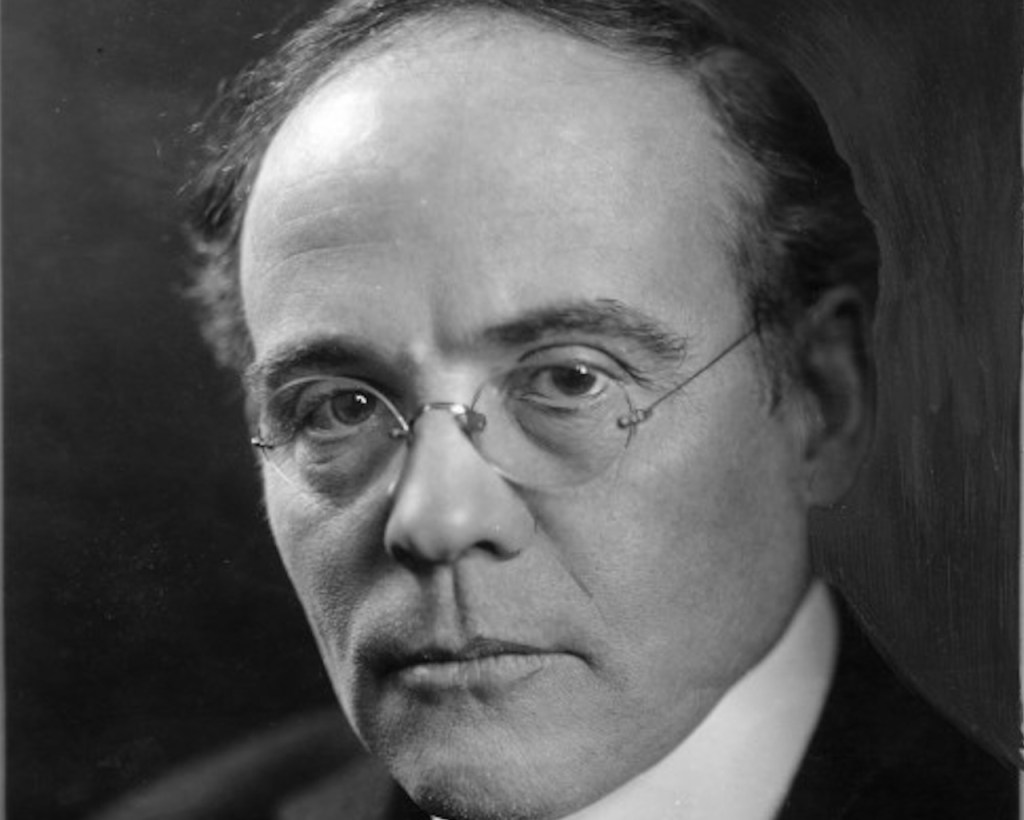
Edgar Lee Masters’ “Willard Fluke”
The character, Willard Fluke, is spared an ignominious confession but at a great price.
Introduction and Text of “Willard Fluke”
Edgar Lee Masters’ “Willard Fluke” from his American classic Spoon River Anthology is the name of the father of “Lois Spears,” the blind woman whose simple purity serves as a welcome cleansing after interacting with the many unsavory speakers the reader meets in this anthology.
Willard Fluke
My wife lost her health,
And dwindled until she weighed scarce ninety pounds.
Then that woman, whom the men
Styled Cleopatra, came along.
And we—we married ones
All broke our vows, myself among the rest.
Years passed and one by one
Death claimed them all in some hideous form,
And I was borne along by dreams
Of God’s particular grace for me,
And I began to write, write, write, reams on reams
Of the second coming of Christ.
Then Christ came to me and said,
“Go into the church and stand before the congregation
And confess your sin.”
But just as I stood up and began to speak
I saw my little girl, who was sitting in the front seat—
My little girl who was born blind!
After that, all is blackness!
Commentary on “Willard Fluke”
The character, Willard Fluke, is spared an ignominious confession but at a great price.
First Movement: The Sick Wife
My wife lost her health,
And dwindled until she weighed scarce ninety pounds.
Then that woman, whom the men
Styled Cleopatra, came along.
And we—we married ones
All broke our vows, myself among the rest.
Willard begins by reporting about his wife, who “lost her health.” His wife lost so much weight that she “weighed scare ninety pounds.” Willard does not reveal the nature of his wife’s affliction—just that this loss of her health apparently triggered breaking of his marital vows, after “that woman, whom the men / Styled Cleopatra, came along.”
Along with the other men, Willard succumbs to temptation with the woman they “styled Cleopatra.” He allows the reader to draw the appropriate conclusions about the temptress because his only point is that he sinned through his weakness.
Second Movement: Time Flies
Years passed and one by one
Death claimed them all in some hideous form,
And I was borne along by dreams
Of God’s particular grace for me,
And I began to write, write, write, reams on reams
Of the second coming of Christ.
Time fled by as it is wont to do, and all the men involved with the cleopatrian temptress died one by one in “some hideous form.” Willard was strangely motivated to write about “the second coming of Christ.” He wrote “reams on reams.” Spurred on by guilt, trying desperately to save his soul, he used his writing is an alternative to meditation.
Willard stresses that he was “borne along by dreams / Of God’s particular grace for [him].” Because he placed his mind so squarely on God, he was motivated to write those reams. His dreaming and writing served him as a form of worship.
Third Movement: A Visitation
Then Christ came to me and said,
“Go into the church and stand before the congregation
And confess your sin.”
Through Willard’s concentration on God’s grace and intense relationship with Christ in writing about the second coming, Willard so prepared his soul for a visit from the Savior.
When Christ did honor Willard with a visitation, the Savior advised Willard to “confess [his] sin” “before the congregation.” Willard was admonished to stand before the entire church and admit his sin.
The reader will note that Willard says “sin”—not sins. This designation indicates that it is only the one adulterous sin that has rifled his life—only that one sin that motivated him to concentrate on God and write reams for Jesus. It, of course, was a great sin, and Willard has taken it very seriously as tries to wipe it from his karma.
Fourth Movement: Delivered by Death?
But just as I stood up and began to speak
I saw my little girl, who was sitting in the front seat—
My little girl who was born blind!
After that, all is blackness!
Willard attempts to obey Christ’s demand that he confess before the church; however, as Willard stands and begins to speak, he sees Lois, his little girl, “who was born blind!” At that point, we lose Willard, who simply reports, “After that, all is blackness!”
The reader may understand only that Willard fainted before he was able to confess. But then the reader is left wondering if Willard also died at this point. The possibility is great because Willard obviously has taken on guilt for Lois’ blindness. He has suffered for a lifetime, and quite possibly his heart just gave out before he could confess.
If Willard did die at this point, the reader may interpret his death as God’s mercy because Willard did not have to endure the ignominy of confessing his sin to the church but was spared just as Abraham was spared of sacrificing his son, Isaac; that confession would have hurt his little blind daughter, but she, too, was spared.


Questions, comments, suggestions offered in good faith are always welcome. If you use a pseudonym, please include your real name, if you expect a response.