Linda's Literary Home

Tag: character study

  • Edgar Lee Masters’ “Nicholas Bindle”

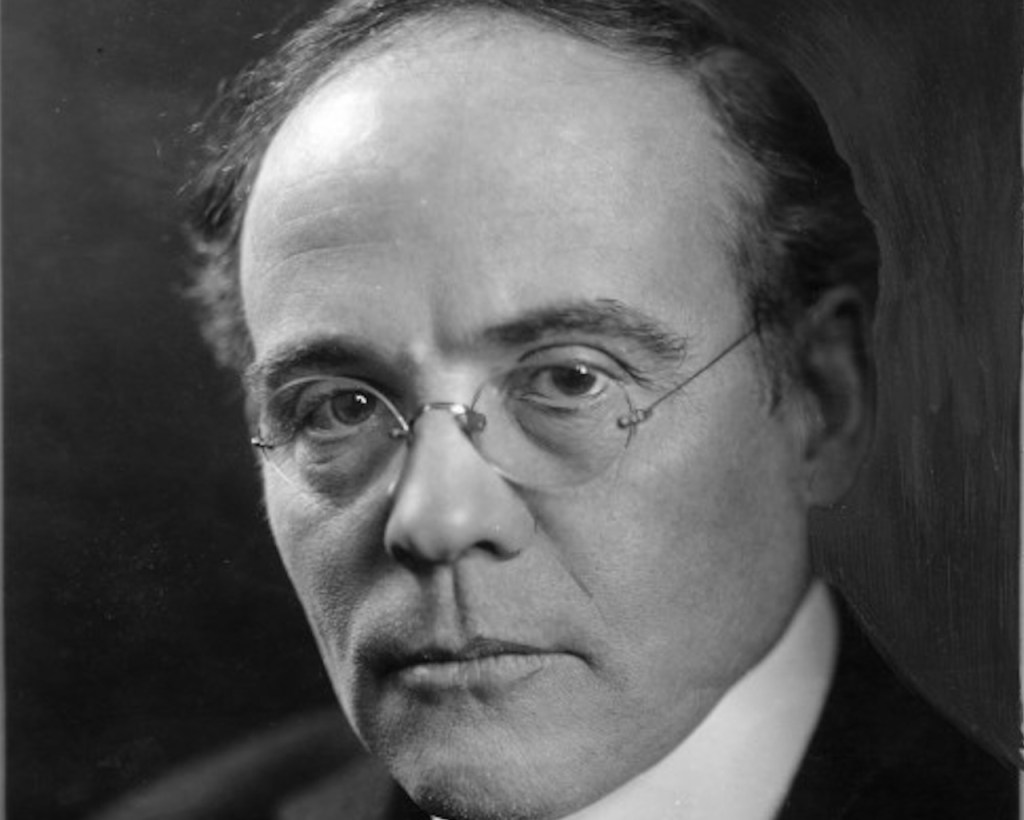
    Image: Edgar Lee Masters http://www.poorwilliam.net/al-082314.html Poor William’s Almanack
    Image: Edgar Lee Masters Poor William’s Almanack

    Edgar Lee Masters’ “Nicholas Bindle”

    In Edgar Lee Masters’ “Nicholas Bindle,” the speaker vents his outrage at the town’s citizenry for continuing to harass him for charitable offerings while his financial situation was not strong.

    Introduction and Text of “Nicholas Bindle”

    In Edgar Lee Masters’ “Nicholas Bindle” from Masters’ American classic Spoon River Anthology, the speaker is expressing his outrage at the town’s citizenry for continuing to harass him for charitable offerings while his financial situation was not strong.

    Nicholas also demonstrates his disgust that Deacon Rhodes was acquitted of bank fraud. This poem’s speaker begins with a question for his fellow citizens who, he feels, should be ashamed for their role in urging him to donate.  

    Nicholas’ opening question reveals his own beliefs about the situation and therefore is rhetorical in nature.  Of course, he wants them to feel shame as he is berating them. The speaker concludes his tirade also with a question that again reveals his own disgust at how unfairly he thinks he was treated.

    Nicholas Bindle condenses his tirade into a mere eleven lines that bellow his deep displeasure from the grave. Nicholas Bindle is one of the extremely unhappy deceased who use their epitaph to castigate their fellow citizens with sharp, critical words. 

    Bindle expresses deep contempt for the citizens of Spoon River. He is one of the many unhappy dead who have unkind words for the citizens of Spoon River.

    Nicholas Bindle

    Were you not ashamed, fellow citizens,  
    When my estate was probated and everyone knew
    How small a fortune I left?—
    You who hounded me in life,
    To give, give, give to the churches, to the poor,
    To the village!—me who had already given much.
    And think you not I did not know  
    That the pipe-organ, which I gave to the church,
    Played its christening songs when Deacon Rhodes,
    Who broke the bank and all but ruined me,
    Worshipped for the first time after his acquittal?

    http://www.youtube.com/watch?v=DgkaaqcjxU8&t=

    Commentary on “Nicholas Bindle”

    The speaker in “Nicholas Bindle” declares himself an innocent man destroyed by the guilt of others—a common theme with these reporters from the graveyard.

    First Movement:  Chiding for Charity

    Were you not ashamed, fellow citizens,  
    When my estate was probated and everyone knew
    How small a fortune I left?—

    The speaker Nicholas Bindle chides his “fellow citizens” for begging him to give to charity.  He needles them as he asked if they were “not ashamed” when they became aware that his estate was so meager.  

    After Nicholas’ death, his estate was “probated” in the courts, and the size of his holdings would have been exposed.  Of course, he is implying that his generosity in giving to charities has depleted his funds.  Nicholas knows that those citizens understand “how small a fortune [he] left” behind, and he wants to vent his anger and frustration over the issue.

    Second Movement:  Begging for More

    You who hounded me in life,
    To give, give, give to the churches, to the poor,
    To the village!—me who had already given much.

    Nicholas continues his rant, accusing the citizens of “hound[ing]” him to “give, give, give.”  They constantly implored him to donate to church and the support the poverty stricken, as well as to the town in general.

    Indignantly, the speaker claims that he had indeed given quite a bit of fortune, yet they continued to badger him to contribute even more.  Nicholas wants to make sure his fellow citizens understand the deep frustration their pleading for charitable offerings has engendered in him.

    Third Movement:   Guilt That Goes Unpunished

    And think you not I did not know  
    That the pipe-organ, which I gave to the church,
    Played its christening songs when Deacon Rhodes,
    Who broke the bank and all but ruined me,
    Worshipped for the first time after his acquittal?

    Finally, Nicholas does reveal that he actually did provide some bounty: he gave the church a pipe-organ.  But instead of taking any comfort in his giving, he is outraged because “Deacon Rhodes” had been in attendance when the pipe-organ first “played its christening songs.” 

    In an earlier poem/epitaph, the reader learned about Deacon Rhodes, who won his acquittal through some legal chicanery.  The unfairness of this situation rankles the frustrated Nicholas as he derides those who caused it to happen.

    Although Nicholas does not allude to those specific circumstances, because he probably does not know the details, he is obsessed because Rhodes’ guilt went unpunished.   Nicholas along with other citizens would have experienced financial hardship and even ruin because of old Thomas Rhodes breaking the bank. 

    Nicholas expresses his outrage as he compares his own situation to those whom he believes bear guilt, while he is an innocent man hounded by the busy-body citizens of Spoon River.
  • Edgar Lee Masters’ “Percy Bysshe Shelley”

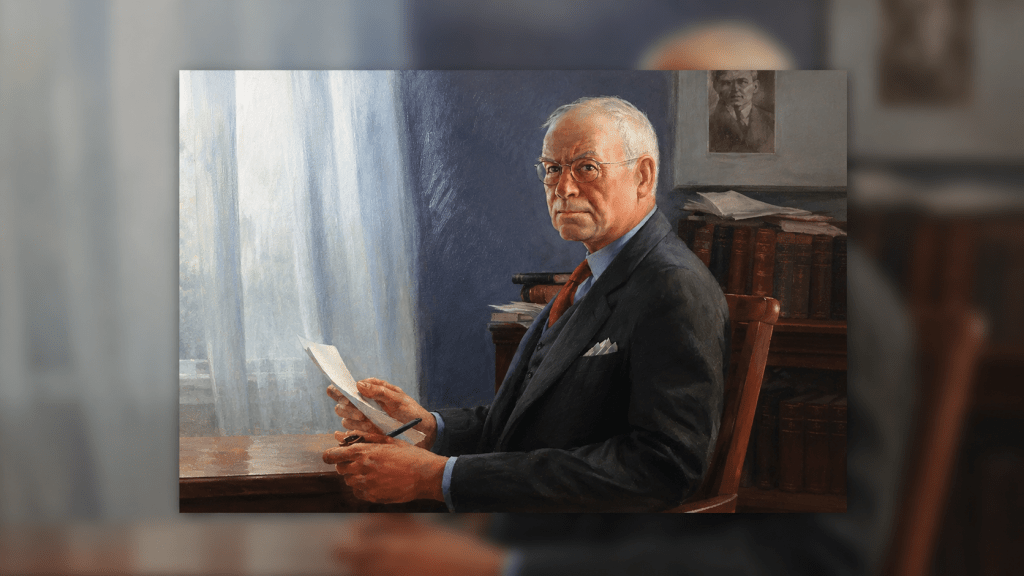
    Image:  Edgar Lee Masters - Portrait by Francis J. Quirk https://francisquirk.blogspot.com/2017/03/visit-to-national-portrait-gallery.html
    Image:  Edgar Lee Masters – Portrait by Francis J. Quirk

    Edgar Lee Masters’ “Percy Bysshe Shelley”

    The speaker in Edgar Lee Masters’ “Percy Bysshe Shelley” dramatizes the relationship between his father and himself, and those differences were vast and deep.

    Introduction and Text of “Percy Bysshe Shelley”

    Edgar Lee Masters’ “Percy Bysshe Shelley” from his American classic Spoon River Anthology consists of five tercets, each constructing its own movement and rendering this character-poem named for a poet one of the most highly structured of all the Spoon River poem offerings. The poem creates a drama, featuring the odd relationship between a father and son.

    The father had great aspirations for his son, but Percy did not have the mental and spiritual wherewithal to live up to the father’s wishes.  The interesting missing feature from the relationship seems to be any malice.  There is no hint of friction between the two, although they had very different temperaments and desires.

    Percy Bysshe Shelley

    My father who owned the wagon-shop
    And grew rich shoeing horses
    Sent me to the University of Montreal.
    I learned nothing and returned home,
    Roaming the fields with Bert Kessler,
    Hunting quail and snipe.
    At Thompson’s Lake the trigger of my gun
    Caught in the side of the boat
    And a great hole was shot through my heart.
    Over me a fond father erected this marble shaft,
    On which stands the figure of a woman  
    Carved by an Italian artist.  
    They say the ashes of my namesake
    Were scattered near the pyramid of Caius Cestius
    Somewhere near Rome.

    Commentary “Percy Bysshe Shelley”

    In this poem, the speaker is dramatizing a relationship between a father and son, whose differences are many.  But while the relationship seems to have distance, there seems to be no animosity expressed by either father or son.

    First Movement:  Sent to Prestigious University

    My father who owned the wagon-shop
    And grew rich shoeing horses
    Sent me to the University of Montreal.

    Percy announces that his father ran a lucrative “wagon-shop,” earning enough money to send Percy to the “University of Montreal.”  The elder Shelley “grew rich shoeing horses.” 

    The claim sounds rather odd, and perhaps intends to serve as an exaggeration.  While such a shop might keep the owner from poverty, it is not likely that such a business would allow the owner to grow rich.

    Second Movement:  Learned Nothing

    I learned nothing and returned home,
    Roaming the fields with Bert Kessler,
    Hunting quail and snipe.

    In the second tercet, Percy admits that at the prestigious Canadian university, “I learned nothing.”  So after flunking out, he “returned home.”   Percy’s major activity from then on was hunting, “roaming the fields with Bert Kessler.”  They hunted “quail and snipe.”

    Third Movement:  An Accidental Shooting

    At Thompson’s Lake the trigger of my gun
    Caught in the side of the boat
    And a great hole was shot through my heart.

    Percy dies in the middle of his poem.  On one of his hunting expeditions “at Thompson’s Lake,” he is accidentally shot through the heart when “the trigger of [his] gun” becomes “caught in the side of the boat.”   Again, Percy’s penchant for exaggeration emerges, “a great hole was shot through my heart.”

    Fourth Movement:  A Grave Difference

    Over me a fond father erected this marble shaft,
    On which stands the figure of a woman  
    Carved by an Italian artist.  

    Percy’s grave is quite a spectacular sight.  An Italian artist’s “figure of a woman” guards his remains.  His “fond father” had “erected this marble shaft” and had the carving of the woman placed there.  

    The disconnect between the father and son is clearly demonstrated in this movement.  The father’s interests are not the same as the son’s.   Because the son’s only interest was hunting, it would be expected that some hunting related theme might be used to decorate the younger man’s grave.

    Fifth Movement:  A Bit of History

    They say the ashes of my namesake
    Were scattered near the pyramid of Caius Cestius
    Somewhere near Rome.

    Percy then states a bit of historical information regarding the biography of the poet Percy Bysshe Shelley, “[his] namesake.”   The speaker reveals that the poet’s ashes “were scattered near the pyramid of Caius Cestius / Somewhere near Rome.”

    Lack of Conflict

    The name of this character is quite ironic, but it symbolizes the vast difference between this father and son.  Percy could not even succeed in college, and his main interest was hunting, while the father had great ambitions for his son, beginning with his name and ending with the grave marker sculpted by an Italian artist.

    While most disparities of this nature between father and son lead to a stressful and often volatile relationship, there is no evidence that these two characters resented each other.   Percy remains rather emotionless but refers to his father as “a fond father” and seems very accepting of that fondness.  Percy just reports a few salient facts about this life but does not seem to be aggrieved, as so many of the Spoon River epitaphs reveal.

  • Edgar Lee Masters’ “Sarah Brown”

    Image: Edgar Lee Masters http://www.poorwilliam.net/al-082314.html Poor William’s Almanack
    Image: Edgar Lee Masters Poor William’s Almanack

    Edgar Lee Masters’ “Sarah Brown”

    “Sarah Brown” reveals a genuine character, employing the Buddhist term “Nirvana” to describe her afterlife experience. 

    Introduction and Text of “Sarah Brown”

    The character “Sarah Brown” reveals an acquaintance with Buddhism as she employs the term “Nirvana” to describe her afterlife experience.  As the speaker in Edgar Lee Masters’ “Sarah Brown” from the American classic Spoon River Anthology, she is one of the most positive characters of the lot.  Although it is hinted that she committed adultery, she emphasizes “love” over sex.  

    It was Sarah’s husband who called her love for Maurice “guilty love,” but since her marriage apparently remained intact, it is not clear that she actually experienced a sexual liaison with the grieving Maurice.

    Sarah Brown 

    Maurice, weep not, I am not here under this pine tree.  
    The balmy air of spring whispers through the sweet grass,
    The stars sparkle, the whippoorwill calls,  
    But thou grievest, while my soul lies rapturous
    In the blest Nirvana of eternal light!
    Go to the good heart that is my husband,  
    Who broods upon what he calls our guilty love:—
    Tell him that my love for you, no less than my love for him
    Wrought out my destiny—that through the flesh
    I won spirit, and through spirit, peace.
    There is no marriage in heaven,
    But there is love.

    Commentary on “Sarah Brown”

    The speaker in this epitaph attempts to console her grieving husband who seemed to misunderstand his wife’s spiritual nature.

    First Movement:  Dust to Dust, Not Spoken of the Soul

    Maurice, weep not, I am not here under this pine tree.

    Sarah Brown addresses Maurice, as he mourns at her grave side.  She reveals to him that she is not in the grave “under this pine tree.”

    Second Movement:  As the Soul Sees

    The balmy air of spring whispers through the sweet grass,
    The stars sparkle, the whippoorwill calls,  
    But thou grievest, while my soul lies rapturous
    In the blest Nirvana of eternal light!

    To prove to Maurice that she, that is, her soul, is not confined to the dark, dank hole in the ground, she describes the setting above ground: the stars are out and a bird is singing.  

    She asserts that Maurice is mourning, but she is experiencing a blessed state of ecstasy wrapped in the bliss of “eternal light.”  Sarah Brown exemplifies a Spoon River resident whose soul has evolved to a higher realm than most of the other complaining deceased of the town.

    Instead of railing against the unfairness of the small minded folks among whom she lived, as so many others do, she reveals a very positive, even minded attitude, and she tries only to console those left behind, especially Maurice who has come to her grave to mourn.

    Third Movement:  Winds From the East

    Go to the good heart that is my husband,  
    Who broods upon what he calls our guilty love:—

    After attempting to relieve Maurice’s grief, Sarah Brown commands him to go to her husband who is smarting because he thought of Sarah’s affection for Maurice as “guilty love.”

    Sarah describes her husband as “the good heart” and continues to think of him as her husband still, even though she has departed earth, and despite the claim she later makes in the final movement.  

    Another indication that Sarah Brown is influenced by Eastern philosophical thought is that she focuses primarily on action in the present tense—the “eternal now”—as referred to in Buddhism.

    Fourth Movement:  Heightened Awareness

    Tell him that my love for you, no less than my love for him
    Wrought out my destiny—that through the flesh
    I won spirit, and through spirit, peace.

    Sarah Brown then reveals the message she wishes Maurice to deliver to her husband.  She wants her husband to know that her love for both men has been instrumental in shaping who she has become, that is, that love has “wrought out [her] destiny.”

    She clarifies that “through the flesh / [she] won spirit, and through spirit, peace.”  Her infidelity was no mere ordinary dalliance prompted by greed, but because of her heightened awareness, played a rôle in leading her soul to divine awareness.

    Fifth Movement:  Love Cannot Be Confined

    There is no marriage in heaven,
    But there is love.

    Finally, Sarah Brown reveals that “There is no marriage in heaven / But there is love.”  Sarah Brown became a free spirit while living and thus concludes from heaven that if love is supreme in the afterlife, then marriage cannot confine love while on the earth plane.

  • Edgar Lee Masters’ “Knowlt Hoheimer”

    005a Image/Edgar-Lee-Masters-Portrait.jpg
    Image: Edgar Lee Masters

    Edgar Lee Masters’ “Knowlt Hoheimer”

    Edgar Lee Masters’ “Knowlt Hoheimer” features a 10-line poem (epitaph) with two movements.  As usual, this epitaph reveals the character of the speaker, even as he tries to castigate others.

    Introduction and Text of “Knowlt Hoheimer”

    In Edgar Lee Masters’ Spoon River Anthology, the short poem, or epitaph as Masters called them, “Knowlt Hoheimer” features a man who regrets among other things that he had the misfortune of dying in battle.

    Knowlt Hoheimer

    I was the first fruits of the battle of Missionary Ridge.  
    When I felt the bullet enter my heart
    I wished I had staid at home and gone to jail
    For stealing the hogs of Curl Trenary,
    Instead of running away and joining the army.
    Rather a thousand times the country jail  
    Than to lie under this marble figure with wings,  
    And this granite pedestal  
    Bearing the words, “Pro Patria.”  
    What do they mean, anyway?

    Commentary on “Knowlt Hoheimer”

    According to Knowlt, he simply joined the army to avoid jail.  He stole some livestock belonging to another man, and thus faced serving time for the crime.

    First Movement:  The Costs of Avoiding Jail 

    I was the first fruits of the battle of Missionary Ridge.  
    When I felt the bullet enter my heart
    I wished I had staid at home and gone to jail
    For stealing the hogs of Curl Trenary,
    Instead of running away and joining the army.

    Knowlt is claiming to have been the first casualty of “the battle of Missionary Ridge.”  He died after “the bullet enter[ed his] heart.”  Knowlt had signed up with the army and went off to war to avoid being incarcerated.  After stealing some farm animals belonging to Curl Trenary, Knowlt simply  ran off to join the army.  

    Because he is now dead, having become the first to die in the battle in which his infantry was engaged, he deeply regrets his choice.  He discovers that serving some jail time would be preferable to dying in war.

    Second Movement:  Regretting a Decision

    Rather a thousand times the country jail  
    Than to lie under this marble figure with wings,  
    And this granite pedestal  
    Bearing the words, “Pro Patria.”  
    What do they mean, anyway?

    Knowlt now professes great regret over his deadly decision.  He now figures that being jailed a thousand times would be better than dying and now lying under a slab of concrete with an inappropriate angelic symbol marking his grave.   Knowlt supposes that he would still be living, had he served his time in jail.  He imagines that serving a thousand jail terms would beat dying.

    Apparently, Knowlt has been recognized as a war hero. He rests beneath a majestic monument which he describes: “this marble figure with wings, / And this granite pedestal / Bearing the words, “Pro Patria.”  Knowlt reveals that he does not even comprehend that “Pro Patria” means “for country.”  He asks rather sarcastically, “What do they mean, anyway?”

    That he does not even know the Latin phrase suggests that he would not believe the sentiment even if he understood the words in translation.  He likely believes along with the speaker in “Dulce et Decorum Est” that Horace’s old adage was a lie.  Knowlt, by revealing what he does not know, further reveals his ignorant narcissism.

  • Edgar Lee Masters’ “Doctor Meyers”

    Image:  Edgar Lee Masters  http://www.poorwilliam.net/al-082314.html  Poor William’s Almanack
    Image: Edgar Lee Masters Poor William’s Almanack

    Edgar Lee Masters’ “Doctor Meyers”

    The third poem in the Minerva Jones series features “Doctor Meyers,” who performed the abortion that led to the death of the unfortunate poetess.

    Introduction and Text of  “Doctor Meyers”

    Edgar Lee Masters’”Doctor Meyers” from Spoon River Anthology is an American-Innovative sonnet that innovatively and without rime begins with a couplet and then moves through the poem in four tercets.    The doctor’s involvement in Minerva’s situation deepens the drama and helps to fill out the characterization of the participants in this sordid event.

    Doctor Meyers 

    No other man, unless it was Doc Hill,
    Did more for people in this town than I.
    And all the weak, the halt, the improvident
    And those who could not pay flocked to me.
    I was good-hearted, easy Doctor Meyers.
    I was healthy, happy, in comfortable fortune,
    Blest with a congenial mate, my children raised,
    All wedded, doing well in the world.  
    And then one night, Minerva, the poetess,  
    Came to me in her trouble, crying.
    I tried to help her out—she died—
    They indicted me, the newspapers disgraced me,
    My wife perished of a broken heart.
    And pneumonia finished me.

    Reading of “Doctor Meyers” 

    Commentary on “Doctor Meyers”

    The third poem in the “Minerva Jones” series features “Doctor Meyers” the physician, who performed the illegal abortion that led to the death of the unfortunate poetess.

    The Couplet:   Braggart or Accurate and Evenhanded?

    No other man, unless it was Doc Hill,
    Did more for people in this town than I.

    The epitaph “Doctor Meyers” continues the “Minerva” series in the third installment of this mini-drama.  

    In the opening couplet, Doctor Meyers informs his listeners that he “did more for people of this town” than anyone else, with the possible exception of “Doc Hill.” A first impression taken from a cynical point of view might suppose that the character of Doctor Meyers resembles that of a braggart.  

    But because he reckons that another doctor might have done more for the people, the reader is likely to conclude that Doctor Meyers’ testimony is accurate and evenhanded. 

    The doctor does make it clear that he feels his service to his community had always been useful and valuable.  He sets up his drama in a way that makes his down-fall even more tragic than it otherwise would have been.

    First Tercet:   A Sympathetic Practice

    And all the weak, the halt, the improvident
    And those who could not pay flocked to me.
    I was good-hearted, easy Doctor Meyers.

    Doctor Mayers then describes his medical practice as a sympathetic one that cared for “all the weak, the halt, the improvident.”   And additionally, the sick ones “who could not pay” found Doctor Meyers helpful and accommodating as well.

    The doctor says that he was “good-hearted, easy Doctor Meyers,” and he is proffering the thoughts of those he had served.  Thus, he has established his stellar reputation as a fine, upstanding Spoon River citizen. 

    Again, a cynical view could be taken, but, in fact, he must have provided helpful services to those in need; otherwise, there is no explaining why patients “flocked to” him.  Also, he must have provided valuable medical services to most of the citizens because he remained financially well off.

    Second Tercet:  A Successful Life

    I was healthy, happy, in comfortable fortune,
    Blest with a congenial mate, my children raised,
    All wedded, doing well in the world.  

    The doctor then reports the quality of his life, describing it as “healthy, happy, in comfortable fortune.”  He had been “blest with a congenial mate,” and their children were successful and all married.  

    Doctor Meyers had achieved the success for which most people strive.  His successful, content life sets up the drama for his downfall.  This description of his life reveals one who has done his duty without deceiving or undermining others in his zeal to thrive.   Such a person deserves to live out his life in peace and tranquility—or so it would seem.

    Third Tercet:  Fate and the Unhealthy Turn

    And then one night, Minerva, the poetess,  
    Came to me in her trouble, crying.
    I tried to help her out—she died—

    But then the doctor’s fate takes an unhealthy turn, when one fateful night the village “poetess” Minerva Jones came to him crying because she was pregnant and unmarried. 
    Minerva was seeking to rid herself of her inconvenient condition.  

    The doctor tried to “help her out,” but then Minerva died.  By “help her out,” the doctor is euphemistically referring to the fact that he broke the law by performing an illegal abortion, killing Minerva’s unborn baby.

    In the first poem of the series, the reader had learned that Minerva had gone to Doctor Meyers after becoming impregnated with “Butch” Weldy’s child; Minerva reports that she died after treatment by Doctor Meyers.

    Fourth Tercet:  When Abortion Was Still Murder

    They indicted me, the newspapers disgraced me,
    My wife perished of a broken heart.
    And pneumonia finished me.

    Because abortion was illegal at that time, (Roe v Wade was decided in 1973, and these poems were written between 1900 and 1915), the doctor was arrested, indicted, and faced prison.   Of course, his fate was reported in the newspapers, and the turn of events adversely affected his wife.  He states that he died of “pneumonia.”

    Mrs. Meyers’ Perspective

    Without the next poem, “Mrs. Meyers,” number 4 in this series which offers testimony from the doctor’s wife, the reader might remain of the mind that Doctor Meyers did not deserve his fate.  But Mrs. Meyers puts things in their proper perspective.  Even so, the reader will continue to feel a certain amount of pity for this poor physician.

    Everyone associated with macabre tale deserves pity, even Minerva, who sought the abortion.  And unwanted pregnancy seldom leads to a congenial outcome.  Mrs. Meyers’ contribution offers a useful bit of information, helping fill out some of the details about this series.

    The Minerva Jones Sequence

    1. Minerva Jones  The “Minerva Jones” epitaph features one of the most depraved characters of the Spoon River talking dead. She is self-absorbed and haughty, lacking empathy and self-awareness, causing her to remain ignorant of her own discordant thoughts. 
    2. “Indignation” Jones  In the second epitaph of the “Minerva” series, the poetess’ father, “Indignation” Jones, fulminates against Spoon River society.
    3. Doctor Meyers The third epitaph in the Minerva Jones series features “Doctor Meyers,” who performed the abortion that led to the death of the unfortunate poetess.
    4. Mrs. Meyers  In the fourth epitaph in this series,”Mrs. Meyers,” Dr. Meyers’ wife testifies that her husband, whom she calls “poor soul,” reaped what he sowed for his actions in life. The religious woman offers advice for a pleasant and peaceful life, reminding humanity to “Love God and keep his commandments.”
    5. “Butch” Weldy  The fifth and final epitaph “‘Butch’ Weldy” concludes the “Minerva Jones” series. Butch declaims about his ordeal after a work related accident—with nary a nod to Minerva.
  • Edgar Lee Masters’ “Minerva Jones”

    Image:  Edgar Lee Masters -  Alchetron https://alchetron.com/Edgar-Lee-Masters
    Image:  Edgar Lee Masters –  Alchetron

    Edgar Lee Masters’ “Minerva Jones”

    The “Minerva Jones” epitaph features one of the most depraved characters of the Spoon River talking dead. She is self-absorbed and haughty, lacking empathy and self-awareness, causing her to remain ignorant of her own discordant thoughts. 

    Introduction with Text of “Minerva Jones”

    This epitaph “Minerva Jones” is the first in a series of five interrelated epitaphs: “‘Indignation’ Jones,” “Doctor Meyers,” “Mrs. Meyers,” and “‘Butch’ Weldy.” Edgar Lee Masters’ “Minerva Jones” from his American classic, Spoon River Anthology, dramatizes the report of a dense, young woman, who died after undergoing an abortion.

    The issue of forced intercourse drives much of the discussion by casual readers in the interpretation of this epitaph. Minerva does not state directly that Butch Weldy forced himself upon her.

    Instead, she implies that the two were engaged in a relationship prior to her becoming pregnant with Weldy’s child. The issue of rape becomes a tool for rehabilitating Minerva’s character and making her abortion seem less abhorrent.  It needs to be remembered that abortion was illegal during this time period of American history.

    Interestingly, the information revealed by the other characters in his series does not clarify Minerva’s motives.  The character most closely involved with Minerva’s situation is Butch Weldy, and he does not even mention her in his harrowing tale. 

    Mrs. Meyers remarks about her husband Doctor Meyers, who performed Minerva’s abortion procedure, “he was not at fault for Minerva’s fall.”  Mrs. Mayers’ statement indicates that Minerva was, in fact, less than the victim she professes.  It was Minerva’s “fall” even if others were intimately or tangentially involved.

    Minerva Jones

    I am Minerva, the village poetess,  
    Hooted at, jeered at by the Yahoos of the street  
    For my heavy body, cock-eye, and rolling walk,
    And all the more when “Butch” Weldy
    Captured me after a brutal hunt.
    He left me to my fate with Doctor Meyers;
    And I sank into death, growing numb from the feet up,
    Like one stepping deeper and deeper into a stream of ice.
    Will some one go to the village newspaper,
    And gather into a book the verses I wrote?—
    I thirsted so for love!
    I hungered so for life!

    Commentary on “Minerva Jones”

    In this epitaph, Minerva Jones, professing herself to be “the village poetess,” presents herself as a victim of the hooting mobs of the town. But worse for her is that she is also a victim, left alone and pregnant by another Spoon River character “Butch” Weldy.  Still worse is that she finally loses her life after being victimized by a medical procedure performed by another Spoon River character Doctor Meyers.

    First Movement:  Acquainted with Classic Works

    I am Minerva, the village poetess,  
    Hooted at, jeered at by the Yahoos of the street  
    For my heavy body, cock-eye, and rolling walk,
    And all the more when “Butch” Weldy
    Captured me after a brutal hunt.

    Minerva proudly proclaims herself as the poet of Spoon River.  But then she complains that she was jeered at by the townspeople.   Likening the boorish individuals of the village to the Swiftian characters “the Yahoos” in Gulliver’s Travels, Minerva demonstrates that she is, in fact,  acquainted with classic literary works.

    Such knowledge allows her to  deem herself above her fellow citizens of Spoon River, similar to her father “Indignation” Jones. These “Yahoos” taunted poor Minerva because of her huge body, crooked eyes, and abnormal gait.  And these characteristics were only exacerbated by her pregnancy. 

    Minerva then describes her relationship with “Butch” Weldy as a “brutal hunt” after which he “captured” her.   This description indicates that she is attempting to portray herself as a victim, in order to excuse her own deeds:  he hunted her, he captured her.  As a victim, she considers her own deeds not under her control.

    Thus in her own mind, Minerva remains the innocent victim of the brutal man “Butch” Weldy. However, Minerva does not state specifically that Butch forced himself upon her, although she does attempt to imply as much.   Those implications demonstrate that she is now excusing her own behavior—a typical response of many of the Spoon River residents to their own flaws.

    Second Movement:  Abandoned to Her Fate

    He left me to my fate with Doctor Meyers;
    And I sank into death, growing numb from the feet up,
    Like one stepping deeper and deeper into a stream of ice.

    Minerva then states that Butch “left me to my fate with Doctor Meyers.”   By stating that he “left” her, she is implying that they were, in fact, a couple.   It is unlikely that a woman who has been brutally raped would lament being “left” by her rapist.  

    After being abandoned by her baby’s father, Minerva attempts to solve her problem pregnancy by seeking out a doctor who is willing to illegally abort her baby. And sadly the procedure performed by Doctor Meyers results in her death. 

    Third Movement:  No Thought of the New Life

    Will some one go to the village newspaper,
    And gather into a book the verses I wrote?—

    With no thought given to the baby’s death, Minerva’s attention turns to her “verses” which had been published in the “village newspaper.”   She then suggests that some citizen of the town visit the newspaper office to collect her verses and publish them in a book.  

    The selfishness demonstrated by this request should alert readers to the depravity of Minerva’s character.  She gives not a single thought to the baby’s life she has snuffed out. Instead, first decrying her own death, which is certainly understandable, but then her second thought of asking someone to collect and publish her poetry for her shows her heartless, audacious selfishness.

    Fourth Movement:  The Epitome of Irony

    I thirsted so for love!
    I hungered so for life!

    Minerva’s final flourish reveals the epitome of irony:  she “thirsted so for love!”  Might she not have had much love to give and receive from the child she aborted?   She “hungered so for life!”  Not the life that was growing inside her, however.  

    Minerva reveals herself to be one of the most disturbed and duplicitous characters of Spoon River.   After losing her life, Minerva is now asking for someone to collect her verses into a book to demonstrate that what happened to her was a great tragedy because she “thirsted so for love!” and  “hungered so for life!”

    Rehabilitating Minerva Jones’ Character

    In the epitaph, “Minerva Jones,” the issue of forced intercourse drives much of the discussion of the interpretation of this poem.  Minerva does not state directly that Butch attacked her for sex, but rather she implies that the two were engaged in a relationship prior to her becoming pregnant with Weldy’s child.

    By insisting that she was brutally attacked and forcibly coerced, some readers attempt to rehabilitate Minerva’s reputation; according to their logic, if she were attacked and forced, then she would be a faultless victim, and thus her ending her pregnancy would be more easily justified.  

    Even legislation that seeks to end or limit abortion often allows for the procedure in cases of incest and rape.   So it is important to those who wish to support easy access to abortion procedures that the fictional character Minerva Jones remain a victim entitled to the procedure because she was attacked and forced to experience sexual intercourse. 

    But if Minerva and Butch were both willing lovers until the pregnancy ended the relationship, then Minerva’s choosing to abort the “love child” becomes more likely to bring disgrace upon her.   Suffering the inconvenience of pregnancy cannot compare with suffering the victimhood of a forcible attack.

    Finally, Minerva’s exclamatory insistence that she “thirsted so for love!” and “hungered so for life!” ring ironically hollow: she aborted the one individual who could have given her love through the child’s very life.  

    Whether she was attacked and forced or was the willing participant in her relationship with Butch Weldy, she could have had a child to love and nurture.  But her final words demonstrate that she cared more about her published verse than she did for the life that she had carried. Such depravity and selfishness cannot be rehabilitated, despite the attempts by pro-abortionists.

    The Minerva Jones Sequence

    1. Minerva Jones  The “Minerva Jones” epitaph features one of the most depraved characters of the Spoon River talking dead. She is self-absorbed and haughty, lacking empathy and self-awareness, causing her to remain ignorant of her own discordant thoughts. 
    2. “Indignation” Jones  In the second epitaph of the “Minerva” series, the poetess’ father, “Indignation” Jones, fulminates against Spoon River society.
    3. Doctor Meyers The third epitaph in the Minerva Jones series features “Doctor Meyers,” who performed the abortion that led to the death of the unfortunate poetess.
    4. Mrs. Meyers  In the fourth epitaph in this series,”Mrs. Meyers,” Dr. Meyers’ wife testifies that her husband, whom she calls “poor soul,” reaped what he sowed for his actions in life. The religious woman offers advice for a pleasant and peaceful life, reminding humanity to “Love God and keep his commandments.”
    5. “Butch” Weldy  The fifth and final epitaph “‘Butch’ Weldy” concludes the “Minerva Jones” series. Butch declaims about his ordeal after a work related accident—with nary a nod to Minerva.
  • Edgar Lee Masters’  “Trainor, the Druggist”

    Image:  Edgar Lee Masters -  Alchetron https://alchetron.com/Edgar-Lee-Masters
    Image:  Edgar Lee Masters –  Alchetron

    Edgar Lee Master’  “Trainor, the Druggist”

    Trainor, the Druggist, offers an additional perspective on the Pantier marriage.

    Introduction and Text of “Trainor, the Druggist”

    Edgar Lee Masters’ “Trainor, the Druggist” from Spoon River Anthology offers a final installment covering the pitiful story of the Pantiers:  Mr. and Mrs. Benjamin Pantier and their son, Reuben. 

    Trainor, the chemist/druggist, dramatizes his take on the Pantiers’ marriage as he philosophizes about how chemicals and personalities may combine to produce results unlike either of the components.

    Trainor, the Druggist

    Only the chemist can tell, and not always the chemist,
    What will result from compounding
    Fluids or solids.
    And who can tell
    How men and women will interact
    On each other, or what children will result?
    There were Benjamin Pantier and his wife,
    Good in themselves, but evil toward each other:
    He oxygen, she hydrogen,
    Their son, a devastating fire.
    I Trainor, the druggist, a mixer of chemicals,
    Killed while making an experiment,
    Lived unwedded.

    Interpretive Reading of “Trainor the Druggist” 

    Commentary on “Trainor, the Druggist”

    Edgar Lee Masters just could not let go of the Pantiers; in “Trainor, the Druggist,” yet another and final installment focusing on the couple is offered.

    First Movement:  Begins by Contradicting Himself

    Only the chemist can tell, and not always the chemist,
    What will result from compounding
    Fluids or solids.

    Trainor begins by remarking and somewhat contradicting himself about what a chemist can know.  He first states that “only” a chemist can know the results of combining certain substances, but he quickly adds that not even a chemist can “always” know the result of “compounding / Fluids and solids.”

    By using the substances “fluids and solids,” Trainor avoids sounding overly esoteric and confusing in his statement, although later he settles on the use of “oxygen” and “hydrogen” to express the natures of the Pantiers.

    Second Movement:  Who?  Indeed!

    And who can tell
    How men and women will interact
    On each other, or what children will result?

    Trainor then asks a rhetorical question, wondering who can ever predict how a certain man and a certain woman might react to their relationship.  He also wonders, “what children will result?”

    Of course, no one can know how any given couple will eventually grow in a relationship, and the possibilities are endless, as are the possibilities of the kinds of children that might spring from any given relationship.  The chemist can know how certain chemicals will react with each, but even the chemist will have to admit that many combinations have yet to be tried.

    Third Movement:  The Pantiers

    There were Benjamin Pantier and his wife,
    Good in themselves, but evil toward each other:
    He oxygen, she hydrogen,
    Their son, a devastating fire.

    In the third movement, Trainor focuses on the Pantiers, concluding that each was “good in themselves.”  But when they were bound in a relationship, they were “evil toward each other.”

    Trainor then likens Benjamin to “oxygen,” while Mrs. Benjamin was like “hydrogen.”  But the combination was, unfortunately, not in a useful proportion that would result, for example, in water; it was some combination that produces “fire.”  Trainor says, “Their son, a devastating fire.”

    Fourth Movement:  Trainor, Somewhat Ditzy

    I Trainor, the druggist, a mixer of chemicals,
    Killed while making an experiment,
    Lived unwedded.

    In the final movement, the reader learns that Trainor was killed while “making an experiment.”  As a “mixer of chemicals,” Trainor turns out to be incompetent, but he reports that he “lived unwedded,” which, to Trainor’s way of thinking, gives him at least a measure of pride of achievement.

    Of course, the reader will remember that Reuben Pantier turned his life around and was able to extinguish the “devastating fire” in himself—an eventuality that also underscores the incompetence of the druggist.

    The Pantier Sequence

    The five epigraphs that comprise the “Pantier Sequence”: 

    1.  Benjamin Pantier  A husband who appears to be weakling allowing himself to be cowed by his wife, an arrogant bully.
    2. Mrs. Benjamin Pantier  Unbridled arrogance, overweening vanity along with cowardly weakness have combined to bring about the destruction of the marriage of Mr. and Mrs. Benjamin Pantier.
    3. Reuben Pantier  Reuben Pantier’s colorful character helps dramatize the power of spiritual love for healing the mind, heart, and soul, even through the distance of miles and decades.  Reuben is the son of the dysfunctional couple Mr. and Mrs. Benjamin Pantier.
    4. Emily Sparks  The epitaph is the fourth entry in the sequence of five epitaphs featuring a dysfunctional couple, their son, and the latter’s influential mentor.
    5.  Trainor, the Druggist  This epitaph offers a final installment covering the pitiful story of the Pantiers:  Mr. and Mrs. Benjamin Pantier and their son Reuben.
  • Edgar Lee Masters’ “Judge Somers”

    Image:   Edgar Lee Masters http://www.jackmasters.net/mastelm.html Jack Masters
    Image: Edgar Lee Masters – Jack Masters

    Edgar Lee Masters’ “Judge Somers”

    Judge Somers’ complaint demonstrates that he is jealous of a man whom he deems to occupy a lower rung on the social status ladder than himself. 

    Introduction and Text of “Judge Somers”

    The class warfare that rages in the Spoon River reportage becomes evident as readers make their way through Edgar Lee Masters‘ American classic, Spoon River Anthology.  

    Businessmen, doctors, lawyers, judges, and politicians are the special targets of many of those whose employment ranges from simple shopkeepers, to farmers, to teachers, and householders whose outside job or career is never named.  Of course, preachers and other religious figures seldom come off well in these dramas either, likely owing to the atheist leanings of their creator.

    And the truly lowly dregs of society—murderers, prostitutes, adulterers, drunks, and thieves—are often given a bit too much of the benefit of doubt.  The good-hearted prostitute is often more credible than the banker despite the fact that his heart may be of equal goodness. 

    As in contemporary society where racism remains the primary cudgel of race-baiting hypocrites, back a century or so ago, the -ism du jour was classism, thus the emphasis on class warfare.

    While many of the epitaphs in Edgar Lee Masters’ American classic reveal issues motivated by class warfare, “Judge Somers” offers one of the most pronounced, as the judge deems himself better than his peers.

    The speaker in the epitaph “Judge Somers” is the judge himself, who wants to know why a man of importance, such as himself, has died unnoticed while the town drunk has been well noted.

    Judge Somers

    How does it happen, tell me,
    That I who was the most erudite of lawyers,
    Who knew Blackstone and Coke
    Almost by heart, who made the greatest speech
    The court-house ever heard, and wrote
    A brief that won the praise of Justice Breese—
    How does it happen, tell me,
    That I lie here unmarked, forgotten,
    While Chase Henry, the town drunkard,
    Has a marble block, topped by an urn,
    Wherein Nature, in a mood ironical,
    Has sown a flowering weed? 

    Commentary on “Judge Somers”

    Judge Somers’ complaint demonstrates that he is jealous of a man he deems to occupy a lower rung on the social status ladder than he does.

    First Movement:  Why Me?

    How does it happen, tell me,
    That I who was the most erudite of lawyers,
    Who knew Blackstone and Coke
    Almost by heart, who made the greatest speech
    The court-house ever heard, and wrote
    A brief that won the praise of Justice Breese— 

    This poem consists of two movements each beginning with a command embedded in a question.  The judge is demanding an answer to his question in both instances.  

    Judge Somers begins by asserting his demand/question, posited with “How does it happen, tell me.”  But in the first movement, he does not finish the question proper; he merely prefaces it by reporting all of his achievements.

    The judge feigns no modesty in his self-evaluation but flatly asserts that he was the most brilliant of attorneys.  Part of his erudition and brilliance was due to his having “almost by heart Blackstone and Coke.”  

    The judge is alluding to two British legal writers—Sir William Blackstone (1723-1780), who wrote the Commentaries, and Sir Edward Coke(1552-1634), who wrote and published treatises titled Institutes of the laws of England.

    The judge’s knowledge of these works sounds much more important than it is; a lawyer or judge practicing in a 19th century Illinois rural community would hardly be confronted with issues dealt with in these obscure legal works.

    Judge Somers then boasts that he “made the greatest speech / The court-house ever heard.”  In his own mind, not only was he a great orator, but he also “wrote / A brief that won the praise of Justice Breese.”  

    Again, the fictional speaker Somers alludes to a real-life justice, Justice Sidney Breese, who served on the Illinois Supreme Court as both a judge and as chief justice.  

    Second Movement:  How Does It Happen to Me?

    How does it happen, tell me,
    That I lie here unmarked, forgotten,
    While Chase Henry, the town drunkard,
    Has a marble block, topped by an urn,
    Wherein Nature, in a mood ironical,
    Has sown a flowering weed?

    So with such a shining reputation for accomplishment, the judge again poses his demand/question:  “How does it happen, tell me.”  He then completes the question for he wants to know why he is left to “lie here unmarked, forgotten.”  

    And to make matters worse, that “town drunkard” and scoundrel “Chase Henry” has been afforded “a marble block, topped by an urn.”  The judge adds that, “Nature,” with a splash of irony “has sown a flowering weed.”   

    The jealous judge then takes a bit of comfort from the ironic weed, but still he continues to chafe at the fact that he is forgotten while the town drunk seems to be celebrated.

    The reader knows a secret that the judge obviously does not know: that Henry’s memorial has nothing to do with Henry but can be laid at the door of rivalry between the Protestants and the Catholics.

  • Edgar Lee Masters’ “Serepta Mason,” “Amanda Barker,” “Constance Hately,” and “Chase Henry” 

    Image: Edgar Lee Masters https://factfile.org/10-facts-about-edgar-lee-masters#google_vignette
    Image: Edgar Lee Masters

    Edgar Lee Masters’ “Serepta Mason,” “Amanda Barker,” “Constance Hately,” and “Chase Henry” 

    The four characters from Edgar Lee Masters’ Spoon River Anthology—”Serepta Mason,” “Amanda Barker,” “Constance Hately,” and “Chase Henry”— offer very specific complaints against others in the town who affected their lives in deleterious ways.

    Introduction: Four Flawed Characters Reveal Their Thoughts

    Serepta Mason accuses Spoon River residents of stunting her growth, as she likens herself to a flower.  Amanda Barker died in childbirth and blames her husband for killing her because he knew her poor health made her unable to bear a child.

    “Constance Hately” and “Chase Henry” offer brief sketches of two Spoon River curmudgeons.  The poems feature ten and eleven lines respectively.  Both reveal flawed characters who feel the need to unload the thoughts they lived with.  

    As most of the Spoon River characters confess sins, these two are no exception.  Constance seems to be trying to set the record straight, while Chase boasts about the irony that sometimes attaches to good vs evil intentions.

    Text of “Serepta Mason”

    My life’s blossom might have bloomed on all sides
    Save for a bitter wind which stunted my petals
    On the side of me which you in the village could see.
    From the dust I lift a voice of protest:
    My flowering side you never saw!
    Ye living ones, ye are fools indeed
    Who do not know the ways of the wind
    And the unseen forces
    That govern the processes of life.

    Reading of “Serepta Mason”  

    Commentary on “Serepta Mason”

    Serepta complains that the “fools” “in the village” were ever unable to understand that she had a good side as a well as a not so good one.  She begins her lament by announcing that she might have been a well-rounded, fully developed personality if she had not been “stunted” by the nastiness of the people in her town.

    She metaphorically likens her growth to a flower: “my life’s blossom,” which “might have bloomed on all sides.”  But because of the “bitter wind” “her petals” were kept from developing fully, and that “stunted” side of her was all that the villagers saw.

    Therefore, as the other ghosts from the Spoon River cemetery do, she raises her “voice of protest.”  She enlightens the villagers that she did, in fact, have a “flowering side,” but they never saw it.  She foists all the blame on the villagers, not considering her own share of blame that might be part of the equation.

    Serepta concludes her accusation with a rather grandiose philosophical attempt to convince herself that she is, in fact, accurate in her assessment:  she calls the “living ones” “fools” because they “do not know the ways of the wind / And the unseen forces / That govern the processes of life.”  The recurrence of the metaphor “wind” implies that she is castigating the townies for being gossip-mongers.

    Serepta’s complaint implies that she was damaged and her growth stunted by town gossip signified by “wind”:  “a bitter wind which stunted my petals” and “Who do not know the ways of the wind.”  

    Text of “Amanda Barker”

    Henry got me with child,  
    Knowing that I could not bring forth life
    Without losing my own.  
    In my youth therefore I entered the portals of dust.
    Traveler, it is believed in the village where I lived
    That Henry loved me with a husband’s love,
    But I proclaim from the dust
    That he slew me to gratify his hatred.

    Reading of “Amanda Barker” 

    Commentary on “Amanda Barker”

    Unlike Serepta who waxes poetic and philosophical with metaphoric comparison and aphoristic critique, Amanda speaks her mind very plainly and bluntly.  Amanda was married to Henry, who was aware that Amanda could not procreate children. 

    Henry knew that pregnancy would kill Amanda. Henry, however, impregnated Amanda while knowing that deadly fact, and sure enough, Amanda died young:  “In my youth therefore I entered the portals of dust.”

    Calling those who might have stumbled upon her tombstone “traveler,” Amanda offers her lament to those vague persons. She insists that the Spoon River citizens  found nothing wanting in Henry’s love for Amanda, but Amanda knew the truth:  Henry hated her and deliberately killed her out of that hatred. Amanda’s main focus in on having returned to “dust” before having lived her life.

    Constance Hately

    You praise my self-sacrifice, Spoon River,
    In rearing Irene and Mary,
    Orphans of my older sister!
    And you censure Irene and Mary
    For their contempt for me
    But praise not my self-sacrifice,
    And censure not their contempt;
    I reared them, I cared for them, true enough!—
    But I poisoned my benefactions
    With constant reminders of their dependence.

    Reading of “Constance Hately”

    Commentary on “Constance Hately”

    Constance addresses Spoon River residents, calling attention to the fact that they were always commending her for raising “Irene and Mary,” the orphaned daughters of her older sister.  She further reminds them that they also condemned Irene and Mary because they did not offer gratitude for their aunt’s sacrifice.

    Constance now reveals that the citizens’ appraisal of her “self-sacrifice” and the nieces’ attitude was flawed and inaccurate on both counts:  she reports that she does not deserve “praise” for her sacrifice, and the nieces, Irene and Mary, do not deserve the town’s scorn for their disrespect for her.  

    Constance admits that, indeed, she did raise them and she cared for them, but while she was doing so, she “poisoned” the girls’ minds “With constant reminders of the dependence.”  

    Her confession perhaps reveals a measure of remorse for her failure with her nieces, but on the other hand, she seems to be gloating that the town got it so wrong about her relationship with them.


    Text of “Chase Henry”

    In life I was the town drunkard;  
    When I died the priest denied me burial
    In holy ground.  
    The which redounded to my good fortune.  
    For the Protestants bought this lot,
    And buried my body here,  
    Close to the grave of the banker Nicholas,  
    And of his wife Priscilla.  
    Take note, ye prudent and pious souls,
    Of the cross-currents in life
    Which bring honor to the dead, who lived in shame.

    Reading of “Chase Henry”  

    Commentary on “Chase Henry”

    Chase Henry played his role in life as the town drunk, to which he seems gleeful to admit.  Of course, that was “in life.”  Now, he, like many of the Spoon River deceased, can wax philosophical and indignant about how he was treated “in life.”

    Chase’s indignity centers on the fact that after he died, his body was not allowed “burial / In holy ground.”  The priest would not accept the body of an immoral “drunkard” to foul the cemetery of the Catholic Church.

    But Chase deems that he has the last laugh because Protestants defied the Catholics by purchasing a burial plot for the drunkard.  Now he rests “Close to the grave of the banker Nicholas, / And of his wife Priscilla.”  Chase can boast that he has come up in the world—a lowly drunkard buried nearby to a highly regarded banker.

    Chase, in his best condescending, supercilious tone, offers a piece of advice to all “ye prudent and pious souls.”  He warns them that circumstances can change because of the “cross-currents of life,” and those who “lived in shame” can find “honor” in death.

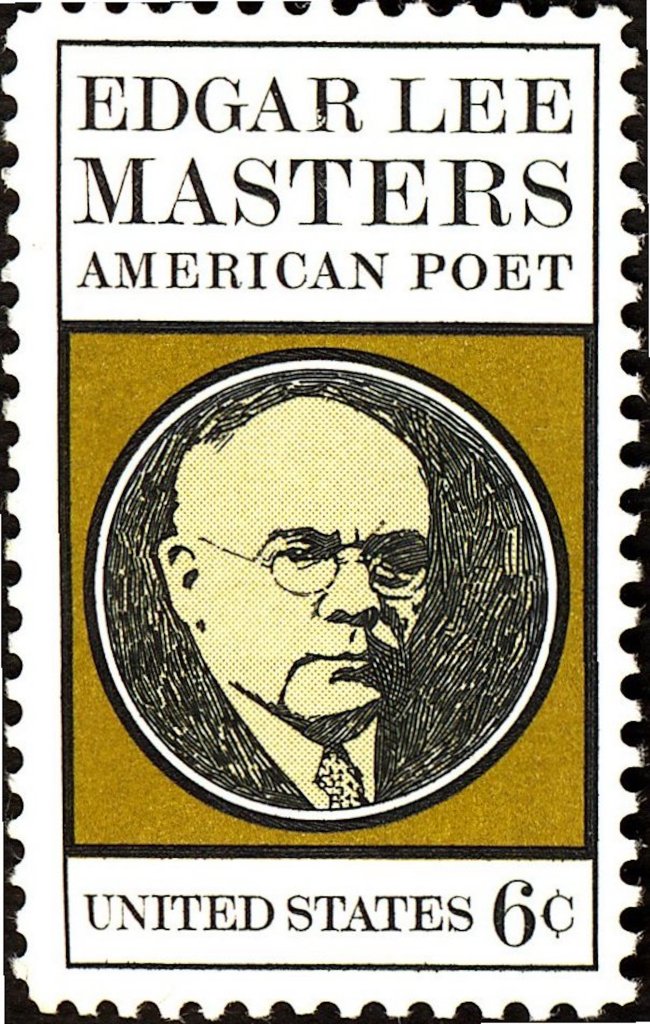
    Image: Edgar Lee Masters – Commemorative Stamp
  • Edgar Lee Masters’ “Hod Putt”

    Image:   Edgar Lee Masters  https://www.best-poems.net/edgar_lee_masters/index.html#google_vignette
    Image: Edgar Lee Masters

    Edgar Lee Masters’ “Hod Putt”

    Hod Putt chafed at his low station in life as an unsuccessful laborer who never seemed able to get ahead. His intense envy of those who were successful lead him down a path to perdition.

    Introduction and Text of “Hod Putt”

    The deceased inhabitants of the fictional village of Spoon River in Edgar Lee Masters’ American classic, Spoon River Anthology, are finally free to let loose their venom on whoever crossed them in life.  They now feel free to testify, but their testimony is only their side of it.  They can say whatever they like without being rebuked, reprimanded, or criticized.

    The advantage of this kind of scenario, masterfully crafted by the poet, is that the dead people have the same stage to make their claims.  The study thus reveals differing points of view, even as the individual speakers sometimes focus on similar circumstances.

    The Spoon River character study begins with an epitaph featuring the character “Hod Putt,” which qualifies as a versanelle, a short, pithy verse with a gripping punch offering a glimpse at human nature. The poem delivers that interesting punch as it reveals a truth about human nature and its desire to justify the unjustifiable to flatter the ego.

    Hod Putt 

    Here I lie close to the grave
    Of Old Bill Piersol,  
    Who grew rich trading with the Indians, and who
    Afterwards took the bankrupt law  
    And emerged from it richer than ever.
    Myself grown tired of toil and poverty
    And beholding how Old Bill and others grew in wealth,
    Robbed a traveler one night near Proctor’s Grove,
    Killing him unwittingly while doing so,
    For the which I was tried and hanged.
    That was my way of going into bankruptcy.
    Now we who took the bankrupt law in our respective ways  
    Sleep peacefully side by side.

    Commentary on “Hod Putt”

    Apparently, considering himself a failure in life’s rat race for riches, this speaker Hod Putt envied those who were successful or at least more successful than he was.

    From his perch in the afterworld, Putt attempts to improve his lack of substance by concocting an equivalence between his moral bankruptcy and the financial bankruptcy experienced by “Old Bill Piersol.”

    Putt belongs to that classification of Spoon River inmates who try to assuage their own guilt by laying a thick blanket of culpability onto others.  Readers can see clearly that these scofflaws are merely cutting off the heads of others so that they may appear to stand taller.

    First Movement:   Blinding Jealousy

    Here I lie close to the grave
    Of Old Bill Piersol,
    Who grew rich trading with the Indians, and who
    Afterwards took the bankrupt law
    And emerged from it richer than ever. 

    Hod Putt informs his audience that his grave lies near the “grave / Of Old Bill Piersol.” He reports that Piersol was an Indian trader who became wealthy through his lucrative trade association.

    Piersol, however, went bankrupt but then recovered his wealth quickly and grew “richer than ever”; these events cause Putt’s jealous nature to overcome his ability to think clearly.

    Second Movement:  A Double Felony

    Myself grown tired of toil and poverty
    And beholding how Old Bill and others grew in wealth,
    Robbed a traveler one night near Proctor’s Grove, 

    Putt implies that he was somewhat lackadaisical with no deep interest in high achievement; just keeping bread on the table caused him to grow “tired of toil and poverty.” While not fond of work, he also found poverty inconvenient.

    Putt assumed that “Old Bill and others” had used the system to become wealthy; thus he assumed he could also use the system for his own purposes.  He, therefore, dreamed up a plan: instead of working for his pay, he would take from others. He began his new endeavor in crime by robbing a traveler “near Proctor’s Grove.”

    Third Movement: Faulty Logic

    Killing him unwittingly while doing so,
    For the which I was tried and hanged.
    That was my way of going into bankruptcy.

    To Putt’s chagrin, he kills the victim while trying to take his property. This felony then gets Putt “tried and hanged.” Like any other act of faulty logic, he asserts that his act just constituted “bankruptcy.”

    He, no doubt, believes he is clever in comparing his crimes to what he assumes to be the crimes of others, as he draw a moral equivalency between financial bankruptcy and moral bankruptcy.  But his utterly counterfeit comparison to businessmen who declare legitimate bankruptcy according to the law demonstrates the criminal nature of Putt’s mind.

    Fourth Movement: Morally Bankrupt

    Now we who took the bankrupt law in our respective ways
    Sleep peacefully side by side.

    Putt shows that he is morally bankrupt; he concocts a moral equivalency between his felonious crimes and those of successful men, in this case, Old Bill Piersol, who merely followed bankruptcy laws.

    The smug Putt claims that he and Piersol “sleep peacefully side by side”; this claim implies that their “bankruptcies” are just the same.

    A Two-Fold Felon

    Readers will understand the difference between the two “bankruptcies”: Hod Putt is a criminal trying to vindicate himself while, in fact, revealing his felonious nature. Bankruptcy laws work within the legal system for those who declare bankruptcy.

    The laws governing bankruptcy do not exist in order to encourage theft but to allow the unfortunate to place their financial endeavor on the path to recovery. Putt declares that he intended to rob a man, but while committing the robbery, he killed the man.

    It is not likely that he intended to kill the man as he was committing his intensional felony.  But then, because of the accidental killing, Putt becomes a two-fold felon, failing to even understand his criminal acts. 

    Now after death, he disingenuously claims to be “sleeping peacefully side by side” with Old Bill Piersol. In his own imagination, Putt is free to believe that his “sleep” after death and that of a legitimate businessman are the same. 

    But imagination does not make it so.  The karma of all individuals dictates how well they rest—not how things may seem at any given time. Apparently, Putt remains blissfully unaware that karma will reckon with him—if not today, nor tomorrow, then sometime in future.