Linda's Literary Home

Tag: Spoon River Anthology

  • Edgar Lee Masters’ “Minerva Jones”

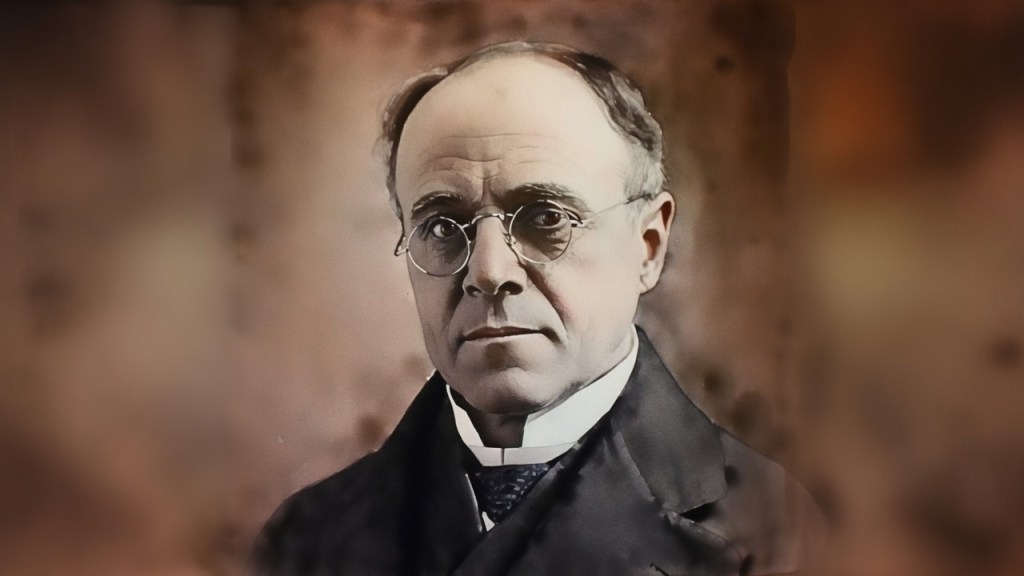
    Image:  Edgar Lee Masters -  Alchetron https://alchetron.com/Edgar-Lee-Masters
    Image:  Edgar Lee Masters –  Alchetron

    Edgar Lee Masters’ “Minerva Jones”

    The “Minerva Jones” epitaph features one of the most depraved characters of the Spoon River talking dead. She is self-absorbed and haughty, lacking empathy and self-awareness, causing her to remain ignorant of her own discordant thoughts. 

    Introduction with Text of “Minerva Jones”

    This epitaph “Minerva Jones” is the first in a series of five interrelated epitaphs: “‘Indignation’ Jones,” “Doctor Meyers,” “Mrs. Meyers,” and “‘Butch’ Weldy.” Edgar Lee Masters’ “Minerva Jones” from his American classic, Spoon River Anthology, dramatizes the report of a dense, young woman, who died after undergoing an abortion.

    The issue of forced intercourse drives much of the discussion by casual readers in the interpretation of this epitaph. Minerva does not state directly that Butch Weldy forced himself upon her.

    Instead, she implies that the two were engaged in a relationship prior to her becoming pregnant with Weldy’s child. The issue of rape becomes a tool for rehabilitating Minerva’s character and making her abortion seem less abhorrent.  It needs to be remembered that abortion was illegal during this time period of American history.

    Interestingly, the information revealed by the other characters in his series does not clarify Minerva’s motives.  The character most closely involved with Minerva’s situation is Butch Weldy, and he does not even mention her in his harrowing tale. 

    Mrs. Meyers remarks about her husband Doctor Meyers, who performed Minerva’s abortion procedure, “he was not at fault for Minerva’s fall.”  Mrs. Mayers’ statement indicates that Minerva was, in fact, less than the victim she professes.  It was Minerva’s “fall” even if others were intimately or tangentially involved.

    Minerva Jones

    I am Minerva, the village poetess,  
    Hooted at, jeered at by the Yahoos of the street  
    For my heavy body, cock-eye, and rolling walk,
    And all the more when “Butch” Weldy
    Captured me after a brutal hunt.
    He left me to my fate with Doctor Meyers;
    And I sank into death, growing numb from the feet up,
    Like one stepping deeper and deeper into a stream of ice.
    Will some one go to the village newspaper,
    And gather into a book the verses I wrote?—
    I thirsted so for love!
    I hungered so for life!

    Commentary on “Minerva Jones”

    In this epitaph, Minerva Jones, professing herself to be “the village poetess,” presents herself as a victim of the hooting mobs of the town. But worse for her is that she is also a victim, left alone and pregnant by another Spoon River character “Butch” Weldy.  Still worse is that she finally loses her life after being victimized by a medical procedure performed by another Spoon River character Doctor Meyers.

    First Movement:  Acquainted with Classic Works

    I am Minerva, the village poetess,  
    Hooted at, jeered at by the Yahoos of the street  
    For my heavy body, cock-eye, and rolling walk,
    And all the more when “Butch” Weldy
    Captured me after a brutal hunt.

    Minerva proudly proclaims herself as the poet of Spoon River.  But then she complains that she was jeered at by the townspeople.   Likening the boorish individuals of the village to the Swiftian characters “the Yahoos” in Gulliver’s Travels, Minerva demonstrates that she is, in fact,  acquainted with classic literary works.

    Such knowledge allows her to  deem herself above her fellow citizens of Spoon River, similar to her father “Indignation” Jones. These “Yahoos” taunted poor Minerva because of her huge body, crooked eyes, and abnormal gait.  And these characteristics were only exacerbated by her pregnancy. 

    Minerva then describes her relationship with “Butch” Weldy as a “brutal hunt” after which he “captured” her.   This description indicates that she is attempting to portray herself as a victim, in order to excuse her own deeds:  he hunted her, he captured her.  As a victim, she considers her own deeds not under her control.

    Thus in her own mind, Minerva remains the innocent victim of the brutal man “Butch” Weldy. However, Minerva does not state specifically that Butch forced himself upon her, although she does attempt to imply as much.   Those implications demonstrate that she is now excusing her own behavior—a typical response of many of the Spoon River residents to their own flaws.

    Second Movement:  Abandoned to Her Fate

    He left me to my fate with Doctor Meyers;
    And I sank into death, growing numb from the feet up,
    Like one stepping deeper and deeper into a stream of ice.

    Minerva then states that Butch “left me to my fate with Doctor Meyers.”   By stating that he “left” her, she is implying that they were, in fact, a couple.   It is unlikely that a woman who has been brutally raped would lament being “left” by her rapist.  

    After being abandoned by her baby’s father, Minerva attempts to solve her problem pregnancy by seeking out a doctor who is willing to illegally abort her baby. And sadly the procedure performed by Doctor Meyers results in her death. 

    Third Movement:  No Thought of the New Life

    Will some one go to the village newspaper,
    And gather into a book the verses I wrote?—

    With no thought given to the baby’s death, Minerva’s attention turns to her “verses” which had been published in the “village newspaper.”   She then suggests that some citizen of the town visit the newspaper office to collect her verses and publish them in a book.  

    The selfishness demonstrated by this request should alert readers to the depravity of Minerva’s character.  She gives not a single thought to the baby’s life she has snuffed out. Instead, first decrying her own death, which is certainly understandable, but then her second thought of asking someone to collect and publish her poetry for her shows her heartless, audacious selfishness.

    Fourth Movement:  The Epitome of Irony

    I thirsted so for love!
    I hungered so for life!

    Minerva’s final flourish reveals the epitome of irony:  she “thirsted so for love!”  Might she not have had much love to give and receive from the child she aborted?   She “hungered so for life!”  Not the life that was growing inside her, however.  

    Minerva reveals herself to be one of the most disturbed and duplicitous characters of Spoon River.   After losing her life, Minerva is now asking for someone to collect her verses into a book to demonstrate that what happened to her was a great tragedy because she “thirsted so for love!” and  “hungered so for life!”

    Rehabilitating Minerva Jones’ Character

    In the epitaph, “Minerva Jones,” the issue of forced intercourse drives much of the discussion of the interpretation of this poem.  Minerva does not state directly that Butch attacked her for sex, but rather she implies that the two were engaged in a relationship prior to her becoming pregnant with Weldy’s child.

    By insisting that she was brutally attacked and forcibly coerced, some readers attempt to rehabilitate Minerva’s reputation; according to their logic, if she were attacked and forced, then she would be a faultless victim, and thus her ending her pregnancy would be more easily justified.  

    Even legislation that seeks to end or limit abortion often allows for the procedure in cases of incest and rape.   So it is important to those who wish to support easy access to abortion procedures that the fictional character Minerva Jones remain a victim entitled to the procedure because she was attacked and forced to experience sexual intercourse. 

    But if Minerva and Butch were both willing lovers until the pregnancy ended the relationship, then Minerva’s choosing to abort the “love child” becomes more likely to bring disgrace upon her.   Suffering the inconvenience of pregnancy cannot compare with suffering the victimhood of a forcible attack.

    Finally, Minerva’s exclamatory insistence that she “thirsted so for love!” and “hungered so for life!” ring ironically hollow: she aborted the one individual who could have given her love through the child’s very life.  

    Whether she was attacked and forced or was the willing participant in her relationship with Butch Weldy, she could have had a child to love and nurture.  But her final words demonstrate that she cared more about her published verse than she did for the life that she had carried. Such depravity and selfishness cannot be rehabilitated, despite the attempts by pro-abortionists.

    The Minerva Jones Sequence

    1. Minerva Jones  The “Minerva Jones” epitaph features one of the most depraved characters of the Spoon River talking dead. She is self-absorbed and haughty, lacking empathy and self-awareness, causing her to remain ignorant of her own discordant thoughts. 
    2. “Indignation” Jones  In the second epitaph of the “Minerva” series, the poetess’ father, “Indignation” Jones, fulminates against Spoon River society.
    3. Doctor Meyers The third epitaph in the Minerva Jones series features “Doctor Meyers,” who performed the abortion that led to the death of the unfortunate poetess.
    4. Mrs. Meyers  In the fourth epitaph in this series,”Mrs. Meyers,” Dr. Meyers’ wife testifies that her husband, whom she calls “poor soul,” reaped what he sowed for his actions in life. The religious woman offers advice for a pleasant and peaceful life, reminding humanity to “Love God and keep his commandments.”
    5. “Butch” Weldy  The fifth and final epitaph “‘Butch’ Weldy” concludes the “Minerva Jones” series. Butch declaims about his ordeal after a work related accident—with nary a nod to Minerva.
  • Edgar Lee Masters’ “Benjamin Fraser”

    Image: Edgar Lee Masters, Esq. https://librarycollections.law.umn.edu/darrow/trials_details.php?id=4 Clarence Darrow Law Library
    Image: Edgar Lee Masters, Esq. Clarence Darrow Law Library

    Edgar Lee Masters’ “Benjamin Fraser”

    In the epitaph titled “Benjamin Fraser” from Edgar Lee Masters’ Spoon River Anthology, the serial rapist/murderer is dramatizing his unsavory character.

    Introduction and Text of “Benjamin Fraser”

    Edgar Lee Masters has explained that “The Spooniad” is a mock heroic after Alexander Pope’s “The Dunciad.”  The Spooniad offers commentary on each of the Spoon River speakers who hold forth in Spoon River Anthology.

    From “The Spooniad” the reader learns that “Benjamin Fraser” was the “son of Benjamin Pantier / By Daisy Fraser,” which resulted in a lethal combination: the Pantiers’ dysfunctional relationship motivated Benjamin Pantier’s bedding the prostitute, Daisy Fraser, who gave birth to the criminally insane Benjamin Fraser.  (See the Pantier sequence beginning with Benjamin Pantier” and “Mrs. Benjamin Pantier.)

    Benjamin Fraser

    Their spirits beat upon mine
     Like the wings of a thousand butterflies.
    I closed my eyes and felt their spirits vibrating.
    I closed my eyes, yet I knew when their lashes 
    Fringed their cheeks from downcast eyes,
    And when they turned their heads;
    And when their garments clung to them, 
    Or fell from them, in exquisite draperies. 
    Their spirits watched my ecstasy 
    With wide looks at starry unconcern.
    Their spirits looked upon my torture; 
    They drank it as it were the water of life; 
    With reddened cheeks, brightened eyes 
    The rising flame of my soul made their spirits gilt, 
    Like the wings of a butterfly drifting suddenly into sunlight.
    And they cried to me for life, life, life. 
    But in taking life for myself, 
    In seizing and crushing their souls, 
    As a child crushes grapes and drinks 
    From its palms the purple juice,
    I came to this wingless void,
    Where neither red, nor gold, nor wine, 
    Nor the rhythm of life is known.

    Interpretive Reading of Benjamin Fraser

    Commentary on “Benjamin Fraser”

    The epitaph“Benjamin Fraser” from Masters’ Spoon River Anthology allows the serial rapist/murderer to dramatize his unsavory character.

    First Movement:   Twisted Imagination

    Their spirits beat upon mine
     Like the wings of a thousand butterflies.
    I closed my eyes and felt their spirits vibrating.
    I closed my eyes, yet I knew when their lashes 
    Fringed their cheeks from downcast eyes,
    And when they turned their heads;
    And when their garments clung to them, 
    Or fell from them, in exquisite draperies. 

    Benjamin Fraser reports that as he murdered and raped his victims their spirits were like butterflies.  Fraser enjoyed the acts of rape and murder intensely and considered the struggle for life of the victims as a play of souls. 

    Fraser’s victims’ souls leaving their bodies made the insane criminal think of them as the “wings of a thousand butterflies.”  He reports that he “closed his eyes and felt their spirits vibrating.”  

    And even with closed eyes, he knew they were frantically flailing about as “their lashes / Fringed their cheeks from downcast eyes.”  As their heads thrashed from side to side, he could sense that their clothes sometimes “clung to them” and at other times “fell from them, in exquisite draperies.”   In Fraser’s twisted imagination, his act becomes decorated in finery, instead of human despair and blood.

    Second Movement:   Appalling Acts

    Their spirits looked upon my torture; 
    They drank it as it were the water of life; 
    With reddened cheeks, brightened eyes 
    The rising flame of my soul made their spirits gilt, 
    Like the wings of a butterfly drifting suddenly into sunlight.
    And they cried to me for life, life, life. 

    The souls of these women “watched my ecstasy”; he imagines that his victims can discern the joy this perverted individual is experiencing as he rapes and kills them.  He lessens their agony in his own mind by calling their looks “starry unconcern.”  As he admits to torturing them, he converts their response to drinking “the water of life.”

    Fraser describes the face of his victim as he squeezes the life out of her: she has “reddened cheeks, brightened eyes”—those eyes would be filled with terror, but he perceives a different image; he visualizes, “The rising flame of my soul made their spirits gilt.”  His appalling act causes their souls to look all golden and again reminds him of butterflies “drifting suddenly into the sunlight.”  All the while, they are pleading “to me for life, life, life.”

    Third Movement:   A Loathsome Criminal

    But in taking life for myself, 
    In seizing and crushing their souls, 
    As a child crushes grapes and drinks 
    From its palms the purple juice,
    I came to this wingless void,
    Where neither red, nor gold, nor wine, 
    Nor the rhythm of life is known.

    Fraser becomes very vivid as he describes his act of strangulation; he asserts that he crushes their souls—he seizes and crushes them, likening his despicable act to a child smashing grapes to drink the fruit juice from the palm of his hand.

    The rapist/murderer cannot bring himself to confess that he is, in fact, squeezing the life out a human being’s physical body.  He does not accept his victim as a human being with personhood. To him they are just disembodied “spirits” that are ripe for his taking, seizing, and crushing.

    Benjamin Fraser’s final admission that through taking these lives, he has arrived at his present destination that he describes as a “wingless void,” a place where “neither red, nor gold, nor wine, / Nor the rhythm of life is known,” and he remains as detached as his conscience remained as he committed his loathsome crimes.

  • Edgar Lee Masters’ “Daisy Fraser” 

    Image: Edgar Lee Masters https://chicagoliteraryhof.org/inductees/profile/edgar-lee-masters
    Image: Edgar Lee Masters – Chicago Literary Hall of Fame

    Edgar Lee Masters’ “Daisy Fraser” 

    In Edgar Lee Masters’  epitaph “Daisy Fraser,” the villainous character of “Daisy Fraser” is revealed as she tries to destroy the reputations of other residents of Spoon River.

    Introduction and Text of “Daisy Fraser”

    The character “Daisy Fraser” from Edgar Lee Masters’ American classic work Spoon River Anthology reports the immoral and illegal acts of her fellow Spoon River citizens solely for the purpose of rehabilitating her own reputation for villainy.  Readers will note her scheme of employing gossipy questions to unleash her venom.

    Daisy Fraser

    Did you ever hear of Editor Whedon
    Giving to the public treasury any of the money he received
    For supporting candidates for office?
    Or for writing up the canning factory
    To get people to invest?
    Or for suppressing the facts about the bank, 
    When it was rotten and ready to break?
    Did you ever hear of the Circuit Judge
    Helping anyone except the “Q” railroad, 
    Or the bankers? Or did Rev. Peet or Rev. Sibley
    Give any part of their salary, earned by keeping still, 
    Or speaking out as the leaders wished them to do, 
    To the building of the water works? 
    But I—Daisy Fraser who always passed 
    Along the streets through rows of nods and smiles,
    And coughs and words such as “there she goes,”
    Never was taken before Justice Arnett 
    Without contributing ten dollars and costs 
    To the school fund of Spoon River!

    Commentary on “Daisy Fraser”

    Likely a prostitute, Daisy Fraser’s nasty character comes to light as she trashes the reputations of other residents of Spoon River.

    First Movement:  Political Improprieties

    Did you ever hear of Editor Whedon
    Giving to the public treasury any of the money he received
    For supporting candidates for office?

    The speaker begins with a question that implicates “Editor Whedon” in political improprieties, that is, taking money for “supporting candidates for office.”  But the speaker wants to know if the editor ever gave that money to the “public treasury.”

    Of course, her rhetorical question is implying that he, in fact, did not. And she continues her questioning filled with further implications of political shenanigans.  The fact that she is choosing easy targets should alert the reader early on regarding what is happening in Daisy’s mind.

    Second Movement:   Kickbacks

    Or for writing up the canning factory
    To get people to invest?
    Or for suppressing the facts about the bank, 
    When it was rotten and ready to break?

    In the second movement, Daisy continues her rhetorical queries, wondering if the illegal funds from the canning factory were given to the public treasury.  Again, she is suggesting that the money was used by the editor for lining his own pocket.  The editor also received kickbacks for hiding the financial condition of the bank, when it was on the verge of folding.

    The editor of the newspaper should have been revealing these unsavory facts about these institutions, but instead, he took money and kept quiet, if the reader believes as Daisy does.  Daisy wants to demonstrate that she is decrying that fact that freedom of the press can be abused.

    Third Movement:   A Judge on the Take

    Did you ever hear of the Circuit Judge
    Helping anyone except the “Q” railroad, 
    Or the bankers? Or did Rev. Peet or Rev. Sibley
    Give any part of their salary, earned by keeping still, 
    Or speaking out as the leaders wished them to do, 
    To the building of the water works? 

    The third movement contains two movements that are blended.  The first part features the rhetorical question, asking if her listeners ever knew of the “Circuit Judge” giving aid to ordinary citizens instead of the “Q” railroad and bankers. Daisy now focuses on a judicial officer who blinks when influential parties commit illegal acts.

    The accusation again includes the implication that like the editor, the judge is also on the take.  But then she immediately focuses on the religious establishment by again questioning whether the reverends Peet and Sibley had ever contributed to the public works, that is, “water works,” any of the money they received by keeping quiet about the graft.  

    Not only was the press corrupt but the legal and religious institutions were rife with corruption as well, and of course with a press acquiescing instead of revealing the face of that corruption, the corruption is likely not only to continue but to spread.

    Fourth Movement:   Unreliable Witness

    But I—Daisy Fraser who always passed 
    Along the streets through rows of nods and smiles,
    And coughs and words such as “there she goes,”
    Never was taken before Justice Arnett 
    Without contributing ten dollars and costs 
    To the school fund of Spoon River!

    In the final movement, all of Daisy’s implied accusations take a tumble.  When Daisy Fraser appeared before Justice Arnett, she always had to pay up, “contributing ten dollars and costs / To the school fund of Spoon River!”

    Daisy reveals, if only by implication, her own misdeeds.  She bristled under the “nods and smiles” and “coughs and words such as ‘there she goes’.”  She would observe people’s reaction to her as she walked down the streets, and she keenly resented them for those responses.  

    So she attempts to make herself seem better by blackening the reputations of others; therefore, whether all of that graft took place or not, the reader does not know, because Daisy has proven herself an unreliable witness.

  • Edgar Lee Masters’  “Trainor, the Druggist”

    Image:  Edgar Lee Masters -  Alchetron https://alchetron.com/Edgar-Lee-Masters
    Image:  Edgar Lee Masters –  Alchetron

    Edgar Lee Master’  “Trainor, the Druggist”

    Trainor, the Druggist, offers an additional perspective on the Pantier marriage.

    Introduction and Text of “Trainor, the Druggist”

    Edgar Lee Masters’ “Trainor, the Druggist” from Spoon River Anthology offers a final installment covering the pitiful story of the Pantiers:  Mr. and Mrs. Benjamin Pantier and their son, Reuben. 

    Trainor, the chemist/druggist, dramatizes his take on the Pantiers’ marriage as he philosophizes about how chemicals and personalities may combine to produce results unlike either of the components.

    Trainor, the Druggist

    Only the chemist can tell, and not always the chemist,
    What will result from compounding
    Fluids or solids.
    And who can tell
    How men and women will interact
    On each other, or what children will result?
    There were Benjamin Pantier and his wife,
    Good in themselves, but evil toward each other:
    He oxygen, she hydrogen,
    Their son, a devastating fire.
    I Trainor, the druggist, a mixer of chemicals,
    Killed while making an experiment,
    Lived unwedded.

    Interpretive Reading of “Trainor the Druggist” 

    Commentary on “Trainor, the Druggist”

    Edgar Lee Masters just could not let go of the Pantiers; in “Trainor, the Druggist,” yet another and final installment focusing on the couple is offered.

    First Movement:  Begins by Contradicting Himself

    Only the chemist can tell, and not always the chemist,
    What will result from compounding
    Fluids or solids.

    Trainor begins by remarking and somewhat contradicting himself about what a chemist can know.  He first states that “only” a chemist can know the results of combining certain substances, but he quickly adds that not even a chemist can “always” know the result of “compounding / Fluids and solids.”

    By using the substances “fluids and solids,” Trainor avoids sounding overly esoteric and confusing in his statement, although later he settles on the use of “oxygen” and “hydrogen” to express the natures of the Pantiers.

    Second Movement:  Who?  Indeed!

    And who can tell
    How men and women will interact
    On each other, or what children will result?

    Trainor then asks a rhetorical question, wondering who can ever predict how a certain man and a certain woman might react to their relationship.  He also wonders, “what children will result?”

    Of course, no one can know how any given couple will eventually grow in a relationship, and the possibilities are endless, as are the possibilities of the kinds of children that might spring from any given relationship.  The chemist can know how certain chemicals will react with each, but even the chemist will have to admit that many combinations have yet to be tried.

    Third Movement:  The Pantiers

    There were Benjamin Pantier and his wife,
    Good in themselves, but evil toward each other:
    He oxygen, she hydrogen,
    Their son, a devastating fire.

    In the third movement, Trainor focuses on the Pantiers, concluding that each was “good in themselves.”  But when they were bound in a relationship, they were “evil toward each other.”

    Trainor then likens Benjamin to “oxygen,” while Mrs. Benjamin was like “hydrogen.”  But the combination was, unfortunately, not in a useful proportion that would result, for example, in water; it was some combination that produces “fire.”  Trainor says, “Their son, a devastating fire.”

    Fourth Movement:  Trainor, Somewhat Ditzy

    I Trainor, the druggist, a mixer of chemicals,
    Killed while making an experiment,
    Lived unwedded.

    In the final movement, the reader learns that Trainor was killed while “making an experiment.”  As a “mixer of chemicals,” Trainor turns out to be incompetent, but he reports that he “lived unwedded,” which, to Trainor’s way of thinking, gives him at least a measure of pride of achievement.

    Of course, the reader will remember that Reuben Pantier turned his life around and was able to extinguish the “devastating fire” in himself—an eventuality that also underscores the incompetence of the druggist.

    The Pantier Sequence

    The five epigraphs that comprise the “Pantier Sequence”: 

    1.  Benjamin Pantier  A husband who appears to be weakling allowing himself to be cowed by his wife, an arrogant bully.
    2. Mrs. Benjamin Pantier  Unbridled arrogance, overweening vanity along with cowardly weakness have combined to bring about the destruction of the marriage of Mr. and Mrs. Benjamin Pantier.
    3. Reuben Pantier  Reuben Pantier’s colorful character helps dramatize the power of spiritual love for healing the mind, heart, and soul, even through the distance of miles and decades.  Reuben is the son of the dysfunctional couple Mr. and Mrs. Benjamin Pantier.
    4. Emily Sparks  The epitaph is the fourth entry in the sequence of five epitaphs featuring a dysfunctional couple, their son, and the latter’s influential mentor.
    5.  Trainor, the Druggist  This epitaph offers a final installment covering the pitiful story of the Pantiers:  Mr. and Mrs. Benjamin Pantier and their son Reuben.
  • Edgar Lee Masters’ “Reuben Pantier” and “Emily Sparks”

    Image: Edgar Lee Masters https://www.best-poems.net/edgar_lee_masters/index.html#google_vignette
    Image: Edgar Lee Masters

    Edgar Lee Masters’ “Reuben Pantier” and “Emily Sparks”

    Reuben Pantier’s colorful character helps dramatize the power of spiritual love for healing the mind, heart, and soul, even through the distance of miles and decades. Emily Sparks reports that one young student—Reuben Pantier—who suffered a dysfunctional home-life needed her prayers and care even more than many of the others.

    Introduction and Text of “Reuben Pantier”

    In Edgar Lee Masters’ American classic Spoon River Anthology the epitaph of “Reuben Pantier,” son of Mr. and Mrs. Benjamin Pantier, tells Reuben’s story as he addresses his high school teacher, Miss Emily Sparks. (Emily’s story follows.)

    Reuben Pantier 

    Well, Emily Sparks, your prayers were not wasted,  
    Your love was not all in vain.  
    I owe whatever I was in life
    To your hope that would not give me up,
    To your love that saw me still as good.
    Dear Emily Sparks, let me tell you the story.
    I pass the effect of my father and mother;  
    The milliner’s daughter made me trouble  
    And out I went in the world,  
    Where I passed through every peril known
    Of wine and women and joy of life.
    One night, in a room in the Rue de Rivoli,  
    I was drinking wine with a black-eyed cocotte,  
    And the tears swam into my eyes.  
    She thought they were amorous tears and smiled
    For thought of her conquest over me.
    But my soul was three thousand miles away,
    In the days when you taught me in Spoon River.
    And just because you no more could love me,
    Nor pray for me, nor write me letters,
    The eternal silence of you spoke instead.
    And the black-eyed cocotte took the tears for hers,
    As well as the deceiving kisses I gave her.  
    Somehow, from that hour, I had a new vision—  
    Dear Emily Sparks!

    Interpretive Reading of “Reuben Pantier” and “Emily Sparks”

    Commentary on “Reuben Pantier”

    Reuben Pantier’s colorful character helps dramatize the power of spiritual love for healing the mind, heart, and soul, even through the distance of miles and decades. 

    First Movement:  Remembering Her Prayer

    Well, Emily Sparks, your prayers were not wasted,  
    Your love was not all in vain.  
    I owe whatever I was in life
    To your hope that would not give me up,
    To your love that saw me still as good.

    Reuben Pantier, addressing his former teacher, Emily Sparks, reveals that the teacher had prayed for her student and always believed in his good nature.  His opening remark hints that he did not move through this life as untroubled as he might have liked, but that with the good will of his former teacher, he has been able to salvage some self esteem.

    Thus, Reuben tells Miss Sparks that she had not prayed for him in vain and that her care for him had not been a waste of her time and effort.  He further asserts that he remains indebted to her for offering sheltering love and hope.  He thanks her for seeing the good in him, even though he might not have thought himself good at the time.

    Second Movement:  A Sad Childhood

    Dear Emily Sparks, let me tell you the story.
    I pass the effect of my father and mother;  
    The milliner’s daughter made me trouble  
    And out I went in the world,  
    Where I passed through every peril known
    Of wine and women and joy of life.

    In the second movement, Reuben tells his “story” to Miss Sparks.  He managed to survive the withering childhood that might have blighted the life of one less strong willed.  As readers have experienced in his parents epitaphs, his childhood must have been blighted by their selfish behavior, especially his mother.

    But his parents formed a dysfunctional couple whose example would have proved negative for children.  Nevertheless, Reuben claims that he survived this negative environment.

    After “pass[ing] the effect of [his] father and mother,” however, he was caused great difficulty in a relationship with “the milliner’s daughter.”  Leaving Spoon River and going out into the world, he met with all sorts of evil and was ensnared in a dangerous lifestyle.  He became a womanizer and one given to debauchery.

    Third Movement:  Mistaken Tears

    One night, in a room in the Rue de Rivoli,  
    I was drinking wine with a black-eyed cocotte,  
    And the tears swam into my eyes.  
    She thought they were amorous tears and smiled
    For thought of her conquest over me.

    Finally, Reuben gets to the heart of his “story”:  one night he finds himself in a Paris hotel room with a “dark-eyed cocotte.”  The prostitute sees that Reuben’s eyes have become brimmed with tears, and she thinks he is crying “amorous tears” for her.  He reports that she thought his tears showed her power over him, or as he puts it, “for thought of her conquest over me.”

    Fourth Movement:  Spiritual Love Washes through Him

    But my soul was three thousand miles away,
    In the days when you taught me in Spoon River.
    And just because you no more could love me,
    Nor pray for me, nor write me letters,
    The eternal silence of you spoke instead.

    Reuben then declaims that his not with the prostitute but many mile away and many years back to the time when he was a student of Miss Emily’s.  Thus his heart and mind were not with the prostitute in France but back with his former teacher in his old home town of Spoon River.

    Reuben then declares that even though he was no longer in the physical presence of the one person who showed him care and attention, his soul became aware of the love she had shown him, and “the eternal silence of you spoke instead.”

    Fifth Movement:  A Change of Vision and Heart

    And the black-eyed cocotte took the tears for hers,
    As well as the deceiving kisses I gave her.  
    Somehow, from that hour, I had a new vision—  
    Dear Emily Sparks!

    The prostitute’s mistaken belief that Reuben cared for her motivated him to understand that the reality of spiritual love is stronger and more satisfying than the false affection of a physical relationship.  

    Thus from that time forward, his life had changed for the better.  He saw the world in a different light—a spiritual light.  And he realized that it was the prayers and love he had been afforded by “Dear Emily Sparks” that sparked his new understanding.

    Edgar Lee Masters’ “Emily Sparks”

    The poem,”Emily Sparks,” in Edgar Lee Masters’ Spoon River Anthology is the fourth entry the sequence of five epitaphs featuring a dysfunctional couple, their son, and the latter’s influential mentor.  The sequence concludes with a report from “Trainor the Druggist.”  

    Introduction and Text of “Emily Sparks”

    Edgar Lee Masters’ epigraph titled “Emily Sparks” from Spoon River Anthology portrays a very devout teacher, who behaved very motherly toward her students.  She thought of them all as her own children.  

    Emily Sparks reports that one young student—Reuben Pantier—who suffered a dysfunctional home-life needed her prayers and care even more than many of the others.

    Emily Sparks 

    Where is my boy, my boy—  
    In what far part of the world?
    The boy I loved best of all in the school?—  
    I, the teacher, the old maid, the virgin heart,
    Who made them all my children.
    Did I know my boy aright,  
    Thinking of him as spirit aflame,
    Active, ever aspiring?
    Oh, boy, boy, for whom I prayed and prayed
    In many a watchful hour at night,
    Do you remember the letter I wrote you
    Of the beautiful love of Christ?  
    And whether you ever took it or not,  
    My boy, wherever you are,  
    Work for your soul’s sake,
    That all the clay of you, all of the dross of you,
    May yield to the fire of you,
    Till the fire is nothing but light!…
    Nothing but light!

    Commentary on “Emily Sparks”

    The fourth epitaph from the Pantier Sequence features Reuben’s very spiritual teacher, whose prayers and guidance ultimately affected the boy’s life.

    First Movement:  The Strength of Spiritual Ties

    Where is my boy, my boy—  
    In what far part of the world?
    The boy I loved best of all in the school?—  

    Miss Emily speaks in a pleading tone, asking “Where is by boy, my boy—.”  She wonders, “in what part of the world” this sad child might be living.  Her concern for him is strong because he was “the boy I loved best of all in the school.”

    Although many years have passed and, of course, both individuals are dead and speaking from their graves, the strength of spiritual ties lends credence to the drama being played out in this Spoon River scenario.

    Second Movement:  Marian Love for All Children

    I, the teacher, the old maid, the virgin heart,
    Who made them all my children.

    Miss Emily then succinctly describes herself in the second movement which is an unrimed couplet:  “I, the teacher, the old maid, the virgin heart, / Who made them all my children.”

    The teacher’s virginal quality provides a gentle parallel to Marian love for all children, especially the lowly birthed and less fortunate.  She becomes a symbol for Christian love.

    Third Movement:  Faith in Christ’s Healing Love

    Did I know my boy aright,  
    Thinking of him as spirit aflame,
    Active, ever aspiring?

    Emily then contemplates and questions her understanding of the young Reuben Pantier, for she chose to see in him one who aspired to “spirit aflame.”  She knows that she might have read more into his character, sensing him to be more spiritually advanced than he was, but she continued in her faith that Christ would touch his soul and lift him from the travails to which mortals are susceptible.

    Fourth Movement:  Spiritual Love in a Letter

    Oh, boy, boy, for whom I prayed and prayed
    In many a watchful hour at night,
    Do you remember the letter I wrote you
    Of the beautiful love of Christ?  

    Exclaiming again, “Oh, boy, boy,” she queries him about a letter she wrote to him.  She reports having “prayed and prayed / In many a watchful hour at night.”  Then asks if he remembers the letter she wrote him, “Of the beautiful love of Christ.”

    Of course, she will not be able to receive a concrete response and has no way of knowing what, if any, effect she might have had on this young boy’s later life.

    Fifth Movement:  Spiritual Advice

    And whether you ever took it or not,  
    My boy, wherever you are,  
    Work for your soul’s sake,
    That all the clay of you, all of the dross of you,
    May yield to the fire of you,
    Till the fire is nothing but light!…
    Nothing but light!

    The speaker’s uncertainty is confirmed again as she remarks, “And whether you ever took it or not.”   She has never been able to know what her influence has been over the young Reuben.

    Miss Emily reports what the reader will understand to be the advice she had given him:  “Work for your soul’s sake, / That all the clay of you, all of the dross of you, / May yield to the fire of you.”

    Emily knows that if the boy follows her spiritual admonition, his earthly “fire” or human passions will transform and transcend into the light of spirit, and his human frailties will become “nothing but light!… / Nothing but light!”

    A Cheerful Note

    For the reader, the sad note, on the one hand, is that Miss Emily might never know that her advice was taken to heart by her former student, but on the other hand, a cheerful note that the student did eventually become the spiritual aspirant for which the virgin-hearted teacher had “prayed and prayed.”  

    Emily Sparks remains on of the more uplifting epitaphs from the entire sequence because it features a truly magnanimous character who cared about others instead of making excuses for a misbegotten path.  Miss Emily remained true to herself and continues to send her spiritual strength to others through her prayers.

    The Pantier Sequence

    The five epigraphs that comprise the “Pantier Sequence”: 

    1.  Benjamin Pantier  A husband who appears to be weakling allowing himself to be cowed by his wife, an arrogant bully.
    2. Mrs. Benjamin Pantier  Unbridled arrogance, overweening vanity along with cowardly weakness have combined to bring about the destruction of the marriage of Mr. and Mrs. Benjamin Pantier.
    3. Reuben Pantier  Reuben Pantier’s colorful character helps dramatize the power of spiritual love for healing the mind, heart, and soul, even through the distance of miles and decades.  Reuben is the son of the dysfunctional couple Mr. and Mrs. Benjamin Pantier.
    4. Emily Sparks  The epitaph is the fourth entry in the sequence of five epitaphs featuring a dysfunctional couple, their son, and the latter’s influential mentor.
    5.  Trainor, the Druggist  This epitaph offers a final installment covering the pitiful story of the Pantiers:  Mr. and Mrs. Benjamin Pantier and their son Reuben.
  • Edgar Lee Masters’  “Benjamin Pantier” and “Mrs. Benjamin Pantier”

    005a Image/Edgar-Lee-Masters-Portrait.jpg
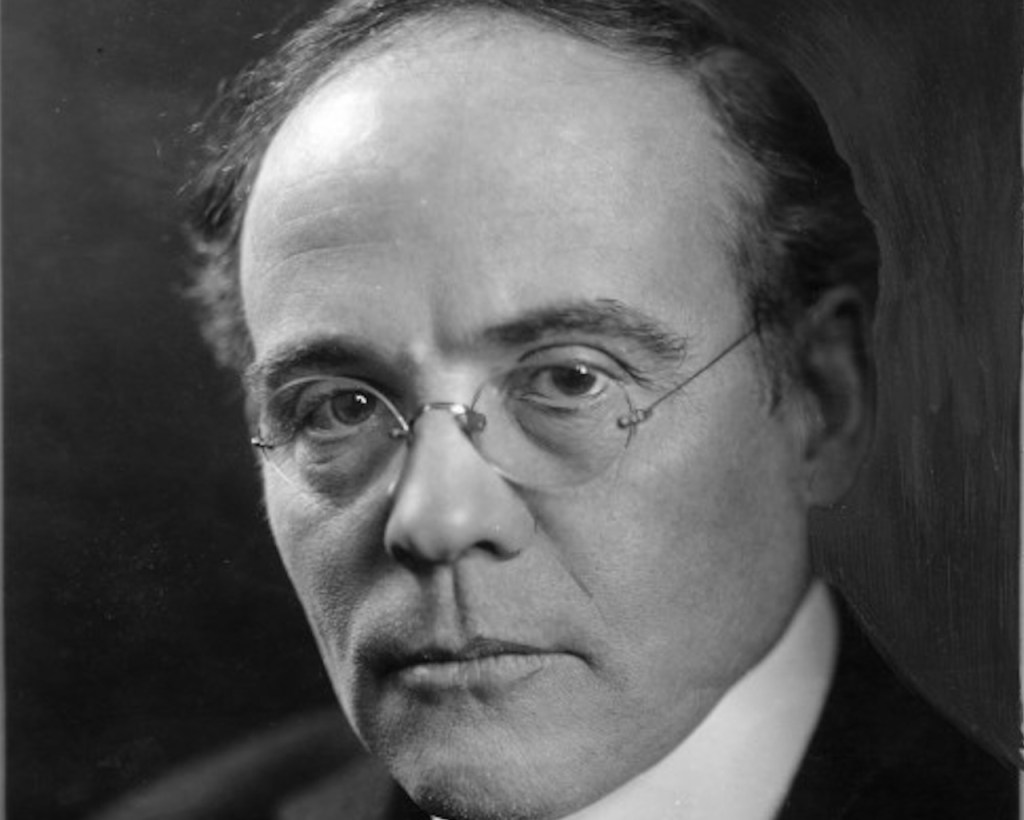
    Image: Edgar Lee Masters

    Edgar Lee Masters’  “Benjamin Pantier” and “Mrs. Benjamin Pantier”

    Feminine unbridled arrogance along with overweening vanity, and masculine weakness have coupled to bring about the destruction of the marriage of Mr. and Mrs. Benjamin Pantier.

    Introduction to the Pantier Sequence

    Edgar Lee Masters’ “Benjamin Pantier” and “Mrs. Benjamin Pantier” from the American classic, Spoon River Anthology, portray the complaint of a husband against his wife and the wife’s response.

    These two poems begin a short sequence that includes installments from “Reuben Pantier,” the couple’s son, “Emily Sparks,” who was Reuben’s teacher, and “Trainor, the Druggist,” from whom readers learn more about the dynamic of the Reubens’ marriage.

    These little sequences give the entire series the feel of reading a novel. But the main emphasis continues to be on the character studies that they provide.

    Benjamin Pantier

    Together in this grave lie Benjamin Pantier, attorney at law,  
    And Nig, his dog, constant companion, solace and friend.
    Down the gray road, friends, children, men and women,
    Passing one by one out of life, left me till I was alone
    With Nig for partner, bed-fellow, comrade in drink.
    In the morning of life I knew aspiration and saw glory.
    Then she, who survives me, snared my soul
    With a snare which bled me to death,
    Till I, once strong of will, lay broken, indifferent,
    Living with Nig in a room back of a dingy office.
    Under my jaw-bone is snuggled the bony nose of Nig—
    Our story is lost in silence. Go by, mad world!

    Interpretive Recitation of “Benjamin Pantier”  

    Commentary on “Benjamin Pantier”

    While Benjamin Pantier does garner sympathy, he also demonstrates a weakness and failure to own at least part of his pathetic life path.

    First Movement:  Buried with His Dog

    Together in this grave lie Benjamin Pantier, attorney at law,  
    And Nig, his dog, constant companion, solace and friend.
    Down the gray road, friends, children, men and women,
    Passing one by one out of life, left me till I was alone
    With Nig for partner, bed-fellow, comrade in drink.
    In the morning of life I knew aspiration and saw glory.

    The speaker is Benjamin Pantier, who announces that he now lies in his grave with his dog, named Nig, who became his “constant companion, solace and friend.”  Benjamin had been an “attorney at law,” yet he now is filled with pity for himself as he describes his lonely lot.

    Benjamin claims that early on his life showed great promise, “in the morning of life I knew aspiration and saw glory.”  But now he emphasizes this lonely lot; “friends, children, men and women” all left his life “one by one” until he was left with no one but Nig “for partner.”  

    Second Movement:  Marriage Blighted His Life

    Then she, who survives me, snared my soul
    With a snare which bled me to death,
    Till I, once strong of will, lay broken, indifferent,
    Living with Nig in a room back of a dingy office.
    Under my jaw-bone is snuggled the bony nose of Nig—
    Our story is lost in silence. Go by, mad world!

    Benjamin’s life looked bright until he married a woman who became the bane of his existence.  His hatred of his marriage partner led him to a soul-sickness that he could never overcome.

    Benjamin now lies in the same grave with his trusty canine friend’s “bony nose” “snuggled under his “jaw-bone.”  He complains bitterly; “our story is lost in silence. Go by, mad world!”  This sentiment of Benjamin’s dramatic final command echoes W. B. Yeats’ “Cast a cold eye / On life, on death. / Horseman, pass by!” 

    Mrs. Benjamin Pantier

    I know that he told that I snared his soul  
    With a snare which bled him to death.
    And all the men loved him,
    And most of the women pitied him.
    But suppose you are really a lady, and have delicate tastes,
    And loathe the smell of whiskey and onions.
    And the rhythm of Wordsworth’s “Ode” runs in your ears,  
    While he goes about from morning till night
    Repeating bits of that common thing;
    “Oh, why should the spirit of mortal be proud?”
    And then, suppose:  
    You are a woman well endowed,
    And the only man with whom the law and morality  
    Permit you to have the marital relation
    Is the very man that fills you with disgust
    Every time you think of it—while you think of it  
    Every time you see him?  
    That’s why I drove him away from home
    To live with his dog in a dingy room  
    Back of his office.

    Interpretive Recitation of  “Mrs. Benjamin Pantier” 

    Commentary on “Mrs. Benjamin Pantier”

    Trying to set the record straight, Mrs. Pantier further demonstrates the accuracy of her husband’s complaint.


    First Movement:  Her Side of the Story

    I know that he told that I snared his soul  
    With a snare which bled him to death.
    And all the men loved him,
    And most of the women pitied him.

    Mrs. Pantier begins her rebuttal to her husband’s accusation by stating that she knows what he has said about her bleeding “him to death.”  She states the issue in such a way that the reader knows immediately that she wants to share her side of the story and that it will surely not coincide with what Mr. Pantier has said.  

    Mrs. Pantier then states categorically, “all the men loved him / And most of the women pitied him,” a remark that does not comport with Mr. Pantier’s claim that he was left alone.  At this point, the reader will probably doubt Mr. Pantier’s assertion.

    Second Movement:   Her Obnoxious Arrogance

    But suppose you are really a lady, and have delicate tastes,
    And loathe the smell of whiskey and onions.
    And the rhythm of Wordsworth’s “Ode” runs in your ears,  
    While he goes about from morning till night
    Repeating bits of that common thing;
    “Oh, why should the spirit of mortal be proud?”
    And then, suppose:  
    You are a woman well endowed,
    And the only man with whom the law and morality  
    Permit you to have the marital relation
    Is the very man that fills you with disgust
    Every time you think of it—while you think of it  
    Every time you see him?  
    That’s why I drove him away from home
    To live with his dog in a dingy room  
    Back of his office.

    However, after Mrs. Pantier begins her defense, the reader understands the self-importance of this woman.  Her paltry defense for driving her husband from his home is that she fancies herself “a lady” with “delicate tastes.” 

    Mrs. Pantier hears strains of Wordsworth‘s “Ode” ringing in her ears, while her husband “goes about from morning till night” quoting lines from Abraham Lincoln’s favorite poem, “Mortality” by William Knox.  

    For Mrs. Pantier, the British Wordsworth signals gentility and the upper-class befitting a lady, while the American Knox implies low-class individualism and struggle for a living.

    Even more gratingly obnoxious is that Mrs. Pantier fancies herself “well endowed,” but legally and morally, she can indulge her well-endowed body only with a man she finds disgusting.  Thus, because of her vanity and arrogance, she feels justified in driving him from his home, causing him to live only with his dog in his office.

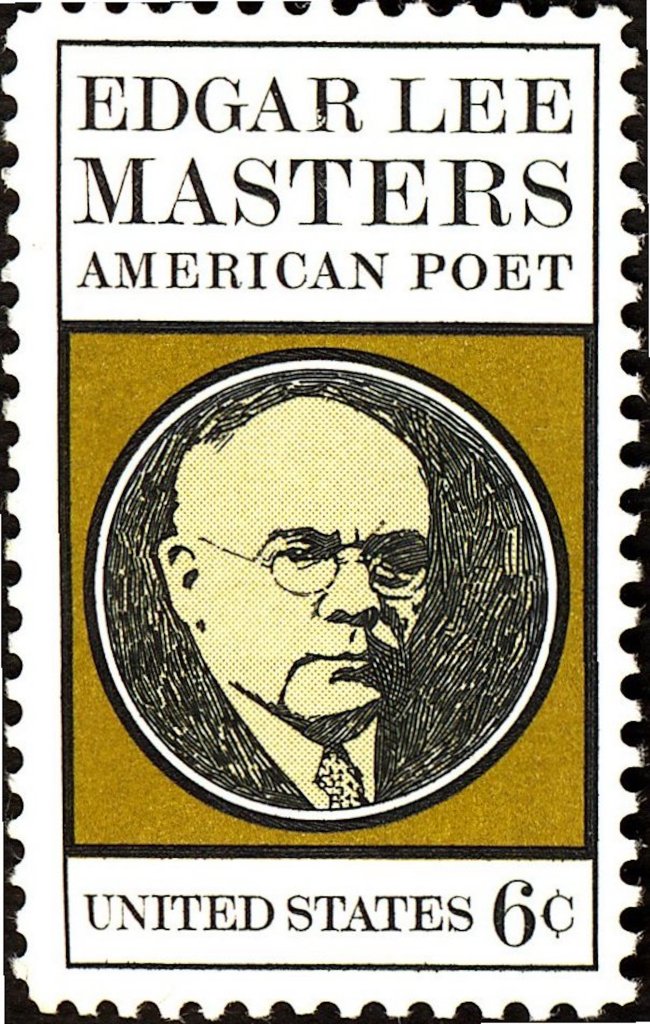
    Image: Edgar Lee Masters – Commemorative Stamp

    The Pantier Sequence

    1.  Benjamin Pantier  A husband who appears to be weakling allowing himself to be cowed by his wife, an arrogant bully.
    2. Mrs. Benjamin Pantier  Unbridled arrogance, overweening vanity along with cowardly weakness have combined to bring about the destruction of the marriage of Mr. and Mrs. Benjamin Pantier.
    3. Reuben Pantier  Reuben Pantier’s colorful character helps dramatize the power of spiritual love for healing the mind, heart, and soul, even through the distance of miles and decades.  Reuben is the son of the dysfunctional couple Mr. and Mrs. Benjamin Pantier.
    4. Emily Sparks  The epitaph is the fourth entry in the sequence of five epitaphs featuring a dysfunctional couple, their son, and the latter’s influential mentor.
    5.  Trainor, the Druggist  This epitaph offers a final installment covering the pitiful story of the Pantiers:  Mr. and Mrs. Benjamin Pantier and their son Reuben.
  • Edgar Lee Masters’ “Kinsey Keene”

    Image:  Edgar Lee Masters -  Alchetron https://alchetron.com/Edgar-Lee-Masters
    Image:  Edgar Lee Masters –  Alchetron

    Edgar Lee Masters’ “Kinsey Keene”

    Edgar Lee Masters’ “Kinsey Keene” offers a unique conundrum as it forces the reader to muse upon the two legendary claims regarding a famous quotation.

    Introduction and Text of “Kinsey Keene”

    Edgar Lee Masters’ “Kinsey Keene” from his American classic Spoon River Anthology focuses on a legendary quotation by the French commander  General Count Etienne Cambronne at the losing end of the Battle at Waterloo.  

    When the British were about to vanquish the Old Guard, British Major-GeneralPeregrine Maitland called for the French to surrender, but Cambronne allegedly responded, “La Garde meurt, elle ne se rend pas!” (“The Guard may die, but it will never surrender”).  Cambronne repudiated the claim that he said those words, and legend has filled in the rest—claiming that he said, “Merde!” which translates variously as “F**k off!” or “Shit!”  

    Now to which legendary quotation Master’s speaker is alluding can be a matter of interpretation:  that he fails to offer the quotation might indicate that he has in mind the obscenity.  However, because he has already quoted the British Major-General’s command, he perhaps is implying the response about no surrender.  Regardless of which quotation the speaker is evoking, the same non-conformist, adversarial attitude is displayed by Kinsey Keene.

    Kinsey Keene

    Your attention, Thomas Rhodes, president of the bank;
    Coolbaugh Whedon, editor of the Argus;  
    Rev. Peet, pastor of the leading church;  
    A. D. Blood, several times Mayor of Spoon River;
    And finally all of you, members of the Social Purity Club—
    Your attention to Cambronne’s dying words,  
    Standing with the heroic remnant  
    Of Napoleon’s guard on Mount Saint Jean
    At the battle field of Waterloo,  
    When Maitland, the Englishman, called to them:
    “Surrender, brave Frenchmen!”—  
    There at close of day with the battle hopelessly lost,  
    And hordes of men no longer the army  
    Of the great Napoleon
    Streamed from the field like ragged strips
    Of thunder clouds in the storm.  
    Well, what Cambronne said to Maitland
    Ere the English fire made smooth the brow of the hill  
    Against the sinking light of day
    Say I to you, and all of you,
    And to you, O world.
    And I charge you to carve it
    Upon my stone.

    Commentary on “Kinsey Keene”

    Edgar Lee Masters’ “Kinsey Keene” offers a unique conundrum which requires readers to ruminate upon the two legendary claims regarding a famous quotation.

    First Movement:  Addressing the Upper Crust

    Your attention, Thomas Rhodes, president of the bank;
    Coolbaugh Whedon, editor of the Argus;  
    Rev. Peet, pastor of the leading church;  
    A. D. Blood, several times Mayor of Spoon River;
    And finally all of you, members of the Social Purity Club—

    Kinsey Keene addresses some of the upper crust of the fictional town of Spoon River: the president of the bank, the editor of the newspaper, the pastor of the leading church, and a “several times” mayor of the town.   He also calls for the attention of “all of you, members of the Social Purity Club”—a fictional club that implies Keene’s disdain for the town’s leaders.

    Second Movement:  Allusion to a Legend

    Your attention to Cambronne’s dying words,  
    Standing with the heroic remnant  
    Of Napoleon’s guard on Mount Saint Jean
    At the battle field of Waterloo,  
    When Maitland, the Englishman, called to them:
    “Surrender, brave Frenchmen!”—  

    The second movement reveals that Keene is drawing attention to those famous, legendary words of the dying French commander, General Count Etienne Cambronne.   Instead of revealing the words, Keene describes the scene:  the French general was “standing with heroic remnant / Of Napoleon’s guard on Mount Saint Jean / At the battle field of Waterloo.” Thus placed, Cambronne was accosted by the command of the British general Maitland, who demanded, “Surrender, brave Frenchmen!”

    Third Movement:  A Lost Battle

    There at close of day with the battle hopelessly lost,  
    And hordes of men no longer the army  
    Of the great Napoleon
    Streamed from the field like ragged strips
    Of thunder clouds in the storm.  

    Again, Keene describes the battlefield.  It is “at close of day,” the battle lost, and the once proud French army of “the great Napoleon” was moving restlessly from the battlefield.  He compares the appearance of  soldiers to “ragged strips / Of thunder clouds in the storm.”  

    Fourth Movement:  What Did Cambronne Say?

    Well, what Cambronne said to Maitland
    Ere the English fire made smooth the brow of the hill  
    Against the sinking light of day
    Say I to you, and all of you,
    And to you, O world.
    And I charge you to carve it
    Upon my stone.

    Keene then inserts the phantom quotation by referring to it with the clause “what Cambronne said to Maitland.”  Before the English continued to demolish the “brow of the hill / Against the sinking light of day,” Cambronne made his famous remark.    Now, Keene defiantly thrusts that same statement at his adversaries and challenges them to engrave the remark upon his grave marker.

    Of course, the French lost the Battle of Waterloo and Napoleon was exiled.  Historians remain uncertain regarding the Cambronne quotation:  perhaps he merely said, “The Guard dies but never surrenders,” or as others have asserted, Cambronne might uttered the obscene, “Merde!”

    This final command to carve the Cambronne quotation upon his stone leaves the reader again with the ambiguity for interpretation:  does Keene want an obscenity carved upon his stone, or just a defiant, “never surrender”?  Either way, he gets his point across—that he never surrendered his own sense of dignity to that of the town’s corrupt leaders.

  • Edgar Lee Masters’ “Judge Somers”

    Image:   Edgar Lee Masters http://www.jackmasters.net/mastelm.html Jack Masters
    Image: Edgar Lee Masters – Jack Masters

    Edgar Lee Masters’ “Judge Somers”

    Judge Somers’ complaint demonstrates that he is jealous of a man whom he deems to occupy a lower rung on the social status ladder than himself. 

    Introduction and Text of “Judge Somers”

    The class warfare that rages in the Spoon River reportage becomes evident as readers make their way through Edgar Lee Masters‘ American classic, Spoon River Anthology.  

    Businessmen, doctors, lawyers, judges, and politicians are the special targets of many of those whose employment ranges from simple shopkeepers, to farmers, to teachers, and householders whose outside job or career is never named.  Of course, preachers and other religious figures seldom come off well in these dramas either, likely owing to the atheist leanings of their creator.

    And the truly lowly dregs of society—murderers, prostitutes, adulterers, drunks, and thieves—are often given a bit too much of the benefit of doubt.  The good-hearted prostitute is often more credible than the banker despite the fact that his heart may be of equal goodness. 

    As in contemporary society where racism remains the primary cudgel of race-baiting hypocrites, back a century or so ago, the -ism du jour was classism, thus the emphasis on class warfare.

    While many of the epitaphs in Edgar Lee Masters’ American classic reveal issues motivated by class warfare, “Judge Somers” offers one of the most pronounced, as the judge deems himself better than his peers.

    The speaker in the epitaph “Judge Somers” is the judge himself, who wants to know why a man of importance, such as himself, has died unnoticed while the town drunk has been well noted.

    Judge Somers

    How does it happen, tell me,
    That I who was the most erudite of lawyers,
    Who knew Blackstone and Coke
    Almost by heart, who made the greatest speech
    The court-house ever heard, and wrote
    A brief that won the praise of Justice Breese—
    How does it happen, tell me,
    That I lie here unmarked, forgotten,
    While Chase Henry, the town drunkard,
    Has a marble block, topped by an urn,
    Wherein Nature, in a mood ironical,
    Has sown a flowering weed? 

    Commentary on “Judge Somers”

    Judge Somers’ complaint demonstrates that he is jealous of a man he deems to occupy a lower rung on the social status ladder than he does.

    First Movement:  Why Me?

    How does it happen, tell me,
    That I who was the most erudite of lawyers,
    Who knew Blackstone and Coke
    Almost by heart, who made the greatest speech
    The court-house ever heard, and wrote
    A brief that won the praise of Justice Breese— 

    This poem consists of two movements each beginning with a command embedded in a question.  The judge is demanding an answer to his question in both instances.  

    Judge Somers begins by asserting his demand/question, posited with “How does it happen, tell me.”  But in the first movement, he does not finish the question proper; he merely prefaces it by reporting all of his achievements.

    The judge feigns no modesty in his self-evaluation but flatly asserts that he was the most brilliant of attorneys.  Part of his erudition and brilliance was due to his having “almost by heart Blackstone and Coke.”  

    The judge is alluding to two British legal writers—Sir William Blackstone (1723-1780), who wrote the Commentaries, and Sir Edward Coke(1552-1634), who wrote and published treatises titled Institutes of the laws of England.

    The judge’s knowledge of these works sounds much more important than it is; a lawyer or judge practicing in a 19th century Illinois rural community would hardly be confronted with issues dealt with in these obscure legal works.

    Judge Somers then boasts that he “made the greatest speech / The court-house ever heard.”  In his own mind, not only was he a great orator, but he also “wrote / A brief that won the praise of Justice Breese.”  

    Again, the fictional speaker Somers alludes to a real-life justice, Justice Sidney Breese, who served on the Illinois Supreme Court as both a judge and as chief justice.  

    Second Movement:  How Does It Happen to Me?

    How does it happen, tell me,
    That I lie here unmarked, forgotten,
    While Chase Henry, the town drunkard,
    Has a marble block, topped by an urn,
    Wherein Nature, in a mood ironical,
    Has sown a flowering weed?

    So with such a shining reputation for accomplishment, the judge again poses his demand/question:  “How does it happen, tell me.”  He then completes the question for he wants to know why he is left to “lie here unmarked, forgotten.”  

    And to make matters worse, that “town drunkard” and scoundrel “Chase Henry” has been afforded “a marble block, topped by an urn.”  The judge adds that, “Nature,” with a splash of irony “has sown a flowering weed.”   

    The jealous judge then takes a bit of comfort from the ironic weed, but still he continues to chafe at the fact that he is forgotten while the town drunk seems to be celebrated.

    The reader knows a secret that the judge obviously does not know: that Henry’s memorial has nothing to do with Henry but can be laid at the door of rivalry between the Protestants and the Catholics.

  • Edgar Lee Masters’ “Harry Carey Goodhue”

    Image:  Edgar Lee Masters - Portrait by Francis J. Quirk https://francisquirk.blogspot.com/2017/03/visit-to-national-portrait-gallery.html
    Image:  Edgar Lee Masters – Portrait by Francis J. Quirk

    Edgar Lee Masters’ “Harry Carey Goodhue”

    Harry Carey Goodhue announces the special grudge he harbors against the citizens of the town of Spoon River while revealing how he finally got his revenge.

    Introduction and Text of “Harry Carey Goodhue”

    In Edgar Lee Masters’ “Harry Carey Goodhue” from his American classic Spoon River Anthology,  the speaker, as many of these speakers do, dramatizes his complaints against the citizens of the town while also announcing how he finally was able to avenge himself.

    Harry Carey Goodhue

    You never marveled, dullards of Spoon River,
    When Chase Henry voted against the saloons
    To revenge himself for being shut off.
    But none of you was keen enough
    To follow my steps, or trace me home
    As Chase’s spiritual brother.
    Do you remember when I fought
    The bank and the courthouse ring,
    For pocketing the interest on public funds?
    And when I fought our leading citizens
    For making the poor the pack-horses of the taxes?
    And when I fought the water works  
    For stealing streets and raising rates?
    And when I fought the business men  
    Who fought me in these fights?
    Then do you remember:
    That staggering up from the wreck of defeat,
    And the wreck of a ruined career,
    I slipped from my cloak my last ideal,
    Hidden from all eyes until then,
    Like the cherished jawbone of an ass,
    And smote the bank and the water works,
    And the business men with prohibition,
    And made Spoon River pay the cost  
    Of the fights that I had lost?

    Commentary on “Harry Carey Goodhue”

    In “Harry Carey Goodhue,” the speaker is dramatizing his complaints against the citizens of the town while also announcing how he finally exacted revenge for himself.

    First Movement:   His Dull Listeners

    You never marveled, dullards of Spoon River,
    When Chase Henry voted against the saloons
    To revenge himself for being shut off.
    But none of you was keen enough
    To follow my steps, or trace me home
    As Chase’s spiritual brother.

    Harry addresses his listeners by calling them “dullards of Spoon River.” He brings to mind that the townspeople “never marveled,” that the alcoholic Chase Henry  had incredulously voted to close down the bars. 

    It might seem odd that a hard-drinker would vote for Prohibition, but the bars had stopped giving Chase credit, and so he could no longer patronize them anyway; therefore, Chase got his revenge by voting to shut them down.

    Harry gives his listeners credit for not finding anything odd about Chase Henry’s revenge, but he then zaps them for their lack of awareness about Harry, who calls himself “Chase’s spiritual brother.”  This appellation alerts the reader that Harry must have rebelled in some way that the townspeople did not recognize.

    Second Movement:   Questions for His Fellows 

    Do you remember when I fought
    The bank and the courthouse ring,
    For pocketing the interest on public funds?
    And when I fought our leading citizens
    For making the poor the pack-horses of the taxes?
    And when I fought the water works  
    For stealing streets and raising rates?
    And when I fought the business men  
    Who fought me in these fights?

    Harry then asks his phantom listeners if they remember when he “fought / The bank and the courthouse ring / For pocketing the interest of public funds?”  Harry does not reveal how he fought these entities, but he continues by asking another question.  He asks if the Spoon River citizens remember when he fought “our leading citizens / For making the poor the pack-horses of the taxes?” 

    Harry also wants to know if they remember when he “fought the water works / For stealing streets and raising rates?” and finally, he wonders if they recall when he “fought the business men / Who fought me in these fights?” 

    Harry leaves his listeners wondering just how he did all of this fighting without their knowing it. And too, his hearers must wonder how successful all that fighting has been.  But Harry saves his surprise until the last few lines for the most impact.

    Third Movement:   Fighting to Defeat

    Then do you remember:
    That staggering up from the wreck of defeat,
    And the wreck of a ruined career,
    I slipped from my cloak my last ideal,
    Hidden from all eyes until then,
    Like the cherished jawbone of an ass,
    And smote the bank and the water works,
    And the business men with prohibition,
    And made Spoon River pay the cost  
    Of the fights that I had lost?

    In a final question, Harry then reveals that all of this fighting resulted in his own defeat: he wonders if anyone saw him “staggering up from the wreck of defeat.”  Harry lost his battle; he even lost his own job, “the wreck of a ruined career.”

    He does not reveal what his career was, just that it was ruined because of his standing up for his ideals. But because of all of this defeat, he “slipped from [his] cloak” his “last ideal,” which he had kept hidden.  This last ideal made him vote for Prohibition along with his “spiritual brother” the drunkard, Chase Henry. 

    Thus,Harry contends that as Samson (Judges 15:16) wielded the “jawbone of an ass” and killed a thousand enemies, Harry did the same with his vote for Prohibition.  He claims that he “smote the bank and the water works, / And the business men.”  With one vote, Harry made Spoon River pay for all “the fights that [he] had lost[.]”

  • Edgar Lee Masters’ “Serepta Mason,” “Amanda Barker,” “Constance Hately,” and “Chase Henry” 

    Image: Edgar Lee Masters https://factfile.org/10-facts-about-edgar-lee-masters#google_vignette
    Image: Edgar Lee Masters

    Edgar Lee Masters’ “Serepta Mason,” “Amanda Barker,” “Constance Hately,” and “Chase Henry” 

    The four characters from Edgar Lee Masters’ Spoon River Anthology—”Serepta Mason,” “Amanda Barker,” “Constance Hately,” and “Chase Henry”— offer very specific complaints against others in the town who affected their lives in deleterious ways.

    Introduction: Four Flawed Characters Reveal Their Thoughts

    Serepta Mason accuses Spoon River residents of stunting her growth, as she likens herself to a flower.  Amanda Barker died in childbirth and blames her husband for killing her because he knew her poor health made her unable to bear a child.

    “Constance Hately” and “Chase Henry” offer brief sketches of two Spoon River curmudgeons.  The poems feature ten and eleven lines respectively.  Both reveal flawed characters who feel the need to unload the thoughts they lived with.  

    As most of the Spoon River characters confess sins, these two are no exception.  Constance seems to be trying to set the record straight, while Chase boasts about the irony that sometimes attaches to good vs evil intentions.

    Text of “Serepta Mason”

    My life’s blossom might have bloomed on all sides
    Save for a bitter wind which stunted my petals
    On the side of me which you in the village could see.
    From the dust I lift a voice of protest:
    My flowering side you never saw!
    Ye living ones, ye are fools indeed
    Who do not know the ways of the wind
    And the unseen forces
    That govern the processes of life.

    Reading of “Serepta Mason”  

    Commentary on “Serepta Mason”

    Serepta complains that the “fools” “in the village” were ever unable to understand that she had a good side as a well as a not so good one.  She begins her lament by announcing that she might have been a well-rounded, fully developed personality if she had not been “stunted” by the nastiness of the people in her town.

    She metaphorically likens her growth to a flower: “my life’s blossom,” which “might have bloomed on all sides.”  But because of the “bitter wind” “her petals” were kept from developing fully, and that “stunted” side of her was all that the villagers saw.

    Therefore, as the other ghosts from the Spoon River cemetery do, she raises her “voice of protest.”  She enlightens the villagers that she did, in fact, have a “flowering side,” but they never saw it.  She foists all the blame on the villagers, not considering her own share of blame that might be part of the equation.

    Serepta concludes her accusation with a rather grandiose philosophical attempt to convince herself that she is, in fact, accurate in her assessment:  she calls the “living ones” “fools” because they “do not know the ways of the wind / And the unseen forces / That govern the processes of life.”  The recurrence of the metaphor “wind” implies that she is castigating the townies for being gossip-mongers.

    Serepta’s complaint implies that she was damaged and her growth stunted by town gossip signified by “wind”:  “a bitter wind which stunted my petals” and “Who do not know the ways of the wind.”  

    Text of “Amanda Barker”

    Henry got me with child,  
    Knowing that I could not bring forth life
    Without losing my own.  
    In my youth therefore I entered the portals of dust.
    Traveler, it is believed in the village where I lived
    That Henry loved me with a husband’s love,
    But I proclaim from the dust
    That he slew me to gratify his hatred.

    Reading of “Amanda Barker” 

    Commentary on “Amanda Barker”

    Unlike Serepta who waxes poetic and philosophical with metaphoric comparison and aphoristic critique, Amanda speaks her mind very plainly and bluntly.  Amanda was married to Henry, who was aware that Amanda could not procreate children. 

    Henry knew that pregnancy would kill Amanda. Henry, however, impregnated Amanda while knowing that deadly fact, and sure enough, Amanda died young:  “In my youth therefore I entered the portals of dust.”

    Calling those who might have stumbled upon her tombstone “traveler,” Amanda offers her lament to those vague persons. She insists that the Spoon River citizens  found nothing wanting in Henry’s love for Amanda, but Amanda knew the truth:  Henry hated her and deliberately killed her out of that hatred. Amanda’s main focus in on having returned to “dust” before having lived her life.

    Constance Hately

    You praise my self-sacrifice, Spoon River,
    In rearing Irene and Mary,
    Orphans of my older sister!
    And you censure Irene and Mary
    For their contempt for me
    But praise not my self-sacrifice,
    And censure not their contempt;
    I reared them, I cared for them, true enough!—
    But I poisoned my benefactions
    With constant reminders of their dependence.

    Reading of “Constance Hately”

    Commentary on “Constance Hately”

    Constance addresses Spoon River residents, calling attention to the fact that they were always commending her for raising “Irene and Mary,” the orphaned daughters of her older sister.  She further reminds them that they also condemned Irene and Mary because they did not offer gratitude for their aunt’s sacrifice.

    Constance now reveals that the citizens’ appraisal of her “self-sacrifice” and the nieces’ attitude was flawed and inaccurate on both counts:  she reports that she does not deserve “praise” for her sacrifice, and the nieces, Irene and Mary, do not deserve the town’s scorn for their disrespect for her.  

    Constance admits that, indeed, she did raise them and she cared for them, but while she was doing so, she “poisoned” the girls’ minds “With constant reminders of the dependence.”  

    Her confession perhaps reveals a measure of remorse for her failure with her nieces, but on the other hand, she seems to be gloating that the town got it so wrong about her relationship with them.


    Text of “Chase Henry”

    In life I was the town drunkard;  
    When I died the priest denied me burial
    In holy ground.  
    The which redounded to my good fortune.  
    For the Protestants bought this lot,
    And buried my body here,  
    Close to the grave of the banker Nicholas,  
    And of his wife Priscilla.  
    Take note, ye prudent and pious souls,
    Of the cross-currents in life
    Which bring honor to the dead, who lived in shame.

    Reading of “Chase Henry”  

    Commentary on “Chase Henry”

    Chase Henry played his role in life as the town drunk, to which he seems gleeful to admit.  Of course, that was “in life.”  Now, he, like many of the Spoon River deceased, can wax philosophical and indignant about how he was treated “in life.”

    Chase’s indignity centers on the fact that after he died, his body was not allowed “burial / In holy ground.”  The priest would not accept the body of an immoral “drunkard” to foul the cemetery of the Catholic Church.

    But Chase deems that he has the last laugh because Protestants defied the Catholics by purchasing a burial plot for the drunkard.  Now he rests “Close to the grave of the banker Nicholas, / And of his wife Priscilla.”  Chase can boast that he has come up in the world—a lowly drunkard buried nearby to a highly regarded banker.

    Chase, in his best condescending, supercilious tone, offers a piece of advice to all “ye prudent and pious souls.”  He warns them that circumstances can change because of the “cross-currents of life,” and those who “lived in shame” can find “honor” in death.

    Image: Edgar Lee Masters – Commemorative Stamp