Linda's Literary Home

Category: Edgar Lee Masters

  • Edgar Lee Masters’ “Margaret Fuller Slack”

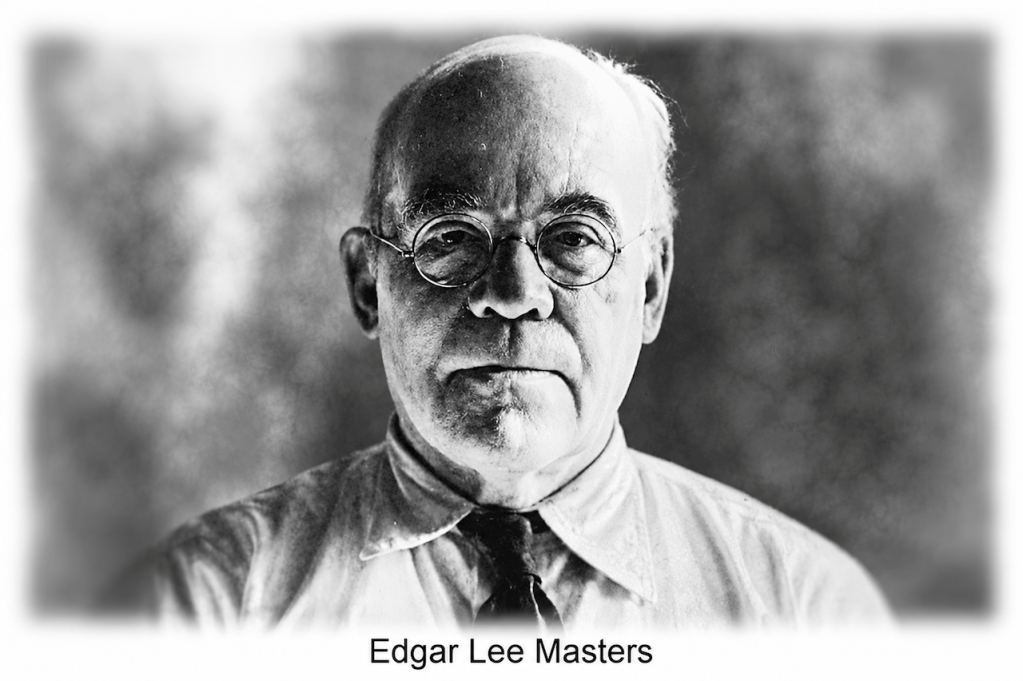
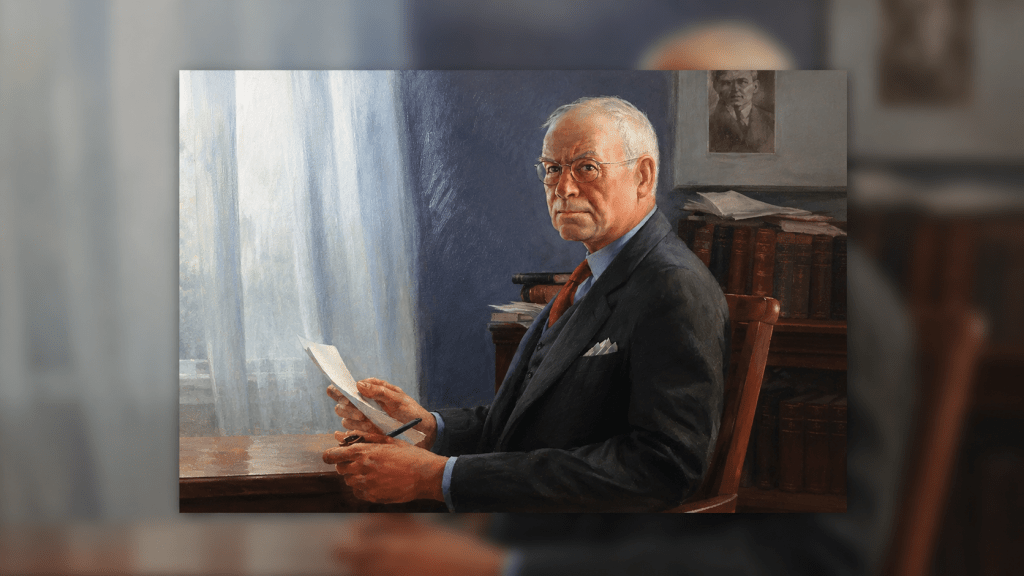
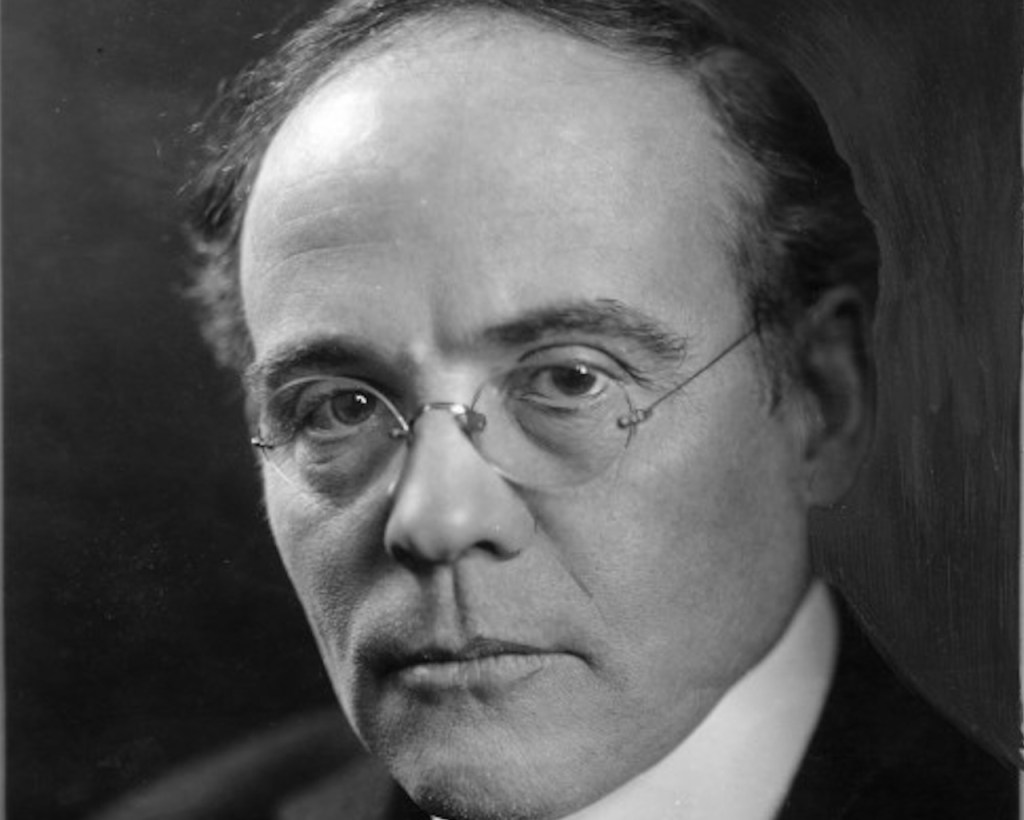
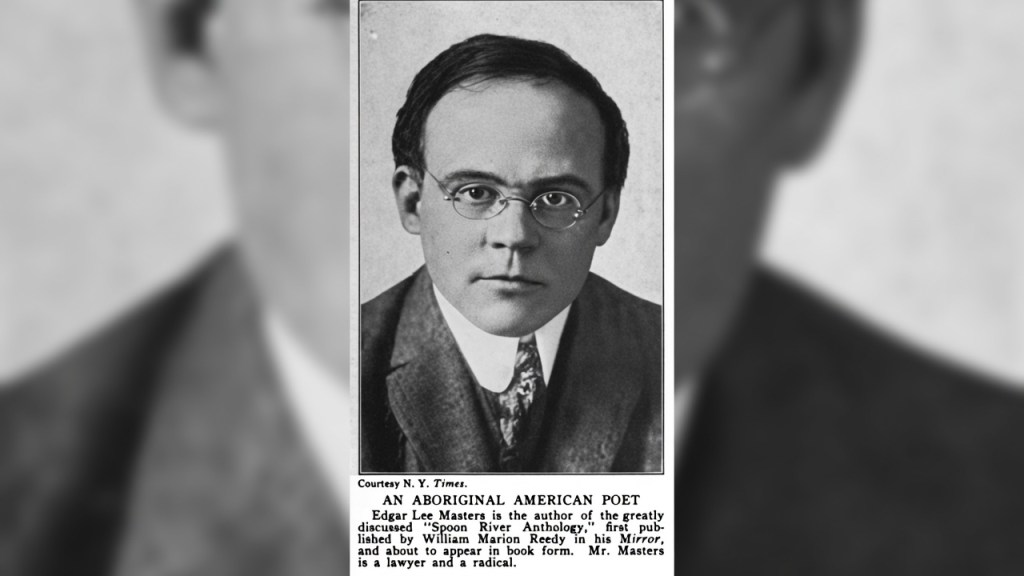
    Image: Edgar Lee Masters, Esq. https://librarycollections.law.umn.edu/darrow/trials_details.php?id=4 Clarence Darrow Law Library
    Image: Edgar Lee Masters, Esq. – Clarence Darrow Law Library

    Edgar Lee Masters’ “Margaret Fuller Slack”

    Named for America’s first feminist writer Margaret Fuller, Mrs. Slack laments marriage and motherhood that crushed her dreams of greatness in becoming a famous writer or the next George Eliot.

    Introduction and Text of “Margaret Fuller Slack”

    Edgar Lee Masters’ “Margaret Fuller Slack” from his American classic Spoon River Anthology depicts a tormented woman, who believes motherhood doomed her ambition to become a great writer. 

    Ironically named after the first American feminist, “Margaret Fuller,” Mrs. Slack does possess the egotistical personality of her namesake, while suffering the ills that they both decry.

    Margaret Fuller Slack

    I would have been as great as George Eliot
    But for an untoward fate.
    For look at the photograph of me made by Penniwit,
    Chin resting on hand, and deep-set eyes—
    Gray, too, and far-searching. But there was the old, old problem:
    Should it be celibacy, matrimony or unchastity?
    Then John Slack, the rich druggist, wooed me,
    Luring me with the promise of leisure for my novel,
    And I married him, giving birth to eight children,
    And had no time to write.
    It was all over with me, anyway,
    When I ran the needle in my hand
    While washing the baby’s things,
    And died from lock-jaw, an ironical death. Hear me, ambitious souls,
    Sex is the curse of life!

    Commentary on “Margaret Fuller Slack”

    Named for America’s first feminist writer, Margaret Fuller, Mrs. Slack laments marriage and motherhood that crushed her dreams of greatness in becoming the next George Eliot.

    First Movement:  She Would Have

    I would have been as great as George Eliot
    But for an untoward fate.

    Mrs. Slack begins her tirade by proclaiming the greatness she “would have” accomplished:  she “would have been as great as George Eliot.”  Nevertheless, this speaker did not ascend to such a great height, because “untoward fate” stepped on her dreams.

    Second Movement:  A Photo of Profundity

    For look at the photograph of me made by Penniwit,
    Chin resting on hand, and deep-set eyes—
    Gray, too, and far-searching.

    Mrs. Slack possesses a “photograph of [herself] made by Penniwit,” an artist who later also speaks in the Spoon River Anthology.  Margaret uses the photograph to support her contention that she was marked for greatness.

    In the photo, she sits with her “chin resting on hand,” and she has “deep-set eyes” that are “gray” and “far-searching.”   These qualities in her estimation reveal a profundity that should have allowed her to accomplish greatness, the absence of which she now laments.

    Third Movement:   The Age Old Problem

    But there was the old, old problem:
    Should it be celibacy, matrimony or unchastity?

    Margaret then philosophizes about the human condition, claiming the “old, old problem” is whether one should remain celibate, marry, or simply commit fornication.  Mrs. Slack does not reveal how deeply she thought about those alternatives, or even if she had thought about them at all.   As the speaker reminisces, she, no doubt, adds to her own self worth, by implying that she had thought and pondered those issues.

    Fourth Movement:  The Promise of Leisure

    Then John Slack, the rich druggist, wooed me,
    Luring me with the promise of leisure for my novel,
    And I married him, giving birth to eight children,
    And had no time to write.

    Before Mrs. Slack had the opportunity to determine which path was the right one for her to travel to fame, she found herself “wooed” by “John Slack, the rich druggist.”  The druggist “lur[ed]” her by “promis[ing] [her] leisure”—time she would use to write “[her] novel.” 

    With this promise of leisure, Margaret married the druggist, but instead of writing, she proceeded to give birth to “eight children.”  Of course, with eight children, she can fall back on the excuse that she “had no time to write.”   Apparently, Mrs. Slack remained blissfully unaware that famous poet, Anne Bradstreet, created a significant body of writing while birthing and raising eight children.

    Fifth Movement:  Dying of Lock-Jaw, Filled with Words

    It was all over with me, anyway,
    When I ran the needle in my hand
    While washing the baby’s things,
    And died from lock-jaw, an ironical death.

    Margaret then reveals how she died, “It was all over with me, anyway, / When I ran the needle in my hand.”  She met with this sad fate, while “washing the baby’s things.”  She contracted “lock-jaw” and died.  

    Mrs. Slack finds dying of lock-jaw to be “ironical,” no doubt, because she considered herself filled with words—words unfortunately that would remain unexpressed because of the time-consuming servitude of raising a family.   And, of course, in keeping with her own selfishness, she does not consider how her absence will impact the lives of the children she leaves behind.

    Sixth Movement:  The Urge vs the Philosophy

    Hear me, ambitious souls,
    Sex is the curse of life!

    Margaret’s final statement oversimplifies her lot but reveals her philosophical conclusion about “life” as she remarks, “Sex is the curse of life!”  Readers, unfortunately, will never be able to experience the profundity of that statement because Margaret’s ambition to write was obliterated by her urge to procreate. 
  • Edgar Lee Masters’ “Harold Arnett”

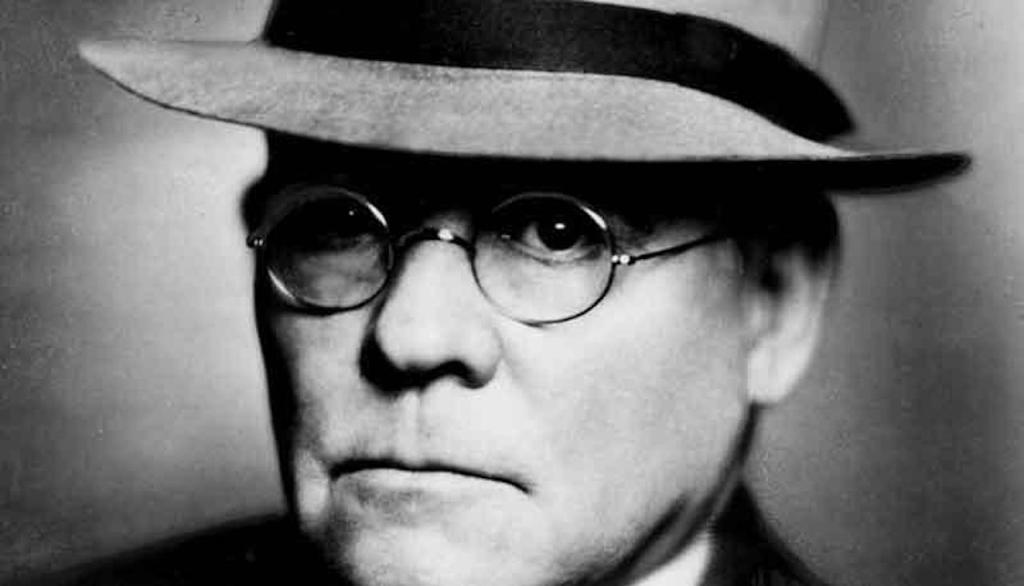
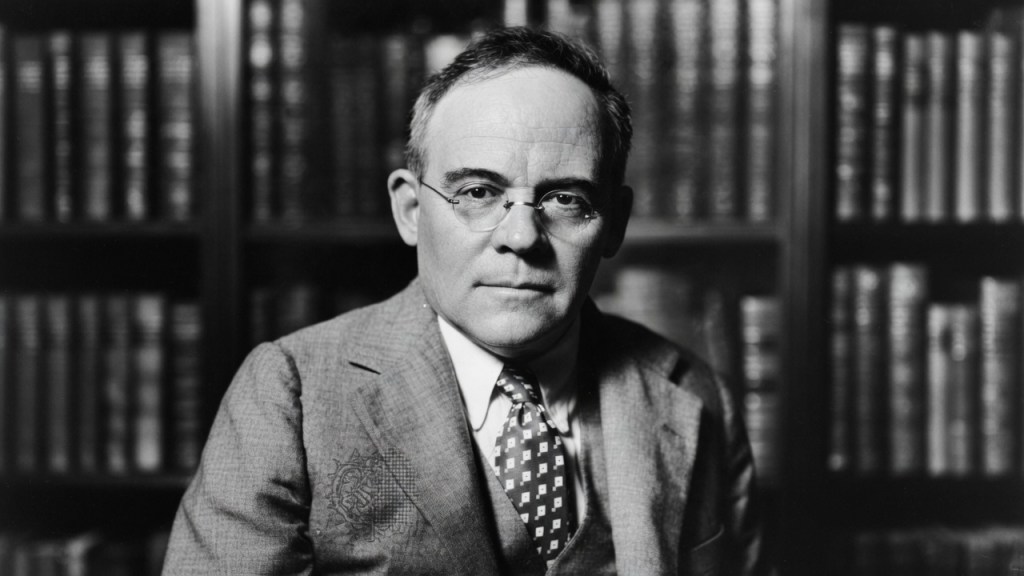
    Image: Edgar Lee Masters https://factfile.org/10-facts-about-edgar-lee-masters#google_vignette
    Image: Edgar Lee Masters

    Edgar Lee Masters’ “Harold Arnett”

    After committing suicide, “Harold Arnett” confirms the futility of the act. 

    Introduction and Text of “Harold Arnett”

    Edgar Lee Masters’ “Harold Arnett” from the poet’s American classic Spoon River Anthology portrays a character who learns that the duty of facing trials and tribulations does not end with merely leaving the physical world.

    Harold Arnett

    I leaned against the mantel, sick, sick,
    Thinking of my failure, looking into the abysm,  
    Weak from the noon-day heat.
    A church bell sounded mournfully far away,
    I heard the cry of a baby,
    And the coughing of John Yarnell,
    Bed-ridden, feverish, feverish, dying,
    Then the violent voice of my wife:  
    “Watch out, the potatoes are burning!”
    I smelled them … then there was irresistible disgust.
    I pulled the trigger … blackness … light…  
    Unspeakable regret … fumbling for the world again.
    Too late! Thus I came here,
    With lungs for breathing … one cannot breathe here with lungs,
    Though one must breathe…. Of what use is it
    To rid one’s self of the world,
    When no soul may ever escape the eternal destiny of life?

    Commentary on “Harold Arnett”

    After committing suicide, Harold Arnett confirms the futility of the act.

    First Movement:   Mind on Failure

    I leaned against the mantel, sick, sick,
    Thinking of my failure, looking into the abysm,  
    Weak from the noon-day heat.

    The speaker begins his dismal report by describing how he is feeling very sick as he “lean[s] against the mantel.”  His mind was on something at which he has failed, but about which he never reveals any information.   He continues, saying he was peering into some deep chasm, and the hot mid-day heat was making him feel weak.

    Second Movement:  Church Bell and Crying Baby

    A church bell sounded mournfully far away,
    I heard the cry of a baby,
    And the coughing of John Yarnell,
    Bed-ridden, feverish, feverish, dying,
    Then the violent voice of my wife:  

    Arnett then reports that he hears the distant chiming of “a church bell,” and he also hears a baby crying.  At first, the reader will take these to be actual sounds that Arnett is hearing as he indulges his melancholy at the fireplace.  

    But then Arnett adds that he hears John Yarnell coughing.  Unless John Yarnell is a sick guest in Arnett’s home, it is likely that Arnett is hearing all of these sounds only in his memory’s ear and not literally.   Arnett never clears up any of these vague strands of thought because they are not the focus of his soliloquy.

    Third Movement:  A Violent Voice

    Then the violent voice of my wife:
    “Watch out, the potatoes are burning!”
    I smelled them … then there was irresistible disgust.

    Arnett snaps the reader into the scene as he claims he hears “the violent voice of [his]wife.”  That “violent voice,” the reader later realizes will be the last thing Arnett hears, and perhaps its implication for the personality of the wife adds to the motivation of Arnett’s own violent act.

    That violent voice screeched out to Arnett,  trying to alert him that the potatoes were on fire.  Arnett then becomes aware of the burning stench and is filled with an “irresistible disgust.”

    Fourth Movement:  There Is no Unringing the Bell

    I pulled the trigger … blackness … light…  
    Unspeakable regret … fumbling for the world again.

    With the sound of a “violent voice” and the disgusting smell of burning potatoes in his consciousness, Arnett “pulled the trigger,” killing himself.  Immediately, he sees “blackness . . . light” and feels “unspeakable regret.”  

    Arnett then finds that he is “fumbling for the world again.” After Arnett had pulled the trigger, his next reflex was to attempt to unpull it.  He immediately feels regretful of his impulsive act and tries, in vain, to get back to his life.

    Fifth Movement:   Moving Toward Destiny

    Too late! Thus I came here,
    With lungs for breathing … one cannot breathe here with lungs,
    Though one must breathe….

    However, Arnett’s “fumbling,” of course, fails.  He reports, “Too late!”  Therefore he says he “came here.”  Instead of being taken to his grave, Arnett claims he “came” to it, sounding as if he simply leisurely gave up and walked into death instead of having been forced into it. 

    Arnett then focuses on the very physical, human act of “breathing.”  As he entered death, he entered with “lungs for breathing,” but the very dreadful truth is that in the grave, or simply in the state beyond life, “one cannot breathe with lungs.”

    Arnett’s emphasis on lungs and breathing demonstrates the strong connection between breathing and remaining in the physical body. Although Arnett’s physical body still possessed lungs, they became useless to him in the after-life state, and he is frustrated by that conundrum; he says, “one must breathe.”

    Sixth Movement:  The Futility of Suicide

    …        Of what use is it
    To rid one’s self of the world,
    When no soul may ever escape the eternal destiny of life?

    Arnett’s conclusion demonstrates the futility of suicide.  Framed as a question, Arnett’s final reaction emphasizes that souls cannot escape from their well-earned karma by simply ridding themselves of their physical bodies.   Arnett asks, “what use is it,” to leave the world behind, when the soul still continues to be affected by its own “destiny of life,” another name for which is karma.

  • Edgar Lee Masters’ “Jacob Goodpasture” 

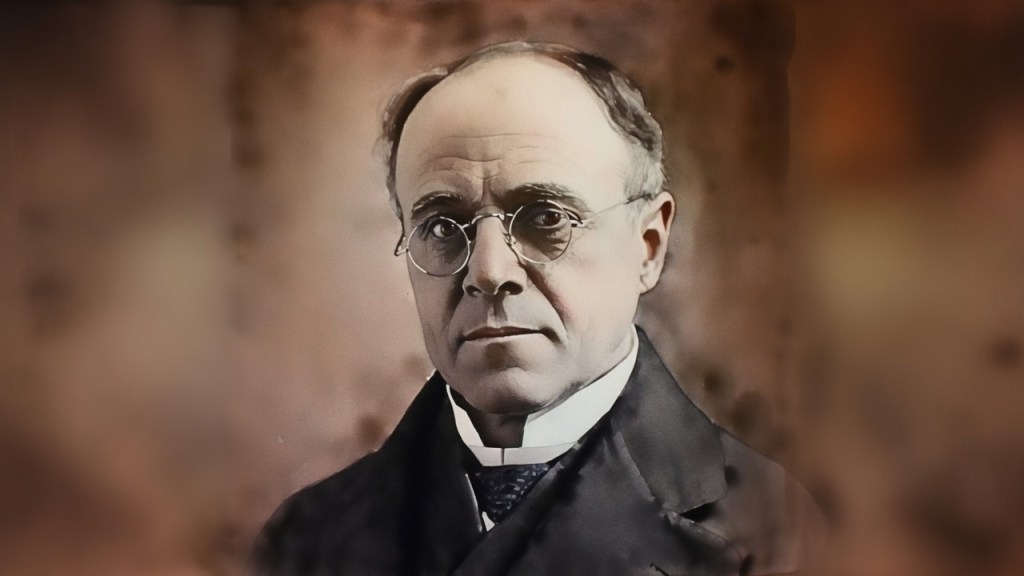
    Image: Edgar Lee Masters http://www.jackmasters.net/mastelm.html Jack Masters
    Image: Edgar Lee Masters – Jack Masters

    Edgar Lee Masters“Jacob Goodpasture” 

    The speaker in the epitaph “Jacob Goodpasture” is lamenting the outbreak of the American Civil War (1861-8165). He considers the war unjustified, and he has lost his son, who served as a soldier in the war.

    Introduction and Text of “Jacob Goodpasture”

    In Edgar Lee Masters’ “Jacob Goodpasture” from Masters’ American classic Spoon River Anthology, the speaker disparages his own long life as he parallels it with the condition of his country.

    As Jacob Goodpasture laments the outbreak of the American Civil War 1861-8165 [1], he makes it clear that he believes the war to be unjustified.  He suggests that freedom itself is belong lost in an unnecessary war, and he is no doubt speaking from the position of a father in mourning; he lost his soldier son to the war effort.

    Jacob Goodpasture

    When Fort Sumter fell and the war came  
    I cried out in bitterness of soul:
    “O glorious republic now no more!”
    When they buried my soldier son
    To the call of trumpets and the sound of drums
    My heart broke beneath the weight
    Of eighty years, and I cried:
    “Oh, son who died in a cause unjust!
    In the strife of Freedom slain!”
    And I crept here under the grass.
    And now from the battlements of time, behold:  
    Thrice thirty million souls being bound together
    In the love of larger truth,  
    Rapt in the expectation of the birth
    Of a new Beauty,
    Sprung from Brotherhood and Wisdom.  
    I with eyes of spirit see the Transfiguration
    Before you see it.
    But ye infinite brood of golden eagles nesting ever higher,
    Wheeling ever higher, the sun-light wooing
    Of lofty places of Thought,  
    Forgive the blindness of the departed owl.

    Commentary on “Jacob Goodpasture”

    Jacob Goodpasture is one of the epitaph speakers who is suffering the pangs of life.  He laments having lived during wartime and losing a son to the war effort.  But he also offers a prediction about the republic, as well as an apology for his generation’s failure.

    First Movement:   A Father’s Grief

    When Fort Sumter fell and the war came  
    I cried out in bitterness of soul:
    “O glorious republic now no more!”

    As a grieving father, Goodpasture commences his lamentation, exclaiming in deep agony that as the war began with the firing on Fort Sumter, his pain and anguish caused him to believe that the end of the republic had been foisted upon the citizens.

    Goodpasture begins his epitaph looking back from a position sometime in the future.  But he appears to conflate his own death with that future time; thus his time-line remains somewhat muddled.  

    Second Movement:   An “Unjust” War

    When they buried my soldier son
    To the call of trumpets and the sound of drums
    My heart broke beneath the weight
    Of eighty years, and I cried:
    “Oh, son who died in a cause unjust!
    In the strife of Freedom slain!”

    Goodpasture is suffering after the death of his son, who has become a casualty of the war.  Goodpasture deems the war “unjust.”  His suffering  became intense as he listened to the trumpets and heard the sound of the drums beating for his son’s military funeral. 

    The eighty-year-old Goodpasture senses the heavy burden of his long life; he is unable to find any comfort in having his son give his life for the protection of his freedom. Goodpasture is decrying the death of his son, but he is also insisting that even freedom itself was “slain” in the unjust war. 

    That Goodpasture seems to suggest he was eighty years old when his son dies adds a puzzling quirk to the narrative.  Eighty years old seems a bit old have a son die in war; perhaps a grandson or even a great-grandson would be more likely.  Soldiers going off the fight in the Civil War were, of course, all ages, but the majority of them were likely in the twenties.

    On the other hand, Goodpasture could be implying that it was much later that his “heart broke” at the sound of the military funeral, although the juxtaposition of his claims places his age and his death at the same time and contingent upon the death of his son.

    Third Movement:   Foreseeing a New Golden Age

    And I crept here under the grass.
    And now from the battlements of time, behold:  
    Thrice thirty million souls being bound together
    In the love of larger truth,  
    Rapt in the expectation of the birth
    Of a new Beauty,
    Sprung from Brotherhood and Wisdom.
    I with eyes of spirit see the Transfiguration
    Before you see it.
    But ye infinite brood of golden eagles nesting ever higher,
    Wheeling ever higher, the sun-light wooing
    Of lofty places of Thought,  
    Forgive the blindness of the departed owl. 

    Goodpasture dramatizes his emotion, signifying this own death by remarking dramatically, “I crept here under the grass.”  Goodpasture then asserts an outrageous claim that he perceives truths that others fail to see.  He makes a prediction about his country, the United States, after its population has tripled in size:  “thrice thirty million.” 

    The U.S. population, indeed, was about 32 million [2] at the outset of the Civil War years.  Goodpasture offers his prediction that the 90 million American souls will unite in “the love of larger truth.”  He suggests that “a new Beauty” will come to fruition in “Brotherhood and Wisdom.”

    The U.S.A. reached that 90,000,000 mark in 1909, less than a decade before it became embroiled in War War I, as Jim Crow Laws and Black Codes [3] were still blighting the American South.  

    Also, it was close to six decades before enactment of the Civil Rights Act of 1964 [4] that finally demanded American blacks be able to enjoy their full citizenship as originally granted by the 13th, 14th, and 15th Amendments.  Thus Goodpasture’s prediction was less than stellar.

    Despite the fact that Goodpasture labels the war “unjust” and not needed, he somehow remains optimistic that later generations will benefit from the true goal of this supposed unjust conflict.  

    Of course, the very purpose of the war was do just what Goodpasture thinks will happen in future.   As the speaker is reporting from a state of mourning, he is likely attempting to assuage his own pain, so his predictions miss the mark by several decades.

    Goodpasture asserts that he can know the future of his country before the living residents perceive it.  He metaphorically compares the coming generation to “golden eagles,” asking them to forgive his war-mongering generation, which resembles a blind owl that has now left the picture.

    Uncertain Time-Frame

    The timing of Goodpasture’s prediction raises problematic issues.  The reader may gather that he died around age eighty.  But it remains unclear if he was, in fact, age eighty at the outbreak of the war.    

    If Goodpasture has lived around twenty years after the war, he likely could have seen certain results of the war effort. Yet in order to brag up his prediction, he has to be asserting that he possessed the foresight to predict those war results. 

    Goodpasture’s patriotism seems to be aligned with the death of his son; yet he is lamenting the son’s death as well as his opinion that the war has caused also the death of freedom.  

    Goodpasture seems to be trying to have it both ways—the war caused the death of freedom, yet in future he seems to perceive the rise of freedom; in his prediction, however, he was off by about six decades and one million in population: a semblance of that golden age he seems to predict came as the population reach 191 million rather than the 90 million he claims to foresee.

    Sources

    [1]  Editors. “American Civil War—Facts, Events and Information.” History.net.  Accessed August 10, 2026.

    [2]  Research Department. “U.S. Population 1776-date.”  Armstrong Economics.  Accessed August 10, 2026..

    [3]  Jason Shvili.  “Black Codes and Jim Crow Laws.”  WorldAtlas.  November 8 2021.

    [4]  Curators. “The Civil Rights Act of 1964: A Long Struggle for Freedom.”  Library of Congress.  A Accessed August 10, 2026..

  • Edgar Lee Masters’ “Nicholas Bindle”

    Image: Edgar Lee Masters http://www.poorwilliam.net/al-082314.html Poor William’s Almanack
    Image: Edgar Lee Masters Poor William’s Almanack

    Edgar Lee Masters’ “Nicholas Bindle”

    In Edgar Lee Masters’ “Nicholas Bindle,” the speaker vents his outrage at the town’s citizenry for continuing to harass him for charitable offerings while his financial situation was not strong.

    Introduction and Text of “Nicholas Bindle”

    In Edgar Lee Masters’ “Nicholas Bindle” from Masters’ American classic Spoon River Anthology, the speaker is expressing his outrage at the town’s citizenry for continuing to harass him for charitable offerings while his financial situation was not strong.

    Nicholas also demonstrates his disgust that Deacon Rhodes was acquitted of bank fraud. This poem’s speaker begins with a question for his fellow citizens who, he feels, should be ashamed for their role in urging him to donate.  

    Nicholas’ opening question reveals his own beliefs about the situation and therefore is rhetorical in nature.  Of course, he wants them to feel shame as he is berating them. The speaker concludes his tirade also with a question that again reveals his own disgust at how unfairly he thinks he was treated.

    Nicholas Bindle condenses his tirade into a mere eleven lines that bellow his deep displeasure from the grave. Nicholas Bindle is one of the extremely unhappy deceased who use their epitaph to castigate their fellow citizens with sharp, critical words. 

    Bindle expresses deep contempt for the citizens of Spoon River. He is one of the many unhappy dead who have unkind words for the citizens of Spoon River.

    Nicholas Bindle

    Were you not ashamed, fellow citizens,  
    When my estate was probated and everyone knew
    How small a fortune I left?—
    You who hounded me in life,
    To give, give, give to the churches, to the poor,
    To the village!—me who had already given much.
    And think you not I did not know  
    That the pipe-organ, which I gave to the church,
    Played its christening songs when Deacon Rhodes,
    Who broke the bank and all but ruined me,
    Worshipped for the first time after his acquittal?

    http://www.youtube.com/watch?v=DgkaaqcjxU8&t=

    Commentary on “Nicholas Bindle”

    The speaker in “Nicholas Bindle” declares himself an innocent man destroyed by the guilt of others—a common theme with these reporters from the graveyard.

    First Movement:  Chiding for Charity

    Were you not ashamed, fellow citizens,  
    When my estate was probated and everyone knew
    How small a fortune I left?—

    The speaker Nicholas Bindle chides his “fellow citizens” for begging him to give to charity.  He needles them as he asked if they were “not ashamed” when they became aware that his estate was so meager.  

    After Nicholas’ death, his estate was “probated” in the courts, and the size of his holdings would have been exposed.  Of course, he is implying that his generosity in giving to charities has depleted his funds.  Nicholas knows that those citizens understand “how small a fortune [he] left” behind, and he wants to vent his anger and frustration over the issue.

    Second Movement:  Begging for More

    You who hounded me in life,
    To give, give, give to the churches, to the poor,
    To the village!—me who had already given much.

    Nicholas continues his rant, accusing the citizens of “hound[ing]” him to “give, give, give.”  They constantly implored him to donate to church and the support the poverty stricken, as well as to the town in general.

    Indignantly, the speaker claims that he had indeed given quite a bit of fortune, yet they continued to badger him to contribute even more.  Nicholas wants to make sure his fellow citizens understand the deep frustration their pleading for charitable offerings has engendered in him.

    Third Movement:   Guilt That Goes Unpunished

    And think you not I did not know  
    That the pipe-organ, which I gave to the church,
    Played its christening songs when Deacon Rhodes,
    Who broke the bank and all but ruined me,
    Worshipped for the first time after his acquittal?

    Finally, Nicholas does reveal that he actually did provide some bounty: he gave the church a pipe-organ.  But instead of taking any comfort in his giving, he is outraged because “Deacon Rhodes” had been in attendance when the pipe-organ first “played its christening songs.” 

    In an earlier poem/epitaph, the reader learned about Deacon Rhodes, who won his acquittal through some legal chicanery.  The unfairness of this situation rankles the frustrated Nicholas as he derides those who caused it to happen.

    Although Nicholas does not allude to those specific circumstances, because he probably does not know the details, he is obsessed because Rhodes’ guilt went unpunished.   Nicholas along with other citizens would have experienced financial hardship and even ruin because of old Thomas Rhodes breaking the bank. 

    Nicholas expresses his outrage as he compares his own situation to those whom he believes bear guilt, while he is an innocent man hounded by the busy-body citizens of Spoon River.

  • Edgar Lee Masters’ “Dorcas Gustine”

    Image: Edgar Lee Masters https://chicagoliteraryhof.org/inductees/profile/edgar-lee-masters
    Image: Edgar Lee Masters – Chicago Literary Hall of Fame

    Edgar Lee Masters’ “Dorcas Gustine”

    Dorcas Gustine did not let any grievance go unchallenged, and her post-mortem pride is displayed in her report from beyond the grave.  As in the other epitaphs, Dorcas’ report is actually airing a grievance as it disparages the behavior and thinking of others.

    Introduction and Text of  “Dorcas Gustine”

    Edgar Lee Masters’ “Dorcas Gustine” from the poet’s American classic Spoon River Anthology is an American sonnet which dramatizes the thoughts of a strong-willed character.  Dorcas reports that she defended herself against wrongs, or perhaps perceived wrongs, and thereby was “not beloved of the villagers.”

    Because Dorcas Gustine felt great pride in her behavior of not allowing any grievance to go unchallenged, she now displays that post-mortem pride in her revealing report from beyond the grave.

    Dorcas Gustine

    I was not beloved of the villagers,
    But all because I spoke my mind,
    And met those who transgressed against me
    With plain remonstrance, hiding nor nurturing  
    Nor secret griefs nor grudges.
    That act of the Spartan boy is greatly praised,  
    Who hid the wolf under his cloak,  
    Letting it devour him, uncomplainingly.  
    It is braver, I think, to snatch the wolf forth
    And fight him openly, even in the street,
    Amid dust and howls of pain.
    The tongue may be an unruly member—  
    But silence poisons the soul.
    Berate me who will—I am content.

    Commentary on“Dorcas Gustine”

    Dorcas Gustine did not let any grievance go unchallenged, and her post-mortem pride is displayed in her report from beyond the grave.

    First Movement:   Not Well Liked

    I was not beloved of the villagers,
    But all because I spoke my mind,
    And met those who transgressed against me
    With plain remonstrance, hiding nor nurturing  
    Nor secret griefs nor grudges.

    The speaker Dorcas Gustine begins her monologue by asserting that the villagers of Spoon River did not particularly care for her.  She then offers her belief that they did not like her because she “spoke [her] mind.”   

    Dorcas did not allow any transgression against her to go unchallenged.  She calls her self-defense “plain remonstrance,” which implies that she is certain that she was simply defending herself with honesty.  

    Because of Dorcas’ habit of meeting every slight with a response, she declares that she was, therefore, able to go about without concealing those griefs, which she did not allow to grow in “secret,” nor did she keep her grudges hidden.

    What Dorcas does not seem to realize is that her failure to nurse secret griefs and grudges did not translate positively by the other villagers; she likely felt that airing each disaffection should be a healthy act.

    Second Movement:   Allusion to Plutarch

    That act of the Spartan boy is greatly praised,  
    Who hid the wolf under his cloak,  
    Letting it devour him, uncomplainingly.  

    Dorcas alludes to Plutarch’s tale of the Spartan boy who, to avoid detection, held a baby wolf—which is a fox in Plutarch’s telling—under his garment, and even though the wolf gnawed into the boy’s stomach, he did not grimace.  

    Dorcas does not realize the irony of her allusion.  The Spartan boy’s act demonstrated his severe training in conquering pain, while Dorcas demonstrates a self-involved attitude that will not accept pain or any discomfort.

    Third Movement:  An Open Fight

    It is braver, I think, to snatch the wolf forth
    And fight him openly, even in the street,
    Amid dust and howls of pain.

    Dorcas then explains that she finds the braver act “to snatch the wolf forth / And fight him openly.”  But such an act for the Spartan boy would have demonstrated weakness, as the boy explained,  ” . . . better to die without yielding to the pain than through being detected because of weakness of spirit to gain a life to be lived in disgrace.”

    Dorcas’ idea of bravery differs greatly from that of the Spartan boy.  Dorcas found that she had to remove the source of her consternation immediately.  She had no patience and probably felt herself superior to those who would “remonstrate” against her.

    Fourth Movement:  Not Content

    The tongue may be an unruly member—  
    But silence poisons the soul.
    Berate me who will—I am content.

    Dorcas concludes by admitting that “the tongue may be an unruly member,” but despite that unruliness, she believes holding one’s tongue is poisonous, that is, “silence poisons the soul.”  Dorcas then calls for those who disagree with her to “berate [her]” if they choose, and concludes by stating that she is “content.”

    The reader never discovers how Dorcas Gustine died.  That she is providing a post-mortem report, however, belies her claim that she is content.    As the reader has discovered from all the other deceased reporters, none can be thought to be content.  All of them display some grievance or strongly held tie to their former lives that they wish to share.

  • Edgar Lee Masters’ “The Town Marshal” and “Jack McGuire”

    005a Image/Edgar-Lee-Masters-Portrait.jpg
    Image: Edgar Lee Masters

    Edgar Lee Masters’ “The Town Marshal” and “Jack McGuire”

    In Edgar Lee Masters’ “The Town Marshal,” a man named Logan is hired by prohibitionists. Logan meets his demise because of his bullying personality.  In “Jack McGuire,” the protagonist escapes a lynch mob, and more is learned about the marshal he shot.

    Introduction and Text of “The Town Marshal”

    The epitaph “The Town Marshal” is followed in the sequence by “Jack McGuire” in Edgar Lee Masters’ American classic Spoon River Anthology.  The two need to be read together in order to get the total essence of the marshal’s personality, as well as his name.

    Logan, the town marshal, speaks in “The Town Marshal.” Although he remains nameless in his own poem, he is called “Logan” in the companion piece, “Jack McGuire.”   Marshal Logan, who was hired by prohibitionists,  is killed because he was a bully, but in the final analysis, he can be credited with admitting his fatal flaw.

    The Town Marshal

    The prohibitionists made me Town Marshal
    When the saloons were voted out,
    Because when I was a drinking man,  
    Before I joined the church, I killed a Swede  
    At the saw-mill near Maple Grove.
    And they wanted a terrible man,
    Grim, righteous, strong, courageous,
    And a hater of saloons and drinkers,
    To keep law and order in the village.
    And they presented me with a loaded cane
    With which I struck Jack McGuire  
    Before he drew the gun with which he killed me.
    The Prohibitionists spent their money in vain
    To hang him, for in a dream
    I appeared to one of the twelve jurymen
    And told him the whole secret story.
    Fourteen years were enough for killing me.

    Commentary on “The Town Marshal”

    The town marshal, hired by prohibitionists, is a man named Logan, who meets his demise because of his bullying personality.

    First Movement:  Marshal by Prohibition

    The prohibitionists made me Town Marshal
    When the saloons were voted out,
    Because when I was a drinking man,  
    Before I joined the church, I killed a Swede  
    At the saw-mill near Maple Grove.

    Logan begins by reporting that he became town marshal because of prohibition.  He had been “a drinking man” and had once “killed a Swede,” before he “joined the church.”  Logan’s reputation seemed to lend itself to the kind of individual the prohibitionists wanted to enlist to enforce the new statute. 

    Logan’s grating, obnoxious personality is that of a braggadocio, who is not shy about tooting his own horn.  His assessment of the conclusion of the trial of the man who shot him demonstrates this trait.

    Second Movement:  A Strong Anti-Boozer

    And they wanted a terrible man,
    Grim, righteous, strong, courageous,
    And a hater of saloons and drinkers,
    To keep law and order in the village.

    Logan explains that prohibitionists wanted a strong, anti-booze man who was “a terrible 

    man, / Grim, righteous, strong, courageous, / And a hater of saloons and drinkers.” Logan, no doubt, sees himself as his “terrible man,” who could “keep law and order in the village.” Again, the town marshal shows the high estimation he has of himself.  His strong sense of self-accomplishment motivates his actions.

    Third Movement:   Armed with a Loaded Cane

    And they presented me with a loaded cane
    With which I struck Jack McGuire  
    Before he drew the gun with which he killed me.

    Logan reveals that the prohibitionists armed him with “a loaded cane,” that is, a walking-stick that contains lead in one end, which renders it a legal weapon.   Quickly, the marshal cuts to the heart of the matter, stating that he struck Jack McGuire with this loaded cane just before McGuire pulled a gun and shot Logan dead.

    The details of the encounter with McGuire are recounted in McGuire’s testimony, the poem that follows “The Town Marshal” in the Spoon River Anthology.   After the reader is apprised of those details, Logan’s personality becomes clearer.

    Fourth Movement:  Fourteen Years instead of Hanging

    The Prohibitionists spent their money in vain
    To hang him, for in a dream
    I appeared to one of the twelve jurymen
    And told him the whole secret story.
    Fourteen years were enough for killing me.

    Logan boastfully takes credit for McGuire’s receiving a sentence of only fourteen years, despite the fact that the prohibitionists “spent their money in vain” trying to get McGuire to swing at the end of a rope.  

    Marshal Logan claims that he visited one of the jurymen in a dream and told him the whole sordid tale about how he was shot. The story vindicates McGuire, at least, enough so that hanging was not the recommended punishment.  

    Thus McGuire was sentenced to only fourteen years, and Logan feels that that punishment is appropriate.   At least, Logan does finally recognize himself as a bully and wants to see justice prevail.

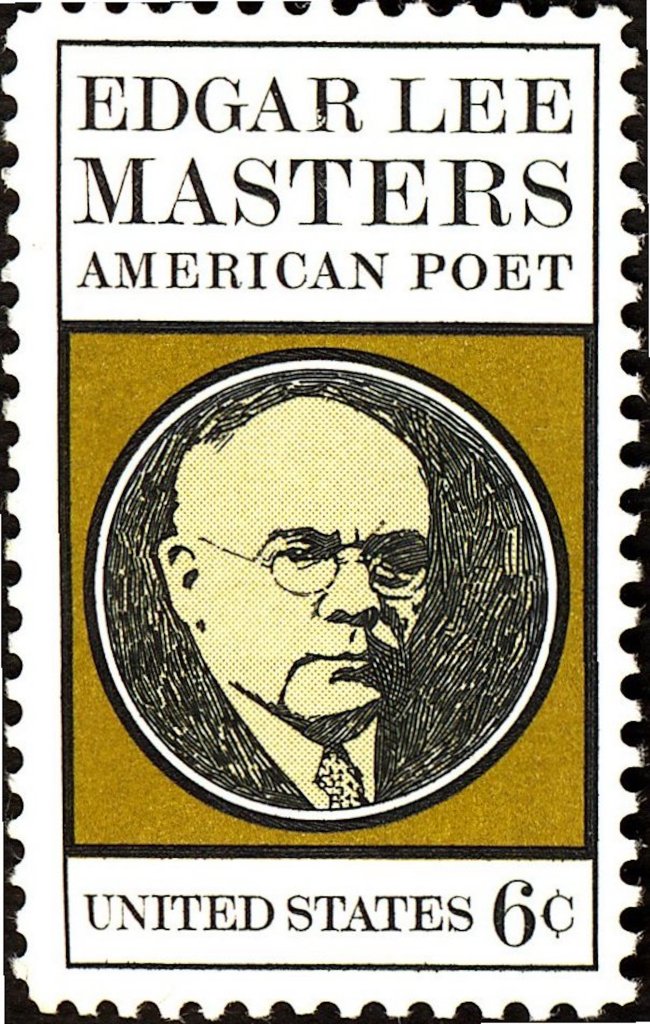
    Edgar Lee Masters - Commemorative Stamp
    Image: Edgar Lee Masters – Commemorative Stamp

    Introduction and Text of “Jack McGuire”

    Edgar Lee Masters’ “Jack McGuire” from his American classic Spoon River Anthology is a companion piece to “The Town Marshal.”   In this epitaph “Jack McGuire,” the reader learns more about Logan, the town marshal, in addition to Logan’s “The Town Marshal” soliloquy.

    Jack McGuire

    They would have lynched me
    Had I not been secretly hurried away
    To the jail at Peoria.
    And yet I was going peacefully home,
    Carrying my jug, a little drunk,
    When Logan, the marshal, halted me,
    Called me a drunken hound and shook me,
    And, when I cursed him for it, struck me
    With that Prohibition loaded cane—
    All this before I shot him.
    They would have hanged me except for this:
    My lawyer, Kinsey Keene, was helping to land
    Old Thomas Rhodes for wrecking the bank,
    And the judge was a friend of Rhodes
    And wanted him to escape,
    And Kinsey offered to quit on Rhodes
    For fourteen years for me.
    And the bargain was made. I served my time
    And learned to read and write.


    Commentary on “Jack McGuire”

    Jack McGuire escapes a lynch mob, and more is learned about the marshal he shot.

    First Movement:  Potential Lynch Mob

    They would have lynched me
    Had I not been secretly hurried away
    To the jail at Peoria.

    Jack begins by reporting the startling news that he would have been hanged by a lynch mob, if he had not been “secretly hurried away / To the jail in Peoria.”   Jack then implies that his deed in Spoon River had worked up a number of folks who were ready to administer vigilante justice. this is, without a proper trial.

    Second Movement: Minding His Own Business

    And yet I was going peacefully home,
    Carrying my jug, a little drunk,
    When Logan, the marshal, halted me,
    Called me a drunken hound and shook me,

    Jack explains that he was minding his own business, “going peacefully home,” when he was accosted by “Logan, the marshal.”  Jack admits that he was “a little drunk” and that he was “carrying [his] jug” on his way home.

    But Logan, who was employed by the prohibitionists to enforce the ban on booze in Spoon River, stopped Jack and bullied him, calling him “a drunken hound.”  In his bullying fashion, Logan also invaded Jack’s personal space and “shook him.”

    Third Movement:  Violent Confrontation 

    And, when I cursed him for it, struck me
    With that Prohibition loaded cane—
    All this before I shot him.

    Jack reacted to Logan’s harassment by swearing at the marshal.  Logan then struck Jack with his “Prohibition loaded cane.”  Jack responded by drawing out his gun and shooting the marshal dead.

    Fourth Movement:  Avoiding Hanging

    They would have hanged me except for this:
    My lawyer, Kinsey Keene, was helping to land
    Old Thomas Rhodes for wrecking the bank,
    And the judge was a friend of Rhodes
    And wanted him to escape,
    And Kinsey offered to quit on Rhodes
    For fourteen years for me.

    Jack explains how he avoided the gallows, and his explanation differs from Logan’s.  Jack’s lawyer, Kinsey Keene, was also the counsel against “Old Thomas Rhodes” who was charged with “wrecking the bank.”  The judge in Jack’s case was a friend of Rhodes’ and wanted Rhodes to be acquitted.  So Jack’s lawyer Keene “offered to quit on Rhodes / For fourteen years for me.”

    The reader will recall that Logan interpreted the fourteen-year sentence very differently; Logan claimed that he appeared to a juryman in a dream and revealed his complicity in his own death, and that resulted in the short sentence for Jack.  

    Fifth Movement:  So He Learns to Read and Write

    And the bargain was made. I served my time
    And learned to read and write.

    Jack says he served his term and “learned to read and write.”  Jack, of course, knows nothing about Logan’s claim to have appeared in a dream to the juryman.   And Logan could not have known about the deal struck between the judge and Keene. 

    This disconnect opens up a fascinating arena for the evaluation of the worth of each man’s story.  While the reader accepts Jack’s version as probably the correct one, the reader cannot with certainty discount Logan’s version.

    A bitter irony prevails, however, that Jack, who actually took the life a fellow human being—as opposed to merely being a bully, as Logan was—appears to be the one who came out the winner; not only was his sentence light, but he also learned to read and write to boot.

  • Edgar Lee Masters’ “Theodore the Poet”

    Image:  Edgar Lee Masters - Portrait by Francis J. Quirk https://francisquirk.blogspot.com/2017/03/visit-to-national-portrait-gallery.html
    Image:  Edgar Lee Masters – Portrait by Francis J. Quirk

    Edgar Lee Masters’ “Theodore the Poet”

    The speaker in Edgar Lee Masters’ “Theodore the Poet” contemplates the purpose of life employing a comparison of crawfish and people.

    Introduction and Text of “Theodore the Poet”

    Edgar Lee Masters’ “Theodore the Poet” from Masters’ American classic Spoon River Anthology consists of two grand movements, each with three minor movements. The first grand movement focuses on Theodore’s intense scrutiny of crawfish. The second grand movement reveals that same level of study of people. 

    This complex arrangement fits the conception of this unique speaker as a “poet.”  As poets are makers, they need material for the making; unfortunately, Theodore offers no examples of his poetic products, only the moving part of his mind, gathered in those bits of materials.

    Theodore the Poet

    As a boy, Theodore, you sat for long hours
    On the shore of the turbid Spoon  
    With deep-set eye staring at the door of the crawfish’s burrow,
    Waiting for him to appear, pushing ahead,
    First his waving antennæ, like straws of hay,
    And soon his body, colored like soap-stone,
    Gemmed with eyes of jet.  
    And you wondered in a trance of thought  
    What he knew, what he desired, and why he lived at all.
    But later your vision watched for men and women
    Hiding in burrows of fate amid great cities,
    Looking for the souls of them to come out,
    So that you could see  
    How they lived, and for what,
    And why they kept crawling so busily
    Along the sandy way where water fails
    As the summer wanes.


    Commentary on “Theodore the Poet” 

    Edgar Lee Masters’ “Theodore the Poet” displays in a complex pattern of two grand movements, each with three minor movements.

    First Grand Movement:  Observation of Crawfish

    In the first grand movement, the speaker offers details gleaned from his hours of observing crawfish. This movement plays out in the first, second, and third minor movements.

    First Minor Movement:  Addressing His Alter Ego

    As a boy, Theodore, you sat for long hours
    On the shore of the turbid Spoon  
    With deep-set eye staring at the door of the crawfish’s burrow,
    Waiting for him to appear, pushing ahead,

    As Theodore addresses an alter ego, he is demonstrating the introspective nature of the poet. He begins by broaching the subject of his life-long habit of sitting by Spoon River “for long hours.” As Theodore sat peering intensely at the opening of the crawfish’s abode, the budding poet in him waited with curiosity for the crawfish to appear.

    Second Minor Movement:  Crawfish

    First his waving antennæ, like straws of hay,
    And soon his body, colored like soap-stone,
    Gemmed with eyes of jet.  

    The speaker then dramatizes his next act of talking to himself as he vividly describes the appearance of the crawfish followed by their activities. The crawfish’s antennae were waving, and they looked like “straws of hay.”  

    After the hay-like antennae appeared, the body of the crawfish soon emerged.  The crawfish body was the color of “soap-stone,” and it was “gemmed with eyes of jet.”  Theodore knows these details because he so studiously observed them.

    Third Minor Movement:  Philosophical Turn of Mind

    And you wondered in a trance of thought  
    What he knew, what he desired, and why he lived at all.

    In the final minor movement of the first grand movement, the speaker reveals what was on his mind as he watched the crawfish. He was, in fact, musing on and wondering about what the crawfish knew and what they desired.  Finally, he desired to understand why those creature even existed.   

    Theodore’s observations and musing demonstrate the philosophical nature of the mind of his ilk as a poet.  Poets like Ralph Waldo Emerson possessed that same kind of philosophical mind—observing, wondering, musing, and finally putting those musings down in written form.

    Second Grand Movement: Observation of People

    In the second grand movement, the speaker offers his observation of people.  This grand movement displays in the following fourth, fifth, and sixth  three minor movements.

    Fourth Minor Movement:  From Crawfish to People

    But later your vision watched for men and women
    Hiding in burrows of fate amid great cities,
    Looking for the souls of them to come out,

    In the second grand movement, later in Theodore’s life, instead of watching crawfish, he turned to observing people; thus he claims that “men and women” became the focus of his peering eye. 

    Because of Theodore’s former experience of waiting and watching for crawfish, the speaker/poet metaphorically refers to the places from which people exit as “burrows,” as he referred to the abode of the crawfish. 

    But he describes those people-burrows as great “hiding” places where those men and women play out their “fate amid great cities.”   Theodore then explains that he was watching the people to determine the nature of their souls; thus he was constantly searching for evidence of soulful behavior of the men and women he so studiously watched.

    Fifth Minor Movement:  Same Attitude

    So that you could see  
    How they lived, and for what,

    In this transitional movement, Theodore reveals that he watched the people with nearly the identical attitude that he had watched the crawfish: he wanted to understand the nature and procedure involved in the lives of those men and women as well as what those people desired out of life.  

    The philosophical mind of Theodore the Poet has drawn the inevitable parallel between human and animal life in such a way as to confound the minds of lesser observers.  Theodore’s observations have thus offered a unique poetic view of creation.

    Sixth Minor Movement:  The Question of Existence Remains

    And why they kept crawling so busily
    Along the sandy way where water fails
    As the summer wanes.

    Theodore wanted to understand people as well crawfish, but in the end, people became virtually indistinguishable from the crawfish.   In Theodore’s colorful description, just as the crawfish crawled over the sand, the people, in Theodore’s mind, took on the same quality of “crawling so busily / Along the sandy way.”

    Also like crawfish, those men and women seemed to be moving along that same “sandy way where water fails / As the summer wanes.”  Theodore has concluded that both crawfish and humankind seem to live rather useless lives.

    Because he leaves off his discussion without approaching his other main desire of knowing why those creatures, whether belonging to the animal kingdom or to the human race exist at all, he is implying that he will continue to wonder why. 

    And quite likely he has concluded that there is no answer that the human mind can ever conceive which can fully and finally answer that ultimate question of existence.

    Edgar Lee Masters - Commemorative Stamp
    Image: Edgar Lee Masters – Commemorative Stamp
  • Edgar Lee Masters’ “Zenas Witt”

    Image: Edgar Lee Masters https://www.best-poems.net/edgar_lee_masters/index.html#google_vignette
    Image: Edgar Lee Masters

    Edgar Lee Masters’ “Zenas Witt”

    One of Spoon River’s more vague speakers from the grave, “Zenas Witt” does make it clear that he suffered a miserable existence from age sixteen. 

    Introduction and Text of “Zenas Witt”

    Edgar Lee Masters’ “Zenas Witt” from Masters’ American classic Spoon River Anthology features an unfortunate character whose nerves, it would seem, led him to an early grave. Zenas is one of Edgar Lee Masters’ more vague speakers from the Spoon River graveyard.  

    This speaker does manage to impart the fact that his short life caused him great suffering before it was extinguished at an early age sometime vaguely after he had turned sixteen.  

    Zenas never becomes specific enough to let the reader know exactly when he died or what caused his demise.  That omission seems to be intentionally motivated in order to emphasize the young man’s poor memory and weakness of health.

    Zenas Witt

    I was sixteen, and I had the most terrible dreams,
    And specks before my eyes, and nervous weakness. 
    And I couldn’t remember the books I read,
    Like Frank Drummer who memorized page after page 
    And my back was weak, and I worried and worried,
    And I was embarrassed and stammered my lessons, 
    And when I stood up to recite I’d forget 
    Everything that I had studied. 
    Well, I saw Dr. Weese’s advertisement, 
    And there I read everything in print,
    Just as if he had known me; 
    And about the dreams which I couldn’t help. 
    So I knew I was marked for an early grave. 
    And I worried until I had a cough, 
    And then the dreams stopped.
    And then I slept the sleep without dreams 
    Here on the hill by the river.

    Commentary on “Zenas Witt”

    Zenas is fixated on his poor health issues.  He is especially disturbed about his inability to remember things he had learned.

    First Movement:   Fuzzy Thinking

    I was sixteen, and I had the most terrible dreams,
    And specks before my eyes, and nervous weakness. 
    And I couldn’t remember the books I read,
    Like Frank Drummer who memorized page after page 

    Zenas begins his discourse, by announcing that when he was sixteen years old, he had “the most terrible dreams.”  He saw “specks before [his] eyes.”  He reports his inability to remember books he had read. He likens his condition to “Frank Drummer,” who claimed to have memorized the entire Encyclopedia Britannica.  

    The disconnect between Zenas’ assertion that his condition was similar to Frank Drummer and his own description of his difficulty demonstrates the fuzzy thinking that the former seems to suffer in addition to his physical problems.

    Second Movement:  Bad Health

    And my back was weak, and I worried and worried,
    And I was embarrassed and stammered my lessons, 
    And when I stood up to recite I’d forget 
    Everything that I had studied. 

    Zenas continues to describe his unfortunate health issues:  he had a weak back, he worried excessively, he was easily embarrassed by his maladies, and when he had to stand up in class to recite his lessons, he would forget them.   Zenas’ memory was so bad that even though he had studied, he could never remember anything he had committed to memory.

    Third Movement:  Miracle Cure

    Well, I saw Dr. Weese’s advertisement, 
    And there I read everything in print,
    Just as if he had known me; 
    And about the dreams which I couldn’t help. 

    Zenas reports that he saw “Dr. Weese’s advertisement” and was attracted by what the ad said.  He read everything about Dr. Weese’s putative miracle cure.  Zenas felt that the doctor was describing his own situation, “just as if he had known me.” 

    The doc even knows about the dreams, and Zenas feels he must emphasis that he could not control the dreams.  Such a confession implies that Zenas might have believed he had control over his other woes but felt guilty that he did not do so.

    Fourth Movement:   No Miracle Cur

    So I knew I was marked for an early grave. 
    And I worried until I had a cough, 
    And then the dreams stopped. 

    Nothing ever came of this possible miracle cure, and Zenas admits that he was sure he would die early.  Thus, he continued to worry right up until the time developed a cough.     He says that the dreams abruptly came to a halt.  He does not elaborate or even hint at how long he continued to suffer his nervousness, nightmares, and poor memory.

    Fifth Movement:   No Dreaming on the Hill

    And then I slept the sleep without dreams 
    Here on the hill by the river.

    Suddenly, without fanfare, Zenas is dead.  He dramatically and poetically refers to his condition as “slee[ping] the sleep without dreams / Here on the hill by the river.” Zenas is one of the more tight-lipped deceased reporters from the Spoon River graveyard.  

    The reader never learns the specifics of his illnesses and is left to guess their nature as well as just how long Zenas had to suffer them.  He also leaves unclear just exactly what eventually killed him.

  • Edgar Lee Masters’ “Charlie French”

    005a Image/Edgar-Lee-Masters-Portrait.jpg
    Image: Edgar Lee Masters

    Edgar Lee Masters’ “Charlie French”

    Charlie French died of lockjaw, wondering which of his friends had shot off the cap pistol that delivered the fatal blow. 

    Introduction and Text of “Charlie French”

    Edgar Lee Masters’ “Charlie French” from Spoon River Anthology features its character musing about who might have been responsible for his contracting lockjaw which lead to his death.  

    The little drama creates a speaker in Charlie who finds himself obsessed with a specific detail.   After dying from this dreadful disease, he has his mind fixed upon who did it, who “snapped the toy pistol against” his hand.

    Charlie French

    Did you ever find out
    Which one of the O’Brien boys it was
    Who snapped the toy pistol against my hand?  
    There when the flags were red and white  
    In the breeze and “Bucky” Estil
    Was firing the cannon brought to Spoon River  
    From Vicksburg by Captain Harris;
    And the lemonade stands were running  
    And the band was playing,  
    To have it all spoiled
    By a piece of a cap shot under the skin of my hand,
    And the boys all crowding about me saying:
    “You’ll die of lock-jaw, Charlie, sure.”
    Oh, dear! oh, dear!
    What chum of mine could have done it?

    Commentary on “Charlie French”

    After dying of lockjaw, Charlie French has continued to wonder and obsess about which of his friends had shot off the cap pistol that delivered the fatal blow.

    First Movement:  Unidentified Listener

    Did you ever find out
    Which one of the O’Brien boys it was
    Who snapped the toy pistol against my hand?  

    Charlie is addressing an eclipsed listener, that is, a listener who cannot be identified.  Traditionally, when a poet’s speaker seems to be addressing no one, the context usually reveals that the speaker is, in fact, musing to him/herself.  But this is not the case with Charlie.   

    Charlie French wants to know who the culprit is who shot off a cap gun against his hand.  He asks the question at the beginning of his discourse and then concludes the discourse with the same question.  After his musing, he remains in the dark about who the cap-gun shooter was; thus he repeats the question.

    Second Movement:   A Civil War Enactment

    There when the flags were red and white  
    In the breeze and “Bucky” Estil
    Was firing the cannon brought to Spoon River  
    From Vicksburg by Captain Harris;

    Charlie describes the event at which his fatality occurred.  The description reveals a Civil War enactment or some other military observance.  There were “red and white” flags flapping in the breeze, while “Bucky” Estil was firing up the cannon.  

    The cannon had been transported to Spoon River by “Captain Harris,” who brought it all the way from Vicksburg. The Civil War era relic suggests that the celebration might have been a commemoration of that war, the American Civil War 1861–1865.

    Third Movement:  The Cap-Gun Mishap

    And the lemonade stands were running  
    And the band was playing,  
    To have it all spoiled
    By a piece of a cap shot under the skin of my hand,

    In addition to the cannon fire and flags, there were lemonade stands and a “band was playing.”  Then upon this jubilant scene intrudes Charlie’s unfortunate and ultimately fatal cap-gun shooting.  The day was moving along splendidly, “To have it all spoiled / By a piece of a cap shot under the skin of my hand.”

    Fourth Movement:   Strong Suggestibility

    And the boys all crowding about me saying:
    “You’ll die of lock-jaw, Charlie, sure.”

    Seeing the cap-shot stain under Charlie’s skin, the other boys gathered around him and started making comments:  “You’ll die of lock-jaw, Charlie, sure.”   The suggestion frightened Charlie so severely that he actually did contract the disease, and then he expired, leaving the reader little knowledge about this character other than his strong suggestibility.

    Fifth Movement:   It’s a Who Dunnit

    Oh, dear! oh, dear!
    What chum of mine could have done it?

    The exclamation, “Oh, dear! oh, dear!,” connects two strands of thought and activity:   First, the boys who were observing Charlie’s cap-gun shot hand are thinking thus, if, in fact they are not the ones projecting this utterance.

    And second, Charlie himself definitely engages this “oh dear” sentiment about his own health’s prospects; therefore, the implication is that Charlie let out this cry.    Charlie’s main reason for carrying on this discourse is further emphasized as he continues to wonder, “What chum of mine could have done it?”

  • Edgar Lee Masters’ “Johnnie Sayre”

    Image:  Edgar Lee Masters - Portrait by Francis J. Quirk https://francisquirk.blogspot.com/2017/03/visit-to-national-portrait-gallery.html
    Image:  Edgar Lee Masters – Portrait by Francis J. Quirk https://francisquirk.blogspot.com/2017/03/visit-to-national-portrait-gallery.html

    Edgar Lee Masters’ “Johnnie Sayre”

    Edgar Lee Masters’ character Johnnie Sayre speaks to the Divine Belovèd (God), remembering the excruciating pain that resulted in his death, finding grace in his early demise.

    Introduction and Text of “Johnnie Sayre”

    In Edgar Lee Masters’ “Johnnie Sayre” from his American classic Spoon River Anthology, the speaker is talking to the Divine Creator, while most of the characters address their remarks to the citizens of Spoon River or one of their relatives.

    Some of the characters who speak in this remarkable sequence become admirable in the eyes of their readers/listeners, while others invite further disdain, just as they obviously did in their miserable lifetimes. 

    Johnnie Sayre is one the more admirable characters.  He accepts responsibility for his own transgressions in life, and he humbly offers his love and appreciation to the Divine Reality (God) for the soul guidance he understands he is being given.

    Johnnie Sayre

    Father, thou canst never know
    The anguish that smote my heart  
    For my disobedience, the moment I felt
    The remorseless wheel of the engine
    Sink into the crying flesh of my leg.
    As they carried me to the home of widow Morris
    I could see the school-house in the valley  
    To which I played truant to steal rides upon the trains.  
    I prayed to live until I could ask your forgiveness—
    And then your tears, your broken words of comfort!
    From the solace of that hour I have gained infinite happiness.
    Thou wert wise to chisel for me:  
    “Taken from the evil to come.”

    Commentary of “Johnnie Sayre”

    Masters’ character Johnnie Sayre speaks to the Divine Belovèd, remembering the excruciating pain that resulted in his death, finding grace in his early demise.

    First Movement:  Addressing His Creator

    Father, thou canst never know
    The anguish that smote my heart  
    For my disobedience, the moment I felt
    The remorseless wheel of the engine
    Sink into the crying flesh of my leg.

    In a prayerful mode, Johnnie Sayre addresses his Maker, exaggerating that the Creator, Who is both omnipresent and omniscient, cannot know how much Johnnie suffered.   Of course, God knows such, but by exclaiming that He cannot, Johnnie implies that the depth is well beyond human comprehension.

    Johnnie was stealing a ride on a train, when he finds himself losing his leg to “[t]he remorseless wheel of the engine” that “[sank] into the crying flesh of [his] leg.”  Johnnie’s anguish, however, is not that his leg was being crushed.

    That unhappy accident merely triggers his guilt over the act of theft.  He suddenly becomes aware that he is paying a karmic debt, and his capability to understand and accept that debt causes him great “anguish.”

    Second Movement:  Remembering His Transgressions

    As they carried me to the home of widow Morris
    I could see the school-house in the valley  
    To which I played truant to steal rides upon the trains.

    Johnnie is reminded of his transgression against one of the commandments as he is being transported to the nearby home of the widow Morris.   As the rescuers move Johnnie to the woman’s home, he could see his “school-house in the valley.”  He admits that he played hooky from school “to steal rides upon the trains.”

    Third Movement:   Desirous of God’s Forgiveness

    I prayed to live until I could ask your forgiveness—
    And then your tears, your broken words of comfort!

    Johnnie confesses that he wanted to live until he could beg God for His forgiveness.  He talks to God as he would his human father.   Johnnie expects to see God shed tears for His son’s transgression, and he awaits God’s “broken words of comfort!”  At this point, Johnnie shows a touching sweetness in his relationship with the Divine.

    Johnnie accepts his responsibility for his own behavior; he does not blame God or the Spoon River citizens as so many others in the cemetery do, for example “Minerva Jones” and “Daisy Fraser.”  

    Fourth Movement: Crediting the Divine Creator

    From the solace of that hour I have gained infinite happiness. Thou wert wise to chisel for me:  
    “Taken from the evil to come.”

    Johnnie is amply rewarded because of his attitude.  He finds “solace” and furthermore “gain[s] infinite happiness.”  He credits the Divine Creator for “chisel[ing] for me” a life that he would probably have been too weak to have chosen for himself.

    Johnnie realizes that God has rescued him from all the “evil to come”; he knows that the way he was living could have only brought more evil into his life, and through God’s grace, he has been spared that evil, and at the same time given succor.  

    The metaphorical chiseling also implies that perhaps upon Johnnie’s tombstone is chiseled the phrase, “Taken from the evil to come.”  In that case, it becomes clear that Johnnie’s exploits were well known by those close to him, which makes Johnnie’s attitude even more admirable.    

    Instead of cursing those who knew of his “evil,” he accepts their admonitions and rightly credits Divine Intervention that finally liberates him from further wrongs.  Johnnie remains one of the more admirable characters residing in the Spoon River after-life menagerie of characters.